Preparation is the key to success in any interview. In this post, we’ll explore crucial Teamwork and collaboration experience interview questions and equip you with strategies to craft impactful answers. Whether you’re a beginner or a pro, these tips will elevate your preparation.
Questions Asked in Teamwork and collaboration experience Interview
Q 1. Describe your preferred teamwork style.
My preferred teamwork style is collaborative and inclusive. I believe in fostering an environment where everyone feels comfortable contributing their ideas and expertise. I’m a strong believer in distributed leadership, where responsibility and decision-making aren’t concentrated in one person, but rather shared amongst the team members based on their skills and the task at hand. I see myself as a facilitator, ensuring clear communication, removing roadblocks, and motivating the team to achieve shared goals. I thrive in environments where open communication and mutual respect are prioritized.
This approach allows for diverse perspectives and creative problem-solving. For example, in a recent project, we leveraged this approach to brainstorm multiple solutions for a particularly challenging technical issue; the combination of different viewpoints led to a highly innovative and efficient solution that wouldn’t have been found with a more hierarchical approach.
Q 2. How do you handle conflict within a team?
Conflict is inevitable in any team, but how it’s handled determines the team’s overall success. My approach involves addressing conflict directly and constructively, focusing on the issue rather than personalities. I first try to understand each person’s perspective by actively listening and asking clarifying questions. Then, I facilitate a discussion to identify the root cause of the conflict and explore solutions collaboratively. It’s important to create a safe space where everyone feels heard and respected, even if they disagree.
For instance, in a past project, two team members had conflicting opinions on the best approach to a design problem. Instead of letting it escalate, I organized a facilitated meeting where each member presented their rationale. Through collaborative discussion, we identified the strengths of each approach and merged them into a superior solution that satisfied both parties.
Q 3. Give an example of a time you had to collaborate with someone who had a different work style.
I once collaborated with a designer who preferred a highly structured, sequential approach to project management, meticulously planning each step before execution. My style is more iterative and flexible, preferring to adapt as we learn and encounter new challenges. Initially, this difference in style caused some friction. To overcome this, we established a clear communication plan: weekly progress meetings, shared project dashboards, and regular check-ins. We compromised by agreeing on a high-level plan while maintaining flexibility for iterative adjustments. This allowed us both to work in our preferred styles while ensuring project success. The project ultimately benefited from both our diverse approaches. The thorough planning helped us stay organized, while the iterative approach ensured we were responsive to unexpected challenges and improvements.
Q 4. How do you ensure everyone on your team is on the same page?
Keeping everyone on the same page requires consistent and clear communication. I utilize several strategies: regular team meetings, project management software (like Jira or Asana), detailed documentation, and frequent check-ins. I prioritize clear task assignments with well-defined objectives and deadlines, ensuring everyone understands their responsibilities and how they contribute to the overall goals. Transparent communication of progress, challenges, and roadblocks is key. Using visual aids like Kanban boards or Gantt charts can also be helpful in visualizing the project’s progress and ensuring everyone is aware of the project’s status.
Q 5. Describe a time you had to delegate tasks effectively.
In a previous role, I led a team developing a new software feature. I effectively delegated tasks by first assessing each team member’s strengths and interests. I assigned tasks accordingly, ensuring individuals had the necessary skills and were motivated to tackle their responsibilities. I provided clear instructions, defined expectations, and allocated sufficient time and resources. Throughout the process, I offered regular support and feedback, adjusting tasks as needed. This ensured everyone felt empowered and contributed their best work. The project was completed on time and within budget, demonstrating the success of effective delegation.
Q 6. How do you handle disagreements with team members?
Disagreements are opportunities for growth and improved solutions. My approach focuses on respectful dialogue and collaborative problem-solving. I encourage open communication, ensuring everyone feels comfortable expressing their opinions without fear of judgment. I actively listen to understand differing perspectives, identify the root cause of the disagreement, and work towards a mutually acceptable solution. This often involves finding common ground and focusing on shared objectives rather than arguing over individual preferences. The goal is to arrive at a decision that the whole team can support, even if it’s not exactly what everyone initially envisioned.
Q 7. How do you contribute to a positive team environment?
Contributing to a positive team environment involves fostering a culture of respect, trust, and open communication. I actively listen to my teammates, value their contributions, and celebrate successes. I encourage collaboration and mutual support. I also strive to be approachable, understanding, and empathetic. Small gestures, like acknowledging hard work, offering help when needed, or celebrating milestones, can significantly contribute to a more positive and productive team environment. Regular social activities or team-building exercises can also enhance relationships and boost morale.
Q 8. Describe your experience using collaboration tools (e.g., Slack, Microsoft Teams).
I have extensive experience leveraging various collaboration tools, most notably Slack and Microsoft Teams. My proficiency extends beyond simply using their features; I understand how to strategically implement them to optimize team workflows. For example, in a previous project using Slack, we utilized channels for specific tasks (e.g., #design, #development, #marketing), ensuring focused discussions and avoiding information overload. This allowed for efficient communication and easy retrieval of past project discussions. In Microsoft Teams, I’ve effectively managed file sharing, calendar scheduling, and video conferencing for both small and large teams, using features like shared workspaces and task assignments to boost productivity and keep everyone aligned. I understand the importance of choosing the right tool for the specific task and team dynamics.
Beyond the basic functionality, I’m adept at customizing these platforms to suit the unique needs of a team. This includes creating and enforcing clear communication guidelines, utilizing features like threaded conversations to maintain organized dialogue, and integrating other productivity tools for a seamless workflow.
Q 9. How do you measure the success of a team project?
Measuring the success of a team project requires a multi-faceted approach. It’s not just about achieving the primary objective; it also encompasses factors like team dynamics and process efficiency. I typically measure success through a combination of key performance indicators (KPIs) and qualitative assessments.
- KPIs: These could include on-time and within-budget project completion, user satisfaction scores (if applicable), and key metrics related to the project’s deliverables (e.g., website traffic, sales figures, customer conversion rates).
- Qualitative Assessments: These involve evaluating team collaboration, morale, and the overall learning experience. I might use methods like post-project surveys, team feedback sessions, and retrospective meetings to gather insights.
A successful project, in my view, is one that not only meets its stated goals but also strengthens team cohesion and leaves the team with valuable experience and improved skills. For instance, in a recent project, we exceeded initial sales projections by 15% while maintaining a high level of team morale, indicating a successful outcome on both quantitative and qualitative levels.
Q 10. How do you identify and address individual team member challenges?
Identifying and addressing individual team member challenges requires a proactive and empathetic approach. My strategy involves open communication, active listening, and a focus on providing support and guidance.
- Open Communication: I encourage regular check-ins with each team member to discuss their progress, challenges, and any roadblocks they are facing. Creating a safe space where team members feel comfortable expressing concerns is crucial.
- Active Listening: I listen attentively to understand the root cause of the challenge, rather than simply focusing on the surface-level issue. This helps in determining the appropriate support.
- Providing Support: This can involve offering assistance with specific tasks, providing additional training or resources, or connecting them with mentors or other team members who possess relevant expertise. Sometimes, it might involve adjusting roles or responsibilities to better suit their skills and strengths.
- Documentation and Follow-up: Keeping track of the challenges, the solutions implemented, and the outcomes is essential for continuous improvement. Following up to ensure the solution was effective and the challenge is resolved is also crucial.
For example, if a team member is struggling with a particular software tool, I would offer additional training or pair them with a more experienced colleague. If the issue is related to workload, I would work to redistribute tasks to ensure a more balanced distribution.
Q 11. What is your approach to brainstorming and idea generation in a team setting?
My approach to brainstorming and idea generation prioritizes inclusivity, creativity, and structured facilitation. I typically employ a combination of techniques to foster a productive environment.
- Mind Mapping: This visual technique helps organize ideas and identify connections between them.
- Brainwriting: Each team member silently generates ideas individually before sharing, reducing the influence of dominant personalities.
- Reverse Brainstorming: We identify potential problems and then brainstorm solutions to overcome those challenges.
- Six Thinking Hats: This technique encourages considering ideas from different perspectives (e.g., emotional, logical, creative).
Regardless of the technique used, I ensure a safe and judgment-free environment where every idea is considered and valued. After the brainstorming session, we collaboratively evaluate the ideas based on feasibility, impact, and alignment with the project’s goals. I find that combining different techniques often yields the most innovative and practical solutions.
Q 12. How do you facilitate decision-making in a team environment?
Facilitating decision-making in a team environment involves fostering collaboration, transparency, and clear communication. My approach focuses on finding consensus while ensuring efficient and timely outcomes.
- Clearly Define the Problem: Before brainstorming solutions, it’s crucial to articulate the problem precisely. What decision needs to be made, and what are the parameters?
- Gather Information: Encourage team members to share their perspectives, knowledge, and data relevant to the decision.
- Brainstorm Options: Use a suitable brainstorming technique to generate a range of potential solutions.
- Evaluate Options: Use a structured approach, such as a decision matrix, to objectively evaluate the pros and cons of each option.
- Reach Consensus: If possible, aim for a unanimous decision. If consensus is unattainable, employ a structured voting process to ensure a fair and transparent outcome.
- Document the Decision: Record the final decision, the rationale behind it, and any action items.
I believe in empowering team members to participate actively in the decision-making process, as this increases buy-in and ownership of the outcome. A recent example where this approach was successful involved choosing a new project management software for the team, where the final selection incorporated feedback and preferences from everyone.
Q 13. How do you handle situations where a team member is underperforming?
Handling underperforming team members requires a sensitive yet firm approach. My strategy focuses on identifying the root cause of the underperformance, providing support, and addressing the issue constructively.
- Private Conversation: I initiate a private conversation with the team member to understand the reasons behind their underperformance. Is it due to lack of skills, resources, motivation, or a personal issue?
- Establish Clear Expectations: Review the team member’s role, responsibilities, and performance goals. Ensure clear understanding and alignment on expectations.
- Offer Support and Resources: Based on the identified root cause, provide appropriate support, such as additional training, mentorship, or adjusting workload.
- Performance Improvement Plan (PIP): If the underperformance persists despite support, a formal PIP might be necessary, outlining specific goals, timelines, and support mechanisms. This plan should be documented and regularly reviewed.
- Documentation: Maintain detailed records of conversations, support offered, and progress made. This documentation is crucial for performance reviews and potential disciplinary actions if necessary.
The goal is not to punish, but to help the team member improve and contribute effectively. My focus is always on supporting the team member’s growth and development while maintaining project standards and deadlines.
Q 14. Describe a time you had to adapt your communication style to work effectively with a diverse team.
In a previous project involving a diverse international team, I had to adapt my communication style significantly to foster effective collaboration. The team included members from different cultural backgrounds with varying communication preferences.
Initially, my direct and task-oriented communication style was not well-received by some team members who preferred a more indirect and relationship-focused approach. I realized that my emphasis on efficiency could be perceived as abrupt or insensitive. To overcome this, I actively listened to my team members and adjusted my communication accordingly. I incorporated more relationship-building activities into our meetings, allowing for more casual conversation and team bonding. I also became more mindful of cultural nuances in communication, such as the use of humor and directness. For example, I learned to be less direct in delivering feedback and to use more inclusive language in project discussions. I also made a conscious effort to utilize different communication channels to cater to individual preferences – some team members preferred email for detailed information while others preferred instant messaging for quick updates. This adaptability proved crucial in creating a more inclusive and collaborative environment, leading to a successful project outcome.
Q 15. How do you provide constructive feedback to team members?
Constructive feedback is about helping someone improve, not criticizing them. I focus on the behavior, not the person, using the SBI (Situation-Behavior-Impact) model. This involves describing the specific situation, detailing the observed behavior, and explaining the impact that behavior had.
For example, instead of saying “You’re disorganized,” I’d say, “During the project kickoff meeting (situation), I noticed the deadline wasn’t clearly documented in the shared document (behavior). This resulted in some team members starting tasks later than planned, causing a slight delay (impact). Perhaps we could implement a more structured approach to documenting deadlines in the future?” I always end with a suggestion for improvement, focusing on solutions rather than dwelling on the problem.
I also ensure the feedback is timely, specific, and actionable. I aim to deliver it privately and respectfully, creating a safe space for discussion and growth.
Career Expert Tips:
- Ace those interviews! Prepare effectively by reviewing the Top 50 Most Common Interview Questions on ResumeGemini.
- Navigate your job search with confidence! Explore a wide range of Career Tips on ResumeGemini. Learn about common challenges and recommendations to overcome them.
- Craft the perfect resume! Master the Art of Resume Writing with ResumeGemini’s guide. Showcase your unique qualifications and achievements effectively.
- Don’t miss out on holiday savings! Build your dream resume with ResumeGemini’s ATS optimized templates.
Q 16. How do you receive constructive feedback from team members?
Receiving constructive feedback is crucial for professional development. I approach it with an open mind, actively listening to understand the perspective of the person giving the feedback. I avoid getting defensive; instead, I ask clarifying questions to ensure I fully grasp their concerns. For instance, I might say, “Can you give me an example of what you mean?” or “What specific actions could I take to address this?”
After receiving feedback, I take time to reflect on it and consider its validity. I may jot down key points to process them later. If I disagree with some points, I express my understanding while articulating my perspective respectfully. The goal is to learn and grow, and that’s a two-way street.
Q 17. How do you manage your time effectively when working on a team project?
Effective time management in team projects requires planning, prioritization, and communication. I start by clearly defining tasks and responsibilities with my team. We use project management tools like Trello or Asana to visualize the project timeline and individual tasks. This ensures everyone understands deadlines and dependencies.
Personally, I employ time-blocking techniques, allocating specific time slots for different tasks. I also utilize Pomodoro technique (working in focused bursts with short breaks) to maintain concentration. Regular check-ins with the team help to identify potential bottlenecks and adjust timelines accordingly. Transparent communication is key; if I foresee delays, I proactively inform the team and suggest solutions.
Q 18. Describe a time you had to work under pressure as part of a team.
During the launch of a new product, we faced a critical bug just days before the deadline. The pressure was immense, as a delayed launch would significantly impact our marketing strategy and revenue projections. The team rallied together, working extended hours to identify and fix the bug.
We utilized an Agile approach, prioritizing the most critical fixes first. We held daily stand-up meetings to track progress and address any roadblocks immediately. We also implemented a peer-review process to ensure code quality. Despite the pressure, effective communication, collaboration, and a clear prioritization strategy allowed us to successfully launch the product on time and minimize the damage.
Q 19. How do you prioritize tasks when working on a team project with competing deadlines?
Prioritizing tasks with competing deadlines involves a multi-step process. Firstly, I utilize a prioritization matrix (like Eisenhower Matrix – Urgent/Important) to categorize tasks. This helps to distinguish between urgent tasks requiring immediate attention and important tasks that contribute to long-term goals. Secondly, I collaborate with the team to identify task dependencies and establish a realistic timeline. We use a tool like a Gantt chart to visualize the project schedule and understand how each task impacts others.
Finally, if some deadlines are unavoidable, we communicate transparently with stakeholders about potential delays, while exploring options like resource allocation adjustments or scope reduction to mitigate the impact. Open communication is essential in such scenarios to keep everyone informed and aligned.
Q 20. How do you ensure that all team members feel valued and heard?
Making every team member feel valued and heard requires intentional effort. I start by creating a culture of psychological safety where everyone feels comfortable sharing ideas and concerns without fear of judgment. This involves actively listening during meetings, acknowledging every contribution, and creating opportunities for each member to showcase their skills and expertise.
Regular one-on-one meetings provide a dedicated space for individual feedback and concerns. I encourage open discussions and actively seek feedback on team dynamics and processes. I also delegate tasks based on individual strengths, ensuring each member feels responsible for and proud of their contributions to the project’s success.
Q 21. Explain your experience with different project management methodologies (e.g., Agile, Waterfall).
I have experience with both Agile and Waterfall methodologies. Waterfall is a linear approach, with each phase (requirements, design, implementation, testing, deployment) completed sequentially. It works well for projects with stable requirements and predictable timelines. I’ve used Waterfall in projects with well-defined specifications, where changes were minimal. For instance, a project involving the development of a simple internal tool with limited scope benefitted from this structured approach.
Agile methodologies, such as Scrum and Kanban, emphasize iterative development and flexibility. They are ideal for projects with evolving requirements or where quick adaptation to change is necessary. Agile allows for frequent feedback loops and continuous improvement. In a previous project, developing a mobile app with user feedback heavily influencing the design and features, we successfully utilized Scrum’s sprints and daily stand-ups to adapt quickly to changing user needs and deliver a superior product.
Q 22. Describe a time you had to overcome a significant challenge as part of a team.
One significant challenge I faced involved a project with a tight deadline where a key team member unexpectedly left. This created a gap in crucial expertise and threatened to derail the entire project. Instead of panicking, we immediately held a team meeting to assess the situation and redistribute tasks. We used a collaborative task management tool to visualize the remaining work and assign new responsibilities, ensuring everyone understood their updated roles and deadlines. We also leveraged our existing knowledge base and offered peer mentoring to fill the skill gap. Through transparent communication and a strong sense of shared responsibility, we not only met the deadline but also strengthened team cohesion and adaptability.
The key takeaways were proactive communication, leveraging existing resources, and collaborative problem-solving. It highlighted the importance of having a robust plan B and fostering a culture of mutual support.
Q 23. How do you maintain team morale and motivation?
Maintaining team morale and motivation requires a multi-faceted approach. It’s about fostering a positive and supportive environment where every member feels valued and appreciated. I focus on:
- Regular Recognition and Appreciation: Publicly acknowledging individual and team accomplishments, both big and small, boosts morale. This can be as simple as a thank-you email or a shout-out in a team meeting.
- Open and Honest Communication: Creating a space where team members feel comfortable sharing their thoughts, concerns, and ideas is vital. Regular check-ins and feedback sessions help address issues proactively.
- Team-Building Activities: Engaging in team-building exercises, both virtual and in-person, strengthens relationships and fosters a sense of camaraderie. This could involve casual social events or collaborative problem-solving games.
- Empowerment and Autonomy: Giving team members ownership over their work and trusting them to make decisions increases their engagement and sense of responsibility.
- Work-Life Balance: Promoting a healthy work-life balance is crucial for preventing burnout and maintaining motivation. This can include flexible work arrangements, encouraging breaks, and setting realistic expectations.
Ultimately, it’s about creating a culture of collaboration, respect, and shared success.
Q 24. What are some common pitfalls in teamwork and how do you avoid them?
Common pitfalls in teamwork include poor communication, lack of clarity in roles and responsibilities, conflict, and unequal work distribution. To avoid these pitfalls:
- Establish Clear Goals and Expectations: Ensure everyone understands the project goals, individual roles, and expected outcomes. This might involve a detailed project plan with clearly defined milestones.
- Foster Open Communication: Encourage regular communication through various channels (meetings, email, instant messaging) to keep everyone informed and address issues promptly. Active listening is key.
- Define Roles and Responsibilities Clearly: Use a Responsibility Assignment Matrix (RAM) or similar tool to clarify who is accountable for each task. This prevents duplication and confusion.
- Proactive Conflict Resolution: Address conflicts promptly and constructively using collaborative methods, such as mediation or facilitated discussions. Focus on finding solutions, not assigning blame.
- Promote Fair Work Distribution: Ensure tasks are allocated fairly based on individual skills and capacity. Regularly assess workload and adjust assignments as needed.
By proactively addressing these potential problems, teams can significantly improve their efficiency and effectiveness.
Q 25. How do you contribute to knowledge sharing within your team?
I contribute to knowledge sharing by actively participating in and leading initiatives that promote the dissemination of information and best practices within my team. This includes:
- Documenting Processes and Procedures: I create and maintain clear, concise documentation for key processes, ensuring everyone has access to the information they need.
- Mentoring and Coaching: I actively mentor junior team members, sharing my knowledge and experience to help them grow professionally. I offer guidance and support, fostering a culture of learning.
- Organizing Knowledge-Sharing Sessions: I facilitate regular knowledge-sharing sessions, where team members can present their work, share insights, and learn from each other’s experiences. This can involve workshops, presentations or informal discussions.
- Utilizing Collaborative Platforms: I leverage collaborative platforms, such as wikis and shared document repositories, to store and share information effectively.
- Participating in Peer Reviews: I actively participate in peer reviews, providing constructive feedback and learning from others’ perspectives. This enhances both individual and team skills.
By fostering a culture of continuous learning and knowledge sharing, we create a stronger, more resilient team.
Q 26. Describe your experience with remote teamwork.
My experience with remote teamwork has been extensive and positive. I’ve found that successful remote collaboration relies heavily on robust communication tools and strategies. We use project management software for task assignments, progress tracking, and file sharing. Regular video conferencing is crucial for maintaining a personal connection and facilitating effective communication. Asynchronous communication tools, such as email and instant messaging, are also vital for managing different time zones and work styles.
I’ve also learned the importance of establishing clear communication protocols and setting expectations for response times. Building trust and rapport with remote team members is paramount, often requiring more effort than in-person interactions. This involves proactive communication, celebrating successes, and addressing challenges openly and honestly.
To ensure effective collaboration, we’ve also implemented regular virtual team-building activities and social events, which help maintain team morale and camaraderie despite geographical distances.
Q 27. How do you stay organized and track progress on collaborative projects?
Staying organized and tracking progress on collaborative projects requires a structured approach. I utilize project management software, such as Jira or Asana, to create detailed project plans, assign tasks, track progress, and manage deadlines. These tools allow for real-time collaboration, providing transparency and facilitating communication.
We use Kanban boards to visualize workflow and identify bottlenecks. Regular progress meetings, using agendas and meeting minutes, keep everyone informed and aligned. We also establish clear reporting mechanisms, ensuring timely updates on progress and potential roadblocks. This holistic approach ensures transparency, accountability, and efficient project delivery.
Q 28. Describe a time you successfully resolved a conflict within a team using a collaborative approach.
In one instance, a conflict arose between two team members regarding the approach to a particular task. One favored a more traditional method, while the other advocated for a more innovative, albeit riskier, solution. Instead of imposing a solution, I facilitated a collaborative discussion where both members could openly share their perspectives and concerns.
I encouraged active listening and reframed the conflict as a problem-solving opportunity. We explored the pros and cons of each approach, identifying potential risks and benefits. Ultimately, we agreed on a hybrid solution that incorporated elements from both proposals, mitigating the risks while leveraging the advantages of both methods. This collaborative approach not only resolved the conflict but also fostered a stronger understanding and respect between the team members involved, leading to a more cohesive and productive team environment. The key was creating a safe space for open communication and focusing on finding a mutually acceptable solution.
Key Topics to Learn for Teamwork & Collaboration Experience Interviews
- Understanding Team Dynamics: Learn to identify different team roles, communication styles, and conflict resolution strategies. Consider the impact of personality types on teamwork.
- Collaborative Tools & Technologies: Showcase proficiency in tools like project management software (e.g., Asana, Trello, Jira), communication platforms (e.g., Slack, Microsoft Teams), and version control systems (e.g., Git).
- Effective Communication: Practice articulating your ideas clearly and concisely, both verbally and in writing. Explore active listening techniques and strategies for giving and receiving constructive feedback.
- Conflict Resolution & Negotiation: Prepare examples demonstrating your ability to navigate disagreements professionally and find mutually beneficial solutions. Highlight your skills in compromise and mediation.
- Contribution & Leadership within Teams: Reflect on instances where you took initiative, mentored others, or led a team project. Be ready to discuss your leadership style and its effectiveness.
- Project Management Methodologies: Familiarize yourself with Agile, Waterfall, or other methodologies and how you’ve applied them in collaborative projects. Highlight your understanding of project lifecycles.
- Measuring Team Success: Demonstrate your understanding of key performance indicators (KPIs) and how they are used to track team progress and measure overall success.
Next Steps
Mastering teamwork and collaboration skills is crucial for career advancement. Employers highly value individuals who can work effectively in teams and contribute to a positive and productive work environment. This skillset is in high demand across all industries. To significantly increase your job prospects, create a compelling and ATS-friendly resume that highlights your teamwork and collaboration experiences. ResumeGemini is a trusted resource to help you build a professional and effective resume. We provide examples of resumes tailored to showcase teamwork and collaboration experience to help you get started.
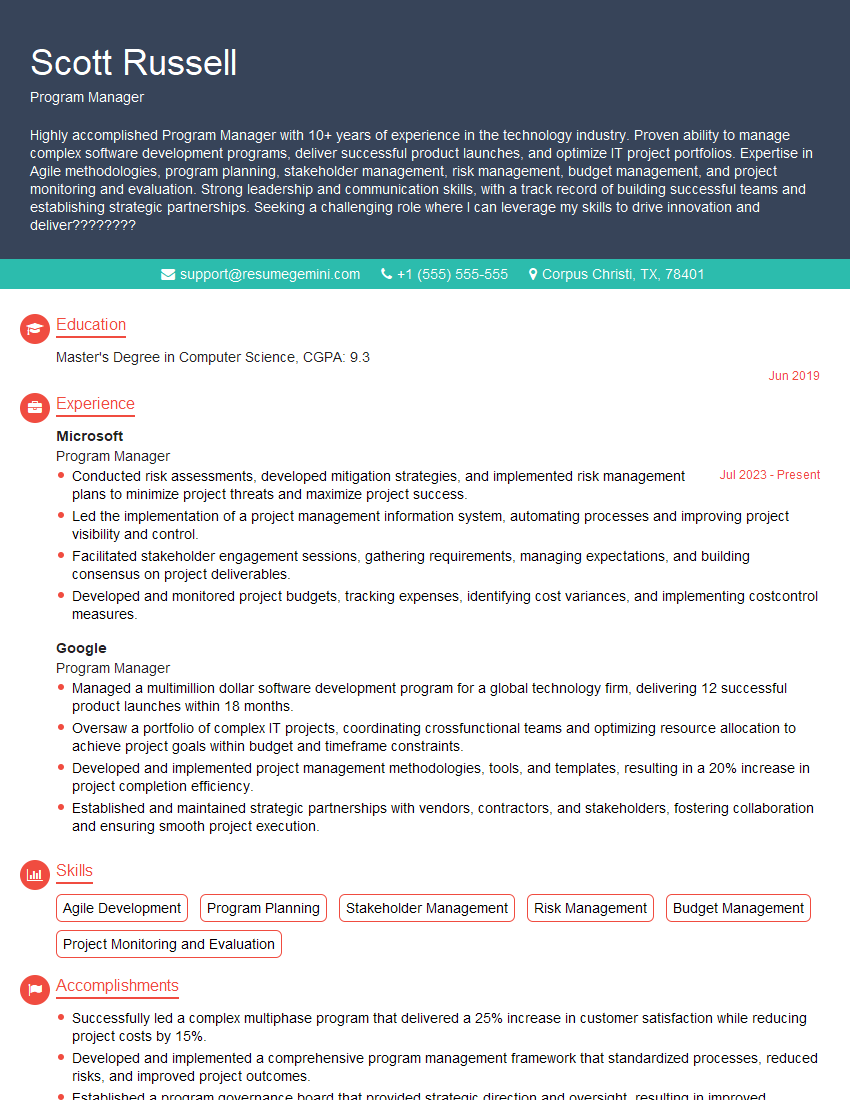
Program Manager Resume Sample

Operations Manager Resume Sample
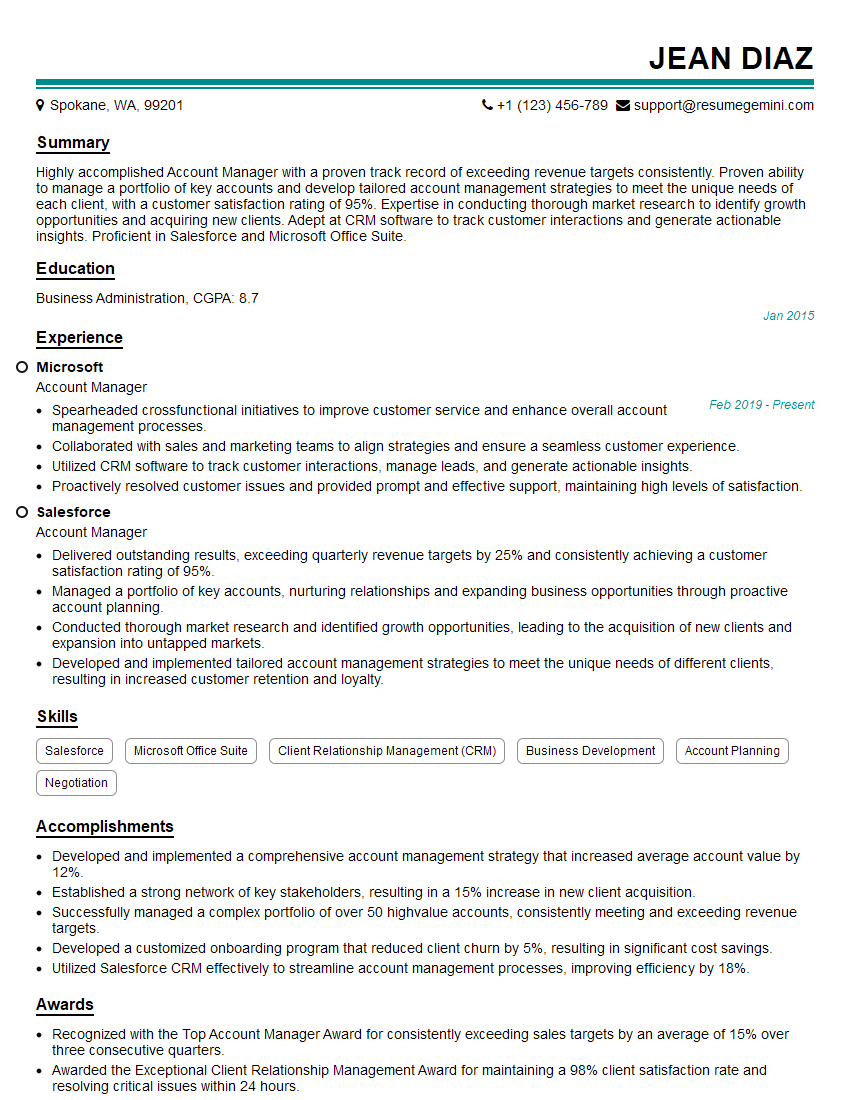
Account Manager Resume Sample
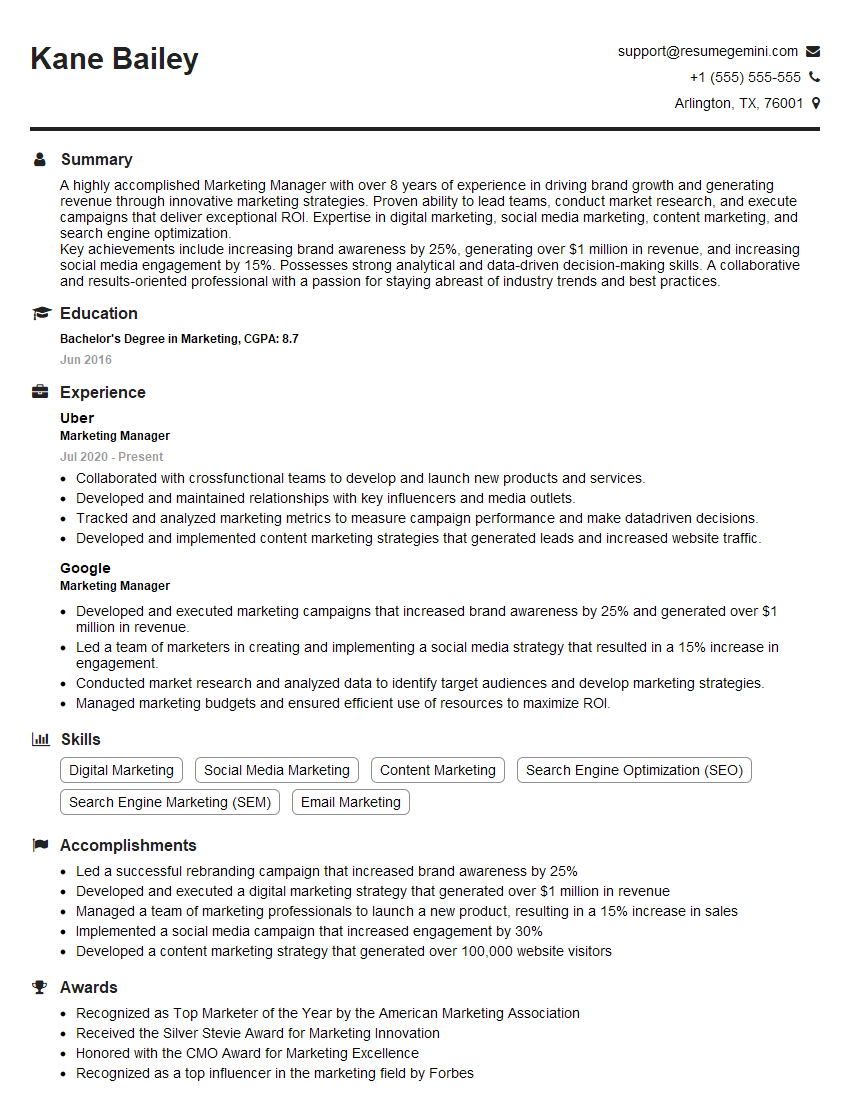
Marketing Manager Resume Sample
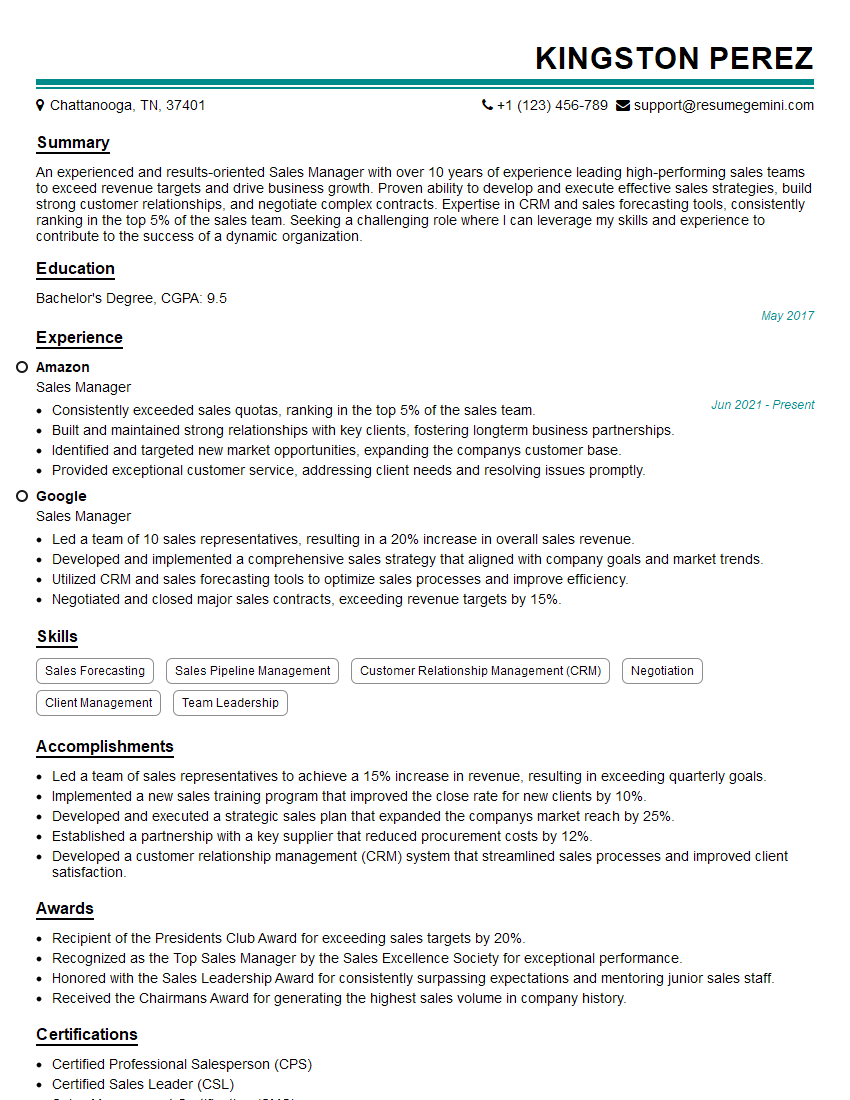
Sales Manager Resume Sample
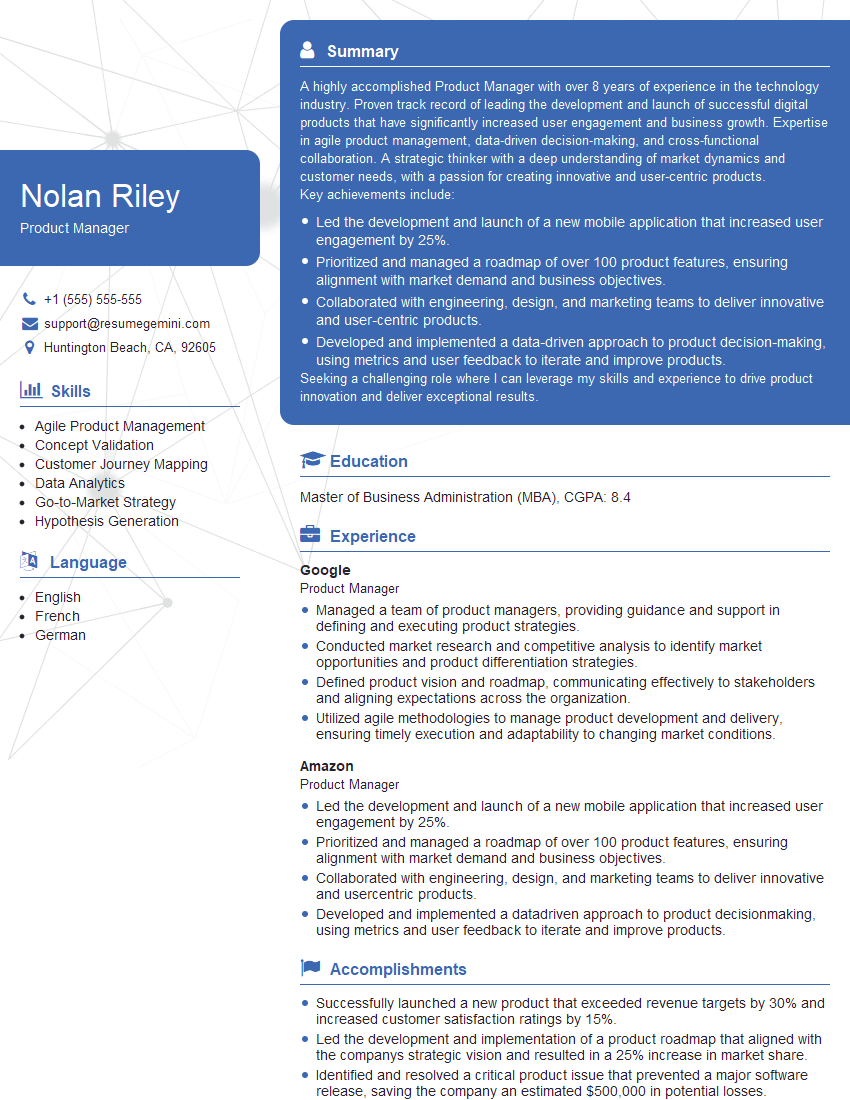
Product Manager Resume Sample
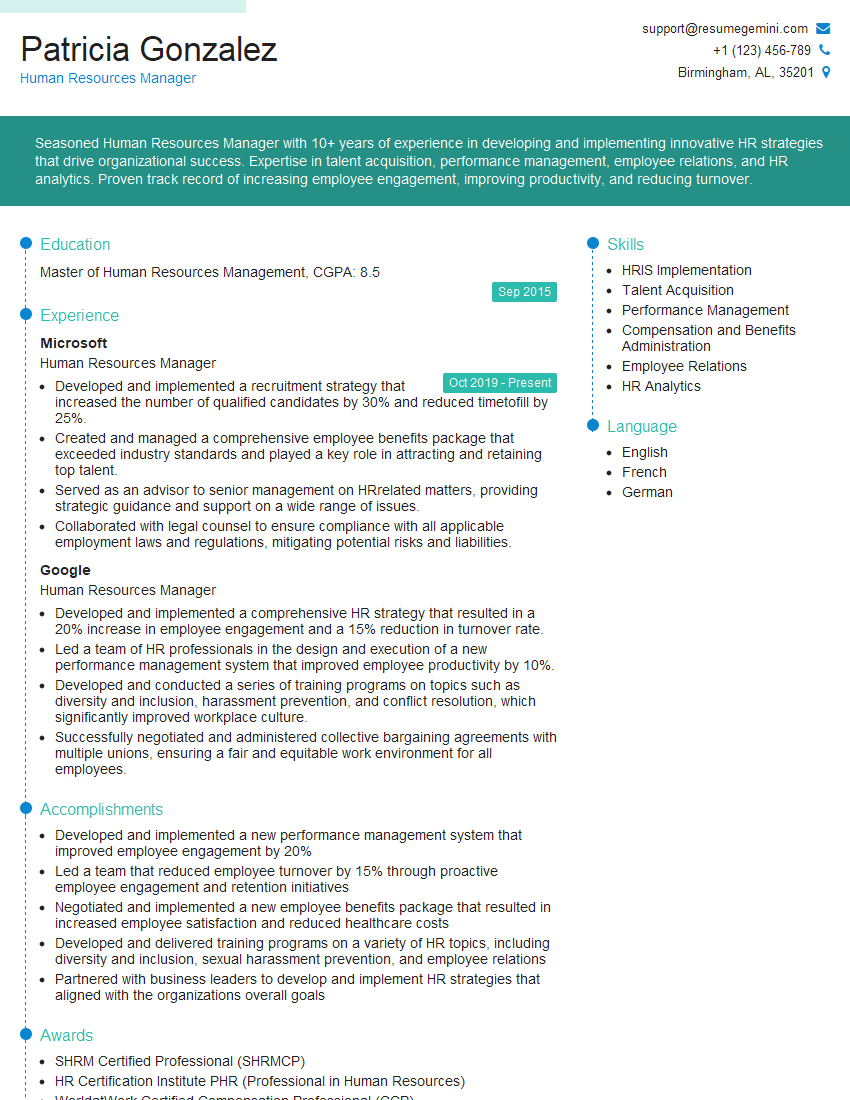
Human Resources Manager Resume Sample

Project Manager Resume Sample
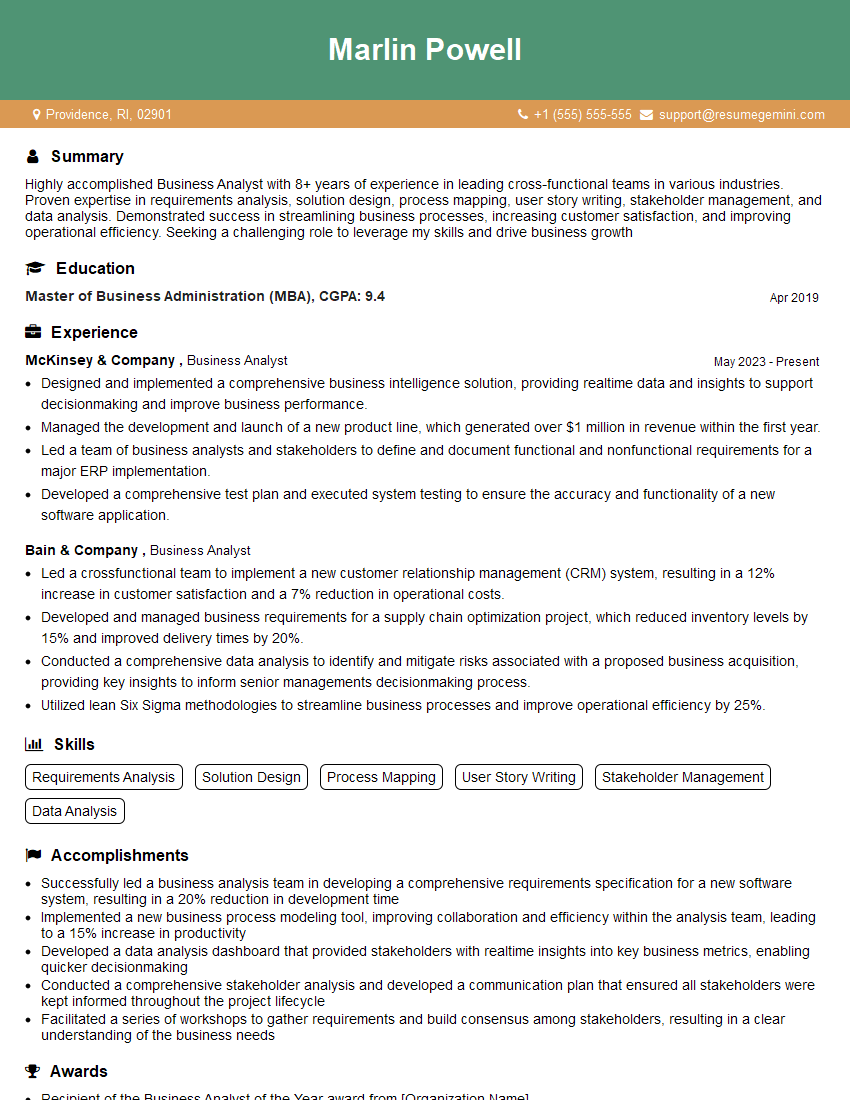
Business Analyst Resume Sample
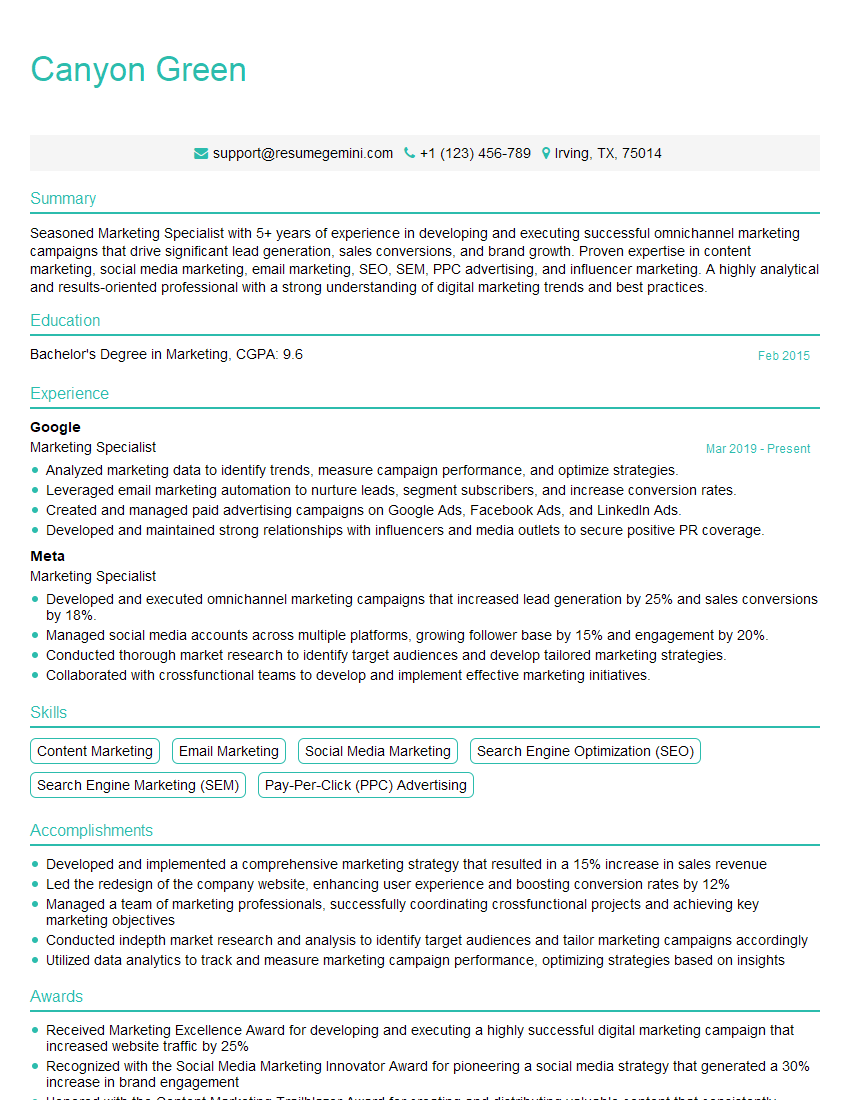
Marketing Specialist Resume Sample
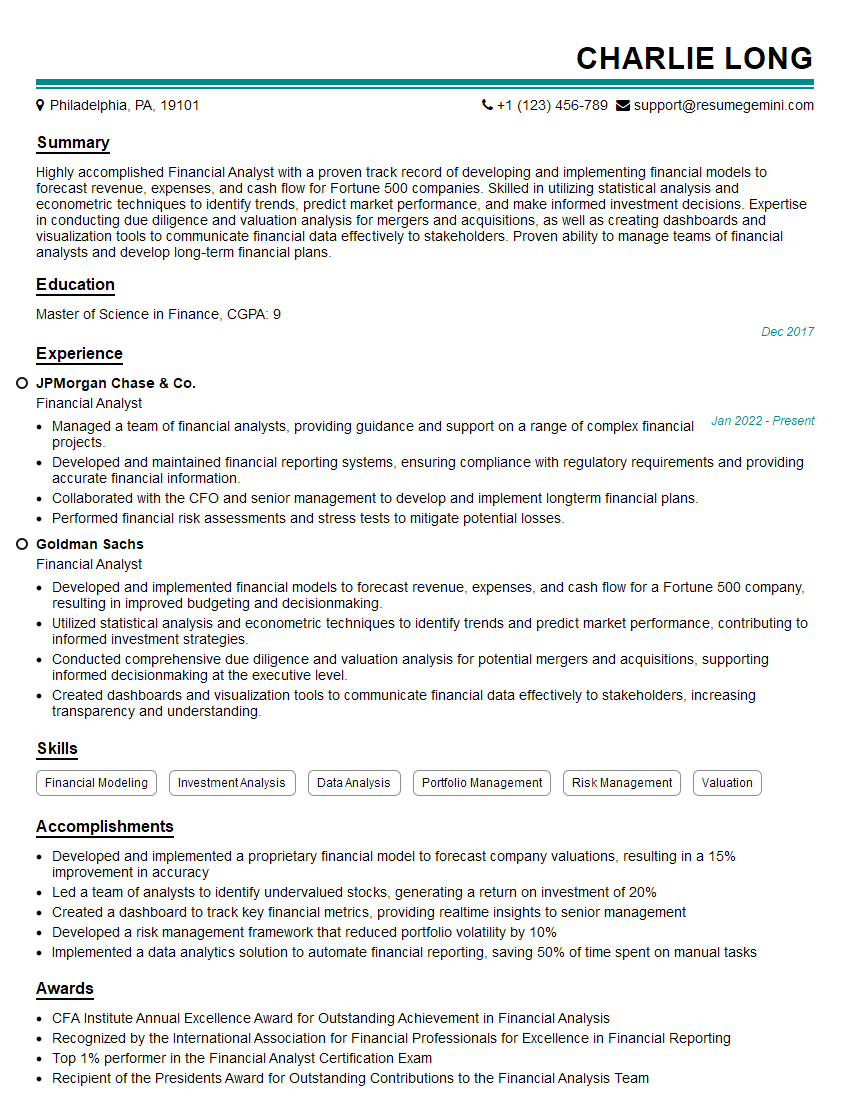
Financial Analyst Resume Sample
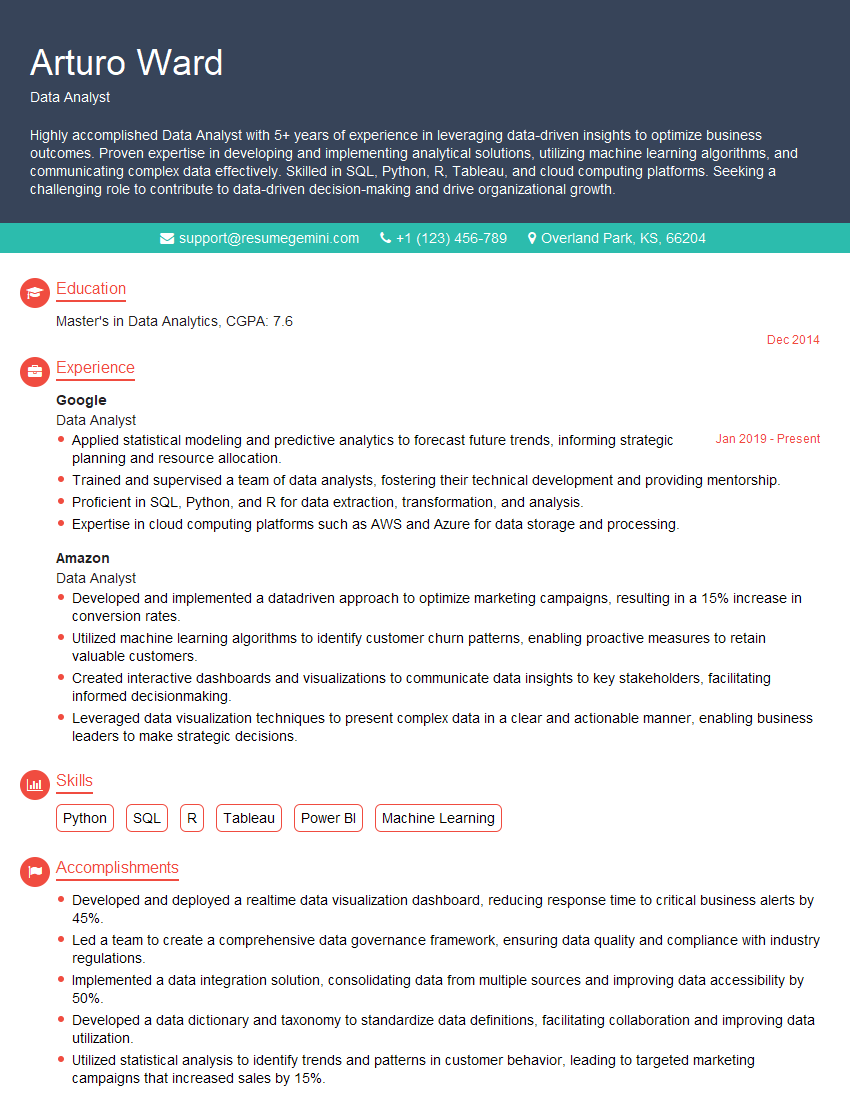
Data Analyst Resume Sample
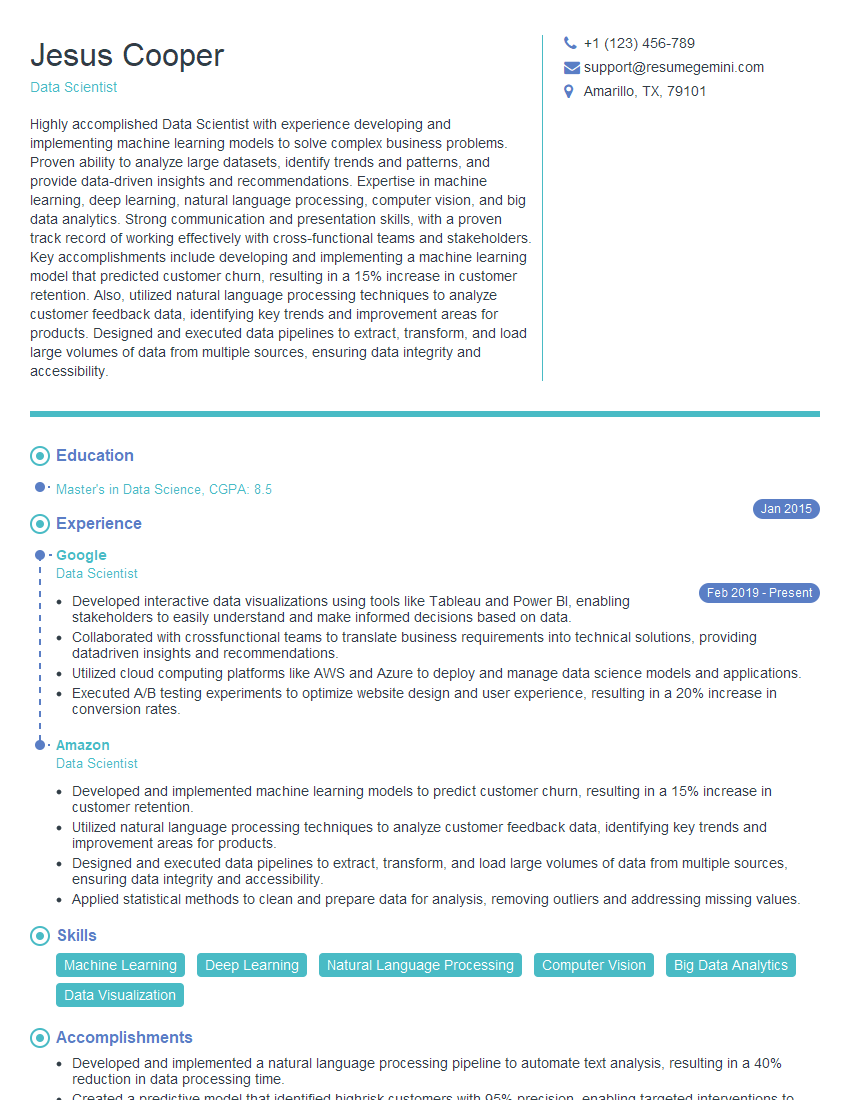
Data Scientist Resume Sample
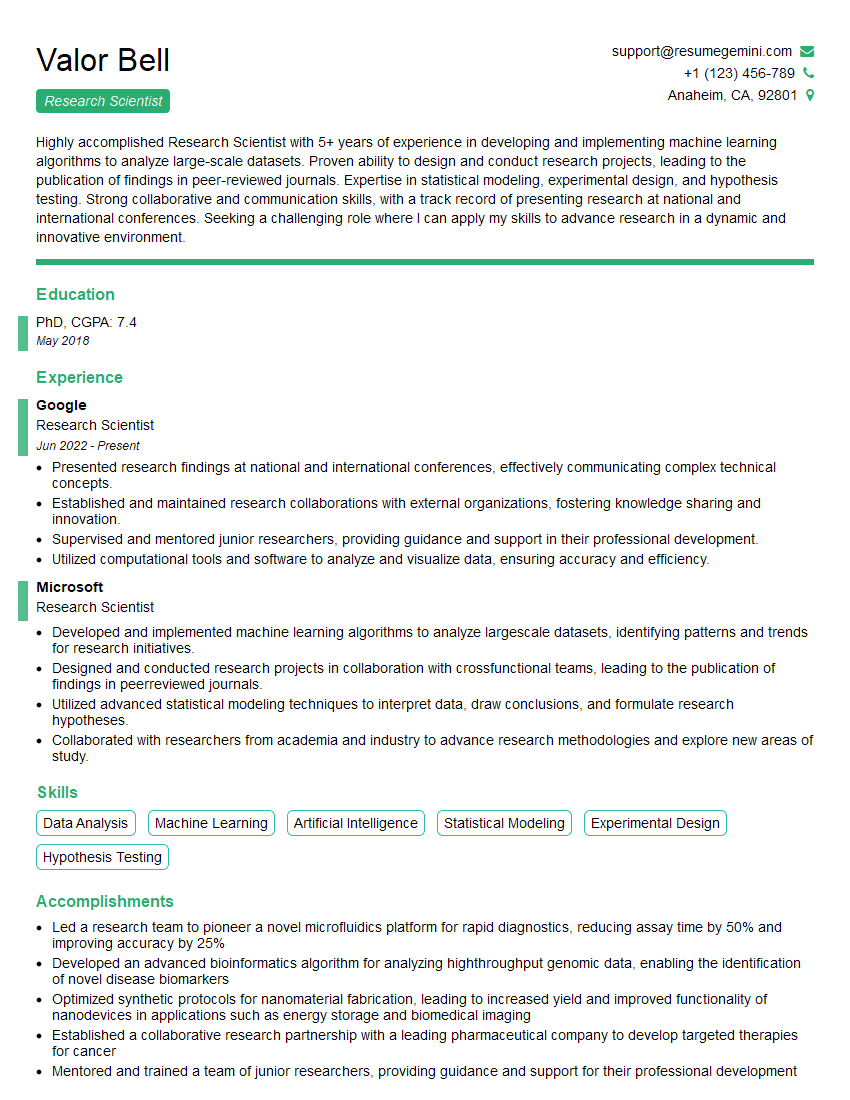
Research Scientist Resume Sample
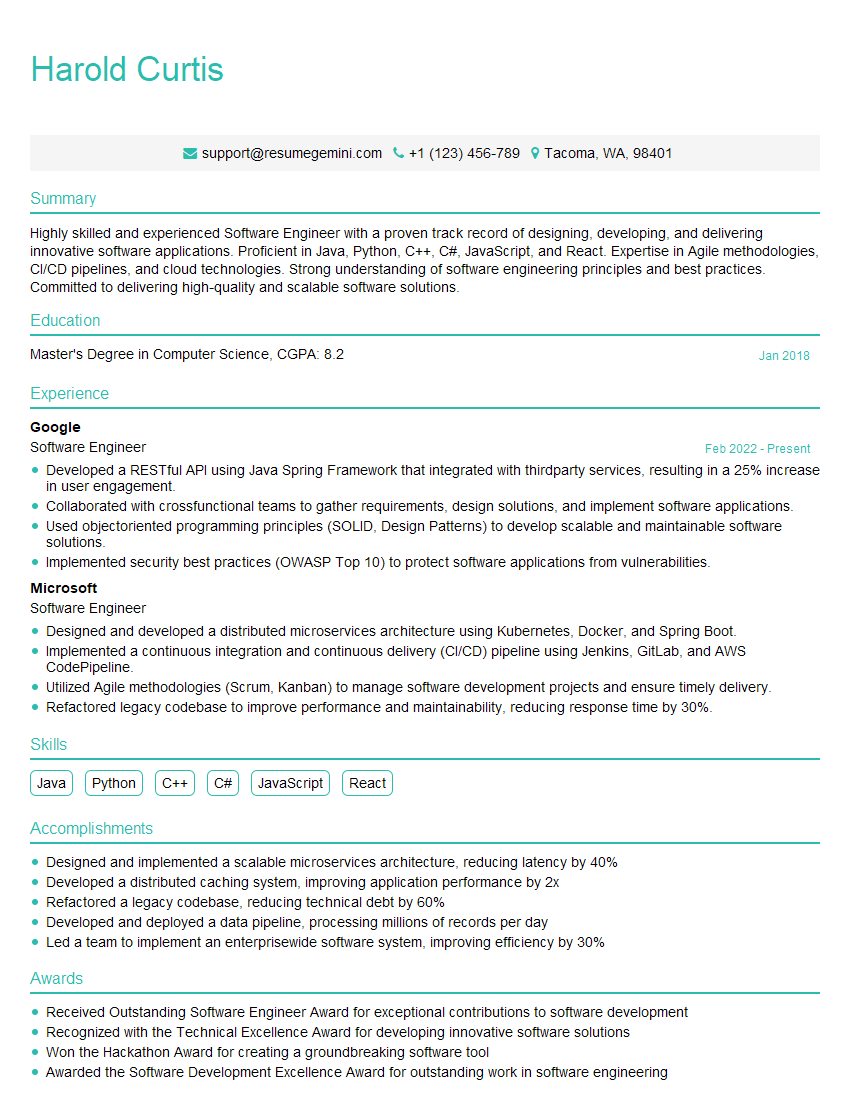
Software Engineer Resume Sample
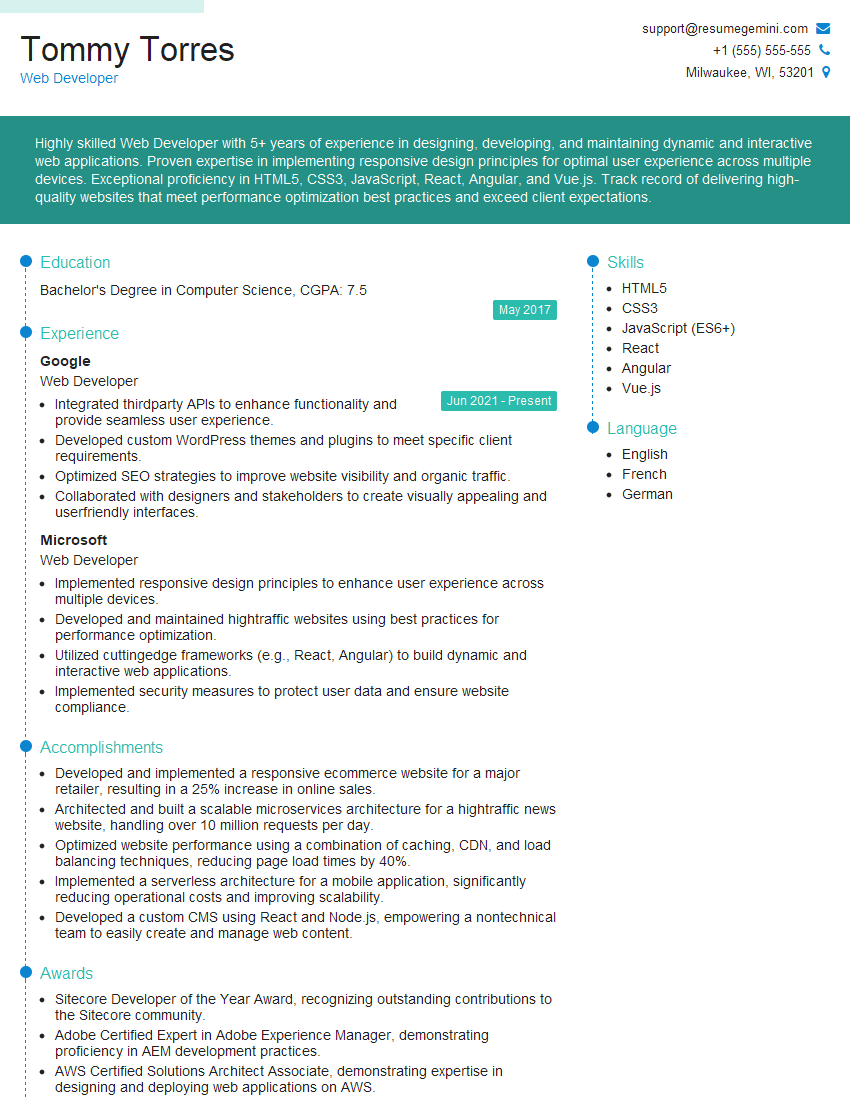
Web Developer Resume Sample
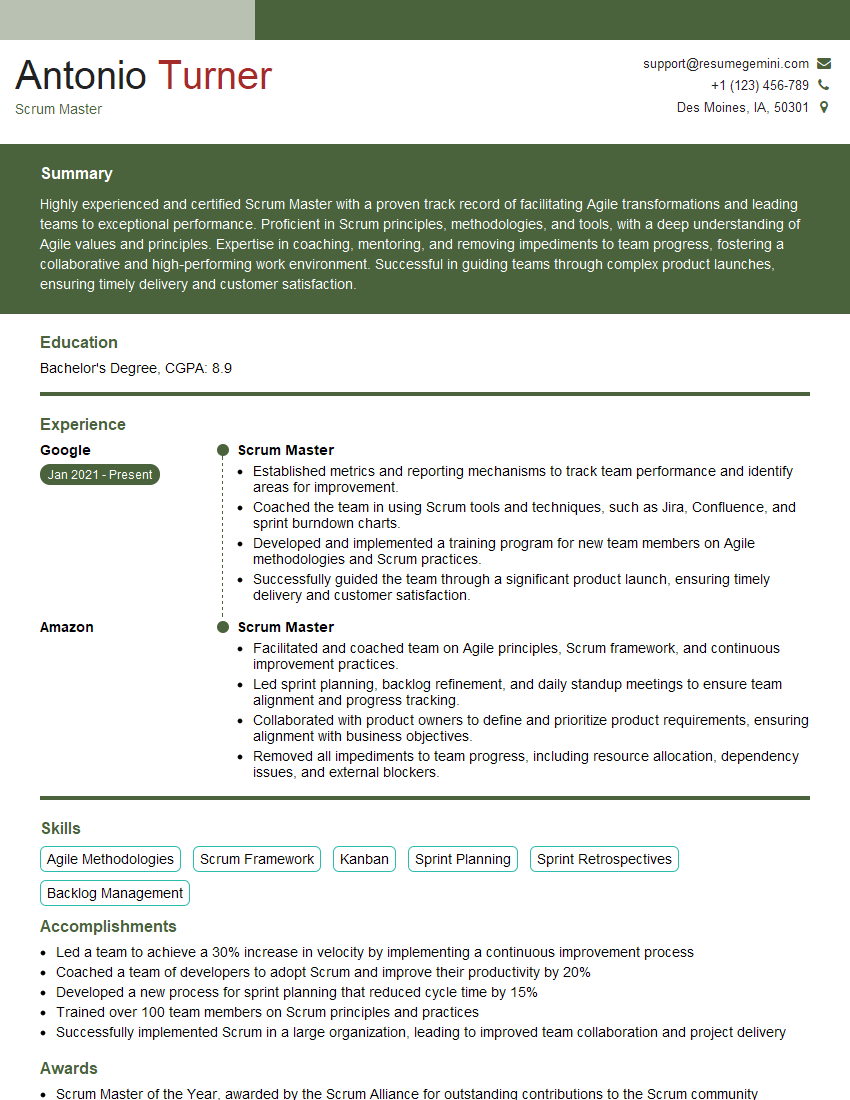
Scrum Master Resume Sample

Technical Writer Resume Sample
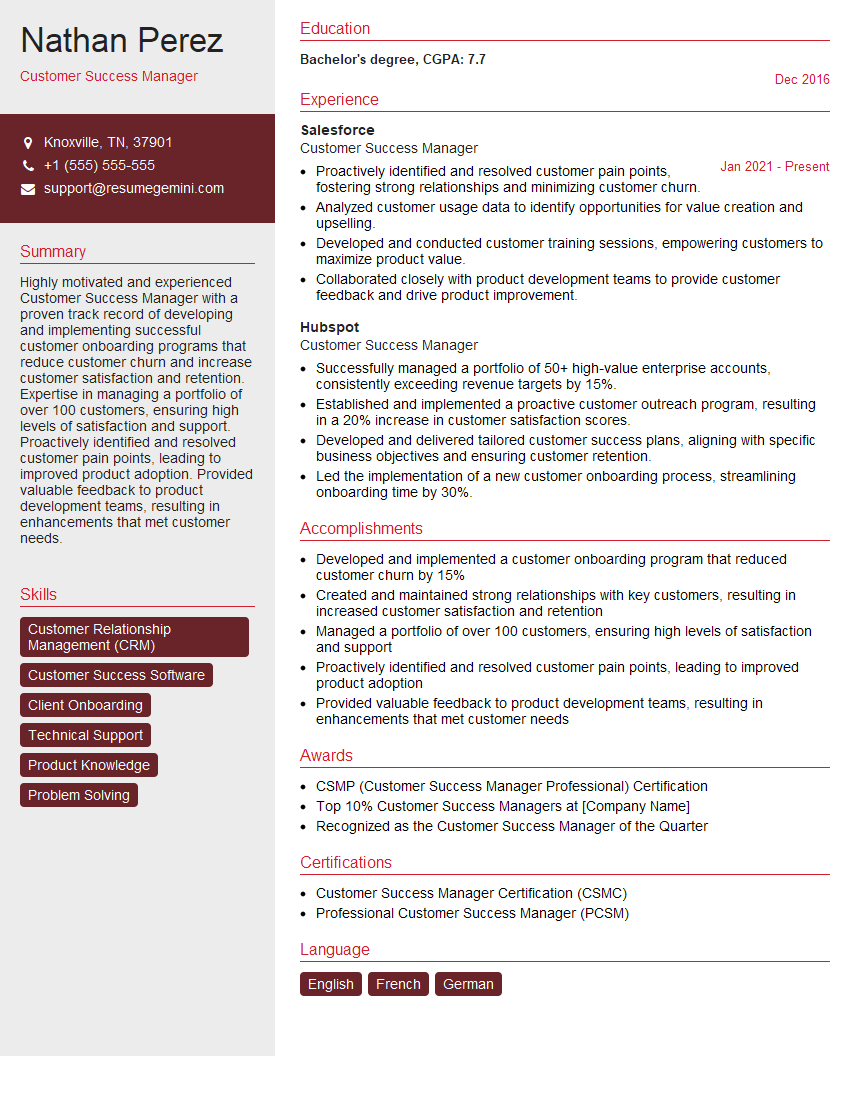
Customer Success Manager Resume Sample
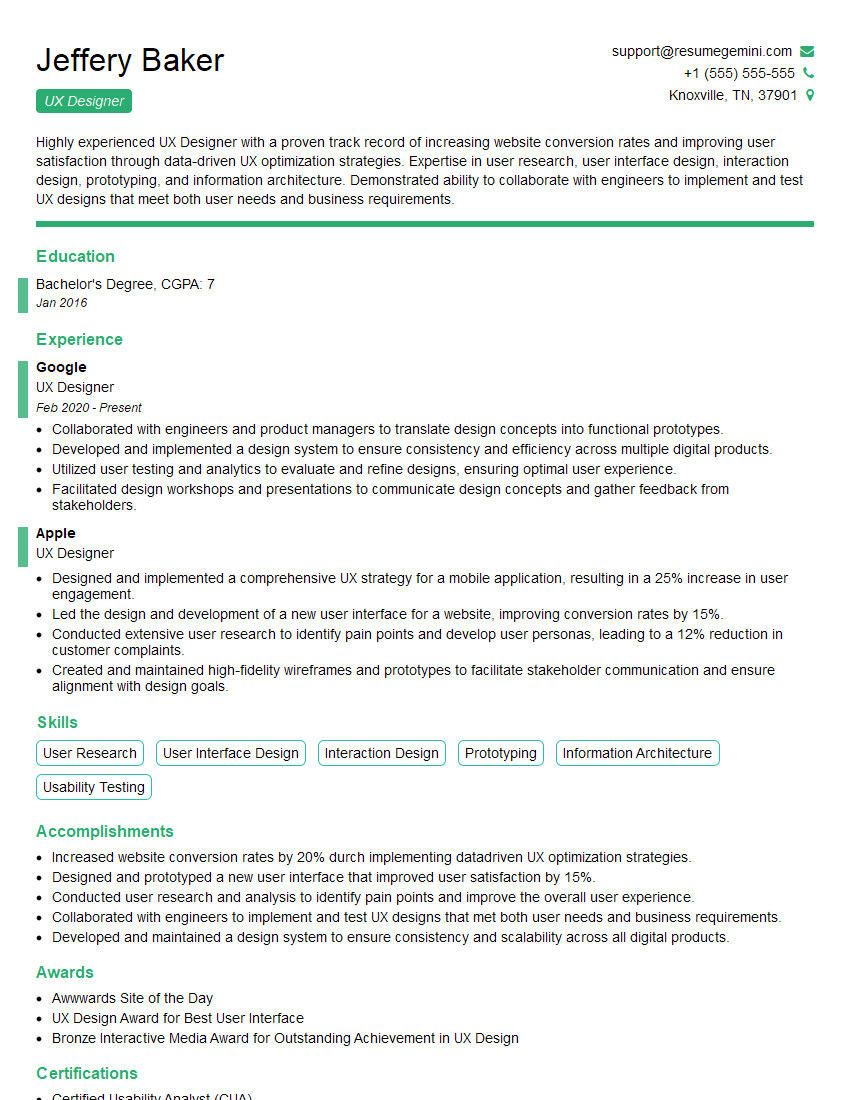
UX Designer Resume Sample
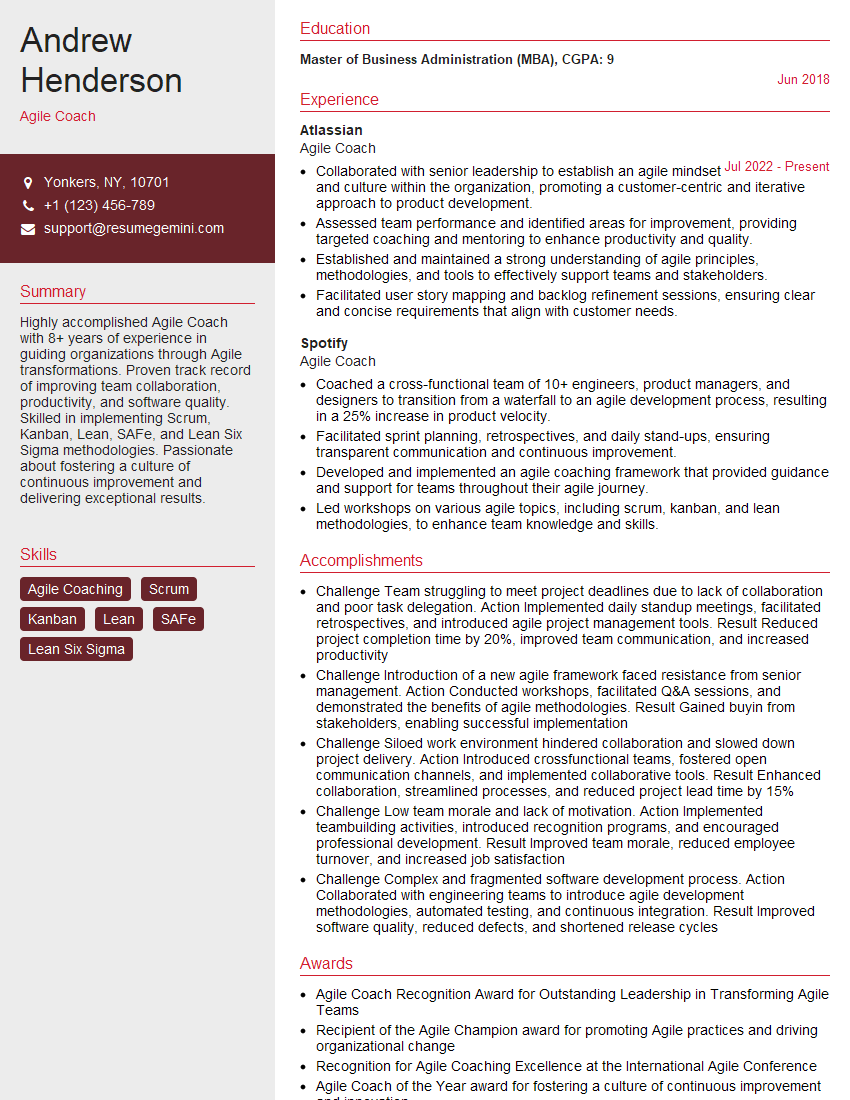
Agile Coach Resume Sample
- Program Manager
- Operations Manager
- Account Manager
- Marketing Manager
- Sales Manager
- Product Manager
- Human Resources Manager
- Project Manager
- Business Analyst
- Marketing Specialist
- Financial Analyst
- Data Analyst
- Data Scientist
- Research Scientist
- Software Engineer
- Web Developer
- Scrum Master
- Technical Writer
- Customer Success Manager
- UX Designer
- Agile Coach
Explore more articles
Users Rating of Our Blogs
Share Your Experience
We value your feedback! Please rate our content and share your thoughts (optional).
What Readers Say About Our Blog
Very informative content, great job.
good