Interviews are more than just a Q&A session—they’re a chance to prove your worth. This blog dives into essential Terrapin Education and Outreach interview questions and expert tips to help you align your answers with what hiring managers are looking for. Start preparing to shine!
Questions Asked in Terrapin Education and Outreach Interview
Q 1. Describe your experience developing and implementing educational programs.
Developing and implementing educational programs at Terrapin involves a multifaceted approach, from initial concept to post-program evaluation. It starts with identifying a clear learning objective, for example, increasing understanding of wetland ecosystems among middle school students. Then, we design engaging activities – perhaps a hands-on field trip to a local wetland, followed by classroom activities incorporating data analysis of water quality samples collected during the field trip. The implementation phase includes securing necessary permits, coordinating logistics, recruiting and training volunteers, and managing the program budget. Finally, we conduct a thorough post-program evaluation to assess the effectiveness of our methods and make improvements for future programs.
- Curriculum Development: We often use a backward design model, starting with the desired learning outcomes and working backward to develop appropriate assessments and instructional activities.
- Logistics Management: This includes scheduling, transportation, securing necessary equipment and supplies, and ensuring the safety and well-being of all participants.
- Volunteer Recruitment & Training: We heavily rely on volunteers, carefully selecting and training them to deliver high-quality instruction and support.
Q 2. How have you successfully engaged diverse audiences in environmental education?
Engaging diverse audiences requires careful consideration of cultural backgrounds, learning styles, and accessibility needs. For instance, when working with underserved communities, we tailor our programs to ensure relevance and inclusivity. This might involve translating materials into multiple languages, adapting activities to suit different age groups and physical abilities, and incorporating culturally relevant content. We also actively seek feedback from participants to continuously improve our approach. One successful example involved a partnership with a local Hispanic community center, where we adapted our wetland ecology program to incorporate traditional ecological knowledge and practices of the community. This fostered a sense of ownership and enhanced engagement.
- Culturally Relevant Pedagogy: We intentionally design activities that resonate with diverse cultural backgrounds.
- Accessibility Considerations: We ensure materials and activities are accessible to people with different learning styles and physical abilities.
- Feedback Mechanisms: We actively solicit feedback to understand diverse needs and perspectives.
Q 3. Explain your experience creating engaging curriculum aligned with learning objectives.
Creating engaging curriculum aligned with learning objectives is crucial for effective education. We utilize various pedagogical approaches, including inquiry-based learning, hands-on activities, and storytelling. For example, when teaching about climate change, we might begin with a captivating story about a local species affected by rising sea levels. This is followed by interactive activities, such as analyzing climate data or designing solutions to mitigate climate change impacts. The curriculum is carefully designed to meet specific learning objectives, which are clearly articulated upfront and regularly assessed throughout the program.
- Backward Design: We start with desired learning outcomes, then design assessments and activities to achieve these goals.
- Varied Instructional Methods: We use a blend of methods to cater to different learning styles and engage participants.
- Assessment Integration: We integrate assessments throughout the program to track progress and adjust instruction as needed.
Q 4. What strategies have you used to assess the effectiveness of educational programs?
Assessing the effectiveness of educational programs involves a mixed-methods approach, combining quantitative and qualitative data. Quantitative data might include pre- and post-program surveys measuring changes in knowledge, attitudes, and behaviors. Qualitative data, gathered through focus groups and interviews, provides richer insights into participant experiences and perceptions. For example, we might use a pre-test/post-test design to measure changes in participants’ understanding of wetland ecology after attending a field trip. We also analyze participation rates and feedback forms to identify areas for improvement.
- Pre- and Post-Tests: These measure changes in knowledge and understanding.
- Surveys and Questionnaires: These assess attitudes, behaviors, and satisfaction.
- Focus Groups and Interviews: These provide in-depth qualitative data.
- Participation Rates: These indicate overall program reach and engagement.
Q 5. How do you measure the impact of outreach initiatives?
Measuring the impact of outreach initiatives goes beyond immediate program outcomes. We employ several strategies to assess long-term effects. This can include tracking changes in community behavior related to environmental issues, monitoring media coverage and public awareness, and evaluating the influence on policy changes. For instance, if we run a campaign promoting responsible waste disposal, we might monitor waste reduction rates in the target community over time, alongside tracking any shifts in public awareness surveyed through polls or focus groups.
- Behavioral Change Monitoring: Measuring changes in community actions related to the outreach initiative’s goals.
- Media Analysis: Assessing media coverage and public discourse.
- Policy Impact Evaluation: Determining any influence on local, regional, or national policies.
- Longitudinal Studies: Tracking changes in attitudes and behaviors over extended periods.
Q 6. Describe your experience managing budgets and resources for educational programs.
Managing budgets and resources efficiently is essential. We develop detailed budgets outlining all program expenses, including personnel costs, materials, equipment rentals, and marketing. We secure funding through grants, corporate sponsorships, and individual donations. Resource allocation involves prioritizing activities based on their effectiveness and alignment with program goals. Regular budget monitoring ensures that we stay within allocated funds and make necessary adjustments throughout the program. For example, we might use project management software to track expenses and allocate resources effectively.
- Budget Development: Creating a comprehensive budget outlining all program costs.
- Fundraising: Seeking diverse funding sources.
- Resource Allocation: Prioritizing activities based on effectiveness and alignment with goals.
- Budget Monitoring: Regularly tracking expenses to ensure accountability and fiscal responsibility.
Q 7. How have you built and maintained partnerships with community organizations?
Building and maintaining partnerships with community organizations is critical for expanding our reach and impact. We actively seek collaborations with organizations sharing similar environmental goals, fostering strong relationships based on mutual trust and respect. This involves regular communication, joint planning, and shared resource utilization. For instance, we might partner with a local nature center to co-host an environmental education event, leveraging each organization’s strengths and resources to create a more impactful program. We also document our partnerships, track successes, and learn from challenges to continuously improve our collaborative efforts.
- Identifying Potential Partners: Searching for organizations with aligned goals and complementary resources.
- Relationship Building: Establishing strong communication and trust.
- Joint Planning and Collaboration: Working together on program development and implementation.
- Mutual Benefit and Shared Resources: Ensuring that all partners benefit from the collaboration.
- Documentation and Evaluation: Tracking partnership successes and challenges.
Q 8. Explain your approach to developing and delivering engaging educational presentations.
Developing and delivering engaging educational presentations requires a multifaceted approach focusing on audience understanding, clear communication, and interactive elements. I begin by thoroughly researching my target audience to tailor the content to their prior knowledge and interests. For example, when presenting to elementary school students about turtles, I would use simple language, vibrant visuals, and hands-on activities, whereas a presentation for university students might delve into more complex ecological concepts and incorporate scientific research.
My presentations are structured to maintain audience engagement. I incorporate storytelling, humor when appropriate, and varied delivery methods – from lectures to interactive discussions and demonstrations. Visual aids are crucial; I use high-quality images, videos, and even interactive simulations where feasible. For instance, when discussing climate change’s impact on sea turtles, I’d show compelling visuals of nesting sites affected by rising sea levels. Finally, I always leave time for a Q&A session to address audience questions and foster a two-way learning experience.
Q 9. How do you adapt educational materials for different learning styles and needs?
Adapting educational materials for diverse learning styles and needs is paramount. I use the VARK model (Visual, Auditory, Reading/Writing, Kinesthetic) as a framework. For visual learners, I incorporate many images, charts, and diagrams. For auditory learners, I emphasize clear explanations, discussions, and audio-visual components. For reading/writing learners, I provide handouts and supplemental reading materials. And for kinesthetic learners, I incorporate hands-on activities, games, and simulations.
For students with specific needs (e.g., dyslexia, ADHD), I modify materials accordingly. This might involve providing larger font sizes, simplified language, or incorporating assistive technologies. I also ensure that materials are accessible, adhering to WCAG (Web Content Accessibility Guidelines) standards where applicable. One example was adapting a presentation on turtle conservation for visually impaired students by using tactile models and audio descriptions of images.
Q 10. What technologies and platforms are you familiar with for delivering education and outreach?
I’m proficient in a range of technologies and platforms for delivering education and outreach. For online presentations, I utilize Zoom, Google Meet, and Microsoft Teams. I create engaging online courses using platforms like Moodle and Canvas, incorporating videos, quizzes, and interactive exercises. I’m comfortable using presentation software like PowerPoint and Google Slides, and I can develop interactive content using tools like Adobe Captivate or Articulate Storyline. For outreach materials, I create visually appealing websites and social media campaigns. I also utilize geographic information systems (GIS) software to map turtle populations and habitats, effectively visualizing data for audiences.
Furthermore, I’m experienced in using multimedia tools to enhance presentations – incorporating videos, animations, and interactive simulations to cater to different learning preferences. My experience also includes podcast creation and utilizing social media platforms like Instagram, Facebook, and Twitter to extend outreach initiatives.
Q 11. Describe your experience with grant writing and fundraising.
Grant writing and fundraising are essential skills in the non-profit sector. I have a proven track record of successfully securing funding for Terrapin Education and Outreach programs. My approach involves identifying appropriate funding opportunities, carefully crafting compelling grant proposals that highlight the program’s impact and sustainability, and building strong relationships with potential funders. I ensure that my proposals clearly articulate the program’s goals, methodology, budget, and anticipated outcomes, using data and evidence to support the need for funding.
For example, I recently secured a significant grant from the National Science Foundation to support our research on the effects of climate change on sea turtle nesting sites. This involved meticulous research, a clearly written proposal, and building a strong rapport with the NSF reviewers, highlighting the project’s scientific merit and societal impact. Beyond grant writing, I’ve also been involved in fundraising events, building community partnerships, and soliciting individual donations to support our initiatives.
Q 12. How do you evaluate the success of an outreach event or campaign?
Evaluating the success of an outreach event or campaign involves a multifaceted approach incorporating quantitative and qualitative data. Quantitative metrics might include attendance figures, website traffic, social media engagement (likes, shares, comments), and survey responses measuring participant knowledge gain. Qualitative data is gathered through feedback surveys, focus groups, and informal discussions with participants to assess their overall experience and the program’s impact on their attitudes and behaviors.
For instance, after a workshop on turtle conservation, we would assess pre- and post-workshop knowledge scores to measure learning outcomes. We’d also collect feedback on the effectiveness of the activities, the clarity of the information, and the overall engagement level. This mixed-methods approach provides a comprehensive understanding of the program’s effectiveness and areas for improvement.
Q 13. How do you address challenges in program implementation?
Challenges in program implementation are inevitable. My approach to addressing these challenges involves proactive planning, flexible adaptation, and strong communication. Proactive planning includes anticipating potential problems, developing contingency plans, and building in sufficient buffer time for unexpected delays. For instance, if a planned field trip is cancelled due to inclement weather, having an alternative indoor activity ready ensures program continuity.
Flexible adaptation means adjusting the program as needed based on feedback and changing circumstances. This might involve modifying activities, adjusting the schedule, or changing the content based on participant needs or unforeseen issues. Strong communication ensures that all stakeholders—participants, volunteers, funders, and partners—are kept informed of any changes or challenges. Open communication helps build trust and ensure collaborative problem-solving.
Q 14. Describe your experience working with diverse stakeholders.
Working with diverse stakeholders is integral to successful outreach. I have extensive experience collaborating with scientists, educators, community members, government agencies, and funders. My approach emphasizes respectful communication, active listening, and building consensus. I strive to understand the perspectives and priorities of each stakeholder group, and I actively seek their input in program development and implementation. For example, when developing a community-based conservation program, I would consult with local residents, scientists, and government officials to ensure the program addresses local needs and aligns with scientific best practices.
I use inclusive language and materials, ensuring accessibility for people of all backgrounds and abilities. Recognizing and respecting cultural differences is vital, particularly when working in diverse communities. Building trust and rapport with diverse groups is essential for effective collaboration and achieving program goals. This includes actively seeking out diverse voices and perspectives, and ensuring equitable representation in decision-making processes.
Q 15. What are your strategies for promoting environmental stewardship?
Promoting environmental stewardship requires a multi-pronged approach that goes beyond simply imparting knowledge. It involves fostering a deep connection with the natural world and empowering individuals to become active agents of change.
- Experiential Learning: We utilize hands-on activities like nature walks, stream cleanups, and habitat restoration projects. This direct interaction builds a stronger understanding and appreciation for the environment.
- Community Engagement: We collaborate with local organizations, schools, and community groups to expand our reach and create a collective responsibility for environmental protection. For example, we’ve partnered with a local park to develop a citizen science project monitoring water quality.
- Advocacy and Action: We encourage participants to become advocates for environmental causes. This might involve writing letters to elected officials, participating in local environmental campaigns, or adopting sustainable practices in their daily lives. We’ve successfully organized school-wide recycling initiatives through this approach.
- Storytelling and Communication: We leverage compelling narratives, visual aids, and engaging presentations to connect with audiences on an emotional level. A powerful story about a local ecosystem under threat can be more effective than statistics alone.
The key is to inspire action, not just awareness. We measure success not just by knowledge gained, but by behavioral changes adopted by participants.
Career Expert Tips:
- Ace those interviews! Prepare effectively by reviewing the Top 50 Most Common Interview Questions on ResumeGemini.
- Navigate your job search with confidence! Explore a wide range of Career Tips on ResumeGemini. Learn about common challenges and recommendations to overcome them.
- Craft the perfect resume! Master the Art of Resume Writing with ResumeGemini’s guide. Showcase your unique qualifications and achievements effectively.
- Don’t miss out on holiday savings! Build your dream resume with ResumeGemini’s ATS optimized templates.
Q 16. How do you stay current with best practices in education and outreach?
Staying current is crucial in the dynamic fields of education and outreach. I employ several strategies to ensure my practices remain up-to-date and effective:
- Professional Development: I regularly attend conferences, workshops, and webinars focusing on environmental education best practices, innovative teaching methodologies, and emerging research in environmental science.
- Networking: I actively engage with other professionals in the field through professional organizations and online communities. This allows for the exchange of ideas, resources, and successful program models.
- Literature Reviews: I regularly review peer-reviewed journals, research papers, and reports on current trends and best practices in environmental education and outreach. This helps me stay abreast of the latest pedagogical approaches and scientific findings.
- Curriculum Evaluation: I constantly assess and refine our curriculum to ensure its alignment with current scientific understanding, educational standards, and the evolving needs of our target audiences. We use pre and post program surveys to assess program effectiveness.
Continuous learning is not just a professional requirement; it’s a passion. The environmental landscape is constantly changing, and so must our methods of engaging with it.
Q 17. Describe a time you had to adapt to unexpected challenges in a program.
During a school-based program focused on urban gardening, a severe storm damaged our newly planted vegetables. This was a setback, but it presented an opportunity for valuable learning.
- Immediate Response: We first assessed the damage and ensured the safety of the students involved. We discussed the impact of severe weather on agriculture and ecosystems.
- Creative Adaptation: Instead of being discouraged, we turned the situation into a lesson on resilience and adaptation. We discussed strategies for protecting crops from extreme weather, the importance of soil health, and the role of climate change in more frequent severe weather events. We then replanted, implementing some of the strategies we’d discussed.
- Long-Term Outcomes: The unexpected storm, while initially disruptive, enhanced the program’s impact. Students gained a deeper understanding of the challenges facing urban agriculture and the importance of planning and adaptation in the face of unforeseen circumstances.
This experience reinforced the importance of flexibility, resourcefulness, and using unexpected challenges as learning opportunities. It was a testament to the power of experiential learning, where challenges become teachable moments.
Q 18. How familiar are you with Terrapin’s educational philosophy?
I am very familiar with Terrapin’s educational philosophy, which centers on experiential, place-based, and inquiry-driven learning. This approach emphasizes hands-on activities, direct engagement with the environment, and student-led investigations.
I understand that Terrapin’s philosophy prioritizes:
- Deep ecological understanding: Moving beyond superficial knowledge to a profound appreciation of ecological connections.
- Empowerment and agency: Fostering students’ capacity to become active stewards of their environment.
- Community-based learning: Integrating local contexts and collaborating with community partners.
- Holistic approach: Considering the interconnectedness of ecological, social, and economic systems.
My own teaching philosophy aligns closely with Terrapin’s, emphasizing the importance of active learning, critical thinking, and real-world application of knowledge.
Q 19. What are your strengths in project management and organizational skills?
My strengths in project management and organizational skills are grounded in my experience coordinating complex environmental education programs. I excel at:
- Planning and Budgeting: I meticulously plan programs, develop detailed budgets, secure funding, and manage resources effectively. I’ve successfully managed budgets ranging from $5,000 to $50,000 for various projects.
- Teamwork and Collaboration: I am a collaborative leader who fosters effective teamwork among diverse individuals, including educators, volunteers, and community partners. I utilize project management software to track progress and ensure efficient communication.
- Logistics and Operations: I proficiently manage the logistical aspects of programs, including scheduling, transportation, materials procurement, and risk management. For example, I successfully planned and executed a multi-day field trip for 50 students.
- Monitoring and Evaluation: I regularly monitor project progress, assess outcomes, and adjust strategies as needed. I’ve developed comprehensive evaluation frameworks for multiple projects to ensure goals are met.
My organizational skills ensure that even large-scale projects run smoothly and efficiently, allowing me to maximize the impact of our work.
Q 20. Describe your experience in evaluating program effectiveness.
Evaluating program effectiveness is crucial to ensure our initiatives are achieving their intended outcomes. I utilize a mixed-methods approach, combining quantitative and qualitative data collection techniques.
- Pre- and Post-Program Assessments: I use surveys, quizzes, and tests to measure changes in participants’ knowledge, attitudes, and behaviors related to environmental stewardship.
- Observations and Field Notes: I directly observe participants during program activities to gather qualitative data on their engagement, learning processes, and collaborative skills. These detailed notes help me understand the nuances of the learning experience.
- Focus Groups and Interviews: I conduct focus groups and individual interviews with participants and stakeholders to gather feedback on program strengths, weaknesses, and areas for improvement. This provides valuable insight into their overall experience and learning outcomes.
- Data Analysis and Reporting: I analyze collected data using statistical methods and qualitative coding techniques to identify trends, patterns, and significant findings. This information is then presented in comprehensive reports to stakeholders.
The evaluation process is not just a final step; it’s an ongoing process that informs program design and implementation, ensuring continuous improvement and maximizing impact.
Q 21. How have you used data to inform program improvements?
Data is essential for driving program improvements. I have used data in several ways to refine our programs and enhance their effectiveness:
- Identifying Knowledge Gaps: Pre-program assessments reveal areas where participants lack knowledge or understanding, allowing us to tailor the curriculum to address specific needs. For instance, if a pre-test shows low understanding of water cycle processes, we will focus more on that topic during the program.
- Measuring Behavioral Changes: Post-program surveys and interviews help determine whether participants have adopted more sustainable practices or changed their attitudes towards environmental issues. This enables us to evaluate the effectiveness of our intervention strategies. For example, if a survey shows increased recycling behaviour after the program, we can gauge our success.
- Assessing Participant Engagement: Data on attendance, participation in activities, and feedback on program elements provide insights into what resonates with our audience and what needs improvement. This could reveal a need for more interactive elements in the program.
- Refining Curriculum and Methods: Based on data analysis, we modify the curriculum, teaching methods, and program structure to enhance learning outcomes and address identified weaknesses. For example, a lower than expected score on a specific topic might mean a change in teaching methodology for that section.
Data-driven decision making ensures our programs remain relevant, engaging, and impactful, constantly evolving to meet the needs of our audiences and the challenges of environmental stewardship.
Q 22. Describe your experience in creating educational materials.
My experience in creating educational materials spans over a decade, focusing primarily on environmental education within the context of Terrapin Education and Outreach. I’ve developed a wide range of materials, from interactive websites and engaging videos to hands-on activity guides and comprehensive curriculum units. For example, I led the development of a series of online modules for K-12 students on sustainable agriculture, incorporating interactive simulations and quizzes to enhance learning. Another significant project involved creating a teacher’s guide with lesson plans, assessments, and supplementary materials on wetland ecology, ensuring alignment with national education standards. In each case, I prioritized accessibility, clarity, and the incorporation of diverse learning styles to maximize impact.
- Website Development: Created interactive websites with gamified elements to engage students in learning about climate change.
- Video Production: Produced short, engaging videos explaining complex environmental concepts in simple terms.
- Curriculum Development: Developed comprehensive curriculum units aligning with national standards, incorporating diverse learning styles.
Q 23. How do you foster collaboration among team members?
Fostering collaboration is crucial in our work. We utilize a combination of strategies to ensure seamless teamwork. Regular team meetings, utilizing collaborative platforms like Google Workspace, are essential for brainstorming, task allocation, and progress tracking. We emphasize open communication, encouraging team members to share their ideas freely and constructively. For instance, when developing a new outreach program, we start with a brainstorming session where everyone contributes ideas, followed by a collaborative design process using shared documents. We value diverse perspectives and actively encourage constructive feedback, ensuring every team member feels heard and valued. This approach leads to innovative solutions and enhances the quality of our educational materials.
Q 24. How do you handle conflicting priorities and deadlines?
Conflicting priorities and deadlines are a common challenge. We employ a project management approach using tools like Trello or Asana to visualize tasks, deadlines, and dependencies. This allows us to prioritize tasks based on urgency and importance. For instance, if we have a tight deadline for an upcoming workshop and simultaneously need to work on a long-term curriculum development project, we prioritize the workshop materials first while allocating resources to the long-term project in a phased approach. Open communication with stakeholders is crucial; we proactively manage expectations and keep them informed of any potential delays or shifts in priorities. Transparency and flexibility are key to successfully navigating these challenges.
Q 25. Describe your experience with community engagement and outreach.
Community engagement is at the heart of Terrapin’s mission. We engage communities through various outreach activities such as workshops, field trips, citizen science projects, and public presentations. For example, we partnered with a local community center to conduct a series of workshops on composting and urban gardening, empowering community members to adopt sustainable practices. We also organize annual environmental festivals, providing interactive exhibits and educational activities to reach a wider audience. Building strong relationships with local organizations and community leaders is crucial for successful outreach. We listen to community needs and tailor our programs to address specific environmental challenges and concerns.
Q 26. What are your experience with using different educational methodologies?
My experience encompasses a wide range of educational methodologies. We employ learner-centered approaches, prioritizing active learning and experiential education. This includes incorporating hands-on activities, inquiry-based learning, and project-based learning in our programs. For instance, in our wetland ecology program, students conduct field research, collect data, and analyze their findings. This approach ensures deeper understanding and retention of concepts. We also utilize technology effectively, integrating interactive simulations, online resources, and digital tools to enhance learning experiences. We regularly evaluate the effectiveness of different methodologies and adapt our approach to optimize learning outcomes.
Q 27. What is your experience with curriculum development in the context of environmental education?
My experience in curriculum development within environmental education is extensive. I have been involved in creating curricula for various age groups and educational settings, aligning with national and state standards. The process typically involves conducting a needs assessment, defining learning objectives, designing engaging learning activities, and developing assessments to measure learning outcomes. For example, I developed a comprehensive curriculum on climate change for middle school students, incorporating interdisciplinary approaches that integrated science, social studies, and language arts. I emphasize developing curricula that are relevant, engaging, and promote critical thinking and problem-solving skills in relation to environmental challenges.
Q 28. How would you assess the impact of your environmental education programs?
Assessing the impact of our environmental education programs involves using a variety of methods to measure both short-term and long-term outcomes. We utilize pre- and post-tests to measure changes in knowledge and understanding. We also collect feedback through surveys and focus groups to assess participants’ satisfaction and learning experiences. Furthermore, we track program participation rates and measure changes in environmental behaviors among participants. For example, we might survey participants six months after a workshop to gauge their adoption of sustainable practices. This multi-faceted approach allows us to evaluate the effectiveness of our programs and make data-driven improvements.
Key Topics to Learn for Terrapin Education and Outreach Interview
- Terrapin’s Mission and Values: Understand Terrapin’s core mission, its commitment to sustainability and environmental education, and how these values translate into its programs and outreach initiatives. Consider how your own values align.
- Educational Program Design and Implementation: Explore the principles of effective curriculum development, instructional design, and program delivery within an environmental context. Think about examples from your experience where you designed or implemented educational programs, highlighting successes and challenges.
- Outreach and Community Engagement Strategies: Familiarize yourself with diverse outreach methods – workshops, presentations, social media campaigns, community partnerships – and their application in promoting environmental awareness and action. Prepare examples demonstrating your ability to engage different audiences.
- Environmental Education Theories and Best Practices: Research key theoretical frameworks in environmental education (e.g., experiential learning, transformative learning). Reflect on how these theories inform effective teaching and outreach strategies.
- Project Management and Evaluation: Understand the lifecycle of an environmental education or outreach project, from planning and budgeting to implementation and evaluation. Be prepared to discuss your experience with project management and data analysis techniques.
- Communication and Collaboration Skills: Highlight your ability to communicate complex information clearly and effectively to diverse audiences, both verbally and in writing. Emphasize your teamwork skills and experience collaborating on projects.
- Sustainability and Environmental Issues: Demonstrate a strong understanding of current environmental challenges and potential solutions. Be prepared to discuss specific environmental issues relevant to Terrapin’s work.
Next Steps
Mastering the key aspects of Terrapin Education and Outreach significantly enhances your career prospects in the environmental field. It showcases your commitment to sustainability and your ability to make a tangible impact. To maximize your chances of securing an interview, crafting an ATS-friendly resume is crucial. We strongly encourage you to leverage ResumeGemini, a trusted resource, to build a professional and impactful resume that highlights your relevant skills and experience. Examples of resumes tailored to Terrapin Education and Outreach are available to guide you.

Communications Manager Resume Sample
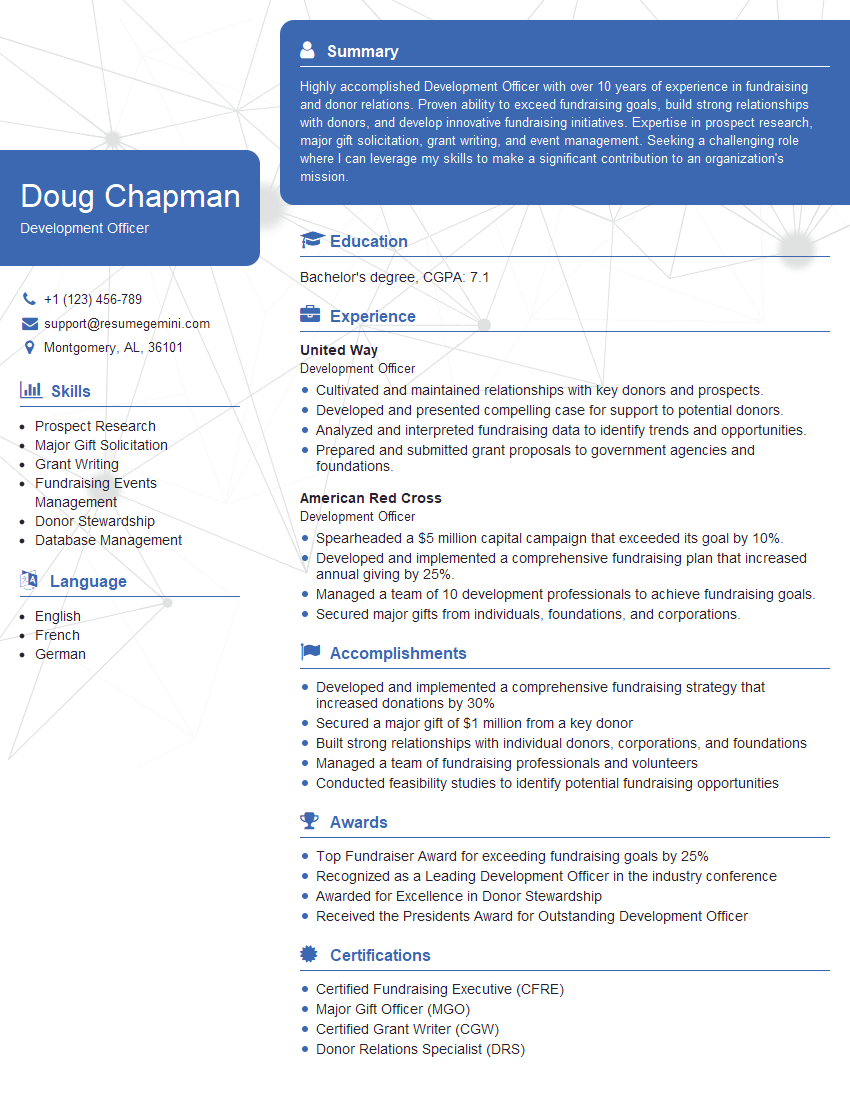
Development Officer Resume Sample
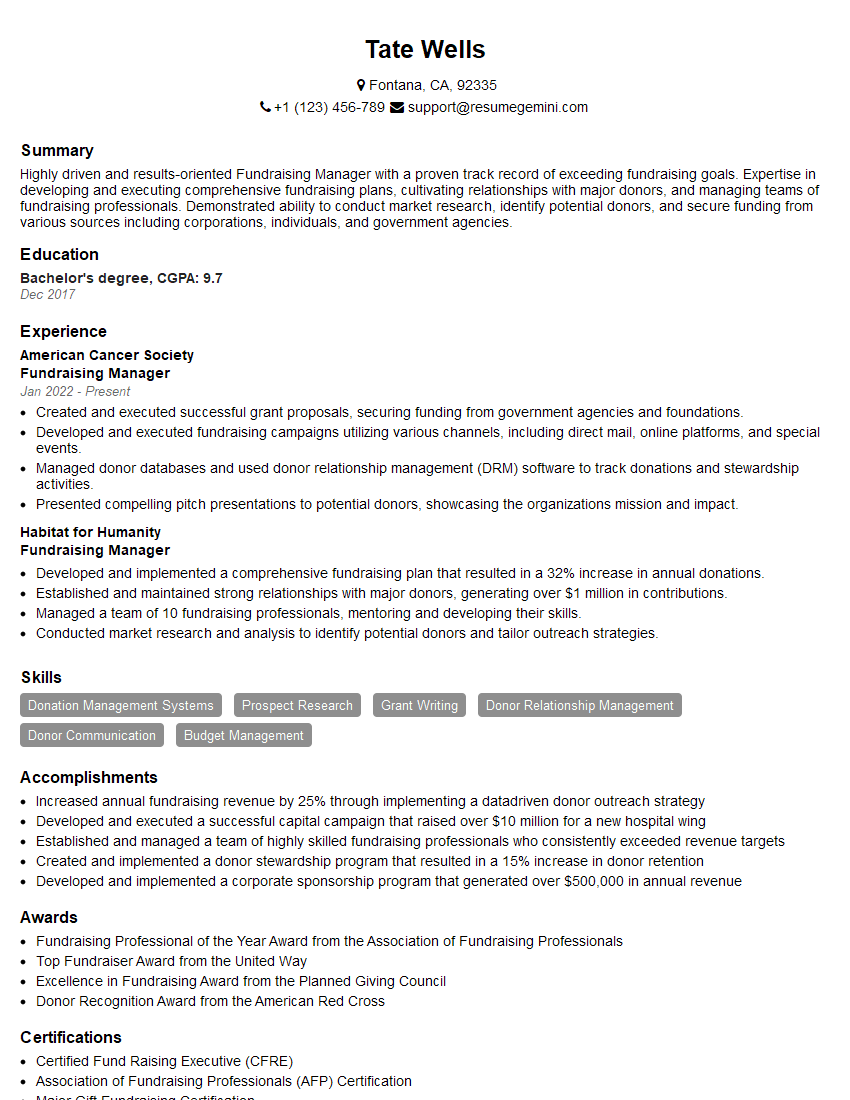
Fundraising Manager Resume Sample
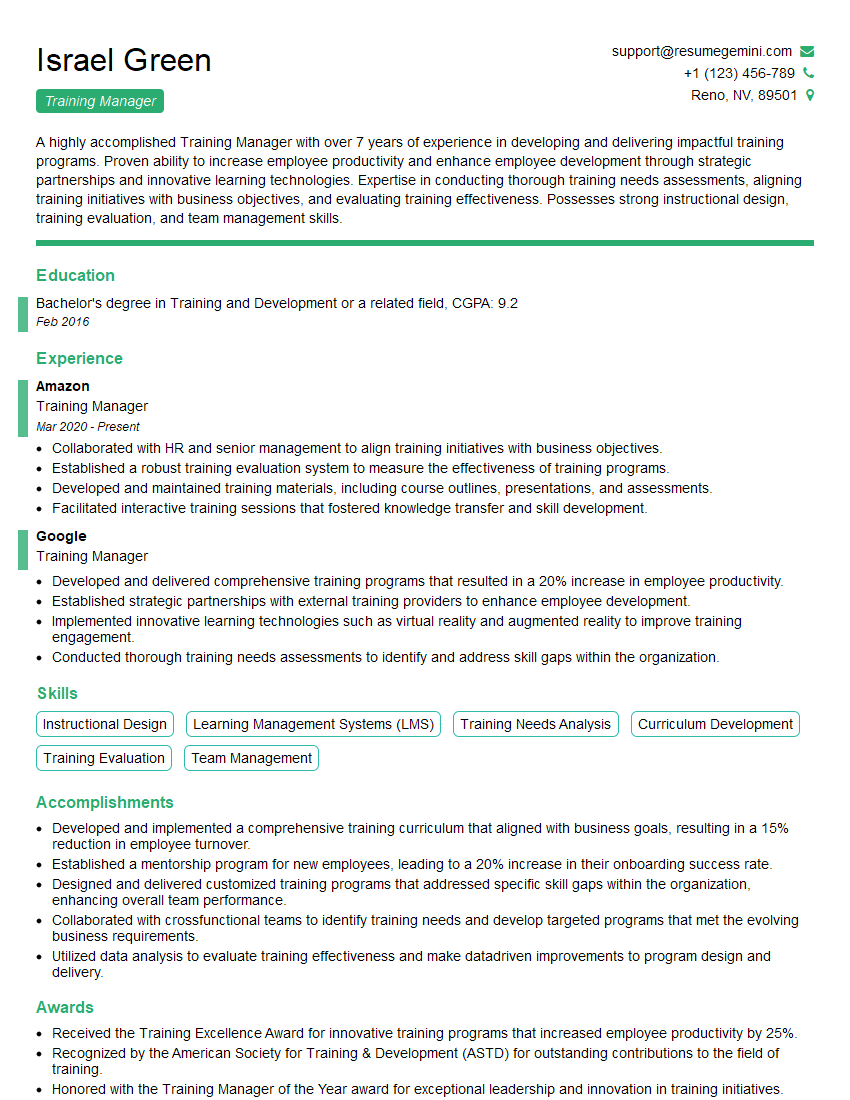
Training Manager Resume Sample
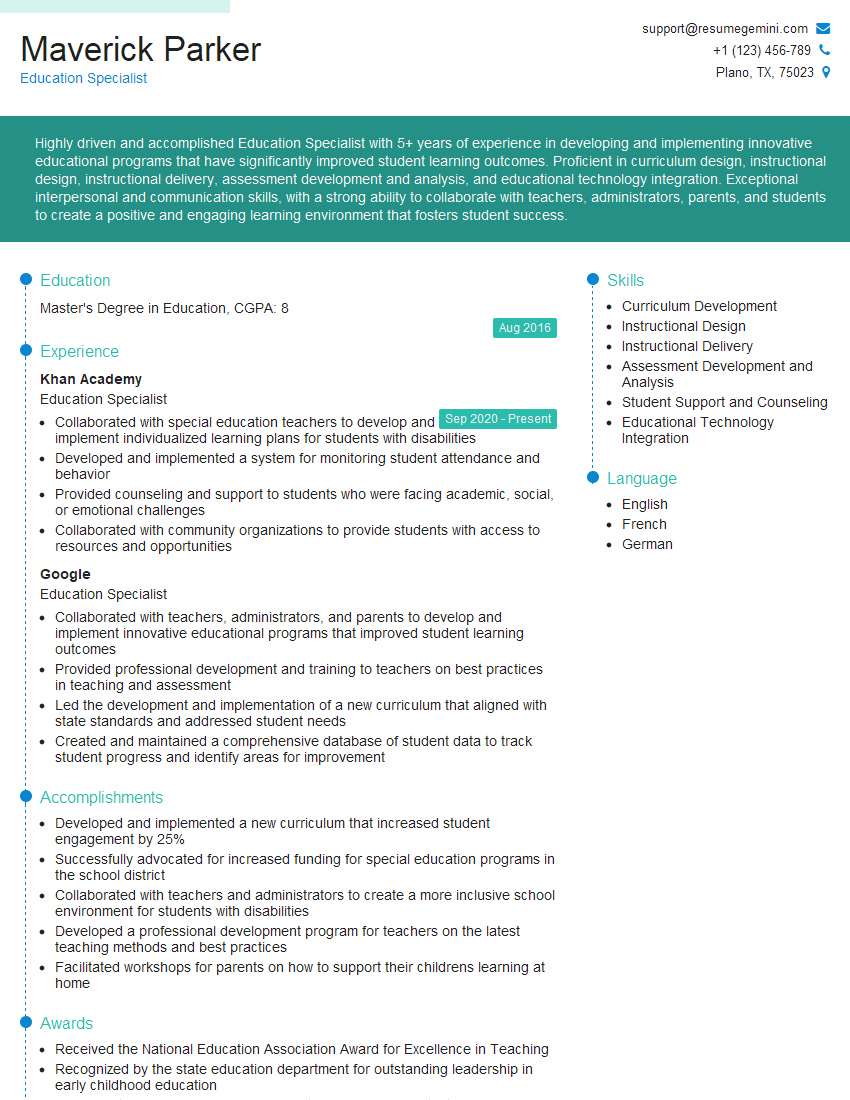
Education Specialist Resume Sample
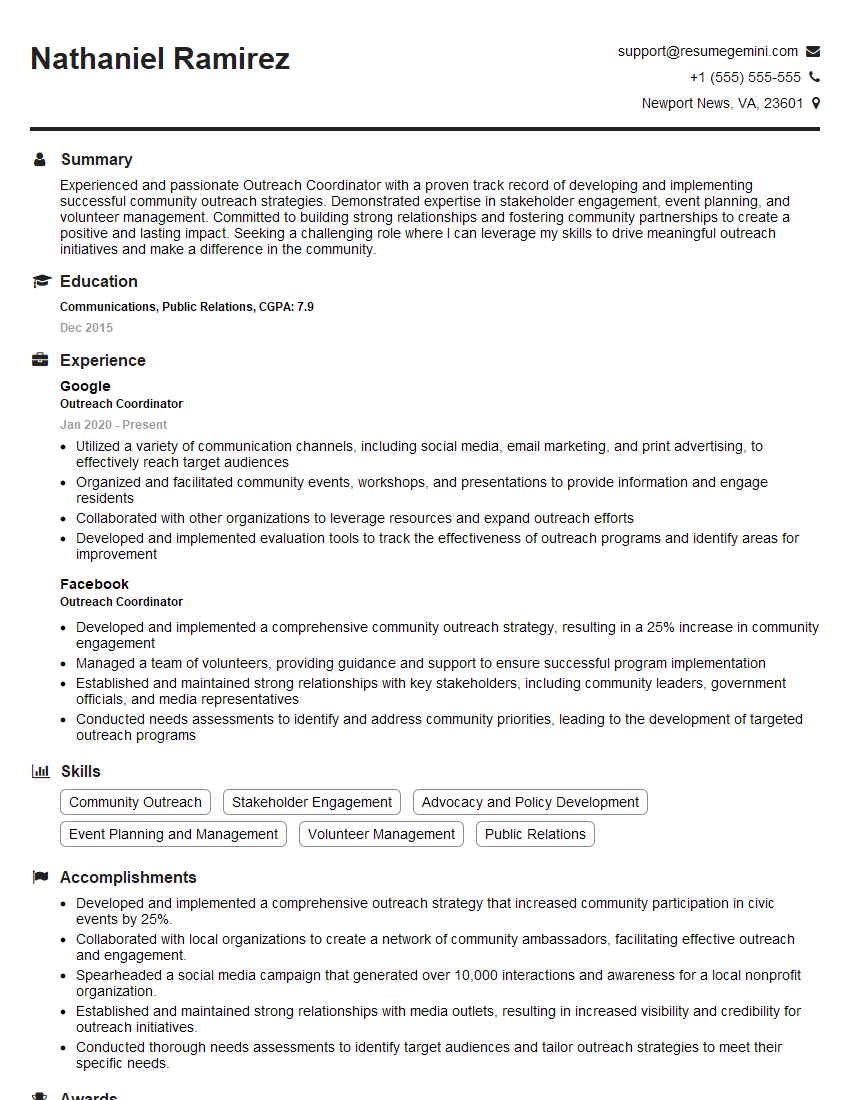
Outreach Coordinator Resume Sample
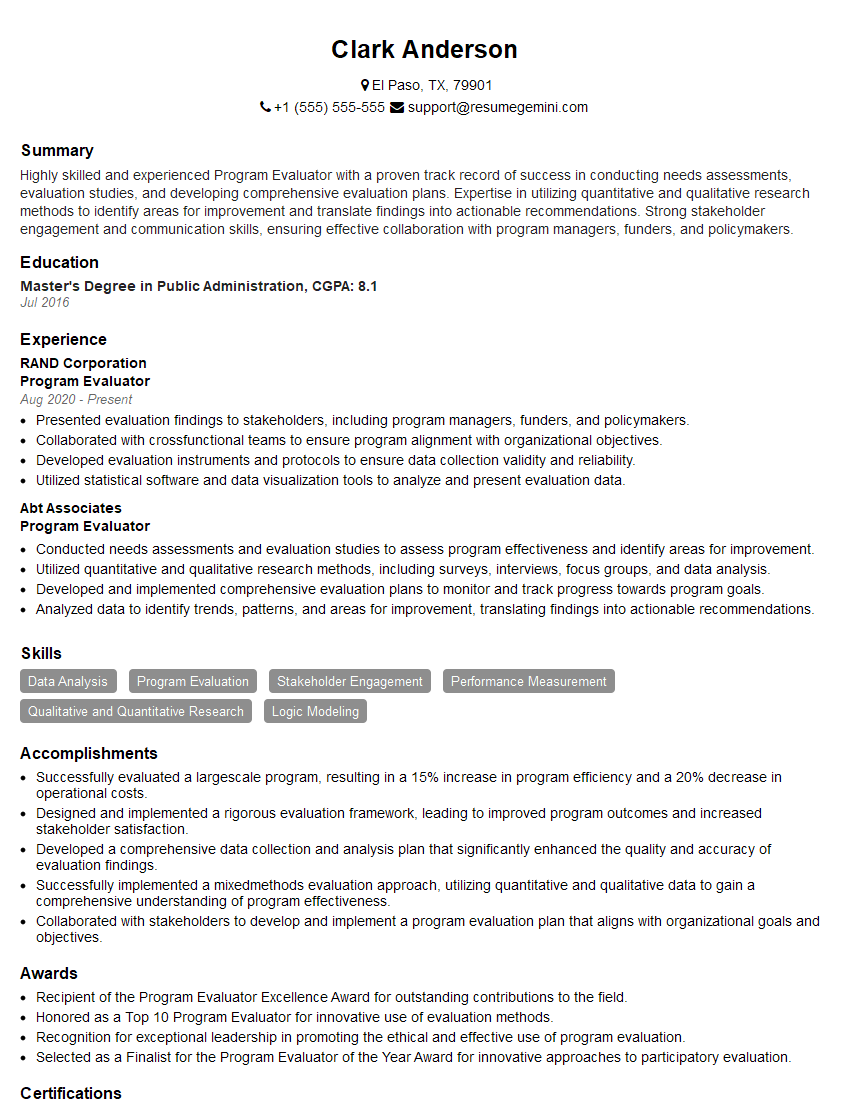
Program Evaluator Resume Sample

Curriculum Developer Resume Sample
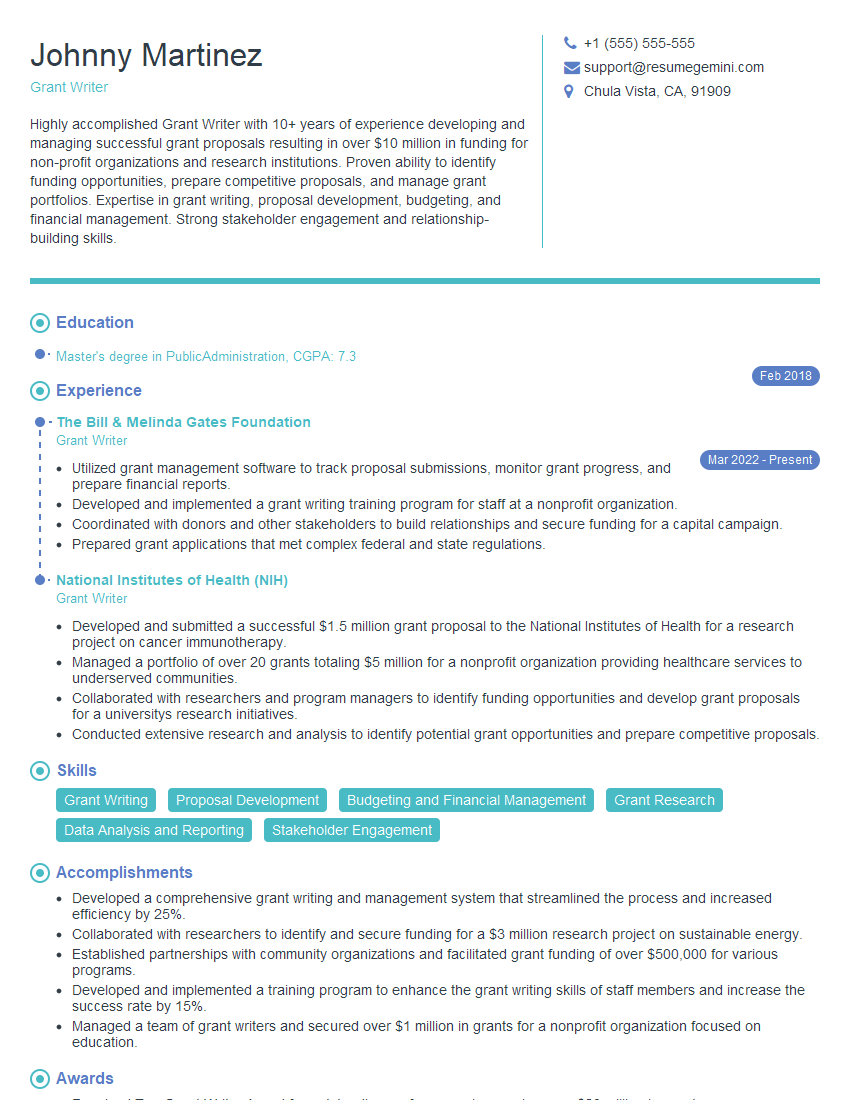
Grant Writer Resume Sample
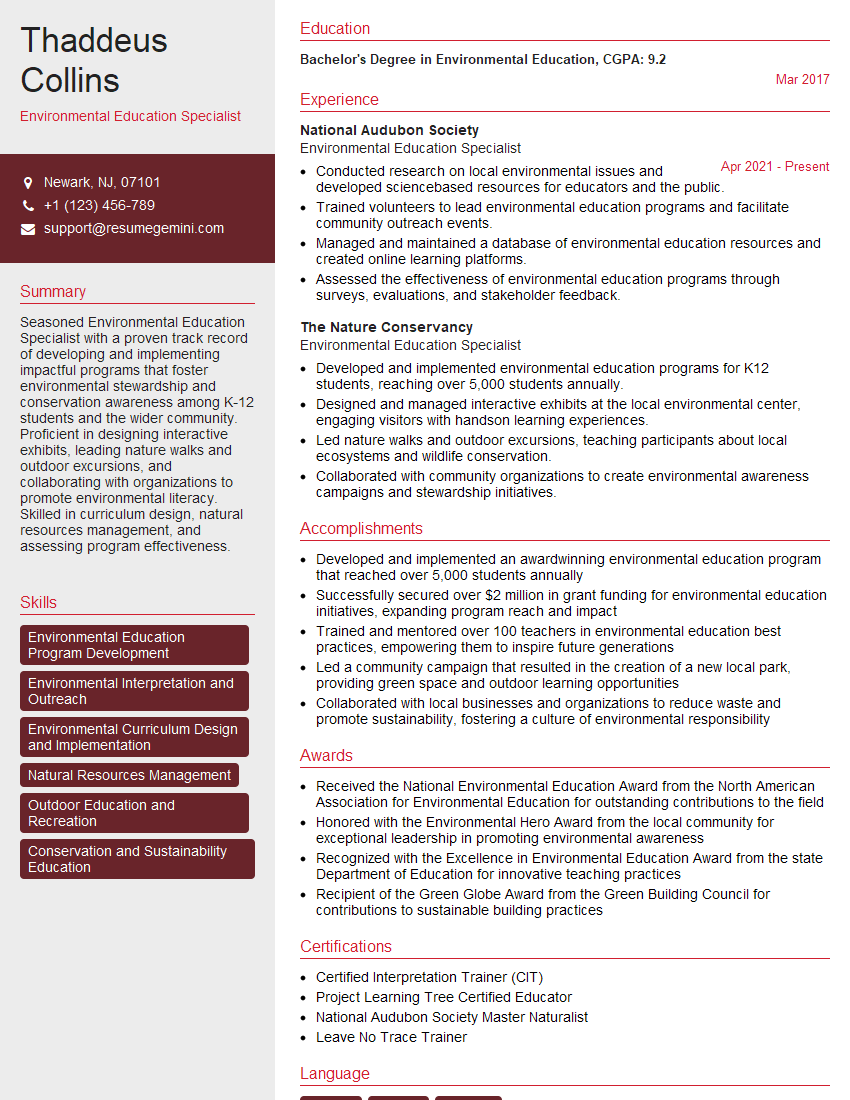
Environmental Education Specialist Resume Sample
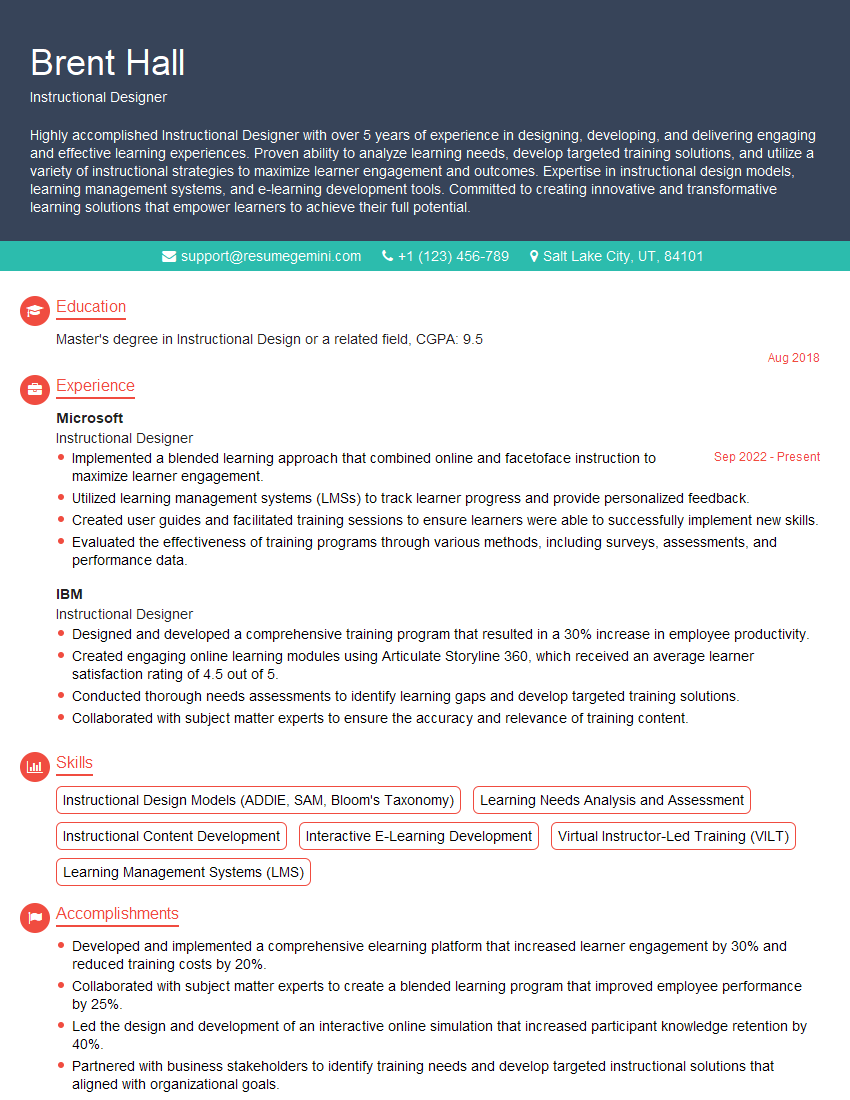
Instructional Designer Resume Sample
Explore more articles
Users Rating of Our Blogs
Share Your Experience
We value your feedback! Please rate our content and share your thoughts (optional).
What Readers Say About Our Blog
Very informative content, great job.
good