Every successful interview starts with knowing what to expect. In this blog, we’ll take you through the top Tesla interview questions, breaking them down with expert tips to help you deliver impactful answers. Step into your next interview fully prepared and ready to succeed.
Questions Asked in Tesla Interview
Q 1. Explain the architecture of Tesla’s Autopilot system.
Tesla’s Autopilot system is a sophisticated driver-assistance system, not fully autonomous driving. It relies on a complex interplay of hardware and software to achieve its capabilities. At its core, it uses a network of sensors including cameras, radar, and ultrasonic sensors to perceive its surroundings. This sensor data is then fed into powerful onboard computers that employ a combination of computer vision, deep learning, and machine learning algorithms.
The system works by creating a detailed 3D model of the vehicle’s environment, identifying objects such as cars, pedestrians, cyclists, and lane markings. It then uses this model to plan a safe driving trajectory, controlling steering, acceleration, and braking within defined operational limits. Think of it like a very advanced, constantly updating GPS that understands the nuances of the real world.
- Cameras: Provide high-resolution visual data for object detection and lane recognition.
- Radar: Detects objects at longer ranges and in challenging weather conditions, even when visibility is low.
- Ultrasonic sensors: Provide short-range information for parking assistance and obstacle avoidance.
- Onboard computers: Process sensor data, plan driving maneuvers, and control vehicle actuators.
It’s crucial to understand that Autopilot is designed to assist the driver, not replace them. The driver remains responsible for monitoring the vehicle and taking control when necessary.
Q 2. Describe the different types of electric motors used in Tesla vehicles.
Tesla vehicles primarily utilize permanent magnet synchronous motors (PMSM) and induction motors (IM), both of which are three-phase AC motors. The choice of motor can vary depending on the specific model and year of the vehicle.
- Permanent Magnet Synchronous Motors (PMSMs): These motors offer high efficiency and power density, making them ideal for performance-oriented applications. They use permanent magnets to create the magnetic field, resulting in higher torque at lower speeds. Think of them as the athletes of the electric motor world.
- Induction Motors (IMs): These motors are known for their robustness, simpler construction, and lower cost. They use electromagnets to create the magnetic field, making them less susceptible to damage from overheating. They’re more like reliable workhorses.
Tesla’s motor technology is constantly evolving. Early models utilized IMs, while later models increasingly incorporated PMSMs, often in dual-motor configurations for all-wheel drive (AWD) capabilities. The company is also constantly refining the designs of its motors to improve efficiency, power output, and durability.
Q 3. How does Tesla’s battery management system (BMS) work?
Tesla’s Battery Management System (BMS) is a crucial component responsible for monitoring and controlling the performance and lifespan of the vehicle’s battery pack. Its primary functions include:
- Cell voltage monitoring: The BMS constantly monitors the voltage of each individual cell within the battery pack to ensure balanced operation and prevent damage from overcharging or discharging.
- Temperature monitoring and control: The BMS regulates battery temperature within an optimal operating range to maximize performance and lifespan. This often involves active cooling and heating systems.
- State of charge (SOC) estimation: The BMS estimates the remaining charge in the battery pack based on various parameters, providing accurate range predictions to the driver.
- State of health (SOH) estimation: The BMS tracks the overall health of the battery pack over time, assessing its degradation and predicting its remaining lifespan.
- Cell balancing: The BMS actively balances the charge of individual cells to prevent imbalances that can lead to reduced performance or damage.
- Charging control: The BMS manages the charging process, optimizing charging rates and preventing overcharging.
- Safety protection: The BMS includes numerous safety features to prevent overcurrent, overvoltage, short circuits, and other potentially hazardous conditions.
The BMS is essentially the brain of the battery pack, constantly monitoring its health and performance, ensuring safe and efficient operation.
Q 4. Explain the challenges of thermal management in electric vehicle batteries.
Thermal management in electric vehicle batteries presents significant challenges due to the complex interplay between temperature, performance, and lifespan. Lithium-ion batteries operate optimally within a specific temperature range. Extreme temperatures, both high and low, can severely degrade battery performance and lifespan.
High temperatures can lead to accelerated chemical degradation, reduced capacity, thermal runaway (a catastrophic chain reaction that can lead to fire), and even battery failure. Low temperatures, on the other hand, can cause reduced capacity and slower charging rates. The challenge lies in designing effective cooling and heating systems that maintain the battery pack within its optimal operating temperature range under various driving conditions and ambient temperatures.
Tesla addresses these challenges through sophisticated thermal management systems that typically involve:
- Liquid cooling: A coolant fluid circulates through channels within the battery pack, absorbing heat and transferring it to a radiator for dissipation.
- Heaters: Heaters are used to warm the battery pack during cold weather, improving performance and charging speed.
- Insulation: Insulating materials help to minimize heat loss in cold environments and prevent excessive heat gain in hot environments.
- Thermal modeling and control algorithms: Advanced algorithms monitor battery temperature and adjust cooling and heating accordingly to maintain optimal operating conditions.
Effective thermal management is critical for maximizing battery lifespan, performance, and safety in electric vehicles.
Q 5. Discuss the advantages and disadvantages of using lithium-ion batteries.
Lithium-ion batteries are the dominant technology in electric vehicles, including Tesla vehicles, but they have both advantages and disadvantages.
Advantages:
- High energy density: They store a large amount of energy per unit of weight and volume, enabling long driving ranges.
- Lightweight: Their relatively low weight improves vehicle efficiency and performance.
- Long lifespan: They can withstand many charge-discharge cycles before significant degradation.
- Fast charging capability: Certain chemistries allow for relatively fast charging times.
- No memory effect: Unlike older battery technologies, they don’t suffer from the memory effect, which limits their capacity.
Disadvantages:
- Cost: Lithium-ion batteries can be expensive to manufacture.
- Safety concerns: They pose safety risks if mishandled, potentially leading to fires or explosions.
- Temperature sensitivity: Their performance and lifespan are significantly affected by temperature extremes.
- Limited cycle life: While they have a long lifespan, their capacity gradually degrades over time and with repeated charge-discharge cycles.
- Environmental concerns: The mining and production of lithium and other materials used in these batteries can have environmental impacts.
Despite their drawbacks, the advantages of lithium-ion batteries currently outweigh the disadvantages, making them the technology of choice for electric vehicles.
Q 6. What are the key components of a Tesla powertrain?
A Tesla powertrain is a highly integrated system consisting of several key components working together to deliver power to the wheels. The key components include:
- Battery pack: Stores electrical energy, providing the power source for the vehicle.
- Electric motor(s): Converts electrical energy into mechanical energy to drive the wheels.
- Inverter: Controls the flow of electricity to the motor, regulating its speed and torque.
- Transmission: Transfers power from the motor to the wheels (often a single-speed transmission in Tesla vehicles).
- Power electronics: A complex system of electronics that manages power flow, charging, and other essential functions.
- Thermal management system: Maintains the optimal operating temperature of the battery and other powertrain components.
The powertrain is designed for maximum efficiency, performance, and reliability. The integration of these components is crucial to the overall performance and efficiency of the vehicle.
Q 7. Explain the role of regenerative braking in a Tesla vehicle.
Regenerative braking in a Tesla vehicle is a key feature that contributes to both efficiency and performance. Instead of simply converting kinetic energy into heat via friction brakes as in traditional vehicles, regenerative braking converts a portion of the vehicle’s kinetic energy back into electrical energy during deceleration. This electrical energy is then stored back in the battery pack, extending the vehicle’s driving range.
When the driver releases the accelerator pedal or applies the brakes, the electric motor acts as a generator, slowing the vehicle down and converting kinetic energy into electrical energy. The intensity of regenerative braking can be adjusted, providing a smooth and controlled deceleration experience. This system is highly effective in city driving, where frequent braking occurs, allowing for significant range extension.
Think of it like charging your battery while braking. The amount of energy recovered depends on factors such as the vehicle’s speed, the intensity of braking, and the state of charge of the battery.
Q 8. Describe the different types of sensors used in Tesla’s autonomous driving system.
Tesla’s Autopilot and Full Self-Driving (FSD) systems rely on a sophisticated suite of sensors to perceive their environment. Think of it like giving the car multiple senses to understand its surroundings. These sensors work together to create a comprehensive 360-degree view.
Cameras: Tesla uses a network of eight cameras, strategically positioned around the vehicle, providing a wide field of view and stereo vision capabilities. These cameras capture visual data, which is crucial for object detection, lane recognition, and traffic light identification. Imagine it as the car’s ‘eyes’.
Radar: Tesla’s radar system uses radio waves to detect objects, even in challenging weather conditions like heavy rain or fog. This is especially important because cameras can struggle in low visibility. Radar provides long-range detection, and gives the car information about the range and speed of objects it detects. Consider it the car’s ‘sonar’.
Ultrasonic Sensors: Twelve ultrasonic sensors are placed around the vehicle’s perimeter. These sensors detect nearby obstacles and are crucial for parking assistance and low-speed maneuvering. Think of them as the car’s ‘touch sensors’.
The data from these sensors is fused together using complex algorithms to create a robust and accurate representation of the environment, allowing the Autopilot system to make safe and informed driving decisions.
Q 9. How does Tesla’s over-the-air (OTA) software update system work?
Tesla’s over-the-air (OTA) software update system is revolutionary in the automotive industry. It allows Tesla to remotely update the software running in its vehicles, including features, performance improvements, and bug fixes, without requiring a physical visit to a service center. Think of it as getting a software update for your phone, but for your car!
The process typically involves the vehicle checking for updates periodically. When an update is available, the vehicle downloads it over a Wi-Fi or cellular connection. Then, during an idle period, the car installs the update, which might involve a reboot. This seamless update process constantly improves the car’s functionality and safety, introducing new features and enhancements over time. Tesla releases these updates frequently, continuously improving its system. It’s a key component in enabling the continuous improvement and evolution of Tesla’s vehicles and their features.
Q 10. Explain the concept of vehicle-to-grid (V2G) technology.
Vehicle-to-Grid (V2G) technology allows electric vehicles (EVs), like Tesla vehicles, to act as distributed energy storage units, feeding electricity back into the power grid when needed. Imagine a future where your car can not only be charged but can also help power your home or even contribute to the stability of the electric grid.
In a V2G system, during periods of high energy demand or when renewable energy sources (like solar or wind) are generating excess power, EVs can discharge their batteries to the grid, helping to balance supply and demand. This capability helps reduce reliance on fossil fuel power plants and improves the overall efficiency of the energy system. When electricity demand is low and renewable energy generation is high, the energy can be fed back into the car’s battery, essentially acting as a giant distributed battery system.
While Tesla has not fully implemented bidirectional charging in all its models yet, the underlying technology is compatible and hints at future potential applications. This means that future Tesla vehicles may be capable of V2G functionality, adding another layer of sustainability to their operation.
Q 11. Describe your experience with Model-Based Design (MBD).
Model-Based Design (MBD) is a crucial part of developing complex embedded systems like those found in Tesla vehicles. It involves creating a mathematical model of the system early in the development process, allowing engineers to simulate and verify the design before it’s implemented in hardware. This is incredibly valuable for safety critical systems like autonomous driving where testing in the real-world presents risks.
In my experience with MBD, I’ve used tools like Simulink and MATLAB to build models of various vehicle subsystems. These models allow us to simulate various scenarios, such as different driving conditions, and analyze the system’s behavior before physically implementing it in the car. This iterative approach drastically improves system reliability and reduces the risk of costly errors during real-world testing.
For example, I’ve worked on modeling the vehicle’s control systems, specifically its dynamic response to different inputs. By simulating various scenarios in the model, we could fine-tune control parameters and optimize the performance and safety of the vehicle’s response to various driving situations.
Q 12. How familiar are you with CAN communication protocols?
I’m very familiar with CAN (Controller Area Network) communication protocols. CAN is a crucial bus system in modern vehicles, including Teslas, responsible for communication between various electronic control units (ECUs). These ECUs control everything from the engine and transmission to the infotainment system and advanced driver-assistance features. It’s the car’s internal network.
My experience includes working directly with CAN data, analyzing CAN messages, and developing software that interacts with the CAN bus. This involves understanding the CAN frame structure, message prioritization, error handling, and debugging communication issues. For instance, I’ve been involved in troubleshooting situations where sensor data wasn’t being properly relayed to the central processing unit, which is critical to the safety and functionality of the vehicle.
I’ve used tools like CANalyzer and Vector tools for analyzing and simulating CAN bus communication. The skillset extends to programming microcontrollers that communicate through the CAN bus, and understanding the requirements for real-time communication, which is vital for safety-critical functions. Knowledge of CAN is vital for developing and maintaining any advanced automotive system.
Q 13. Explain your experience with different types of testing methodologies (e.g., unit, integration, system).
Throughout my career, I’ve extensively used various testing methodologies. It’s essential to ensure software quality and reliability, especially in a safety-critical environment like automotive development.
Unit Testing: I routinely test individual software modules to verify their correct functionality in isolation. This is like checking each component of a car’s engine individually to ensure each works correctly before testing the whole engine.
Integration Testing: Once individual modules are tested, I combine them to test the interactions between components. This is analogous to testing how different parts of the engine work together.
System Testing: This is where the entire system is tested as a whole, to confirm all components work as designed in a real-world scenario or as close as possible. Here, we’d be testing the whole car on the road, or in a simulated environment.
Regression Testing: After implementing changes, we’d perform regression testing to make sure that new code doesn’t break existing features. This is similar to checking if a new engine part affects the performance of other engine components.
My experience also extends to other testing methodologies such as black-box and white-box testing. The use of automated testing frameworks is also key to maintaining efficiency and quality.
Q 14. Describe your experience with version control systems (e.g., Git).
I have extensive experience with Git, a widely used distributed version control system. Git is essential for collaborative software development, allowing multiple developers to work on the same codebase concurrently, while tracking changes and managing different versions. It’s like having a detailed history of every modification made to the code.
My experience includes using Git for branching, merging, and resolving conflicts. I’m proficient in using Git commands and using platforms like GitHub and GitLab for code management and collaboration. I understand the importance of proper branching strategies and commit messages for maintainable code. For example, I frequently use feature branches for developing new features, ensuring that incomplete work doesn’t affect the main codebase. This helps manage complexity in large-scale software development projects. Furthermore, I have experience with pull requests and code reviews which improve code quality and collaboration.
Q 15. What are your thoughts on the future of electric vehicle technology?
The future of electric vehicle (EV) technology is incredibly exciting and multifaceted. We’re moving beyond simply replacing internal combustion engines with batteries. The next wave of innovation will focus on several key areas:
- Battery Technology: Improvements in battery density, charging speed, and lifespan are crucial. Solid-state batteries, for instance, promise significantly higher energy density and faster charging, leading to longer ranges and reduced charging times. Think of it like going from a flip phone to a smartphone – a quantum leap in capability.
- Autonomous Driving: The integration of advanced driver-assistance systems (ADAS) and fully autonomous driving capabilities will be transformative. Tesla’s Autopilot is a prime example, but the technology will continue to evolve, incorporating more sophisticated sensor fusion, AI algorithms, and edge computing to enhance safety and convenience. Imagine commuting without having to actively drive – that’s the goal.
- Charging Infrastructure: Widespread adoption of EVs hinges on a robust charging network. This includes not only expanding the number of charging stations but also improving charging speeds and implementing smart charging technologies to optimize grid management. Imagine a future where charging your EV is as effortless as filling up a gas tank.
- Vehicle-to-Grid (V2G) Technology: EV batteries can potentially act as distributed energy storage, feeding excess energy back into the power grid. This has implications for grid stability and renewable energy integration. This is a game-changer for sustainable energy.
- Software and Over-the-Air (OTA) Updates: The ability to constantly update vehicle software via OTA updates is fundamental. This allows for continuous improvement of features, performance, and safety, essentially transforming the car into a continuously evolving platform. Think of it like constantly updating your smartphone apps – but for your car.
Tesla is at the forefront of many of these advancements, continuously pushing the boundaries of EV technology. The future is likely to see a convergence of these areas, leading to safer, more efficient, more convenient, and more sustainable transportation.
Career Expert Tips:
- Ace those interviews! Prepare effectively by reviewing the Top 50 Most Common Interview Questions on ResumeGemini.
- Navigate your job search with confidence! Explore a wide range of Career Tips on ResumeGemini. Learn about common challenges and recommendations to overcome them.
- Craft the perfect resume! Master the Art of Resume Writing with ResumeGemini’s guide. Showcase your unique qualifications and achievements effectively.
- Don’t miss out on holiday savings! Build your dream resume with ResumeGemini’s ATS optimized templates.
Q 16. Explain your experience with embedded systems development.
My experience in embedded systems development spans over [Number] years, focusing primarily on real-time systems and automotive applications. I’ve worked extensively with microcontrollers, real-time operating systems (RTOS), and communication protocols like CAN and LIN.
For example, during my time at [Previous Company], I was responsible for developing and implementing the control algorithms for [Specific System], a critical component of the vehicle’s powertrain. This involved extensive work with C++ and Assembly language, optimizing code for performance and resource efficiency while adhering to strict safety standards, such as ISO 26262. We used a model-based development approach, utilizing tools like [Specific Tools] to ensure the correctness and reliability of the software.
Another significant project involved the development of a diagnostic module for the onboard charging system. This required expertise in fault detection, diagnosis, and reporting mechanisms using communication protocols like UDS (Unified Diagnostic Services). This project heavily relied on my understanding of embedded system architectures and debugging methodologies within the constraints of limited hardware resources.
Q 17. How familiar are you with different programming languages used in automotive applications (e.g., C++, Python)?
I am highly proficient in C++, the dominant language in embedded systems development for automotive applications. Its performance and low-level control capabilities are essential for real-time systems. I have extensive experience in object-oriented programming (OOP) using C++, designing and implementing robust and maintainable code. My experience also includes:
- C++: Proficient in object-oriented programming (OOP), memory management, multithreading, and template metaprogramming.
- Python: Used for data analysis, prototyping, and scripting tasks. I’ve used Python libraries like NumPy and Pandas for processing large datasets and creating visualizations.
- MATLAB/Simulink: Experience in model-based design and simulation, especially for control systems development and validation.
The choice of language depends on the specific task. C++ is preferred for performance-critical applications, while Python is better suited for rapid prototyping and data analysis. I’m comfortable adapting my programming skills to the requirements of each project.
Q 18. Discuss your experience with data analysis and visualization.
Data analysis and visualization are crucial for understanding system performance, identifying trends, and making informed decisions. I have significant experience in this area, leveraging tools like Python (with libraries such as Pandas, NumPy, Matplotlib, and Seaborn), and visualization tools like Tableau and Power BI.
For instance, in a previous role, I analyzed sensor data from a fleet of vehicles to identify patterns in driving behavior. This involved cleaning and preprocessing the data, performing statistical analysis, and creating visualizations to identify areas for improvement in energy efficiency. The results of this analysis directly informed the development of new features aimed at optimizing energy consumption.
Another example involves using data analysis techniques to optimize the performance of machine learning models for autonomous driving. I’ve used various metrics such as precision, recall, and F1-score to evaluate the performance of different models and fine-tune their hyperparameters to improve accuracy and robustness.
Q 19. Describe your experience with machine learning algorithms used in autonomous driving.
My experience with machine learning algorithms used in autonomous driving encompasses a range of techniques, including:
- Computer Vision: I have experience using convolutional neural networks (CNNs) for object detection, classification, and segmentation, utilizing frameworks such as TensorFlow and PyTorch. This is critical for recognizing objects like pedestrians, vehicles, and traffic signs.
- Sensor Fusion: Combining data from various sensors (cameras, LiDAR, radar) to create a comprehensive understanding of the vehicle’s surroundings is crucial. I’ve worked on algorithms for fusing sensor data and handling sensor uncertainty.
- Path Planning and Motion Planning: Algorithms like A*, D*, and model predictive control (MPC) are essential for planning safe and efficient trajectories for the vehicle. I’ve applied reinforcement learning techniques to optimize path planning algorithms.
- Reinforcement Learning: I have experience applying reinforcement learning techniques to train autonomous driving agents in simulated environments.
My understanding extends beyond simply implementing these algorithms. I also possess a strong grasp of the underlying mathematical principles and the challenges associated with deploying these algorithms in real-world scenarios, such as dealing with noisy sensor data and ensuring robustness in unpredictable environments. For example, I’ve worked on projects to improve the robustness of object detection algorithms in adverse weather conditions.
Q 20. How do you approach problem-solving in a fast-paced environment?
In a fast-paced environment, a structured and iterative approach to problem-solving is essential. My strategy typically involves:
- Clearly Defining the Problem: Thoroughly understanding the problem statement, gathering all relevant information, and identifying the key constraints are paramount. This includes questioning assumptions and clarifying ambiguous aspects.
- Breaking Down the Problem: Decomposing complex problems into smaller, more manageable subproblems makes them easier to tackle individually.
- Prioritizing Tasks: Focusing on the most critical aspects first based on impact and urgency.
- Rapid Prototyping and Iteration: Quickly building a prototype to test and validate solutions early and iteratively refining it based on feedback and results. This helps avoid getting bogged down in unnecessary detail.
- Seeking Collaboration: Leveraging the expertise and perspectives of others through brainstorming sessions and discussions.
- Effective Communication: Regularly communicating progress, challenges, and solutions to stakeholders.
For example, when faced with a critical bug in production, I prioritize identifying the root cause quickly, implementing a temporary fix to mitigate the immediate impact, and then developing a more robust, long-term solution. Communication is key – ensuring the team and stakeholders are kept informed throughout the process.
Q 21. Explain your understanding of cybersecurity risks in connected vehicles.
Cybersecurity risks in connected vehicles are a significant concern. The increasing connectivity and reliance on software increase the attack surface, making vehicles vulnerable to various threats:
- Data Breaches: Unauthorized access to sensitive vehicle data, including personal information, driving habits, and location data.
- Remote Control Attacks: Hackers could potentially gain remote control over vehicle functions, compromising safety and security.
- Denial-of-Service (DoS) Attacks: Disrupting essential vehicle functions by overloading systems or preventing communication.
- Software Vulnerabilities: Exploiting software vulnerabilities to gain unauthorized access or control.
Mitigation strategies include secure software development practices (such as secure coding standards and regular security audits), robust authentication and authorization mechanisms, encryption of sensitive data, intrusion detection systems, and over-the-air (OTA) updates for patching vulnerabilities. Tesla has implemented several security measures, including hardware security modules (HSMs) and encryption, but the landscape is constantly evolving and requires a proactive and layered approach to security.
Q 22. Describe your experience working with various manufacturing processes.
My experience encompasses a wide range of manufacturing processes, from stamping and die casting of automotive body parts to high-precision assembly of battery packs and electric motors. I’ve worked extensively with robotic automation, particularly in areas like welding, painting, and final assembly. I’m also familiar with lean manufacturing principles, including Just-in-Time (JIT) inventory management and continuous improvement methodologies like Kaizen. For example, during my time at [Previous Company Name], I led a project to optimize the robotic welding process for a critical chassis component, resulting in a 15% reduction in cycle time and a significant improvement in weld quality. Another key experience involved implementing a new automated painting system, which reduced paint waste by 20% and improved the overall finish consistency.
- Stamping and Die Casting: Experience with high-pressure die casting of aluminum alloys for motor housings and body panels.
- Robotic Welding and Assembly: Expertise in programming and troubleshooting robotic systems for various welding and assembly tasks.
- Lean Manufacturing: Implementation and optimization of JIT inventory and Kaizen principles.
- Quality Control: Proficient in implementing and maintaining quality control measures throughout the manufacturing process.
Q 23. What is your experience with supply chain management in a high-volume manufacturing environment?
In high-volume manufacturing, efficient supply chain management is critical. My experience involves managing relationships with numerous suppliers, negotiating contracts, and ensuring timely delivery of materials. I’ve used various software tools for inventory management, demand forecasting, and supplier performance tracking. A crucial aspect of my work has been risk mitigation—identifying potential supply chain disruptions and implementing contingency plans. For example, during a period of global semiconductor shortages, I successfully negotiated alternative sourcing agreements, preventing production delays. This involved collaborating with engineering to qualify substitute components and working closely with logistics to ensure efficient transportation.
My experience includes developing key performance indicators (KPIs) to track supplier performance, including on-time delivery, quality, and cost. Regular performance reviews and close collaboration with suppliers are crucial for maintaining a stable and efficient supply chain. We regularly use tools like Kanban and MRP (Material Requirements Planning) for inventory management and production scheduling.
Q 24. How would you handle a conflict between engineering requirements and production deadlines?
Conflicts between engineering requirements and production deadlines are inevitable in a fast-paced manufacturing environment. My approach involves open communication, collaborative problem-solving, and prioritization. First, I would facilitate a meeting with all relevant stakeholders – engineers, production managers, and project managers – to clearly define the engineering requirements and the impact of any potential delays. Then, we would collaboratively assess the trade-offs: Can we adjust the scope of the engineering changes? Are there alternative solutions that meet the essential requirements without compromising the timeline? Can we re-allocate resources to expedite the process? Prioritization involves identifying critical path activities and focusing resources on those. Ultimately, the goal is to find a mutually agreeable solution that minimizes the impact on both product quality and production schedule. Documentation and transparent communication throughout this process are essential.
Q 25. Describe a time you had to debug a complex system.
During a previous role, I was tasked with debugging a complex robotic assembly system experiencing intermittent failures. The system integrated several subsystems: vision sensors, robotic arms, and a conveyor belt system. The initial troubleshooting involved systematically testing each component individually. I used diagnostic tools to analyze sensor data and robotic arm movements, comparing them to expected values. After careful investigation, I discovered that a small vibration in the conveyor belt was causing inconsistencies in the vision system’s object recognition. The vibration was subtle and not immediately apparent. To solve the issue, I implemented vibration dampeners to stabilize the conveyor system. The problem was resolved, and the assembly system’s uptime significantly improved. This experience highlighted the importance of thorough diagnostic techniques and the value of considering seemingly minor factors within a complex system.
Q 26. How familiar are you with Tesla’s manufacturing processes?
I’m very familiar with Tesla’s manufacturing processes, particularly their Gigafactories and their innovative approach to automation and vertical integration. I understand their use of advanced manufacturing techniques like die casting for body components, their high level of automation, and their focus on efficient assembly lines. I’m aware of their continuous efforts to improve manufacturing efficiency and reduce production costs. I’m also familiar with Tesla’s commitment to sustainable manufacturing practices and the use of renewable energy sources in their factories. I’ve studied their implementation of AI and machine learning in various aspects of their manufacturing process, from predictive maintenance to quality control.
Q 27. Describe your experience with quality control and assurance in a manufacturing setting.
My experience in quality control and assurance involves implementing and managing quality management systems (QMS), such as ISO 9001. This includes developing and enforcing quality standards, performing regular audits, and implementing corrective actions. I’m proficient in using statistical process control (SPC) techniques to monitor and improve manufacturing processes. A key aspect is preventive quality control—identifying potential issues before they lead to defects. This involves thorough inspections at various stages of the manufacturing process, using both automated and manual inspection methods. For example, in a previous role, I implemented a new automated optical inspection system that reduced the defect rate by 12% and significantly improved the overall consistency of the product.
Q 28. How do you ensure the safety and reliability of Tesla’s vehicles?
Ensuring the safety and reliability of Tesla vehicles is paramount. This requires a multi-faceted approach encompassing design, manufacturing, and testing. Rigorous testing protocols are essential—vehicles undergo extensive crash tests, durability tests, and environmental tests to validate their safety performance. Furthermore, robust quality control measures throughout the manufacturing process are vital in identifying and addressing potential defects early on. Continuous monitoring of vehicle performance after delivery through over-the-air updates and data analysis is important for identifying and addressing potential safety issues in the field. Tesla’s commitment to utilizing high-quality components and advanced safety features, coupled with its data-driven approach, are key to achieving high safety and reliability standards. The proactive approach to software updates to address potential issues is a key differentiator in ensuring ongoing vehicle safety and reliability.
Key Topics to Learn for Tesla Interview
- Electric Vehicle Technology: Understand battery technology (chemistry, thermal management, lifespan), electric motor principles (types, efficiency), power electronics (inverters, converters), and charging infrastructure.
- Autonomous Driving: Familiarize yourself with sensor fusion (LiDAR, radar, camera), computer vision algorithms, deep learning applications in autonomous driving, and path planning/control systems. Explore challenges and limitations of current self-driving technology.
- Software Engineering at Tesla: Grasp Tesla’s software stack (from embedded systems to cloud services), understand agile development methodologies, and be prepared to discuss experience with relevant programming languages (Python, C++, Java) and frameworks.
- Manufacturing and Production: Learn about Tesla’s manufacturing processes, automation, robotics, and supply chain management. Consider the unique challenges of high-volume EV production.
- Sustainable Energy and Energy Storage: Understand Tesla’s broader commitment to sustainable energy, including solar energy, energy storage solutions (Powerwall, Powerpack), and the integration of renewable energy sources into the grid.
- Data Analysis and Machine Learning: Prepare to discuss experience with data analysis techniques, machine learning algorithms, and their application in optimizing Tesla’s operations, improving vehicle performance, or enhancing the autonomous driving system. Consider data visualization and presentation skills.
- Problem-Solving and Innovation: Tesla values innovative thinking and problem-solving skills. Be ready to discuss your approach to tackling complex engineering challenges and demonstrate your ability to think outside the box.
Next Steps
Landing a role at Tesla is a significant career achievement, opening doors to cutting-edge technology and a dynamic work environment. To maximize your chances, it’s crucial to present yourself effectively. An ATS-friendly resume is paramount in getting your application noticed by recruiters. ResumeGemini can help you craft a compelling and effective resume that highlights your skills and experience in a way that Applicant Tracking Systems (ATS) can easily read and understand. They offer examples of resumes tailored to Tesla to provide you with a great starting point. Invest the time in building a strong resume – it’s your first impression and can make all the difference in securing your dream job at Tesla.
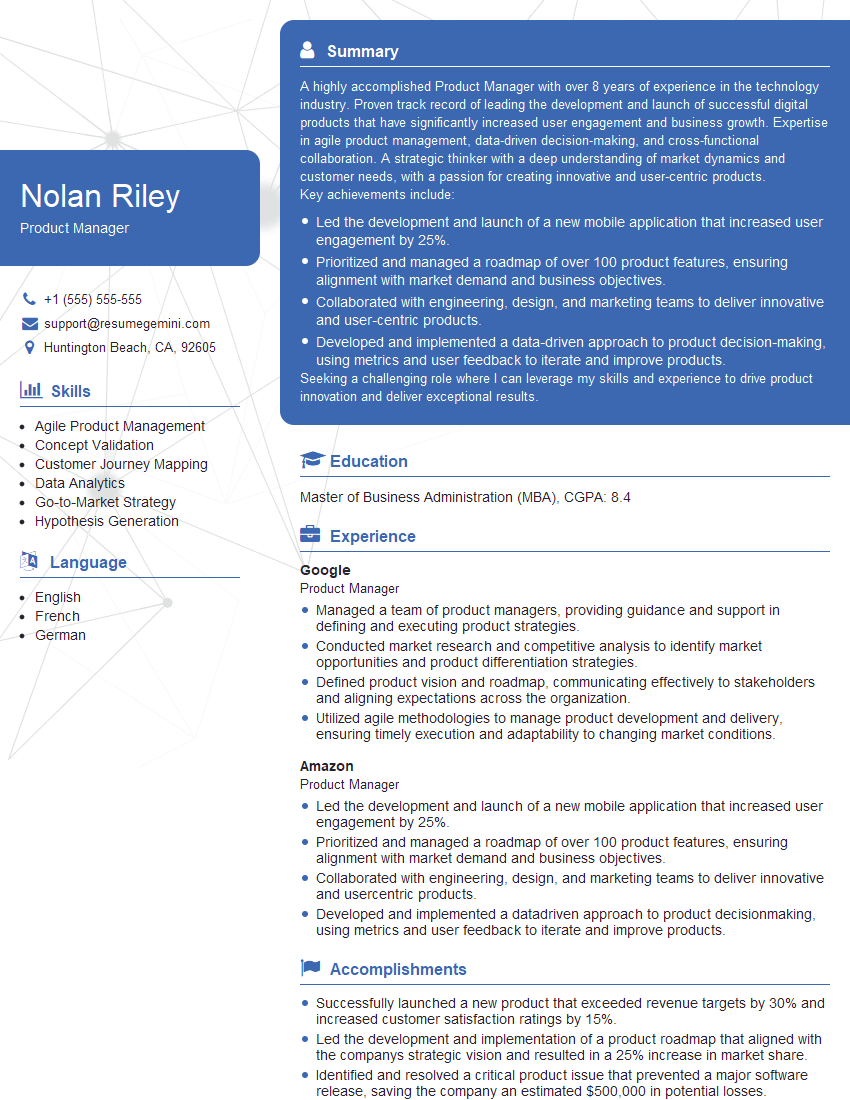
Product Manager Resume Sample
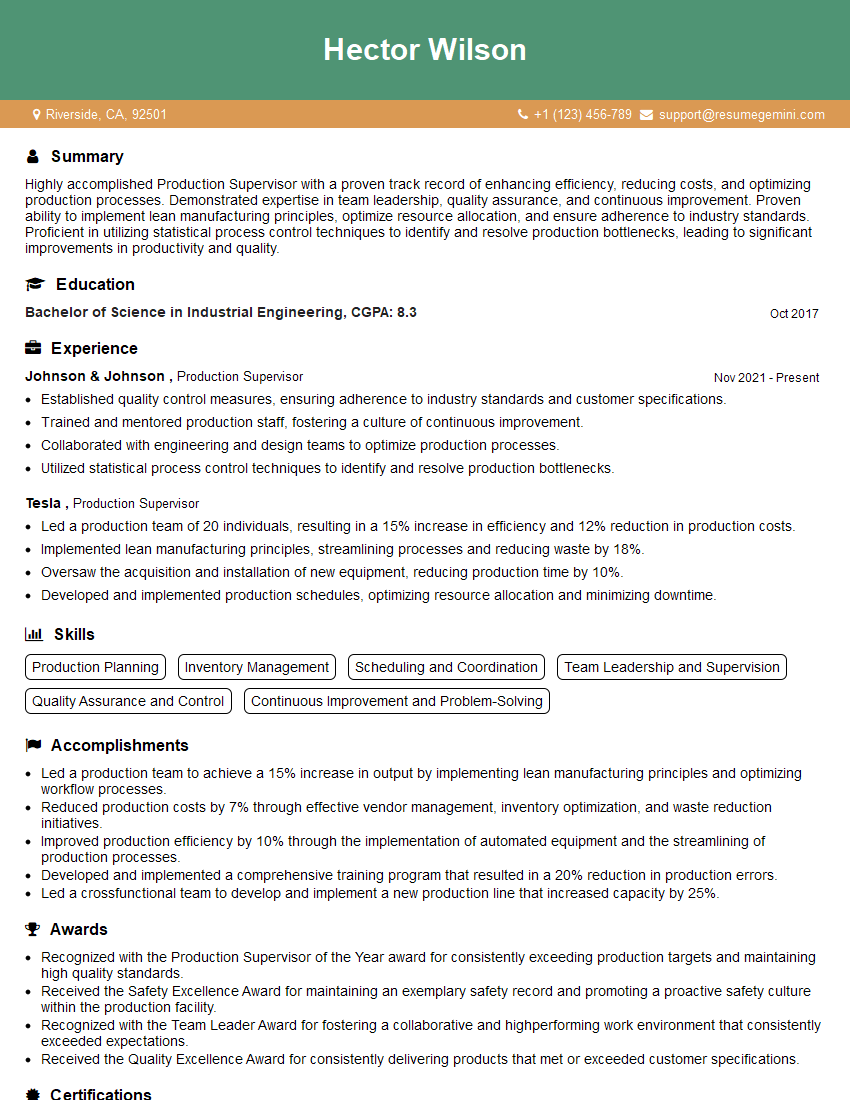
Production Supervisor Resume Sample
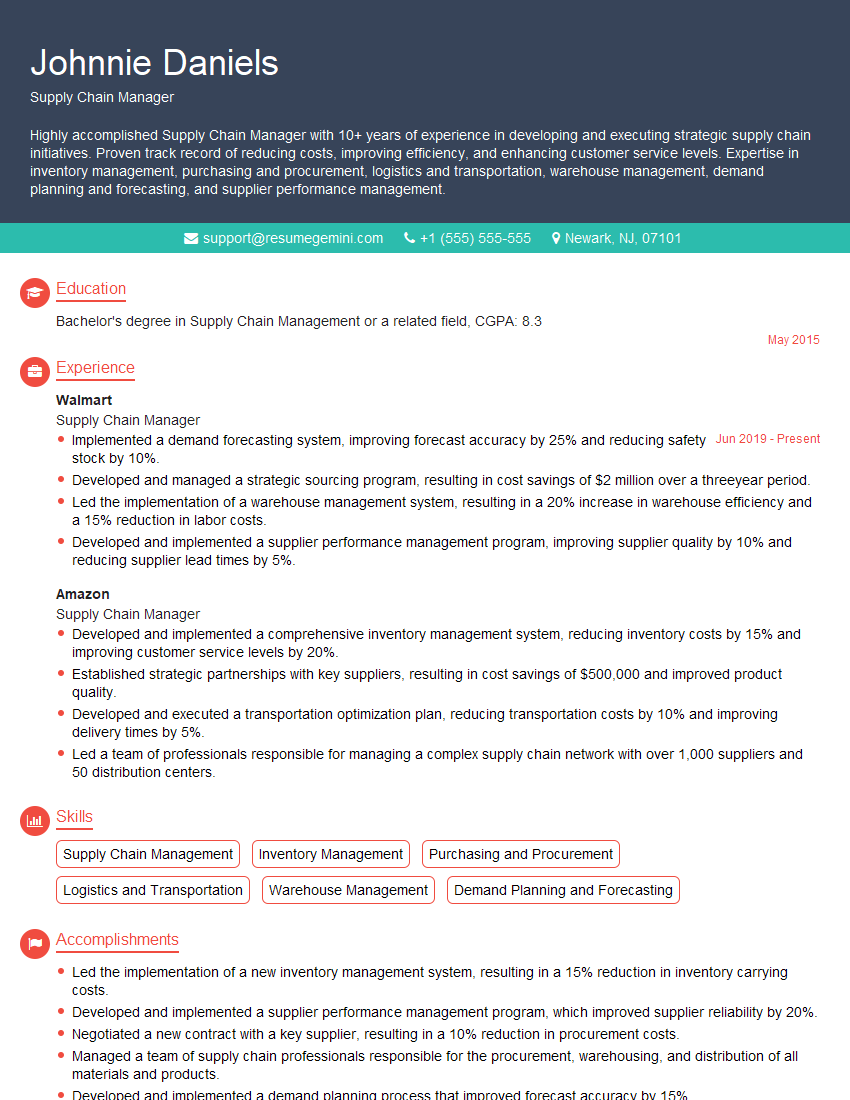
Supply Chain Manager Resume Sample
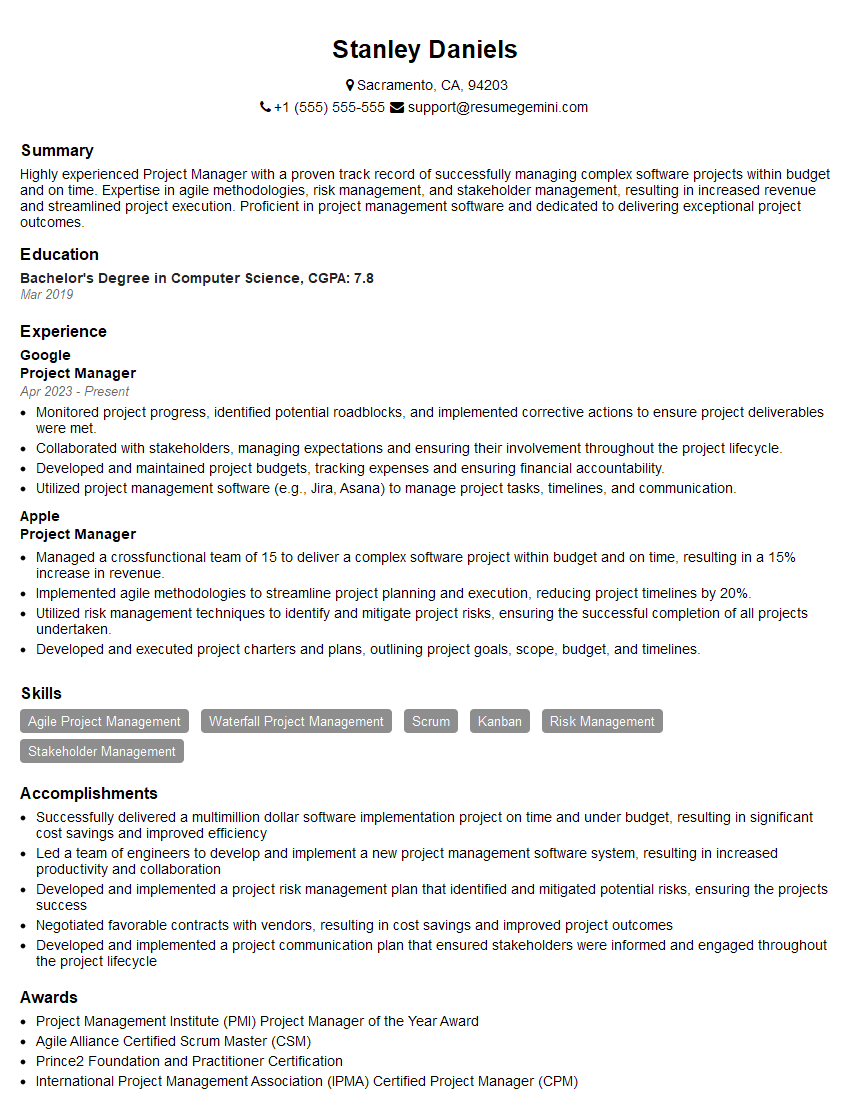
Project Manager Resume Sample
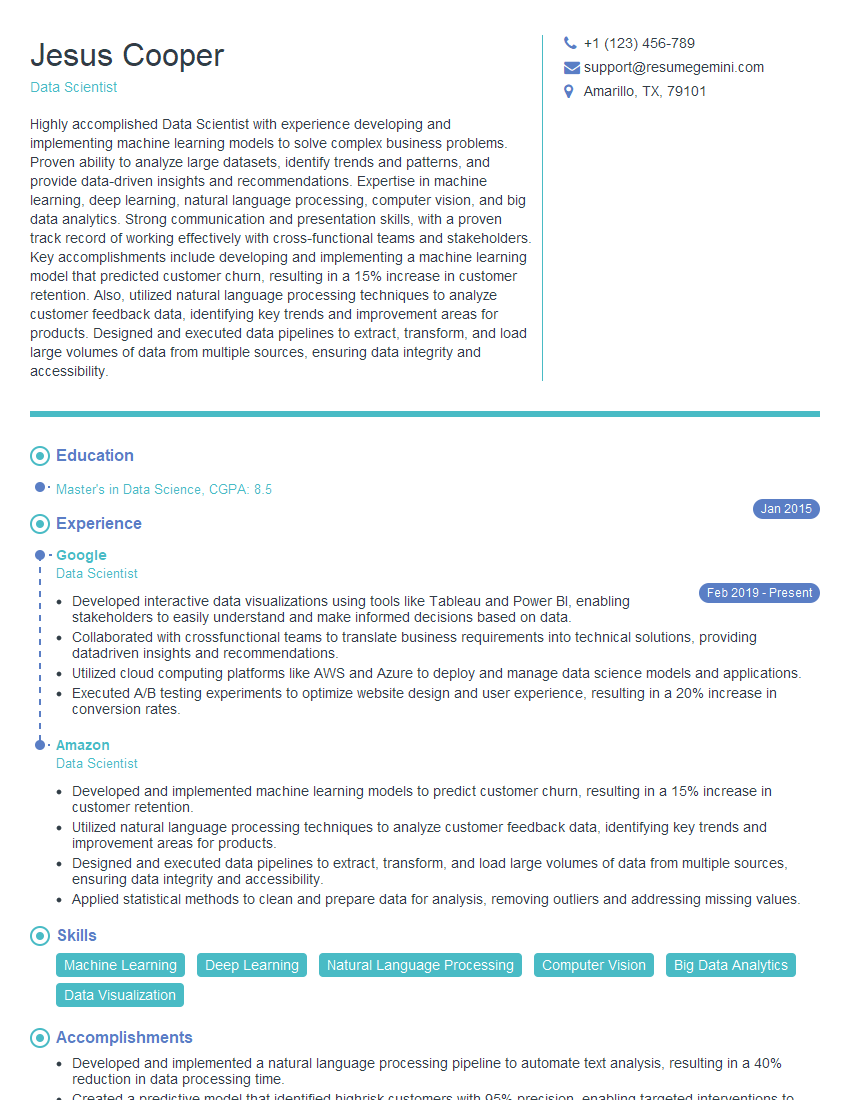
Data Scientist Resume Sample
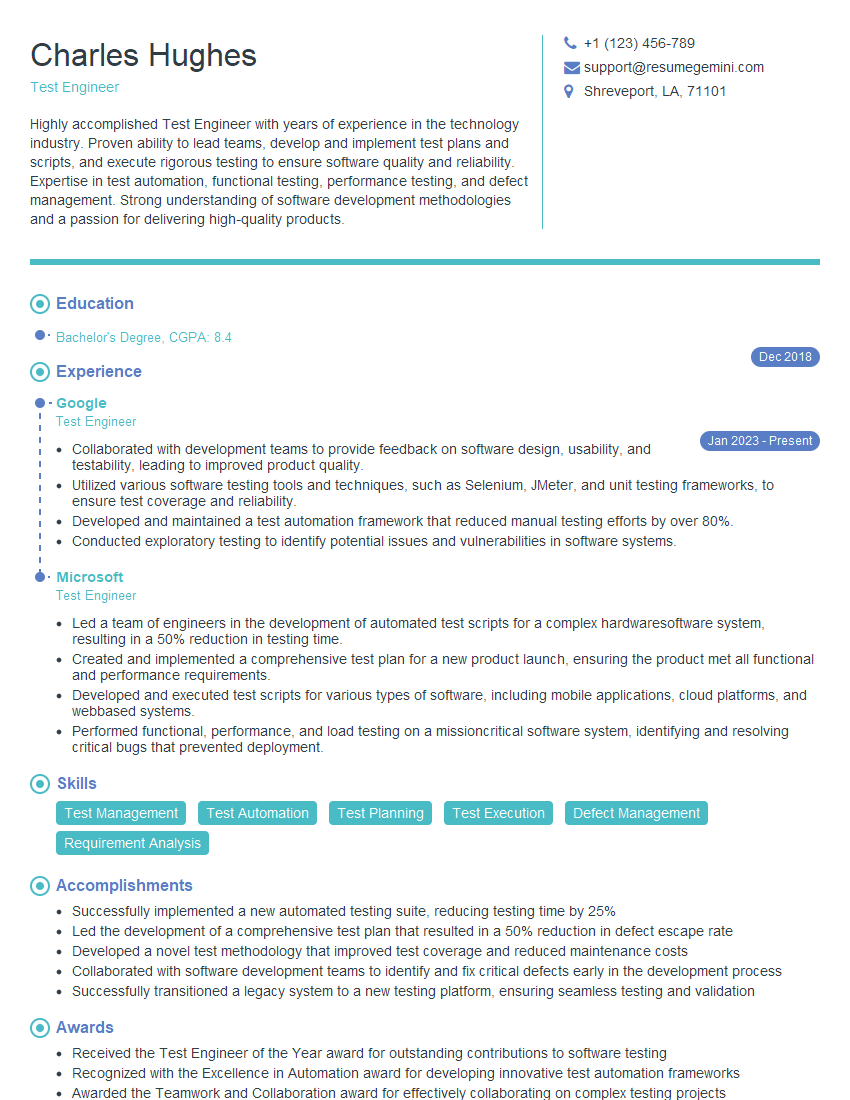
Test Engineer Resume Sample
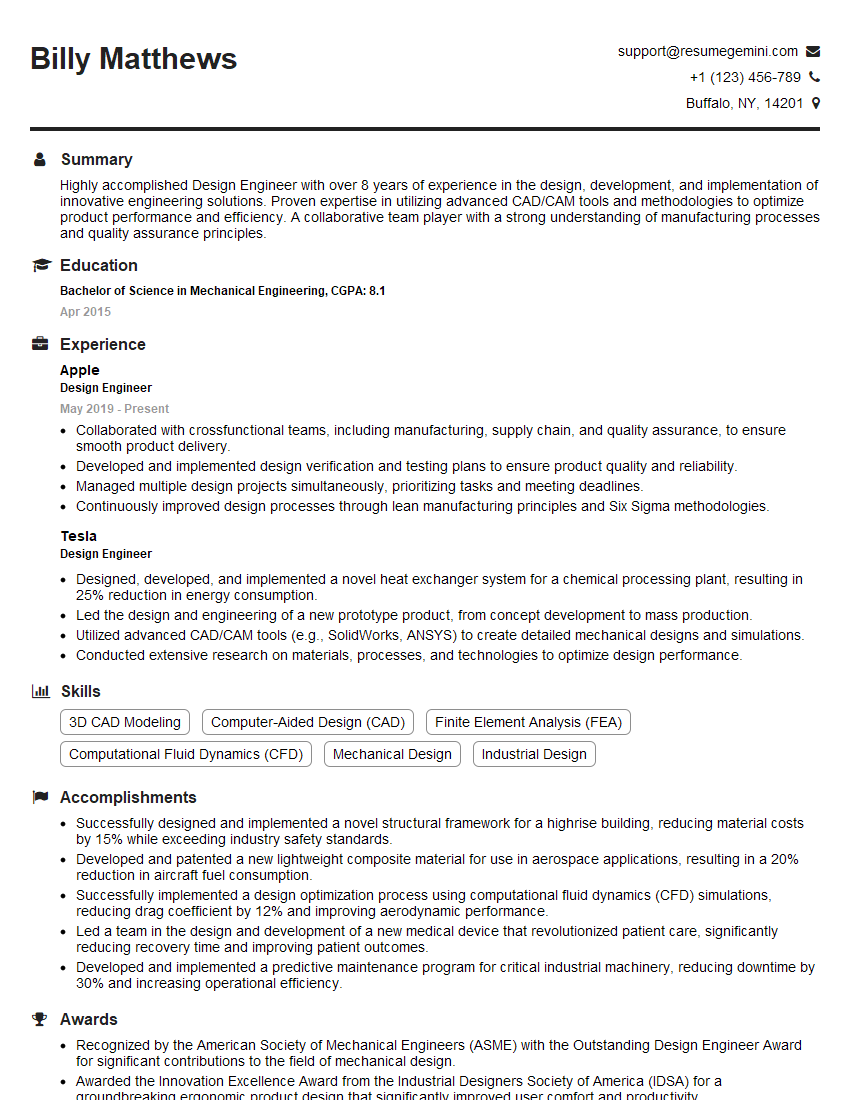
Design Engineer Resume Sample
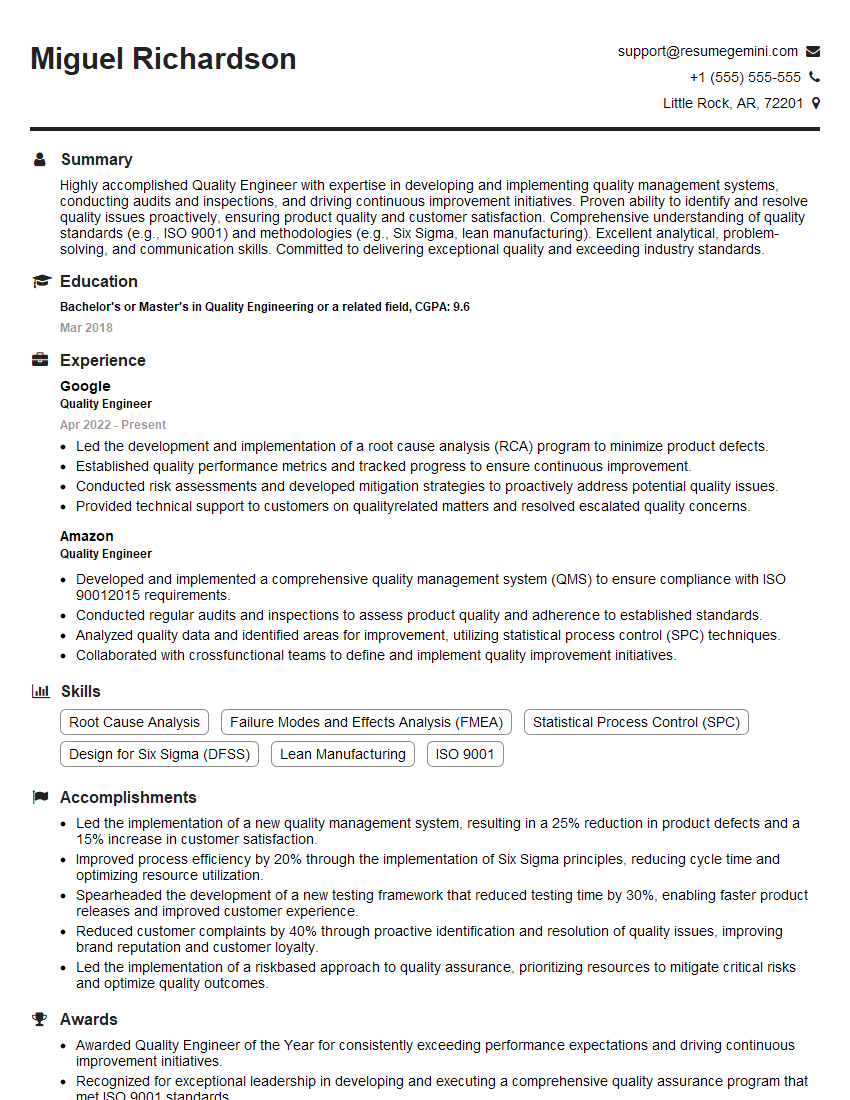
Quality Engineer Resume Sample
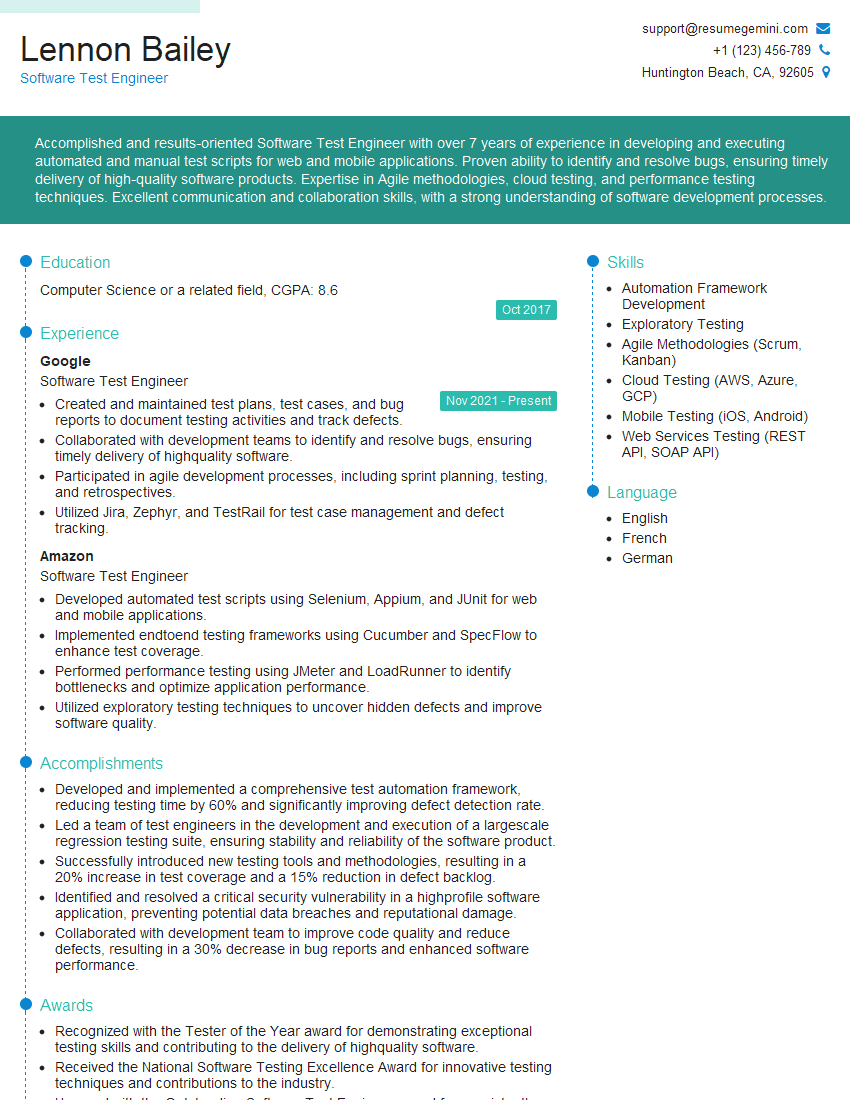
Software Test Engineer Resume Sample

Service Engineer Resume Sample
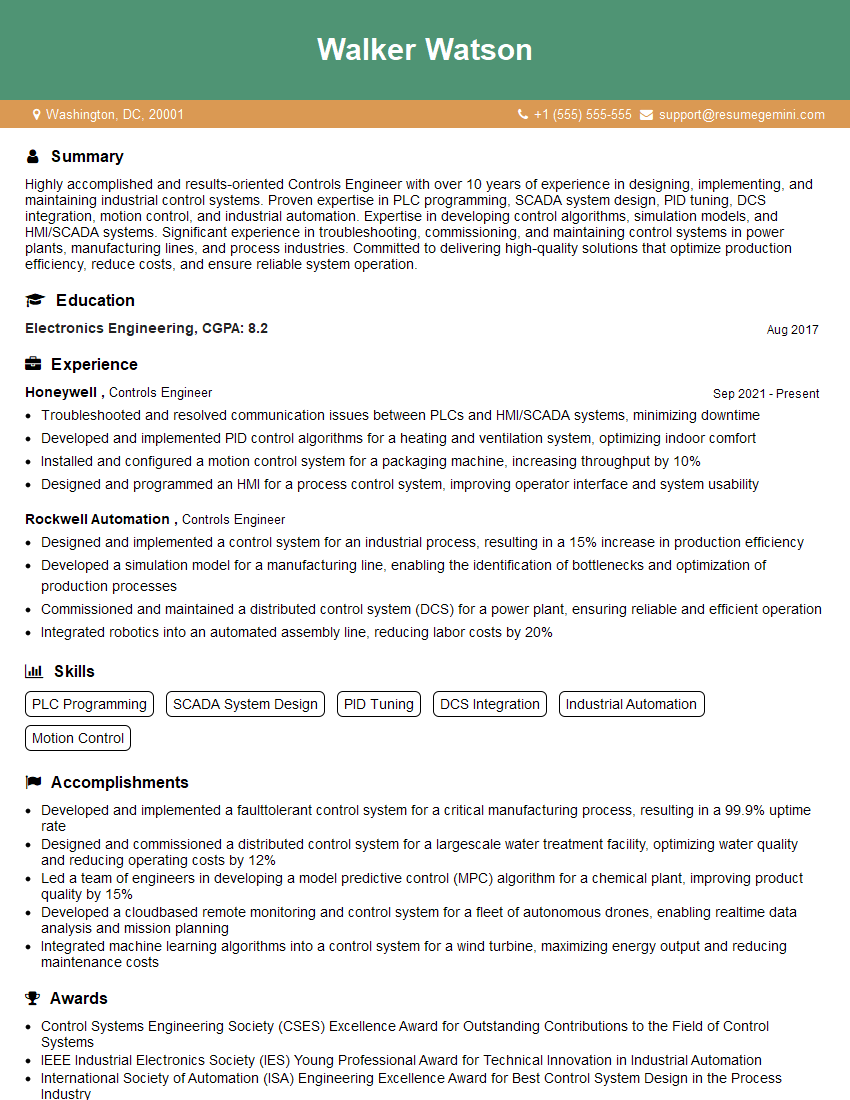
Controls Engineer Resume Sample
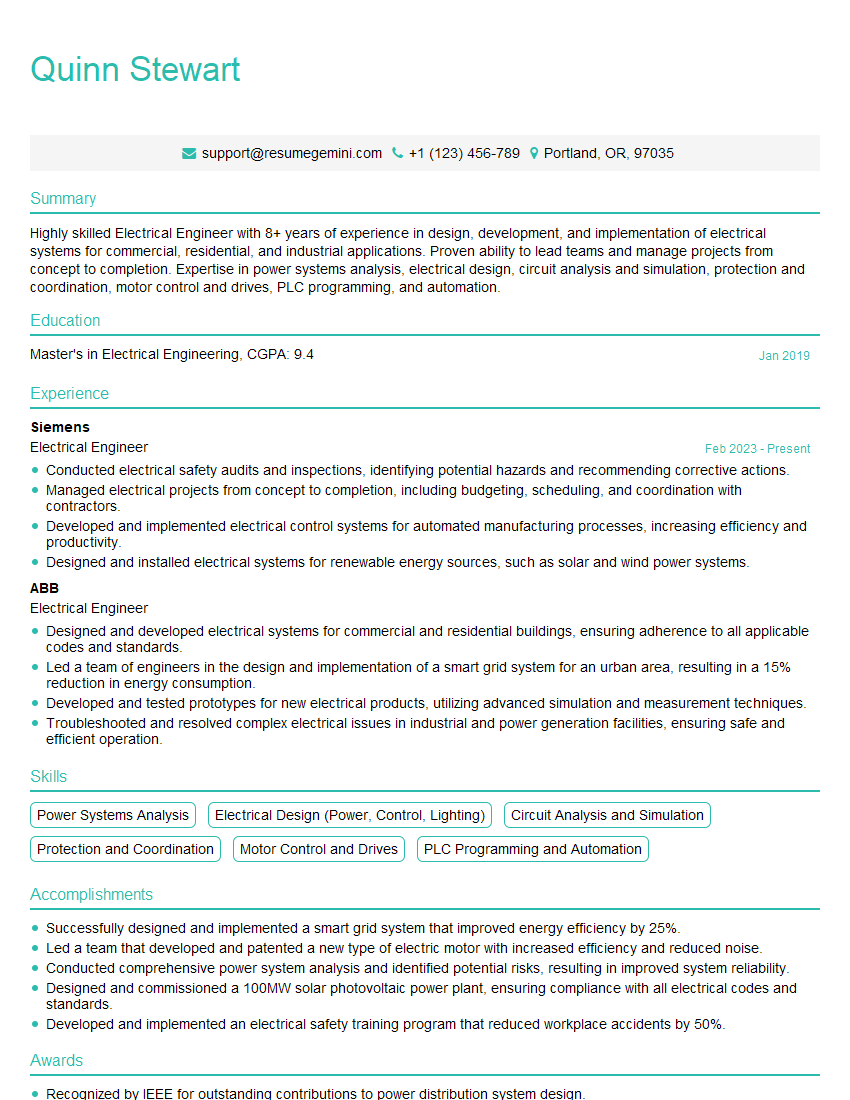
Electrical Engineer Resume Sample
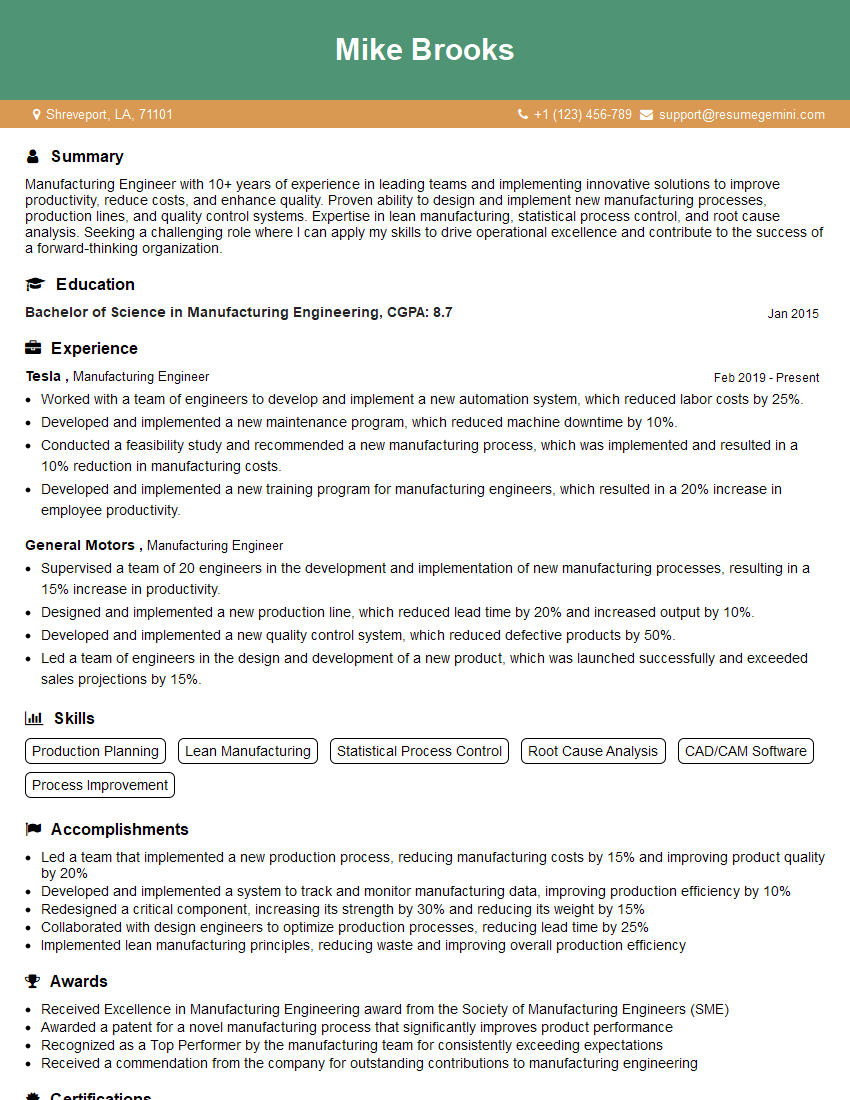
Manufacturing Engineer Resume Sample
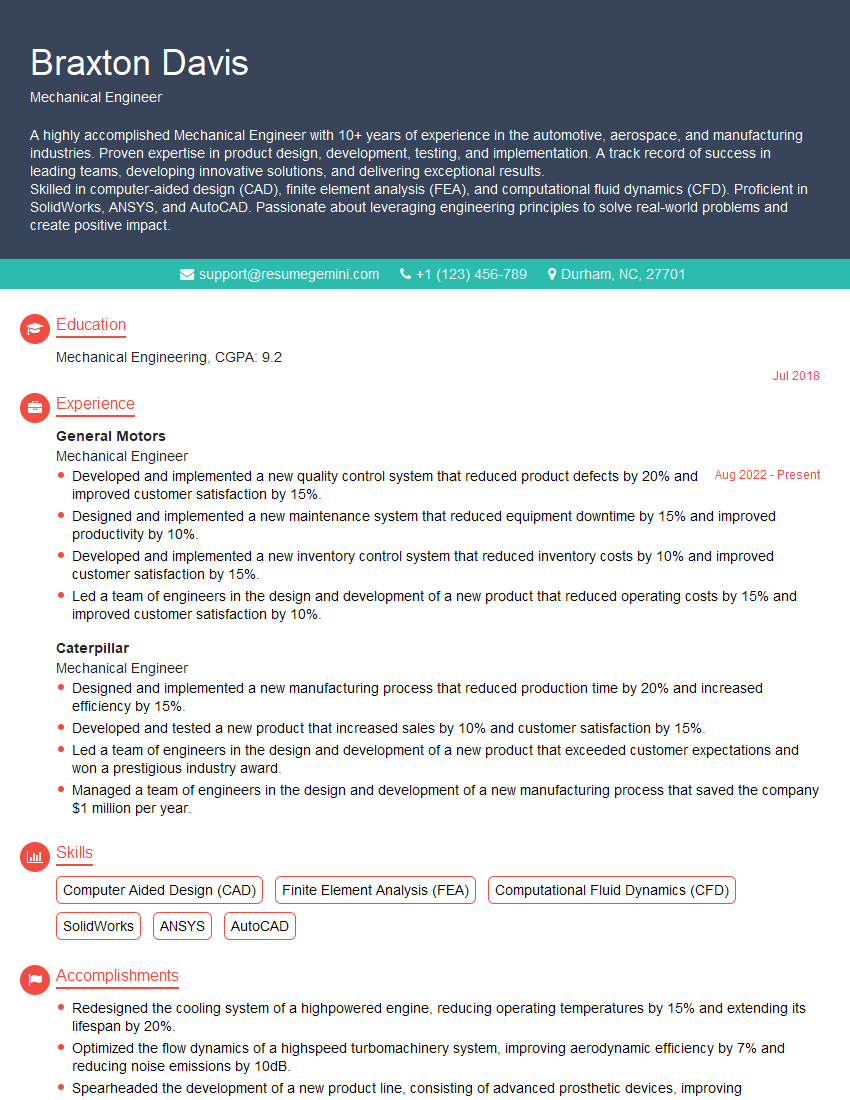
Mechanical Engineer Resume Sample
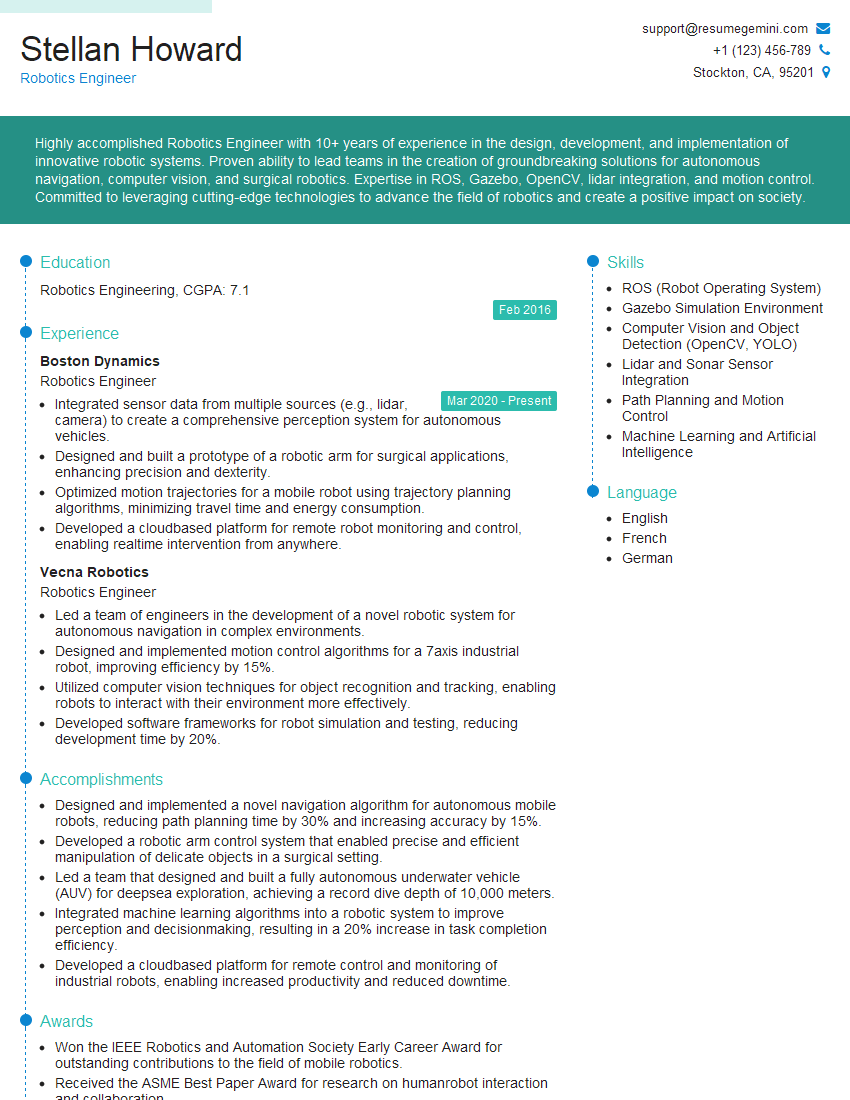
Robotics Engineer Resume Sample
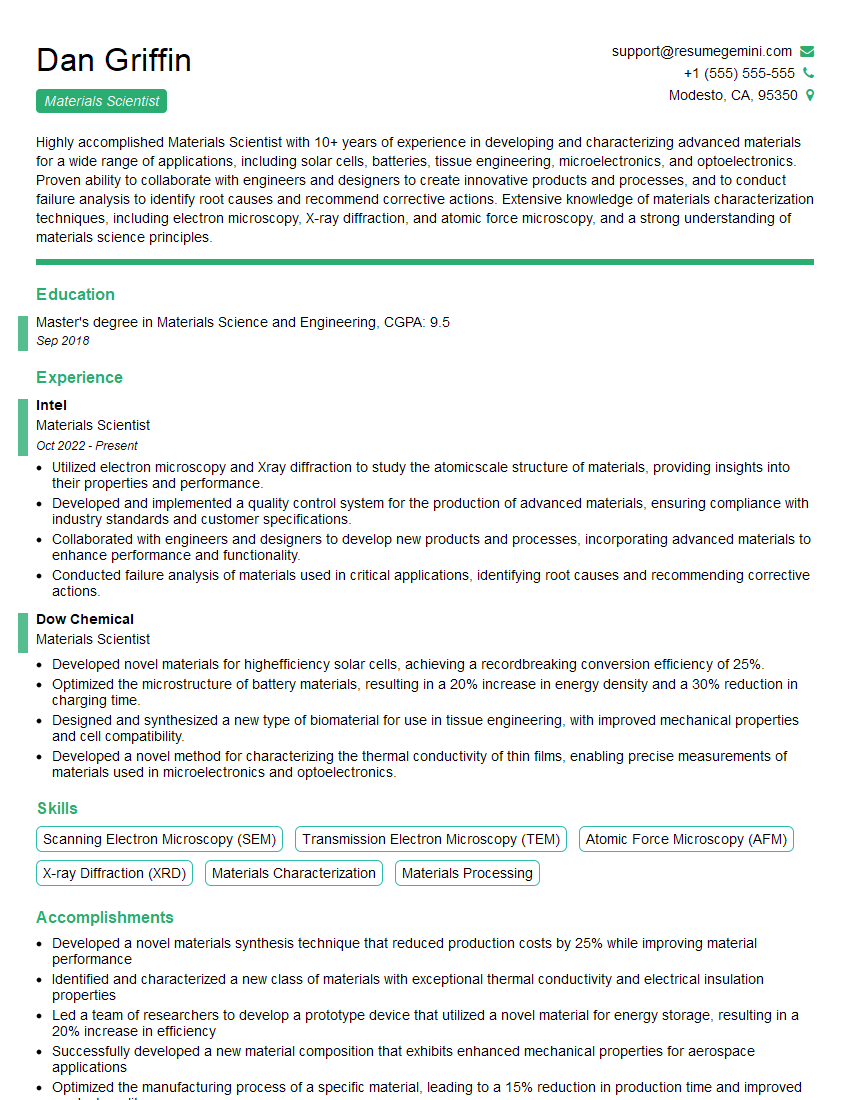
Materials Scientist Resume Sample
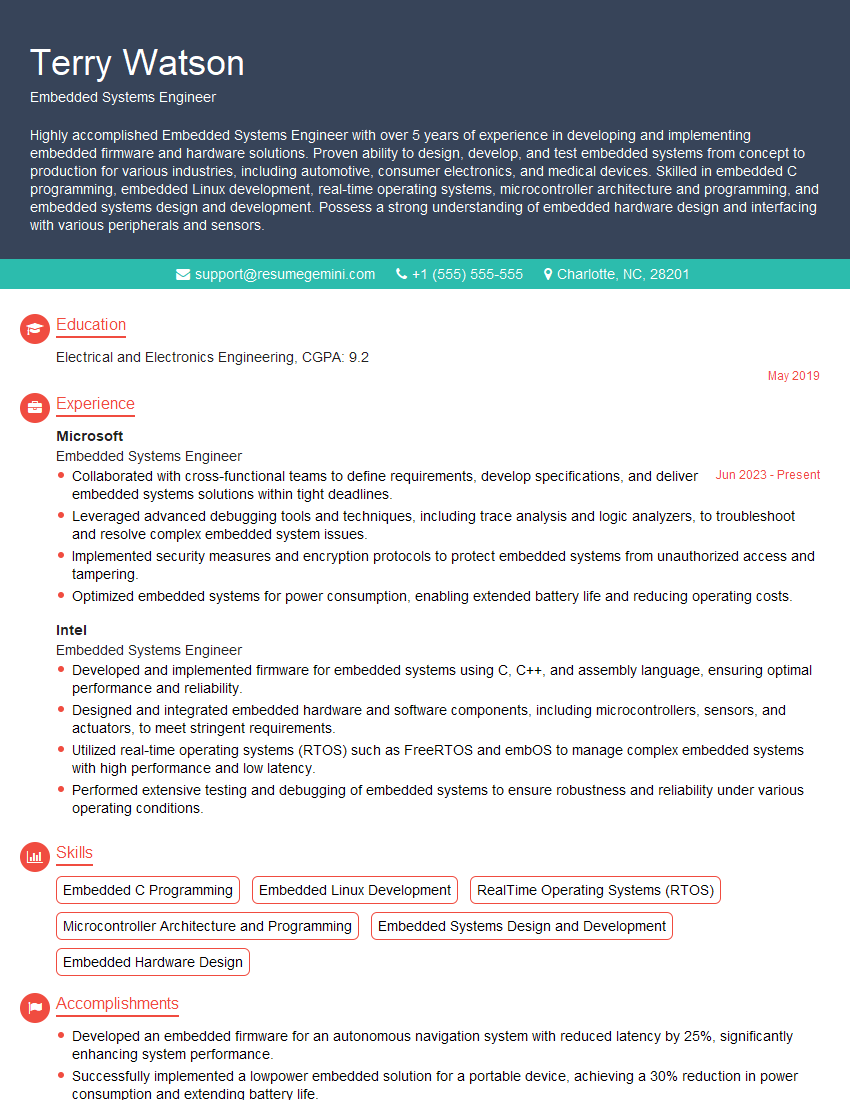
Embedded Systems Engineer Resume Sample
- Product Manager
- Production Supervisor
- Supply Chain Manager
- Project Manager
- Data Scientist
- Test Engineer
- Design Engineer
- Quality Engineer
- Software Test Engineer
- Service Engineer
- Controls Engineer
- Electrical Engineer
- Manufacturing Engineer
- Mechanical Engineer
- Robotics Engineer
- Materials Scientist
- Embedded Systems Engineer
Explore more articles
Users Rating of Our Blogs
Share Your Experience
We value your feedback! Please rate our content and share your thoughts (optional).
What Readers Say About Our Blog
Very informative content, great job.
good