Preparation is the key to success in any interview. In this post, we’ll explore crucial Testing and Balancing interview questions and equip you with strategies to craft impactful answers. Whether you’re a beginner or a pro, these tips will elevate your preparation.
Questions Asked in Testing and Balancing Interview
Q 1. Explain the purpose of testing and balancing in HVAC systems.
Testing and balancing (TAB) in HVAC systems ensures that the designed airflow rates are achieved throughout the entire system. Think of it like this: your HVAC system is a complex network of pipes delivering air. TAB verifies that each room or zone receives the precise amount of air it needs for proper heating, cooling, and ventilation. Without TAB, some areas might be too hot or cold, while others could suffer from poor air quality. The purpose is to optimize system performance, energy efficiency, and occupant comfort.
Essentially, TAB involves measuring airflow in various parts of the system, identifying imbalances, and adjusting dampers or valves to achieve the desired airflow rates specified in the design documents. This process is crucial for commissioning a new HVAC system or resolving performance issues in an existing one.
Q 2. Describe the process of airflow measurement.
Airflow measurement is a critical part of TAB and involves using specialized instruments to determine the volume of air moving through ducts, grilles, and diffusers. The most common method is using an anemometer, which measures air velocity. This velocity is then multiplied by the area of the duct or opening to calculate the volumetric airflow rate (CFM – cubic feet per minute).
The process typically involves:
- Selecting measurement points: strategically chosen locations throughout the system, often at each terminal unit (diffuser or register).
- Positioning the anemometer: ensuring accurate readings by using appropriate techniques, like traversing across the duct to account for velocity variations.
- Recording readings: carefully noting the velocity and area, taking multiple readings to ensure accuracy.
- Calculating airflow: applying the formula: CFM = Velocity (fpm) x Area (sq ft).
Sometimes, more sophisticated techniques like tracer gas methods are employed for hard-to-reach or complex ductwork sections. These methods involve introducing a tracer gas and measuring its concentration to determine the airflow rate.
Q 3. How do you identify and troubleshoot pressure imbalances in a ductwork system?
Pressure imbalances in ductwork can manifest as inadequate airflow in some areas and excessive airflow in others. Identifying these imbalances requires a systematic approach.
Troubleshooting steps:
- Visual inspection: check for leaks in the ductwork, poorly connected sections, or obstructions that might restrict airflow.
- Pressure readings: use a manometer (a pressure measuring device) to take static pressure readings at various points in the system. Significant variations indicate pressure imbalances. For example, a consistently low pressure at a particular branch suggests a restriction.
- Airflow measurements: measuring airflow at each terminal unit provides direct evidence of imbalances. Readings significantly different from the design values pinpoint problematic areas.
- Smoke testing: helps visualize air leakage and airflow patterns, especially useful for detecting leaks in the ductwork.
- Analyzing the system design: review the HVAC drawings to check if the design itself contributes to imbalances (e.g., insufficient duct sizing).
Once the source of the imbalance is identified, corrective actions, such as adjusting dampers or replacing faulty sections, can be implemented.
Q 4. What are the common tools and equipment used in testing and balancing?
Testing and balancing relies on a range of specialized tools and equipment. Here are some key examples:
- Anemometers: measure air velocity (various types exist, including vane anemometers, hot-wire anemometers, and thermal anemometers).
- Manometers: measure pressure differences (inclined manometers are common).
- Pitot tubes: used with manometers for accurate velocity measurements in ducts.
- Balancing dampers and valves: adjustable devices used to control airflow.
- Smoke generators: used for leak detection.
- Data loggers: record pressure and airflow readings for analysis.
- Flow hoods: used for measuring air velocity at grilles and diffusers.
The specific tools used will vary depending on the size and complexity of the HVAC system.
Q 5. Explain the significance of balancing valves and dampers.
Balancing valves and dampers are essential components in achieving and maintaining proper airflow distribution. They act as control devices that allow technicians to adjust airflow rates in individual branches or zones of the HVAC system.
Balancing valves are typically used in hydronic (water-based) systems to control water flow to different heating coils or fan coil units. Balancing dampers are used in air distribution systems to adjust airflow within ductwork sections.
Their significance lies in their ability to:
- Correct imbalances: compensate for variations in resistance within different parts of the system.
- Optimize airflow: ensure each zone receives the designed airflow rate.
- Improve energy efficiency: prevent excessive airflow, thus reducing energy consumption.
- Enhance occupant comfort: provide consistent temperature and airflow to all areas.
Q 6. How do you calculate air changes per hour (ACH)?
Air changes per hour (ACH) represents the number of times the air in a space is completely replaced within an hour. It’s a crucial metric for assessing ventilation effectiveness. The calculation is straightforward:
ACH = (CFM * 60) / Volume (cubic feet)
Where:
- CFM is the total airflow rate into the space in cubic feet per minute.
- 60 converts minutes to hours.
- Volume is the volume of the space in cubic feet.
Example: A room with a volume of 1000 cubic feet receives 50 CFM of supply air. The ACH is (50 CFM * 60) / 1000 cubic feet = 3 ACH.
ASHRAE (American Society of Heating, Refrigerating and Air-Conditioning Engineers) provides recommended ACH values for various types of spaces based on occupancy and intended use. Meeting these guidelines ensures adequate ventilation and indoor air quality.
Q 7. Describe your experience with different types of balancing methods.
My experience encompasses various balancing methods, each with its strengths and limitations:
- Commissioning Balancing: This is performed during the initial start-up of a new HVAC system to verify that the design airflow rates are met in all zones. It involves precise measurements and adjustments based on the design specifications.
- Retro-Commissioning Balancing: this focuses on optimizing the performance of existing HVAC systems. It often involves identifying inefficiencies and implementing adjustments to improve energy efficiency and comfort.
- Flow Measurement Balancing: This method uses flow measurements (like anemometer readings) to directly adjust the dampers to achieve the target airflow. It’s more straightforward and often preferred for simpler systems.
- Pressure Measurement Balancing: uses pressure differentials (measured with manometers) to balance the system. It is particularly useful for systems with multiple branches and complex ductwork configurations. Balancing is achieved by equalizing the static pressure drop across different branches of the system.
I am proficient in using both pressure and flow measurement techniques and select the most appropriate method based on the system’s design and complexity. Moreover, my experience includes balancing various HVAC system types, including VAV (Variable Air Volume) and CV (Constant Volume) systems.
Q 8. How do you handle discrepancies between design specifications and actual field measurements?
Discrepancies between design specifications and field measurements are inevitable in HVAC projects. They can stem from various sources including inaccurate drawings, unforeseen site conditions, or even errors during construction. My approach involves a systematic investigation to pinpoint the root cause.
First, I meticulously review the design documents – blueprints, specifications, and load calculations – to confirm the intended design. Then, I carefully compare these documents against the actual field measurements, noting any discrepancies. This includes verifying duct sizes, fan speeds, damper positions, and other critical parameters.
Once the discrepancies are identified, I investigate possible causes. For example, a smaller-than-specified duct could be due to a construction error, a change order that wasn’t reflected in the drawings, or a misinterpretation of the design. I might need to consult with the engineers, contractors, or other stakeholders to clarify the situation.
Depending on the magnitude and impact of the discrepancies, the resolution might involve minor adjustments to the system or more extensive modifications. In some cases, it could mean revisiting the original design and creating a revised set of specifications. Thorough documentation of the discrepancy, the investigation, and the corrective actions is crucial for transparency and future reference.
Q 9. Explain the importance of documentation in testing and balancing.
Documentation in testing and balancing (TAB) is paramount – it’s the lifeblood of a successful project. It ensures that the system’s performance aligns with design intent, serves as a crucial record for future maintenance, and provides a legal trail of compliance.
Comprehensive documentation includes: pre-testing inspections noting any discrepancies, detailed measurements of airflow, pressure, and temperature at various points in the system, calculations confirming balance points, as-built drawings showing modifications made during testing, and a final report summarizing the entire process and the system’s performance.
Consider this analogy: imagine a highly skilled carpenter building a complex piece of furniture. Without detailed blueprints and a record of adjustments made during construction, reproducing the furniture or fixing any defects would be extremely challenging. Similarly, detailed TAB documentation is essential for understanding and maintaining the HVAC system.
Q 10. What are some common challenges you face during testing and balancing?
Common challenges in TAB include: Limited access to equipment (making measurements difficult); conflicting priorities from other trades working simultaneously; inaccurate or incomplete design documents; equipment malfunction that needs to be rectified before testing; inconsistent field conditions (temperature fluctuations affecting measurements); and time constraints impacting the thoroughness of the process.
Another common hurdle is dealing with systems that aren’t properly designed to begin with. For example, I once encountered a system with undersized ductwork that made balancing impossible without significant modifications. This required collaboration with the design team to develop a workable solution within the project’s budget and timeline.
Overcoming these challenges requires strong communication skills, problem-solving abilities, and a proactive approach. It is also crucial to have a comprehensive understanding of HVAC system design and operation.
Q 11. How do you ensure accuracy and reliability in your measurements?
Accuracy and reliability in measurements are critical for effective TAB. This is achieved through a combination of factors: using calibrated instruments – regularly checked and maintained measuring devices such as flow hoods, pressure gauges, and thermo-anemometers – and employing proper measurement techniques.
For example, when measuring airflow, it’s crucial to ensure the flow hood is properly positioned and sealed against the duct opening, and the measurements are taken at the specified locations. Similarly, when measuring static pressure, we should account for any leaks or obstructions in the ductwork.
Beyond equipment and techniques, we maintain detailed records of the measurements, including date, time, location, equipment used, and environmental conditions. This allows for repeatability and verification of results. A well-structured testing plan, including specified measurement locations and procedures, contributes significantly to both accuracy and reliability.
Furthermore, I utilize statistical analysis of the collected data to identify any outliers or patterns that might indicate measurement errors or systemic issues. This rigorous approach ensures that the final balance report is accurate and dependable.
Q 12. Describe your experience with different types of HVAC systems.
My experience spans a wide range of HVAC systems, including: Variable Refrigerant Flow (VRF) systems, known for their efficiency and zoning capabilities; Air-handling units (AHUs) with various configurations; Packaged units, widely used in smaller commercial buildings; Chillers and cooling towers, fundamental components of large-scale systems; and Fan coil units (FCUs), integral parts of many building climate control systems.
I have worked on projects involving both conventional and sophisticated control systems, including direct digital controls (DDC), which require a detailed understanding of their logic and programming. My experience also extends to both new construction and retrofit projects, each presenting unique challenges and opportunities. For example, retrofit projects often require more careful attention to existing conditions and coordination with other trades.
Each system type necessitates a tailored approach to TAB, demanding a deep understanding of its specific functionalities, potential issues, and balance techniques. My experience allows me to adapt to the specific requirements of each project, ensuring optimal performance and efficiency.
Q 13. How do you interpret and analyze test data?
Interpreting and analyzing test data requires a keen eye for detail and a systematic approach. The raw data gathered from various measuring points is not simply a collection of numbers; it’s a representation of how the HVAC system is performing.
I typically start by organizing the data into tables and graphs to identify trends and patterns. A common technique is to compare the measured values to the design specifications, highlighting any deviations. For example, a significant difference in airflow from design specifications might point to an issue with the ductwork, fan, or damper.
Next, I use engineering judgment and knowledge of HVAC principles to determine the causes of these deviations. Statistical analysis can also play a crucial role. For instance, calculating the standard deviation can help determine the consistency and reliability of the measurements.
Finally, based on my analysis, I develop recommendations for corrective actions, which might include adjustments to dampers, fan speeds, or other system components to achieve the desired balance. This entire process is documented meticulously to ensure transparency and future reference.
Q 14. Explain the process of commissioning an HVAC system.
Commissioning an HVAC system is a multifaceted process that ensures the system is designed, installed, and performs according to the owner’s project requirements. It’s a crucial step that minimizes operational problems and maximizes energy efficiency. The process typically includes several phases:
- Design Review: Reviewing the design documents to identify potential issues and ensure the design meets the owner’s requirements.
- Pre-commissioning: Reviewing the equipment prior to installation to verify it matches specifications. Verifying the proper installation is key.
- System Testing: Thoroughly testing and balancing the system to ensure proper airflow, pressure, and temperature.
- Functional Performance Testing: Checking the system’s ability to meet specified performance requirements under various operating conditions.
- Documentation: Creating a comprehensive report documenting the entire commissioning process, including findings, recommendations, and corrective actions.
- Close-out: Completing and submitting the commissioning reports; final walk-through inspection and commissioning handover.
Successful commissioning not only ensures a smoothly functioning HVAC system but also helps save energy and operating costs while extending the lifespan of the equipment. It is also critical for warranties and permits.
Q 15. What are the safety precautions you take during testing and balancing?
Safety is paramount in testing and balancing (T&B). My approach is multifaceted and begins with a thorough site survey to identify potential hazards. This includes assessing the presence of energized equipment, confined spaces, heights, and hazardous materials. I always adhere to OSHA regulations and site-specific safety plans.
- Personal Protective Equipment (PPE): I consistently wear appropriate PPE, including safety glasses, hard hats, steel-toe boots, and hearing protection, depending on the task.
- Lockout/Tagout Procedures: Before working on any energized equipment, I rigorously follow lockout/tagout procedures to prevent accidental energization.
- Confined Space Entry: If entering a confined space, I ensure proper permits and utilize atmospheric monitoring equipment to check for oxygen levels and the presence of hazardous gases.
- Fall Protection: When working at heights, I use appropriate fall protection equipment such as harnesses and safety lines.
- Communication: Clear and constant communication with my team and site personnel is crucial. Everyone on site is informed about potential hazards and safety protocols.
For example, during a recent project in an operating hospital, we meticulously followed protocols to prevent disruptions to patient care while ensuring the safety of our team. We coordinated access with hospital staff and employed extra precautions due to the sensitive environment.
Career Expert Tips:
- Ace those interviews! Prepare effectively by reviewing the Top 50 Most Common Interview Questions on ResumeGemini.
- Navigate your job search with confidence! Explore a wide range of Career Tips on ResumeGemini. Learn about common challenges and recommendations to overcome them.
- Craft the perfect resume! Master the Art of Resume Writing with ResumeGemini’s guide. Showcase your unique qualifications and achievements effectively.
- Don’t miss out on holiday savings! Build your dream resume with ResumeGemini’s ATS optimized templates.
Q 16. Describe your experience with using specialized software for testing and balancing.
I’m proficient in several specialized T&B software packages, including [mention specific software names, e.g., TRACE700, IDA Indoor Climate Simulator]. These tools streamline the data acquisition, analysis, and reporting processes significantly. For instance, TRACE700 allows for automated data logging from various instruments and provides powerful tools for calculating airflows, pressures, and energy efficiency.
My experience goes beyond simply using the software; I understand the underlying principles and algorithms that drive the calculations. This allows me to identify potential errors or inconsistencies in the data, ensuring the accuracy of the final report. I can also tailor the software’s capabilities to meet the specific needs of each project, for example, customizing reports to highlight key performance indicators for clients.
For example, in a recent project involving a large commercial building, I used IDA Indoor Climate Simulator to model the building’s HVAC system and optimize its performance before construction even began. This predictive modeling identified potential issues early on, saving both time and money.
Q 17. How do you manage multiple projects simultaneously?
Managing multiple projects effectively requires a well-organized and systematic approach. I utilize project management tools like [mention specific tools, e.g., Microsoft Project, Asana] to track progress, deadlines, and resource allocation for each project. I break down large projects into smaller, manageable tasks with clearly defined milestones.
- Prioritization: I prioritize projects based on urgency, deadlines, and client needs. Critical projects with imminent deadlines receive immediate attention.
- Teamwork: I rely heavily on clear communication and collaboration with my team. Delegating tasks appropriately ensures efficient workload distribution.
- Regular Meetings: Holding regular meetings with team members helps to track progress, address issues, and ensure everyone is on the same page.
- Documentation: Maintaining thorough documentation for each project helps prevent misunderstandings and ensures continuity if team members change.
Think of it like conducting an orchestra. Each musician (team member) has a specific part (task) to play, and I, as the conductor, ensure everyone plays in harmony and at the right time to produce a beautiful symphony (successful project completion).
Q 18. How do you prioritize tasks during testing and balancing?
Task prioritization during T&B is crucial for efficient project completion. My approach is based on several key factors:
- Urgency: Tasks with immediate deadlines or those impacting critical systems take precedence.
- Impact: Tasks that significantly affect building performance or occupant comfort are prioritized.
- Dependencies: Tasks that are prerequisites for other tasks are addressed first to maintain project flow.
- Risk: Tasks with higher risk of causing problems or delays are given priority to mitigate potential issues.
I frequently use prioritization matrices, such as Eisenhower Matrix (Urgent/Important), to visualize and manage tasks effectively. This allows me to quickly identify and address high-impact, urgent tasks while also planning for less critical but important tasks.
For example, if I’m balancing a critical air handling unit in a hospital operating room, that task would take precedence over balancing a less critical ventilation system in a waiting room.
Q 19. Explain your understanding of relevant building codes and standards.
I possess a thorough understanding of relevant building codes and standards, including ASHRAE (American Society of Heating, Refrigerating and Air-Conditioning Engineers) standards, such as ASHRAE 62.1 (Ventilation), ASHRAE 90.1 (Energy Efficiency), and local building codes. These standards guide the design, installation, and testing of HVAC systems to ensure proper operation and safety.
My knowledge extends to understanding the implications of these standards on T&B procedures. For example, ASHRAE 62.1 specifies minimum ventilation rates for different occupancy types, directly impacting the airflow balancing requirements. Similarly, ASHRAE 90.1 outlines energy efficiency targets, influencing our focus on optimizing system performance.
I stay updated on changes and revisions to these codes and standards through professional development courses and industry publications to ensure my work consistently meets the latest requirements.
Q 20. How do you communicate technical information to non-technical personnel?
Communicating technical information to non-technical personnel is a key aspect of my job. I avoid using technical jargon and instead employ clear, concise language, using analogies and visual aids to explain complex concepts.
- Visual Aids: Using diagrams, charts, and graphs helps illustrate complex data in an easily understandable format.
- Simple Language: Avoiding technical terms and instead using everyday language makes information more accessible.
- Analogies: Relating technical concepts to familiar situations helps people grasp complex ideas more readily. For example, explaining airflow balancing like adjusting water flow in a plumbing system.
- Interactive Demonstrations: Sometimes a hands-on demonstration can be more effective than a verbal explanation.
For example, when explaining the results of a T&B report to a building owner, I would use clear language, focusing on the impact on energy costs, comfort, and system efficiency, rather than delving into detailed technical calculations.
Q 21. Describe your experience with troubleshooting complex HVAC problems.
Troubleshooting complex HVAC problems requires a systematic and analytical approach. My strategy involves a combination of:
- Data Analysis: Reviewing data from various sources, such as T&B reports, building management systems (BMS), and equipment logs, helps identify patterns and anomalies.
- Visual Inspection: A thorough visual inspection of the system, including equipment, ductwork, and piping, helps identify visible issues.
- Systematic Testing: Conducting targeted tests to isolate the problem, such as checking airflow, pressure, and temperature readings.
- Collaboration: Consulting with other experts, such as mechanical engineers or contractors, when needed.
For instance, I once encountered a situation where a building’s air conditioning system was failing to meet the cooling load. Through careful analysis of the BMS data, visual inspection, and airflow measurements, I discovered a significant air leakage in the ductwork. By identifying and sealing the leaks, we restored the system’s cooling capacity.
Troubleshooting is a process of elimination. I approach it methodically, ruling out potential causes one by one until the root cause is identified. This requires a blend of technical expertise, problem-solving skills, and a keen eye for detail.
Q 22. What are your strengths and weaknesses in this field?
My greatest strength lies in my systematic approach to testing and balancing. I excel at identifying complex system interactions and developing efficient strategies to resolve imbalances. I’m adept at utilizing various technologies and methodologies to achieve optimal performance and energy efficiency. I also possess strong problem-solving skills, allowing me to troubleshoot challenging scenarios effectively. For instance, I once successfully optimized a large HVAC system in a hospital, significantly reducing energy consumption by pinpointing and resolving a previously undetected leak in the ductwork. My weakness is sometimes getting overly meticulous in my testing process. While accuracy is crucial, I’m actively working on balancing the need for thoroughness with time management and prioritizing the most impactful areas for optimization.
Q 23. How do you stay updated on the latest technologies and best practices?
Staying current in this field requires a multi-pronged approach. I regularly attend industry conferences and webinars, such as those hosted by ASHRAE (American Society of Heating, Refrigerating and Air-Conditioning Engineers) and NEBB (National Environmental Balancing Bureau). These events offer invaluable insights into the latest technologies and best practices. I also actively participate in online professional communities and forums, engaging in discussions and learning from the experiences of other professionals. Finally, I subscribe to relevant industry journals and publications, keeping abreast of research and advancements. For example, I recently learned about advanced sensor technologies for more precise airflow measurements through a webinar on IoT integration in HVAC systems.
Q 24. Describe a time you had to solve a challenging problem during testing and balancing.
One challenging problem involved a newly constructed office building experiencing significant temperature inconsistencies across different zones. The initial balancing was inadequate, resulting in some areas being too hot and others too cold. My investigation revealed that the problem wasn’t just in the balancing itself but also stemmed from a design flaw – an undersized duct supplying one wing of the building. To solve this, I first systematically tested and re-balanced the system using specialized instrumentation to measure airflow, pressure, and temperature. This helped isolate the problem to the undersized duct. After documenting my findings, I worked with the building’s design team to implement a solution which involved adding a supplementary ductwork system to improve airflow to the affected areas. Post-implementation, another round of testing and balancing confirmed the improvement. The project underscored the importance of a holistic approach; balancing isn’t just about adjusting dampers; it’s about understanding the entire system’s performance.
Q 25. How do you ensure the energy efficiency of the system after balancing?
Energy efficiency is a paramount concern in testing and balancing. I ensure this through several key strategies. First, accurate airflow measurements and balancing are fundamental. This ensures that the system isn’t working harder than necessary to achieve the desired temperature. Second, I always check for and address any leaks in the ductwork, as these can lead to significant energy losses. Third, I verify the correct operation of variable-frequency drives (VFDs) on fan and pump motors. VFDs allow for optimized speed control, reducing energy waste. Finally, I ensure that the system’s control sequence is efficient, preventing unnecessary operation of equipment. For example, during a recent project, optimizing VFD settings on air handlers resulted in a 15% reduction in energy consumption without compromising the building’s comfort.
Q 26. What is your experience with pneumatic and digital control systems?
I have extensive experience with both pneumatic and digital control systems. Pneumatic systems, though less common now, still exist in many older buildings. My expertise includes troubleshooting pneumatic control valves, understanding pressure regulators, and diagnosing issues related to air leaks in pneumatic lines. Digital control systems, on the other hand, offer more sophisticated features like data logging and remote monitoring. I’m proficient in working with various digital control platforms, including BACnet and LonWorks, and comfortable programming and configuring these systems for optimal performance. I can also seamlessly integrate these technologies within the testing and balancing process, allowing for more precise measurements and analysis. For instance, in a recent retrofit project, I successfully migrated a building from a pneumatic to a digital control system, resulting in both improved control and significant energy savings.
Q 27. How familiar are you with different types of sensors and transducers?
I’m familiar with a wide range of sensors and transducers used in testing and balancing. This includes:
- Differential pressure transducers: For measuring pressure differences across air filters, dampers, and other components.
- Velocity sensors: For measuring air velocity in ducts.
- Temperature sensors: For measuring air and water temperatures.
- Humidity sensors: For measuring humidity levels.
- Flow meters: For measuring volumetric airflow rates.
Q 28. Describe your understanding of air terminal units and their balancing.
Air terminal units (ATUs), such as diffusers and grilles, are critical components of an HVAC system. Their proper balancing ensures even airflow distribution within a space, contributing to occupant comfort and energy efficiency. Balancing ATUs involves adjusting their dampers to achieve the designed airflow rates. This process often requires careful measurement and adjustment using specialized tools like flow hoods or balancing caps. Improperly balanced ATUs can lead to drafts, temperature stratification, and excessive energy consumption. My experience encompasses various types of ATUs and I am skilled in applying appropriate balancing techniques depending on the specific design and application. For example, I’ve worked extensively with fan-powered ATUs, which require a different balancing approach compared to simple diffusers, requiring attention to both airflow and pressure drop characteristics.
Key Topics to Learn for Testing and Balancing Interview
- Fundamental Principles: Understanding the basic concepts of air and water balancing, including pressure, flow, and temperature relationships within HVAC systems.
- Equipment Operation and Diagnostics: Familiarity with various testing and balancing equipment (e.g., pressure gauges, flow meters, anemometers) and their application in diagnosing system imbalances.
- Testing Procedures: Mastering the practical steps involved in conducting air and water balance tests, including data collection, analysis, and report generation.
- Balancing Methods: Understanding various balancing methods (e.g., static pressure, flow rate, and terminal unit balancing) and their appropriate applications.
- Commissioning & Start-up: Knowledge of the role of testing and balancing in the commissioning process and verifying system performance during start-up.
- Troubleshooting and Problem Solving: Developing skills in identifying and resolving system imbalances and understanding the causes of discrepancies in performance.
- Relevant Codes and Standards: Familiarity with industry codes and standards (e.g., ASHRAE guidelines) related to Testing and Balancing procedures.
- Documentation and Reporting: Proficiency in creating clear, concise, and professional reports that accurately reflect test results and recommendations.
- Safety Procedures: Understanding and adhering to all relevant safety regulations and procedures while performing testing and balancing tasks.
- Advanced Techniques: Explore specialized techniques such as variable air volume (VAV) system balancing and hydronic system balancing.
Next Steps
Mastering Testing and Balancing opens doors to exciting career opportunities within the HVAC industry, offering excellent potential for professional growth and advancement. A strong resume is crucial for showcasing your skills and experience to potential employers. To significantly improve your job prospects, create an ATS-friendly resume that highlights your expertise and achievements. ResumeGemini is a trusted resource that can help you build a professional and impactful resume. We provide examples of resumes tailored to Testing and Balancing to guide you in crafting a compelling document that stands out from the competition. Invest the time to build a resume that reflects your capabilities and helps you secure your ideal role.
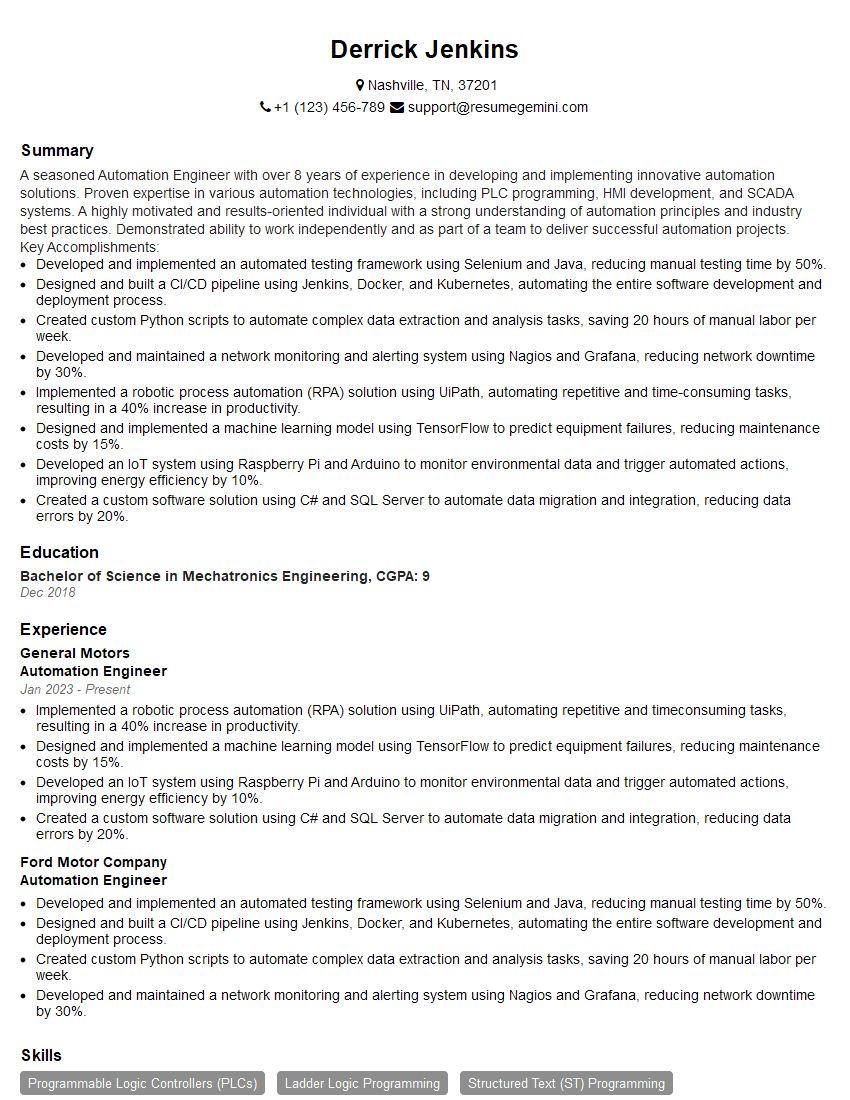
Automation Engineer Resume Sample
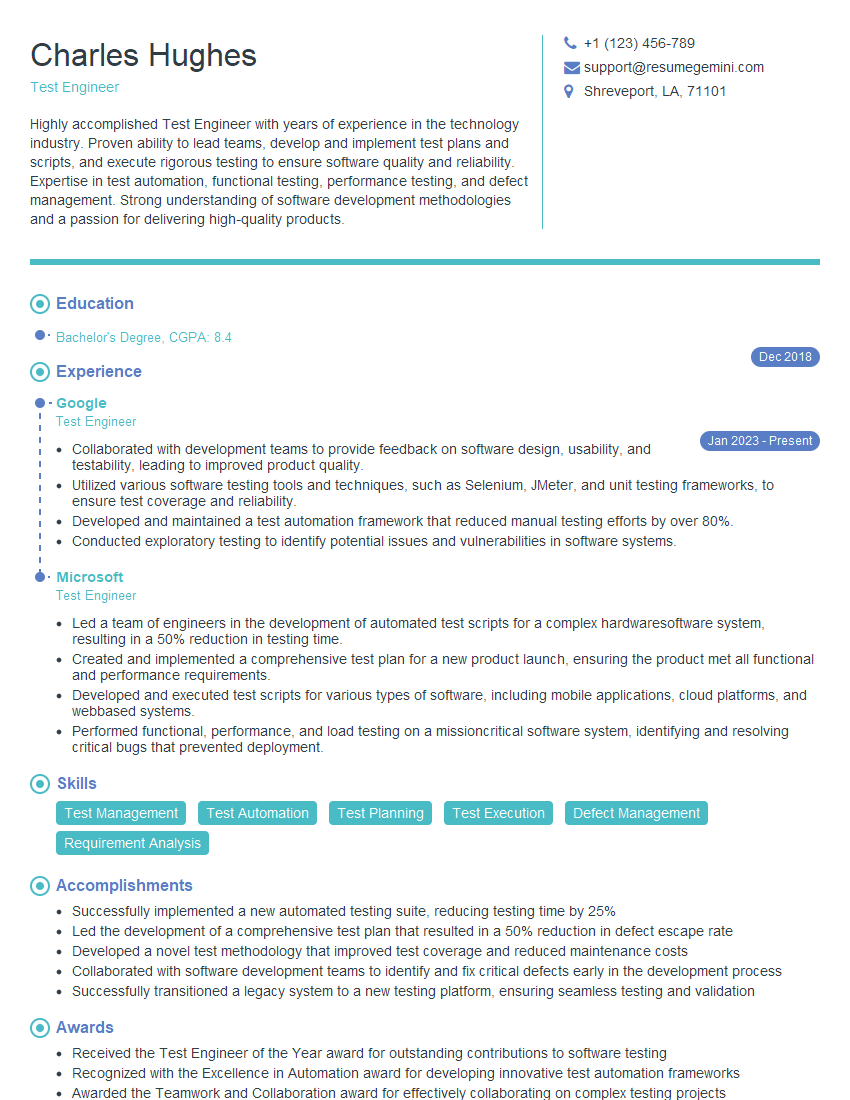
Test Engineer Resume Sample
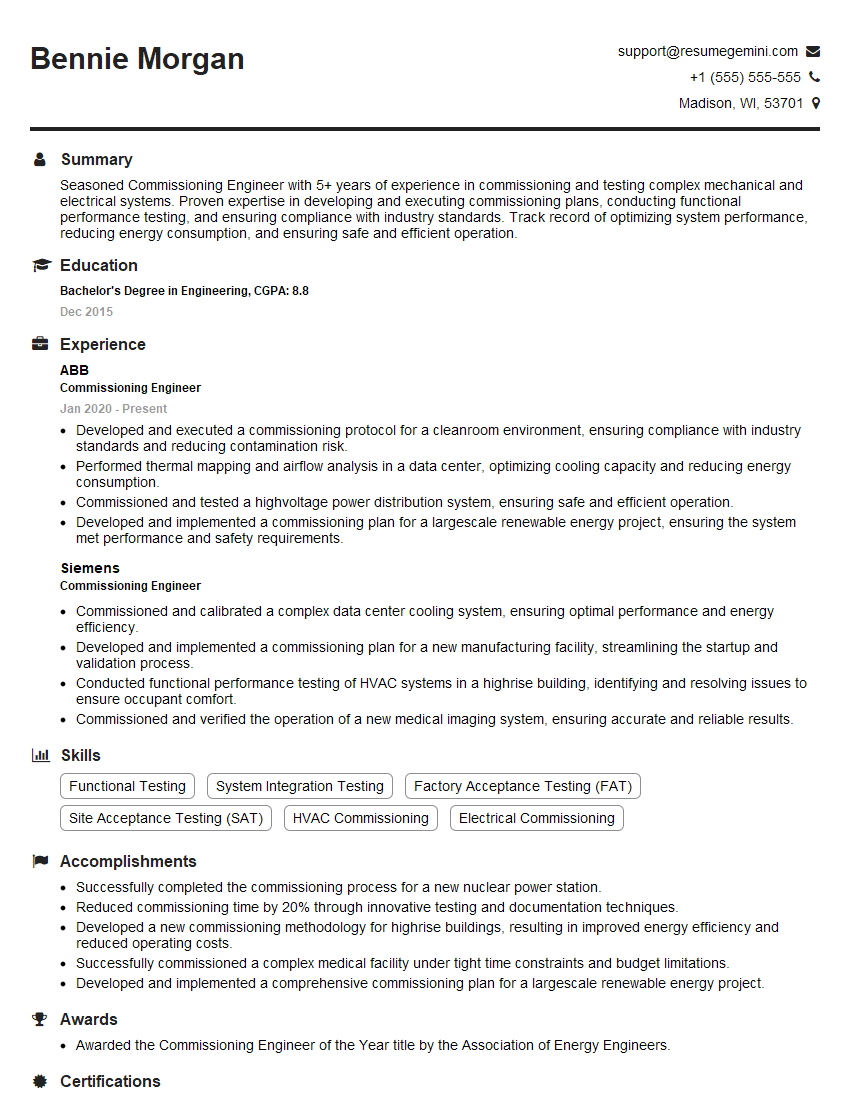
Commissioning Engineer Resume Sample
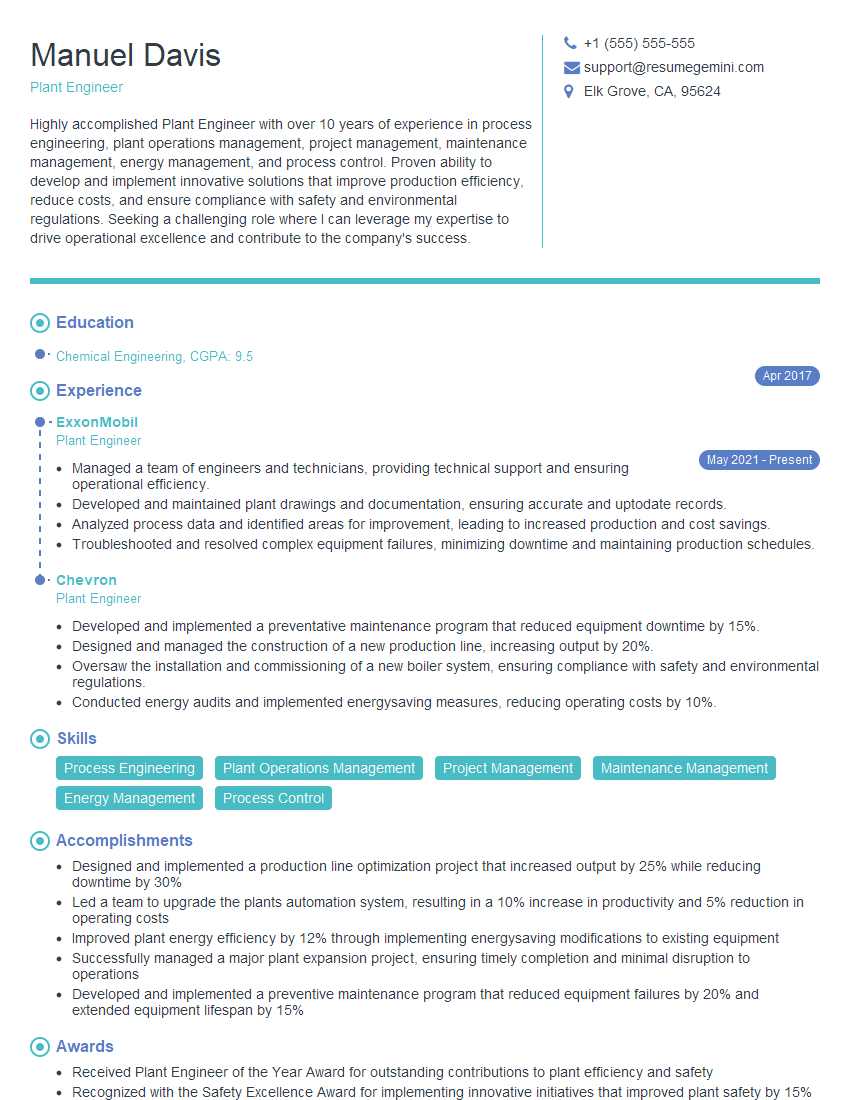
Plant Engineer Resume Sample
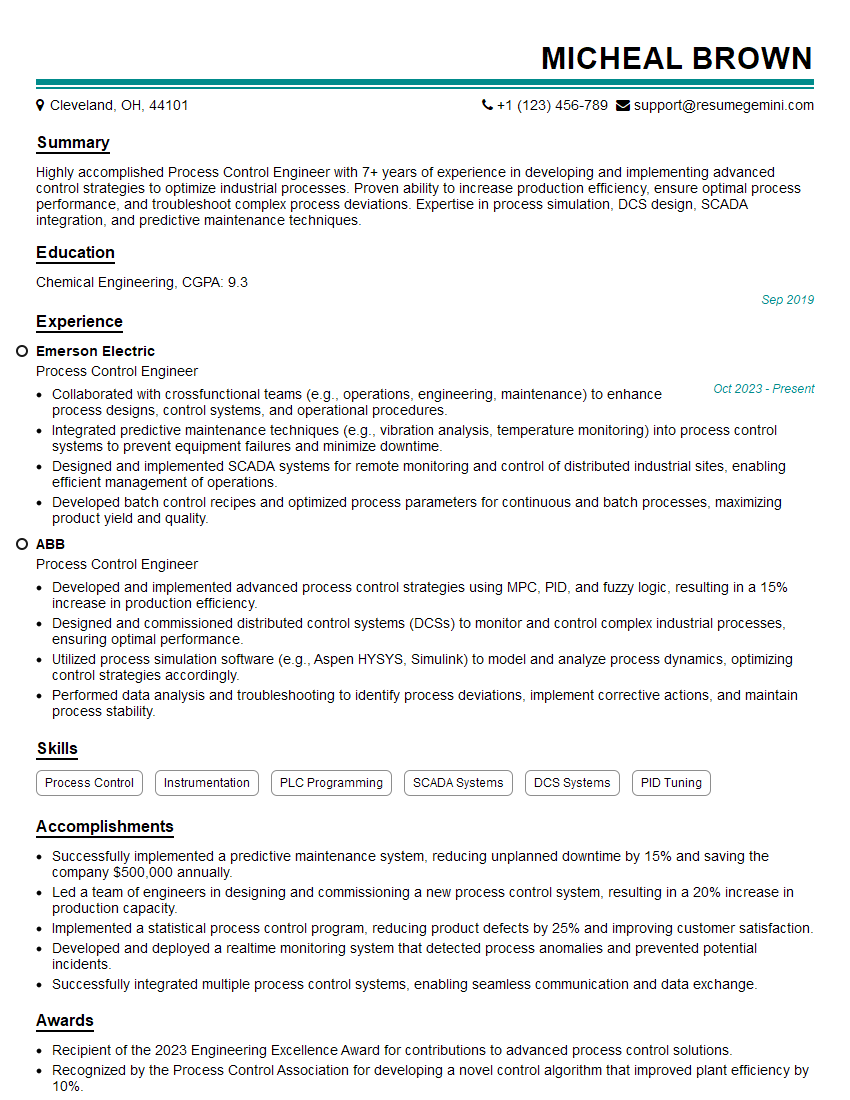
Process Control Engineer Resume Sample
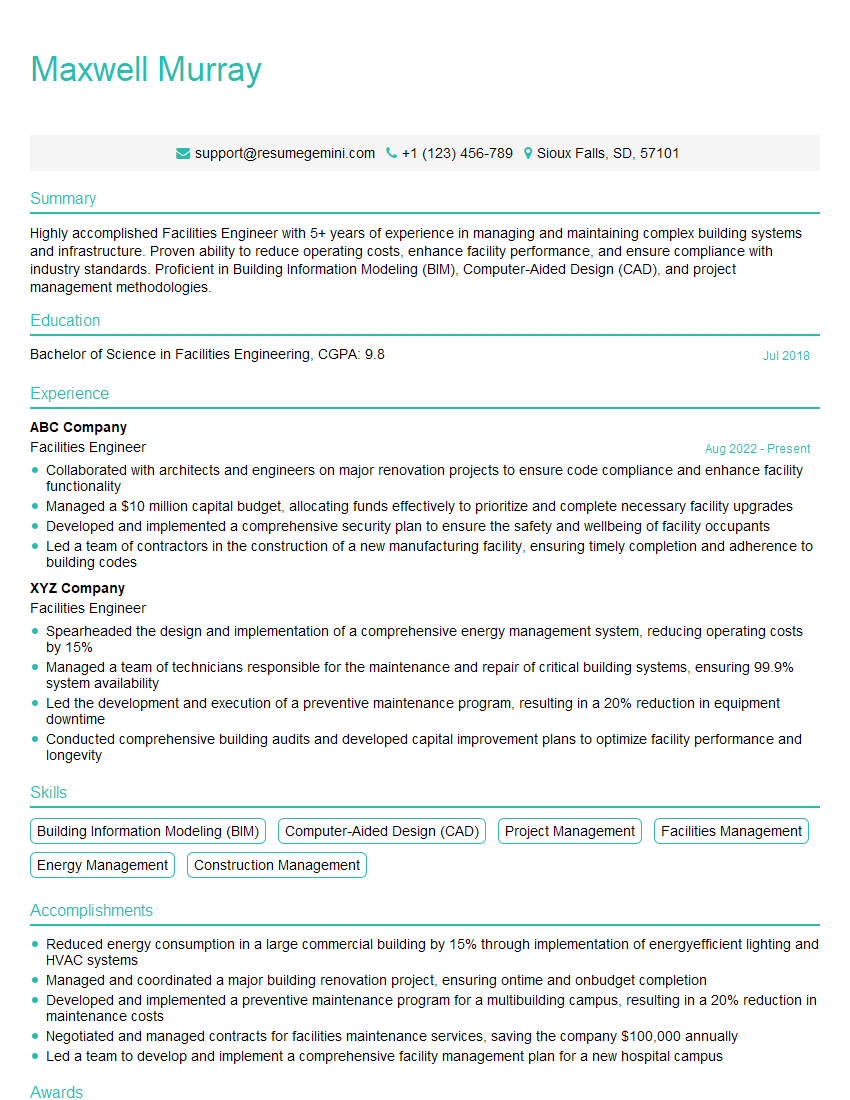
Facilities Engineer Resume Sample
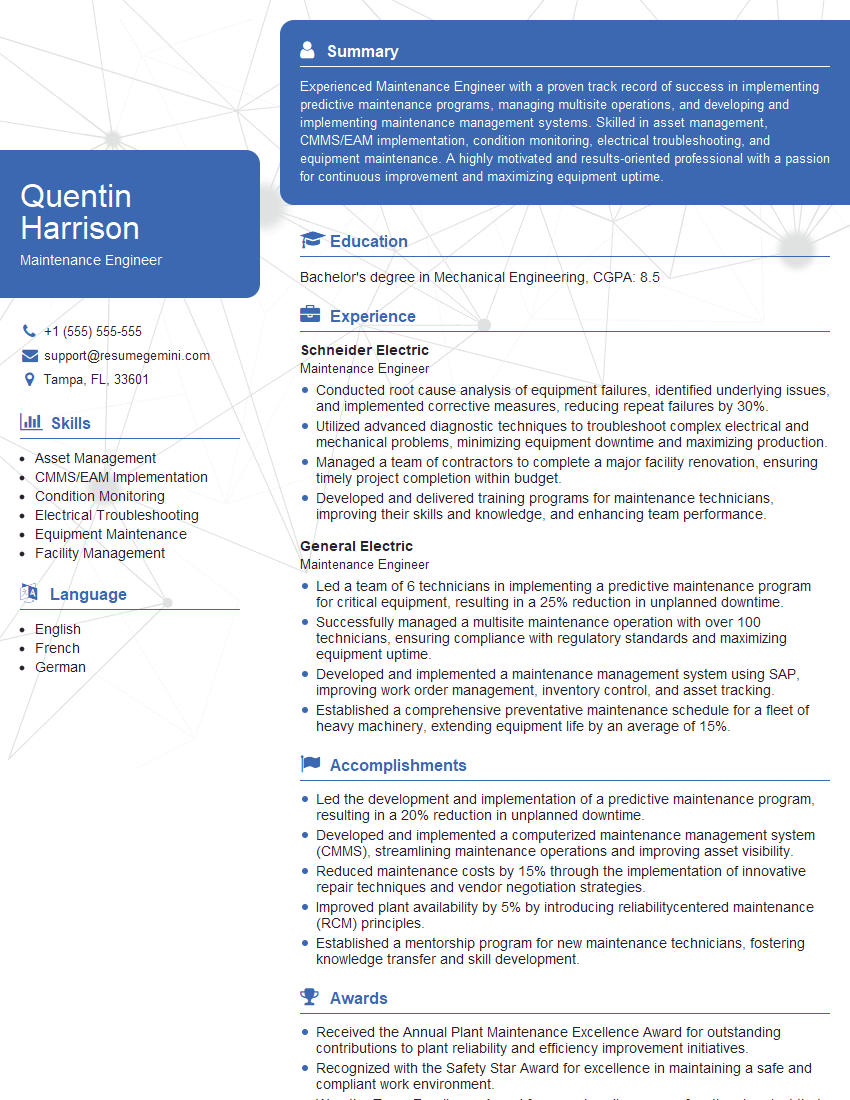
Maintenance Engineer Resume Sample
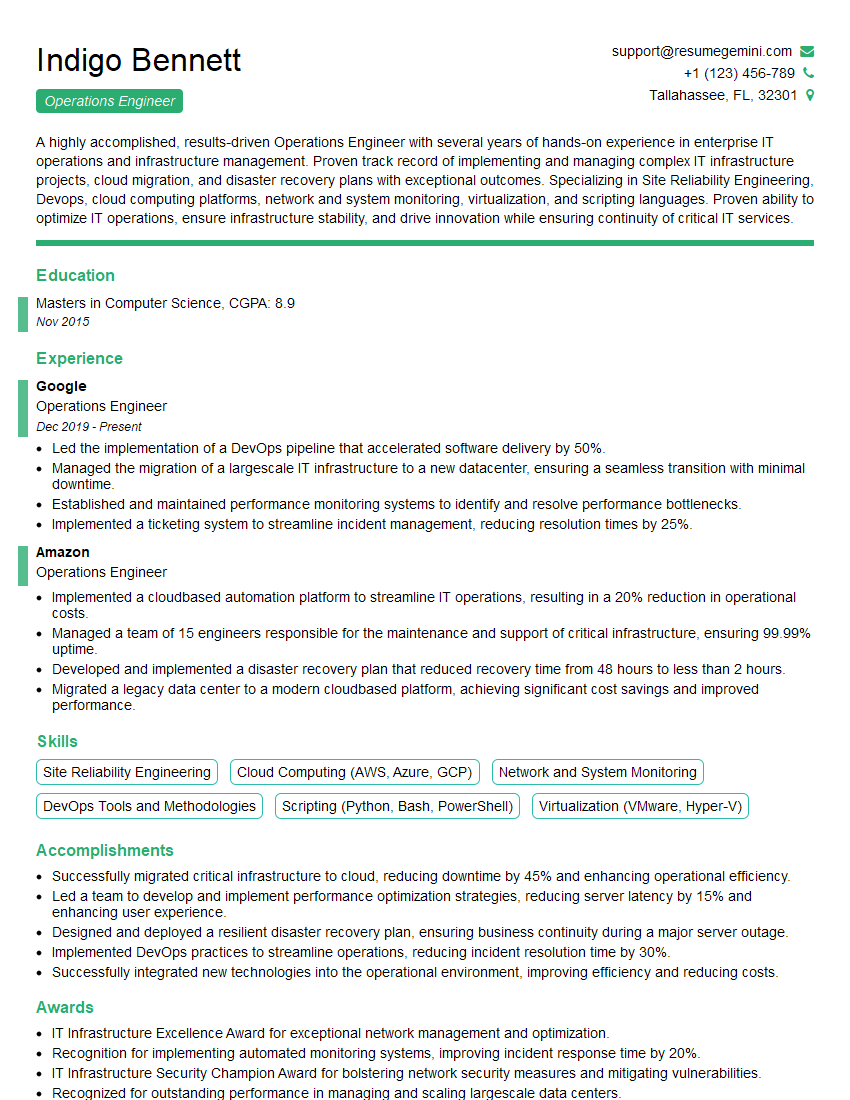
Operations Engineer Resume Sample
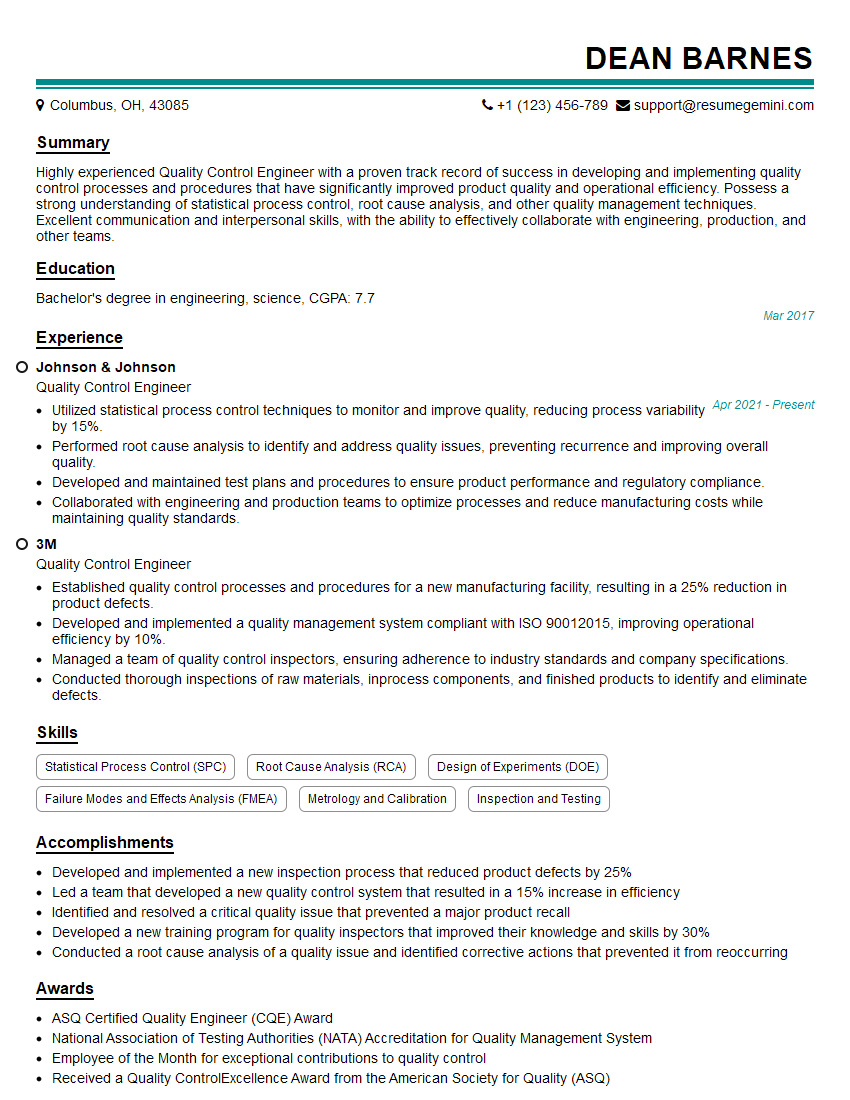
Quality Control Engineer Resume Sample
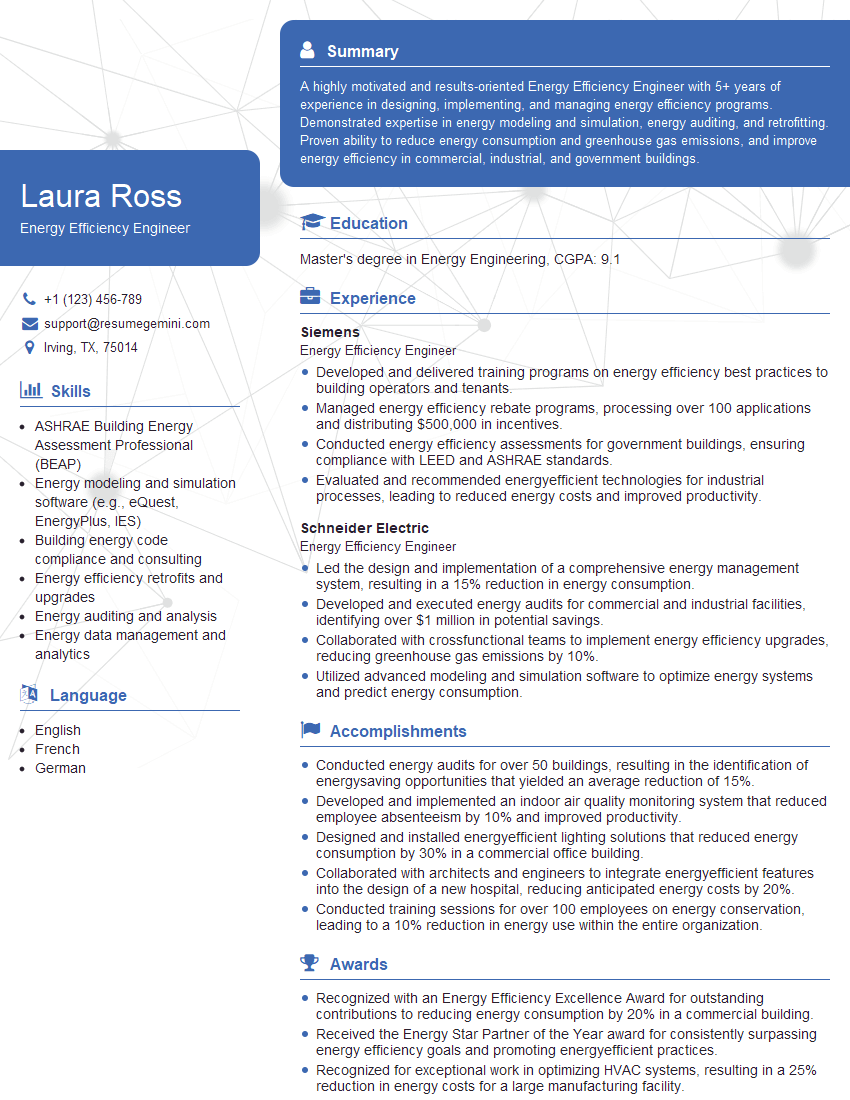
Energy Efficiency Engineer Resume Sample
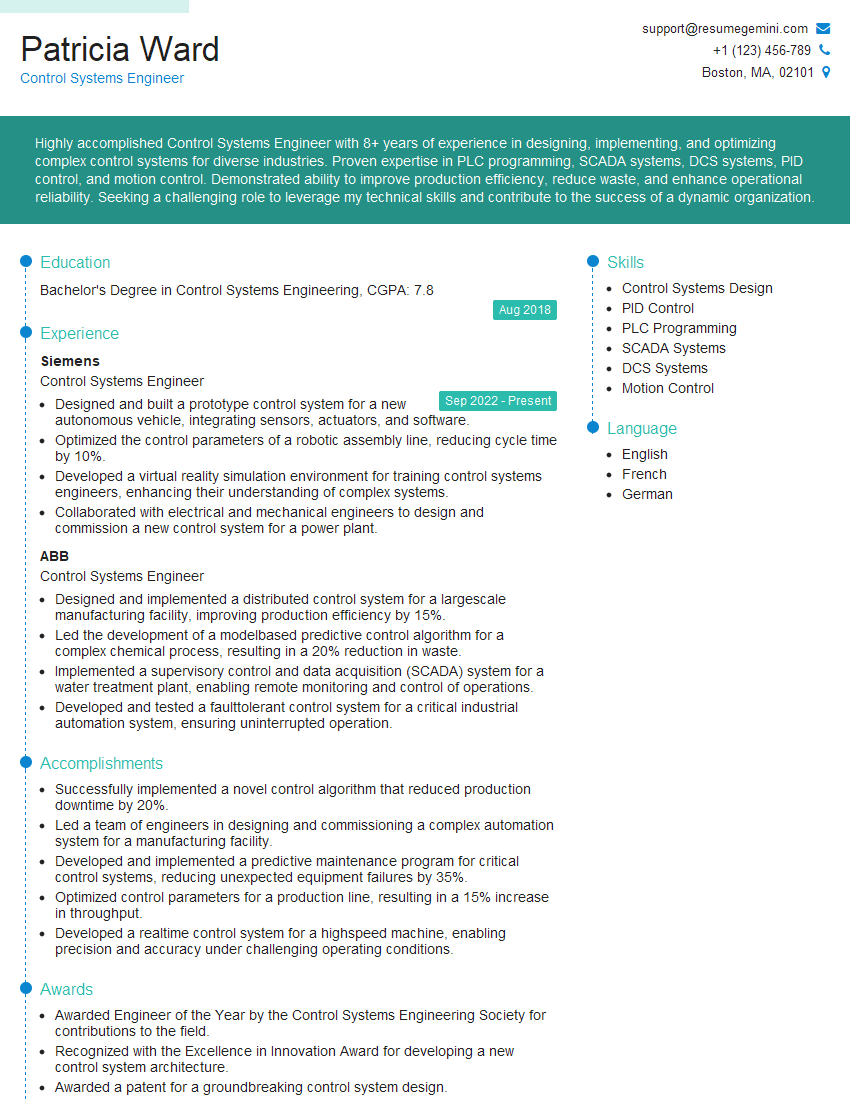
Control Systems Engineer Resume Sample
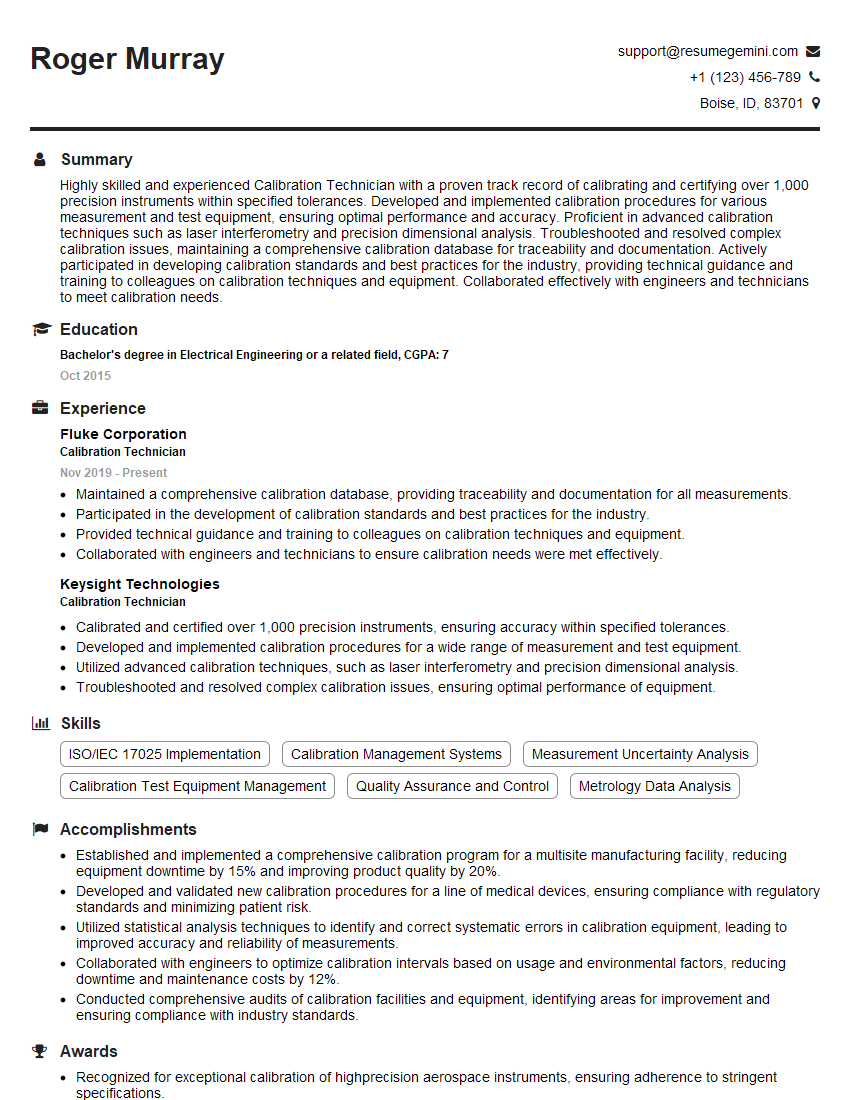
Calibration Technician Resume Sample
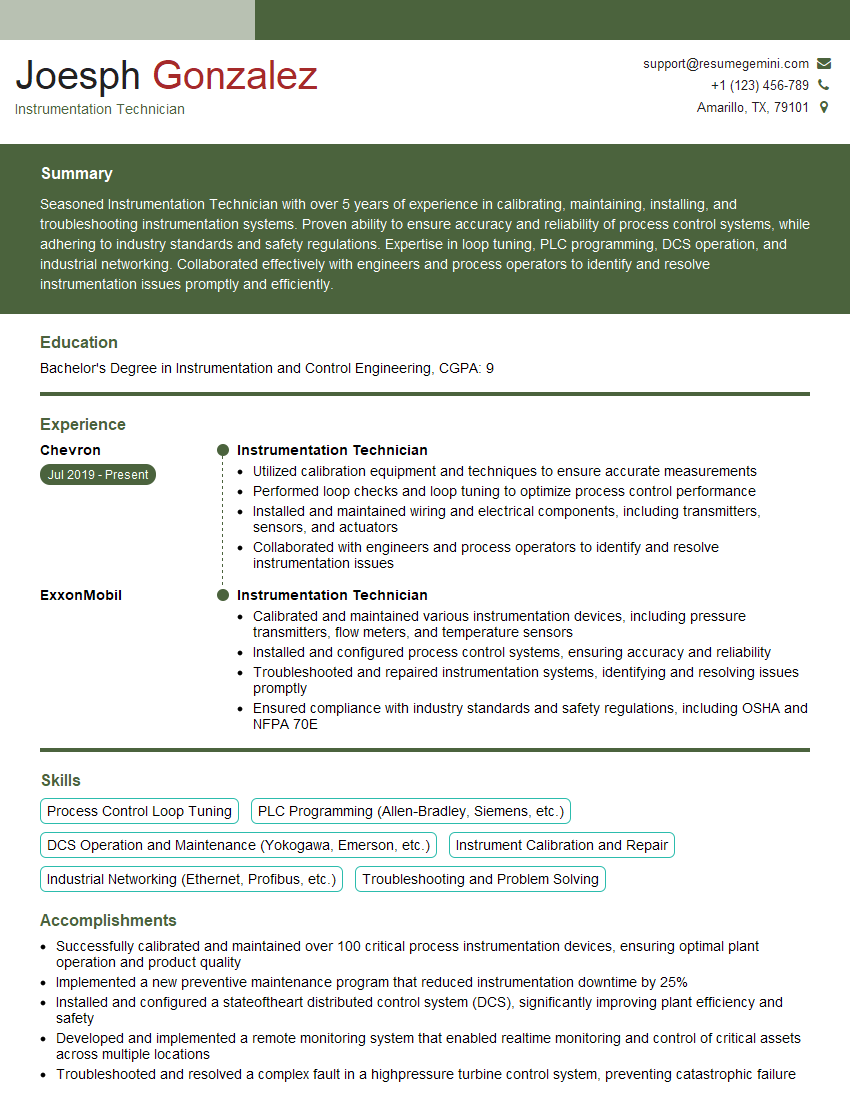
Instrumentation Technician Resume Sample
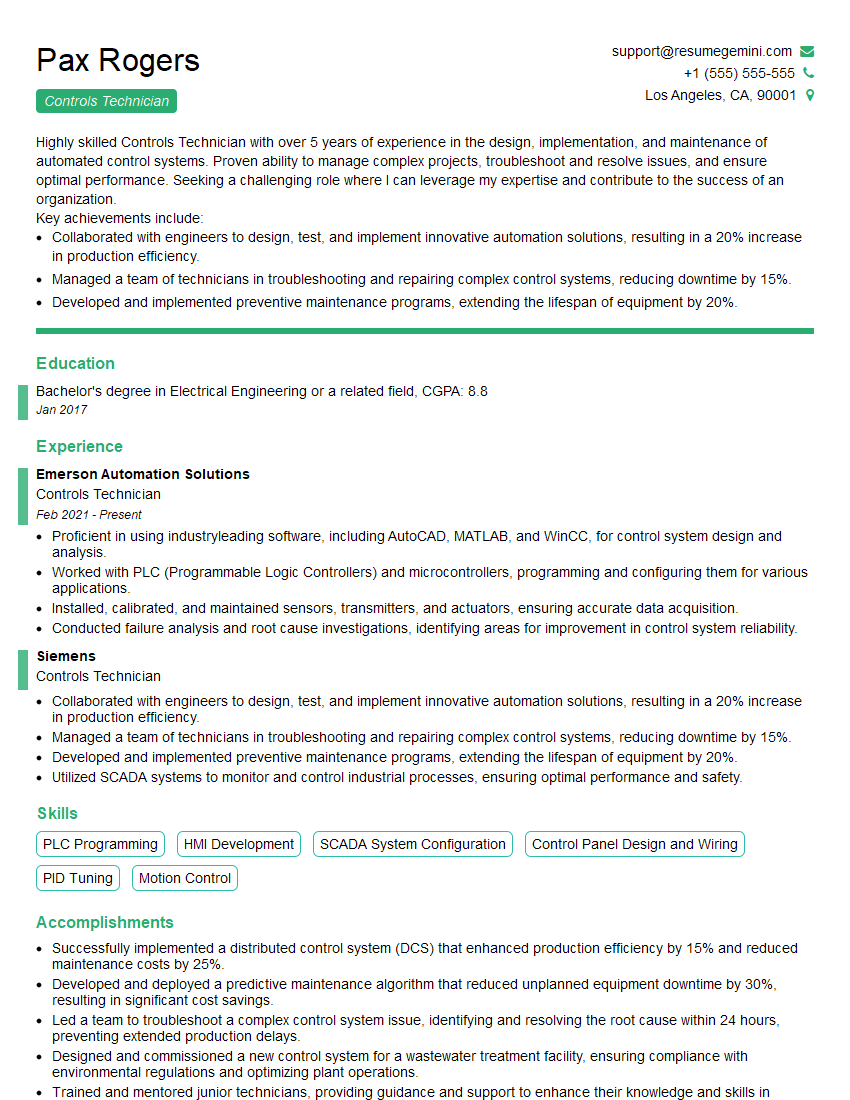
Controls Technician Resume Sample
- Automation Engineer
- Test Engineer
- Commissioning Engineer
- Plant Engineer
- Process Control Engineer
- Facilities Engineer
- Maintenance Engineer
- Operations Engineer
- Quality Control Engineer
- Energy Efficiency Engineer
- Control Systems Engineer
- Calibration Technician
- Instrumentation Technician
- Controls Technician
Explore more articles
Users Rating of Our Blogs
Share Your Experience
We value your feedback! Please rate our content and share your thoughts (optional).
What Readers Say About Our Blog
Very informative content, great job.
good