Every successful interview starts with knowing what to expect. In this blog, we’ll take you through the top Therapeutic Exercise Planning interview questions, breaking them down with expert tips to help you deliver impactful answers. Step into your next interview fully prepared and ready to succeed.
Questions Asked in Therapeutic Exercise Planning Interview
Q 1. Describe your experience developing therapeutic exercise programs.
Developing therapeutic exercise programs requires a holistic approach, considering the patient’s unique condition, goals, and limitations. My experience spans various musculoskeletal and neurological conditions, including post-surgical rehabilitation, chronic pain management, and stroke recovery. I begin by conducting a thorough assessment (discussed in more detail in question 3), then design a program that’s individualized and progressively challenging. For example, I recently developed a program for a patient recovering from a knee replacement. This involved a phased approach, starting with range-of-motion exercises, progressing to strengthening exercises using resistance bands, and culminating in functional activities like stair climbing. Each phase is meticulously documented, with regular reassessments to adjust the program as needed. I also emphasize patient education, ensuring they understand the rationale behind each exercise and can safely perform them at home.
Another example involved designing a program for a patient with chronic low back pain. This required a combination of exercises to improve core stability, flexibility, and posture. Importantly, I tailored the program to account for the patient’s pain tolerance levels, integrating pain management strategies throughout. Successful program development always prioritizes patient safety, adherence, and achievement of functional goals.
Q 2. Explain the principles of exercise prescription, including FITT.
Exercise prescription is the systematic process of designing and implementing an exercise program tailored to an individual’s needs and goals. It relies heavily on the FITT principle – Frequency, Intensity, Time, and Type.
Frequency refers to how often the exercise is performed (e.g., 3 times per week). This depends on factors like the patient’s condition, recovery stage, and overall tolerance.
Intensity refers to the level of exertion during the exercise. It’s often measured using perceived exertion scales (like the Borg scale), heart rate, or resistance levels. For example, a strength training exercise might prescribe 60-80% of the patient’s one-repetition maximum (1RM).
Time refers to the duration of each exercise session and the total exercise time per week. This can range from short, intense sessions to longer, less intense sessions, again dependent on individual patient needs.
Type refers to the mode of exercise – aerobic, resistance training, flexibility exercises, or neuromotor exercises. Choosing the right type of exercise is crucial for achieving the desired therapeutic outcome. For instance, a patient with osteoarthritis might benefit from low-impact aerobic exercises like swimming, while a patient recovering from a stroke might need focused exercises on improving motor control and balance.
Effective exercise prescription also considers the patient’s current fitness level, their goals, and potential limitations. It’s an iterative process, with regular monitoring and adjustments based on the patient’s progress and response to the program.
Q 3. How do you assess a patient’s functional limitations and needs?
Assessing a patient’s functional limitations and needs involves a multi-faceted approach. It begins with a thorough subjective evaluation, including a detailed medical history, current symptoms, and functional goals. I then perform an objective assessment, using various methods to evaluate range of motion (using goniometry), muscle strength (manual muscle testing, dynamometry), balance (Romberg test, functional reach test), and functional abilities (timed up-and-go test, gait analysis).
For example, assessing a patient with a shoulder injury may involve measuring their shoulder abduction range of motion, testing the strength of their rotator cuff muscles, and observing their ability to perform daily tasks like reaching for overhead objects. Based on this comprehensive assessment, I identify specific functional limitations (like decreased range of motion or weakness) and formulate individualized goals to address these limitations. This might involve improving range of motion to allow for easier dressing, strengthening muscles to improve lifting capacity, or improving balance to reduce fall risk. The assessment is crucial in establishing a baseline, tracking progress, and guiding the design of the therapeutic exercise program.
Q 4. What are the contraindications and precautions for therapeutic exercise?
Therapeutic exercise, while beneficial, has contraindications (situations where exercise should be avoided) and precautions (situations requiring modification or careful monitoring). Contraindications include acute inflammation, unstable fractures, uncontrolled hypertension, and severe cardiac conditions. Precautions include recent surgery, osteoporosis, pregnancy, and pain.
For instance, a patient with an acute fracture should not engage in weight-bearing exercises until the fracture is stable. A patient with osteoporosis might need to avoid high-impact exercises to minimize fracture risk. Similarly, a patient with uncontrolled hypertension requires careful monitoring of their blood pressure during and after exercise. Before initiating any exercise program, it’s crucial to review the patient’s medical history, assess their current condition, and carefully consider any potential contraindications or precautions.
Q 5. How do you modify exercise programs for patients with comorbidities?
Patients often have comorbidities (multiple co-existing conditions), and modifying exercise programs to accommodate these is vital. For example, a patient with diabetes and osteoarthritis will need a program that addresses both conditions. The exercise intensity might be lower to avoid excessive stress on the joints, while the duration might be adjusted to manage blood glucose levels.
Another example: a patient with both heart failure and lower extremity weakness requires careful consideration. The exercise intensity and duration might need to be modified to avoid overexertion of the heart, while focusing on strengthening exercises to improve lower extremity function. Collaboration with other healthcare professionals (e.g., cardiologist, endocrinologist) is often necessary to ensure the safety and efficacy of the modified program. The key is to design a program that addresses all conditions while prioritizing safety and minimizing the risk of exacerbating any existing health problems.
Q 6. Explain your understanding of different types of therapeutic exercise modalities.
Therapeutic exercise encompasses a wide range of modalities, each designed to address specific needs. These include:
Range of Motion (ROM) exercises: Improve joint mobility and flexibility (e.g., active assisted ROM, passive ROM).
Strengthening exercises: Increase muscle strength and endurance (e.g., isometric, isotonic, isokinetic exercises). Isometric exercises involve muscle contraction without movement, isotonic involves movement with constant resistance, and isokinetic involves movement with constant speed.
Aerobic exercises: Improve cardiovascular fitness and endurance (e.g., walking, cycling, swimming).
Neuromotor exercises: Improve balance, coordination, and proprioception (e.g., Tai Chi, balance training). Proprioception refers to the body’s awareness of its position in space.
Flexibility exercises: Improve joint flexibility and range of motion (e.g., stretching, yoga).
The choice of modality depends entirely on the patient’s individual needs and goals as determined by the comprehensive assessment.
Q 7. How do you progress and regress exercise intensity and volume?
Progressing and regressing exercise intensity and volume is crucial for maximizing therapeutic benefits while minimizing the risk of injury or overtraining. Progression involves gradually increasing the intensity or volume of the exercise over time, challenging the patient to adapt and improve. Regression involves reducing intensity or volume in response to pain, fatigue, or other setbacks. This process should be carefully monitored and tailored to the individual’s response.
For example, you might start a patient with low-intensity walking for 10 minutes, then gradually increase the duration, then the intensity (e.g., incline, speed), always monitoring for any signs of overexertion. Conversely, if the patient experiences pain during an exercise, the intensity or volume should be reduced, perhaps by using lighter weights, reducing repetitions, or increasing rest intervals. Careful observation, patient feedback, and regular reassessment are crucial in determining the appropriate pace of progression or regression. The goal is to create a safe and effective program that continuously challenges the patient, promotes adaptation, and leads to improved function.
Q 8. How do you measure patient progress and adjust treatment plans accordingly?
Measuring patient progress in therapeutic exercise is crucial for effective treatment. It involves a multifaceted approach, combining objective and subjective data to track improvements and inform adjustments to the plan.
Objective Measures: These are quantifiable data points. Examples include:
- Range of Motion (ROM): Measured using a goniometer, showing improvements in joint flexibility.
- Strength Testing: Using manual muscle testing (MMT) or dynamometry to assess muscle strength gains.
- Functional Tests: Like timed-up-and-go tests (TUG) or 6-minute walk tests (6MWT), measuring functional abilities.
- Pain Scales: Visual Analog Scales (VAS) or numerical rating scales (NRS) for quantifiable pain levels.
Subjective Measures: These rely on patient reporting. Examples include:
- Patient Reported Outcome Measures (PROMs): Questionnaires assessing pain, function, and overall well-being (e.g., Oswestry Disability Index for back pain).
- Qualitative Feedback: Open-ended questions about their experience and perceived improvements.
Adjusting the Plan: Based on the collected data, I adjust the plan. For example, if strength gains are slower than expected, I might increase resistance, change exercise frequency, or introduce new exercises. If pain is persistent, I might modify exercises, reduce intensity, or consider alternative treatment modalities. Regular reassessment, typically at each session and certainly at predetermined intervals, is essential for optimal outcomes.
Q 9. Describe your experience with functional assessments.
Functional assessments are the cornerstone of my therapeutic exercise planning. They evaluate a patient’s ability to perform everyday activities. I’ve extensive experience using a variety of assessments, tailored to the individual’s needs and diagnosis.
For example, with a patient recovering from a stroke, I might use the Functional Independence Measure (FIM) to assess their ability in areas like dressing, bathing, and eating. For a patient with knee osteoarthritis, I might use the timed-up-and-go test and assess their gait and balance. A thorough assessment informs the selection of exercises that directly address the patient’s functional limitations, making therapy more meaningful and effective. I often include observation of activities of daily living (ADLs) within the patient’s home environment, if possible, to get a holistic picture.
Beyond standardized tests, I observe the patient performing activities, noting movement patterns, compensations, and limitations. This qualitative data, combined with objective measures, provides a comprehensive understanding of their functional status. This approach helps me create a plan targeting specific impairments that prevent the patient from returning to their desired level of function.
Q 10. How do you incorporate patient education into your therapeutic exercise plans?
Patient education is not merely an add-on; it’s integral to successful therapeutic exercise. I believe informed patients are more likely to adhere to their plans and achieve better outcomes. My approach involves several key strategies:
- Explaining the ‘Why’: I thoroughly explain the rationale behind each exercise, linking it to their specific condition and goals. For example, I explain how strengthening exercises for rotator cuff tendinopathy will improve shoulder stability and reduce pain.
- Demonstration and Practice: I demonstrate each exercise correctly and then guide the patient through practice, ensuring proper form and technique.
- Home Exercise Program (HEP): I provide detailed written and often visual (videos) instructions for exercises to perform at home. I check in at each session to address any issues.
- Ongoing Dialogue: I encourage questions and create an open environment where patients can express concerns or uncertainties. I also tailor the language and information to suit each patient’s understanding.
- Resources: I often provide additional resources like websites or pamphlets with relevant information, making the learning experience accessible and ongoing.
For instance, I recently worked with a patient recovering from a knee replacement. Through clear explanations and visual aids, I showed her how strengthening exercises would improve knee stability and reduce the risk of future injuries. Providing her with a detailed HEP, along with videos demonstrating correct technique, boosted her confidence and adherence to her exercise program.
Q 11. Explain the importance of patient adherence in therapeutic exercise.
Patient adherence is paramount to the success of therapeutic exercise. Without consistent participation, even the best-designed plan will yield limited results. Adherence is influenced by many factors, including motivation, understanding, and the perceived benefits of the program.
Poor adherence can lead to slower recovery, persistent pain, and even complications. For example, a patient with a lower back injury who fails to perform prescribed exercises might experience ongoing pain and functional limitations. Conversely, high adherence is strongly associated with improved outcomes, quicker recovery, and improved quality of life.
Strategies to enhance adherence include establishing clear goals together, creating a personalized and motivating plan, using positive reinforcement, and regular follow-up and communication. Building a strong therapeutic alliance, based on trust and mutual understanding, is crucial to support adherence and ensure patient success.
Q 12. How do you manage challenging patient behaviors or non-compliance?
Managing challenging patient behaviors or non-compliance requires a thoughtful and empathetic approach. It’s essential to understand the underlying reasons for the behavior. This might involve psychological factors (fear, anxiety, depression), social factors (lack of support), or physical factors (pain, fatigue).
My strategy involves:
- Open Communication: I engage in open dialogue to understand the barriers preventing adherence. Sometimes it is something as simple as modifying the plan to fit the patient’s schedule.
- Collaboration: I work collaboratively with the patient to develop a revised plan that accounts for their limitations and concerns. For example, if fatigue is a problem, I may reduce the intensity and duration of the exercise sessions.
- Problem-Solving: We work together to find practical solutions, perhaps involving family or caregivers. It is about listening to their concerns and creating a sustainable solution, not forcing a plan that doesn’t work for the patient.
- Referral: In cases of significant psychological barriers, I might refer the patient to a psychologist or social worker.
For example, a patient might be reluctant to engage fully due to fear of pain. Through careful communication and gradual progression, I build their confidence and address their concerns, emphasizing the importance of mindful movement and pain management strategies.
Q 13. Describe your experience with documentation in therapeutic exercise.
Accurate and comprehensive documentation is vital for legal and clinical reasons. It ensures continuity of care, allows for tracking progress, and provides a record for insurance purposes. My documentation process includes:
- Initial Evaluation: A detailed report outlining the patient’s history, current condition, functional limitations, and goals.
- Treatment Plan: A documented plan outlining specific exercises, frequency, intensity, and duration, and the rationale behind them.
- Progress Notes: Regular updates documenting patient progress, any modifications to the plan, and any challenges encountered.
- Discharge Summary: A summary outlining the patient’s progress, the achievement (or not) of goals, and recommendations for continued care.
I use a clear and concise style, avoiding jargon and ensuring the notes are easily understandable by other healthcare professionals. I also maintain the strictest confidentiality, following all relevant regulations and guidelines.
Q 14. How do you use technology in therapeutic exercise planning?
Technology plays an increasingly important role in therapeutic exercise. I utilize several technological tools to enhance patient care and improve outcomes:
- Electronic Health Records (EHRs): For secure and efficient documentation, scheduling, and communication.
- Telehealth Platforms: For remote exercise instruction and monitoring, particularly beneficial for patients with mobility issues.
- Wearable Sensors: These can track movement patterns, activity levels, and other relevant data, providing objective feedback on the patient’s progress. The data can be easily integrated into my EHR system.
- Exercise Apps: I sometimes utilize apps that provide guided exercises and track progress, complementing my in-person sessions. I ensure that the app’s data is accurate and validated.
- Virtual Reality (VR) Systems: These can be used for interactive and engaging rehabilitation exercises, especially for conditions like stroke or traumatic brain injury.
Integrating technology carefully and ethically ensures that the best and most appropriate tools are selected for each patient. Technology should enhance but never replace the importance of the therapeutic relationship and the individualised approach to care.
Q 15. What are your strengths and weaknesses as a therapeutic exercise professional?
My greatest strength as a therapeutic exercise professional lies in my ability to build strong rapport with patients and tailor exercise programs to their individual needs and goals. I excel at creating a safe and motivating environment where patients feel comfortable pushing their limits. I’m also adept at communicating complex medical information in a clear and concise manner, ensuring patients fully understand their treatment plan. My weakness is sometimes over-committing, striving for perfection in all aspects of patient care. To mitigate this, I’ve implemented time management techniques and learned to delegate tasks when necessary, prioritizing the most urgent needs.
Career Expert Tips:
- Ace those interviews! Prepare effectively by reviewing the Top 50 Most Common Interview Questions on ResumeGemini.
- Navigate your job search with confidence! Explore a wide range of Career Tips on ResumeGemini. Learn about common challenges and recommendations to overcome them.
- Craft the perfect resume! Master the Art of Resume Writing with ResumeGemini’s guide. Showcase your unique qualifications and achievements effectively.
- Don’t miss out on holiday savings! Build your dream resume with ResumeGemini’s ATS optimized templates.
Q 16. How do you prioritize patient care when managing a high volume of patients?
Managing a high volume of patients requires a structured approach to prioritize care. I utilize a combination of techniques including:
- Prioritization Matrix: I categorize patients based on urgency and complexity of their needs (e.g., acute injuries requiring immediate attention vs. chronic conditions requiring long-term management). This allows me to allocate my time effectively.
- Time Blocking: I schedule specific time slots for different activities like patient assessments, treatment sessions, and documentation. This helps prevent time slippage and ensures I dedicate sufficient time to each patient.
- Efficient Documentation: Using electronic health records and employing concise note-taking techniques streamlines administrative tasks, allowing more time for direct patient care.
- Delegation: When appropriate, I delegate tasks such as scheduling appointments or assisting with simpler exercises to other members of the healthcare team.
Q 17. Explain your understanding of evidence-based practice in therapeutic exercise.
Evidence-based practice (EBP) in therapeutic exercise is paramount. It involves integrating the best available research evidence, clinical expertise, and patient values to make informed decisions about treatment. This means I don’t just rely on tradition or personal preference; instead, I systematically search for high-quality research studies to support my treatment choices. For example, before recommending a specific strengthening exercise for a patient with knee osteoarthritis, I would consult studies on the effectiveness of that exercise for similar patients, considering factors like the patient’s age, activity level, and pain tolerance. I also actively participate in professional development activities to stay updated on the latest research findings and translate that knowledge into the best possible care for my patients. Essentially, I strive to ensure that every treatment decision is supported by the best available scientific evidence, while also being mindful of the individual preferences and circumstances of each patient.
Q 18. Describe your experience working within a multidisciplinary team.
I have extensive experience collaborating within multidisciplinary teams, including physicians, physical therapists, occupational therapists, and social workers. In one instance, I worked with a team to manage a patient with a stroke. The physician provided the diagnosis and medication plan, while the occupational therapist focused on improving activities of daily living. I concentrated on therapeutic exercises to improve mobility and strength. The social worker assisted with emotional support and family involvement. This collaborative approach provided a comprehensive and holistic treatment plan that resulted in significantly improved functional outcomes for the patient. Open communication, mutual respect, and a shared understanding of the patient’s goals were crucial for our success. Regular team meetings and shared documentation facilitated seamless coordination of care.
Q 19. How do you stay current with advancements in therapeutic exercise techniques?
Staying current in therapeutic exercise requires continuous learning. I achieve this through several avenues:
- Professional Journals and Publications: I regularly read peer-reviewed journals such as the Journal of Orthopaedic & Sports Physical Therapy and the British Journal of Sports Medicine to stay informed about the latest research and best practices.
- Continuing Education Courses: I actively participate in workshops, seminars, and conferences focused on new techniques and technologies in therapeutic exercise. This includes hands-on training to ensure I can confidently implement new methods in my practice.
- Professional Organizations: Membership in organizations like the American Physical Therapy Association keeps me updated on industry standards, provides access to continuing education resources, and offers opportunities for networking and collaboration with other professionals.
- Online Resources: I utilize reputable online platforms and databases to access research articles, clinical guidelines, and educational materials.
Q 20. Describe a situation where you had to adapt a treatment plan due to unforeseen circumstances.
During a patient’s rehabilitation following a total knee replacement, I planned a progressive strengthening program. However, the patient experienced unexpected swelling and increased pain after a session. Instead of rigidly adhering to the initial plan, I immediately assessed the situation and adjusted the treatment. I reduced the intensity and duration of the exercises, incorporated ice and elevation techniques, and closely monitored the patient’s response. I also consulted with the orthopedic surgeon to rule out any complications. The plan was adapted to focus on pain management and reducing inflammation before gradually resuming the strengthening exercises. The flexibility and responsiveness shown in this situation prevented further setbacks and allowed the patient to progress towards their rehabilitation goals safely and effectively.
Q 21. How do you ensure patient safety during therapeutic exercise sessions?
Ensuring patient safety is my top priority. My approach involves several key strategies:
- Thorough Assessment: Before initiating any exercise program, I conduct a comprehensive assessment to identify potential risks and limitations. This includes reviewing the patient’s medical history, current physical condition, and any contraindications to exercise.
- Proper Exercise Technique: I meticulously demonstrate and supervise each exercise, ensuring the patient understands and performs each movement correctly. Improper technique can lead to injuries, so I take the time to provide thorough instruction and feedback.
- Gradual Progression: I start with low-intensity exercises and gradually increase the difficulty as the patient’s strength and endurance improve. This progressive approach minimizes the risk of overuse injuries.
- Monitoring Vital Signs: For patients with underlying health conditions, I monitor vital signs such as heart rate and blood pressure throughout the exercise session to ensure they are tolerating the activity well.
- Safe Environment: I ensure the exercise area is free of obstacles and equipped with appropriate safety devices, such as mats and support rails. I also teach patients how to use these safety aids properly.
- Communication: I encourage open communication with my patients. They are encouraged to report any pain or discomfort immediately, so I can adjust the exercise plan accordingly.
Q 22. How do you explain complex medical information to patients in an understandable way?
Explaining complex medical information requires empathy and clear communication. I avoid medical jargon and use simple analogies to illustrate concepts. For instance, explaining the impact of osteoarthritis on a joint, I might compare it to the wear and tear on a frequently used car part, making it rough and painful. I break down information into smaller, manageable chunks, frequently checking for understanding with open-ended questions like, “Does that make sense?” or “What questions do you have?” Visual aids like diagrams or models are incredibly helpful, providing a concrete representation of abstract ideas. Finally, I tailor my explanation to the patient’s educational level and learning style, ensuring the information is both accessible and relevant to their specific situation. For example, I might use a more visual explanation for a patient with low literacy than for a patient with a strong science background.
Q 23. Describe your experience with patients of different age groups and physical capabilities.
My experience spans a wide range of age groups and physical capabilities. I’ve worked with pediatric patients recovering from injuries, helping them regain strength and mobility through play-based exercises. I’ve also worked extensively with geriatric patients, focusing on improving balance, reducing fall risk, and managing chronic conditions like arthritis. My experience also includes working with adults recovering from stroke, traumatic brain injury, and various orthopedic surgeries. Each age group and condition requires a uniquely tailored approach. For example, with pediatric patients, I incorporate fun and games to make the exercises engaging; whereas, with geriatric patients, the focus is on safety and gradual progression to accommodate limitations in strength and endurance. Adaptability is key – I modify exercises to suit individual needs, using assistive devices or adjusting the intensity and complexity as needed.
Q 24. What are the key considerations for designing exercise programs for specific conditions (e.g., osteoarthritis, stroke)?
Designing exercise programs for specific conditions requires a thorough understanding of the pathology and its impact on the musculoskeletal system. For osteoarthritis, the focus is on maintaining joint mobility, strengthening surrounding muscles for support, and managing pain. Exercises are low-impact, focusing on range of motion exercises, strengthening exercises that don’t stress the joint excessively and aquatic therapy can be very beneficial. For stroke patients, the program emphasizes regaining lost motor function, improving balance, and enhancing coordination. This might involve exercises targeting specific muscle groups affected by the stroke, using techniques like constraint-induced movement therapy and incorporating balance and gait training. Key considerations include the patient’s current functional abilities, pain levels, and any other co-morbidities. The program’s intensity and progression must be carefully monitored and adjusted based on the patient’s response and progress. Regular reassessment and modification are crucial for optimal outcomes.
Q 25. How do you monitor for adverse effects during exercise sessions?
Monitoring for adverse effects is paramount during exercise sessions. Before each session, I review the patient’s medical history and any contraindications to exercise. Throughout the session, I closely observe the patient for signs of pain, fatigue, dizziness, shortness of breath, or changes in heart rate and blood pressure (if monitoring). I regularly check in with the patient, asking about their comfort level and any sensations they are experiencing. If any adverse effects occur, I immediately stop the exercise, assess the situation, and adjust the program as needed. This might involve reducing the intensity, modifying the exercises, or stopping the session altogether. Clear communication with the patient and the referring physician is crucial if there are any significant concerns.
Q 26. What is your approach to patient goal setting and progress monitoring?
Patient goal setting is a collaborative process. I work with each patient to establish realistic and measurable goals that align with their functional needs and overall health objectives. These goals might range from improving range of motion in a specific joint to increasing walking endurance or strengthening specific muscle groups. Progress monitoring involves regular assessments using objective measures like goniometry (measuring joint angles) and functional tests. I use subjective measures too, asking patients about their perceived improvements in function and pain levels. This data is used to track progress, modify the exercise program, and ensure the program remains relevant and effective. Regular check-ins and open communication with the patient and other healthcare providers ensure that adjustments are made appropriately.
Q 27. Describe your understanding of different types of joint mobilizations and their applications in therapeutic exercise.
Joint mobilizations are manual therapy techniques used to improve joint range of motion and reduce pain. They are classified into different grades based on the amplitude and speed of the movement. Grade I and II mobilizations are small-amplitude oscillatory movements performed within the physiological range of motion, primarily used to reduce pain and muscle spasm. Grade III and IV mobilizations involve larger amplitude movements to the end of the available range of motion or slightly beyond it, used to improve joint mobility. The application of each grade depends on the specific joint, the nature of the restriction, and the patient’s response. For example, Grade I or II mobilizations might be used for acute pain, while Grade III or IV mobilizations would be more appropriate for chronic stiffness. The choice of technique is dependent on multiple factors such as the stage of injury, the patient’s pain levels, and the presence of any contraindications.
Q 28. How do you incorporate manual therapy techniques into your therapeutic exercise plans?
Manual therapy techniques, such as joint mobilizations, soft tissue mobilization, and muscle energy techniques, are often integrated into therapeutic exercise plans to optimize treatment outcomes. For instance, I might perform joint mobilizations to restore normal joint mechanics before initiating strengthening exercises for improved joint function. Soft tissue mobilization can help alleviate muscle tightness and improve flexibility, facilitating range-of-motion exercises. Muscle energy techniques might be used to improve muscle length and strength prior to progressive resistance exercises. The integration of these techniques is individualized, depending on the patient’s specific needs and the stage of their recovery. Manual therapy is always performed safely and within the clinician’s scope of practice and should be preceded by proper assessment to ensure the chosen techniques are appropriate and safe.
Key Topics to Learn for Therapeutic Exercise Planning Interview
- Patient Assessment and Goal Setting: Understanding the process of conducting thorough patient assessments (e.g., subjective and objective data collection) to establish realistic and measurable goals aligned with patient needs and capabilities. This includes considering various assessment tools and adapting them to individual situations.
- Exercise Prescription Principles: Mastering the principles of exercise prescription, including the application of FITT principles (Frequency, Intensity, Time, Type) to different patient populations and conditions. This involves understanding the physiological adaptations to exercise and the selection of appropriate exercises to target specific impairments.
- Program Design and Progression: Developing comprehensive therapeutic exercise programs tailored to individual patient needs, considering the progression of exercises from basic to advanced levels. This includes understanding the importance of gradual loading, monitoring patient response, and making necessary adjustments based on progress.
- Modalities and Interventions: Familiarizing yourself with various therapeutic modalities (e.g., heat, cold, ultrasound, electrical stimulation) and their appropriate application within a comprehensive exercise program. Understanding when and how to integrate these modalities for optimal outcomes.
- Safety and Risk Management: Prioritizing patient safety by identifying and mitigating potential risks associated with therapeutic exercise. This includes understanding contraindications and modifications for various conditions and populations.
- Communication and Documentation: Effective communication with patients, colleagues, and other healthcare professionals. Mastering clear and concise documentation of patient progress, treatment plans, and any modifications made to the program.
- Evidence-Based Practice: Understanding the importance of integrating current research and evidence-based practices into your therapeutic exercise planning and rationale for exercise selection.
Next Steps
Mastering Therapeutic Exercise Planning is crucial for career advancement in the field, leading to greater responsibility, higher earning potential, and more fulfilling patient interactions. A strong resume is essential to showcase your skills and experience to potential employers. Creating an ATS-friendly resume that highlights your expertise in therapeutic exercise planning significantly increases your chances of landing your dream job. We highly recommend using ResumeGemini to build a professional and impactful resume tailored to the specific requirements of your target roles. Examples of resumes tailored to Therapeutic Exercise Planning are available to help guide your process.

Wellness Coach Resume Sample
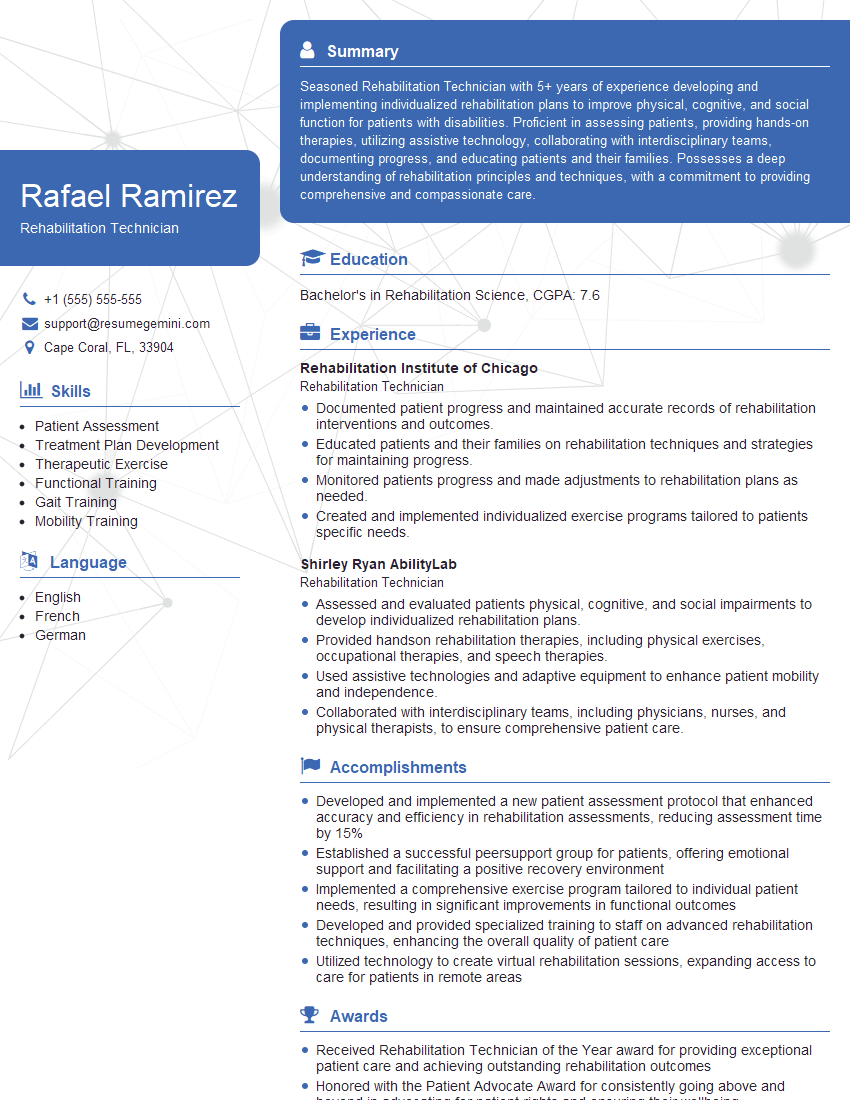
Rehabilitation Technician Resume Sample
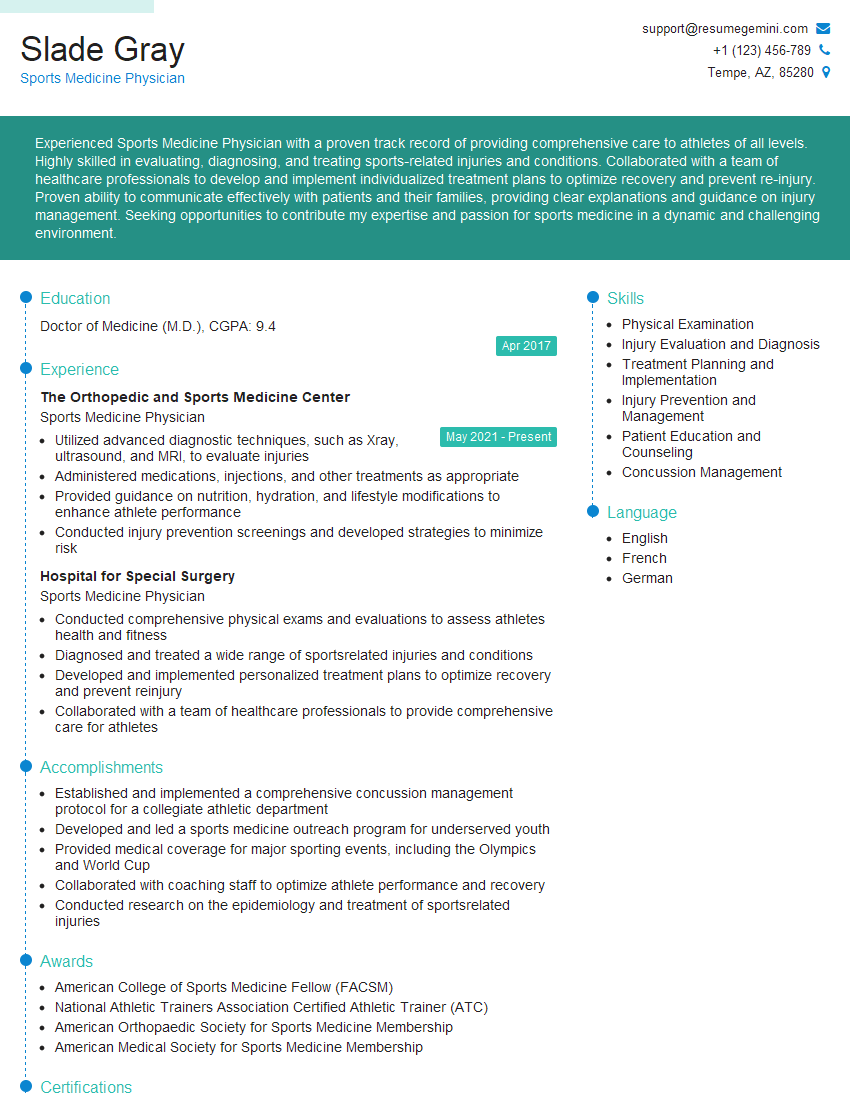
Sports Medicine Physician Resume Sample
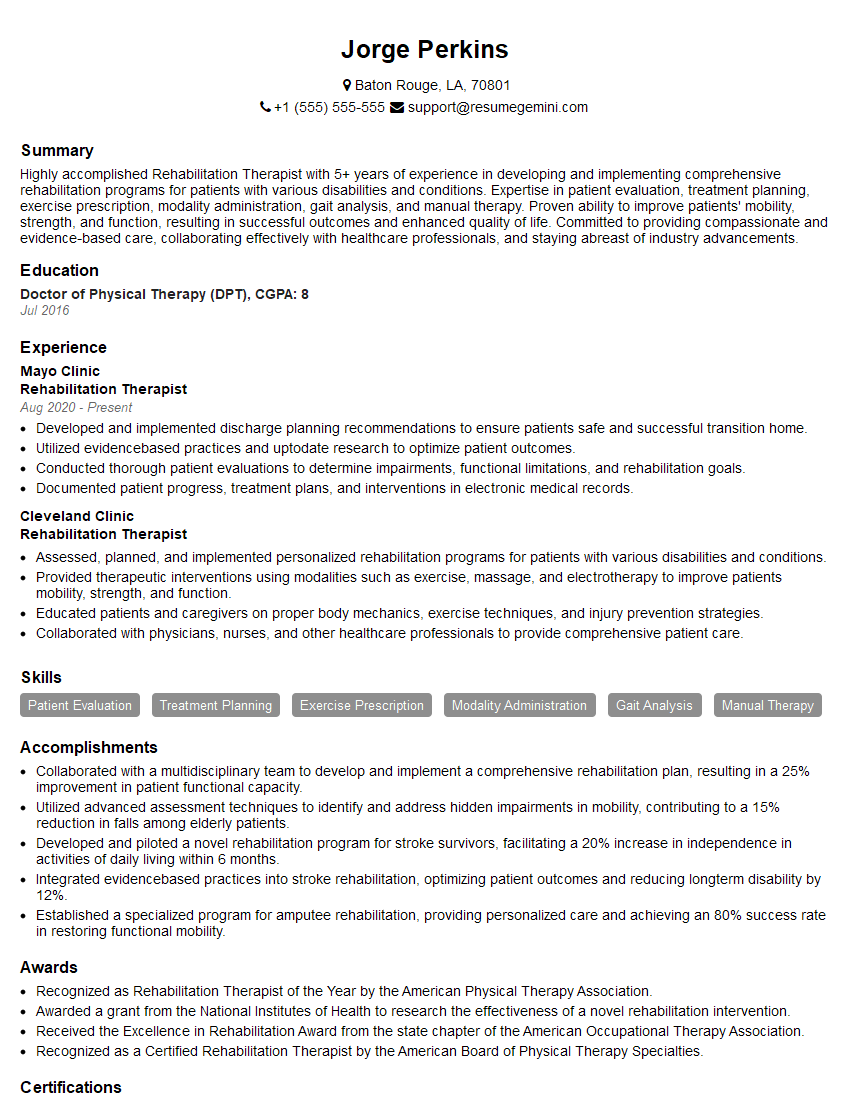
Rehabilitation Therapist Resume Sample
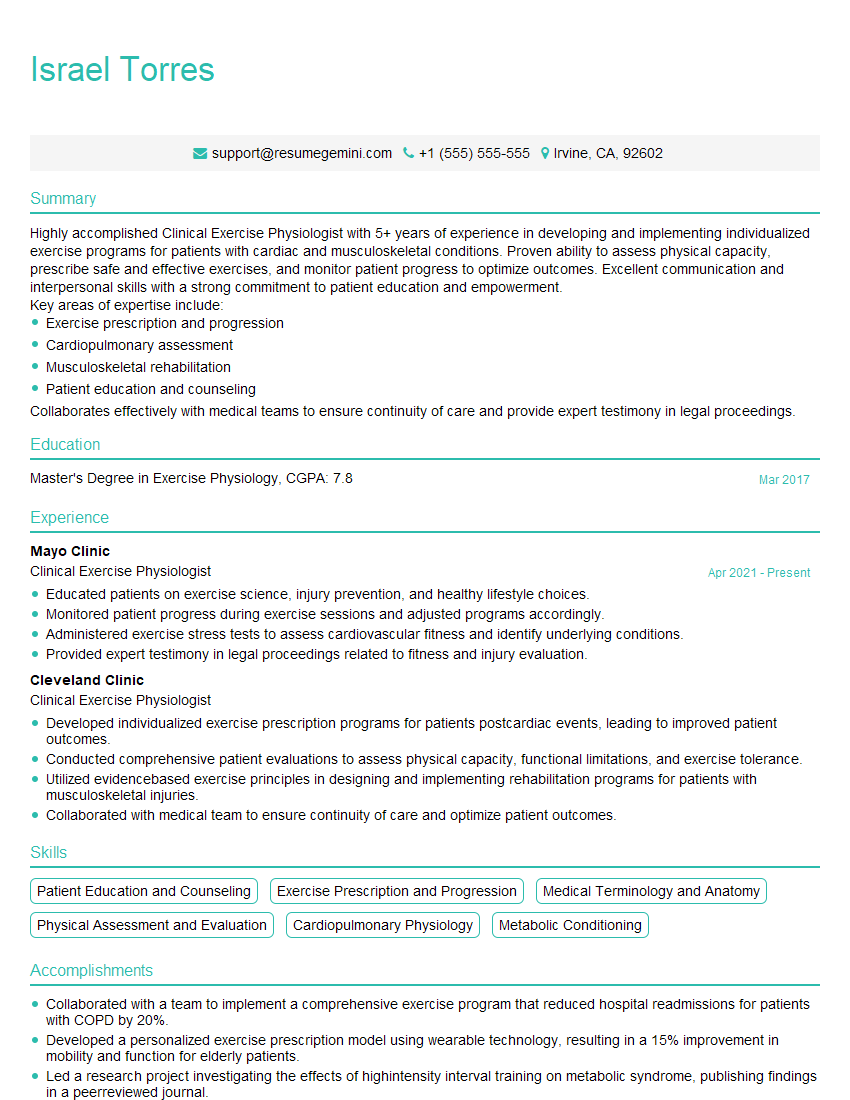
Clinical Exercise Physiologist Resume Sample
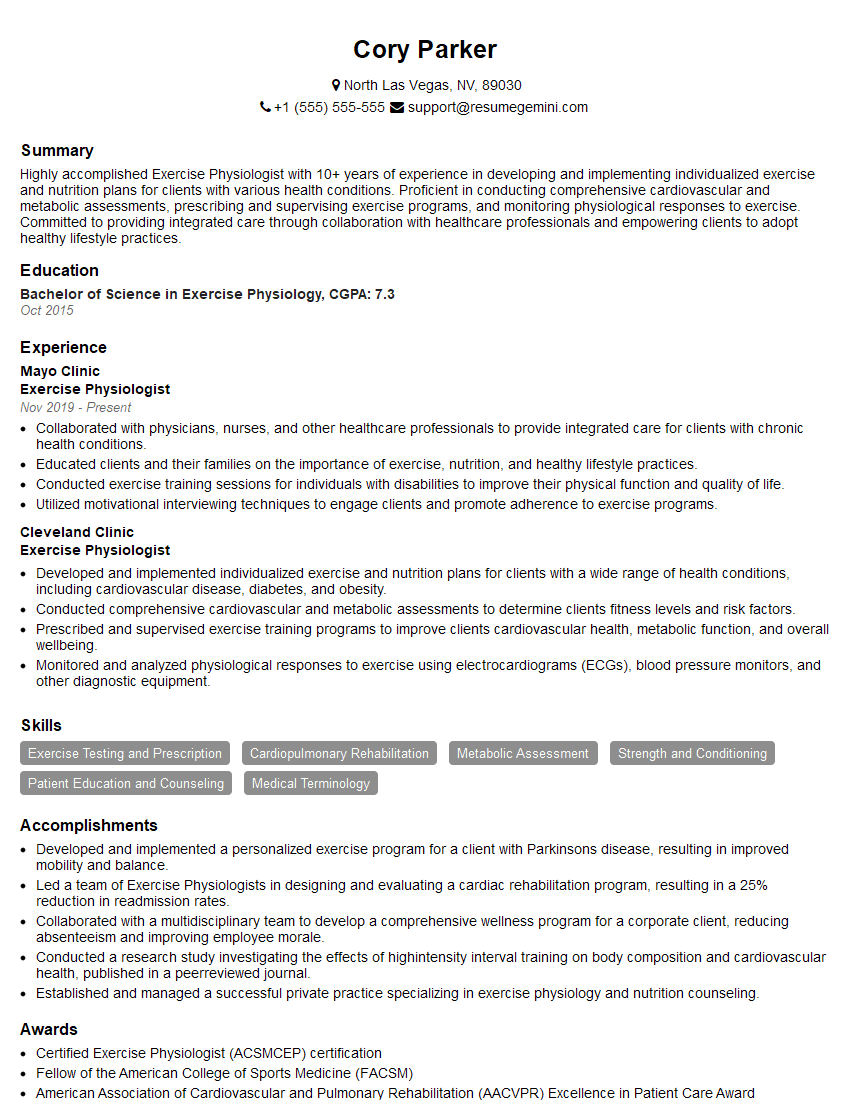
Exercise Physiologist Resume Sample
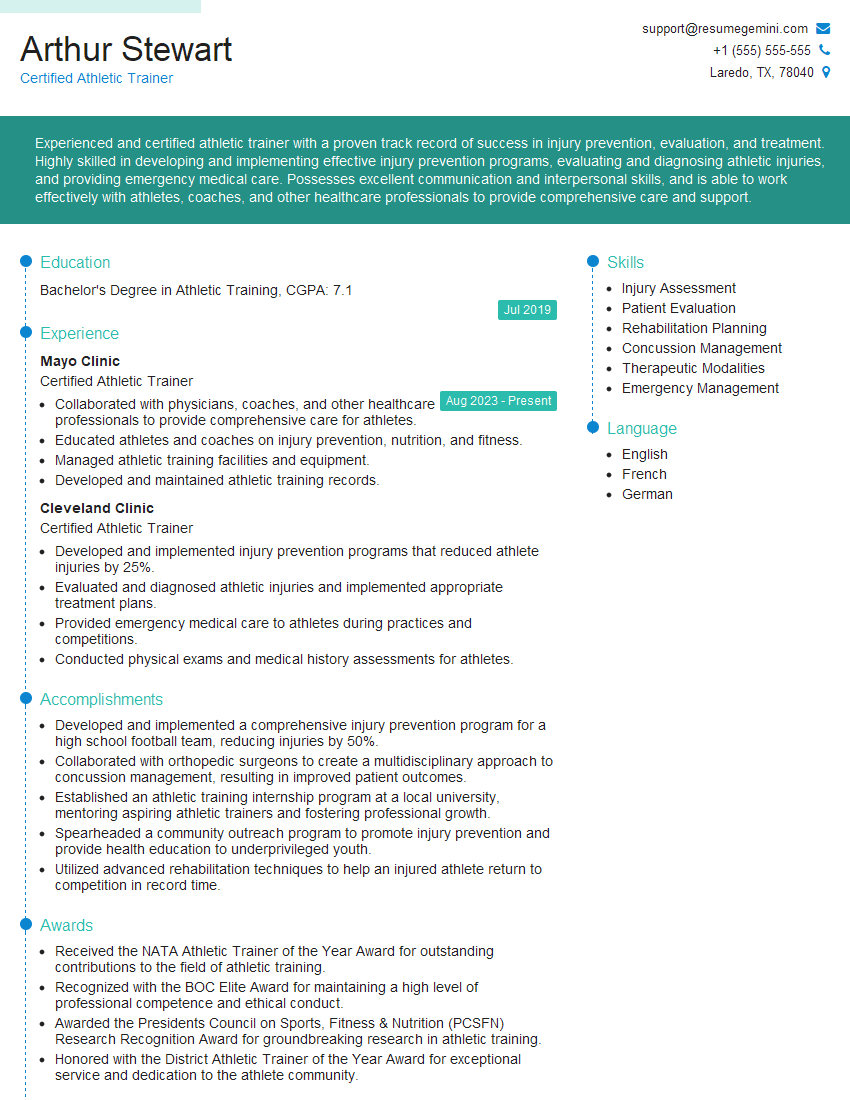
Certified Athletic Trainer Resume Sample
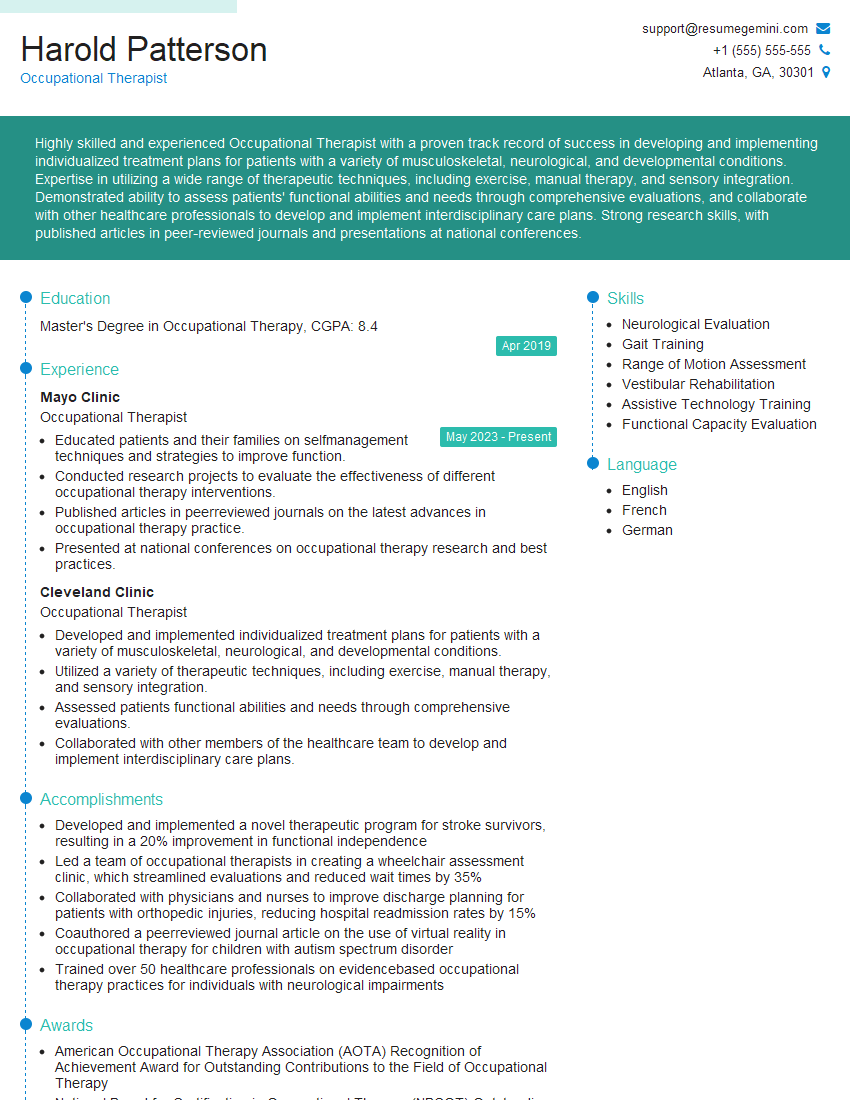
Occupational Therapist Resume Sample
Explore more articles
Users Rating of Our Blogs
Share Your Experience
We value your feedback! Please rate our content and share your thoughts (optional).
What Readers Say About Our Blog
Very informative content, great job.
good