The right preparation can turn an interview into an opportunity to showcase your expertise. This guide to Thread Management and Inventory Control interview questions is your ultimate resource, providing key insights and tips to help you ace your responses and stand out as a top candidate.
Questions Asked in Thread Management and Inventory Control Interview
Q 1. Explain the FIFO and LIFO inventory methods. Which is better and why?
FIFO and LIFO are two common methods for costing inventory. FIFO, or First-In, First-Out, assumes that the oldest items in your inventory are sold first. LIFO, or Last-In, First-Out, assumes the opposite – that the newest items are sold first. There’s no universally ‘better’ method; the optimal choice depends on your specific industry, accounting regulations, and business goals.
FIFO Example: Imagine a bakery that bakes 10 loaves of bread on Monday at $1 each and 10 more on Tuesday at $1.20 each. If they sell 15 loaves, under FIFO, the cost of goods sold would be (10 loaves * $1) + (5 loaves * $1.20) = $16. The remaining 5 loaves are valued at $1.20 each.
LIFO Example: Using the same bakery example, under LIFO, the cost of goods sold would be (10 loaves * $1.20) + (5 loaves * $1) = $17. The remaining 5 loaves are valued at $1 each.
Which is better? FIFO generally provides a more accurate reflection of the current value of inventory, as it matches the cost of goods sold with the actual cost of the oldest items. This is particularly important in industries with fluctuating prices, as it reduces the risk of overstating profits during periods of inflation. However, LIFO can sometimes result in lower tax liabilities during inflationary periods because it matches higher current costs with revenue, thus reducing reported profits. Ultimately, the best method depends on a thorough cost-benefit analysis tailored to your business.
Q 2. Describe your experience with inventory tracking software.
I have extensive experience with various inventory tracking software, including cloud-based solutions like NetSuite and Fishbowl Inventory, as well as ERP systems integrated with inventory modules. My experience encompasses all aspects of software implementation, from initial configuration and data migration to user training and ongoing process optimization. I’m proficient in using these systems to track inventory levels, manage purchase orders, generate reports, and analyze inventory performance. For instance, in my previous role, I successfully implemented NetSuite’s inventory management module, resulting in a 15% reduction in stockouts and a 10% improvement in inventory turnover.
My expertise extends beyond simply using the software; I understand the underlying principles of database management and data integrity crucial for accurate inventory reporting. I can troubleshoot system errors, identify data discrepancies, and develop custom reports to meet specific business needs. I’m also adept at integrating inventory management software with other business systems, such as point-of-sale (POS) systems and e-commerce platforms, to ensure seamless data flow across the entire organization.
Q 3. How do you manage discrepancies between physical and recorded inventory?
Discrepancies between physical and recorded inventory are inevitable, but effective management is critical. My approach involves a multi-step process. First, I initiate a thorough physical count, often employing cycle counting strategies rather than a complete annual inventory. This breaks down the task into smaller, manageable segments, reducing disruption. Secondly, I meticulously compare the physical count results to the recorded inventory data in the system. Any discrepancies are flagged for immediate investigation.
The investigation phase involves identifying the root cause of the discrepancy. Possible causes include data entry errors, theft, damage, or inaccurate stock transfers. I use a combination of reviewing transaction records, conducting interviews with warehouse staff, and analyzing inventory movement patterns to pinpoint the issue. Once identified, corrective actions are implemented – these might include retraining staff on proper inventory procedures, enhancing security measures, or adjusting system parameters.
Finally, I document all findings, corrective actions, and the final reconciliation of the physical and recorded inventory levels. This documentation serves as a valuable tool for identifying trends, preventing future discrepancies, and continuously improving inventory accuracy. The goal isn’t just to resolve immediate discrepancies, but to prevent them through proactive measures and process improvements.
Q 4. What are the key performance indicators (KPIs) you use to measure inventory efficiency?
Several KPIs are crucial for measuring inventory efficiency. Key among these are:
- Inventory Turnover Rate: This measures how efficiently inventory is sold over a given period. A higher turnover rate generally indicates better efficiency, although it’s important to consider industry benchmarks.
Inventory Turnover = Cost of Goods Sold / Average Inventory Value - Days Sales of Inventory (DSI): Indicates the number of days it takes to sell the average inventory level. A lower DSI suggests better efficiency.
DSI = (Average Inventory / Cost of Goods Sold) * Number of Days - Stockout Rate: The percentage of times an item is out of stock when demanded. A lower stockout rate is desirable, but it must be balanced against holding costs.
- Inventory Holding Cost: The total cost of storing and maintaining inventory. Minimizing this cost without impacting service levels is key.
- Order Fill Rate: The percentage of orders fulfilled completely and on time. This indicates the effectiveness of inventory management in meeting customer demand.
Analyzing these KPIs together provides a holistic view of inventory efficiency. Regular monitoring allows for proactive adjustments to optimize inventory levels and reduce costs.
Q 5. Explain your process for identifying and resolving inventory shortages.
My process for identifying and resolving inventory shortages begins with real-time monitoring of stock levels using the inventory management system. Low-stock alerts trigger an immediate investigation. I then analyze sales data, purchase orders, and production schedules to understand the demand and supply dynamics. This analysis helps determine whether the shortage is due to unexpectedly high demand, delayed shipments, production issues, or inaccurate forecasting.
Once the cause is identified, I implement appropriate corrective actions. This may include expediting orders with suppliers, adjusting production schedules, implementing temporary price adjustments (if appropriate), or adjusting safety stock levels. I also communicate with relevant stakeholders – sales, purchasing, production – to ensure everyone is aware of the shortage and the mitigation plan. Post-resolution, I review the processes that contributed to the shortage to identify potential improvements and prevent similar issues in the future.
A critical element is accurate forecasting. I employ forecasting techniques to predict demand and adjust purchasing accordingly. Regular reviews of forecasting accuracy and adjustments to methodology help to ensure that our predictions are as accurate as possible, thereby minimizing the risk of future shortages.
Q 6. How do you handle damaged or obsolete inventory?
Damaged or obsolete inventory represents a significant cost to the business. My approach involves a systematic process to minimize losses and recover value where possible. First, a thorough assessment is conducted to determine the extent of damage or obsolescence. This may involve physical inspection and detailed analysis of market trends and product lifecycle.
For damaged goods, I explore options such as repair, rework, or liquidation at a discounted price. Depending on the extent of damage and associated costs, disposal might be necessary, adhering to all environmental regulations. For obsolete inventory, I may try to reposition the items in different markets or find alternative uses for them within the business. If these options prove unfeasible, I would investigate the potential for liquidation or donation to a relevant charity.
Throughout this process, meticulous record-keeping is crucial. All actions related to damaged or obsolete inventory are documented to ensure proper accounting and to identify trends that might inform future inventory management practices. Regular review of slow-moving items helps identify potential obsolescence early, allowing for proactive mitigation.
Q 7. Describe a time you had to optimize inventory levels to reduce costs.
In a previous role, we experienced high inventory holding costs due to inaccurate demand forecasting. We were overstocking slow-moving items while frequently experiencing shortages of fast-moving items. This led to increased storage costs, obsolescence risks, and stockouts, negatively impacting customer satisfaction and profitability.
To address this, I implemented a three-pronged approach: First, I improved our demand forecasting methodology, incorporating advanced statistical techniques and incorporating seasonal trends and market analysis. Second, I introduced a more robust inventory control system that enabled real-time monitoring of stock levels, allowing for more proactive order placement and adjustments. Finally, I collaborated with the purchasing and sales teams to enhance communication and information sharing, ensuring better alignment between supply and demand.
The result was a significant reduction in inventory holding costs, a decrease in stockouts, and an improvement in overall inventory turnover. This not only reduced costs but also improved customer satisfaction and freed up capital for other business investments. The key was a data-driven approach that combined improved forecasting with enhanced communication and process optimization.
Q 8. How do you forecast inventory needs?
Forecasting inventory needs is crucial for maintaining optimal stock levels and avoiding both stockouts and excess inventory. It involves analyzing historical data, considering seasonal trends, and anticipating future demand. I typically employ a combination of methods.
Time Series Analysis: This involves examining past sales data to identify patterns and trends. Techniques like moving averages and exponential smoothing help predict future demand based on historical performance. For example, if sales of a particular product have consistently increased by 10% year-over-year, we can project that growth into the future.
Causal Forecasting: This method considers external factors that might influence demand, such as economic conditions, marketing campaigns, or competitor actions. For example, if a major competitor launches a new product, we’d expect a drop in demand for our similar product, and adjust our forecast accordingly.
Qualitative Forecasting: This approach relies on expert opinions and market research to predict future demand, particularly useful when historical data is limited or unreliable. This might involve surveying customers or consulting with sales representatives to gauge future demand.
Ultimately, the best forecasting method often involves a blend of these techniques, allowing for a more comprehensive and accurate prediction of future inventory needs.
Q 9. What are the different types of inventory costs?
Inventory costs are a significant factor in overall business profitability. They can be broadly categorized as follows:
Holding Costs (Carrying Costs): These are the expenses associated with storing and maintaining inventory. They include storage costs (rent, utilities, security), insurance, taxes, obsolescence, and the cost of capital tied up in inventory. Imagine the cost of renting a warehouse, insuring the goods, and the potential loss of value if the product becomes outdated.
Ordering Costs: These are the expenses involved in placing and receiving an order. This includes the cost of preparing purchase orders, contacting suppliers, processing invoices, and receiving and inspecting the goods. The more frequently you order, the higher these costs will be.
Shortage Costs: These are the costs associated with running out of stock. This includes lost sales, potential loss of customers, expedited shipping costs to replenish stock quickly, and potential damage to brand reputation.
Obsolescence Costs: These represent the value lost when inventory becomes outdated or unusable. This is particularly relevant for technology products or perishable goods.
Understanding these different costs is critical for optimizing inventory levels and minimizing total inventory expenses. Effective inventory management aims to find the sweet spot where holding costs are balanced against shortage costs.
Q 10. Explain your experience with cycle counting.
Cycle counting is a crucial part of maintaining inventory accuracy. It’s a system where a small portion of the inventory is counted regularly, rather than conducting a full inventory count at infrequent intervals. In my previous role, we implemented a cycle counting system using a stratified approach. This involved categorizing our inventory based on value (ABC analysis – more on that later) and frequency of use. High-value, frequently used items were counted more frequently (e.g., daily), while low-value, infrequently used items were counted less frequently (e.g., monthly).
This system allowed us to identify discrepancies early on, preventing larger problems from developing. The data collected during cycle counting was used to update our inventory records, and the results were analyzed to pinpoint areas needing process improvement. For instance, we discovered a recurring issue with misplacement in one particular storage area, leading to improved labeling and organization.
Q 11. How do you maintain accurate inventory records?
Maintaining accurate inventory records is paramount for efficient inventory management. This requires a robust system that integrates data from various sources and employs strong controls to ensure data integrity. Key elements include:
Real-time tracking: Utilizing barcodes or RFID tags and a robust inventory management system (IMS) enables real-time tracking of inventory movement. This provides up-to-the-minute visibility into stock levels.
Regular reconciliation: Regularly comparing physical inventory counts with the recorded inventory data in the IMS helps identify and correct discrepancies. Cycle counting plays a key role in this.
Strict receiving and shipping procedures: Implementing clear procedures for receiving and shipping goods, including accurate data entry and verification, is crucial for preventing errors.
Data backup and security: Regularly backing up inventory data and implementing strong security measures protects against data loss or corruption.
In a previous role, we implemented a centralized IMS which integrated with our purchasing and sales systems. This ensured that all inventory transactions were automatically recorded and tracked in real-time, significantly improving data accuracy.
Q 12. Describe your experience with barcode scanning and RFID technology.
I have extensive experience with both barcode scanning and RFID technology. Barcode scanning is a mature and cost-effective technology suitable for many applications. It’s simple to implement and provides reliable data capture for individual items. However, it requires line-of-sight and individual scanning, which can be time-consuming for large volumes of inventory.
RFID (Radio-Frequency Identification) technology offers a more advanced solution. RFID tags can be read without line-of-sight, allowing for faster and more efficient tracking of multiple items simultaneously. This is particularly beneficial for managing fast-moving inventory or items in large quantities. For example, I’ve seen RFID used successfully in warehousing to track pallets of goods as they move through the facility, providing real-time location tracking and reducing manual labor.
The choice between barcode scanning and RFID depends on several factors, including budget, inventory volume, and the need for real-time tracking capabilities.
Q 13. What is ABC analysis and how is it applied to inventory management?
ABC analysis is an inventory management technique that categorizes inventory items based on their value and consumption. It’s based on the Pareto principle (80/20 rule), which suggests that 80% of the total value is tied up in 20% of the inventory items. These high-value items are categorized as ‘A’ items, requiring close monitoring and control.
The remaining inventory is categorized as ‘B’ items (moderate value) and ‘C’ items (low value). This categorization enables businesses to allocate resources more effectively. For example, ‘A’ items will receive more frequent cycle counts, more accurate demand forecasting, and tighter control over stock levels, while ‘C’ items might require less stringent controls.
Applying ABC analysis allows for prioritized management, ensuring the most valuable items receive the most attention, and minimizing potential losses due to stockouts or obsolescence.
Q 14. How do you manage inventory in a fast-paced environment?
Managing inventory in a fast-paced environment requires agility, accuracy, and efficient processes. Key strategies include:
Real-time inventory visibility: Utilizing real-time tracking systems (e.g., IMS with barcode/RFID integration) provides up-to-the-minute insights into stock levels, allowing for prompt adjustments to orders and preventing stockouts.
Automated replenishment systems: Implementing automated ordering systems based on pre-defined thresholds triggers orders automatically when stock levels fall below a certain point. This eliminates manual intervention and ensures timely replenishment.
Agile forecasting techniques: Utilizing forecasting methods that are responsive to changes in demand, such as short-term forecasting and frequent data updates, helps adapt quickly to fluctuations in sales.
Optimized warehouse layout and processes: Designing an efficient warehouse layout and optimizing picking and packing processes reduces handling time and improves overall efficiency.
Collaboration and communication: Strong communication channels between the purchasing, warehouse, and sales teams are critical for coordinating inventory flows and responding quickly to changes in demand.
In a previous role at a rapidly growing e-commerce company, we implemented an automated warehouse management system that integrated with our sales platform and purchasing systems. This allowed us to scale our operations efficiently while maintaining high levels of accuracy and responsiveness.
Q 15. Explain your experience with implementing or improving inventory control procedures.
Improving inventory control procedures involves a multifaceted approach focusing on accuracy, efficiency, and cost reduction. In my previous role at Acme Manufacturing, we implemented a new barcode scanning system to replace our manual inventory tracking. This significantly reduced human error in counting and recording stock levels. We also transitioned to a cloud-based inventory management system, providing real-time visibility into stock levels across all our warehouses. This improved our forecasting accuracy and allowed us to optimize our ordering process, minimizing stockouts and overstocking.
Before the changes, we experienced significant discrepancies between our recorded inventory and physical counts, leading to production delays and lost sales. After implementing the new systems, we saw a 20% reduction in inventory discrepancies and a 15% improvement in order fulfillment times. We also developed standardized procedures for receiving, storing, and issuing inventory, ensuring consistency across all operations.
Career Expert Tips:
- Ace those interviews! Prepare effectively by reviewing the Top 50 Most Common Interview Questions on ResumeGemini.
- Navigate your job search with confidence! Explore a wide range of Career Tips on ResumeGemini. Learn about common challenges and recommendations to overcome them.
- Craft the perfect resume! Master the Art of Resume Writing with ResumeGemini’s guide. Showcase your unique qualifications and achievements effectively.
- Don’t miss out on holiday savings! Build your dream resume with ResumeGemini’s ATS optimized templates.
Q 16. How do you ensure inventory security?
Inventory security is critical to prevent theft, damage, and loss. A layered approach is essential. This starts with physical security measures like secure storage areas with access control, surveillance cameras, and regular physical inventory checks. Beyond this, robust internal controls, including segregation of duties (e.g., preventing the same person from ordering and receiving inventory), regular audits, and employee training are crucial. We also utilized RFID tagging in our warehouse to monitor the movement of high-value items, providing real-time tracking and alerts in case of unauthorized access or movement.
In my experience, a proactive approach is vital. Regular staff training on security protocols and the implementation of strong accountability measures—such as regular performance reviews emphasizing security—create a culture that values inventory protection. This helps to minimize internal risks and contributes significantly to the overall security of the inventory.
Q 17. Describe your experience working with different inventory systems.
My experience spans various inventory management systems, from simple spreadsheet-based tracking to sophisticated enterprise resource planning (ERP) systems. I’ve worked with both on-premise and cloud-based solutions, including SAP, Oracle NetSuite, and smaller specialized inventory management software. Each system presents unique advantages and disadvantages. Spreadsheet systems are simple for small businesses but lack scalability and integration capabilities. ERP systems, while powerful and comprehensive, require significant upfront investment and specialized expertise.
My experience allows me to effectively evaluate the suitability of different systems based on a company’s specific needs and size. For example, while an ERP system might be overkill for a small startup, it would be essential for a large multinational corporation. My approach involves thorough needs analysis, system evaluation, and a phased implementation plan to minimize disruption and ensure a smooth transition.
Q 18. How do you collaborate with other departments (e.g., purchasing, production) to manage inventory effectively?
Effective inventory management requires seamless collaboration between departments. With the purchasing department, I work closely on forecasting demand, setting reorder points, and negotiating favorable terms with suppliers. Regular communication is key – using tools like shared spreadsheets, collaborative software, and regular meetings. With the production department, I ensure that raw materials and components are readily available to meet production schedules, minimizing downtime and maximizing efficiency. This includes providing accurate inventory reports and anticipating potential supply chain disruptions.
For example, at Beta Corp, we implemented a weekly cross-functional meeting between inventory, purchasing, and production to review inventory levels, address potential bottlenecks, and proactively manage risks. This approach fostered better communication and resulted in a significant reduction in production delays due to material shortages.
Q 19. What is your experience with just-in-time (JIT) inventory management?
Just-in-time (JIT) inventory management focuses on minimizing inventory levels by receiving goods only when needed for production or sale. It requires a high degree of coordination between suppliers and production. In a previous role, we implemented a JIT system for a key component, reducing our inventory holding costs significantly. This required close collaboration with our supplier to ensure timely delivery and reliable supply chain processes.
Successful JIT implementation necessitates a robust forecasting system, reliable suppliers with short lead times, and efficient production scheduling. It’s not without risks; unexpected disruptions in the supply chain can lead to immediate production halts. Therefore, risk mitigation strategies, such as having backup suppliers or safety stock for critical components, are crucial. A successful JIT system requires meticulous planning and continuous monitoring.
Q 20. How do you handle returns and damaged goods?
Handling returns and damaged goods requires a well-defined process to minimize losses and maintain accurate inventory records. We typically start with a clear inspection process to determine the condition of returned goods. Salvageable items are often refurbished and restocked, while damaged goods may be disposed of properly, following all environmental regulations. Accurate recording of returns and disposals is critical to maintaining inventory accuracy and ensuring financial accountability.
A robust returns management system, including clear guidelines for customers and internal staff, is essential. This system should track the reason for return, the condition of the returned goods, and the subsequent action taken. This detailed information is vital for identifying potential quality issues, improving product design, and refining inventory management strategies.
Q 21. Explain your experience with inventory forecasting software.
My experience with inventory forecasting software includes using tools that leverage historical data, sales trends, and market forecasts to predict future demand. These tools typically use statistical methods such as moving averages, exponential smoothing, and ARIMA models to generate forecasts. Accurate forecasting is crucial for optimizing inventory levels, minimizing storage costs, and preventing stockouts. I’ve used both standalone forecasting software and integrated forecasting modules within larger ERP systems.
The effectiveness of forecasting software depends heavily on data quality and the accuracy of underlying assumptions. Regular review and adjustment of the forecast based on actual sales data and market insights are essential to maintain accuracy. For instance, at Gamma Industries, we integrated our forecasting software with our point-of-sale (POS) system to improve the accuracy of our sales data, leading to more reliable demand forecasts and improved inventory management.
Q 22. Describe a time you had to deal with a significant inventory error.
One time, we experienced a significant discrepancy in our inventory count for a high-demand component used in our flagship product. A physical inventory count revealed a shortfall of approximately 15% compared to our system records. This led to production delays and potential customer order fulfillment issues.
To address this, we immediately implemented a three-pronged approach: First, a thorough investigation into our inventory management system to identify potential points of error in data entry, reconciliation, and stock movement tracking. We discovered a bug in our software that misclassified certain inventory transfers. Second, we conducted a more rigorous physical inventory count, focusing on improving accuracy and eliminating double-counting or omission errors. Third, we implemented stricter inventory control procedures, including improved barcoding, regular cycle counts, and better training for our warehouse staff on proper inventory handling. We also introduced automated reconciliation processes to prevent similar discrepancies in the future.
The experience highlighted the critical need for robust inventory tracking systems and stringent internal controls. It taught us the value of proactive system audits and continuous improvement in inventory processes.
Q 23. How do you deal with seasonal fluctuations in demand?
Seasonal fluctuations are a common challenge in inventory management. To mitigate the impact, we use a combination of forecasting techniques and strategic inventory planning.
- Forecasting: We utilize historical sales data, market trends, and external factors (like economic conditions) to predict demand for each season. We employ various forecasting methods, including moving averages, exponential smoothing, and more advanced statistical models.
- Strategic Inventory Planning: Based on the forecasts, we adjust our inventory levels accordingly. For high-demand seasonal items, we proactively increase our safety stock well in advance to avoid stockouts during peak periods. Conversely, for low-demand items, we might reduce our inventory to minimize storage costs. We also explore options like pre-ordering or negotiating favorable terms with suppliers to secure inventory at optimal prices before the peak season.
- Promotional Strategies: We might use promotional strategies to incentivize purchases during slower periods, thus leveling out demand throughout the year.
For example, during the holiday season, we anticipate a significant increase in demand for our gift items. Therefore, we increase our orders with suppliers months in advance, and we also secure extra warehouse space to accommodate the increased inventory. We carefully monitor sales and adjust our replenishment orders as needed throughout the season.
Q 24. What metrics do you use to measure the success of your inventory management strategies?
Several key metrics are crucial for evaluating the success of our inventory management strategies. These include:
- Inventory Turnover Ratio: This measures how efficiently we are selling our inventory (Cost of Goods Sold / Average Inventory). A higher ratio generally indicates better inventory management.
- Stockout Rate: The percentage of times we run out of an item when a customer demands it. A lower rate is better.
- Inventory Holding Costs: Expenses related to storing inventory (storage space, insurance, taxes, obsolescence). We aim to minimize these costs while maintaining sufficient stock levels.
- Fill Rate: The percentage of customer orders fulfilled on time and in full. High fill rates signify excellent inventory management and order fulfillment.
- Inventory Accuracy: The degree of agreement between our inventory records and the physical count. High accuracy reduces discrepancies and improves decision-making.
By tracking these metrics regularly, we can identify areas for improvement and fine-tune our strategies to optimize inventory levels, reduce costs, and enhance customer satisfaction.
Q 25. Explain your understanding of safety stock and its importance.
Safety stock is the extra inventory we hold to buffer against unexpected fluctuations in demand or supply chain disruptions. It acts as a cushion, ensuring we can meet customer demand even if lead times are longer than anticipated or if there’s an unforeseen spike in orders.
The importance of safety stock lies in its ability to mitigate risks. Without sufficient safety stock, we could experience stockouts, leading to lost sales, customer dissatisfaction, and damage to our brand reputation. Determining the optimal safety stock level is a crucial aspect of inventory management. Factors like demand variability, lead time variability, service level targets, and carrying costs all influence this calculation. We often use statistical models and simulations to determine the appropriate safety stock for each item, balancing the cost of holding extra inventory against the risk of stockouts.
Q 26. How do you identify slow-moving and obsolete inventory?
Identifying slow-moving and obsolete inventory is essential for optimizing inventory levels and minimizing carrying costs. We use several methods:
- ABC Analysis: This technique categorizes inventory based on its value and consumption rate. ‘A’ items are high-value, fast-moving items, while ‘C’ items are low-value, slow-moving items. We focus more closely on managing ‘C’ items to identify potential obsolescence.
- Inventory Turnover Analysis: Items with low turnover ratios (meaning they are not selling quickly) are flagged for review. We analyze reasons for slow movement, such as pricing, marketing, or product obsolescence.
- Regular Stock Audits: Physical checks of inventory allow us to identify items that haven’t moved in a significant period.
- Ageing Reports: These reports show the age of each item in our inventory, allowing us to identify items nearing their expiration or obsolescence dates.
Once slow-moving or obsolete items are identified, we develop strategies to liquidate them, such as discounts, promotions, or transferring them to other locations or channels. In some cases, we might write them off as a loss.
Q 27. Describe your experience with managing multiple locations and warehouses.
Managing multiple locations and warehouses requires a robust and centralized inventory management system. We use a system that allows for real-time tracking of inventory across all locations, providing a clear and up-to-date overview of stock levels. This system integrates with our order management system to streamline the order fulfillment process, regardless of the location of the inventory or the customer.
We implement strategies to optimize inventory placement, considering factors such as shipping costs, lead times, and customer proximity. For example, we might strategically stock high-demand items in multiple locations to reduce shipping times and improve customer service. We also use sophisticated algorithms to determine the optimal allocation of inventory among our different warehouses based on demand patterns and supply chain constraints.
Regular communication and coordination between our different warehouse teams are crucial for ensuring efficient inventory management. We use regular meetings, shared dashboards, and standardized procedures to maintain consistency and efficiency.
Q 28. How do you ensure compliance with industry regulations related to inventory management?
Compliance with industry regulations is paramount in inventory management. This varies depending on the industry and geographic location. We ensure compliance through several measures:
- Regular Audits: We conduct regular internal audits to verify our adherence to relevant regulations. These audits focus on inventory tracking accuracy, product quality control, proper disposal of hazardous materials, and compliance with labeling and packaging standards.
- Record Keeping: We maintain meticulous records of all inventory transactions, including receipts, transfers, and disposals. These records are crucial for tracking compliance and responding to audits.
- Training: Our warehouse staff receives regular training on relevant regulations and best practices to ensure they handle inventory appropriately and adhere to compliance requirements.
- System Controls: Our inventory management system includes features that enforce compliance standards. For example, the system might prevent the shipping of products that haven’t passed quality inspections or automatically generate reports required by regulatory bodies.
By proactively addressing compliance issues, we minimize risks and maintain a strong reputation for ethical and responsible business practices.
Key Topics to Learn for Thread Management and Inventory Control Interview
- Demand Forecasting and Planning: Understanding methods for predicting thread requirements, considering factors like production schedules and seasonality. Practical application includes using forecasting data to optimize inventory levels and prevent stockouts.
- Inventory Management Techniques: Exploring different inventory control methods like FIFO, LIFO, and weighted average cost. Practical application includes choosing the most suitable method for specific thread types and minimizing storage costs.
- Thread Classification and Organization: Developing a system for categorizing and organizing threads based on properties like fiber type, color, thickness, and usage. Practical application involves creating a clear and efficient inventory tracking system.
- Quality Control and Assurance: Understanding procedures for ensuring thread quality throughout the supply chain, from raw materials to finished goods. Practical application involves implementing inspection protocols and addressing quality issues promptly.
- Waste Reduction and Optimization: Identifying and implementing strategies to minimize thread waste during production and storage. Practical application includes analyzing production processes to identify areas for improvement and implementing lean manufacturing principles.
- Supply Chain Management: Understanding the complete flow of threads from sourcing to delivery, including supplier relationships and logistics. Practical application includes optimizing lead times and minimizing disruptions.
- Inventory Software and Systems: Familiarity with common inventory management software and database systems used in tracking and managing thread inventory. Practical application includes demonstrating proficiency in using such systems for reporting and analysis.
- Cost Accounting and Analysis: Understanding the cost associated with thread inventory, including storage, ordering, and obsolescence. Practical application involves analyzing cost data to optimize inventory levels and reduce overall expenses.
Next Steps
Mastering Thread Management and Inventory Control is crucial for career advancement in manufacturing, textile, and related industries. It demonstrates valuable skills in operational efficiency, cost management, and supply chain optimization, leading to increased responsibility and higher earning potential. To significantly boost your job prospects, create an ATS-friendly resume that highlights your relevant skills and experience. ResumeGemini is a trusted resource that can help you build a professional and impactful resume. We provide examples of resumes tailored to Thread Management and Inventory Control to help you craft a compelling application.

Operations Manager Resume Sample
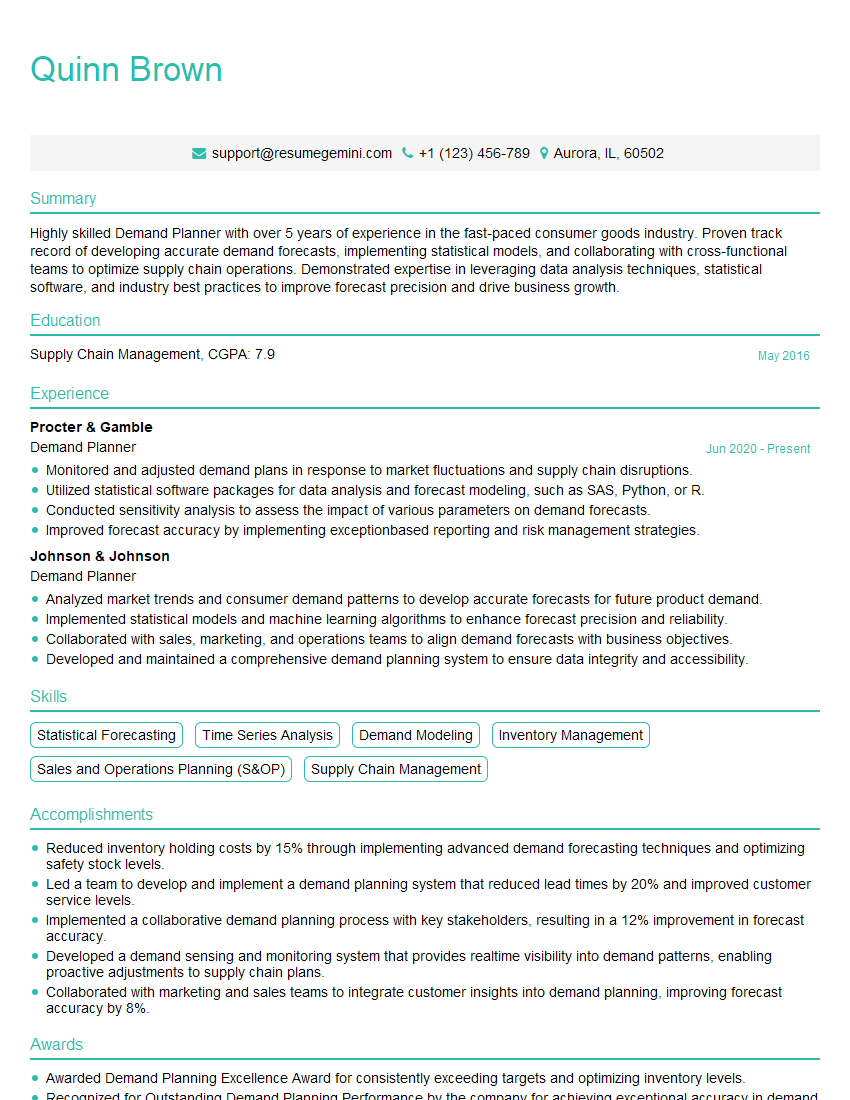
Demand Planner Resume Sample
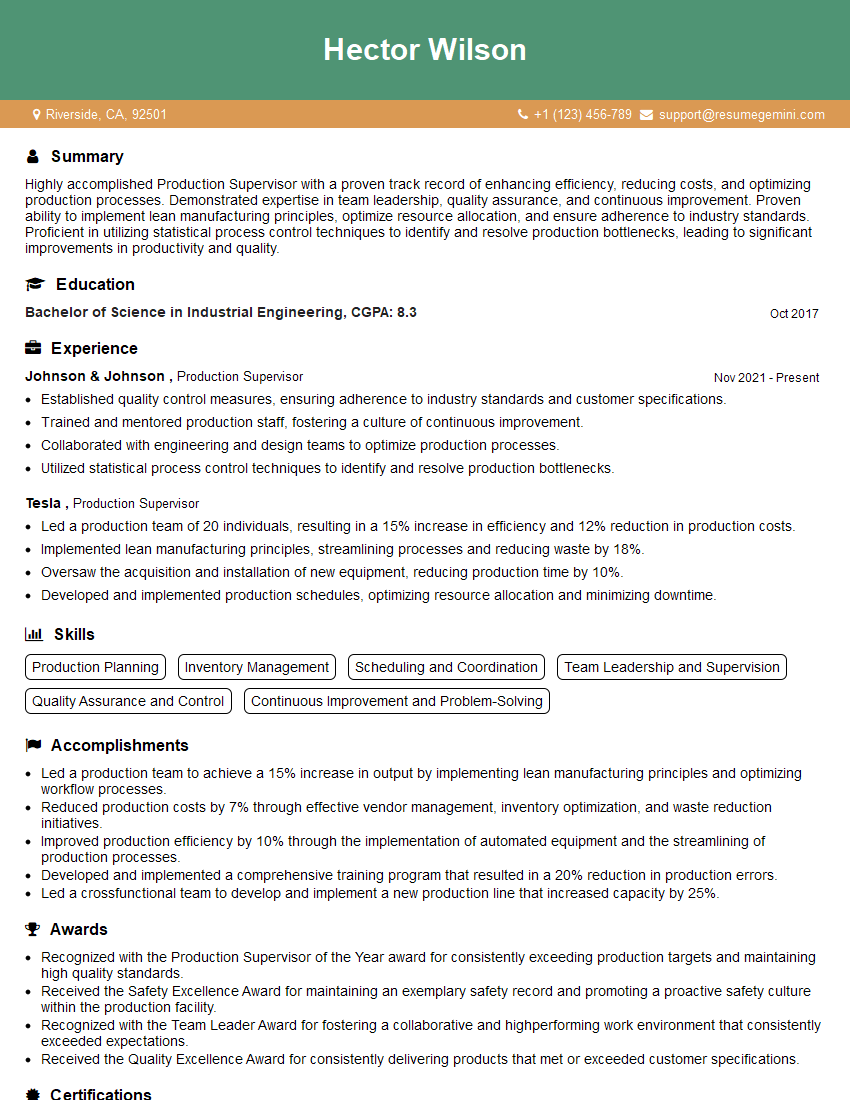
Production Supervisor Resume Sample
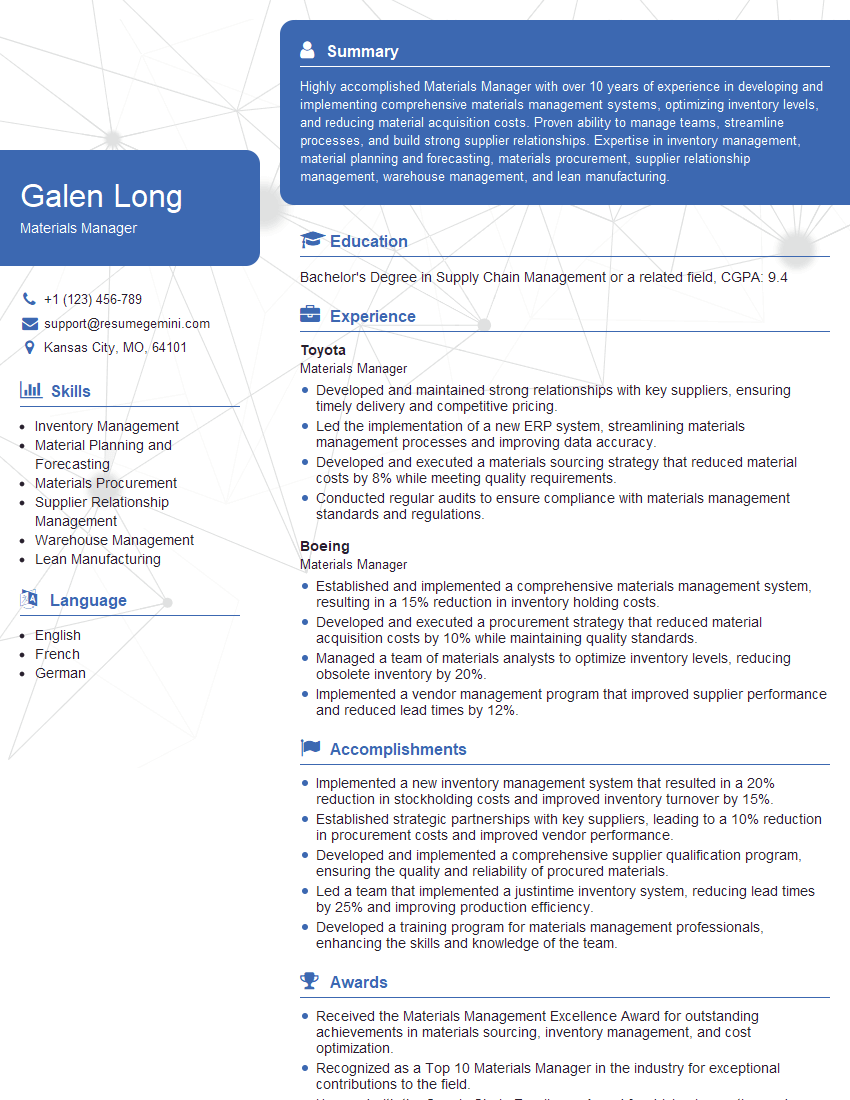
Materials Manager Resume Sample

Procurement Manager Resume Sample
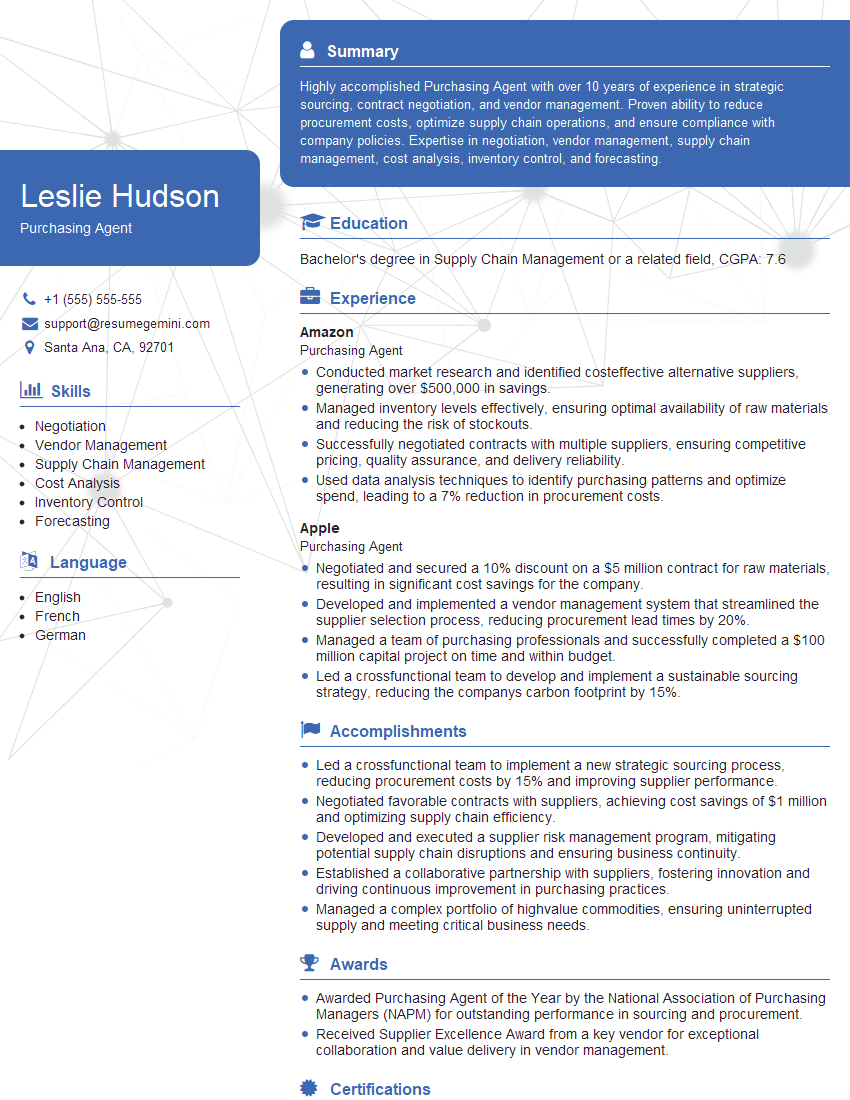
Purchasing Agent Resume Sample
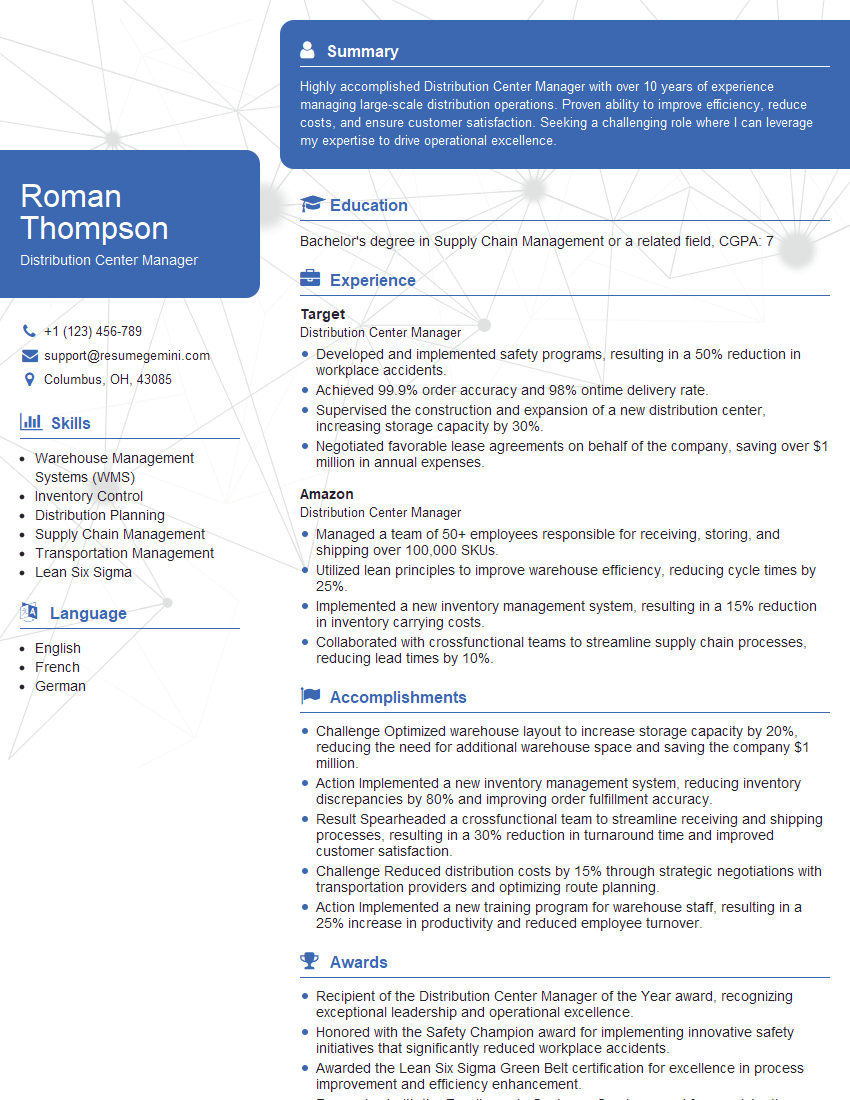
Distribution Center Manager Resume Sample
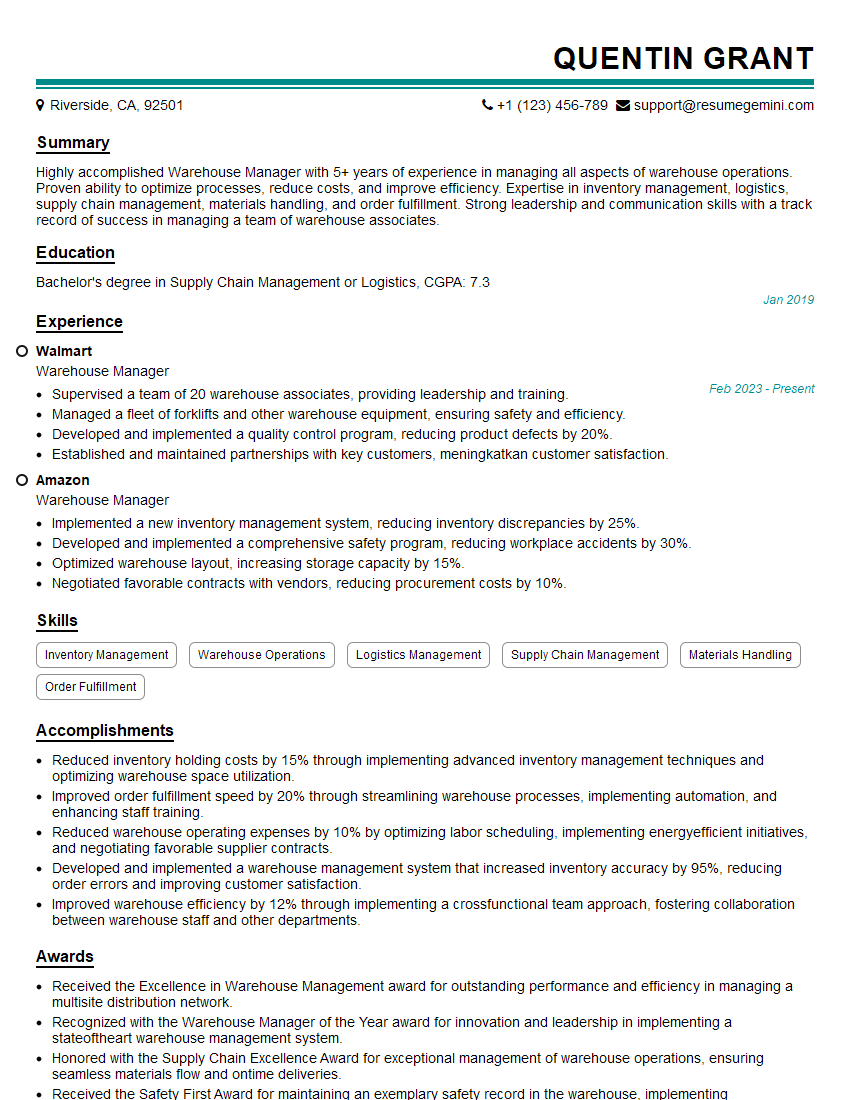
Warehouse Manager Resume Sample
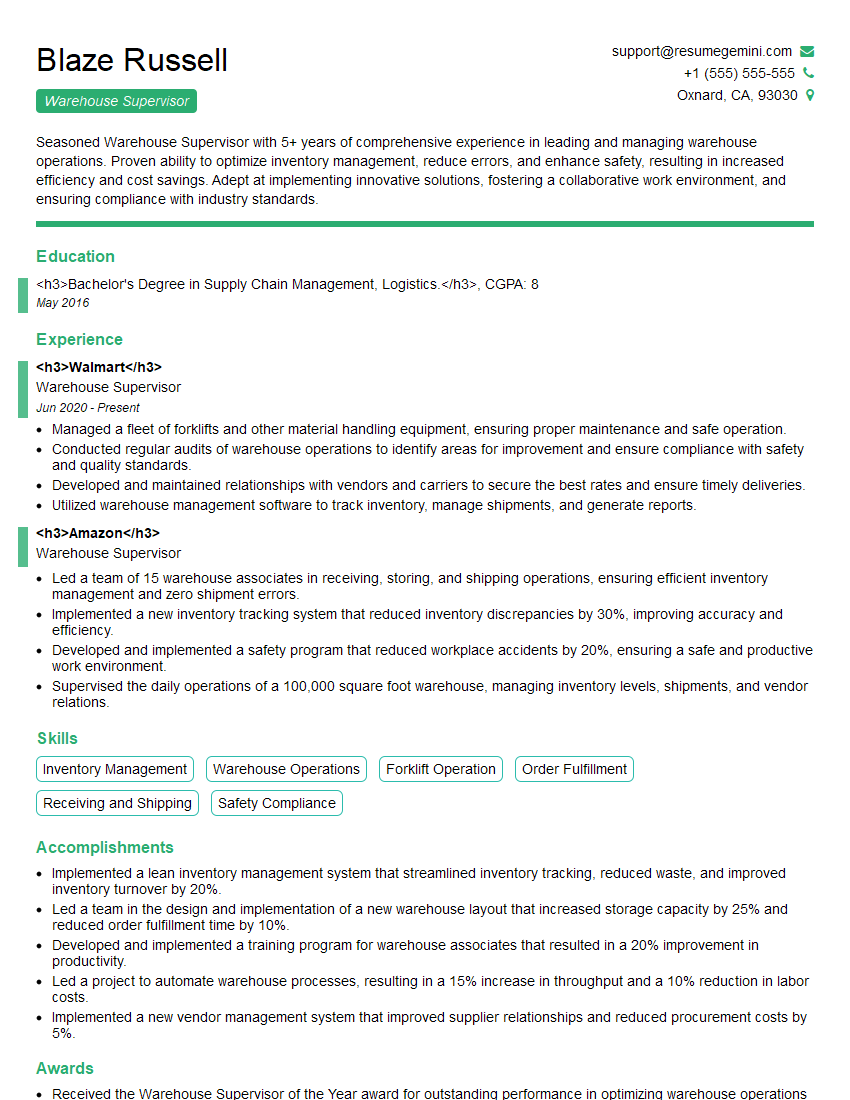
Warehouse Supervisor Resume Sample
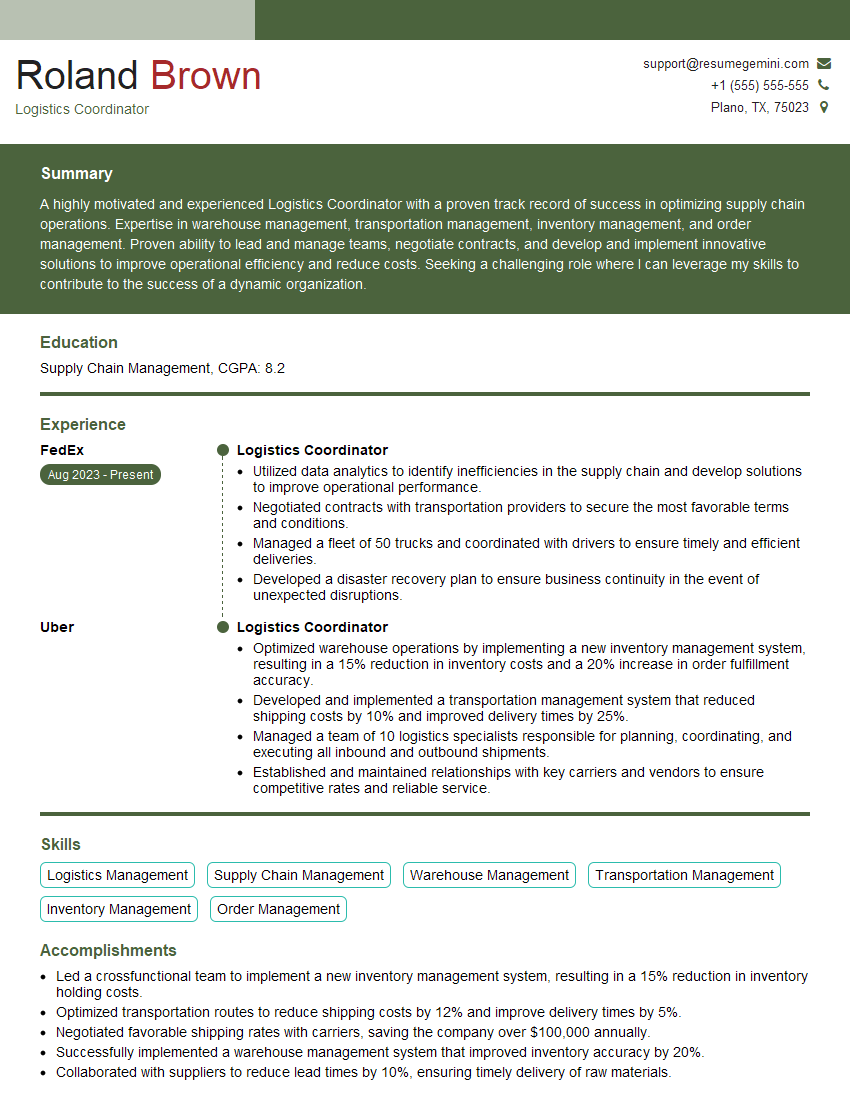
Logistics Coordinator Resume Sample
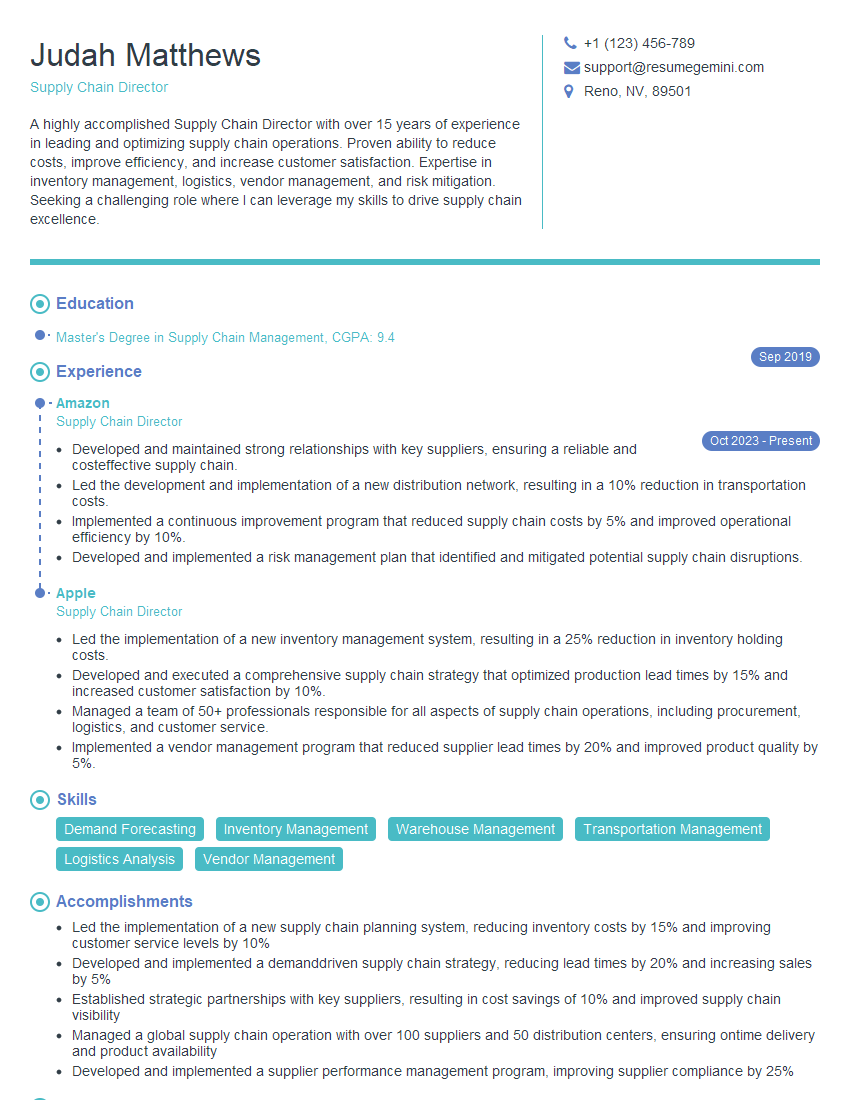
Supply Chain Director Resume Sample
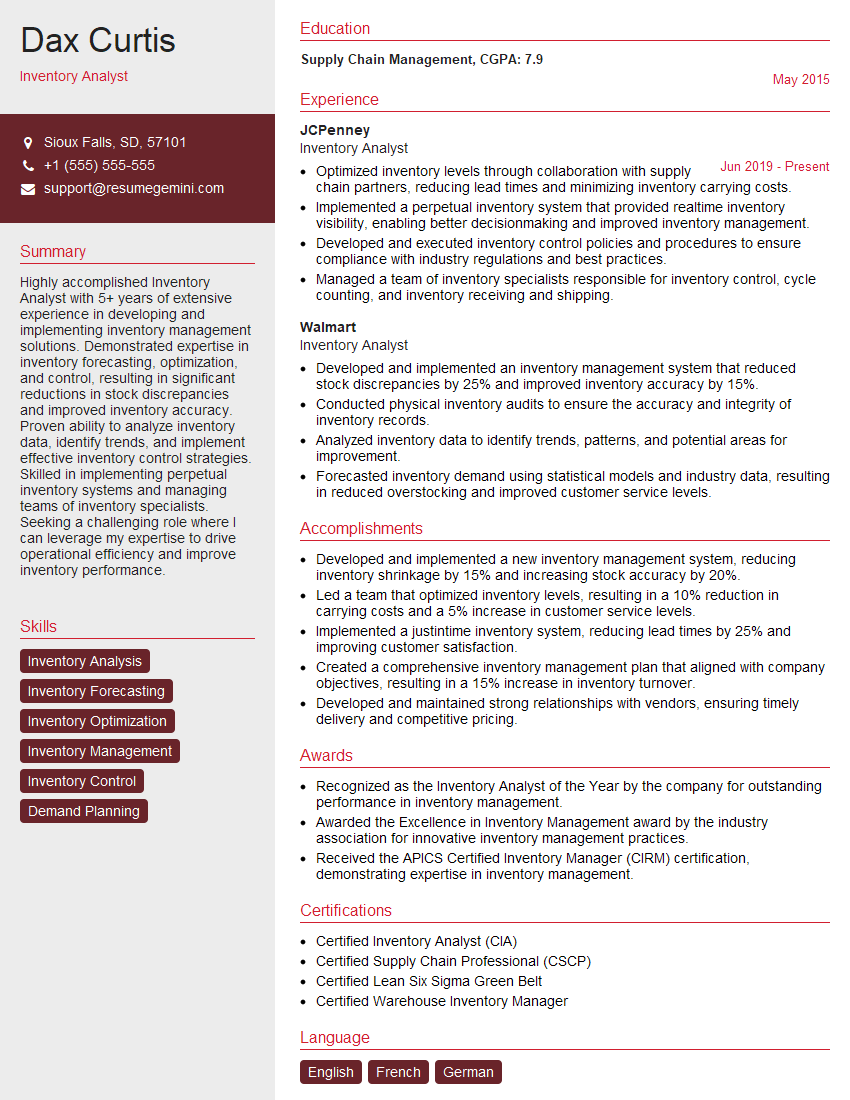
Inventory Analyst Resume Sample
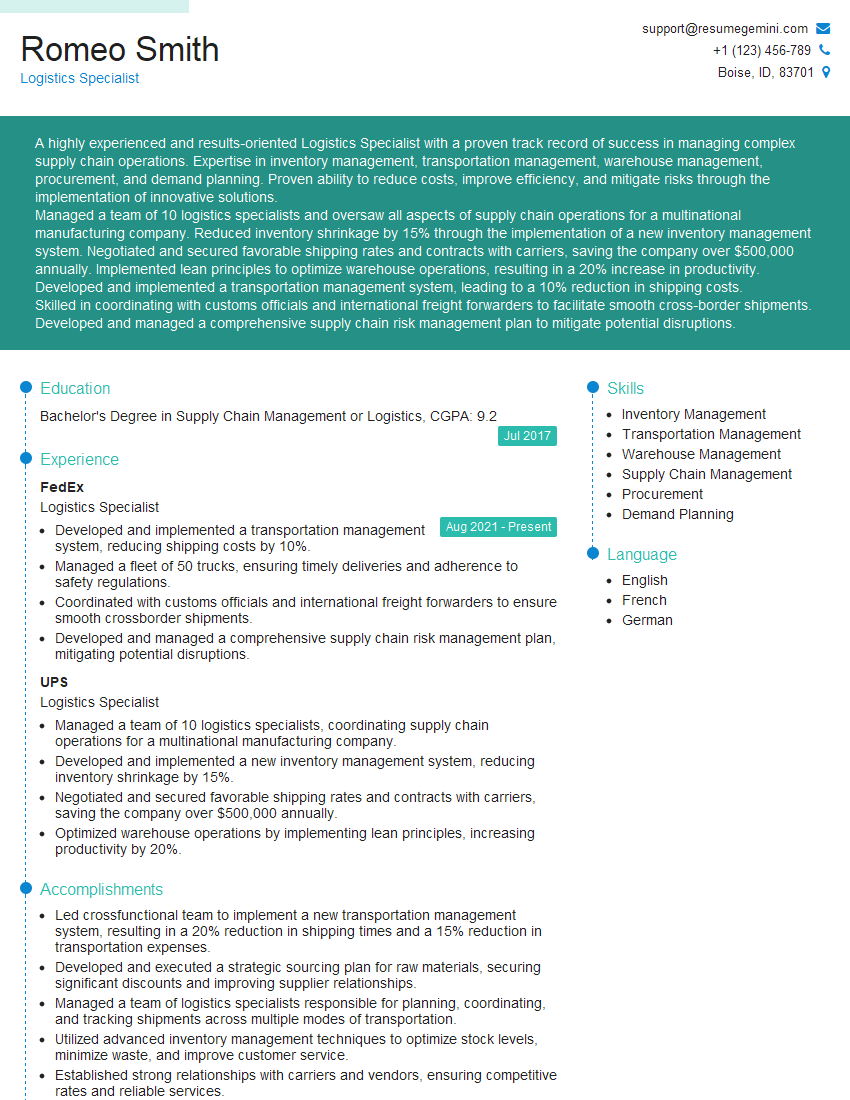
Logistics Specialist Resume Sample
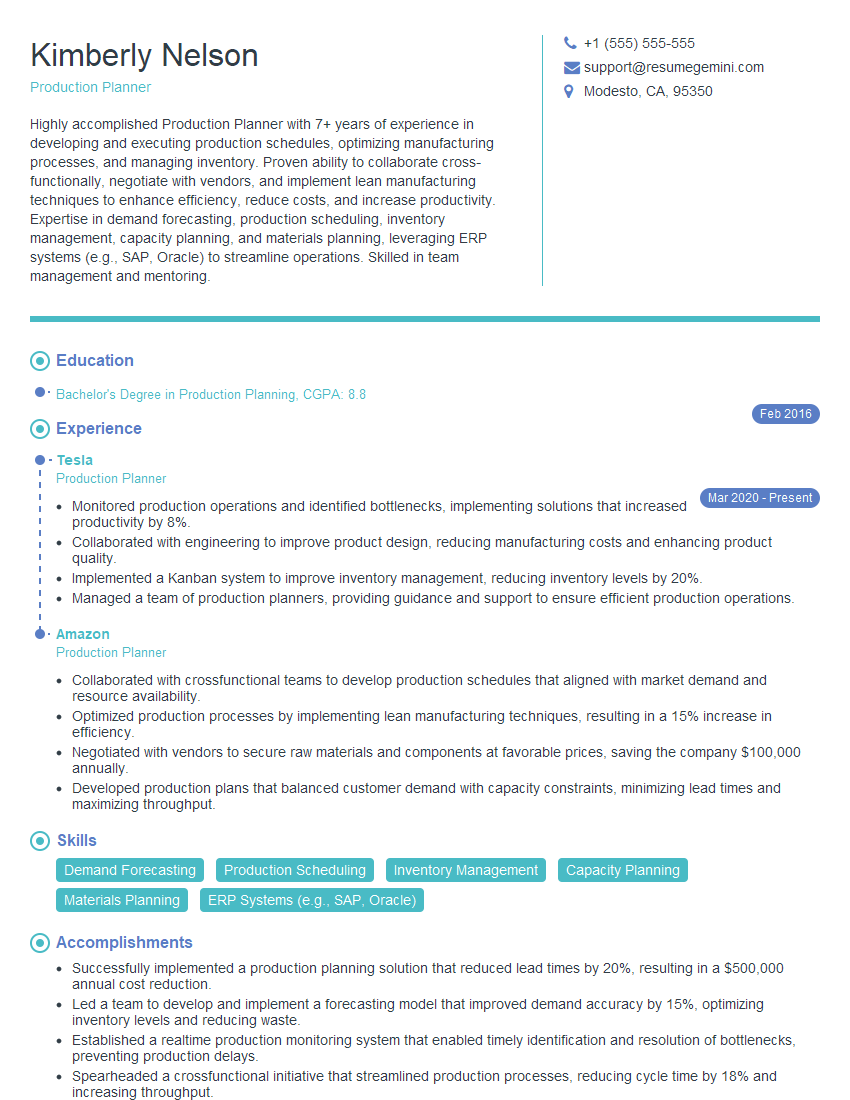
Production Planner Resume Sample
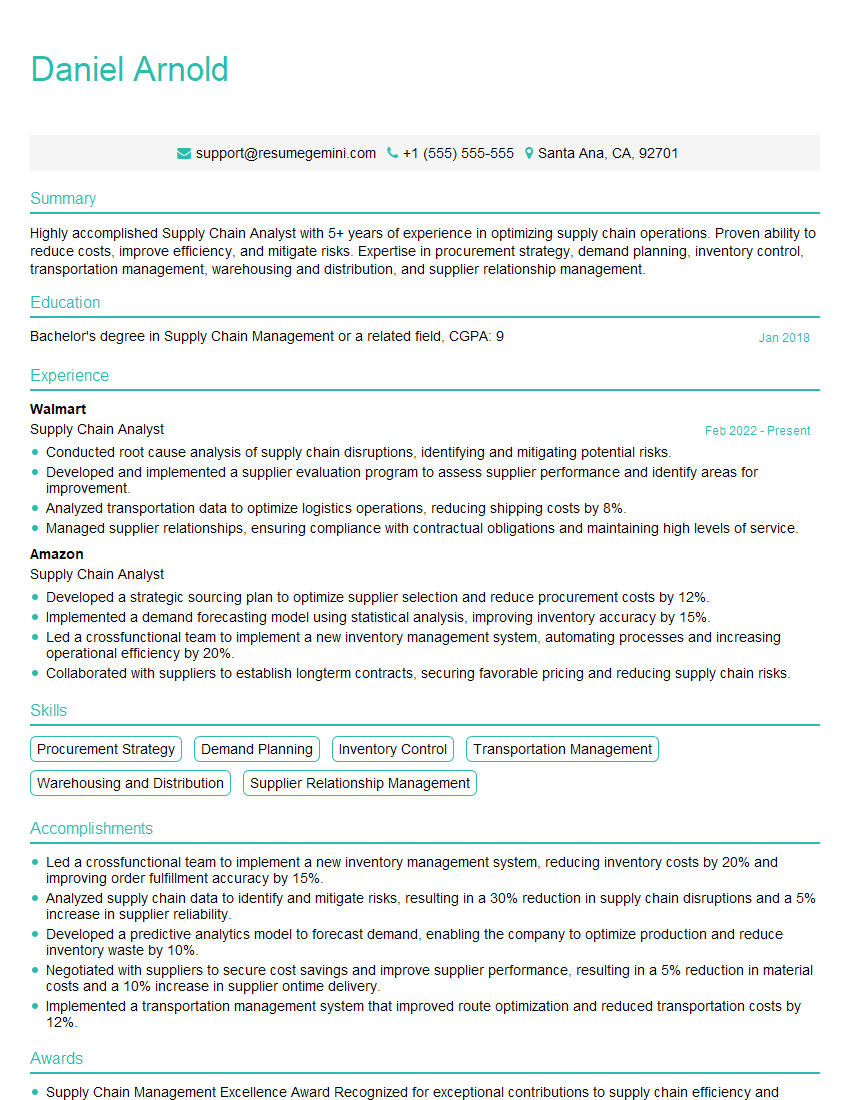
Supply Chain Analyst Resume Sample
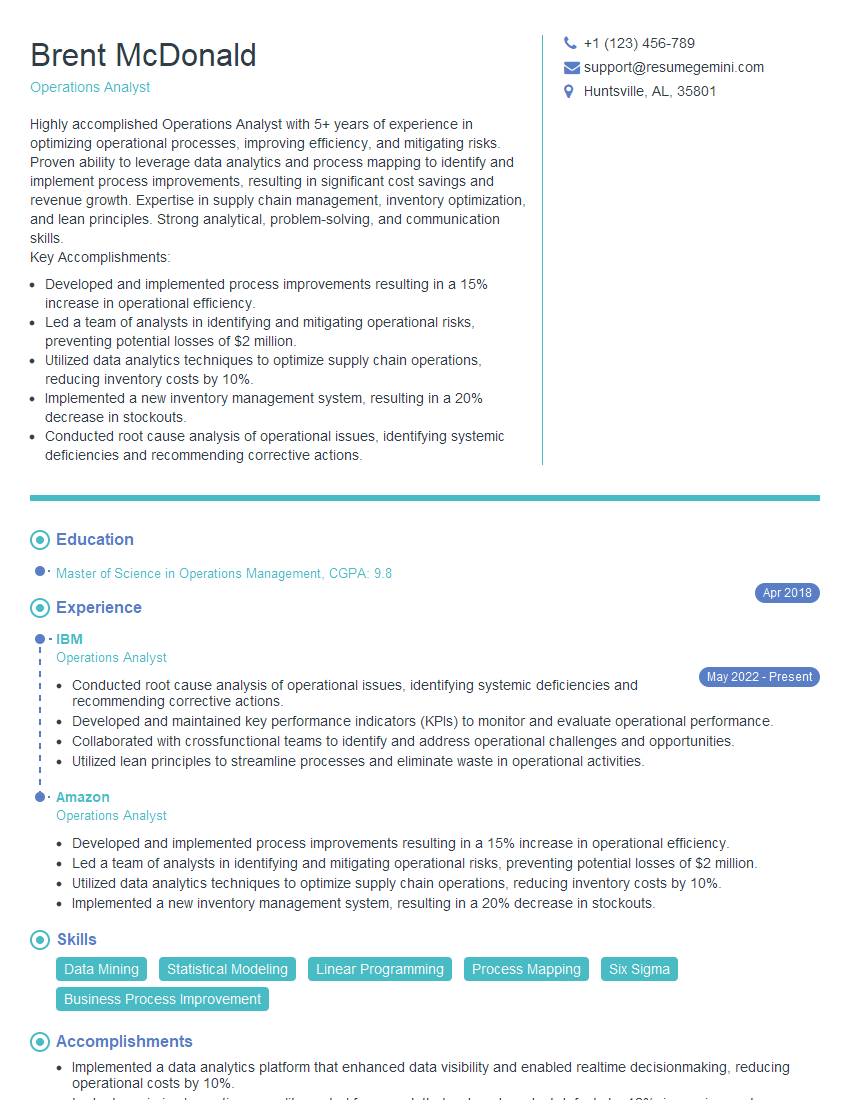
Operations Analyst Resume Sample
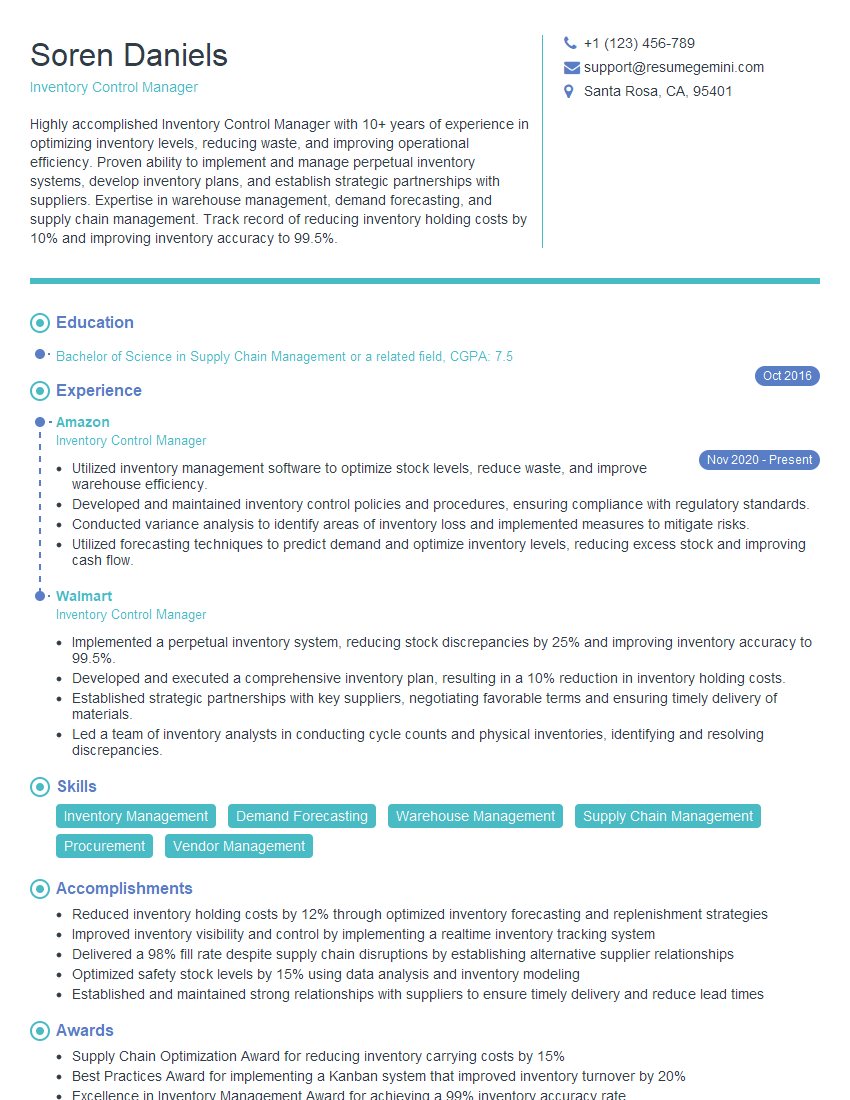
Inventory Control Manager Resume Sample
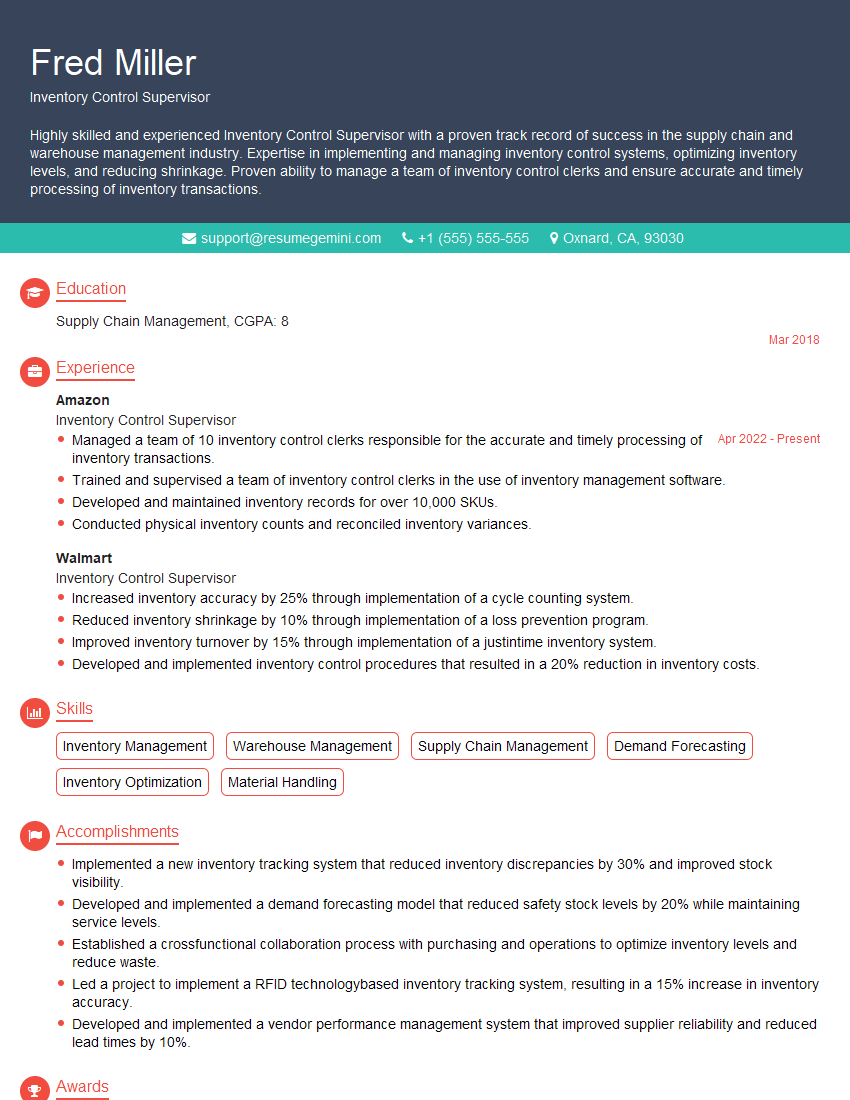
Inventory Control Supervisor Resume Sample
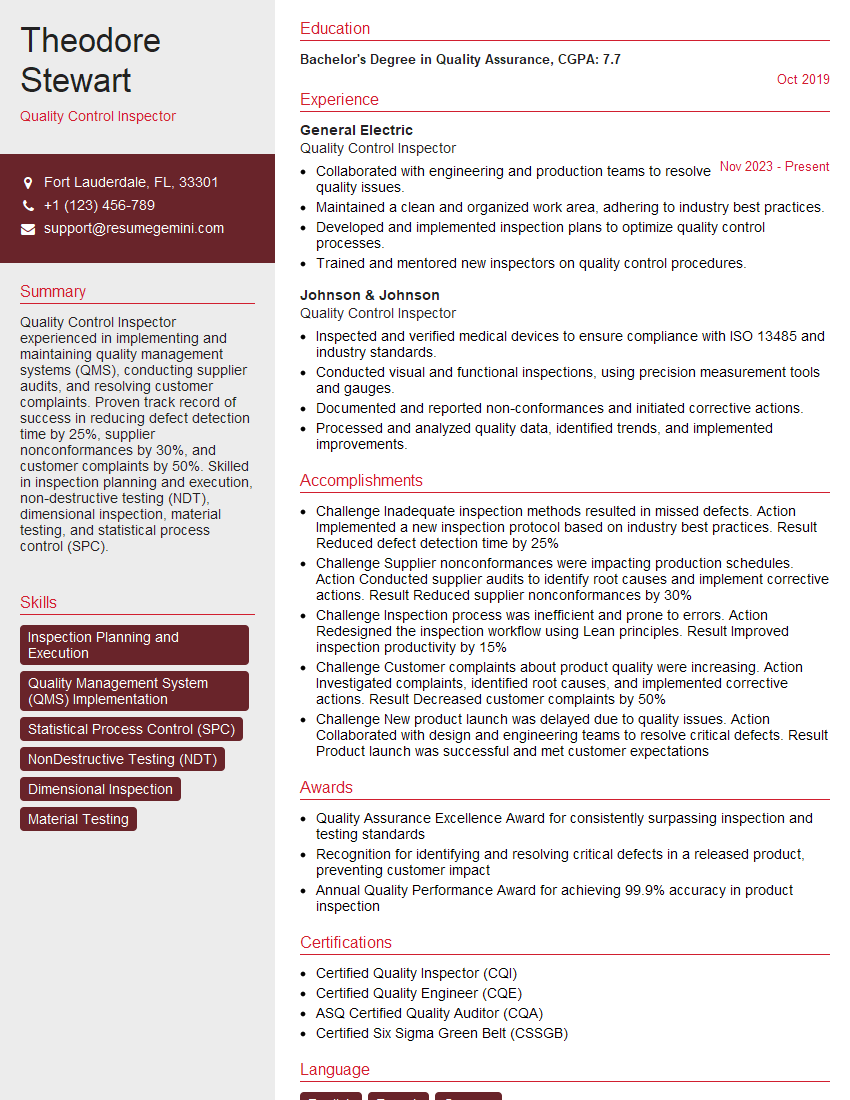
Quality Control Inspector Resume Sample
- Operations Manager
- Demand Planner
- Production Supervisor
- Materials Manager
- Procurement Manager
- Purchasing Agent
- Distribution Center Manager
- Warehouse Manager
- Warehouse Supervisor
- Logistics Coordinator
- Supply Chain Director
- Inventory Analyst
- Logistics Specialist
- Production Planner
- Supply Chain Analyst
- Operations Analyst
- Inventory Control Manager
- Inventory Control Supervisor
- Quality Control Inspector
Explore more articles
Users Rating of Our Blogs
Share Your Experience
We value your feedback! Please rate our content and share your thoughts (optional).
What Readers Say About Our Blog
Very informative content, great job.
good