Interviews are opportunities to demonstrate your expertise, and this guide is here to help you shine. Explore the essential Threat Identification and Prioritization interview questions that employers frequently ask, paired with strategies for crafting responses that set you apart from the competition.
Questions Asked in Threat Identification and Prioritization Interview
Q 1. Explain the difference between a threat, vulnerability, and risk.
Imagine a castle (your system). A threat is like an attacking army (a malicious actor or event aiming to exploit weaknesses). A vulnerability is a weak point in the castle wall (a flaw in your system’s design, implementation, operation, or internal controls). Risk is the potential damage the attacking army could inflict if they exploit that weak point (the likelihood of a threat exploiting a vulnerability and the potential impact of that exploitation).
For example, a threat could be a SQL injection attack. A vulnerability might be a web application that doesn’t properly sanitize user inputs. The risk is the potential for data breaches, data modification, or even complete system compromise if the attacker successfully exploits the vulnerability.
Q 2. Describe your process for identifying and prioritizing threats.
My process for identifying and prioritizing threats involves a structured approach using a combination of methodologies. It begins with asset identification – pinpointing critical systems and data. Next comes threat modeling, employing techniques like STRIDE (discussed later) to systematically identify potential threats. Simultaneously, I leverage vulnerability scanning and penetration testing to uncover existing weaknesses. This data feeds into a risk assessment, using a matrix to score each threat based on its likelihood and impact. Prioritization is then done using a risk register, focusing on high-impact, high-likelihood threats first. This process is iterative; continuous monitoring and threat intelligence updates refine the assessments.
Q 3. How do you use threat intelligence to inform your risk assessments?
Threat intelligence is crucial. It provides context and foresight into emerging threats, allowing proactive risk mitigation. I use threat intelligence feeds to enrich my risk assessments in several ways: by identifying relevant threat actors and their tactics, techniques, and procedures (TTPs); understanding the likelihood of specific attack vectors; and adjusting risk scores based on current threat landscapes. For instance, if a specific zero-day exploit targeting a vulnerability in our systems is reported, I would immediately re-assess the risk associated with that vulnerability, potentially raising its priority.
Q 4. What are the key components of a threat model?
A comprehensive threat model should include these key components:
- Asset identification: Listing all valuable assets (data, systems, applications).
- Threat identification: Identifying potential threats targeting these assets (e.g., malware, denial-of-service attacks, insider threats).
- Vulnerability identification: Pinpointing weaknesses that could be exploited by these threats.
- Risk assessment: Evaluating the likelihood and impact of each threat exploiting a vulnerability.
- Mitigation strategies: Defining plans to reduce or eliminate the identified risks.
- Residual risk assessment: Assessing the remaining risk after mitigation strategies are implemented.
Q 5. Explain the concept of the STRIDE threat model.
STRIDE is a mnemonic representing six common software security threats: Spoofing, Tampering, Repudiation, Information disclosure, Denial of service, and Elevation of privilege. It’s a structured threat modeling method that systematically considers these threats for each component of a system. For example, when analyzing a login system, you’d consider:
- Spoofing: Can an attacker impersonate a legitimate user?
- Tampering: Can an attacker modify data during transmission or storage?
- Repudiation: Can an attacker deny performing an action?
- Information disclosure: Can an attacker access unauthorized data?
- Denial of service: Can an attacker prevent legitimate users from accessing the system?
- Elevation of privilege: Can an attacker gain unauthorized access rights?
Q 6. How do you assess the likelihood and impact of a threat?
Assessing likelihood and impact is subjective, but I typically use a qualitative or quantitative scoring system. Qualitative assessments might involve assigning descriptive labels like ‘Low,’ ‘Medium,’ ‘High’ to both likelihood and impact. Quantitative approaches might use numerical scales (e.g., 1-5) or probability percentages. The choice depends on the context and available data. For likelihood, I consider factors like the prevalence of the threat, the sophistication of attackers, and the presence of protective controls. For impact, I consider factors like financial losses, reputational damage, legal penalties, and business disruption. These scores are then combined to determine the overall risk level.
Q 7. What are some common threat identification methodologies?
Several methodologies exist for threat identification. Asset-based approaches focus on identifying valuable assets and then determining threats that could target those assets. Attacker-based approaches focus on understanding the capabilities and motivations of potential attackers. Vulnerability-based approaches begin by identifying vulnerabilities and then consider the threats that could exploit those weaknesses. STRIDE, as discussed earlier, is a specific threat modeling method. PASTA (Process for Attack Simulation and Threat Analysis) is another popular method that helps model different attack paths and identify potential vulnerabilities. The choice of methodology depends on the organization’s context, resources, and risk profile.
Q 8. Describe your experience with vulnerability scanning and penetration testing.
Vulnerability scanning and penetration testing are crucial components of a robust security posture. Vulnerability scanning is like a health check-up for your systems – it automatically identifies potential weaknesses in software, configurations, and hardware. Tools like Nessus and OpenVAS crawl your network, examining systems for known vulnerabilities based on publicly available databases like the National Vulnerability Database (NVD). Penetration testing, on the other hand, simulates real-world attacks to assess the effectiveness of your security controls. It goes beyond simply identifying vulnerabilities; it attempts to exploit them, evaluating the impact and determining the extent of damage possible. My experience encompasses both automated vulnerability scanning using various tools and manual penetration testing using both black-box (knowing nothing about the target) and white-box (having full knowledge of the target) methodologies. For instance, in a recent engagement, I used Nessus to identify several outdated versions of Apache Tomcat servers, which a subsequent penetration test confirmed as exploitable. We then worked to remediate these by upgrading them to secure versions.
Q 9. How do you prioritize vulnerabilities based on risk?
Prioritizing vulnerabilities based on risk is critical. It’s not enough to simply fix everything at once; resources are limited and some threats are far more pressing than others. I use a risk matrix that typically considers three factors: likelihood, impact, and exploitability. Likelihood refers to the probability of a vulnerability being exploited. Impact is the potential damage if the vulnerability is compromised – data breach, system downtime, financial loss, etc. Exploitability measures how easy it is for an attacker to actually exploit the vulnerability. Each factor is assigned a score, and these are combined to determine the overall risk score. For example, a vulnerability with high likelihood, high impact, and high exploitability will be prioritized over a vulnerability with low likelihood, low impact, and low exploitability. This process helps focus resources on the threats that pose the greatest risk to the organization. I often use a framework like the DREAD (Damage Potential, Reproducibility, Exploitability, Affected Users, Discoverability) model or a similar risk scoring system to quantify this.
Q 10. How do you communicate risk to both technical and non-technical audiences?
Communicating risk effectively to both technical and non-technical audiences requires tailoring the message. For technical audiences, I’ll use precise terminology, referencing specific vulnerabilities (e.g., CVE numbers), and providing detailed technical explanations of exploits and remediation strategies. For non-technical audiences, I focus on the business impact using clear and concise language. I might explain the risk in terms of potential financial losses, reputational damage, or regulatory fines. I often use visualizations like charts and graphs to present risk scores and the potential impact of vulnerabilities. For instance, instead of saying ‘SQL injection vulnerability,’ I might say, ‘Our customer data could be accessed by unauthorized individuals,’ which is much more relatable to a non-technical stakeholder. Using analogies also helps. I might compare a security vulnerability to a weak lock on a door to illustrate its significance.
Q 11. Describe a time you identified a critical threat and how you mitigated it.
During a security assessment for a financial institution, I discovered a critical vulnerability in their web application that allowed unauthorized access to sensitive customer data. The vulnerability was due to a lack of input validation and sanitization, making it susceptible to SQL injection. This was a high-impact threat because it allowed attackers to potentially steal customer financial information. My immediate actions involved: 1. Immediate notification of the client’s security team. 2. Isolation of the vulnerable system to prevent further exploitation. 3. Development and implementation of a temporary fix using a web application firewall (WAF) rule to block malicious SQL injection attempts. 4. Coordination with the development team to deploy a permanent fix involving proper input validation and sanitization. 5. Post-incident analysis to determine the root cause of the vulnerability and implement preventative measures.
Q 12. What are the key metrics you use to track threat identification and prioritization efforts?
Key metrics I track include: Number of vulnerabilities identified, categorized by severity level (critical, high, medium, low); Time to remediation for each vulnerability; Number of successful penetration tests; Number of security incidents averted; Mean Time To Detect (MTTD) and Mean Time To Respond (MTTR). These metrics allow us to measure the effectiveness of our threat identification and prioritization efforts, assess the maturity of our security posture, and identify areas for improvement. For instance, a high MTTD might indicate a need for improved monitoring and threat detection capabilities. Tracking these metrics across different systems and applications provides a holistic view of our security health.
Q 13. How do you stay up-to-date on emerging threats and vulnerabilities?
Staying current on emerging threats and vulnerabilities is paramount. I actively utilize several methods: Subscription to threat intelligence feeds (e.g., from vendors like CrowdStrike or FireEye); Regularly reading security blogs and publications (e.g., Krebs on Security, Threatpost); Attending security conferences and webinars; Participating in online security communities and forums; Utilizing vulnerability databases like the NVD and Exploit-DB. Furthermore, I use automated tools that continuously scan for new vulnerabilities and update existing vulnerability databases within our security tools. Staying informed not only helps us proactively identify and mitigate potential threats but also allows me to leverage the latest security best practices in our vulnerability management program.
Q 14. What are some common attack vectors?
Common attack vectors are numerous, but some of the most prevalent include: Phishing emails – exploiting human psychology to trick users into revealing credentials or downloading malware; Malicious websites – hosting malware or exploiting vulnerabilities in web browsers; Exploiting software vulnerabilities – targeting known weaknesses in software applications and operating systems; SQL injection – manipulating database queries to gain unauthorized access to data; Cross-site scripting (XSS) – injecting malicious scripts into websites to steal user data; Denial-of-service (DoS) attacks – overwhelming a system with traffic to make it unavailable; Man-in-the-middle (MitM) attacks – intercepting communication between two parties; Insider threats – malicious or negligent actions by internal personnel. Understanding these vectors helps focus security efforts on critical areas and implement appropriate safeguards.
Q 15. Explain the concept of a kill chain.
The kill chain is a linear model that describes the stages of a cyberattack, from initial reconnaissance to achieving the attacker’s objective. Think of it like a chain – if you break one link, the attack fails. Different frameworks exist, but the core stages are similar. For example, Lockheed Martin’s Cyber Kill Chain includes:
- Reconnaissance: The attacker gathers information about the target.
- Weaponization: The attacker combines malware with a delivery mechanism (e.g., a malicious email attachment).
- Delivery: The attacker sends the weaponized payload to the target.
- Exploitation: The attacker leverages a vulnerability to gain access to the target system.
- Installation: The attacker installs malware on the target system.
- Command and Control (C2): The attacker establishes communication with the compromised system.
- Actions on Objectives: The attacker achieves their goal, whether data exfiltration, system disruption, or something else.
Understanding the kill chain allows defenders to focus their efforts on disrupting the attack at various stages. For instance, strong email security can thwart delivery, while robust vulnerability management prevents exploitation. By understanding where an attack is in the chain, you can better prioritize your response.
Career Expert Tips:
- Ace those interviews! Prepare effectively by reviewing the Top 50 Most Common Interview Questions on ResumeGemini.
- Navigate your job search with confidence! Explore a wide range of Career Tips on ResumeGemini. Learn about common challenges and recommendations to overcome them.
- Craft the perfect resume! Master the Art of Resume Writing with ResumeGemini’s guide. Showcase your unique qualifications and achievements effectively.
- Don’t miss out on holiday savings! Build your dream resume with ResumeGemini’s ATS optimized templates.
Q 16. How do you handle conflicting priorities when managing multiple threats?
Prioritizing threats is crucial, especially when facing multiple, conflicting ones. I use a risk-based approach, considering the likelihood and impact of each threat. Think of it as a matrix: high likelihood, high impact threats get immediate attention, while low likelihood, low impact threats can be addressed later.
My process involves:
- Threat assessment: Evaluating each threat based on factors like its potential damage, the attacker’s capability, and the likelihood of success.
- Risk scoring: Assigning numerical scores to each threat to facilitate comparison and prioritization. This could involve a simple scoring system or a more sophisticated risk assessment framework like FAIR (Factor Analysis of Information Risk).
- Resource allocation: Prioritizing threats based on their risk scores, considering the available resources and time constraints.
- Communication and collaboration: Communicating priorities with stakeholders to ensure everyone understands and aligns with the plan.
For instance, a ransomware attack with a high likelihood of success and significant data loss potential would naturally take precedence over a less severe phishing attempt, even if both threats are present.
Q 17. What are your preferred tools for threat identification and analysis?
My toolkit depends on the context, but key tools include:
- SIEM (Security Information and Event Management): For centralized log management and security monitoring.
- SOAR (Security Orchestration, Automation, and Response): To automate security workflows and streamline incident response.
- Threat intelligence platforms: To gather, analyze, and share threat information.
- Network security monitoring (NSM) tools: To detect and respond to network-based threats.
- Endpoint detection and response (EDR): To monitor endpoint activity and detect malicious behavior.
- Vulnerability scanners: To identify vulnerabilities in systems and applications.
I also leverage open-source intelligence (OSINT) tools and techniques to gather information from publicly available sources.
Q 18. Describe your experience with SIEM systems (Security Information and Event Management).
I have extensive experience with SIEM systems, using them for threat detection, incident response, and security auditing. My experience spans different vendors like Splunk, QRadar, and LogRhythm. I’m proficient in configuring rules, creating dashboards, and analyzing log data to identify anomalous behavior. For example, I’ve used SIEM systems to detect unusual login attempts, data exfiltration attempts, and malware infections.
Beyond basic usage, I have expertise in developing custom dashboards, creating custom rules to detect specific threats based on our environment, and integrating SIEM data with other security tools for richer threat context and faster response times. I understand the challenges of data volume, data normalization, and correlation of events to accurately pinpoint threats within the overwhelming amount of data a SIEM processes. A key skill is effectively tuning the system to minimize false positives while ensuring critical alerts aren’t missed.
Q 19. How do you validate the accuracy of threat intelligence?
Validating threat intelligence is paramount. I employ a multi-faceted approach:
- Source verification: Checking the credibility and reputation of the source. Is it a known reputable vendor or a less reliable blog post?
- Data triangulation: Correlating the intelligence with information from multiple independent sources to confirm its accuracy.
- Contextual analysis: Evaluating the relevance of the intelligence to our specific environment and infrastructure. A threat to a large financial institution might be less relevant to a small retail business.
- Technical validation: If the intelligence indicates a specific vulnerability or malware, actively verifying its existence and potential impact through testing or independent research.
I maintain a critical perspective, always questioning the information’s accuracy and relevance before incorporating it into our security strategy. Simply believing everything you read is a recipe for disaster. Thorough validation minimizes the risk of reacting to false positives or outdated information.
Q 20. What is the role of automation in threat identification and response?
Automation is crucial for efficient threat identification and response. Manual analysis is often too slow to address the volume and velocity of modern threats. Automation plays a vital role in:
- Threat detection: Automating the analysis of security logs and alerts to identify suspicious activities.
- Incident response: Automating tasks such as isolating infected systems, quarantining malware, and restoring backups.
- Vulnerability management: Automating vulnerability scanning, patching, and remediation.
- Security information and event management (SIEM): Automating log collection, analysis, and correlation.
Using tools like SOAR (Security Orchestration, Automation, and Response) allows us to streamline processes, reduce response times, and free up security analysts to focus on more complex tasks. For example, automated malware analysis and incident response can significantly improve efficiency and reduce the impact of a successful attack.
Q 21. How do you incorporate regulatory compliance requirements into your threat model?
Regulatory compliance requirements, like GDPR, HIPAA, PCI DSS, etc., directly influence threat modeling. Compliance mandates specific security controls and practices, which need to be explicitly incorporated into our threat models. This is done by:
- Identifying relevant regulations: Determining which regulations apply to our organization and the specific data we handle.
- Mapping controls to threats: Identifying the threats that could lead to non-compliance and determining the controls necessary to mitigate those threats.
- Integrating compliance requirements into risk assessments: Incorporating the regulatory requirements into our risk assessment methodology to identify and prioritize threats based on their potential impact on compliance.
- Documenting compliance efforts: Maintaining thorough documentation of our threat model, risk assessments, and the implemented controls to demonstrate compliance.
For instance, if we handle sensitive health information (PHI) under HIPAA, our threat model must account for risks related to data breaches and incorporate controls to protect PHI as required by the regulation. Ignoring regulatory requirements can lead to significant fines and reputational damage. So this integration isn’t optional, it’s vital.
Q 22. Describe your experience with various risk assessment frameworks (e.g., NIST, ISO 27005).
My experience encompasses a wide range of risk assessment frameworks, most notably NIST Cybersecurity Framework (CSF) and ISO 27005. NIST CSF provides a flexible, adaptable approach to managing cybersecurity risk across an organization. I’ve utilized its Identify, Protect, Detect, Respond, and Recover functions to develop comprehensive risk profiles for various clients, focusing on aligning security activities with business objectives. This includes identifying assets, threats, and vulnerabilities and developing appropriate risk treatments. For example, in assessing a financial institution, we used the NIST framework to pinpoint critical systems and data, focusing mitigation efforts on areas with the highest impact.
ISO 27005, on the other hand, offers a more prescriptive approach to risk management, providing a detailed methodology for conducting risk assessments. I’ve leveraged ISO 27005 to implement robust risk management programs in several organizations, using its structured approach to identify, analyze, evaluate, treat, and monitor risks. This often involves quantitative risk assessments, assigning monetary values to potential losses. A key project involved using ISO 27005 to assess the risks associated with cloud migration for a healthcare provider, ensuring compliance with HIPAA regulations.
In practice, I often find myself combining elements from both frameworks to create a tailored approach that best meets the specific needs and context of the organization. This hybrid approach allows for a thorough and practical assessment, considering both the qualitative and quantitative aspects of risk.
Q 23. How do you distinguish between false positives and true positives in threat detection?
Differentiating between false positives and true positives in threat detection is crucial for efficient security operations. A true positive is an alert that accurately identifies a genuine security threat, such as a malware infection or unauthorized access attempt. A false positive, on the other hand, is an alert triggered by benign activity that is mistakenly identified as malicious. Imagine a burglar alarm: a true positive is when a burglar actually triggers the alarm; a false positive is when a cat triggers it.
Several techniques are used to distinguish between the two. Contextual analysis plays a vital role. Examining the surrounding events, system logs, and user behavior patterns helps determine whether an alert warrants further investigation. For example, a single unusual login attempt might be a false positive, while multiple attempts from different locations might indicate a true positive (brute-force attack). Baselining helps identify normal system behavior and deviations from that baseline can highlight potential threats. Sophisticated machine learning algorithms also help reduce false positives by learning to identify patterns that indicate malicious activity from benign behavior.
Regularly reviewing and refining alert rules and thresholds is essential. This iterative process reduces the number of false positives over time, improving the overall effectiveness of the security system and avoiding alert fatigue among security analysts.
Q 24. Explain the concept of threat hunting and describe your experience.
Threat hunting is a proactive security approach that goes beyond reactive alert monitoring. Instead of waiting for alerts to trigger, threat hunters actively search for threats within an organization’s systems and networks. It’s like a detective proactively investigating potential crimes instead of just responding to reported incidents. My experience involves using a combination of techniques, including analyzing network traffic, inspecting system logs, and utilizing various security tools to search for malicious activity that might not have triggered any alerts.
I’ve utilized different hunting methodologies, including hypothesis-driven hunting (starting with a specific threat hypothesis) and threat-based hunting (leveraging threat intelligence to identify potential indicators of compromise (IOCs)). A recent project involved hunting for signs of ransomware infections by analyzing file system events and network connections for suspicious patterns. This proactive approach allowed us to detect a potential ransomware infection before it could spread widely across the network.
Threat hunting is highly valuable in discovering unknown threats or zero-day exploits which may not be detected by traditional signature-based detection systems. It requires a strong understanding of adversary tactics, techniques, and procedures (TTPs) and a deep knowledge of the organization’s IT infrastructure.
Q 25. How do you handle zero-day vulnerabilities?
Zero-day vulnerabilities pose a significant challenge as they are unknown to vendors and haven’t yet been patched. The initial response focuses on containment. If a zero-day exploit is detected, immediate actions like isolating affected systems from the network are crucial to prevent further compromise. This might involve disconnecting the affected machine or implementing network segmentation.
Next, we conduct a thorough investigation to understand the extent of the compromise. This involves analyzing logs, network traffic, and system memory for evidence of malicious activity. We also analyze the attack vector to understand how the vulnerability was exploited.
Remediation involves patching the vulnerability, if a patch becomes available. In the absence of a patch, implementing compensating controls, such as Web Application Firewalls (WAFs) or Intrusion Detection/Prevention Systems (IDS/IPS), may be necessary to mitigate the risk. Finally, a post-incident review is essential to assess the effectiveness of the response and identify areas for improvement in the security posture.
Staying informed about emerging threats and vulnerabilities through threat intelligence feeds is critical in mitigating the impact of zero-day exploits.
Q 26. Describe your experience with incident response and how it relates to threat identification.
Incident response and threat identification are intrinsically linked. Incident response is the process of handling security incidents, while threat identification aims to proactively discover and assess potential threats. Incident response often reveals new threat actors, attack vectors, and vulnerabilities that were previously unknown. This information then directly informs and improves threat identification processes.
My experience includes leading incident response teams through various security incidents, ranging from phishing attacks to malware infections and data breaches. During an incident, we follow a structured methodology, often based on NIST’s incident response lifecycle (preparation, detection and analysis, containment, eradication, recovery, and post-incident activity). Through thorough forensic analysis of compromised systems and network traffic, we identify the root cause of the incident and the specific threat involved. This deep dive into the incident provides invaluable information for improving our threat identification capabilities, refining our threat models, updating security controls, and enhancing our ability to detect similar threats in the future. For example, a successful phishing attack might lead to improvements in employee security awareness training and the implementation of advanced email security controls.
Q 27. How do you measure the effectiveness of your threat identification and prioritization process?
Measuring the effectiveness of threat identification and prioritization involves several key metrics. Mean Time To Detect (MTTD) measures the time it takes to identify a threat after it appears. A shorter MTTD indicates a more effective threat detection system. Mean Time To Respond (MTTR) measures the time it takes to respond to a detected threat. A lower MTTR signifies a more efficient response process. We also track the number of successful attacks, comparing that against the number of potential attacks blocked. This shows how effectively our security measures prevent successful breaches.
Beyond quantitative metrics, we also conduct regular vulnerability assessments and penetration testing. These exercises provide valuable insights into the effectiveness of existing security controls and highlight areas needing improvement. Finally, we regularly review our threat intelligence feeds and threat models to ensure they reflect the current threat landscape. The continuous improvement cycle is fueled by post-incident reviews, analyzing what worked and what could be improved. This allows for a data-driven approach to enhancing threat identification and prioritization.
Q 28. What are your thoughts on the evolving threat landscape and its impact on security strategies?
The threat landscape is constantly evolving, driven by factors like increasing sophistication of cyberattacks, the rise of new technologies (like IoT and AI), and the growing interconnectedness of systems. This necessitates a proactive and adaptive security strategy.
The increasing use of AI and machine learning by attackers presents a significant challenge, requiring us to leverage similar technologies for threat detection and response. Furthermore, the growing prevalence of ransomware and supply chain attacks necessitates a holistic approach to security, considering the entire ecosystem of vendors and partners. Finally, the rise of geopolitical tensions is leading to increased state-sponsored cyberattacks, requiring organizations to be prepared for attacks with potentially high impact.
In response to these challenges, security strategies need to be more agile, automated, and intelligence-driven. This includes embracing technologies like Security Information and Event Management (SIEM) systems, Threat Intelligence Platforms (TIPs), and automated incident response systems. A strong security culture within the organization, including robust employee training and security awareness programs, also remains crucial in mitigating the ever-evolving threat landscape.
Key Topics to Learn for Threat Identification and Prioritization Interview
- Threat Modeling Frameworks: Understanding and applying various threat modeling methodologies (e.g., STRIDE, PASTA) to identify potential vulnerabilities in systems and applications. Consider practical application examples from your experience.
- Vulnerability Assessment and Penetration Testing: Discuss the role of vulnerability scans, penetration testing, and ethical hacking in identifying and prioritizing threats. Focus on understanding the outputs and how to interpret them for effective prioritization.
- Risk Assessment and Scoring: Explain different risk assessment methodologies and how to quantify and prioritize threats based on likelihood and impact. Practice calculating risk scores and justifying prioritization decisions.
- Threat Intelligence and Sources: Describe how to gather and analyze threat intelligence from various sources (e.g., open-source intelligence, security advisories) to inform threat identification and prioritization.
- Prioritization Methodologies: Compare and contrast different threat prioritization techniques (e.g., DREAD, CVSS scoring) and discuss their strengths and weaknesses in various contexts. Be ready to explain your preferred methodology and why.
- Communication and Reporting: Explain how to effectively communicate identified threats and their prioritization to technical and non-technical stakeholders. This includes presenting clear, concise reports and justifications.
- Regulatory Compliance and Frameworks (e.g., NIST, ISO 27001): Demonstrate your understanding of relevant security standards and how they influence threat identification and prioritization processes.
Next Steps
Mastering Threat Identification and Prioritization is crucial for advancing your cybersecurity career. It demonstrates a critical understanding of risk management and proactive security practices highly valued by employers. To significantly boost your job prospects, focus on creating a compelling and ATS-friendly resume that showcases your skills and experience effectively. ResumeGemini is a trusted resource that can help you build a professional and impactful resume tailored to the cybersecurity industry. Examples of resumes specifically designed for Threat Identification and Prioritization roles are available to guide you through the process.

Compliance Officer Resume Sample
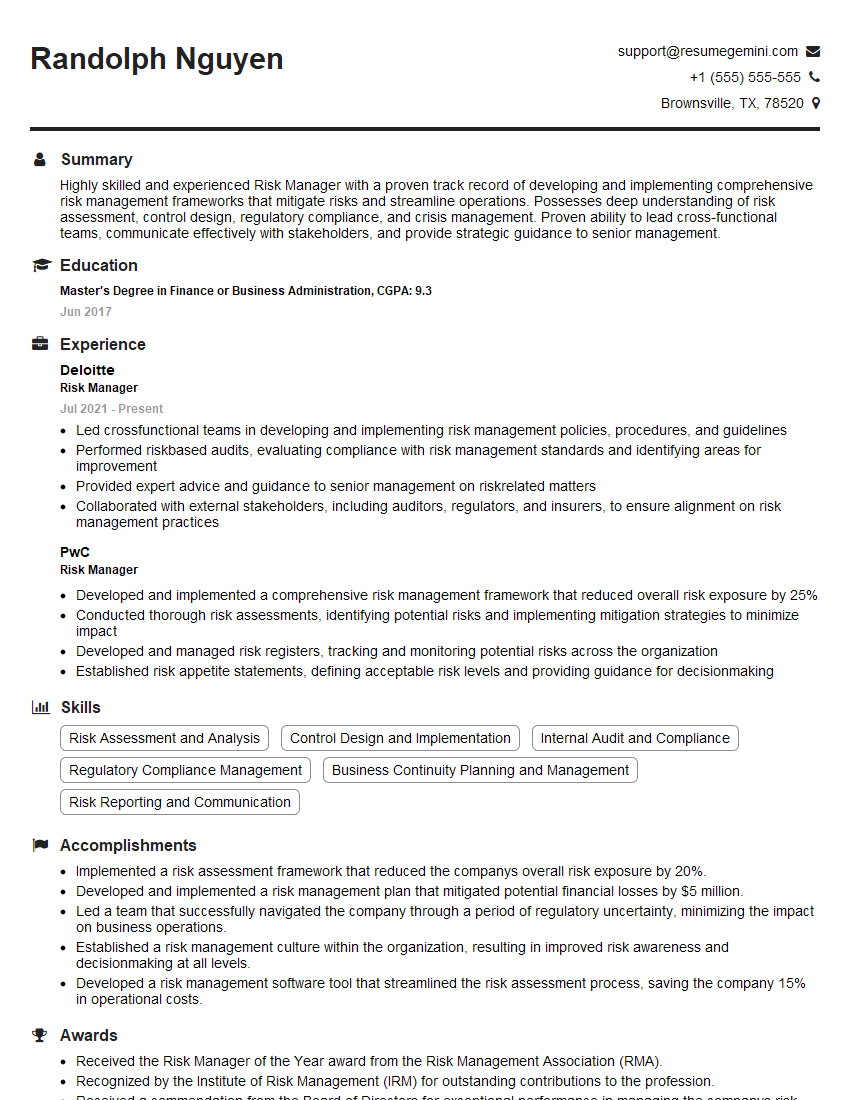
Risk Manager Resume Sample
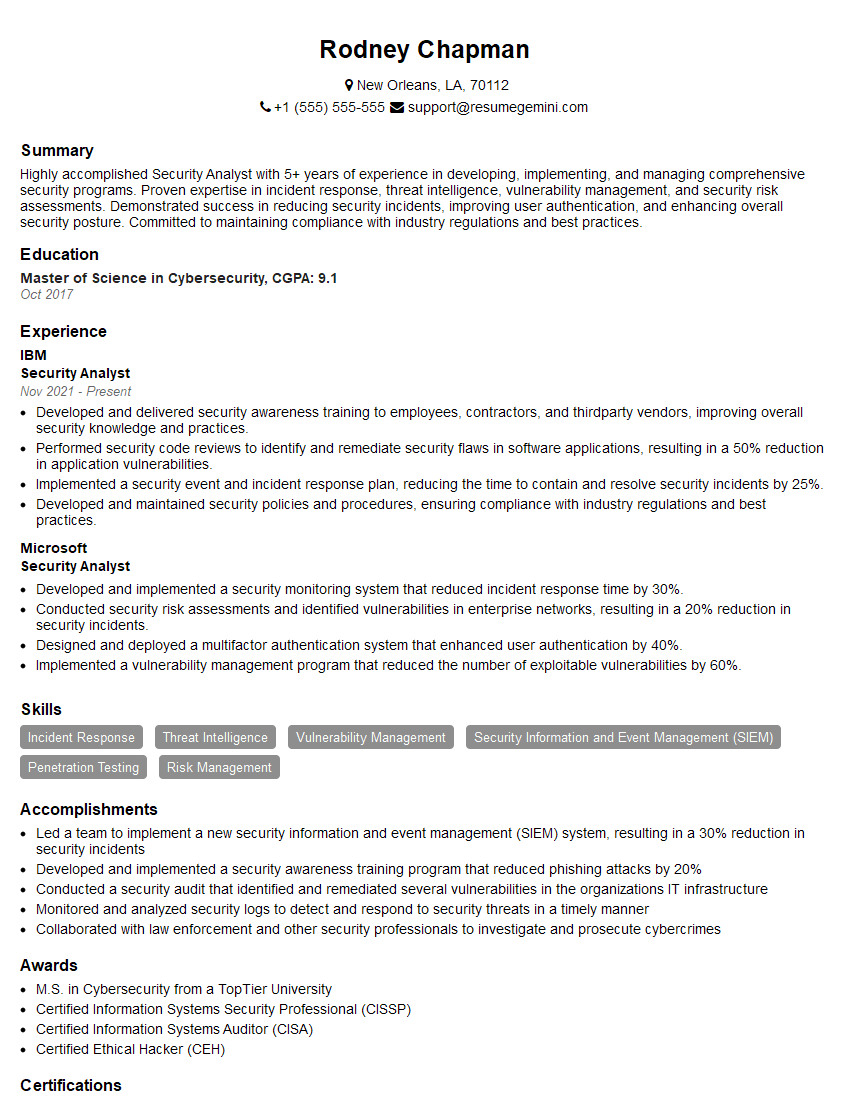
Security Analyst Resume Sample
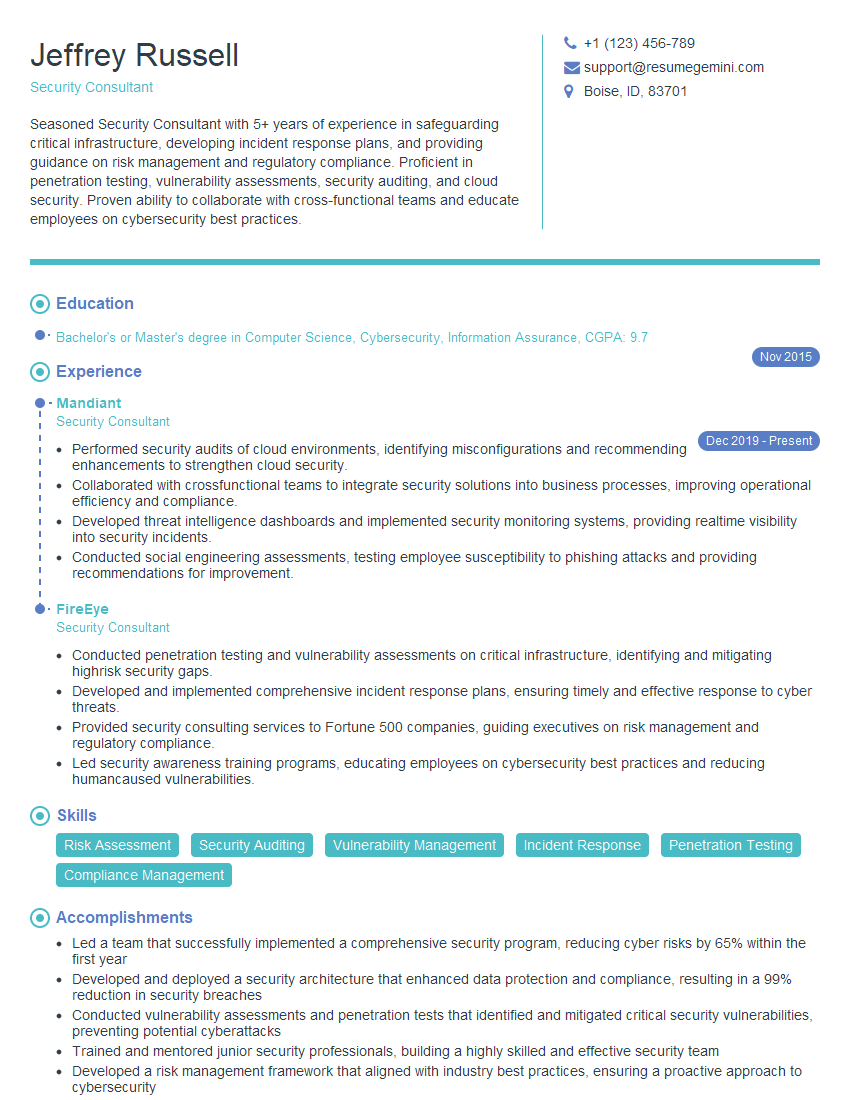
Security Consultant Resume Sample
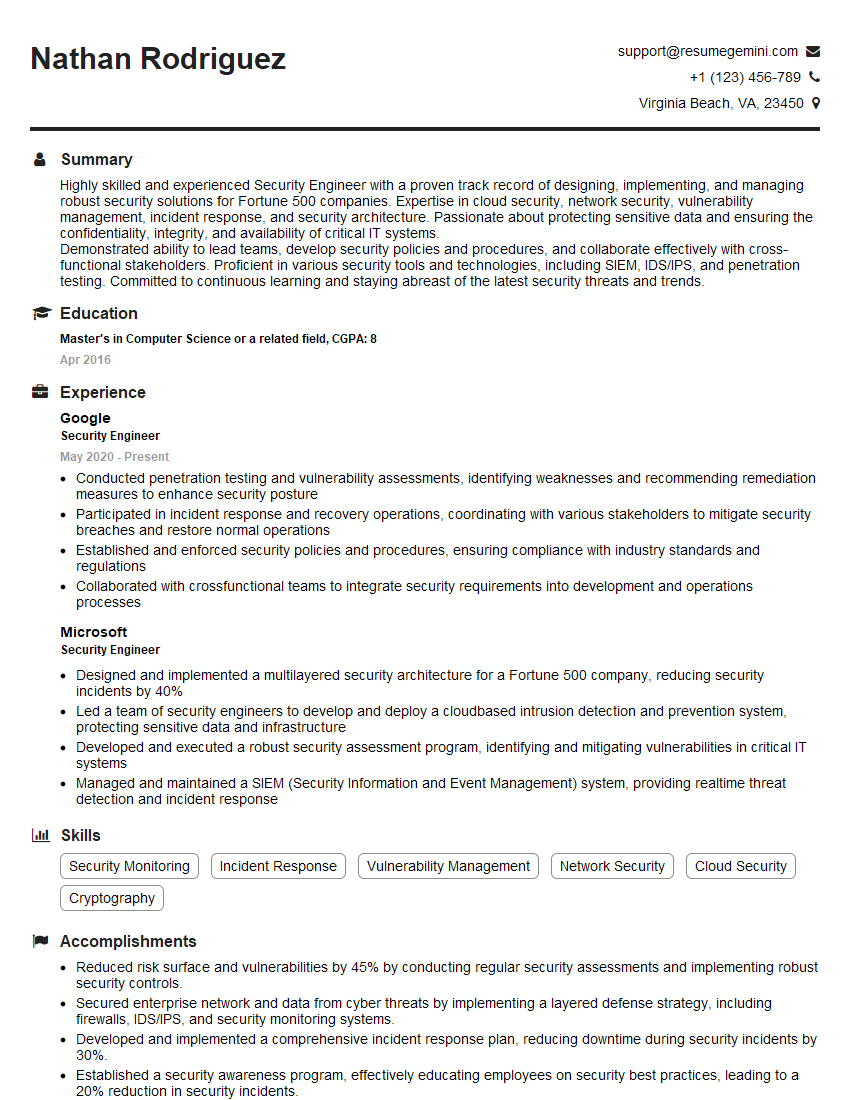
Security Engineer Resume Sample
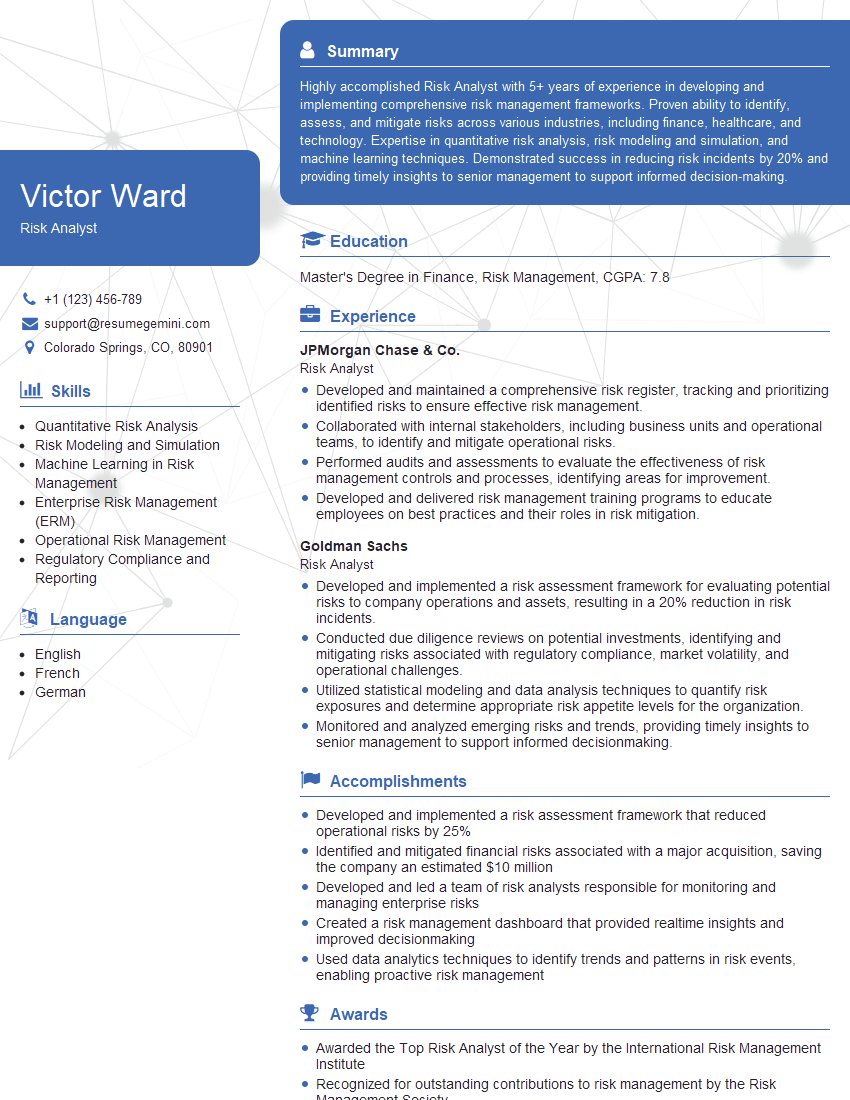
Risk Analyst Resume Sample
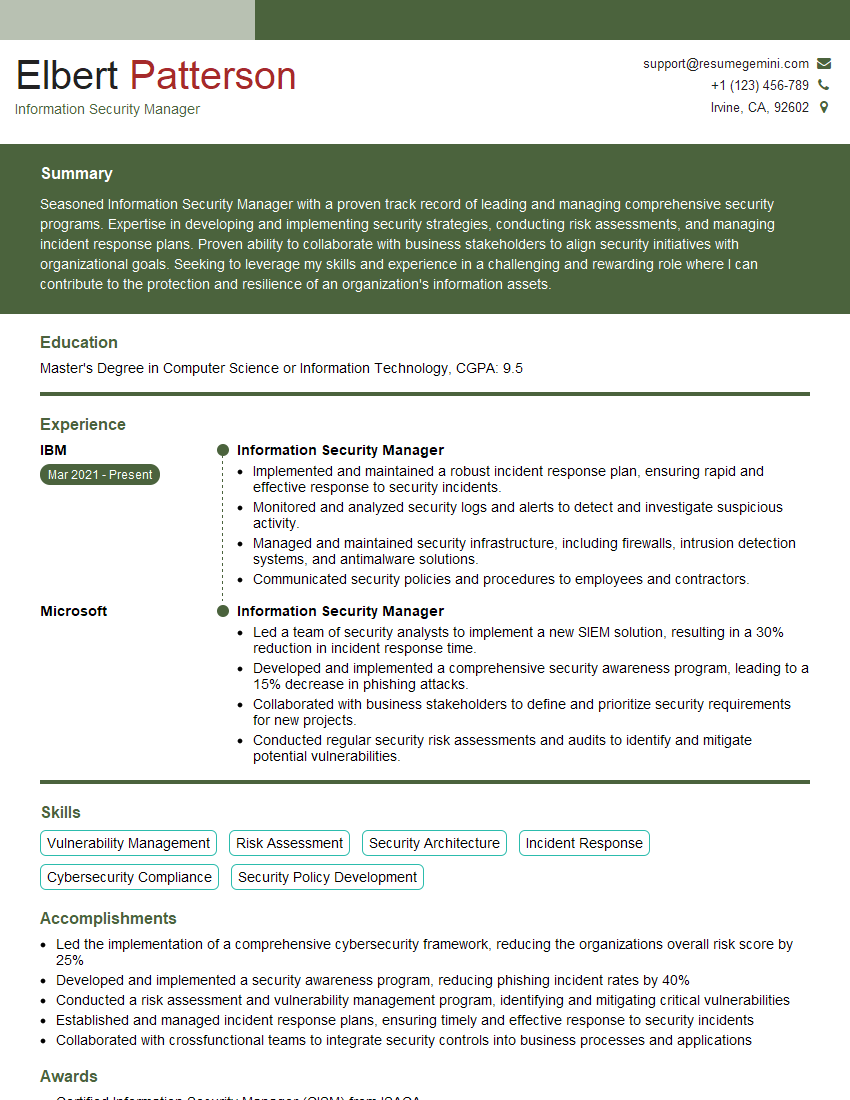
Information Security Manager Resume Sample
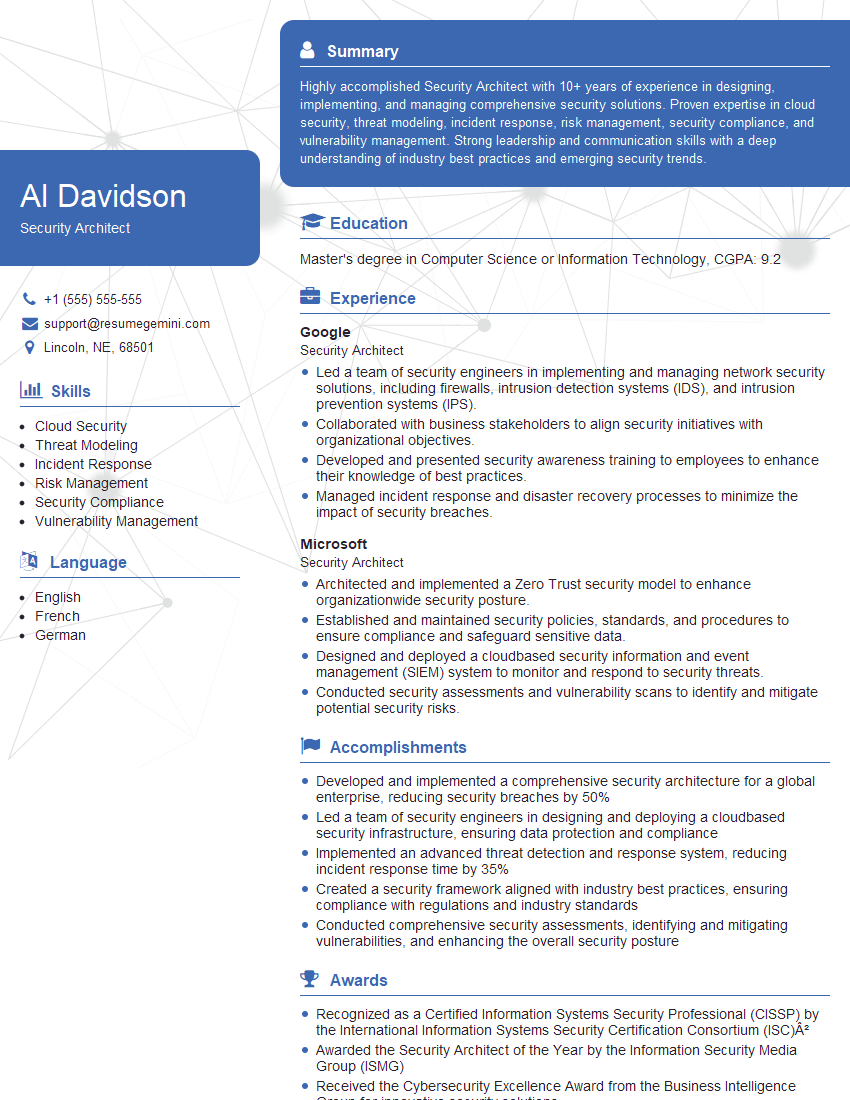
Security Architect Resume Sample
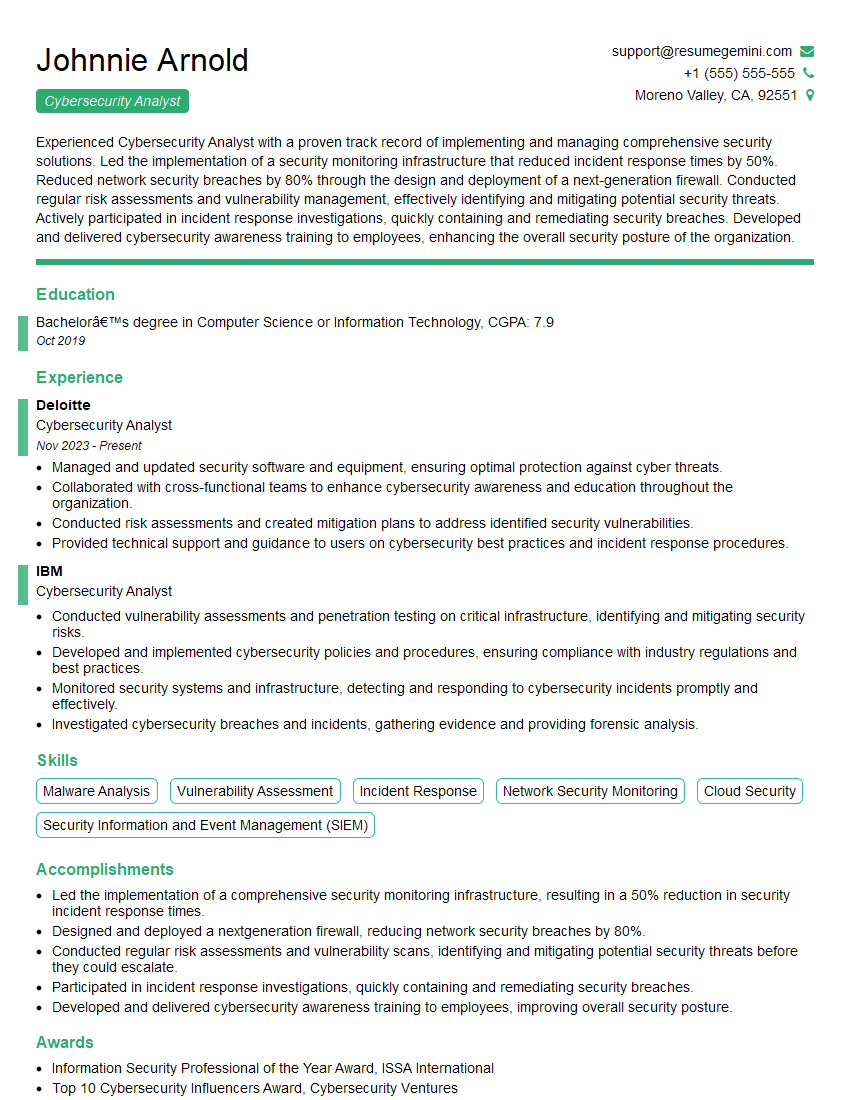
Cybersecurity Analyst Resume Sample
Explore more articles
Users Rating of Our Blogs
Share Your Experience
We value your feedback! Please rate our content and share your thoughts (optional).
What Readers Say About Our Blog
Very informative content, great job.
good