Every successful interview starts with knowing what to expect. In this blog, we’ll take you through the top Time Management and Ability to Pace the Game interview questions, breaking them down with expert tips to help you deliver impactful answers. Step into your next interview fully prepared and ready to succeed.
Questions Asked in Time Management and Ability to Pace the Game Interview
Q 1. Describe your preferred method for prioritizing tasks.
My preferred method for prioritizing tasks combines urgency and importance using a modified Eisenhower Matrix. I categorize tasks into four quadrants: Urgent & Important (Do First), Important but Not Urgent (Schedule), Urgent but Not Important (Delegate), and Neither Urgent Nor Important (Eliminate). This ensures that critical tasks receive immediate attention, while less important tasks are either scheduled efficiently or delegated to free up my time for higher-priority items.
For example, if I have a looming deadline for a critical project (Urgent & Important), that takes precedence over responding to less pressing emails (Urgent but Not Important). Planning future marketing campaigns (Important but Not Urgent) gets scheduled into my calendar, while tasks like sorting through old emails (Neither Urgent Nor Important) are eliminated to avoid unnecessary time consumption.
Q 2. How do you handle unexpected interruptions to your workflow?
Unexpected interruptions are inevitable. My approach involves a combination of proactive measures and reactive strategies. Proactively, I allocate time blocks for focused work, minimizing distractions by turning off notifications and communicating my availability. When interruptions occur, I use a simple ‘pause and prioritize’ method. I jot down the interruption, quickly assess its urgency, and either address it immediately if necessary or schedule it for later, returning to my original task. The key is to minimize context switching and regain focus quickly.
For instance, if a colleague needs immediate assistance with a critical issue, I’ll help them. However, if it’s a less urgent request, I’ll briefly acknowledge it and schedule a time to address it later, allowing me to complete my current task and avoid losing my train of thought.
Q 3. Explain your approach to managing multiple projects simultaneously.
Managing multiple projects requires a structured approach. I employ a project management methodology, often a hybrid of Agile and Kanban. This involves creating a centralized task list for each project, breaking down large projects into smaller, manageable tasks. I use a visual project management tool (like a Kanban board or a spreadsheet) to track progress, deadlines, and dependencies between tasks across all projects. Regular reviews (daily stand-ups or weekly progress meetings) help to identify bottlenecks and adjust priorities as needed.
Imagine juggling three projects: A website redesign, a marketing campaign, and client presentations. Each project has its own Kanban board with columns for To Do, In Progress, and Done. By visually tracking progress on each board and attending to the most urgent tasks across projects, I maintain visibility and control over my workload and ensure all projects meet deadlines.
Q 4. What strategies do you employ to meet deadlines consistently?
Meeting deadlines consistently relies on proactive planning and effective execution. I start by realistically assessing the time needed for each task, building in buffer time for unexpected delays. I then create a detailed schedule, breaking down larger tasks into smaller, actionable steps. Regular progress checks and timely adjustments keep me on track. Utilizing time-blocking techniques helps dedicate specific time slots to focus on specific tasks, ensuring that all my time is being used effectively and efficiently. This method prevents procrastination by holding me accountable for making use of my schedule.
For example, if a project has a deadline in two weeks, I’d break it down into daily or weekly chunks, allocating specific time blocks for each task. If I fall behind, I reassess the remaining tasks, adjust my schedule accordingly, and communicate any potential delays proactively.
Q 5. How do you delegate tasks effectively to optimize team productivity?
Effective delegation is crucial for optimizing team productivity. My approach involves clearly defining tasks, setting expectations, and providing the necessary resources and support. I delegate tasks based on team members’ skills and availability, ensuring that each individual has the capacity to handle their assigned tasks. Regular check-ins and feedback sessions keep everyone informed and motivated, allowing for adjustments as needed.
For example, if a team member excels at data analysis, I’d delegate data-heavy tasks to them. I wouldn’t just assign the task; I’d clearly define the deliverables, deadlines, and expected format, providing any necessary data or tools. Then, I’d schedule regular check-ins to monitor progress and address any challenges that might arise.
Q 6. Describe a time you had to adjust your schedule due to unforeseen circumstances.
During the launch of a major software update, an unexpected server outage delayed our rollout. This required a complete schedule readjustment. I immediately convened a team meeting to assess the situation. We prioritized resolving the server issue, adjusting our communication plan to inform clients of the delay, and reallocating resources to expedite the fix. We also re-evaluated our launch timeline, creating a revised schedule with updated deadlines, keeping stakeholders informed every step of the way. While stressful, the situation highlighted the importance of flexibility and effective communication in crisis management.
Q 7. How do you measure your own productivity and efficiency?
I measure my productivity and efficiency using a combination of qualitative and quantitative methods. Quantitatively, I track completed tasks, projects delivered on time, and my overall output. Qualitatively, I assess the quality of my work, the effectiveness of my strategies, and the overall impact of my contributions. Regular self-reflection, combined with feedback from colleagues and supervisors, helps me identify areas for improvement and refine my time management strategies.
For example, tracking the number of projects completed within deadlines provides a quantitative measure. However, feedback on the quality of the completed projects offers qualitative insights. This combination helps me understand not only how much I’m accomplishing, but also how effectively I’m using my time and achieving high-quality results.
Q 8. What tools or techniques do you use for time tracking and management?
Effective time management relies on a combination of tools and techniques. I utilize a multi-pronged approach. Firstly, I employ time tracking software like Toggl Track or Clockify to monitor how I spend my time. This provides valuable data to identify time sinks and optimize my schedule. Secondly, I rely heavily on digital calendars, such as Google Calendar or Outlook Calendar, for scheduling appointments, deadlines, and project milestones. These calendars integrate seamlessly with task management tools like Asana or Trello, which I use to break down projects into smaller, manageable tasks, each with assigned deadlines. Finally, I use the Pomodoro Technique – working in focused 25-minute intervals with short breaks in between – to maintain concentration and prevent burnout.
Q 9. How do you identify and address time-wasting activities?
Identifying time-wasting activities requires self-awareness and a willingness to analyze one’s workflow. I start by reviewing my time tracking data to pinpoint areas where time is disproportionately spent. Common culprits include unnecessary meetings, unproductive multitasking, excessive email checking, and social media distractions. To address these, I utilize several strategies. For meetings, I advocate for clear agendas and time limits. I practice focused work sessions, resisting the urge to multitask, and employ website blockers to minimize distractions from social media and non-essential websites during work hours. Regular review of my to-do list and prioritization based on impact helps me avoid getting bogged down in less important tasks.
Q 10. How do you stay organized and manage your workload effectively?
Staying organized and managing workload effectively requires a systematic approach. As mentioned, I utilize task management tools like Asana or Trello to create lists, assign deadlines, and track progress. I prioritize tasks using methods like the Eisenhower Matrix (urgent/important), ensuring that high-impact tasks receive adequate attention. I also break down large projects into smaller, more manageable steps, making the overall goal less daunting. Regularly reviewing my calendar and to-do list, ideally at the beginning and end of each day, ensures I stay on track and anticipate potential bottlenecks. Finally, I’m a firm believer in batching similar tasks together – responding to emails in dedicated blocks, for example, rather than sporadically throughout the day – to boost efficiency.
Q 11. Describe a situation where you had to work under pressure to meet a tight deadline.
During a previous project, we faced an unexpected setback – a key software component failed just three days before the crucial product launch. The pressure was immense. We immediately convened an emergency team meeting, analyzing the problem and brainstorming solutions. We prioritized the critical fixes and divided the tasks among the team members, assigning clear roles and responsibilities. We implemented a system of continuous updates and communication, using a project management tool to monitor progress in real-time. We extended working hours, and everyone worked collaboratively under immense pressure. We managed to successfully resolve the issue and launch the product on time, showcasing our ability to adapt and work effectively under tight deadlines. This experience highlighted the value of clear communication, strong teamwork, and a flexible, adaptable approach.
Q 12. How do you balance multiple priorities and competing demands?
Balancing multiple priorities and competing demands requires strategic prioritization and effective time allocation. I use several techniques. Firstly, I regularly review my goals and tasks, assigning priorities based on urgency and importance. The Eisenhower Matrix (urgent/important) is a useful tool here. Secondly, I allocate specific time blocks for different tasks, ensuring sufficient time for each priority. Thirdly, I communicate proactively with stakeholders, managing expectations and ensuring everyone is aligned on priorities. Finally, I regularly evaluate my progress and adjust my schedule as needed. This iterative approach ensures I remain responsive to changes and maintain focus on the most critical tasks.
Q 13. How do you adapt your approach to time management based on different projects or tasks?
My approach to time management adapts depending on the project or task. For example, a creative project might benefit from flexible time blocks, allowing for spontaneous idea generation, while a highly technical project may require more structured, focused work sessions. Similarly, a long-term project needs a detailed plan with clearly defined milestones, while short-term tasks might require a simpler to-do list. The key is to choose the methods that best align with the specific demands and nature of the task, leveraging tools and techniques that optimize my productivity within that context. The Pomodoro Technique, for instance, works well for focused tasks, but may be less effective for more creative work.
Q 14. How do you proactively prevent project delays?
Proactive prevention of project delays involves meticulous planning and proactive risk management. This starts with a realistic project schedule, factoring in potential setbacks and buffer time. Regular monitoring of progress against the schedule is critical; I use project management tools to track milestones and identify potential delays early. Proactive communication with stakeholders ensures everyone is aware of any challenges and can contribute to solutions. Addressing issues promptly and adapting the plan as needed – for instance, re-prioritizing tasks or adjusting timelines – helps prevent minor issues from escalating into major delays. Furthermore, building in contingency plans for foreseeable risks and fostering a culture of open communication within the team are essential elements of proactive delay prevention.
Q 15. Explain your process for planning and scheduling your work.
My planning and scheduling process is a blend of strategic overview and tactical execution. It starts with a weekly review where I assess upcoming deadlines, projects, and meetings. I utilize a digital calendar (like Google Calendar or Outlook Calendar) and a task management system (like Asana or Trello) to consolidate all commitments. I then break down large projects into smaller, manageable tasks, assigning each a realistic timeframe. This granular approach prevents overwhelm and allows for better progress tracking. I prioritize tasks based on urgency and importance (more on that in the next answer), using techniques like the Eisenhower Matrix. Finally, I schedule specific time blocks for focused work on these tasks, ensuring I allocate sufficient time for both focused work and buffer time for unexpected interruptions. This structured approach ensures I don’t overschedule and maintain a healthy work-life balance.
For example, if I have a major presentation due next week, I won’t just block out ‘prepare presentation’ in my calendar. Instead, I’ll break it down into smaller, actionable tasks such as ‘research data’, ‘create slides’, ‘rehearse presentation’, each with a dedicated time slot. This method helps me stay organized and track my progress effectively.
Career Expert Tips:
- Ace those interviews! Prepare effectively by reviewing the Top 50 Most Common Interview Questions on ResumeGemini.
- Navigate your job search with confidence! Explore a wide range of Career Tips on ResumeGemini. Learn about common challenges and recommendations to overcome them.
- Craft the perfect resume! Master the Art of Resume Writing with ResumeGemini’s guide. Showcase your unique qualifications and achievements effectively.
- Don’t miss out on holiday savings! Build your dream resume with ResumeGemini’s ATS optimized templates.
Q 16. How do you assess the urgency and importance of tasks?
Assessing urgency and importance is crucial for effective time management. I use the Eisenhower Matrix (Urgent/Important Matrix) as my primary framework. This categorizes tasks into four quadrants:
- Urgent and Important: These are crises, deadlines, and pressing problems that require immediate attention. I tackle these first.
- Important but Not Urgent: These are tasks that contribute to long-term goals but don’t have immediate deadlines. These are scheduled proactively to prevent them from becoming urgent later. This is where proactive planning and scheduling shines.
- Urgent but Not Important: These are often interruptions and distractions. I delegate these whenever possible, or batch them for efficient handling at specific times to avoid constant interruptions to my focus.
- Neither Urgent nor Important: These are time-wasting activities that should be eliminated or minimized. This could involve time spent on social media, unnecessary meetings, or other non-essential activities.
By consistently applying this matrix, I can prioritize tasks effectively and ensure I’m focusing on what truly matters. Think of it as a filter for your to-do list, making sure you’re tackling the high-impact activities first.
Q 17. How do you communicate your workload and time constraints to others?
Open and proactive communication is key to managing expectations around workload and time constraints. I regularly update stakeholders on my progress and any potential roadblocks. This involves:
- Clearly stating deadlines and expectations upfront: This sets the stage for realistic collaboration.
- Providing regular updates: This keeps everyone informed and allows for early identification of issues.
- Using project management tools: Tools like Asana or Trello allow for transparent collaboration and tracking of progress.
- Being assertive when necessary: If I anticipate a delay, I communicate this proactively, suggesting alternative solutions.
- Setting clear boundaries: This involves communicating my availability and respecting my time and the time of others.
For instance, if I’m working on a project with a tight deadline, I’ll set up regular check-in meetings with my team to discuss progress, address challenges, and ensure everyone is on the same page. Proactive communication avoids misunderstandings and ensures everyone works collaboratively toward the common goal.
Q 18. Describe a situation where you successfully managed a challenging time constraint.
During a previous role, I was tasked with launching a new product within an exceptionally tight deadline – just six weeks. The scope was substantial, requiring market research, product development, marketing materials, and a full launch campaign. To manage this, I employed several strategies:
- Prioritized tasks using the Eisenhower Matrix: I focused on the critical path – essential tasks that directly impacted the launch date – first.
- Delegated effectively: I assigned tasks to team members based on their expertise and availability.
- Used Agile methodologies: We worked in short sprints, regularly assessing progress and adapting our plan as needed.
- Communicated consistently: Daily stand-up meetings kept everyone informed and allowed us to address potential roadblocks immediately.
- Maintained a flexible mindset: We understood that some sacrifices might be necessary to meet the deadline. We focused on delivering the core features while postponing non-essential elements for a later release.
We successfully launched the product on time, exceeding expectations despite the challenging timeframe. The key was clear prioritization, effective delegation, and constant communication within the team. This experience reinforced the importance of planning, flexibility, and proactive communication in successfully navigating tight deadlines.
Q 19. What strategies do you use to improve your focus and concentration?
Maintaining focus and concentration requires a multi-pronged approach. My strategies include:
- Time Blocking: I dedicate specific blocks of time for focused work, minimizing context switching. This allows for deeper concentration on the task at hand.
- Minimizing Distractions: I turn off notifications, use website blockers, and create a quiet workspace to eliminate interruptions. I often use the Pomodoro Technique (25 minutes of focused work followed by a 5-minute break).
- Mindfulness and Meditation: Short meditation sessions help clear my mind and improve focus throughout the day.
- Regular Breaks: Stepping away from my work to stretch, walk, or engage in a different activity helps refresh my mind and improve my ability to concentrate when I return.
- Prioritizing Sleep and Exercise: Adequate rest and physical activity significantly impact cognitive function and concentration.
For example, during a particularly demanding project, I implemented the Pomodoro Technique, combined with website blockers, which significantly improved my concentration and allowed me to complete the project ahead of schedule.
Q 20. How do you handle procrastination or feeling overwhelmed?
Procrastination and feeling overwhelmed are common challenges. My approach involves:
- Breaking down tasks: Large tasks can feel daunting. Breaking them into smaller, more manageable steps makes them less intimidating and easier to start.
- The Two-Minute Rule: If a task takes less than two minutes, I do it immediately. This prevents small tasks from piling up and creating a sense of overwhelm.
- Timeboxing: Setting a specific time limit for a task can reduce procrastination by creating a sense of urgency and limiting the time for excuses.
- Self-Compassion: Recognizing that everyone procrastinates sometimes and avoiding self-criticism is crucial. Instead of dwelling on procrastination, I focus on moving forward.
- Seeking Support: If I’m feeling overwhelmed, I reach out to colleagues or mentors for help or advice.
For instance, if I’m facing a large writing project, I’ll break it down into smaller tasks like creating an outline, writing a section per day, and editing. This approach makes the project less intimidating and more manageable.
Q 21. How do you use technology to enhance your time management skills?
Technology plays a significant role in enhancing my time management skills. I use several tools:
- Calendar Apps (Google Calendar, Outlook Calendar): These help me schedule appointments, meetings, and dedicated work blocks.
- Task Management Software (Asana, Trello, Todoist): These allow me to create, organize, and track tasks, ensuring nothing slips through the cracks. These tools also facilitate collaboration and communication.
- Note-Taking Apps (Evernote, OneNote): These help me capture ideas, meeting notes, and action items, keeping information organized and accessible.
- Focus Apps (Freedom, Cold Turkey): These block distracting websites and apps, helping me maintain focus during dedicated work periods.
- Project Management Software: This facilitates effective team collaboration and progress tracking.
For example, using Asana allows me to assign tasks, set deadlines, track progress, and communicate updates to my team members transparently, making collaboration more efficient and productive.
Q 22. What are your preferred methods for tracking progress on projects?
Tracking progress effectively is crucial for successful project completion. My preferred methods combine both high-level overviews with granular detail. I utilize a combination of techniques. Firstly, I break down large projects into smaller, manageable tasks. This allows for more frequent checkpoints and a clearer sense of accomplishment as each task is completed. I then employ a Kanban board, either physical or digital (like Trello or Jira), to visualize the workflow. This visual representation allows me to easily see the progress of each task, identify bottlenecks, and re-prioritize as needed. For time-sensitive tasks, I use a Gantt chart to map out deadlines and dependencies. This provides a clear timeline and highlights potential scheduling conflicts early on. Finally, regular progress reports, both self-generated and shared with stakeholders, ensure accountability and transparency.
For example, during a recent website redesign project, I used a Kanban board to track the design, development, and testing phases. Each task was assigned to a team member, and its progress was visually represented by moving it across the board’s columns (To Do, In Progress, Testing, Done). This allowed for easy monitoring and quick identification of any delays.
Q 23. How do you manage your energy levels throughout the day to maintain productivity?
Maintaining consistent productivity requires mindful energy management. It’s not just about working long hours; it’s about working effectively during those hours. My approach involves a multi-pronged strategy focusing on physical and mental well-being. I start with prioritizing sleep – ensuring 7-8 hours of quality rest allows me to tackle challenges with greater focus and energy. Regular exercise, even a short walk, boosts circulation and helps clear my mind. I incorporate short breaks throughout the day – the Pomodoro Technique (25 minutes of focused work followed by a 5-minute break) is a great example. These breaks help prevent burnout and maintain concentration. Hydration and healthy snacks are crucial; avoiding sugary drinks and processed foods helps maintain stable energy levels. Furthermore, I pay close attention to my mental state, actively managing stress through mindfulness techniques like meditation or deep breathing exercises. By understanding my personal energy rhythms, I schedule demanding tasks for my peak performance periods.
For instance, I’ve found that I’m most alert and focused in the mornings, so I dedicate this time to complex problem-solving or creative tasks. Less demanding activities are scheduled for the afternoon when my energy naturally dips.
Q 24. How do you handle conflicting priorities from different stakeholders?
Conflicting priorities are inevitable in a collaborative environment. My approach is based on clear communication, prioritization, and negotiation. First, I actively listen to understand the needs and expectations of each stakeholder. Then, I use a prioritization matrix, often using a framework like Eisenhower Matrix (Urgent/Important), to objectively assess the relative importance and urgency of each request. This framework helps me categorize tasks and allocate my time accordingly. When necessary, I proactively communicate with stakeholders, explaining the prioritization rationale and proposing potential solutions or compromises. This collaborative approach ensures that everyone feels heard and understood, minimizing frustration and maximizing overall project success. Transparency is key – openly communicating potential delays and revised timelines prevents misunderstandings.
For example, if a client requests an urgent change that conflicts with another high-priority task, I would explain the trade-offs to both parties, outlining the potential impact of delaying either request. Together, we can find a mutually acceptable solution, perhaps by re-prioritizing tasks or adjusting deadlines.
Q 25. How do you monitor your performance against deadlines and adjust as needed?
Monitoring performance against deadlines involves a combination of proactive planning and reactive adjustments. I start by setting realistic deadlines based on accurate task estimations and resource availability. Regularly, I compare my actual progress against the planned schedule, identifying any deviations early on. This usually involves reviewing my task list, checking the Kanban board, and consulting the Gantt chart. Any discrepancies are analyzed to identify root causes (e.g., underestimated task complexity, unforeseen obstacles). Then, I adjust my schedule, potentially re-prioritizing tasks, securing additional resources, or adjusting deadlines in consultation with stakeholders. Transparency and communication are crucial during this process to ensure that everyone is informed of any changes and their potential impact.
In one project, a critical dependency was delayed, pushing back the project deadline. By promptly identifying this issue and communicating it to the client, we jointly agreed on a revised timeline and successfully mitigated potential disruptions.
Q 26. Describe your experience using project management software or tools.
I have extensive experience using various project management tools, including Asana, Trello, Jira, and Monday.com. My choice of tool depends on the project’s complexity and the team’s size. For smaller projects or personal tasks, Trello’s visual Kanban board is often sufficient. For larger, more complex projects involving multiple teams and intricate dependencies, Jira’s robust features, including issue tracking, sprint management, and reporting, are more suitable. Asana offers a good balance between simplicity and functionality, making it a versatile choice for many projects. I’m proficient in utilizing the core functionalities of these platforms, including task assignment, deadline setting, progress tracking, and reporting. I understand how to leverage their features to improve collaboration, streamline workflows, and enhance overall project visibility.
For instance, in a recent project using Jira, we utilized its agile methodology features to manage sprints, track progress against sprints goals, and facilitate daily stand-up meetings.
Q 27. How do you ensure you have sufficient buffer time in your schedule for unexpected events?
Building buffer time into my schedule is essential for mitigating the impact of unexpected events. I typically allocate a percentage of my total project time – usually 10-20% – as a buffer. This buffer isn’t just a random block of time; it’s strategically placed within the schedule, considering potential points of disruption. For example, I might add extra time at the end of a project phase to account for potential setbacks during testing or integration. Additionally, I prioritize tasks to minimize dependencies. If a task is delayed, its impact on subsequent tasks is minimized. This buffer is not considered “free time” but rather a contingency reserve to absorb unforeseen challenges without significant disruption to the overall project timeline. I regularly review and adjust the buffer based on project progress and emerging risks.
During a recent marketing campaign, unexpected server issues arose. The buffer time I had allocated allowed our team to address these issues without impacting the campaign launch date.
Key Topics to Learn for Time Management and Ability to Pace the Game Interview
- Prioritization Techniques: Understanding and applying methods like Eisenhower Matrix (urgent/important), Pareto Principle (80/20 rule), and MoSCoW method (Must have, Should have, Could have, Won’t have) to effectively manage tasks.
- Planning & Scheduling: Mastering calendar management, task breakdown, and utilizing project management tools for efficient workflow and realistic timelines. This includes understanding and adapting to different project methodologies (Agile, Waterfall, etc.).
- Proactive vs. Reactive Approach: Differentiating between proactive planning and reactive problem-solving, and demonstrating how a proactive approach minimizes stress and improves efficiency.
- Goal Setting & Achievement: Defining SMART goals (Specific, Measurable, Achievable, Relevant, Time-bound) and outlining strategies for tracking progress and achieving milestones within deadlines.
- Delegation & Teamwork: Effectively delegating tasks based on team member strengths, fostering collaboration, and ensuring seamless workflow within a team environment.
- Stress Management & Resilience: Developing coping mechanisms to handle pressure, prioritizing self-care to maintain productivity, and adapting to unexpected changes or setbacks.
- Adaptability & Flexibility: Demonstrating the ability to adjust plans and priorities based on changing circumstances and new information, showcasing flexibility in approach.
- Self-Assessment & Continuous Improvement: Regularly reviewing performance, identifying areas for improvement in time management, and actively seeking opportunities for skill enhancement.
Next Steps
Mastering time management and the ability to pace yourself is crucial for career advancement. It demonstrates organizational skills, efficiency, and a proactive approach to challenges – all highly valued attributes in any professional setting. To significantly boost your job prospects, crafting an ATS-friendly resume is essential. This ensures your application gets noticed by recruiters and hiring managers. ResumeGemini is a trusted resource to help you build a compelling and effective resume that highlights your skills in time management and the ability to pace the game. Examples of resumes tailored to these specific skills are available to guide you. Take the next step towards a successful career – build your best resume with ResumeGemini today.
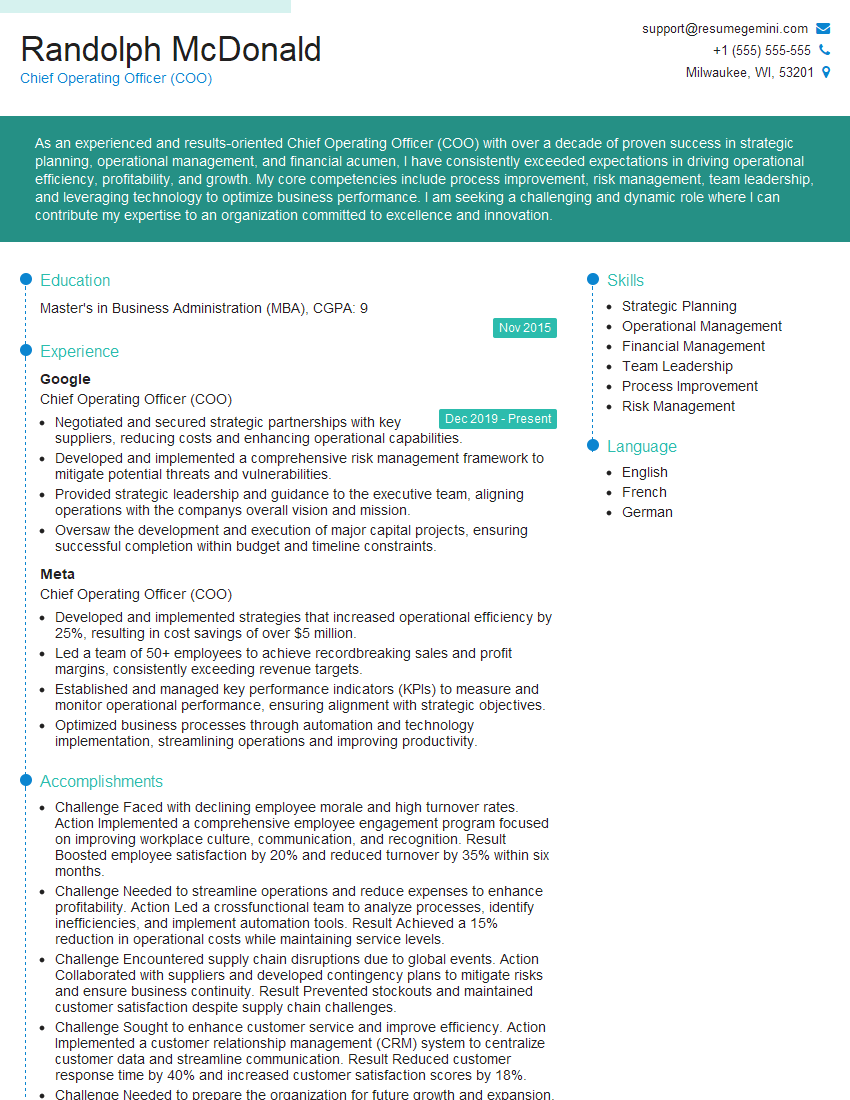
Chief Operating Officer (COO) Resume Sample
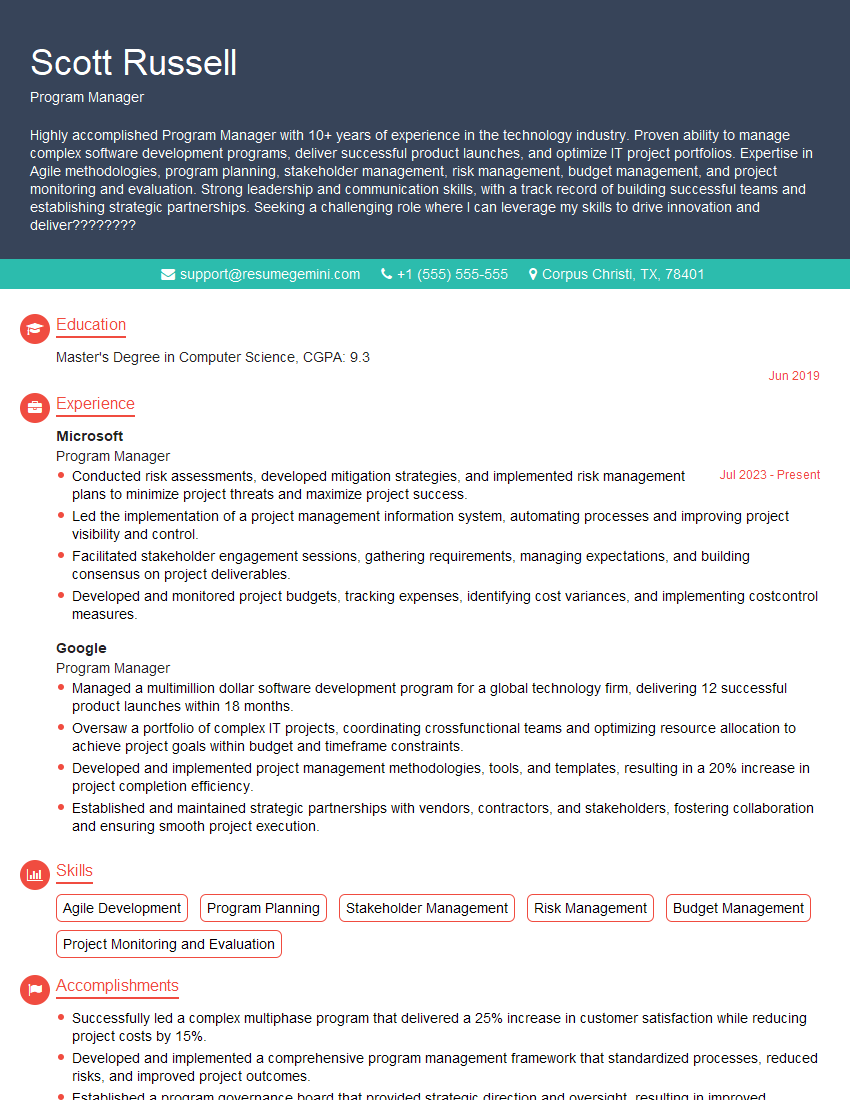
Program Manager Resume Sample
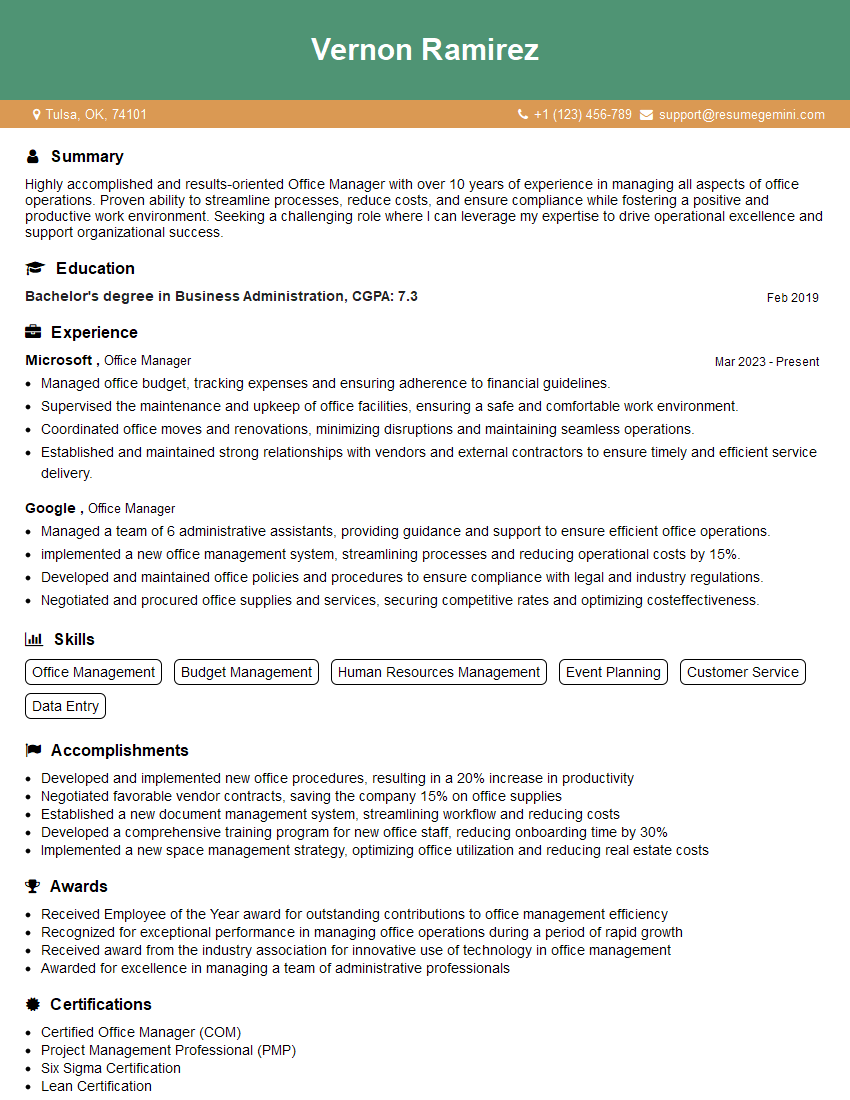
Office Manager Resume Sample

Operations Manager Resume Sample
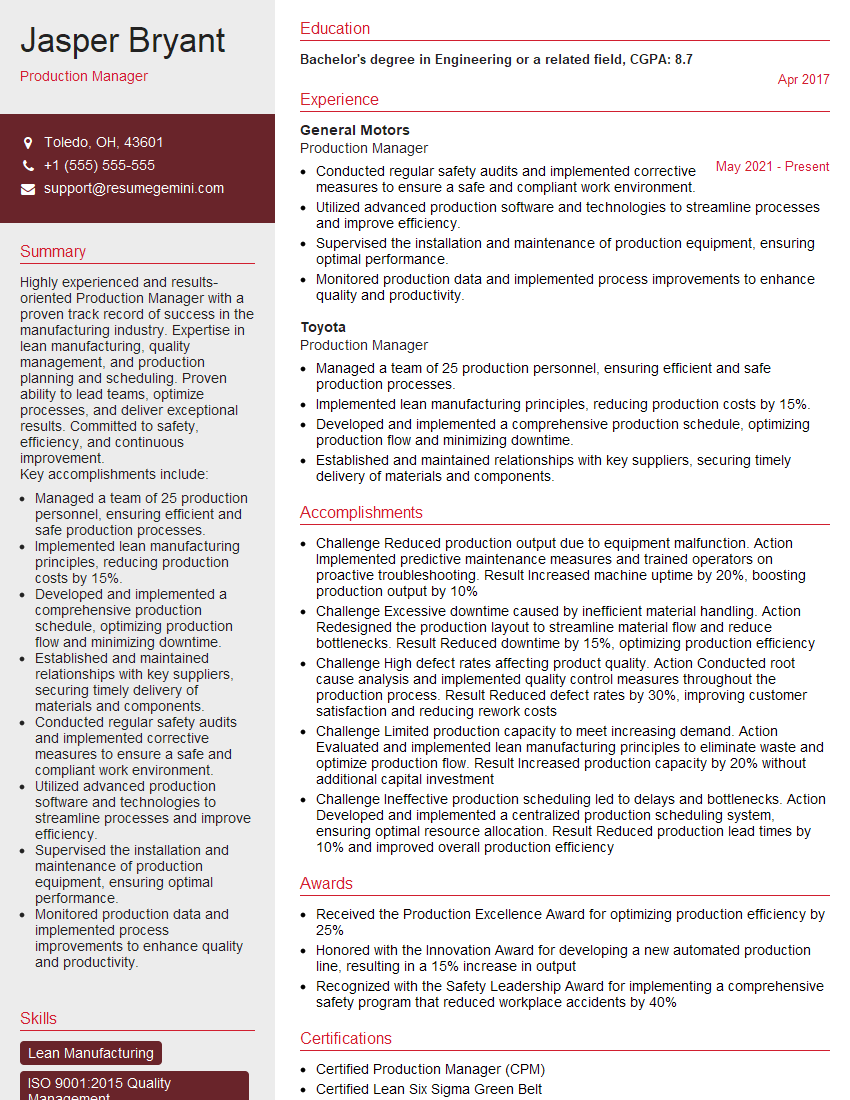
Production Manager Resume Sample
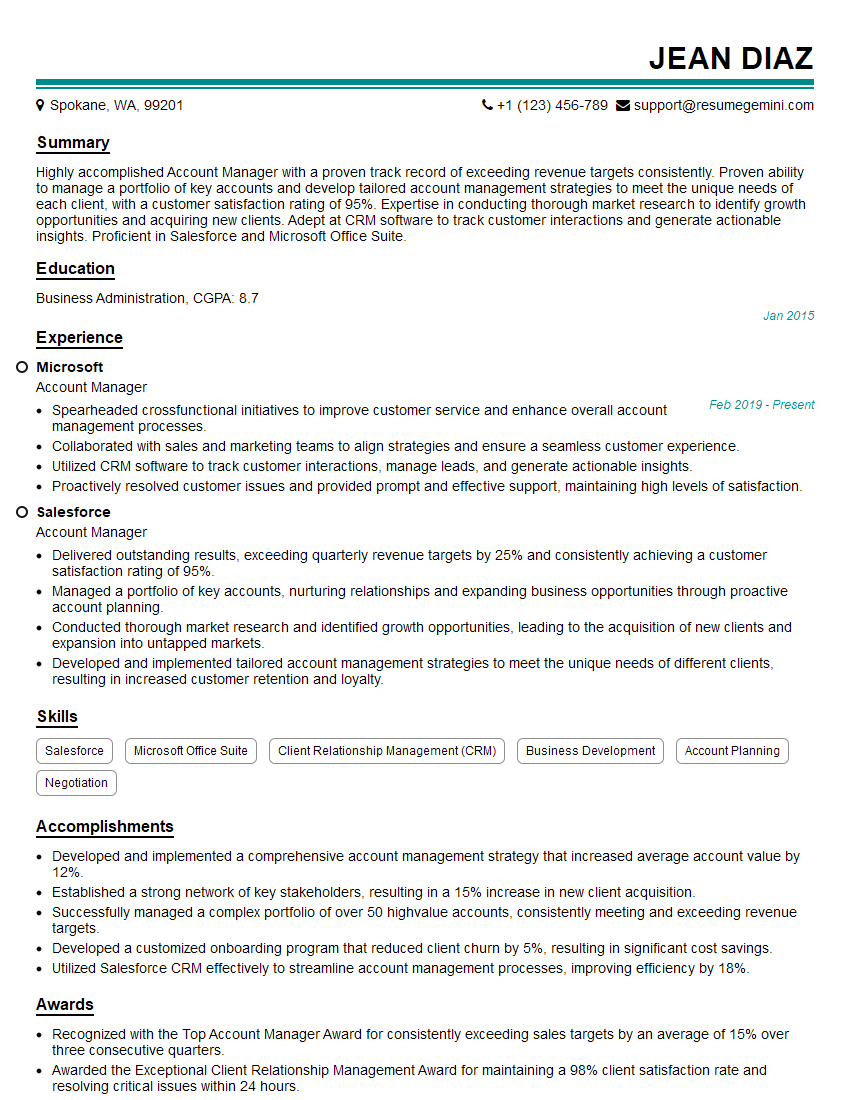
Account Manager Resume Sample
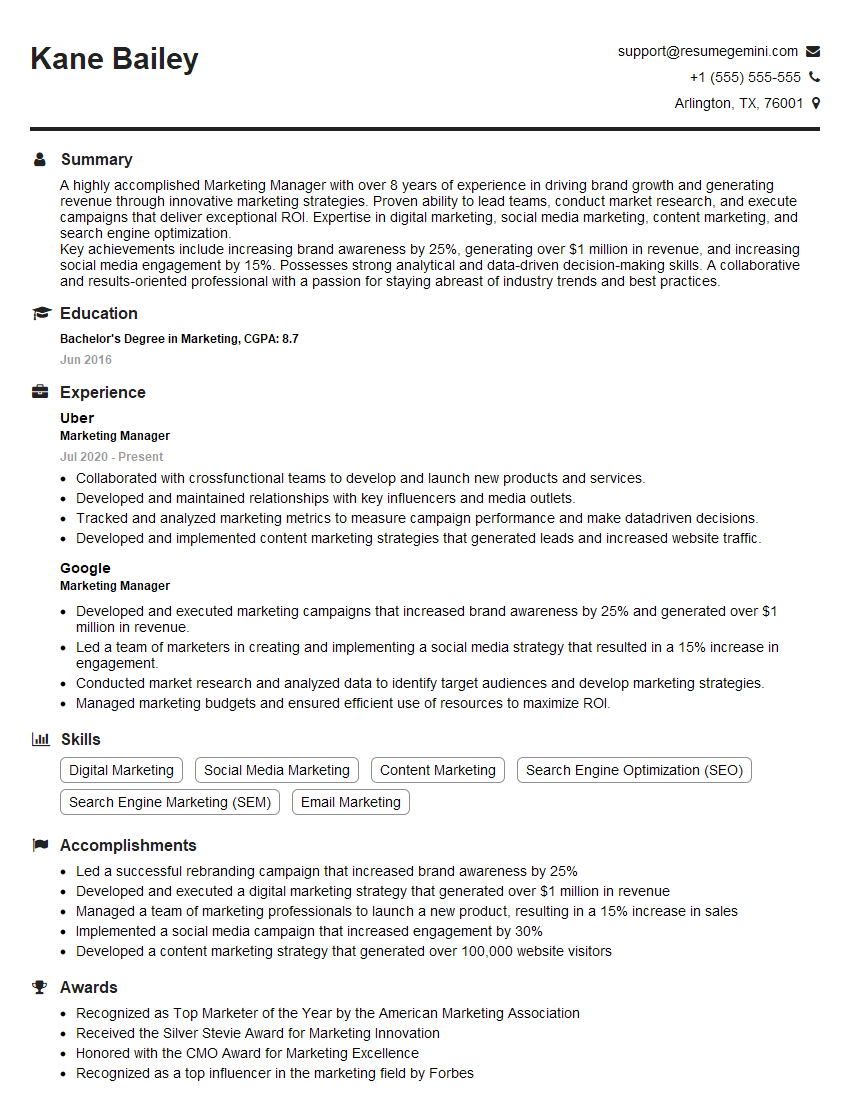
Marketing Manager Resume Sample
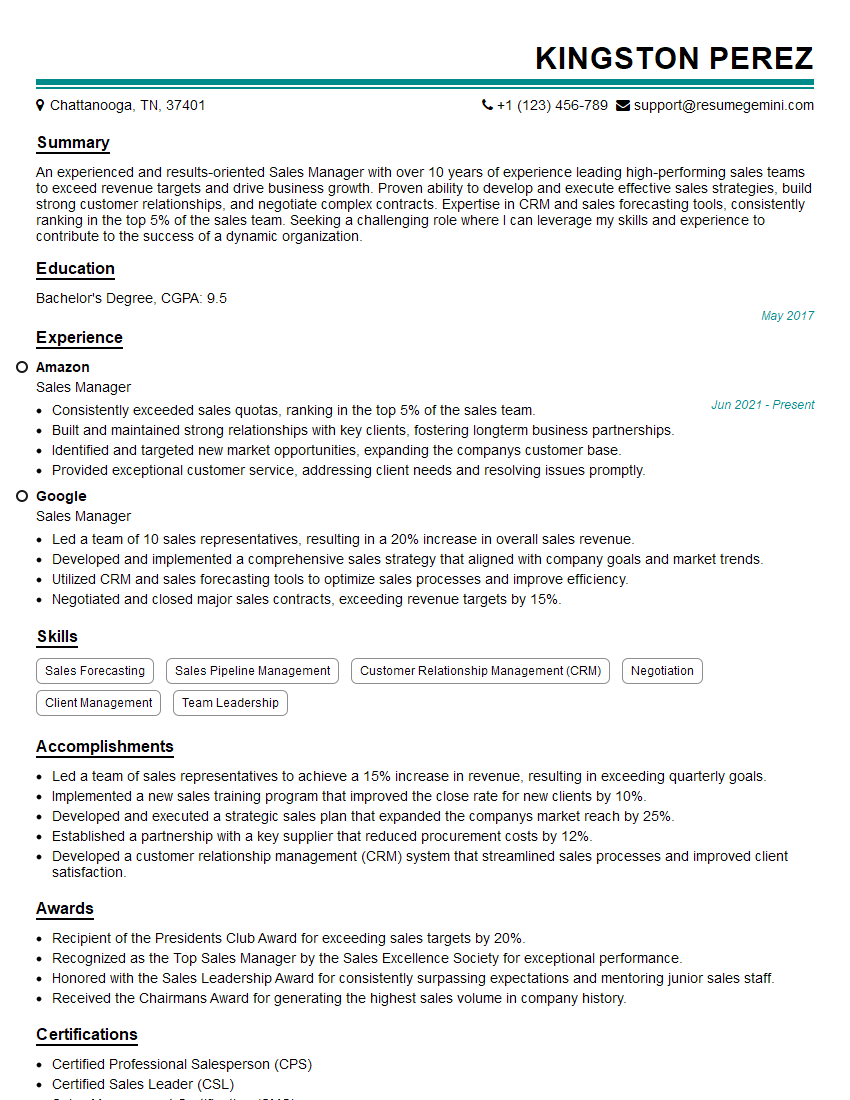
Sales Manager Resume Sample
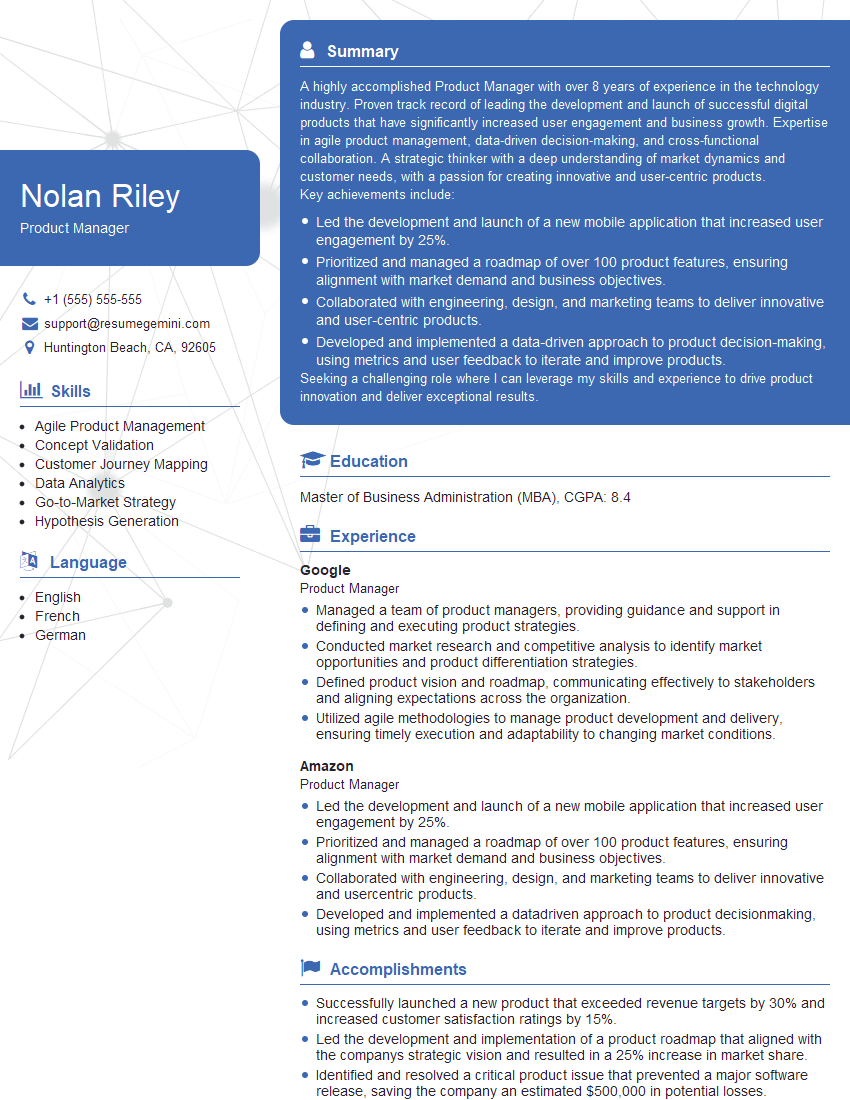
Product Manager Resume Sample
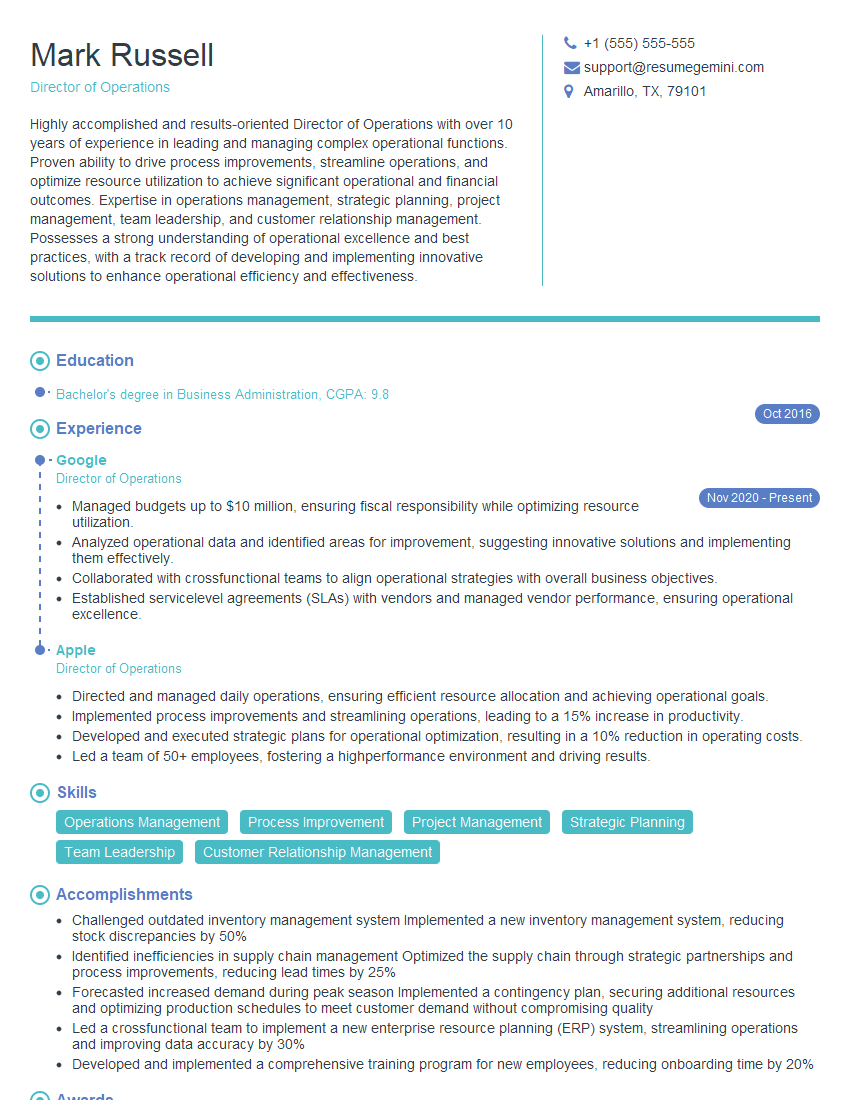
Director of Operations Resume Sample
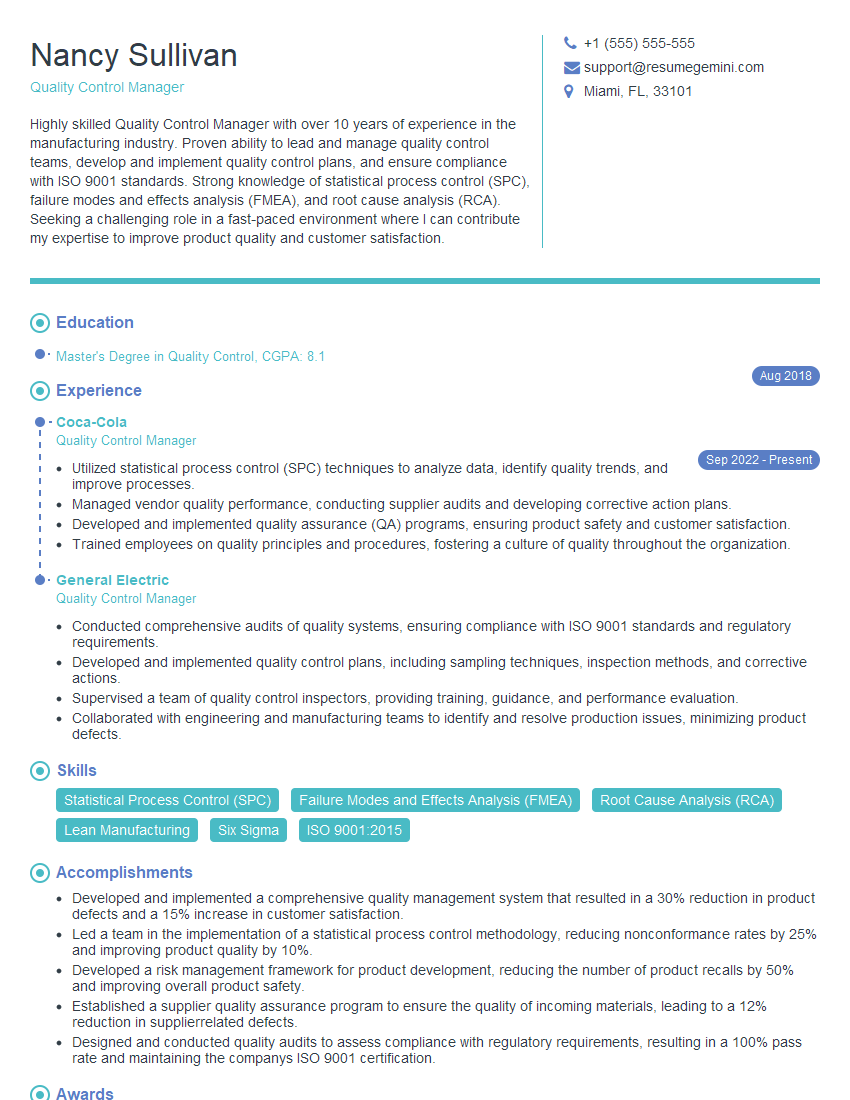
Quality Control Manager Resume Sample
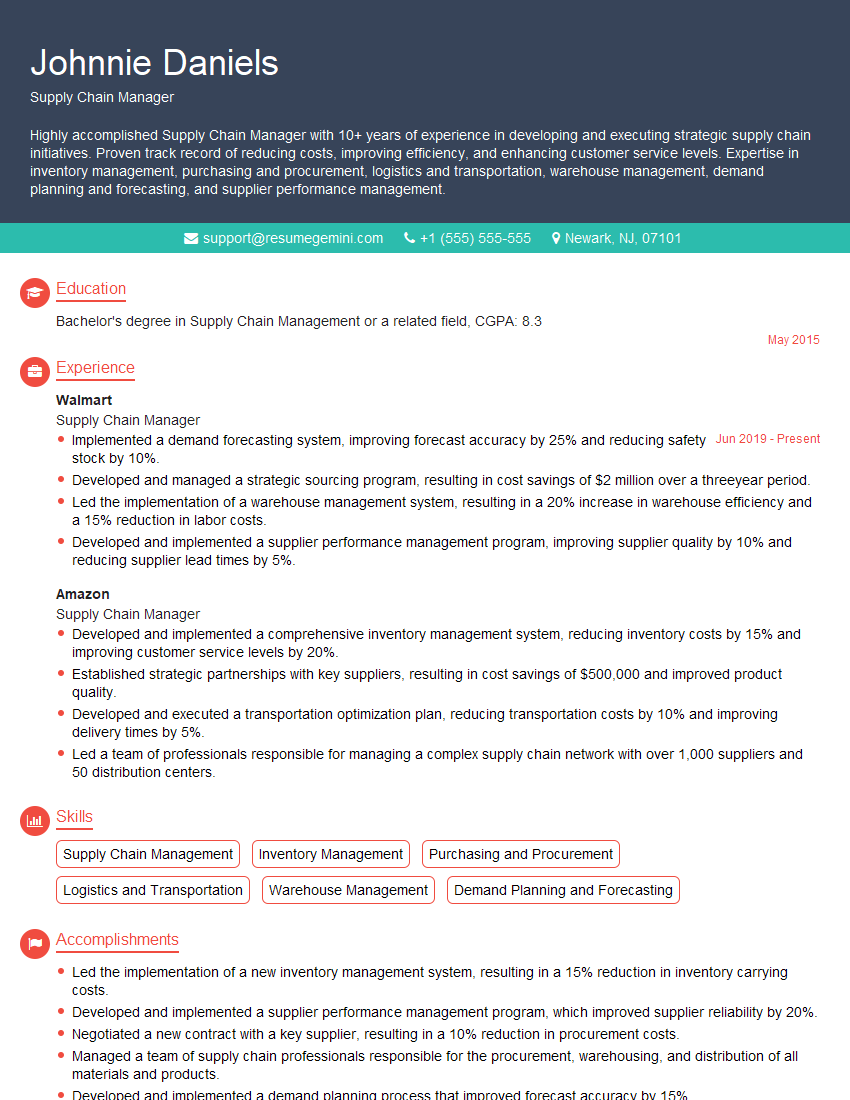
Supply Chain Manager Resume Sample
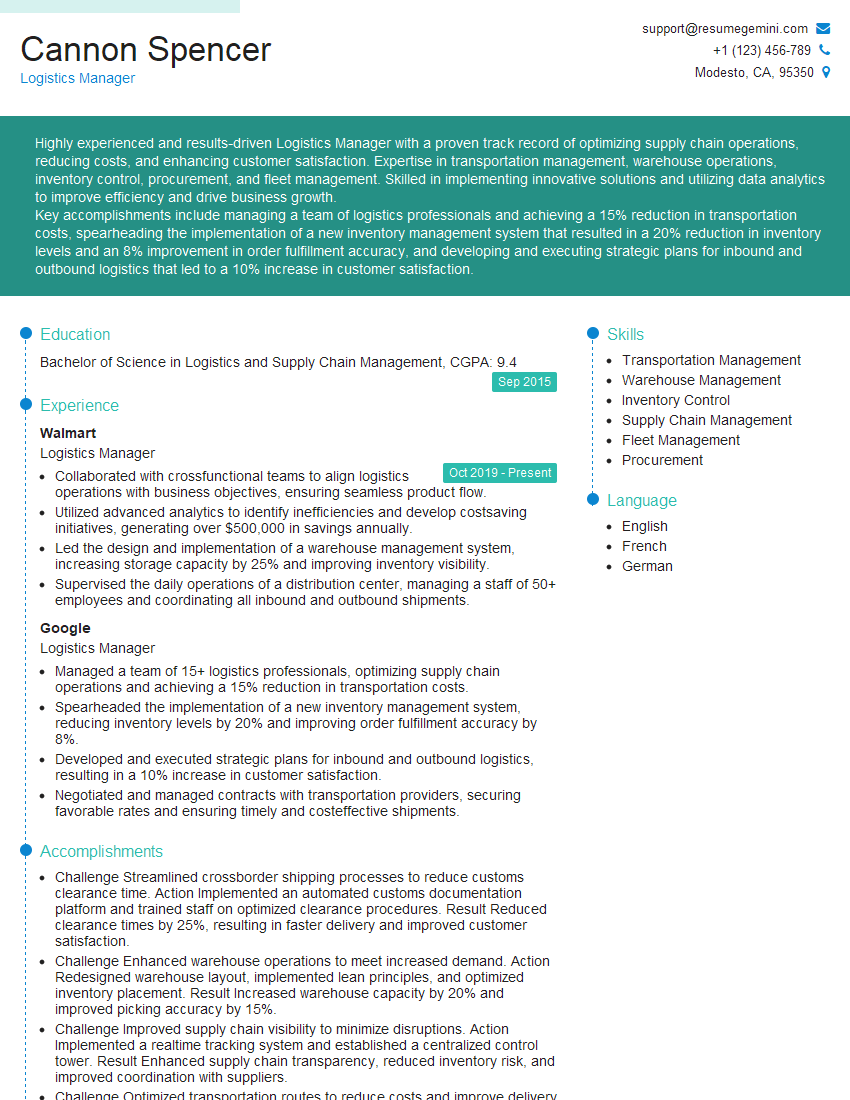
Logistics Manager Resume Sample
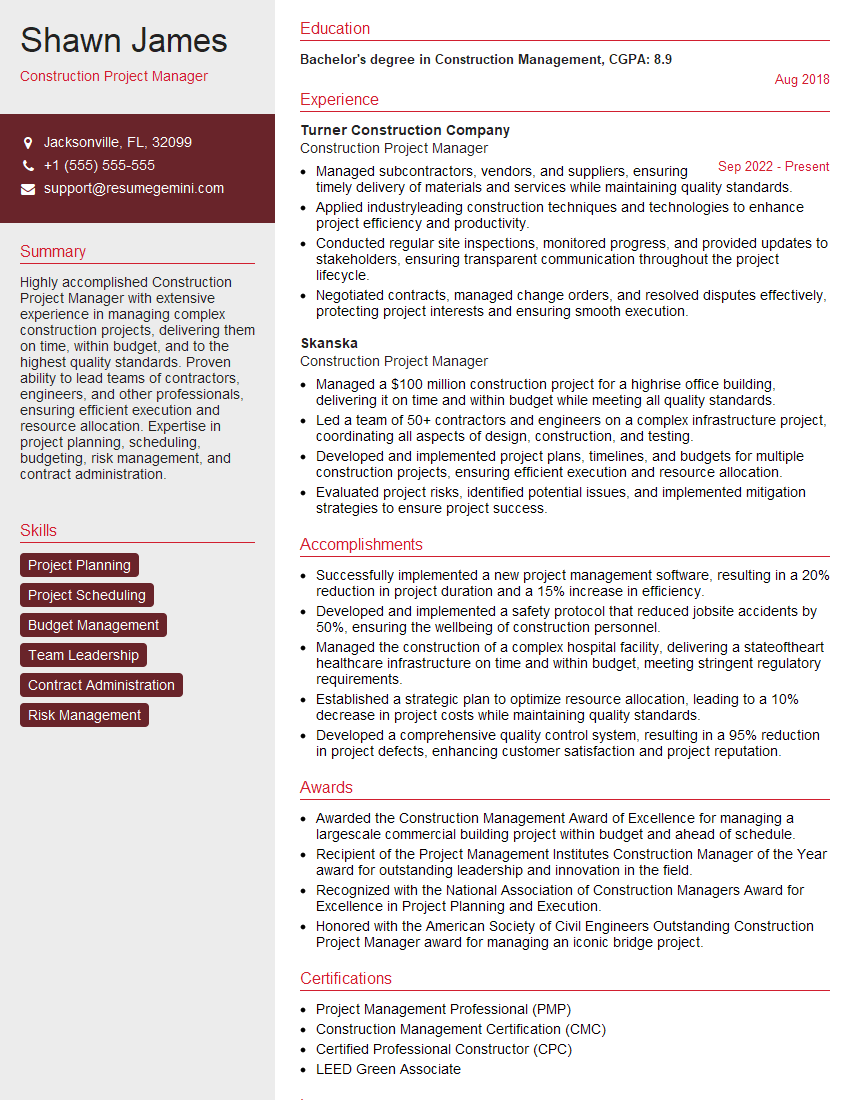
Construction Project Manager Resume Sample

Project Manager Resume Sample
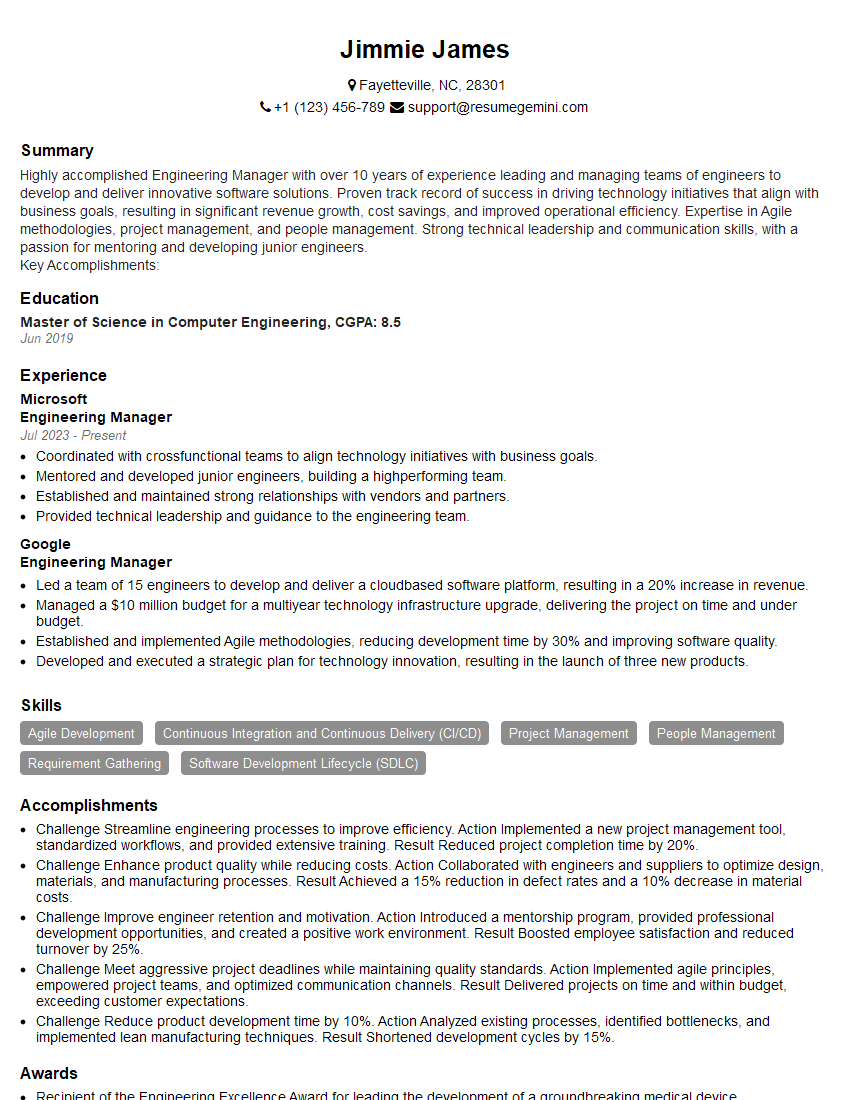
Engineering Manager Resume Sample
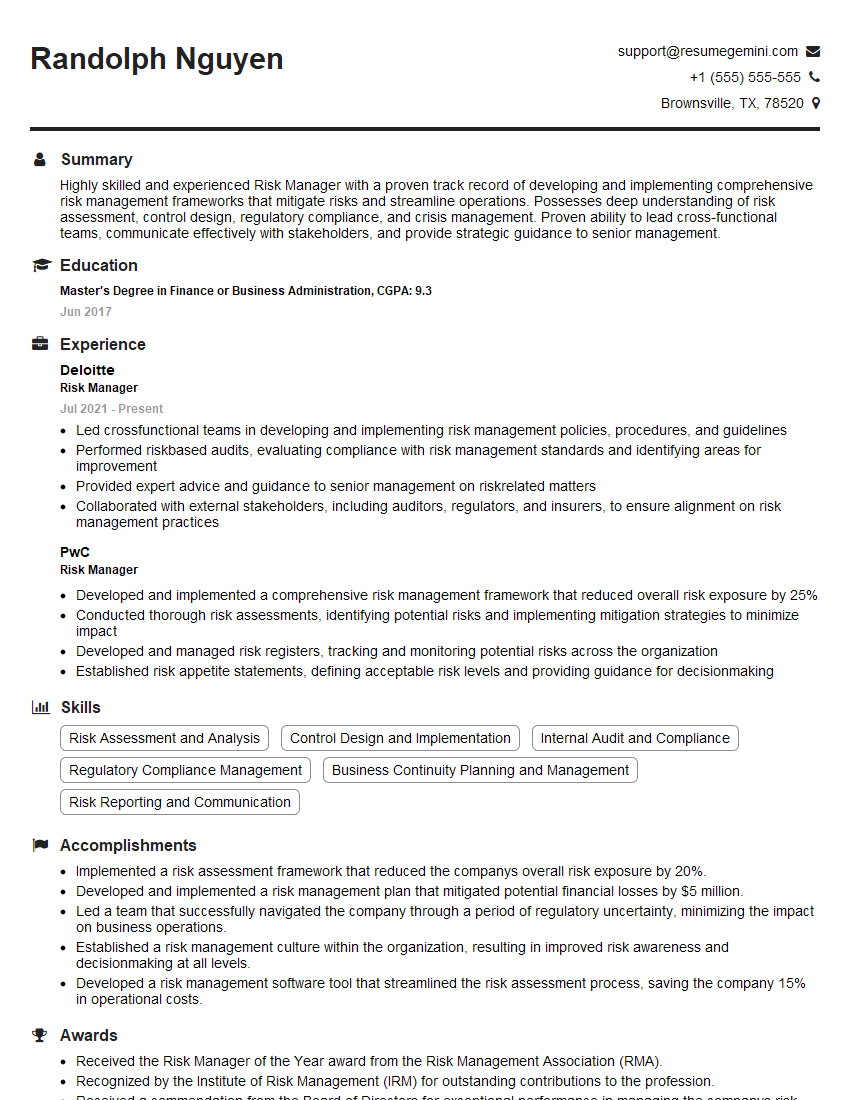
Risk Manager Resume Sample
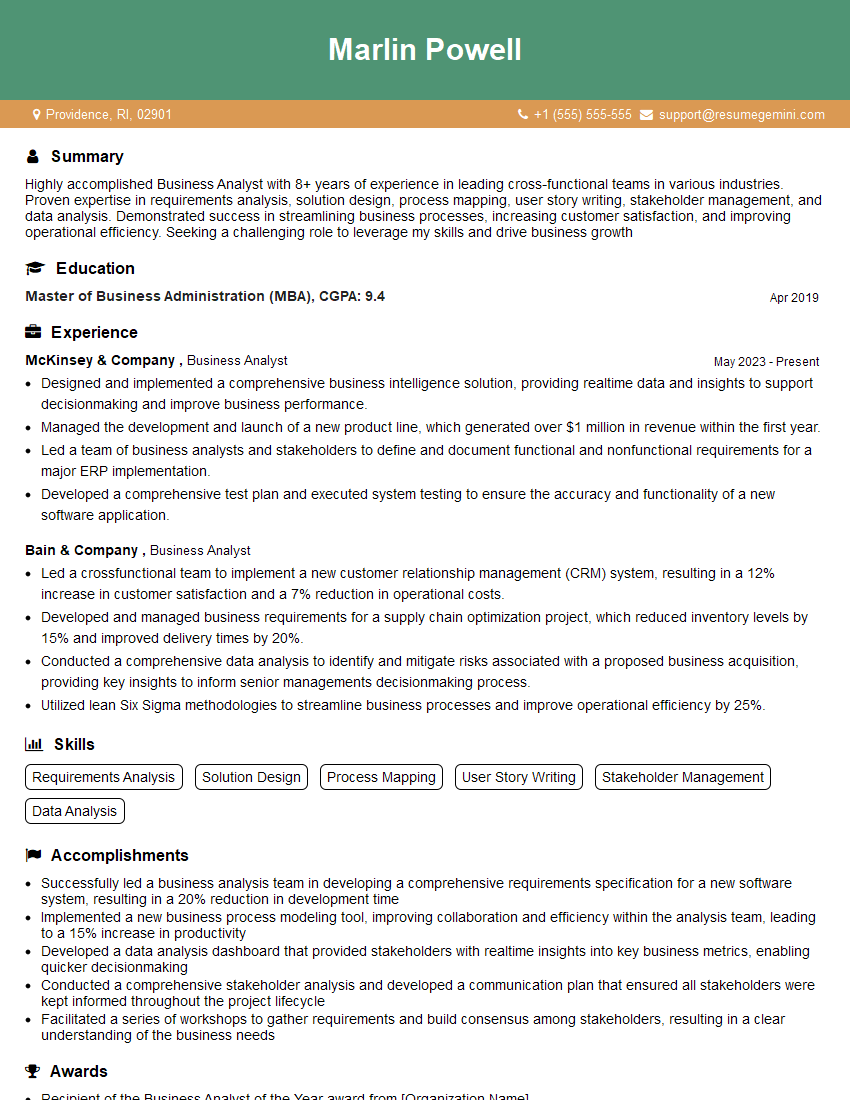
Business Analyst Resume Sample
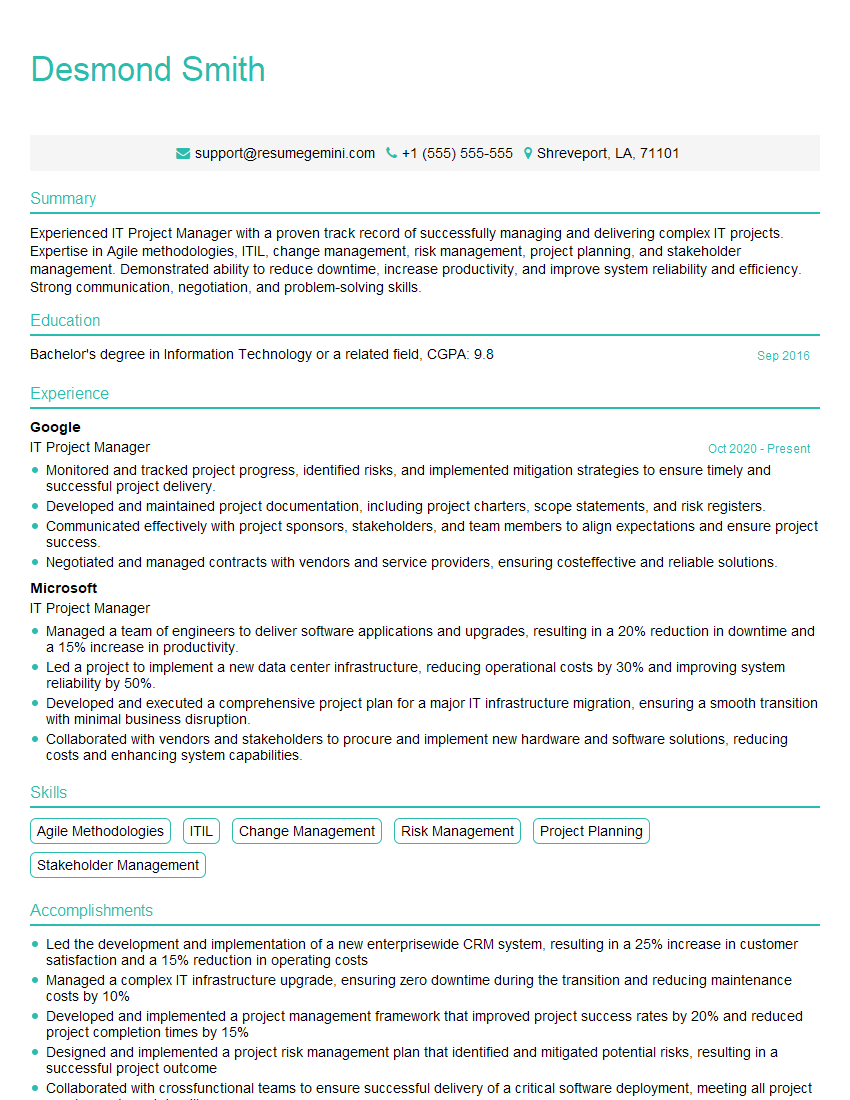
IT Project Manager Resume Sample
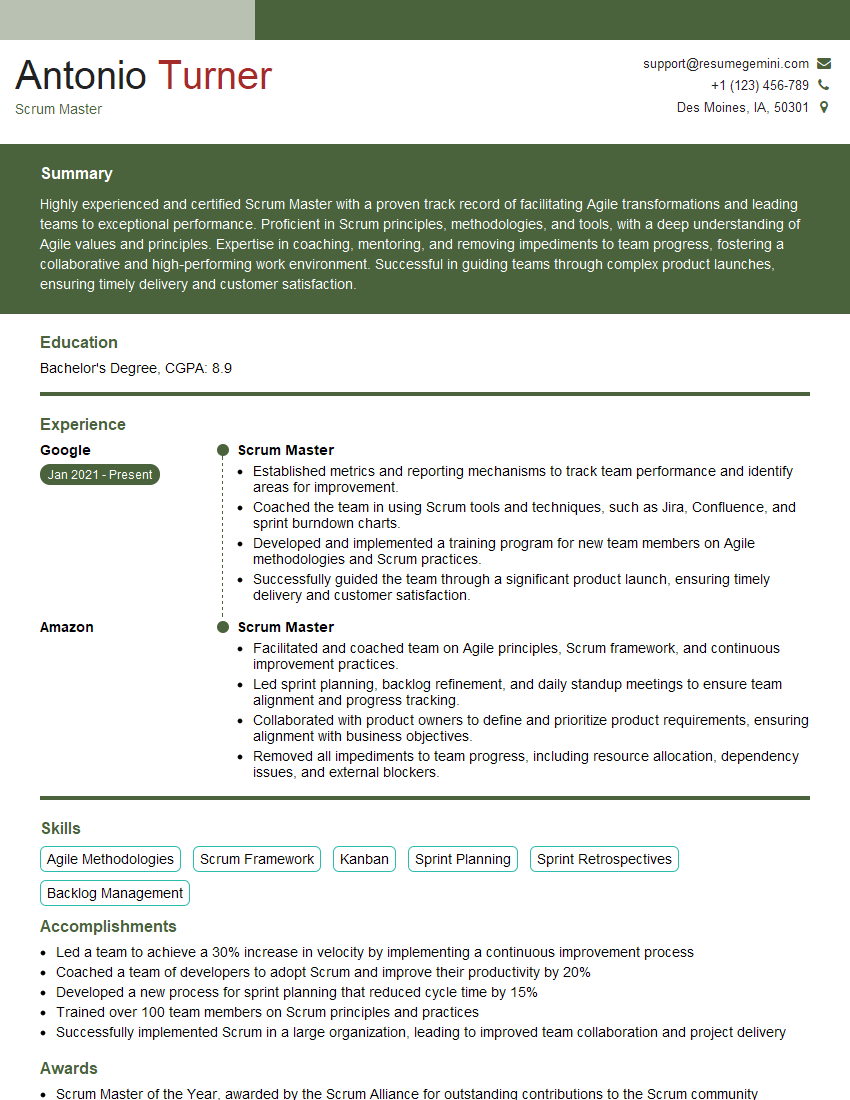
Scrum Master Resume Sample
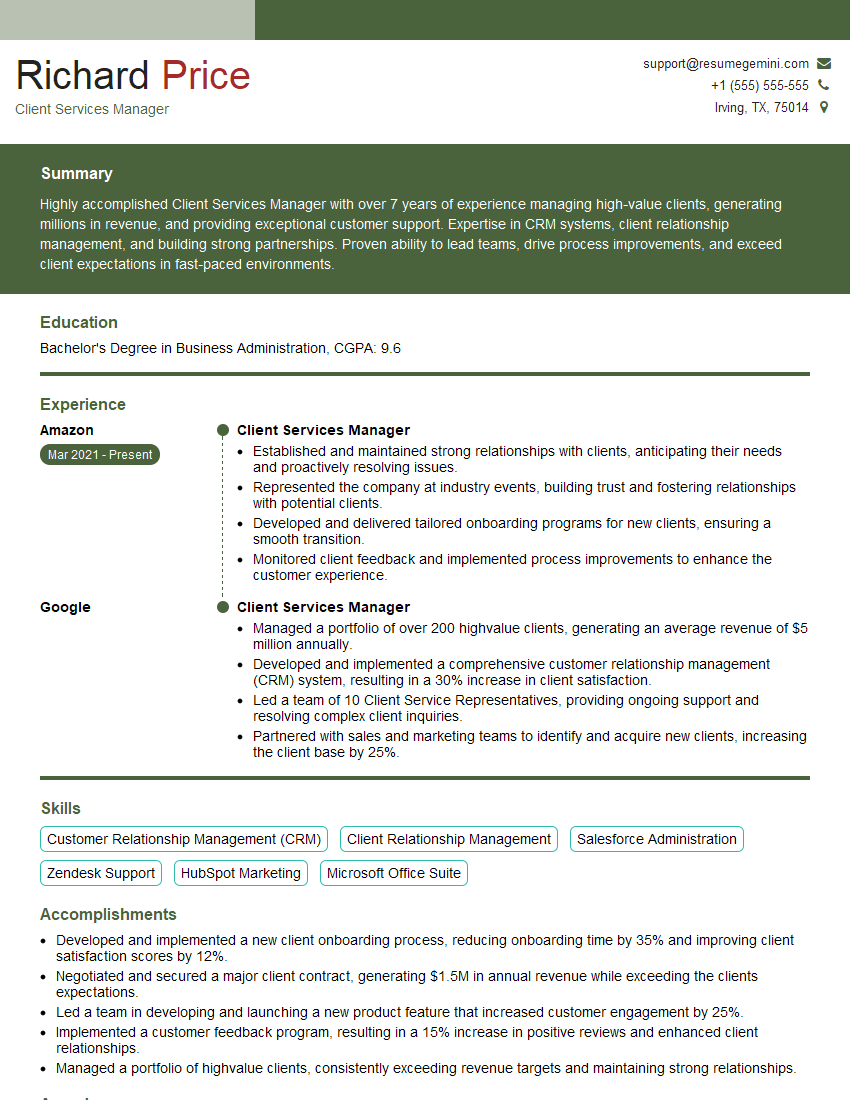
Client Services Manager Resume Sample
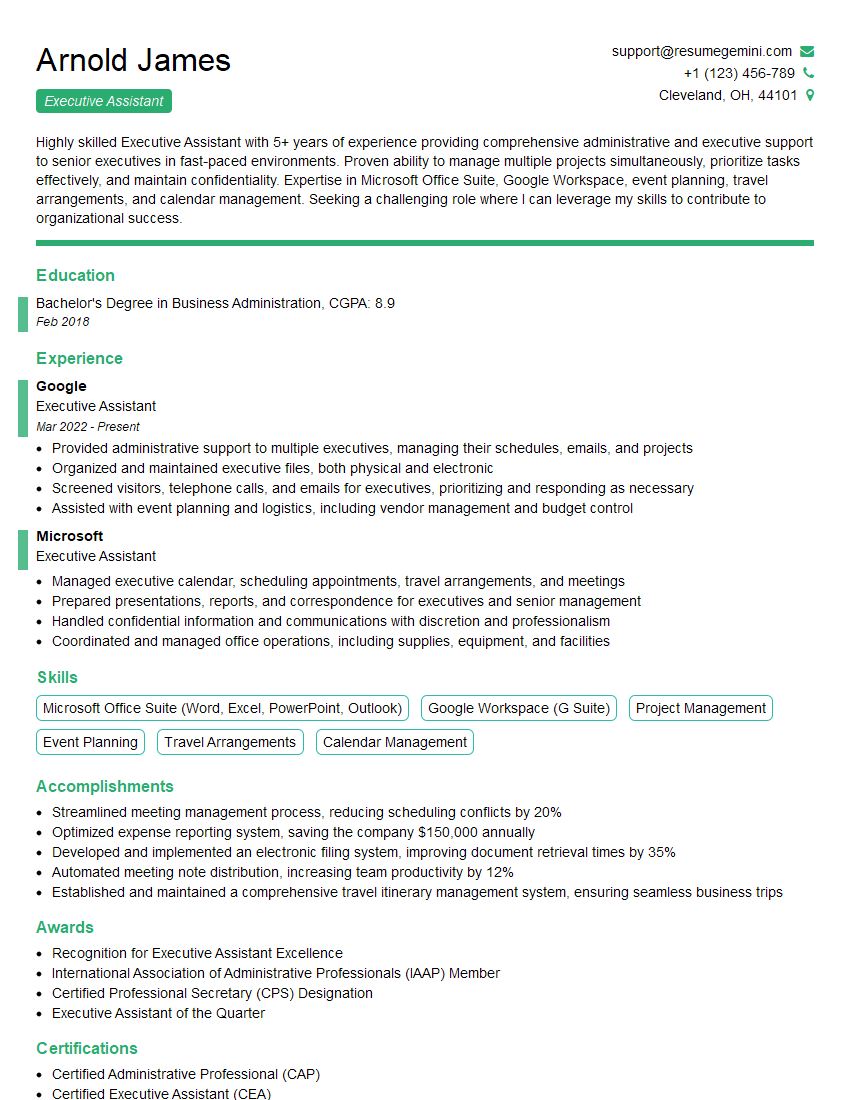
Executive Assistant Resume Sample
- Chief Operating Officer (COO)
- Program Manager
- Office Manager
- Operations Manager
- Production Manager
- Account Manager
- Marketing Manager
- Sales Manager
- Product Manager
- Director of Operations
- Quality Control Manager
- Supply Chain Manager
- Logistics Manager
- Construction Project Manager
- Project Manager
- Engineering Manager
- Risk Manager
- Business Analyst
- IT Project Manager
- Scrum Master
- Client Services Manager
- Executive Assistant
Explore more articles
Users Rating of Our Blogs
Share Your Experience
We value your feedback! Please rate our content and share your thoughts (optional).
What Readers Say About Our Blog
Very informative content, great job.
good