Preparation is the key to success in any interview. In this post, we’ll explore crucial Time Management and Deadlines Adherence interview questions and equip you with strategies to craft impactful answers. Whether you’re a beginner or a pro, these tips will elevate your preparation.
Questions Asked in Time Management and Deadlines Adherence Interview
Q 1. Describe your preferred time management methodology.
My preferred time management methodology is a blend of the Eisenhower Matrix (prioritizing tasks by urgency and importance) and the Pomodoro Technique (working in focused bursts with short breaks). I find this combination incredibly effective. The Eisenhower Matrix helps me strategically allocate my time, focusing on high-impact activities first. Then, the Pomodoro Technique helps maintain focus and prevent burnout during those focused work sessions.
For example, if I have a crucial presentation due next week (important and urgent), I’ll dedicate several Pomodoro sessions to its preparation, scheduling these sessions strategically throughout my week. Less urgent tasks, like responding to emails, are handled during designated time blocks, ensuring they don’t encroach on higher-priority activities.
Q 2. How do you prioritize tasks with competing deadlines?
Prioritizing tasks with competing deadlines requires a systematic approach. I utilize the Eisenhower Matrix, categorizing tasks as Urgent/Important, Important/Not Urgent, Urgent/Not Important, and Not Urgent/Not Important. Tasks in the Urgent/Important quadrant get immediate attention. For the Important/Not Urgent quadrant, I schedule specific times for completion to avoid last-minute rushes. Urgent/Not Important tasks are often delegated or eliminated if possible, and Not Urgent/Not Important tasks are either postponed or removed altogether.
Consider this scenario: I have a project deadline tomorrow (Urgent/Important), a report due next week (Important/Not Urgent), and some minor administrative tasks (Urgent/Not Important). I’ll focus on the project first, then schedule blocks for the report, and either delegate or quickly complete the administrative tasks to avoid them becoming a distraction.
Q 3. What strategies do you use to avoid procrastination?
Procrastination is a common challenge, but I combat it through several strategies. Firstly, I break down large tasks into smaller, more manageable steps. This makes the overall project less daunting. Secondly, I utilize time-blocking, scheduling specific times for working on particular tasks. This creates accountability and prevents me from drifting to less important activities. Finally, I reward myself after completing tasks, reinforcing positive behavior.
For instance, if I’m procrastinating on a lengthy report, instead of viewing it as one overwhelming task, I’ll break it down into sections: research, outline, draft, edit, and final review. I then schedule specific times for each section, rewarding myself with a short break or a small treat after each one is completed.
Q 4. Explain your approach to managing multiple projects simultaneously.
Managing multiple projects simultaneously necessitates a structured approach. I employ project management tools to track progress and deadlines for each project. I create individual to-do lists for each project, and use a master calendar to visualize all deadlines and commitments. This allows me to allocate my time efficiently and avoid conflicts. I prioritize tasks based on their overall importance and urgency across all projects.
For example, using a project management tool like Asana or Trello, I’d create separate boards for each project. Each board would contain lists for different phases of the project, and each task would have a due date. My master calendar would integrate all deadlines from these projects, giving me a holistic view of my workload.
Q 5. How do you handle unexpected delays or obstacles?
Unexpected delays and obstacles are inevitable. My response involves a two-pronged approach. First, I assess the impact of the delay on other tasks and deadlines. This assessment helps determine the best course of action. Second, I communicate proactively with relevant stakeholders, informing them of the delay and outlining the steps being taken to address it. Flexibility and open communication are crucial during such times.
For instance, if an unexpected software glitch delays a project, I’d immediately assess the delay’s impact on the final deadline and then inform my team and client, providing a revised timeline. I might also explore workarounds, such as using a different tool or adjusting tasks to mitigate the impact.
Q 6. Describe a time you successfully met a challenging deadline.
In a previous role, I was tasked with launching a new product within an extremely tight deadline – just six weeks. This required meticulous planning and execution. I broke down the project into phases, assigning clear responsibilities and deadlines for each team member. We held daily stand-up meetings to track progress and address any roadblocks immediately. Through proactive communication and consistent monitoring, we successfully launched the product on time, exceeding expectations.
This experience taught me the importance of proactive communication, thorough planning, and decisive action in the face of tight deadlines. The ability to adapt and solve problems collaboratively is key to success in high-pressure situations.
Q 7. How do you delegate tasks effectively to meet deadlines?
Effective delegation is vital for meeting deadlines, especially in team environments. I ensure I delegate tasks to individuals with the necessary skills and capacity. Before delegating, I provide clear instructions, including expectations, deadlines, and resources. I also set up regular check-in points to monitor progress and provide support. This ensures accountability and helps prevent potential delays.
When delegating, I always focus on matching the task to the individual’s expertise. I won’t delegate a complex coding task to someone unfamiliar with the language. I’ll also outline clear success criteria to ensure everyone understands the expectations, avoiding misinterpretations and wasted time.
Q 8. What tools or techniques do you use for time tracking and project management?
Effective time management hinges on a robust system for tracking time and managing projects. I leverage a combination of tools and techniques tailored to the project’s complexity and my personal preferences. For smaller projects, I might utilize a simple to-do list app like Todoist, categorizing tasks by priority and deadline. This allows for a quick overview and easy tracking of progress. For larger, more complex projects, I prefer project management software like Asana or Jira. These platforms allow for detailed task breakdowns, collaboration with team members, and visual representations of project timelines using Gantt charts. Additionally, I regularly employ time-blocking techniques, allocating specific time slots for particular tasks in my calendar. This helps prevent task-switching and maximizes focus. Finally, I consistently review my time logs to identify time sinks and areas for improvement, continuously refining my approach.
For example, in a recent web development project, I used Jira to manage sprints, track bugs, and assign tasks. The visual progress tracking within Jira was invaluable for both myself and the client to see the project’s trajectory and identify potential roadblocks early.
Q 9. How do you communicate project status and potential delays to stakeholders?
Transparent and proactive communication is crucial for maintaining stakeholder trust and managing expectations. I utilize various communication channels to ensure timely updates, addressing potential delays promptly and constructively. Regular project status reports, emailed weekly or bi-weekly, provide a comprehensive overview of progress, highlighting key milestones achieved and anticipated challenges. For more immediate updates or critical issues, I favor quick, concise communication via email or instant messaging platforms such as Slack. When delays are unavoidable, I offer proactive communication, explaining the reasons for the delay, proposing mitigation strategies, and presenting a revised timeline with realistic expectations. It’s important to frame potential delays as opportunities for improvement and course correction, not as failures.
For instance, during a marketing campaign, a critical design asset was delayed due to unforeseen circumstances. I immediately informed the stakeholders, explained the root cause, provided an adjusted timeline, and offered alternative solutions. This open communication helped alleviate concerns and maintained their confidence in the project’s success.
Q 10. How do you identify and mitigate potential time management risks?
Risk identification and mitigation is a critical component of successful project management. I employ a proactive risk assessment approach, identifying potential roadblocks early in the project lifecycle. This involves carefully reviewing project requirements, considering potential dependencies, and anticipating potential issues such as resource constraints, technical challenges, or scope creep. For each identified risk, I develop a mitigation strategy—a detailed plan to prevent or minimize the impact of the risk. This might include allocating buffer time, securing additional resources, establishing contingency plans, or developing alternative solutions. Regular monitoring and review are crucial to adapt mitigation strategies as needed, ensuring that the project remains on track.
In a previous project, I anticipated potential delays in obtaining necessary approvals. My mitigation strategy involved initiating the approval process early, building in extra time into the schedule, and having backup options in case of delays. This foresight prevented a major delay and kept the project timeline intact.
Q 11. How do you adapt your time management strategies to different project requirements?
Adaptability is a key skill in time management. My approach to time management varies significantly depending on project size, complexity, and team dynamics. For small, independent projects, I might use a simple task list and time-blocking techniques. For larger, collaborative projects, I rely on agile methodologies and project management software to track progress, manage dependencies, and ensure team alignment. In fast-paced, deadline-driven environments, I prioritize critical tasks and employ techniques like the Pomodoro Technique to maintain focus and prevent burnout. In projects with more flexibility, I allow for a more fluid approach, balancing planned tasks with opportunities for creative problem-solving. The key is to select the best tools and techniques for the specific needs of the project.
For example, a small website design project might only require a to-do list and a calendar, while a large software development project would need a more robust system using Agile principles, daily stand-up meetings, and project management software.
Q 12. Describe your experience using project management software.
I have extensive experience using various project management software solutions. My proficiency extends across platforms such as Asana, Jira, Trello, and Monday.com. I’m comfortable with all aspects of these tools, including task creation and assignment, progress tracking, Gantt chart generation, resource allocation, and reporting. I understand how to leverage these tools to foster collaboration, improve communication, and ensure project visibility for all stakeholders. Beyond basic functionality, I understand the use of customized workflows, automation tools, and reporting features to optimize productivity and facilitate informed decision-making. My experience with these tools allows me to select the most appropriate platform based on the project requirements and team dynamics.
For instance, in one project, we used Asana’s custom fields to track specific design elements throughout the approval process, significantly improving transparency and reducing bottlenecks.
Q 13. What is your process for setting realistic deadlines?
Setting realistic deadlines requires a thorough understanding of the project scope, resource availability, and potential challenges. My process begins with a detailed task breakdown, estimating the time required for each task based on past experience and industry benchmarks. I consider potential dependencies between tasks and account for potential delays or unforeseen issues by adding buffer time. This buffer time acts as a safety net, mitigating the risk of missed deadlines due to unexpected complications. Once task durations are estimated, I create a project timeline, ensuring that deadlines are aligned with overall project goals and stakeholder expectations. The final step involves reviewing the timeline with stakeholders to ensure alignment and address any concerns. This collaborative approach fosters buy-in and enhances the likelihood of deadline adherence.
For example, when planning a large-scale event, I wouldn’t just consider the direct event preparation time but also factor in the time needed for venue booking, permit acquisition, and marketing campaigns, all of which have their own potential delays.
Q 14. How do you ensure you’re not overcommitted?
Overcommitment is a common pitfall, leading to stress, reduced quality of work, and missed deadlines. I employ several strategies to prevent this. Firstly, I prioritize tasks using methods such as the Eisenhower Matrix (urgent/important), ensuring that I focus on high-impact activities first. Secondly, I regularly review my workload and calendar, identifying potential conflicts and adjusting my commitments accordingly. I’m comfortable saying ‘no’ to new tasks if my current workload is already at capacity. Thirdly, I proactively communicate with stakeholders about my capacity, setting clear expectations and managing their requests effectively. This transparent communication ensures everyone is aware of my limitations and helps prevent overcommitment. Finally, I utilize time-blocking and prioritization techniques to ensure sufficient time is allocated for each task, optimizing my productivity and preventing burnout.
If I’m feeling overwhelmed, I don’t hesitate to delegate tasks where appropriate or request for extensions if necessary. Maintaining open communication is key in preventing overcommitment.
Q 15. How do you handle interruptions that disrupt your workflow?
Interruptions are inevitable, but their impact can be minimized with proactive strategies. My approach is a blend of preventative measures and reactive techniques. Prevention involves establishing dedicated focus blocks in my schedule, communicating my availability (e.g., using a ‘Do Not Disturb’ status), and creating a physical workspace conducive to concentration. When interruptions do occur, I employ a few key methods. First, I politely but firmly acknowledge the interruption and, if appropriate, set a clear time limit for addressing it. For example, I might say, “I can help you with that in 10 minutes. Let me finish this task first.” Second, I use a task management system to quickly jot down the interruption so I don’t forget to address it later. This prevents mental clutter and allows me to regain my focus on the primary task. Finally, I employ the ‘Pomodoro Technique,’ working in focused bursts with short breaks to refresh my mind, making me more resilient to distractions during my focused work periods.
Career Expert Tips:
- Ace those interviews! Prepare effectively by reviewing the Top 50 Most Common Interview Questions on ResumeGemini.
- Navigate your job search with confidence! Explore a wide range of Career Tips on ResumeGemini. Learn about common challenges and recommendations to overcome them.
- Craft the perfect resume! Master the Art of Resume Writing with ResumeGemini’s guide. Showcase your unique qualifications and achievements effectively.
- Don’t miss out on holiday savings! Build your dream resume with ResumeGemini’s ATS optimized templates.
Q 16. What is your approach to managing your own workload and stress levels?
Managing workload and stress involves a multi-faceted approach that emphasizes planning, prioritization, and self-care. I begin by using a project management tool to break down large tasks into smaller, manageable steps. This makes the overall project less daunting and provides a sense of accomplishment as I complete each step. I prioritize tasks based on urgency and importance using methods like the Eisenhower Matrix (urgent/important). I also allocate specific time blocks for different tasks, ensuring I schedule breaks and personal time. This prevents burnout and maintains a healthy work-life balance. Stress management includes incorporating mindfulness techniques like meditation or deep breathing exercises throughout the day. Regular physical activity, sufficient sleep, and a healthy diet are also crucial for maintaining energy levels and resilience to stress. Regularly reviewing my schedule and adjusting priorities as needed allows for flexibility and prevents feeling overwhelmed.
Q 17. How do you measure your own time management effectiveness?
Measuring time management effectiveness isn’t about solely focusing on completing tasks quickly; it’s about achieving the right tasks effectively. I use a combination of methods. First, I track my time spent on tasks using time-tracking software to identify time-wasting activities. This provides data-driven insights into where my time is actually going. Second, I regularly review my completed tasks against my planned schedule. This helps me understand my ability to accurately estimate task durations and adjust my planning accordingly. Finally, and perhaps most importantly, I assess the quality of my work. Meeting deadlines is crucial, but delivering high-quality output is paramount. If I consistently meet deadlines but the quality suffers, it signals a need to re-evaluate my workflow and prioritize quality over speed. The key is not just to be busy, but to be productive and deliver results.
Q 18. How do you handle conflicting priorities?
Conflicting priorities are a common challenge, requiring a structured approach to resolution. My process starts with clearly identifying all competing priorities. Then, I assess each priority based on its urgency and importance, often using the Eisenhower Matrix. This helps to categorize tasks as: Do (urgent and important), Decide (important but not urgent), Delegate (urgent but not important), and Delete (neither urgent nor important). This framework clarifies which tasks need immediate attention and which can be scheduled or delegated. Sometimes, negotiation is necessary. If deadlines from different projects conflict, I communicate proactively with stakeholders, explaining the situation and exploring options like adjusting deadlines or re-allocating resources. Open communication is key to finding mutually acceptable solutions and managing expectations.
Q 19. Have you ever missed a deadline? How did you handle it?
Yes, I have missed deadlines in the past. It’s a learning experience rather than a failure. In one instance, I underestimated the complexity of a project, leading to a missed deadline. My response involved immediately notifying the relevant stakeholders, clearly explaining the reason for the delay, and proposing a revised timeline with realistic milestones. Transparency is crucial. I then worked extended hours to catch up, prioritizing the critical elements to deliver a functional, albeit not fully feature-complete, product on time. I also conducted a post-mortem analysis to identify the root cause of the delay (inaccurate estimation in this case) and implemented changes to my workflow, such as more detailed task breakdown and more conservative time estimations, to prevent future occurrences. Learning from mistakes is integral to continuous improvement.
Q 20. Describe a situation where you had to adjust your plans due to unforeseen circumstances.
During a large-scale project, an unexpected system failure occurred, halting our progress. Instead of panicking, I immediately assembled the team to assess the situation. We prioritized the recovery of critical data and systems, while simultaneously exploring contingency plans. We communicated the delay to relevant stakeholders, providing regular updates on our progress and outlining the steps taken to mitigate the impact. We successfully recovered from the disruption by leveraging backups and implementing temporary solutions. This experience highlighted the importance of having robust contingency plans and strong team communication during unforeseen crises. It reinforced the need for adaptability and proactive problem-solving in the face of unexpected challenges.
Q 21. How do you use technology to enhance your time management?
Technology plays a vital role in enhancing my time management. I use a combination of tools to optimize my workflow. My calendar is integrated with task management software, allowing for seamless scheduling and task prioritization. Google Calendar and Asana are examples of tools I effectively use. This integration prevents scheduling conflicts and helps visualize my workload. Time-tracking software helps me understand my time usage patterns, identifying areas for improvement and optimizing my time allocation. I utilize project management tools for team collaboration and communication, streamlining workflows and promoting efficient task delegation. Collaboration platforms like Slack or Microsoft Teams are crucial for quick communication and updates, minimizing time wasted on email. The key is to select tools that integrate well and simplify my workflow, rather than adding unnecessary complexity.
Q 22. What is your experience with Agile methodologies and sprint planning?
Agile methodologies, particularly sprint planning, are fundamental to my approach to time management and deadline adherence. I have extensive experience working within Scrum and Kanban frameworks. In sprint planning, I actively participate in estimating tasks, identifying dependencies, and creating a realistic sprint backlog. This involves collaborative discussions with the team to break down large tasks into smaller, manageable user stories. My focus is on creating a sprint goal that is both ambitious yet achievable, ensuring we avoid scope creep and maintain a sustainable pace. For example, in a recent project developing a new e-commerce feature, we used story points to estimate the complexity of each task, then visualized the sprint backlog on a Kanban board to track progress and identify potential bottlenecks early on. This proactive approach significantly improved our ability to meet sprint goals and deliver value incrementally.
Q 23. How do you stay organized and track progress on multiple tasks?
Staying organized and tracking progress across multiple tasks requires a multi-pronged approach. I utilize a combination of tools and techniques. Firstly, I employ a project management tool like Jira or Asana to create and assign tasks, set deadlines, and monitor progress. This allows for clear visibility into the status of each task and facilitates efficient communication with the team. Secondly, I leverage time-blocking techniques within my calendar to schedule dedicated time slots for specific tasks. This helps me avoid task-switching and maintain focus. Thirdly, I regularly review my to-do list and prioritize tasks based on urgency and importance, using a system like the Eisenhower Matrix (Urgent/Important). Finally, I schedule regular progress reviews, both personally and with my team, to identify any roadblocks or delays and make necessary adjustments.
Q 24. How do you motivate yourself and your team to meet deadlines?
Motivating myself and my team to meet deadlines involves a blend of clear communication, recognition, and collaborative problem-solving. I ensure that deadlines are realistic and collaboratively agreed upon, fostering a sense of ownership and shared responsibility. I provide regular feedback and celebrate successes, both individually and as a team, to boost morale and reinforce positive behavior. When challenges arise, I focus on open communication to identify the root cause of any delays and collaboratively brainstorm solutions, empowering team members to contribute their expertise. For instance, in one project facing a tight deadline, we held daily stand-up meetings to quickly address any emerging issues, and I actively mentored team members who were struggling with specific tasks, ultimately enabling us to deliver on time.
Q 25. Describe your experience with risk assessment and mitigation related to deadlines.
Risk assessment and mitigation are crucial for successful deadline adherence. I proactively identify potential risks through thorough planning and risk brainstorming sessions with the team. We consider factors such as resource availability, technological challenges, and dependencies on external factors. Once identified, we prioritize risks based on their likelihood and potential impact. Mitigation strategies are then developed and documented, including contingency plans for high-impact risks. For example, if a key resource is unavailable, we might allocate the task to another team member or seek external support. Regular monitoring and reassessment are essential to ensure that mitigation plans remain effective throughout the project lifecycle. Documentation is key, allowing for traceability and informed decision-making.
Q 26. How do you balance urgent and important tasks?
Balancing urgent and important tasks is a core skill in effective time management. I utilize the Eisenhower Matrix, categorizing tasks as Urgent/Important, Important/Not Urgent, Urgent/Not Important, and Neither. I prioritize tasks in the Urgent/Important quadrant first, as these require immediate attention. Next, I focus on the Important/Not Urgent quadrant, proactively addressing tasks that are crucial but not time-sensitive. Tasks in the Urgent/Not Important quadrant are delegated or eliminated if possible, and those in the Neither quadrant are simply removed from the list. This framework helps avoid reactive firefighting and allows for strategic planning and proactive task completion.
Q 27. How do you proactively identify potential time constraints?
Proactive identification of potential time constraints requires a holistic approach. This begins with a detailed project plan that includes realistic estimations for each task, factoring in potential delays. I incorporate buffer time into the schedule to account for unforeseen circumstances. Regular progress monitoring, utilizing tools like Gantt charts and burn-down charts, allows for early detection of deviations from the plan. Moreover, open communication with the team and stakeholders helps to quickly identify potential obstacles or resource limitations. By constantly monitoring progress and proactively addressing emerging issues, we can avoid critical path delays and ensure timely project completion.
Q 28. What are your strategies for effective meeting management?
Effective meeting management is crucial for maximizing productivity. Before any meeting, I ensure a clear agenda is distributed in advance, outlining objectives and expected outcomes. During the meeting, I stick to the agenda, ensuring that discussions remain focused and productive. I encourage active participation from all attendees but manage time effectively, preventing any single topic from dominating the discussion. Decisions and action items are clearly documented, and assigned to specific individuals with clear deadlines. Post-meeting, minutes are distributed promptly, ensuring everyone is aligned on next steps. This structured approach ensures that meetings are efficient and valuable, avoiding wasted time and promoting clear communication.
Key Topics to Learn for Time Management and Deadlines Adherence Interview
- Prioritization Techniques: Understanding methods like Eisenhower Matrix (Urgent/Important), MoSCoW method (Must have/Should have/Could have/Won’t have), and Pareto Principle (80/20 rule) to effectively allocate time to high-impact tasks.
- Planning & Scheduling: Practical application of calendars, task management tools, and time-blocking strategies for efficient workflow and deadline adherence. Explore different planning methodologies (e.g., Agile, Kanban).
- Proactive vs. Reactive Time Management: Differentiating between planning and responding to urgent requests; developing strategies to minimize reactive work and maximize proactive planning.
- Goal Setting & Decomposition: Breaking down large projects into smaller, manageable tasks with clear deadlines, fostering a sense of accomplishment and preventing overwhelm.
- Stress Management & Time Optimization: Identifying personal time-wasting habits and implementing strategies for improved focus and efficiency, including techniques to manage stress and avoid burnout.
- Communication & Collaboration: Effectively communicating deadlines and progress updates with team members and stakeholders; proactively addressing potential roadblocks and seeking assistance when needed.
- Tools & Technologies: Familiarity with common project management software and productivity tools (mentioning categories, not specific tools, to encourage independent research).
- Self-Assessment & Improvement: Regularly reviewing personal time management strategies and identifying areas for improvement; utilizing feedback to refine techniques and enhance performance.
Next Steps
Mastering time management and deadline adherence is crucial for career advancement. It demonstrates responsibility, efficiency, and a strong work ethic – qualities highly valued by employers. To significantly boost your job prospects, create an ATS-friendly resume that clearly highlights your skills in this area. ResumeGemini is a trusted resource that can help you build a professional and impactful resume. We provide examples of resumes tailored to showcase expertise in Time Management and Deadlines Adherence to help you create a winning application.
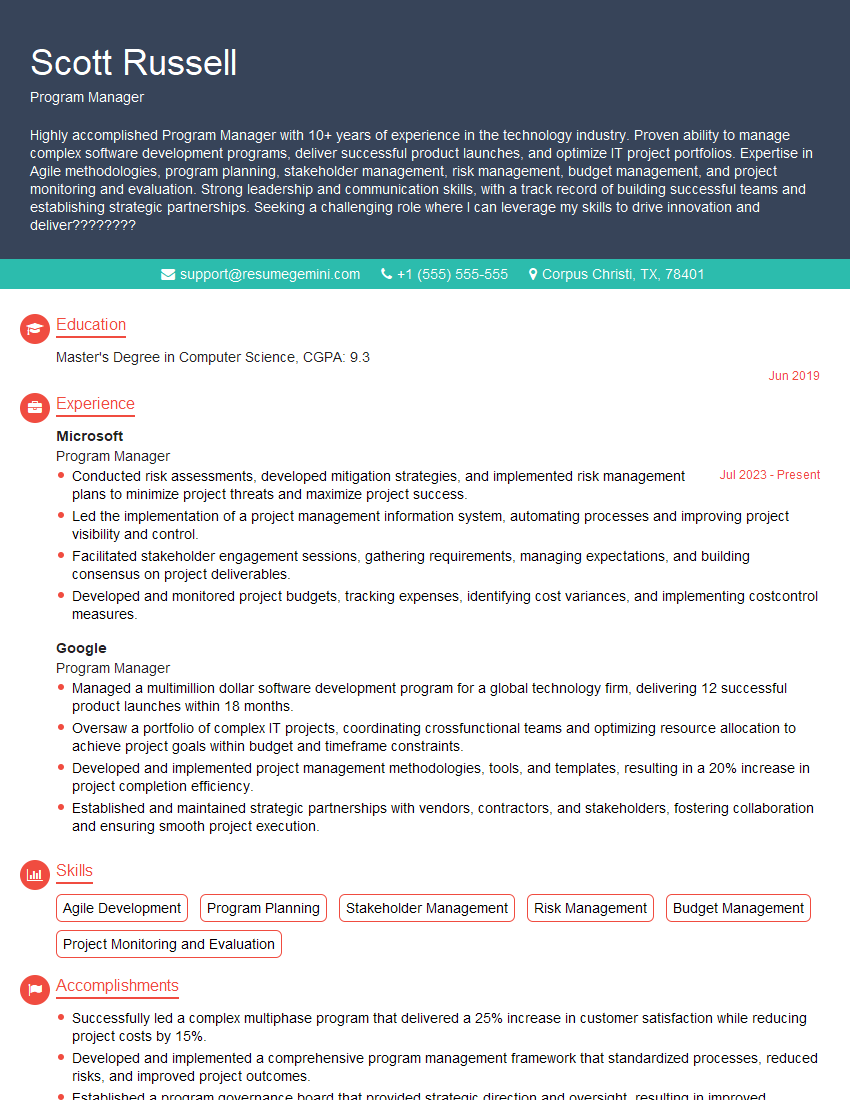
Program Manager Resume Sample
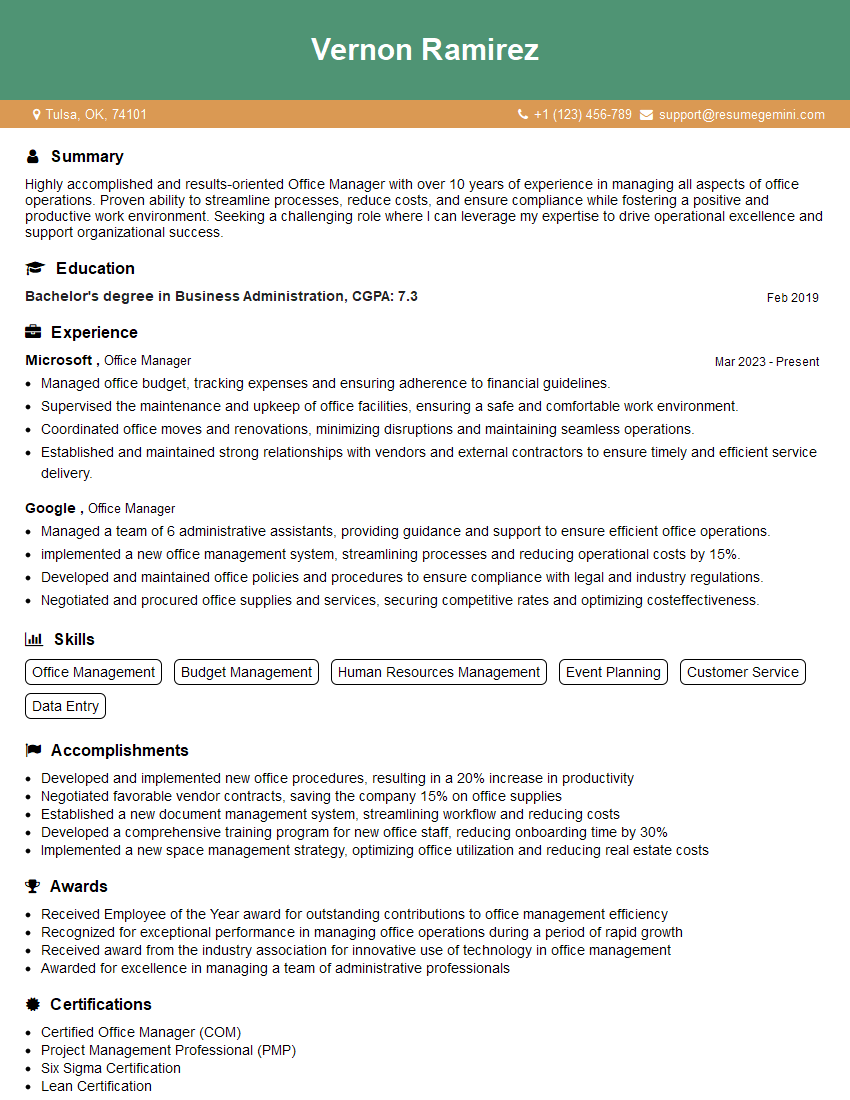
Office Manager Resume Sample
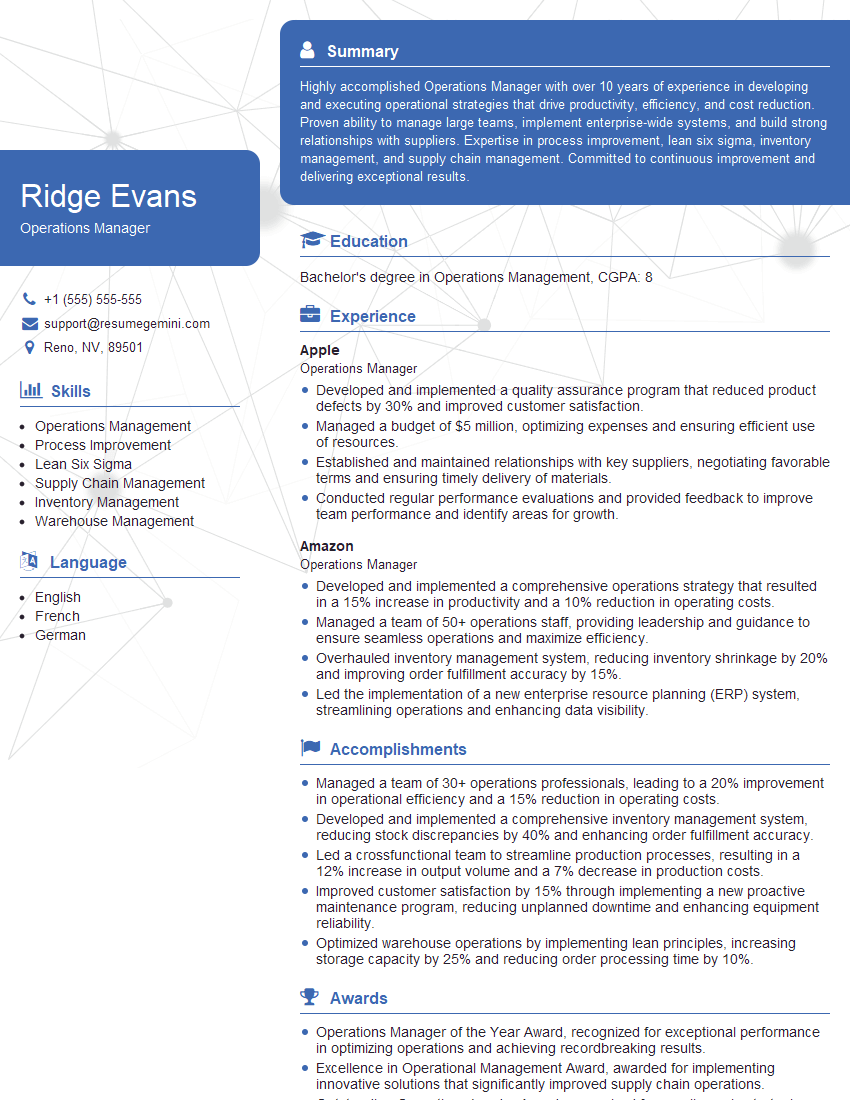
Operations Manager Resume Sample
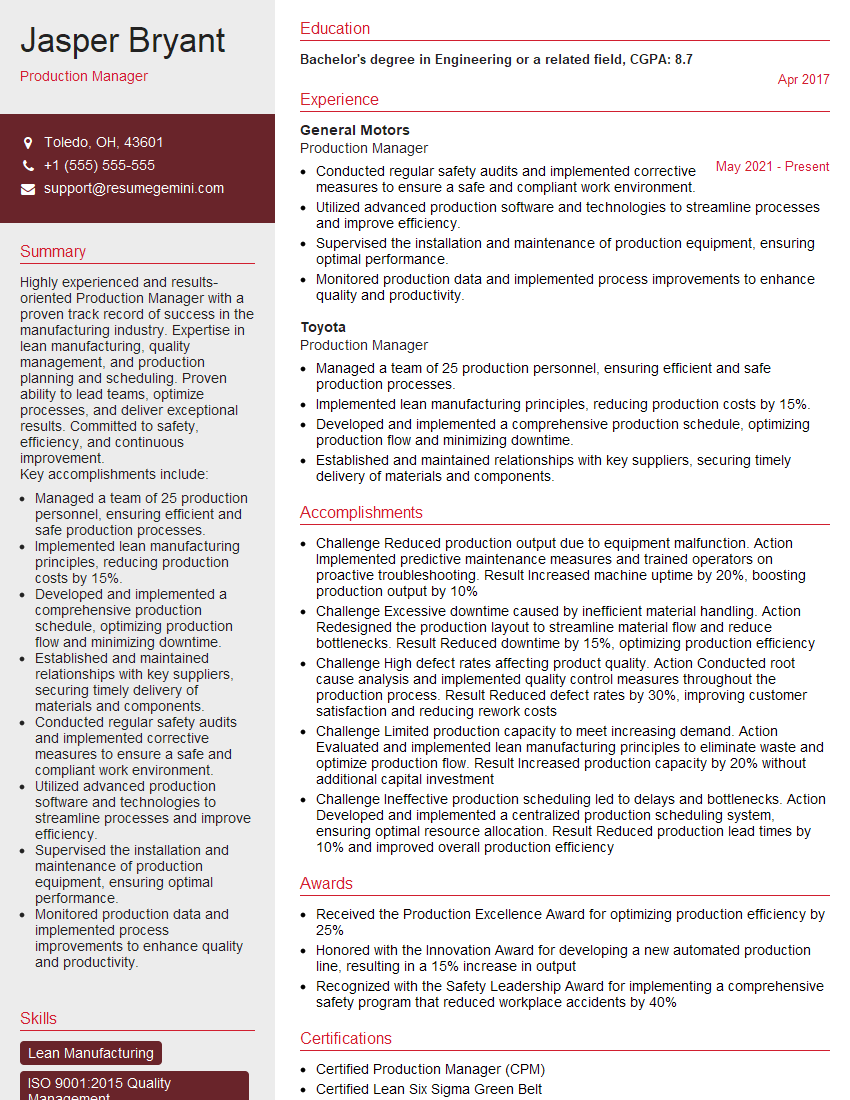
Production Manager Resume Sample
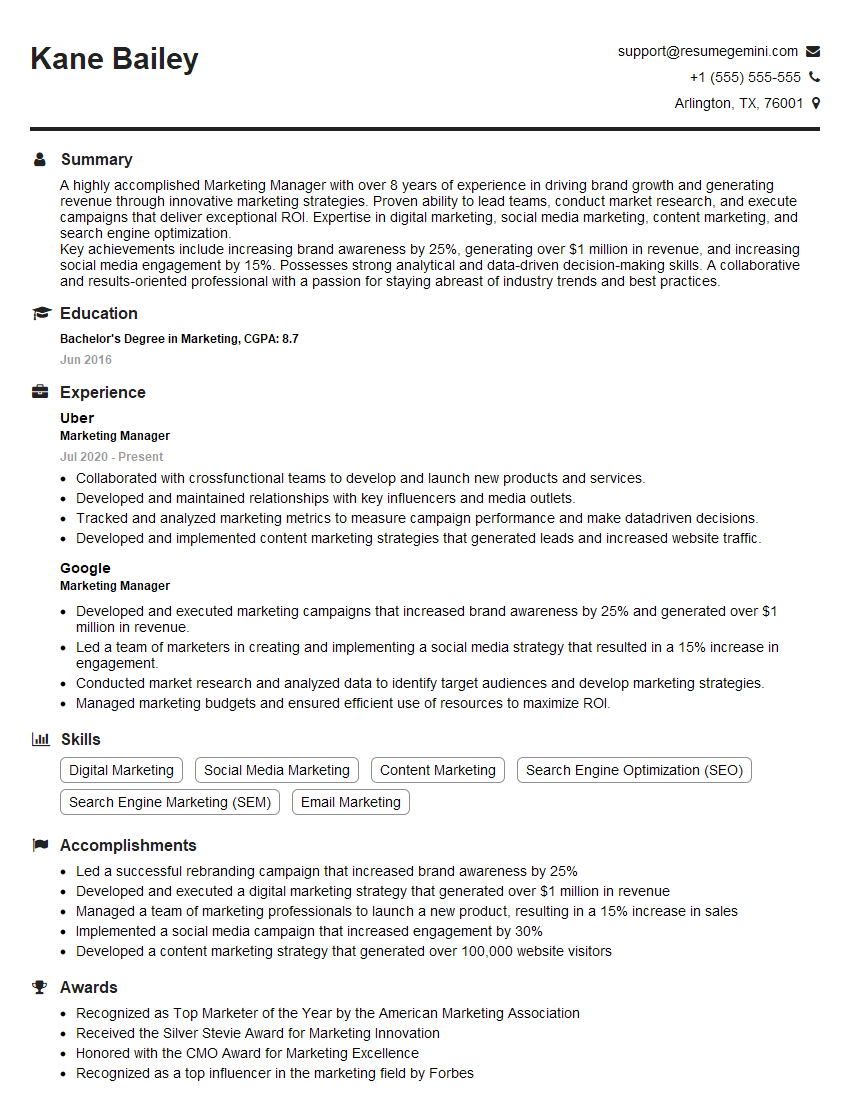
Marketing Manager Resume Sample
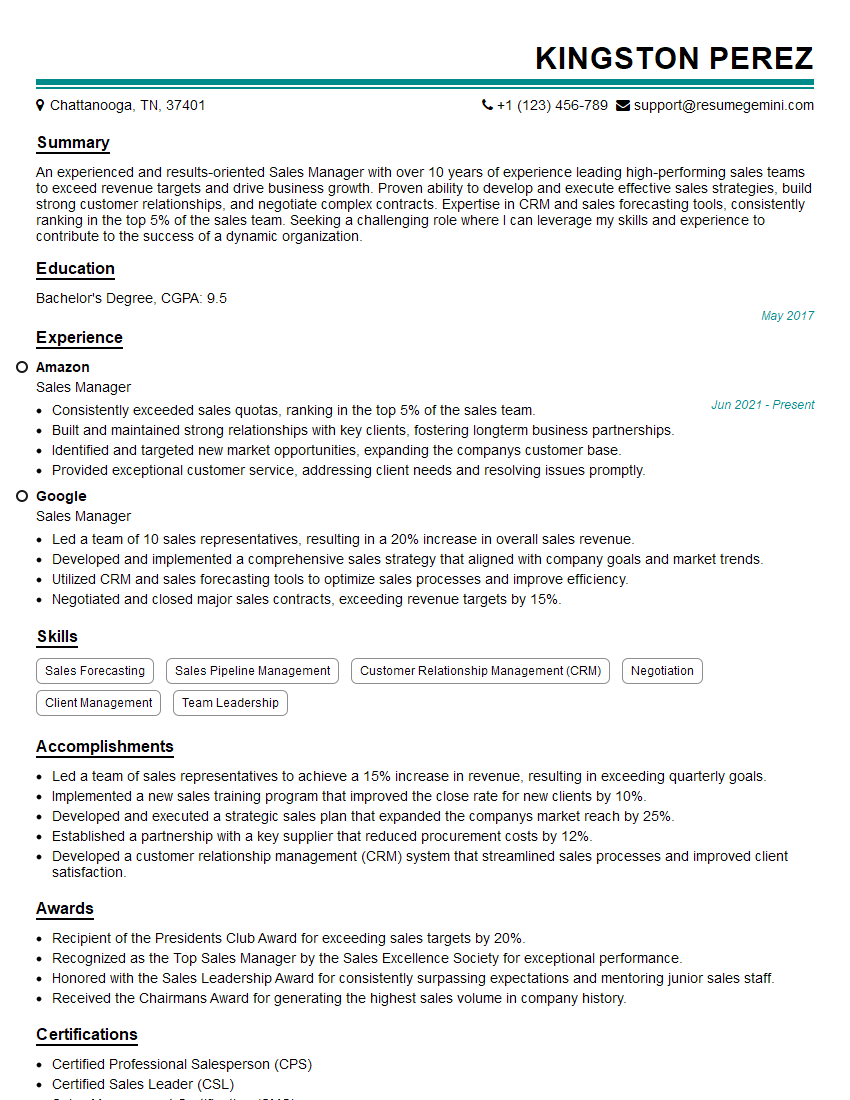
Sales Manager Resume Sample
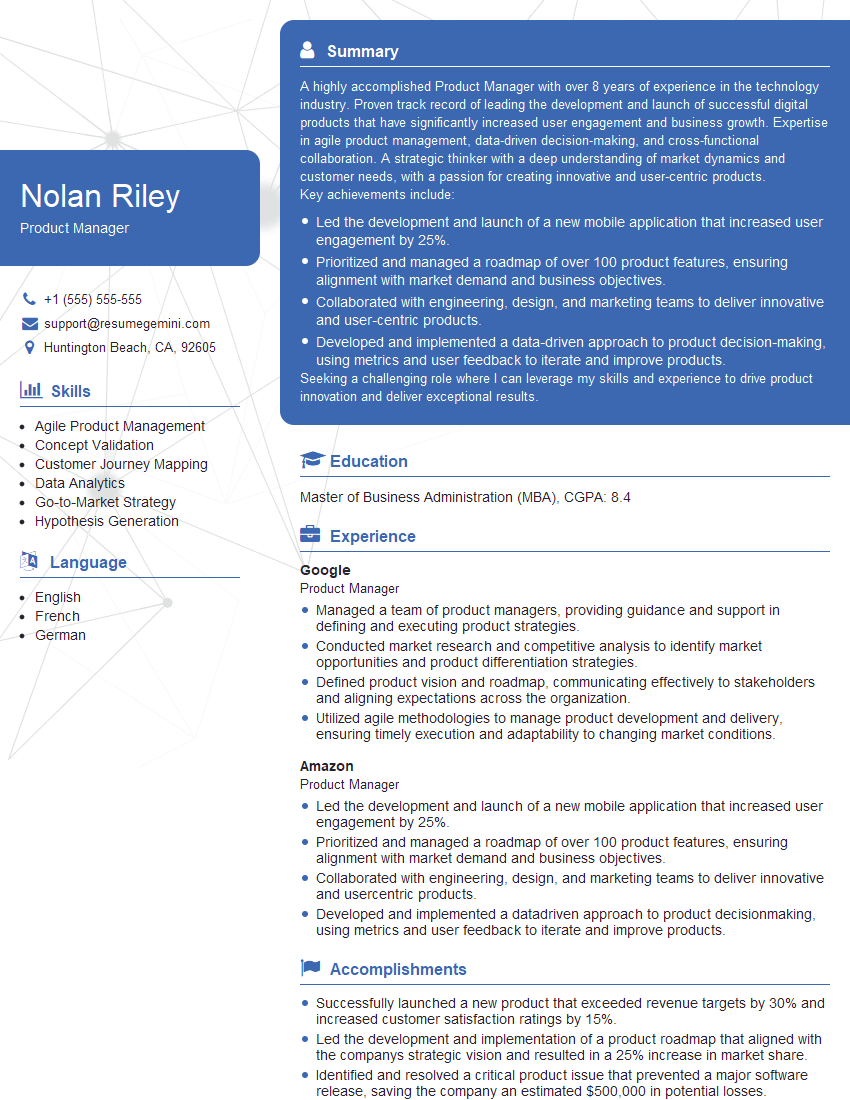
Product Manager Resume Sample
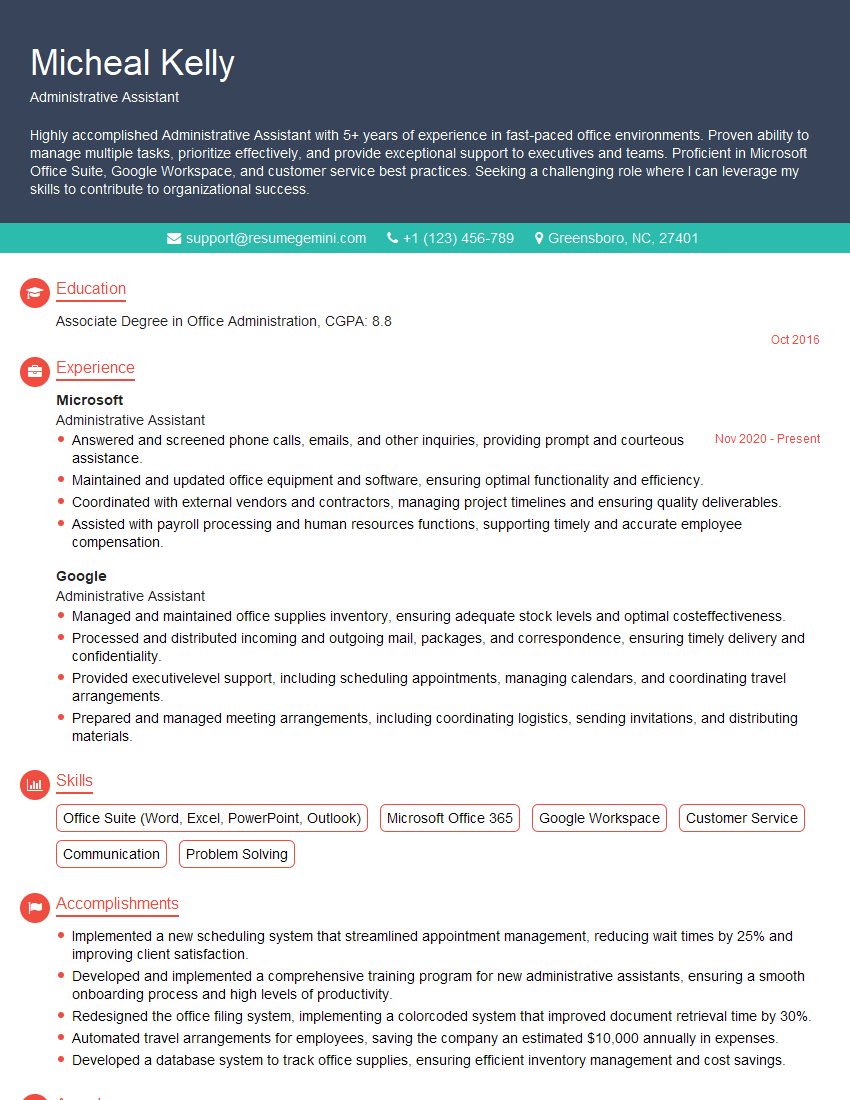
Administrative Assistant Resume Sample
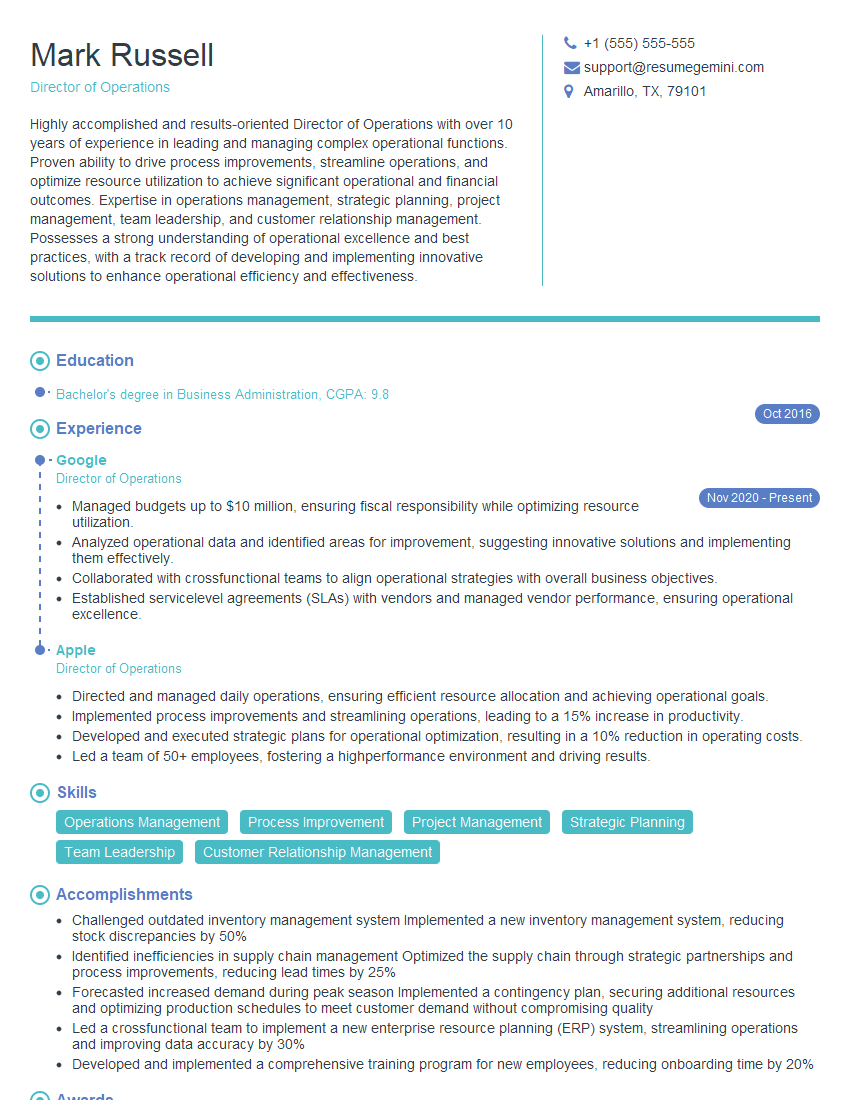
Director of Operations Resume Sample
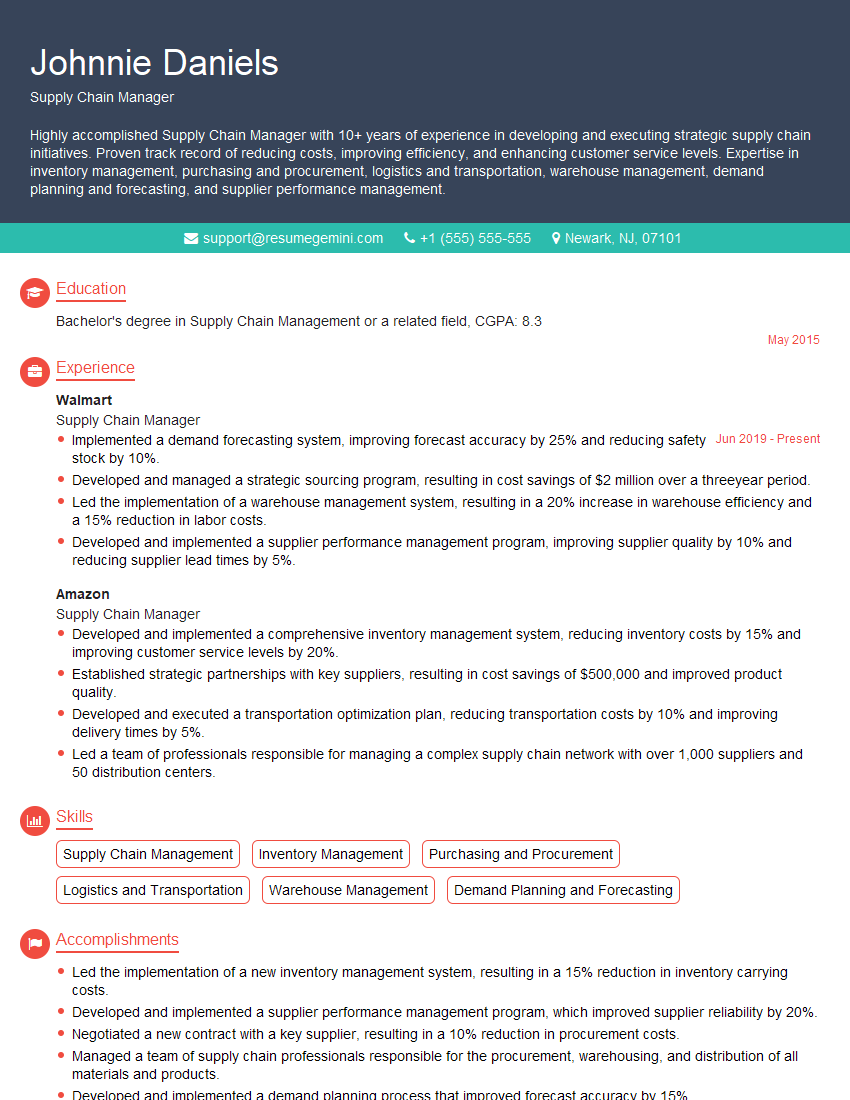
Supply Chain Manager Resume Sample
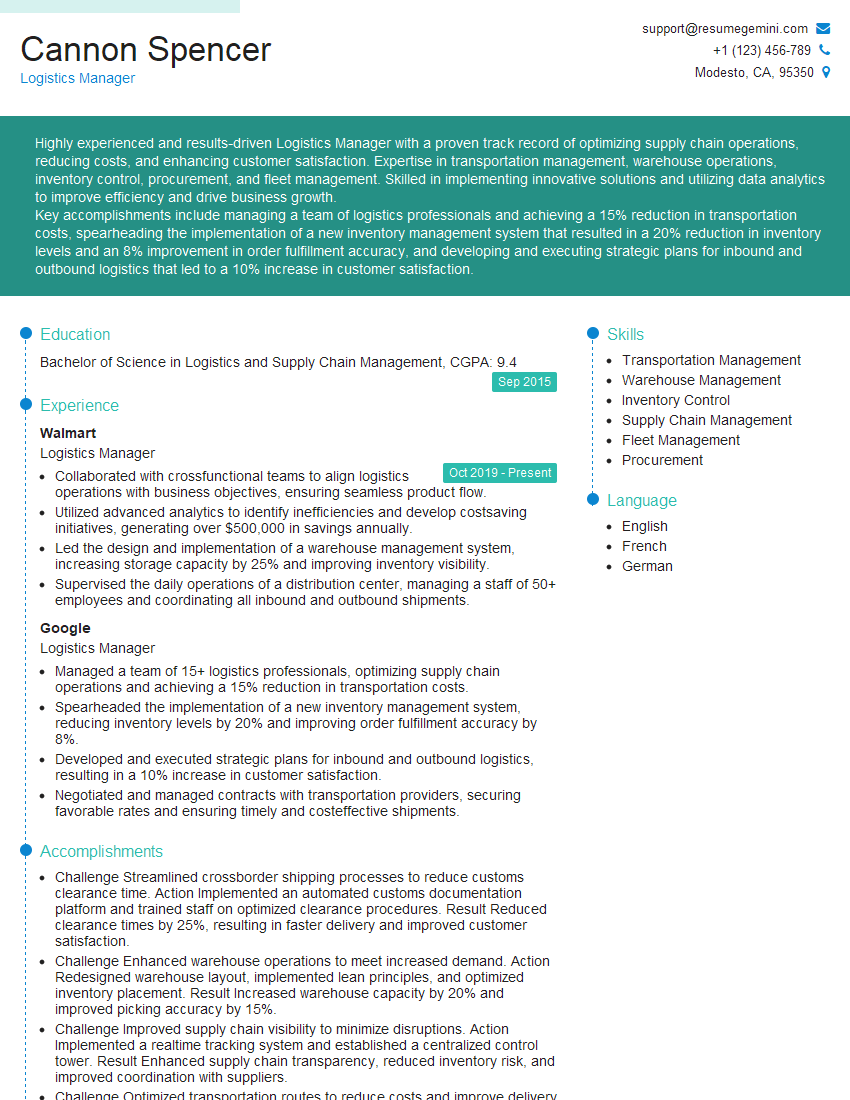
Logistics Manager Resume Sample
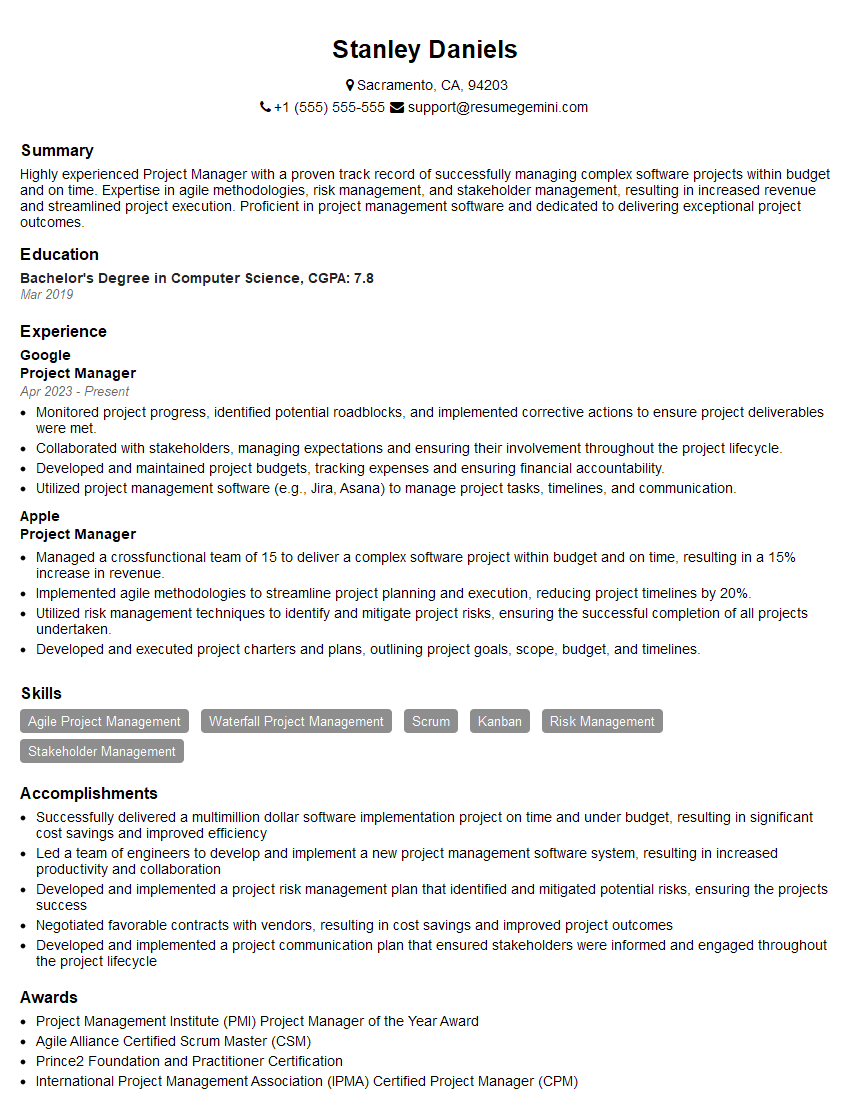
Project Manager Resume Sample
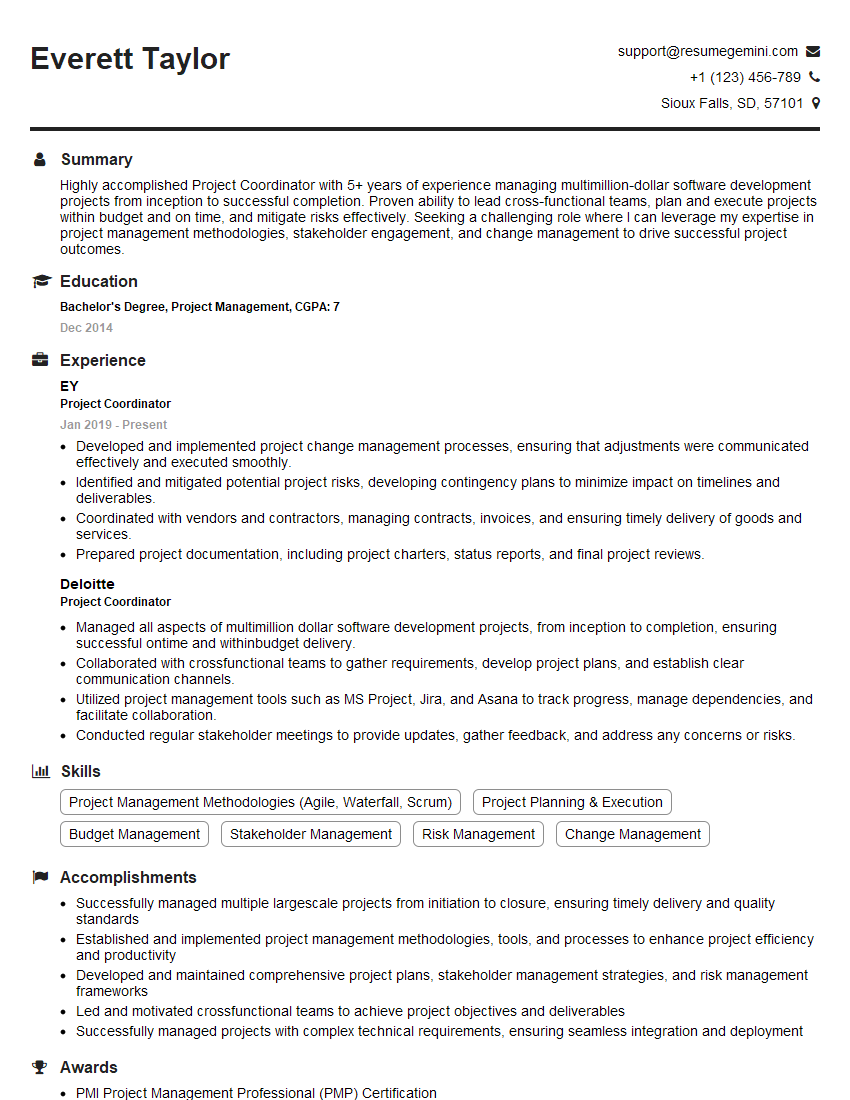
Project Coordinator Resume Sample
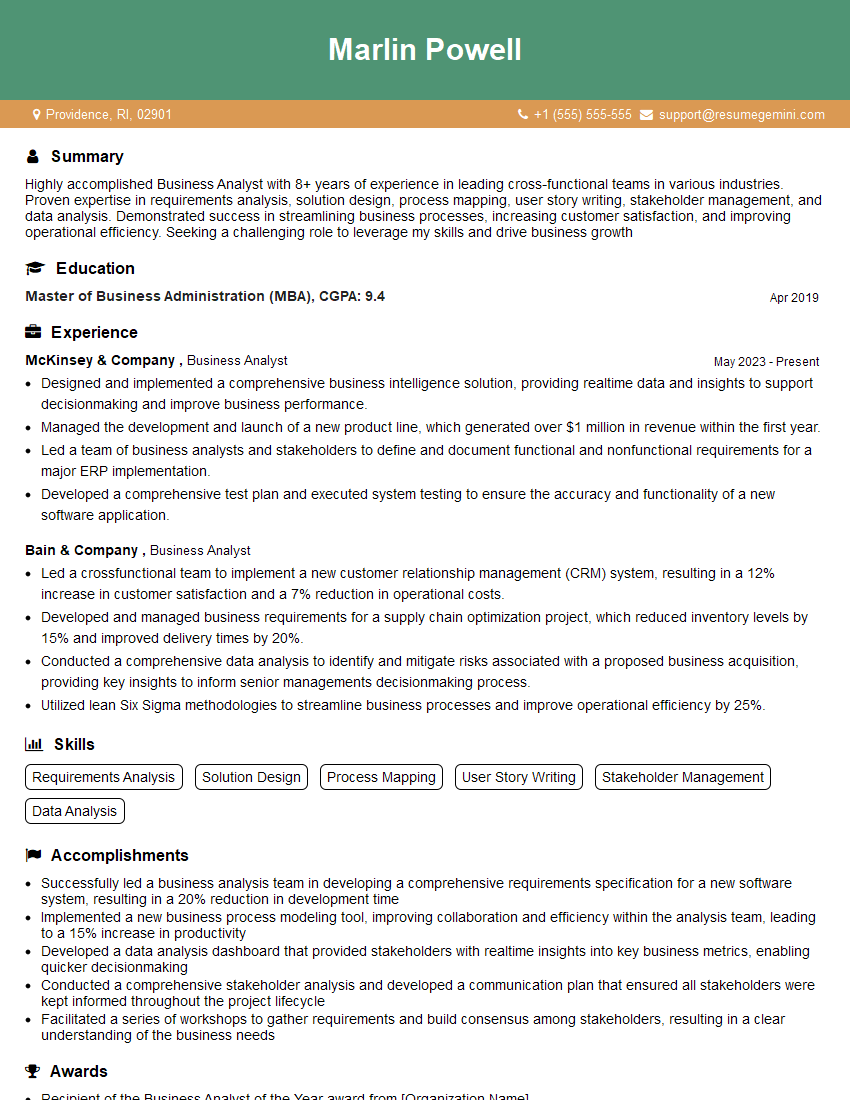
Business Analyst Resume Sample
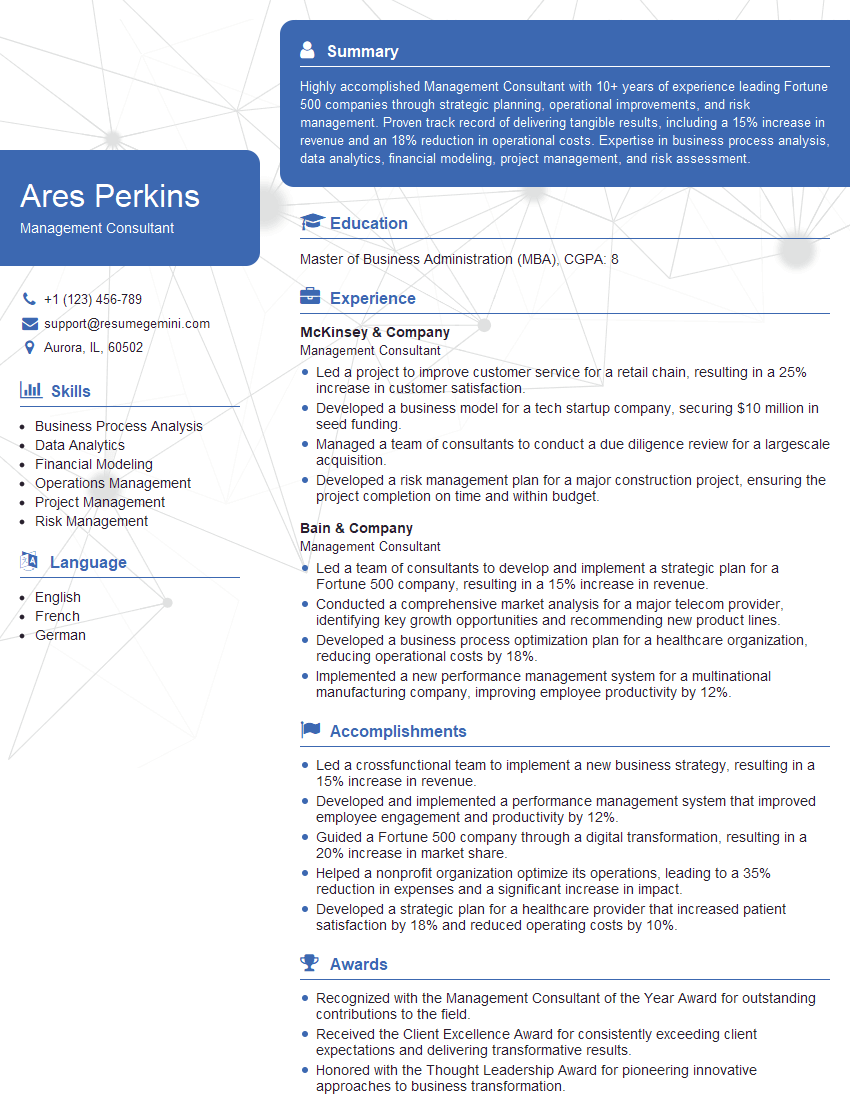
Management Consultant Resume Sample
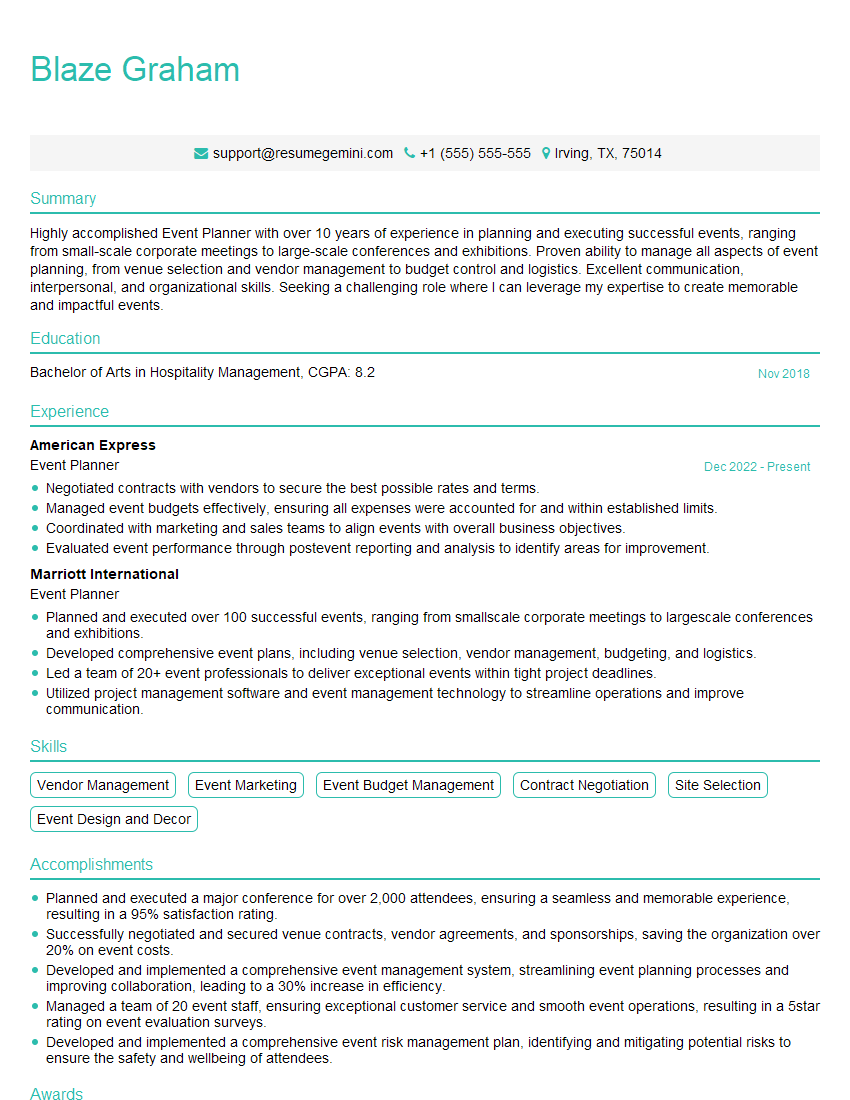
Event Planner Resume Sample

Scheduling Coordinator Resume Sample
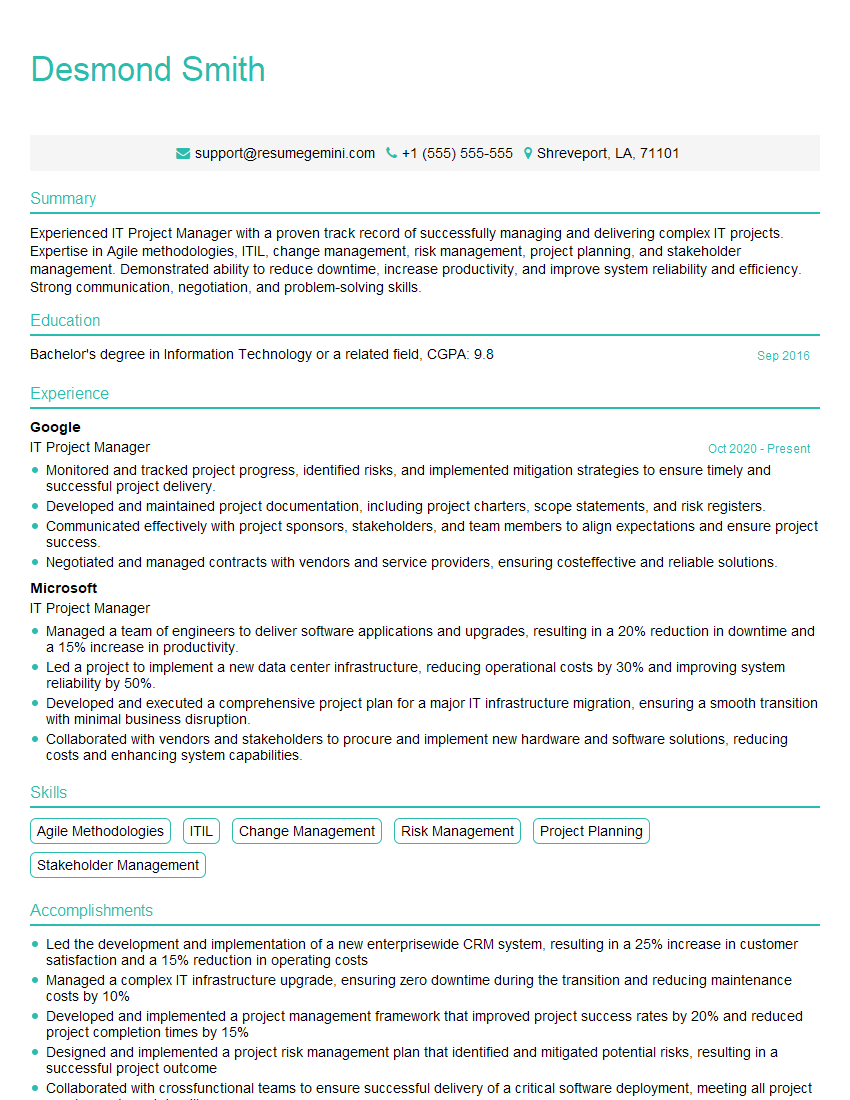
IT Project Manager Resume Sample
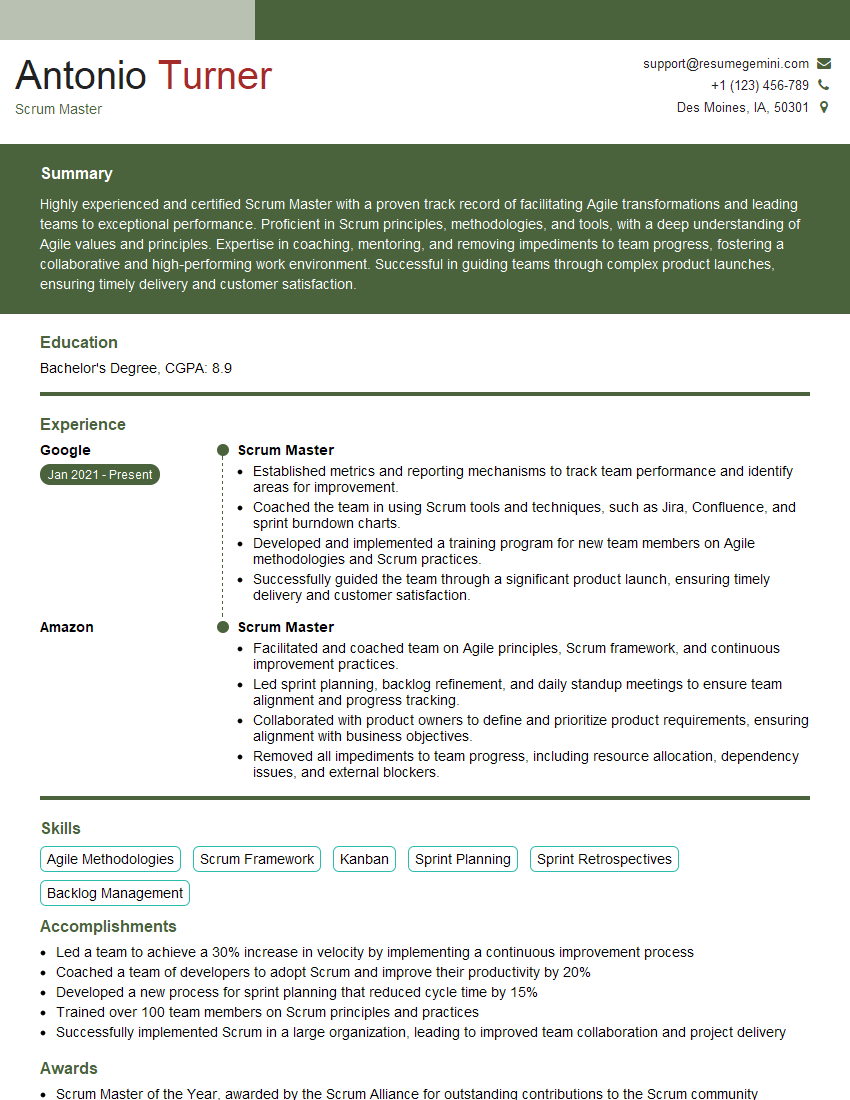
Scrum Master Resume Sample
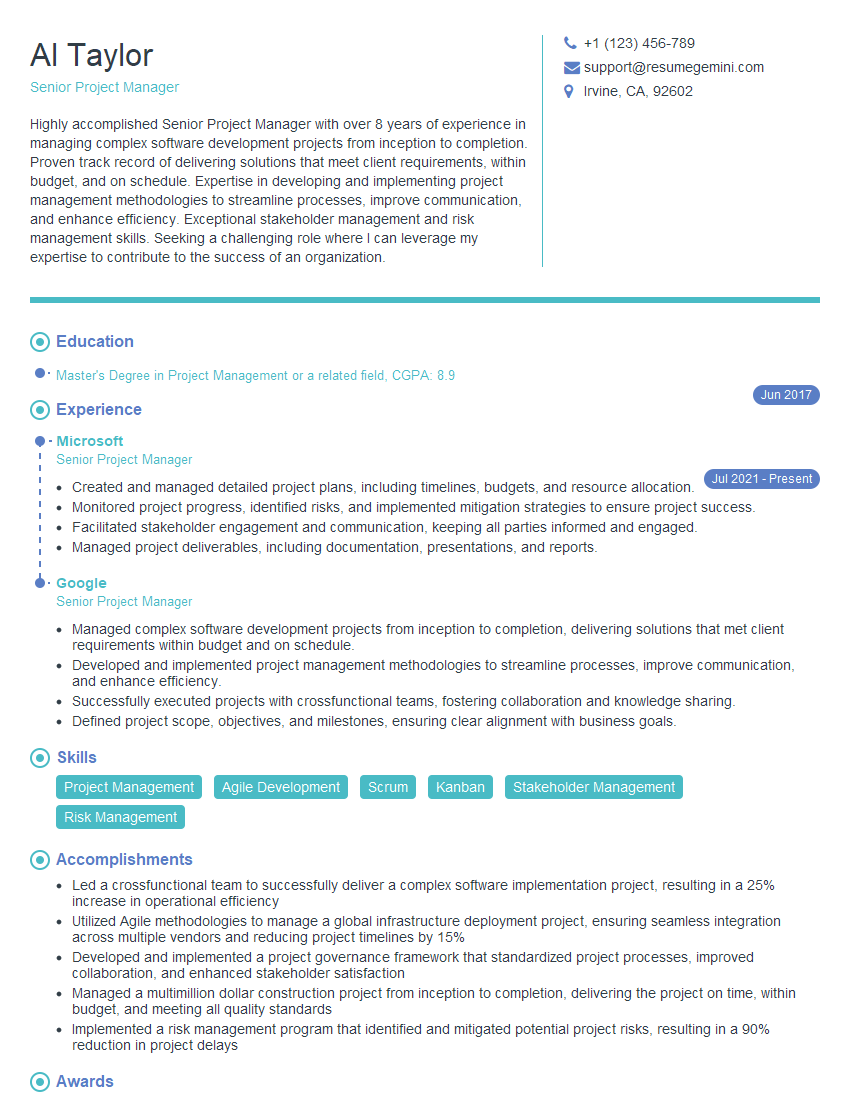
Senior Project Manager Resume Sample
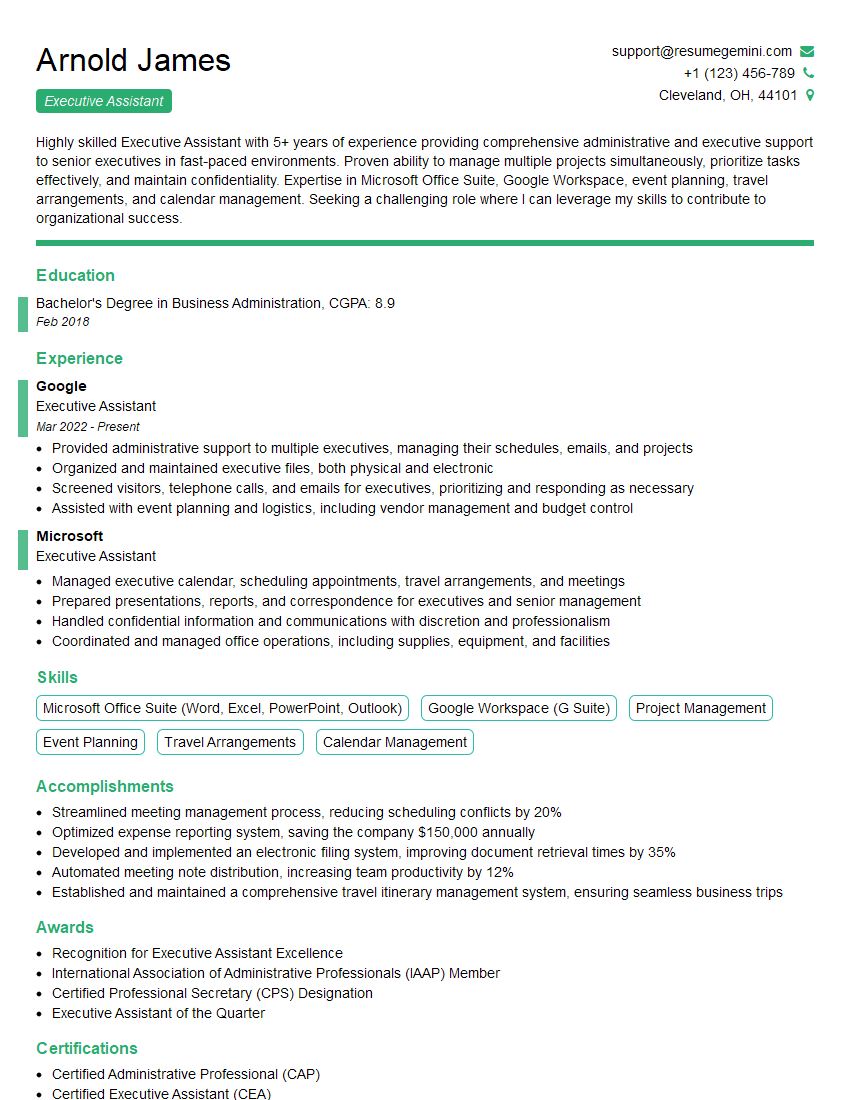
Executive Assistant Resume Sample
- Program Manager
- Office Manager
- Operations Manager
- Production Manager
- Marketing Manager
- Sales Manager
- Product Manager
- Administrative Assistant
- Director of Operations
- Supply Chain Manager
- Logistics Manager
- Project Manager
- Project Coordinator
- Business Analyst
- Management Consultant
- Event Planner
- Scheduling Coordinator
- IT Project Manager
- Scrum Master
- Senior Project Manager
- Executive Assistant
Explore more articles
Users Rating of Our Blogs
Share Your Experience
We value your feedback! Please rate our content and share your thoughts (optional).
What Readers Say About Our Blog
Very informative content, great job.
good