Every successful interview starts with knowing what to expect. In this blog, we’ll take you through the top Topographic Map Interpretation interview questions, breaking them down with expert tips to help you deliver impactful answers. Step into your next interview fully prepared and ready to succeed.
Questions Asked in Topographic Map Interpretation Interview
Q 1. What are the common scales used in topographic maps?
Topographic maps use various scales to represent the Earth’s surface on a smaller scale. The scale indicates the ratio between the distance on the map and the corresponding distance on the ground. Common scales include 1:24,000 (meaning 1 inch on the map represents 24,000 inches or 2000 feet on the ground), 1:50,000, 1:100,000, and 1:250,000. The choice of scale depends on the map’s purpose and the level of detail required. A larger scale (e.g., 1:24,000) provides more detail, suitable for hiking or local planning, while smaller scales (e.g., 1:250,000) show a broader area with less detail, useful for regional planning or long-distance travel.
For instance, imagine planning a hike. A 1:24,000 scale map will show you the precise location of trails, elevation changes, and other features crucial for safe navigation. However, a 1:100,000 scale map would be better suited for planning a longer road trip, focusing on major roads and towns rather than small trails.
Q 2. Explain the contour lines and their significance in representing elevation.
Contour lines are imaginary lines connecting points of equal elevation on the Earth’s surface. They are the fundamental tool for representing terrain on topographic maps. The closer the contour lines are together, the steeper the slope; widely spaced lines indicate a gentler slope. Imagine contour lines as the shoreline of a lake if the water level gradually rose—each contour line represents a specific water level.
Their significance lies in providing a visual representation of three-dimensional terrain in two dimensions. They allow us to interpret the shape of landforms like hills, valleys, ridges, and cliffs. By understanding the spacing and patterns of contour lines, we can visualize the landscape’s undulations and determine the relative elevation of different points.
Q 3. How do you interpret the contour interval on a topographic map?
The contour interval is the vertical distance between consecutive contour lines on a topographic map. It’s usually indicated on the map’s legend. For example, a contour interval of 20 feet means each contour line represents a 20-foot change in elevation. Understanding the contour interval is crucial for accurately interpreting the elevation of features. If you see a contour line labeled ‘1000 feet’ and the interval is 20 feet, the next line will represent 1020 feet, and so on.
Imagine you’re assessing the feasibility of building a road. Knowing the contour interval allows you to calculate the elevation difference between two points along a proposed route, which is essential for designing the road’s grade and mitigating potential issues like landslides or excessive drainage.
Q 4. Describe different types of contour lines (index, intermediate, supplementary).
Topographic maps use different types of contour lines to enhance readability and provide additional information:
- Index Contours: These are the darker, thicker lines typically labeled with their elevation. They represent significant changes in elevation and are spaced at intervals equal to the contour interval multiplied by a factor (e.g., every 5th contour line). They are used to guide the overall interpretation of elevation.
- Intermediate Contours: These are the thinner lines falling between index contours. They help fill in the detail between the index contours, providing a more precise representation of the terrain.
- Supplementary Contours: These are used to show areas with very gentle slopes or where more precision is required. They are usually drawn as dashed or dotted lines and are often used to represent features such as shorelines or the boundaries of wetlands.
Think of it like reading a musical score: Index contours are the main melody, intermediate contours fill in the harmony, and supplementary contours provide subtle nuances and embellishments.
Q 5. What information can you derive from the spot elevations on a topographic map?
Spot elevations, often indicated by small numbers directly on the map, provide the precise elevation of specific points. These are crucial for accurate elevation readings and supplementing the information provided by contour lines, particularly in areas with complex or poorly defined contours. They might represent the summit of a hill, the bottom of a valley, or the elevation of a key feature like a benchmark or a building.
In surveying or engineering projects, spot elevations might be the basis for determining cut and fill volumes during road construction. The precise elevation readings from spot points, in conjunction with contours, enable engineers to develop detailed site plans.
Q 6. How do you determine the relief of a given area using a topographic map?
Relief refers to the difference in elevation between the highest and lowest points in a given area. To determine the relief using a topographic map, first identify the highest elevation (usually from an index contour or spot elevation) and the lowest elevation (again from an index contour or spot elevation) within the specified area. The relief is simply the difference between these two values. For example, if the highest point is 1200 feet and the lowest point is 800 feet, the relief is 400 feet.
This calculation is crucial for understanding the overall topography and for many applications, including hydrological analysis (understanding water flow), assessing the potential for erosion or landslides, and planning infrastructure projects.
Q 7. Explain how to calculate the gradient or slope using contour lines.
The gradient (or slope) represents the steepness of the terrain. It’s calculated using the contour interval and the horizontal distance between contour lines. The formula is: Gradient = (Contour Interval) / (Horizontal Distance)
The horizontal distance is measured on the map using the map’s scale. For example, if the contour interval is 20 feet and the horizontal distance between two contour lines is 1 inch on the map (and the map scale is 1:24,000), you would convert 1 inch to its ground equivalent (2000 feet) based on the scale, and then apply the formula: Gradient = 20 feet / 2000 feet = 0.01. This is often expressed as a percentage (1%) or as a ratio (1:100).
Understanding the gradient is critical for many purposes, including assessing the suitability of land for development (roads, buildings), evaluating potential risks related to slope instability, and planning various outdoor activities.
Q 8. What are the different methods for representing relief on a topographic map?
Topographic maps use several methods to represent relief (the variations in elevation of the Earth’s surface). The most common are contour lines, hypsometric tinting, and hachures.
- Contour Lines: These are the most prevalent method. Contour lines connect points of equal elevation. Imagine slicing a landscape with many horizontal planes; each slice’s intersection with the ground would form a contour line. Closely spaced lines indicate steep slopes, while widely spaced lines show gentle slopes. A benchmark (a point with known elevation) is often marked on the map to establish a reference point.
- Hypsometric Tinting: This method uses different colors to represent different elevation ranges. For instance, green might represent lowlands, yellow hills, and brown mountains. It’s often used in conjunction with contour lines for a clearer visual representation.
- Hachures: These are short, closely spaced lines that indicate the direction of slope. The density of hachures represents the steepness of the slope; denser hachures mean steeper slopes. Hachures are less common now, often replaced by contour lines which provide more precise elevation information.
Think of it like looking at a relief model of the land, but instead of a 3D model, we use these methods to represent the same information on a 2D map. Each method has its strengths and weaknesses, often used in combination for optimal clarity.
Q 9. How do you identify a hill, valley, ridge, and saddle on a topographic map?
Identifying landforms on a topographic map relies heavily on understanding contour lines.
- Hill: A hill is represented by concentric, closed contour lines with increasing elevations towards the center. The highest elevation within the closed contours marks the summit.
- Valley: Valleys are shown by contour lines forming a V-shape, pointing uphill (opposite the direction of the stream). The V-shape points towards the highest elevation.
- Ridge: Ridges are represented by contour lines forming a V-shape pointing downhill. This is the opposite of a valley. They generally form a line of highest elevations along the crest.
- Saddle: A saddle is a low point on a ridge, like a pass between two hills. It appears as two sets of closed contour lines, one on each side, with a dip or low point in between. The contour lines will form a somewhat bowl-shaped indentation.
Imagine tracing your finger along the contour lines; following the shape helps visualize the three-dimensional terrain they represent. Practice is key to quickly and accurately interpreting these features.
Q 10. How can you determine the direction of drainage using a topographic map?
Determining drainage direction is straightforward with topographic maps. Water flows downhill, following the path of steepest descent.
Look for the V-shapes formed by contour lines in valleys. The point of the V always points uphill, meaning the water flows in the opposite direction, downhill. Streams and rivers are usually depicted with a blue line following the path indicated by the V-shaped contours. The direction of these lines represents the direction of drainage.
By tracing the V-shapes and following the lines of streams and rivers, you can trace the entire drainage pattern of a region, identifying watersheds and tributaries. This is crucial for understanding hydrological systems and managing water resources.
Q 11. Describe how to interpret the symbols representing man-made features on a topographic map.
Topographic maps use standardized symbols to represent man-made features. These symbols are usually found in a legend provided with the map. Some common examples include:
- Buildings: Usually depicted as squares or rectangles, sometimes with specific symbols to denote type of building (e.g., school, church).
- Roads: Shown as lines of varying thickness and style, depending on the type of road (e.g., highway, paved road, unpaved road).
- Railroads: Represented by parallel lines and often labeled.
- Utilities: Power lines, pipelines, and other utilities are indicated by specific symbols.
- Boundaries: Political boundaries, property lines, and other boundaries are often shown as lines with different styles or colors.
Understanding these symbols is crucial for navigating and planning within an area. For example, identifying a road network can help with route planning, while knowing the location of utilities can prevent accidental damage during construction projects.
Q 12. How do you determine the magnetic declination from a topographic map?
Magnetic declination, the angle between true north and magnetic north, is often indicated on topographic maps. Usually, it’s shown in a small diagram or note within the map’s legend or margin.
The diagram typically depicts a compass rose with an arrow indicating the amount of declination (east or west) and the year the declination was measured. It’s important to note that magnetic declination changes over time, so the map’s year is vital. Knowing the declination is essential for accurately determining directions using a compass, ensuring your navigation aligns with true north, not just magnetic north.
Q 13. What are the limitations of topographic maps?
Topographic maps, while powerful tools, have certain limitations:
- Generalization: Maps are simplified representations of reality. Fine details, especially in densely populated areas, may be omitted for clarity.
- Scale Limitations: The scale of a map dictates the level of detail that can be shown. Large-scale maps show more detail than small-scale maps.
- Time Sensitivity: The landscape changes constantly. A map represents a snapshot in time and might not accurately reflect current conditions, particularly in areas prone to rapid development or natural disasters.
- Elevation Accuracy: While contour lines provide elevation data, there’s always a degree of error inherent in the surveying and mapping process.
- Interpretation: Interpreting contour lines and other map symbols requires skill and understanding. Misinterpretation can lead to inaccurate conclusions.
It is essential to understand these limitations and to use topographic maps in conjunction with other data sources when making crucial decisions based on the information they provide.
Q 14. What is the difference between a topographic map and a planimetric map?
The key difference lies in what each map type shows:
- Topographic Maps: Show both the horizontal and vertical positions of features. They represent the Earth’s surface, including its relief (shape and elevation). They employ contour lines or other methods to depict elevation changes.
- Planimetric Maps: Show only the horizontal position of features. They focus solely on the planar or two-dimensional location of features and omit elevation information. Think of it as a bird’s-eye view without any information about hills or valleys.
Imagine you’re planning a hiking trip. A topographic map is essential as it shows the elevation changes that dictate the trail difficulty, allowing you to identify hills and valleys. A planimetric map, on the other hand, only shows the route but not the terrain, making it less suitable for planning a hiking trip.
Q 15. Explain the concept of map projections and their influence on topographic maps.
Map projections are essential because the Earth is a three-dimensional sphere, while maps are two-dimensional. Therefore, accurately representing the Earth’s surface on a flat map requires a systematic transformation, known as a map projection. This transformation inevitably introduces distortions in either area, shape, distance, or direction. Different projections optimize for different properties. For example, a Mercator projection accurately preserves direction but severely distorts area at higher latitudes, making Greenland appear much larger than it actually is relative to South America. Conversely, an equal-area projection preserves area but distorts shapes. Topographic maps often use projections that minimize distortion within the map’s specific area of coverage, balancing the need for accurate representation of elevation and distance. The choice of projection significantly influences the interpretation of distances, areas, and directions depicted on the map. For instance, measuring distance on a Mercator projection near the poles will yield significantly inaccurate results.
Choosing the right projection for a topographic map is crucial for its accuracy and usefulness. The selection depends on the map’s purpose, scale, and geographic location. Large-scale maps covering smaller areas may use projections with minimal distortion, while smaller-scale maps covering larger areas might employ projections that balance distortion across the entire region.
Career Expert Tips:
- Ace those interviews! Prepare effectively by reviewing the Top 50 Most Common Interview Questions on ResumeGemini.
- Navigate your job search with confidence! Explore a wide range of Career Tips on ResumeGemini. Learn about common challenges and recommendations to overcome them.
- Craft the perfect resume! Master the Art of Resume Writing with ResumeGemini’s guide. Showcase your unique qualifications and achievements effectively.
- Don’t miss out on holiday savings! Build your dream resume with ResumeGemini’s ATS optimized templates.
Q 16. How does vertical exaggeration affect the interpretation of a topographic map?
Vertical exaggeration is a common technique used in topographic maps to emphasize the relief or changes in elevation. It involves artificially increasing the vertical scale relative to the horizontal scale. For example, a map might have a horizontal scale of 1:50,000 but a vertical scale of 1:5,000, resulting in a 10x vertical exaggeration. While this technique makes slopes appear steeper and easier to visualize, it can also lead to misinterpretations if not handled carefully.
Over-exaggeration can create a false sense of the terrain’s steepness, potentially leading to wrong estimations of slope angles and difficulty in judging the actual difficulty of traversing the terrain. For instance, a seemingly gentle slope in a highly vertically exaggerated map might actually be quite steep. Conversely, under-exaggeration might make features seem less significant than they are. Therefore, it is crucial to always check the map’s scale and note the level of vertical exaggeration to avoid misinterpretations when using a topographic map. Understanding the exaggeration factor is key to accurate interpretation and planning.
Q 17. What are the applications of topographic maps in civil engineering?
Topographic maps are indispensable in civil engineering, providing essential information for various tasks:
- Site Selection and Analysis: Identifying suitable locations for construction projects based on terrain features like slopes, elevation, and drainage patterns.
- Road Design and Construction: Determining optimal alignments, calculating earthwork volumes, and assessing potential slope instability risks.
- Pipeline and Utility Routing: Planning the most efficient and safe routes for pipelines, power lines, and other utilities, avoiding obstacles and minimizing environmental impact.
- Dam and Reservoir Design: Analyzing topography for dam construction suitability, determining reservoir capacity, and assessing potential flooding risks.
- Land Subdivision and Development: Defining property boundaries, designing drainage systems, and planning infrastructure for residential, commercial, or industrial developments.
For example, in designing a highway, engineers use topographic maps to identify the best route to minimize cuts and fills, reducing construction costs and environmental disruption. The maps help to determine the appropriate grades, and identify areas of potential instability requiring additional engineering measures.
Q 18. How are topographic maps used in environmental planning and management?
Topographic maps play a critical role in environmental planning and management by providing a detailed spatial framework for understanding and addressing environmental challenges:
- Habitat Mapping and Conservation: Identifying and classifying different habitats, analyzing their connectivity, and planning conservation strategies.
- Watershed Management: Delineating watersheds, assessing water flow patterns, and identifying areas vulnerable to erosion or flooding.
- Environmental Impact Assessment: Evaluating the potential impacts of development projects on natural resources and ecosystems.
- Wildfire Risk Assessment: Mapping areas with high fire risk based on vegetation types, slope angles, and fuel loads.
- Pollution Monitoring and Remediation: Tracking the spatial distribution of pollutants and guiding remediation efforts.
For example, in watershed management, a topographic map aids in designing effective stormwater management systems. The elevation data allows for identifying potential erosion zones and planning for appropriate measures to protect water quality.
Q 19. Describe the use of topographic maps in urban planning and development.
Topographic maps are fundamental to urban planning and development. They provide crucial data for:
- Site Planning: Determining suitable locations for buildings, roads, and other infrastructure, considering factors like elevation, slope, and drainage.
- Infrastructure Design: Designing efficient and safe transportation networks, water supply systems, and waste disposal systems.
- Urban Growth Management: Planning for controlled urban expansion, protecting natural areas, and ensuring sustainable development.
- Floodplain Management: Identifying flood-prone areas and developing strategies to mitigate flood risks.
- Accessibility Planning: Designing accessible urban spaces considering elevation changes and the needs of diverse populations.
Imagine planning a new neighborhood. The topographic map reveals areas prone to flooding, steep slopes unsuitable for building, and locations ideal for parks or green spaces. This information directly informs the design and layout of the development, ensuring safety, sustainability and livability.
Q 20. How are topographic maps used in military operations?
Topographic maps are essential for military operations, providing critical information for:
- Route Planning and Navigation: Identifying suitable routes for troop movements and vehicle convoys, considering terrain features and obstacles.
- Target Acquisition and Engagement: Locating enemy positions, determining lines of sight, and planning artillery strikes.
- Defensive Position Selection: Identifying advantageous defensive positions based on terrain features and lines of fire.
- Tactical Planning and Simulation: Developing and testing military strategies and maneuvers in realistic simulated environments.
- Situational Awareness: Maintaining a clear understanding of the surrounding terrain and enemy positions.
During military exercises or real-world operations, soldiers and officers rely on topographic maps for navigating challenging terrain, planning attacks or defenses, and coordinating troop movements. The detailed elevation data enables them to assess the visibility and accessibility of different areas.
Q 21. How do you use a topographic map with a GPS device?
Using a topographic map with a GPS device enhances navigation and situational awareness. The GPS provides precise location information, while the map provides context and detailed terrain information.
Here’s how they work together:
- Locate your position: Use your GPS device to determine your current coordinates (latitude and longitude).
- Find your location on the map: Using the coordinates from your GPS, locate your position on the topographic map.
- Plan your route: Study the map to identify your destination and plan a suitable route, considering terrain features like elevation changes, slopes, and obstacles. The map’s contour lines will help you visualize the terrain profile.
- Navigate using the map and GPS: As you move, use the GPS to track your progress and compare your position to the map. The map provides details like trail locations, water sources, and elevation changes that might not be evident using GPS alone.
- Maintain situational awareness: Regularly consult the map to understand your surroundings, identify potential hazards, and make informed decisions about your route.
For example, hiking in a mountainous region, a topographic map shows trails and elevation changes, allowing for better route planning and preventing unexpected encounters with steep ascents or descents. The GPS constantly ensures you stay on track, even in areas with poor visibility.
Q 22. What software is commonly used for analyzing and editing topographic data?
Analyzing and editing topographic data requires specialized Geographic Information System (GIS) software. Several powerful options exist, each with its strengths and weaknesses depending on the specific needs of the project and the user’s experience.
- ArcGIS: This is a widely used, industry-standard software package offering a comprehensive suite of tools for data management, analysis, and visualization. It’s powerful but can have a steep learning curve.
- QGIS: A free and open-source alternative to ArcGIS, QGIS provides many of the same functionalities and is increasingly popular for its accessibility and community support. It’s excellent for learning and smaller projects.
- Global Mapper: Known for its ease of use and ability to handle a wide variety of data formats, Global Mapper is a strong choice for users who need a user-friendly interface and fast processing.
- WhiteboxTools: This free, open-source software focuses on hydrological and geomorphological analysis, making it particularly useful for tasks like watershed delineation and slope analysis.
The choice of software depends heavily on the specific task, budget, and user expertise. For instance, a large-scale national mapping project might use ArcGIS for its power and advanced capabilities, while a student working on a smaller local project might find QGIS perfectly adequate and cost-effective.
Q 23. Explain the process of creating a digital elevation model (DEM) from topographic data.
Creating a Digital Elevation Model (DEM) from topographic data involves transforming the two-dimensional representation of elevation (contours, spot heights, etc.) into a three-dimensional digital surface. This process typically follows these steps:
- Data Acquisition: Gather the topographic data. This can come from various sources, including contour lines from paper maps, LiDAR (Light Detection and Ranging) point clouds, or satellite imagery.
- Data Preprocessing: Clean and prepare the data. This may involve removing errors, filling gaps, and georeferencing the data to a known coordinate system.
- Interpolation: This is the core step. Algorithms are used to estimate elevations at locations not directly measured in the original data. Common methods include:
- Inverse Distance Weighting (IDW): Assigns elevation based on the inverse distance to known points.
- Kriging: A more sophisticated method that incorporates statistical information about the spatial correlation of the data.
- Triangulated Irregular Networks (TINs): Connects data points to form a network of triangles, providing a surface representation.
- DEM Generation: The interpolated elevations are used to create a raster or TIN DEM, representing the terrain surface as a grid of elevation values or a network of triangles.
- Data Validation: Check the accuracy and quality of the generated DEM, comparing it to the original data and looking for artifacts or inconsistencies.
Imagine building a model of a mountain range. The contours on a map are like the lines you’d draw to represent the mountain’s shape. Interpolation is like filling in the gaps between those lines to create a complete 3D model.
Q 24. Describe different data formats used for storing topographic information.
Topographic information can be stored in several formats, each with its own advantages and disadvantages. Here are some common ones:
- Raster formats (gridded data): These represent the terrain as a grid of cells, each with an associated elevation value. Examples include:
- GeoTIFF: A widely used and flexible format supporting georeferencing and metadata.
- ERDAS Imagine (.img): Proprietary format used by ERDAS Imagine software.
- Vector formats (points, lines, polygons): These represent features using points, lines, and polygons. Examples include:
- Shapefile (.shp): A popular open format for storing vector data, commonly used with GIS software.
- GeoPackage (.gpkg): A modern, open, and self-contained format capable of storing both raster and vector data.
- TIN (Triangulated Irregular Network): Represents the surface using a network of triangles, suitable for complex terrain.
The choice of format often depends on the application. Raster formats are often used for DEMs, while vector formats are suitable for representing features like rivers and roads. TINs are good for areas with significant variations in elevation.
Q 25. How can you identify potential hazards or risks using topographic map analysis?
Topographic map analysis can reveal various potential hazards and risks. By carefully examining features, slopes, and elevations, we can identify:
- Steep slopes and potential landslides: Areas with high slope angles are prone to landslides, especially during heavy rainfall. Contour lines that are closely spaced indicate steep terrain.
- Floodplains and areas at risk of flooding: Low-lying areas near rivers or streams are susceptible to flooding. The location of rivers and the elevation contours can help delineate floodplains.
- Erosion-prone areas: Areas with exposed soil and steep slopes are prone to erosion. The orientation of slopes relative to prevailing winds can increase risk.
- Avalanche zones: Steep slopes above treeline in mountainous regions are vulnerable to avalanches. Concave slopes and terrain features that can trigger avalanches are key indicators.
- Areas at risk of wildfires: Dry vegetation and steep slopes increase the risk of wildfire spread. The type of vegetation and slope angles are critical considerations.
For instance, planning a construction project requires identifying potentially unstable slopes to avoid landslides. Similarly, emergency management planners use topographic maps to identify areas vulnerable to flooding to develop evacuation plans.
Q 26. Explain the concept of spatial resolution in relation to topographic maps.
Spatial resolution refers to the detail level in a topographic map. It describes the size of the smallest discernible feature on the map or, in the case of a digital elevation model (DEM), the spacing between elevation points.
High spatial resolution means smaller grid cells or denser data points, resulting in a more detailed and accurate representation of the terrain. Low spatial resolution means larger grid cells or less dense points, leading to a more generalized representation. Imagine looking at a photograph: a high-resolution image shows fine details, while a low-resolution image looks blurry.
A high-resolution DEM might have a spatial resolution of 1 meter, accurately representing smaller features. A low-resolution DEM might have a resolution of 30 meters, smoothing out finer details and only showing the broader landscape features. The choice of spatial resolution depends on the application and required level of detail. A large-scale national mapping project might use a lower resolution to cover a vast area, while a smaller-scale project focused on a specific area might use a higher resolution for greater accuracy.
Q 27. How can you use topographic maps to plan a hiking or trekking route?
Topographic maps are indispensable tools for planning hiking or trekking routes. Here’s how they can be used:
- Identify potential routes: Examine the contour lines to find suitable paths avoiding excessively steep slopes or obstacles. Look for trails or existing paths indicated on the map.
- Assess elevation changes: Determine the total elevation gain and loss along the chosen route. This helps estimate the difficulty and time required for the hike.
- Identify water sources: Locate streams, rivers, or springs which can be crucial for maintaining hydration during a trek. These are typically shown as blue lines on the map.
- Identify potential hazards: Look for cliffs, steep ravines, or other potentially dangerous areas. These are often visually apparent on a topographic map.
- Determine the distance: Use the map scale to measure the distance of the planned route. This allows for accurate planning and estimation of hiking time.
- Consider campsites and shelters: Identify suitable locations for camping or utilizing pre-existing shelters if available, accounting for factors like water access and proximity to trails.
For example, when planning a challenging mountain hike, examining contour lines helps identify the steepest ascents and descents, allowing for choosing a route that balances challenge and safety. Similarly, locating water sources on the map allows hikers to adequately plan for hydration and reduce risks associated with water scarcity.
Key Topics to Learn for Topographic Map Interpretation Interview
- Contour Lines and Elevation: Understanding contour intervals, index contours, and how they represent terrain features. Practical application: Determining slope steepness and identifying potential hazards.
- Map Symbols and Conventions: Familiarizing yourself with standard topographic map symbols for various features (e.g., water bodies, vegetation, man-made structures). Practical application: Accurately interpreting the landscape and planning routes.
- Scale and Distance Measurement: Mastering the use of map scales to determine real-world distances and areas. Practical application: Calculating distances between points, estimating travel times, and determining project feasibility.
- Relief and Landforms: Identifying different landforms (e.g., hills, valleys, ridges) based on contour patterns and their implications for various applications. Practical application: Site selection for construction projects or environmental impact assessments.
- Profile Drawing and Cross Sections: Creating elevation profiles from topographic maps to visualize terrain changes along a specific line. Practical application: Analyzing terrain for infrastructure planning or hydrological studies.
- Three-Dimensional Visualization: Developing the ability to mentally translate two-dimensional map data into a three-dimensional understanding of the terrain. Practical application: Efficiently navigating unfamiliar environments or planning effective strategies.
- Map Projections and Coordinate Systems: Understanding the different map projections and their impact on accuracy and interpretation. Practical application: Ensuring accurate measurements and calculations.
Next Steps
Mastering topographic map interpretation is crucial for career advancement in fields like surveying, GIS, engineering, and environmental science. A strong understanding of these skills significantly enhances your problem-solving capabilities and opens doors to exciting opportunities. To maximize your job prospects, create a resume that is ATS-friendly and highlights your skills effectively. ResumeGemini is a trusted resource to help you build a professional and impactful resume that showcases your expertise. Examples of resumes tailored to Topographic Map Interpretation are available to guide you through the process.

Construction Manager Resume Sample
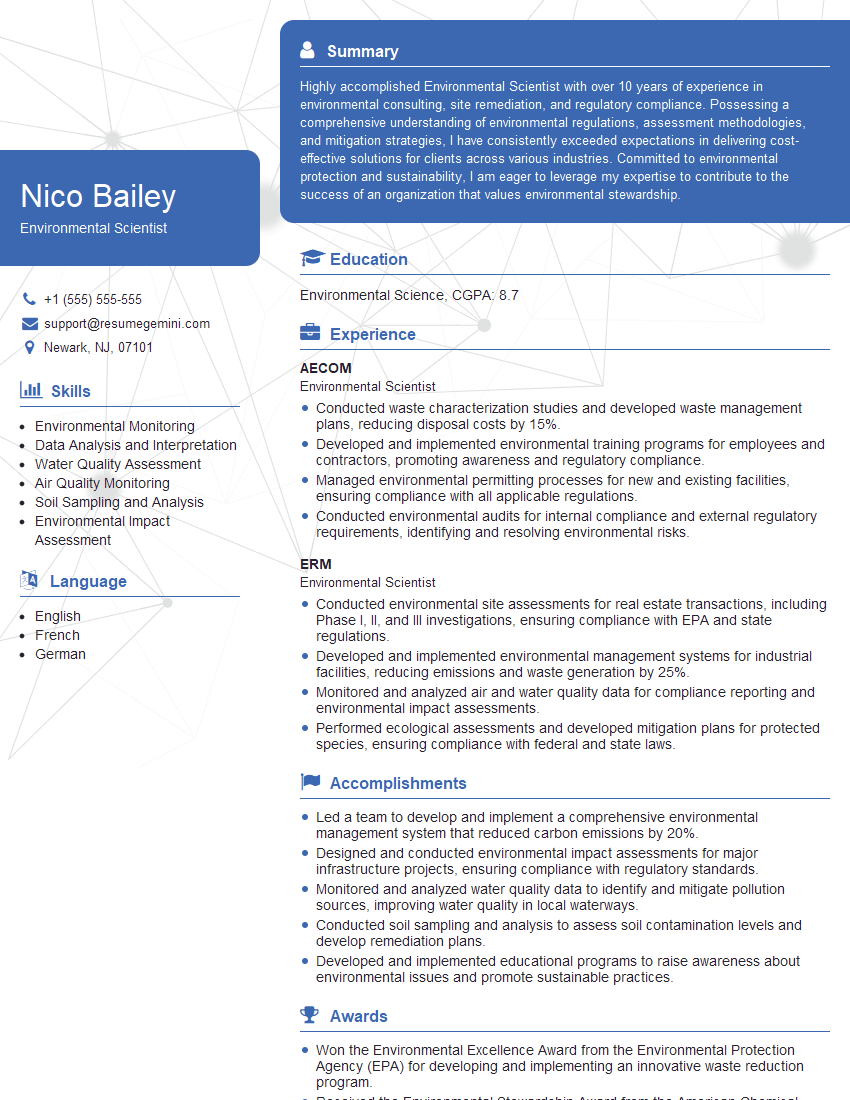
Environmental Scientist Resume Sample
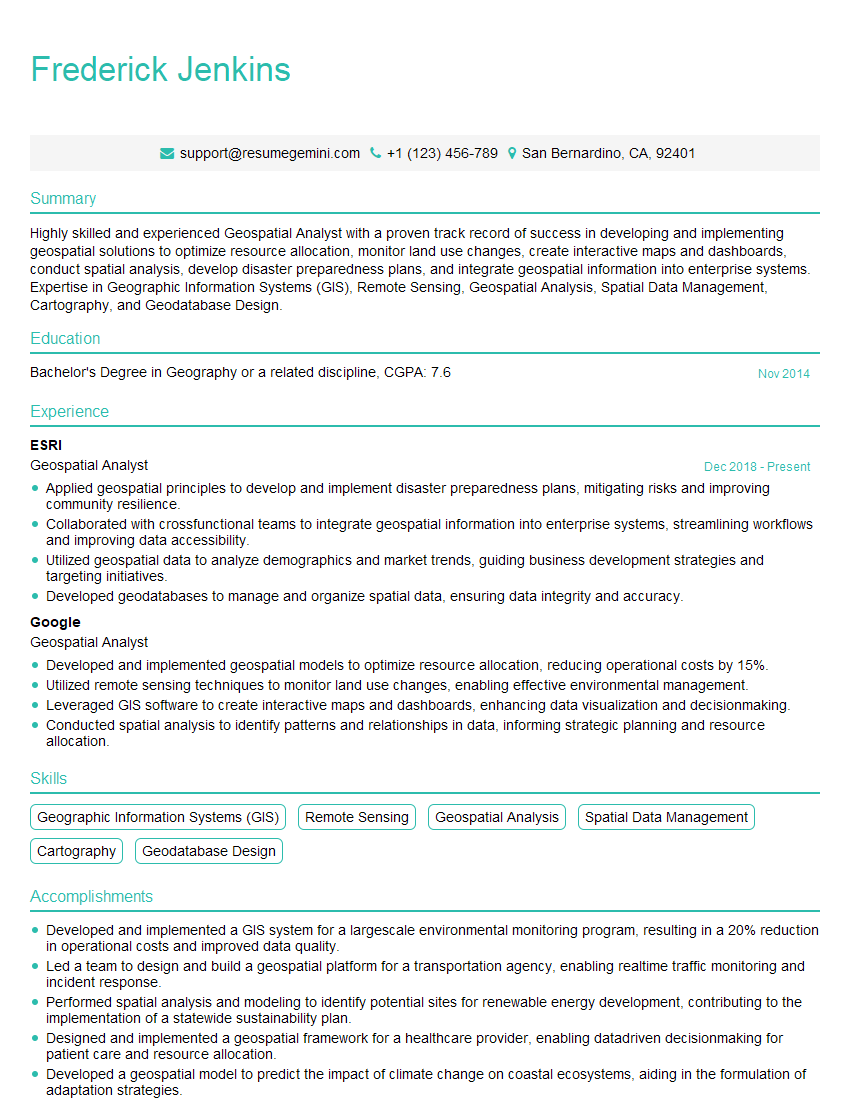
Geospatial Analyst Resume Sample

Cartographer Resume Sample
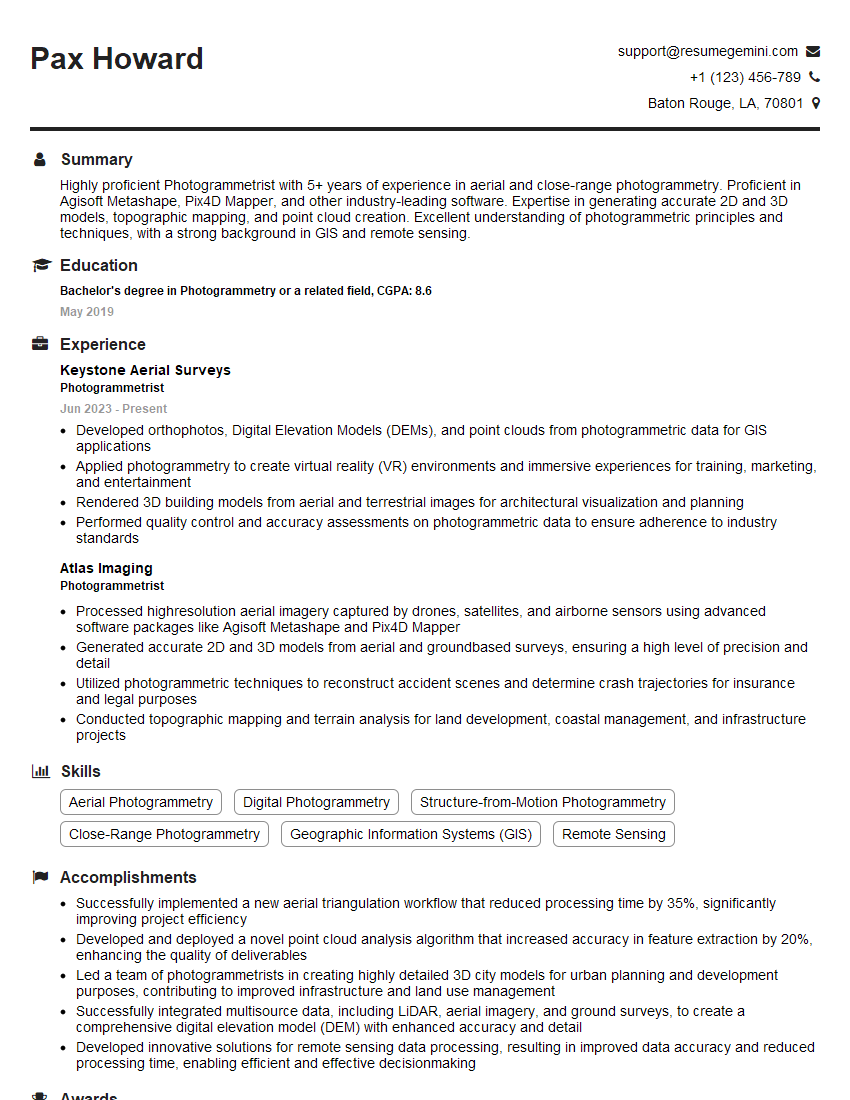
Photogrammetrist Resume Sample
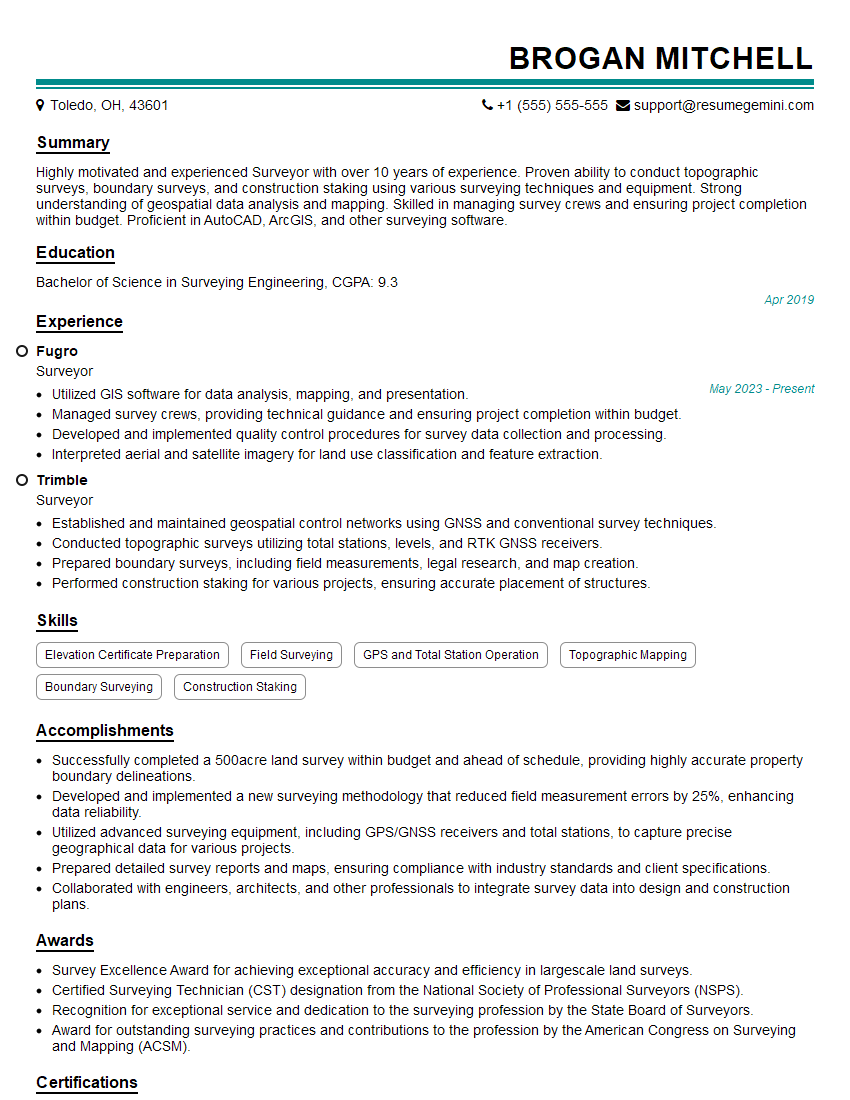
Surveyor Resume Sample
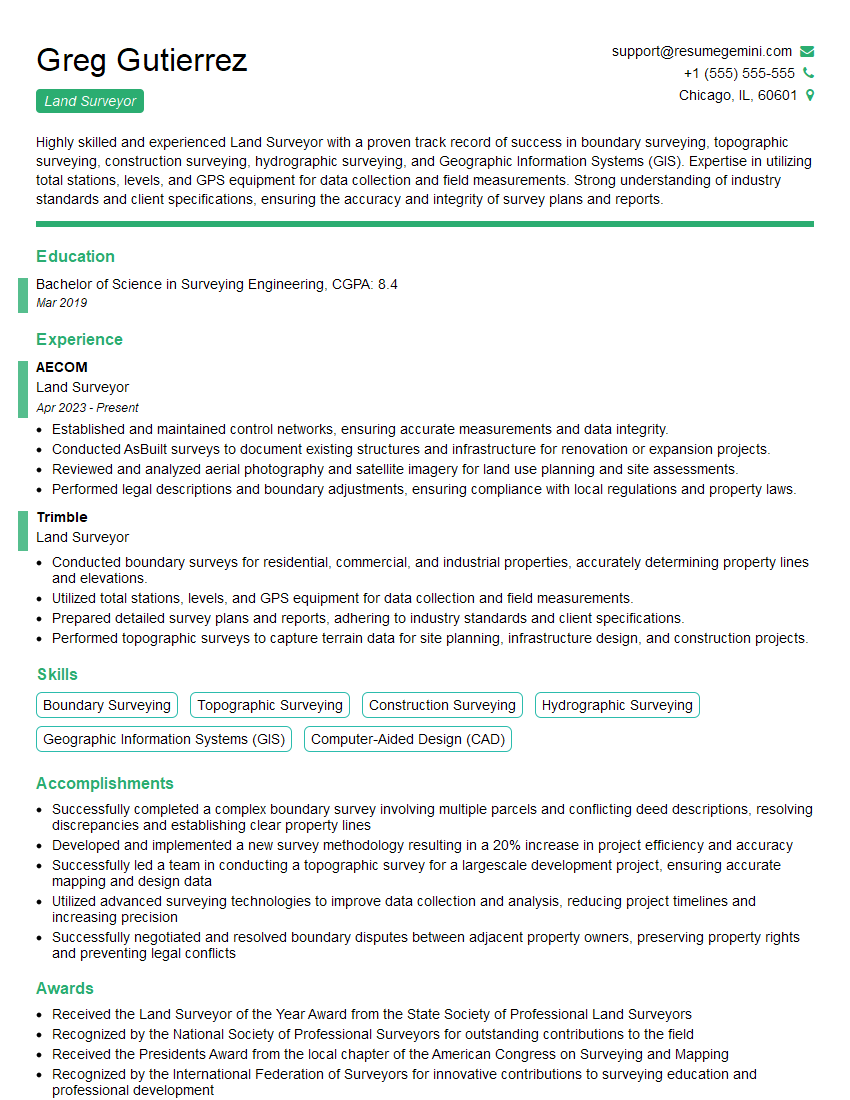
Land Surveyor Resume Sample

Civil Engineer Resume Sample
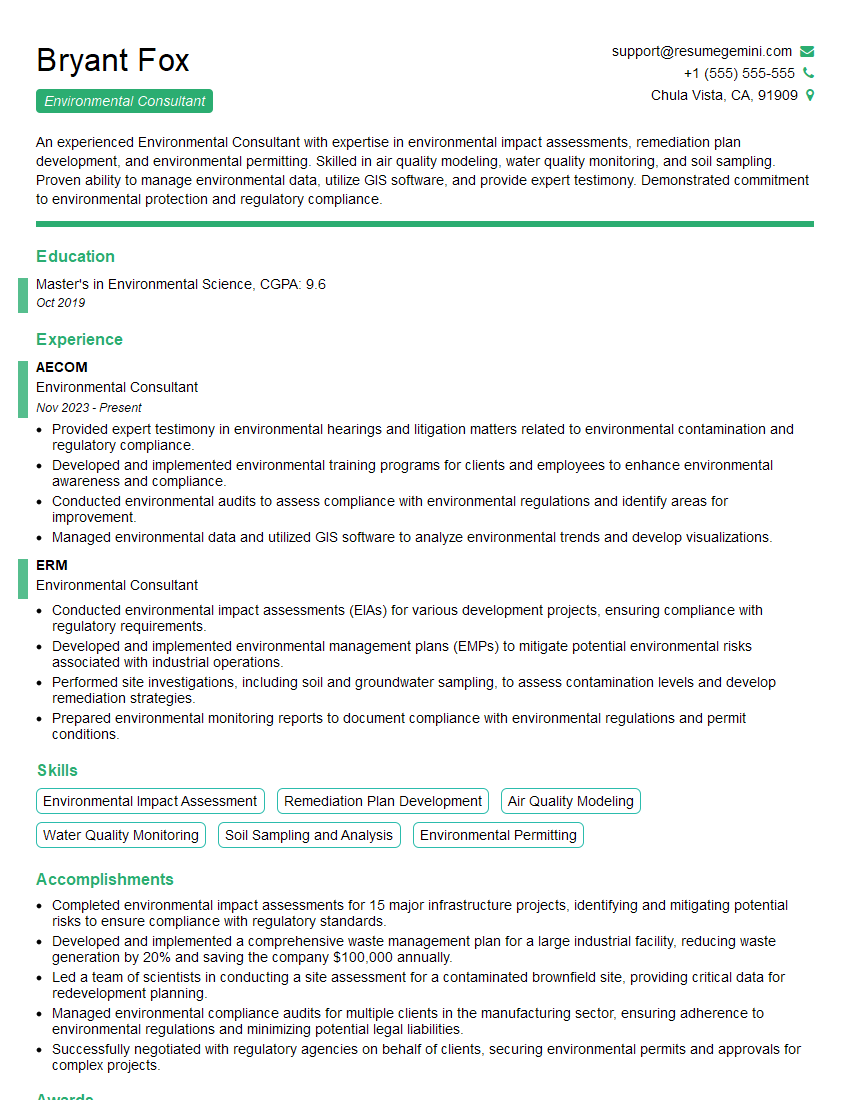
Environmental Consultant Resume Sample
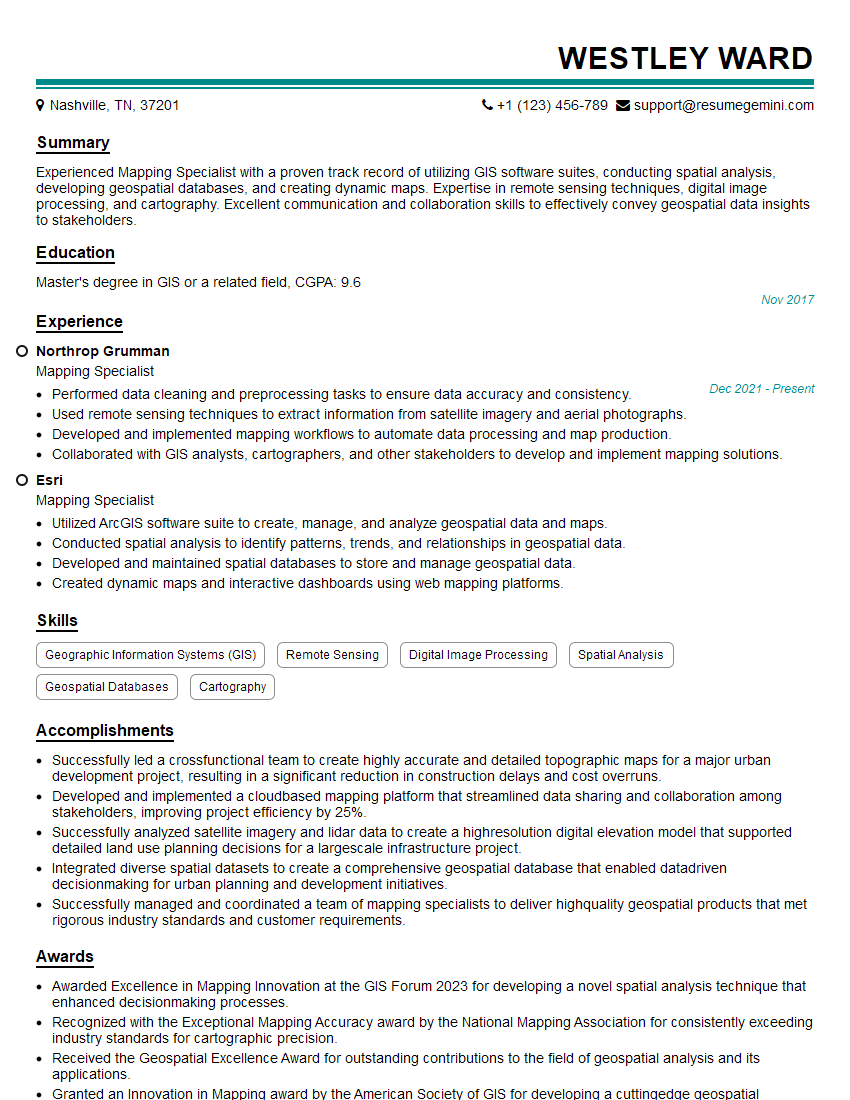
Mapping Specialist Resume Sample
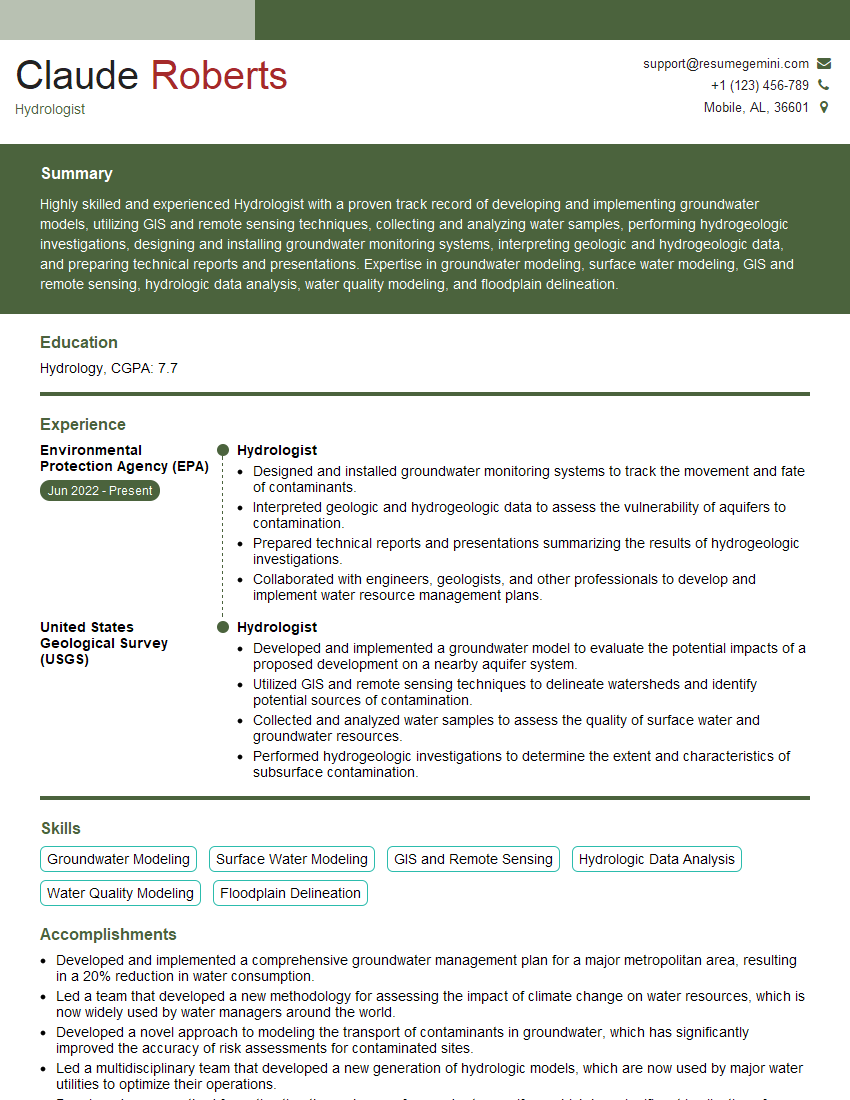
Hydrologist Resume Sample
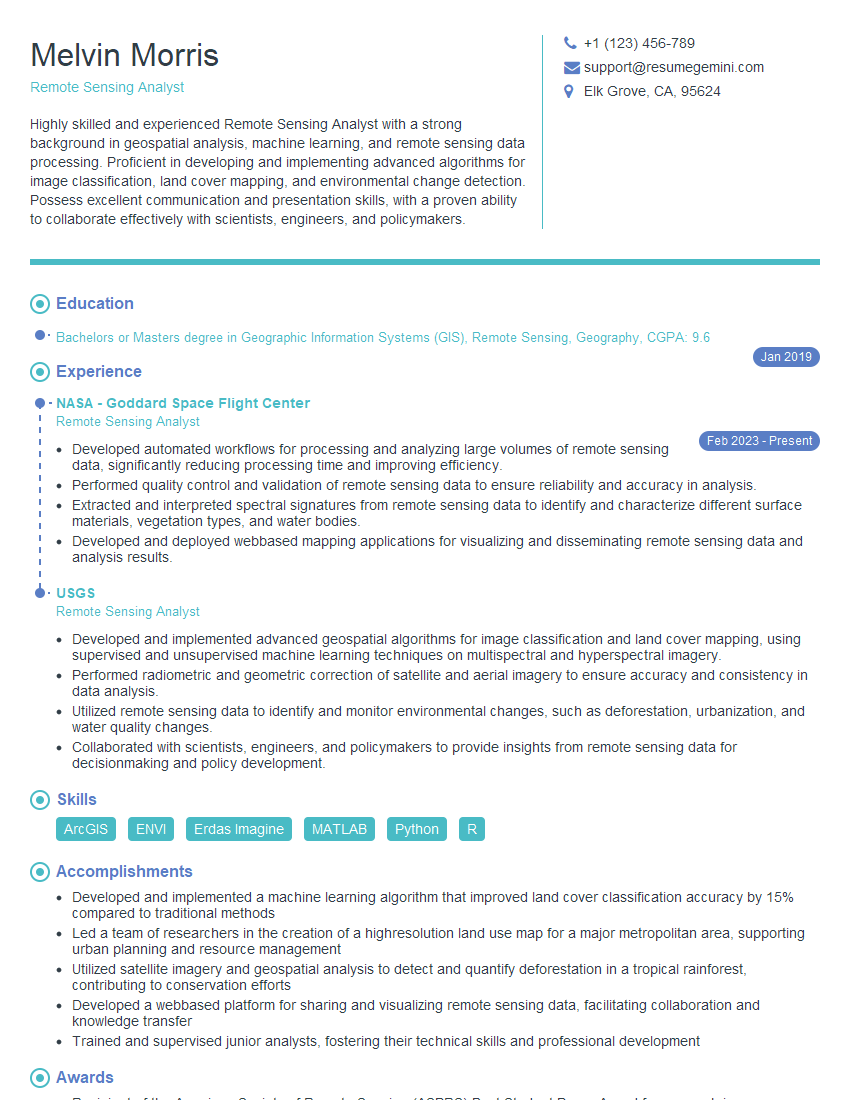
Remote Sensing Analyst Resume Sample
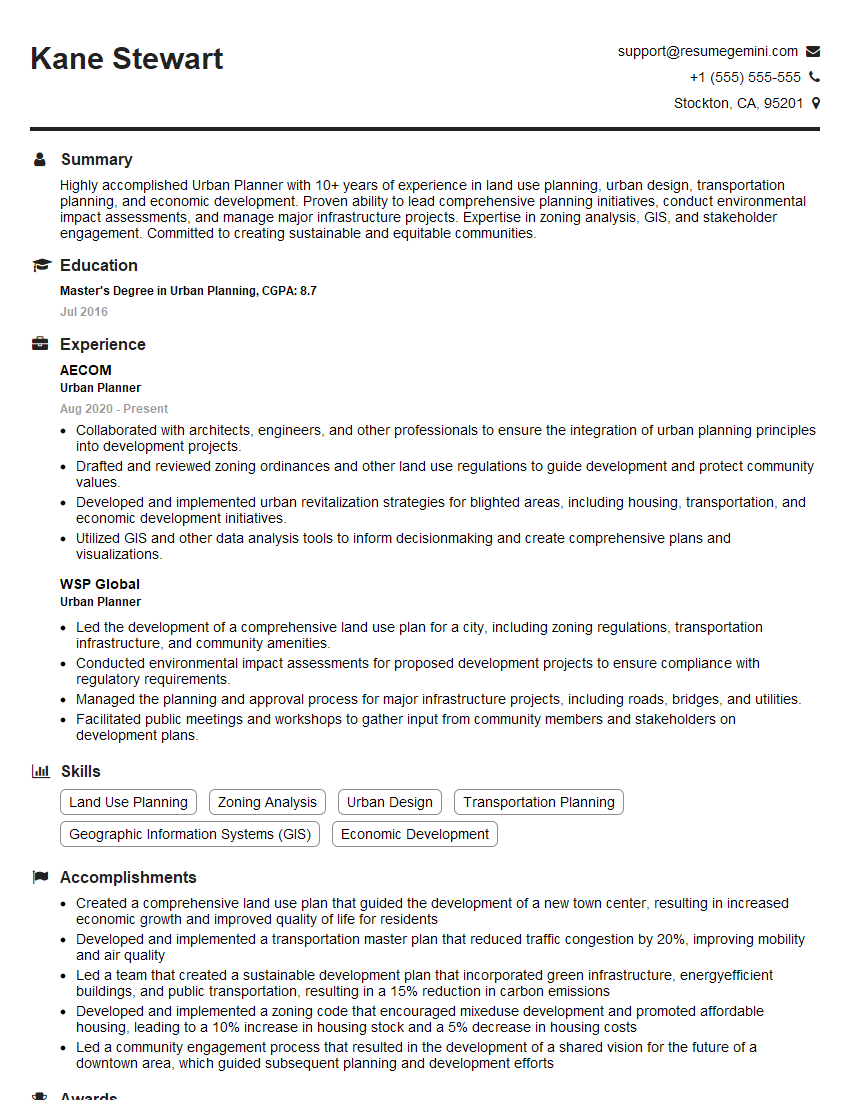
Urban Planner Resume Sample

Geographer Resume Sample
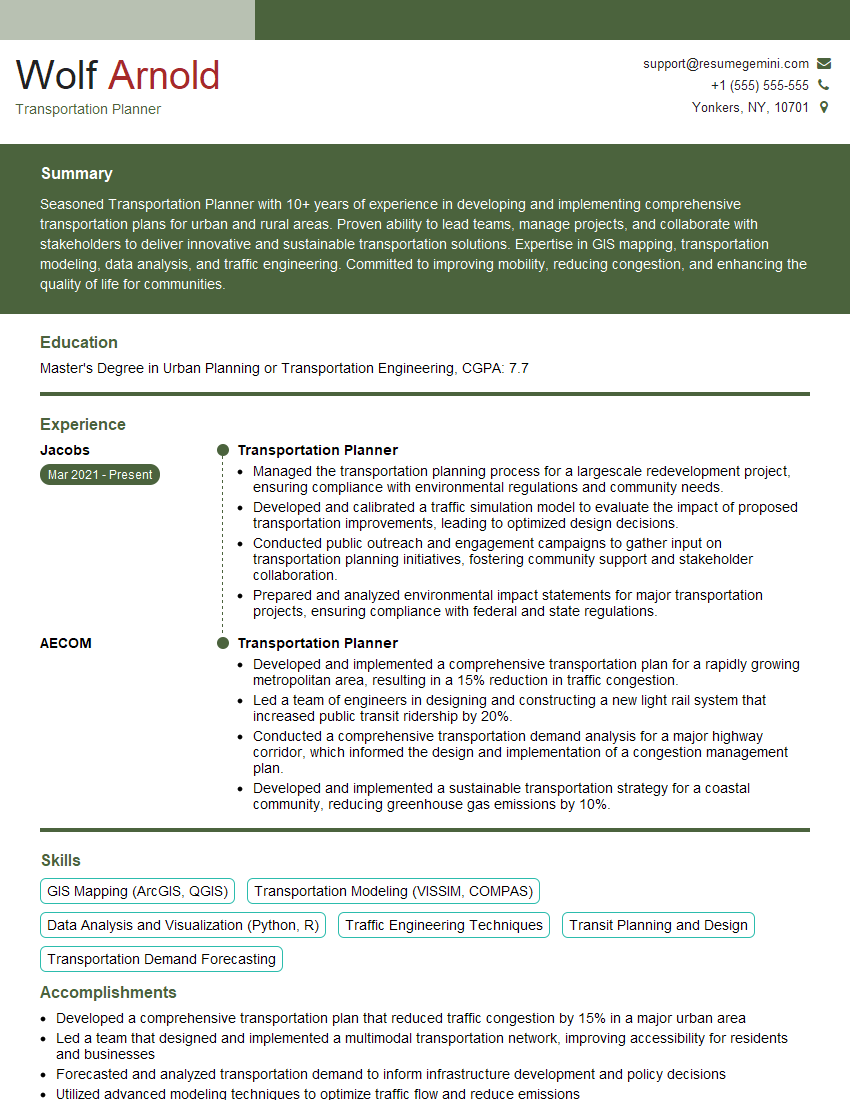
Transportation Planner Resume Sample
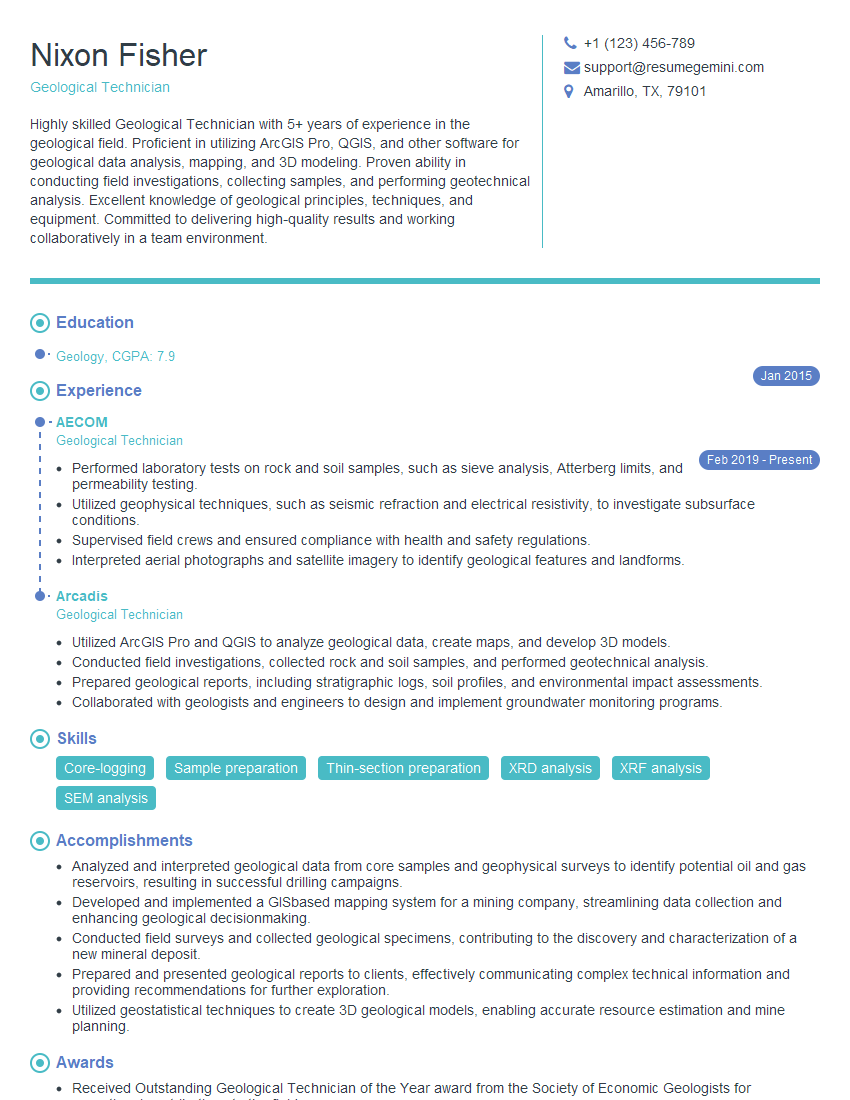
Geological Technician Resume Sample

Precision Agriculture Specialist Resume Sample

Resource Management Specialist Resume Sample
- Construction Manager
- Environmental Scientist
- Geospatial Analyst
- Cartographer
- Photogrammetrist
- Surveyor
- Land Surveyor
- Civil Engineer
- Environmental Consultant
- Mapping Specialist
- Hydrologist
- Remote Sensing Analyst
- Urban Planner
- Geographer
- Transportation Planner
- Geological Technician
- Precision Agriculture Specialist
- Resource Management Specialist
Explore more articles
Users Rating of Our Blogs
Share Your Experience
We value your feedback! Please rate our content and share your thoughts (optional).
What Readers Say About Our Blog
Very informative content, great job.
good