Interviews are opportunities to demonstrate your expertise, and this guide is here to help you shine. Explore the essential Transporting Goods interview questions that employers frequently ask, paired with strategies for crafting responses that set you apart from the competition.
Questions Asked in Transporting Goods Interview
Q 1. Explain the difference between LTL and FTL shipping.
LTL (Less-than-Truckload) and FTL (Full Truckload) shipping refer to different approaches to transporting goods based on shipment volume. FTL means you’re shipping enough cargo to fill an entire truck trailer. This is typically more cost-effective per unit because you’re not sharing space and the truck is dedicated to your shipment. Think of moving a whole household – you’d likely need an FTL. In contrast, LTL means your shipment is smaller and will share space on a truck with other companies’ goods. It’s ideal for smaller businesses or when you don’t have enough to fill a truck. This is like sharing a ride – more cost-effective if your volume is small, but less control over timing.
- FTL: Higher initial cost, but lower cost per unit for large shipments. Faster transit times, as your goods aren’t subject to multiple stops for loading and unloading other shipments.
- LTL: Lower initial cost for small shipments, but higher cost per unit. Slower transit times due to multiple stops for loading and unloading various shipments.
Choosing between LTL and FTL depends heavily on shipment size, budget, and time sensitivity. A furniture retailer shipping large quantities of sofas would choose FTL, whereas a small online store sending out individual orders might opt for LTL.
Q 2. What are Incoterms and how do they impact transportation costs?
Incoterms (International Commercial Terms) are a set of standardized trade terms published by the International Chamber of Commerce (ICC). They define responsibilities, costs, and risks associated with the transportation of goods between a buyer and a seller in an international transaction. They clarify who is responsible for what, from the point of origin to the point of destination. For example, Incoterms dictate who arranges and pays for freight, insurance, and customs clearance.
Incoterms significantly impact transportation costs because they explicitly allocate responsibility for various transportation-related expenses. For example, using ‘FOB (Free on Board)’ means the seller is responsible for delivering the goods to the named port of shipment, while the buyer is responsible for all costs and risks from that point onwards. Conversely, using ‘CIF (Cost, Insurance, and Freight)’ places the responsibility for these costs and risks on the seller until the goods arrive at the named port of destination. The chosen Incoterm directly affects freight charges, insurance premiums, and customs duties, directly influencing the overall transportation budget.
Selecting the appropriate Incoterm is crucial for avoiding disputes and ensuring transparent cost allocation. Misunderstanding Incoterms can lead to unexpected costs and delays. It’s vital to consult with legal and logistics professionals to ensure the chosen Incoterm aligns with the specific requirements of the transaction.
Q 3. Describe your experience with different modes of transportation (e.g., truck, rail, air, sea).
My experience spans across all major modes of transportation. I’ve extensively used trucking for short-haul and regional deliveries, leveraging its flexibility and reach. Rail transport has proven efficient for bulk and long-distance shipments, especially for commodities like grain or manufactured goods. Air freight offers speed for time-sensitive goods like pharmaceuticals or high-value electronics, despite its higher cost. Finally, I’ve managed ocean freight for international shipments, optimizing container utilization and navigating complex customs regulations. Each mode presents its unique advantages and challenges, and selecting the right one often involves balancing cost, speed, and reliability.
- Truck: High flexibility, good for last-mile delivery, suitable for various cargo types.
- Rail: Cost-effective for bulk, long distances, lower environmental impact compared to trucking for similar distances.
- Air: Fastest mode, ideal for time-sensitive and high-value goods, but expensive.
- Sea: Most economical for large volumes, long distances, particularly suited for international trade, but slowest mode.
I’ve learned that effective transportation strategy involves understanding the strengths and limitations of each mode and tailoring the choice to the specific needs of the shipment. For instance, I once coordinated a project shipping temperature-sensitive vaccines globally, employing a multimodal approach – air freight for intercontinental transport and refrigerated trucking for final delivery.
Q 4. How do you manage transportation costs effectively?
Managing transportation costs effectively requires a multi-pronged approach. It begins with careful route planning, considering factors like distance, traffic patterns, and fuel costs. Negotiating favorable rates with carriers is essential. This often involves building strong relationships with multiple carriers to secure competitive pricing and ensure capacity. Consolidating shipments whenever possible – grouping multiple smaller orders into larger shipments – helps leverage economies of scale and reduce per-unit costs. Furthermore, optimizing load utilization is crucial: maximizing the space within each vehicle to minimize the number of trips required.
Technology plays a significant role. Transportation Management Systems (TMS) provide tools for real-time tracking, cost analysis, and route optimization. Continuous monitoring of fuel prices and carrier performance allows for proactive adjustments to minimize expenditure. Regularly reviewing contracts and exploring alternative carriers helps ensure you’re getting the best possible rates.
Finally, a focus on efficient warehousing and inventory management reduces the need for frequent shipments, lowering overall transportation costs. Efficient order fulfillment processes also play a vital part. This includes aspects like accurate order picking and timely dispatch. It’s about a holistic approach, from planning to delivery, to ensure cost optimization.
Q 5. What are the key performance indicators (KPIs) you track in transportation?
Key Performance Indicators (KPIs) I track in transportation include:
- On-Time Delivery Rate: Percentage of shipments delivered within the scheduled timeframe. This reflects the efficiency and reliability of the transportation process.
- Freight Cost per Unit: The cost of transportation per unit of goods shipped. Tracking this helps identify areas for cost reduction.
- Transit Time: The duration it takes for a shipment to reach its destination. Analyzing this helps identify bottlenecks and optimize routes.
- Damage Rate: The percentage of shipments arriving damaged. This highlights the need for better packaging or handling procedures.
- Carrier Performance: Evaluating on-time delivery, damage rates, and overall responsiveness from various carriers to optimize selection.
- Inventory Turnover: This relates directly to transportation since faster inventory turnover can mean less warehousing and more efficient transportation cycles.
Regularly analyzing these KPIs allows for proactive identification of problems, improvement of processes, and informed decision-making to optimize the overall transportation strategy. Dashboards and reporting tools are invaluable for visualizing this data and gaining actionable insights.
Q 6. How do you handle unexpected delays or disruptions in the transportation process?
Handling unexpected delays or disruptions requires a proactive and adaptable approach. My first step is to identify the root cause of the delay – whether it’s weather, traffic congestion, port closures, or carrier issues. Once identified, I leverage real-time tracking and communication with carriers to assess the impact on the delivery schedule. Depending on the severity and nature of the disruption, I may need to explore alternative routes, carriers, or modes of transportation to mitigate the delay.
Open communication with customers is crucial. I keep them informed about the situation, providing updates and alternative solutions as needed. This transparency helps manage expectations and avoid potential disputes. Furthermore, contingency plans are essential. Having backup plans in place – such as alternate routes or carriers – allows for rapid response to unforeseen events. In case of significant delays, I might negotiate with carriers for expedited services or seek compensation for incurred losses. Documenting all communication and actions taken is vital for future reference and potential claims.
A recent instance involved a port strike causing significant delays. I proactively contacted customers, proposed alternative shipping routes (via air freight), and secured compensation from the ocean carrier for the added costs. This proactive approach not only minimized the disruption to our customers but also ensured financial protection for the company.
Q 7. Explain your experience with Transportation Management Systems (TMS).
I have extensive experience with Transportation Management Systems (TMS). TMS software provides a centralized platform for managing all aspects of the transportation process, from shipment planning and execution to tracking and reporting. I’ve used TMS to optimize routes, negotiate rates with carriers, track shipments in real-time, and manage documentation. This has significantly improved efficiency and visibility across our supply chain.
Specific functionalities I’ve utilized include route optimization algorithms, which automatically select the most efficient routes based on various factors; load planning tools, helping maximize vehicle utilization; and automated carrier selection, leveraging real-time pricing and availability data. TMS also provides reporting and analytics capabilities, enabling data-driven decision-making to continuously improve our transportation operations. For instance, I’ve used TMS data to identify underperforming carriers, renegotiate contracts, and optimize inventory levels, ultimately leading to significant cost savings.
The implementation and effective utilization of a TMS requires careful planning, data integration, and employee training. However, the benefits in terms of cost savings, increased efficiency, and improved visibility far outweigh the initial investment and implementation efforts. It’s a critical tool for managing a complex transportation network effectively.
Q 8. Describe your experience with route optimization software.
Route optimization software is crucial for maximizing efficiency and minimizing costs in goods transportation. These programs utilize algorithms to analyze various factors like distance, traffic patterns, delivery deadlines, and vehicle capacity to determine the most efficient routes. My experience involves using several industry-leading platforms, including those that integrate with our Transportation Management System (TMS). For example, I’ve used software that dynamically adjusts routes in real-time based on unexpected traffic delays or incidents, ensuring timely deliveries. Another key aspect is the ability to optimize multiple deliveries concurrently – imagine consolidating shipments to different locations to minimize fuel consumption and driver hours. This is particularly impactful in large-scale operations where small improvements in routing translate to significant cost savings over time.
In one specific instance, we were able to reduce delivery times by 15% and fuel costs by 12% within three months of implementing a new route optimization software. This involved not just choosing the software but also meticulously mapping out our delivery network and identifying key parameters to feed into the algorithm for the most accurate results.
Q 9. How do you ensure the safety and security of goods during transportation?
Ensuring the safety and security of goods during transportation is paramount. This involves a multi-layered approach encompassing physical security measures, technological safeguards, and robust documentation. Physical security involves choosing reliable carriers with a proven track record, securing shipments with appropriate packaging and seals, and utilizing GPS tracking to monitor location and movement in real-time. For high-value goods, we might even deploy specialized security personnel or utilize secure transportation methods such as armored vehicles.
Technological safeguards are equally critical. GPS tracking, as mentioned, helps monitor the journey, alerting us to deviations from planned routes. Furthermore, technologies like RFID (Radio-Frequency Identification) tags allow for precise inventory tracking, minimizing the risk of loss or theft. Detailed documentation, including manifests, bills of lading, and chain-of-custody records, provides a clear audit trail, facilitating investigations should any issues arise. We also regularly conduct thorough risk assessments to identify potential vulnerabilities and implement proactive measures to mitigate them.
Consider a situation where a shipment of pharmaceuticals requires temperature control. We’d use specialized refrigerated trucks, equipped with temperature monitoring devices and GPS tracking, to ensure the product maintains its integrity throughout transit. Regular audits of our processes and ongoing driver training on security protocols are also vital components of our safety and security strategy.
Q 10. What is your experience with compliance regulations (e.g., DOT, FMCSA)?
Compliance with regulations such as those set forth by the Department of Transportation (DOT) and the Federal Motor Carrier Safety Administration (FMCSA) is fundamental to our operations. My experience includes managing compliance across various aspects, from driver qualification files (DQFs) and hours-of-service (HOS) regulations to hazardous materials handling and vehicle maintenance records. We maintain meticulous records of all required documentation and ensure our processes are continuously updated to reflect current regulations and best practices. Regular internal audits help identify potential gaps in compliance and allow us to proactively address any issues before they lead to penalties or safety incidents.
For instance, I’ve overseen the implementation of electronic logging devices (ELDs) to ensure accurate recording of driver hours, eliminating the potential for manual errors and ensuring adherence to HOS regulations. We also conduct regular training for drivers and staff on the latest compliance requirements to maintain a culture of safety and compliance within the organization.
Q 11. How do you manage carrier relationships and negotiations?
Managing carrier relationships and negotiations is a crucial aspect of successful goods transportation. This involves building strong, long-term partnerships with reliable carriers, while simultaneously negotiating favorable rates and service levels. I have experience working with a diverse range of carriers, from small, specialized providers to large, national logistics companies. The process begins with clearly defining our needs and evaluating potential carriers based on factors such as their reliability, safety record, insurance coverage, and service offerings.
Negotiations involve a balance between securing competitive rates and maintaining a healthy working relationship. Effective communication, transparency, and mutual respect are vital. We often employ a tiered approach to carrier selection, prioritizing long-term partners for reliable, high-volume shipments and using a broader network of carriers for less frequent or specialized requirements. Performance is continuously monitored, and regular feedback is provided to foster improvement and maintain high service standards. This approach is vital to our success, especially in fluctuating market conditions.
Q 12. Explain your understanding of freight claims and how to process them.
Freight claims arise when goods are damaged, lost, or delayed during transportation. Processing these claims efficiently and effectively is crucial to minimizing financial losses and maintaining positive relationships with our clients and carriers. My experience involves managing the entire claim process, from initial investigation and documentation to final resolution and recovery of costs. This involves gathering all relevant evidence, such as inspection reports, photos, and delivery receipts, and presenting a comprehensive claim to the responsible party – typically the carrier or insurance company.
The process typically involves several steps: (1) Prompt reporting of the incident, (2) Detailed documentation of the damage or loss, (3) Notification of the carrier or insurer, (4) Negotiation and submission of a formal claim, and (5) Tracking the claim’s progress and pursuing resolution. We maintain a centralized system to track all claims and ensure timely follow-up. We prioritize clear communication throughout the process to keep all stakeholders informed and to ensure a fair and efficient resolution. A strong knowledge of relevant industry regulations and insurance policies is crucial for successful claim management.
Q 13. How do you prioritize shipments based on urgency and delivery deadlines?
Prioritizing shipments based on urgency and delivery deadlines requires a systematic approach that balances customer needs with operational constraints. We typically use a combination of factors to determine shipment priority, including delivery deadlines, product value, customer importance, and available capacity. A common method is to utilize a prioritization matrix that assigns weights to different factors, allowing for a more objective ranking of shipments. For example, a shipment with a tight deadline for a high-value product from a key customer will naturally receive higher priority than a less urgent, lower-value shipment.
In practical terms, this might involve utilizing a TMS (Transportation Management System) that incorporates sophisticated scheduling algorithms. This allows for dynamic adjustments to the shipment schedule based on real-time updates and allows us to proactively communicate any potential delays to customers. Effective communication is key; ensuring our customers are aware of the planned delivery timeline and any potential impacts related to prioritization decisions is critical for maintaining trust and managing expectations.
Q 14. What is your experience with inventory management as it relates to transportation?
Inventory management plays a crucial role in optimizing transportation efficiency. Accurate inventory data enables better forecasting of transportation needs, allowing us to consolidate shipments, optimize route planning, and minimize warehousing costs. My experience includes working with various inventory management systems, integrating them with our TMS to gain real-time visibility into inventory levels and location. This data informs transportation decisions, ensuring that we have the right amount of capacity at the right time and place.
For instance, knowing that a particular warehouse is nearing its capacity for a specific product allows us to proactively schedule shipments to avoid potential storage issues or delays. Accurate inventory data also plays a crucial role in minimizing transportation costs by allowing us to optimize load planning, eliminating empty space and maximizing the utilization of our transport vehicles. Efficient inventory management minimizes waste, reduces storage costs, and ultimately contributes to more streamlined and cost-effective transportation operations.
Q 15. How do you handle customer inquiries and complaints related to transportation?
Handling customer inquiries and complaints regarding transportation requires a structured and empathetic approach. My process begins with active listening to fully understand the issue. I then categorize the complaint – is it a delivery delay, damage to goods, billing discrepancy, or something else? This categorization allows me to direct the inquiry to the appropriate team (e.g., dispatch, claims, accounting). I believe in prompt communication; customers are updated regularly on the progress of resolving their issue. For example, if a delivery is delayed, I would provide a revised estimated time of arrival (ETA) along with a clear explanation for the delay. For damage claims, I’d guide them through the process of providing photographic evidence and completing the necessary forms. Transparency and keeping the customer informed are key to building trust and resolving the situation effectively. Ultimately, my goal is to find a mutually agreeable solution, whether it’s a refund, replacement, or other form of compensation. I maintain detailed records of all inquiries and resolutions for tracking and improvement purposes.
Career Expert Tips:
- Ace those interviews! Prepare effectively by reviewing the Top 50 Most Common Interview Questions on ResumeGemini.
- Navigate your job search with confidence! Explore a wide range of Career Tips on ResumeGemini. Learn about common challenges and recommendations to overcome them.
- Craft the perfect resume! Master the Art of Resume Writing with ResumeGemini’s guide. Showcase your unique qualifications and achievements effectively.
- Don’t miss out on holiday savings! Build your dream resume with ResumeGemini’s ATS optimized templates.
Q 16. Describe your experience with different types of freight (e.g., hazardous materials, perishable goods).
My experience encompasses a wide range of freight types. I’ve worked extensively with hazardous materials, requiring adherence to strict regulations and specialized handling procedures. This includes proper documentation (like Safety Data Sheets and shipping papers), the use of appropriate containers and labeling, and ensuring compliance with DOT (Department of Transportation) regulations. For example, I’ve managed the transport of Class 3 flammable liquids, needing specific vehicle types and emergency response plans. I’ve also handled perishable goods, like fresh produce or pharmaceuticals, demanding temperature-controlled transportation and meticulous monitoring. Time-sensitive deliveries are crucial here, often utilizing refrigerated trucks and tracking systems to guarantee product quality. Finally, I have significant experience with general freight – everything from furniture to electronics – which requires efficient loading, securing, and routing strategies to minimize damage and ensure timely deliveries. Each freight type presents unique challenges, and my approach is always tailored to the specific requirements and risks involved.
Q 17. How do you track and measure the efficiency of your transportation operations?
Tracking and measuring transportation efficiency involves a multi-faceted approach. Key Performance Indicators (KPIs) are essential. I regularly monitor metrics such as on-time delivery rate, fuel efficiency (measured in miles per gallon or liters per kilometer), driver productivity (deliveries per day), and cost per mile. We use Transportation Management Systems (TMS) that provide real-time visibility into shipment location and status, enabling proactive issue resolution. For example, if a truck is experiencing delays, we can identify the cause and implement corrective actions. Data analysis helps identify trends and areas for improvement. For example, if fuel efficiency is consistently low on a particular route, we might investigate alternative routes or driver training programs. Furthermore, we continuously evaluate our carrier selection process, ensuring we use reliable providers with strong performance records. Regularly reviewing these KPIs and making data-driven decisions is vital for maintaining and improving operational efficiency.
Q 18. What strategies do you use to improve on-time delivery performance?
Improving on-time delivery performance relies on a proactive and comprehensive strategy. First, accurate route planning is crucial, using GPS technology and traffic prediction software to optimize routes and avoid potential delays. Secondly, driver training and communication are vital; well-trained drivers are more efficient and adept at handling unexpected events. Thirdly, preventative maintenance on vehicles is non-negotiable; breakdowns are a major source of delays. We use predictive maintenance programs to schedule servicing before issues arise. Fourthly, effective communication with customers and internal teams is crucial for anticipating and resolving potential problems quickly. Finally, having robust contingency plans in place for unexpected events (traffic accidents, weather delays) is critical to minimizing disruptions. We might have backup drivers or alternative routes readily available. By addressing these elements systematically, we can significantly enhance on-time delivery performance and satisfy our customers.
Q 19. How familiar are you with various shipping documentation (e.g., Bill of Lading, Commercial Invoice)?
I am very familiar with various shipping documents, and understand their importance in the smooth flow of goods. The Bill of Lading (BOL) is crucial; it serves as a contract between the shipper, carrier, and consignee, detailing the shipment specifics (goods, quantity, origin, destination). The Commercial Invoice is an essential document for international shipments, outlining the goods’ description, value, and other relevant customs information. Other documents I frequently use include packing lists (detailing the contents of each package), certificates of origin (verifying the goods’ country of origin), and insurance certificates. Understanding these documents is critical for accurate accounting, customs clearance, and resolving potential discrepancies. My experience also includes familiarity with electronic data interchange (EDI) systems, enabling automated exchange of shipping information between trading partners, enhancing speed and accuracy.
Q 20. Describe your experience with international shipping and customs procedures.
My experience with international shipping and customs procedures is extensive. I’m adept at navigating the complexities of different countries’ import and export regulations. This includes preparing and submitting all necessary documentation for customs clearance (like commercial invoices, certificates of origin, and import permits) and understanding incoterms (International Commercial Terms), which specify responsibilities between buyer and seller during the shipping process. I’ve handled shipments across continents, carefully considering factors such as port regulations, documentation requirements, and potential delays. I work closely with customs brokers to ensure a smooth and compliant customs clearance process, minimizing delays and associated costs. Navigating different regulatory environments requires a meticulous and knowledgeable approach, and I’ve developed a strong understanding of how to avoid pitfalls. For instance, I’ve successfully resolved issues arising from inaccurate documentation or changes in import regulations by proactively communicating with relevant authorities and stakeholders.
Q 21. How do you utilize technology to improve transportation efficiency?
Technology plays a vital role in improving transportation efficiency. We utilize Transportation Management Systems (TMS) for route optimization, real-time tracking, and automated dispatch. GPS tracking devices provide continuous updates on vehicle location and speed, allowing for proactive problem-solving. Telematics systems collect data on driver behavior, fuel consumption, and vehicle performance, providing insights for optimization. Furthermore, we use enterprise resource planning (ERP) systems to integrate transportation data with other business functions, improving overall supply chain visibility and efficiency. Data analytics tools help us identify trends and patterns in our data, facilitating evidence-based decision-making. For example, analyzing historical delivery times allows for improved ETA predictions and proactive adjustments to our operations. The adoption of these technologies helps to reduce costs, improve on-time delivery, and enhance the overall effectiveness of our transport operations.
Q 22. What is your experience with warehouse management systems (WMS)?
Warehouse Management Systems (WMS) are the backbone of efficient warehouse operations. They’re software applications that optimize the movement and storage of goods within a warehouse, from receiving to shipping. My experience spans over eight years, working with various WMS platforms, including Oracle WMS, Manhattan Associates, and Blue Yonder. I’ve been involved in everything from system implementation and configuration to daily operational management and process improvement. For example, at my previous company, we implemented a new WMS that reduced picking errors by 15% and improved order fulfillment time by 10% within the first six months. This involved detailed process mapping, user training, and ongoing system optimization.
My expertise extends beyond just using the software; I understand the underlying principles of warehouse design, inventory control, and order management that a WMS supports. I can effectively leverage WMS data for reporting, analysis, and continuous improvement initiatives, enabling data-driven decisions regarding warehouse layout, staffing levels, and equipment utilization.
Q 23. How do you ensure the accurate tracking of goods throughout the supply chain?
Accurate tracking of goods is crucial for maintaining transparency and efficiency throughout the supply chain. This involves using a combination of technologies and processes. First and foremost is implementing a robust tracking system, often integrated with the WMS. This system might utilize barcodes, RFID tags, or even GPS tracking, depending on the nature of the goods and the transportation methods. Each item receives a unique identifier that is scanned at every stage of the journey: receiving, putaway, picking, packing, shipping, and delivery. This data is then recorded in a central database, allowing for real-time visibility into the location and status of every item.
Beyond technology, effective communication is essential. Regular updates to customers and internal stakeholders regarding shipment progress are key, and a well-defined escalation process for addressing potential delays or issues is critical. We also employ regular audits and reconciliation processes to ensure the accuracy of inventory data and identify potential discrepancies early on. Think of it like following a package with a detailed delivery confirmation – every step is documented, providing complete transparency.
Q 24. What is your experience with load planning and optimization?
Load planning and optimization is a critical aspect of transportation management, focusing on maximizing the efficiency and safety of each shipment. My experience involves using specialized software and applying established best practices to ensure optimal load configurations. This includes considering factors like weight distribution, cube utilization, and the fragility of the goods. For example, I’ve worked with software that uses algorithms to create three-dimensional models of the cargo space, automatically placing items to minimize wasted space and prevent damage during transit. Improper load planning can lead to accidents, damage, and increased transportation costs, so understanding these techniques is crucial.
Beyond software, my experience encompasses manual load planning for situations where automated systems might not be appropriate. I’m proficient in techniques like block stacking, which is especially important for fragile items, and securing loads with appropriate strapping and bracing to prevent shifting during transit. This involves understanding the weight limitations of the vehicles and adhering to all relevant safety regulations.
Q 25. How do you balance cost, speed, and reliability in transportation planning?
Balancing cost, speed, and reliability in transportation planning is a constant juggling act. There’s often a trade-off; faster transportation usually costs more, while cheaper options might be slower and less reliable. My approach centers around understanding the priorities for each shipment. For time-sensitive goods, air freight might be necessary despite the higher cost, while less urgent items can be shipped via less expensive ground transportation. The key is to analyze the specific needs and constraints of each shipment and selecting the most suitable transportation mode based on a comprehensive cost-benefit analysis.
Negotiation with carriers is also critical. Building strong relationships with various carriers allows me to leverage their pricing and service options to find the best balance for each shipment. Technology plays a crucial role here; route optimization software helps select the most efficient routes, minimizing fuel consumption and transit time while avoiding potential delays due to traffic or road closures. Regular monitoring and analysis of transportation performance metrics, such as on-time delivery rates and cost per unit, enables continuous improvement and fine-tuning of our strategies.
Q 26. Describe a time you had to solve a complex transportation problem. What was your approach?
One challenging situation involved a major supplier experiencing a sudden production shutdown due to a natural disaster. We had a significant order pending delivery, with a tight deadline for a major retail launch. The initial transportation plan was disrupted, threatening a substantial loss of revenue. My approach involved a multi-pronged strategy. First, I established a crisis communication plan, keeping all stakeholders informed of the situation and potential alternative solutions.
Then, I leveraged my network to identify alternative transportation options. This involved exploring different carriers, transportation modes, and even rerouting shipments through different ports and distribution centers. I meticulously evaluated cost, time, and reliability factors for each alternative solution. Finally, I utilized data analytics to track the movement of goods in real-time, making necessary adjustments as the situation evolved. We successfully delivered the majority of the order on time, minimizing the negative impact of the supplier’s shutdown. This experience underscored the importance of adaptability, resourcefulness, and strong collaboration across departments and external partners.
Q 27. What are your salary expectations for this position?
Based on my experience and the requirements of this position, my salary expectations are in the range of $X to $Y annually. I’m confident that this aligns with the market value for a professional with my skillset and accomplishments in the transportation industry.
Q 28. What are your long-term career goals in the transportation industry?
My long-term career goals in the transportation industry involve continuing to develop my expertise in logistics optimization and supply chain management. I aim to take on increasing responsibility, potentially leading a team or managing larger-scale projects. I’m also keen on exploring emerging technologies in the field, such as blockchain and AI, and applying them to further enhance efficiency and transparency in transportation. Ultimately, I want to contribute to shaping a more sustainable and resilient transportation system.
Key Topics to Learn for Transporting Goods Interview
- Logistics and Supply Chain Management: Understanding the entire process from origin to delivery, including inventory management, warehousing, and order fulfillment.
- Transportation Modes: Knowledge of different transportation methods (road, rail, sea, air) and their respective advantages, disadvantages, and cost-effectiveness in various scenarios.
- Freight Handling and Documentation: Familiarity with proper handling procedures, documentation requirements (Bills of Lading, etc.), and compliance regulations.
- Route Planning and Optimization: Understanding how to efficiently plan routes, considering factors like distance, time, cost, and traffic conditions. Practical application involves using route planning software or optimizing manually.
- Safety and Regulations: Knowledge of relevant safety regulations, hazard identification, and risk mitigation strategies within the transportation sector.
- Technology in Transportation: Familiarity with GPS tracking, telematics, and other technologies used to monitor and manage goods in transit. This includes understanding their practical applications and limitations.
- Problem-solving and Decision-making under pressure: Demonstrate your ability to handle unexpected delays, logistical challenges, and customer concerns effectively.
- Customer Service and Communication: Effective communication skills to interact with clients, suppliers, and internal teams.
- International Trade and Customs: Understanding import/export procedures, customs regulations, and documentation for international shipments.
- Cost Management and Budgeting: Analyzing transportation costs, identifying areas for optimization, and developing cost-effective strategies.
Next Steps
Mastering the intricacies of transporting goods is crucial for a successful and rewarding career in logistics and supply chain management. It opens doors to diverse roles with excellent growth potential. To significantly boost your job prospects, create an ATS-friendly resume that highlights your skills and experience effectively. ResumeGemini is a trusted resource to help you build a professional and impactful resume. They provide examples of resumes tailored to the Transporting Goods industry, ensuring your application stands out from the competition. Invest the time to craft a compelling resume – it’s your first impression with potential employers.
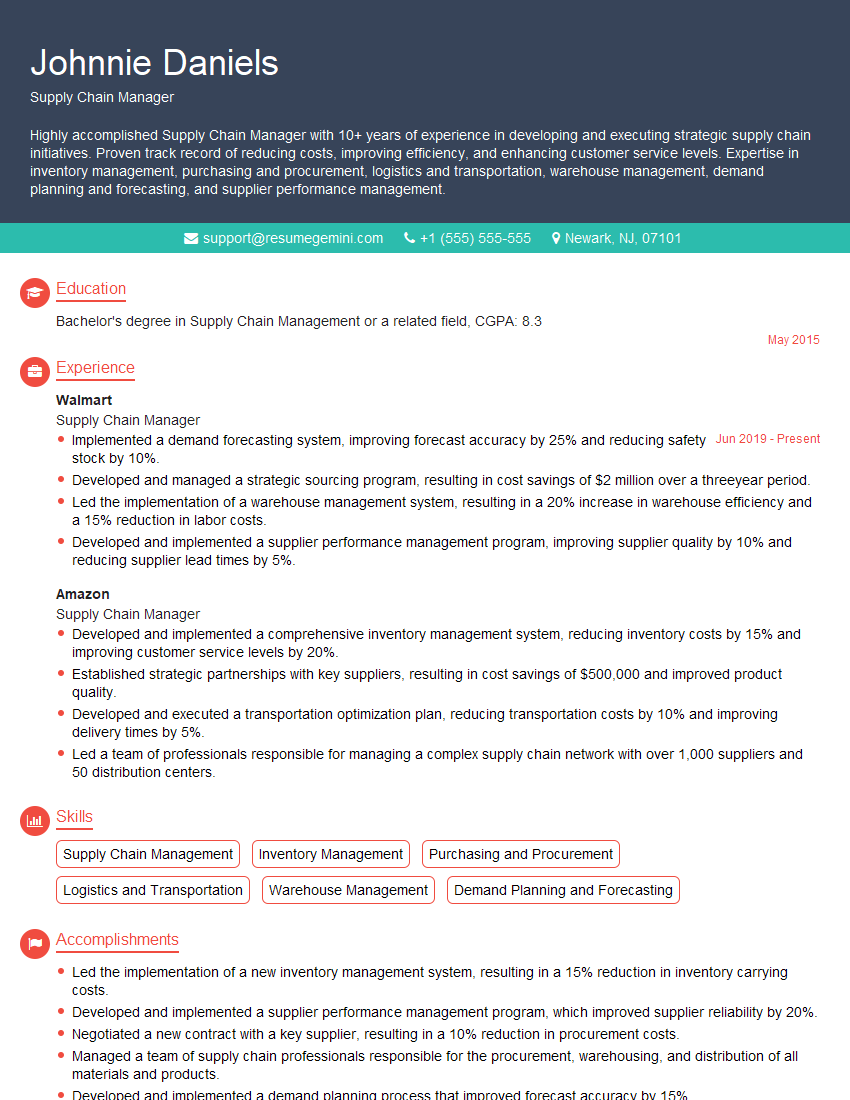
Supply Chain Manager Resume Sample
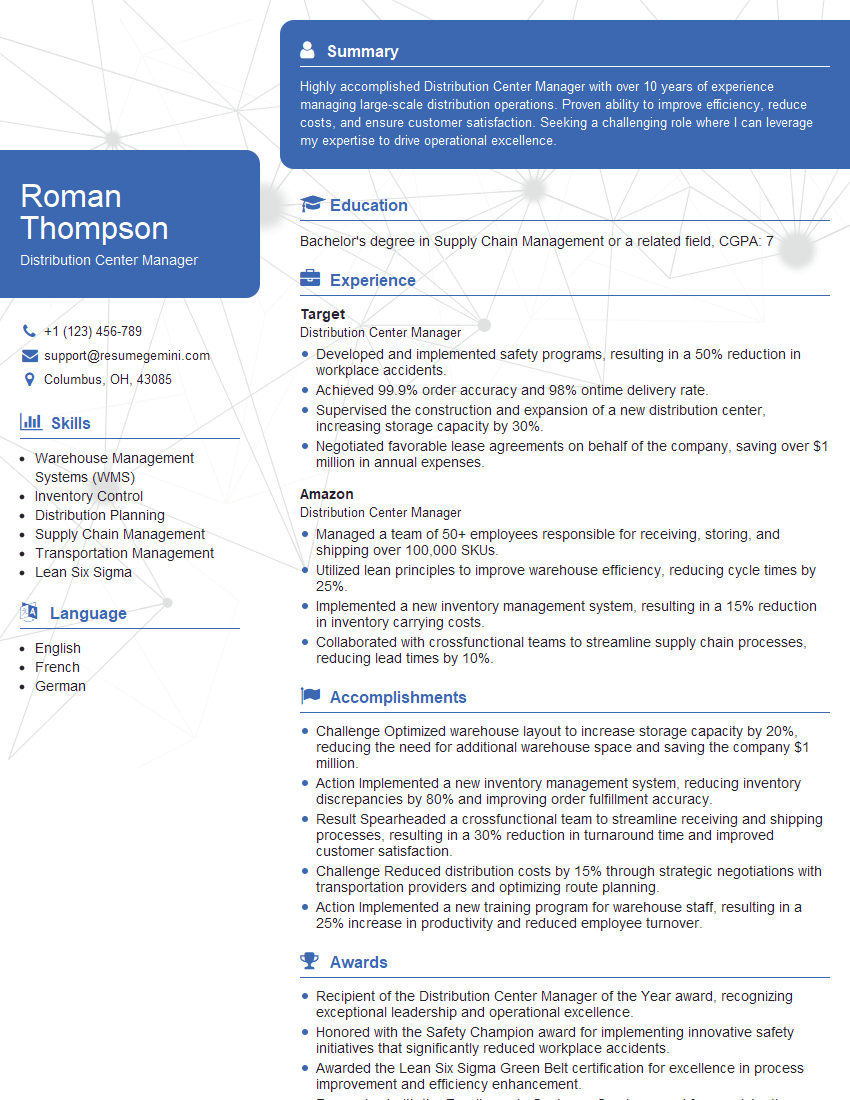
Distribution Center Manager Resume Sample
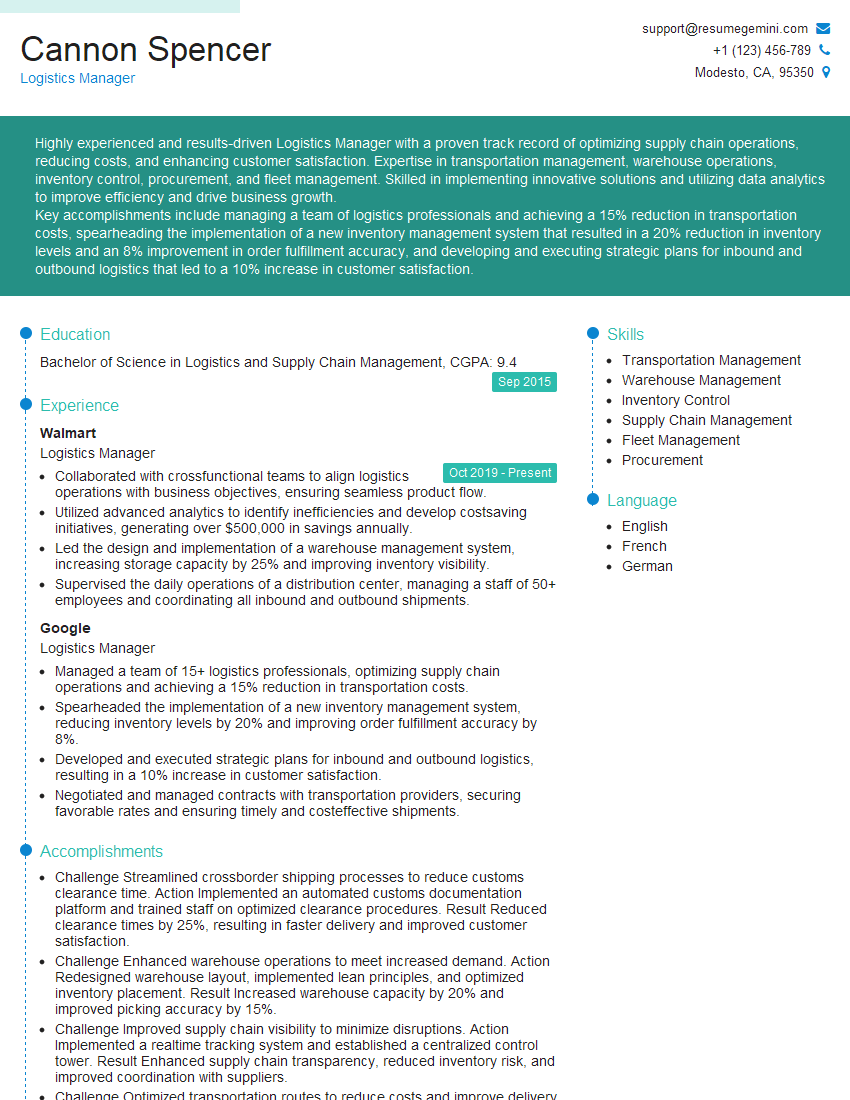
Logistics Manager Resume Sample
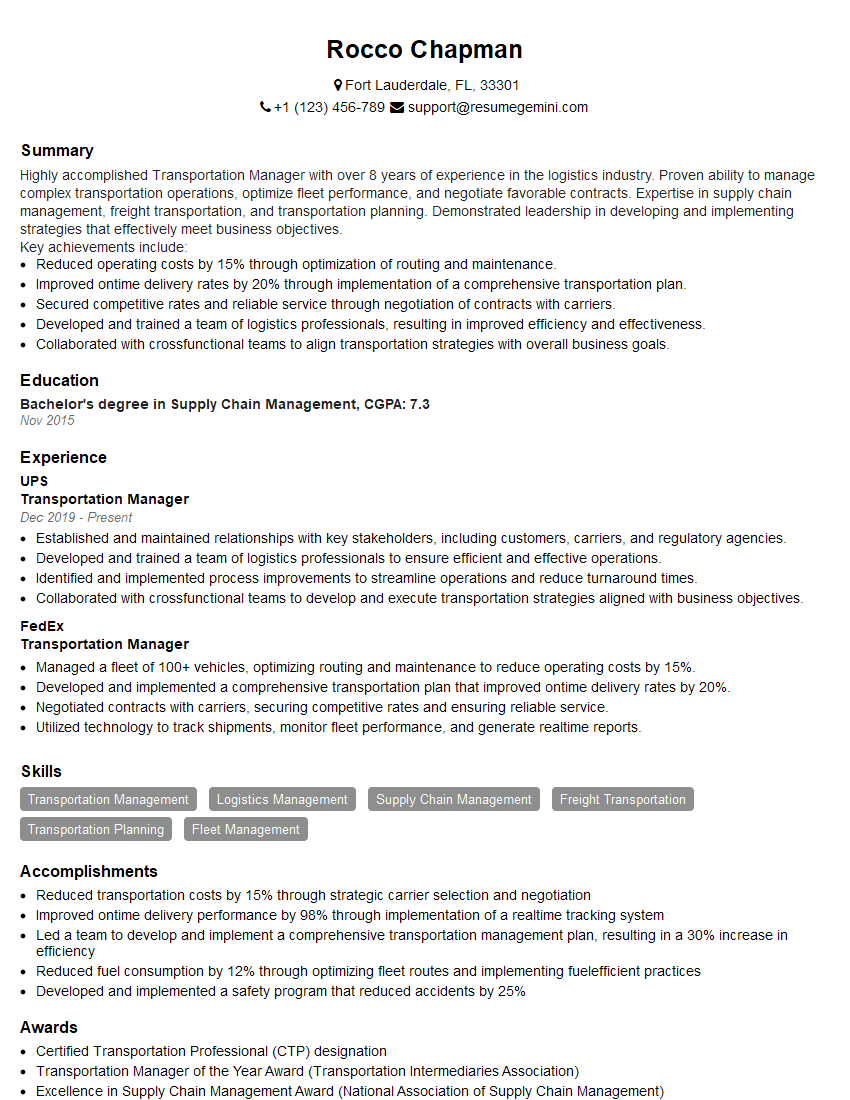
Transportation Manager Resume Sample
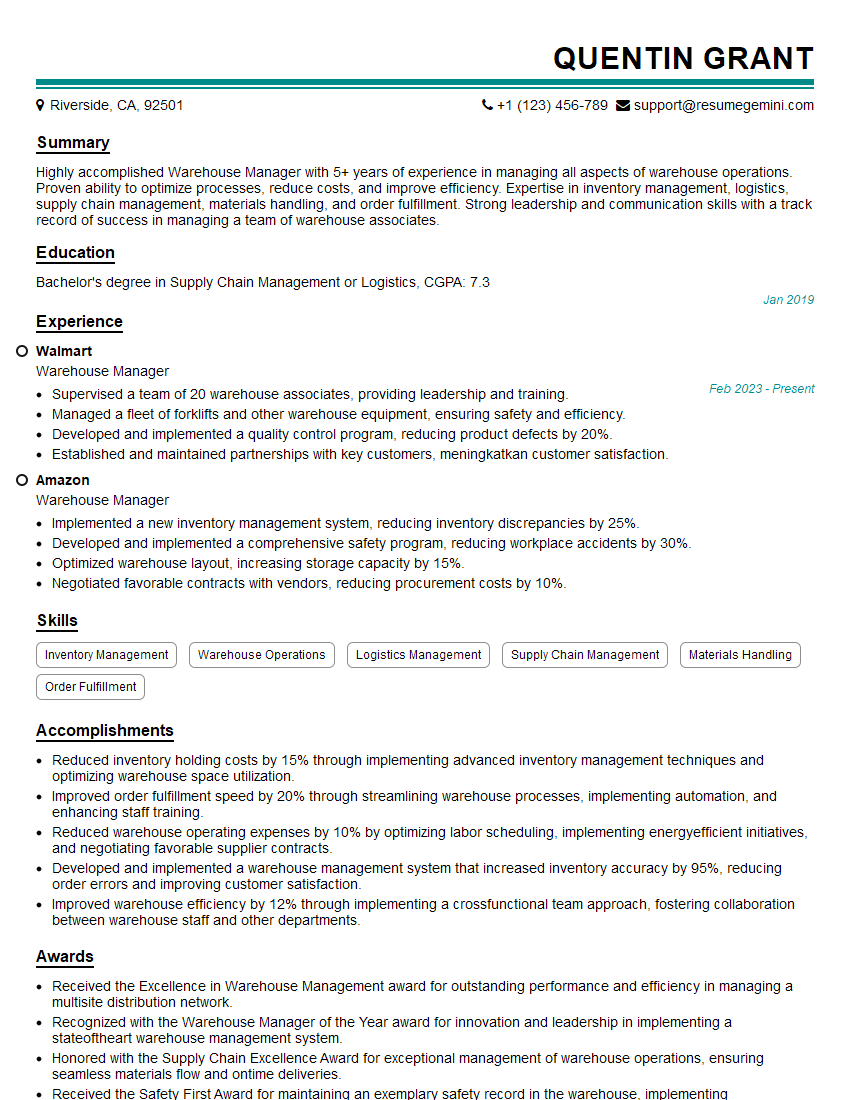
Warehouse Manager Resume Sample
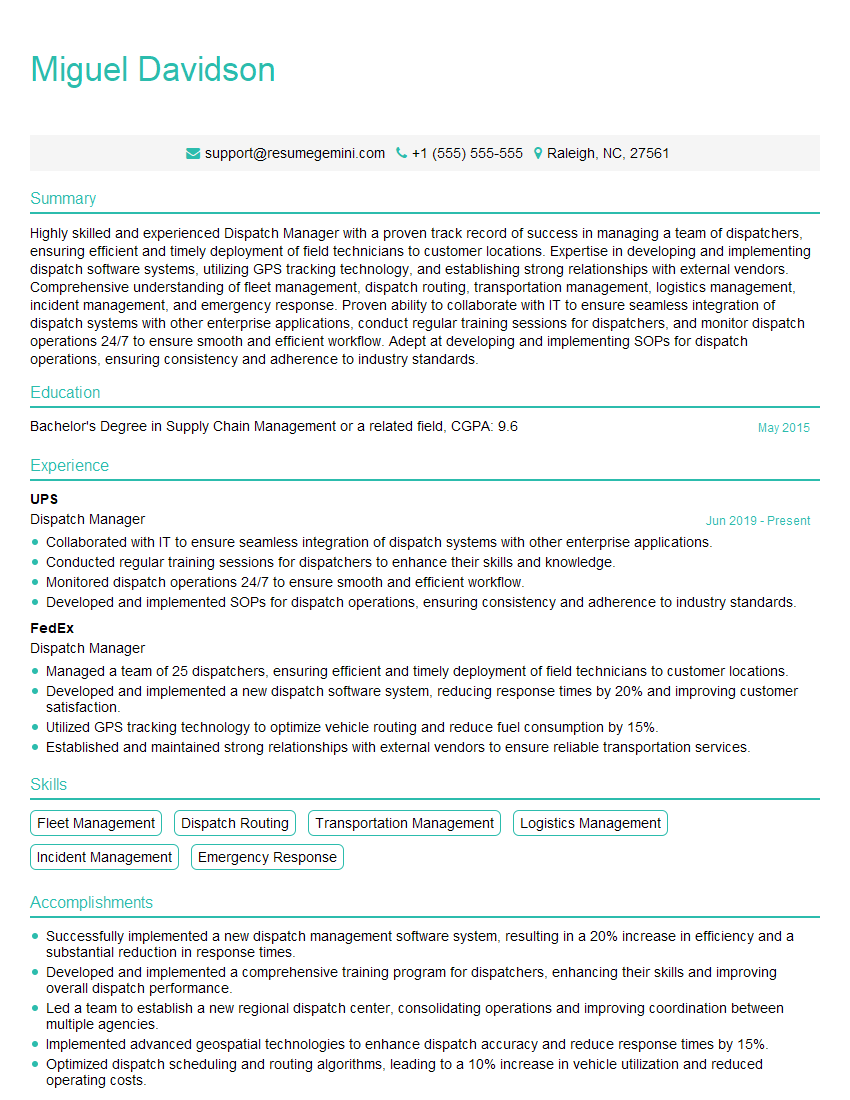
Dispatch Manager Resume Sample
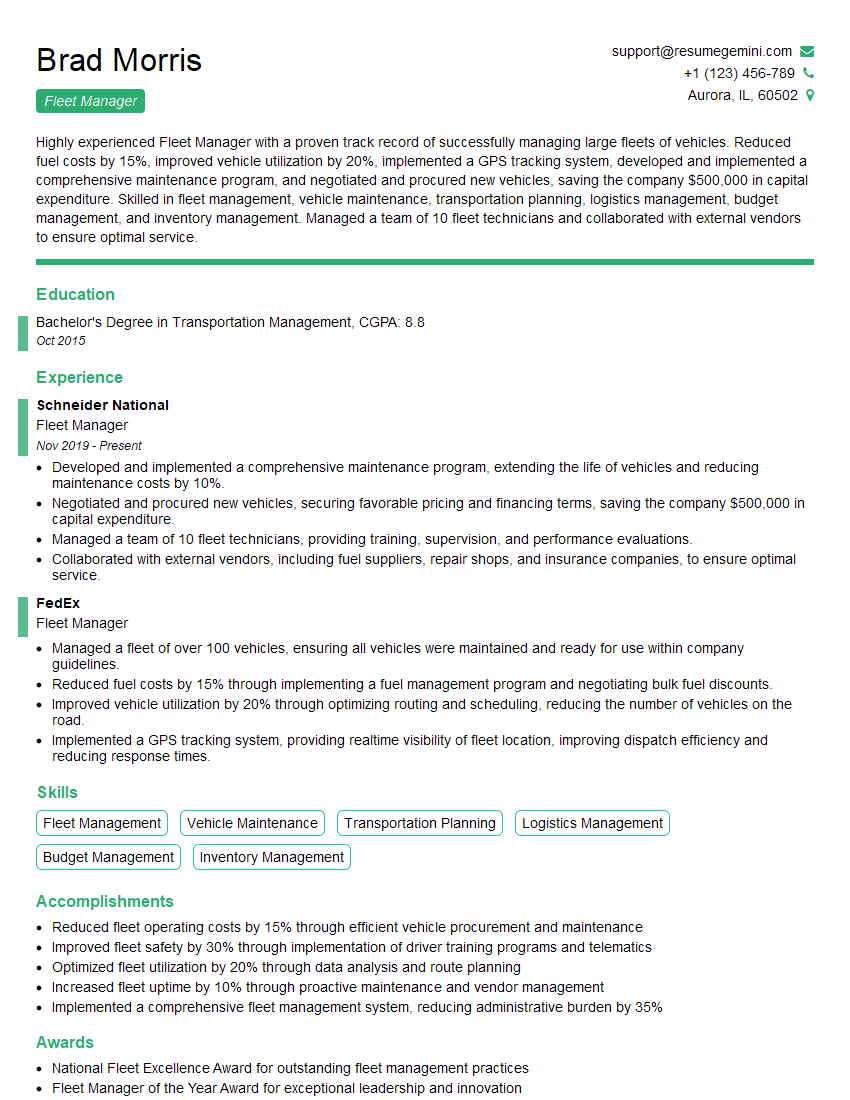
Fleet Manager Resume Sample
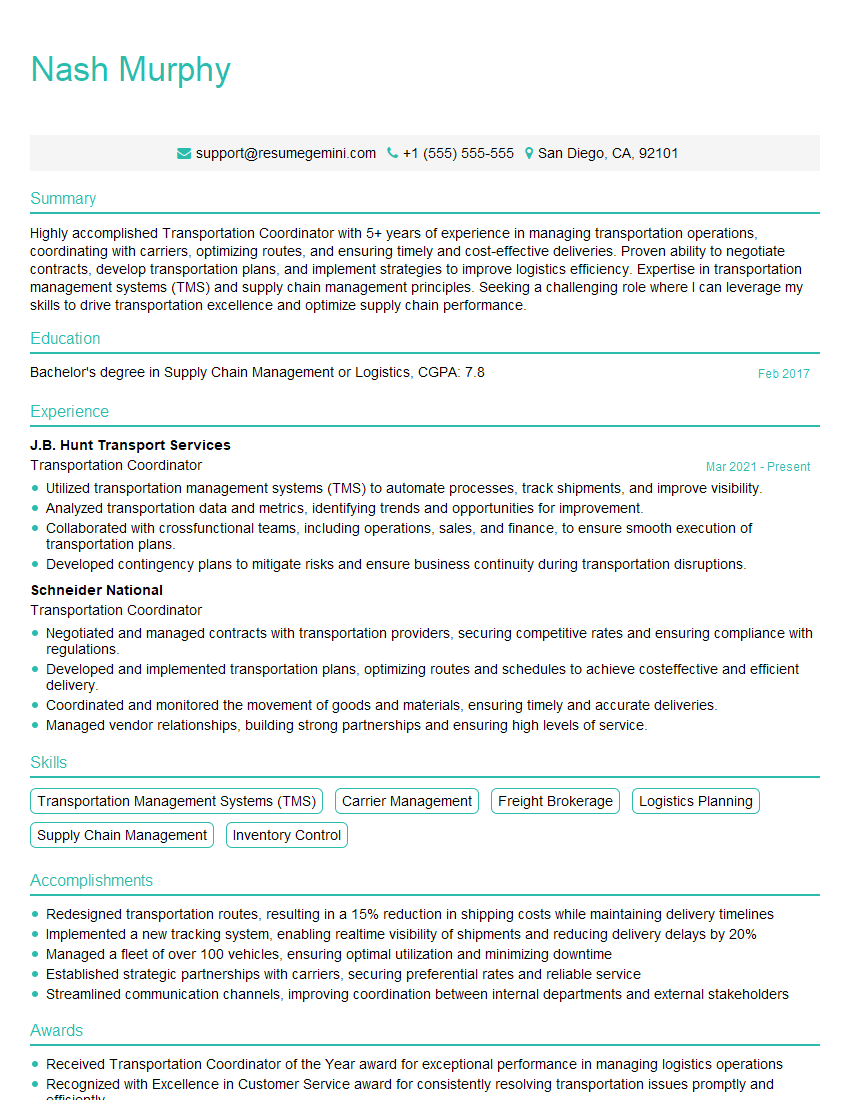
Transportation Coordinator Resume Sample
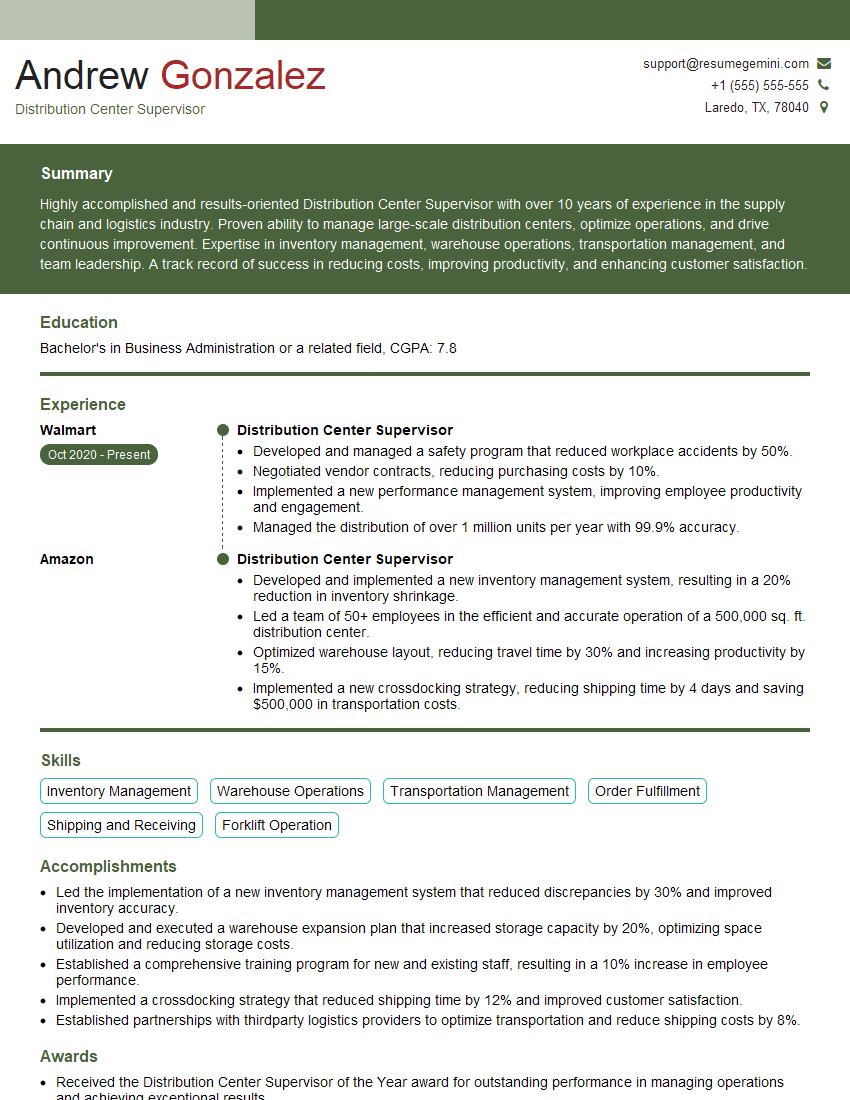
Distribution Center Supervisor Resume Sample
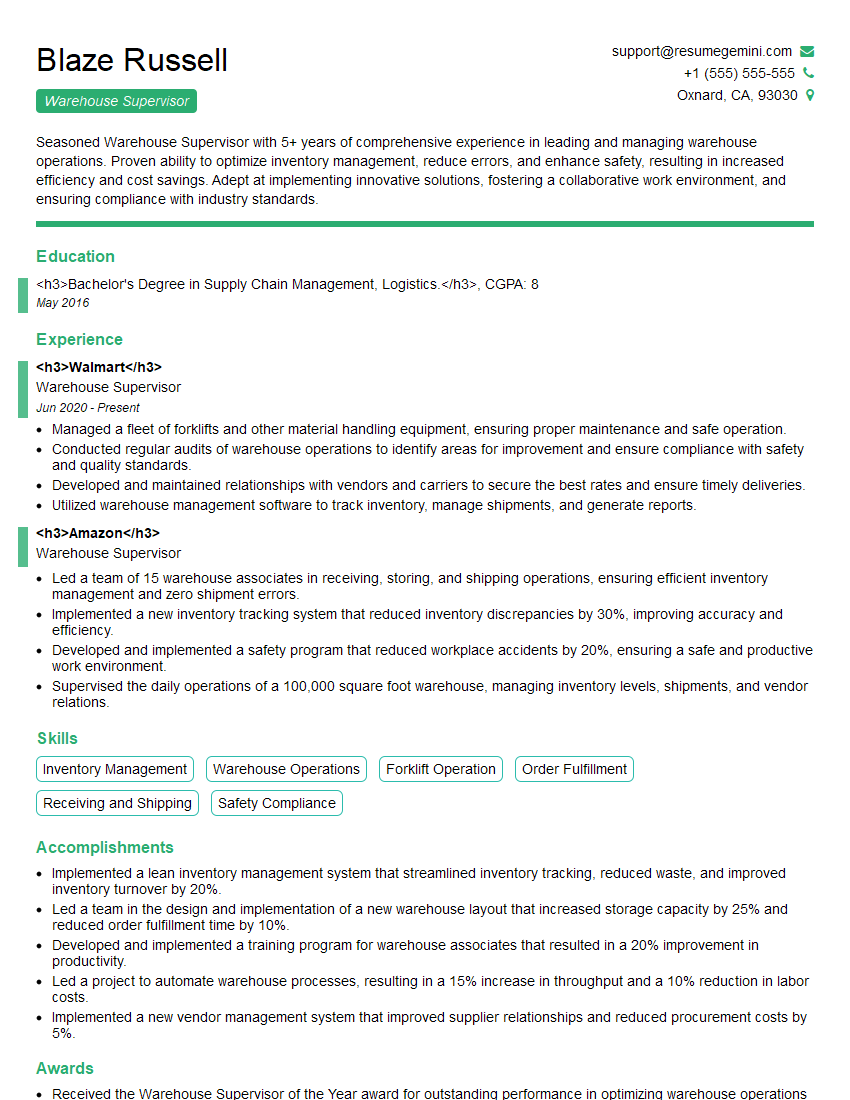
Warehouse Supervisor Resume Sample
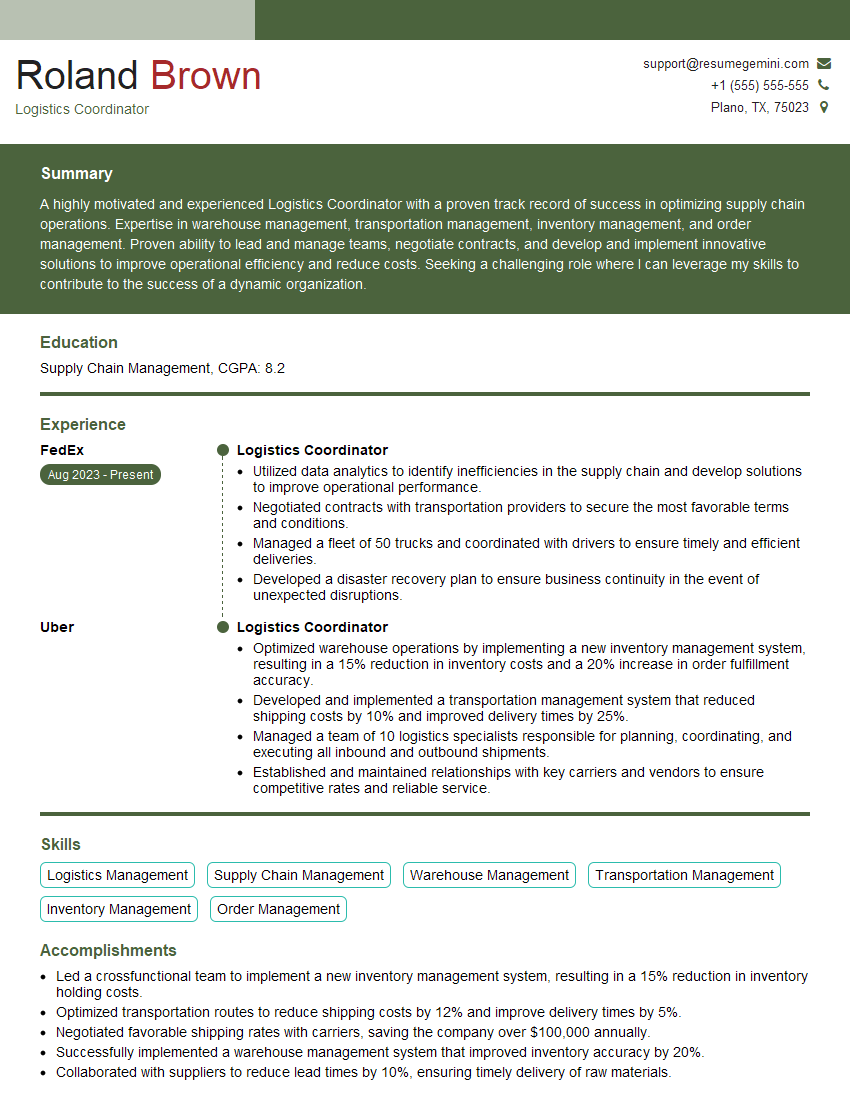
Logistics Coordinator Resume Sample
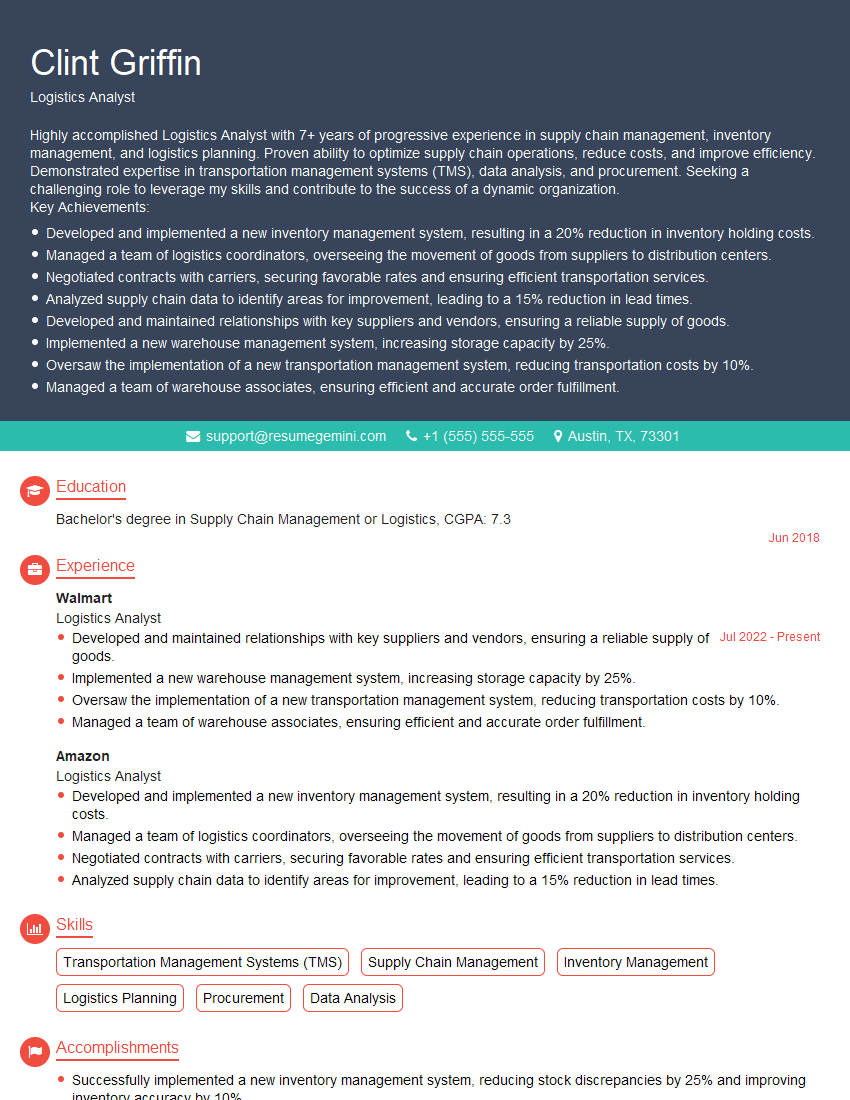
Logistics Analyst Resume Sample
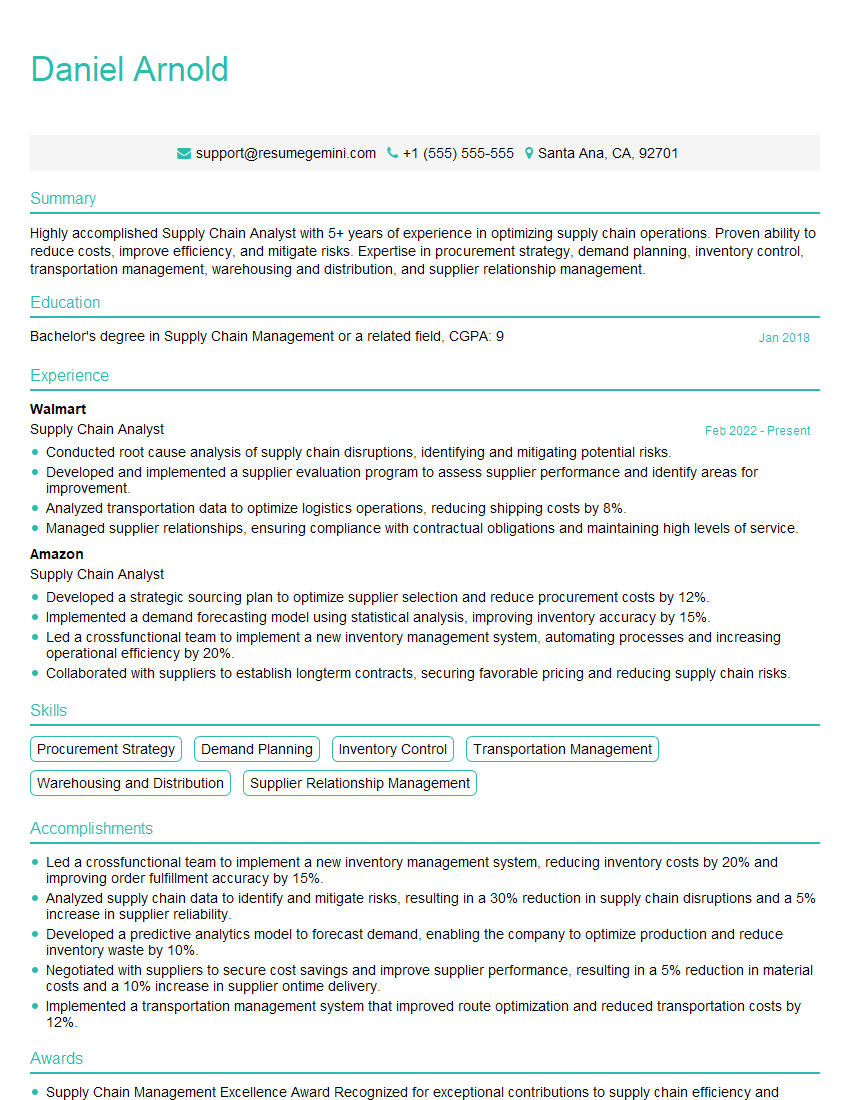
Supply Chain Analyst Resume Sample
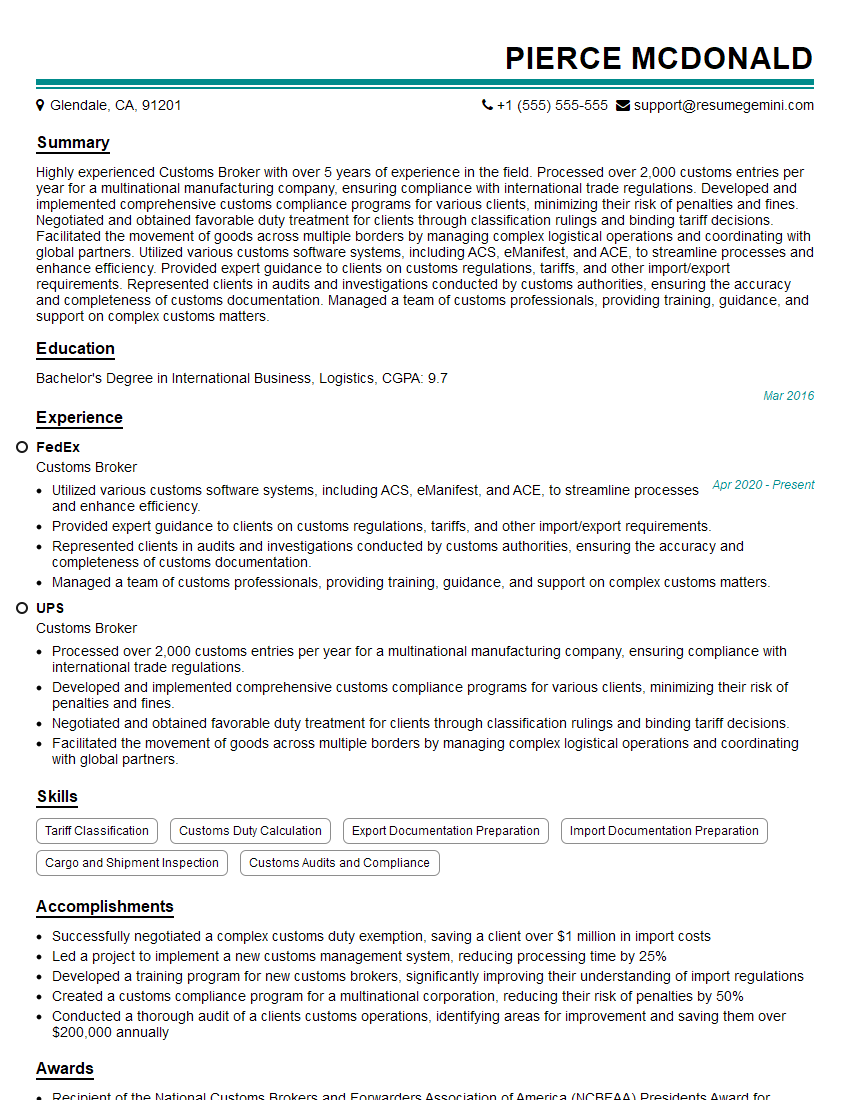
Customs Broker Resume Sample
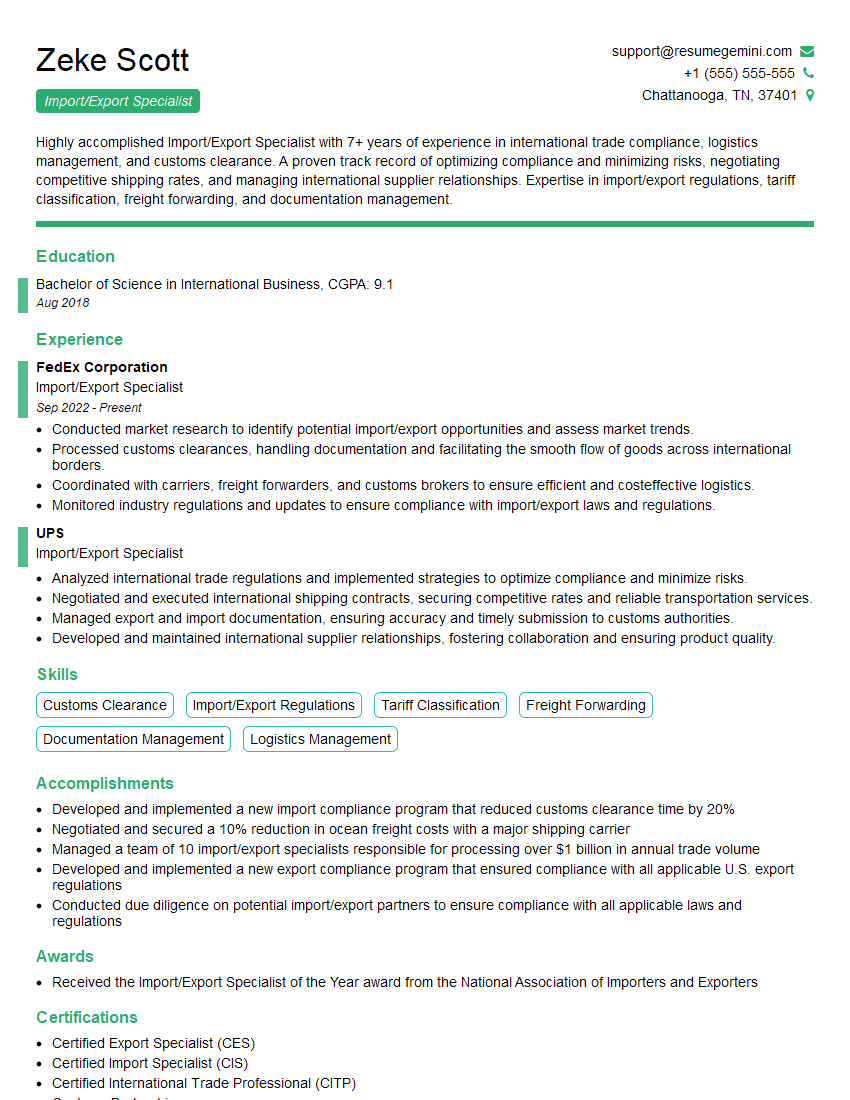
Import/Export Specialist Resume Sample
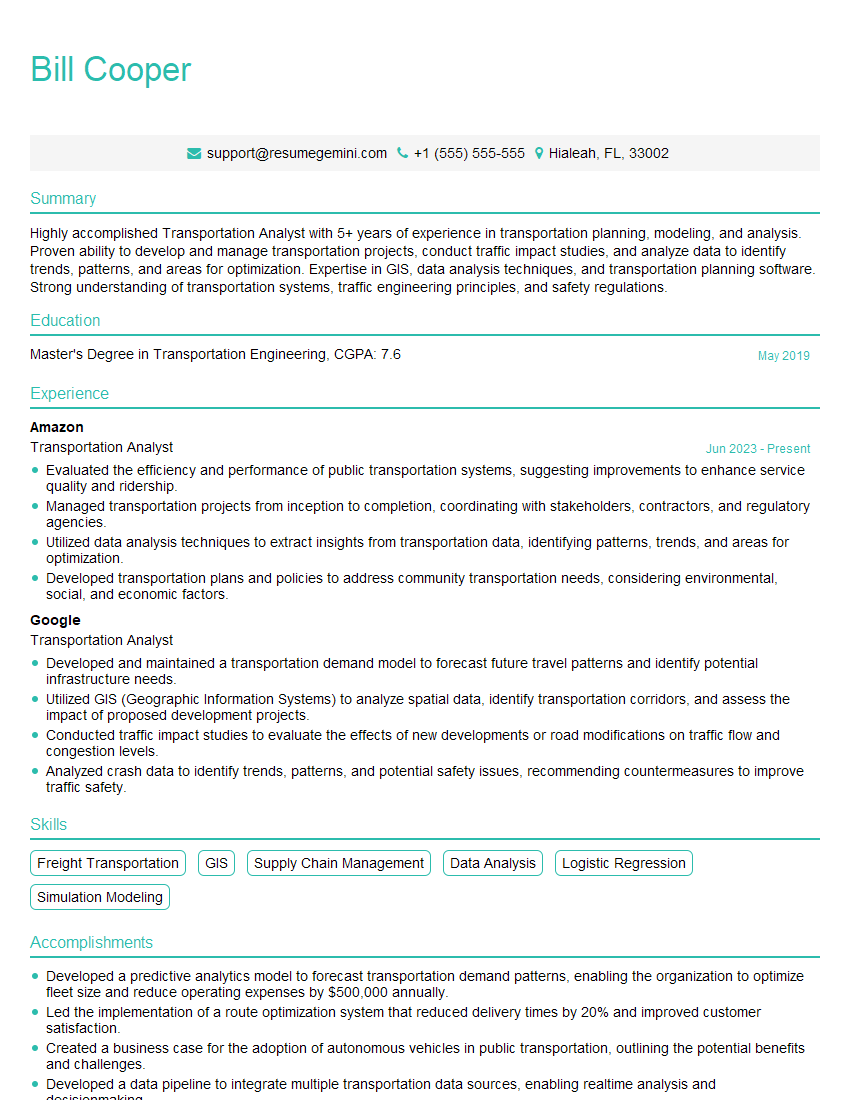
Transportation Analyst Resume Sample
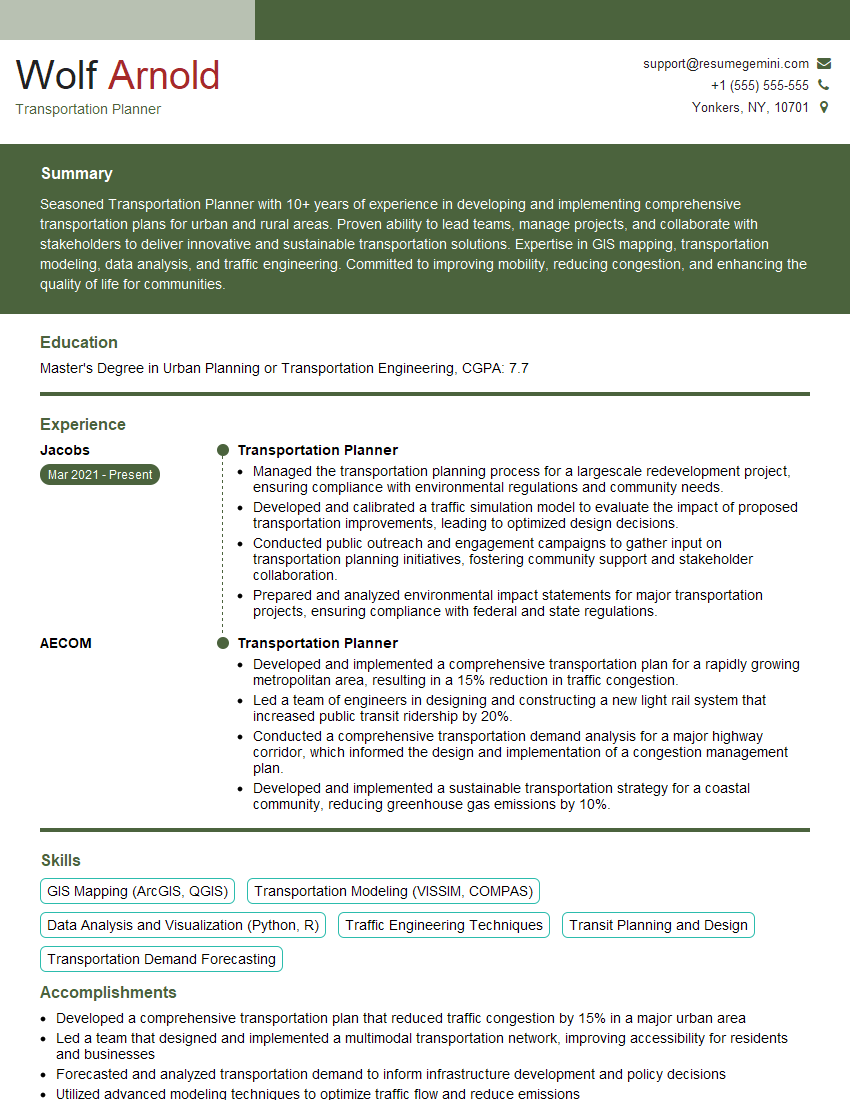
Transportation Planner Resume Sample
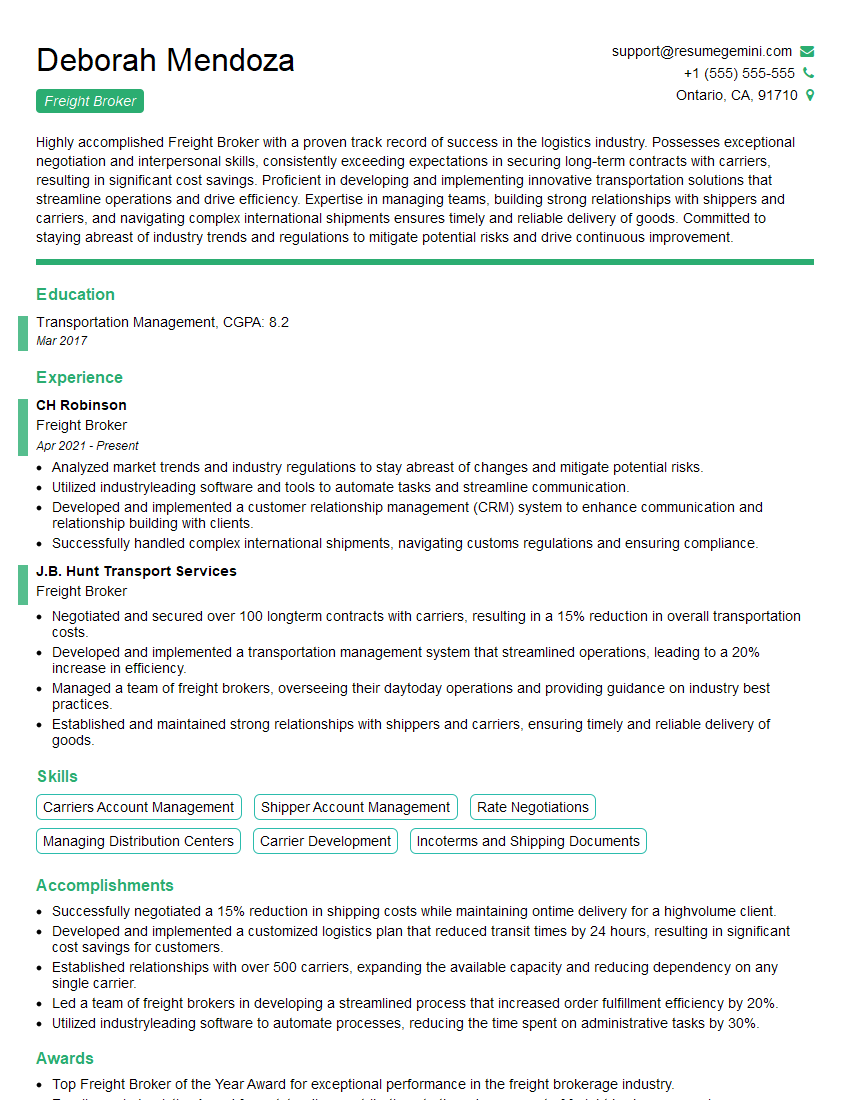
Freight Broker Resume Sample
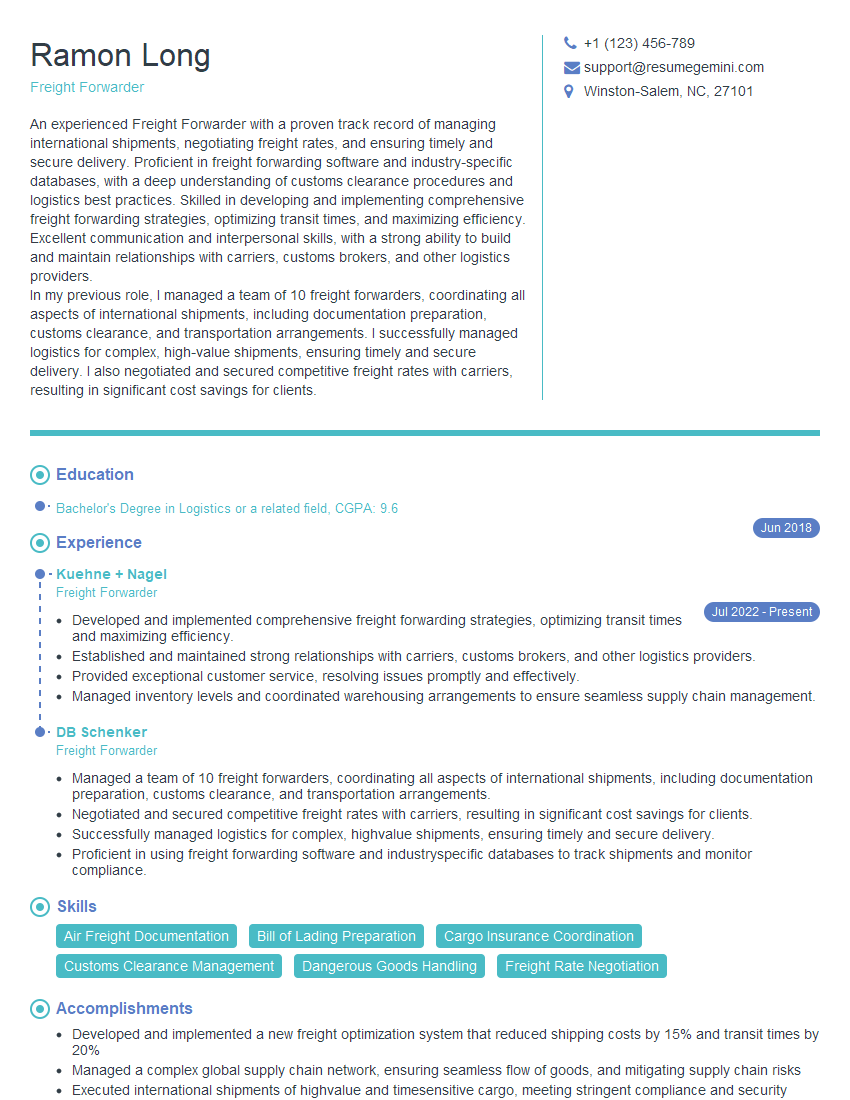
Freight Forwarder Resume Sample
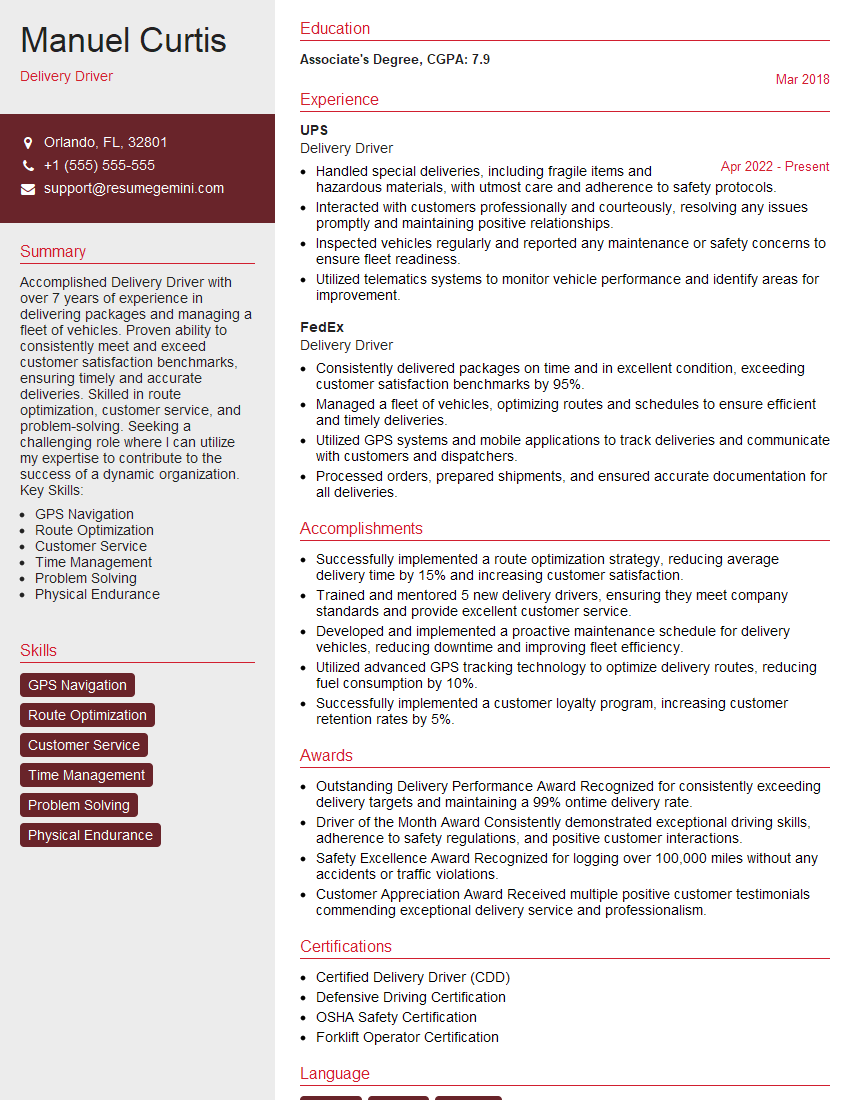
Delivery Driver Resume Sample

Shipping and Receiving Clerk Resume Sample
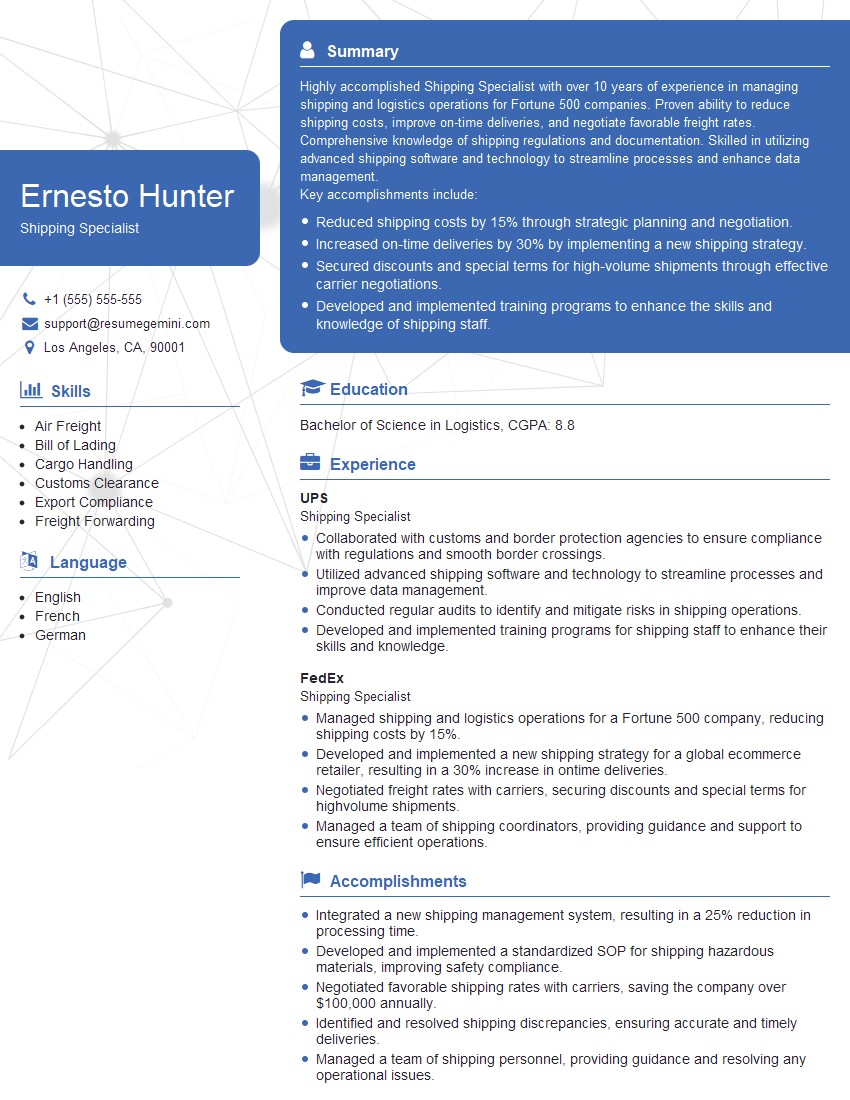
Shipping Specialist Resume Sample
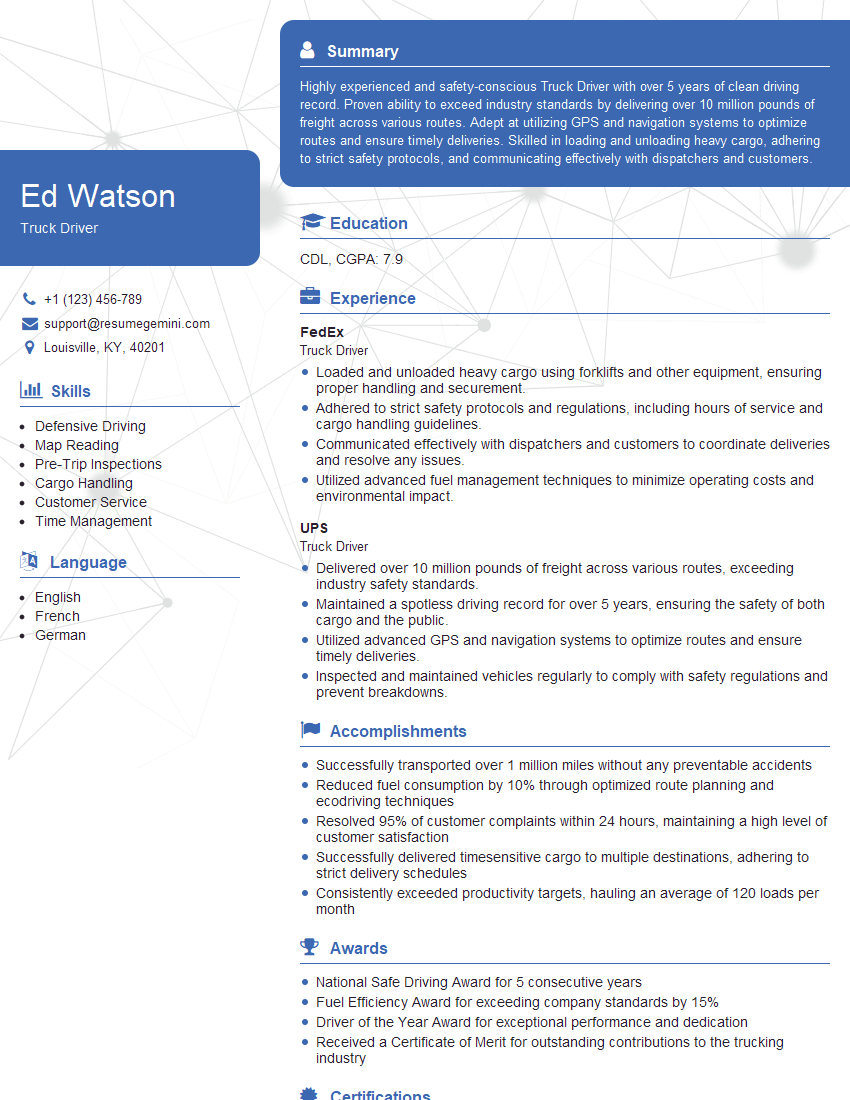
Truck Driver Resume Sample
- Supply Chain Manager
- Distribution Center Manager
- Logistics Manager
- Transportation Manager
- Warehouse Manager
- Dispatch Manager
- Fleet Manager
- Transportation Coordinator
- Distribution Center Supervisor
- Warehouse Supervisor
- Logistics Coordinator
- Logistics Analyst
- Supply Chain Analyst
- Customs Broker
- Import/Export Specialist
- Transportation Analyst
- Transportation Planner
- Freight Broker
- Freight Forwarder
- Delivery Driver
- Shipping and Receiving Clerk
- Shipping Specialist
- Truck Driver
Explore more articles
Users Rating of Our Blogs
Share Your Experience
We value your feedback! Please rate our content and share your thoughts (optional).
What Readers Say About Our Blog
Very informative content, great job.
good