Cracking a skill-specific interview, like one for Travel and Flexibility, requires understanding the nuances of the role. In this blog, we present the questions you’re most likely to encounter, along with insights into how to answer them effectively. Let’s ensure you’re ready to make a strong impression.
Questions Asked in Travel and Flexibility Interview
Q 1. Describe your experience managing complex travel itineraries.
Managing complex travel itineraries requires meticulous planning and attention to detail. It’s like orchestrating a symphony – each element, from flights and accommodation to ground transportation and activities, must be harmoniously coordinated. My approach involves a phased process: first, a thorough understanding of the client’s needs and preferences (budget, travel style, purpose of trip). Then, I build a preliminary itinerary, considering factors like flight availability, visa requirements, and potential weather conditions. I utilize specialized software to compare options and optimize logistics. Finally, I meticulously review and refine the itinerary, ensuring seamless transitions between each segment of the journey. For example, I recently planned a three-week trip to Southeast Asia for a family of five, incorporating multiple flights, diverse accommodations (ranging from boutique hotels to eco-lodges), and various cultural experiences, all while staying within their budget and minimizing travel time between locations.
- Detailed Itinerary Creation: I document every detail, including flight numbers, hotel confirmations, and activity bookings, providing clients with a comprehensive travel document.
- Risk Assessment and Mitigation: I anticipate potential problems – flight delays, weather disruptions, etc. – and build contingency plans into the itinerary.
- Communication and Support: I maintain constant communication with clients, providing updates and addressing any concerns before, during, and after the trip.
Q 2. How do you handle unexpected travel disruptions or delays?
Unexpected disruptions are inevitable in travel. My response focuses on proactive problem-solving and client communication. Imagine a flight cancellation – my immediate actions involve exploring alternative flight options, notifying the client immediately, and rebooking flights, if possible, at no extra cost. If rebooking isn’t feasible, I secure alternative transportation, hotel accommodations, and ensure the client remains informed every step of the way. I leverage my relationships with various airlines and travel providers to secure the best possible solutions. For instance, during a recent snowstorm that grounded flights, I managed to reroute a client’s itinerary, arranging alternative transport and hotel stays, ensuring they reached their final destination with minimal inconvenience. This involved constantly monitoring flight statuses, coordinating with ground transportation services, and keeping the client updated every hour.
Q 3. What strategies do you use to optimize travel budgets?
Optimizing travel budgets requires a multi-pronged approach. It’s like strategic shopping – finding the best value without compromising quality. I start by clearly understanding the client’s budget constraints. Then, I explore various options for flights, accommodations, and activities, leveraging online tools and my industry connections to find discounts and deals. I look for off-season travel opportunities, consider alternative destinations with comparable experiences at lower costs, and suggest budget-friendly activities instead of expensive tourist traps. For example, I helped a client significantly reduce their European trip cost by booking flights during shoulder seasons, choosing Airbnb accommodations over hotels, and recommending free walking tours over expensive guided tours.
- Negotiation: I negotiate with hotels and tour operators to secure the best possible rates.
- Bundled Packages: I explore bundled travel packages that offer discounts on flights and accommodations.
- Flexible Travel Dates: I advise clients to be flexible with their travel dates to access cheaper options.
Q 4. Explain your understanding of different travel booking systems.
I’m proficient with various Global Distribution Systems (GDS) like Amadeus, Sabre, and Galileo, as well as online travel agencies (OTAs) such as Expedia and Booking.com. GDS are powerful reservation systems used by travel agents to access real-time availability and pricing for flights, hotels, and other travel products. OTAs provide broader access to a wider range of travel deals and often offer user-friendly interfaces. Understanding the strengths and limitations of each system allows me to choose the best tool for a given task. For instance, while OTAs are great for finding general deals, GDS offer greater control and access to niche options, particularly beneficial for complex itineraries involving multiple destinations and special requests.
Q 5. How proficient are you with various travel-related software and tools?
My proficiency extends to a wide array of travel-related software and tools. I’m adept at using GDS, CRM software for client management, reservation systems, mapping and route planning tools, and various communication platforms for seamless client interaction. I’m also familiar with specialized software for itinerary creation and financial management. Proficiency in these tools allows for efficient workflows and improved accuracy in booking, planning, and managing travel arrangements. I frequently use Google Maps for route optimization, specialized CRM software to track client interactions and preferences, and dedicated calendar applications to manage bookings and deadlines.
Q 6. Describe your experience with international travel regulations and documentation.
Navigating international travel regulations is crucial. My experience encompasses understanding visa requirements, passport validity, health advisories, and customs regulations for various countries. I ensure clients possess the necessary documentation well in advance of their trip and guide them through the application processes. I stay updated on evolving travel restrictions and advisories by regularly consulting official government websites and reliable travel resources. For example, I recently assisted a client with obtaining a visa for a trip to China, guiding them through the application process, ensuring they met all the requirements, and ultimately saving them time and potential complications.
Q 7. How do you ensure the safety and security of travelers?
Ensuring traveler safety and security is paramount. My approach is proactive and multi-layered. This includes providing clients with pre-trip briefings covering safety protocols for their destination, recommending appropriate travel insurance, and ensuring they have access to emergency contact information. I also provide resources on local laws and customs, potential health risks, and recommended safety measures. For example, I always advise clients to register their travel plans with their embassy, share their itinerary with trusted contacts, and be aware of their surroundings. In case of emergencies, I have established protocols for contacting local authorities and providing support to clients, while maintaining strict client confidentiality. This is essential in building trust and ensuring peace of mind for the travellers.
Q 8. What are your preferred methods for communicating with travelers?
Effective communication is paramount in travel. My preferred methods are multifaceted, prioritizing clarity and efficiency. I primarily use email for detailed itineraries, confirmations, and important updates. For quick queries and urgent matters, I prefer direct phone calls, allowing for immediate clarification and problem-solving. For complex arrangements or significant changes, video conferencing offers a collaborative platform, enabling a more personalized and engaging experience. I also utilize secure messaging platforms for sensitive information and real-time updates, ensuring data protection. Finally, I believe in proactive communication; I keep clients informed throughout the process, proactively sharing updates to avoid surprises and build trust.
For example, if a flight is delayed, I immediately contact the client via phone and follow up with an email providing details and alternative solutions, demonstrating my commitment to their travel experience.
Q 9. How do you prioritize tasks when managing multiple travel arrangements simultaneously?
Managing multiple travel arrangements demands a robust prioritization strategy. I utilize a combination of techniques including a task management system (like Trello or Asana) to visually track deadlines and progress. I categorize tasks by urgency and importance, using a matrix prioritizing time-sensitive critical tasks (e.g., securing last-minute flight changes) before less urgent but still important ones (e.g., confirming hotel amenities). I also leverage color-coding to highlight deadlines, preventing missed critical moments. Furthermore, I dedicate specific time blocks for focused work on each arrangement to minimize context-switching and maintain accuracy. Regular review meetings help me stay on top of all the arrangements and adapt to shifting priorities.
Imagine needing to book last minute accommodation for a client whose flight has been delayed. This is a high-urgency, high-importance task. Meanwhile, coordinating future travel documents might have a lower urgency, as there is ample time.
Q 10. Explain your approach to resolving customer complaints related to travel.
Resolving customer complaints is crucial for maintaining customer satisfaction. My approach involves active listening, empathy, and a problem-solving mindset. I start by acknowledging the customer’s frustration and validating their feelings. Then, I gather all relevant details to thoroughly understand the issue. Following this, I propose a solution, always prioritizing the client’s satisfaction. If the issue cannot be immediately resolved, I provide regular updates and keep them informed of my progress, managing expectations and demonstrating commitment. Finally, I document the entire complaint resolution process to identify recurring problems and improve service quality.
For instance, if a client experiences a hotel room issue, I’d first apologize, then contact the hotel to arrange an immediate upgrade or alternative solution, keeping the client informed every step of the way. If necessary, I would offer compensation for the inconvenience.
Q 11. Describe your experience working with diverse teams in a travel environment.
I thrive in diverse team environments. My experience in the travel industry has exposed me to individuals from various backgrounds, each bringing unique skills and perspectives. I value collaboration and actively seek input from team members, recognizing that diverse viewpoints enrich problem-solving. My communication style is inclusive, ensuring all voices are heard and respected. I’ve found that successfully navigating intercultural nuances and respecting individual differences fosters stronger team cohesion and more effective outcomes.
In one project, our team had members from different linguistic and cultural backgrounds. By embracing diverse perspectives and actively seeking input from each member, we created a remarkably successful marketing campaign, tailored to multiple demographics.
Q 12. How do you adapt your communication style to suit different cultures?
Adapting communication style across cultures is vital. I begin by understanding the cultural context. This includes awareness of communication styles – direct versus indirect, formal versus informal – and appropriate nonverbal cues. I adapt my language – choosing simpler language if needed or using a translator when necessary – and respect cultural preferences in communication speed and formality. I ensure that my communication is clear, concise, and respectful, avoiding idioms or slang that could be misinterpreted. This ensures inclusivity and enhances understanding and builds trust across cultures.
For example, when communicating with clients from Japan, I prioritize politeness and formality in written and verbal communication. In contrast, when dealing with clients from Brazil, a more relaxed and informal approach might be suitable.
Q 13. What are your strategies for maintaining work-life balance in a travel-related role?
Maintaining work-life balance in a demanding travel role is challenging but crucial. I prioritize planning and organization, setting clear boundaries between work and personal time. I utilize technology effectively to manage tasks and communications outside of work hours. I also schedule regular breaks and ensure I take my allocated vacation time. Furthermore, I engage in activities outside of work, promoting both physical and mental well-being through exercise and hobbies to prevent burnout and ensure sustained performance.
For example, I disconnect from work emails and notifications after a certain hour, and dedicate weekends for personal pursuits like hiking or spending time with family. This helps me recharge and approach my work with renewed energy and focus.
Q 14. How do you stay up-to-date on industry trends and best practices in travel?
Staying current in the travel industry is crucial. I subscribe to industry publications (both print and online), attend relevant conferences and webinars, and actively follow influential industry leaders on social media. I also leverage online resources such as travel industry analysis sites to gather insights on emerging trends. Network opportunities with peers and professionals are valuable sources for staying updated on the latest developments and best practices. This proactive approach ensures my knowledge base remains current, enabling me to offer clients the most informed and effective services.
For instance, I regularly check for updates on travel advisories, emerging destinations, and technological innovations in the industry, making sure to apply relevant information to my strategies and client interactions.
Q 15. Describe your experience with remote work and collaboration tools.
My experience with remote work spans over five years, encompassing various roles within the travel industry. I’ve extensively utilized collaboration tools like Slack for instant messaging and project updates, Microsoft Teams for video conferencing and file sharing, and Asana for task management and project tracking. I’m proficient in using these tools to manage workflows, schedule meetings across different time zones, and maintain seamless communication with colleagues located globally.
For example, during a recent project involving the optimization of flight routes across Europe, we used Slack for daily progress reports, Teams for weekly strategy meetings, and Asana to track individual tasks and deadlines. This integrated approach ensured transparency, efficient collaboration, and on-time delivery of the project.
Career Expert Tips:
- Ace those interviews! Prepare effectively by reviewing the Top 50 Most Common Interview Questions on ResumeGemini.
- Navigate your job search with confidence! Explore a wide range of Career Tips on ResumeGemini. Learn about common challenges and recommendations to overcome them.
- Craft the perfect resume! Master the Art of Resume Writing with ResumeGemini’s guide. Showcase your unique qualifications and achievements effectively.
- Don’t miss out on holiday savings! Build your dream resume with ResumeGemini’s ATS optimized templates.
Q 16. How do you ensure effective communication and collaboration within a remote team?
Effective communication and collaboration within a remote team hinges on proactive measures and a well-defined communication strategy. This involves establishing clear communication protocols, utilizing the right tools for the job, and fostering a culture of open and honest dialogue.
- Regular Check-ins: Daily or weekly stand-up meetings (even if brief) keep everyone informed about progress and identify potential roadblocks early on.
- Asynchronous Communication: Utilizing tools like Slack or email for non-urgent matters allows for flexibility and avoids interrupting colleagues during focused work periods.
- Defined Communication Channels: Clearly designating which tool is used for what type of communication (e.g., Slack for quick questions, email for formal updates, Teams for meetings) prevents confusion and ensures messages are seen.
- Active Listening and Feedback: Encouraging team members to actively listen during meetings and providing constructive feedback is crucial for fostering a collaborative environment.
For instance, in a past project dealing with last-minute flight cancellations, our quick-response Slack channel proved invaluable in coordinating with airlines, rebooking passengers, and keeping them informed of the situation.
Q 17. What are your strategies for managing time effectively in a flexible work environment?
Managing time effectively in a flexible work environment requires a structured approach combined with self-discipline. I leverage techniques like time blocking, prioritization matrices, and the Pomodoro Technique to optimize my productivity.
- Time Blocking: I dedicate specific time slots to particular tasks, ensuring focused work without distractions. For example, I might block out two hours for analyzing flight data and one hour for responding to emails.
- Prioritization Matrices (Eisenhower Matrix): This framework helps categorize tasks based on urgency and importance, allowing me to focus on high-impact activities first.
- Pomodoro Technique: Working in focused bursts (e.g., 25 minutes) followed by short breaks helps maintain concentration and prevent burnout.
- Regular Reviews: Weekly or bi-weekly reviews of my schedule and progress help identify areas for improvement and ensure I’m staying on track.
This structured approach, combined with a clear understanding of my peak productivity times, allows me to effectively balance work and personal life while ensuring consistently high-quality output, even in a flexible setting.
Q 18. Describe your experience working independently and taking initiative.
I thrive in independent work environments, consistently demonstrating initiative and proactiveness. I’m adept at identifying areas for improvement, taking ownership of tasks, and seeking solutions without requiring constant supervision.
For example, while working on a project analyzing customer feedback on our travel booking platform, I noticed a significant pattern of complaints related to the mobile app’s user interface. Instead of simply reporting the issue, I independently researched potential solutions, created mock-ups of UI improvements, and presented a detailed proposal to the development team, resulting in a smoother user experience.
My ability to identify needs, propose solutions, and implement them independently makes me a valuable asset to any team.
Q 19. How do you handle conflicting priorities in a fast-paced travel environment?
Handling conflicting priorities in a fast-paced travel environment requires a strategic approach that blends prioritization, communication, and problem-solving skills. I use a combination of techniques to manage competing demands effectively.
- Prioritization: Using frameworks like the Eisenhower Matrix, I identify the most critical tasks and address them first, understanding the potential consequences of delaying each item.
- Communication: I proactively communicate with stakeholders to manage expectations and negotiate deadlines when necessary. Transparent communication prevents misunderstandings and ensures everyone is informed about potential delays or adjustments.
- Time Management: Employing time-blocking and efficient delegation strategies ensures I allocate enough time to each critical task, without neglecting other responsibilities.
- Flexibility: The ability to adapt to unexpected changes, such as sudden flight cancellations or itinerary modifications, is essential in this field. Remaining calm and finding creative solutions are key to effective conflict resolution.
For example, I once had to manage several urgent requests simultaneously: rebooking passengers due to a severe storm, addressing a technical issue with our booking system, and preparing a presentation for a key client meeting. By prioritizing based on impact, effectively communicating with all parties involved, and making smart use of my time, I successfully managed all these tasks without compromising quality or exceeding deadlines.
Q 20. What are your strengths in problem-solving related to travel logistics?
My problem-solving strengths in travel logistics stem from a deep understanding of the industry’s intricacies and a systematic approach to troubleshooting. I’m proficient in identifying the root cause of problems, developing creative solutions, and implementing them effectively.
- Systematic Approach: When faced with a logistical challenge (e.g., delayed baggage, missed connections), I systematically investigate all potential causes, gather relevant data, and formulate a solution based on facts and data.
- Resourcefulness: I’m skilled at leveraging available resources, such as airline websites, travel agencies, and online forums, to find effective solutions quickly.
- Proactive Problem-solving: I proactively identify potential problems before they escalate, implementing preventive measures to mitigate risks and ensure smooth travel experiences.
- Data-Driven Decision Making: I rely on data and analytics to inform my decisions, ensuring solutions are efficient and effective.
For instance, during a period of unusually high airport congestion, I analyzed flight data and passenger feedback to pinpoint the bottlenecks, ultimately developing a proposal for adjusted flight scheduling that significantly reduced delays and improved passenger satisfaction.
Q 21. Describe your experience using data analysis to improve travel efficiency.
I have extensive experience using data analysis to improve travel efficiency. I leverage various tools and techniques to extract actionable insights from data, leading to optimized processes and improved customer experiences.
- Data Collection and Cleaning: I collect data from various sources (e.g., booking systems, customer surveys, flight databases) and cleanse it to ensure accuracy and reliability.
- Data Analysis Techniques: I utilize techniques like regression analysis, forecasting, and cluster analysis to identify trends, patterns, and anomalies in the data.
- Data Visualization: I create clear and concise visualizations (e.g., charts, graphs, dashboards) to communicate insights effectively to stakeholders.
- Actionable Insights: I translate data insights into actionable recommendations, such as optimized flight schedules, improved baggage handling procedures, or targeted marketing campaigns.
For example, by analyzing historical flight data and weather patterns, I identified a correlation between specific weather conditions and flight delays. This insight enabled us to implement proactive measures, such as rerouting flights and adjusting schedules in anticipation of adverse weather, resulting in a significant reduction in delays and improved on-time performance.
Q 22. How do you ensure compliance with travel policies and regulations?
Ensuring compliance with travel policies and regulations is paramount for smooth and legally sound travel arrangements. This involves a multi-faceted approach, starting with a thorough understanding of the specific policies of the organization or client I’m working for, as well as all relevant international and domestic laws and regulations pertaining to travel, visa requirements, and health protocols.
- Policy Review: I meticulously review all existing travel policies, focusing on areas like booking procedures, expense reimbursements, acceptable vendors, and permitted travel classes. This ensures all bookings and arrangements are within the approved framework.
- Regulation Research: I actively research and stay updated on all relevant travel regulations, including visa requirements, passport validity rules, and any health advisories or travel restrictions imposed by the destination country or international organizations like the WHO. Tools like government travel websites and reputable news sources are crucial for this.
- Booking System Integration: Whenever possible, I integrate the travel policy directly into the booking system. This automated compliance check helps prevent bookings that violate established rules, reducing manual oversight and ensuring accuracy.
- Documentation and Auditing: I maintain meticulous records of all travel bookings, receipts, and supporting documentation. Regular audits help ensure continuous compliance and identify areas for potential improvement in policy or procedure.
For example, if a client’s policy restricts bookings to specific airlines or requires pre-approval for international trips, I ensure every booking strictly adheres to these conditions. Any deviation requires explicit authorization and proper documentation.
Q 23. What experience do you have with different types of travel accommodations?
My experience with travel accommodations spans a wide range, from budget-friendly hostels and guesthouses to luxury hotels and resorts, as well as unique options like Airbnb rentals and boutique hotels. I’m comfortable navigating the nuances of each category and selecting the most suitable option based on the client’s needs and budget.
- Budget Travel: I understand the needs of budget-conscious travelers and have experience booking hostels, budget hotels, and utilizing cost-saving strategies like shared accommodations or off-season travel.
- Luxury Travel: I’m equally proficient in arranging luxury travel, including high-end hotel bookings, private villas, and bespoke experiences tailored to discerning clientele. This involves detailed research on amenities, services, and guest reviews.
- Unique Accommodations: I’m familiar with alternative accommodations like Airbnb, VRBO, and boutique hotels, appreciating their unique character and suitability for different travel styles.
- Accessibility Needs: I have experience catering to travelers with accessibility needs, ensuring accommodations are suitably equipped and services are tailored to their requirements.
For instance, I recently helped a family with young children find a family-friendly resort with kids’ clubs and babysitting services, while also securing a premium suite for a business traveler attending a conference, emphasizing comfort and efficiency.
Q 24. How familiar are you with various transportation modes and their associated costs?
I’m familiar with a variety of transportation modes, including air travel (domestic and international), rail travel, car rentals, cruise ships, and various ground transportation options such as taxis, ride-sharing services, and private car services. Understanding the associated costs is crucial for effective budget management.
- Air Travel: I have extensive experience comparing fares across different airlines, understanding ancillary fees (baggage, seat selection), and leveraging loyalty programs to save on costs. I utilize online booking tools and fare aggregators efficiently.
- Rail Travel: I’m adept at researching and booking train journeys, understanding different classes of service and pass options. This includes evaluating factors like travel time and comfort.
- Car Rentals: I understand the various car rental options, comparing prices, insurance options, and terms and conditions. I consider factors like vehicle type, pick-up and drop-off locations, and insurance coverage.
- Ground Transportation: I research and arrange cost-effective ground transportation, weighing the pros and cons of taxis, ride-sharing services, and private car services, depending on the context.
For example, when planning a trip, I might compare the cost of a direct flight versus a flight with a layover, considering the time saved against the potential fare difference. Similarly, I’d compare train fares and driving costs when planning ground transportation, factoring in time, parking, and fuel costs.
Q 25. Describe your approach to risk assessment and mitigation in travel planning.
My approach to risk assessment and mitigation in travel planning is proactive and multi-layered. It begins with identifying potential risks specific to the destination and traveler, followed by implementing preventive measures and contingency plans.
- Risk Identification: I conduct thorough research to understand potential risks such as political instability, natural disasters, health concerns, crime rates, and transportation challenges. Sources include government travel advisories, news reports, and travel forums.
- Mitigation Strategies: Depending on the identified risks, I implement various mitigation strategies. This might include travel insurance with comprehensive coverage, pre-booking transportation and accommodations to avoid last-minute complications, providing travelers with emergency contact information and local resources, and educating them about local laws and customs.
- Contingency Planning: I develop contingency plans for unforeseen events. This includes having alternative travel arrangements in case of flight cancellations or delays, backup accommodation options, and strategies for handling lost or stolen belongings or medical emergencies.
- Communication & Monitoring: Maintaining constant communication with the travelers is critical. I stay updated on any potential disruptions during their travels and provide timely support and guidance.
For instance, when planning a trip to a region prone to earthquakes, I would ensure the traveler has travel insurance covering natural disasters, advise them on earthquake safety protocols, and have alternative lodging options planned in case of damage to their original accommodation.
Q 26. Explain how you would handle a situation where a traveler experiences a medical emergency.
Handling a medical emergency during travel requires swift, decisive action. My response protocol prioritizes the traveler’s safety and well-being.
- Immediate Action: I would immediately contact emergency services in the traveler’s location (911 in the US, or the local equivalent). This would involve providing their precise location, condition, and any other relevant information.
- Contacting Emergency Contacts: I would simultaneously contact the traveler’s emergency contacts (family, friends, or colleagues) to inform them of the situation and coordinate support if needed.
- Accessing Travel Insurance: I would activate the traveler’s travel insurance policy and follow the insurer’s instructions for medical assistance and evacuation if necessary. This may involve providing necessary documentation and authorization.
- Providing Assistance: Depending on the situation and the traveler’s wishes, I would provide further assistance, such as arranging transportation to a medical facility, liaison with medical personnel, and coordinating communication with their family and employer.
- Post-Emergency Support: Once the immediate emergency is resolved, I would provide ongoing support, helping with insurance claims, arranging repatriation if needed, and offering emotional support to the traveler and their loved ones.
I’ve personally assisted a client who experienced a severe allergic reaction overseas. By following this protocol, we managed to get them emergency medical treatment, coordinate communication with their family, and ensure their eventual safe return home.
Q 27. How familiar are you with sustainable and responsible travel practices?
Sustainable and responsible travel practices are crucial for minimizing the negative environmental and social impact of tourism. My approach integrates these principles into every aspect of the travel planning process.
- Carbon Footprint Reduction: I prioritize choosing travel options with lower carbon emissions, such as trains over planes when feasible, and encouraging the use of public transportation at the destination.
- Supporting Local Communities: I actively seek out and recommend locally owned businesses, accommodations, and tour operators, ensuring that tourism revenue directly benefits the local economy.
- Environmental Conservation: I encourage eco-friendly practices by selecting accommodations and tour operators with sustainable certifications, promoting responsible wildlife viewing, and minimizing waste generation during travel.
- Cultural Sensitivity: I educate travelers on cultural sensitivities and appropriate behaviors, promoting respectful interactions with local communities and minimizing disruption to their way of life.
- Offsetting Carbon Emissions: When air travel is unavoidable, I explore options for carbon offsetting programs to compensate for the environmental impact.
For example, when planning a trip, I might research and recommend a hotel that uses renewable energy sources or a tour operator that focuses on responsible wildlife viewing, ensuring the traveler’s experience minimizes negative consequences for the local environment and communities.
Q 28. Describe your experience with travel insurance and its various aspects.
My experience with travel insurance encompasses various aspects, from understanding policy coverage to assisting with claims processing. I recognize the importance of travel insurance in mitigating financial and personal risks associated with travel.
- Policy Selection: I help clients select the appropriate travel insurance policy based on their specific needs, destination, trip duration, and planned activities. This involves comparing coverage options, deductibles, and premiums from different providers.
- Coverage Understanding: I clearly explain the different types of coverage, such as medical emergencies, trip cancellations, lost luggage, and personal liability. I ensure clients fully understand the terms and conditions of their policy.
- Claims Assistance: In the event of a covered incident, I assist clients in filing claims, providing necessary documentation, and communicating with the insurance provider to ensure timely and fair processing of their claim.
- Policy Updates: I stay updated on changes to insurance policies and regulations to ensure clients have the most relevant and appropriate coverage.
I recently assisted a client whose trip was canceled due to a sudden illness. By having comprehensive travel insurance, they were able to recover most of their non-refundable expenses. This underscores the importance of appropriate travel insurance coverage.
Key Topics to Learn for Travel and Flexibility Interview
- Remote Work Strategies: Understanding the challenges and benefits of remote work, including communication, collaboration, and time management techniques.
- Flexibility and Productivity: Exploring methods for maintaining productivity while working remotely or with flexible hours, such as time blocking, prioritization, and utilizing productivity tools.
- Technology and Tools for Remote Collaboration: Familiarizing yourself with various communication platforms (e.g., Slack, Microsoft Teams), project management software (e.g., Asana, Trello), and video conferencing tools.
- Global Teams and Cultural Sensitivity: Understanding the dynamics of working with diverse teams across different time zones and cultural backgrounds, including effective communication strategies and conflict resolution.
- Work-Life Integration: Discussing strategies for maintaining a healthy work-life balance while working remotely or with flexible arrangements, emphasizing boundary setting and self-care.
- Security and Data Protection in Remote Environments: Understanding the importance of data security and best practices for protecting sensitive information while working remotely.
- Travel Logistics and Planning: (If applicable to the specific role) Demonstrating an understanding of efficient travel planning, including booking flights and accommodation, managing itineraries, and adapting to unexpected travel disruptions.
- Problem-Solving in Remote or Flexible Settings: Illustrating your ability to troubleshoot technical issues, address communication breakdowns, and resolve conflicts effectively in remote or flexible work environments.
Next Steps
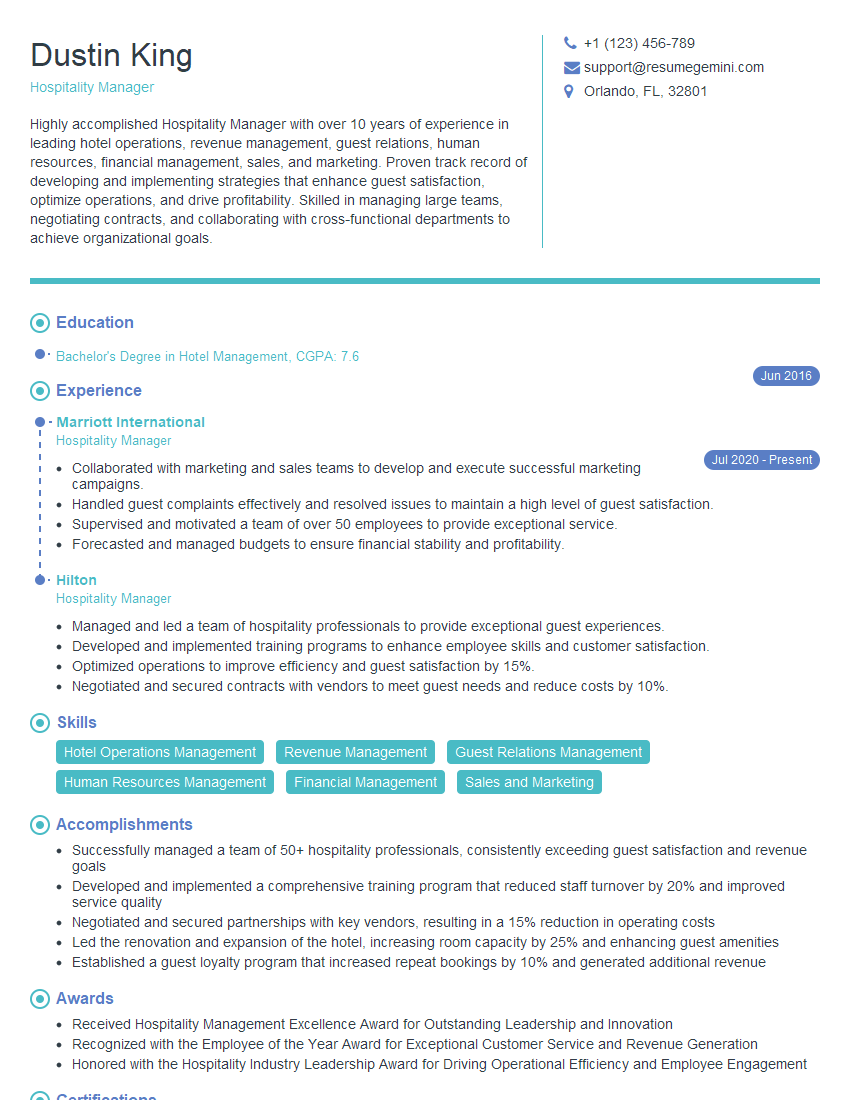
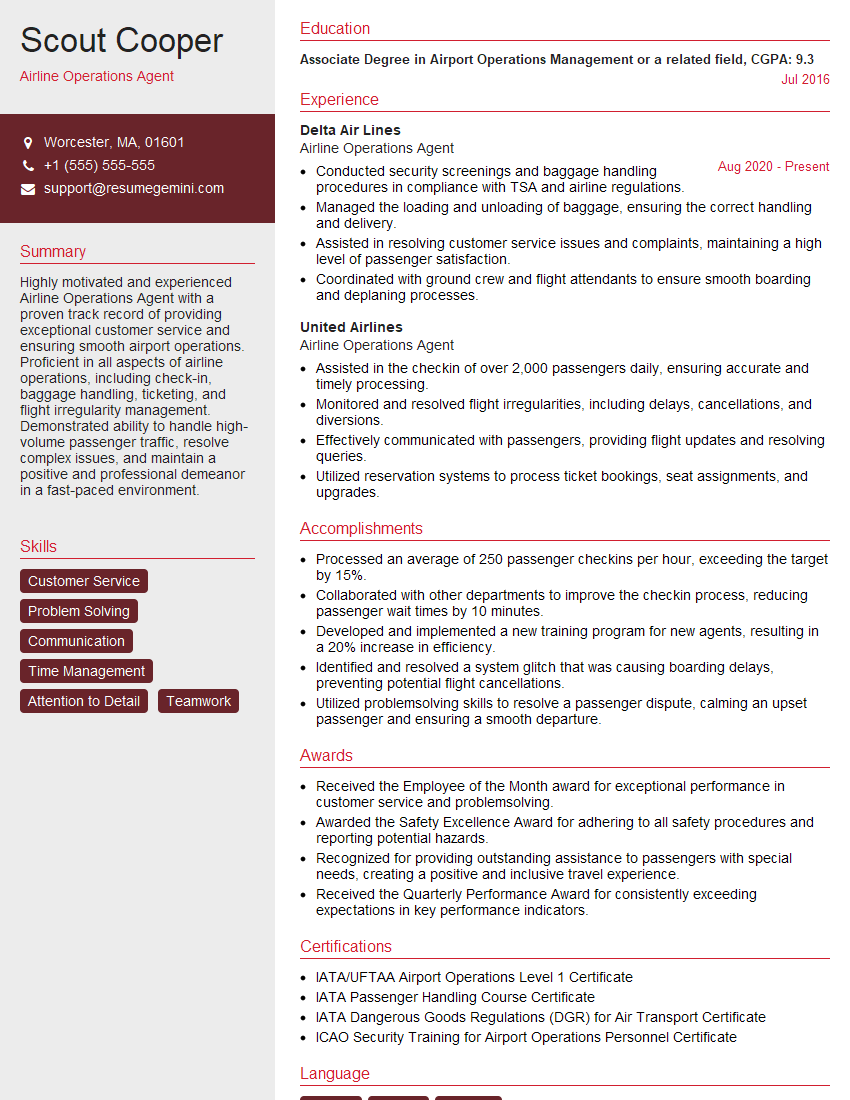
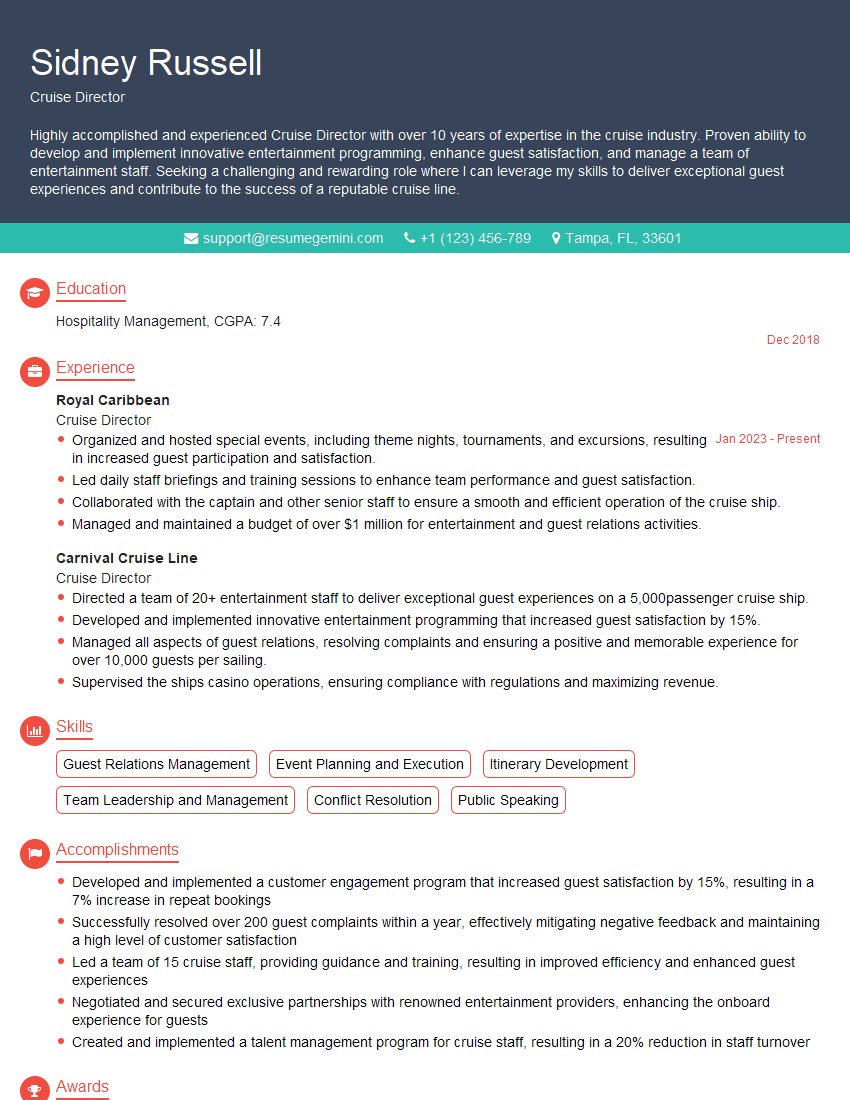
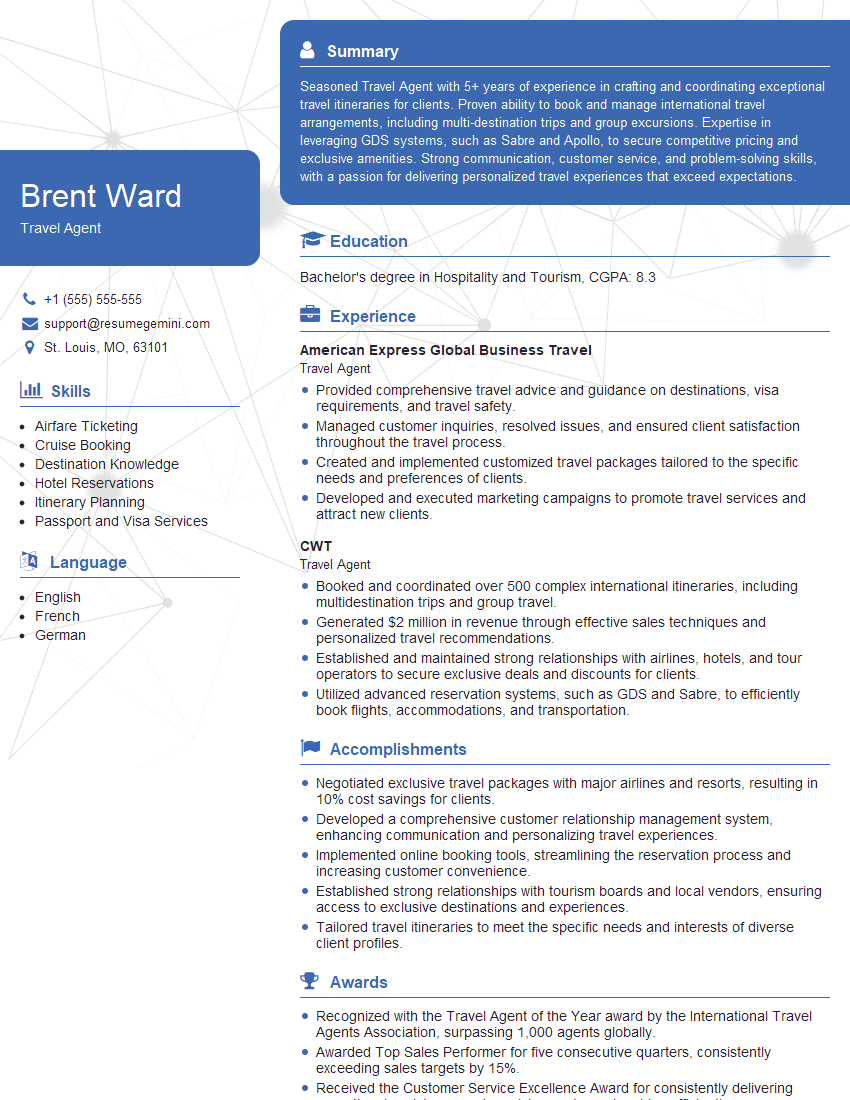
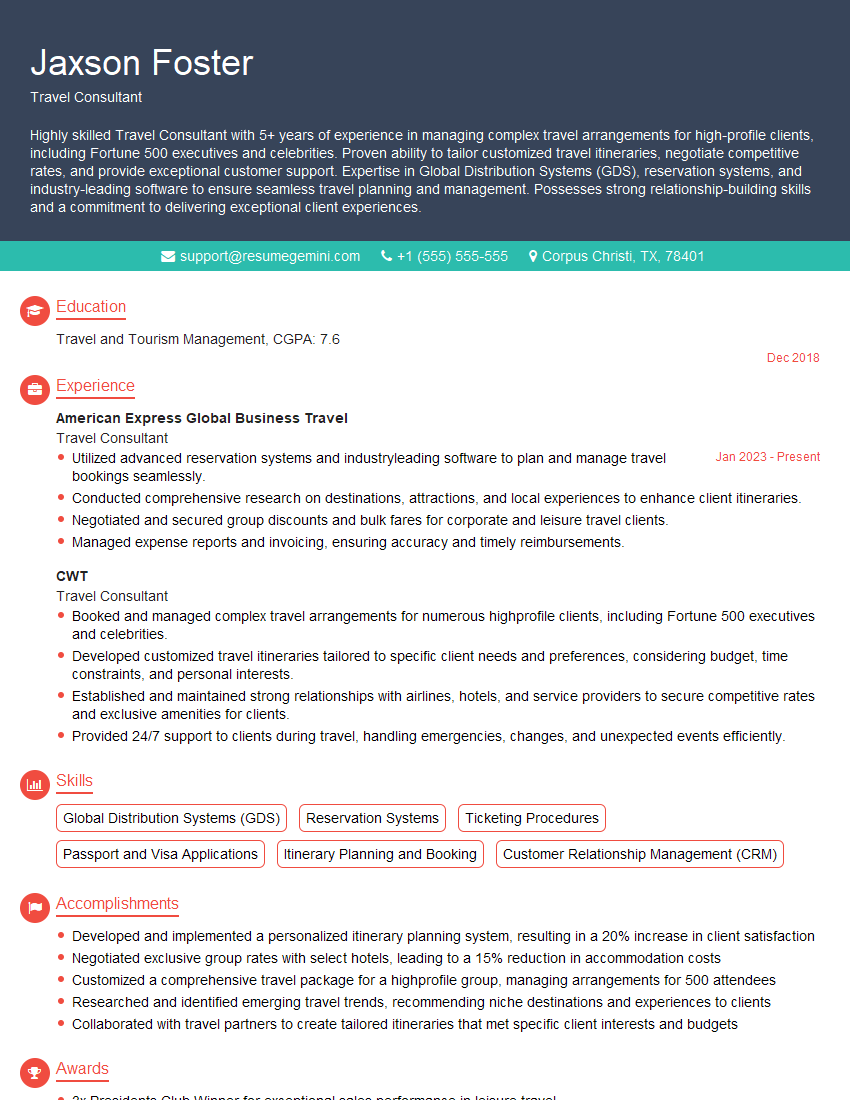
Mastering Travel and Flexibility skills significantly enhances your career prospects, opening doors to a wider range of opportunities and greater autonomy. A strong, ATS-friendly resume is crucial for showcasing these skills effectively to potential employers. To create a truly impactful resume that highlights your unique abilities, we highly recommend using ResumeGemini. ResumeGemini provides a user-friendly platform and valuable resources to help you build a professional resume tailored to the specific demands of roles emphasizing Travel and Flexibility. Examples of resumes tailored to these skills are available to guide you.

Explore more articles
Users Rating of Our Blogs
Share Your Experience
We value your feedback! Please rate our content and share your thoughts (optional).
What Readers Say About Our Blog
Very informative content, great job.
good