Feeling uncertain about what to expect in your upcoming interview? We’ve got you covered! This blog highlights the most important Tree Conservation interview questions and provides actionable advice to help you stand out as the ideal candidate. Let’s pave the way for your success.
Questions Asked in Tree Conservation Interview
Q 1. Explain the difference between pruning and trimming trees.
Pruning and trimming, while often used interchangeably, have distinct meanings in tree care. Think of it like this: trimming is a haircut, while pruning is a surgical procedure.
Trimming is the removal of small branches and twigs to improve the tree’s appearance or to remove dead or damaged wood. It’s typically less precise and focuses on aesthetics or minor maintenance. For instance, removing small branches that are obstructing a walkway would be considered trimming.
Pruning, however, is a more deliberate and strategic process aimed at improving the tree’s health, structure, and longevity. It involves removing larger branches, potentially shaping the tree’s crown, or addressing structural issues that could lead to future problems. For example, removing a large, diseased branch to prevent the disease from spreading or to remove a branch that’s growing dangerously close to power lines would be pruning. Proper pruning techniques are crucial to avoid causing damage and ensure the tree’s long-term well-being.
Q 2. Describe common tree diseases and their management.
Trees, like any living organism, are susceptible to various diseases. Early detection and appropriate management are crucial for minimizing damage and preserving the tree’s health. Some common tree diseases include:
- Dutch Elm Disease: A fungal disease spread by bark beetles, causing vascular disruption and wilting. Management involves removing infected trees, preventing beetle spread, and using resistant elm varieties.
- Oak Wilt: Another fungal disease that affects oak trees, leading to vascular blockage. Control strategies focus on early detection, sanitation (removing infected trees and branches), and creating barriers to prevent fungal spread.
- Anthracnose: A group of fungal diseases affecting various tree species, causing leaf spots, blights, and cankers. Management often involves sanitation, fungicide application (in some cases), and ensuring good tree health through proper care.
- Root Rot: Caused by various fungi and soilborne pathogens, root rot compromises the tree’s ability to absorb water and nutrients. Proper drainage, soil amendment, and avoiding overwatering are key management practices.
Disease management is usually a multi-pronged approach involving preventative measures (proper tree care, avoiding stress), sanitation (removing infected material), and, in some cases, chemical treatments. Correct identification of the disease is crucial before selecting a management strategy.
Q 3. What are the key principles of sustainable forest management?
Sustainable forest management prioritizes the long-term health and productivity of forests while considering ecological, social, and economic aspects. Key principles include:
- Maintaining Biodiversity: Protecting the variety of plant and animal species within the forest ecosystem. This ensures resilience against pests, diseases, and climate change.
- Protecting Soil and Water Resources: Implementing practices that prevent soil erosion and protect water quality. This includes avoiding clear-cutting in sensitive areas and managing harvesting techniques.
- Sustainable Harvesting: Ensuring that timber harvesting doesn’t exceed the forest’s capacity to regenerate. This involves selective cutting, reforestation, and monitoring forest growth.
- Community Involvement: Engaging local communities in decision-making processes related to forest management. This ensures equitable benefits and helps build support for conservation efforts.
- Climate Change Mitigation and Adaptation: Recognizing the impact of climate change on forests and implementing strategies to reduce greenhouse gas emissions and enhance the forest’s resilience to changing conditions.
Sustainable forest management requires careful planning, monitoring, and adaptation to ensure the long-term health and productivity of forests while meeting the needs of society.
Q 4. How do you assess tree risk and develop mitigation strategies?
Assessing tree risk involves a systematic evaluation of factors that could lead to tree failure, causing property damage or injury. It’s a crucial aspect of arboriculture, particularly in urban environments.
Assessment Process:
- Visual Inspection: A thorough examination of the tree’s overall health, structure, and surrounding environment. This includes looking for signs of decay, cracks, leaning, and any other structural defects.
- Data Collection: Measurements of tree dimensions (height, diameter), assessment of crown condition, and documentation of any visible defects.
- Risk Factor Analysis: Evaluating the potential consequences of tree failure, considering factors such as proximity to buildings, roads, or power lines, and the potential impact of the tree’s size and weight.
- Risk Categorization: Classifying the tree’s risk level based on the assessment, typically using a scale (low, medium, high).
Mitigation Strategies: Once risk is assessed, appropriate mitigation strategies can be developed, ranging from simple pruning and cabling to more drastic measures like removal.
For instance, a tree leaning toward a building might require cabling and bracing to increase stability. A tree with extensive decay may require partial or complete removal. The choice of strategy depends on the level of risk and the specific circumstances.
Q 5. Explain different tree planting techniques and their suitability.
Several tree planting techniques are used, each suited to specific conditions and tree types. The choice of technique depends on factors such as tree size, soil type, and site conditions.
- Bare-root Planting: Suitable for smaller trees, this involves planting the tree with its roots exposed. It’s cost-effective but requires careful handling to avoid root damage and ensures quick establishment.
- Container Planting: This uses trees grown in containers, offering better root protection during transplanting. It’s generally more successful than bare-root planting, especially for larger trees.
- Balled and Burlapped Planting: This method involves planting trees with their root ball wrapped in burlap. It’s ideal for larger trees and offers excellent root protection, maximizing survival rates.
Suitability: Bare-root planting is best for smaller trees and areas with favorable soil conditions. Container planting provides more flexibility and is suitable for a wider range of tree sizes and conditions. Balled and burlapped is the best option for larger, more mature trees requiring optimal root protection. Proper soil preparation, watering, and aftercare are crucial regardless of the planting method.
Q 6. What are the benefits of urban forestry?
Urban forestry, the management of trees and forests in urban areas, offers a multitude of benefits:
- Improved Air Quality: Trees absorb pollutants, reducing air pollution and improving respiratory health.
- Reduced Energy Consumption: Trees provide shade, reducing the need for air conditioning and lowering energy costs.
- Water Management: Trees help manage stormwater runoff, reducing flooding and erosion.
- Increased Property Values: Trees enhance the aesthetic appeal of neighborhoods and increase property values.
- Climate Change Mitigation: Trees sequester carbon dioxide, helping to mitigate climate change.
- Enhanced Quality of Life: Trees provide shade, aesthetic beauty, and recreational opportunities, improving mental and physical well-being.
Urban forestry is crucial for creating healthier, more sustainable, and livable cities. Effective urban forestry programs require careful planning, community involvement, and ongoing maintenance.
Q 7. Describe the role of GIS in tree conservation planning.
Geographic Information Systems (GIS) are powerful tools for tree conservation planning. They provide a framework for collecting, managing, analyzing, and visualizing spatial data related to trees and forests.
Applications in Tree Conservation:
- Tree Inventory and Mapping: GIS allows for creating detailed maps showing the location, species, size, and health of trees within a specific area. This data is crucial for managing urban forests or planning reforestation projects.
- Risk Assessment and Management: By integrating data on tree characteristics and environmental factors, GIS can help assess the risk of tree failure and develop targeted mitigation strategies.
- Habitat Analysis: GIS can be used to identify suitable habitats for specific tree species, informing reforestation and conservation efforts.
- Monitoring and Evaluation: GIS facilitates monitoring the impact of conservation programs over time, allowing for adaptive management and improved outcomes.
- Public Engagement and Education: GIS-based maps and visualizations can engage the public and raise awareness about the importance of tree conservation.
In essence, GIS provides a powerful platform for spatial analysis and decision-making, significantly enhancing the effectiveness of tree conservation planning and management.
Q 8. How do you manage invasive plant species that threaten trees?
Managing invasive plant species that threaten trees requires a multi-pronged approach focusing on prevention, early detection, and control. Prevention involves careful selection of planting material, avoiding the introduction of invasive species. Early detection relies on regular monitoring and rapid response to newly established infestations. Control methods vary depending on the species and its level of invasion but can include manual removal, herbicide application, biological control (using natural enemies), and prescribed fire.
For example, imagine kudzu, a notoriously aggressive vine, overtaking a forest. Manual removal might be feasible for small infestations, but for larger areas, carefully targeted herbicide application, perhaps combined with cutting the vines back to prevent regrowth, becomes necessary. Always carefully consider non-target impacts before using herbicides. Biological control might involve introducing insects that feed specifically on the kudzu, reducing its population without harming native plants.
Successful invasive species management demands a long-term commitment, integrating various techniques and considering the specific ecological context. It’s crucial to consult with experts to determine the most appropriate and effective strategies for a given situation.
Q 9. What are the ecological impacts of deforestation?
Deforestation has profound ecological impacts, triggering a cascade of negative effects. Perhaps the most immediate consequence is habitat loss and fragmentation, threatening biodiversity. Many species, including trees, animals, and insects, rely on forests for survival, and their removal eliminates essential resources like food, shelter, and breeding grounds.
- Soil erosion: Trees’ roots bind soil, preventing erosion. Deforestation exposes soil to the elements, leading to nutrient depletion and land degradation.
- Water cycle disruption: Trees play a crucial role in the water cycle, absorbing and releasing water. Deforestation reduces rainfall, increases runoff, and can contribute to floods and droughts.
- Climate change: Trees absorb carbon dioxide. Deforestation releases vast quantities of stored carbon into the atmosphere, exacerbating climate change. It also reduces the planet’s capacity to absorb future emissions.
- Loss of ecosystem services: Forests provide numerous vital ecosystem services, such as clean water, pollination, and climate regulation. Deforestation undermines these services, impacting human well-being.
Consider the Amazon rainforest, a vital carbon sink and biodiversity hotspot. Its continued deforestation dramatically accelerates climate change and decimates countless species, disrupting intricate ecological balances.
Q 10. Explain the importance of biodiversity in tree conservation.
Biodiversity, the variety of life within an ecosystem, is paramount in tree conservation. A diverse forest is more resilient to stresses like disease outbreaks, pest infestations, and climate change. Think of it like a diversified investment portfolio – a wide range of species reduces the risk of complete collapse if one component fails.
- Disease resistance: A diverse forest is less susceptible to widespread disease epidemics, as not all tree species will be equally vulnerable.
- Pest control: A diverse community of insects and other organisms can regulate pest populations naturally, preventing significant damage to trees.
- Climate resilience: Different tree species have varying tolerances to drought, heat, cold, and other climate factors. A diverse forest is more likely to withstand climate change impacts.
- Ecosystem stability: Biodiversity supports complex ecological interactions, ensuring ecosystem stability and function.
Imagine a monoculture forest, where only one tree species is planted. A disease outbreak targeting that species could decimate the entire forest. Conversely, a diverse forest with a variety of species would likely experience less severe consequences.
Q 11. Discuss different methods of tree propagation.
Tree propagation involves techniques for growing new trees from seeds, cuttings, or other plant parts. The choice of method depends on the species, the desired quantity of trees, and available resources.
- Seed propagation: This involves collecting seeds from mature trees, cleaning and storing them, then sowing them in a suitable environment (seedbed, nursery). Seed propagation is cost-effective for large-scale projects.
- Cuttings: This involves taking stem or root cuttings from mature trees and rooting them to produce new plants. It’s faster than seed propagation for some species and preserves desirable genetic traits.
- Grafting: This technique involves joining a scion (a cutting from the desired tree) onto a rootstock (a different tree that provides root support). Grafting is often used to propagate specific cultivars or to improve tree vigor.
- Air layering: This involves inducing root formation on a stem while it’s still attached to the parent tree. Once rooted, the layered stem is detached and planted.
- Tissue culture: This advanced technique involves growing trees from small pieces of plant tissue in a sterile laboratory setting. It’s highly efficient for producing large numbers of genetically identical plants.
For example, propagating fast-growing tree species like poplars might be best done through cuttings, while oaks, with their slower growth and variable seed germination, are better suited to seed propagation.
Q 12. How do you identify and classify different tree species?
Identifying and classifying tree species involves a combination of observational skills and the application of botanical keys. Key characteristics used for identification include:
- Leaves: Shape, size, arrangement, margins (smooth, toothed, lobed), and venation (arrangement of veins).
- Bark: Texture (smooth, rough, furrowed), color, and patterns.
- Twigs: Color, texture, and the arrangement of buds.
- Flowers and fruits: Shape, color, and size. Fruits can be cones, nuts, berries, or other structures.
- Growth habit: Overall tree shape (e.g., pyramidal, spreading), branching pattern, and height.
Botanical keys, which are dichotomous (two-option) identification guides, systematically lead to the correct species classification using observable traits. Field guides with photographs and descriptions are invaluable tools. Furthermore, advanced techniques like DNA analysis can be employed for precise identification, particularly for closely related species.
For instance, distinguishing between a red oak and a white oak might involve carefully examining the leaf lobes (pointed in red oaks, rounded in white oaks) and the bark texture.
Q 13. What are the environmental impacts of using pesticides on trees?
Using pesticides on trees can have significant environmental impacts, both directly and indirectly. The direct impacts include toxicity to non-target organisms, such as beneficial insects (pollinators, predators), birds, mammals, and aquatic life. Pesticides can contaminate soil and water, harming soil organisms and aquatic ecosystems.
- Non-target impacts: Pesticides don’t discriminate between the target pest and other organisms, potentially causing widespread harm to beneficial species.
- Soil and water contamination: Pesticide runoff can contaminate water sources, harming aquatic life and potentially entering the food chain.
- Pesticide resistance: Overuse of pesticides can lead to the evolution of pest resistance, making control increasingly difficult.
- Human health risks: Exposure to pesticides can pose health risks to humans, including those involved in application and those who consume contaminated food.
Integrated Pest Management (IPM) is a holistic approach that minimizes pesticide use. IPM emphasizes prevention, monitoring, and the use of less toxic control methods, prioritizing biological control, cultural practices, and only employing chemical controls as a last resort.
Q 14. What are best practices for maintaining tree health in urban environments?
Maintaining tree health in urban environments requires a proactive and integrated approach. Trees in urban settings face numerous challenges such as compacted soil, limited space, air pollution, and physical damage. Best practices include:
- Proper planting techniques: Using appropriate planting methods, ensuring sufficient space for root growth, and amending compacted soil with organic matter.
- Regular watering and fertilization: Providing adequate water and nutrients, particularly during dry periods or periods of rapid growth.
- Pruning and shaping: Regular pruning to remove dead or damaged branches, improve tree structure, and prevent hazards.
- Pest and disease management: Monitoring for pests and diseases and implementing IPM strategies to minimize the use of pesticides.
- Protection from physical damage: Protecting trees from damage caused by construction, vehicles, or vandalism.
- Mulching: Applying mulch around the base of the tree to conserve moisture, suppress weeds, and improve soil health.
- Soil aeration: In compacted soils, aeration helps improve root growth and water infiltration.
For example, regularly inspecting trees for signs of disease, implementing appropriate pruning techniques, and providing adequate watering can significantly improve tree health and longevity in an urban environment. It’s also vital to consider the surrounding infrastructure when selecting tree species and placement to prevent conflicts.
Q 15. Explain different soil types and their impact on tree growth.
Soil type significantly influences tree growth. Different soil textures – ranging from sandy to clayey – impact water retention, drainage, aeration, and nutrient availability. These factors directly affect root development, nutrient uptake, and overall tree health.
- Sandy soils: Well-drained but often lack water retention and nutrients. Trees growing in sandy soil may experience drought stress and nutrient deficiencies, requiring more frequent watering and fertilization. Think of it like a sieve – water drains quickly.
- Clayey soils: Poorly drained and can become waterlogged, leading to root asphyxiation. They may also be nutrient-rich, but the dense structure makes it difficult for roots to penetrate and access those nutrients. Imagine trying to walk through thick mud – it’s challenging!
- Silty soils: A good balance, generally offering good drainage and nutrient retention. They’re often fertile and suitable for a wider range of tree species.
- Loamy soils: The ideal soil type for most trees, representing a balanced mix of sand, silt, and clay. They offer excellent drainage, aeration, and nutrient retention.
Understanding soil properties is crucial for site selection and tree planting. Soil testing can reveal pH levels, nutrient content, and drainage characteristics, enabling informed decisions about species selection and soil amendment techniques.
Career Expert Tips:
- Ace those interviews! Prepare effectively by reviewing the Top 50 Most Common Interview Questions on ResumeGemini.
- Navigate your job search with confidence! Explore a wide range of Career Tips on ResumeGemini. Learn about common challenges and recommendations to overcome them.
- Craft the perfect resume! Master the Art of Resume Writing with ResumeGemini’s guide. Showcase your unique qualifications and achievements effectively.
- Don’t miss out on holiday savings! Build your dream resume with ResumeGemini’s ATS optimized templates.
Q 16. Describe the process of developing a tree conservation plan.
Developing a robust tree conservation plan involves a systematic approach. It starts with assessment, then moves to goal setting, strategy development, implementation, and monitoring.
- Assessment: This involves surveying existing trees, identifying species, assessing their health, and understanding site conditions (soil type, climate, potential threats).
- Goal Setting: Define clear, measurable, achievable, relevant, and time-bound (SMART) goals. For example: ‘Increase the canopy cover by 15% within five years.’
- Strategy Development: Develop strategies to achieve these goals. This may include tree planting, pruning, pest and disease management, invasive species control, and public education programs. The strategies must be tailored to the specific challenges and opportunities presented by the site.
- Implementation: This involves putting the plan into action. It requires securing funding, obtaining necessary permits, and managing resources effectively.
- Monitoring and Evaluation: Regularly monitor the effectiveness of the plan. This involves tracking tree health, measuring canopy cover, and assessing the success of different conservation strategies. Adapt the plan as needed based on this evaluation.
Successful plans often involve stakeholder engagement, collaboration with local communities, and compliance with relevant regulations. For instance, a conservation plan for a city park might involve collaborating with the parks department and community groups.
Q 17. How do you assess the health of a tree using visual inspection?
Visual inspection is a crucial first step in assessing tree health. It involves observing several key indicators:
- Crown: Look for signs of thinning, dieback, or discolored foliage. An uneven or sparse crown could indicate stress or disease.
- Branches: Check for dead or broken branches, which could be a sign of disease, pest infestation, or storm damage. Look for unusual growths or cankers.
- Trunk: Inspect the trunk for cracks, cavities, or signs of decay. Leaning, swelling, or unusual formations can indicate internal problems.
- Roots: Visible roots can reveal potential problems. Exposed roots may indicate soil compaction or erosion.
- Overall vigor: Consider the tree’s overall appearance. A lush, healthy crown suggests good health, while a weakened appearance suggests potential problems.
Experienced arborists can often diagnose many problems through visual inspection alone. However, more in-depth assessments might require specialized tools, like resistance drills to check for internal decay or soil testing to check for nutrient deficiencies.
Q 18. What are the legal and regulatory aspects of tree removal?
Legal and regulatory aspects of tree removal vary considerably depending on location (national, state, and local laws). Generally, removing trees, especially larger or protected ones, requires permits and adherence to specific regulations.
- Permits: Most jurisdictions require permits before tree removal, especially within protected areas or if the trees meet certain size or species criteria. Applications typically involve detailed information about the trees to be removed and the reasons for removal.
- Protected Trees: Many areas have ordinances that protect specific trees based on size, species, or location. Removing these trees may be subject to stricter regulations and penalties.
- Mitigation: If tree removal is unavoidable, many regulations require mitigation plans. This might involve planting replacement trees, contributing to a tree fund, or other compensatory measures.
- Penalties: Violation of tree removal regulations can lead to fines, restoration orders, or other legal actions.
Consulting local authorities or a qualified arborist is essential to understand and comply with all applicable regulations before any tree removal takes place. Ignoring regulations can lead to significant legal and financial repercussions.
Q 19. Explain the concept of carbon sequestration by trees.
Carbon sequestration refers to the process where trees absorb carbon dioxide (CO2) from the atmosphere during photosynthesis and store it in their biomass (leaves, branches, trunk, and roots), as well as in the soil. This plays a critical role in mitigating climate change.
During photosynthesis, trees take in CO2 and water, using sunlight to convert these into sugars for energy and growth. The carbon atoms from the CO2 become incorporated into the tree’s structure. When the tree dies and decomposes, some of this carbon is released back into the atmosphere, while a portion is stored in the soil for long periods, depending on decomposition rates.
The amount of carbon a tree sequesters depends on factors like species, age, growth rate, and environmental conditions. Forests, therefore, act as significant carbon sinks, helping to regulate atmospheric CO2 levels and mitigate the effects of climate change.
Q 20. How do climate change and extreme weather events impact trees?
Climate change and extreme weather events pose significant threats to trees. These impacts can be direct or indirect.
- Increased Temperatures: Higher temperatures can lead to drought stress, increased susceptibility to pests and diseases, and changes in tree growth patterns and distribution.
- Changes in Precipitation: Altered rainfall patterns, including prolonged droughts or intense rainfall events, can negatively impact tree health and survival. Drought weakens trees, making them vulnerable to pests and disease.
- Extreme Weather Events: Storms, floods, wildfires, and heatwaves can cause direct damage to trees, leading to mortality, canopy loss, and ecosystem disruption.
- Pest and Disease Outbreaks: Warmer temperatures and altered precipitation can favor the spread of pests and diseases, increasing the risk of infestations and outbreaks that can decimate entire forests.
- Ocean Acidification: For coastal trees, ocean acidification can affect root systems and overall health.
These impacts highlight the urgent need for proactive tree conservation strategies that build resilience to climate change and extreme weather events. This might include selecting climate-resilient tree species, improving forest management practices, and restoring degraded forest ecosystems.
Q 21. Describe various tree protection measures during construction.
Protecting trees during construction requires careful planning and implementation of various measures.
- Site Planning: Avoid locating construction activities directly beneath or near valuable trees. Design the project to minimize impact on tree root zones.
- Root Protection: Fence off the root protection zone (RPZ) – the area surrounding the tree where roots are most concentrated – to prevent compaction and damage from heavy equipment. Use temporary barriers or mulch to prevent construction traffic from damaging surface roots.
- Tree Protection Barriers: Erect physical barriers like fencing, plywood, or plastic sheeting to protect the trunk and lower branches from damage. These should be properly secured and maintained throughout the construction process.
- Soil Management: Avoid excessive soil compaction or disturbance within the RPZ. This is crucial as compacted soil restricts root growth and access to water and nutrients.
- Watering: Provide supplemental watering during periods of drought or construction activity to minimize stress on trees.
- Post-Construction Monitoring: Monitor tree health after construction is complete to assess any potential damage or stress. Implement remedial measures if needed.
Effective tree protection during construction requires collaboration between developers, contractors, arborists, and other stakeholders to ensure the long-term health and survival of valuable trees.
Q 22. What are the ethical considerations in tree conservation?
Ethical considerations in tree conservation are multifaceted and crucial for ensuring sustainability and equity. They involve balancing the needs of ecological preservation with the socio-economic realities of communities.
- Intergenerational Equity: We have a moral obligation to preserve trees for future generations, ensuring they inherit a healthy environment. This means considering long-term impacts of our actions, not just short-term gains.
- Environmental Justice: Tree conservation projects should not disproportionately impact marginalized communities. For example, planting initiatives should not displace residents or limit access to green spaces for low-income populations.
- Biodiversity Protection: Conservation efforts need to focus on preserving diverse tree species, not just focusing on commercially valuable or aesthetically pleasing ones. Maintaining biodiversity enhances ecosystem resilience.
- Indigenous Rights: Traditional knowledge and practices of indigenous communities regarding tree management and conservation should be respected and incorporated into conservation strategies. Their knowledge is invaluable.
- Transparency and Accountability: Decisions about tree conservation should be transparent, involving stakeholders and being accountable to the public. This includes open access to information and clear communication of project goals and outcomes.
For instance, a project might fail ethically if it prioritizes economic growth through logging in a protected forest, despite the long-term ecological and social consequences. Ethical considerations guide us towards responsible and sustainable practices.
Q 23. Explain the concept of urban heat island effect and its relation to trees.
The urban heat island effect is a phenomenon where urban areas experience significantly higher temperatures than surrounding rural areas. This is primarily due to the abundance of heat-absorbing materials like concrete and asphalt, and the lack of vegetation. Trees play a crucial role in mitigating this effect.
Trees reduce urban heat island intensity through several mechanisms:
- Shade: Their canopy provides shade, reducing the amount of solar radiation reaching the ground and buildings.
- Evapotranspiration: Trees release water vapor through their leaves, a process that cools the surrounding air. This is like a natural air conditioning system.
- Albedo Effect: Trees have a higher albedo (reflectivity) than concrete or asphalt, meaning they reflect more sunlight and absorb less heat.
Imagine a city with few trees versus one with abundant green spaces. The city with fewer trees will be noticeably hotter, especially during heat waves, leading to increased energy consumption for cooling and posing health risks to residents. Urban forestry plays a significant role in improving the liveability of cities by mitigating the urban heat island effect.
Q 24. How do you measure the success of a tree conservation project?
Measuring the success of a tree conservation project requires a multi-faceted approach, going beyond simply counting trees planted. We need to assess both quantitative and qualitative indicators.
- Tree Survival Rate: A straightforward measure of how many trees planted have survived after a specific period (e.g., 1 year, 5 years).
- Growth Rate: Monitoring the growth of trees helps evaluate their health and adaptation to the environment. This could involve measuring height, diameter, and crown spread.
- Species Diversity: Assessing the variety of tree species established contributes to biodiversity and ecosystem resilience.
- Carbon Sequestration: Measuring the amount of carbon dioxide absorbed by the trees indicates their contribution to climate change mitigation. This often requires specialized equipment and calculations.
- Community Impact: Gathering data on community satisfaction, increased access to green spaces, and improvements in air quality helps quantify social and environmental benefits.
- Cost-Effectiveness: Analyzing the project’s financial efficiency, comparing costs to the achieved outcomes, is crucial for future planning and funding.
For example, a successful project might demonstrate a high survival rate, robust tree growth, increased biodiversity, and positive community feedback, along with a favorable cost-benefit analysis. Regular monitoring and data analysis are essential for evaluating project success and making informed adjustments along the way.
Q 25. Discuss the role of community engagement in tree conservation initiatives.
Community engagement is paramount for successful tree conservation initiatives. It ensures project relevance, sustainability, and buy-in from those who are directly impacted.
- Public Awareness Campaigns: Educating the public about the importance of trees, their ecological and societal benefits, and the threats they face.
- Community Workshops and Events: Organizing workshops and events to involve the community in planting, maintenance, and monitoring activities.
- Volunteer Programs: Establishing volunteer programs to engage citizens in various aspects of tree conservation, fostering a sense of ownership and responsibility.
- Participatory Planning: Involving the community in decision-making processes, ensuring their needs and preferences are considered in project design and implementation. This may involve surveys, focus groups, or community meetings.
- Partnerships with Local Organizations: Collaborating with local schools, community groups, and businesses to leverage their resources and expertise.
For example, involving local school children in a tree-planting event not only contributes to the project but also educates them about the environment and instills a sense of environmental stewardship. Active community involvement makes conservation initiatives more impactful and sustainable in the long run.
Q 26. What are different ways to fund tree conservation projects?
Funding for tree conservation projects comes from a variety of sources, and securing sufficient funding often requires a strategic approach.
- Government Grants: Many governmental agencies at local, regional, and national levels offer grants specifically for environmental projects, including tree conservation. These grants often require competitive proposals.
- Private Foundations: Numerous private foundations support environmental initiatives and may provide grants or funding for tree conservation projects. Researching foundations aligned with your project’s goals is crucial.
- Corporate Sponsorships: Companies often seek opportunities for corporate social responsibility and may sponsor tree planting initiatives or donate resources.
- Crowdfunding: Online platforms allow individuals to raise funds from a large number of people for a specific project. A compelling campaign story is essential for success.
- Community Fundraising: Organizing local fundraising events, such as tree planting festivals or auctions, can generate community support and funding.
A diversified funding strategy, combining multiple sources, often proves most effective and reduces reliance on a single funding stream. Strong project proposals clearly outlining the project’s goals, budget, and expected impact are essential for attracting funding.
Q 27. Describe your experience with tree inventory and assessment tools.
My experience with tree inventory and assessment tools is extensive. I’ve utilized a range of techniques, from traditional methods to advanced technologies.
- Traditional Methods: These involve on-site surveys, measuring tree diameter at breast height (DBH), height, and crown spread using instruments like diameter tapes and hypsometers. This provides a detailed, ground-level assessment of individual trees.
- Geographic Information Systems (GIS): GIS software allows for mapping and analyzing tree locations, species, health, and other characteristics. It’s invaluable for visualizing large-scale data and understanding spatial patterns.
- Remote Sensing: Technologies like LiDAR (Light Detection and Ranging) and aerial photography provide high-resolution data on tree canopy cover, height, and density over larger areas. This is particularly useful for assessing forest health and change over time.
- Mobile Apps: Several mobile applications streamline data collection in the field, allowing for efficient recording of tree characteristics and GPS location.
Example: I’ve used ArcGIS to map the distribution of different tree species in a city park, identifying areas with high canopy cover and areas needing more trees. This data informed urban forestry planning and resource allocation.
The choice of tools depends on the scale of the project, available resources, and the specific information required. Combining various methods often provides the most comprehensive assessment.
Q 28. What are your strategies for conflict resolution regarding tree management?
Conflict resolution in tree management often involves balancing competing interests. My strategies focus on communication, collaboration, and finding mutually acceptable solutions.
- Open Communication: Creating a platform for open dialogue between all stakeholders (residents, developers, environmental groups, etc.) is crucial. Active listening is vital to understand different perspectives.
- Mediation and Facilitation: If conflicts arise, mediating discussions and facilitating communication can help find common ground. A neutral third party can be helpful in this process.
- Compromise and Negotiation: Reaching a compromise often requires negotiation, balancing the needs and concerns of all parties involved. This might involve adjusting project plans or finding alternative solutions.
- Transparency and Documentation: Maintaining transparent decision-making processes and documenting all discussions and agreements builds trust and prevents future misunderstandings.
- Legal Frameworks: Understanding and applying relevant laws and regulations regarding tree protection and management provides a legal framework for resolving conflicts.
For example, a conflict might arise between a developer wanting to clear land for construction and residents wanting to preserve mature trees. By engaging in open dialogue and exploring options like tree relocation or alternative development plans, we can aim for a solution that minimizes environmental impact and addresses community concerns.
Key Topics to Learn for Tree Conservation Interview
- Tree Physiology and Health: Understanding tree growth, stress responses (drought, disease, pests), and diagnostic techniques.
- Practical Application: Assessing tree health through visual inspection, utilizing diagnostic tools, and recommending appropriate treatments or management strategies.
- Urban Forestry and Arboriculture: Principles of urban tree planting, maintenance, risk assessment (e.g., assessing risk of tree failure), and sustainable urban forestry practices.
- Forest Ecology and Management: Understanding forest ecosystems, sustainable harvesting techniques, reforestation methods, and the impact of climate change on forests.
- Conservation Biology and Biodiversity: The role of trees in maintaining biodiversity, threats to tree populations (habitat loss, invasive species), and conservation strategies (e.g., protected areas, habitat restoration).
- Tree Diseases and Pests: Identification, management, and prevention of common tree diseases and pests, including integrated pest management strategies.
- GIS and Remote Sensing Applications: Utilizing Geographic Information Systems (GIS) and remote sensing data for monitoring forest health, mapping tree species distribution, and assessing deforestation.
- Policy and Legislation: Understanding relevant environmental regulations, conservation policies, and land-use planning related to tree conservation.
- Problem-Solving Approach: Developing solutions to real-world tree conservation challenges, such as developing sustainable management plans, addressing habitat fragmentation, or mitigating the impact of climate change.
Next Steps
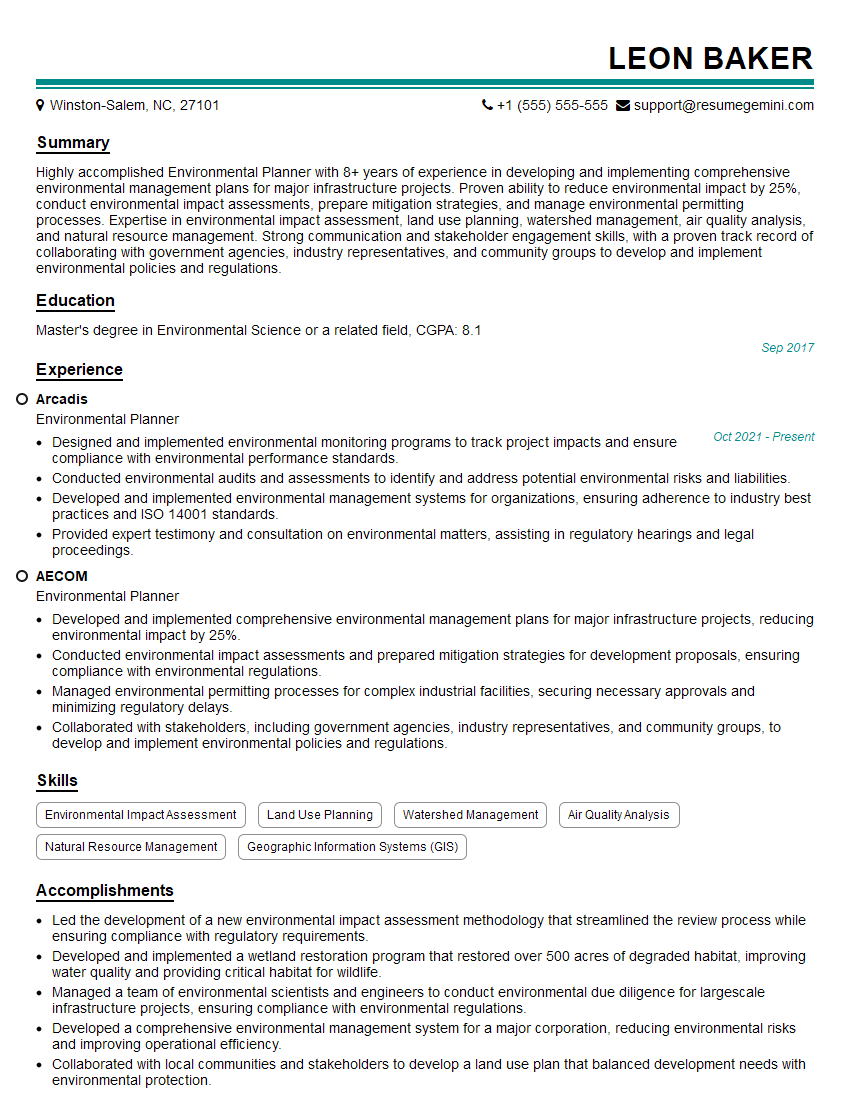
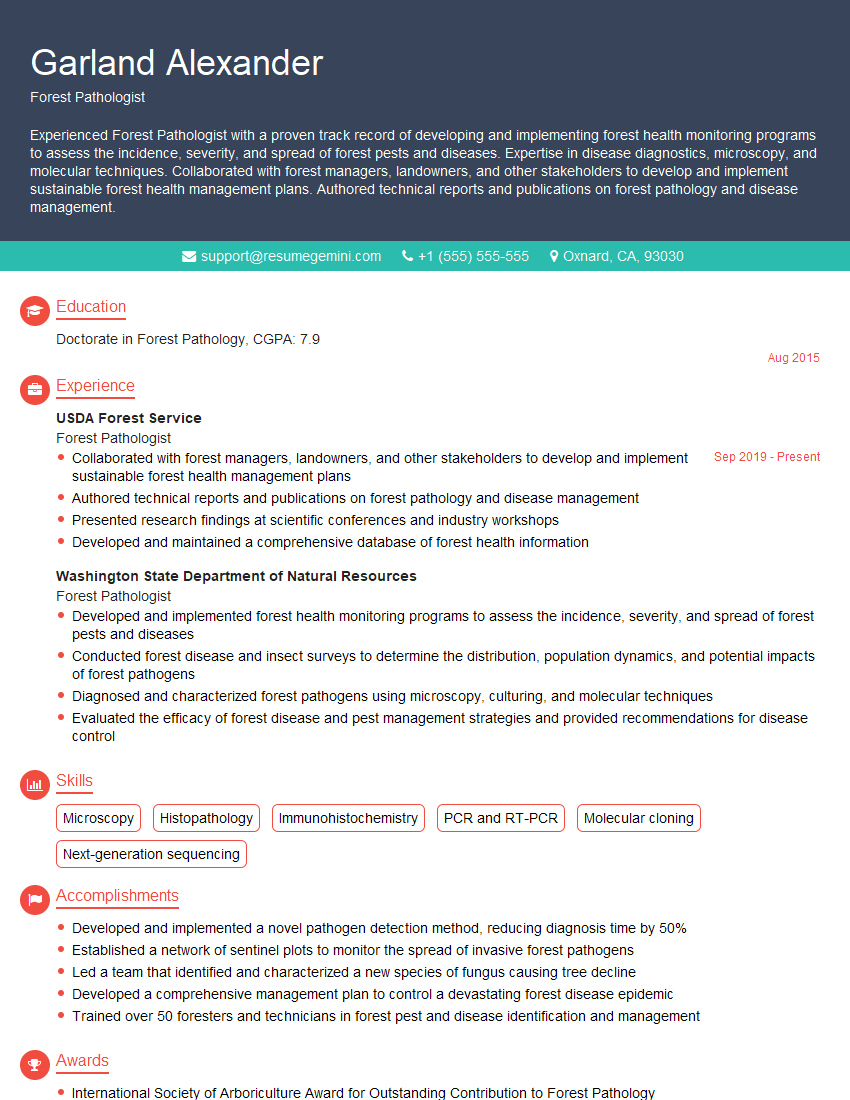
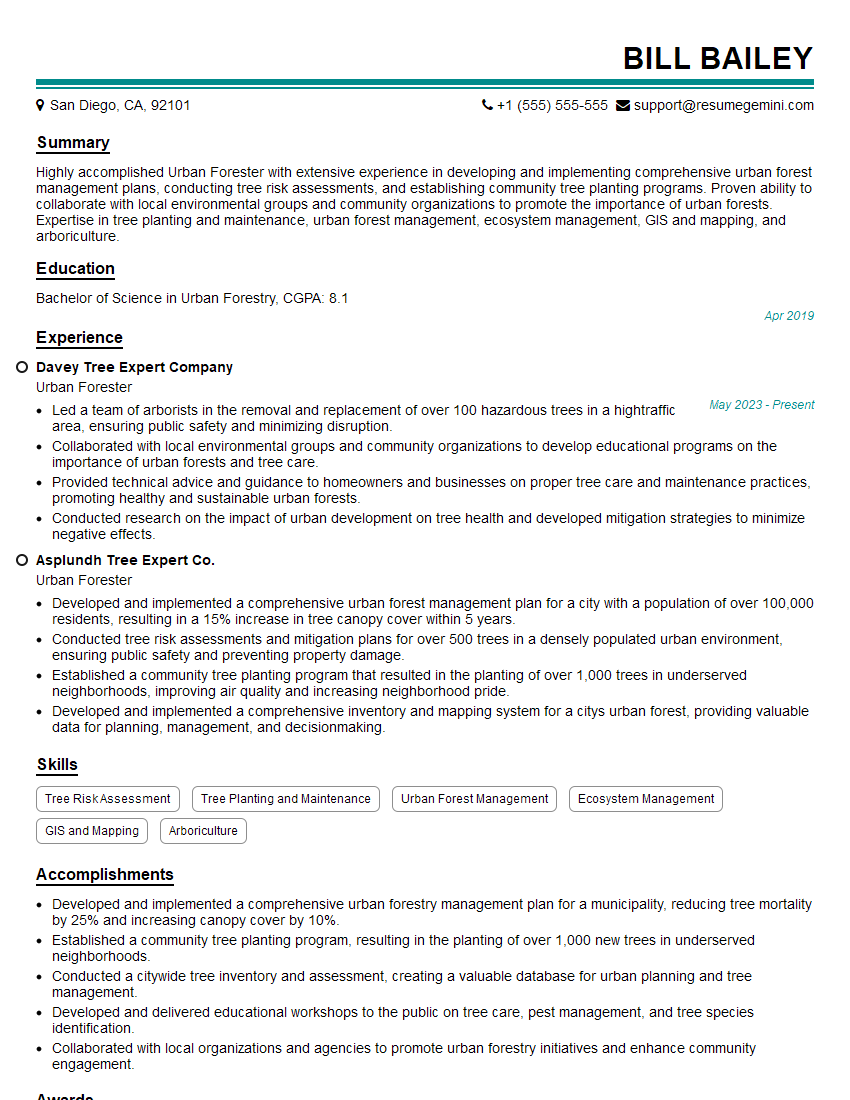
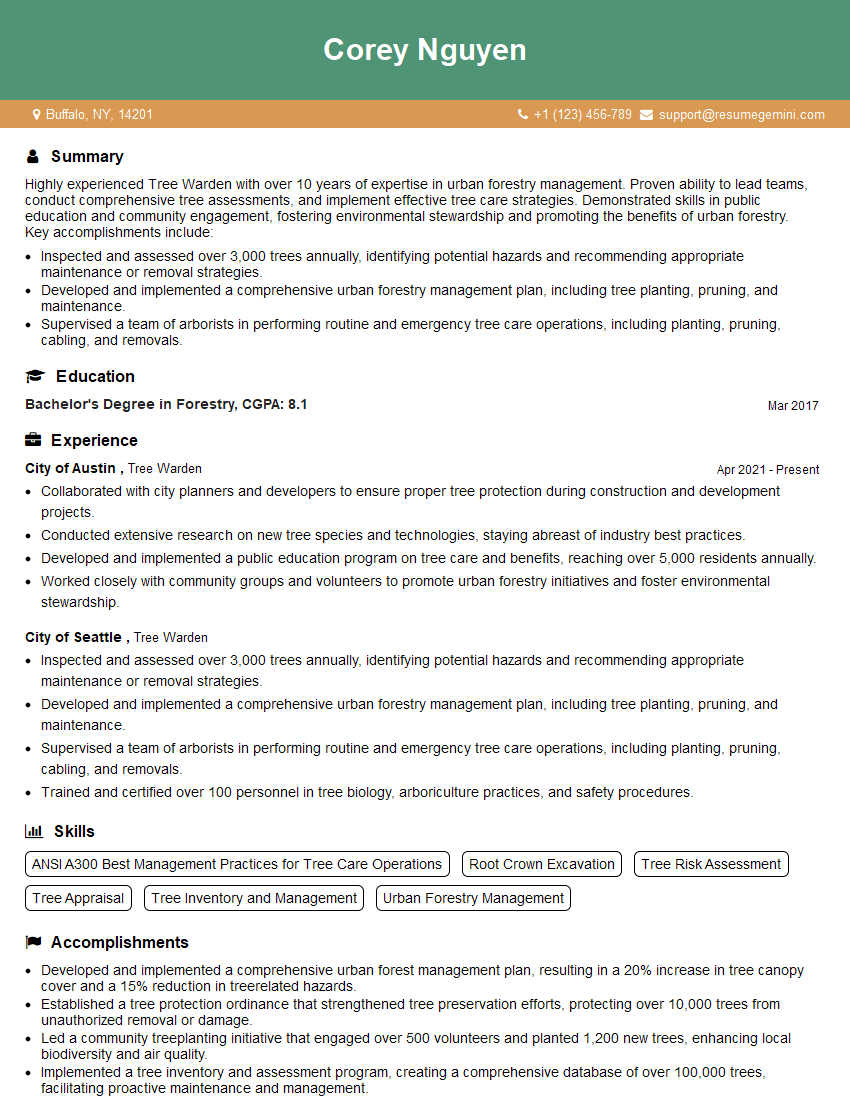
Mastering tree conservation opens doors to a rewarding career contributing to environmental sustainability and ecological balance. To maximize your job prospects, creating a strong, ATS-friendly resume is crucial. ResumeGemini is a trusted resource to help you build a professional and impactful resume that showcases your skills and experience effectively. Examples of resumes tailored to Tree Conservation are provided to guide you in crafting your own compelling application materials. Take the next step toward your dream career in tree conservation – build your best resume with ResumeGemini!





Explore more articles
Users Rating of Our Blogs
Share Your Experience
We value your feedback! Please rate our content and share your thoughts (optional).
What Readers Say About Our Blog
Very informative content, great job.
good