Every successful interview starts with knowing what to expect. In this blog, we’ll take you through the top Tree Felling and Harvesting interview questions, breaking them down with expert tips to help you deliver impactful answers. Step into your next interview fully prepared and ready to succeed.
Questions Asked in Tree Felling and Harvesting Interview
Q 1. Describe your experience with various felling techniques (e.g., directional felling, undercut felling).
Felling techniques are crucial for safe and efficient tree removal. Directional felling involves carefully cutting a tree to fall in a predetermined direction, minimizing damage and risk. This often involves making an undercut (a notch cut into the tree’s base) to direct the fall, followed by a back cut. Undercut felling is a specific type of directional felling, employing different notch shapes (e.g., open-faced, hump, and Humboldt) depending on the tree’s lean, size, and surrounding obstacles.
For example, with a tree leaning slightly to the right, I might use an open-faced undercut to guide its fall. The undercut’s size and angle are carefully calculated to control the felling direction. I’ve also used the Humboldt undercut for larger trees with significant lean, offering extra control and safety. I have extensive experience with various notch types and their applications based on tree species, size and environmental factors. I’ve successfully felled trees in challenging situations, including those close to power lines or other structures, using precise directional felling techniques. I always adapt my approach to account for variables such as wind, soil conditions, and the presence of obstacles.
Q 2. Explain the safety procedures you follow when operating a chainsaw.
Chainsaw safety is paramount. My procedures always start with a pre-operation check, ensuring the chain is sharp, properly lubricated and tensioned, and the safety features are functional. I wear appropriate personal protective equipment (PPE) including chaps, helmet with visor and hearing protection, safety glasses and gloves. Before each cut, I assess the surrounding area, ensuring there’s a clear escape path and that no one is in the danger zone. I use a firm, balanced stance and maintain three points of contact when possible. For each cut, I focus on controlled movements, avoiding kicks or snags. Never overreach and maintaining a safe distance from the felling line is crucial. I frequently take breaks to reduce fatigue, because fatigue greatly increases risk. After each felling operation I immediately conduct a post-operation check to ensure the area is safe for everyone.
I always follow the manufacturer’s guidelines for my chainsaw’s operation and maintenance and I regularly attend refresher training courses to stay up-to-date on best practices and new safety advancements.
Q 3. What are the different types of harvesting equipment you are familiar with?
My experience encompasses a wide range of harvesting equipment, including chainsaws (various sizes and models), feller bunchers (for efficient cutting and gathering of trees), skidders (for dragging felled trees to a central location), and processors (for delimbing and bucking). I’m also proficient with forwarders, which transport logs from the felling site to a landing area. I’ve operated both cable and grapple skidders, adapting my techniques to suit the terrain and the type of timber being harvested. My experience extends to operating and maintaining these machines, understanding their limitations, and performing basic repairs. In some situations, I have to adapt to equipment which is not the most optimal, as the conditions may call for it.
Q 4. How do you assess tree risk and identify potential hazards before felling?
Assessing tree risk is a critical first step. I use a combination of visual inspection, checking for signs of decay, disease, leaning, cracks, and broken branches, and consider factors like wind, soil conditions, and the tree’s proximity to structures. I carefully examine the tree’s crown, assessing the density and weight of the branches. I’ll use specialized tools such as a climbing harness to inspect the tree at various heights. When in doubt, I always err on the side of caution. I will consult a qualified arborist if needed.
For example, a tree with extensive decay in its trunk, leaning significantly, or showing signs of insect infestation will be a high-risk tree. Identifying potential hazards around the tree, such as power lines or buildings is also crucial. I meticulously plan the felling path, considering the potential trajectory of the falling tree and the impact zone.
Q 5. Describe your experience with pre-felling site preparation.
Pre-felling site preparation is essential for safety and efficiency. This involves clearing the area around the target tree of any obstacles (undergrowth, debris), creating escape routes, and marking the felling path. I also consider the wind direction and speed, the type of soil, and the presence of other trees or obstructions to ensure that the felled tree does not cause damage to the surrounding area.
In one instance, I had to clear a significant area of undergrowth before felling a large oak tree near a residential area. This included creating escape routes for myself and clearing away any objects the tree might strike during its fall. This detailed preparation is a crucial step in ensuring the safety and success of the felling operation.
Q 6. What are the signs of a potentially dangerous tree?
Several signs indicate a potentially dangerous tree: leaning significantly, dead or dying branches, hollow trunk, cracks or splits in the trunk or branches, signs of decay (soft or spongy wood), extensive fungal growth, insect infestation, evidence of root damage, and unusual growth patterns. A tree with a damaged root system is particularly risky, especially in windy conditions. Also, the presence of any broken branches or significant cavities can suggest internal weaknesses, significantly raising the risk of failure.
Q 7. How do you handle emergency situations during tree felling operations?
Emergency situations during tree felling require quick thinking and decisive action. My response depends on the nature of the emergency. If the tree falls unexpectedly or in an uncontrolled manner, I immediately clear the area and warn bystanders. If a chainsaw malfunctions, I switch it off, ensuring the chain stops moving completely before attempting any repairs or adjustments. If someone gets injured, I will immediately administer first-aid and seek professional medical help, reporting the incident immediately. All emergency procedures are strictly adhered to and my team undergo regular training in emergency response.
Having a pre-determined emergency plan and clear communication protocols within the felling team is also paramount. I’ve previously had to deal with a sudden change in wind direction during a felling operation, which called for an immediate stop and reassessment of the situation.
Q 8. Explain your understanding of different wood species and their felling considerations.
Understanding different wood species is crucial for safe and efficient felling. Each species has unique characteristics affecting its felling technique. For instance, a brittle species like Eastern White Pine might require a more cautious approach to avoid shattering during the cut, while a tougher species like Oak demands more powerful equipment and precise cuts to prevent binding or kickback.
- Hardwoods: Species like Oak, Maple, and Hickory are dense and strong, requiring sharper tools and potentially more power. They can also be prone to kickback if not felled correctly. I often use a wedge to help control the direction of fall with hardwoods.
- Softwoods: Species like Pine, Fir, and Spruce are generally less dense and easier to fell, but can be prone to windthrow due to shallower root systems, necessitating careful consideration of wind direction and lean. Their lighter weight makes them easier to manipulate with equipment like a grapple skidder during harvesting.
- Rotten or Diseased Trees: These pose significant risks. They can unexpectedly break or fail during felling. I always assess the overall health of the tree before any felling operation, potentially using specialized tools or techniques for compromised trees. Careful observation and pre-cut assessments are extremely important here.
For example, when felling a large oak near a power line, I would meticulously plan the fall path, using wedges and possibly even rigging to steer the tree away from the power line. With a diseased pine, I might employ more aggressive methods, like sectioning it into smaller parts on the ground before attempting to bring it away for processing, reducing the risk of a dangerous collapse.
Q 9. Describe your experience with using personal protective equipment (PPE).
Personal Protective Equipment (PPE) is non-negotiable in tree felling. My experience with PPE spans over 15 years, and I’ve seen firsthand the life-saving potential of proper equipment. It’s not just about complying with regulations; it’s about preserving my well-being and the well-being of my crew.
- Helmets: Hard hats with face shields protect against falling branches, debris, and potential impacts.
- Eye Protection: Safety glasses or face shields are mandatory to protect from flying wood chips and sawdust.
- Hearing Protection: Earmuffs or earplugs are essential to protect against the constant noise of chainsaws and other equipment.
- High-visibility Clothing: Brightly colored vests or jackets ensure visibility, particularly in challenging terrain or low-light conditions.
- Chainsaw Chaps: These are vital and I have used them daily since the beginning of my career. They protect legs from chainsaw cuts in the event of a kickback.
- Gloves: Provides protection against cuts, abrasions, and cold weather.
- Steel-toe Boots: Protects feet from potential crushing or impact.
I always ensure my PPE is in good working order before starting any job. A damaged helmet or worn-out chaps are replaced immediately. Proper PPE isn’t just a matter of safety; it’s an investment in my continued ability to do this job. I even use additional safety gear during more challenging work such as climbing gear or harness equipment during high-risk felling.
Q 10. How do you ensure the safety of yourself and others during felling operations?
Ensuring safety during felling operations is paramount. It’s a multifaceted process requiring meticulous planning, risk assessment, and constant awareness. My approach centers around a few key principles:
- Pre-felling Assessment: Thorough inspection of the tree for lean, defects, and surrounding obstacles. I identify the intended fall path, escape routes, and any potential hazards.
- Controlled Felling Techniques: Employing proper felling techniques, utilizing wedges and felling levers to control the direction of fall.
- Clear Communication: Maintaining clear communication with other crew members, especially when working in close proximity. Hand signals or designated communication channels can prevent accidents.
- Safe Zones: Establishing safe zones away from the felling area to ensure no one is in harm’s way during the cut.
- Emergency Procedures: Developing and rehearsing emergency procedures to address potential injuries or equipment malfunctions.
- Weather Conditions: Postponing operations if weather conditions—high winds, lightning, etc.— pose a risk.
For example, before felling a large tree near a road, I’d make sure the road is closed, clear the area of any obstructions, and position my crew at a safe distance. After the tree falls, I’d use designated tools to limb and cut sections into more manageable sizes, which will also improve overall workplace safety. Regular safety meetings and ongoing training are also critical for maintaining high standards.
Q 11. What is your experience with maintaining and repairing felling equipment?
Maintaining and repairing felling equipment is an integral part of my work. Regular maintenance prevents accidents and extends the lifespan of the equipment.
- Chainsaw Maintenance: Regular sharpening and cleaning of the saw chain, proper lubrication, and tension adjustment are crucial. I also routinely check for any damage to the bar, chain, or other parts.
- Other Equipment Maintenance: I inspect and maintain other equipment regularly, including wedges, felling levers, and any auxiliary equipment I use such as winches, grapples or skidders.
- Repair Procedures: I can perform minor repairs like replacing a damaged chain or sharpening a bar, and know when to contact professionals for more extensive repairs or servicing.
- Record Keeping: I maintain a record of all maintenance and repairs performed, including dates, type of work done, and any parts replaced.
For instance, a dull chainsaw chain can cause kickback, a dangerous situation. Regular sharpening prevents this. I’ve also experienced situations where a broken felling lever required quick repair, which I was able to perform on site using spare parts; this minimized downtime and ensured the safety of my crew.
Q 12. How familiar are you with logging regulations and safety standards?
I am very familiar with logging regulations and safety standards. My experience includes working under various state and federal guidelines, and I prioritize compliance in all aspects of my work. This familiarity includes:
- OSHA Regulations: Thorough understanding of OSHA standards related to logging and tree felling.
- State-Specific Regulations: Compliance with all relevant state and local regulations concerning logging practices, including permits and environmental protection measures.
- Safety Standards: Adherence to industry best practices, including the use of PPE, safe felling techniques, and emergency procedures.
- Environmental Regulations: Awareness of rules regarding environmental protection, such as avoiding damage to waterways and minimizing soil erosion.
For instance, I’m intimately familiar with the requirements for felling near power lines or bodies of water, and the necessity of obtaining appropriate permits before commencement of any significant logging operation. My experience helps me ensure every operation is not only safe, but also compliant with all applicable laws and regulations.
Q 13. Explain your understanding of sustainable forestry practices.
Sustainable forestry practices are essential for the long-term health of forests and the industry itself. My understanding encompasses a holistic approach that balances economic needs with ecological considerations:
- Selective Harvesting: Choosing which trees to harvest strategically, minimizing damage to the surrounding ecosystem.
- Reforestation: Replanting harvested areas with seedlings to ensure forest regeneration.
- Reduced-Impact Logging: Employing techniques that minimize the impact on the forest floor and surrounding vegetation.
- Biodiversity Protection: Maintaining a diverse range of tree species and habitats within the forest ecosystem.
- Soil and Water Conservation: Practicing measures to prevent soil erosion and protect water quality.
For example, in a selective harvest, I would identify mature, commercially valuable trees for felling, leaving younger trees and diverse species to thrive. Post-harvesting, the area would be replanted with suitable species, ensuring the forest’s long-term sustainability and health. I advocate for and actively participate in efforts to improve these practices at every available opportunity.
Q 14. Describe your experience with felling in various terrain conditions.
My experience with felling in various terrain conditions is extensive. Each terrain presents unique challenges that demand adaptable techniques and safety precautions:
- Steep Slopes: Extra caution is required to prevent rolling logs and uncontrolled felling. I use specialized rigging techniques to control the fall path and minimize risks.
- Rocky Terrain: Challenges include potential equipment damage and risk of rockfalls. Careful pre-felling assessment and the use of wedges and levers to direct the tree safely are crucial.
- Swampy Areas: Ground instability and limited maneuverability pose significant challenges. Specialized equipment and techniques, perhaps employing smaller machinery or alternative felling methods, might be necessary.
- Dense Undergrowth: Limiting visibility and maneuverability requires careful planning and the use of appropriate equipment to clear paths. Safety is paramount here due to limited ability to easily move out of the way.
For instance, when felling on a steep slope, I might use a rope to guide the tree’s fall away from the slope or potentially employ a controlled felling method by sectioning a tree in order to reduce the risk of collapse and run away.
Q 15. How do you manage felling debris and waste?
Managing felling debris and waste is crucial for safety, environmental protection, and operational efficiency. It involves a multi-step process starting even before the felling begins.
- Pre-felling planning: We identify areas for debris accumulation and plan for efficient removal routes, minimizing ground disturbance. This might involve designating specific landing areas.
- Careful felling techniques: Precise cuts and controlled felling reduce the amount of broken branches and shattered wood. We always prioritize directional felling to avoid damage to surrounding trees and infrastructure.
- Debris sorting and processing: After felling, we sort the debris into different categories – usable timber, firewood, and waste. Usable timber is processed immediately. Firewood is stacked and prepared for sale or use. Waste material is then chipped or processed into biomass fuel where possible, reducing landfill waste.
- Site cleanup: This final step involves removing all remaining debris, ensuring the site is safe, clean, and returned to a stable condition, often including re-seeding or planting to aid regeneration.
For example, on a recent project, we used a dedicated chipping machine to process all unusable branches and smaller logs, significantly reducing the volume of waste needing disposal and creating a valuable byproduct.
Career Expert Tips:
- Ace those interviews! Prepare effectively by reviewing the Top 50 Most Common Interview Questions on ResumeGemini.
- Navigate your job search with confidence! Explore a wide range of Career Tips on ResumeGemini. Learn about common challenges and recommendations to overcome them.
- Craft the perfect resume! Master the Art of Resume Writing with ResumeGemini’s guide. Showcase your unique qualifications and achievements effectively.
- Don’t miss out on holiday savings! Build your dream resume with ResumeGemini’s ATS optimized templates.
Q 16. How do you use a clinometer to assess tree lean and slope?
A clinometer is an invaluable tool for assessing tree lean and slope. It measures angles of inclination, helping us determine the direction and degree of a tree’s lean and the slope of the ground. This is vital for safe and precise felling.
Assessing Tree Lean: We stand at a known distance from the tree base and use the clinometer to measure the angle between the vertical and the tree’s trunk. A positive angle indicates a lean away from us, while a negative angle shows a lean towards us. The degree of the angle directly impacts the felling strategy.
Assessing Slope: We use the clinometer to measure the ground slope in the direction of the intended fall. A steep slope can significantly influence the tree’s trajectory during felling, necessitating adjustments in our techniques to prevent uncontrolled roll or bounce.
Practical Application: Imagine a tree leaning 15 degrees towards a power line. Knowing this using the clinometer allows us to carefully plan the felling direction and use specific techniques to ensure the tree falls away from the power line safely.
Q 17. What are the key factors to consider when planning a felling operation?
Planning a felling operation demands meticulous attention to detail. Key factors include:
- Tree assessment: Detailed examination of each tree’s size, species, health, lean, and surrounding obstacles (power lines, buildings, other trees).
- Site analysis: Evaluation of the terrain (slope, soil type, obstacles), weather conditions (wind speed and direction), and access routes.
- Felling strategy: Defining the felling direction for each tree, considering the safe fall zone and potential hazards. This includes escape routes for the felling crew.
- Resource allocation: Determining the necessary equipment (chainsaws, winches, skidders), personnel, and safety gear.
- Risk assessment: Identification and mitigation of potential hazards, including the development of a detailed safety plan and emergency procedures.
- Legal and regulatory compliance: Adhering to all relevant forestry regulations and obtaining necessary permits.
A thorough plan minimizes risks and ensures efficiency, preventing costly mistakes and accidents. For example, on a recent job near a river, a detailed site analysis revealed the need for specialized equipment to prevent erosion during the operation. This was incorporated into the plan.
Q 18. Describe your experience with different types of felling cuts.
My experience encompasses various felling cuts, each suited to specific situations:
- Humboldt Cut: Used for trees with a significant lean, this cut allows for controlled felling in a specific direction.
- Open-faced Cut: A basic cut used for trees with minimal lean, providing a clean and efficient felling.
- Directional felling (using wedges and felling levers): Employed to guide the tree’s fall precisely, especially crucial near obstacles.
- Notch cut with back cut: A combination of a notch (controlling the direction of fall) and a back cut (severing the tree). We meticulously plan the placement to avoid binding or splitting of the tree during the felling process.
Choosing the right cut requires careful consideration of tree characteristics and surrounding conditions. Incorrect cut selection can lead to dangerous situations, therefore, experience and precision are paramount.
Q 19. How do you communicate effectively within a logging crew?
Effective communication is paramount in a logging crew. It’s more than just shouting instructions; it’s a structured, clear and concise system built on trust and respect.
- Pre-felling briefings: We hold detailed briefings before each operation outlining the plan, identifying potential hazards, assigning roles and responsibilities, and establishing clear communication protocols (hand signals, radio communication).
- Clear and concise instructions: Using precise language, avoiding ambiguity. Simple, universally understood hand signals are vital when noise levels are high.
- Visual cues and signals: We utilize flags, markings on trees, and other visual cues to enhance communication and reinforce instructions.
- Regular communication during the operation: Constant updates, confirmations, and adjustments to the plan as needed.
- Post-felling debriefing: We review the operation, highlight areas for improvement, discuss any near misses, and reinforce safety protocols.
For example, we use a specific hand signal to indicate a potential hazard – a quick upward sweep of the arm immediately halts the operation.
Q 20. Explain your understanding of environmental considerations in logging operations.
Environmental considerations are integral to responsible logging. We strive to minimize our environmental footprint through various practices:
- Selective logging: Harvesting only mature or designated trees, leaving younger trees to grow and ensuring forest regeneration.
- Minimizing soil disturbance: Using appropriate equipment and techniques to reduce soil erosion and compaction, protecting water quality.
- Protecting biodiversity: Leaving behind buffer zones along waterways and sensitive habitats, respecting wildlife corridors.
- Reforestation and regeneration: Planting seedlings or utilizing natural regeneration methods to restore harvested areas.
- Waste management: Implementing effective debris and waste management strategies to minimize pollution.
- Compliance with regulations: Adhering to environmental laws and guidelines.
For instance, on a recent project, we worked with environmental consultants to ensure that our operation minimized impact on a nearby endangered species habitat. This involved careful route planning and employing specialized equipment.
Q 21. What is your experience with different types of logging systems (e.g., clearcutting, selective logging)?
My experience spans various logging systems, each with its own advantages and disadvantages:
- Clearcutting: Removing all trees from a designated area. While efficient for large-scale timber harvesting, it can have significant environmental impacts if not managed carefully (soil erosion, habitat loss). We typically employ this method only when environmentally appropriate and in compliance with all regulations.
- Selective logging: Harvesting individual trees or small groups of trees, leaving the rest of the forest intact. This method is more sustainable and minimizes environmental impact, preserving forest biodiversity and structure. We prefer this approach wherever feasible.
- Shelterwood logging: Gradually removing trees over several years to create a more sustainable forest structure, protecting younger trees and promoting regeneration. This is an excellent method for ensuring long-term forest health.
The choice of system depends on multiple factors such as forest type, ecological objectives, economic considerations, and regulatory requirements. It’s crucial to adopt a system that balances economic gains with environmental protection.
Q 22. How do you ensure the efficient use of resources during a felling operation?
Efficient resource use in tree felling hinges on meticulous planning and execution. It’s not just about felling trees quickly; it’s about minimizing waste and maximizing the value of each tree and the overall operation.
- Pre-felling assessment: A thorough site survey identifies the species, size, and location of each tree, allowing for optimal harvesting techniques. For example, we might prioritize larger trees for high-value lumber and use smaller trees for biomass or pulpwood.
- Selective felling: We avoid unnecessary felling. This requires skilled judgment to determine which trees need to come down, considering factors like disease, proximity to power lines or buildings, and overall forest health. We also plan the felling direction carefully to minimize damage to surrounding trees and the environment.
- Efficient extraction: Choosing the right equipment for the terrain and timber volume is critical. Using appropriate skidders or forwarders minimizes fuel consumption and soil compaction. We might even use horses in sensitive areas to avoid environmental damage.
- Waste management: We meticulously manage logging debris. Branches and tops can be chipped for biomass energy, reducing waste and creating a valuable byproduct. We also minimize soil erosion by implementing best management practices during the extraction process.
For instance, on a recent project, we used a combination of pre-felling mapping and selective harvesting techniques to reduce fuel consumption by 15% and increase the overall yield of high-quality lumber by 10%. This highlights the impact of meticulous planning and precise execution on resource efficiency.
Q 23. Describe your experience with post-felling cleanup and site restoration.
Post-felling cleanup and site restoration are paramount for environmental responsibility and future forest health. My experience encompasses a wide range of techniques, all focused on returning the site to a safe and stable condition.
- Debris removal: This includes removing felled trees, branches, and other debris. Careful removal prevents hazards, reduces fire risk, and aids in the regeneration of the forest.
- Erosion control: We employ techniques to prevent soil erosion, such as using erosion blankets, constructing temporary water diversions, and re-seeding disturbed areas.
- Reforestation: Depending on the project goals, we might plant seedlings or saplings to reforest the area. We select species appropriate for the site conditions to promote long-term forest health.
- Waste recycling/reuse: As mentioned, we strive to recycle or repurpose logging debris. This minimizes waste sent to landfills and adds value to the operation.
In one project, we implemented a comprehensive restoration plan that included replanting native species and establishing a sustainable drainage system. This resulted in a significant reduction in erosion and accelerated the forest’s recovery, making the site look far more natural than after the operation.
Q 24. What is your experience with working in a team environment?
I thrive in team environments. Effective tree felling requires seamless collaboration between various specialists—foresters, equipment operators, fallers, and support staff.
- Communication: Clear and concise communication is crucial for safety and efficiency. This includes pre-job briefings, on-site communication during felling, and post-job debriefs.
- Coordination: Coordinating the work of multiple team members demands strong organizational skills and the ability to anticipate potential problems. I am adept at creating a safe, productive, and harmonious team environment.
- Problem-solving: Teamwork enhances problem-solving abilities. In challenging situations, diverse perspectives and skillsets offer creative and effective solutions.
For example, during a particularly challenging project with difficult terrain, our team’s collaborative spirit and effective communication enabled us to overcome unforeseen obstacles, completing the job safely and on schedule.
Q 25. How do you adapt to changing weather conditions and terrain?
Adaptability to changing weather and terrain is essential in this profession. Safety is paramount, and we adjust our operations to mitigate risks.
- Weather monitoring: We closely monitor weather forecasts and postpone operations if conditions are unsafe (high winds, heavy rain, lightning). This prevents accidents and ensures quality work.
- Terrain assessment: We carefully assess the terrain before and during the operation. This includes identifying potential hazards (unstable ground, steep slopes) and adapting techniques accordingly. For instance, we might choose different felling methods or equipment depending on the ground stability.
- Safety procedures: We adhere strictly to safety protocols. These might include using different equipment or altering our techniques depending on weather conditions.
During one operation, unexpected heavy rain made the ground unstable. We immediately halted work, reassessed the risks, and implemented alternative felling strategies and safety measures, ensuring the safety of the entire team.
Q 26. Describe a time you had to solve a challenging problem during a felling operation.
One challenging situation involved a large, leaning tree near a power line. A standard felling technique could have caused the tree to hit the line, resulting in a power outage or even injury.
My solution involved a multi-stage approach:
- Risk assessment: We carefully assessed the tree’s condition, the wind direction, and the power line’s location.
- Specialized equipment: We utilized a directional felling technique with specialized equipment (e.g., rigging gear and a winch) to carefully control the tree’s fall.
- Teamwork: Precise teamwork and communication were essential to execute the felling safely and efficiently.
- Contingency plan: We had a comprehensive contingency plan in place to handle unexpected situations, including emergency response procedures.
Through careful planning and execution, we successfully felled the tree without incident, preventing a potential power outage and ensuring the safety of everyone involved.
Q 27. What are your salary expectations?
My salary expectations are commensurate with my experience and skills, and align with the industry standard for experienced tree fellers and harvesting professionals in this region. I am open to discussing a competitive compensation package that reflects the value I bring to your organization.
Q 28. Do you have any questions for me?
Yes, I have a few questions. First, could you elaborate on the specific safety protocols and training requirements for this position? Second, what are the company’s long-term goals for sustainable forest management? Finally, what opportunities exist for professional development and advancement within the company?
Key Topics to Learn for Tree Felling and Harvesting Interview
- Tree Identification and Assessment: Understanding different tree species, their growth patterns, and assessing their health and risk factors for safe felling.
- Felling Techniques: Mastering various felling techniques (e.g., directional felling, undercut methods) and their application based on tree characteristics and environmental conditions. Practical experience demonstrating safe and efficient felling is crucial.
- Safety Regulations and Procedures: Deep understanding of all relevant safety regulations, including personal protective equipment (PPE) usage, hazard identification and risk mitigation strategies, and emergency procedures.
- Equipment Operation and Maintenance: Proficiency in operating and maintaining various harvesting equipment (chainsaws, skidders, loaders) and understanding preventative maintenance schedules for optimal performance and safety.
- Harvesting Planning and Execution: Knowledge of planning harvesting operations, including site preparation, efficient timber extraction methods, and minimizing environmental impact.
- Log Handling and Processing: Understanding techniques for efficient log handling, including bucking, limbing, and debarking, and knowledge of different log sorting and processing methods.
- Environmental Considerations: Awareness of environmental regulations and best practices related to sustainable forestry, minimizing soil erosion, and protecting wildlife habitats.
- Problem-Solving and Decision-Making: Ability to analyze complex situations, identify potential hazards, and make informed decisions to ensure safe and efficient operations under various conditions. Be prepared to discuss examples where you’ve had to solve problems on the job.
Next Steps
Mastering Tree Felling and Harvesting opens doors to a rewarding career with excellent growth potential. A strong foundation in these skills, coupled with a well-crafted resume, significantly increases your chances of landing your dream job. To make your application stand out, focus on building an ATS-friendly resume that highlights your technical expertise and practical experience. ResumeGemini is a trusted resource that can help you create a professional and impactful resume. They even provide examples of resumes tailored to the Tree Felling and Harvesting industry to guide you. Invest the time to craft a compelling resume – it’s your first impression on potential employers!
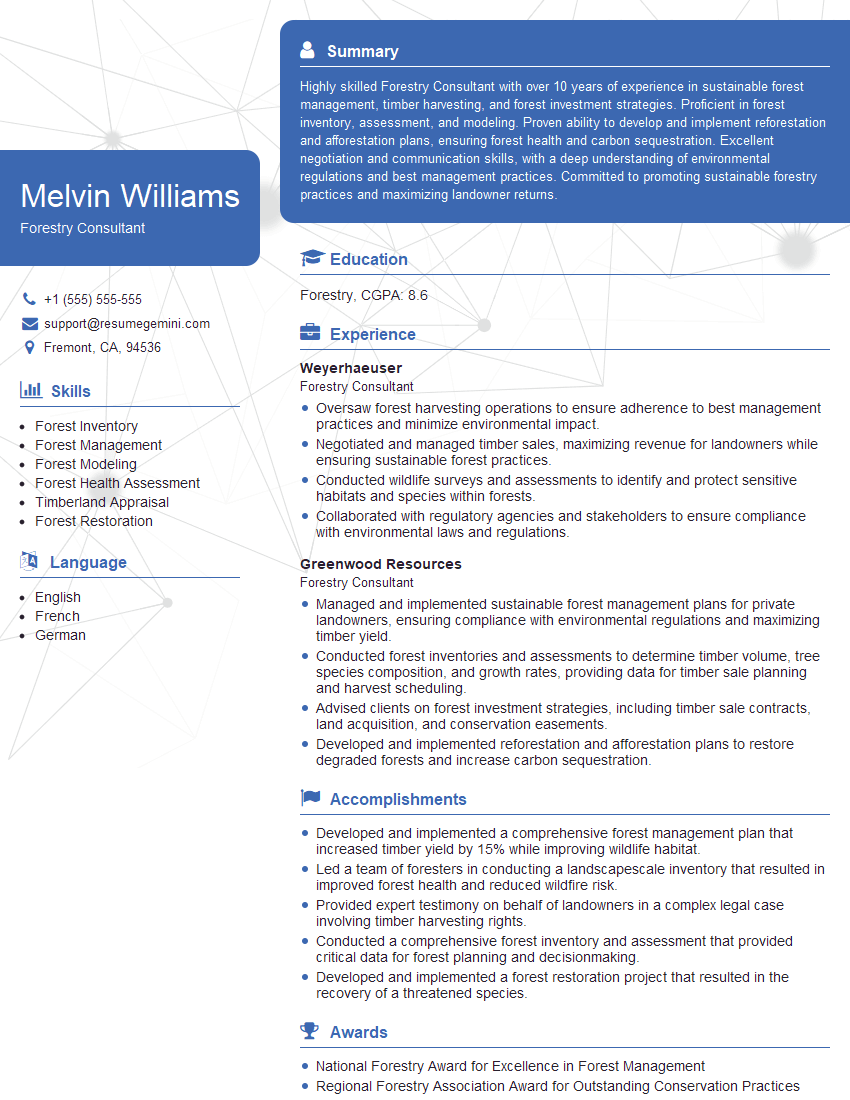
Forestry Consultant Resume Sample

Forestry Technician Resume Sample
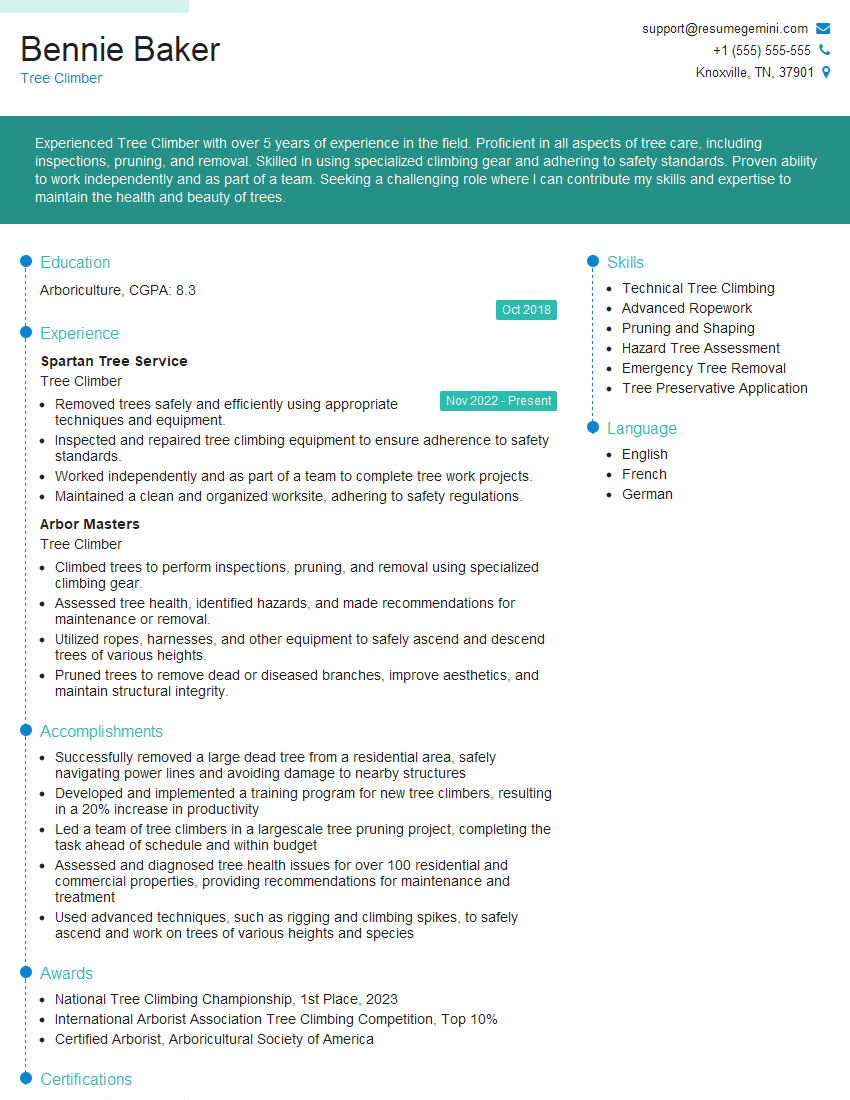
Tree Climber Resume Sample

Logging Supervisor Resume Sample
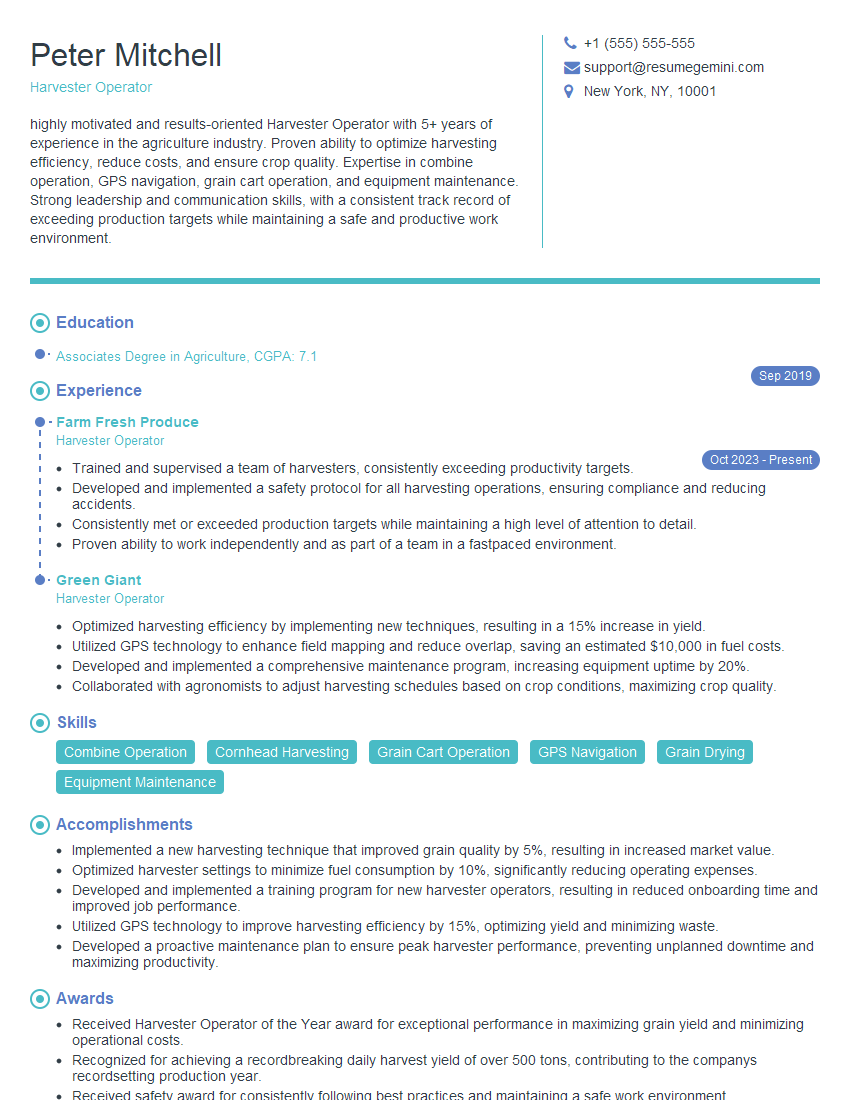
Harvester Operator Resume Sample

Feller Buncher Operator Resume Sample

Logger Resume Sample

Skidder Operator Resume Sample
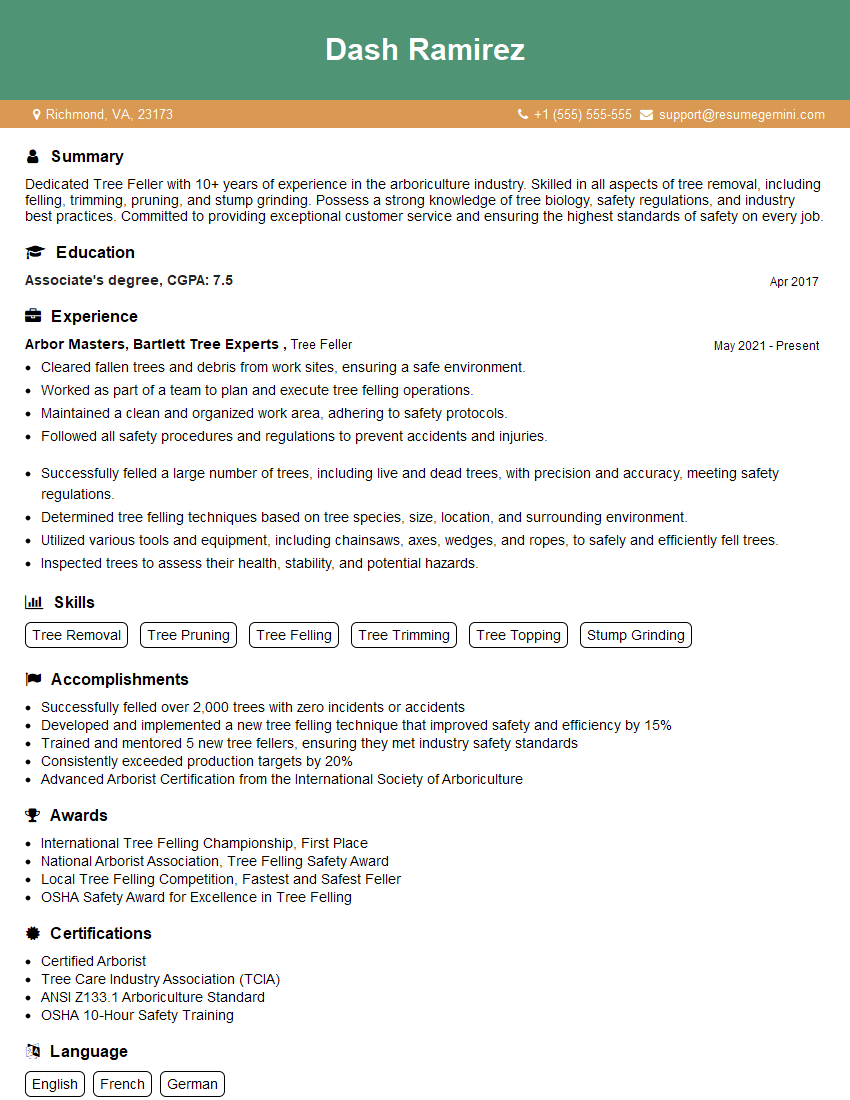
Tree Feller Resume Sample
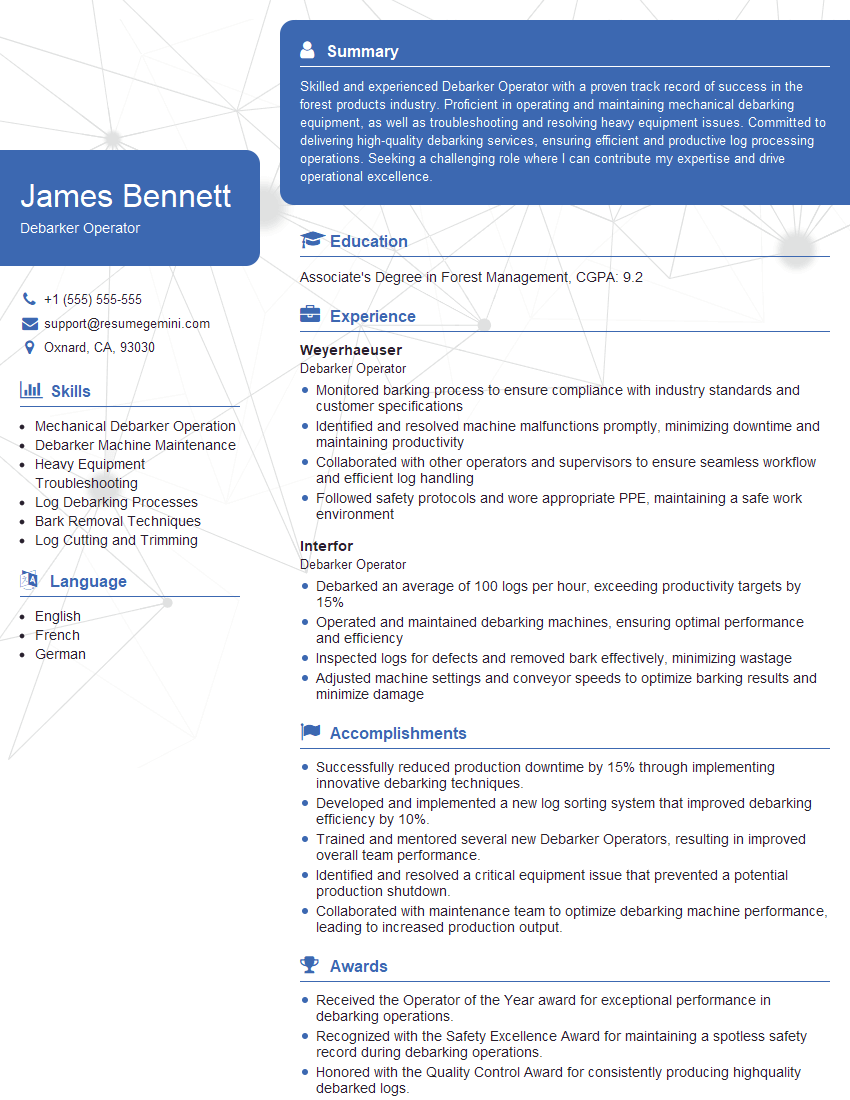
Debarker Operator Resume Sample
Explore more articles
Users Rating of Our Blogs
Share Your Experience
We value your feedback! Please rate our content and share your thoughts (optional).
What Readers Say About Our Blog
Very informative content, great job.
good