The thought of an interview can be nerve-wracking, but the right preparation can make all the difference. Explore this comprehensive guide to Tree Pruning and Care interview questions and gain the confidence you need to showcase your abilities and secure the role.
Questions Asked in Tree Pruning and Care Interview
Q 1. What are the different pruning cuts used in tree care?
Tree pruning involves several types of cuts, each serving a specific purpose. Understanding these cuts is crucial for achieving healthy growth and structural integrity.
- Heading Cut: This cut removes a branch back to a lateral branch or bud. It’s used to reduce branch length and encourage branching from the remaining lateral. Think of it like trimming a hedge – you’re controlling growth and shaping. Incorrectly done, it can lead to weak branch growth and decay.
- Thinning Cut: This cut removes an entire branch back to its origin point, the branch collar. It’s used to improve light penetration, airflow, and reduce density. Imagine thinning out a crowded forest – you’re making room for better growth. Properly done, this stimulates less stress on the tree compared to heading cuts.
- Reduction Cut: A series of cuts used to shorten a large branch, reducing its weight and size. This is a multi-step process to avoid bark tearing and creating a weak point. It’s like carefully taking down a large tree branch in stages to prevent damage. This needs precise technique to avoid damaging the tree and is usually best left to professionals.
- Cleaning Cut: Removing dead, diseased, or damaged branches. This is essential for tree health and safety, preventing the spread of disease and improving aesthetics. This is like cleaning up a garden – removing the unwanted elements to let the good stuff thrive. Regular cleaning cuts are an important part of preventative tree maintenance.
Q 2. Explain the principles of proper tree pruning techniques.
Proper tree pruning follows key principles aimed at minimizing stress and promoting healthy growth. Ignoring these can lead to significant problems.
- Minimize damage to the tree: Cuts should be made cleanly, avoiding tearing bark and damaging the branch collar (the slightly swollen area where the branch joins the trunk).
- Promote natural growth: Pruning should aim to encourage the tree’s natural branching structure and shape, not forcing unnatural growth patterns.
- Understand tree species: Different tree species have different growth habits and pruning requirements. What works for a maple might harm an oak.
- Use proper tools: Sharp, clean tools are crucial to minimize damage. Dull tools tear and crush tissues, creating entry points for disease.
- Select the right time: Pruning is generally best done during the dormant season (late winter or early spring) for many species, avoiding stress during active growth. Certain species may benefit from pruning at other times.
- Avoid over-pruning: Removing too much foliage can stress the tree and leave it vulnerable to disease and pests.
A good rule of thumb is to remove no more than 25% of the canopy in any one year.
Q 3. How do you identify diseases and pests affecting trees?
Identifying tree diseases and pests requires a keen eye for detail and a solid understanding of common problems. Early detection is crucial for effective treatment.
- Visual inspection: Look for signs of damage such as discolored leaves, wilting branches, unusual growths (galls), insect activity (holes in leaves, frass – insect droppings), or cankers (sunken, dead areas on bark).
- Sample collection: If you suspect a disease, collect samples of affected leaves, branches, or bark for laboratory diagnosis. This provides accurate identification and targeted treatment.
- Insect identification: Learning to identify common tree pests is essential. Knowing the specific pest can help determine the most effective control method.
- Soil testing: Soil conditions can play a significant role in tree health. Testing can reveal nutrient deficiencies or other problems that may be contributing to disease or pest susceptibility.
For example, if I see a tree with leaves exhibiting yellowing between the leaf veins (chlorosis), I would suspect nutrient deficiency, possibly iron deficiency. If I observe small, round holes in leaves and find frass underneath, I would suspect leaf miner infestation. I always rely on a combination of visual inspection and potentially laboratory analysis for a definitive diagnosis.
Q 4. Describe your experience with different tree species and their specific pruning needs.
My experience encompasses a wide range of tree species, each with its unique pruning needs. For example:
- Oak trees: Oaks are generally pruned during their dormant season. Over-pruning can lead to oak decline, so careful planning and minimal cuts are essential. I prioritize thinning cuts to remove dead or crossing branches.
- Maple trees: Maples are fairly tolerant of pruning and can be shaped more extensively than oaks. However, I avoid pruning during sap flow to minimize bleeding.
- Evergreens (e.g., pines, spruces): Evergreens generally need less pruning than deciduous trees. I mainly focus on removing dead or damaged branches and shaping to maintain the tree’s natural form.
- Fruit trees: Fruit tree pruning is more intensive and aims to optimize fruit production. Techniques include heading cuts to control the size of fruiting spurs and thinning to improve air circulation and sunlight penetration. The timing and techniques vary according to the type of fruit tree.
My approach is always species-specific, taking into account the tree’s age, health, and growth habits.
Q 5. What safety measures do you implement during tree pruning?
Safety is paramount in tree pruning. I consistently follow a strict safety protocol:
- Proper personal protective equipment (PPE): This includes safety glasses, hearing protection, gloves, sturdy work boots, and a helmet. For larger trees, a harness and climbing gear are essential.
- Assessing the work area: Before starting, I carefully evaluate the area for hazards, such as power lines, nearby structures, and uneven terrain. I clear the area of any obstacles.
- Using the right tools: I ensure that all tools are sharp, clean, and in good working order. I regularly inspect tools before each job.
- Following safe work practices: This includes proper body mechanics to avoid strain and fatigue, using ropes and pulleys to manage heavy branches, and having a spotter when necessary.
- Emergency preparedness: I have a communication plan in place and ensure that someone is aware of my location and activities. First-aid supplies are always readily available.
Safety is not just a protocol; it’s a mindset.
Q 6. How do you assess tree risk and determine the need for removal or pruning?
Assessing tree risk involves a thorough evaluation of the tree’s structural integrity, location, and potential hazards. I use a combination of visual inspection and, when necessary, more advanced techniques.
- Visual assessment: I look for signs of decay, structural weaknesses (e.g., cracks, leaning), disease, and pest infestations. I check for branches that overhang structures or power lines.
- Risk factors: I consider factors like the tree’s location (near buildings, roads, or walkways), the tree’s species and age, and the surrounding environment (e.g., wind exposure).
- Advanced techniques (when necessary): In cases of significant risk, I may use specialized equipment, such as a resistance drill, to assess the internal condition of the tree. I can also employ tree risk assessment software.
- Documentation: I thoroughly document my assessment, including photographs, measurements, and a detailed risk analysis. This is essential for justifying pruning or removal decisions.
The decision to prune or remove a tree is based on a comprehensive risk assessment, balancing the tree’s value with the potential hazards it poses. The goal is always to maintain safety without unnecessarily sacrificing the tree’s health or aesthetics.
Q 7. Explain your experience with different pruning tools and equipment.
My experience with pruning tools and equipment is extensive. Choosing the right tool for the job is crucial for efficiency and safety.
- Hand saws: I use various hand saws, from pruning saws (for smaller branches) to bow saws (for larger branches). Sharpness is critical to making clean cuts.
- Loppers: Loppers are invaluable for removing branches up to about 1.5 inches in diameter. Bypass loppers are generally preferred for clean cuts.
- Pole saws: Pole saws extend my reach, allowing me to prune higher branches safely without climbing. I use these with caution and ensure that they are securely fixed to the pole.
- Chainsaws: Chainsaws are used for larger branches and tree removal. I only operate chainsaws when properly trained and with all necessary safety precautions.
- Climbing gear: For larger trees requiring climbing, I use appropriate safety harnesses, ropes, and other climbing equipment. I always follow appropriate safety protocols.
I regularly maintain and sharpen my tools, ensuring they are in optimal condition for each job. Investing in quality tools is essential for both productivity and safety.
Q 8. How do you develop a tree care plan for a client?
Developing a tree care plan is like creating a personalized health plan for a patient. It starts with a thorough assessment. I begin with a visual inspection of the tree, noting its species, size, overall health, and any potential problems like disease, decay, or structural weaknesses. This includes checking the trunk, branches, roots, and surrounding soil. I then consider the site conditions: soil type, drainage, sunlight exposure, and proximity to structures or power lines. I also discuss the client’s goals – do they want to maintain the tree’s current size and shape, or do they need pruning for clearance or aesthetic reasons? Finally, I’ll outline a schedule of maintenance, including pruning, fertilization, and any other necessary treatments, tailored to the specific needs of the tree and the client’s preferences. This plan is documented and provided to the client for review and approval.
For example, a mature oak tree near a house might require regular pruning to prevent branches from encroaching on the roof, while a younger maple might benefit from more intensive formative pruning to establish a strong structure. The plan will reflect these individual needs.
Q 9. What are the common signs of tree stress?
Recognizing tree stress is crucial for timely intervention. Common signs include changes in leaf color (yellowing, browning, or discoloration), wilting or dropping leaves prematurely, dieback of branches (especially at the tips), presence of pests or diseases (insects, fungal growths, cankers), cracks or splits in the trunk or branches, excessive resin flow, and stunted growth. Changes in the root system, such as exposed roots or root girdling, can also indicate stress. Think of it like noticing a person’s symptoms – a persistent cough, fever, or fatigue – all indicators of an underlying problem.
For example, a sudden browning of leaves in summer could indicate drought stress, while the presence of numerous borers might indicate an insect infestation requiring treatment.
Q 10. What are the best practices for wound dressing after pruning?
Wound dressing after pruning is a subject of ongoing debate within the arboricultural community. While previously it was common practice to seal pruning wounds, current research suggests that most healthy trees are better left to heal naturally. Applying wound dressings can actually hinder the healing process by trapping moisture and creating an environment conducive to fungal growth. The tree’s natural compartmentalization process is highly efficient at isolating the wound and preventing decay. The only exception is when large wounds, especially those caused by disease, require protection from further infection. In such cases, specific wound dressings designed for trees should be used, and the affected area should be monitored regularly.
Imagine a human wound: we let it heal naturally (with cleaning and care, of course), unless it becomes seriously infected. It’s similar with trees.
Q 11. How do you handle emergency tree situations?
Emergency tree situations demand swift and decisive action. These often involve trees that pose immediate danger due to storms, disease, or structural failure. My approach involves a rapid assessment of the risk, prioritizing safety for people and property. This typically involves a detailed visual inspection from a safe distance, initially, to assess the degree of damage and the level of risk. If necessary, I will use specialized equipment (like ropes and climbing gear) to get a closer look, while always prioritizing safety. Based on the assessment, I’ll determine the necessary course of action, which might include immediate removal of hazardous branches or the entire tree, stabilization with cables and bracing, or emergency pruning to mitigate the risk. Communication with the client and any relevant authorities (e.g., power companies) is crucial during these situations.
For instance, a large limb hanging precariously over a house during a storm needs immediate attention. I’d prioritize its removal to prevent damage to the house and potential injuries.
Q 12. Describe your experience with cabling and bracing trees.
Cabling and bracing are vital techniques to strengthen weakened trees and prevent structural failure. I have extensive experience using various cabling and bracing systems, selecting the appropriate method based on the tree’s species, size, and the specific weakness identified. This involves careful assessment of the areas needing support, drilling holes for placement of cables and brackets, and installing durable, weather-resistant materials. The cables are strategically placed to provide support and distribute loads, preventing further splitting or breakage. Proper tensioning of the cables is crucial to ensure effectiveness without damaging the tree. I routinely use both internal and external cabling and bracing systems, often combining them for optimal support. Safety is paramount during this procedure, and I always employ appropriate safety measures, such as using climbing gear and harness systems.
For example, a large oak with a weak crotch might be successfully supported by internal cabling to reinforce the junction of the main limbs.
Q 13. What is the importance of proper tree fertilization?
Proper tree fertilization is essential for maintaining tree health and vigor. It provides the nutrients necessary for robust growth, disease resistance, and overall resilience. A soil test is the first step, determining the existing nutrient levels and identifying deficiencies. This allows for a targeted fertilization strategy, avoiding over-fertilization, which can be harmful. The type and amount of fertilizer used will depend on the species of tree, its age, and the soil conditions. Application methods vary, and I often choose slow-release fertilizers to provide sustained nutrition over time, reducing the frequency of applications. Fertilization also plays a crucial role in supporting the tree’s recovery after stress or disease.
Think of it like giving a human a balanced diet – proper nutrition provides the building blocks for health and well-being. A deficient diet can make one prone to illness, just like a nutrient-deficient tree.
Q 14. How do you choose the right pruning timing for various tree species?
Pruning timing is crucial and varies significantly depending on the tree species and the type of pruning being performed. Some trees, like maples, are best pruned during late winter or early spring before new growth begins. This avoids excessive sap loss and minimizes the risk of disease. Other trees, like oaks, are more susceptible to bleeding if pruned in late winter, and are better pruned in late summer or early fall. Flowering trees should generally be pruned after flowering to avoid removing next year’s flower buds. Knowing the specific growth patterns and flowering cycles of each species informs the optimal pruning window. Moreover, the purpose of pruning also impacts timing; for example, formative pruning (shaping young trees) is often done during the dormant season, while removal of dead or diseased branches is necessary anytime they are identified.
This requires a good understanding of the specific tree species. For example, you wouldn’t prune a flowering dogwood in early spring, as you’d remove the buds for the next year’s blossoms.
Q 15. What are the legal regulations and permits involved in tree work?
Navigating the legal landscape of tree work is crucial for responsible and compliant operations. Regulations vary significantly by location, but generally involve permits and adherence to safety standards. For example, in many municipalities, you’ll need a permit before removing any tree exceeding a certain diameter or height, particularly within protected areas or near power lines. These permits often require detailed assessments of the tree’s health, its proximity to structures, and the proposed method of removal. Furthermore, you must comply with local ordinances regarding waste disposal, often requiring specific methods for handling tree debris. Ignoring these regulations can lead to hefty fines and legal repercussions. I always thoroughly research and obtain all necessary permits before commencing any project, and I am familiar with the specific regulations for my operating area.
Beyond permits, insurance is essential. Liability insurance protects you from claims resulting from property damage or injury during operations. Workers’ compensation insurance covers employees in case of workplace accidents. This dual insurance coverage is not just a legal requirement; it’s a responsible practice for any arborist or tree service.
Career Expert Tips:
- Ace those interviews! Prepare effectively by reviewing the Top 50 Most Common Interview Questions on ResumeGemini.
- Navigate your job search with confidence! Explore a wide range of Career Tips on ResumeGemini. Learn about common challenges and recommendations to overcome them.
- Craft the perfect resume! Master the Art of Resume Writing with ResumeGemini’s guide. Showcase your unique qualifications and achievements effectively.
- Don’t miss out on holiday savings! Build your dream resume with ResumeGemini’s ATS optimized templates.
Q 16. Describe your experience with tree planting techniques.
Successful tree planting relies on meticulous technique to ensure the tree’s long-term health and survival. My experience encompasses a wide range of planting methods, tailored to the specific species and site conditions. This starts with selecting the right tree – considering its mature size, soil preferences, and resistance to local pests and diseases. Proper site preparation is also key: this includes excavating a hole significantly wider than the root ball, avoiding compaction of the soil, and amending the soil if necessary to improve drainage and nutrient availability. When planting, I ensure the root flare (where the trunk meets the roots) sits at or slightly above ground level to prevent root rot.
I’ve worked with various tree sizes, from small saplings to larger specimens, using techniques that minimize transplant shock. For larger trees, we may employ specialized equipment, like cranes, to carefully position the tree and avoid damaging the root system. After planting, thorough watering is crucial, especially during the establishment phase. Mulching also helps retain moisture, suppress weeds, and regulate soil temperature. I regularly monitor the newly planted trees, adjusting watering and addressing any issues that might arise promptly.
Q 17. How do you deal with difficult clients or unexpected situations on the job?
Dealing with challenging clients or unexpected situations requires patience, clear communication, and a problem-solving approach. For instance, if a client’s expectations are unrealistic, I explain the limitations and potential risks, offering alternative solutions that align with the tree’s health and safety. Transparent communication, setting realistic timelines and expectations from the start, and providing regular updates are essential.
Unexpected situations, such as encountering unforeseen underground utilities or encountering adverse weather conditions, necessitate quick thinking and adaptability. My process involves a thorough site assessment beforehand, utilizing tools like ground-penetrating radar where appropriate to locate utilities. If unforeseen circumstances arise, I immediately reassess the situation, prioritizing safety and communicating any necessary adjustments to the client. My experience has taught me that proactive communication and a willingness to find solutions, even when faced with unexpected challenges, are essential for maintaining client relationships and completing projects successfully.
Q 18. Explain your knowledge of tree anatomy and physiology.
Understanding tree anatomy and physiology is foundational to effective tree care. A tree’s structure comprises the root system, trunk, branches, and leaves, each with vital functions. The roots anchor the tree, absorb water and nutrients, while the trunk provides structural support and transports water and nutrients throughout the tree via the xylem and phloem. Leaves conduct photosynthesis, producing energy for growth.
Understanding tree physiology involves grasping the processes of photosynthesis, respiration, and transpiration. Knowing how these processes are affected by factors like sunlight, water availability, and nutrients allows me to diagnose problems, such as nutrient deficiencies or diseases, and develop appropriate treatment plans. This knowledge helps me make informed decisions about pruning, fertilization, and other maintenance practices, maximizing the tree’s health and longevity. For example, understanding the impact of pruning cuts on the tree’s vascular system guides my pruning techniques to minimize stress and prevent disease entry.
Q 19. What is your experience with using aerial lifts or climbing equipment?
My experience with aerial lifts and climbing equipment is extensive and crucial for safe and efficient tree work. I’m certified and proficient in operating various types of aerial lifts, ensuring all safety protocols are followed meticulously. Regular inspections and maintenance of the equipment are paramount.
When climbing, I utilize appropriate climbing gear, including ropes, harnesses, and safety helmets, adhering to industry best practices for safe ascent, pruning, and descent. I am always aware of wind conditions, the condition of the tree itself, and the potential for unforeseen circumstances. I’ve performed various complex pruning tasks and removals utilizing both aerial lifts and climbing techniques, always prioritizing safety and efficiency. Safety is paramount, and I never compromise on proper equipment usage and safety procedures.
Q 20. How do you maintain your tools and equipment?
Maintaining tools and equipment is critical for safety, efficiency, and the longevity of the equipment itself. After each job, I clean and inspect all tools, removing debris, sharpening blades, and lubricating moving parts. Regular servicing is scheduled for all equipment, including aerial lifts and chainsaws. This involves professional inspections, necessary repairs, and replacements of worn parts. Proper storage is essential to prevent rust and damage.
I keep detailed maintenance logs for each piece of equipment, recording dates of service, repairs made, and any issues identified. This proactive approach minimizes downtime and ensures all equipment is in optimal working condition, maximizing safety and project efficiency. A well-maintained tool is not only safer but also performs more effectively, leading to better quality work.
Q 21. How do you ensure the safety of yourself and others during tree work?
Ensuring the safety of myself and others is my utmost priority. Before commencing any project, a thorough risk assessment is conducted, identifying potential hazards and developing mitigation strategies. This might include establishing exclusion zones, using warning signs, and employing traffic control measures if necessary.
I adhere strictly to all relevant safety regulations and best practices, including using personal protective equipment (PPE) like hard hats, safety glasses, gloves, and high-visibility clothing. Pre-job briefings with the team ensure everyone understands the plan, their roles, and the safety procedures. Communication is key throughout the project; team members are encouraged to immediately report any safety concerns. Regular training and certification updates ensure all team members maintain their proficiency in safe working practices. Following these safety protocols is not just about compliance; it’s about creating a safe and productive work environment for everyone involved.
Q 22. Describe your understanding of different tree growth habits.
Understanding tree growth habits is fundamental to effective pruning and care. Trees exhibit various growth patterns, broadly categorized as excurrent (central leader) and decurrent (multiple leaders).
- Excurrent: These trees have a strong central leader, with branches growing upward and outward, creating a conical or pyramidal shape. Think of pines, spruces, and firs. Pruning these trees focuses on maintaining the central leader and removing competing branches to avoid structural weaknesses.
- Decurrent: These trees have multiple stems or leaders arising from the base, creating a more rounded or spreading shape. Oaks, maples, and elms often fall into this category. Pruning often involves selecting dominant leaders to create a balanced structure and removing crossing or rubbing branches.
- Other Factors: Growth habit is also influenced by species, site conditions (sunlight, soil, wind), and past pruning practices. For example, a young oak tree might be trained to develop a single central leader, whereas an old, established one might require more selective pruning to manage its multiple leaders.
Understanding these growth habits allows me to tailor pruning strategies for optimal health, structure, and aesthetics.
Q 23. How do you identify and address potential hazards in a tree work area?
Identifying and addressing hazards in a tree work area is paramount for safety. My approach is systematic and multi-layered:
- Pre-Work Assessment: I thoroughly inspect the tree and surrounding area, identifying potential hazards such as dead branches, disease, structural defects, power lines, underground utilities, and obstacles. I also assess the weather conditions; wind, rain, and lightning are significant safety concerns.
- Hazard Mitigation: This involves developing a safe work plan. This might include removing deadwood before climbing, using appropriate protective equipment like harnesses, helmets, and eye protection, establishing safe zones, and coordinating with utility companies if power lines are involved. I may employ specialized tools, like aerial lifts or ropes, to access difficult areas safely.
- Communication: Clear communication is critical. I brief my team on the hazards and the safety plan, ensuring everyone understands their roles and responsibilities. I also communicate with property owners or neighbours to inform them about the work and any potential disruptions.
- Emergency Preparedness: Having a well-defined emergency plan in place, including communication protocols and emergency contact information, is essential. This plan addresses potential injuries or equipment malfunctions.
My experience has taught me that a proactive approach to hazard identification and mitigation drastically reduces the risk of accidents.
Q 24. What software or technology do you use in tree care?
Technology plays a vital role in modern tree care. I utilize several software and tools:
- Tree ID Apps: Mobile apps assist in identifying tree species based on leaf shape, bark texture, and other characteristics.
- GIS Mapping Software: Geographic Information Systems (GIS) software helps me manage tree inventories, plot locations, and track maintenance schedules, efficiently planning projects and optimizing routes.
- Drone Technology: Drones equipped with high-resolution cameras provide detailed aerial imagery of trees, enabling a comprehensive assessment of their overall health and structural integrity, particularly useful for large, tall trees where close inspection might be difficult or dangerous.
- Pruning Software (i.e. Tree Risk Assessment Software): Specialized software aids in risk assessment, helping predict potential failure points and inform pruning strategies.
These tools augment my expertise, leading to more efficient, precise, and data-driven tree care.
Q 25. Explain your experience with tree inventory and assessment.
Tree inventory and assessment are crucial for effective management. My process involves:
- Data Collection: This includes identifying the species, size (diameter at breast height – DBH), location, condition (including signs of disease or damage), and the overall health of each tree. I use visual inspection, measurement tools, and occasionally specialized equipment (like resistographs to assess internal wood decay).
- Risk Assessment: I evaluate the potential risk each tree poses, considering factors such as its proximity to structures, potential for failure, and the impact of potential failure (e.g., property damage, injury). I use established risk assessment models to quantify the risk level.
- Reporting: My assessments are documented in detailed reports with photos, maps, and recommendations for maintenance, pruning, or removal, including prioritization based on risk level.
- Data Management: This information is organized using GIS or database software to facilitate long-term management and track changes in tree health over time.
Accurate tree inventory and assessment inform informed decision-making regarding tree management, ensuring both safety and the longevity of the trees.
Q 26. How do you manage and dispose of tree debris responsibly?
Responsible management and disposal of tree debris are essential for environmental protection. My approach involves:
- On-site Reduction: I often use chippers to reduce larger branches into smaller wood chips. This reduces the volume of material needing transport and facilitates easier disposal or reuse.
- Recycling and Reuse: Wood chips can be used as mulch, reducing the need for synthetic alternatives. Larger pieces of wood can sometimes be salvaged for other purposes, minimizing waste.
- Composting: Smaller branches and leaves can be composted, adding valuable nutrients back to the soil.
- Disposal at Approved Facilities: Any remaining debris is transported to approved recycling centers or landfills which adhere to all relevant regulations.
- Regulations Compliance: I always comply with local regulations regarding tree debris disposal to avoid environmental damage and fines.
Sustainable practices are crucial to minimizing the environmental impact of tree care work.
Q 27. What continuing education have you undertaken in arboriculture?
Continuing education is crucial in arboriculture, a field constantly evolving with new techniques and research. I regularly engage in:
- ISA Certified Arborist Recertification: I maintain my certification through the International Society of Arboriculture (ISA), ensuring I stay current with best practices and safety standards.
- Workshops and Conferences: I attend workshops and conferences to learn about advanced pruning techniques, new technologies, and the latest research on tree health and disease management.
- Online Courses: I frequently take online courses to expand my knowledge in specific areas like tree risk assessment, advanced pruning techniques, or specific tree species management.
- Mentorship: I actively participate in mentorship programs, sharing knowledge and learning from experienced arborists.
This continuous learning keeps my skills sharp and allows me to provide the most effective and safe tree care services.
Q 28. Describe a challenging tree pruning project you successfully completed.
One particularly challenging project involved pruning a large, mature oak tree overhanging a historic building. The tree was structurally compromised, with several large, decaying branches posing a significant risk.
The challenge lay in the delicate balance of removing hazardous branches while preserving the tree’s overall health and aesthetic appeal. We employed a detailed risk assessment and developed a meticulous plan. Specialized climbing equipment and advanced pruning techniques were necessary to safely access and remove the problematic branches.
The project required careful consideration of the building’s proximity, the tree’s architecture, and the potential impact on the surrounding landscape. Our success hinged on meticulous planning, skilled execution, and constant communication among the team. Ultimately, the project was completed safely and effectively, removing the immediate hazards while maintaining the tree’s structural integrity. The project highlighted the value of thorough planning, skilled execution, and the use of appropriate technology for complex tree care projects.
Key Topics to Learn for Your Tree Pruning and Care Interview
- Tree Biology and Physiology: Understanding tree growth, structure, and seasonal cycles is fundamental. This includes knowledge of different tree species and their specific needs.
- Pruning Techniques: Mastering various pruning methods (e.g., thinning, heading, crown reduction) and their appropriate applications based on tree health and desired outcomes. Practical experience demonstrating safe and effective pruning is crucial.
- Tree Health and Disease Identification: Recognizing common tree diseases, pests, and nutrient deficiencies. Understanding preventative measures and appropriate treatment strategies is essential.
- Safety Procedures and Equipment: Demonstrating knowledge of safe working practices, including proper use of tools and equipment (e.g., chainsaws, hand pruners, climbing gear), and adherence to safety regulations.
- Client Communication and Consultation: Effectively communicating with clients about tree care needs, providing accurate assessments, and offering professional advice. This includes explaining pruning techniques and their long-term benefits.
- Tree Risk Assessment: Identifying potential hazards posed by trees, assessing risk levels, and recommending appropriate mitigation strategies. This is critical for ensuring both worker and public safety.
- Sustainable Tree Care Practices: Understanding environmentally responsible approaches to tree care, including minimizing waste, conserving resources, and promoting tree health through sustainable methods.
Next Steps
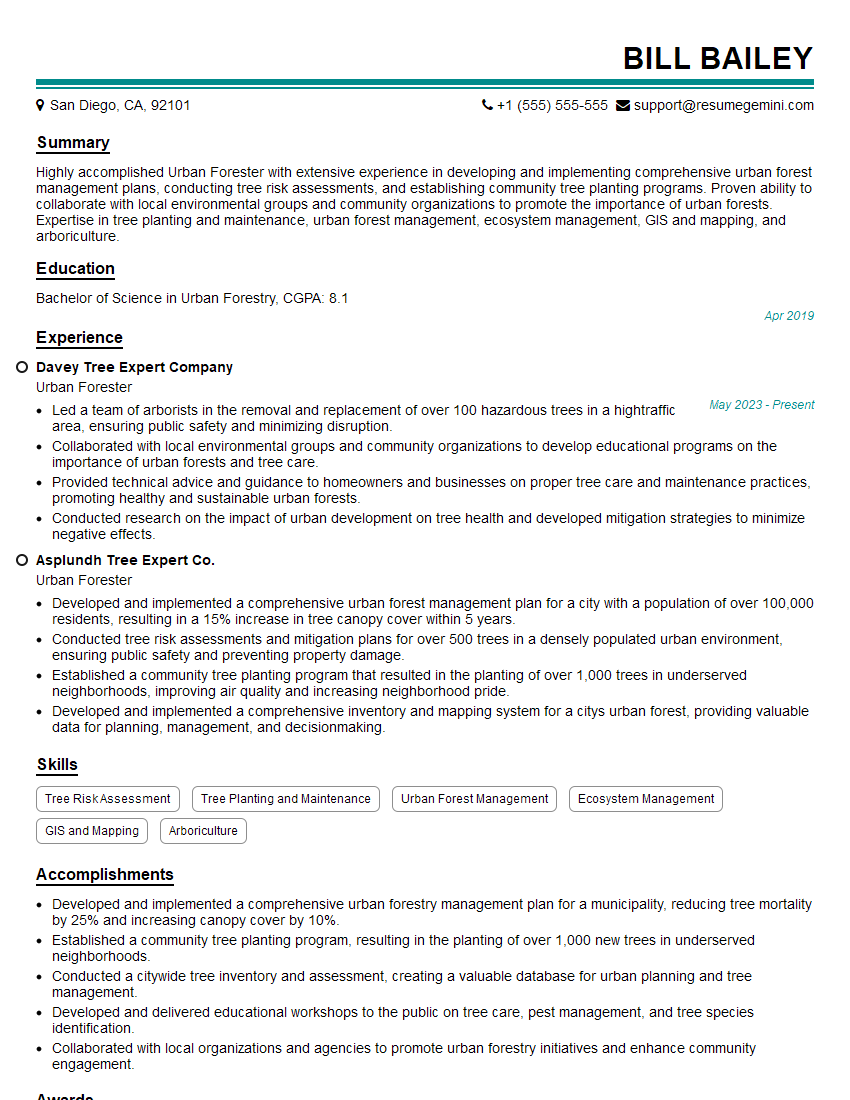
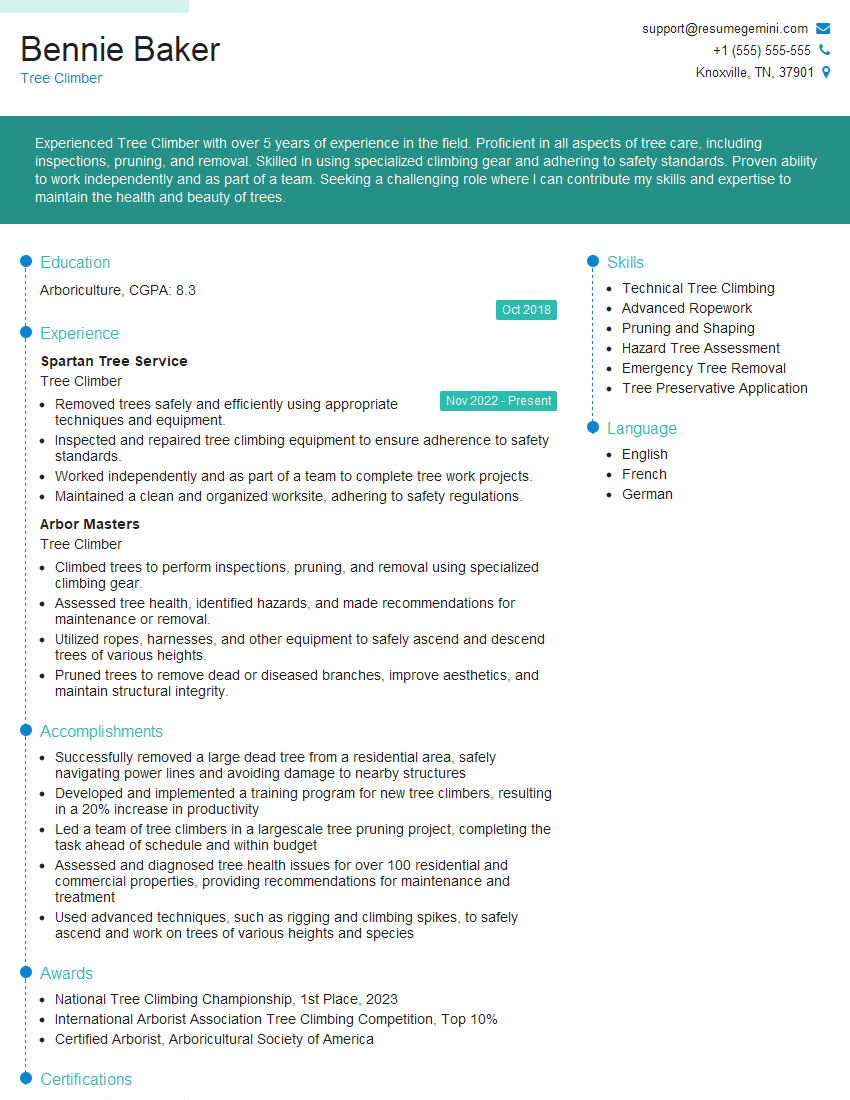
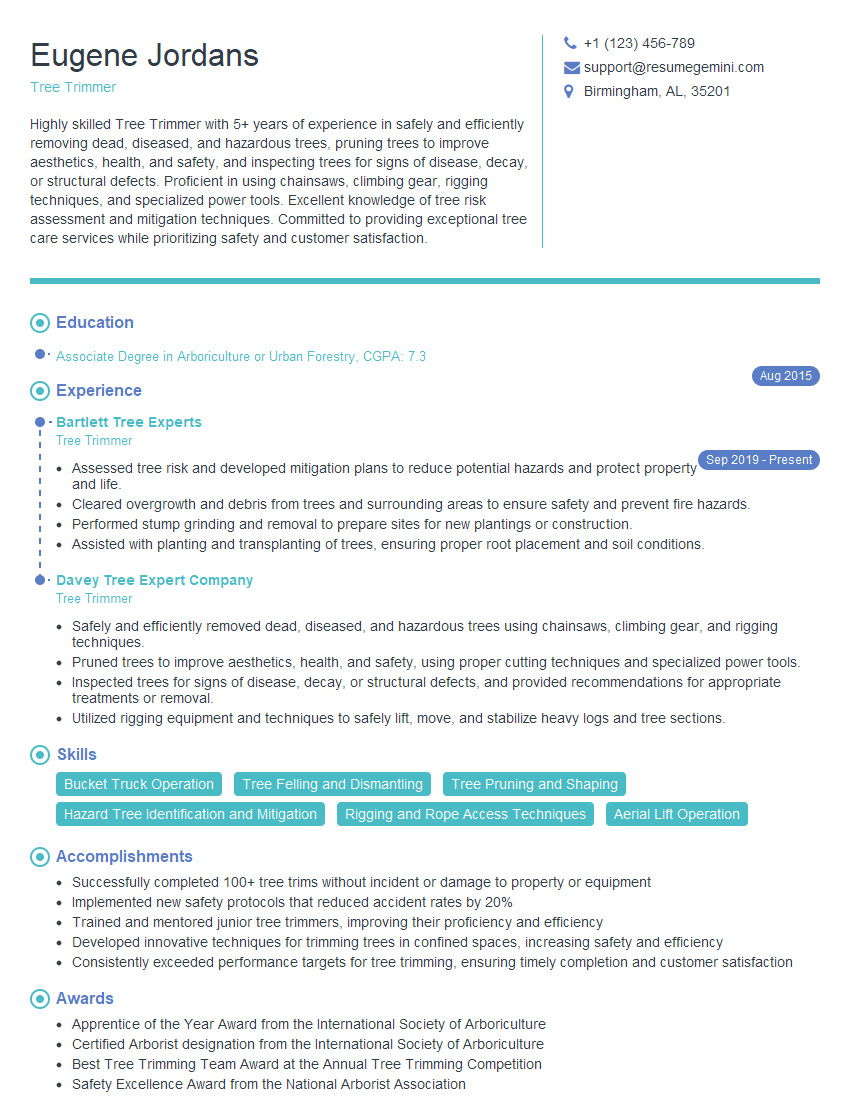
Mastering tree pruning and care opens doors to a rewarding career with excellent growth potential. Demand for skilled arborists is consistently high, offering opportunities for advancement and specialization. To maximize your job prospects, crafting a strong, ATS-friendly resume is paramount. ResumeGemini can help you create a professional resume that showcases your skills and experience effectively. We provide examples of resumes tailored to the Tree Pruning and Care industry to help you get started.



Explore more articles
Users Rating of Our Blogs
Share Your Experience
We value your feedback! Please rate our content and share your thoughts (optional).
What Readers Say About Our Blog
Very informative content, great job.
good