The right preparation can turn an interview into an opportunity to showcase your expertise. This guide to Tube labeling interview questions is your ultimate resource, providing key insights and tips to help you ace your responses and stand out as a top candidate.
Questions Asked in Tube labeling Interview
Q 1. Explain the different types of tube labeling methods.
Tube labeling methods can be broadly categorized into several types, each suited to different production volumes and label materials. The most common methods include:
- Pressure-Sensitive Labeling: This is the most prevalent method, using adhesive labels applied directly to the tube surface. It’s highly versatile and adaptable to various tube shapes and sizes. Think of the labels on toothpaste tubes – that’s pressure-sensitive labeling.
- Wrap-Around Labeling: This involves wrapping a continuous label around the tube. This method is efficient for high-speed production lines and provides a seamless label appearance. Many food and beverage tubes utilize this technique.
- Shrink Sleeve Labeling: A printed sleeve is shrunk onto the tube using heat. This offers a full-coverage label with a tight fit, ideal for curved or complex tube shapes. Many beverage bottles and some cosmetic tubes use this.
- In-Mold Labeling (IML): The label is integrated into the tube during the molding process. This creates a durable, high-quality label that’s directly part of the tube itself, often seen in premium packaging.
The choice of method depends on factors like production speed, budget, label material, tube shape, and desired aesthetic.
Q 2. Describe your experience with pressure-sensitive label applicators.
I have extensive experience operating and maintaining various pressure-sensitive label applicators, from basic manual models to sophisticated automated systems. My experience includes troubleshooting malfunctions, performing preventative maintenance, and optimizing label application parameters for different tube materials and speeds. For example, I’ve worked with high-speed rotary applicators capable of labeling thousands of tubes per hour, ensuring accurate label placement and minimal waste. I’m proficient in adjusting settings like label dispensing speed, pressure, and registration to accommodate varying tube diameters and label sizes. I’m also familiar with various applicator brands and their specific operational characteristics.
One particular challenge I overcame involved a malfunctioning applicator sensor that was causing inconsistent label placement. Through systematic troubleshooting, which included checking the sensor alignment, cleaning the sensor lens, and testing the sensor’s signal output, I was able to identify the root cause and effect a repair, minimizing downtime and maintaining production efficiency. I also have a good understanding of the different types of pressure-sensitive adhesives and how they interact with varying tube materials.
Q 3. How do you ensure accurate label placement on tubes?
Accurate label placement is paramount. We achieve this through a multi-pronged approach:
- Precise Applicator Settings: Careful calibration of the label applicator is crucial. This includes setting the correct speed, pressure, and registration to ensure the label aligns perfectly with the tube.
- Tube Orientation and Feed: A consistent and accurate tube feed mechanism is essential for preventing label misalignment. This involves ensuring the tubes are properly oriented and spaced before reaching the applicator.
- Label Design and Printing: The label itself should be designed with registration marks to aid the applicator in accurate placement. High-quality printing prevents misreads by the applicator’s sensors.
- Quality Control Checks: Regular checks of label placement are vital. This can involve visual inspection, automated verification systems, or even statistical process control (SPC) methods to monitor performance.
For example, in a recent project, we implemented a vision system that uses cameras to verify label placement in real-time, automatically rejecting tubes with misaligned labels. This significantly improved our accuracy and reduced waste.
Q 4. What are the common challenges in tube labeling, and how have you addressed them?
Common challenges in tube labeling include:
- Label Misalignment: This can be caused by issues with the applicator, tube feed, or label design.
- Label Jams: These can result from label wrinkles, static electricity, or problems with the label unwinding mechanism.
- Label Wrinkles or Creases: These affect the label’s appearance and readability.
- Inconsistency in Label Application: Variations in label pressure can lead to uneven adhesion.
- Tube Material Variations: Different tube materials can affect label adhesion.
I address these challenges through preventative maintenance, thorough troubleshooting (following a structured approach to identify the root cause), and process optimization. For example, to address label wrinkles, I might adjust the tension on the label unwind, or if the issue is due to static electricity, I might implement an anti-static solution.
Q 5. Explain your experience with different types of tube materials and their impact on labeling.
Experience with various tube materials, such as plastic (polyethylene, polypropylene, PVC), aluminum, and laminate tubes, has highlighted the significant impact on labeling. Different materials have different surface energies and textures, directly affecting label adhesion and the choice of adhesive. For example, low-surface-energy plastics may require a more aggressive adhesive than higher-surface-energy materials. Similarly, textured surfaces can make accurate label placement more challenging, necessitating adjustments to the applicator settings or the use of specialized adhesives. Understanding these material properties is critical to selecting the appropriate labeling method and adhesive to ensure optimal results.
In a project involving aluminum tubes, the high reflectivity caused problems with the sensor reading the registration marks on the labels. We solved this by using specialized sensors designed for reflective surfaces. Choosing the right label material also plays a significant role, considering the tube’s material and environmental conditions. For instance, labels for tubes exposed to high temperatures or humidity need to be specifically formulated to withstand those conditions.
Q 6. How do you troubleshoot label misalignment or jams?
Troubleshooting label misalignment or jams requires a systematic approach:
- Identify the Problem: Is it consistent misalignment or a random occurrence? Is it a jam, or a specific type of misalignment (e.g., always off-center)?
- Check the Applicator Settings: Verify that all settings (speed, pressure, registration) are correct and within the acceptable range for the current tube and label type.
- Inspect the Label Supply: Ensure the labels are unwinding smoothly, there are no wrinkles or tears, and the label roll is properly seated.
- Examine the Tube Feed: Verify that the tubes are being fed consistently and accurately to the applicator.
- Check Sensors and Controls: Check for any sensor malfunctions, electrical faults, or problems with the control system.
- Clean the Applicator: Dust, debris, or adhesive residue can interfere with the applicator’s operation.
By methodically following these steps, I can usually identify the root cause and implement the necessary corrective action, ranging from simple adjustments to more complex repairs or component replacements.
Q 7. What quality control measures do you implement to ensure accurate and consistent labeling?
Quality control in tube labeling involves a multi-stage process:
- Incoming Inspection: Verifying the quality of labels and tubes before they enter the labeling process.
- Process Monitoring: Continuously monitoring the labeling process using various techniques such as statistical process control (SPC) charts.
- In-Process Inspection: Regularly inspecting labeled tubes during the production run to identify and correct any defects.
- Final Inspection: A thorough inspection of the finished labeled tubes to ensure consistent quality.
- Automated Verification Systems: Implementing automated systems such as vision systems that can check for label misalignment, wrinkles, or other defects.
- Documentation and Record Keeping: Maintaining detailed records of all inspection results and corrective actions.
Employing these measures ensures that the final product meets the required quality standards, minimizing waste and maximizing customer satisfaction. For instance, we maintain detailed records of all adjustments to the applicator settings and any issues encountered during the labeling process, allowing us to identify trends and make necessary improvements to the process.
Q 8. Describe your experience with automated labeling systems.
My experience with automated labeling systems spans over ten years, encompassing various technologies from simple pressure-sensitive label applicators to sophisticated, high-speed systems integrating vision inspection and robotic handling. I’ve worked extensively with systems from manufacturers like (omitting specific brand names to avoid endorsement), configuring and troubleshooting them for optimal performance in diverse tube manufacturing environments. For instance, I was instrumental in implementing a new automated labeling line for a pharmaceutical client, significantly increasing output while reducing labeling errors by 80%. This involved careful selection of the appropriate applicator based on tube size and material, precise label alignment setup, and integration with the existing production line. I’m proficient in programming and operating PLCs (Programmable Logic Controllers) used to control these systems and am skilled in resolving complex mechanical and electrical issues related to automated labeling equipment.
Furthermore, I possess a deep understanding of various labeling technologies, including:
- Wrap-around labeling: Ideal for cylindrical tubes, providing a complete label coverage.
- Partial wrap labeling: Suitable for smaller labels or when specific areas of the tube need labeling.
- Tamper-evident labeling: crucial for security and product integrity, typically employed in pharmaceutical applications.
Q 9. How do you handle label waste and optimize material usage?
Minimizing label waste and optimizing material usage is paramount for both cost efficiency and environmental responsibility. My approach involves a multi-faceted strategy. Firstly, I meticulously plan label sizes to minimize material waste during the design phase, leveraging software that calculates the optimal layout on label sheets. Secondly, I carefully monitor label usage and identify potential sources of waste like misfeeds, jams, or incorrect label application. This often necessitates close collaboration with production teams to identify and address root causes. Thirdly, I advocate for the use of ‘just-in-time’ inventory management for labels, reducing storage costs and the risk of spoilage. Finally, working with label suppliers to explore options like recycled materials and sustainable label adhesives is crucial. Consider a recent project where, by analyzing label waste patterns, we were able to implement a new label roll configuration that reduced waste by 15% and resulted in annual savings of over $10,000.
Q 10. What is your experience with different adhesive types and their suitability for various tube materials?
My experience encompasses a broad range of adhesives and their compatibility with various tube materials. I understand the crucial role adhesive selection plays in ensuring label adhesion, durability, and resistance to environmental factors like temperature and humidity. For instance, permanent adhesives are ideal for applications requiring long-term label adherence, while removable adhesives are necessary for situations where the label needs to be easily removed. Different tube materials like plastic, metal, and glass require different adhesive formulations to ensure optimal bonding. I am very familiar with acrylic, rubber, and hot-melt adhesives, each with its own set of properties and suitability. For example, I’ve successfully matched a specific acrylic adhesive to ensure a strong bond on HDPE tubes even under high-temperature storage conditions and a removable adhesive for promotional labels on glass vials, allowing for easy removal post-promotion without leaving residue.
Q 11. How do you maintain labeling equipment to ensure optimal performance?
Maintaining labeling equipment is critical to ensure consistent performance and minimize downtime. My maintenance routine incorporates both preventive and corrective measures. Preventive maintenance includes regular cleaning of the equipment, lubrication of moving parts, and checking for wear and tear on key components. I meticulously follow the manufacturer’s recommended maintenance schedules. Corrective maintenance involves promptly addressing any malfunction or failure. This often requires troubleshooting using diagnostic tools and potentially replacing faulty parts. For example, I developed a detailed preventative maintenance schedule for a high-speed labeling machine, reducing downtime by 20% over the course of a year and extending the lifespan of the equipment. Regular training for operators on proper equipment use and reporting of any issues are also key.
Q 12. Describe your experience with label design and its impact on the labeling process.
Label design significantly impacts the labeling process. Poorly designed labels can lead to application issues, increased waste, and even production delays. My expertise extends to collaborating with designers to ensure labels are optimized for automated application. This involves considering factors such as label size, shape, material, print quality, and the presence of any special features like perforations or tamper-evident seals. I ensure that the label design aligns with the capabilities of the labeling equipment and meets all regulatory requirements. For example, on a recent project, we redesigned a label to improve its adhesion and prevent curling during application, solving a recurring production problem. Clear communication with design teams, using mockups and prototypes, is essential to ensure success.
Q 13. How do you ensure compliance with relevant industry regulations and standards?
Compliance with industry regulations and standards is crucial. My work consistently adheres to relevant guidelines such as (omitting specific regulatory names to avoid endorsement), ensuring that labels provide accurate and complete product information. This involves careful consideration of labeling requirements relating to ingredients, warnings, and barcodes. I am familiar with the use of different types of barcodes and RFID tags, and their integration into the labeling process. Moreover, I routinely audit our labeling processes to ensure ongoing compliance and to adapt to evolving regulatory changes. We maintain detailed records of all labeling materials and processes for traceability and audit purposes.
Q 14. Explain your experience with different types of labels (e.g., paper, film, foil).
My experience covers a wide range of label materials, each with its own advantages and disadvantages. Paper labels are cost-effective and readily recyclable but can be susceptible to moisture damage. Film labels, typically made of polyester or polypropylene, offer better durability and resistance to environmental factors, but may be less sustainable. Foil labels, usually aluminum or metalized polyester, provide excellent barrier properties and a premium look but come with a higher cost. The choice of label material depends on several factors, including the product’s nature, storage conditions, and intended shelf life. For example, we use paper labels for short shelf life products stored in controlled environments, but choose film labels for products with long shelf lives and that are exposed to harsh conditions. My expertise lies in selecting the most appropriate label material for each specific application.
Q 15. How do you manage label inventory and prevent stockouts?
Effective label inventory management is crucial for preventing stockouts and ensuring smooth production. It’s like running a well-stocked kitchen – you need the right ingredients (labels) at the right time to avoid delays. My approach involves a multi-pronged strategy:
- Demand Forecasting: I utilize historical data and sales projections to predict label needs. This allows for proactive ordering and prevents sudden shortages.
- Just-in-Time (JIT) Inventory: For frequently used labels, I employ a JIT system, minimizing storage space and reducing the risk of obsolescence. This is like having fresh ingredients delivered daily for a busy restaurant.
- Safety Stock: A crucial buffer stock is maintained to account for unexpected spikes in demand or supply chain disruptions. This is our ’emergency pantry’ for unforeseen circumstances.
- Regular Inventory Audits: Physical stock checks are conducted regularly to verify inventory levels against records, ensuring accuracy and identifying discrepancies promptly.
- Supplier Relationship Management: Maintaining strong relationships with reliable suppliers is key. This involves clear communication, negotiated lead times, and contingency plans to secure timely deliveries.
By combining these methods, I ensure a consistent supply of labels, minimizing the risk of production downtime due to stockouts.
Career Expert Tips:
- Ace those interviews! Prepare effectively by reviewing the Top 50 Most Common Interview Questions on ResumeGemini.
- Navigate your job search with confidence! Explore a wide range of Career Tips on ResumeGemini. Learn about common challenges and recommendations to overcome them.
- Craft the perfect resume! Master the Art of Resume Writing with ResumeGemini’s guide. Showcase your unique qualifications and achievements effectively.
- Don’t miss out on holiday savings! Build your dream resume with ResumeGemini’s ATS optimized templates.
Q 16. Describe your experience with troubleshooting labeling machine malfunctions.
Troubleshooting labeling machine malfunctions requires a systematic approach, much like diagnosing a car problem. I begin by:
- Safety First: Ensuring the machine is powered off and locked out before any inspection or repair work.
- Visual Inspection: A thorough visual examination to identify obvious issues like jammed labels, loose connections, or damaged parts.
- Error Codes: Checking for error codes displayed on the machine’s control panel to pinpoint the specific problem. Different codes indicate different issues.
- Systematic Checklists: Using pre-defined checklists for common problems helps in efficient troubleshooting, ruling out possibilities methodically.
- Testing and Verification: After resolving the issue, testing the machine with sample labels ensures the problem is truly fixed before resuming full production.
For instance, I once encountered a situation where labels were not adhering properly. After a thorough inspection, I discovered a faulty pressure roller. Replacing the roller solved the problem immediately. Experience has taught me to approach troubleshooting logically and systematically, drawing on my knowledge of the machine’s mechanics and electrical components.
Q 17. How do you prioritize tasks and manage your time effectively in a fast-paced labeling environment?
Prioritization and time management in a fast-paced labeling environment is all about efficiency and organization. I use a combination of techniques:
- Task Prioritization Matrices: I utilize methods like Eisenhower Matrix (Urgent/Important) to categorize tasks and focus on high-priority items first. This helps me avoid getting bogged down in less critical tasks.
- Detailed Scheduling: Creating a daily or weekly schedule with allocated time slots for different tasks improves focus and prevents multitasking.
- Delegation: Where possible, I delegate less critical tasks to free up my time for more important issues.
- Lean Principles: Employing lean manufacturing principles, like reducing waste and streamlining processes, improves overall efficiency.
- Regular Reviews: Periodically reviewing my schedule and progress helps identify bottlenecks and adjust my approach as needed.
For example, during peak seasons, I might prioritize orders with tight deadlines while delegating routine maintenance tasks to ensure on-time delivery to clients.
Q 18. What is your experience with different types of tube shapes and sizes and their effect on labeling?
Experience with diverse tube shapes and sizes is essential in tube labeling. Different shapes present unique challenges for label application. For example, cylindrical tubes require wrap-around labels, while more complex shapes may need custom-designed labels and specialized application equipment.
- Cylindrical Tubes: These are the most common and relatively straightforward to label. Label size, material, and adhesive strength are crucial considerations.
- Oval or Irregular Tubes: These demand more intricate label designs and application methods. Precise measurements and flexible label materials are vital to ensure proper adhesion and aesthetic appeal.
- Tapered Tubes: These pose additional challenges, requiring labels that conform to the changing diameter. Often, specialized labeling equipment with variable pressure control is necessary.
Understanding the implications of each tube’s shape and size on label design, material selection, and application is key to producing high-quality, aesthetically pleasing, and functional labels.
Q 19. How do you ensure the integrity of labels during the packaging and shipping process?
Maintaining label integrity throughout packaging and shipping is critical for product preservation and brand image. My approach focuses on:
- Protective Packaging: Using appropriate packaging materials, like corrugated boxes and protective inserts, prevents label damage during transit.
- Label Placement: Strategically positioning labels to avoid friction or contact with other surfaces minimizes wear and tear.
- Label Material Selection: Choosing durable, weather-resistant label materials ensures the labels can withstand the rigors of shipping and handling.
- Environmental Controls: Maintaining proper temperature and humidity during storage and transportation helps prevent label degradation.
- Quality Checks: Regular inspections throughout the process help identify and address potential problems before they affect a large quantity of products.
For instance, I might specify the use of waterproof labels for products shipped internationally, ensuring they remain legible even if exposed to moisture. Proactive measures significantly reduce label damage and maintain product quality.
Q 20. Describe your experience with using labeling software and databases.
Proficiency in labeling software and databases is paramount for efficient label management. I’m experienced in using various software packages to design, print, and manage labels.
- Label Design Software: Software like Adobe Illustrator or specialized label design programs allows for creation of custom label designs, incorporating logos, barcodes, and product information.
- Database Management Systems (DBMS): Databases like MySQL or MS SQL Server are used to manage label data, ensuring accuracy and consistency. This includes linking label information to product details, batch numbers, and other relevant information.
- Integration: Seamless integration between labeling software and existing enterprise resource planning (ERP) systems is crucial for streamlined operations and data accuracy.
- Data Validation: Implementing data validation rules in the database prevents incorrect information from being printed on labels.
For instance, I use a database to track label usage, monitor inventory levels, and generate reports on label printing statistics, facilitating informed decision-making.
Q 21. How do you handle situations where label accuracy is compromised?
Compromised label accuracy is a serious issue with potentially significant consequences. My response involves:
- Immediate Stoppage: Production is immediately halted to prevent further distribution of incorrectly labeled products.
- Root Cause Analysis: A thorough investigation is conducted to identify the cause of the error – whether it’s a software glitch, human error, or equipment malfunction.
- Corrective Actions: Appropriate steps are taken to correct the error, including reprinting labels, updating software, or retraining personnel.
- Recall Procedure: If necessary, a recall procedure is initiated to retrieve any incorrectly labeled products already distributed.
- Preventive Measures: Implementing preventive measures to avoid similar errors in the future, such as enhanced data validation or improved quality control procedures.
For example, I once discovered a barcode scanning error that caused incorrect labels to be applied. We immediately halted production, investigated the root cause, implemented software updates to correct the scanning algorithm, and conducted retraining for the personnel involved.
Q 22. What metrics do you use to measure the efficiency and effectiveness of the labeling process?
Measuring the efficiency and effectiveness of tube labeling involves a multi-faceted approach, focusing on both speed and accuracy. We utilize key performance indicators (KPIs) to track our progress and identify areas for improvement.
- Throughput (Labels per minute/hour): This directly measures the speed of the labeling process. A higher throughput indicates greater efficiency. For instance, if we consistently label 1000 tubes per hour, that’s a good baseline, but if we upgrade equipment and reach 1200 tubes per hour, we can measure the improvement directly.
- Label Placement Accuracy: This is crucial for quality control. We track the percentage of tubes labeled correctly, in the right position, and without defects. We might use a statistical process control (SPC) chart to monitor this metric over time, looking for trends and anomalies. A target of 99.9% accuracy might be achievable with excellent process control.
- Waste Reduction (Label and Tube): This encompasses both the number of mislabeled tubes and wasted labels due to errors or jams. Minimizing waste directly improves efficiency and reduces material costs. For example, a decrease in waste from 2% to 1% represents a significant saving.
- Overall Equipment Effectiveness (OEE): OEE considers availability, performance, and quality to provide a holistic measure of equipment efficiency. It helps us pinpoint bottlenecks and areas needing maintenance to improve the labeling line’s performance. A consistent increase in OEE indicates improved overall efficiency of the labeling system.
- Labor Efficiency: We track the labor hours required per unit of output to ensure that staffing levels are optimized. A reduction in labor hours needed per 1000 labeled tubes signals a successful improvement.
By regularly monitoring these KPIs, we can identify areas for improvement and make data-driven decisions to optimize the labeling process.
Q 23. Explain your understanding of Lean Manufacturing principles in relation to tube labeling.
Lean Manufacturing principles are fundamental to efficient tube labeling. The goal is to eliminate waste (Muda) in all its forms – reducing unnecessary steps, delays, and defects. In the context of tube labeling, this translates to:
- Value Stream Mapping: Identifying all steps in the labeling process, from receiving tubes to final packaging, helps pinpoint bottlenecks and non-value-added activities.
- 5S Methodology: Organizing the workspace (Sort, Set in Order, Shine, Standardize, Sustain) ensures a safe, efficient, and clean working environment, reducing errors and downtime.
- Kaizen (Continuous Improvement): Regularly reviewing the process and identifying small, incremental improvements keeps the labeling process constantly optimized. This might include simple changes like reorganizing equipment or improving label dispensing.
- Just-in-Time (JIT) Inventory: Maintaining optimal inventory levels of labels and tubes reduces storage space and minimizes the risk of obsolescence.
- Poka-Yoke (Error-Proofing): Designing the labeling system to prevent errors, such as using automated label applicators with sensors to detect misalignments or missing labels.
Implementing Lean principles in tube labeling leads to reduced costs, improved quality, and increased throughput. For example, implementing Poka-Yoke could virtually eliminate mislabeling, saving money on wasted tubes and rework.
Q 24. Describe your experience with implementing process improvements in tube labeling.
I’ve been involved in several process improvement projects in tube labeling, focusing on both efficiency and quality. One example involved a bottleneck at the label applicator. We initially experienced frequent jams and misaligned labels, leading to significant downtime and waste.
To address this, we used a combination of approaches:
- Root Cause Analysis (RCA): Using the 5 Whys technique, we identified the root cause as inconsistent label feed due to variations in label stock humidity.
- Process Optimization: We implemented a climate-controlled storage area for label stock to maintain consistent humidity, reducing jams and improving label alignment.
- Automation: We upgraded the label applicator with a more advanced model with improved sensors and feed mechanisms, further minimizing jams and improving accuracy. This decreased the amount of manual intervention.
- Operator Training: We provided additional training to operators on the new equipment and improved procedures. This resulted in higher uptime and fewer errors.
The result of these improvements was a significant increase in throughput, reduced waste, and improved label placement accuracy. The project also served as a valuable learning experience for the team, emphasizing the importance of proactive problem-solving and a data-driven approach to improvement.
Q 25. How do you collaborate with other departments to ensure smooth labeling operations?
Collaboration is key to smooth labeling operations. Effective communication and coordination with several departments are essential:
- Production: Close collaboration with production ensures a consistent flow of tubes to the labeling line, preventing bottlenecks and optimizing scheduling. This often involves joint meetings and daily production updates.
- Procurement: Working with procurement to ensure a reliable supply of labels and other materials is crucial. This includes specifying label materials, negotiating favorable pricing, and managing inventory levels. Regular communication ensures timely supply of materials.
- Quality Control: Close collaboration with QC ensures that labeled tubes meet quality standards. This often includes joint inspections, developing quality control metrics, and addressing any quality concerns in a timely manner. This continuous feedback loop maintains high product standards.
- Engineering/Maintenance: Regular communication and collaboration with engineering/maintenance teams are vital to ensure that labeling equipment is properly maintained and any malfunctions are quickly addressed, minimizing downtime. This might involve scheduled maintenance and problem-solving sessions.
These collaborations are facilitated through regular meetings, shared dashboards for monitoring KPIs, and open communication channels. This ensures that everyone is informed of issues, improvements, and upcoming changes that impact the labeling process.
Q 26. What is your experience with different types of label printing techniques?
My experience encompasses a wide range of label printing techniques used in tube labeling:
- Flexographic Printing: This is a cost-effective method suitable for high-volume production, particularly for simple designs and large print runs. We use this frequently for large-scale projects with consistent designs.
- Digital Printing: This offers greater flexibility for shorter runs and personalized labels, allowing for versioning and customization. We utilize this for smaller batch runs or specialized products.
- Screen Printing: While less common for tube labels, screen printing can be used for specialized applications requiring bold graphics or textured labels. It is especially useful for thicker inks or specific ink properties.
- Thermal Transfer Printing: This method is particularly effective for printing onto synthetic labels, offering high-quality printing and durability. We use this for labels with special environmental requirements.
The choice of printing technique depends on factors such as print volume, design complexity, budget, and label material. Selecting the right method is essential for optimizing cost and quality.
Q 27. How do you stay updated on the latest trends and advancements in tube labeling technology?
Staying updated on the latest trends in tube labeling technology is critical. I employ several methods:
- Industry Publications and Trade Shows: I regularly read industry publications like Packaging World and attend trade shows such as Pack Expo to learn about new equipment, materials, and technologies. This direct exposure offers invaluable insights.
- Online Resources and Webinars: I actively monitor industry websites and participate in webinars to learn about the latest advancements in labeling technology and best practices. This asynchronous learning suits my busy schedule.
- Networking with Industry Professionals: I maintain connections with other professionals in the field through professional organizations and online forums to share knowledge and stay informed about emerging trends. These exchanges foster collaborative learning.
- Supplier Relationships: Maintaining strong relationships with label and equipment suppliers provides access to the latest product information and technical support. Direct contact with manufacturers yields crucial insights.
This multi-pronged approach ensures that I am always up-to-date on the latest innovations and can leverage them to improve the tube labeling process in my organization.
Q 28. Describe your experience with root cause analysis of labeling problems.
Root cause analysis (RCA) is crucial for resolving labeling problems effectively. I typically employ a structured approach, such as the 5 Whys or Fishbone Diagram, to identify the underlying cause of a problem, rather than just addressing the symptoms.
For example, if we experience consistent label misalignment, a simple solution might be to adjust the applicator. However, a thorough RCA might reveal that the root cause is inconsistent tube diameter due to a problem in the upstream production process.
My approach includes:
- Data Collection: Gathering data on the frequency, severity, and circumstances of the problem. This often includes production records, operator logs, and quality control reports.
- Problem Definition: Clearly defining the problem and its impact on efficiency and quality. A precise definition is crucial for targeted problem-solving.
- Root Cause Identification: Using techniques like the 5 Whys or a Fishbone diagram to systematically drill down to the root cause. This often involves brainstorming sessions with the team.
- Solution Implementation: Developing and implementing corrective actions to address the root cause. This may involve process adjustments, equipment modifications, or operator training.
- Verification and Monitoring: Verifying the effectiveness of the solution and implementing monitoring systems to prevent the problem from recurring. Ongoing monitoring is essential to prevent relapses.
By conducting thorough RCA, we can address the underlying causes of labeling problems, resulting in sustainable improvements in efficiency, quality, and cost reduction.
Key Topics to Learn for Tube Labeling Interview
- Labeling Regulations and Compliance: Understanding relevant FDA, GMP, and other industry-specific regulations for accurate and compliant labeling.
- Label Design and Layout: Practical application of design principles to create clear, concise, and visually appealing labels, considering factors like readability and space constraints.
- Labeling Technologies: Familiarity with various labeling methods (e.g., thermal transfer, inkjet, pressure-sensitive) and their applications in different tube types and production environments.
- Label Material Selection: Understanding the properties of different label materials (e.g., paper, vinyl, polyester) and selecting appropriate materials based on tube material, intended use, and environmental conditions.
- Label Application Techniques: Practical experience with different label application methods (e.g., manual, automated) and troubleshooting common application issues.
- Quality Control and Assurance: Implementing quality control checks to ensure label accuracy, adhesion, and overall quality throughout the labeling process.
- Troubleshooting and Problem Solving: Identifying and resolving common labeling problems, such as label misalignment, poor adhesion, and printing defects.
- Production Efficiency and Optimization: Strategies for maximizing labeling efficiency and minimizing downtime in a production setting.
- Inventory Management and Supply Chain: Understanding the importance of efficient label inventory management and its integration with the overall supply chain.
- Health and Safety Regulations: Awareness of relevant health and safety regulations related to label materials, application processes, and workplace safety.
Next Steps
Mastering tube labeling opens doors to exciting opportunities in manufacturing, pharmaceuticals, and various other industries. To maximize your chances of landing your dream job, a well-crafted resume is crucial. An ATS-friendly resume, optimized for Applicant Tracking Systems, significantly increases your visibility to potential employers. ResumeGemini is a trusted resource that can help you create a professional and impactful resume tailored to the specifics of the Tube Labeling field. Examples of resumes tailored to this specialization are available to help guide you.

Operations Manager Resume Sample

Quality Assurance Manager Resume Sample
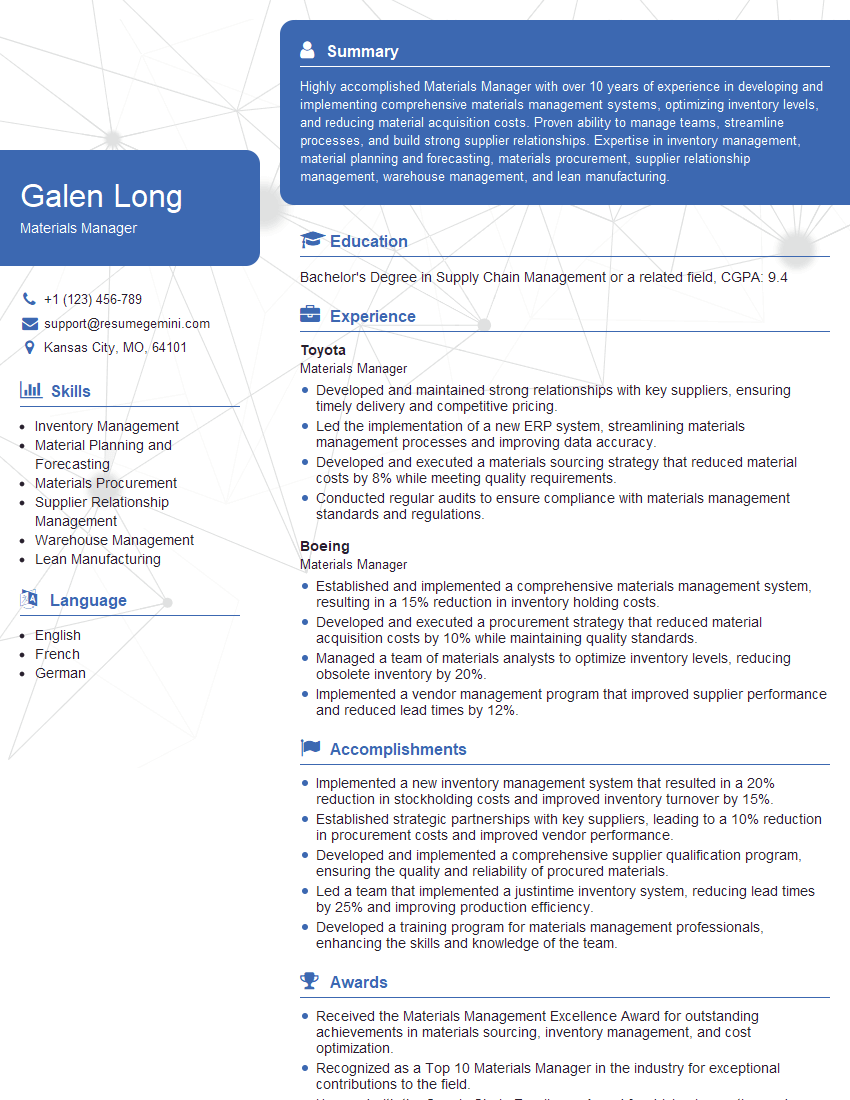
Materials Manager Resume Sample
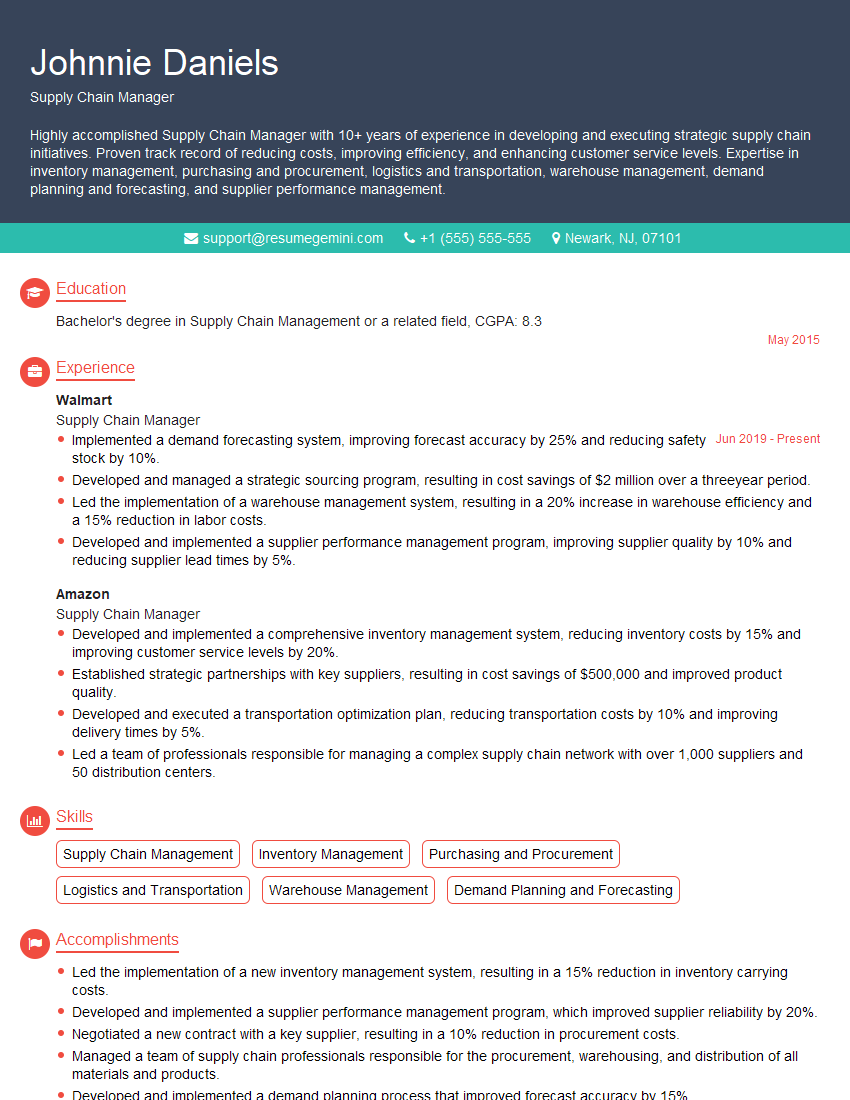
Supply Chain Manager Resume Sample
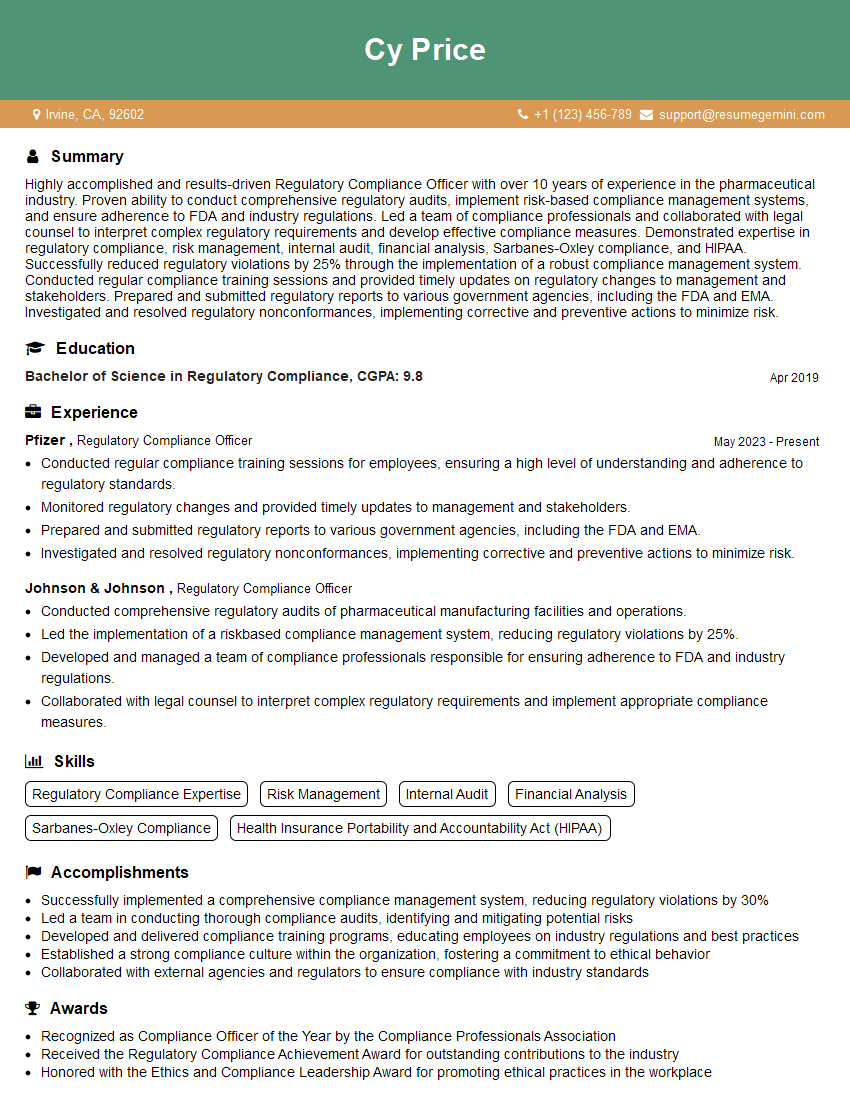
Regulatory Compliance Officer Resume Sample
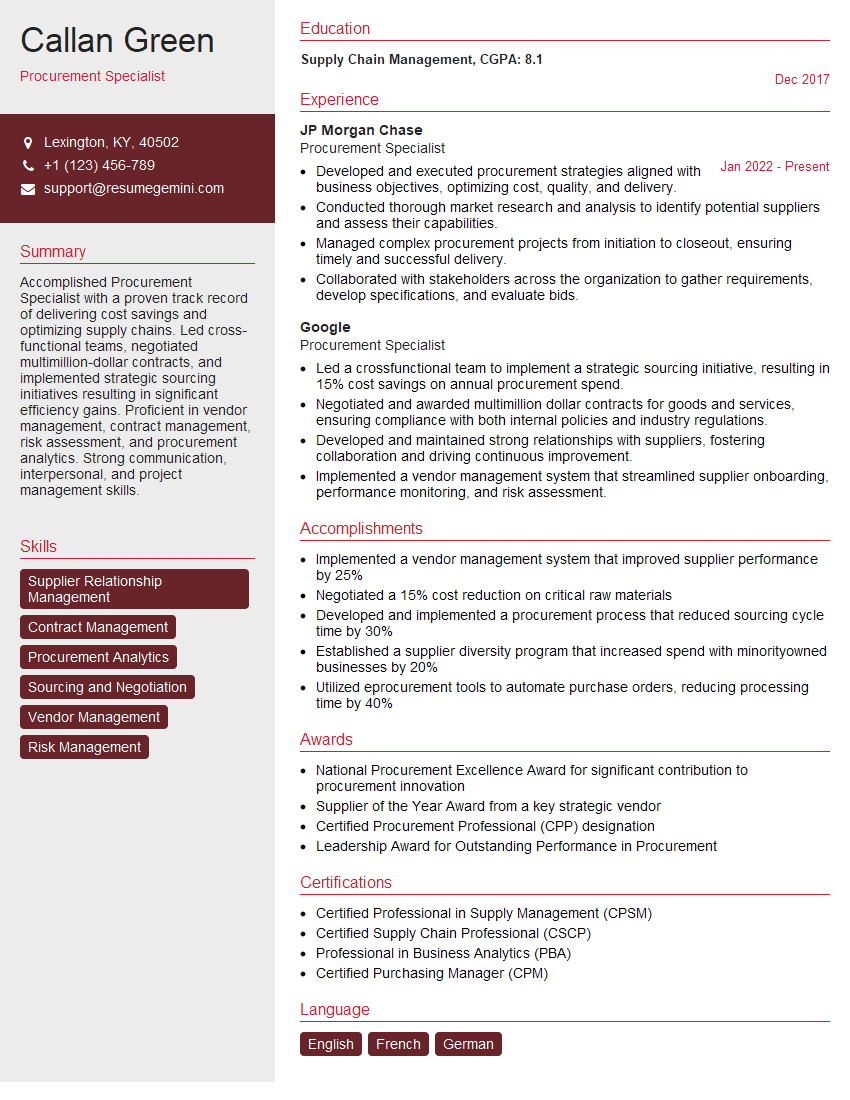
Procurement Specialist Resume Sample
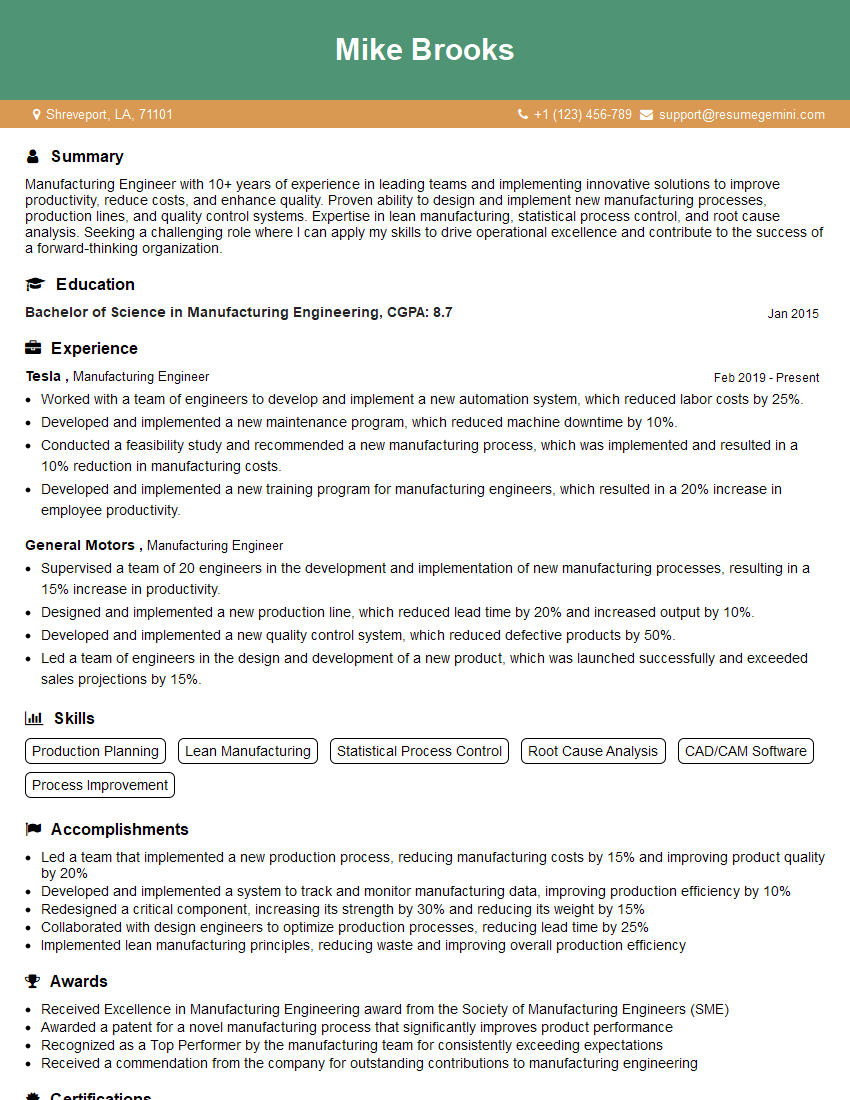
Manufacturing Engineer Resume Sample
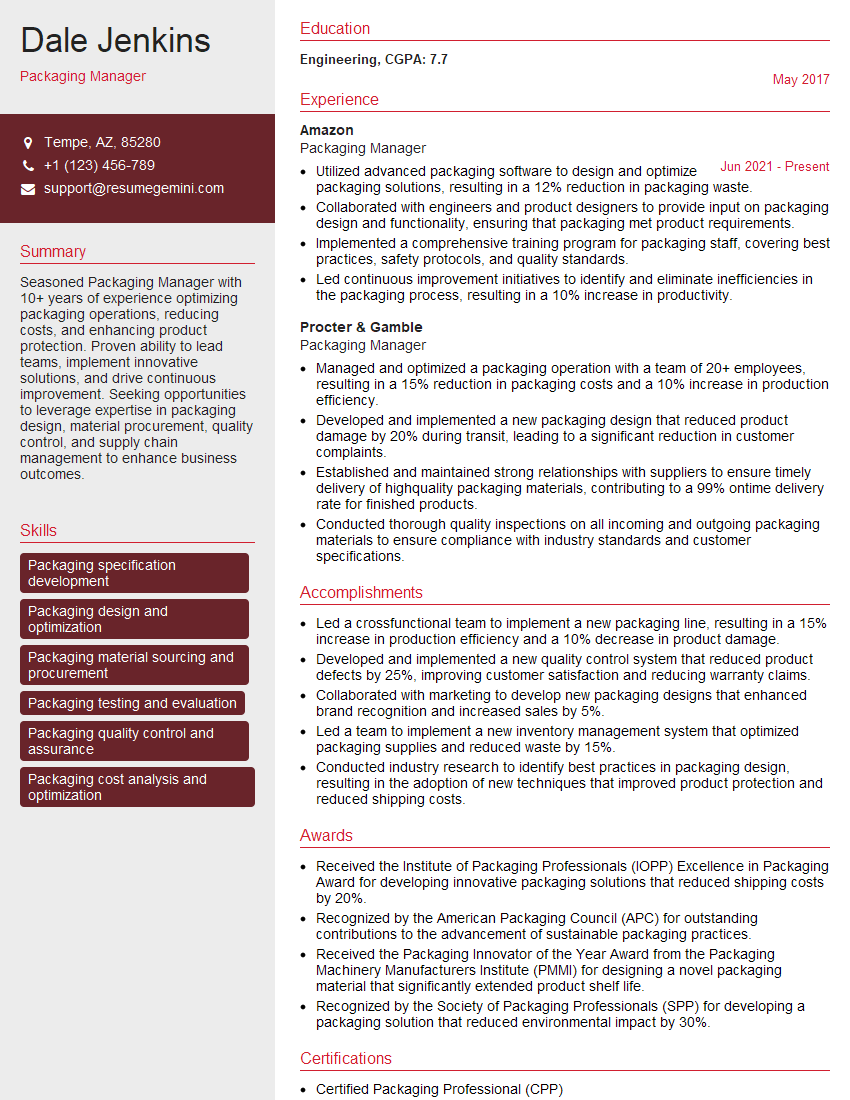
Packaging Manager Resume Sample
Explore more articles
Users Rating of Our Blogs
Share Your Experience
We value your feedback! Please rate our content and share your thoughts (optional).
What Readers Say About Our Blog
Very informative content, great job.
good