Interviews are opportunities to demonstrate your expertise, and this guide is here to help you shine. Explore the essential Underground Coal Mining interview questions that employers frequently ask, paired with strategies for crafting responses that set you apart from the competition.
Questions Asked in Underground Coal Mining Interview
Q 1. Describe your experience with different longwall mining systems.
My experience with longwall mining systems spans various configurations, from single-drum shearers to double-drum systems and even the latest generation of multi-shearer configurations. I’ve worked with both conventional and advanced systems, incorporating features like powered roof supports and automated control systems. For instance, in one project, we successfully transitioned from a single-drum system to a double-drum system to improve productivity in a challenging geological setting with significant variations in seam height and coal strength. This transition required careful planning, including detailed geotechnical analysis, and the implementation of new support strategies. Another project involved working with a longwall system equipped with advanced sensors and data acquisition systems, enabling real-time monitoring of support pressure and shearer performance, allowing for proactive adjustments and improved safety. This level of automation helped reduce downtime and increase overall efficiency. The key differences I’ve observed lie in their cutting capacity, adaptability to varying seam conditions, and the level of automation employed. Understanding these nuances is crucial for optimizing production and ensuring safety.
Q 2. Explain the process of roof bolting and support system selection.
Roof bolting is a critical aspect of ground control in underground coal mines, aiming to reinforce the immediate roof and prevent falls. The selection of the support system depends on several factors, including the geological conditions (e.g., rock strength, jointing, and stress), the mining method (longwall, room and pillar, etc.), and the depth of the mine. A thorough geotechnical investigation is the first step, involving core drilling, rock mass classification, and stress analysis. This data informs the choice of bolt type (e.g., resin-grouted bolts, cable bolts, or rock bolts), length, and spacing. For example, in a strong, competent roof, a simple pattern of resin-grouted bolts might suffice. However, in a weak or fractured roof, a combination of bolts with additional support like cribs or steel sets might be necessary. The design process often involves specialized software to simulate the stress distribution and optimize the support system design for the maximum effectiveness and safety. Regular inspection and maintenance of the roof bolts are essential to ensure their effectiveness and prevent potential hazards.
Q 3. How do you ensure compliance with mine ventilation regulations?
Ensuring compliance with mine ventilation regulations is paramount for worker safety and mine productivity. This involves designing and implementing a ventilation system that maintains acceptable air quality, prevents the buildup of methane and other hazardous gases, and controls dust levels. We use specialized ventilation software to model airflow patterns and optimize the placement of ventilation equipment, such as fans, regulators, and brattices. Regular monitoring of air quality parameters, such as methane concentration, oxygen levels, and carbon monoxide levels, is conducted using portable instruments and fixed monitoring stations. Detailed ventilation plans are prepared and submitted to regulatory authorities for approval, incorporating emergency procedures for handling ventilation disruptions. Maintaining detailed records of all ventilation measurements and any modifications to the system is essential for demonstrating compliance. We also conduct regular training programs for all mine personnel to raise awareness about the importance of ventilation and how to recognize and respond to potential hazards.
Q 4. What are the common hazards associated with underground coal mining, and how do you mitigate them?
Underground coal mining presents numerous hazards, including roof falls, methane explosions, coal dust explosions, fires, and flooding. Mitigating these risks requires a multi-faceted approach. Roof falls are addressed through proper ground control techniques (as discussed earlier). Methane control involves implementing effective ventilation systems and using methane drainage systems to remove gas before it reaches hazardous concentrations. Coal dust explosions are mitigated by effective dust suppression methods, such as water sprays and foam systems, and controlling the ignition sources. Fire prevention involves strict adherence to safety regulations, including proper electrical practices and the use of fire-resistant materials. Flood prevention includes implementing drainage systems and monitoring water levels. Personal protective equipment (PPE), such as hard hats, respirators, and self-rescuers, is essential. Regular safety training, emergency response drills, and risk assessments are crucial for creating a proactive safety culture within the mine.
Q 5. Detail your experience with ground control techniques and strategies.
My experience with ground control techniques encompasses a broad range of strategies, depending on geological conditions and mining methods. In longwall mining, the focus is on controlling the immediate roof and maintaining a stable goaf (the area from which coal has been extracted). This involves using powered roof supports, which are hydraulically controlled and adjust to the ground movement. In room and pillar mining, the focus is on providing sufficient support to the pillars to prevent their failure. This may involve using various support systems, including cribs, steel sets, and rock bolts. I’ve used advanced ground control monitoring systems to track ground movements, stress changes, and pillar stability. This data is used to optimize support designs and proactively identify potential hazards. For example, in one project, we implemented a fiber optic monitoring system to detect early signs of pillar instability, allowing us to intervene before a major failure occurred. Ground control is an ongoing process requiring continuous monitoring and adaptation to changing conditions.
Q 6. Describe your experience with different types of mining equipment.
My experience with mining equipment includes a wide range of machines crucial for underground coal mining operations. This includes longwall shearers (both single and double-drum), continuous miners, shuttle cars, roof bolting machines, and various types of conveyors (belt conveyors, chain conveyors, and feeder-breakers). I’m familiar with their operation, maintenance, and safety procedures. I’ve worked with both older and newer models of this equipment, witnessing the evolution of technology from less automated to highly sophisticated machines with integrated control systems and advanced safety features. For example, the introduction of remote-controlled continuous miners has significantly improved safety by reducing the risks associated with operating these machines in close proximity to hazards. Understanding the capabilities and limitations of this equipment is essential for effective mine planning and efficient operations. Proper maintenance and training programs for operators are crucial for ensuring reliable performance and minimizing the risk of accidents.
Q 7. Explain the importance of mine surveying and mapping in underground coal mining.
Mine surveying and mapping are fundamental to safe and efficient underground coal mining. Accurate surveying ensures that development and extraction activities are planned and executed according to design, minimizing the risk of ground control problems. Mapping provides a detailed representation of the mine layout, including the location of workings, roadways, ventilation systems, and geological features. This information is crucial for planning production, ventilation, and emergency response activities. Modern surveying techniques utilize advanced instruments like total stations, GPS, and laser scanners, providing high-precision data for creating 3D models of the mine. This data is integrated into mine planning software, allowing engineers to simulate mining scenarios, optimize layouts, and evaluate the impact of mining operations on ground stability. Regular surveying and mapping are vital for tracking the progress of mining activities, identifying potential hazards, and ensuring the accuracy of mine plans. Without accurate surveying and mapping, the risks of ground instability, collisions, and other accidents increase significantly.
Q 8. How do you manage and monitor methane gas levels in an underground coal mine?
Methane gas is a significant hazard in underground coal mines, as it’s highly flammable and can lead to devastating explosions. Managing and monitoring methane levels requires a multi-pronged approach.
- Continuous Monitoring: We utilize a network of fixed methane detectors strategically placed throughout the mine. These sensors provide real-time data on methane concentrations, alerting us to any dangerous build-up. The data is usually transmitted to a central control room for continuous monitoring and analysis. For example, we might have detectors near the coal face, in ventilation shafts, and in key roadways.
- Ventilation Systems: Effective ventilation is paramount. Our ventilation plans are designed to dilute and exhaust methane, maintaining concentrations below the lower explosive limit (LEL). This involves carefully planned airflow patterns, using powerful fans and strategically placed ventilation doors and curtains. We regularly inspect and maintain these systems.
- Methane Drainage: In some mines, we employ methane drainage systems. These systems involve drilling boreholes ahead of mining operations to intercept and extract methane before it enters the mine workings. The extracted methane can sometimes even be captured and used as an energy source.
- Regular Inspections and Maintenance: Routine inspections of all monitoring equipment and ventilation systems are critical. This ensures the equipment is functioning correctly and that ventilation patterns are effective. We use calibrated equipment and follow strict maintenance schedules.
- Emergency Procedures: Clear emergency procedures are in place to handle methane emergencies. These procedures outline steps to take if methane levels exceed safe limits, including evacuating personnel and shutting down operations. Regular training drills ensure personnel are prepared to respond effectively.
Think of it like this: the methane monitoring and control system is like a sophisticated early warning system for a mine. It constantly monitors the atmosphere, providing real-time alerts and giving us time to react before a dangerous situation escalates.
Q 9. Describe your experience with mine emergency response plans and procedures.
Mine emergency response planning is a critical aspect of underground coal mining. My experience encompasses developing, implementing, and regularly reviewing comprehensive emergency response plans for various mine scenarios.
- Plan Development: I’ve been involved in creating plans that address a wide range of emergencies, including mine fires, explosions, roof collapses, equipment failures, and ground control issues. These plans detail roles and responsibilities, communication protocols, evacuation routes, and emergency equipment deployment.
- Regular Drills and Training: Effective emergency response hinges on thorough training and regular drills. I’ve overseen numerous drills simulating various emergency scenarios, ensuring that personnel are adequately trained and familiar with the procedures. These drills assess response times, communication efficiency, and the effectiveness of the equipment.
- Communication Systems: Robust communication systems are essential during emergencies. My experience includes working with various communication systems, including two-way radios, emergency telephones, and mine-wide alert systems. We ensure redundancy and reliable communication to prevent breakdowns during critical situations.
- Emergency Equipment and Supplies: I’ve also been involved in managing emergency equipment and supplies, ensuring that everything is readily available and properly maintained. This includes self-rescuers, first-aid kits, emergency lighting, and rescue equipment. Regular inspections and testing are crucial to ensure their functionality.
- Post-Incident Analysis: After any incident, regardless of size, we conduct a thorough post-incident analysis. This involves reviewing the event, identifying areas for improvement in the emergency response plan, and updating the plan accordingly. This continuous improvement process is essential for ongoing safety enhancements.
For instance, during one incident involving a minor roof fall, the emergency response plan was activated, and the evacuation was conducted smoothly and efficiently. The post-incident analysis highlighted a minor communication glitch, which was immediately addressed to improve future responses.
Q 10. Explain your understanding of different coal seam extraction methods.
Coal seam extraction methods vary depending on factors like seam thickness, depth, geological conditions, and the overall mining strategy. Here are some common methods:
- Room and Pillar Mining: This traditional method involves excavating rooms of coal, leaving pillars of coal in place to support the roof. It’s suitable for thicker seams and has a relatively low extraction rate. Think of it like creating a honeycomb structure underground.
- Longwall Mining: This highly mechanized method uses a long, continuous cutting machine to extract coal in long panels. Hydraulic roof supports advance with the cutting machine, providing roof control. Longwall mining boasts high extraction rates and is suitable for thicker seams.
- Bord and Pillar Mining: Similar to room and pillar, but uses wider and narrower pillars, allowing for greater extraction than room and pillar.
- Continuous Mining: Utilizes continuous mining machines to extract coal. This method often involves the use of shuttle cars to transport the extracted coal and is well-suited for thicker seams.
- Shortwall Mining: A variation of longwall, employing shorter faces, which can be adapted to irregular seam conditions.
The choice of method is a critical decision impacting productivity, safety, and environmental considerations. A thorough geological survey and mine design are essential to select the most appropriate method for a specific mine.
Q 11. How do you ensure the safety of personnel during blasting operations?
Blasting operations in underground coal mines require meticulous planning and execution to ensure the safety of all personnel. Several key strategies are implemented:
- Pre-blast Inspections: A thorough inspection of the blast area is conducted before any blasting takes place. This involves checking for any hazards, verifying the placement of explosives, and ensuring that all safety precautions are in place.
- Controlled Blasting Techniques: We employ controlled blasting techniques to minimize ground vibrations and the risk of rockbursts. This involves careful selection of explosives, precise placement of charges, and the use of electronic detonators for precise timing of blasts.
- Blast Zone Control: The blast zone is secured to prevent unauthorized entry. Clear warnings and barriers are used to keep personnel a safe distance from the blast area. We often utilize controlled access systems to the blast area.
- Personal Protective Equipment (PPE): All personnel in the vicinity of the blast must wear appropriate PPE, including hearing protection, safety glasses, and hard hats. Special protective clothing may also be required, depending on the blasting operation.
- Post-Blast Inspections: After the blast, a post-blast inspection is carried out to ensure that the blast was successful and that no hazards were created. This includes checking for loose rocks, damaged equipment, and potential hazards such as unexpected gas release.
- Emergency Response Plan: A specific emergency response plan for blasting operations needs to be in place and well understood by all involved.
Imagine a meticulously choreographed event. Every step must be precise and controlled to prevent accidents. Safety is the absolute priority.
Q 12. Describe your experience with mine water management and control.
Mine water management and control are crucial for the safety and productivity of underground coal mines. Water ingress can lead to flooding, equipment damage, and safety hazards.
- Water Monitoring: We use various methods to monitor water levels and inflow rates. This includes monitoring boreholes, installing water level sensors, and regularly inspecting drainage systems.
- Drainage Systems: Effective drainage systems are essential to remove water from the mine workings. These systems typically involve a network of sumps, pumps, and pipelines to convey water to the surface. Regular maintenance and pump capacity are constantly evaluated to ensure sufficient capacity.
- De-watering Operations: In some cases, significant de-watering operations may be required to lower the water table before or during mining. This often involves the use of large capacity pumps and specialized de-watering techniques.
- Water Treatment: The water extracted from the mine may contain contaminants. We employ water treatment facilities to remove these contaminants before discharging the water back into the environment. This is critical for environmental protection.
- Prevention Measures: We actively work to prevent water ingress into the mine by sealing abandoned workings, maintaining the integrity of the mine structure, and using appropriate sealing techniques where necessary.
Think of it as constantly managing a complex plumbing system deep underground, ensuring we have the capacity to deal with any water inflow while protecting the environment.
Q 13. Explain your knowledge of mine ventilation planning and design.
Mine ventilation planning and design are critical to ensure a safe and productive working environment. The primary goal is to dilute and remove harmful gases, such as methane and carbon monoxide, and provide sufficient fresh air for the miners.
- Airflow Modeling: Computer models are extensively used to simulate airflow patterns within the mine. These models consider factors such as fan capacity, airway resistances, and the location of ventilation doors and regulators. This allows us to optimize ventilation efficiency and ensure adequate airflow to all areas of the mine.
- Ventilation Network Design: The ventilation network is designed to provide sufficient airflow to all working areas, maintaining gas concentrations below permissible limits. This involves planning the layout of airways, shafts, and ventilation equipment. It’s a complex process, requiring detailed knowledge of airflow dynamics.
- Ventilation Equipment: Powerful fans, often located at the surface, are used to drive air through the mine. We also utilize various ventilation controls like regulators and doors to manage airflow within the mine. Routine inspection and maintenance are crucial for optimal performance.
- Emergency Ventilation Systems: Emergency ventilation systems are essential for dealing with emergencies like fires or explosions. These systems may include backup fans and alternative ventilation routes. They are designed to ensure an immediate supply of fresh air and reduce the risk of gas accumulation.
- Monitoring and Control: Continuous monitoring of airflow and gas concentrations is required. We use a network of sensors and monitoring equipment to track key parameters and alert us to potential problems.
Imagine a vast network of pipes and fans, constantly circulating air and removing harmful gases. It’s a delicate balancing act to ensure optimal airflow and safety for the miners.
Q 14. How do you conduct a pre-shift safety inspection?
A pre-shift safety inspection is a crucial procedure performed before any mining activity begins. It is a systematic visual check of the work area to identify potential hazards and ensure the safety of personnel.
- Equipment Inspection: This includes checking the functionality and safety of all equipment, including machinery, vehicles, and tools. We look for any signs of damage, wear and tear, or malfunction.
- Ground Control Assessment: This involves evaluating the stability of the roof, walls, and floor of the mine workings. We look for any signs of stress, cracks, or potential roof falls. We assess ground conditions for potential hazards like bumps and tremors.
- Ventilation Check: This includes verifying that the ventilation system is functioning correctly and that there are no obstructions to airflow. We check methane and other gas concentrations using portable detectors.
- Housekeeping Assessment: A clean and organized workplace is crucial. We check for any debris, spills, or obstructions that could cause tripping hazards or other safety issues. Proper lighting and signage are also evaluated.
- Emergency Equipment Check: This involves ensuring that all emergency equipment, such as self-rescuers, emergency lighting, and communication devices, are in place and in good working order.
- Documentation: All findings from the pre-shift inspection are meticulously documented, and any identified hazards are addressed immediately. This documentation creates a record of safety checks, essential for tracking and accountability.
Think of it like a pre-flight check for an airplane; a thorough inspection is vital to ensure the safety of everyone involved.
Q 15. What are your experience with mine dust control methods?
Mine dust control is paramount in underground coal mining to prevent respiratory illnesses like coal workers’ pneumoconiosis (black lung disease). My experience encompasses a range of methods, from source control to worker protection.
- Source Control: This involves minimizing dust generation at the source. Examples include using water sprays on cutting machines (e.g., continuous miners and longwall shearers), employing dust suppression agents on haul roads, and implementing effective ventilation systems to dilute and remove dust from the air.
- Engineering Controls: These methods focus on modifying the mining environment. This could involve installing local exhaust ventilation (LEV) systems near dust-producing equipment or using enclosed transfer points for coal handling.
- Administrative Controls: These are procedural controls designed to minimize worker exposure. These include scheduling tasks to minimize dust exposure during peak periods and implementing stringent cleaning protocols to prevent dust accumulation.
- Personal Protective Equipment (PPE): While PPE is a last line of defense, it plays a vital role. This includes the use of respirators, specifically those approved for coal dust, and ensuring proper fit testing.
In one project, we implemented a comprehensive dust control program that included upgrading ventilation systems, installing additional water sprays, and retraining workers on proper dust control procedures. This resulted in a 30% reduction in respirable dust levels within six months.
Career Expert Tips:
- Ace those interviews! Prepare effectively by reviewing the Top 50 Most Common Interview Questions on ResumeGemini.
- Navigate your job search with confidence! Explore a wide range of Career Tips on ResumeGemini. Learn about common challenges and recommendations to overcome them.
- Craft the perfect resume! Master the Art of Resume Writing with ResumeGemini’s guide. Showcase your unique qualifications and achievements effectively.
- Don’t miss out on holiday savings! Build your dream resume with ResumeGemini’s ATS optimized templates.
Q 16. Describe your experience with the use of Personal Protective Equipment (PPE).
Personal Protective Equipment (PPE) is non-negotiable in underground coal mining. My experience covers a wide spectrum, from training and selection to enforcement and maintenance.
- Training: I’ve been involved in delivering comprehensive PPE training programs covering proper selection, donning, doffing, inspection, and maintenance of various equipment.
- Selection: Ensuring that the correct PPE is selected for each specific task, considering factors such as the type of work, potential hazards, and individual worker needs is crucial. This includes hard hats, safety glasses, hearing protection, respiratory protection (including respirators), and appropriate clothing and footwear.
- Enforcement: Maintaining a culture of PPE compliance is essential. This includes regular inspections and addressing any non-compliance promptly through education and corrective actions.
- Maintenance: Proper storage, cleaning, and maintenance of PPE is crucial to ensure its effectiveness. Damaged or worn-out PPE must be replaced immediately.
For instance, I once identified a significant gap in the provision of appropriate hearing protection for workers operating certain high-noise equipment. By implementing a new protocol, including mandatory hearing tests and the provision of customized hearing protection, we significantly reduced the risk of noise-induced hearing loss.
Q 17. How do you ensure compliance with environmental regulations in underground coal mining?
Compliance with environmental regulations is not just a legal obligation; it’s crucial for responsible mining. My experience includes understanding and adhering to various regulations related to water management, air quality, land reclamation, and waste disposal.
- Water Management: This involves implementing systems to prevent water pollution from mine drainage, including the use of settling ponds and water treatment plants.
- Air Quality: Monitoring and controlling dust levels, methane emissions, and other airborne pollutants is crucial, requiring robust ventilation systems and emission control technologies.
- Land Reclamation: After mining operations cease, restoring the land to a productive state is essential. This involves careful planning, including topsoil preservation and re-vegetation efforts.
- Waste Disposal: The safe and environmentally sound disposal of mining waste, including coal refuse and other materials, must adhere to strict guidelines.
In one instance, we proactively implemented a new water treatment system to reduce the environmental impact of mine drainage, exceeding the required regulatory standards and demonstrating a commitment to environmental stewardship.
Q 18. Explain your understanding of mine production planning and scheduling.
Mine production planning and scheduling is a complex process that requires meticulous attention to detail. It involves forecasting production targets, optimizing resource allocation, and developing detailed work schedules.
- Production Forecasting: This involves analyzing geological data, assessing equipment availability, and considering factors like market demand to predict future production.
- Resource Allocation: Efficient allocation of resources, including personnel, equipment, and materials, is critical for maximizing output and minimizing downtime.
- Scheduling: Developing a detailed work schedule that considers factors such as equipment maintenance, crew rotations, and geological constraints is critical. This often involves using specialized mining scheduling software.
I have used various scheduling tools, including MineSight and XPAC, to create and optimize production schedules, incorporating real-time data to make necessary adjustments and improve efficiency. For example, I once used predictive modeling based on historical data to optimize our longwall mining schedule, leading to a 15% increase in coal production.
Q 19. How do you handle conflicts or disagreements within a mining team?
Conflict resolution is a vital skill in a mining team environment. My approach is based on open communication, active listening, and a collaborative problem-solving approach.
- Open Communication: Encouraging open and honest communication among team members, creating a safe space where concerns can be voiced without fear of reprisal, is paramount.
- Active Listening: Listening carefully to all perspectives, understanding the root cause of the conflict, and acknowledging the validity of different viewpoints is vital.
- Collaborative Problem-Solving: Working collaboratively with all involved parties to identify mutually acceptable solutions. This might involve brainstorming sessions or mediation, depending on the situation.
In one instance, a conflict arose between two crews regarding equipment allocation. By facilitating open communication and a collaborative problem-solving session, we identified a solution that met the needs of both crews, preventing further conflict and maintaining team morale.
Q 20. Describe your experience with mine maintenance and repair procedures.
Mine maintenance and repair are crucial for safety and productivity. My experience involves both preventative and reactive maintenance strategies, using a range of techniques and technologies.
- Preventative Maintenance: This involves regularly scheduled inspections, lubrication, and repairs to prevent equipment failures and extend its lifespan. This often involves establishing a robust CMMS (Computerized Maintenance Management System).
- Reactive Maintenance: Addressing equipment failures as they occur, using efficient repair processes and readily available spare parts to minimize downtime.
- Repair Procedures: Following standardized repair procedures, documenting all repairs, and ensuring that all repairs meet safety and quality standards.
I was involved in implementing a new preventative maintenance program for our fleet of haul trucks, which led to a 20% reduction in unscheduled downtime and significant cost savings.
Q 21. How do you utilize mine data to improve safety and productivity?
Mine data is a valuable asset for improving safety and productivity. My experience involves utilizing various data sources to identify trends, predict problems, and optimize operations.
- Safety Data Analysis: Analyzing safety incident reports to identify trends, patterns, and potential hazards. This might involve using statistical software to identify high-risk areas or activities.
- Production Data Analysis: Analyzing production data to identify bottlenecks, optimize resource allocation, and improve overall efficiency. This might involve using data visualization tools to identify areas for improvement.
- Predictive Maintenance: Using sensor data and machine learning algorithms to predict equipment failures and schedule preventative maintenance, minimizing downtime and reducing maintenance costs.
For example, by analyzing ventilation data, we identified a ventilation issue that was increasing methane levels in a specific section of the mine. Addressing this issue promptly significantly improved safety and prevented a potential accident.
Q 22. Explain your knowledge of different types of explosives used in mining.
Selecting the right explosive is crucial for efficient and safe coal extraction. The choice depends heavily on the coal seam’s characteristics, such as its hardness, thickness, and presence of methane. We generally categorize explosives into two main types: high explosives and low explosives.
High Explosives: These detonate rapidly and produce a powerful shattering effect. Examples include ANFO (Ammonium Nitrate Fuel Oil), which is cost-effective and widely used for its relatively high energy output and ease of handling. Another example is emulsion explosives, which offer enhanced water resistance and improved safety features, making them suitable for wet conditions. We might also use special high-energy explosives for particularly hard coal seams or challenging geological conditions.
Low Explosives: These burn more slowly, producing a pushing or heaving action rather than shattering. They are less powerful than high explosives and are used in specific applications, such as breaking up smaller rock formations or performing controlled blasting in sensitive areas where minimizing ground vibrations is critical. Black powder is a classic example, though its use in modern underground coal mining is declining due to safety and environmental concerns.
The decision on which explosive to use involves careful consideration of factors like blast design, expected fragmentation size, potential for gas ignition, and environmental regulations. For instance, in a methane-prone mine, we might opt for explosives with lower sensitivity to prevent accidental ignitions. This selection process ensures efficiency and safety throughout the mining operation.
Q 23. Describe your experience with the implementation and monitoring of safety protocols.
Safety is paramount in underground coal mining. My experience involves implementing and monitoring a multi-layered safety protocol, starting with pre-shift inspections and extending to rigorous post-blast assessments. This encompasses:
Pre-shift Inspections: Before commencing operations, we conduct thorough checks of all equipment, ventilation systems, and working areas to identify and rectify potential hazards. This is akin to a pilot performing a pre-flight check before a flight.
Emergency Response Planning: We regularly drill emergency response plans, covering various scenarios such as roof falls, fires, and methane explosions. This includes establishing clear communication channels and evacuation procedures. This is similar to fire drills in a large office building.
Real-time Monitoring: We use modern technologies such as gas monitoring systems and ground control instrumentation to constantly monitor crucial parameters like methane levels, ground movements, and ventilation flow rates. Any deviation from safe operating limits triggers immediate alerts and corrective actions.
Incident Investigation and Reporting: Thorough investigations are conducted for any incidents, no matter how minor, to identify root causes and implement preventive measures. This is crucial to build a culture of safety and continuous improvement.
Worker Training and Competency: Rigorous training programs are in place to ensure all personnel are aware of and adhere to safety protocols. Regular refresher courses and competency assessments maintain high standards. This ensures everybody works safely and effectively.
My experience shows a strong correlation between a robust safety protocol and reduced accidents and improved productivity. A safe workplace is a productive workplace.
Q 24. What are your strategies for optimizing mining operations?
Optimizing mining operations involves a holistic approach, focusing on several key areas:
Improved Production Planning: This involves using advanced techniques like mine planning software to optimize extraction sequences, minimizing waste, and maximizing resource recovery. This is similar to using a sophisticated GPS for efficient navigation.
Equipment Optimization: Regularly scheduled maintenance, preventive repairs, and efficient equipment utilization are crucial. This reduces downtime and enhances productivity. A well-maintained fleet of vehicles is akin to having a well-oiled machine.
Data Analytics: Collecting and analyzing production data, operational parameters, and safety information allows for identification of bottlenecks and optimization opportunities. This is similar to financial modeling, but focused on mining specifics.
Technology Integration: Implementing automation and advanced technologies like remote sensing, robotics, and autonomous vehicles can improve efficiency, safety, and productivity. This enhances accuracy and speed of operations. This is akin to using sophisticated technology in any industry to improve production.
Continuous Improvement: Regularly reviewing and adapting operational processes based on data analysis, feedback, and lessons learned is essential. This ensures the operation is always aiming for peak performance and efficiency.
By integrating these strategies, we can significantly enhance the overall productivity, efficiency, and safety of underground coal mining operations.
Q 25. Explain your understanding of mine cost control and budgeting.
Effective mine cost control and budgeting require a meticulous approach, involving careful planning and monitoring throughout the entire mining cycle. It’s not just about tracking expenses; it’s about making informed decisions to ensure profitability.
Detailed Budgeting: We create a comprehensive budget that accounts for all anticipated costs, including labor, materials, equipment maintenance, royalties, and administrative expenses. Each item is carefully estimated, and contingency planning is incorporated to deal with unforeseen challenges.
Cost Tracking and Analysis: Regular monitoring of actual costs against the budgeted amounts is crucial. Variance analysis helps identify areas of overspending and provides insights into potential cost-saving measures. Regular reports provide real-time information.
Procurement Management: Strategic sourcing and negotiation with suppliers can significantly reduce material costs. Careful planning of procurement schedules ensures timely delivery and avoids unnecessary storage costs.
Production Optimization: As mentioned before, improving production efficiency has a direct impact on cost reduction. Minimizing waste, maximizing resource recovery, and reducing downtime significantly affect the bottom line.
Regular Reviews and Adjustments: The budget is not static. It should be reviewed and adjusted regularly based on actual performance, market conditions, and changes in operational plans. This ensures the budget always reflects the current reality.
By diligently monitoring costs, making data-driven decisions, and optimizing operations, we can effectively manage mine expenses and improve profitability.
Q 26. How do you assess and manage geological risks in underground coal mining?
Geological risks in underground coal mining are significant and require proactive management. These risks can range from roof collapses and water inflow to gas outbursts and seismic events.
Geological Surveys and Mapping: Detailed geological surveys and mapping provide a comprehensive understanding of the subsurface conditions, including the location of faults, fractures, and other geological features that pose potential risks. This is like creating a detailed map before venturing into unknown territory.
Ground Control Monitoring: Continuous monitoring of ground movements and stresses using instruments like extensometers, inclinometers, and convergence sensors helps to detect early warning signs of instability. This is akin to constantly monitoring the health of a vital structure.
Geotechnical Engineering: Geotechnical engineers play a crucial role in designing appropriate support systems, selecting suitable excavation methods, and recommending mitigation strategies to minimize geological risks. They are the experts who provide the technical know-how.
Risk Assessment and Mitigation: Regular risk assessments help prioritize potential hazards and develop appropriate mitigation strategies, including reinforcing weak areas, implementing improved drainage systems, and adopting safer mining techniques.
Emergency Response Planning: Robust emergency response plans are essential to deal with unexpected geological events, such as roof collapses or water inflows. These plans should include procedures for evacuation, rescue, and damage control.
By integrating these measures, we can significantly reduce the risks associated with geological hazards in underground coal mining and maintain a safe working environment.
Q 27. Describe your experience with different types of roof support systems.
Roof support systems are critical for the safety and stability of underground coal mines. The choice of system depends on several factors, including the geological conditions, the height of the seam, and the mining method employed.
Conventional Support: This includes timber sets, steel sets, and cribbing. Timber sets are relatively inexpensive and easy to install but have a shorter lifespan. Steel sets offer greater strength and durability but require more specialized equipment and expertise. Cribbing is often used to support irregular roof shapes. These systems are straightforward and reliable for stable ground conditions.
Ground Control Systems: These are more advanced systems designed to manage ground stress and prevent roof collapse. They include techniques like rock bolting, cable bolting, and resin injection. Rock bolting involves installing steel rods into the roof to reinforce it. Cable bolting uses high-strength cables to reinforce larger areas. Resin injection fills fractures and voids in the rock mass to increase its strength and stability. These systems are crucial in inherently unstable ground conditions.
Hydraulic Supports: These are self-adjusting systems that automatically respond to changes in ground stress. They consist of hydraulic cylinders that provide support and can be remotely controlled. These are commonly used in longwall mining systems to accommodate the dynamic nature of the mining process. This provides advanced control and efficient support.
Selecting the appropriate roof support system requires careful consideration of the geological conditions, mining method, and safety standards. A properly designed and maintained roof support system is essential for preventing roof collapses and ensuring a safe working environment.
Q 28. How do you ensure effective communication within a mining team?
Effective communication is the cornerstone of a successful and safe mining team. It’s not just about conveying information; it’s about fostering a culture of trust, collaboration, and open dialogue.
Pre-shift Meetings: Daily pre-shift meetings provide an opportunity to communicate daily plans, discuss safety concerns, and address any issues from the previous shift. Think of them as daily briefings, ensuring everyone is on the same page.
Formal and Informal Communication Channels: Establishing clear formal communication channels through reports, documentation, and scheduled meetings is crucial. However, equally important are informal communication channels, allowing for quick exchanges of information and immediate problem-solving. This combination ensures efficiency.
Technology-enabled Communication: Utilizing technology such as radios, two-way communication systems, and even instant messaging applications allows for quick communication in remote or hazardous areas. This is especially crucial in emergency situations.
Feedback Mechanisms: Establishing formal and informal feedback mechanisms allows personnel to express concerns, share ideas, and provide input into improving safety and efficiency. This continuous feedback loop contributes to process improvement.
Training and Development: Investing in training programs that emphasize effective communication techniques, active listening, and conflict resolution enhances the overall communication within the mining team. Clear, effective communication is a skill that must be continually sharpened.
By promoting open communication, fostering a culture of trust, and utilizing appropriate technologies, we can ensure that information flows efficiently and accurately throughout the team, leading to a safer and more productive work environment.
Key Topics to Learn for Underground Coal Mining Interview
- Mining Methods: Understand various underground coal mining techniques (e.g., longwall, room and pillar, bord and pillar), their applications, advantages, and limitations. Consider the geological factors influencing method selection.
- Ground Control: Learn about roof and rib stability, support systems (e.g., roof bolts, cribs, hydraulic supports), and strategies for managing ground control hazards. Be prepared to discuss practical examples of support system failures and mitigation.
- Ventilation and Air Quality: Master the principles of mine ventilation, including airflow management, methane control, and dust suppression. Discuss the importance of maintaining safe and healthy air quality for miners.
- Safety Regulations and Procedures: Demonstrate a thorough understanding of relevant health and safety regulations and emergency procedures specific to underground coal mining. Be ready to discuss your experience with safety protocols and accident prevention.
- Equipment Operation and Maintenance: Familiarize yourself with the operation and maintenance of common underground mining equipment (e.g., continuous miners, shuttle cars, loaders). Discuss practical troubleshooting scenarios and preventative maintenance strategies.
- Mine Planning and Design: Understand the principles of mine planning and design, including aspects such as resource estimation, mine layout, and production scheduling. Be prepared to discuss the impact of different design choices on safety and efficiency.
- Environmental Considerations: Discuss environmental regulations related to underground coal mining, including water management, land reclamation, and methane emissions. Highlight your understanding of sustainable mining practices.
Next Steps
Mastering the complexities of underground coal mining opens doors to a rewarding and impactful career with significant growth potential. To stand out from the competition, a well-crafted, ATS-friendly resume is essential. ResumeGemini can help you create a professional and effective resume that highlights your skills and experience. ResumeGemini offers examples of resumes tailored to Underground Coal Mining to help guide your resume-building process. Invest the time to create a compelling resume – it’s your first impression on potential employers.

Mine Superintendent Resume Sample

Operations Manager Resume Sample
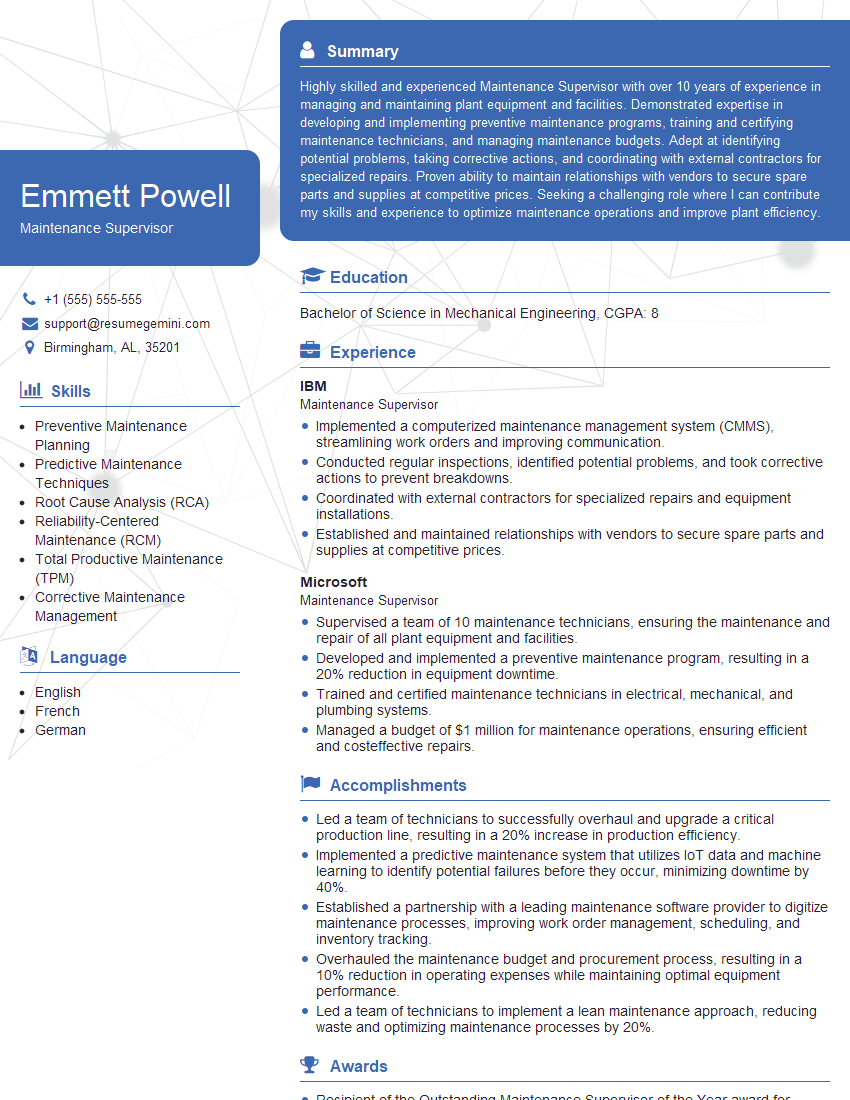
Maintenance Supervisor Resume Sample

Production Supervisor Resume Sample

Surveyor Resume Sample
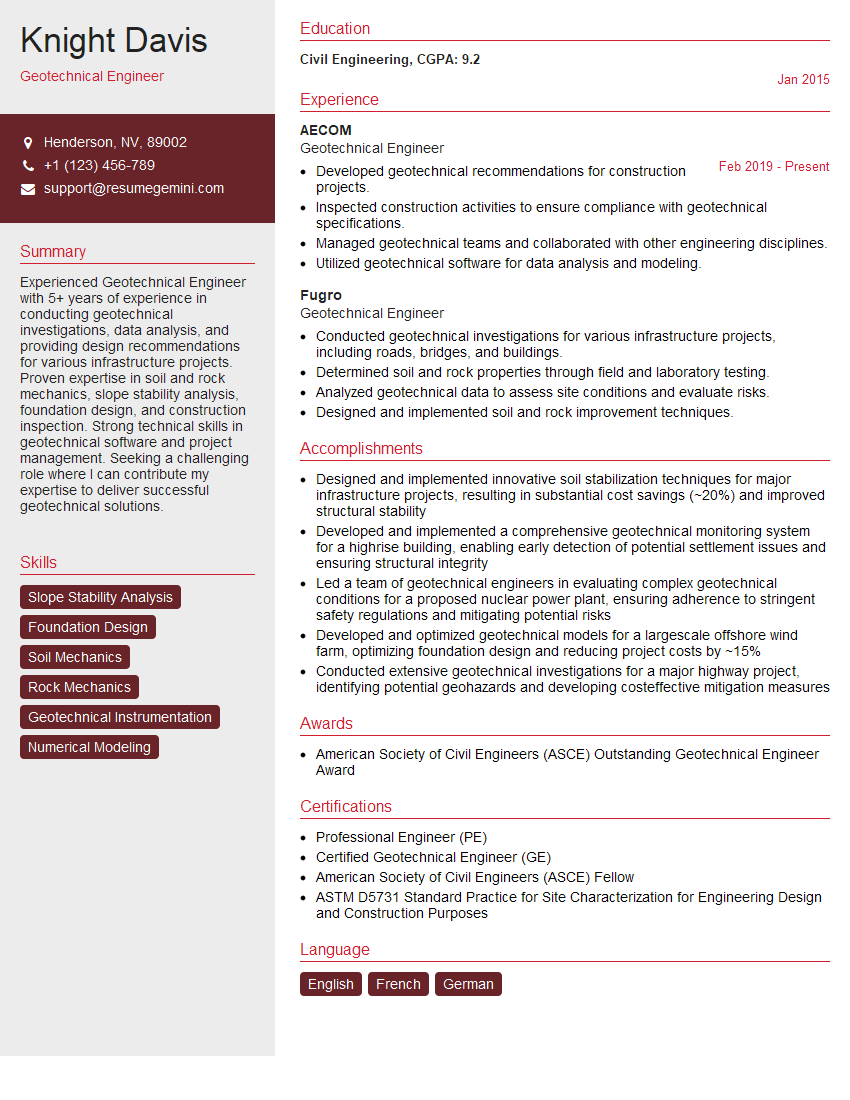
Geotechnical Engineer Resume Sample
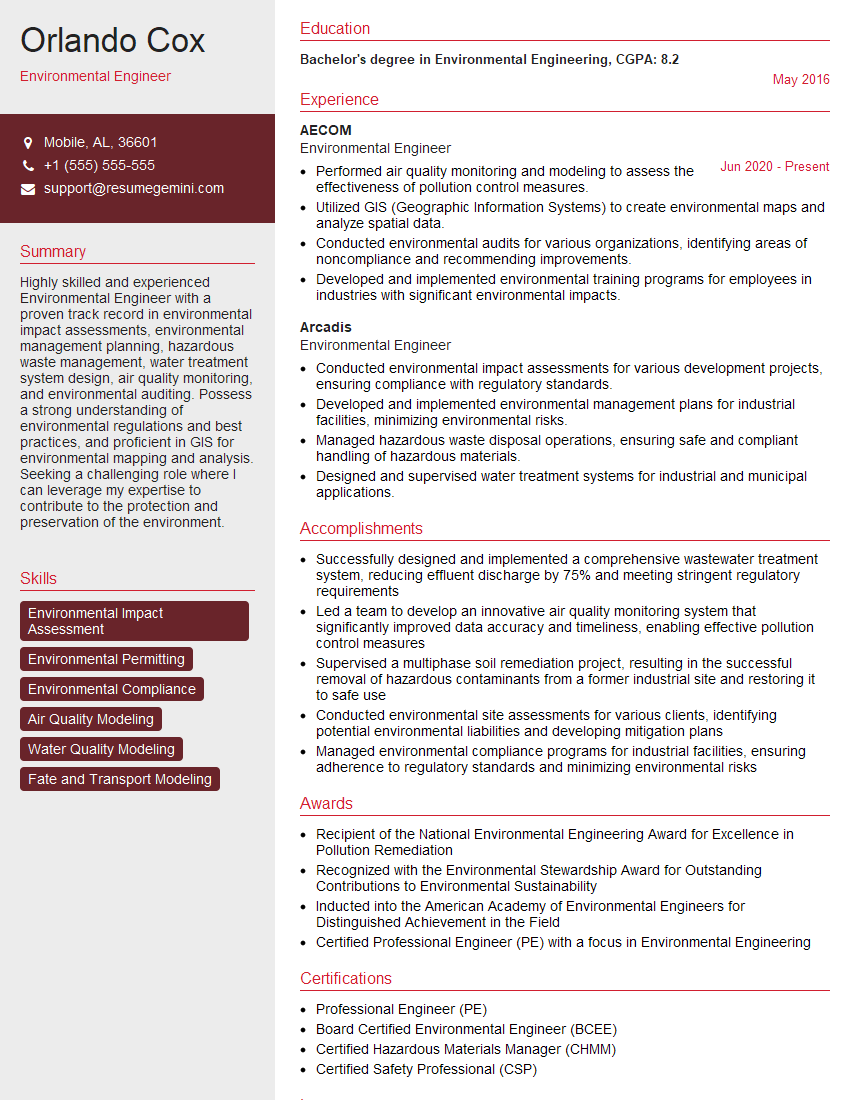
Environmental Engineer Resume Sample
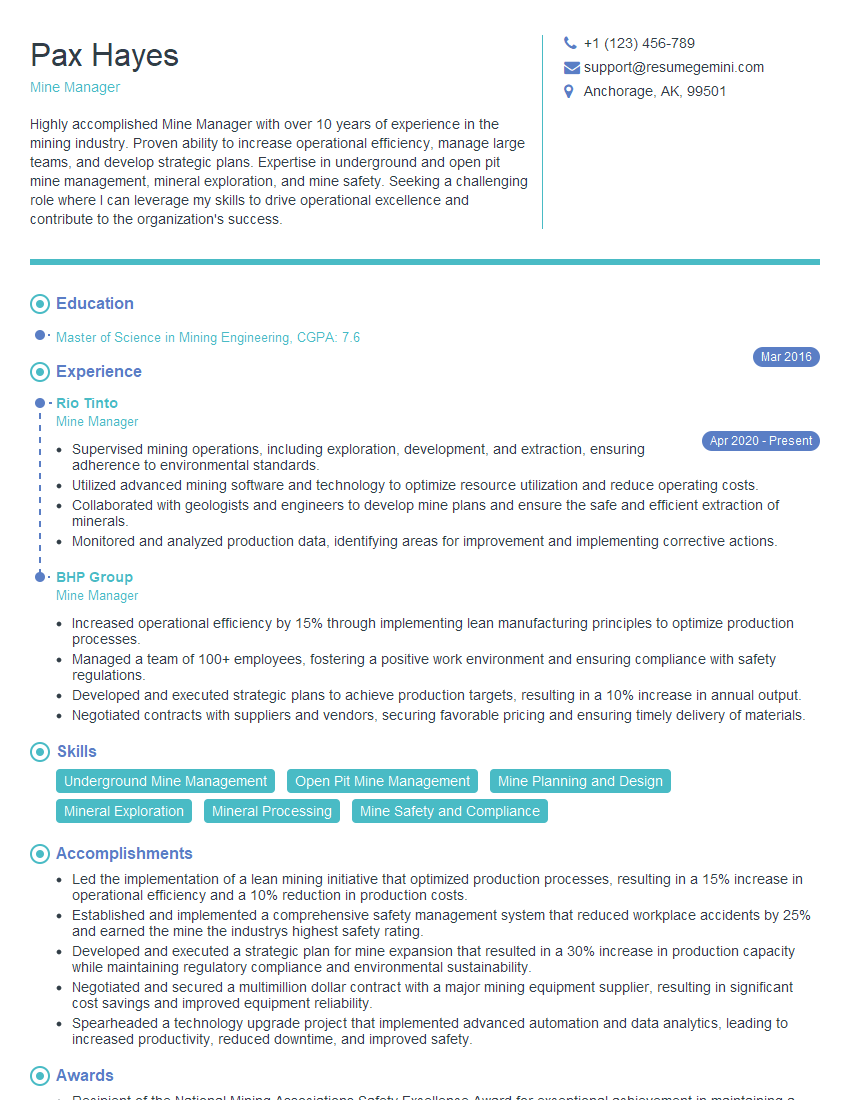
Mine Manager Resume Sample

Mining Engineer Resume Sample
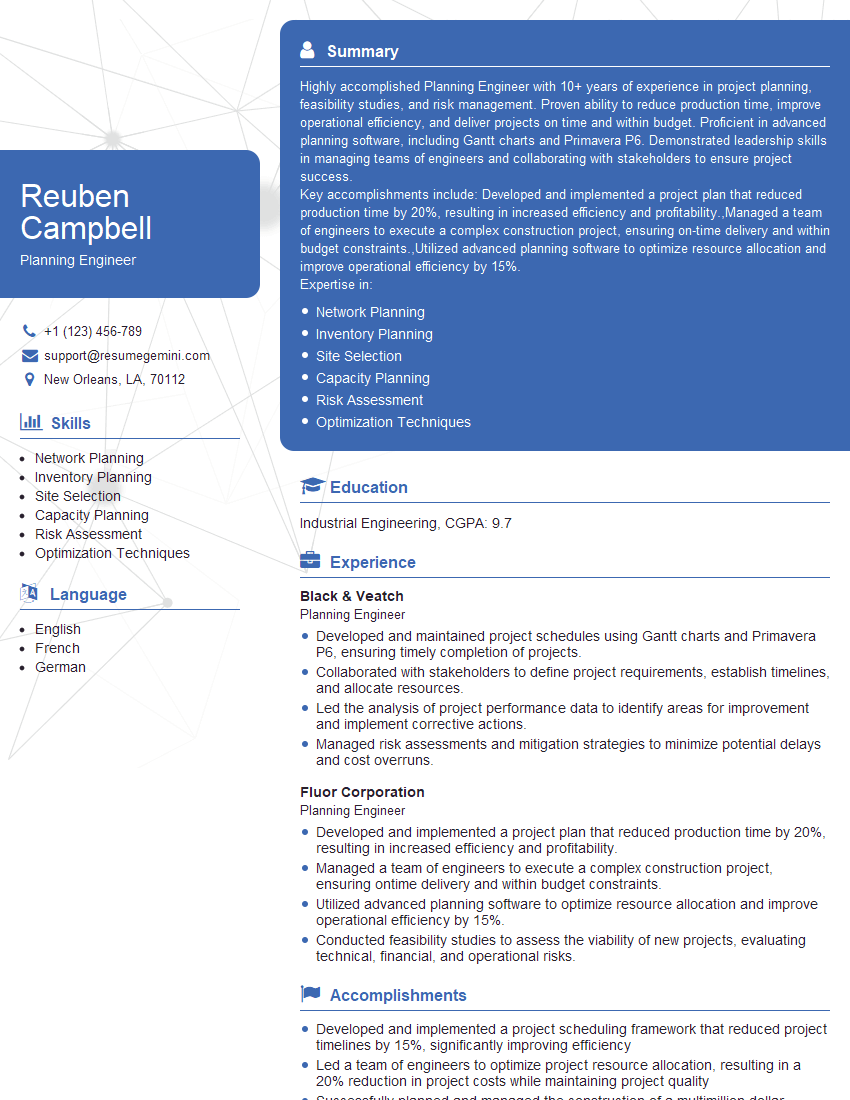
Planning Engineer Resume Sample

Safety Inspector Resume Sample

Mine Geologist Resume Sample
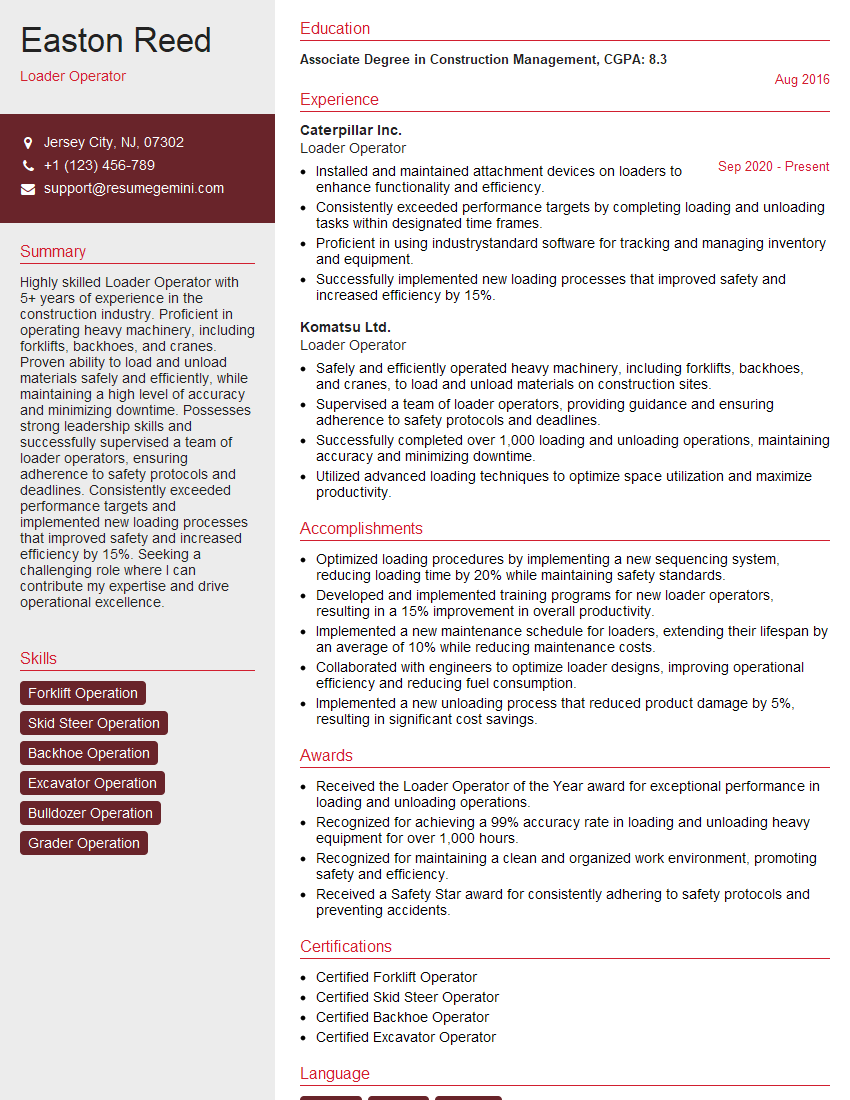
Loader Operator Resume Sample
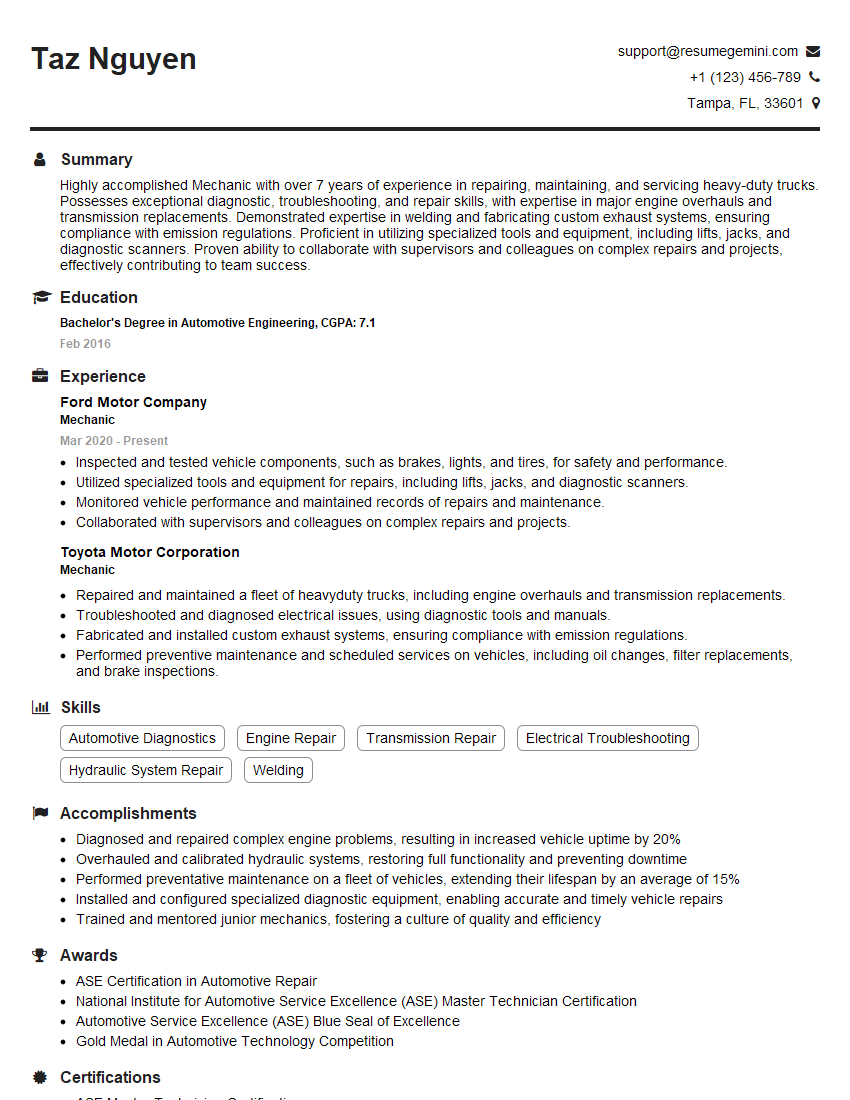
Mechanic Resume Sample
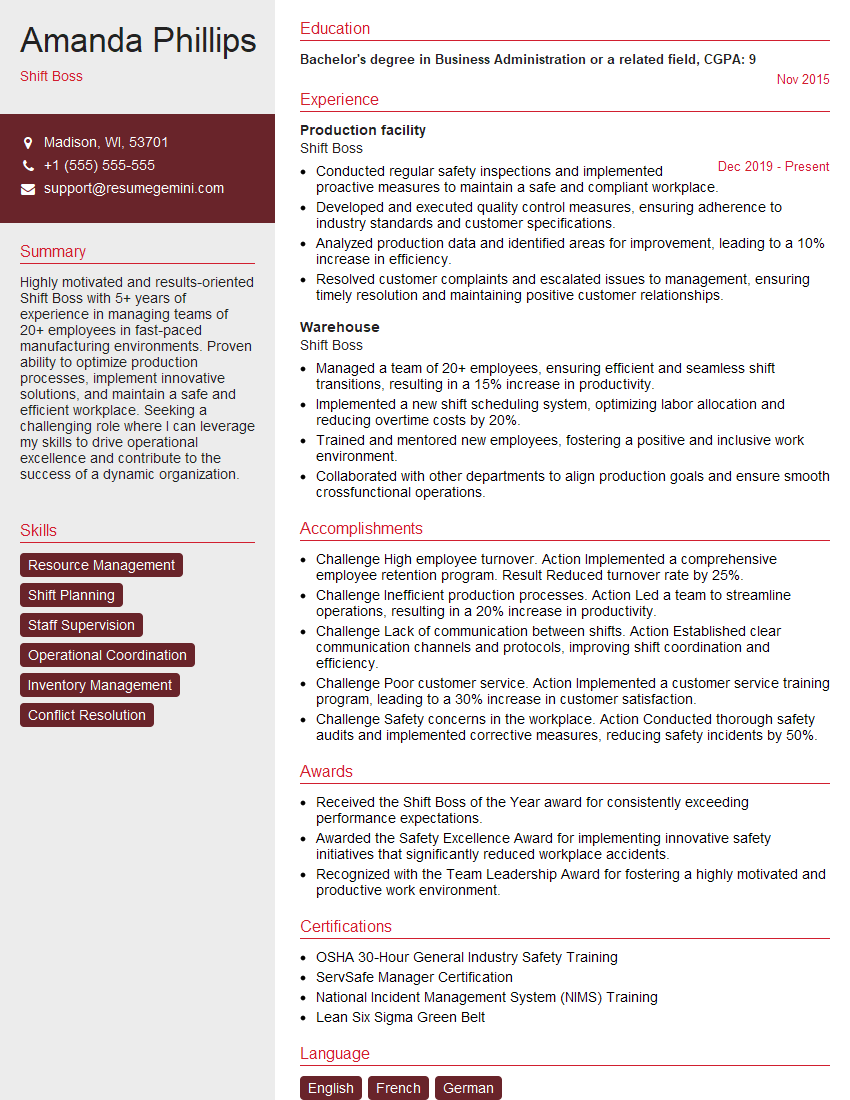
Shift Boss Resume Sample
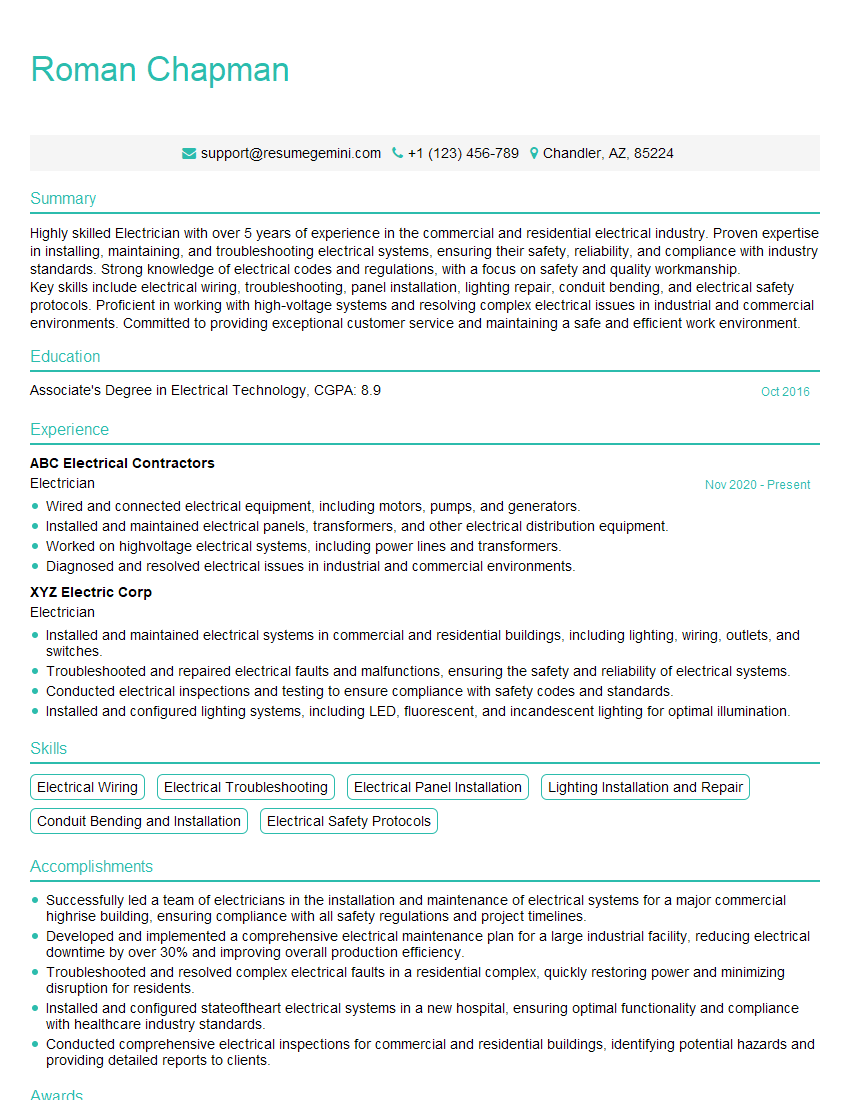
Electrician Resume Sample
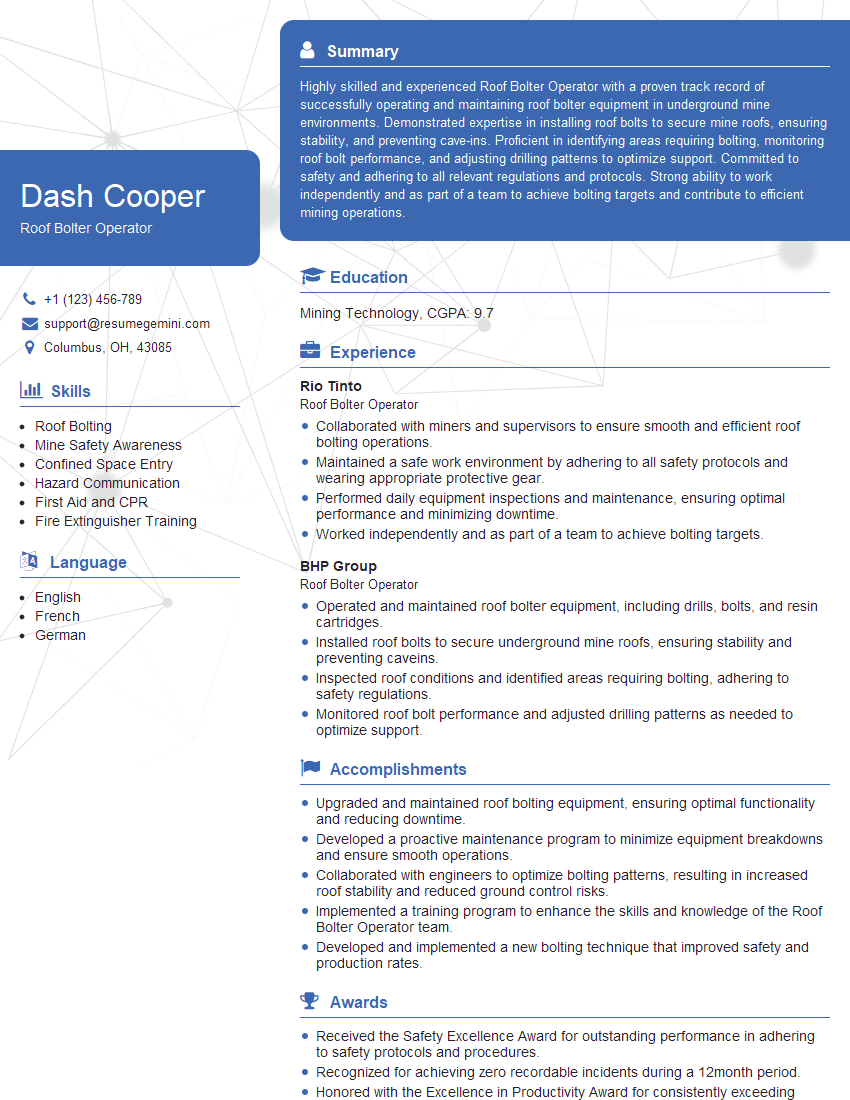
Roof Bolter Operator Resume Sample

Continuous Miner Operator Resume Sample
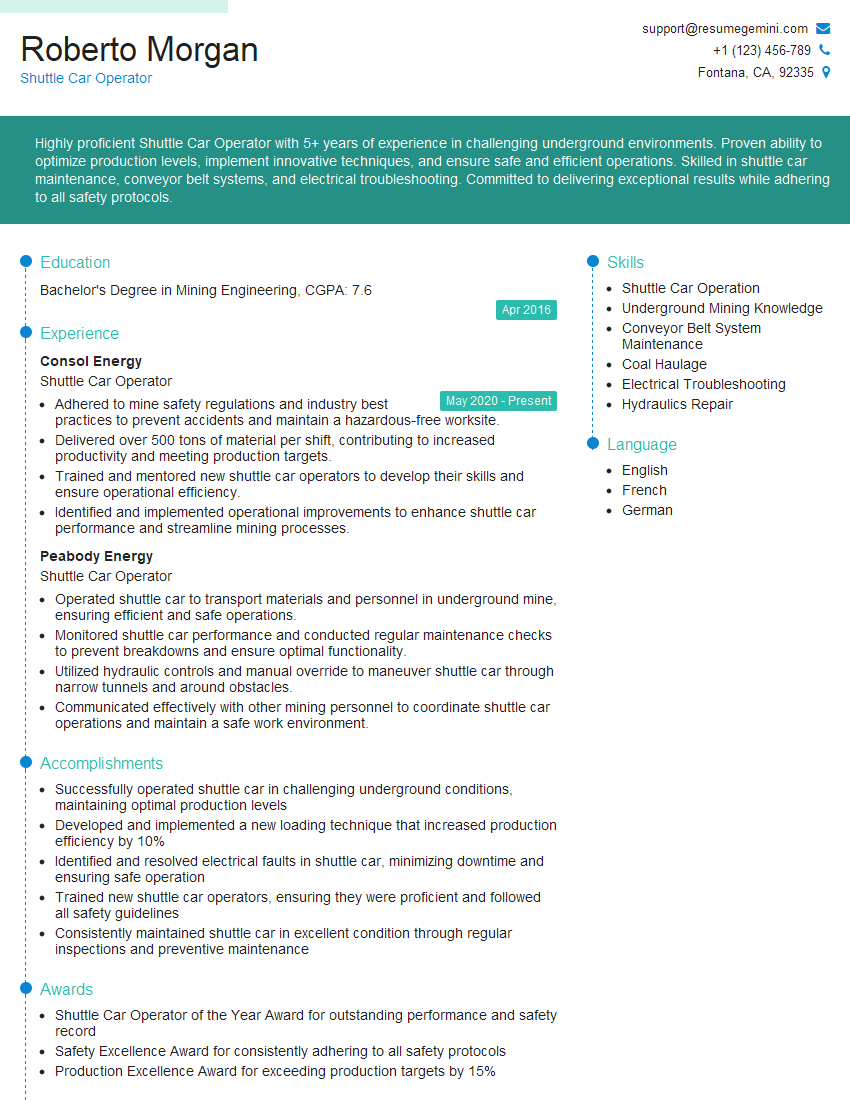
Shuttle Car Operator Resume Sample
- Mine Superintendent
- Operations Manager
- Maintenance Supervisor
- Production Supervisor
- Surveyor
- Geotechnical Engineer
- Environmental Engineer
- Mine Manager
- Mining Engineer
- Planning Engineer
- Safety Inspector
- Mine Geologist
- Loader Operator
- Mechanic
- Shift Boss
- Electrician
- Roof Bolter Operator
- Continuous Miner Operator
- Shuttle Car Operator
Explore more articles
Users Rating of Our Blogs
Share Your Experience
We value your feedback! Please rate our content and share your thoughts (optional).
What Readers Say About Our Blog
Very informative content, great job.
good