Are you ready to stand out in your next interview? Understanding and preparing for Understanding of arboricultural practices interview questions is a game-changer. In this blog, we’ve compiled key questions and expert advice to help you showcase your skills with confidence and precision. Let’s get started on your journey to acing the interview.
Questions Asked in Understanding of arboricultural practices Interview
Q 1. Describe the different pruning techniques used in arboriculture.
Pruning techniques are crucial for maintaining tree health and structure. They aim to remove dead, diseased, or damaged wood, improve the tree’s form, and promote strong growth. Different techniques exist depending on the tree species, its age, and the desired outcome.
- Crown Cleaning: Removing dead, dying, diseased, and crossing branches to improve the tree’s aesthetics and structural integrity. Think of it like tidying up a messy closet – you remove the unwanted items to make space and improve the overall look.
- Crown Thinning: Reducing the density of the crown by selectively removing branches, thereby improving light penetration and air circulation. This is similar to thinning out a dense forest to allow more sunlight to reach the undergrowth.
- Crown Reduction: Shortening branches to reduce the overall size of the crown. This is a more drastic technique and should be done carefully to avoid damaging the tree’s structure. Imagine carefully trimming a topiary bush to maintain its shape but reduce its size.
- Crown Lifting: Raising the lower branches to provide clearance underneath the tree, perhaps for pedestrian walkways or vehicle access. This is like creating headroom under a low-hanging canopy.
- Pollarding: Severely cutting back branches to stubs, regularly repeated, stimulating new growth. Though useful for some species and situations, it’s a significant intervention that should only be carried out by experienced arborists, as improper techniques can severely damage the tree.
Choosing the right pruning technique requires careful consideration of various factors, and improper pruning can lead to significant damage and weaken the tree, potentially increasing the risk of disease or structural failure.
Q 2. Explain the importance of proper tree planting techniques.
Proper tree planting is foundational to a tree’s long-term health and survival. It sets the stage for successful growth, minimizing stress and the likelihood of future problems. The process involves careful consideration of several key aspects:
- Site Selection: Choosing a location that provides adequate space for the tree’s mature size, considering sunlight exposure, soil conditions, and proximity to buildings and utilities. Imagine planning a house – you wouldn’t build it in a flood zone!
- Soil Preparation: Amending the soil to ensure proper drainage and nutrient levels, sometimes incorporating organic matter to improve soil structure. Good soil is like fertile ground for a successful harvest.
- Planting Technique: Digging a hole that’s wide enough to accommodate the root ball without damaging the roots, ensuring the tree is planted at the correct depth (the root flare should be visible), and backfilling with soil, gently tamping it down. Think of this like giving a plant a comfortable home.
- Watering: Providing sufficient water, especially during the establishment phase, helps the tree acclimatize to its new environment. Regular watering is like giving a newborn baby consistent care.
- Staking (when necessary): Providing support to prevent the tree from being wind-damaged, particularly in exposed locations. This acts like training wheels for a young tree.
Ignoring these steps can lead to stunted growth, reduced lifespan, and increased vulnerability to pests and diseases.
Q 3. What are the common signs of tree diseases and how are they treated?
Recognizing tree diseases early is vital for effective management. Signs can vary, depending on the disease but often manifest as changes in foliage, branches, or bark. Common signs include:
- Leaf discoloration: Yellowing, browning, or spotting of leaves can indicate a range of diseases.
- Wilting or dieback: Branches or sections of the tree might wilt or die back, often starting at the tips.
- Cankers: Sunken or cracked areas on the bark, often indicating fungal infection.
- Galls: Abnormal growths on branches, leaves, or roots, often caused by insects or fungi.
- Fruiting bodies: Visible fungal structures, such as mushrooms, conks, or brackets, growing on the tree.
Treatment depends on the specific disease and its severity. Options include:
- Pruning: Removing infected branches to prevent further spread.
- Chemical treatments: Applying fungicides or insecticides, often as a preventative measure or in the early stages of infection.
- Cultural practices: Improving soil health, ensuring proper watering, and promoting good air circulation to enhance the tree’s natural defenses.
Early detection and prompt treatment can often save a tree from significant damage or death. A professional arborist can help diagnose the problem and recommend the appropriate course of action.
Q 4. How do you assess the risk posed by a potentially dangerous tree?
Assessing the risk posed by a potentially dangerous tree requires a thorough evaluation of several factors. This often involves a visual inspection, supplemented by other assessment techniques.
- Visual Assessment: Inspecting the tree for signs of decay, structural weakness (leaning, cracks, cavities), and any presence of pests or diseases. This is like performing a visual check on a car before a long journey.
- Decay Detection: Using specialized tools such as sonic tomography or resistance drilling to identify internal decay, which might not be visible on the surface. This is akin to using an X-ray to check for bone fractures.
- Structural Analysis: Evaluating the tree’s overall stability, considering factors such as its size, species, and the surrounding environment (soil type, wind exposure). This is much like an engineer evaluating the structural integrity of a building.
- Risk Assessment Matrix: Using a standardized matrix to classify the likelihood and consequences of potential failure, such as falling branches or whole tree failure. This allows for a systematic approach to determine the overall risk.
After the assessment, appropriate measures can be implemented, such as pruning, cabling, or removal, depending on the level of risk.
Q 5. What safety measures are crucial when working at height in trees?
Working at height in trees inherently carries significant risks, demanding adherence to strict safety protocols. These include:
- Proper training and certification: Arborists should be adequately trained and certified to perform tree work safely.
- Personal Protective Equipment (PPE): Using appropriate PPE, including helmets, harnesses, ropes, and appropriate footwear.
- Fall protection systems: Employing reliable fall arrest systems, including anchor points, ropes, and appropriate harnesses to prevent falls.
- Risk assessment: Conducting a thorough risk assessment before commencing work to identify and mitigate potential hazards.
- Communication: Maintaining clear communication with ground crew members to ensure safe operations.
- Regular inspections: Ensuring all equipment is regularly inspected and maintained in good working order.
- Weather conditions: Avoiding work during adverse weather conditions, such as high winds or storms.
Neglecting these precautions can have severe consequences, leading to serious injuries or fatalities.
Q 6. Explain the role of soil health in tree growth and vitality.
Soil health plays a crucial role in tree growth and vitality. Healthy soil provides essential nutrients, water, and oxygen, supporting robust root systems. Factors influencing soil health include:
- Soil structure: Well-structured soil with good porosity allows for optimal water infiltration, aeration, and root penetration. Think of it like a sponge – it needs to absorb and release water efficiently.
- Soil pH: The acidity or alkalinity of the soil influences nutrient availability. Trees thrive within a specific pH range for optimal nutrient uptake.
- Organic matter: The presence of organic matter, such as compost or leaf mold, improves soil structure, water retention, and nutrient content.
- Nutrient content: Sufficient levels of essential nutrients, such as nitrogen, phosphorus, and potassium, are vital for tree growth and health. Nutrients are like vitamins for the tree.
- Drainage: Good drainage prevents waterlogging, which can damage roots and lead to disease.
Poor soil health can lead to stunted growth, nutrient deficiencies, increased susceptibility to diseases and pests, and even tree mortality.
Q 7. Describe different tree support systems and their applications.
Tree support systems provide stability and protection during critical growth phases or in challenging environmental conditions. Several systems are used:
- Staking: Using stakes and ties to support young trees and prevent wind damage. This offers temporary support until the tree establishes a strong root system.
- Guying: Employing guy wires and anchors to provide stability, often used for larger trees or those in exposed locations. This offers more robust support than staking, suitable for taller, more vulnerable trees.
- Cabling and bracing: Connecting weak or damaged branches with cables or braces to improve structural integrity. This strengthens the tree’s internal structure to prevent branch failure.
- Tree shelters: Protecting young trees from environmental stresses, such as sun scorch, browsing animals, or mechanical damage. This creates a protective microclimate for the sapling.
The choice of support system depends on several factors, including tree species, size, age, and site conditions. Proper installation is crucial to prevent damage to the tree.
Q 8. How do you identify various tree species?
Identifying tree species involves a combination of observational skills and knowledge. It’s like a detective case, using clues to narrow down the possibilities. We start with the overall tree structure: its height, shape, branching pattern (e.g., upright, weeping, spreading). Then, we examine the leaves: their shape (e.g., needle-like, ovate, palmate), arrangement on the twig (alternate, opposite, whorled), edge (serrated, smooth, lobed), and texture. Bark characteristics – color, texture (smooth, rough, flaky), and pattern – are also crucial. Finally, examining the fruit (cones, nuts, berries, etc.) and flowers, when present, provides further confirmation. For instance, a tree with opposite branching, palmately lobed leaves, and distinctive winged fruits is almost certainly a Maple. Using field guides, tree identification apps, and comparing observations to known species are essential parts of this process.
- Leaf shape and arrangement: A key identifier. Opposite leaves are found in fewer species than alternate leaves, narrowing down the options immediately.
- Bark texture and color: Older trees often have distinctive bark, which changes over time. Shagbark hickory has its characteristic peeling bark.
- Fruit/Seeds: Acorn for oak, winged samara for maple, cones for conifers.
- Branch structure: The angle at which branches emerge from the trunk can be species-specific.
Q 9. What are the benefits and drawbacks of different tree removal methods?
Tree removal methods each have advantages and disadvantages, and the best choice depends on the tree’s size, location, surrounding environment, and the desired outcome. Think of it as choosing the right tool for a specific job.
- Felling: This is the most common method, involving cutting the tree down in a controlled manner. It’s cost-effective for larger trees in open spaces but poses risks if not executed precisely, potentially damaging nearby structures or causing injuries.
- Sectioning: This method involves cutting the tree into smaller sections while it’s still standing, then lowering these sections to the ground. It’s safer and more precise for trees near buildings or power lines. But it is more labor-intensive and costly.
- Climbing and Pruning: This involves removing branches from a tree using ropes and specialized climbing equipment. Its advantages include greater precision, reduced damage to surroundings, and ability to work on taller trees. However, it demands highly skilled climbers and is generally more time-consuming.
Drawbacks often involve potential damage to property, risk of injury, and disruption to the surrounding area. Proper planning and execution are paramount to minimize these issues.
Q 10. Explain the principles of tree cabling and bracing.
Tree cabling and bracing support weak or damaged branches to prevent breakage. Imagine it as adding extra support to a shaky bridge. Cabling involves using strong cables to connect separate branches, while bracing uses rigid supports to strengthen the connection between a branch and the trunk.
Principles:
- Proper placement: Cables should be strategically placed to provide the most support while minimizing damage to the bark and wood.
- Material selection: Stainless steel cables are common due to their strength and resistance to corrosion. The bracing material must be strong and durable.
- Installation technique: Proper installation is crucial to ensure effectiveness and prevent damage. This involves drilling holes, securing cables or braces, and protecting the tree from further damage.
- Load distribution: The system should distribute the weight of the branches evenly to avoid stress concentration.
These techniques are crucial in preventing branch failure, especially in high-wind or snow-load areas. They extend the lifespan and improve the safety of trees.
Q 11. Describe the process of developing a tree management plan.
Developing a tree management plan is a systematic process that ensures the long-term health, safety, and aesthetic value of trees. It’s a roadmap for their care, much like a well-structured project plan.
- Inventory: A comprehensive inventory of all trees on the property, including species, size, health, and location.
- Assessment: Evaluating the condition of each tree, identifying potential hazards, and determining their risk level. This might involve visual inspection or more thorough assessments depending on tree size, age, health.
- Goal setting: Determining the objectives of the management plan, whether it’s enhancing tree health, improving safety, or maintaining the aesthetic appeal of the landscape.
- Treatment recommendations: Developing a plan for addressing identified issues, including pruning, fertilization, pest and disease management, cabling and bracing, and removal when necessary.
- Implementation: Executing the plan through appropriate arboricultural techniques. This often involves hiring certified arborists.
- Monitoring and review: Regularly inspecting the trees to monitor their health and effectiveness of treatment and reviewing the plan based on these inspections. This could involve annual or biannual checkups.
A well-defined tree management plan helps avoid costly and potentially hazardous situations by proactively addressing issues and protecting trees over the long term.
Q 12. What are the legal and regulatory requirements for tree work in your area?
Legal and regulatory requirements for tree work vary by location and are often governed by local ordinances, state laws, and potentially federal regulations depending on the area. These rules are important for public safety and environmental protection. It’s akin to building codes for structures; there are rules to follow.
Common regulations include:
- Permits and licenses: Many areas require permits for tree removal, especially for trees of a certain size or in protected areas.
- Protected trees: Certain trees might be legally protected, either due to age, size, species, or location within a protected area (e.g., near waterways, parks, historical sites). Removal might need special authorization.
- Safety standards: Regulations often mandate the use of appropriate safety equipment and adherence to best practices to minimize the risk of accidents and harm to workers and the public.
- Environmental impact assessments: For large-scale tree removal, an environmental impact assessment might be necessary to address any environmental concerns.
- Insurance requirements: Arborists are often required to have liability insurance to cover potential damages.
It is crucial for arborists to be familiar with the local regulations to comply with the law and avoid penalties. This often means consulting local government resources and seeking advice from legal professionals where appropriate.
Q 13. How do you manage tree pests and diseases sustainably?
Sustainable management of tree pests and diseases prioritizes prevention and minimally invasive treatment options. It’s a holistic approach that protects the overall health of the tree and the environment. Instead of a quick fix, we adopt a long-term strategy.
Strategies include:
- Proper tree care: Maintaining the tree’s overall health through proper watering, fertilization, and pruning makes it more resilient to pests and diseases. This is the best form of pest and disease prevention.
- Monitoring: Regular inspection of trees to detect early signs of infestation or disease. Early detection significantly improves the chances of successful treatment.
- Biological control: Utilizing natural predators or parasites to control pest populations. For example, introducing ladybugs to combat aphids.
- Cultural controls: Practices like sanitation (removing infected materials) and proper planting techniques to minimize disease risk.
- Targeted treatments: Using pesticides or other treatments only when necessary and targeting the specific pest or disease. This minimizes environmental impact.
Sustainable pest and disease management minimizes reliance on chemical treatments while prioritizing tree health and environmental protection.
Q 14. Explain the concept of tree root protection zones.
Tree root protection zones (TRPZs) are areas around a tree’s base where construction or other activities are restricted to minimize damage to the roots. Imagine it as a protective perimeter around a tree’s lifeline. Root damage can weaken trees, making them vulnerable to disease, windthrow, and potentially causing damage to structures.
The size of a TRPZ varies depending on factors such as tree species, size, and soil type. It’s usually a circle around the tree’s trunk. Construction within this zone needs to be carefully planned and executed to avoid damaging the roots. Methods to protect roots during construction may include root barriers, careful excavation, and avoiding compaction of the soil. Protecting roots ensures the tree’s continued health and longevity. Damaging the root system can negatively impact a tree’s health even after the construction or related disturbance.
Q 15. What are the key factors to consider when choosing trees for a specific site?
Choosing the right tree for a specific site is crucial for its long-term health and success. It’s like choosing the right plant for your garden – you wouldn’t plant a cactus in a bog! We need to consider several key factors, including:
- Climate: Hardiness zones, average rainfall, temperature extremes, and prevailing winds all dictate which species will thrive. For example, a Mediterranean climate calls for drought-tolerant trees, while a cold, snowy region requires cold-hardy varieties.
- Soil conditions: Soil type (clay, sandy, loamy), pH level, drainage, and nutrient content heavily influence root development and overall tree health. A tree requiring well-drained soil planted in clay will struggle.
- Available space: Mature size is paramount. Planting a large oak in a small garden is a recipe for disaster. We must consider the tree’s ultimate height, width, and root spread to ensure it has enough room to grow without causing damage to structures or utilities.
- Sunlight exposure: Different species have varying sunlight requirements – some need full sun, others prefer partial shade. Mismatching sunlight needs will lead to poor growth and stress.
- Aesthetics: The tree’s visual appeal, including leaf color, shape, texture, and flowering characteristics, should be considered to complement the surrounding landscape and meet the client’s preferences.
- Local regulations: Some areas have restrictions on tree planting near power lines or other infrastructure. We must always be aware of and comply with local ordinances.
In my practice, I always conduct a thorough site assessment before recommending any tree species, taking all these factors into account. A detailed site analysis ensures the long-term health and success of the planting project.
Career Expert Tips:
- Ace those interviews! Prepare effectively by reviewing the Top 50 Most Common Interview Questions on ResumeGemini.
- Navigate your job search with confidence! Explore a wide range of Career Tips on ResumeGemini. Learn about common challenges and recommendations to overcome them.
- Craft the perfect resume! Master the Art of Resume Writing with ResumeGemini’s guide. Showcase your unique qualifications and achievements effectively.
- Don’t miss out on holiday savings! Build your dream resume with ResumeGemini’s ATS optimized templates.
Q 16. How do you use diagnostic tools to assess tree health?
Assessing tree health requires a multi-faceted approach combining visual inspection with the use of diagnostic tools. Visual assessment includes observing the crown, trunk, and root system for signs of disease, pests, or stress. This can reveal obvious issues like dead branches, cankers, or insect infestations. However, sometimes, the issues are hidden. This is where diagnostic tools become essential.
- Resistance drilling: This technique allows us to assess the internal condition of the wood, checking for decay or structural weaknesses. We use a drill to extract a small core sample, which is then examined for decay.
- Soil testing: Analyzing soil samples reveals nutrient deficiencies or imbalances that may be affecting the tree’s health. It can help identify problems like compaction or poor drainage.
- Instrumentation: Tools like resistographs, which measure wood density and assess decay, and tomograms, using ground-penetrating radar to assess root systems, provide quantitative data to supplement visual observations.
- Laboratory analysis: Leaf and soil samples can be sent to a laboratory for more detailed analysis, identifying specific pathogens or nutrient deficiencies. This can confirm our initial observations.
I’ve used these tools extensively in my career, such as identifying internal decay in a large oak near a school, leading to its safe removal before it posed a hazard. The combination of visual assessment and diagnostic tools provides a comprehensive picture of the tree’s health, allowing for informed decision-making.
Q 17. Describe your experience with different types of arboricultural equipment.
My experience encompasses a wide range of arboricultural equipment, from basic hand tools to sophisticated machinery. I’m proficient in the safe and effective use of:
- Hand tools: Pruning saws, loppers, secateurs, climbing ropes, and harnesses are fundamental tools used daily for pruning and tree maintenance.
- Chainsaws: Various sizes and types of chainsaws are necessary for larger pruning, felling, and wood processing operations. Safety is paramount, requiring proper training and adherence to safety protocols.
- Aerial lifts: I’m experienced in operating different types of aerial lifts, including bucket trucks and articulating booms, for safe and efficient access to elevated branches and the crown of trees.
- Chippers and grinders: These machines are crucial for processing wood debris efficiently and safely following pruning or tree removal operations.
- Specialized equipment: I also have experience with more specialized equipment such as stump grinders, directional felling equipment, and rigging systems for complex tree removal projects.
Regular maintenance and inspections of all equipment are critical for ensuring safety and efficient operation. I always prioritize safety, understanding that even a small malfunction can lead to serious injury.
Q 18. Explain the importance of maintaining accurate records and documentation.
Maintaining accurate records and documentation is crucial for several reasons, ensuring accountability, legal compliance, and informed decision-making. This includes:
- Client communication: Detailed records of site visits, assessments, and proposed treatments facilitate clear communication with clients, reducing misunderstandings and disputes.
- Legal protection: Comprehensive documentation serves as evidence of work performed, contractual obligations met, and potential liability issues addressed.
- Tree history: Tracking tree treatments, pruning history, and any observed diseases or pests helps us monitor tree health over time, facilitating preventative measures and timely interventions.
- Insurance claims: Accurate records of work performed and equipment used are essential for insurance claims in case of accidents or damages.
- Research and data analysis: Collected data contributes to broader knowledge of tree health and management practices.
I utilize a combination of digital and physical record-keeping, including digital photographs, detailed reports, and site maps to ensure complete and accessible documentation. For example, I maintain a detailed database of every tree I have worked on, including its species, location, maintenance history, and any relevant issues.
Q 19. How do you handle conflicts with clients or other stakeholders?
Conflict resolution is a key skill in arboriculture, requiring diplomacy, communication, and a deep understanding of the client’s needs and the technical aspects of tree care. My approach involves:
- Active listening: I start by actively listening to the client’s concerns, ensuring I fully understand their perspective and the underlying issues.
- Clear communication: I explain my recommendations and the reasoning behind them in a clear and concise manner, using plain language and avoiding technical jargon where possible.
- Compromise: Where possible, I try to find a compromise that meets the client’s needs while adhering to arboricultural best practices. This may involve modifying the proposed treatment or exploring alternative solutions.
- Documentation: All discussions and agreements are documented, ensuring clarity and preventing future misunderstandings.
- Escalation: If a compromise cannot be reached, I may involve a third party, such as a mediator or arboricultural professional, to assist in conflict resolution. This is a last resort.
I recall a situation where a client wanted to remove a healthy tree due to perceived encroachment. Through careful explanation, demonstrating the value of the tree, and proposing a compromise involving minor pruning, I was able to address their concerns while preserving the tree. Successful conflict resolution builds trust and enhances client relationships.
Q 20. Describe your approach to emergency tree response.
Emergency tree response requires swift action, prioritizing safety and minimizing risk. My approach involves:
- Assessment: A rapid assessment of the situation is crucial, determining the extent of the damage, the potential hazards, and the immediate risks.
- Safety precautions: Establishing a safe working zone is paramount, ensuring that the area is secured and that personnel are protected from falling debris or other hazards.
- Prioritization: Tasks are prioritized based on the level of risk, addressing immediate threats to public safety first, such as removing unstable branches or hazardous trees.
- Equipment selection: The appropriate equipment is selected based on the specific task, ensuring that it is properly maintained and functioning correctly.
- Communication: Clear and consistent communication with clients, emergency services, and other stakeholders is essential, ensuring that everyone is informed of the situation and the actions being taken.
During a severe storm, I responded to a call where a large branch had fallen on a power line. I quickly assessed the situation, secured the area, and coordinated with the power company to safely remove the branch, restoring power and ensuring public safety. Efficient emergency response relies on a combination of skills, equipment, and decision-making under pressure.
Q 21. Explain your understanding of tree growth and development.
Understanding tree growth and development is fundamental to effective arboricultural practices. Trees grow in a complex process involving several key factors:
- Photosynthesis: Trees convert sunlight, water, and carbon dioxide into energy and biomass, driving their growth.
- Hormonal regulation: Plant hormones control various aspects of tree growth, including cell division, elongation, and differentiation.
- Environmental factors: Sunlight, temperature, water availability, nutrients, and other environmental conditions influence growth rate and overall health.
- Genetic factors: Species-specific genetic traits determine growth patterns, ultimate size, and adaptability to environmental conditions. Two oaks planted side-by-side will not grow identically.
- Apical dominance: The main stem (leader) of a tree typically grows more vigorously than lateral branches, due to the concentration of growth hormones. Pruning strategies can influence apical dominance.
This understanding is critical in making informed decisions about pruning, planting, and overall tree management. For example, recognizing the effects of apical dominance guides pruning practices to promote a strong central leader or encourage wider branching, depending on the desired tree structure. A deep understanding of these processes ensures we make the right decisions, promoting the tree’s health and longevity.
Q 22. What are the different types of tree wounds and how are they treated?
Tree wounds, unfortunately, are a common occurrence. They range from minor scrapes to significant injuries affecting the tree’s health and longevity. We categorize them based on severity and cause.
- Minor Wounds: These are small cuts in the bark, often caused by small branches rubbing against the trunk or accidental damage from lawnmowers. They typically heal naturally.
- Major Wounds: These are larger injuries, such as those caused by severe storms, improper pruning, or vehicle impacts. They expose significant amounts of wood, increasing the risk of decay and insect infestation.
- Compartmentalization Failure: This occurs when a tree’s natural defense mechanisms, designed to wall off wounds and prevent decay spread, are ineffective. This often happens with large, improperly treated wounds.
Treatment varies depending on the wound’s size and nature. Minor wounds often require no treatment other than ensuring no further damage occurs. Major wounds may benefit from professional intervention involving wound dressing (though this is a debated practice, as it can sometimes hinder natural compartmentalization), cabling to support weakened branches, or removal of severely damaged portions to improve the tree’s structure and promote healing.
Imagine a human wound – a small scrape heals quickly, while a deep gash requires stitches and careful care. The same principles apply to tree wounds. Prevention through safe practices is always the best approach.
Q 23. Describe your experience with various soil types and their impact on tree health.
Soil type is paramount in arboriculture; it directly impacts a tree’s ability to access water and nutrients. My experience spans various soil conditions, from sandy loam to heavy clay.
- Sandy Loam: Well-draining, but nutrients can leach quickly, requiring more frequent fertilization.
- Clay Soil: Poor drainage can lead to root asphyxiation and susceptibility to disease. Amending clay soil with organic matter is crucial to improve structure and aeration.
- Silty Soil: Retains moisture well, but can become compacted, hindering root growth. Regular aeration can mitigate this.
For example, I once worked on a project where trees in clay soil exhibited significant stress due to poor drainage. We implemented a soil improvement program, incorporating organic matter like compost to improve drainage and aeration. This resulted in a significant improvement in tree health and vigor. Understanding soil mechanics is crucial in diagnosing and treating tree health issues effectively. I’ve learned to tailor fertilization, irrigation, and even planting techniques based on the specific soil profile.
Q 24. How do you adapt your techniques based on different weather conditions?
Weather significantly impacts arboricultural practices. Safety is paramount, and techniques must adapt to changing conditions.
- High Winds: Climbing and pruning are postponed. Safety harnesses and other equipment are doubly checked.
- Rain: Work may be halted to avoid accidents from slippery surfaces or equipment malfunction. Proper drainage around trees is evaluated to minimize future risks.
- Extreme Heat: Work schedules are adjusted to avoid peak heat periods, and crews are provided ample hydration and rest breaks.
- Freezing Temperatures: Pruning is often avoided during freezing weather, as it can damage the tree tissues.
Adaptability is key. For instance, during a prolonged period of drought, I’d implement supplemental watering to help the trees survive. On a windy day, I would focus on ground-level tasks, ensuring my crew avoids risky climbing operations. We prioritize safety protocols adjusted for the prevailing weather patterns.
Q 25. Explain your understanding of tree physiology.
Understanding tree physiology is fundamental to effective arboriculture. It encompasses all aspects of a tree’s life processes, including nutrient uptake, photosynthesis, and growth regulation.
Photosynthesis: This process, where trees convert sunlight into energy, is essential for growth and survival. Factors like light availability, leaf area, and CO2 levels significantly influence this. I regularly assess canopy density and pruning needs with this in mind.
Transpiration: This is the process by which trees lose water vapor through their leaves. Understanding this helps determine appropriate watering strategies, especially in drought conditions. For instance, overwatering can lead to root rot.
Hormonal Regulation: Plant hormones play a critical role in growth, development, and stress responses. This knowledge helps in assessing the effects of stress factors like drought or disease. Knowing how auxins, gibberellins, and cytokinins function helps me design appropriate treatment plans.
Compartmentalization: A tree’s natural defense mechanism against injury and decay, which involves isolating damaged tissues to prevent spread of disease and decay. Understanding how this works informs decisions related to wound care.
A strong understanding of these processes allows for informed decision-making in every aspect of tree care, from pruning to fertilization to disease management.
Q 26. Describe your knowledge of invasive tree species and their control.
Invasive tree species pose significant threats to native ecosystems. My knowledge covers identification, control, and management strategies for various invasive species.
- Identification: Accurate species identification is the first step. I’m proficient in identifying common invasive trees based on their morphological characteristics and geographic distribution.
- Control Methods: Strategies range from physical removal (cutting, girdling) to chemical control (herbicide application). The choice depends on the species, location, and the surrounding ecosystem.
- Integrated Pest Management (IPM): This holistic approach integrates multiple control methods to minimize environmental impact and maximize effectiveness. It often involves combining physical removal with biological control methods (like introducing natural enemies) whenever feasible.
For example, I’ve been involved in projects managing the spread of (insert a local invasive species, e.g., Bradford Pear). This involved strategic removal of mature trees, coupled with herbicide treatment of saplings to prevent regeneration. Ongoing monitoring is also crucial to ensure the effectiveness of the control measures.
Q 27. What are some common challenges faced in urban forestry?
Urban forestry presents unique challenges due to space constraints, infrastructure conflicts, and high human traffic.
- Confined Root Systems: Trees in urban areas often have limited root space, making them more vulnerable to stress. Careful planning of planting locations and soil amelioration is crucial.
- Infrastructure Conflicts: Roots can damage pavements, underground utilities, and buildings. Proper tree selection, root barriers, and careful pruning are essential.
- Air and Soil Pollution: Urban environments contain higher levels of pollutants, which can negatively impact tree health. Soil testing and appropriate fertilization strategies can help mitigate these effects.
- Limited Resources: Urban forestry budgets are often limited, requiring careful prioritization of projects and resources.
For instance, I recently advised on a project to select tree species with less aggressive root systems for planting along a busy street to avoid damage to underground utilities. This involved thorough site assessments and selecting species well-suited to the soil conditions and the limited space available. Careful long-term planning is critical to the success of urban forestry projects.
Q 28. How do you ensure the safety of both your crew and the public during tree work?
Safety is the number one priority in arboriculture. I ensure the safety of my crew and the public through a multi-layered approach:
- Risk Assessments: Thorough risk assessments are conducted before every job to identify potential hazards and develop mitigation strategies.
- Proper Training and Equipment: My crew receives comprehensive training on safe working practices and the use of specialized equipment such as climbing gear, chainsaws, and aerial lifts. Regular equipment inspections are mandatory.
- Emergency Procedures: Clear emergency response protocols are in place, and regular drills are conducted to ensure preparedness.
- Public Safety Measures: Work areas are appropriately cordoned off, and signage is used to warn the public of potential hazards. Traffic control may be employed, particularly in busy areas.
- Compliance with Regulations: We adhere to all relevant safety regulations and industry best practices.
For example, before commencing a tree removal near a power line, we coordinate with the utility company, conduct a thorough risk assessment, and implement strict safety protocols. This includes using specialized equipment, employing spotters, and establishing clear communication channels among the crew.
Key Topics to Learn for Understanding of Arboricultural Practices Interview
- Tree Biology and Physiology: Understanding tree growth, structure, and function; recognizing common tree species and their characteristics; diagnosing tree health issues.
- Tree Risk Assessment: Identifying potential hazards posed by trees; employing risk assessment methodologies; developing appropriate mitigation strategies.
- Pruning and Tree Care Techniques: Understanding different pruning methods (crown reduction, raising, thinning); applying correct techniques for various tree species and situations; ensuring tree health and safety during pruning.
- Tree Planting and Establishment: Selecting appropriate tree species for specific sites; proper planting techniques; ensuring successful establishment and long-term tree health.
- Pest and Disease Management: Identifying common tree pests and diseases; implementing integrated pest management strategies; utilizing appropriate control methods.
- Safety Regulations and Best Practices: Adhering to relevant safety regulations and standards; utilizing appropriate personal protective equipment (PPE); understanding safe working practices in arboriculture.
- Arboricultural Equipment and Tools: Familiarity with various equipment and tools used in arboriculture; understanding their safe and effective operation; performing routine maintenance.
- Legal and Ethical Considerations: Understanding relevant legislation and regulations; practicing ethical arboricultural principles; ensuring responsible tree management.
- Environmental Impact and Sustainability: Considering the environmental impact of arboricultural practices; applying sustainable techniques; promoting biodiversity.
- Communication and Client Interaction: Effectively communicating technical information to clients; building strong client relationships; managing expectations.
Next Steps
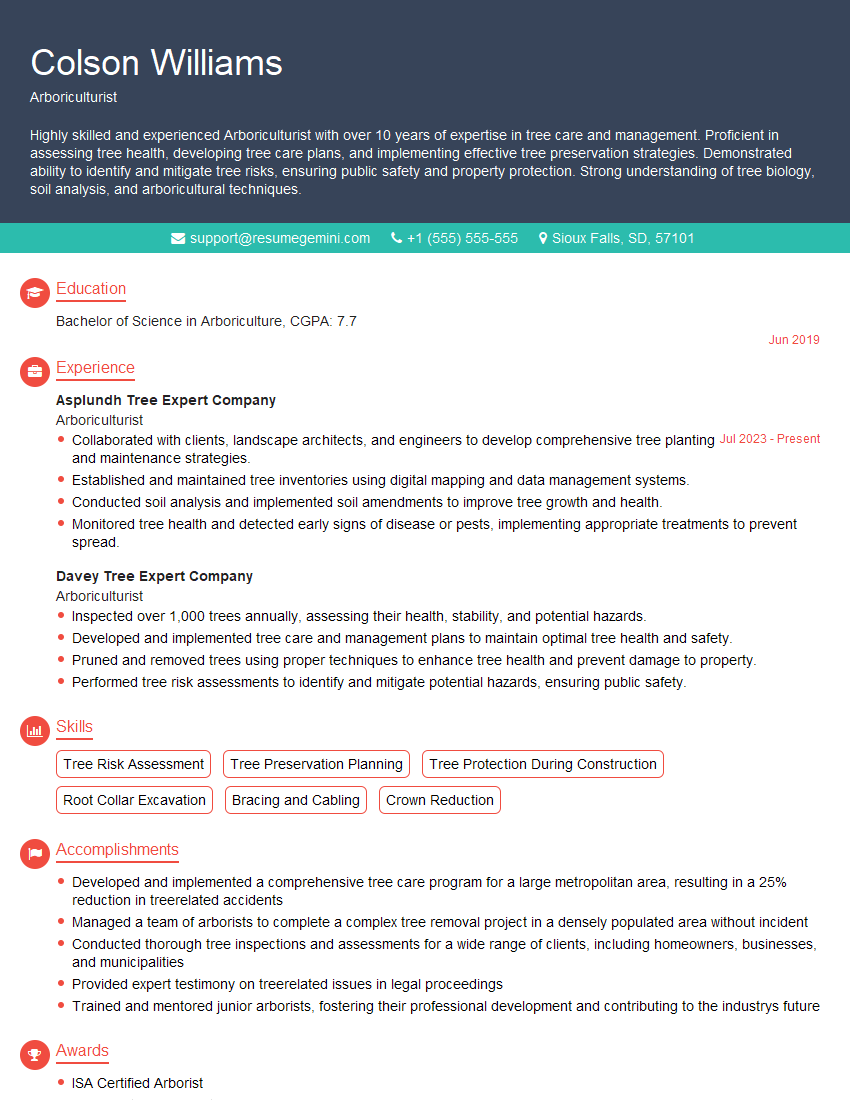
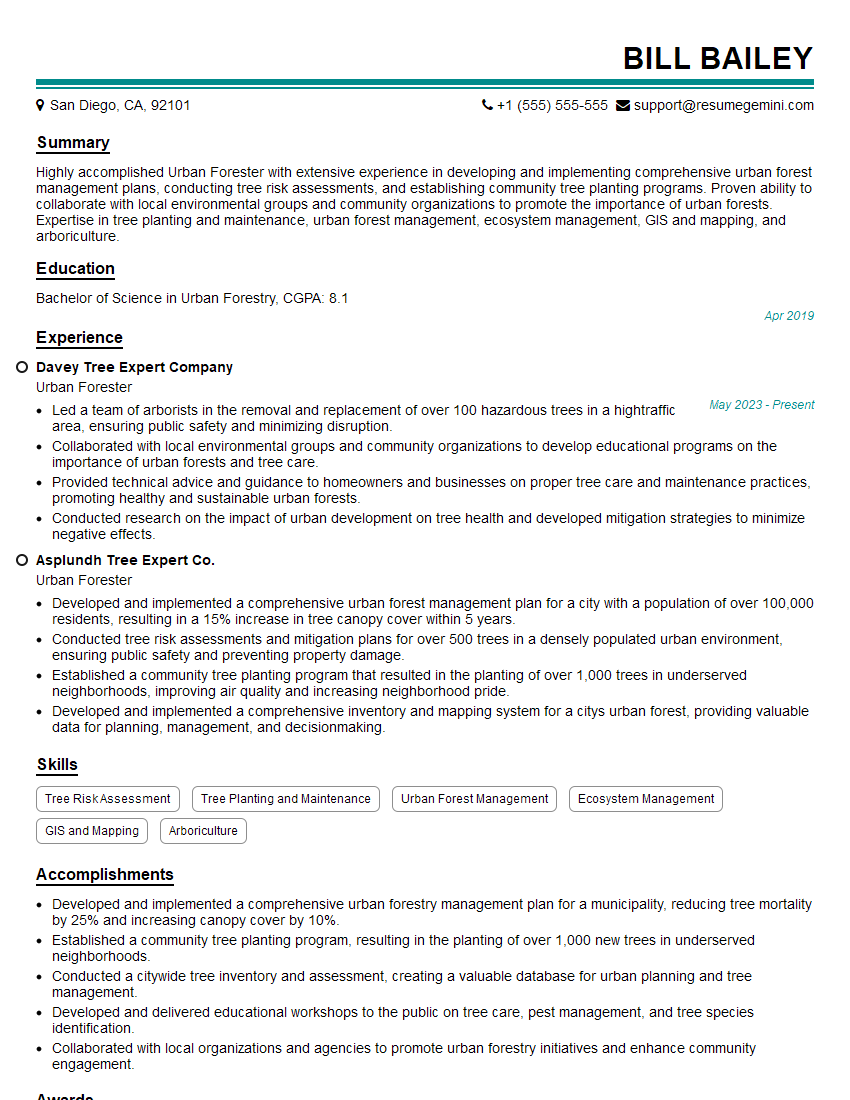
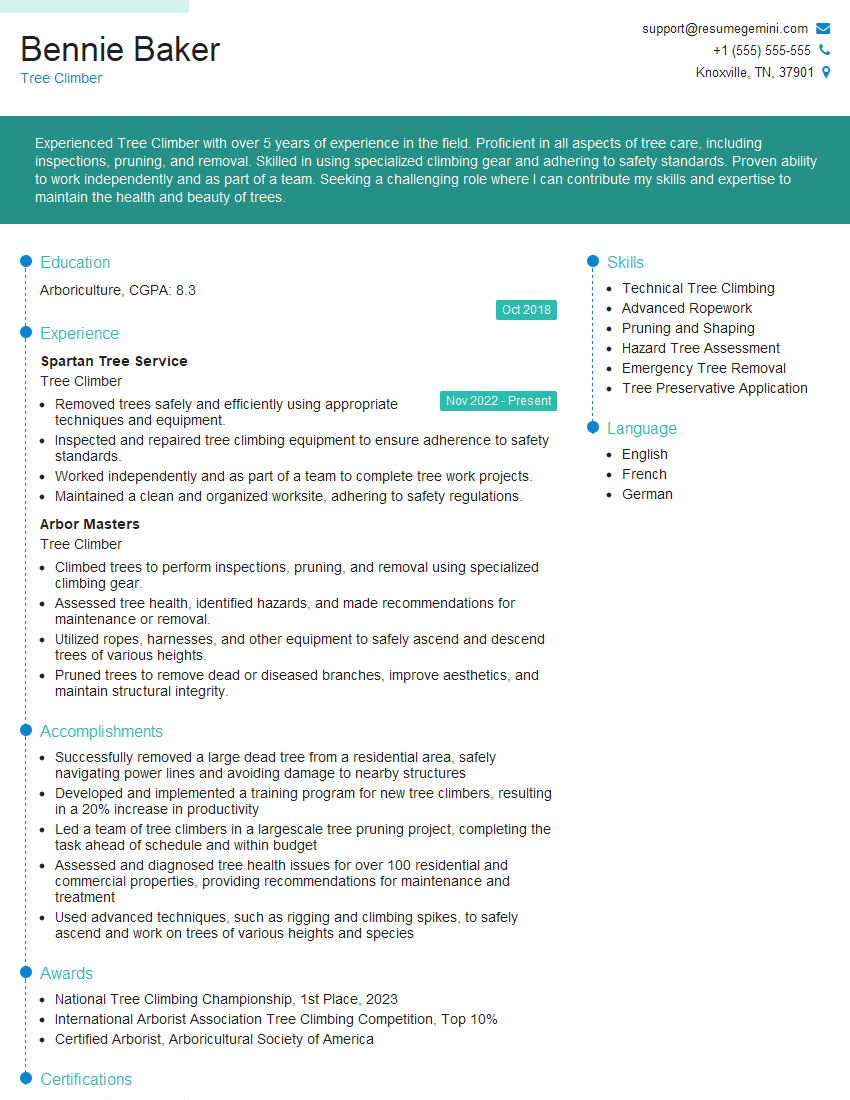
Mastering arboricultural practices is crucial for career advancement in this rewarding field. A strong understanding of these principles demonstrates competence and opens doors to diverse and challenging opportunities. To significantly boost your job prospects, crafting an ATS-friendly resume is essential. This ensures your application gets noticed by hiring managers. We recommend using ResumeGemini, a trusted resource, to create a professional and impactful resume that highlights your skills and experience effectively. ResumeGemini provides examples of resumes tailored to arboricultural practices to guide you in the process.



Explore more articles
Users Rating of Our Blogs
Share Your Experience
We value your feedback! Please rate our content and share your thoughts (optional).
What Readers Say About Our Blog
Very informative content, great job.
good