Preparation is the key to success in any interview. In this post, we’ll explore crucial Understanding of Business Fundamentals interview questions and equip you with strategies to craft impactful answers. Whether you’re a beginner or a pro, these tips will elevate your preparation.
Questions Asked in Understanding of Business Fundamentals Interview
Q 1. Explain the concept of competitive advantage.
Competitive advantage refers to a firm’s ability to create and sustain superior performance compared to its competitors. It’s what sets a company apart and allows it to outperform others in the marketplace. This advantage can stem from various factors, creating a unique position that customers value.
Think of it like this: you’re running a marathon. A competitive advantage is anything that gives you an edge – superior running shoes, a better training regime, or even a more efficient running style.
- Cost Leadership: Offering the lowest prices in the market, often through efficiency and economies of scale (e.g., Walmart).
- Differentiation: Offering unique and valuable products or services that customers are willing to pay a premium for (e.g., Apple).
- Focus/Niche Strategy: Focusing on a specific segment of the market and serving its needs exceptionally well (e.g., a boutique catering to a particular fashion niche).
Sustaining a competitive advantage requires continuous innovation, adaptation to market changes, and a strong focus on the customer.
Q 2. Describe the components of a SWOT analysis.
A SWOT analysis is a strategic planning tool used to evaluate the Strengths, Weaknesses, Opportunities, and Threats involved in a project or in a business venture. It involves identifying internal and external factors that can affect the achievement of objectives.
- Strengths: Internal positive attributes that give a company an advantage (e.g., strong brand reputation, skilled workforce, proprietary technology).
- Weaknesses: Internal negative attributes that place a company at a disadvantage (e.g., high production costs, outdated technology, poor customer service).
- Opportunities: External factors that could benefit the company (e.g., expanding market, new technologies, government regulations).
- Threats: External factors that could harm the company (e.g., intense competition, economic downturn, changing customer preferences).
By understanding these four aspects, businesses can develop strategies to leverage strengths, address weaknesses, capitalize on opportunities, and mitigate threats.
Q 3. What are the key financial statements and how are they used?
The three key financial statements are the Income Statement, Balance Sheet, and Cash Flow Statement. They provide a comprehensive overview of a company’s financial health.
- Income Statement (Profit & Loss Statement): Shows a company’s revenues, expenses, and profits over a specific period (e.g., a quarter or a year). It helps determine profitability.
- Balance Sheet: Provides a snapshot of a company’s assets, liabilities, and equity at a specific point in time. It shows the company’s financial position.
- Cash Flow Statement: Tracks the movement of cash both into and out of a company over a specific period. It shows how a company generates and uses cash.
These statements are used by investors, creditors, management, and other stakeholders to assess the financial performance and stability of a company. For example, investors use these to determine if an investment is worthwhile, while creditors use them to assess creditworthiness.
Q 4. Explain the difference between revenue and profit.
Revenue is the total amount of money a company earns from its sales or services before deducting any expenses. Profit, on the other hand, is the amount of money a company earns after deducting all its expenses from its revenue. Think of it this way: revenue is the total amount of money coming in, while profit is what’s left over after paying all the bills.
For example, if a company sells 100 units at $10 each, its revenue is $1000. If the cost of goods sold is $500 and other expenses are $200, its profit is $1000 – $500 – $200 = $300.
Understanding the difference is crucial for evaluating a company’s financial health and making informed business decisions. Focusing solely on revenue without considering costs can be misleading.
Q 5. What are the different types of market structures?
Market structures describe the competitive landscape of an industry. The main types are:
- Perfect Competition: Many buyers and sellers, homogeneous products, free entry and exit, and perfect information (rare in reality). Example: Agricultural markets (to a degree).
- Monopolistic Competition: Many buyers and sellers, differentiated products, relatively easy entry and exit. Example: Restaurants, clothing stores.
- Oligopoly: A few large firms dominate the market, significant barriers to entry. Example: Automobile industry, airline industry.
- Monopoly: A single firm controls the market, very high barriers to entry. Example: Utility companies (in some regions).
Understanding market structure helps businesses analyze their competitive environment and develop appropriate strategies. For example, a business in a perfectly competitive market might focus on cost efficiency, while a business in an oligopoly might engage in strategic pricing and advertising.
Q 6. Describe the four Ps of marketing.
The four Ps of marketing – Product, Price, Place, and Promotion – are fundamental elements of a marketing strategy. They represent the key decisions a company makes when bringing a product or service to market.
- Product: The goods or services offered to customers; it includes features, quality, branding, and packaging.
- Price: The amount customers pay for the product; it considers costs, competition, and customer value.
- Place: How the product reaches the customer; it involves distribution channels, logistics, and retail strategy.
- Promotion: How the company communicates with customers; it includes advertising, public relations, sales promotions, and digital marketing.
A well-integrated marketing mix considers all four Ps in a cohesive manner to achieve marketing objectives. For instance, a premium product might require a higher price and sophisticated promotion, aligning place with a high-end retail experience.
Q 7. What is the purpose of a business plan?
A business plan is a formal written document containing the goals of a business and how it plans to achieve those goals. It serves as a roadmap for the business and helps secure funding, guide operations, and measure progress.
The purpose of a business plan is multifaceted:
- Secure Funding: To attract investors or lenders by demonstrating a viable business model and clear financial projections.
- Guide Operations: To provide a framework for daily operations, setting goals and outlining strategies for achieving them.
- Measure Progress: To track performance against goals and make necessary adjustments along the way.
- Attract Talent: To showcase the company’s vision and strategy to potential employees.
A comprehensive business plan typically includes market analysis, competitive analysis, management team details, financial projections, and operational plans. It is a vital tool for any business, regardless of its size or stage of development.
Q 8. Explain the concept of economies of scale.
Economies of scale describe the cost advantages businesses gain as their production volume increases. Essentially, the more you produce, the lower the cost per unit. This happens because fixed costs (like rent, salaries of administrative staff) are spread over a larger number of units, reducing the cost per unit. Variable costs (like raw materials) might also benefit from bulk discounts.
Example: Imagine a bakery. If they bake 100 loaves of bread, their fixed costs (oven, rent) are spread across 100 loaves. If they bake 1000 loaves, those same fixed costs are spread across 1000, making the cost per loaf significantly lower. They might also negotiate a lower price per kilogram of flour when buying in bulk.
Practical Application: Companies leverage economies of scale to become more competitive. By increasing production and lowering per-unit costs, they can offer lower prices to consumers or increase profit margins. This is crucial for gaining market share and achieving sustainable growth.
Q 9. How do you analyze a company’s financial health?
Analyzing a company’s financial health involves reviewing several key financial statements and ratios. The primary statements are the balance sheet, income statement, and cash flow statement.
- Balance Sheet: Shows a snapshot of a company’s assets, liabilities, and equity at a specific point in time. We analyze liquidity (ability to meet short-term obligations) by examining the current ratio (Current Assets / Current Liabilities) and solvency (ability to meet long-term obligations) using debt-to-equity ratio (Total Debt / Total Equity).
- Income Statement: Presents a company’s revenues, expenses, and profits over a period of time. We look at profitability ratios like gross profit margin (Gross Profit / Revenue) and net profit margin (Net Profit / Revenue) to understand how efficiently the company is generating profits.
- Cash Flow Statement: Tracks the movement of cash both into and out of a company. We analyze cash flow from operations, investing, and financing activities to understand how the company is managing its cash and if it has sufficient cash to meet its obligations.
Beyond the statements: We also consider industry benchmarks, comparing the company’s performance to its competitors. Qualitative factors such as management quality, competitive landscape, and economic conditions are also crucial for a complete picture.
Q 10. What are some common business risks and how can they be mitigated?
Businesses face numerous risks, broadly categorized as financial, operational, and strategic.
- Financial Risks: These include credit risk (customers not paying), liquidity risk (lack of cash), and interest rate risk (changes in interest rates affecting borrowing costs). Mitigation: Diversification of customer base, maintaining sufficient cash reserves, and using hedging strategies.
- Operational Risks: These involve disruptions in production, supply chain issues, and technological failures. Mitigation: Redundancy in systems, robust supply chain management, and disaster recovery plans.
- Strategic Risks: These stem from changes in market demand, competition, and regulatory environments. Mitigation: Market research, competitive analysis, and proactive adaptation to changing market conditions.
Example: A clothing retailer faces financial risk if a major customer defaults on payments. They mitigate this by diversifying their customer base and offering various payment options. They face operational risks if their warehouse catches fire; mitigation includes maintaining adequate insurance and having a backup warehouse.
Q 11. Describe the different types of business ownership structures.
Several business ownership structures exist, each with its own advantages and disadvantages:
- Sole Proprietorship: Owned and run by one person, simplest to set up but unlimited personal liability.
- Partnership: Two or more individuals share ownership and responsibilities. Partnerships can be general (all partners share liability) or limited (some partners have limited liability).
- Limited Liability Company (LLC): Combines the benefits of a sole proprietorship/partnership with limited liability, shielding personal assets from business debts.
- Corporation (S Corp and C Corp): More complex to set up, offering limited liability and potential tax advantages (S Corp) but with greater regulatory requirements.
The choice depends on factors such as liability concerns, tax implications, and capital requirements.
Q 12. What is the difference between operational and strategic planning?
Strategic planning focuses on long-term goals and the overall direction of the business. It’s about ‘where’ the business wants to be in the future and ‘how’ it will get there. It involves setting a vision, defining a mission, conducting a SWOT analysis, and developing strategies to achieve objectives.
Operational planning focuses on the day-to-day activities required to achieve the strategic goals. It’s about the ‘what’ and ‘when’ of executing the strategies outlined in the strategic plan. It includes setting budgets, creating schedules, assigning tasks, and monitoring performance.
Analogy: Strategic planning is like charting a course for a ship, while operational planning is like navigating the ship day-to-day to stay on course.
Q 13. Explain the importance of supply chain management.
Supply chain management (SCM) is the process of planning, implementing, and controlling the flow of goods and services, from origin to consumption. Efficient SCM is crucial for a business’s success as it impacts costs, customer satisfaction, and competitiveness.
Importance:
- Cost Reduction: Optimizing logistics, inventory management, and procurement can significantly lower costs.
- Improved Customer Satisfaction: Timely delivery and high-quality products enhance customer experience.
- Increased Efficiency: Streamlined processes and better collaboration across the supply chain lead to greater productivity.
- Enhanced Risk Management: Identifying and mitigating potential disruptions ensures business continuity.
Example: A clothing company managing its raw material sourcing, manufacturing, distribution, and retail processes efficiently. Problems in any part of the chain (e.g., a supplier delay) can impact the entire business.
Q 14. How would you evaluate a new business opportunity?
Evaluating a new business opportunity requires a thorough assessment using a structured approach. Here’s a framework:
- Market Analysis: Identify the target market, analyze market size and growth potential, assess competition, and understand customer needs.
- Product/Service Analysis: Define the product or service, assess its uniqueness and value proposition, and determine its feasibility and scalability.
- Financial Projections: Develop detailed financial forecasts, including startup costs, revenue projections, and profitability analysis.
- Operational Plan: Outline the key operational aspects, such as production, distribution, and marketing strategies.
- Management Team: Assess the skills and experience of the management team and their ability to execute the business plan.
- Risk Assessment: Identify potential risks and develop mitigation strategies.
- Funding Strategy: Determine the funding requirements and explore potential funding sources.
Example: Before launching a new coffee shop, you would analyze local coffee consumption, assess existing coffee shops, project sales based on pricing and location, and plan for staffing and supply chain.
Q 15. What are the key performance indicators (KPIs) for a successful business?
Key Performance Indicators (KPIs) are quantifiable metrics used to evaluate the success of a business’s strategies, operations, and overall performance. They provide a clear picture of progress towards goals and identify areas needing improvement. The specific KPIs used will vary greatly depending on the industry, business size, and stage of development, but some common and crucial ones include:
- Revenue Growth: This tracks the increase in sales over time, a fundamental indicator of business health. A consistent upward trend indicates strong market position and effective strategies.
- Profitability (Net Profit Margin): This measures the percentage of revenue remaining after all expenses are deducted, revealing the business’s efficiency and pricing strategy effectiveness. A higher margin generally suggests better cost control and pricing power.
- Customer Acquisition Cost (CAC): This represents the cost of acquiring a new customer. Lower CAC indicates efficient marketing and sales efforts. Comparing CAC to Customer Lifetime Value (CLTV) is crucial to understand profitability per customer.
- Customer Churn Rate: This measures the percentage of customers lost over a given period. A high churn rate signals potential problems with customer satisfaction or product offerings, needing immediate attention.
- Customer Lifetime Value (CLTV): This predicts the total revenue a single customer will generate throughout their relationship with the business. A high CLTV indicates customer loyalty and effective customer relationship management.
- Market Share: This reflects the business’s proportion of the total market within its industry. Growth in market share indicates competitive advantage and successful market penetration.
- Employee Satisfaction: While not directly financial, high employee satisfaction correlates with increased productivity, reduced turnover, and a stronger company culture.
For example, a SaaS company might prioritize metrics like Monthly Recurring Revenue (MRR), churn rate, and customer lifetime value, while a retail business may focus on sales per square foot, inventory turnover, and customer traffic.
Career Expert Tips:
- Ace those interviews! Prepare effectively by reviewing the Top 50 Most Common Interview Questions on ResumeGemini.
- Navigate your job search with confidence! Explore a wide range of Career Tips on ResumeGemini. Learn about common challenges and recommendations to overcome them.
- Craft the perfect resume! Master the Art of Resume Writing with ResumeGemini’s guide. Showcase your unique qualifications and achievements effectively.
- Don’t miss out on holiday savings! Build your dream resume with ResumeGemini’s ATS optimized templates.
Q 16. Describe a time you had to analyze a business problem.
In my previous role at a marketing agency, we noticed a significant drop in conversion rates for one of our clients’ e-commerce website. We needed to pinpoint the cause and implement a solution. My approach involved a systematic analysis:
- Data Collection: We gathered data from Google Analytics, the client’s CRM, and user feedback surveys, focusing on website traffic sources, user behavior, bounce rates, and conversion points.
- Problem Identification: Analyzing the data, we identified a slow website loading speed as a major issue, particularly on mobile devices. User testing confirmed this, showing users abandoning the site before it loaded fully.
- Root Cause Analysis: Further investigation revealed that the website’s outdated infrastructure and heavy use of high-resolution images were the culprits.
- Solution Development: We proposed three solutions: optimizing images, upgrading the server infrastructure, and implementing content delivery network (CDN) for faster content loading.
- Implementation and Monitoring: After implementing the CDN solution, we monitored the conversion rate closely. We saw a 25% increase in conversion rates within a month.
This experience highlighted the importance of data-driven decision-making, collaborative problem-solving, and the iterative nature of optimization.
Q 17. Explain your understanding of market segmentation.
Market segmentation is the process of dividing a broad consumer or business market, known as the total available market (TAM), into sub-groups of consumers based on shared characteristics. This allows businesses to tailor their marketing efforts and product offerings to specific segments, leading to increased efficiency and effectiveness. Segments can be defined using various criteria, including:
- Demographic Segmentation: Age, gender, income, education, occupation, family size, etc.
- Geographic Segmentation: Location (country, region, city, climate), population density, etc.
- Psychographic Segmentation: Lifestyle, values, interests, attitudes, personality traits, etc.
- Behavioral Segmentation: Purchase history, brand loyalty, usage rate, benefits sought, etc.
For instance, a clothing retailer might segment its market by age (teenagers, young adults, middle-aged adults), lifestyle (active, casual, formal), and gender. This allows them to create targeted marketing campaigns and product lines catering to each segment’s specific needs and preferences, ultimately driving sales and customer engagement.
Q 18. How do you measure customer satisfaction?
Measuring customer satisfaction is crucial for continuous improvement and maintaining customer loyalty. Several methods can be employed, each offering unique insights:
- Customer Satisfaction Surveys: These can be quantitative (e.g., rating scales) or qualitative (e.g., open-ended feedback) and can be delivered through email, in-app prompts, or on-site questionnaires. They directly ask customers about their experience.
- Net Promoter Score (NPS): This metric asks customers how likely they are to recommend the business to others on a scale of 0 to 10. It’s a widely used indicator of customer loyalty and advocacy.
- Customer Effort Score (CES): This measures how easy it was for the customer to interact with the business. A low CES indicates friction points in the customer journey that need addressing.
- Social Media Monitoring: Analyzing comments, reviews, and mentions on social media platforms can reveal customer sentiment and identify potential issues.
- Customer Feedback Forms: These often appear on websites or at the point of sale, allowing customers to provide immediate feedback on their experience.
- Focus Groups and Interviews: These qualitative methods offer in-depth insights into customer needs, preferences, and pain points.
The most effective approach often involves a combination of these methods to gain a comprehensive understanding of customer satisfaction.
Q 19. What is your understanding of pricing strategies?
Pricing strategies are crucial for profitability and market positioning. They determine how a business sets its prices to maximize revenue and achieve its objectives. Several key strategies exist:
- Cost-Plus Pricing: This involves calculating the cost of producing a product or service and adding a predetermined markup percentage to determine the selling price. It ensures profitability but may not be optimal for competitive markets.
- Value-Based Pricing: This sets prices based on the perceived value the customer receives, not just the production cost. This is particularly effective for premium products or services where customers are willing to pay more for higher quality or unique benefits.
- Competitive Pricing: This involves setting prices based on what competitors are charging. It’s a good strategy for products with low differentiation but risks sacrificing profitability if costs are high.
- Penetration Pricing: This involves setting low prices initially to gain market share quickly, often followed by price increases later. It’s effective for new products or entering a competitive market.
- Premium Pricing: This sets prices significantly higher than competitors to project exclusivity and high quality. It requires strong brand equity and justification for the higher price.
- Dynamic Pricing: This involves adjusting prices based on factors like demand, time of day, or competitor actions. It’s particularly common in industries like airlines and hotels.
The best pricing strategy depends on factors such as the business’s goals, target market, competition, and cost structure. A well-defined pricing strategy is critical to financial success.
Q 20. Explain the concept of brand equity.
Brand equity refers to the added value a brand provides to a product or service beyond its functional benefits. It’s essentially the intangible value associated with a brand name and its reputation. High brand equity translates to greater customer loyalty, premium pricing power, and stronger resistance to competition. It’s built over time through consistent messaging, positive customer experiences, and effective marketing.
Key components of brand equity include:
- Brand Awareness: How well-known and recognized the brand is.
- Brand Perception: The overall image and associations customers have with the brand (e.g., quality, reliability, innovation).
- Brand Loyalty: The degree to which customers consistently choose the brand over competitors.
- Brand Association: The mental links consumers make between the brand and specific attributes, features, or emotions.
For example, Apple has built immense brand equity through consistent design, innovative products, and a strong customer-centric approach. This allows them to command premium prices and enjoy high customer loyalty, even in the face of strong competition.
Q 21. How do you identify and manage business risks?
Identifying and managing business risks is crucial for long-term sustainability. This involves a proactive approach to identifying potential threats and developing strategies to mitigate their impact. The process typically includes:
- Risk Identification: This involves brainstorming potential risks across various areas of the business, including financial, operational, strategic, and reputational risks. Techniques like SWOT analysis and brainstorming sessions can be used.
- Risk Assessment: Once risks are identified, they need to be assessed based on their likelihood and potential impact. This often involves assigning probabilities and severity scores to each risk.
- Risk Response Planning: Based on the risk assessment, appropriate responses need to be developed. These responses can include risk avoidance (eliminating the risk), risk reduction (mitigating the risk), risk transfer (insuring against the risk), or risk acceptance (acknowledging the risk and accepting the potential consequences).
- Risk Monitoring and Control: Finally, the effectiveness of risk management measures needs to be continuously monitored and adjusted as needed. Regular review and updates to the risk management plan are essential.
For instance, a manufacturing company might identify risks related to supply chain disruptions, equipment failures, and changes in regulations. They could then mitigate these risks by diversifying their suppliers, investing in preventative maintenance, and proactively monitoring regulatory changes.
Q 22. What are some common methods for forecasting sales?
Sales forecasting is crucial for business planning and resource allocation. It involves predicting future sales based on historical data, market trends, and other relevant factors. Several methods exist, each with its strengths and weaknesses:
- Time Series Analysis: This method uses historical sales data to identify patterns and trends. Techniques like moving averages, exponential smoothing, and ARIMA models can be used to extrapolate these patterns into the future. For example, if sales have consistently increased by 10% year-over-year for the past five years, a simple time series model might project a similar increase for the next year.
- Causal Forecasting: This approach considers external factors that influence sales, such as economic conditions, marketing campaigns, competitor actions, and seasonality. Regression analysis is a common technique used here. For instance, a regression model might show a strong correlation between advertising spend and sales, allowing for more accurate predictions based on planned marketing initiatives.
- Market Research: Gathering data directly from customers through surveys, focus groups, and interviews can provide valuable insights into future demand. This qualitative data can supplement quantitative forecasts derived from time series or causal methods. For example, market research might reveal a growing interest in a new product feature, which can be incorporated into sales projections.
- Qualitative Methods: These methods rely on expert opinions and judgment. Techniques like Delphi method and sales force composite involve collecting and aggregating forecasts from various stakeholders within the organization. This can be particularly useful for new products or in rapidly changing markets where historical data is limited.
The best forecasting method depends on the specific business, the availability of data, and the desired level of accuracy. Often, a combination of methods is used to create a more robust and reliable forecast.
Q 23. Explain your understanding of cost accounting.
Cost accounting is a crucial aspect of managerial accounting that focuses on tracking, analyzing, and reporting costs associated with a business’s operations. It goes beyond simply recording expenses; it aims to provide insights into cost behavior, efficiency, and profitability. Key aspects include:
- Cost Classification: Categorizing costs into different types, such as direct materials, direct labor, manufacturing overhead, and selling, general, and administrative (SG&A) expenses. Understanding these classifications is essential for accurate cost tracking and decision-making.
- Cost Allocation: Assigning costs to specific products, services, or departments. This is particularly important in businesses with multiple products or complex operations. Methods like activity-based costing (ABC) are used to allocate overhead costs more accurately based on the activities that drive those costs.
- Cost Behavior Analysis: Examining how costs change in response to variations in activity levels. Costs can be classified as fixed (remain constant regardless of activity), variable (change directly with activity), or mixed (have both fixed and variable components). Understanding cost behavior is crucial for budgeting, pricing decisions, and performance evaluation.
- Cost Control and Reduction: Developing strategies to manage and reduce costs while maintaining quality and efficiency. This involves analyzing cost data, identifying areas for improvement, and implementing cost-saving measures.
For example, a manufacturing company might use cost accounting to determine the cost of producing each unit of its product, allowing it to set competitive prices and identify areas where production costs can be reduced. A service-based company might use cost accounting to analyze the profitability of different services and allocate resources more effectively.
Q 24. How do you use data to make business decisions?
Data-driven decision-making is crucial for effective business management. It involves using data analysis and insights to inform strategic and operational choices. The process typically involves these steps:
- Data Collection: Gathering relevant data from various sources, such as sales records, customer surveys, market research, financial statements, and operational data.
- Data Cleaning and Preparation: Processing the data to ensure its accuracy, consistency, and completeness. This often involves handling missing values, removing outliers, and transforming data into a usable format.
- Data Analysis: Using statistical methods and data visualization techniques to identify patterns, trends, and anomalies in the data. Tools like spreadsheets, statistical software, and business intelligence dashboards can be used for this purpose.
- Interpretation and Insights: Translating data analysis results into actionable insights. This involves understanding the implications of the data and identifying potential opportunities and risks.
- Decision Making: Using the insights derived from data analysis to make informed decisions. This might involve adjusting marketing strategies, optimizing operations, improving customer service, or developing new products.
For example, a retail company might analyze sales data to identify which products are selling well and which are not. This information could inform inventory management, pricing decisions, and marketing campaigns. A tech company might use customer feedback data to improve its product and enhance user experience.
Q 25. What are some common challenges faced by businesses today?
Businesses today face a multitude of challenges, many of which are interconnected and constantly evolving:
- Economic Uncertainty: Inflation, recessionary risks, and fluctuating currency exchange rates create significant uncertainty and impact profitability.
- Technological Disruption: Rapid advancements in technology require businesses to constantly adapt and innovate to remain competitive. The rise of AI and automation poses both opportunities and challenges.
- Supply Chain Issues: Global supply chains are susceptible to disruptions from geopolitical events, natural disasters, and pandemics, leading to delays and increased costs.
- Talent Acquisition and Retention: Finding and retaining skilled employees is a major challenge, particularly in competitive industries. Businesses need to offer competitive salaries, benefits, and work environments to attract and retain top talent.
- Cybersecurity Threats: Businesses are increasingly vulnerable to cyberattacks, which can lead to data breaches, financial losses, and reputational damage.
- Changing Customer Expectations: Customers are becoming more demanding and expect personalized experiences, seamless interactions, and high levels of customer service.
- Sustainability Concerns: Growing concerns about environmental sustainability are pushing businesses to adopt more eco-friendly practices and demonstrate their commitment to corporate social responsibility.
Successfully navigating these challenges requires agility, adaptability, and a focus on innovation and customer centricity.
Q 26. How do you stay current with business trends?
Staying current with business trends is critical for remaining competitive. I employ a multi-faceted approach:
- Industry Publications and Journals: Regularly reading trade publications, industry reports, and academic journals provides insights into emerging trends and best practices. Examples include Harvard Business Review, McKinsey Quarterly, and industry-specific publications.
- Conferences and Webinars: Attending industry conferences and webinars offers opportunities to learn from experts, network with peers, and discover new technologies and strategies.
- Online Resources and Databases: Utilizing online resources such as databases (e.g., Statista, IBISWorld), market research reports, and news websites to stay informed about market developments.
- Networking: Connecting with professionals in my field through industry events, online forums, and professional organizations helps me to exchange ideas and learn from others’ experiences.
- Continuous Learning: I actively seek out opportunities for professional development, including online courses, workshops, and certifications, to enhance my knowledge and skills.
This combination of formal and informal learning ensures that I am constantly updated on the latest trends and advancements in the business world.
Q 27. Describe your experience with developing a business strategy.
In a previous role at [Previous Company Name], I was heavily involved in developing a new market entry strategy for [Product/Service]. The process involved:
- Market Analysis: Conducting thorough market research to identify target customer segments, competitor analysis, and market size estimations. This included analyzing demographic data, customer preferences, and competitive landscape.
- Value Proposition Development: Defining a clear and compelling value proposition that differentiated our offering from competitors. This involved highlighting unique features, benefits, and addressing unmet customer needs.
- Go-to-Market Strategy: Developing a comprehensive plan for launching the product/service in the new market, including sales channels, marketing campaigns, and distribution strategies. This involved selecting appropriate distribution channels and crafting a targeted marketing strategy.
- Resource Allocation: Allocating resources (budget, personnel, etc.) effectively to support the market entry plan. This ensured efficient utilization of resources and maximized impact.
- Implementation and Monitoring: Implementing the strategy, closely monitoring key performance indicators (KPIs), and making adjustments as needed. Regular performance reviews were crucial for identifying areas for improvement.
The result was a successful market entry, exceeding initial sales targets and establishing a strong market presence. This experience reinforced the importance of a well-defined strategy, adaptable execution, and consistent performance monitoring.
Q 28. Explain your understanding of corporate social responsibility.
Corporate Social Responsibility (CSR) is a business approach that integrates social and environmental concerns into a company’s operations and interactions with its stakeholders. It’s about going beyond simply complying with legal requirements and actively contributing to the well-being of society and the environment. Key aspects include:
- Environmental Sustainability: Reducing the company’s environmental footprint through initiatives such as reducing emissions, conserving resources, and promoting sustainable practices throughout the supply chain. Examples include transitioning to renewable energy sources or implementing waste reduction programs.
- Social Responsibility: Promoting ethical labor practices, supporting community development initiatives, and fostering a diverse and inclusive workplace. This could involve fair wages, safe working conditions, and community investment programs.
- Economic Responsibility: Operating ethically and sustainably to create long-term economic value for the business and its stakeholders. This might involve responsible sourcing, fair pricing, and transparent financial reporting.
- Stakeholder Engagement: Actively engaging with stakeholders, including employees, customers, suppliers, communities, and investors, to understand their concerns and incorporate their perspectives into business decisions.
CSR is not just about philanthropy; it’s about integrating social and environmental considerations into the core business strategy. Companies that prioritize CSR often find it strengthens their brand reputation, enhances customer loyalty, and attracts and retains talent. For example, a company might partner with a local charity to support a community initiative, or invest in employee training programs to promote diversity and inclusion.
Key Topics to Learn for Understanding of Business Fundamentals Interview
- Financial Statements Analysis: Understanding income statements, balance sheets, and cash flow statements; interpreting key ratios and their implications for business performance. Practical application: analyzing a company’s financial health to assess investment opportunities or identify areas for improvement.
- Marketing Fundamentals: Developing marketing strategies, understanding target markets, pricing strategies, and the marketing mix (product, price, place, promotion). Practical application: creating a marketing plan for a new product launch or analyzing the effectiveness of an existing marketing campaign.
- Operations Management: Understanding production processes, supply chain management, quality control, and inventory management. Practical application: improving efficiency in a production process or optimizing the supply chain to reduce costs.
- Strategic Management: Developing and implementing business strategies, analyzing competitive landscapes, and understanding strategic decision-making frameworks like SWOT analysis. Practical application: creating a strategic plan for a company’s growth or analyzing a competitor’s strategy.
- Organizational Behavior: Understanding team dynamics, leadership styles, motivation theories, and organizational structures. Practical application: improving team performance or resolving conflicts within a team.
- Business Ethics and Social Responsibility: Understanding ethical considerations in business decision-making and the importance of corporate social responsibility. Practical application: evaluating the ethical implications of a business decision or developing a corporate social responsibility strategy.
Next Steps
Mastering Understanding of Business Fundamentals is crucial for career advancement. A strong grasp of these concepts demonstrates your ability to contribute strategically to any organization. To significantly enhance your job prospects, it’s essential to create an ATS-friendly resume that highlights your skills and experience effectively. ResumeGemini is a trusted resource to help you build a professional and impactful resume. We offer examples of resumes tailored to showcase expertise in Understanding of Business Fundamentals, providing you with a head start in crafting a winning application.
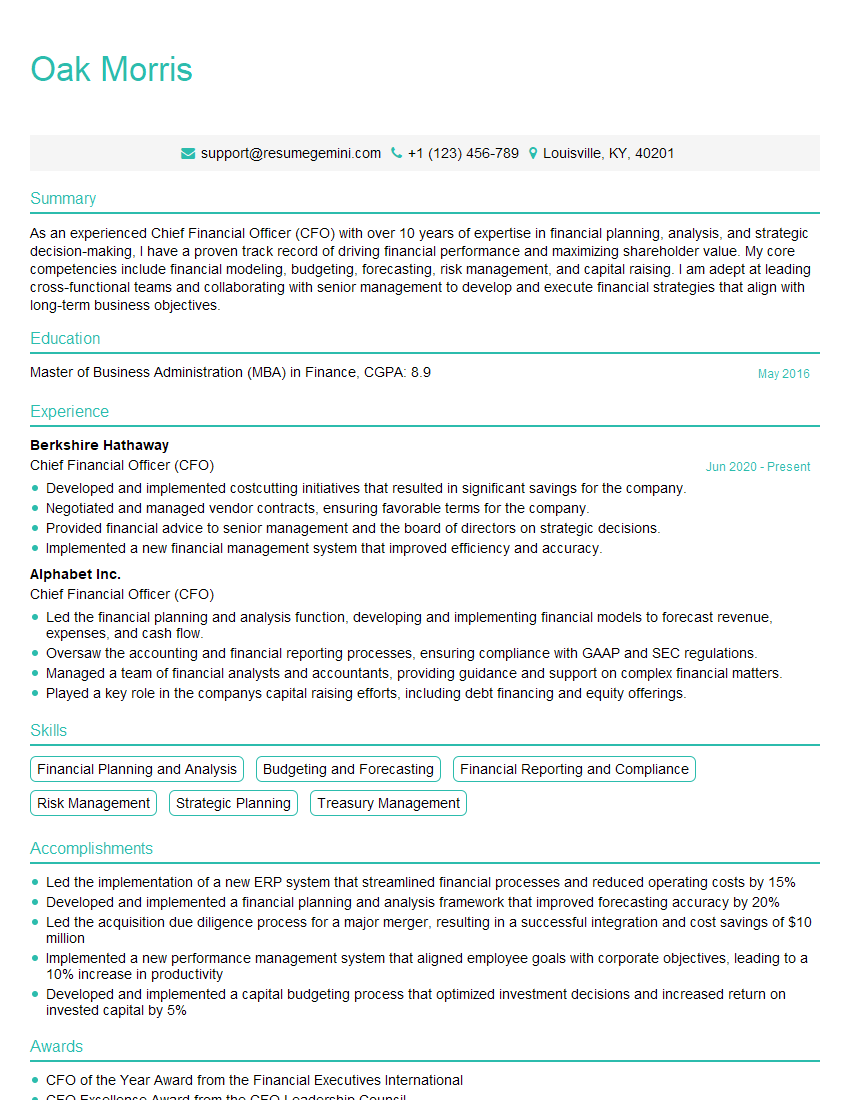
Chief Financial Officer (CFO) Resume Sample
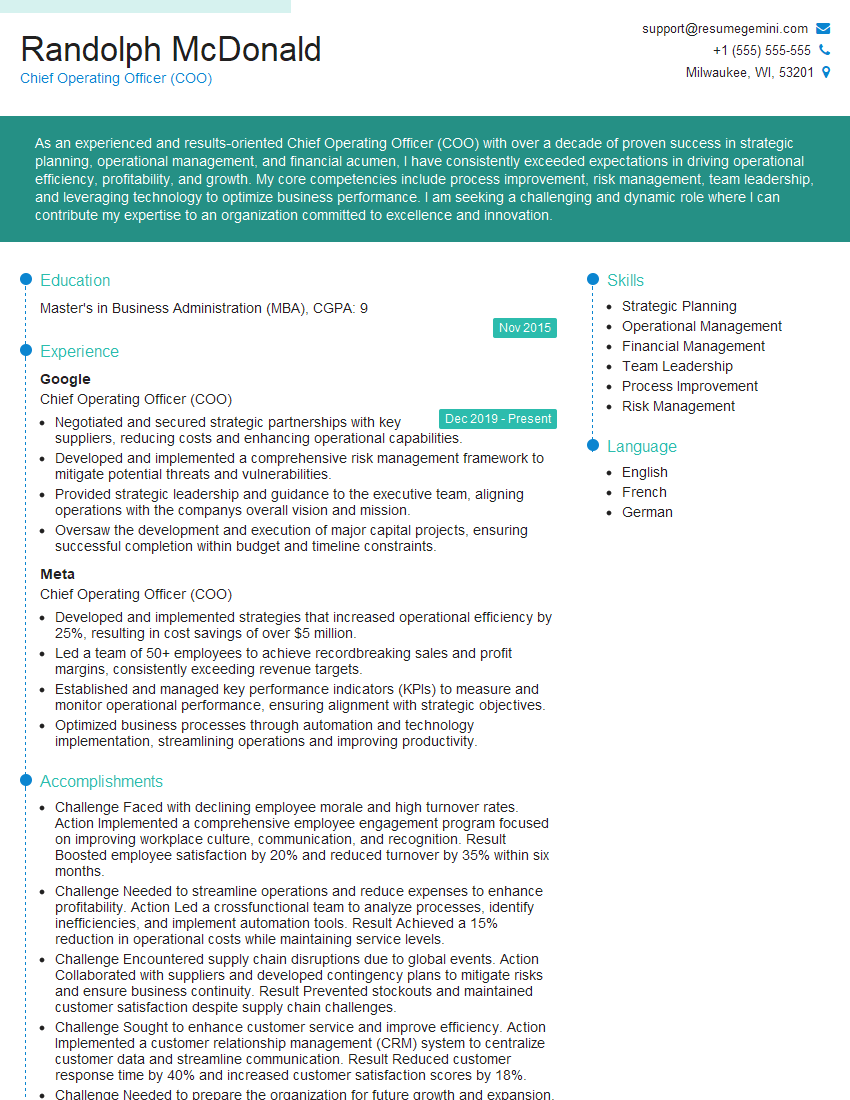
Chief Operating Officer (COO) Resume Sample
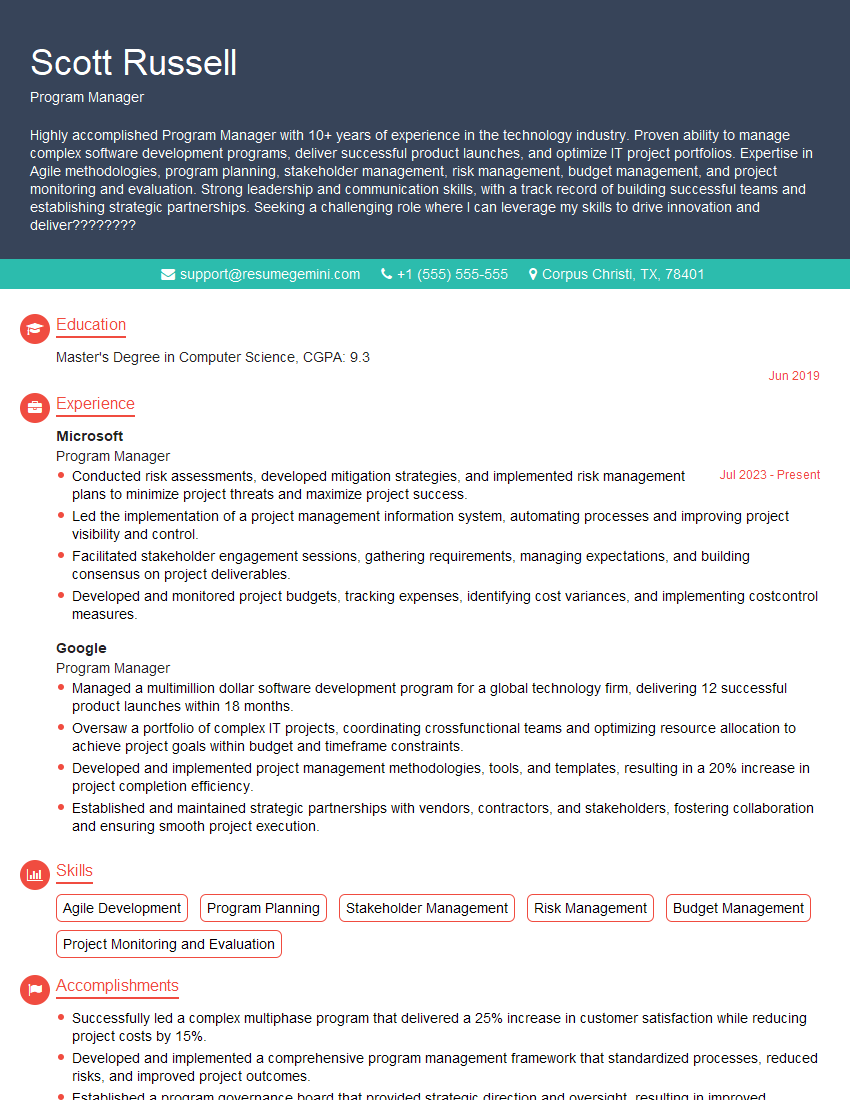
Program Manager Resume Sample
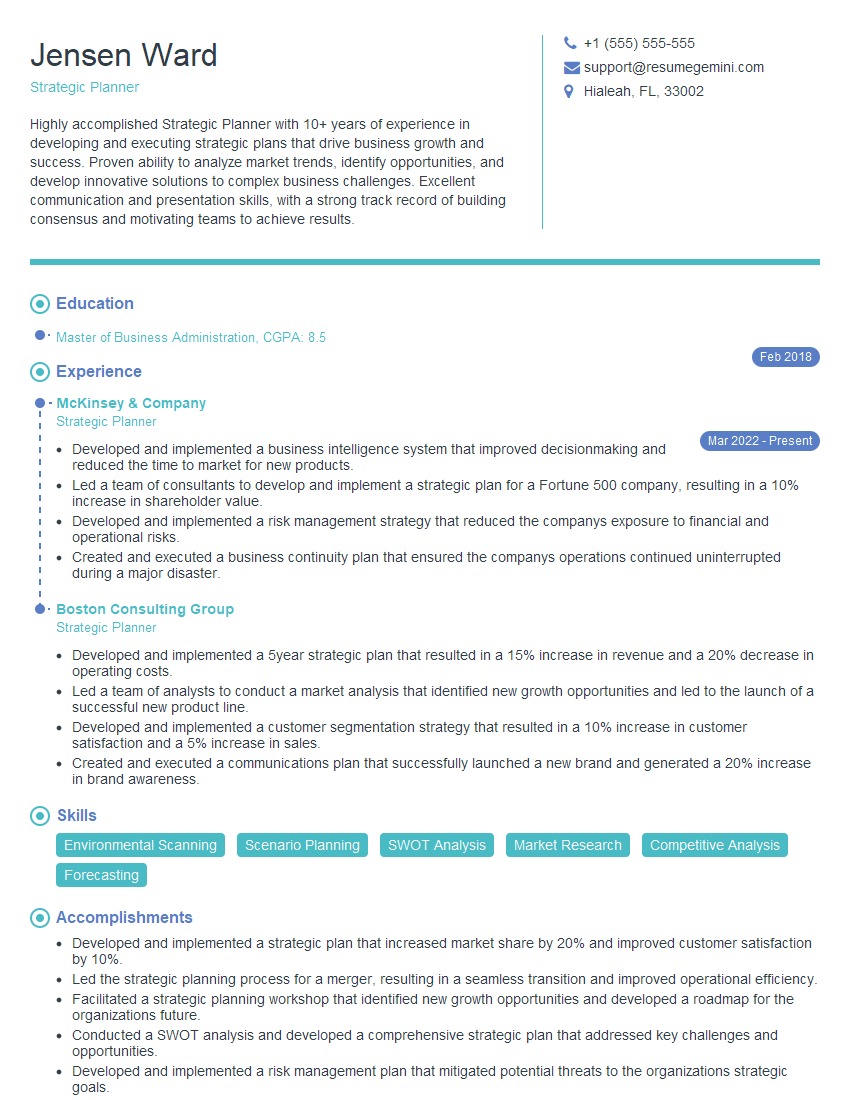
Strategic Planner Resume Sample

Operations Manager Resume Sample
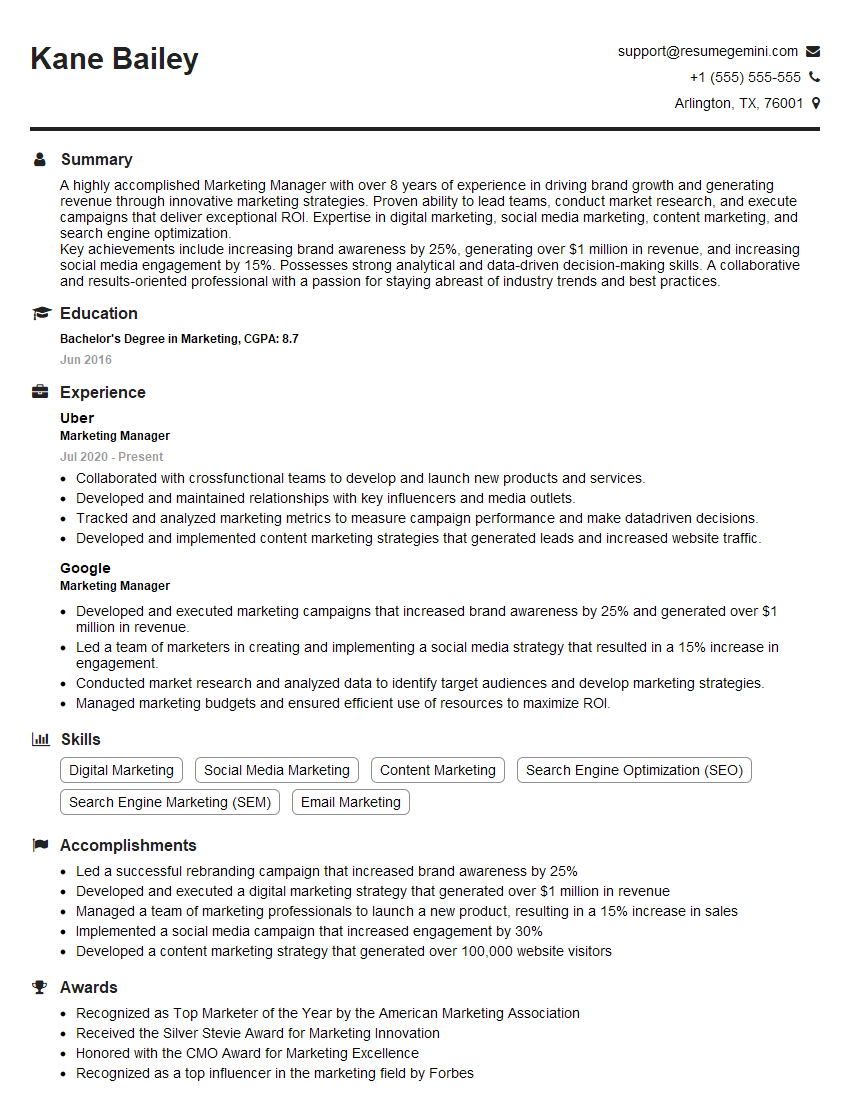
Marketing Manager Resume Sample
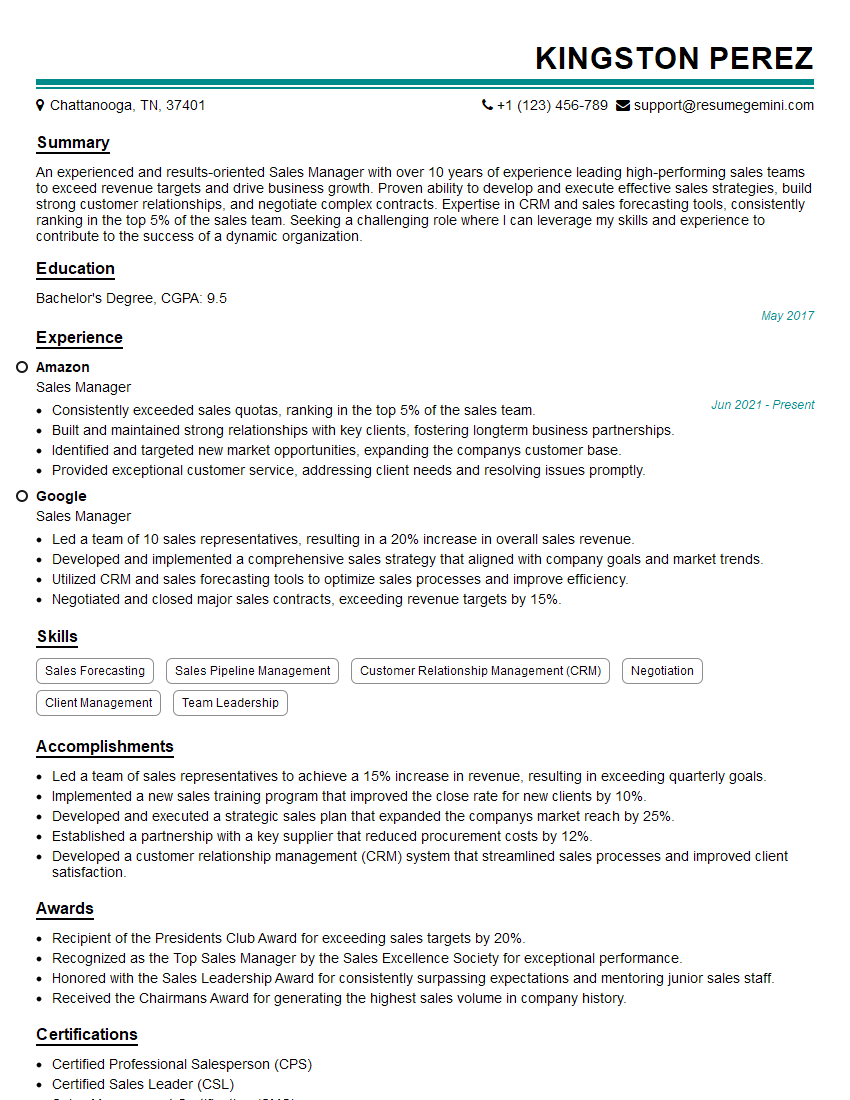
Sales Manager Resume Sample
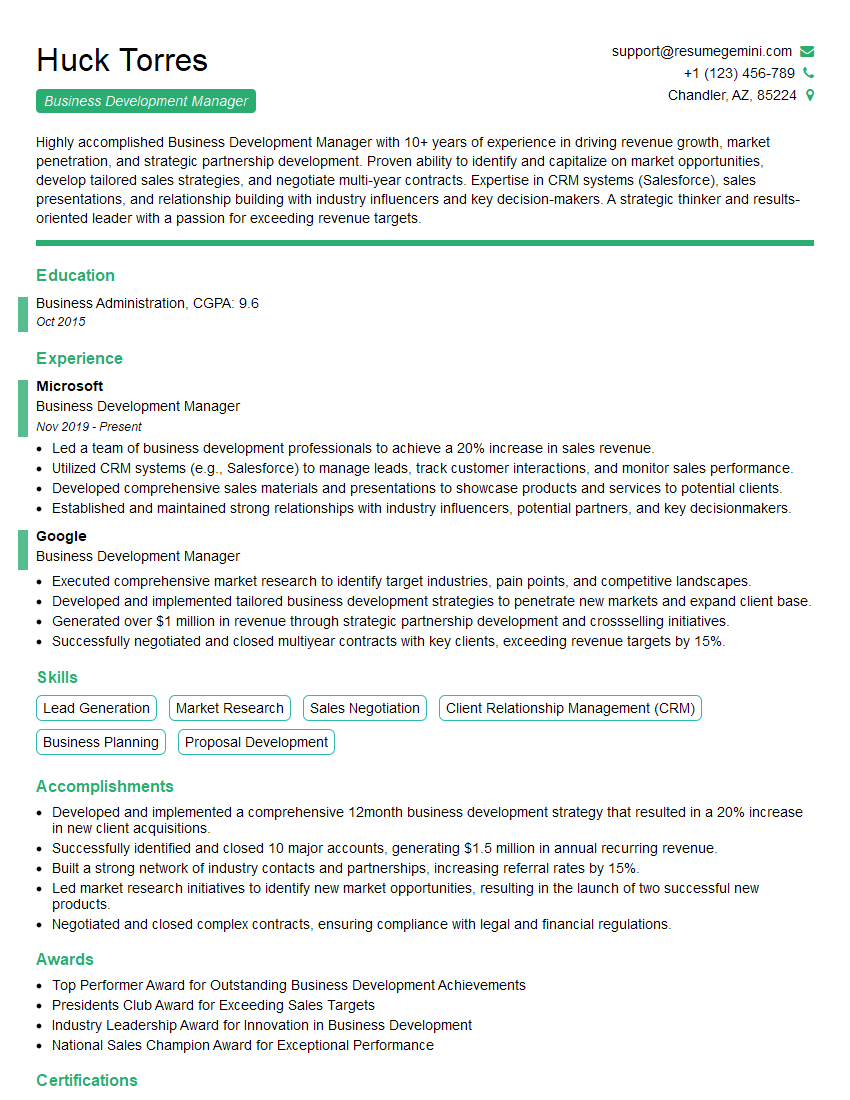
Business Development Manager Resume Sample
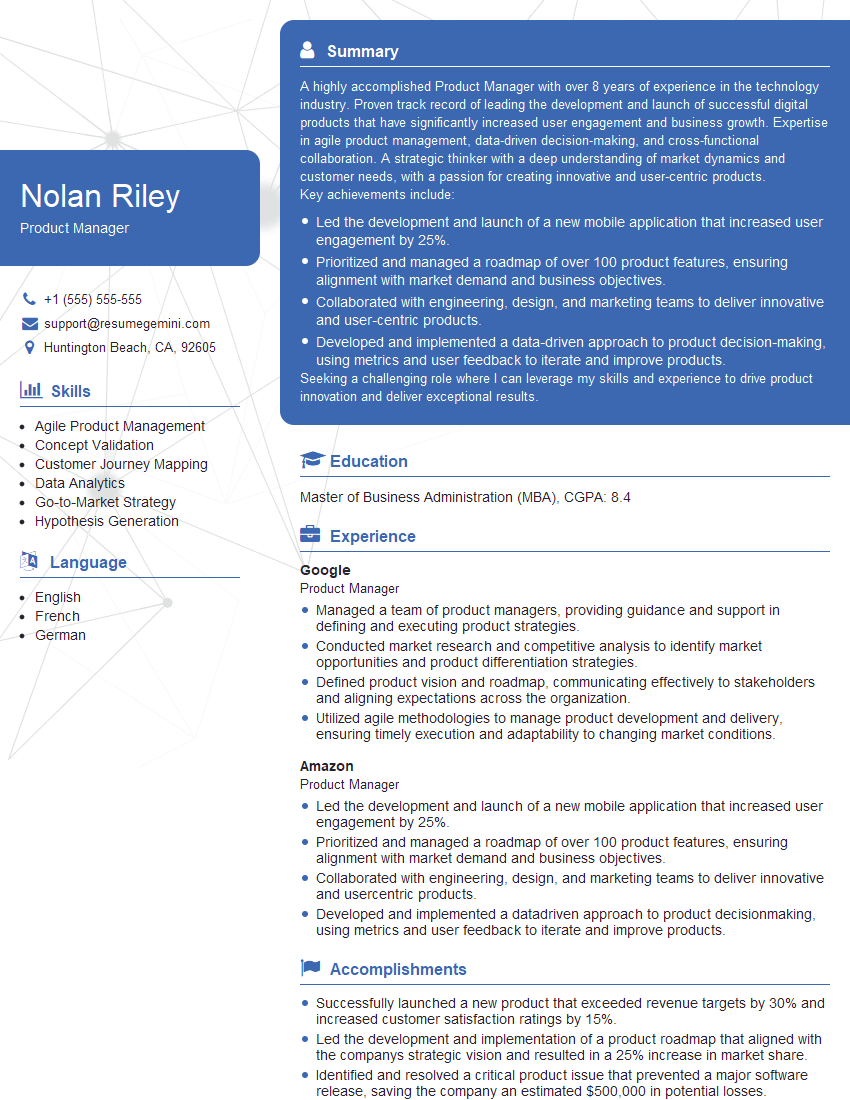
Product Manager Resume Sample
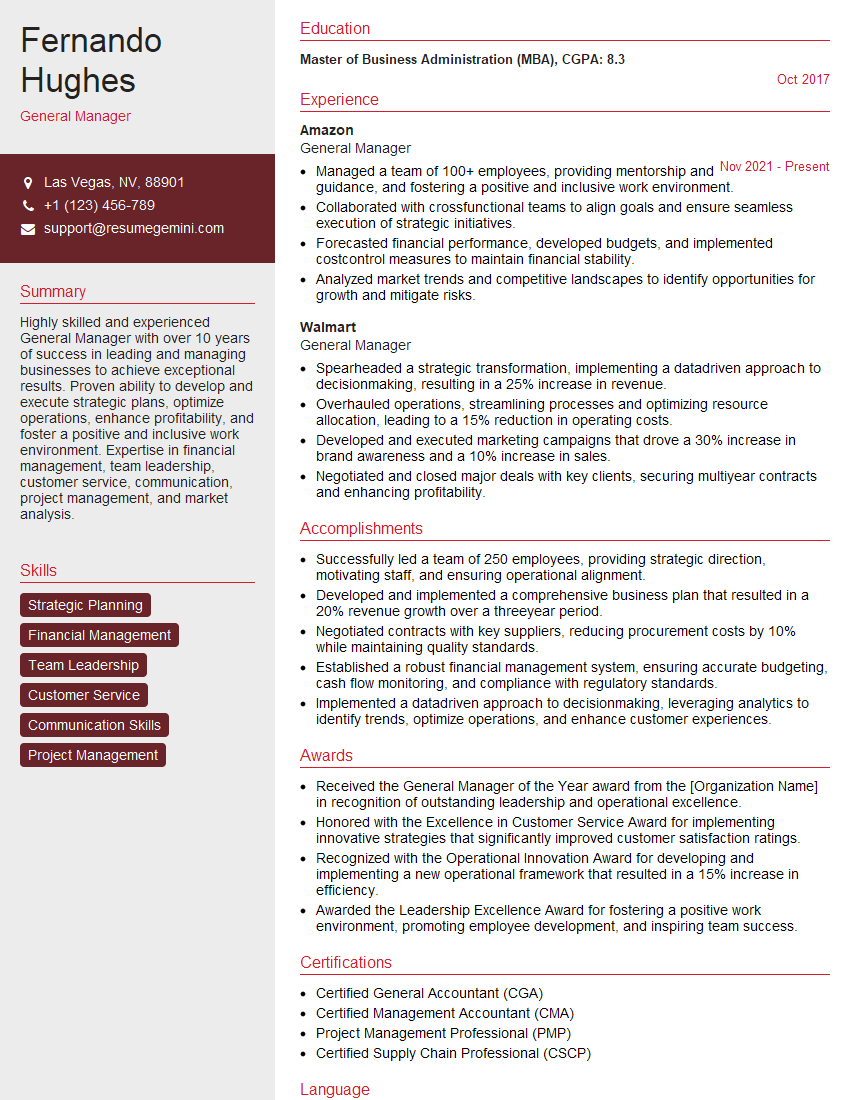
General Manager Resume Sample
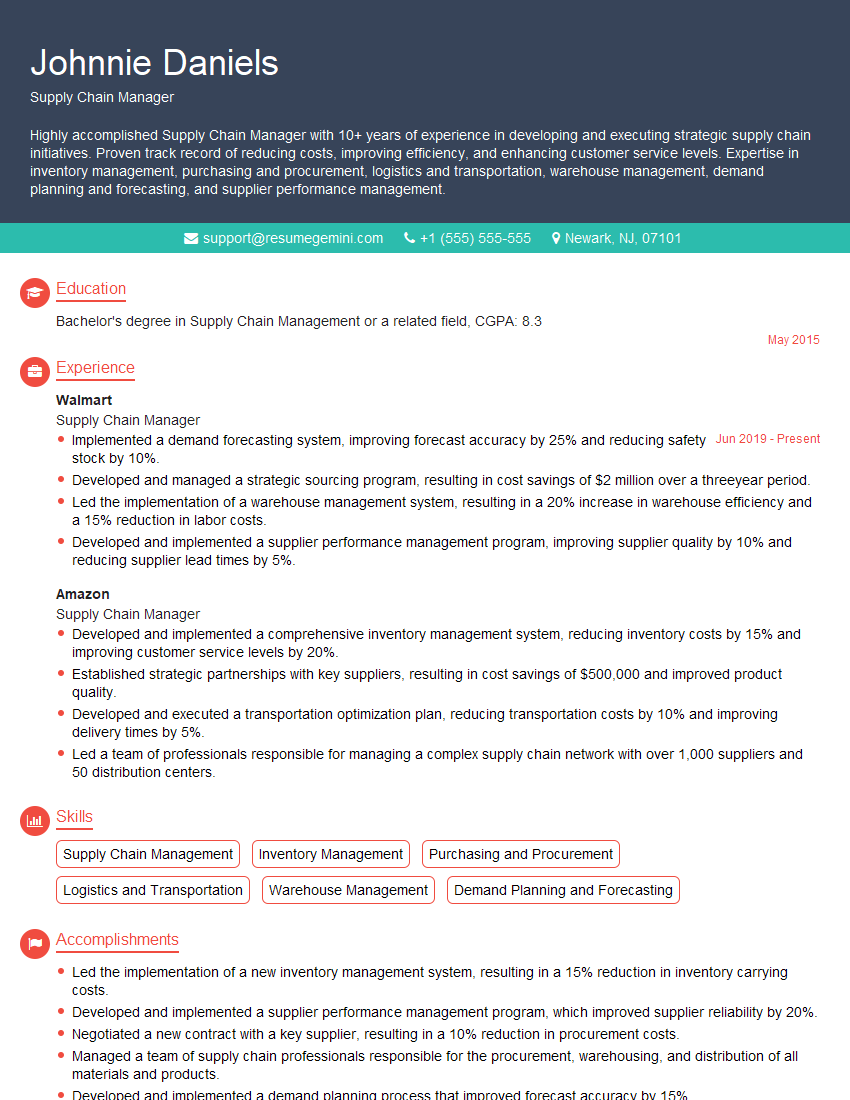
Supply Chain Manager Resume Sample
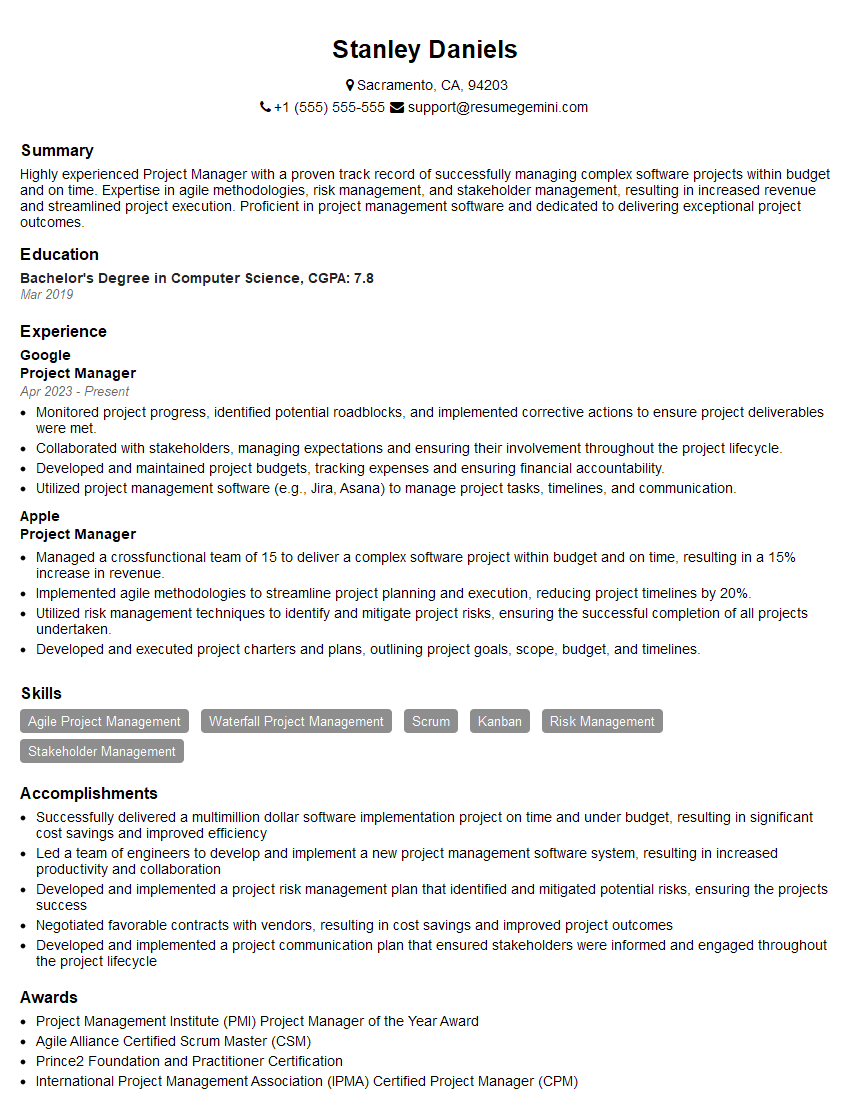
Project Manager Resume Sample
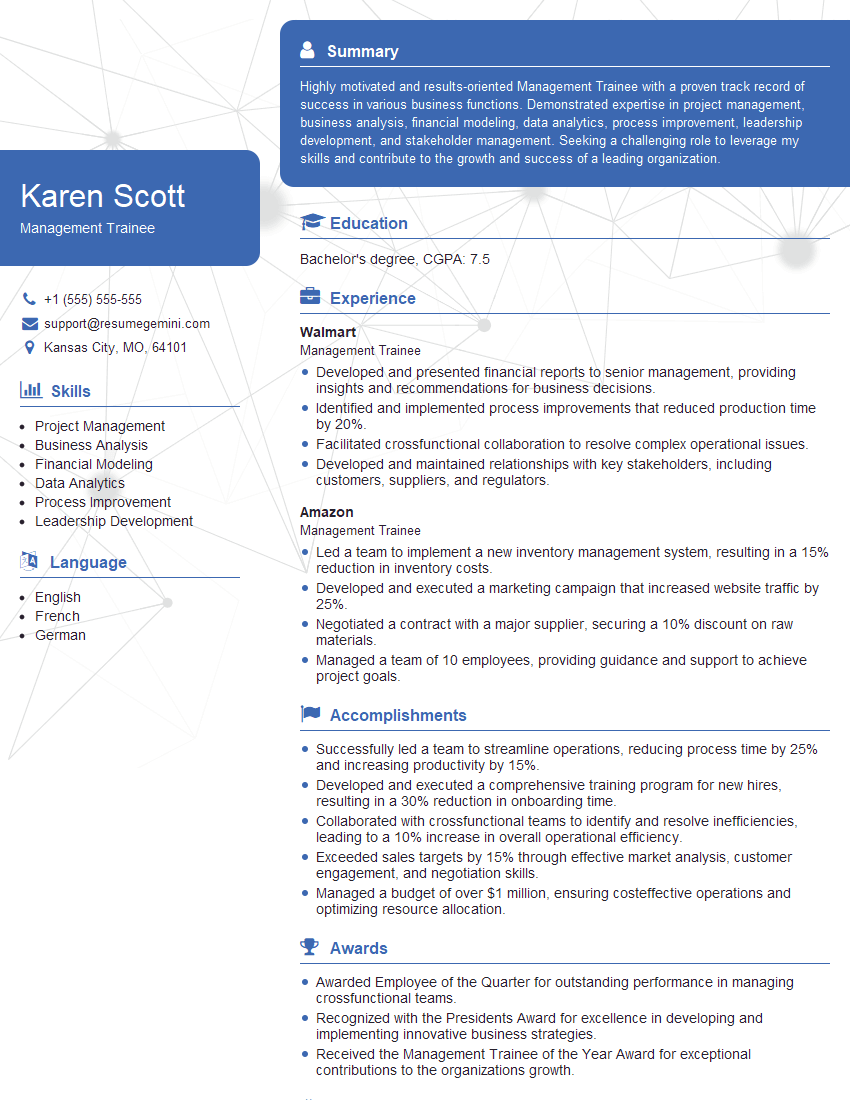
Management Trainee Resume Sample
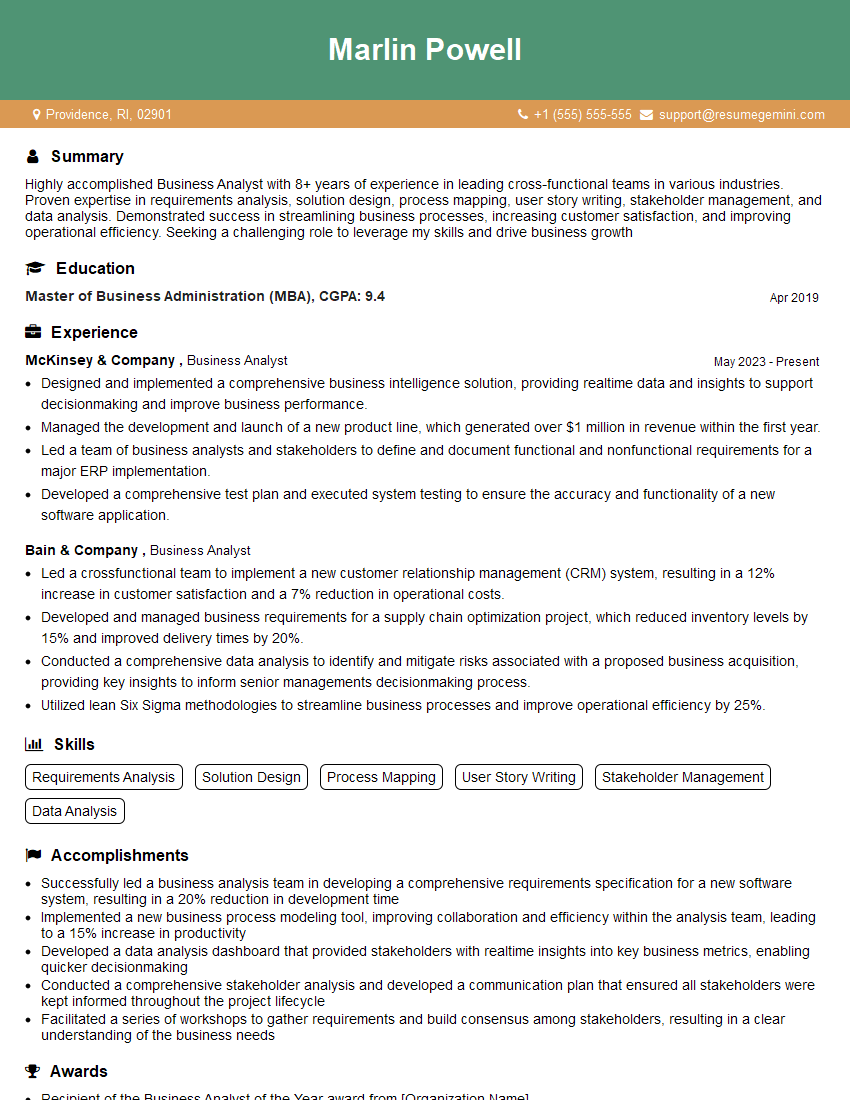
Business Analyst Resume Sample
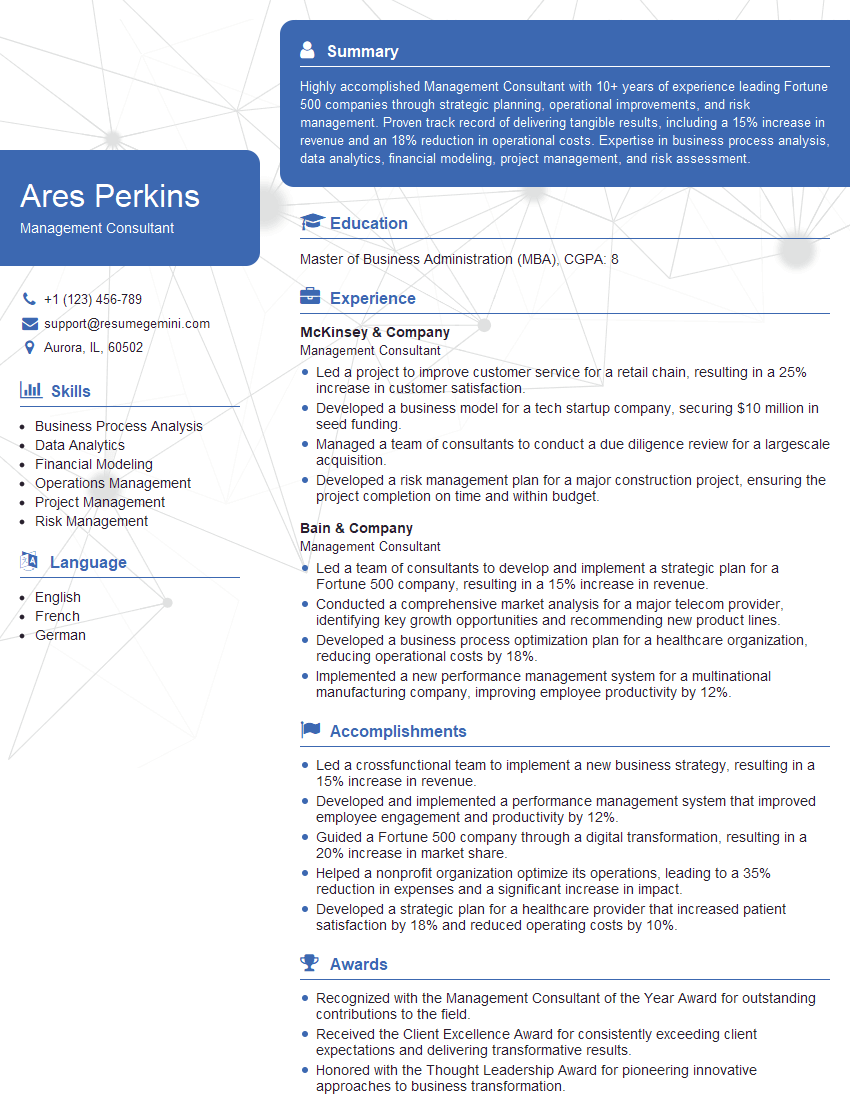
Management Consultant Resume Sample
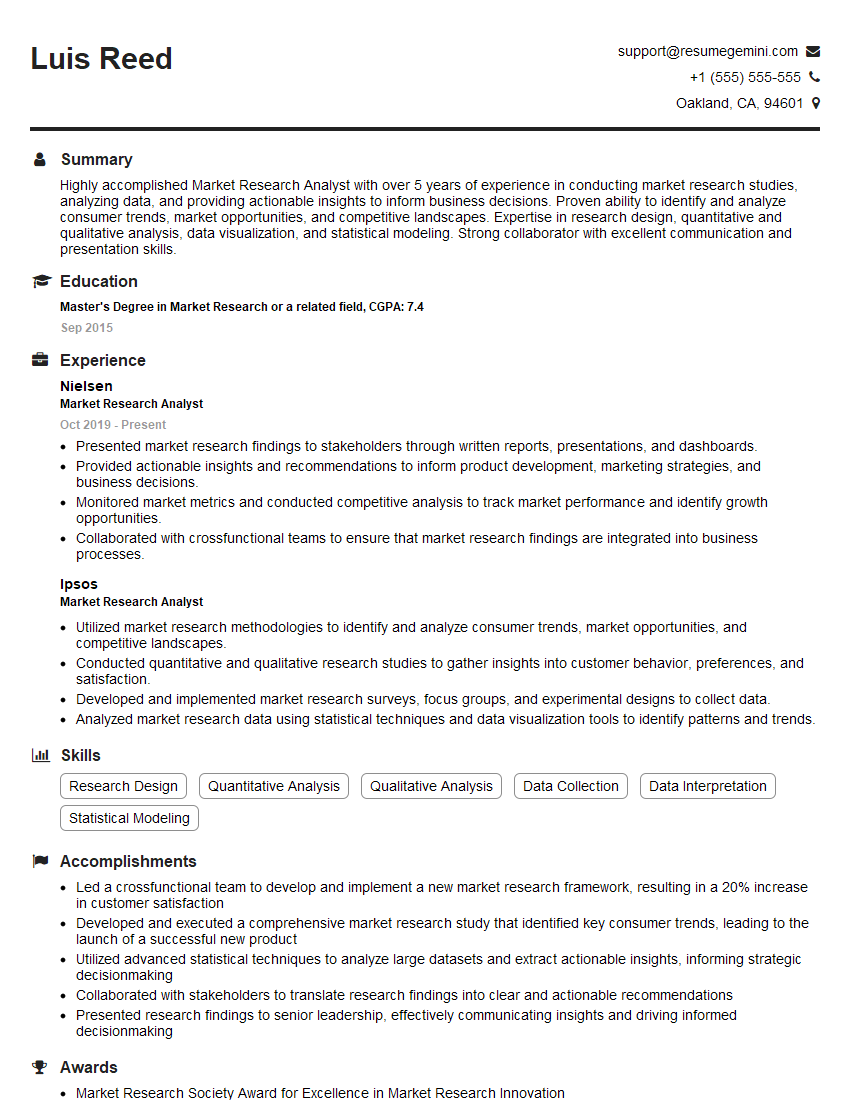
Market Research Analyst Resume Sample
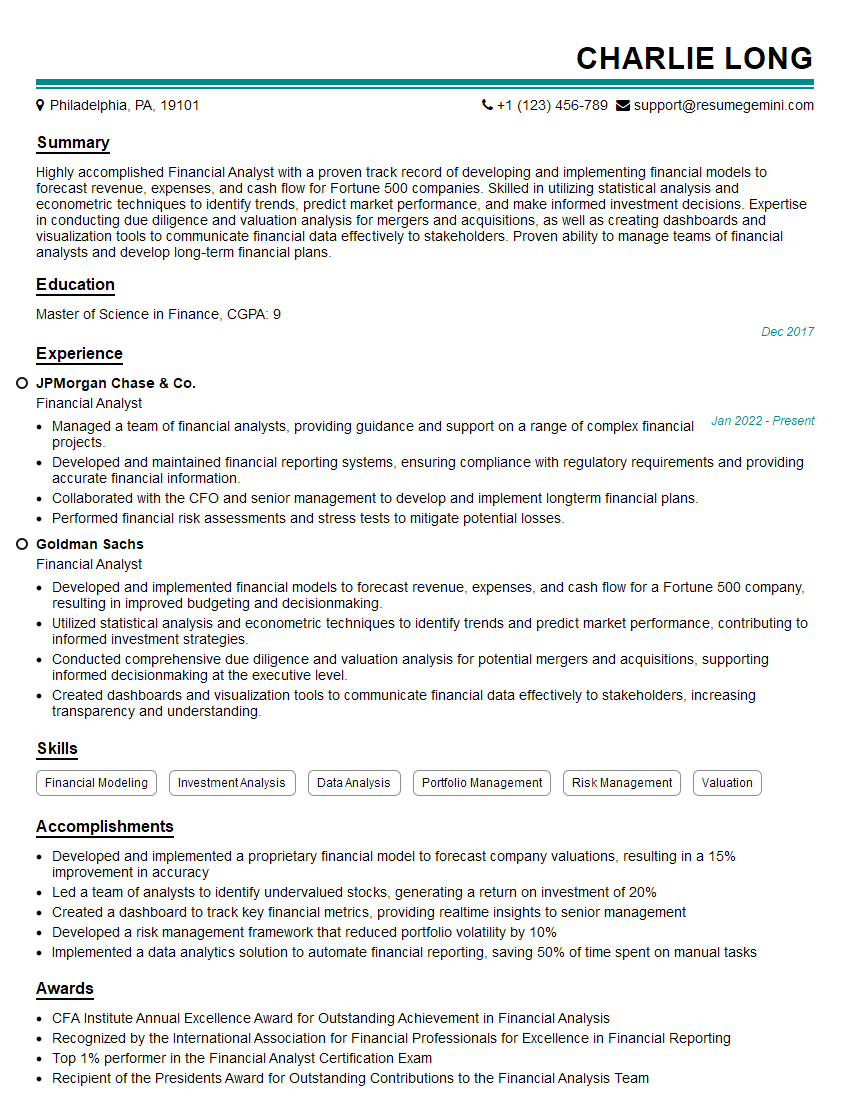
Financial Analyst Resume Sample
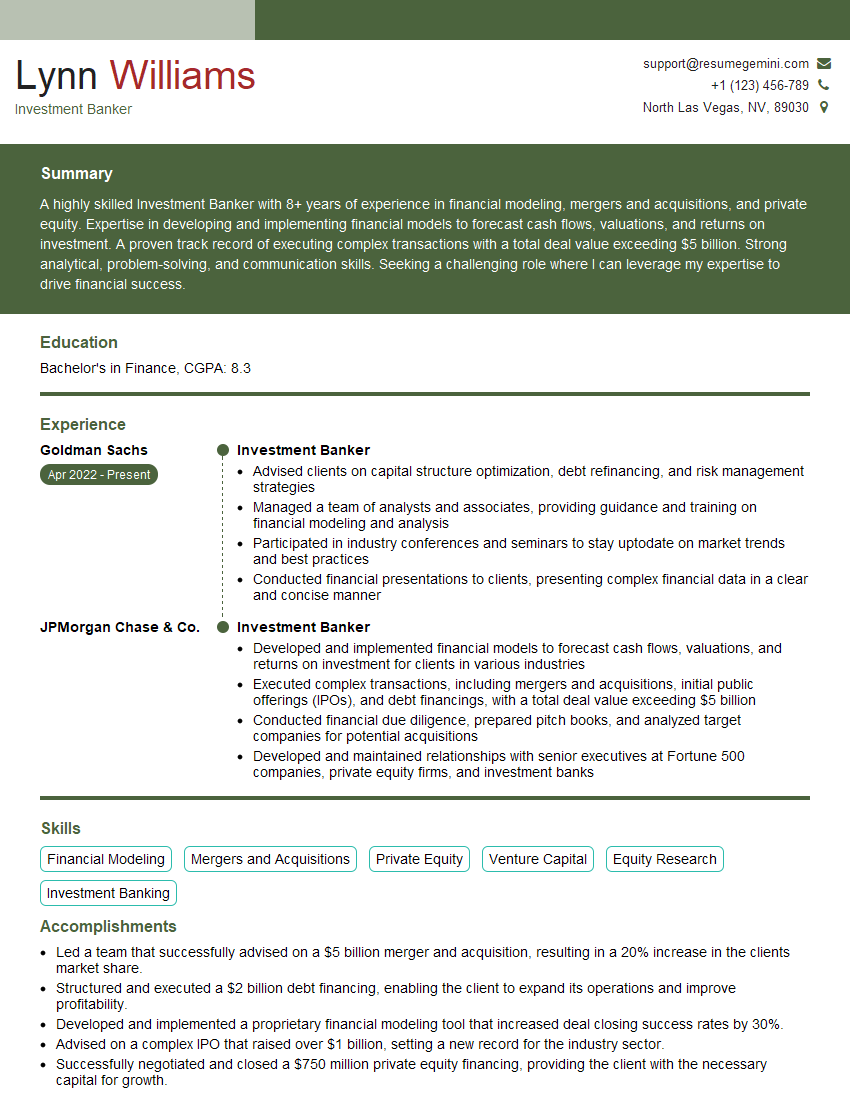
Investment Banker Resume Sample
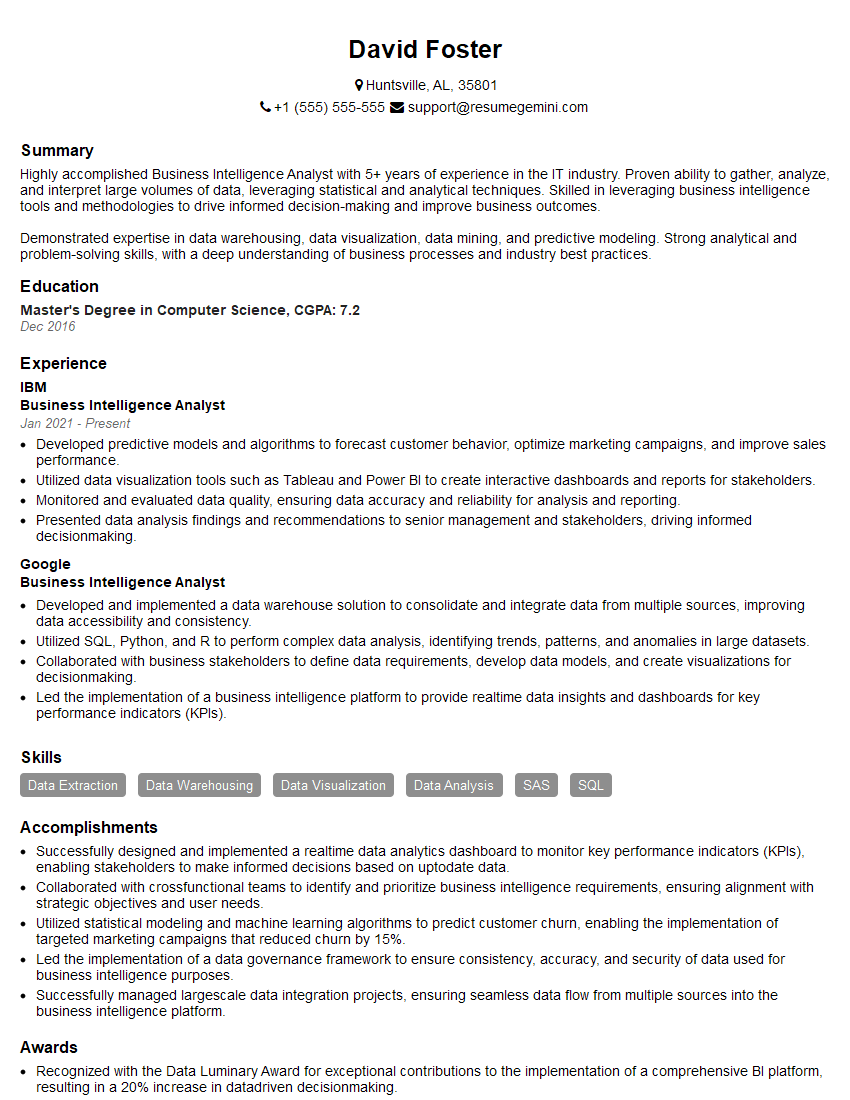
Business Intelligence Analyst Resume Sample
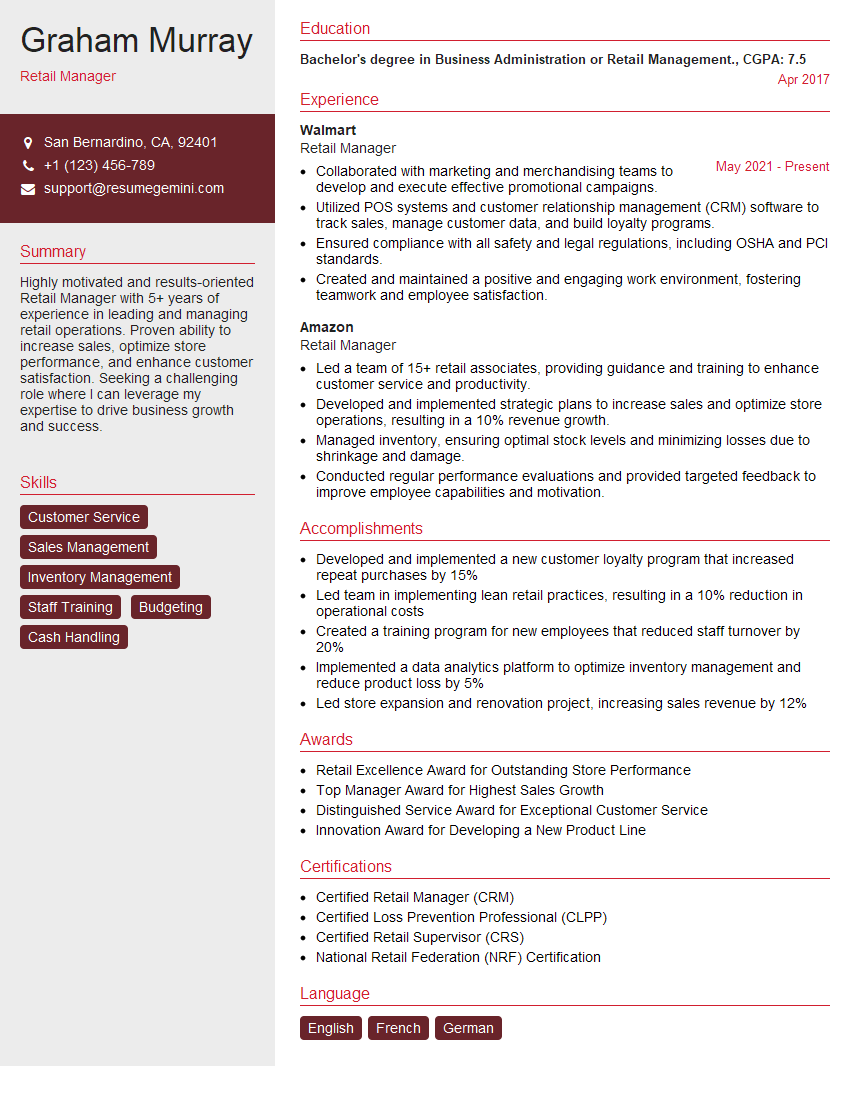
Retail Manager Resume Sample
- Chief Financial Officer (CFO)
- Chief Operating Officer (COO)
- Program Manager
- Strategic Planner
- Operations Manager
- Marketing Manager
- Sales Manager
- Business Development Manager
- Product Manager
- General Manager
- Supply Chain Manager
- Project Manager
- Management Trainee
- Business Analyst
- Management Consultant
- Market Research Analyst
- Financial Analyst
- Investment Banker
- Business Intelligence Analyst
- Retail Manager
Explore more articles
Users Rating of Our Blogs
Share Your Experience
We value your feedback! Please rate our content and share your thoughts (optional).
What Readers Say About Our Blog
Attention music lovers!
Wow, All the best Sax Summer music !!!
Spotify: https://open.spotify.com/artist/6ShcdIT7rPVVaFEpgZQbUk
Apple Music: https://music.apple.com/fr/artist/jimmy-sax-black/1530501936
YouTube: https://music.youtube.com/browse/VLOLAK5uy_noClmC7abM6YpZsnySxRqt3LoalPf88No
Other Platforms and Free Downloads : https://fanlink.tv/jimmysaxblack
on google : https://www.google.com/search?q=22+AND+22+AND+22
on ChatGPT : https://chat.openai.com?q=who20jlJimmy20Black20Sax20Producer
Get back into the groove with Jimmy sax Black
Best regards,
Jimmy sax Black
www.jimmysaxblack.com
Hi I am a troller at The aquatic interview center and I suddenly went so fast in Roblox and it was gone when I reset.
Hi,
Business owners spend hours every week worrying about their website—or avoiding it because it feels overwhelming.
We’d like to take that off your plate:
$69/month. Everything handled.
Our team will:
Design a custom website—or completely overhaul your current one
Take care of hosting as an option
Handle edits and improvements—up to 60 minutes of work included every month
No setup fees, no annual commitments. Just a site that makes a strong first impression.
Find out if it’s right for you:
https://websolutionsgenius.com/awardwinningwebsites
Hello,
we currently offer a complimentary backlink and URL indexing test for search engine optimization professionals.
You can get complimentary indexing credits to test how link discovery works in practice.
No credit card is required and there is no recurring fee.
You can find details here:
https://wikipedia-backlinks.com/indexing/
Regards
NICE RESPONSE TO Q & A
hi
The aim of this message is regarding an unclaimed deposit of a deceased nationale that bears the same name as you. You are not relate to him as there are millions of people answering the names across around the world. But i will use my position to influence the release of the deposit to you for our mutual benefit.
Respond for full details and how to claim the deposit. This is 100% risk free. Send hello to my email id: lukachachibaialuka@gmail.com
Luka Chachibaialuka
Hey interviewgemini.com, just wanted to follow up on my last email.
We just launched Call the Monster, an parenting app that lets you summon friendly ‘monsters’ kids actually listen to.
We’re also running a giveaway for everyone who downloads the app. Since it’s brand new, there aren’t many users yet, which means you’ve got a much better chance of winning some great prizes.
You can check it out here: https://bit.ly/callamonsterapp
Or follow us on Instagram: https://www.instagram.com/callamonsterapp
Thanks,
Ryan
CEO – Call the Monster App
Hey interviewgemini.com, I saw your website and love your approach.
I just want this to look like spam email, but want to share something important to you. We just launched Call the Monster, a parenting app that lets you summon friendly ‘monsters’ kids actually listen to.
Parents are loving it for calming chaos before bedtime. Thought you might want to try it: https://bit.ly/callamonsterapp or just follow our fun monster lore on Instagram: https://www.instagram.com/callamonsterapp
Thanks,
Ryan
CEO – Call A Monster APP
To the interviewgemini.com Owner.
Dear interviewgemini.com Webmaster!
Hi interviewgemini.com Webmaster!
Dear interviewgemini.com Webmaster!
excellent
Hello,
We found issues with your domain’s email setup that may be sending your messages to spam or blocking them completely. InboxShield Mini shows you how to fix it in minutes — no tech skills required.
Scan your domain now for details: https://inboxshield-mini.com/
— Adam @ InboxShield Mini
support@inboxshield-mini.com
Reply STOP to unsubscribe
Hi, are you owner of interviewgemini.com? What if I told you I could help you find extra time in your schedule, reconnect with leads you didn’t even realize you missed, and bring in more “I want to work with you” conversations, without increasing your ad spend or hiring a full-time employee?
All with a flexible, budget-friendly service that could easily pay for itself. Sounds good?
Would it be nice to jump on a quick 10-minute call so I can show you exactly how we make this work?
Best,
Hapei
Marketing Director
Hey, I know you’re the owner of interviewgemini.com. I’ll be quick.
Fundraising for your business is tough and time-consuming. We make it easier by guaranteeing two private investor meetings each month, for six months. No demos, no pitch events – just direct introductions to active investors matched to your startup.
If youR17;re raising, this could help you build real momentum. Want me to send more info?
Hi, I represent an SEO company that specialises in getting you AI citations and higher rankings on Google. I’d like to offer you a 100% free SEO audit for your website. Would you be interested?
Hi, I represent an SEO company that specialises in getting you AI citations and higher rankings on Google. I’d like to offer you a 100% free SEO audit for your website. Would you be interested?