Cracking a skill-specific interview, like one for Understanding of environmental regulations and permitting, requires understanding the nuances of the role. In this blog, we present the questions you’re most likely to encounter, along with insights into how to answer them effectively. Let’s ensure you’re ready to make a strong impression.
Questions Asked in Understanding of environmental regulations and permitting Interview
Q 1. Explain the difference between a permit and a license in environmental regulations.
While both permits and licenses grant authorization to undertake specific activities, they differ significantly in their scope and purpose within environmental regulations. A permit is typically issued for activities that have a potential for significant environmental impact and require detailed review and monitoring. Think of it as a detailed authorization outlining specific conditions to minimize environmental harm. A license, on the other hand, is generally broader, focusing more on the legal right to operate or engage in a particular business. It might not delve as deeply into specific environmental impacts as a permit would.
For example, discharging wastewater into a waterway requires a detailed discharge permit (like an NPDES permit under the Clean Water Act) specifying limits on pollutants. Contrast this with a business license to operate a restaurant – while environmental regulations still apply, the license itself doesn’t specify individual pollution limits in the same way a permit would.
Q 2. Describe your experience with the National Environmental Policy Act (NEPA).
My experience with the National Environmental Policy Act (NEPA) is extensive. I’ve been involved in numerous NEPA reviews, both as a consultant and as a regulatory professional. This includes preparing Environmental Assessments (EAs) and Environmental Impact Statements (EISs) for large-scale projects like highway construction and energy development.
I understand the tiered process – from initial Categorical Exclusions determining whether a full EA or EIS is needed, to the scoping process involving public input, and finally to the decision-making phase involving consideration of the environmental consequences and alternatives. I’m familiar with the legal requirements and best practices for ensuring compliance with NEPA throughout the project lifecycle. A recent project I led involved an EIS for a wind farm; navigating potential impacts to migratory birds was a crucial aspect of the process.
Q 3. How familiar are you with the Clean Water Act (CWA) and its permitting process?
I am very familiar with the Clean Water Act (CWA) and its permitting process. The CWA regulates the discharge of pollutants into waters of the United States. The cornerstone of this regulation is the National Pollutant Discharge Elimination System (NPDES) permit program.
My experience includes assisting clients in obtaining NPDES permits for industrial discharges, stormwater discharges, and even for construction activities that disturb waterways. I understand the requirements for permit applications, including the preparation of detailed effluent monitoring plans and compliance reports. I’m also well-versed in the various types of CWA permits, including individual permits, general permits, and state-administered programs. I’ve worked on projects dealing with Total Maximum Daily Loads (TMDLs) for impaired water bodies, demonstrating my understanding of CWA’s broader approach to water quality management.
Q 4. What is your understanding of the Clean Air Act (CAA) and its associated regulations?
The Clean Air Act (CAA) is a comprehensive piece of legislation addressing air pollution. My understanding of the CAA encompasses its various components, including the National Ambient Air Quality Standards (NAAQS) that set limits for criteria pollutants like ozone and particulate matter, as well as the New Source Performance Standards (NSPS) that establish emission limitations for new or modified sources.
I’m familiar with the permitting process under Title V of the CAA, particularly for major stationary sources, which requires obtaining operating permits that outline specific emission limitations and compliance monitoring requirements. I have experience working with companies to ensure their operations are compliant with state implementation plans (SIPs) designed to meet the NAAQS. Recently, I advised a manufacturing facility on upgrades to their emission control systems to comply with stricter NSPS regulations.
Q 5. Explain the process of obtaining an environmental permit. What are the key steps?
Obtaining an environmental permit is a multi-step process, varying depending on the specific permit and the regulatory agency. However, the general steps typically include:
- Initial Assessment: Determining the type of permit needed and potential environmental impacts.
- Permit Application Preparation: Gathering data, conducting necessary studies (e.g., environmental impact assessments), and completing the permit application forms.
- Application Submission: Submitting the application and any required supporting documentation to the relevant regulatory agency.
- Agency Review: The agency reviews the application, potentially requesting additional information or clarifications.
- Public Comment Period (Often): The agency might open a public comment period for stakeholders to provide input.
- Permit Issuance (or Denial): Based on the review, the agency either issues the permit with specific conditions or denies the application.
- Permit Compliance: Implementing the conditions specified in the permit and conducting regular monitoring and reporting.
Failing to follow these steps can result in delays, permit denial, and potential legal consequences.
Q 6. How do you ensure compliance with environmental regulations?
Ensuring compliance with environmental regulations requires a proactive and multi-faceted approach. This includes:
- Establishing a robust Environmental Management System (EMS): This system helps track regulatory requirements, manage compliance obligations, and identify potential issues before they become violations.
- Implementing effective training programs: Ensuring that employees understand the relevant regulations and their responsibilities.
- Regular environmental monitoring and reporting: Tracking emissions, discharges, and other environmental parameters to identify potential non-compliance issues early on.
- Maintaining detailed records: Keeping thorough documentation of all environmental activities and compliance efforts.
- Conducting regular internal audits: Evaluating the effectiveness of the EMS and identifying areas for improvement.
- Promptly addressing any non-compliance issues: Developing and implementing corrective actions to prevent future violations.
Proactive compliance not only avoids penalties but also protects environmental resources and the company’s reputation.
Q 7. Describe your experience with environmental audits and inspections.
I have significant experience with environmental audits and inspections, both from the perspective of the auditor and the auditee. I’ve conducted numerous environmental audits for various industries, including manufacturing, energy, and construction. This involved reviewing environmental permits, evaluating compliance with regulatory requirements, and identifying areas for improvement.
My experience also includes participating in regulatory inspections conducted by environmental agencies. I’ve coordinated with inspectors, provided necessary documentation, and assisted in addressing any inspection findings. I’m skilled in preparing corrective action plans and implementing improvements to ensure future compliance. For instance, I helped a manufacturing plant navigate a state-level inspection by providing detailed records, demonstrating their commitment to environmental protection, and ultimately avoiding any penalties. Understanding both sides of the audit/inspection process provides a valuable perspective for ensuring ongoing compliance.
Q 8. What are your methods for identifying potential environmental liabilities?
Identifying potential environmental liabilities involves a systematic approach combining due diligence, regulatory research, and site-specific assessments. Think of it like a detective investigating a crime scene – you need to gather all the evidence.
Phase I Environmental Site Assessment (ESA): This is the initial step, often involving a review of historical records (title searches, aerial photos, interviews with past occupants), to identify potential sources of contamination. For example, discovering a former gas station on a property would trigger further investigation.
Phase II ESA: If Phase I reveals potential concerns, this phase includes soil and groundwater sampling to confirm the presence and extent of contamination. Imagine this as taking fingerprints at the crime scene to confirm your suspicions.
Regulatory Research: Checking with the relevant environmental agencies (e.g., EPA, state departments of environmental quality) to understand applicable regulations and permitting requirements is crucial. This ensures we understand the legal ramifications of any discovered contamination.
Interviews and Records Review: Talking to current and previous owners, operators, and employees can shed light on past activities that might have caused environmental damage. These conversations can uncover crucial information missed in other assessments.
By systematically applying these methods, we can accurately assess potential liabilities and develop strategies for mitigation and remediation.
Q 9. How do you handle environmental non-compliance issues?
Handling environmental non-compliance is a serious matter that demands prompt and decisive action. My approach is based on transparency, collaboration, and a commitment to corrective actions. It’s like fixing a broken appliance – you need to identify the problem, fix it, and prevent future issues.
Immediate Corrective Action: The first step is to cease the non-compliant activity and take immediate steps to mitigate any environmental harm. For instance, if a spill occurs, immediate cleanup is paramount.
Internal Investigation: Conduct a thorough investigation to determine the root cause of the non-compliance. This may involve reviewing internal procedures, employee training, and equipment maintenance.
Reporting to Regulatory Agencies: Timely and accurate reporting to the relevant authorities is essential. This demonstrates our commitment to transparency and cooperation.
Developing a Corrective Action Plan (CAP): This plan outlines specific steps to rectify the non-compliance, prevent recurrence, and demonstrate compliance moving forward. Imagine it as the repair manual for fixing the broken appliance, ensuring future functionality.
Ongoing Monitoring: Consistent monitoring helps ensure the effectiveness of the CAP and demonstrates our commitment to maintaining compliance. This step acts as a preventative measure, ensuring the appliance remains in good working order.
Effective management of non-compliance requires a proactive and collaborative approach, balancing environmental protection with operational efficiency.
Q 10. What is your experience with environmental impact assessments (EIAs)?
Environmental Impact Assessments (EIAs) are crucial for evaluating the potential environmental consequences of proposed projects. I have extensive experience leading and contributing to EIAs across various sectors. It’s like a pre-flight check for a project, ensuring everything runs smoothly and safely.
Scoping and Baseline Studies: This involves identifying the potential impacts of the project and collecting data to establish a baseline understanding of the environment before project commencement. This sets the stage for the investigation.
Impact Prediction and Assessment: Using modeling and other analytical techniques, we predict the potential environmental impacts. For example, we might model the effect of a new highway on air quality or water flow.
Mitigation Measures: Identifying and recommending measures to reduce or eliminate negative impacts is essential. These might include noise barriers, wetland restoration plans, or alternative construction methods.
Public Consultation: Engaging with the public and stakeholders is a critical part of the process. This ensures that concerns are addressed and the project is acceptable to the community.
Report Preparation and Review: The EIA culminates in a comprehensive report that summarizes the findings, proposed mitigation measures, and overall environmental implications of the project. This report becomes the blueprint for the project’s environmental considerations.
My experience encompasses a wide range of projects, from infrastructure development to industrial facilities, ensuring a thorough and comprehensive assessment.
Q 11. Describe your familiarity with environmental remediation techniques.
Environmental remediation techniques involve the cleanup or restoration of contaminated sites. It’s like cleaning up a messy room – you need the right tools and methods for the specific type of mess.
Soil Remediation: Techniques include excavation and disposal, bioremediation (using microorganisms to break down contaminants), soil washing, and thermal desorption.
Groundwater Remediation: Methods include pump and treat systems, in-situ bioremediation, and permeable reactive barriers.
Air Remediation: This might involve installing air scrubbers, filters, or using other technologies to clean contaminated air.
The choice of remediation technique depends on factors like the type and extent of contamination, the site geology, and cost-effectiveness. My experience includes selecting and overseeing the implementation of appropriate remediation strategies, ensuring compliance with regulatory requirements and achieving site closure.
Q 12. How do you stay updated on changes in environmental regulations?
Staying updated on environmental regulations is crucial for maintaining compliance and avoiding potential liabilities. It’s like keeping your car’s software updated – you need to stay current with changes to avoid issues.
Subscription to Regulatory Updates: I subscribe to newsletters and publications from relevant agencies like the EPA and state environmental agencies.
Professional Associations and Networks: Participation in professional organizations provides access to webinars, conferences, and networking opportunities, keeping me abreast of the latest developments and best practices.
Legal Databases and Online Resources: I use legal databases to access and research the most up-to-date regulations and case law.
Continuous Learning: I actively engage in professional development courses and workshops to stay current with emerging environmental challenges and technological advancements.
This multi-faceted approach allows me to promptly adapt my practices to meet ever-evolving regulatory demands.
Q 13. What is your experience with environmental monitoring and reporting?
Environmental monitoring and reporting are crucial for demonstrating compliance and tracking the effectiveness of environmental management programs. It’s like monitoring your health – regular checks keep you informed and healthy.
Sampling and Analysis: Collecting samples of air, water, soil, and other environmental media, then analyzing them for contaminants.
Data Management and Reporting: Organizing and analyzing the data, then preparing reports to regulatory agencies and stakeholders. This often involves using specialized software to track progress and prepare compliant reports.
Compliance Reporting: Preparing and submitting reports to regulatory agencies in accordance with their requirements. This often includes creating accurate and detailed reports using established templates.
Data Interpretation and Corrective Actions: Identifying trends, outliers, and potential issues, then taking appropriate corrective actions if necessary.
My experience includes developing and implementing robust monitoring programs, ensuring data quality and accuracy, and timely reporting to ensure regulatory compliance.
Q 14. Explain your understanding of environmental risk assessment.
Environmental risk assessment involves identifying, analyzing, and evaluating the potential risks posed by environmental hazards. It’s like assessing the risk of a hurricane – you evaluate the probability and the impact.
Hazard Identification: Identifying potential environmental hazards, such as chemical spills, air pollution, or climate change impacts.
Exposure Assessment: Determining the likelihood and extent of exposure to those hazards. For example, how many people might be exposed to air pollution from a factory?
Dose-Response Assessment: Evaluating the relationship between exposure and the potential for adverse health or ecological effects.
Risk Characterization: Combining the probability of exposure with the severity of potential effects to determine the overall risk. This creates a clear picture of the potential consequences.
Risk Management: Developing and implementing strategies to reduce or mitigate identified risks. This might involve implementing engineering controls, developing emergency response plans, or modifying operating procedures.
A thorough environmental risk assessment provides a framework for making informed decisions to protect human health and the environment.
Q 15. How do you manage environmental data and ensure its accuracy?
Managing environmental data accurately is crucial for compliance and informed decision-making. It involves a multi-step process. First, I utilize a robust data management system, often a dedicated Environmental Information Management System (EIMS), which allows for centralized storage, version control, and easy retrieval of all relevant data – everything from air emissions monitoring results to waste disposal records.
Secondly, data quality is paramount. I implement rigorous quality control procedures, including regular data validation checks, cross-referencing with other data sources, and utilizing data analytics to identify inconsistencies or outliers. This might involve using statistical methods to detect anomalies or comparing readings against historical trends to spot unusual patterns. For example, if a particular water quality parameter shows a sudden, unexplained spike, I would investigate further to ensure the data’s accuracy and identify potential sources of error.
Thirdly, I ensure all data is properly documented with clear metadata, including data source, collection methods, and any potential limitations or uncertainties. This transparency is essential for traceability and ensures the data’s credibility for regulatory agencies or potential audits.
Finally, employee training plays a key role. I make sure all personnel involved in data collection and management are properly trained on standard operating procedures and data quality control protocols. This includes regular refresher courses to stay abreast of evolving best practices and new technologies.
Career Expert Tips:
- Ace those interviews! Prepare effectively by reviewing the Top 50 Most Common Interview Questions on ResumeGemini.
- Navigate your job search with confidence! Explore a wide range of Career Tips on ResumeGemini. Learn about common challenges and recommendations to overcome them.
- Craft the perfect resume! Master the Art of Resume Writing with ResumeGemini’s guide. Showcase your unique qualifications and achievements effectively.
- Don’t miss out on holiday savings! Build your dream resume with ResumeGemini’s ATS optimized templates.
Q 16. Describe your experience working with environmental agencies (e.g., EPA).
I have extensive experience interacting with various environmental agencies, primarily the EPA (Environmental Protection Agency) and state-level equivalents. My experience spans several areas, including permit applications, compliance reporting, and responding to enforcement actions.
For instance, I’ve successfully guided numerous clients through the complex process of obtaining National Pollutant Discharge Elimination System (NPDES) permits, working closely with EPA regional offices to provide all the necessary documentation and address their inquiries efficiently. This involved conducting thorough environmental site assessments, developing detailed permit applications, and responding to any information requests during the permitting review process.
Furthermore, I have a strong understanding of EPA regulations and guidance documents, enabling me to proactively identify and address potential compliance issues before they become significant problems. I regularly review and interpret evolving regulations to ensure clients maintain compliance. My approach is collaborative; I view the EPA not as an adversary but as a partner in ensuring environmental protection.
Q 17. Explain your understanding of the Resource Conservation and Recovery Act (RCRA).
The Resource Conservation and Recovery Act (RCRA) is a landmark federal law governing the generation, transportation, treatment, storage, and disposal of hazardous waste. Think of it as the comprehensive rulebook for hazardous waste management. It aims to protect human health and the environment from the risks associated with hazardous waste.
RCRA establishes a ‘cradle-to-grave’ system for hazardous waste, meaning it regulates hazardous waste from its point of generation to its ultimate disposal. This includes requirements for generators to properly characterize their waste, select appropriate treatment, storage, and disposal facilities, and maintain detailed records of all activities.
Key aspects of RCRA include the identification of hazardous waste, generator standards (based on the quantity of waste generated), requirements for treatment, storage, and disposal facilities (TSDFs), and the manifest system for tracking the movement of hazardous waste. Failure to comply with RCRA can lead to significant penalties, including fines and even criminal charges.
In practice, this means ensuring proper waste labeling, maintaining accurate manifest records, and selecting permitted TSDFs for waste disposal. I have extensive experience in RCRA compliance, assisting clients with waste characterization, developing waste management plans, and ensuring adherence to all applicable regulations.
Q 18. What is your experience with the Comprehensive Environmental Response, Compensation, and Liability Act (CERCLA)?
The Comprehensive Environmental Response, Compensation, and Liability Act (CERCLA), also known as Superfund, addresses the cleanup of existing hazardous waste sites. Unlike RCRA, which focuses on preventing future contamination, CERCLA focuses on remediating past contamination. It establishes a process for identifying, investigating, and cleaning up sites contaminated with hazardous substances.
My experience with CERCLA involves assessing potential liability under the act, conducting site investigations (Phase I and II Environmental Site Assessments), developing remediation plans, and overseeing cleanup activities. This includes working with property owners, responsible parties, and regulatory agencies to determine the extent of contamination, identify responsible parties, and develop and implement cost-effective cleanup solutions.
Understanding the intricacies of CERCLA liability is crucial, as it involves strict, joint and several liability, meaning potentially multiple parties can be held liable for the entire cleanup cost, regardless of their individual contribution to the contamination. I’ve assisted clients in navigating these complex liability issues, negotiating with responsible parties, and pursuing cost recovery options.
Q 19. How do you balance environmental compliance with business objectives?
Balancing environmental compliance with business objectives requires a strategic approach that integrates environmental considerations into the core business strategy. It’s not a matter of choosing one over the other; it’s about finding synergies.
For example, investing in energy-efficient technologies might reduce operational costs while simultaneously lowering greenhouse gas emissions. Similarly, implementing a robust waste reduction program can save money on disposal fees and improve the company’s environmental performance. This requires a proactive approach. I advocate for incorporating environmental considerations early in the project planning process. This helps identify potential environmental impacts and develop strategies to minimize them effectively and cost-efficiently.
Open communication with stakeholders, including management, operations teams, and regulatory agencies, is critical. This ensures everyone understands the compliance requirements, potential risks, and the business implications of different compliance strategies. Cost-benefit analysis helps demonstrate the financial viability of environmental investments and justifies the decision-making process.
Q 20. Describe a time you had to resolve a complex environmental permitting issue.
I once worked with a client seeking a permit for a new manufacturing facility. The facility was located near a sensitive wetland area, and the permitting process was particularly challenging due to complex jurisdictional issues between the federal, state, and local agencies involved. The initial permit application was denied due to insufficient information on the potential impact on the wetland ecosystem.
My approach involved a multi-pronged strategy. First, we commissioned a detailed wetland delineation study to precisely define the wetland boundaries and assess its ecological significance. Second, we collaborated with an environmental consultant specializing in wetland mitigation to develop a comprehensive mitigation plan that would offset any potential impacts of the facility. Third, we engaged in extensive communication with all regulatory agencies, proactively addressing their concerns and providing them with the necessary information in a timely manner.
This collaborative approach ultimately resulted in a revised permit application that was approved. The successful outcome showcased the importance of thorough planning, accurate data, strong communication, and a proactive approach in navigating complex environmental permitting challenges.
Q 21. How would you approach a situation where a regulatory requirement is unclear?
When a regulatory requirement is unclear, a systematic approach is vital. First, I thoroughly review all relevant regulations, guidance documents, and agency interpretations available. This often involves consulting multiple sources to gain a comprehensive understanding.
Second, if ambiguity persists, I directly contact the relevant regulatory agency. I prepare detailed questions clarifying the specific uncertainties, providing context about the situation, and requesting a formal interpretation. This documented communication is crucial for establishing a clear record of the agency’s position and avoiding potential future disputes.
Third, I document all steps taken, including the initial research, the agency’s response, and any resulting actions. This ensures transparency and helps prevent future misunderstandings. This proactive approach helps minimize compliance risks and avoids potential penalties for unintentional violations arising from unclear regulations.
Q 22. What are your strategies for minimizing environmental risks in a project?
Minimizing environmental risks in a project requires a proactive, multi-faceted approach that begins even before the project commences. It’s not just about compliance; it’s about integrating environmental stewardship into every stage.
Pre-project Phase: Conducting thorough site assessments to identify potential environmental impacts (e.g., presence of endangered species, wetlands, contaminated soil). This involves using GIS mapping and environmental databases to understand the site’s context. We’d also analyze potential air and water pollution risks and engage with local communities to understand their concerns.
Design Phase: Incorporating environmentally friendly design principles. For example, choosing sustainable building materials, designing for energy efficiency, minimizing waste generation, and implementing stormwater management systems to prevent pollution runoff. This stage also involves considering the lifecycle impacts of the project’s materials and energy consumption.
Construction Phase: Implementing strict environmental controls during construction. This means adhering to permit conditions, monitoring air and water quality, properly managing waste materials (recycling, repurposing, and safe disposal), preventing soil erosion, and controlling noise pollution. Regular inspections and contractor training are crucial here.
Operational Phase: Establishing ongoing monitoring programs to track environmental performance. This includes regular inspections, emissions monitoring (air and water), and waste management practices. We’d regularly review data and make adjustments as needed. For example, if we find higher-than-expected emissions, we’d investigate the cause and implement corrective actions.
Decommissioning Phase: Planning for the responsible dismantling and removal of project components, ensuring minimal environmental impact. This involves safe removal and disposal of hazardous materials and remediation of any contaminated soils.
For example, in a recent highway construction project, we implemented a robust erosion and sediment control plan, resulting in a significant reduction in sediment runoff into a nearby river. This plan was meticulously developed based on site-specific characteristics and state regulations, showcasing the importance of tailoring risk mitigation strategies to the project’s unique context.
Q 23. Explain your understanding of environmental management systems (EMS) such as ISO 14001.
Environmental Management Systems (EMS), like ISO 14001, provide a framework for organizations to systematically manage their environmental impacts. It’s a structured approach to identifying, prioritizing, and controlling environmental aspects of their operations. It’s not just about checklists; it’s about continuous improvement.
Plan: Defining environmental policy, objectives, and targets; identifying significant environmental aspects; developing programs to address environmental risks and opportunities.
Do: Implementing and operating the planned EMS; training employees; managing resources; documenting activities.
Check: Monitoring and measuring environmental performance; conducting internal audits; reviewing nonconformances and corrective actions.
Act: Continuously improving the EMS through management review; implementing corrective actions; setting new objectives and targets.
ISO 14001 certification demonstrates a commitment to environmental responsibility and can offer competitive advantages. For example, a manufacturing company I worked with implemented ISO 14001, leading to reduced waste generation, lower energy consumption, and improved stakeholder confidence. The system provided a clear roadmap for environmental improvements and accountability.
Q 24. How do you incorporate sustainability principles into your work?
Sustainability principles are integrated into my work by considering the environmental, social, and economic implications of every decision. It’s about balancing short-term needs with long-term environmental and social well-being.
Lifecycle Assessment: I evaluate the environmental impacts of a project throughout its entire lifecycle, from material extraction to disposal. This helps identify opportunities for reducing resource consumption and waste generation.
Resource Efficiency: I prioritize the use of renewable resources, energy efficiency, and waste reduction strategies. This might involve exploring the use of recycled materials, implementing water conservation measures, or optimizing energy usage in buildings.
Pollution Prevention: I focus on preventing pollution at its source rather than just treating it after it’s created. This could mean designing processes to minimize emissions or implementing best management practices to reduce runoff.
Stakeholder Engagement: I engage with local communities and stakeholders to ensure that projects are socially responsible and meet the needs of all affected parties. This participatory approach enhances project acceptance and sustainability.
In a recent project involving the development of a new industrial park, we prioritized sustainable design elements, including green infrastructure, and engaged with the local community to address their concerns about potential environmental impacts, leading to a successful project that minimized its ecological footprint.
Q 25. Explain your experience with environmental due diligence.
Environmental due diligence is a critical process for identifying and assessing potential environmental liabilities associated with a property or project. It’s about uncovering hidden risks before a deal closes or a project starts.
Phase I Environmental Site Assessment (ESA): This involves a review of historical records, site reconnaissance, and interviews with stakeholders to identify potential environmental contamination. It provides an overview of potential risks.
Phase II ESA: If Phase I reveals potential contamination, Phase II involves sampling and laboratory analysis to confirm the presence and extent of contamination. This is more invasive and costly.
Phase III ESA: This involves remediation activities to clean up contaminated soil or groundwater. It’s a very costly and time-consuming part of the process.
I’ve conducted numerous due diligence assessments for clients considering property acquisitions and project development. For instance, in a recent real estate transaction, a Phase I ESA revealed potential contamination from past industrial activities. Further investigation (Phase II) confirmed the presence of petroleum hydrocarbons, allowing the client to negotiate a lower purchase price or walk away from the deal, avoiding significant future remediation costs.
Q 26. Describe your understanding of different environmental permitting programs (e.g., NPDES, air permits).
Environmental permitting programs are essential for ensuring compliance with environmental regulations. Different permits address specific environmental media (air, water, land).
National Pollutant Discharge Elimination System (NPDES) Permits: These permits regulate the discharge of pollutants into waters of the United States. They are crucial for industries, municipalities, and construction sites that discharge stormwater or wastewater.
Air Permits: These permits control emissions of air pollutants from stationary sources, such as power plants, manufacturing facilities, and other industrial operations. The specific requirements depend on the type and quantity of pollutants emitted.
Solid Waste Permits: These permits govern the management and disposal of solid waste, including hazardous waste. They address issues like landfill operations, hazardous waste treatment, storage, and disposal facilities.
Stormwater Permits: These permits are increasingly common and regulate stormwater discharge from construction sites and industrial facilities. They aim to minimize pollution from construction activities and industrial runoff.
Understanding the specific requirements of each permit is crucial. For example, an NPDES permit might specify limits on various pollutants, such as suspended solids or heavy metals, requiring the installation of pollution control measures.
Q 27. What software or tools do you use for environmental compliance management?
Effective environmental compliance management relies on the use of specialized software and tools. These tools help streamline processes, manage data, and ensure compliance.
Environmental Information Management Systems (EIMS): These software platforms help manage environmental data, track compliance, and generate reports. Examples include Enablon and Sphera.
Geographic Information Systems (GIS): GIS software is used for spatial data analysis, mapping environmental resources, and visualizing environmental impacts.
Emissions Monitoring Software: This software is used to collect, analyze, and report emissions data, ensuring compliance with air quality regulations.
Spreadsheet Software (Excel): While not a dedicated environmental management tool, spreadsheets remain useful for data entry, tracking, and simple analysis.
In my work, I utilize EIMS to track permit compliance, manage environmental data, and create reports for clients. GIS software is instrumental in site assessments and visualizing environmental impacts. The right combination of tools allows for efficient and thorough environmental management.
Q 28. How would you explain complex environmental regulations to non-technical stakeholders?
Explaining complex environmental regulations to non-technical stakeholders requires clear, concise communication and the use of relatable analogies. The key is to focus on the “why” and not get bogged down in the technical details.
Use Simple Language: Avoid jargon and technical terms unless absolutely necessary. If you must use a technical term, define it clearly in plain language.
Visual Aids: Use charts, graphs, and diagrams to illustrate key concepts and data. A picture is worth a thousand words.
Real-world Examples: Relate regulations to everyday experiences that stakeholders can understand. For example, air quality regulations can be compared to maintaining a clean house to prevent respiratory issues.
Focus on the Benefits: Highlight the benefits of compliance, such as protecting public health, the environment, and the company’s reputation.
Interactive Sessions: Encourage questions and discussions to clarify any misunderstandings.
For example, when explaining NPDES permits to a group of construction workers, I might compare the permit requirements to following a recipe to prevent contaminating a nearby stream. This relatable analogy helps them understand the importance of following the regulations.
Key Topics to Learn for Understanding of Environmental Regulations and Permitting Interviews
- Environmental Law Fundamentals: Understanding the core principles of environmental law, including key legislation (e.g., Clean Air Act, Clean Water Act) and their implications for various industries.
- Permitting Processes: Familiarize yourself with the different types of environmental permits (e.g., air permits, water discharge permits, waste disposal permits), the application process, and common challenges.
- Compliance and Enforcement: Learn about environmental compliance programs, monitoring techniques, and the consequences of non-compliance, including potential penalties and legal ramifications.
- Environmental Impact Assessment (EIA): Understand the purpose and methods of EIAs, including identifying potential environmental impacts, mitigation strategies, and regulatory requirements.
- Risk Assessment and Management: Develop your ability to assess and manage environmental risks, including identifying potential hazards, evaluating their likelihood and severity, and implementing appropriate control measures.
- Data Analysis and Reporting: Gain proficiency in analyzing environmental data, interpreting results, and preparing accurate and comprehensive reports for regulatory agencies.
- Stakeholder Engagement: Learn how to effectively communicate with regulatory agencies, community members, and other stakeholders regarding environmental issues and permitting processes.
- Emerging Environmental Regulations: Stay updated on current trends and emerging environmental regulations that may impact your field.
- Practical Application: Consider case studies or scenarios where you can apply your knowledge to real-world situations. Think about how you would navigate different permitting challenges or compliance issues.
- Problem-Solving Approach: Practice identifying potential environmental problems, developing solutions, and implementing strategies to address them. Focus on demonstrating your analytical and critical thinking skills.
Next Steps
Mastering environmental regulations and permitting is crucial for career advancement in various sectors. A strong understanding of this field opens doors to exciting opportunities and positions you as a valuable asset to any organization. To maximize your job prospects, it’s essential to create an ATS-friendly resume that effectively highlights your skills and experience. ResumeGemini is a trusted resource that can help you build a professional and impactful resume. They offer examples of resumes tailored specifically to the environmental regulations and permitting field, providing you with valuable templates and guidance to present yourself in the best possible light. Take the next step and build a resume that reflects your expertise and secures your dream job.
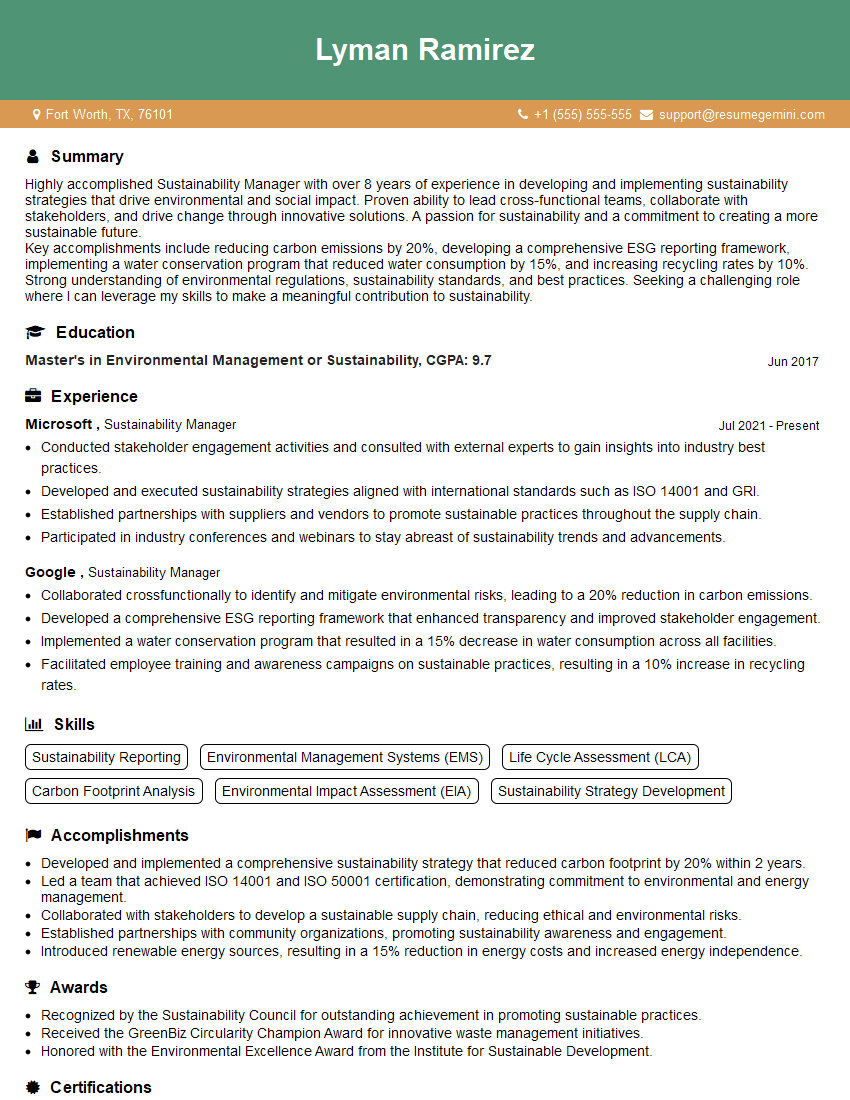
Sustainability Manager Resume Sample
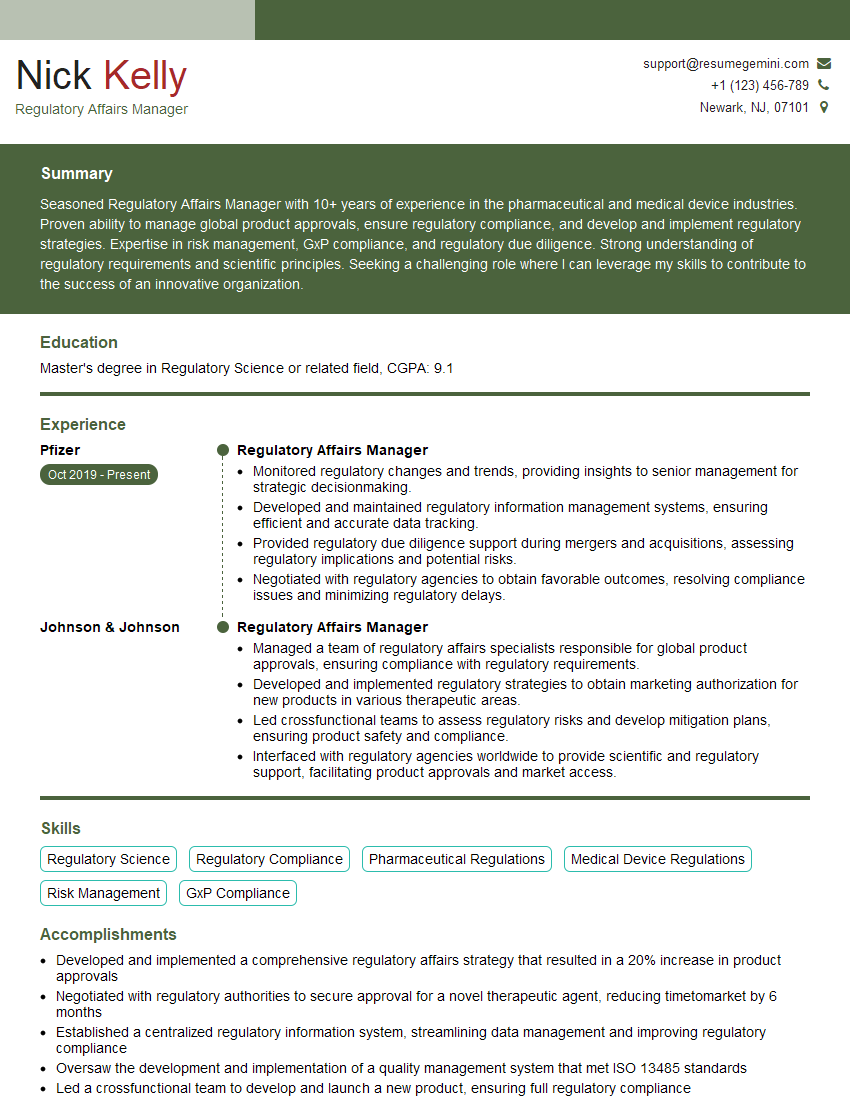
Regulatory Affairs Manager Resume Sample

Compliance Officer Resume Sample
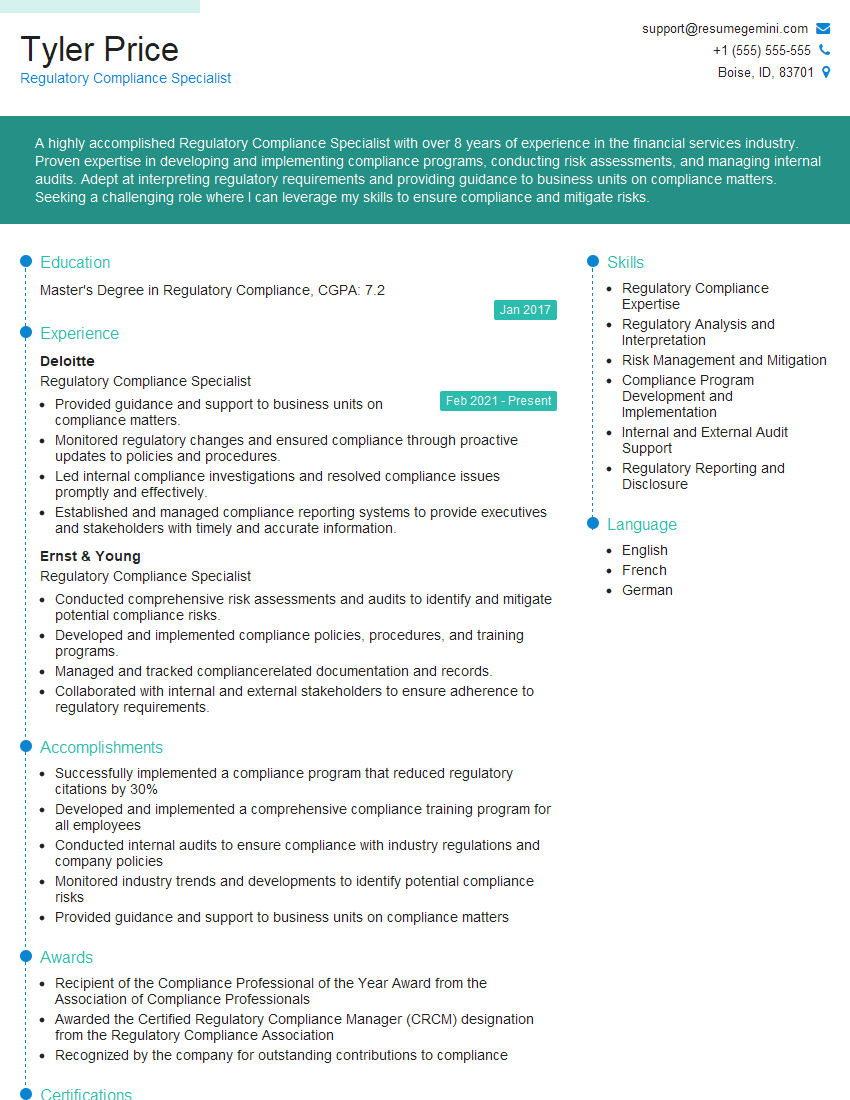
Regulatory Compliance Specialist Resume Sample
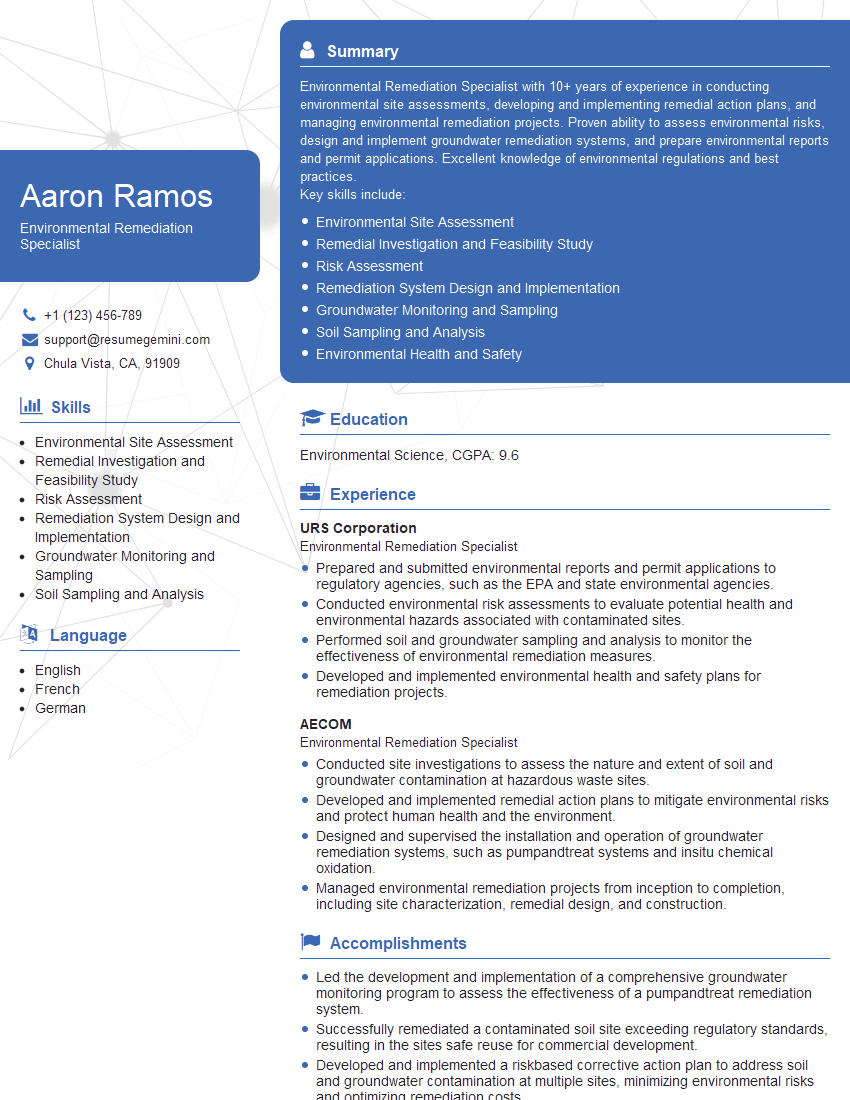
Environmental Remediation Specialist Resume Sample
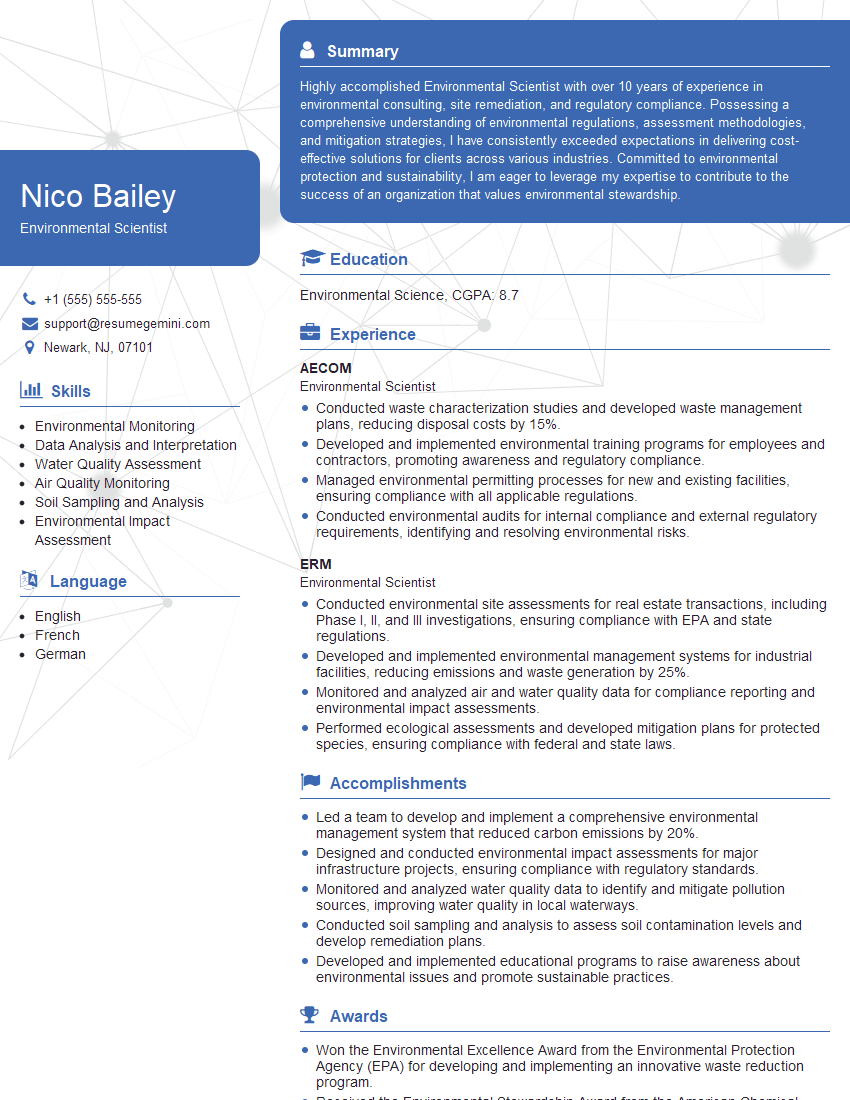
Environmental Scientist Resume Sample

Sustainability Consultant Resume Sample
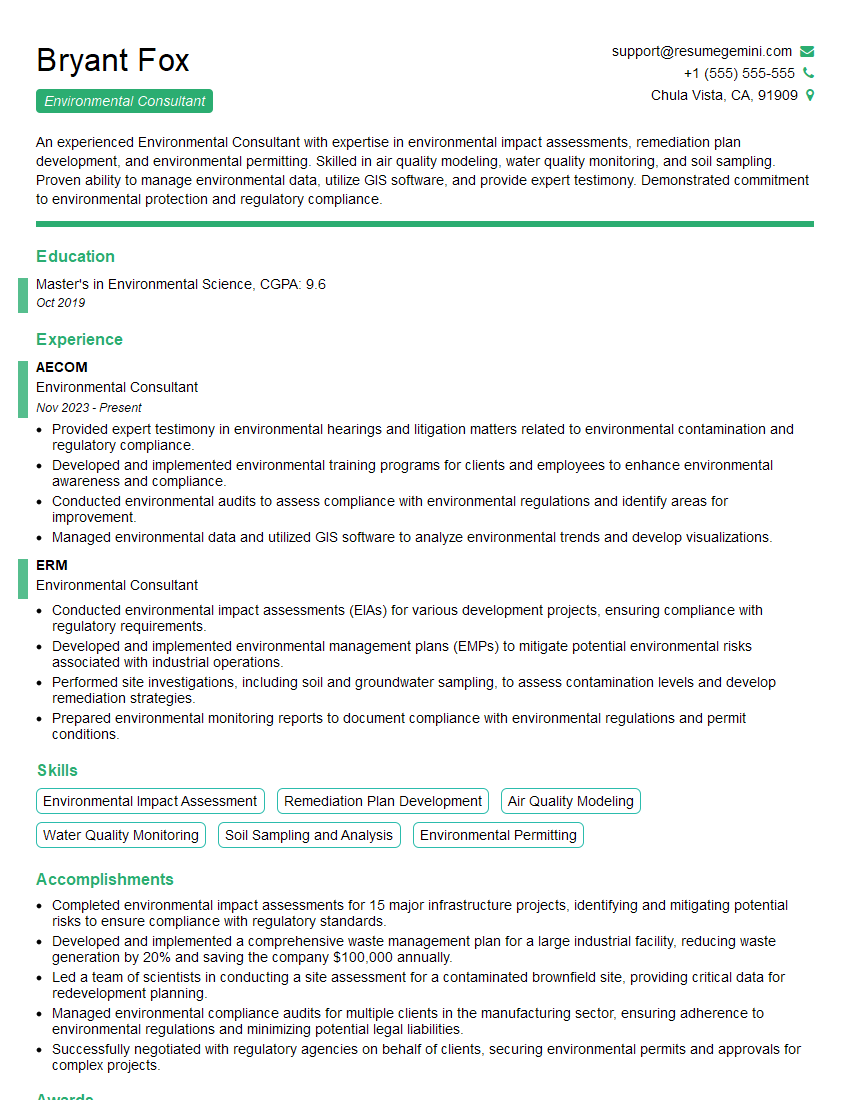
Environmental Consultant Resume Sample
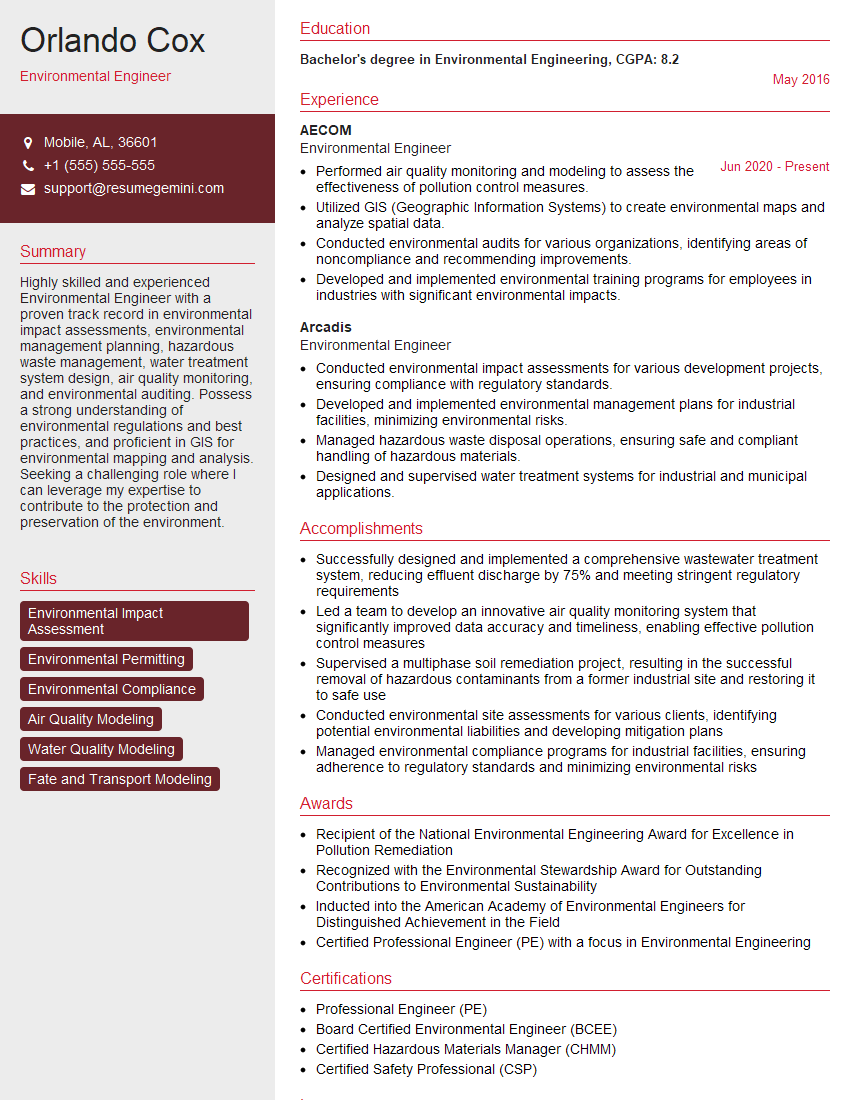
Environmental Engineer Resume Sample
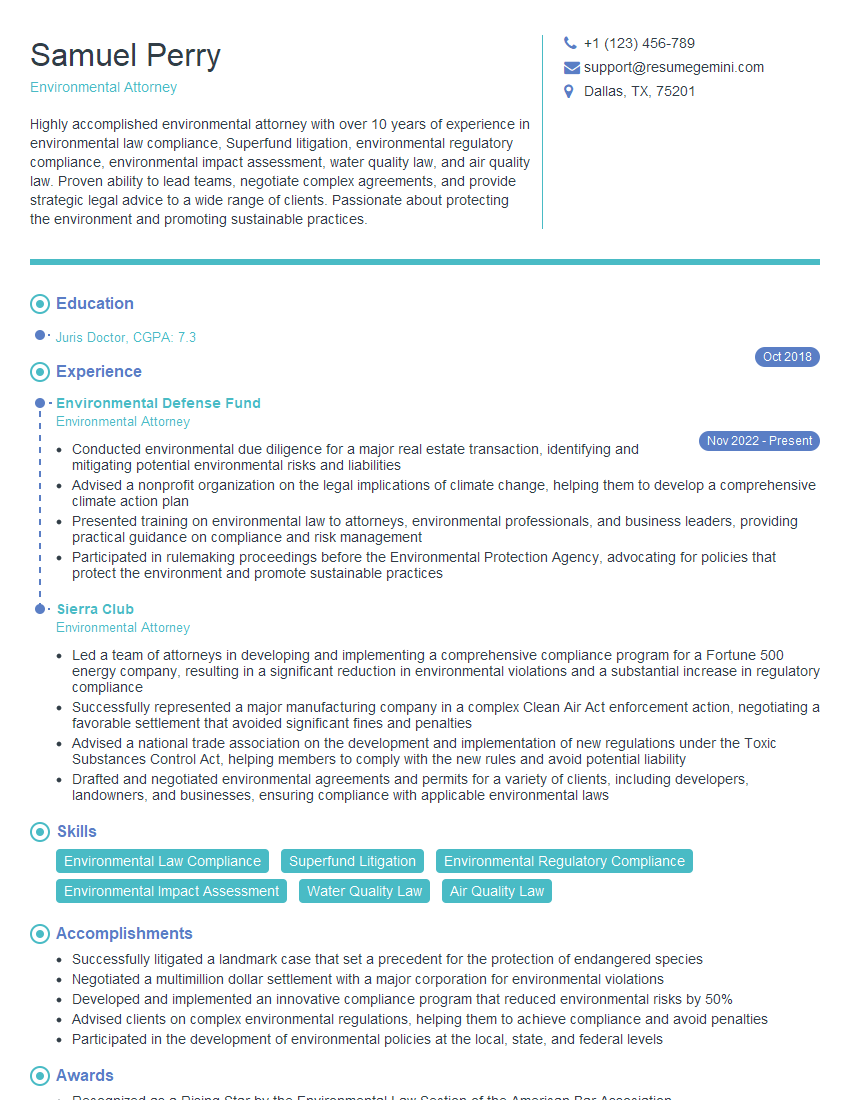
Environmental Attorney Resume Sample
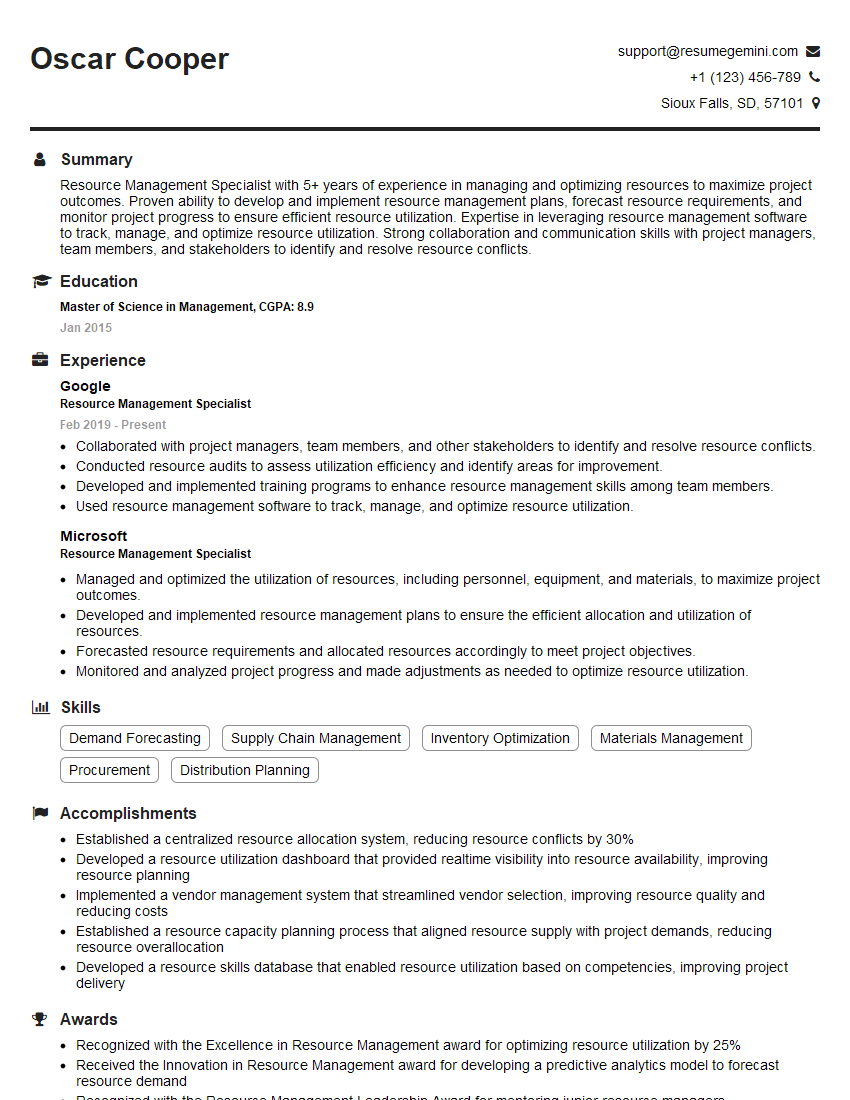
Resource Management Specialist Resume Sample
Explore more articles
Users Rating of Our Blogs
Share Your Experience
We value your feedback! Please rate our content and share your thoughts (optional).
What Readers Say About Our Blog
Very informative content, great job.
good