Cracking a skill-specific interview, like one for Understanding of industry trends and best practices, requires understanding the nuances of the role. In this blog, we present the questions you’re most likely to encounter, along with insights into how to answer them effectively. Let’s ensure you’re ready to make a strong impression.
Questions Asked in Understanding of industry trends and best practices Interview
Q 1. Explain the current trends impacting the [Specific Industry] sector.
The [Specific Industry], let’s say for this example, the e-commerce sector, is currently experiencing a confluence of impactful trends. These can be broadly categorized into:
- Increased focus on personalization: Consumers expect highly tailored experiences. This means utilizing data analytics to understand individual preferences and deliver customized product recommendations, targeted marketing, and personalized website interfaces.
- The rise of omnichannel retail: Customers seamlessly transition between online and offline shopping. Businesses must integrate their online and physical stores, offering unified inventory management, consistent branding, and integrated customer service.
- The growing importance of sustainability: Consumers are increasingly conscious of environmental and social responsibility. E-commerce businesses are adapting by offering eco-friendly packaging, promoting sustainable products, and highlighting ethical sourcing practices. This translates into a demand for transparent supply chains.
- The explosion of social commerce: Shopping directly within social media platforms is gaining immense traction. Businesses must integrate their e-commerce platforms with social media channels, facilitating direct purchasing through platforms like Instagram and Facebook.
- Advancements in logistics and delivery: Faster, more efficient, and more convenient delivery options are paramount. Same-day and next-day delivery, along with flexible delivery windows, are now customer expectations. This includes exploring drone delivery and other innovative methods.
These trends are interconnected and necessitate a holistic approach from businesses. For example, a company focusing on personalization needs to leverage data collected across all omnichannel touchpoints while ensuring that its sustainable practices are visible across all social media channels.
Q 2. Describe a recent technological advancement and its implications for your field.
A significant recent technological advancement impacting e-commerce is the rise of Artificial Intelligence (AI), specifically in areas like predictive analytics and chatbots. Predictive analytics leverages machine learning algorithms to analyze vast datasets of customer behavior, purchase history, and market trends to forecast demand, optimize inventory, and personalize marketing campaigns. For example, an AI system can predict which products are likely to sell out during a particular sales event, allowing for proactive inventory adjustments.
Chatbots, on the other hand, provide automated customer service and support, handling common inquiries and resolving issues 24/7. This improves customer satisfaction and reduces the workload on human customer service representatives. A well-designed chatbot can handle order tracking, returns, and basic product information requests, significantly improving efficiency.
The implications are profound: enhanced customer experience, reduced operational costs, improved decision-making, and increased sales. However, ethical considerations around data privacy and algorithmic bias must be carefully addressed.
Q 3. How do you stay updated on industry best practices?
Staying updated on industry best practices is a continuous process that requires a multi-faceted approach. I utilize several methods:
- Industry publications and journals: I regularly read publications like [Name relevant industry publications] to stay abreast of the latest trends, research, and best practices.
- Conferences and webinars: Attending industry conferences and webinars allows me to network with peers, learn from experts, and gain insights into cutting-edge technologies and strategies. This provides invaluable hands-on exposure and fosters industry connections.
- Online communities and forums: Engaging in online discussions and forums provides a wealth of information from practitioners and experts. Platforms like [mention relevant online communities] facilitate knowledge sharing and problem-solving.
- Competitor analysis: Regularly analyzing the strategies and performance of key competitors helps identify emerging trends and best practices. This requires rigorous monitoring of their websites, social media activity, and public statements.
- Networking: Building and maintaining a strong professional network allows me to tap into the collective knowledge and experience of colleagues and industry leaders. Informal conversations and discussions can often reveal valuable insights.
This combination of active learning and networking ensures I maintain a current understanding of the dynamic e-commerce landscape.
Q 4. What are the key performance indicators (KPIs) for success in this role, considering current market trends?
Key Performance Indicators (KPIs) for success in this role, within the context of current market trends, would include:
- Customer Acquisition Cost (CAC): This measures the efficiency of marketing efforts in acquiring new customers. Lower CAC reflects effective targeting and cost optimization.
- Customer Lifetime Value (CLTV): This indicates the long-term profitability of acquiring a customer. Increasing CLTV suggests successful customer retention strategies.
- Conversion Rate: This reflects the percentage of website visitors who complete a purchase. Improving conversion rates signifies effective website design, marketing messaging, and product presentation.
- Average Order Value (AOV): This measures the average amount spent per order. Increasing AOV often involves effective upselling and cross-selling techniques.
- Net Promoter Score (NPS): This gauges customer loyalty and satisfaction, reflecting overall brand perception and the success of customer service initiatives.
- Website traffic and engagement metrics: Analyzing website traffic, bounce rate, and time on site provides insights into website performance and user experience.
These KPIs, when viewed in conjunction, offer a comprehensive assessment of the overall success of the e-commerce operations, especially considering the increasing importance of personalization, omnichannel integration, and sustainable practices.
Q 5. Analyze the competitive landscape of [Specific Industry] – identify key players and their strategies.
The e-commerce landscape is highly competitive. Key players can be categorized into:
- Major marketplaces (e.g., Amazon, eBay): These platforms offer vast product selections and established customer bases. Their strategies focus on expanding their product categories, improving logistics, and enhancing seller services.
- Large retailers with strong online presence (e.g., Walmart, Target): These retailers leverage their existing brand recognition and physical store networks to build robust online operations. Their strategies include omnichannel integration and leveraging their supply chain advantages.
- Niche e-commerce businesses: These focus on specific product categories or customer segments, often employing targeted marketing and superior customer service. Their strategies revolve around building brand loyalty within their niche.
- Direct-to-consumer (DTC) brands: These brands bypass traditional retailers and sell directly to consumers online. Their strategies center around building strong brand identities, cultivating direct customer relationships, and creating engaging digital content.
The competitive strategies vary widely. Some focus on price competition, while others prioritize superior customer experience, unique product offerings, or innovative marketing techniques. Analyzing their strategies requires a deep dive into their marketing campaigns, supply chain operations, and customer service models.
Q 6. How would you identify emerging trends in a new market?
Identifying emerging trends in a new market requires a systematic approach. I would follow these steps:
- Market research: Conduct thorough market research using secondary sources (industry reports, market analysis, government data) and primary research (customer surveys, focus groups, interviews).
- Competitive analysis: Analyze the existing players in the market, identifying their strategies, strengths, and weaknesses. This includes assessing the competitive landscape’s size and growth potential.
- Technological analysis: Identify any emerging technologies that could disrupt the market or create new opportunities. This could involve analyzing technological advancements in related industries.
- Social listening: Monitor social media and online forums to gauge public opinion, understand customer needs and preferences, and identify emerging trends that might not be apparent from traditional market research methods.
- Trend forecasting: Use trend forecasting techniques such as scenario planning and Delphi method to anticipate future developments. These predictive methods would incorporate the data collected in the previous steps.
- Data analysis: Analyze all collected data to identify patterns, trends, and anomalies that may indicate emerging opportunities or threats. This might involve using statistical analysis or data visualization tools.
By combining qualitative and quantitative data, a comprehensive understanding of the market and its potential trends can be developed.
Q 7. Describe a time you had to adapt to a significant industry shift.
A significant industry shift I had to adapt to was the rapid growth of mobile commerce. Initially, our e-commerce platform was primarily desktop-oriented. When mobile shopping exploded, we saw a significant drop in conversion rates and customer satisfaction from mobile users. The website was not optimized for mobile devices, resulting in a poor user experience.
To adapt, we implemented a multi-pronged strategy:
- Mobile-first design: We redesigned the entire website with a mobile-first approach, ensuring a seamless and intuitive experience on all mobile devices.
- Mobile app development: We developed a native mobile app to enhance the shopping experience and provide additional features like personalized notifications and mobile payment options.
- Mobile marketing optimization: We optimized our marketing campaigns for mobile devices, focusing on mobile-specific ad formats and targeting strategies.
- Training and upskilling: We provided training to our team on mobile commerce best practices, ensuring they understood the changing customer expectations and the importance of mobile optimization.
This adaptation involved significant investment in resources and time, but it resulted in a dramatic improvement in mobile conversion rates, customer satisfaction, and overall business growth. It highlighted the importance of agility and responsiveness to rapidly changing market dynamics.
Q 8. What resources do you use to monitor industry trends (e.g., publications, websites, conferences)?
Staying abreast of industry trends requires a multi-faceted approach. I leverage a combination of resources to ensure a comprehensive understanding. This includes subscribing to leading industry publications like the Harvard Business Review, MIT Sloan Management Review, and specialized journals relevant to my field. I also actively monitor reputable websites such as Gartner, Forrester, and industry-specific news sites. Finally, attending conferences and webinars, both virtual and in-person, allows me to network with peers and gain firsthand insights from experts and thought leaders. For example, attending the annual Cloud Computing Conference provided me with valuable updates on advancements in serverless architecture and its implications for scalability and cost-effectiveness.
- Publications: Harvard Business Review, MIT Sloan Management Review, industry-specific journals
- Websites: Gartner, Forrester, industry news sites
- Conferences & Webinars: Industry-specific events and online learning platforms
Q 9. How do you evaluate the reliability and validity of industry data?
Evaluating the reliability and validity of industry data is crucial to making informed decisions. I employ a multi-step process. Firstly, I assess the source’s credibility – is it a recognized research firm, a respected academic institution, or a potentially biased entity? Secondly, I examine the methodology used to collect the data. Was the sample size adequate? Were the data collection methods rigorous and unbiased? Thirdly, I look for transparency – is the data clearly defined, and are the limitations acknowledged? Finally, I cross-reference the data with information from multiple sources to identify any inconsistencies or conflicting evidence. For instance, if a report claims a significant market shift, I’d check with other reputable sources to verify its accuracy and ensure it wasn’t an anomaly or outlier.
This approach helps me filter out unreliable or misleading information, enabling me to focus on data that supports robust decision-making.
Q 10. Explain how you would measure the effectiveness of a new industry best practice implementation.
Measuring the effectiveness of a new industry best practice implementation requires a clear definition of success metrics beforehand. This involves identifying Key Performance Indicators (KPIs) directly related to the intended outcomes. For example, if implementing a new project management methodology aims to improve project completion rates and reduce project overruns, then KPIs would include the percentage of projects completed on time and within budget, the average project duration, and cost variance.
After implementation, I’d track these KPIs over a defined period and compare the results with pre-implementation data. Statistical analysis could reveal whether the observed improvements are statistically significant. Qualitative data, such as employee feedback surveys, can also provide valuable insights into the impact of the new practice on team morale and productivity. A robust evaluation should include both quantitative and qualitative data to offer a holistic view of the implementation’s effectiveness. For example, if we implement Agile methodologies, we might track sprint velocity, defect rates, and customer satisfaction scores to measure success.
Q 11. Describe a situation where you had to overcome a challenge due to a change in industry standards.
In a previous role, we faced a significant challenge when the industry moved from a legacy system to a cloud-based solution. Our existing processes and workflows were heavily reliant on the older system, and the transition required significant retraining and process re-engineering. We addressed this by forming a cross-functional team comprised of technical experts, process owners, and end-users. This team developed a phased migration plan, which prioritized critical functions first and provided ongoing training and support to minimize disruption. We also created a detailed knowledge base and troubleshooting guides to assist employees during the transition. Regular progress updates and feedback sessions helped identify and resolve issues promptly. Though the transition was initially disruptive, the phased approach minimized downtime and allowed us to fully adapt to the new standards, ultimately improving efficiency and scalability.
Q 12. What are the ethical considerations of adopting new technologies or industry practices?
Adopting new technologies or industry practices raises several ethical considerations. Data privacy and security are paramount – new technologies often involve the collection and processing of sensitive data, requiring robust security measures and compliance with relevant regulations such as GDPR or CCPA. Algorithmic bias is another major concern; algorithms trained on biased data can perpetuate and amplify existing inequalities. It’s crucial to ensure fairness and transparency in the design and implementation of new systems. Furthermore, the potential impact on employment should be carefully considered – automation could lead to job displacement, requiring proactive strategies for retraining and reskilling workers. Finally, environmental sustainability should be factored in; technologies with high energy consumption or significant environmental impact must be evaluated against sustainable alternatives.
Q 13. How do you prioritize conflicting industry trends or best practices?
Prioritizing conflicting industry trends or best practices requires a strategic approach. I typically use a framework that considers several factors. First, I assess the strategic alignment of each trend or practice with the overall business goals. Trends that directly contribute to achieving key objectives will naturally receive higher priority. Second, I evaluate the feasibility and cost-effectiveness of implementing each option. Some trends might offer significant potential but require extensive resources or present significant risks. Third, I consider the potential risks and rewards associated with each choice, conducting a thorough risk assessment to mitigate potential negative consequences. Finally, I involve relevant stakeholders in the decision-making process to ensure a shared understanding and commitment to the chosen course of action. This ensures a balanced and informed decision, prioritizing long-term value over short-term gains.
Q 14. Describe a situation where you identified a market gap or opportunity.
During a market analysis for a client in the healthcare industry, I identified a significant gap in the market for personalized telehealth solutions focusing on chronic disease management. While several telehealth platforms existed, none offered a truly integrated and personalized approach that incorporated patient data, wearable sensor integration, and AI-driven insights to provide proactive care and improve patient outcomes. This gap presented a substantial market opportunity – a niche where a tailored solution could meet a significant unmet need, leading to improved patient engagement, reduced healthcare costs, and better health outcomes. This insight led to the development of a successful product proposal that directly addressed this gap.
Q 15. How would you present industry trend analysis to a non-technical audience?
Presenting industry trend analysis to a non-technical audience requires translating complex data into easily digestible insights. I begin by identifying the key takeaways – the 2-3 most significant trends impacting the business – and framing them in a narrative that resonates with their experience. For example, instead of saying “Increased market penetration of AI-driven solutions,” I might say, “Imagine how much faster customer service could become if we automated routine tasks.”
I use visuals extensively – charts, graphs, and even simple infographics – to illustrate the data. Think of it like storytelling with data as the supporting characters. I avoid jargon and focus on the ‘so what?’ – the implications of these trends for the company’s strategy, operations, and bottom line. For instance, if a trend shows rising customer demand for sustainable products, I’ll show how that translates to potential revenue growth, but also to possible supply chain challenges or the need for new marketing strategies.
Finally, I always leave room for questions and ensure the presentation is interactive, creating opportunities for discussion and clarifying any uncertainties. I aim to empower the audience, not just inform them.
Career Expert Tips:
- Ace those interviews! Prepare effectively by reviewing the Top 50 Most Common Interview Questions on ResumeGemini.
- Navigate your job search with confidence! Explore a wide range of Career Tips on ResumeGemini. Learn about common challenges and recommendations to overcome them.
- Craft the perfect resume! Master the Art of Resume Writing with ResumeGemini’s guide. Showcase your unique qualifications and achievements effectively.
- Don’t miss out on holiday savings! Build your dream resume with ResumeGemini’s ATS optimized templates.
Q 16. How do macroeconomic factors impact the [Specific Industry] industry?
Let’s assume the specific industry is [Specific Industry – e.g., Renewable Energy]. Macroeconomic factors significantly influence this sector. For example, interest rates directly impact the cost of capital for renewable energy projects. Higher rates make financing more expensive, potentially slowing down project development and deployment. Inflation affects the cost of raw materials like steel and solar panels, impacting project profitability.
Government spending on infrastructure and energy policy is another crucial factor. Increased investment in renewable energy infrastructure through subsidies or tax incentives can stimulate growth, while reduced government support can hinder the industry’s progress. Economic growth, broadly speaking, often correlates with higher energy demand. A booming economy may lead to increased electricity consumption, driving demand for renewable energy sources. Conversely, an economic downturn can suppress demand.
Global supply chains are also a major consideration. Disruptions due to geopolitical events or natural disasters can affect the availability and cost of essential components for renewable energy projects, influencing production timelines and overall viability.
Q 17. What is your understanding of the current regulatory environment in [Specific Industry]?
The regulatory environment in [Specific Industry – e.g., Pharmaceuticals] is constantly evolving and incredibly complex. It typically involves multiple layers of regulations, including those at the national, state/provincial, and even local levels. Key aspects often include:
- Drug approval processes: Rigorous testing and approval requirements from agencies like the FDA (in the US) or EMA (in Europe) are crucial. These processes are designed to ensure safety and efficacy but can lead to significant delays and costs for new drug development.
- Intellectual property protection: Patent laws safeguard pharmaceutical companies’ investments in research and development. However, navigating the complexities of patent applications and enforcement is a major challenge.
- Pricing and reimbursement policies: Government regulations often influence drug pricing, impacting companies’ profitability and potentially access for patients. There’s an ongoing debate around the balance between affordability and innovation.
- Data privacy and security: Stringent regulations around patient data protection (e.g., HIPAA in the US, GDPR in Europe) are vital, but compliance can be costly and complex.
Staying updated on these regulatory changes is essential for compliance and maintaining a competitive edge. I usually rely on industry-specific publications, regulatory agency websites, and consulting with legal experts to ensure my understanding is up-to-date and accurate.
Q 18. How do you identify potential risks associated with adopting new industry trends?
Identifying risks associated with adopting new industry trends involves a structured approach. I typically use a framework that considers several key areas:
- Technological feasibility: Does the technology actually work as advertised, and is it mature enough for deployment? This includes evaluating the technology’s reliability, scalability, and integration with existing systems.
- Financial implications: What are the upfront and ongoing costs of implementation? Is there a clear return on investment (ROI)? This involves detailed cost-benefit analysis and considering potential budget constraints.
- Operational risks: How will the adoption of the new trend affect existing workflows and processes? Could there be disruptions to productivity or service delivery? This requires thorough process mapping and impact assessment.
- Regulatory compliance: Does the new trend comply with relevant industry regulations and standards? Are there any legal or ethical considerations? This involves legal review and risk mitigation planning.
- Security risks: What are the cybersecurity implications of adopting the new trend? Are there vulnerabilities that could expose sensitive data or systems to attack? This necessitates comprehensive security assessments and planning.
By systematically evaluating these risk factors, we can develop appropriate mitigation strategies, ensuring a smoother and more successful transition to new industry trends.
Q 19. Describe your experience using data analytics to inform strategic decisions related to industry trends.
I’ve extensively used data analytics to inform strategic decisions. In a previous role, we were facing declining market share in a specific product segment. Using data from CRM, sales, and market research, I identified several factors contributing to this decline – increased competition, evolving customer preferences, and shortcomings in our marketing strategy.
Specifically, we used regression analysis to quantify the impact of various factors on sales. We then employed cluster analysis to segment our customer base and tailor our marketing efforts more effectively. We used predictive modeling to forecast future sales based on various scenarios and to optimize pricing strategies. This data-driven approach led to a revised marketing strategy and product improvements, resulting in a significant turnaround in market share within 18 months. The key was translating complex data into actionable insights – showing why things were happening and what to do about it.
I’m proficient with tools like SQL, R, and Python for data manipulation and analysis, and I’m comfortable visualizing data using Tableau or Power BI to communicate findings to stakeholders.
Q 20. How do you anticipate future industry trends?
Anticipating future industry trends is a complex process, but I rely on a multi-faceted approach. I start by closely monitoring current trends – identifying those that show sustained momentum and those with the potential for exponential growth.
I then delve into emerging technologies and research, looking for breakthroughs that might disrupt the existing landscape. I attend industry conferences, read specialized journals, and actively participate in online forums to gain a pulse on emerging ideas and discussions. Analyzing technological roadmaps and patent filings from key players also provides valuable insights.
Furthermore, I engage in scenario planning – developing multiple potential future scenarios based on different combinations of trends and uncertainties. This helps assess the resilience of current strategies and identify potential opportunities and threats under different conditions. It’s a bit like preparing for various weather patterns – some strategies might be great in sunny conditions, but others might be better suited to storms.
Finally, I pay close attention to macro-economic factors and geopolitical events, as these often act as catalysts for change, accelerating or slowing down existing trends.
Q 21. How do you measure the ROI of implementing a new industry best practice?
Measuring the ROI of implementing a new industry best practice requires a clear definition of both the costs and benefits. Costs can include implementation expenses (software, training, consulting), lost productivity during the transition, and any necessary infrastructure upgrades.
Benefits, on the other hand, can be more challenging to quantify but often include improvements in efficiency, productivity, quality, customer satisfaction, or reduced risks. For example, implementing a new supply chain management system might reduce inventory costs, improve delivery times, and lower the risk of supply disruptions. To measure the ROI, I’d develop key performance indicators (KPIs) aligned with these benefits.
For example, if implementing a new quality control system reduces the number of product defects, we can calculate the cost savings from reduced waste and warranty claims. If a new customer relationship management (CRM) system increases customer retention, we can quantify the revenue generated from increased customer lifetime value. Often, a combination of financial and operational metrics is needed to create a complete picture. The ROI is then calculated as (Total Benefits – Total Costs) / Total Costs, expressed as a percentage or a ratio. Careful tracking of these KPIs before, during, and after implementation is crucial to accurately assess the impact of the best practice.
Q 22. Explain the importance of staying ahead of industry trends in your field.
Staying ahead of industry trends is crucial for sustained success in any field. It’s like navigating a ship – you need to constantly monitor the currents (trends) to adjust your course and avoid potential hazards (missed opportunities or obsolescence). This involves continuous learning and proactive adaptation.
- Competitive Advantage: Early adoption of new technologies or methodologies can provide a significant competitive edge, allowing you to outmaneuver rivals and capture market share.
- Innovation and Growth: Understanding future trends allows for proactive innovation, developing new products or services that meet evolving customer needs before the competition does. This fuels growth and strengthens the company’s position.
- Risk Mitigation: By anticipating changes, businesses can mitigate risks associated with disruptive technologies or shifting market demands. For example, a company aware of the rising popularity of sustainable practices can proactively adapt its operations to avoid being left behind.
- Improved Decision-Making: Trend analysis provides informed data for strategic decision-making, allowing businesses to allocate resources effectively and optimize their performance.
For instance, in the software industry, understanding the shift towards cloud computing allowed companies to adapt their offerings and infrastructure early, gaining a massive advantage over competitors who lagged behind.
Q 23. Describe your understanding of the impact of globalization on [Specific Industry].
Let’s assume the specific industry is ‘Manufacturing’. Globalization has profoundly impacted the manufacturing sector, creating both opportunities and challenges.
- Increased Competition: Globalization has opened markets to manufacturers worldwide, leading to intense competition. Companies must become more efficient and innovative to remain competitive against global players with potentially lower labor costs.
- Supply Chain Diversification: Businesses can now source materials and components from various global locations, optimizing costs and reducing dependency on single suppliers. However, this also introduces complexities in logistics and management.
- Access to New Markets: Global markets offer access to a wider customer base, significantly increasing revenue potential. However, understanding cultural nuances and local regulations in different markets is essential for successful expansion.
- Technological Advancements: Globalization fosters the rapid spread of technological advancements across borders, pushing manufacturers to constantly upgrade their equipment and processes to maintain competitiveness.
- Shifting Labor Dynamics: Globalization can lead to shifts in manufacturing locations, impacting domestic job markets and necessitating workforce retraining and adaptation.
For example, a furniture manufacturer might source raw materials from South America, assemble products in Asia, and sell them globally through an e-commerce platform – showcasing the interconnected nature of globalized manufacturing.
Q 24. How do you ensure your understanding of industry best practices is aligned with company goals?
Aligning understanding of industry best practices with company goals is a continuous process that requires strategic planning and communication.
- Strategic Alignment: Begin by clearly understanding the company’s strategic objectives. This involves reviewing the company’s mission, vision, and strategic plans. How can industry best practices help achieve those goals?
- Gap Analysis: Conduct a thorough gap analysis to identify discrepancies between current practices and industry best practices. This can involve benchmarking against competitors or industry leaders.
- Prioritization: Prioritize the adoption of best practices based on their potential impact on the company’s strategic objectives and available resources. Not all best practices are equally relevant or feasible.
- Implementation Plan: Develop a detailed implementation plan, including timelines, resource allocation, and key performance indicators (KPIs) to track progress. This needs stakeholder buy-in and clear communication.
- Continuous Monitoring and Evaluation: Regularly monitor the effectiveness of implemented best practices and make necessary adjustments based on performance data and evolving industry trends. This allows for iterative improvement.
For example, if a company aims to improve customer satisfaction, adopting best practices in customer relationship management (CRM) would be a top priority. The implementation plan might involve training employees on new CRM software and implementing new customer feedback mechanisms.
Q 25. How do you translate industry trends into actionable insights?
Translating industry trends into actionable insights involves a systematic approach that combines data analysis, critical thinking, and strategic planning.
- Data Collection and Analysis: Gather relevant data from various sources, including market research reports, industry publications, competitor analysis, and internal data. Analyze this data to identify emerging patterns and trends.
- Trend Identification and Prioritization: Identify key trends that are most relevant to the company’s strategic objectives and prioritize those with the highest potential impact. Use a prioritization matrix to visualize and communicate.
- Impact Assessment: Assess the potential impact of each trend on the company, considering both opportunities and risks. What are the implications for various departments?
- Action Planning: Develop specific action plans for capitalizing on opportunities and mitigating risks associated with each trend. These plans should include specific tasks, responsibilities, timelines, and resource allocation.
- Communication and Collaboration: Effectively communicate insights and action plans to relevant stakeholders across the organization to ensure alignment and collaboration.
For example, if the trend is towards sustainable packaging, the actionable insight might be to invest in eco-friendly packaging materials and update the supply chain to reflect this shift.
Q 26. Describe your experience with using forecasting models to predict industry trends.
Forecasting models are essential tools for predicting industry trends. My experience involves using various quantitative and qualitative methods.
- Quantitative Methods: These include time series analysis (ARIMA, exponential smoothing), regression analysis, and econometric modeling. These methods utilize historical data to project future trends. For example, I’ve used ARIMA models to predict sales growth based on past sales figures.
- Qualitative Methods: These involve expert opinions, surveys, and Delphi techniques to gather insights into future trends. This helps to capture qualitative factors not easily captured in quantitative models. I’ve used Delphi methods to gather expert opinions on the potential impact of emerging technologies.
- Hybrid Approaches: Often, the most effective approach combines quantitative and qualitative methods. This allows for a more comprehensive and nuanced understanding of future trends. I frequently combine time-series data with expert interviews to refine forecasts.
- Model Validation and Refinement: It’s crucial to validate the accuracy of forecasting models using historical data and continuously refine models based on new data and insights. Backtesting is essential to ensure robustness.
Example (Simplified Regression): Sales = a + b*MarketingSpend + c*EconomicGrowth
This equation shows a simple regression model where sales are predicted based on marketing spend and economic growth. The coefficients (a, b, c) are determined using statistical analysis.
Q 27. How do you handle situations where industry best practices conflict with internal processes?
Conflicts between industry best practices and internal processes are common. Addressing these requires a balanced approach that considers both efficiency and adherence to established standards.
- Assessment and Analysis: Carefully assess the specific conflict. Understand the reasons for the discrepancy – is it a matter of outdated technology, lack of resources, or resistance to change within the organization?
- Cost-Benefit Analysis: Perform a cost-benefit analysis to evaluate the potential advantages and disadvantages of adopting the best practice. Consider the financial implications, time required for implementation, and potential disruptions to existing workflows.
- Process Improvement: If the best practice is beneficial, explore ways to modify or improve internal processes to align with it. This might involve workflow redesign, process automation, or staff training.
- Phased Implementation: Instead of a complete overhaul, consider a phased implementation approach. This allows the organization to gradually adopt the best practice while minimizing disruption and assessing the impact at each stage.
- Communication and Collaboration: Open communication with all stakeholders is crucial to gaining support for change and addressing concerns. Collaboration helps to build consensus and reduce resistance.
For example, if industry best practice advocates for agile development, but the company uses a waterfall methodology, a phased approach might involve implementing agile sprints for a smaller project before scaling it company-wide.
Key Topics to Learn for Understanding of Industry Trends and Best Practices Interview
- Industry Analysis: Understanding how to research and interpret market reports, competitor analyses, and emerging technologies relevant to your field. This includes identifying key trends and their potential impact on your industry.
- Best Practice Implementation: Demonstrating knowledge of established methodologies, frameworks, and tools commonly used in your industry. Be prepared to discuss how these practices enhance efficiency, productivity, and quality.
- Adaptability and Innovation: Showcasing your ability to adapt to evolving industry landscapes and embrace innovative solutions. Discuss examples where you’ve successfully integrated new technologies or methodologies.
- Problem-Solving in a Dynamic Environment: Highlighting your experience in identifying and solving problems arising from shifting industry trends or the implementation of new best practices. Focus on your analytical skills and decision-making process.
- Ethical Considerations and Compliance: Demonstrating awareness of ethical considerations and regulatory compliance within your industry. Discuss examples where you’ve prioritized ethical practices or ensured compliance with relevant regulations.
- Continuous Learning and Development: Showcasing your commitment to staying updated on the latest industry trends and best practices through continuous learning and professional development activities. Discuss relevant certifications or training you’ve undertaken.
Next Steps
Mastering your understanding of industry trends and best practices is crucial for career advancement. It demonstrates your commitment to professional excellence and your ability to contribute effectively to a dynamic work environment. To significantly increase your job prospects, focus on crafting an ATS-friendly resume that clearly highlights your relevant skills and experience. ResumeGemini is a trusted resource that can help you build a professional and impactful resume. We provide examples of resumes tailored to showcase expertise in understanding industry trends and best practices – check them out to see how you can best present your qualifications.
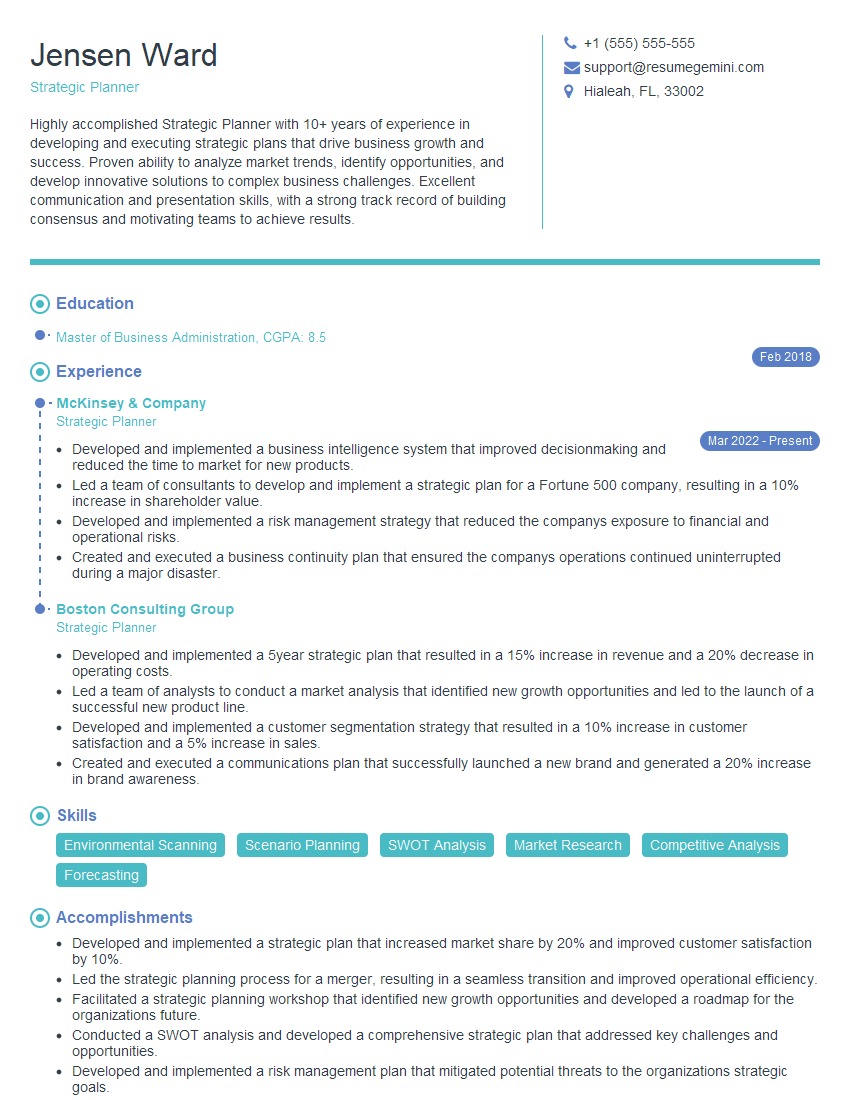
Strategic Planner Resume Sample

Operations Manager Resume Sample
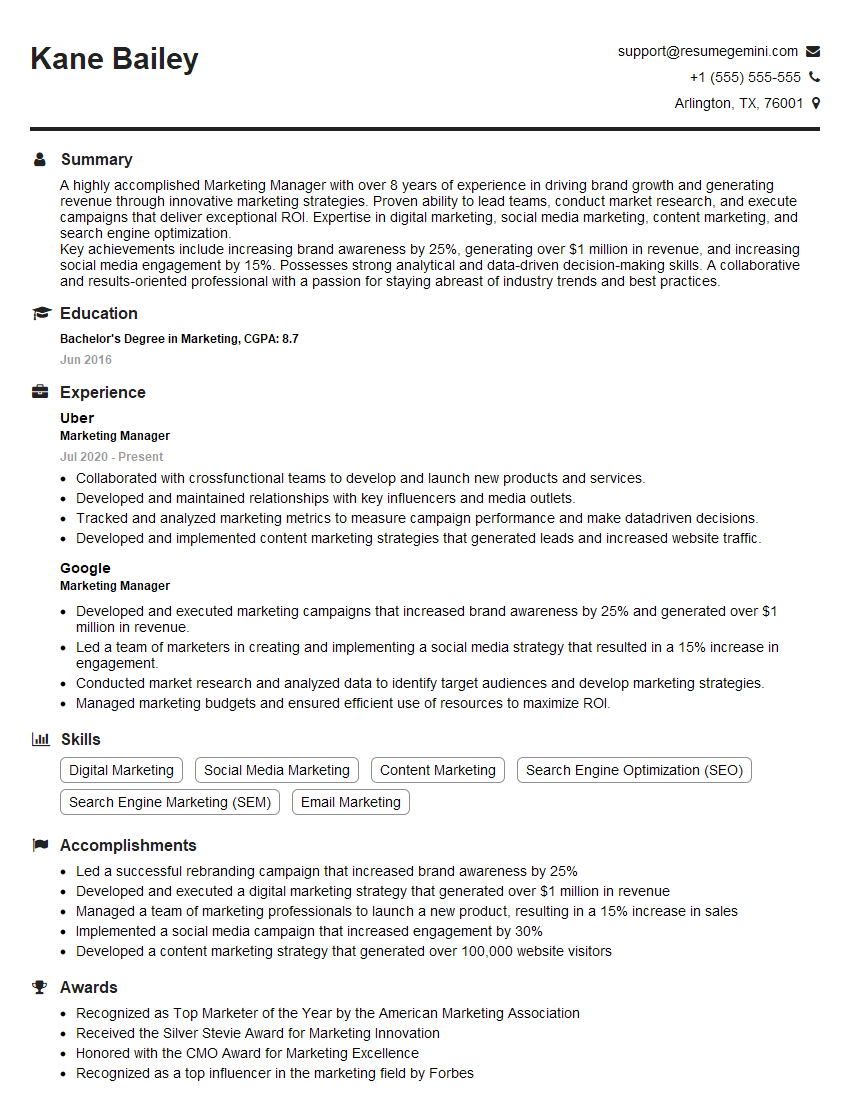
Marketing Manager Resume Sample
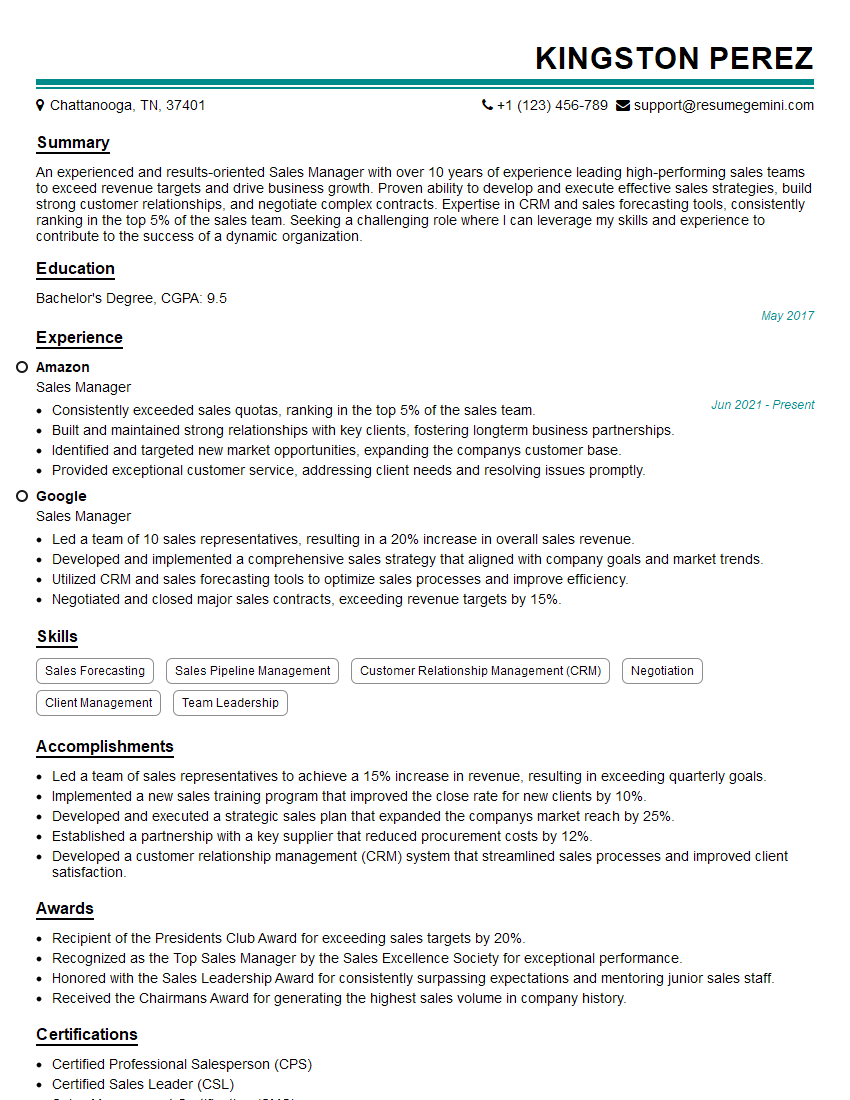
Sales Manager Resume Sample
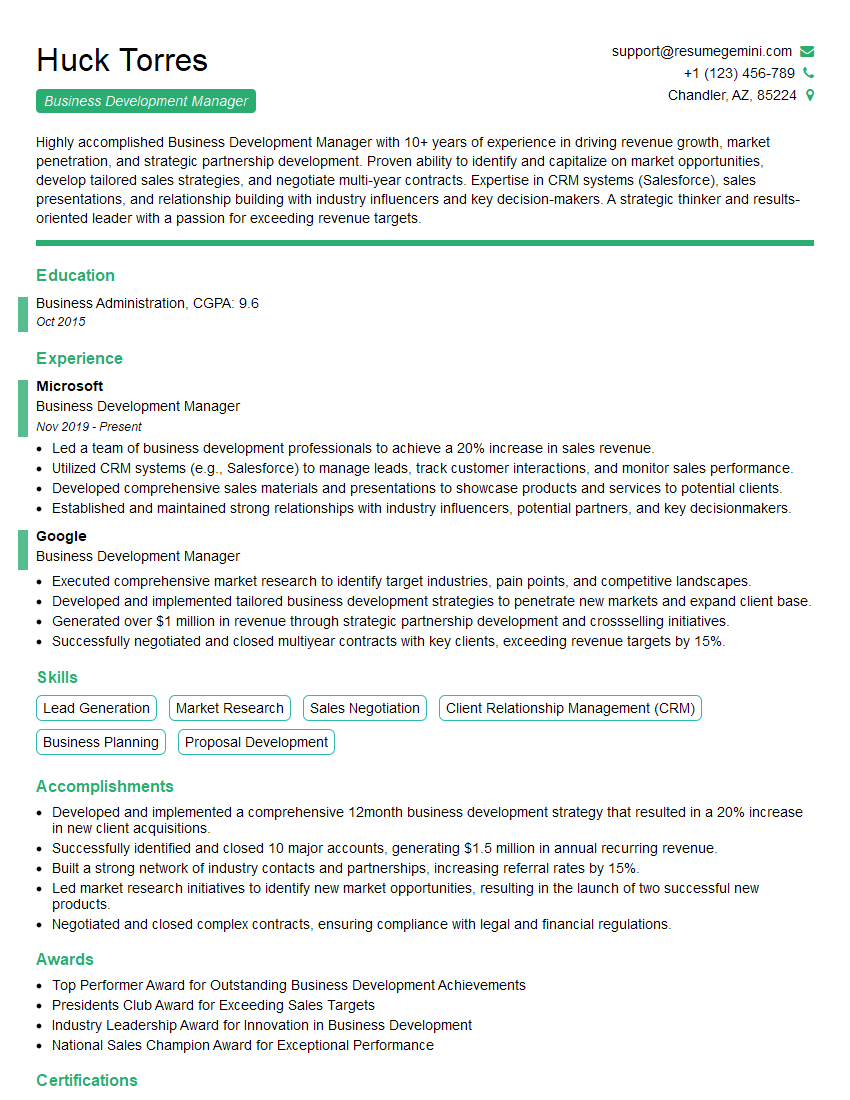
Business Development Manager Resume Sample
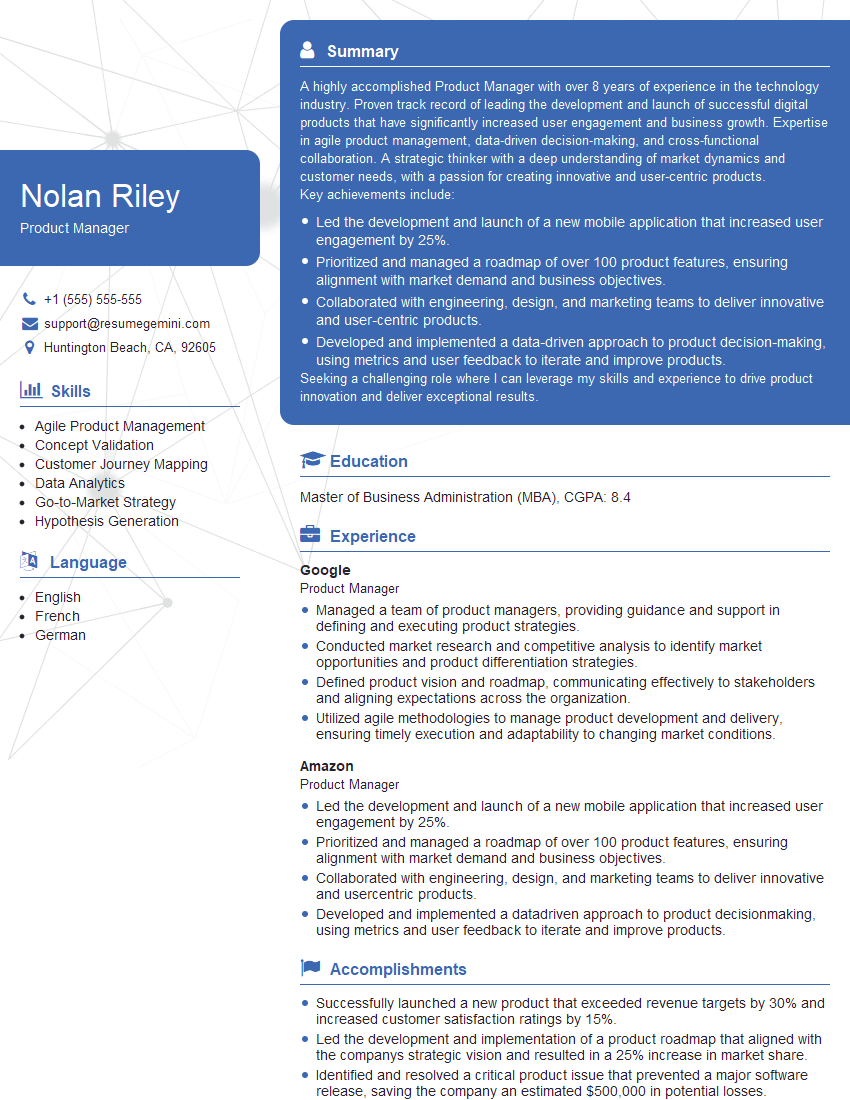
Product Manager Resume Sample
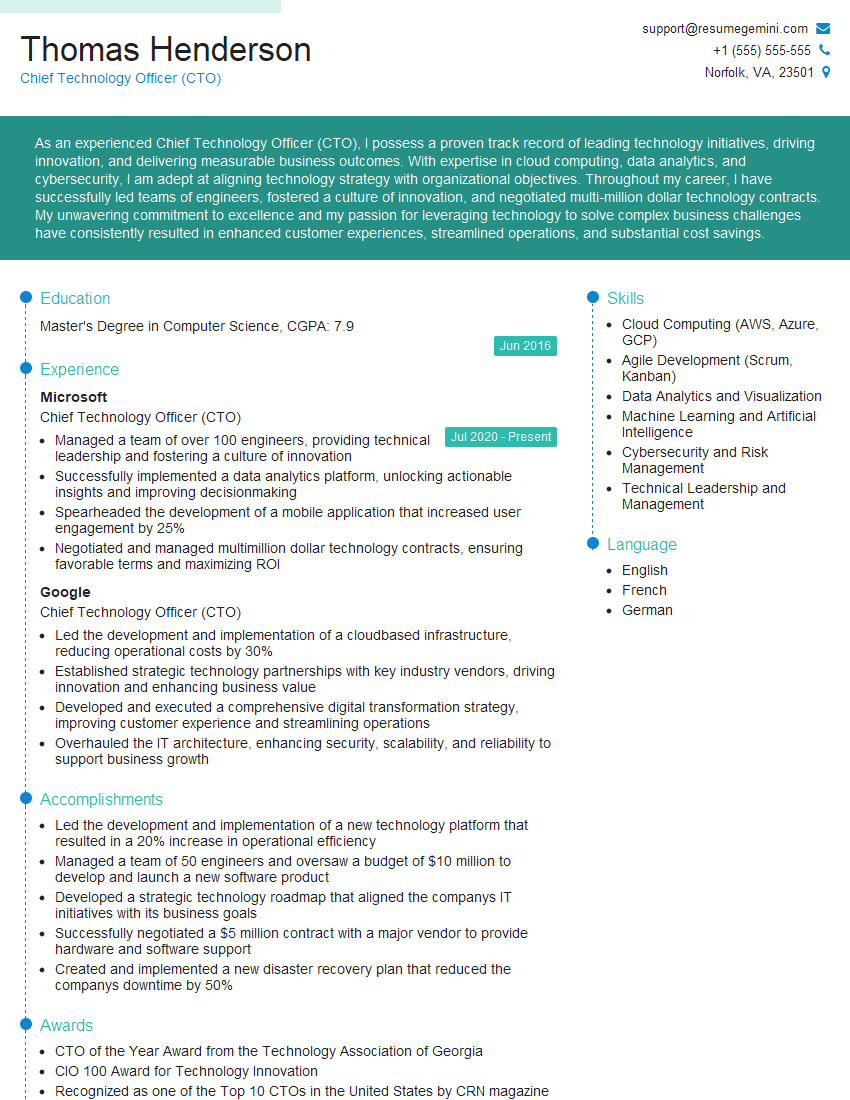
Chief Technology Officer (CTO) Resume Sample
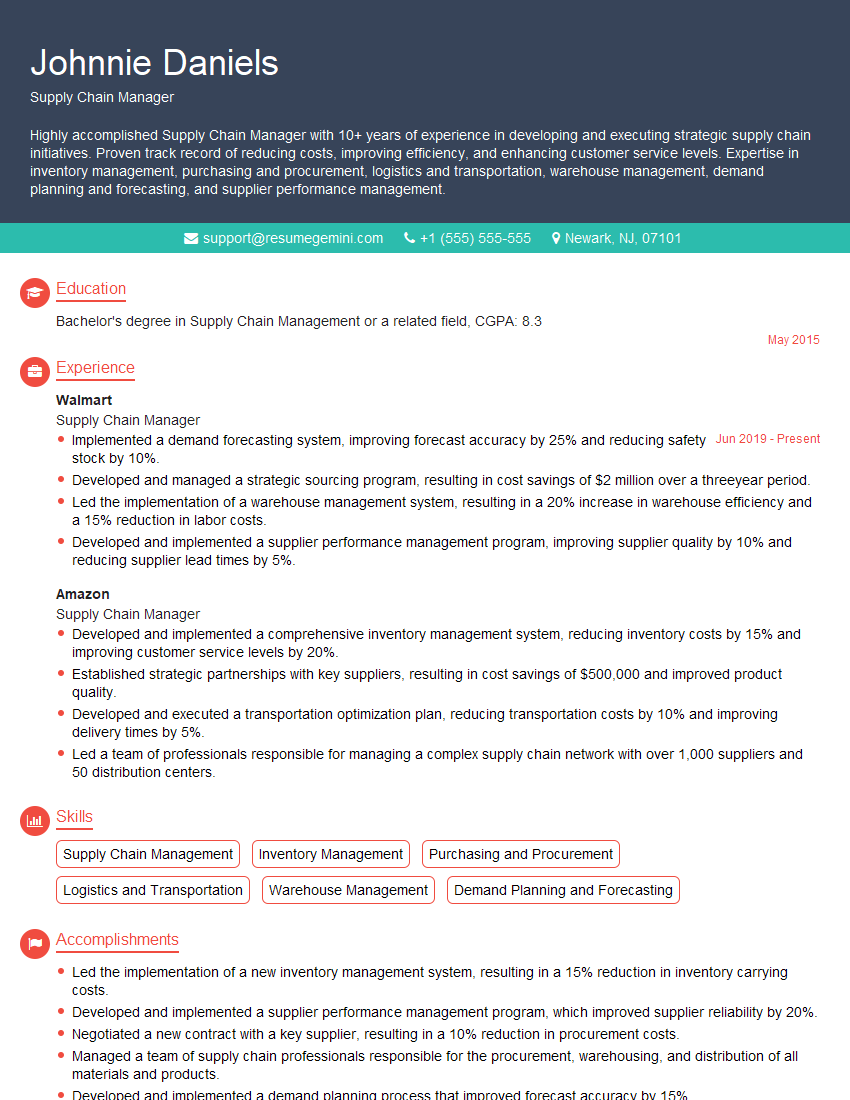
Supply Chain Manager Resume Sample

Project Manager Resume Sample

Compliance Officer Resume Sample
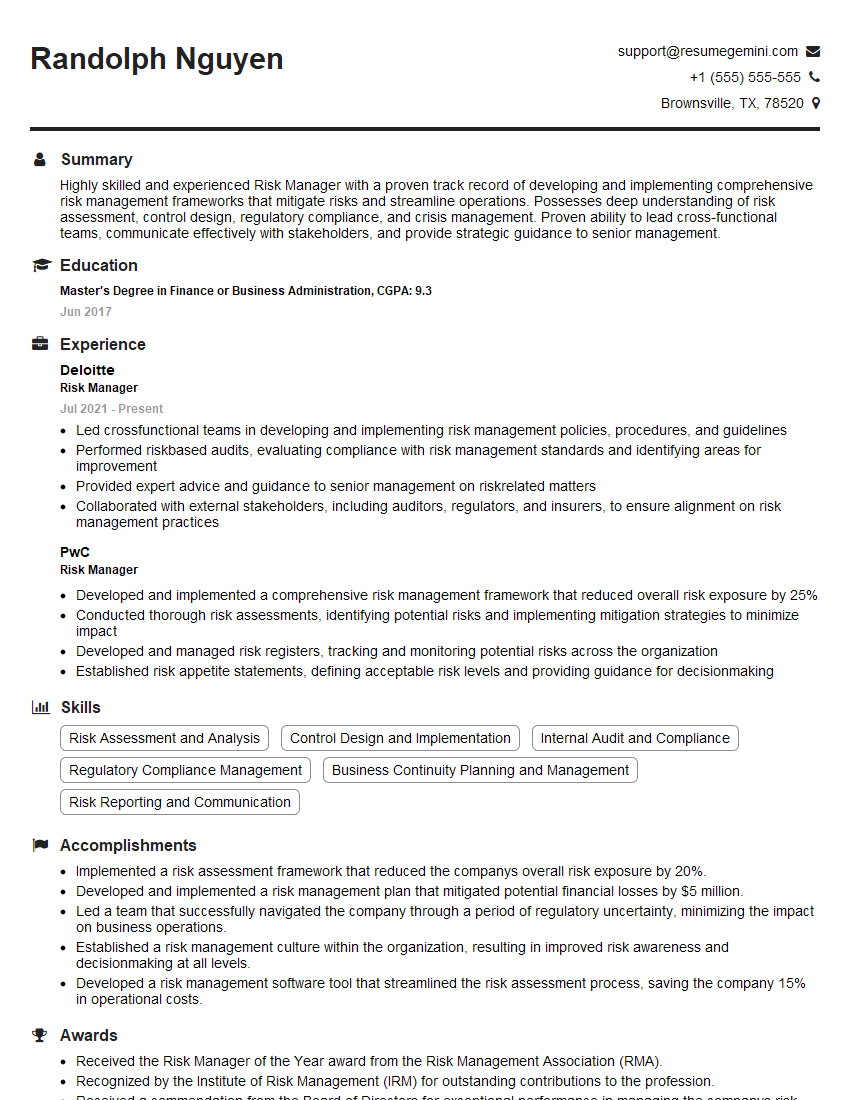
Risk Manager Resume Sample
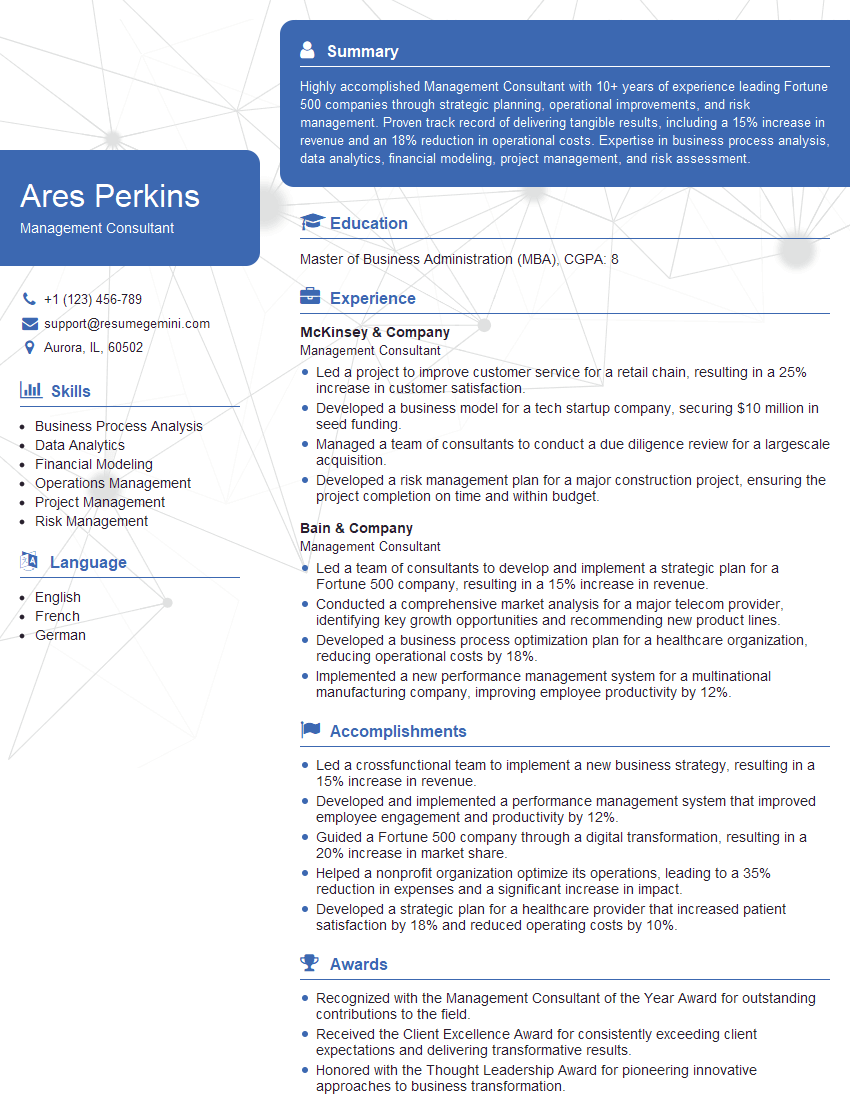
Management Consultant Resume Sample
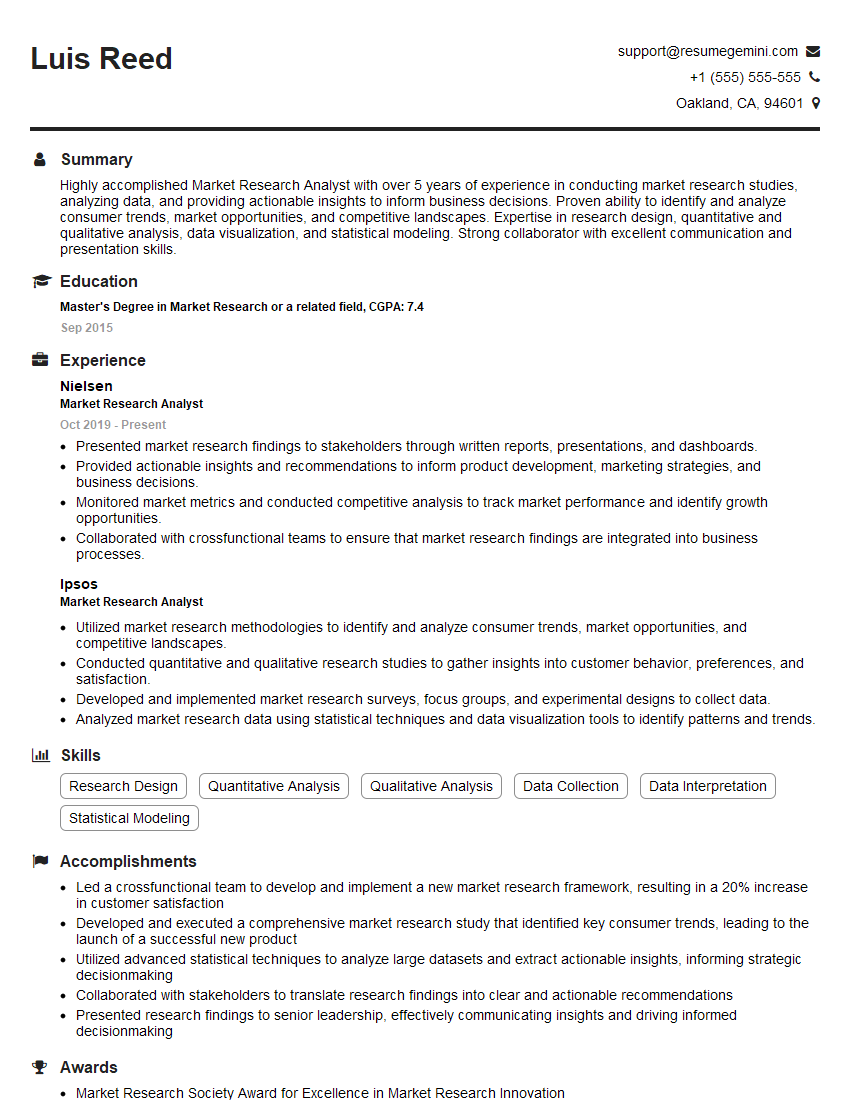
Market Research Analyst Resume Sample
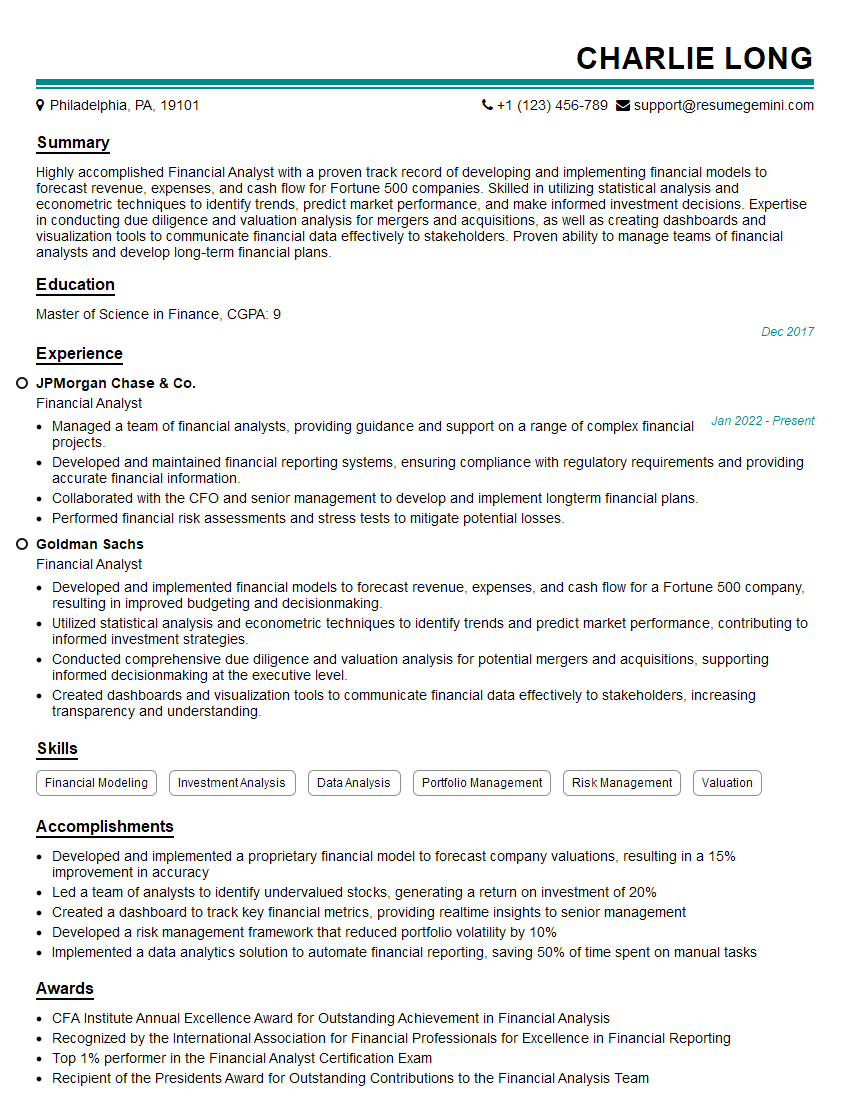
Financial Analyst Resume Sample
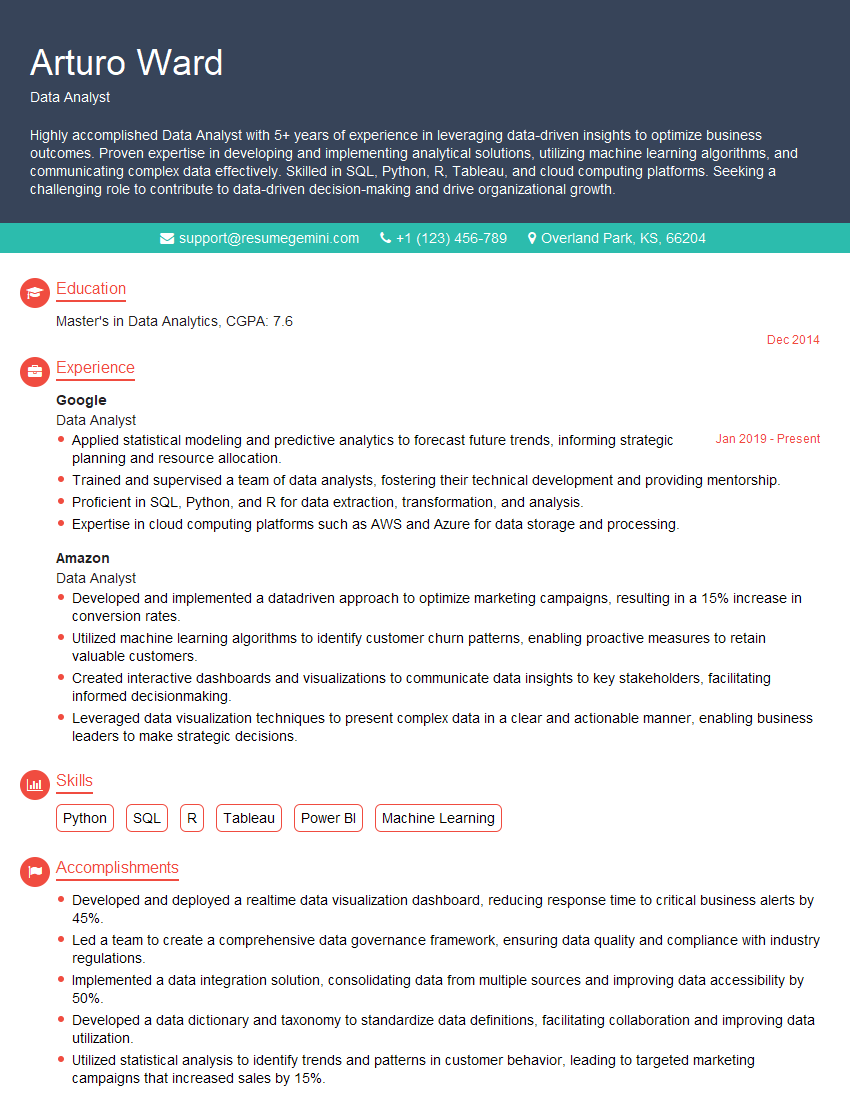
Data Analyst Resume Sample
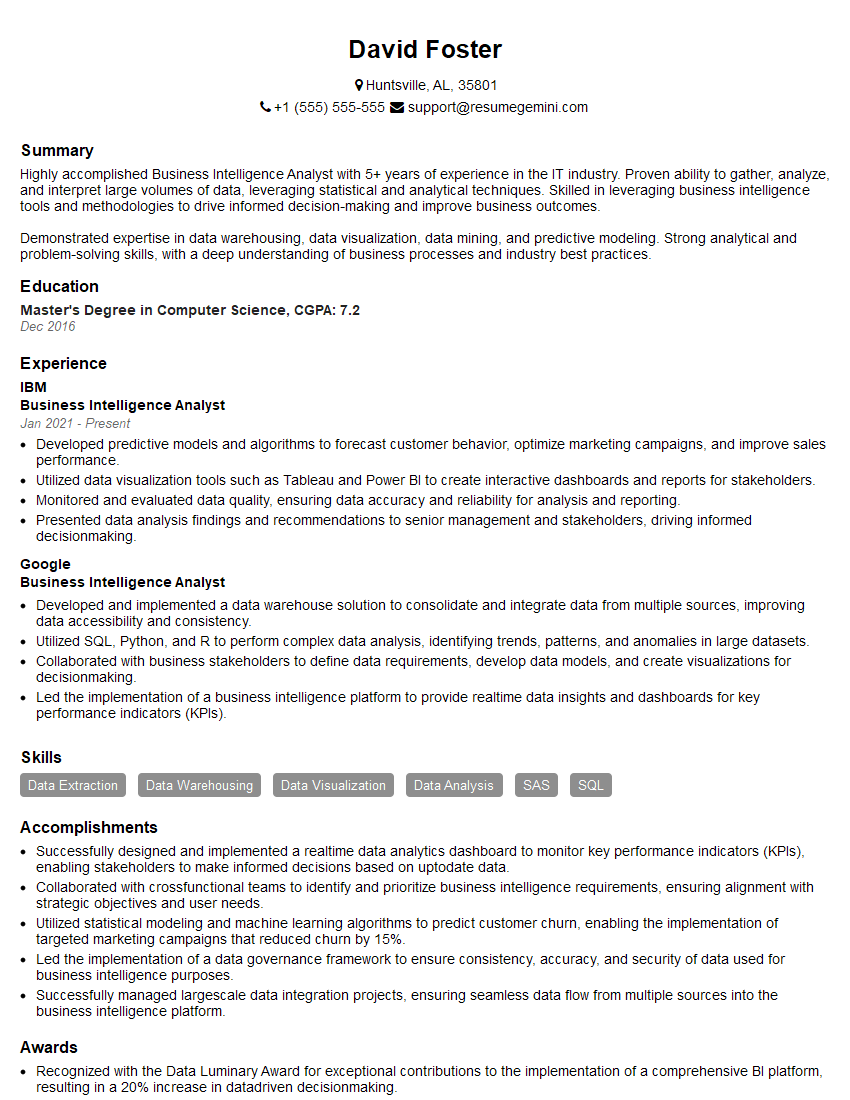
Business Intelligence Analyst Resume Sample
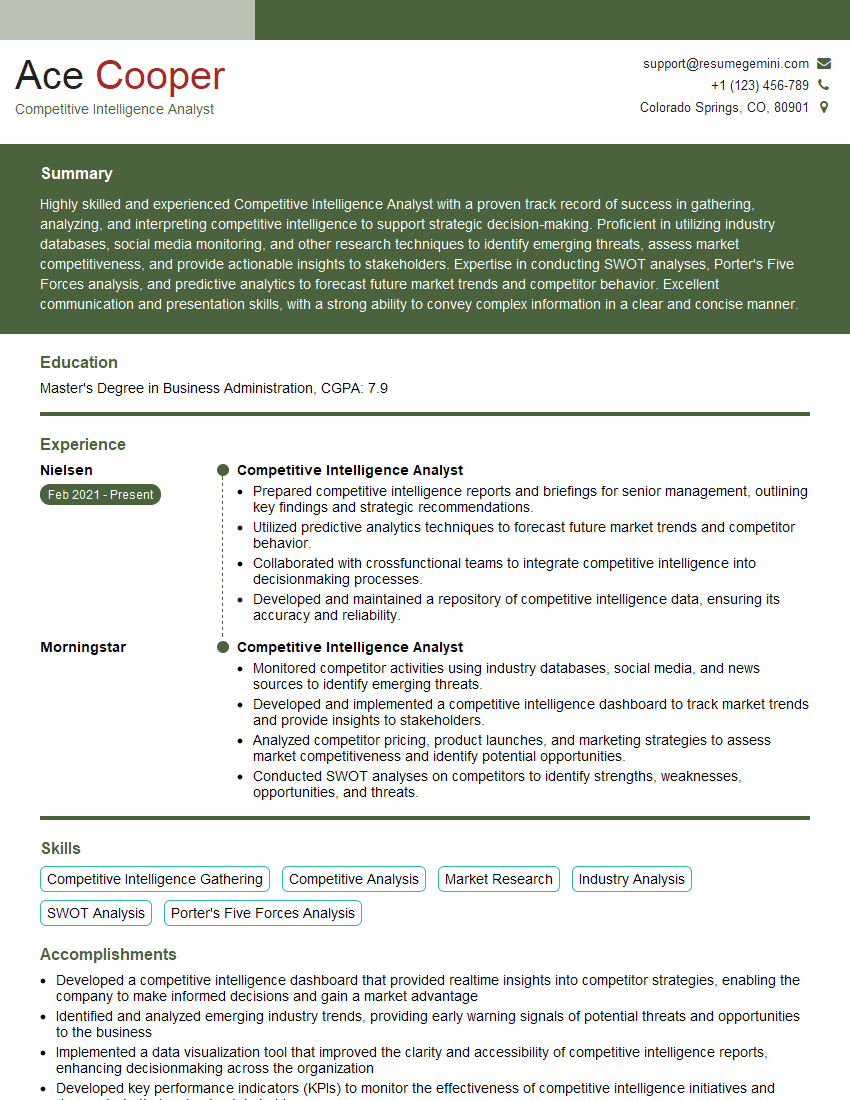
Competitive Intelligence Analyst Resume Sample
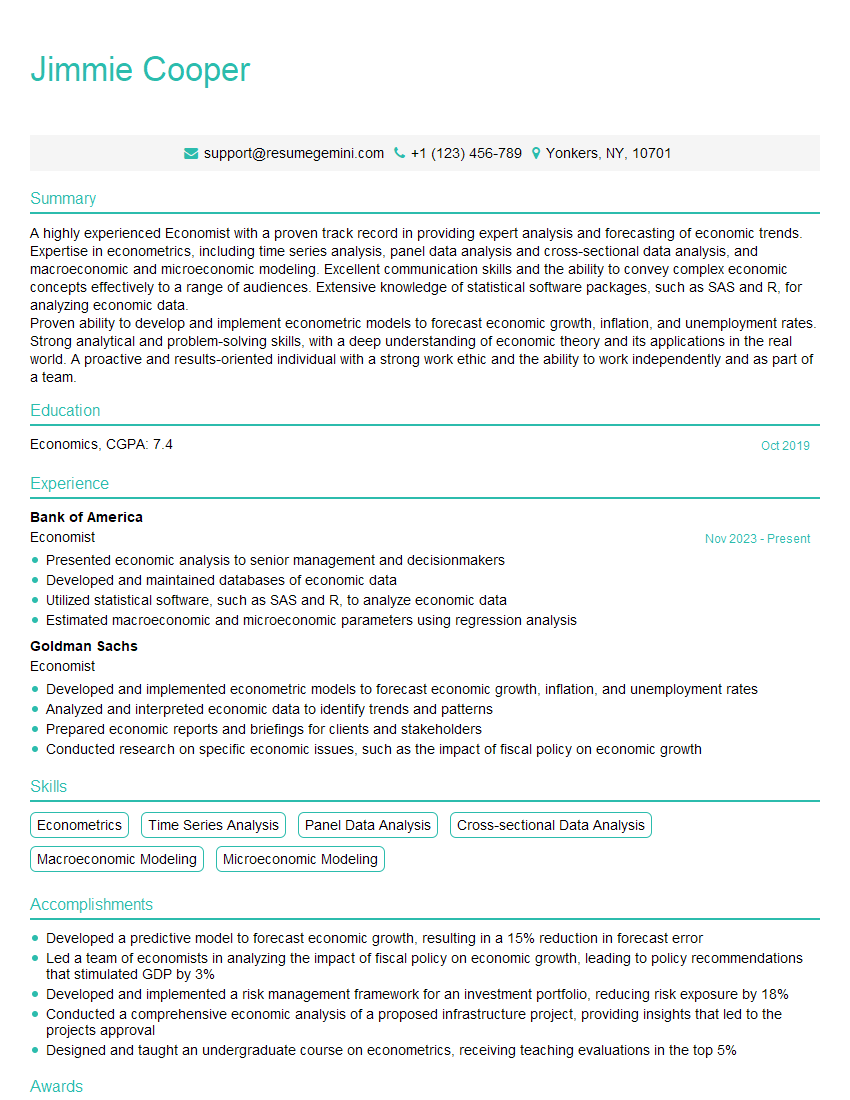
Economist Resume Sample
- Strategic Planner
- Operations Manager
- Marketing Manager
- Sales Manager
- Business Development Manager
- Product Manager
- Chief Technology Officer (CTO)
- Supply Chain Manager
- Project Manager
- Compliance Officer
- Risk Manager
- Management Consultant
- Market Research Analyst
- Financial Analyst
- Data Analyst
- Business Intelligence Analyst
- Competitive Intelligence Analyst
- Economist
Explore more articles
Users Rating of Our Blogs
Share Your Experience
We value your feedback! Please rate our content and share your thoughts (optional).
What Readers Say About Our Blog
Very informative content, great job.
good