Cracking a skill-specific interview, like one for Understanding of infrastructure design principles, requires understanding the nuances of the role. In this blog, we present the questions you’re most likely to encounter, along with insights into how to answer them effectively. Let’s ensure you’re ready to make a strong impression.
Questions Asked in Understanding of infrastructure design principles Interview
Q 1. Explain the difference between CAP theorem and Brewer’s theorem.
The CAP theorem and Brewer’s theorem are essentially the same thing. Brewer’s theorem is the informal statement, while the CAP theorem is the formalized mathematical statement. Both state that in a distributed data store, you can only simultaneously achieve two out of the following three guarantees:
- Consistency: Every read receives the most recent write or an error.
- Availability: Every request receives a (non-error) response, without the guarantee that it contains the most recent write.
- Partition tolerance: The system continues to operate despite arbitrary message loss or network failures between nodes.
In essence, the theorem highlights the fundamental trade-offs in designing distributed systems. Partition tolerance is almost always a requirement for a truly distributed system (think of a network outage affecting a data center). Therefore, you must choose between consistency and availability. A database that prioritizes consistency might temporarily become unavailable during a write operation to ensure data integrity. Conversely, a database focused on availability might return stale data during a network partition to maintain responsiveness.
Example: Consider an online shopping cart. High availability is crucial; users should always be able to access their cart. However, strict consistency may be less critical; a slight delay in reflecting an item’s removal from the cart due to network issues is acceptable. Therefore, this system would likely prioritize availability over consistency.
Q 2. Describe your experience with designing highly available and scalable systems.
I have extensive experience designing highly available and scalable systems. My approach typically involves several key strategies:
- Redundancy: Implementing redundant components (servers, databases, networks) ensures that if one part fails, the system continues to function. This includes geographically distributed setups for enhanced resilience against regional outages.
- Load Balancing: Distributing incoming traffic across multiple servers prevents any single server from becoming overloaded. This ensures consistent performance and prevents bottlenecks.
- Horizontal Scaling: Adding more servers to handle increased load instead of increasing the capacity of individual servers. This is typically more cost-effective and easier to manage than vertical scaling.
- Asynchronous Processing: Decoupling processes using message queues allows for independent scaling and fault isolation. This approach prevents failures in one part of the system from affecting others.
- Caching: Strategically using caches to store frequently accessed data reduces the load on the backend systems and improves response times.
For example, in a recent project involving a high-traffic e-commerce platform, we used a multi-region architecture with load balancers distributing traffic across several availability zones. We leveraged message queues for order processing and employed a caching layer to speed up product catalog retrieval. This architecture ensured high availability even during peak seasons and provided smooth scaling as user base grew.
Q 3. How do you ensure security in your infrastructure designs?
Security is paramount in my infrastructure designs. My approach is multi-layered and incorporates:
- Principle of Least Privilege: Granting only necessary access rights to users and services. This limits the potential damage from security breaches.
- Network Security: Implementing firewalls, intrusion detection/prevention systems, and VPNs to protect the network perimeter and internal systems. Regular security audits and penetration testing are essential.
- Data Security: Employing encryption at rest and in transit, data loss prevention (DLP) mechanisms, and access controls to protect sensitive data. Regular data backups are crucial for disaster recovery.
- Infrastructure as Code (IaC): Using tools like Terraform or Ansible to automate infrastructure provisioning, ensuring consistency and repeatability. This also enables version control and auditing of configuration changes.
- Security Monitoring and Logging: Implementing robust monitoring systems to detect suspicious activities and log all events for forensic analysis. Centralized logging and alert systems are vital.
For instance, in a recent project, we used IAM roles with minimal permissions, encrypted all data using AES-256, implemented a Web Application Firewall (WAF), and used a SIEM (Security Information and Event Management) system to monitor all security logs. Regular vulnerability scans and penetration tests were conducted to proactively identify and address vulnerabilities.
Q 4. What are some common design patterns for microservices architectures?
Microservices architectures offer many benefits, but they require careful consideration of design patterns to manage complexity and maintain consistency. Some common patterns include:
- API Gateway: A single entry point for all client requests, routing traffic to the appropriate microservice. This simplifies client interaction and allows for cross-cutting concerns like authentication and rate limiting to be handled centrally.
- Service Discovery: A mechanism for microservices to locate each other dynamically. This is crucial in a dynamic environment where services are constantly scaling and failing over.
- Circuit Breaker: A pattern that prevents cascading failures by stopping requests to a failing service temporarily. This improves the overall resilience of the system.
- CQRS (Command Query Responsibility Segregation): Separating read and write operations into distinct models, enabling optimized data access patterns. This can improve performance and scalability for read-heavy applications.
- Saga Pattern: A pattern for managing distributed transactions across multiple microservices. This addresses the complexities of maintaining data consistency in a distributed environment.
For instance, in a project, we used an API Gateway to handle authentication and routing, Consul for service discovery, and Hystrix for circuit breaking. This approach allowed us to independently deploy and scale each microservice while maintaining the overall system’s stability.
Q 5. Explain your understanding of load balancing strategies and when to use each.
Load balancing distributes incoming network traffic across multiple servers. Different strategies are suited to different needs:
- Round Robin: Distributes requests sequentially across servers. Simple to implement but doesn’t consider server load.
- Least Connections: Directs requests to the server with the fewest active connections. More efficient than round robin but doesn’t account for server resource utilization.
- IP Hash: Distributes requests based on the client’s IP address, ensuring consistent server assignment for each client. Useful for maintaining session affinity.
- Weighted Round Robin: Assigns weights to servers based on their capacity. Servers with higher weights receive more requests, enabling better resource utilization.
The choice of strategy depends on the application’s requirements. For applications requiring session affinity, IP Hash is suitable. For applications needing efficient resource utilization, Weighted Round Robin or Least Connections are better choices. Round Robin is often used for simple scenarios where load balancing is a basic requirement.
Q 6. How do you handle database scaling and replication?
Database scaling and replication are crucial for handling increasing data volume and ensuring high availability. Strategies include:
- Read Replicas: Creating copies of the database to handle read traffic, reducing the load on the primary database. This improves read performance and availability.
- Sharding: Partitioning the database into smaller, more manageable pieces spread across multiple servers. This horizontally scales the database to handle massive data volumes and high query rates.
- Master-Slave Replication: The master database handles writes, and slave databases replicate data for read operations. This provides high availability but has limitations in write performance and synchronization complexities.
- Multi-Master Replication: Multiple databases can accept writes, improving write availability, but requires careful conflict resolution strategies.
The choice of strategy depends on the application’s workload. For read-heavy applications, read replicas are very effective. For applications needing high write availability and scalability, sharding or multi-master replication might be necessary. Master-slave is a good balance for simpler requirements, but understanding its limitations is vital.
Q 7. Discuss your experience with different cloud platforms (AWS, Azure, GCP).
I possess experience with AWS, Azure, and GCP, having utilized each for various projects. My familiarity spans their core services, including compute, storage, databases, and networking.
AWS: I have extensive experience with EC2 for compute, S3 for object storage, RDS for managed databases, and various networking services like Route 53 and VPC. I’ve utilized AWS Lambda for serverless functions and its managed Kubernetes service, EKS, for container orchestration.
Azure: My Azure experience includes using Azure Virtual Machines (VMs), Azure Blob Storage, Azure SQL Database, and Azure Cosmos DB. I’ve also worked with Azure Kubernetes Service (AKS) and Azure Functions for serverless computing.
GCP: On GCP, I have utilized Compute Engine, Cloud Storage, Cloud SQL, and Cloud Spanner. I’ve also worked with Kubernetes Engine (GKE) for containerized workloads and Cloud Functions for serverless applications.
My experience extends beyond basic usage. I am proficient in designing and implementing cost-effective and scalable architectures on each platform, utilizing their respective best practices and security features. The choice of cloud platform often depends on specific project requirements, cost considerations, and existing infrastructure.
Q 8. How would you design a system to handle a sudden surge in traffic?
Handling a sudden surge in traffic requires a multi-pronged approach focusing on scalability and resilience. Think of it like a highway – during rush hour, you need more lanes to accommodate the increased volume of cars. In our case, ‘lanes’ represent our system’s capacity.
Horizontal Scaling: This is the first line of defense. Instead of relying on a single powerful server, we use multiple smaller servers that can be easily added (scaled out) as needed. This distributes the load, preventing any single server from becoming overloaded. For example, using load balancers like HAProxy or Nginx to distribute incoming requests across multiple application servers.
Vertical Scaling: While horizontal scaling is preferred for its flexibility, vertical scaling (increasing the resources of existing servers – CPU, RAM, etc.) can offer a quicker solution for short-term bursts. However, this approach has limitations as it eventually reaches a single server’s capacity.
Caching: Caching frequently accessed data in a memory layer (like Redis or Memcached) significantly reduces the load on the database and application servers. Imagine a store clerk who keeps frequently requested items close at hand – they don’t have to search the back room every time.
Queueing: For tasks that don’t require immediate processing, using message queues (like RabbitMQ or Kafka) allows us to buffer requests and handle them asynchronously. This prevents the system from being overwhelmed during peak times. Think of it as a waiting line at a popular restaurant.
Load Balancing: Distributing traffic evenly across multiple servers is crucial. Load balancers intelligently route requests, ensuring no single server is overloaded. They can also perform health checks and automatically remove malfunctioning servers from the pool.
Implementing these strategies together creates a robust system that can gracefully handle traffic spikes. Regular load testing and performance monitoring are crucial to proactively identify and address potential bottlenecks.
Q 9. Explain the concept of a CDN and its benefits.
A Content Delivery Network (CDN) is a geographically distributed group of servers that work together to deliver content to users based on their location. Think of it as a global network of caches strategically placed around the world. Instead of all users downloading content from a single server (which can be slow and unreliable for users far away), the CDN directs users to the closest server containing the requested content.
Reduced Latency: By serving content from a nearby server, the CDN drastically reduces latency (the delay in data transmission), resulting in faster loading times for users.
Increased Bandwidth: The CDN distributes the load across multiple servers, preventing any single server from being overloaded and ensuring high bandwidth availability.
Improved Scalability: The CDN easily scales to accommodate increases in traffic without requiring significant changes to the origin server.
Enhanced Reliability: If one server goes down, the CDN automatically redirects traffic to other healthy servers, ensuring continuous service availability.
Security: CDNs often include security features like DDoS mitigation and SSL encryption, protecting your content and users from cyber threats.
Popular CDN providers include Cloudflare, Akamai, and Amazon CloudFront. In practice, a CDN is essential for websites and applications with a global user base, ensuring a fast and reliable experience for everyone.
Q 10. What are your preferred monitoring and logging tools and why?
My preferred monitoring and logging tools depend on the specific needs of the project, but I generally favor a combination of tools for comprehensive coverage. For monitoring, I like tools that provide real-time insights and alerting, allowing for proactive issue resolution.
Prometheus & Grafana: Prometheus is a powerful open-source monitoring system that excels at collecting metrics and providing visualizations through Grafana. This is an excellent combination for infrastructure monitoring and application performance monitoring.
Datadog or New Relic: For more comprehensive, all-in-one monitoring solutions, Datadog and New Relic offer user-friendly interfaces and advanced features, including automated alerting and anomaly detection.
For logging, a centralized logging system is crucial for effective troubleshooting and analysis.
Elasticsearch, Logstash, and Kibana (ELK stack): This open-source suite is incredibly versatile, offering powerful search, filtering, and visualization capabilities. It’s highly scalable and suitable for managing large volumes of log data.
Splunk: A commercial solution known for its robust features and ease of use, Splunk is suitable for complex environments needing in-depth log analysis.
The choice depends on factors like budget, scale, and the level of detail needed. The most important aspect is ensuring logs provide enough information to quickly diagnose and resolve issues.
Q 11. Describe your experience with containerization technologies (Docker, Kubernetes).
I have extensive experience with Docker and Kubernetes, two cornerstone technologies in modern containerization. Docker provides the mechanism for creating and running containers, while Kubernetes orchestrates the deployment, scaling, and management of these containers across a cluster.
Docker: I use Docker to package applications and their dependencies into isolated containers, ensuring consistent behavior across different environments. This simplifies deployment, reduces conflicts, and promotes portability. I’m proficient in building Docker images using Dockerfiles, managing container registries, and using Docker Compose for multi-container application deployments.
Kubernetes: Kubernetes takes container orchestration to the next level. I leverage Kubernetes to manage clusters of Docker containers, automating deployments, scaling applications based on demand, and ensuring high availability. I’m experienced in defining deployments, services, and pods, managing persistent volumes, and utilizing Kubernetes’s features for monitoring and logging. I’m also familiar with various Kubernetes deployment strategies like rolling updates and blue/green deployments.
I’ve used these technologies in several projects to improve application deployment efficiency, resource utilization, and overall system reliability. For example, in one project, migrating to Kubernetes significantly reduced deployment time and improved application scalability during peak demand.
Q 12. How do you approach capacity planning for your infrastructure?
Capacity planning is a critical process that ensures our infrastructure can handle current and future demands. It’s about proactively estimating resource needs to prevent performance bottlenecks and service disruptions. It’s like planning for a party – you need to estimate how many guests will attend to ensure you have enough food, drinks, and space.
Historical Data Analysis: I start by analyzing historical data on resource utilization (CPU, RAM, network bandwidth, storage). This provides a baseline for projecting future needs.
Forecasting: Based on historical data and future projections (e.g., expected user growth), I develop forecasts for resource requirements.
Performance Testing: Load testing is crucial to simulate real-world scenarios and identify potential bottlenecks under various load conditions.
Safety Margin: I always incorporate a safety margin into capacity estimates to account for unexpected spikes or unforeseen circumstances.
Scalability Considerations: The design must accommodate scaling – both horizontal and vertical – to handle growth without significant disruption.
Monitoring and Alerting: Continuous monitoring and alerting mechanisms are essential for detecting resource constraints and allowing for timely intervention.
Capacity planning is an iterative process, requiring regular review and adjustment based on observed performance and changing business needs.
Q 13. Explain your experience with different network topologies.
I’m familiar with various network topologies, each with its strengths and weaknesses. The choice of topology depends on factors like scalability, cost, and the specific needs of the network.
Bus Topology: A simple, cost-effective topology where all devices are connected to a single cable. However, it’s vulnerable to single points of failure and can become congested with many devices.
Star Topology: A central hub or switch connects all devices. It’s reliable, easy to manage, and allows for easy addition or removal of devices. This is the most commonly used topology.
Ring Topology: Devices are connected in a closed loop. Data travels in one direction, which can be efficient but also creates a single point of failure if any device fails.
Mesh Topology: Devices are interconnected with multiple paths. It’s highly reliable and fault-tolerant but can be complex and expensive to implement. This is often used in critical infrastructure.
Tree Topology: A hierarchical structure combining features of star and bus topologies. It’s commonly used in larger networks.
In practice, large networks often employ hybrid topologies, combining elements of different structures to optimize performance and resilience. I have experience designing and implementing networks based on the specific requirements of the project, ensuring high availability and scalability.
Q 14. What are the key considerations for designing a disaster recovery plan?
Designing a robust disaster recovery (DR) plan is critical for business continuity. It’s about defining procedures and systems to recover from disruptions like natural disasters, cyberattacks, or equipment failures. Think of it as having a backup plan for your most important asset.
Risk Assessment: The first step is identifying potential threats and their impact on the organization. This involves analyzing vulnerabilities and determining the likelihood of different events.
Recovery Time Objective (RTO): This defines the maximum acceptable downtime after a disaster. For example, an RTO of 4 hours means the system must be restored within 4 hours.
Recovery Point Objective (RPO): This specifies the maximum acceptable data loss after a disaster. An RPO of 24 hours means data loss shouldn’t exceed 24 hours’ worth of data.
Recovery Strategy: Based on the RTO and RPO, we choose a suitable recovery strategy. Options include hot sites (fully operational backups), warm sites (partially configured backups), cold sites (basic infrastructure), and cloud-based backups.
Testing and Drills: Regular testing and drills are crucial to validate the DR plan’s effectiveness and identify any weaknesses.
Documentation: Comprehensive documentation of the DR plan, including procedures, contact information, and recovery steps, is essential for efficient recovery.
Automation: Automating as much of the recovery process as possible reduces manual intervention and speeds up recovery time.
A well-defined DR plan ensures business continuity, minimizing the impact of disruptions and protecting critical data and systems. The plan should be regularly reviewed and updated to reflect changes in the organization’s infrastructure and business needs.
Q 15. How do you ensure data integrity and consistency in a distributed system?
Ensuring data integrity and consistency in a distributed system is crucial. It’s like managing a complex puzzle where each piece (data) must fit perfectly with others, even when those pieces are spread across multiple locations. We achieve this through a combination of techniques:
Redundancy and Replication: Storing multiple copies of data across different servers. If one server fails, other copies are available, preventing data loss. This is like having multiple backups of an important document – if one gets lost or damaged, you have others.
Data Synchronization: Using mechanisms like distributed consensus algorithms (e.g., Paxos, Raft) to ensure all copies of the data are consistent. Imagine a collaborative document; these algorithms make sure everyone sees the same, up-to-date version.
Transactions and Atomicity: Grouping multiple operations into a single transaction, guaranteeing that either all operations succeed, or none do. This prevents partial updates and maintains data integrity. Think of it like an all-or-nothing approach to a bank transfer; it either completes fully or doesn’t happen at all.
Version Control: Tracking changes to the data over time, allowing for rollback to previous versions if needed. Similar to using Git for code, this enables you to recover from mistakes or unexpected issues.
Checksums and Hashing: Verifying data integrity by calculating checksums or hashes. Any change in the data will result in a different checksum, alerting us to potential corruption. This is like having a digital fingerprint for your data.
The specific methods employed depend on factors like the application’s requirements, the type of data, and the overall system architecture. For instance, a high-availability database might rely heavily on replication and transactions, whereas a distributed cache might prioritize speed and eventual consistency.
Career Expert Tips:
- Ace those interviews! Prepare effectively by reviewing the Top 50 Most Common Interview Questions on ResumeGemini.
- Navigate your job search with confidence! Explore a wide range of Career Tips on ResumeGemini. Learn about common challenges and recommendations to overcome them.
- Craft the perfect resume! Master the Art of Resume Writing with ResumeGemini’s guide. Showcase your unique qualifications and achievements effectively.
- Don’t miss out on holiday savings! Build your dream resume with ResumeGemini’s ATS optimized templates.
Q 16. Describe your experience with Infrastructure as Code (IaC).
I have extensive experience with Infrastructure as Code (IaC), utilizing tools like Terraform and Ansible. IaC is essential for managing complex infrastructure efficiently and reliably. It’s like having a blueprint for your infrastructure, allowing you to define, provision, and manage resources through code rather than manual processes.
In my previous role, I used Terraform to automate the deployment of a multi-region Kubernetes cluster. This involved defining the entire infrastructure – from virtual machines and networks to load balancers and databases – in a declarative configuration file. The process was fully automated, repeatable, and significantly reduced deployment time and human error. An example snippet of Terraform code defining an EC2 instance might look like this:
resource "aws_instance" "example" { ami = "ami-0c55b31ad2299a701" instance_type = "t2.micro" } Ansible, on the other hand, was instrumental in configuring and managing the servers within that cluster. Its agentless architecture simplifies configuration management tasks across different operating systems. We used Ansible playbooks to automate tasks such as software installation, user account creation, and security hardening.
The benefits of using IaC extend beyond automation. It enhances collaboration, improves consistency, and facilitates version control for infrastructure changes, making it much easier to track and revert changes if necessary. It’s a cornerstone of modern DevOps practices.
Q 17. What are some common challenges in cloud migration projects?
Cloud migration projects, while offering significant benefits, present several challenges. These challenges often stem from a lack of planning, insufficient understanding of the cloud environment, and inadequate tooling.
Application Compatibility: Not all applications are easily migrated to the cloud. Some require significant refactoring or redesign to leverage cloud-native services. Imagine trying to fit a square peg into a round hole; some applications simply aren’t designed for the cloud’s architecture.
Data Migration: Moving large datasets to the cloud can be time-consuming and complex. Proper planning, efficient tools, and potentially phased migration strategies are vital to ensure minimal downtime and data integrity.
Security Concerns: Ensuring the security of your data and applications in the cloud is paramount. This involves careful configuration of security groups, network access controls, and implementing appropriate security best practices.
Cost Management: Cloud costs can quickly escalate if not carefully monitored and managed. Understanding cloud pricing models and implementing cost optimization strategies is crucial.
Skills Gap: Migrating to the cloud requires expertise in cloud technologies, which can be a challenge if your team lacks the necessary skills. Proper training and potentially bringing in external expertise can address this.
Vendor Lock-in: Choosing a cloud provider can lead to vendor lock-in, making it difficult to switch providers later. A thorough evaluation of different providers and their offerings is crucial to mitigate this risk.
Addressing these challenges requires careful planning, a phased approach, robust testing, and a strong understanding of both your existing infrastructure and the target cloud environment. This includes creating a detailed migration plan, conducting thorough assessments, and implementing proper monitoring and alerting throughout the migration process.
Q 18. How do you optimize infrastructure costs?
Optimizing infrastructure costs is a continuous process. It requires a multifaceted approach that combines proactive planning with ongoing monitoring and adjustments. Think of it like managing your personal budget; you need to track your spending, identify areas for improvement, and make adjustments to stay within your limits.
Right-Sizing Resources: Choosing the appropriate instance sizes for your workloads. Avoid over-provisioning, as this leads to unnecessary expenses. This is like choosing the right-sized car for your needs; a compact car is sufficient for solo trips while a minivan might be better for a family.
Utilizing Spot Instances/Preemptible VMs: Leveraging cost-effective instance types that offer discounts in exchange for potential interruptions. These are ideal for non-critical workloads that can tolerate brief downtime.
Auto-Scaling: Dynamically scaling resources based on demand, ensuring you only pay for what you use. This is like having a restaurant with staff that adjusts to the number of customers, avoiding paying for extra staff during slower periods.
Reserved Instances/Savings Plans: Committing to using certain resources for a specific period to get significant discounts. This is analogous to a long-term contract that offers a lower price per unit than buying on demand.
Resource Monitoring and Alerting: Tracking resource usage and setting alerts to identify potential cost overruns. This is like monitoring your bank account to ensure you don’t overspend.
Cost Optimization Tools: Utilizing cloud provider’s built-in cost optimization tools and third-party solutions to analyze spending and identify opportunities for improvement.
A key aspect is utilizing cloud provider’s cost management tools to track spending and identify areas for improvement. Regularly reviewing these reports helps to keep a check on costs and proactively adjust resource allocation as needed.
Q 19. Explain your experience with automation and scripting.
Automation and scripting are integral to my approach to infrastructure management. They’re like having a tireless assistant that handles repetitive tasks accurately and efficiently, freeing me up to focus on more strategic initiatives.
My experience spans various scripting languages including Python, Bash, and PowerShell. I’ve used Python extensively for tasks such as automating infrastructure provisioning, data analysis, and creating custom monitoring tools. For example, I wrote a Python script to automatically deploy and configure new web servers, handling tasks like software installation, security updates, and database connection setup. This dramatically reduced deployment times compared to manual processes. A snippet from a similar script might look like this:
import subprocess def install_package(package_name): subprocess.run(["apt-get", "install", "-y", package_name]) install_package("nginx")Bash scripting is invaluable for automating tasks within Linux environments, often used for system administration and infrastructure management. PowerShell plays a similar role for Windows systems. I’ve leveraged these tools to create reusable modules and functions, simplifying complex operations and improving consistency.
Beyond individual scripts, I’ve developed and implemented CI/CD pipelines using tools like Jenkins and GitLab CI. This ensures automated testing, building, and deployment of infrastructure and applications, leading to faster release cycles and improved reliability. Automation isn’t just about speed; it’s about ensuring accuracy, consistency, and repeatability, reducing human error and improving overall efficiency.
Q 20. Describe your understanding of different storage solutions (e.g., SAN, NAS, object storage).
Understanding different storage solutions is crucial for designing robust and scalable infrastructure. Each solution has its strengths and weaknesses, making the choice dependent on specific application requirements.
SAN (Storage Area Network): A dedicated network for storage, offering high performance and scalability. SANs are typically used for applications requiring high I/O performance, such as databases and virtualization. Think of it like a dedicated highway system for data, ensuring fast and reliable transport.
NAS (Network Attached Storage): A file-level storage solution accessible over a network. NAS is simpler to manage than SAN, making it suitable for applications requiring shared file access. It’s like a central file server, easily accessed by multiple users.
Object Storage: A storage solution that stores data as objects within a flat namespace. Object storage is highly scalable and cost-effective, ideal for storing unstructured data such as images, videos, and backups. Imagine a giant warehouse where each item (object) is uniquely identified and easily retrieved.
The choice between these solutions depends on various factors, including performance requirements, scalability needs, data type, and budget. For instance, a large-scale media streaming service might opt for object storage due to its scalability and cost-effectiveness, while a mission-critical database system might require the high performance of a SAN.
Q 21. How do you handle performance bottlenecks in your infrastructure?
Handling performance bottlenecks requires a systematic approach, combining monitoring, analysis, and targeted optimization. It’s like diagnosing a car’s performance issues; you need to identify the root cause before fixing it.
Monitoring and Profiling: Utilize monitoring tools to identify performance bottlenecks. This involves tracking key metrics like CPU utilization, memory usage, disk I/O, and network latency. Think of these tools as your car’s diagnostic system, providing insights into its health.
Analyzing Bottlenecks: Once bottlenecks are identified, analyze their root cause. This might involve examining code performance, database queries, network configuration, or hardware limitations. This is like identifying whether the problem lies in the engine, transmission, or brakes of your car.
Optimization Strategies: Implement appropriate optimization strategies based on the identified bottlenecks. This might involve code optimization, database tuning, network improvements, or hardware upgrades. This is like fixing the identified problem, whether it’s a tune-up, a transmission repair, or brake pad replacement.
Load Balancing: Distribute traffic across multiple servers to prevent overload on any single server. This is like having multiple lanes on a highway to avoid congestion.
Caching: Store frequently accessed data in a cache to reduce the load on backend systems. This is like keeping frequently used items close at hand, saving time and effort in retrieving them.
A crucial aspect is continuous monitoring. Once a bottleneck is addressed, it’s important to monitor the system to ensure the optimization has the desired effect and to identify any new potential bottlenecks that may arise.
Q 22. What are your preferred methodologies for infrastructure design?
My preferred methodologies for infrastructure design center around a robust, iterative approach that blends top-down planning with agile development principles. I strongly advocate for using a combination of methods like:
- TOGAF (The Open Group Architecture Framework): This provides a structured approach for enterprise architecture, allowing for a holistic view of the infrastructure and its alignment with business goals. It helps define the architecture landscape, identifying components and their relationships.
- ITIL (Information Technology Infrastructure Library): ITIL best practices guide the service lifecycle management of the infrastructure, ensuring efficient operation and maintenance. This focuses on processes like incident management, change management, and capacity management.
- Agile methodologies (Scrum, Kanban): These iterative approaches allow for flexibility and adaptation during the design process. This is crucial as requirements often evolve during a project. Regular feedback loops ensure the design remains relevant and effective.
For example, in a recent project involving the design of a new e-commerce platform, we used TOGAF to define the overall architecture, ITIL to establish operational processes, and Scrum to manage the iterative development of the infrastructure components. This combined approach ensured a robust, scalable, and secure platform that met business needs.
Q 23. How do you ensure compliance with relevant security and regulatory standards?
Ensuring compliance is paramount. My approach involves a multi-layered strategy:
- Risk Assessment: Thorough identification of potential vulnerabilities and regulatory requirements specific to the project and industry (e.g., HIPAA for healthcare, PCI DSS for payment processing).
- Standards Definition: Clearly defining the relevant security and regulatory standards (e.g., ISO 27001, NIST Cybersecurity Framework) to guide design choices. This includes establishing baselines for security controls.
- Design for Compliance: Incorporating security and compliance requirements throughout the design process, not as an afterthought. This means selecting secure components, implementing appropriate access controls, and planning for regular audits and penetration testing.
- Documentation and Audits: Maintaining comprehensive documentation of the design, including security controls, and conducting regular audits to verify ongoing compliance. This includes documenting all design decisions and rationale to demonstrate due diligence.
For instance, when designing a system handling sensitive personal data, we would rigorously adhere to GDPR and implement data encryption both in transit and at rest, along with robust access controls and logging mechanisms. Regular penetration testing would further validate the security posture.
Q 24. Describe your experience with different virtualization technologies.
I have extensive experience with various virtualization technologies, including:
- VMware vSphere: Proficient in designing and managing virtualized environments using vSphere, including resource allocation, high availability clusters, and disaster recovery strategies. I’ve used this extensively for server consolidation and application deployments.
- Microsoft Hyper-V: Experienced in deploying and managing Hyper-V based virtual machines, leveraging its integration with Windows Server for efficient management and administration. This is often a cost-effective choice for smaller deployments.
- OpenStack: Familiar with OpenStack’s cloud computing platform, allowing for the creation of private or hybrid cloud environments. This is valuable for projects requiring flexibility and scalability.
- Containers (Docker, Kubernetes): I’m adept at using containers for microservices architectures, leveraging their portability and efficiency. This is increasingly important for agile development and deployment.
In a past project, we migrated a legacy application suite to a VMware vSphere environment, improving resource utilization and reducing hardware costs significantly while simultaneously enhancing the availability and disaster recovery capabilities.
Q 25. Explain the difference between public, private, and hybrid cloud deployments.
The key differences lie in ownership, management, and control:
- Public Cloud: Resources (compute, storage, networking) are provided by a third-party provider (e.g., AWS, Azure, GCP). The provider manages the underlying infrastructure; you manage your applications and data. This offers scalability and cost-effectiveness but requires careful consideration of data security and vendor lock-in.
- Private Cloud: Resources are dedicated to a single organization and housed within their own data center or a colocation facility. This provides greater control and security but requires significant investment in infrastructure and management expertise.
- Hybrid Cloud: Combines both public and private cloud resources, allowing organizations to leverage the benefits of both models. This offers flexibility in deploying workloads based on their sensitivity and performance requirements. Sensitive data might reside in a private cloud while less critical applications might leverage the scalability of a public cloud.
Imagine a bank: highly sensitive transaction data might reside in a private cloud for maximum security, while less critical applications like customer-facing websites could be deployed on a public cloud for scalability during peak hours.
Q 26. How do you choose the right hardware for a specific infrastructure need?
Choosing the right hardware requires careful consideration of several factors:
- Workload Requirements: Understanding the performance needs of the applications and services (CPU, memory, storage I/O). A database server will have drastically different requirements than a web server.
- Scalability Needs: Planning for future growth and ensuring the infrastructure can handle increasing workloads without performance degradation. This includes considering modularity and easy expandability.
- Budget Constraints: Balancing performance requirements with budget limitations. There’s a trade-off between cost and performance, and optimization is key.
- Power and Cooling: Considering the energy consumption and cooling requirements of the hardware, particularly in large data centers. This directly affects operational costs and environmental impact.
- Vendor Support and Maintenance: Selecting hardware from reputable vendors with robust support and maintenance plans to minimize downtime and ensure long-term reliability.
For example, when designing a high-performance computing cluster, we would choose high-core-count CPUs, large amounts of RAM, and high-speed interconnects to ensure optimal performance. In contrast, a small office might benefit from cost-effective, energy-efficient servers.
Q 27. Describe your experience with network security best practices (firewalls, VPNs, etc.).
My experience with network security best practices is extensive. Key elements include:
- Firewalls: Implementing firewalls to control network traffic, blocking unauthorized access and preventing malicious activity. This includes both hardware and software firewalls, configured with appropriate rules and policies.
- VPNs (Virtual Private Networks): Utilizing VPNs to establish secure connections between networks or devices, enabling secure remote access and protecting data in transit. This is critical for remote workers and secure connections to cloud resources.
- Intrusion Detection/Prevention Systems (IDS/IPS): Deploying IDS/IPS to monitor network traffic for suspicious activity, alerting administrators to potential threats and automatically blocking malicious traffic. This provides a proactive layer of security.
- Network Segmentation: Dividing the network into smaller, isolated segments to limit the impact of a security breach. This prevents a single compromised system from affecting the entire network.
- Regular Security Audits and Penetration Testing: Conducting regular security assessments to identify vulnerabilities and ensure the effectiveness of security controls. Penetration testing simulates real-world attacks to uncover weaknesses.
In one project, we implemented a multi-layered security architecture incorporating firewalls, VPNs, and an intrusion detection system, significantly reducing the risk of unauthorized access and data breaches. Regular penetration testing ensured that the security posture remained robust.
Q 28. What are your preferred methods for testing and validating infrastructure designs?
Testing and validating infrastructure designs is critical to ensure they meet requirements and operate as intended. My preferred methods include:
- Unit Testing: Testing individual components of the infrastructure in isolation. This is crucial for verifying the functionality of each piece before integrating them.
- Integration Testing: Testing the interaction between different components to ensure they work together seamlessly. This helps identify issues arising from interoperability challenges.
- System Testing: Testing the entire infrastructure as a whole to verify that it meets all requirements. This includes performance testing, security testing, and user acceptance testing.
- Simulation and Modeling: Utilizing simulation tools to model the behavior of the infrastructure under various conditions. This is especially useful for capacity planning and disaster recovery planning.
- Automated Testing: Employing automated testing frameworks to reduce testing time and improve consistency. This includes tools for automating unit, integration, and system tests.
For example, before deploying a new network design, we would conduct extensive simulation using network modeling tools to predict performance under peak load conditions, helping us to identify and address potential bottlenecks. We would also perform automated security testing to identify potential vulnerabilities before the network goes live.
Key Topics to Learn for Understanding of Infrastructure Design Principles Interview
- Scalability and Elasticity: Understanding how to design infrastructure that can handle increasing workloads and adapt to changing demands. Explore concepts like horizontal and vertical scaling, auto-scaling, and capacity planning.
- High Availability and Fault Tolerance: Designing systems that remain operational even in the face of failures. Learn about redundancy, failover mechanisms, disaster recovery, and load balancing techniques.
- Security Best Practices: Implementing security measures at all layers of the infrastructure, including network security, data security, and access control. Explore concepts like firewalls, intrusion detection systems, and encryption.
- Networking Fundamentals: A solid grasp of networking protocols, topologies, and routing is crucial. Understand concepts like TCP/IP, subnetting, VLANs, and VPNs.
- Cost Optimization: Designing cost-effective infrastructure solutions while meeting performance and reliability requirements. This includes understanding cloud pricing models and resource optimization strategies.
- Cloud Computing Concepts: Familiarity with various cloud platforms (AWS, Azure, GCP) and their services is highly beneficial. Understand IaaS, PaaS, and SaaS models.
- Monitoring and Logging: Implementing effective monitoring and logging systems to track performance, identify issues, and troubleshoot problems proactively.
- Infrastructure as Code (IaC): Understanding the principles and benefits of managing infrastructure using code (e.g., Terraform, Ansible). This includes version control, automation, and repeatable deployments.
- Performance Tuning and Optimization: Strategies for improving the performance and efficiency of infrastructure components. This includes database optimization, caching strategies, and content delivery networks (CDNs).
Next Steps
Mastering infrastructure design principles is essential for career advancement in today’s technology landscape. A strong understanding of these concepts opens doors to higher-paying roles and more challenging projects. To maximize your job prospects, create an ATS-friendly resume that highlights your skills and experience effectively. ResumeGemini is a trusted resource that can help you build a professional and impactful resume. We provide examples of resumes tailored to Understanding of infrastructure design principles to guide you in showcasing your expertise. Invest time in crafting a compelling resume – it’s your first impression on potential employers.
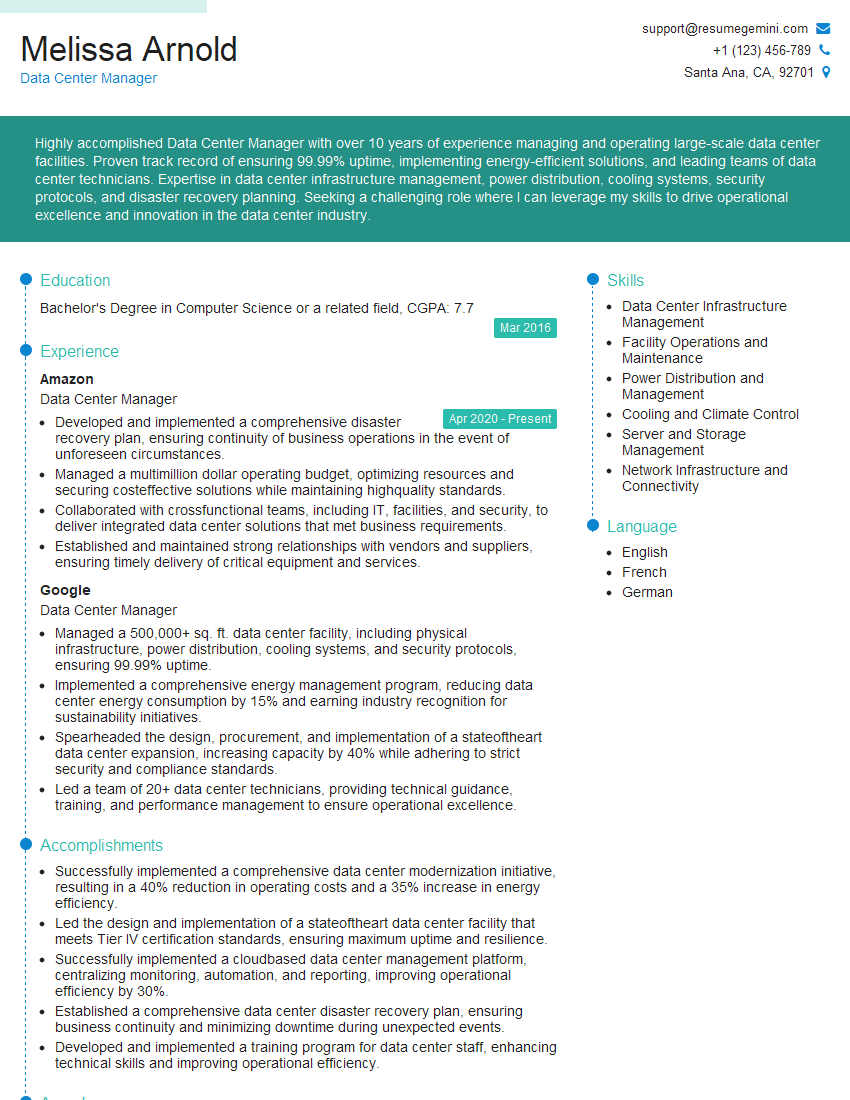
Data Center Manager Resume Sample
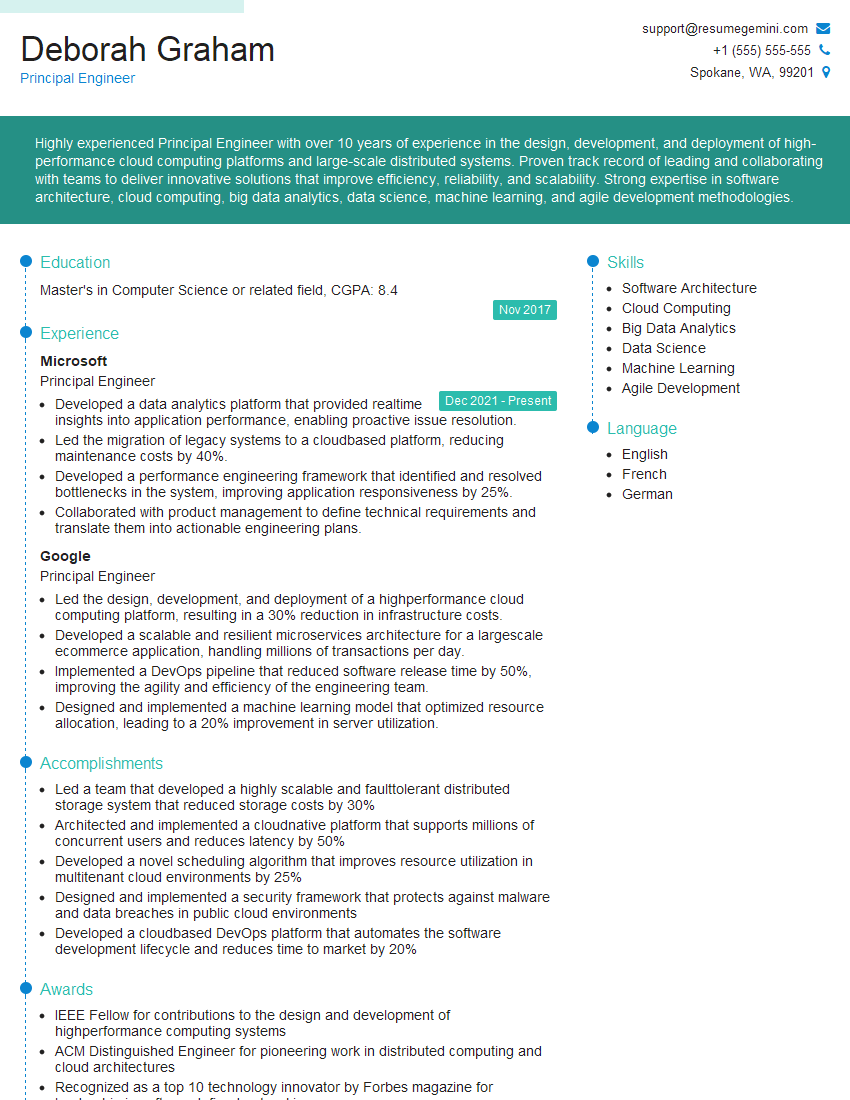
Principal Engineer Resume Sample
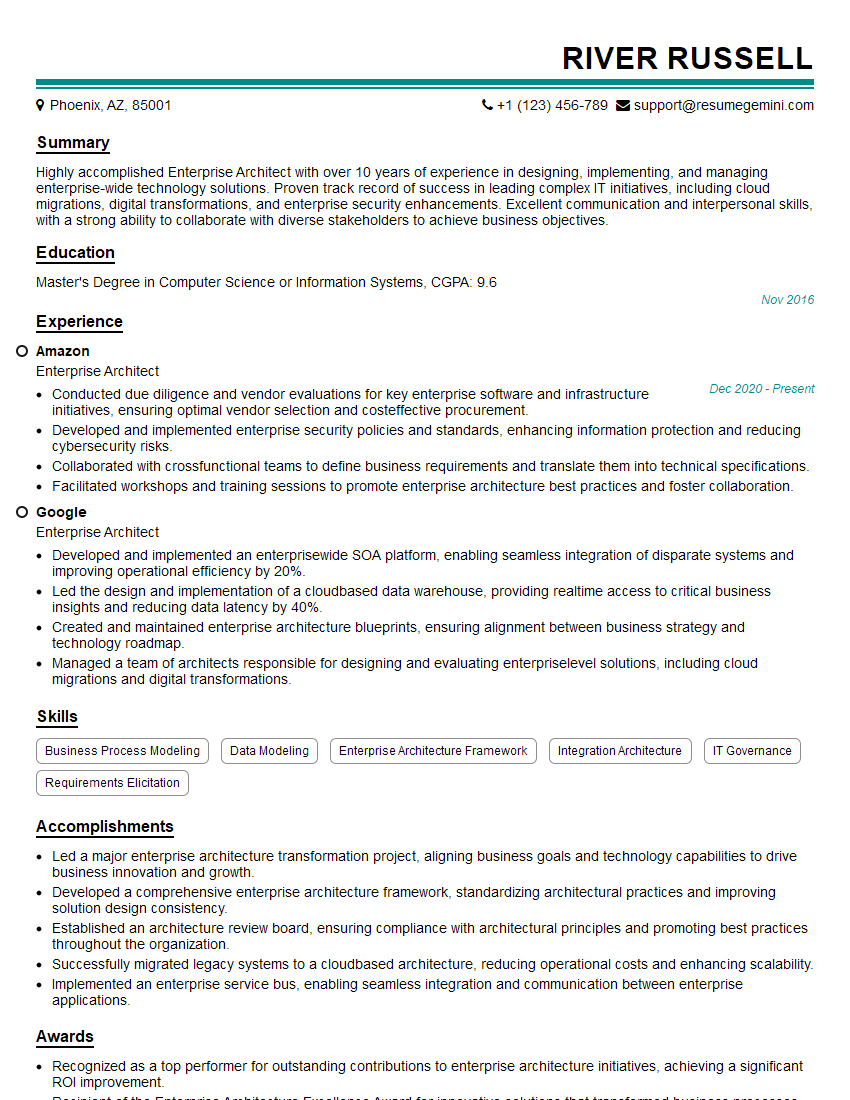
Enterprise Architect Resume Sample
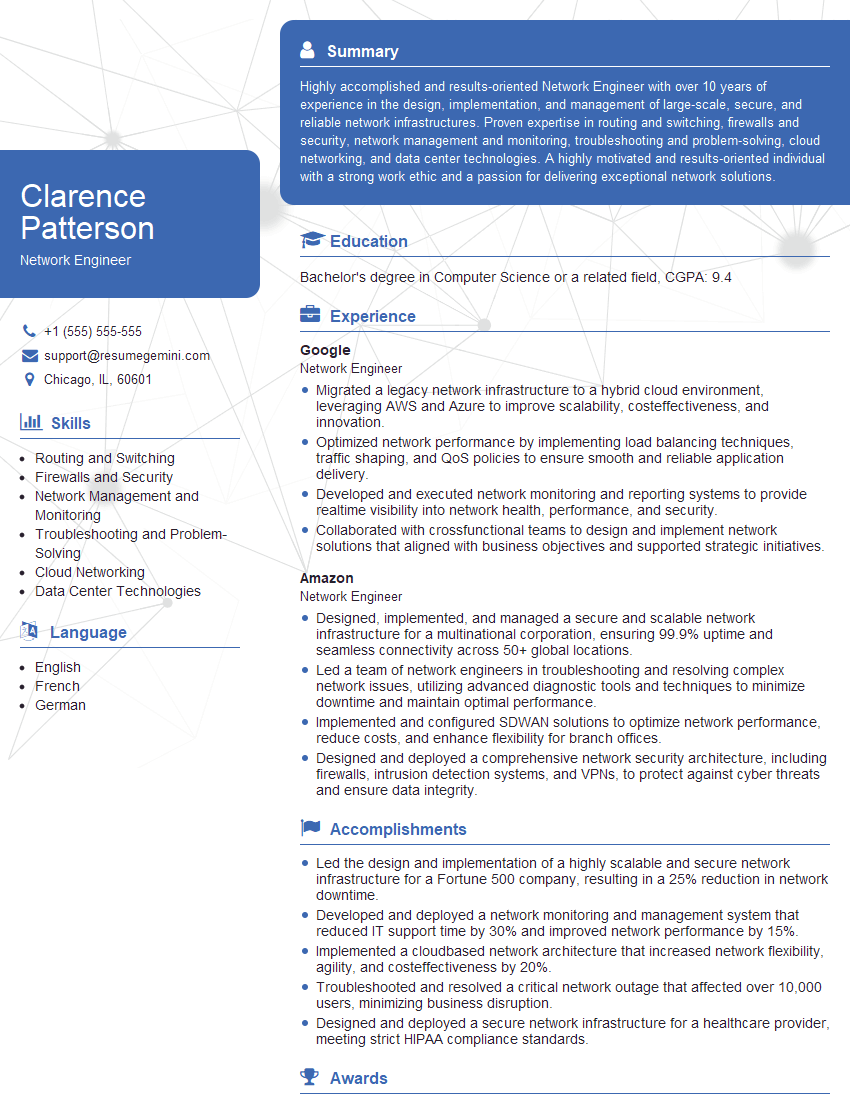
Network Engineer Resume Sample
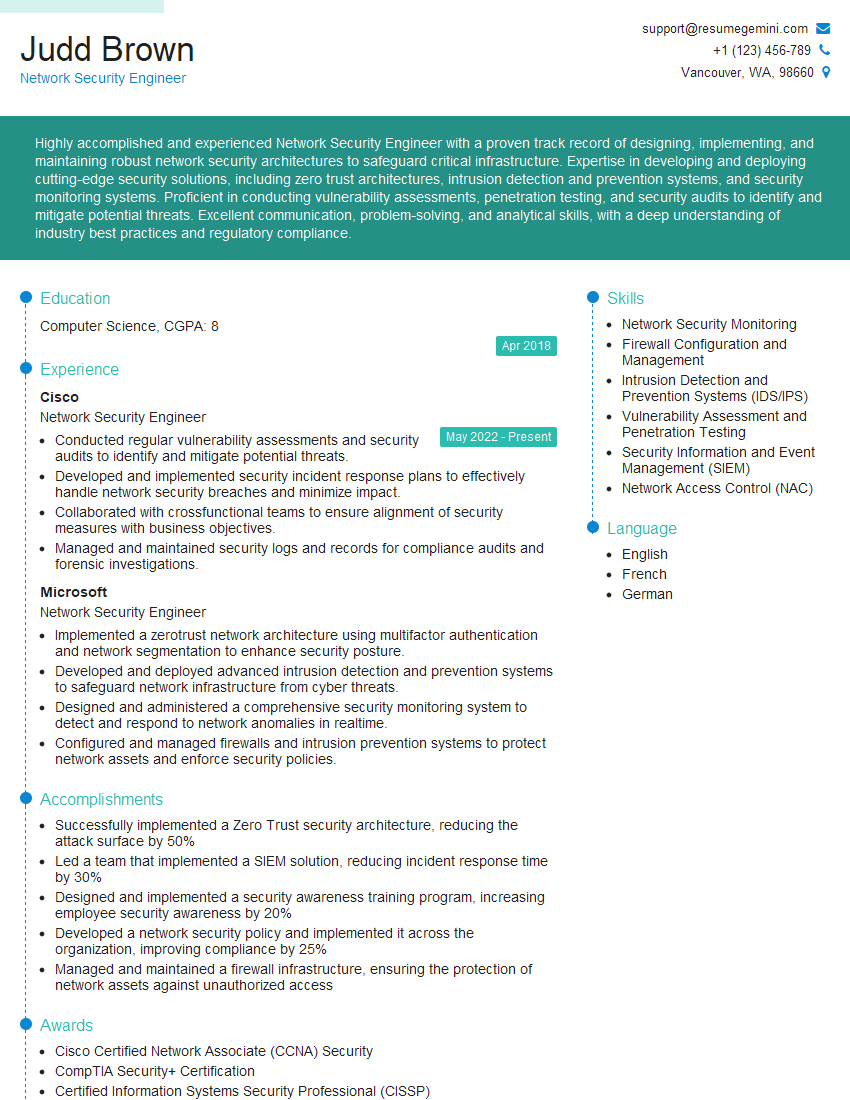
Network Security Engineer Resume Sample
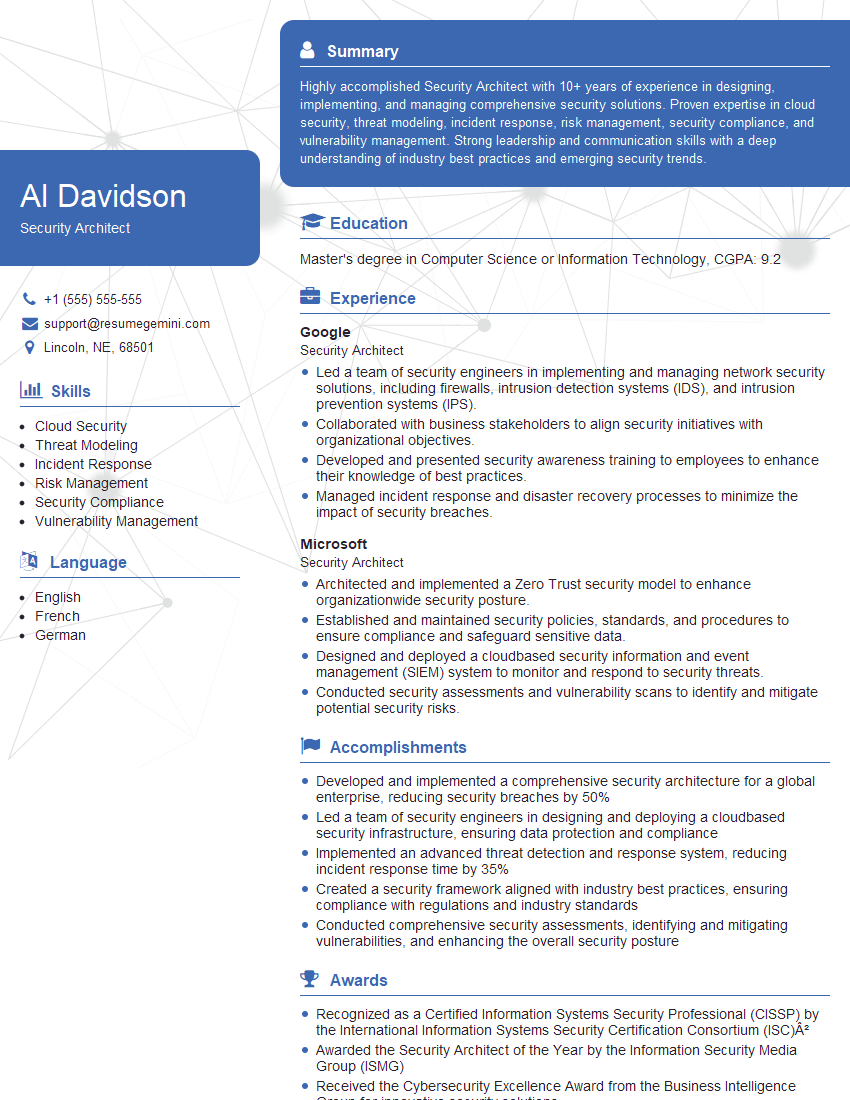
Security Architect Resume Sample
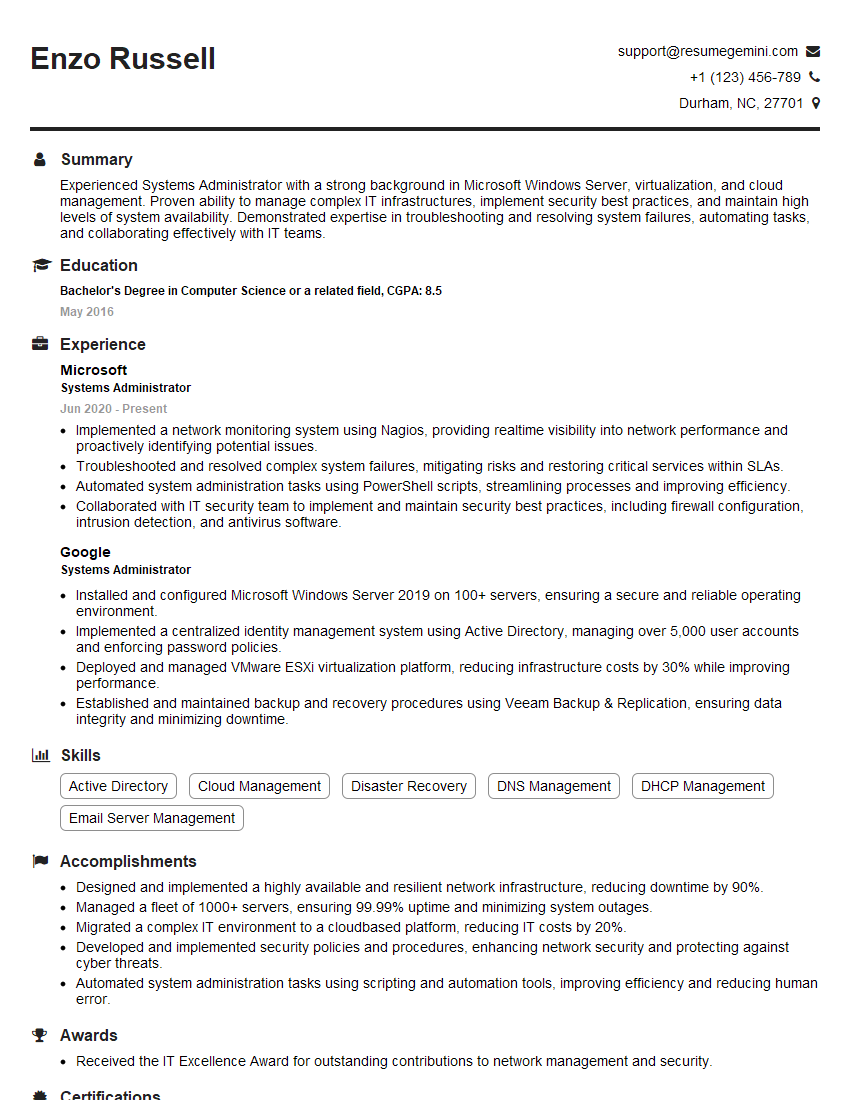
Systems Administrator Resume Sample
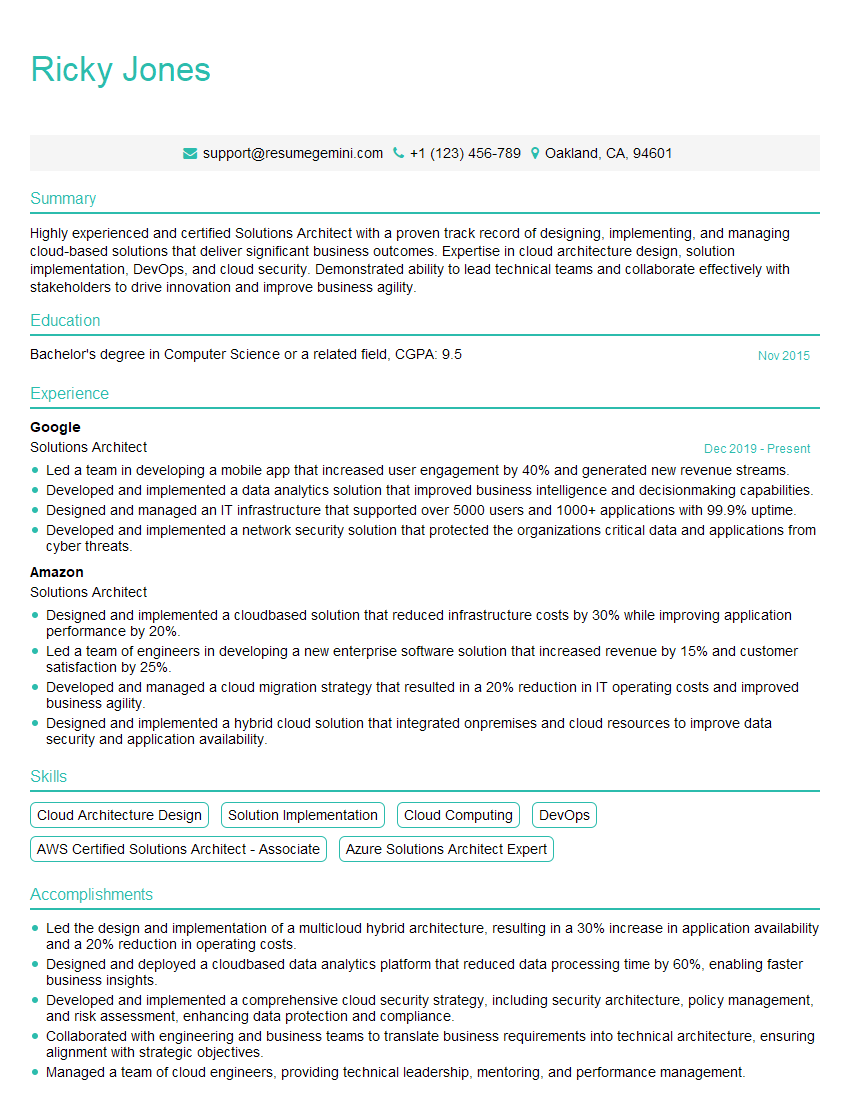
Solutions Architect Resume Sample
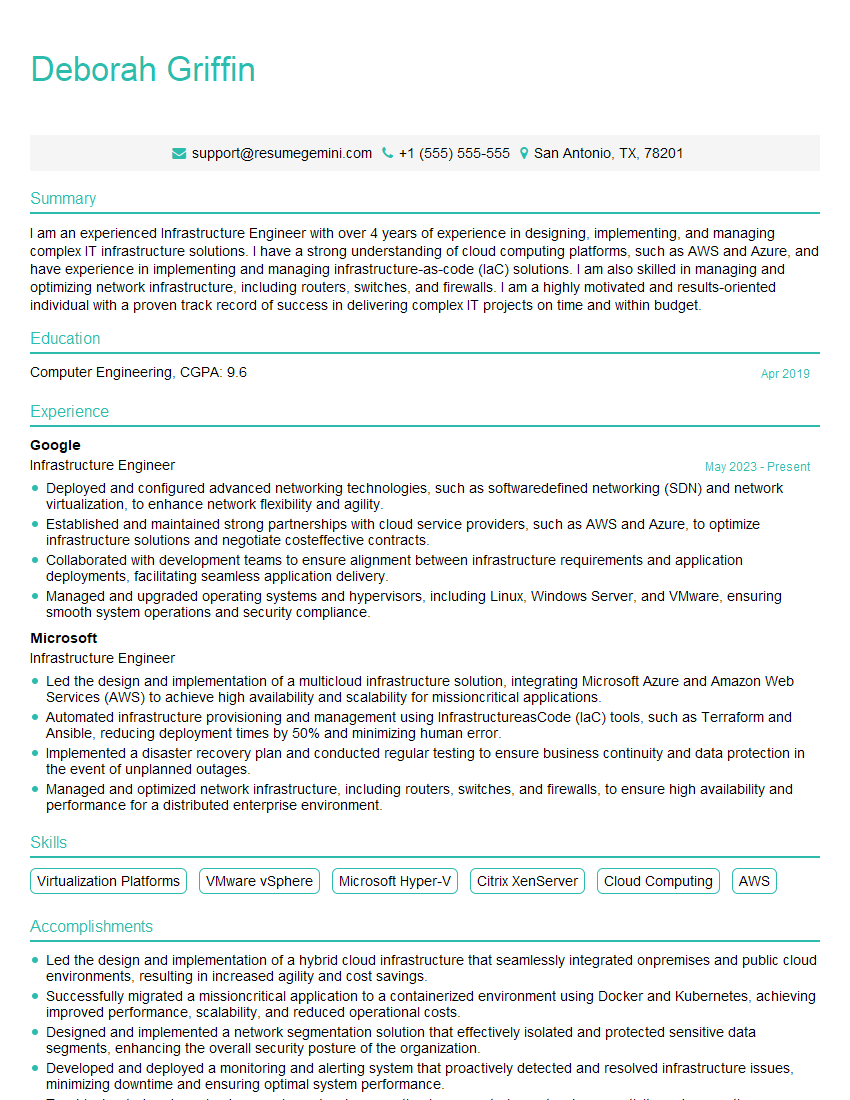
Infrastructure Engineer Resume Sample
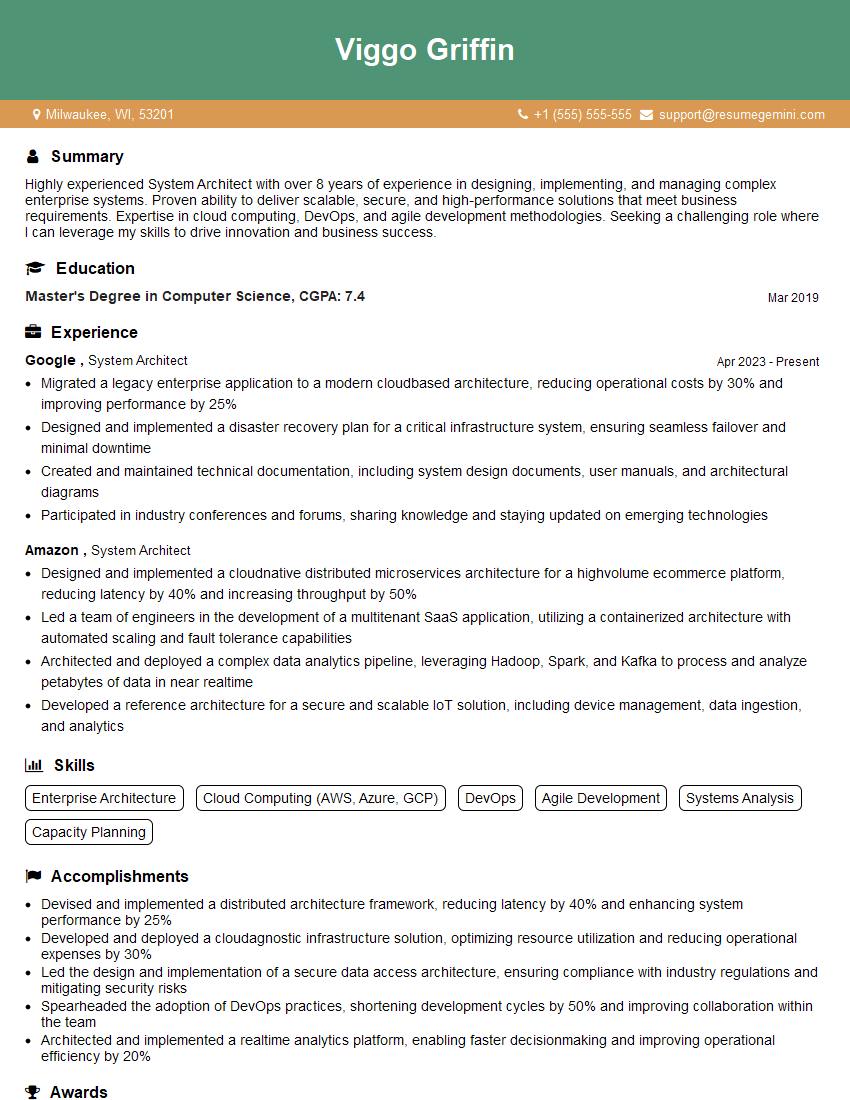
System Architect Resume Sample
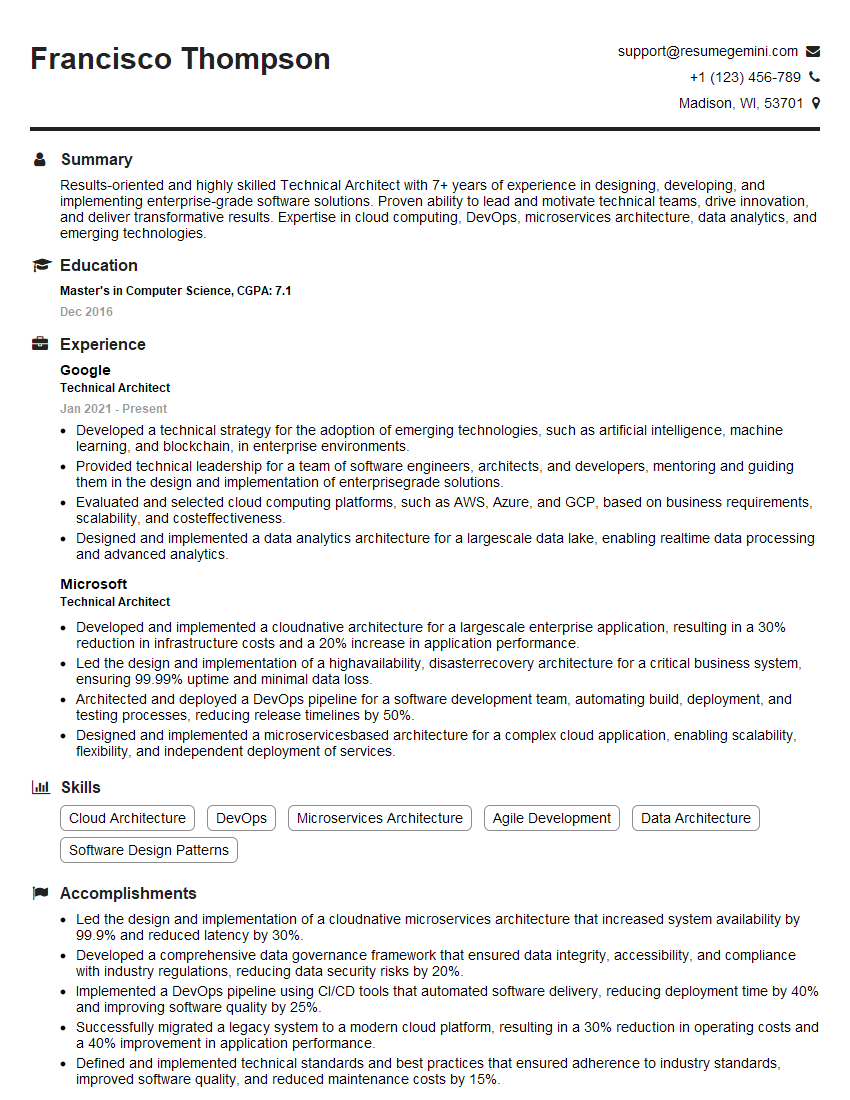
Technical Architect Resume Sample
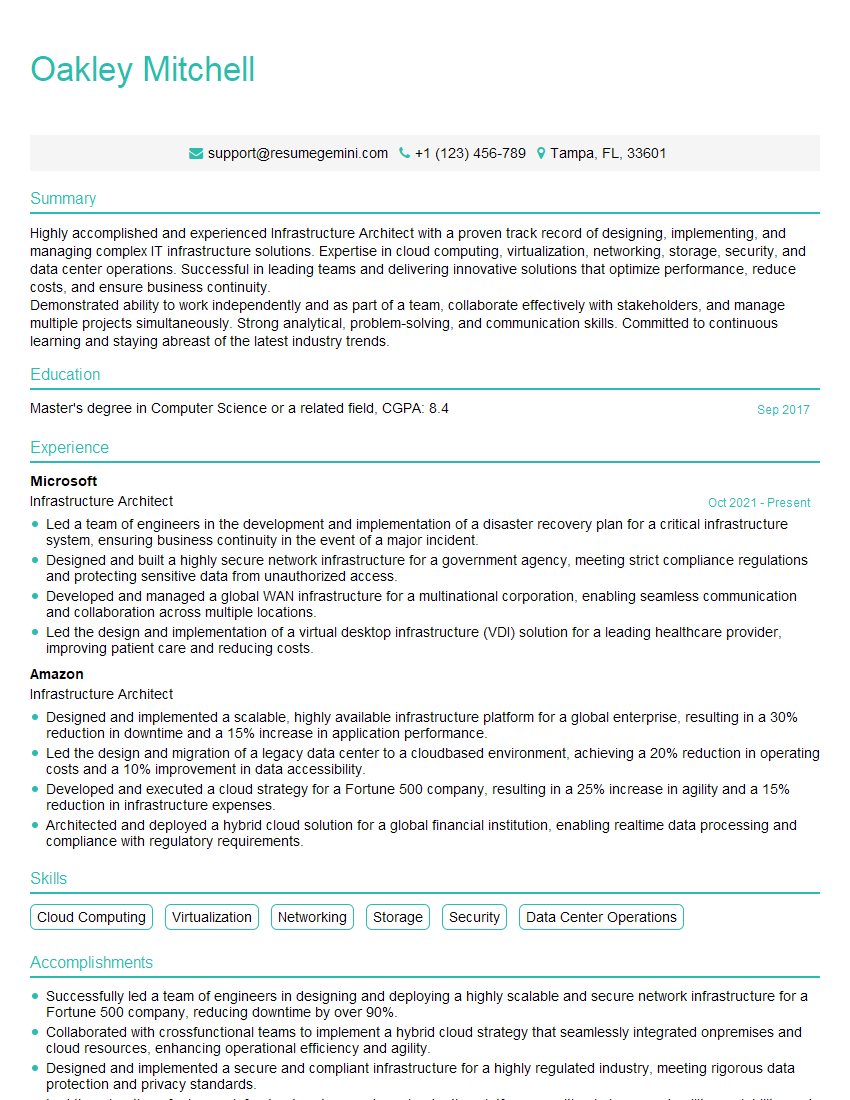
Infrastructure Architect Resume Sample
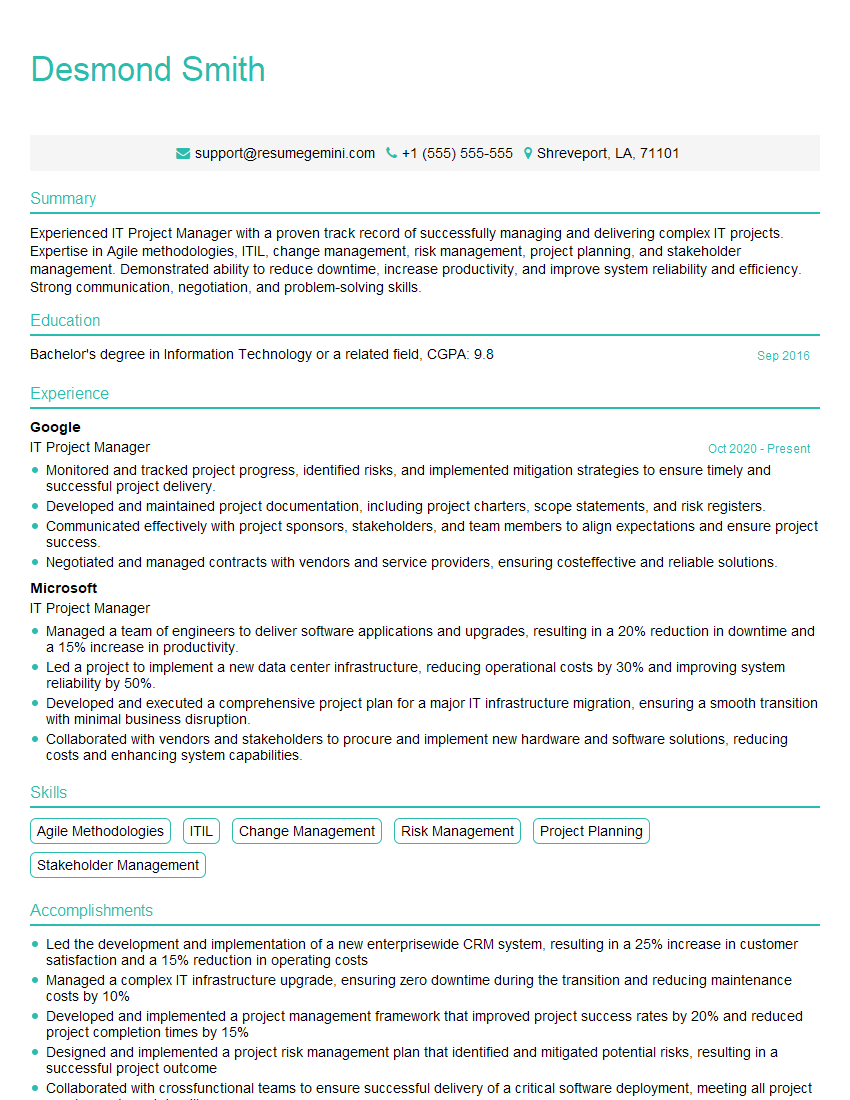
IT Project Manager Resume Sample
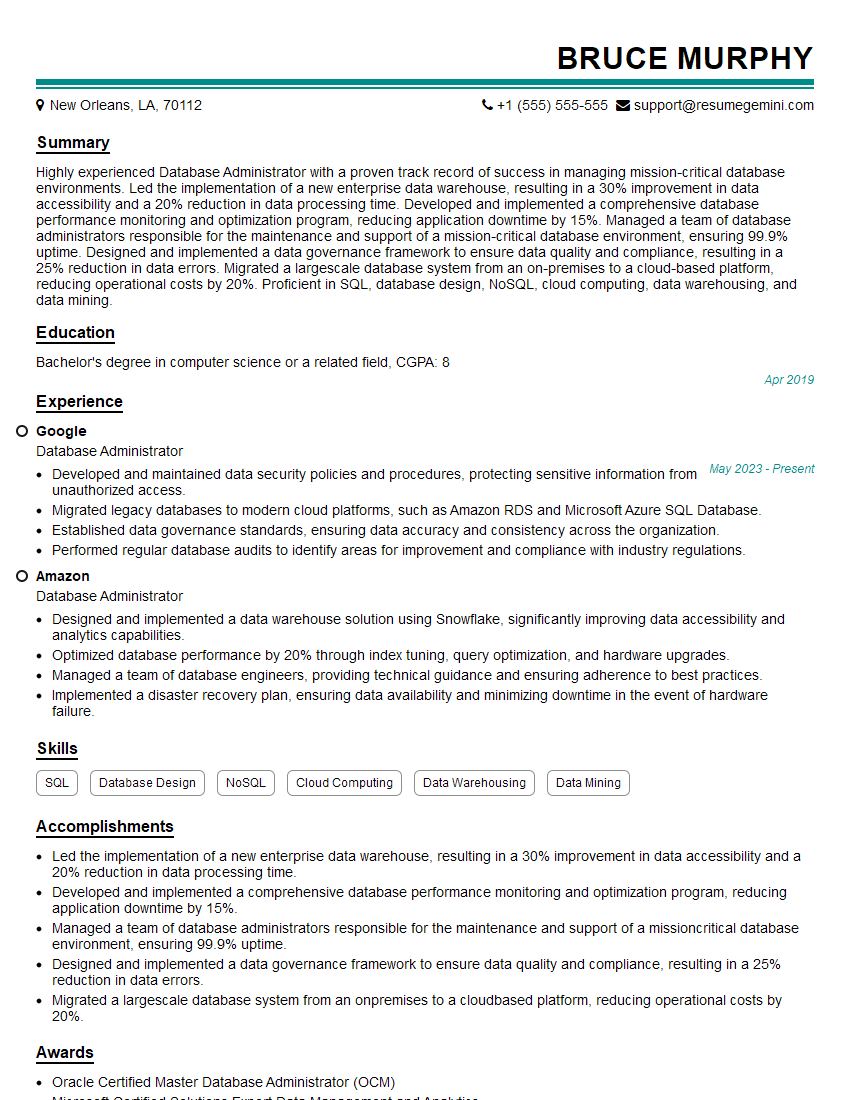
Database Administrator Resume Sample
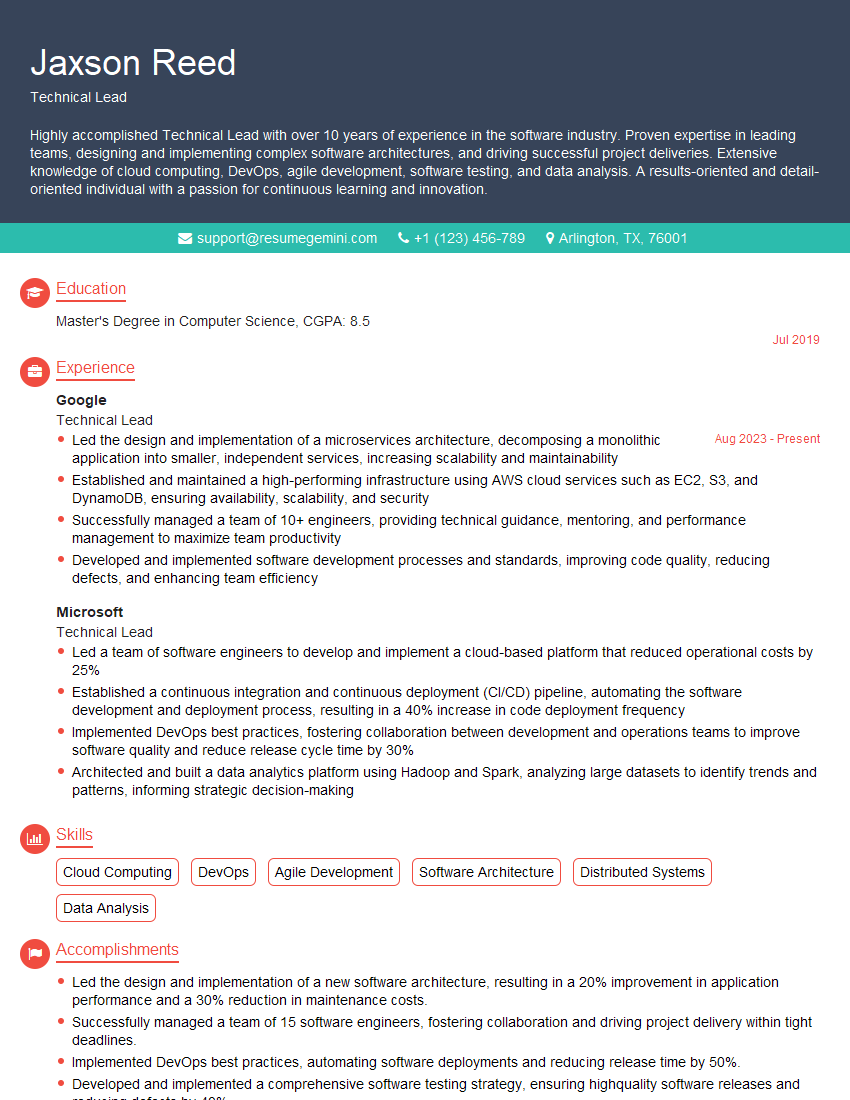
Technical Lead Resume Sample
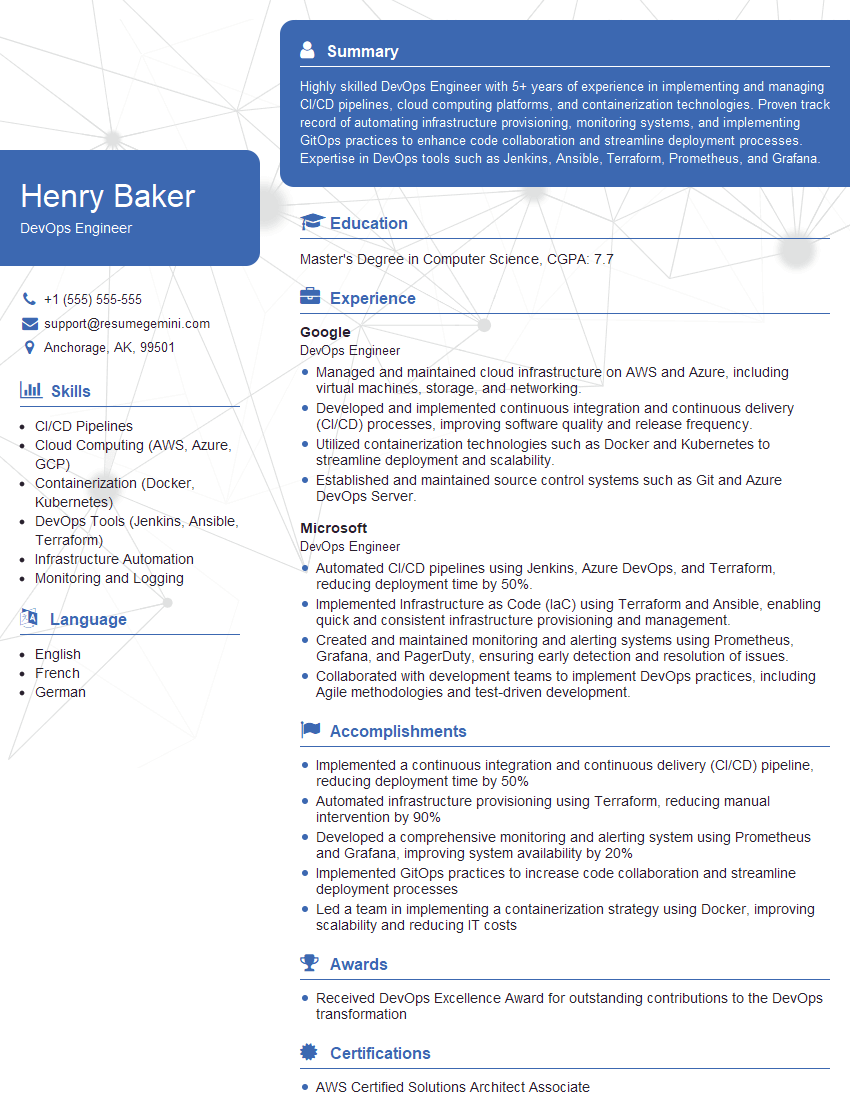
DevOps Engineer Resume Sample
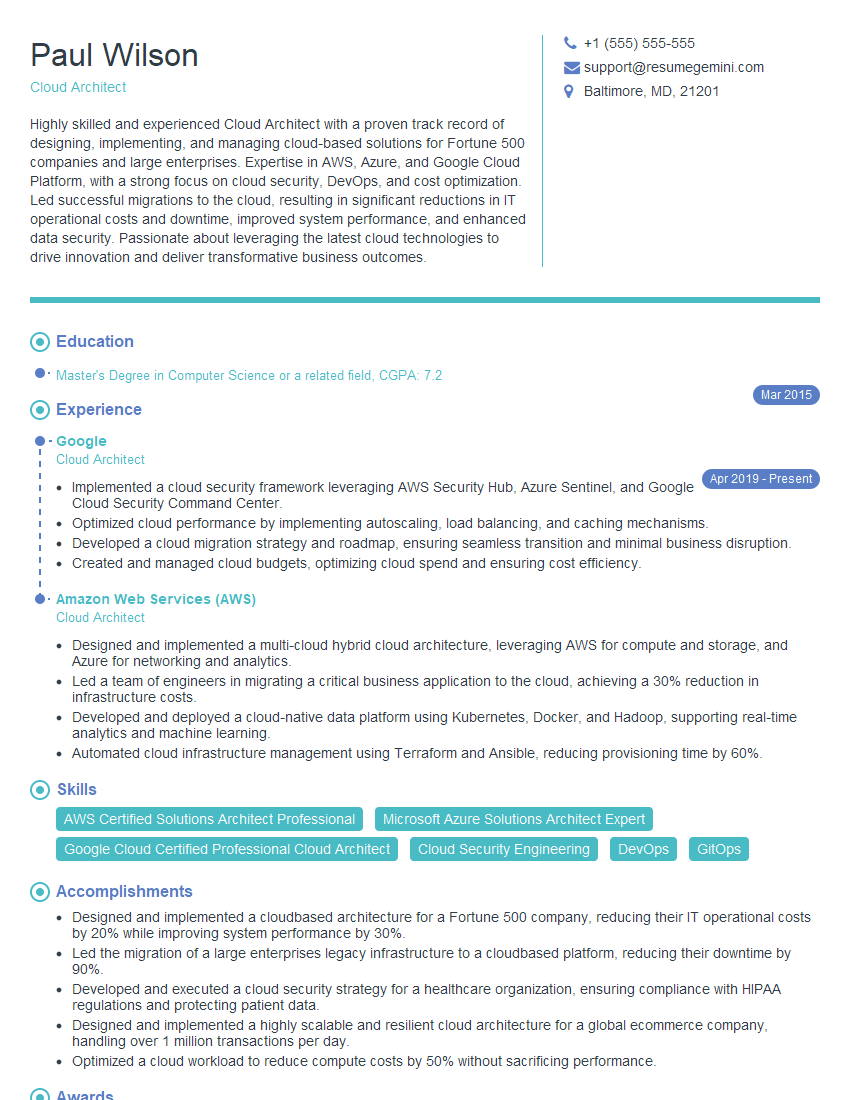
Cloud Architect Resume Sample
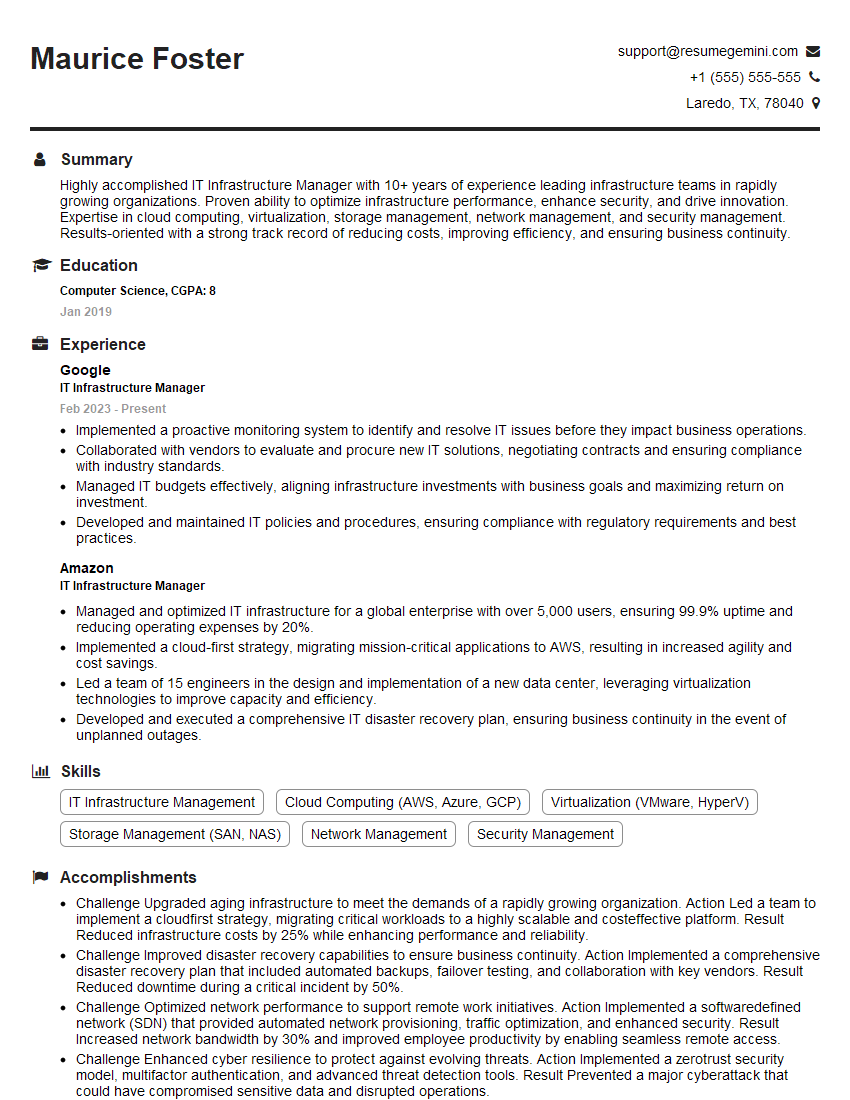
IT Infrastructure Manager Resume Sample
- Data Center Manager
- Principal Engineer
- Enterprise Architect
- Network Engineer
- Network Security Engineer
- Security Architect
- Systems Administrator
- Solutions Architect
- Infrastructure Engineer
- System Architect
- Technical Architect
- Infrastructure Architect
- IT Project Manager
- Database Administrator
- Technical Lead
- DevOps Engineer
- Cloud Architect
- IT Infrastructure Manager
Explore more articles
Users Rating of Our Blogs
Share Your Experience
We value your feedback! Please rate our content and share your thoughts (optional).
What Readers Say About Our Blog
Hello,
we currently offer a complimentary backlink and URL indexing test for search engine optimization professionals.
You can get complimentary indexing credits to test how link discovery works in practice.
No credit card is required and there is no recurring fee.
You can find details here:
https://wikipedia-backlinks.com/indexing/
Regards
NICE RESPONSE TO Q & A
hi
The aim of this message is regarding an unclaimed deposit of a deceased nationale that bears the same name as you. You are not relate to him as there are millions of people answering the names across around the world. But i will use my position to influence the release of the deposit to you for our mutual benefit.
Respond for full details and how to claim the deposit. This is 100% risk free. Send hello to my email id: [email protected]
Luka Chachibaialuka
Hey interviewgemini.com, just wanted to follow up on my last email.
We just launched Call the Monster, an parenting app that lets you summon friendly ‘monsters’ kids actually listen to.
We’re also running a giveaway for everyone who downloads the app. Since it’s brand new, there aren’t many users yet, which means you’ve got a much better chance of winning some great prizes.
You can check it out here: https://bit.ly/callamonsterapp
Or follow us on Instagram: https://www.instagram.com/callamonsterapp
Thanks,
Ryan
CEO – Call the Monster App
Hey interviewgemini.com, I saw your website and love your approach.
I just want this to look like spam email, but want to share something important to you. We just launched Call the Monster, a parenting app that lets you summon friendly ‘monsters’ kids actually listen to.
Parents are loving it for calming chaos before bedtime. Thought you might want to try it: https://bit.ly/callamonsterapp or just follow our fun monster lore on Instagram: https://www.instagram.com/callamonsterapp
Thanks,
Ryan
CEO – Call A Monster APP
To the interviewgemini.com Owner.
Dear interviewgemini.com Webmaster!
Hi interviewgemini.com Webmaster!
Dear interviewgemini.com Webmaster!
excellent
Hello,
We found issues with your domain’s email setup that may be sending your messages to spam or blocking them completely. InboxShield Mini shows you how to fix it in minutes — no tech skills required.
Scan your domain now for details: https://inboxshield-mini.com/
— Adam @ InboxShield Mini
Reply STOP to unsubscribe
Hi, are you owner of interviewgemini.com? What if I told you I could help you find extra time in your schedule, reconnect with leads you didn’t even realize you missed, and bring in more “I want to work with you” conversations, without increasing your ad spend or hiring a full-time employee?
All with a flexible, budget-friendly service that could easily pay for itself. Sounds good?
Would it be nice to jump on a quick 10-minute call so I can show you exactly how we make this work?
Best,
Hapei
Marketing Director
Hey, I know you’re the owner of interviewgemini.com. I’ll be quick.
Fundraising for your business is tough and time-consuming. We make it easier by guaranteeing two private investor meetings each month, for six months. No demos, no pitch events – just direct introductions to active investors matched to your startup.
If youR17;re raising, this could help you build real momentum. Want me to send more info?
Hi, I represent an SEO company that specialises in getting you AI citations and higher rankings on Google. I’d like to offer you a 100% free SEO audit for your website. Would you be interested?
Hi, I represent an SEO company that specialises in getting you AI citations and higher rankings on Google. I’d like to offer you a 100% free SEO audit for your website. Would you be interested?
good