Interviews are opportunities to demonstrate your expertise, and this guide is here to help you shine. Explore the essential Understanding of insurance and liability interview questions that employers frequently ask, paired with strategies for crafting responses that set you apart from the competition.
Questions Asked in Understanding of insurance and liability Interview
Q 1. Explain the difference between first-party and third-party insurance claims.
First-party and third-party insurance claims differ based on who is making the claim and who is being held responsible for the loss. A first-party claim involves an insured person making a claim against their own insurance company for a covered loss. Think of it like this: you have car insurance, and your car is damaged in a hailstorm. You file a claim with *your* insurance company to cover the repairs. This is a first-party claim because you are seeking compensation from your own policy.
A third-party claim, on the other hand, occurs when an insured person is held liable for causing damage or injury to someone else. For example, you cause a car accident, and the other driver sustains injuries. Their insurance company will likely file a claim against *your* insurance company to cover their medical bills and property damage. This claim is made by the third party (the other driver and/or their insurance company) against your insurance policy. The crucial difference is the direction of the claim: first-party claims are made *by* the insured, while third-party claims are made *against* the insured.
Q 2. Describe the process of assessing risk in insurance underwriting.
Risk assessment in insurance underwriting is a critical process used to determine the likelihood and potential severity of a loss. Underwriters utilize various techniques to evaluate the risk associated with insuring a particular individual or entity. This involves a comprehensive evaluation of several factors.
- Application Information: This includes details provided by the applicant in their insurance application, such as age, health history (for health insurance), driving record (for auto insurance), and property details (for homeowner’s insurance).
- Credit History: Credit scores are often used as an indicator of risk, as individuals with poor credit history might be more likely to file claims.
- Inspection Reports: For property insurance, inspections might be conducted to assess the condition of the property and identify potential hazards.
- Statistical Data: Underwriters use statistical data and actuarial models to analyze historical claims data, helping them predict future losses for similar risks.
- Loss Control Measures: Analyzing factors that could minimize risk, such as security systems for home insurance or safety features for auto insurance.
Ultimately, the goal is to develop a risk profile for each applicant, which helps the insurer decide whether to accept the risk, and if so, at what premium.
Q 3. What are the key components of a comprehensive insurance policy?
A comprehensive insurance policy typically includes several key components:
- Declaration Page: This page summarizes the key details of the policy, such as the insured, coverage amounts, policy period, and premium.
- Insuring Agreement: This section outlines the promises made by the insurance company to the insured. It details what losses are covered and under what circumstances.
- Exclusions: This crucial section specifies events or situations that are not covered by the policy. For instance, many policies exclude intentional acts or losses caused by war.
- Conditions: This section outlines the responsibilities and obligations of both the insured and the insurer. For example, it might require the insured to notify the insurer of a loss promptly.
- Definitions: This section clarifies the meaning of specific terms used throughout the policy. This helps avoid ambiguities and ensures clear understanding.
In essence, a comprehensive policy is a legally binding contract with clearly defined terms and conditions, ensuring both parties understand their rights and responsibilities.
Q 4. How do you determine the appropriate level of insurance coverage for a client?
Determining the appropriate level of insurance coverage requires a careful assessment of the client’s individual needs and circumstances. This involves a thorough discussion to understand their assets, liabilities, and risk tolerance.
For example, a homeowner might need coverage that considers not only the replacement cost of their house but also the value of their personal belongings, potential liability for accidents on their property, and additional living expenses in case of a disaster. Similarly, a business owner’s coverage needs will vary depending on the size and type of business, potential risks, and liability exposures.
A crucial element is understanding the client’s financial capacity. While higher coverage offers greater protection, it also translates to higher premiums. We aim to find a balance between adequate protection and affordability. Using a combination of financial analysis and risk assessment techniques, I help clients to make informed decisions and secure suitable coverage based on their risk profile and financial capacity.
Q 5. Explain the concept of subrogation in insurance.
Subrogation is a crucial concept in insurance that allows an insurer who has paid a claim to its insured to recover the amount paid from a third party who caused the loss. Imagine this scenario: You’re involved in a car accident caused by another driver’s negligence. Your insurance company pays for the repairs to your car. Through subrogation, your insurer then pursues legal action against the at-fault driver’s insurance company to recoup the money they paid out. This ensures that the responsible party bears the financial burden of the damages, not the insurance company.
Subrogation prevents unfair enrichment and helps keep insurance premiums lower. It’s a vital mechanism in the insurance industry that promotes fairness and accountability.
Q 6. What are some common types of liability insurance?
Several types of liability insurance are available, each addressing specific risks:
- General Liability Insurance: This is a broad coverage that protects businesses from financial losses due to bodily injury or property damage caused by their operations or products. For example, a customer slipping and falling in a store.
- Professional Liability Insurance (Errors & Omissions): This protects professionals, such as doctors, lawyers, and accountants, from claims of negligence or mistakes in their professional services.
- Product Liability Insurance: Protects manufacturers and distributors from claims resulting from defects in their products.
- Auto Liability Insurance: Covers bodily injury or property damage caused by the insured’s vehicle to a third party.
- Umbrella Liability Insurance: Provides additional liability coverage above and beyond the limits of other policies. This acts as a safety net in case a claim exceeds the coverage of primary policies.
The specific type of liability insurance needed depends heavily on the individual or business’s activities and potential exposure to risk.
Q 7. How do you handle a claim where liability is disputed?
Disputed liability claims require a thorough and objective investigation. My approach involves:
- Gathering Evidence: This includes police reports, witness statements, photographs, medical records, and any other documentation relevant to the incident.
- Analyzing the Evidence: Objectively assessing all evidence to determine the strengths and weaknesses of each party’s case.
- Negotiation: Attempting to reach a mutually agreeable settlement between the parties involved. This can often be the most efficient way to resolve the claim.
- Litigation: If negotiation fails, we may need to pursue litigation to resolve the dispute in court. This involves presenting the evidence and arguments to a judge or jury.
- Expert Testimony: In complex cases, expert witnesses (e.g., accident reconstructionists, medical experts) might be necessary to provide specialized knowledge and analysis.
The goal is to achieve a fair and just resolution, considering all available evidence and legal precedents. Sometimes a thorough investigation might show that liability is shared between multiple parties. In such cases, proportional allocation of responsibility is pursued.
Q 8. Describe your experience with different types of insurance policies (e.g., auto, home, commercial).
My experience spans a wide range of insurance policies, encompassing personal lines such as auto and homeowners insurance, and commercial lines including general liability, commercial auto, and professional liability. In personal lines, I’ve worked extensively with evaluating risk profiles, determining appropriate coverage limits, and processing claims related to accidents, property damage, and liability. For example, I’ve handled claims involving auto collisions, where I assessed liability, determined damage costs, and negotiated settlements. In homeowners insurance, I’ve dealt with claims resulting from fire damage, water damage, and theft, working closely with adjusters and contractors to ensure fair and timely resolution. My experience with commercial lines involves a deeper understanding of business operations and exposures. I’ve reviewed policies for businesses of various sizes and industries, advising on coverage needs and risk management strategies. This includes analyzing general liability claims related to premises liability or product defects, and professional liability claims involving allegations of negligence or malpractice. This diverse experience has given me a robust understanding of the nuances of different policy types and the unique challenges they present.
Q 9. Explain the concept of deductibles and co-pays.
Deductibles and co-pays are both cost-sharing mechanisms in insurance, designed to reduce the overall cost for the insurer and to encourage policyholders to be more mindful of claims. A deductible is a fixed amount that the policyholder must pay out-of-pocket before the insurance company begins to cover costs. Think of it as your initial investment in the policy. For example, if you have a $1,000 deductible on your auto insurance and you have an accident resulting in $5,000 in damages, you would pay the first $1,000, and the insurer would pay the remaining $4,000. A co-pay, on the other hand, is a fixed amount you pay for a specific medical service, such as a doctor’s visit or prescription medication. This is commonly found in health insurance plans. Imagine you have a $50 co-pay for a doctor’s visit; you pay $50, and your insurance covers the rest of the bill. Both deductibles and co-pays are designed to prevent overuse of insurance and to share the financial responsibility between the insured and the insurer.
Q 10. What are some common methods used to mitigate risk?
Risk mitigation involves strategies and techniques aimed at reducing the likelihood or impact of negative events. Some common methods include:
- Risk Avoidance: Completely avoiding activities or situations that carry a high risk. For instance, choosing not to engage in high-risk sports reduces the likelihood of injuries.
- Risk Reduction: Implementing measures to lower the probability or severity of a loss. Example: Installing security systems in your home to reduce the chance of burglary.
- Risk Transfer: Shifting the risk to another party, typically through insurance. This is the core function of insurance itself – transferring the financial burden of potential losses to the insurer.
- Risk Retention: Accepting the risk and setting aside funds to cover potential losses. For example, a small business might choose to self-insure for minor workplace accidents.
- Risk Sharing: Distributing the risk among multiple parties. Examples include reinsurance (insurance for insurers) or forming a risk pool within an organization.
Q 11. How do you stay current with changes in insurance regulations and laws?
Staying current with changes in insurance regulations and laws is crucial for maintaining professional competency and ensuring compliance. I accomplish this through several key methods:
- Professional Organizations: Active membership in professional organizations like the American Academy of Actuaries or the Insurance Institute of America provides access to continuing education opportunities, publications, and updates on regulatory changes.
- Legal and Regulatory Websites: I regularly monitor websites of relevant regulatory bodies, such as state insurance departments and the National Association of Insurance Commissioners (NAIC), to stay informed about new legislation, rulings, and guidance.
- Industry Publications and Newsletters: I subscribe to industry publications and newsletters that provide insightful commentary and analysis of current trends and regulatory developments.
- Continuing Education Courses: I actively participate in continuing education courses and workshops to update my knowledge and skills, ensuring my expertise remains current.
Q 12. Describe your experience with claims investigation and adjustment.
My experience with claims investigation and adjustment is extensive. I have conducted numerous investigations, from straightforward incidents to complex, multi-party claims. The process typically involves:
- Gathering Evidence: Collecting information from various sources such as police reports, witness statements, medical records, and photographs.
- Determining Liability: Assessing fault and determining who is responsible for the loss. This requires careful analysis of evidence and a thorough understanding of relevant laws and policies.
- Evaluating Damages: Determining the extent of the loss, considering both tangible and intangible damages. This may involve consulting with experts, such as appraisers or medical professionals.
- Negotiating Settlements: Working with claimants and their representatives to reach a fair and equitable settlement. This requires strong negotiation skills and a deep understanding of the policy language.
- Documentation: Meticulous record-keeping is essential throughout the process to ensure transparency and accountability.
Q 13. Explain the concept of indemnity in insurance.
The principle of indemnity in insurance means that the insurer aims to restore the insured to their pre-loss financial position. It prevents the insured from profiting from a loss. In simpler terms, it’s about making you ‘whole’ again after a covered loss. For example, if your house burns down and you have a $200,000 homeowner’s policy, the insurer won’t give you $200,000 plus the value of your furniture if you had already replaced them prior to the loss. They will pay for the actual loss you suffered. Indemnity is a fundamental principle designed to prevent moral hazard—situations where individuals might intentionally cause a loss to profit from insurance.
Q 14. What are the ethical considerations involved in insurance claims processing?
Ethical considerations in insurance claims processing are paramount. Key ethical principles include:
- Fairness and Impartiality: Claims should be processed fairly and without bias, considering all relevant information and applying the policy terms consistently.
- Transparency and Open Communication: Claimants should be kept informed of the progress of their claim and provided with clear explanations of decisions made.
- Confidentiality: All information obtained during the claims process should be treated with strict confidentiality.
- Accuracy and Honesty: All information reported should be accurate and truthful. Fraudulent claims should be investigated and addressed appropriately.
- Compliance with Regulations: Claims processing must adhere to all applicable laws and regulations.
Q 15. How do you handle high-value or complex insurance claims?
Handling high-value or complex insurance claims requires a methodical and thorough approach. It’s not just about the monetary value, but also the intricacy of the circumstances surrounding the claim. This often involves a dedicated team with specialized skills.
- Detailed Investigation: We begin with a comprehensive investigation. This includes gathering all relevant documentation, interviewing witnesses, and potentially engaging external experts like engineers or forensic accountants, depending on the nature of the claim (e.g., a large-scale property damage claim requiring structural engineering assessment or a complex business interruption claim requiring financial analysis).
- Legal Review: Complex claims often have significant legal implications. Legal counsel is frequently engaged to ensure compliance with all applicable laws and regulations and to protect the insurer’s interests.
- Negotiation & Settlement: Open communication with the claimant is crucial. We strive for fair and equitable settlements, but also need to protect against inflated or fraudulent claims. Negotiations may involve multiple parties and require careful consideration of all factors involved.
- Documentation & Tracking: Every step of the process is meticulously documented. This is essential for transparency, accountability, and to provide a clear audit trail should any disputes arise. We use specialized claim management software to track progress and ensure efficient handling.
- Regular Reporting: We provide regular updates to the claimant and relevant stakeholders to keep them informed of the progress of the claim. This fosters transparency and builds trust.
For example, imagine a multi-million dollar commercial property fire. We’d not only assess the physical damage but also the business interruption losses, potential environmental contamination, and legal liabilities associated with the incident. This would necessitate a team effort involving adjusters, engineers, accountants, and legal professionals.
Career Expert Tips:
- Ace those interviews! Prepare effectively by reviewing the Top 50 Most Common Interview Questions on ResumeGemini.
- Navigate your job search with confidence! Explore a wide range of Career Tips on ResumeGemini. Learn about common challenges and recommendations to overcome them.
- Craft the perfect resume! Master the Art of Resume Writing with ResumeGemini’s guide. Showcase your unique qualifications and achievements effectively.
- Don’t miss out on holiday savings! Build your dream resume with ResumeGemini’s ATS optimized templates.
Q 16. What are some common causes of insurance fraud?
Insurance fraud is a significant problem, costing insurers and ultimately, policyholders, billions annually. It takes many forms and often involves sophisticated schemes. Some common causes include:
- Financial Gain: This is the most common motive. Individuals or businesses may exaggerate losses, stage accidents, or fabricate claims to receive a financial payout.
- Opportunity: Weaknesses in insurance processes or a lack of thorough investigation can provide opportunities for fraudulent activity.
- Lack of Awareness/Education: Sometimes, fraud occurs due to a misunderstanding of policy terms or a lack of awareness of the consequences of fraudulent claims.
- Organized Crime: Organized crime rings are often involved in large-scale, sophisticated fraud schemes, such as staged car accidents or arson.
Examples include filing a false claim for stolen goods that never existed, inflating the cost of repairs after a car accident, or intentionally setting a property on fire for insurance money. Detecting fraud often requires advanced analytical techniques, including data mining and profiling, along with a keen eye for inconsistencies in claims documentation.
Q 17. Explain the concept of actuarial science and its role in insurance.
Actuarial science is the discipline that applies mathematical and statistical methods to assess risk in insurance and other financial industries. Actuaries use data analysis to predict the likelihood of future events and calculate the financial impact of those events. Their role is critical to the insurance industry’s stability and solvency.
- Risk Assessment: Actuaries analyze historical data on claims, losses, and other relevant factors to assess the level of risk associated with different types of insurance policies.
- Pricing: Based on their risk assessments, actuaries determine appropriate premiums for insurance policies. This ensures the insurer can cover its expected losses and expenses while maintaining profitability.
- Reserving: Actuaries estimate the amount of money an insurer needs to set aside to cover future claims (reserves). This is crucial for the insurer’s financial stability.
- Capital Modeling: Actuaries develop models to assess the financial strength of insurance companies and to ensure they have adequate capital to withstand potential losses.
Imagine an auto insurer wanting to set premiums for a new driver demographic. The actuary would analyze accident rates, claim severities, and other relevant factors for this group to determine a fair and actuarially sound premium that covers the predicted losses while being competitive.
Q 18. How do you determine the appropriate reserve for an insurance claim?
Determining the appropriate reserve for an insurance claim involves a careful assessment of the likely costs associated with settling the claim. It’s an iterative process, refined as more information becomes available.
- Initial Assessment: Based on the initial claim information, we estimate the likely costs of repairs, medical expenses, lost wages, etc. This often involves referencing industry benchmarks and expert opinions.
- Ongoing Monitoring: As the claim progresses, we monitor developments, such as additional medical treatments, repair costs, and legal fees. This allows us to refine our initial reserve estimate.
- Case Reserves vs. Bulk Reserves: For individual claims (case reserves), estimates are made based on the specifics of the case. For a large number of claims with similar characteristics (bulk reserves), statistical methods are employed.
- Adjustments: The reserve is adjusted periodically to reflect changes in the case’s trajectory. Under-reserving can lead to financial instability, while over-reserving can impact profitability.
- Factors considered: The factors impacting the reserve include the nature of the injury or damage, the claimant’s medical history, the applicable law, and the strength of the claim.
For example, a car accident claim might initially have a reserve of $10,000, but after further investigation revealing more extensive injuries and legal complications, the reserve might be increased to $50,000.
Q 19. What are your experiences with different insurance rating systems?
Insurance rating systems are used to categorize risks and determine premiums. I have experience with various systems, including:
- Territory Rating: Premiums vary based on geographical location, reflecting differences in accident rates or loss potential.
- Experience Rating: Premiums are adjusted based on a policyholder’s past claims experience. Good drivers typically get lower premiums.
- Merit Rating: A system that uses a points-based approach, where points are added or subtracted based on driving behavior or claim history.
- Schedule Rating: This involves assigning specific factors that modify the base premium, such as safety features in a car or security measures on a property.
- Judgment Rating: For unique or complex risks, underwriters may use their judgment and experience to determine the appropriate premium.
Understanding these different systems is crucial for accurately assessing risk and setting premiums that are both fair and financially sustainable. For example, a company with a strong safety record might receive a lower premium under an experience rating system than a company with a history of accidents.
Q 20. Describe your familiarity with various insurance policy exclusions.
Insurance policies contain exclusions, which are specific situations or events not covered by the policy. My familiarity with various exclusions is extensive. These exclusions are carefully worded and often vary depending on the type of insurance and the specific policy.
- Acts of God: Many policies exclude losses caused by natural disasters like earthquakes or floods (though separate policies can cover these).
- Intentional Acts: Damage caused intentionally by the policyholder is typically excluded.
- Wear and Tear: Normal wear and tear on property is generally not covered.
- Pre-existing Conditions: In health insurance, pre-existing conditions might have limitations on coverage.
- Specific Exclusions: Policies often have specific exclusions related to particular activities or types of property.
Understanding policy exclusions is essential for both insurers and policyholders. For example, a homeowner’s policy might exclude coverage for damage caused by faulty workmanship or for certain types of water damage. It’s crucial to thoroughly review the policy wording to understand what is and isn’t covered.
Q 21. Explain the process of negotiating insurance settlements.
Negotiating insurance settlements requires a delicate balance of fairness, legal compliance, and cost management. It’s a process that requires strong negotiation skills and a deep understanding of insurance law.
- Gather Information: We meticulously review all evidence related to the claim, including medical records, police reports, and repair estimates.
- Assess Liability: We determine the extent of the insurer’s liability, which might be full, partial, or none.
- Negotiation Strategies: We use a range of strategies, including compromise, mediation, and, if necessary, litigation. We aim for a mutually acceptable settlement that is fair to both parties.
- Documentation: Every aspect of the negotiation is documented, including all offers, counteroffers, and agreements.
- Settlement Agreement: Once a settlement is reached, we draft a legally binding agreement outlining the terms of the settlement.
For instance, in a personal injury case, we might negotiate a settlement that covers medical expenses, lost wages, and pain and suffering. The negotiation involves evaluating the strength of the claim, the claimant’s medical prognosis, and the potential costs of litigation.
Q 22. How do you handle situations where policyholders are unhappy with their coverage?
Handling unhappy policyholders requires a delicate balance of empathy, professionalism, and adherence to policy. My approach begins with active listening to understand their concerns fully. I ensure they feel heard and validated, regardless of the validity of their complaint.
Next, I thoroughly review the policy wording and the events leading to their dissatisfaction. This often involves examining claims documentation, communication records, and any relevant external factors. If their complaint is valid – say, a delay in processing a legitimate claim – I immediately work to rectify the situation, explaining the steps taken and the expected timeline. I may escalate the issue to a supervisor if necessary, especially for complex or sensitive cases.
For complaints stemming from misunderstandings of the policy, I patiently explain the relevant clauses, providing clear, concise explanations in non-technical terms. I might use analogies or real-world examples to illustrate the points. Finally, I aim to achieve a mutually satisfactory resolution, offering apologies where appropriate and providing options for future consideration, such as policy modifications or additional coverage if necessary. Documentation of the entire process is critical for accountability and future reference.
For instance, I once successfully resolved a dispute with a policyholder who believed their claim was unjustly denied. By carefully reviewing the evidence, I discovered a minor oversight in the initial claim assessment. By promptly rectifying the error and personally apologizing, I not only resolved the immediate issue but also restored the policyholder’s trust, leading to long-term customer loyalty.
Q 23. What is your experience with insurance regulatory compliance?
Regulatory compliance is paramount in the insurance industry. Throughout my career, I’ve consistently maintained a thorough understanding and adherence to all applicable state and federal regulations, including those related to data privacy (like GDPR and CCPA), fair claims practices, and anti-money laundering (AML) measures.
I actively monitor regulatory updates, attending industry conferences and webinars to stay abreast of any changes. I also participate in internal compliance training programs and ensure all my actions align with company policies and procedures.
For example, I’m proficient in interpreting and applying regulations concerning the disclosure of policy information, ensuring transparency and compliance with privacy laws. I understand the nuances of different regulatory bodies and how their requirements may vary across jurisdictions.
Proactive compliance is not just about avoiding penalties but also about maintaining ethical standards and building trust with policyholders and regulators alike. It’s an integral part of ensuring the long-term stability and success of any insurance operation.
Q 24. Describe your proficiency in using insurance software and databases.
My proficiency in insurance software and databases is extensive. I am experienced with various industry-standard systems, including policy administration systems (PAS), claims management systems, and actuarial modeling software. I’m adept at using these tools to manage policy information, process claims efficiently, and generate insightful reports.
For example, I’ve worked extensively with Guidewire ClaimCenter for claim processing, leveraging its functionalities for efficient case management and reporting. I am also proficient in using SQL to query and analyze data within various databases, allowing me to extract crucial insights for underwriting, pricing, and claims analysis. My skills encompass data extraction, cleaning, and transformation, preparing data for advanced analytics.
Beyond specific software, I’m skilled in using data visualization tools to present complex data in an easily understandable format, which aids in strategic decision-making. This allows for effective communication of findings to both technical and non-technical audiences.
Q 25. Explain your understanding of different reinsurance arrangements.
Reinsurance arrangements are crucial for managing risk within the insurance industry. They involve an insurer (the ceding company) transferring a portion of its risk to another insurer (the reinsurer). This helps mitigate potential losses from large or catastrophic events. Different types of reinsurance arrangements exist, each with its own characteristics and benefits.
- Proportional Reinsurance: The reinsurer shares a pre-determined percentage of each risk with the ceding company (e.g., Quota Share or Surplus Share). This approach provides consistent risk sharing.
- Non-proportional Reinsurance: The reinsurer only covers losses exceeding a certain threshold (e.g., Excess of Loss or Catastrophe Excess of Loss). This provides protection against large, infrequent losses.
- Treaty Reinsurance: This is a long-term agreement covering a large volume of business, offering stability and predictable risk transfer.
- Facultative Reinsurance: This is a case-by-case arrangement, allowing the ceding company to reinsure individual risks selectively.
Understanding these arrangements is crucial for effective risk management. The choice depends on factors like the insurer’s risk appetite, the nature of the insured risks, and market conditions. For example, a company exposed to significant earthquake risk in a specific region might opt for Catastrophe Excess of Loss reinsurance to manage that specific risk.
Q 26. How do you analyze insurance data to identify trends and patterns?
Analyzing insurance data to identify trends and patterns is crucial for effective decision-making. My approach involves a combination of statistical techniques, data visualization, and domain expertise. I begin by defining the specific questions I aim to answer, which could range from identifying high-risk policyholders to forecasting future claims costs.
Next, I gather relevant data from various sources, ensuring data quality and consistency. This may involve using SQL queries to extract data from databases, cleaning and transforming it to the required format. I then use statistical methods, such as regression analysis or time series analysis, to identify trends and relationships within the data.
Data visualization techniques are essential for communicating these insights effectively. I create dashboards and reports using tools like Tableau or Power BI to present complex findings in a user-friendly format. For instance, I might visualize the geographic distribution of claims to identify regions with higher risk or create predictive models to forecast future claim frequencies based on historical patterns. This allows the company to adjust pricing strategies or improve risk management measures accordingly.
Q 27. Describe your experience with insurance marketing and sales.
My experience in insurance marketing and sales includes developing and implementing targeted marketing campaigns, crafting compelling sales presentations, and building strong relationships with clients. I understand the importance of understanding target audiences, tailoring messaging to resonate with their specific needs and concerns, and effectively communicating the value proposition of insurance products.
In the past, I’ve worked on developing marketing materials, including brochures, website content, and social media posts. I’ve also utilized data analytics to understand customer behavior and optimize marketing spend. I’m experienced in working with various sales channels, both online and offline, including direct sales, partnerships, and broker relationships.
One successful campaign I led involved targeting young professionals with a bundled insurance product tailored to their specific lifestyle and financial circumstances. By using a mix of online advertising, social media engagement, and personalized email marketing, we were able to significantly increase our customer base within this demographic.
Q 28. Explain your understanding of the impact of technology on the insurance industry.
Technology is revolutionizing the insurance industry, impacting nearly every aspect of the business. From artificial intelligence (AI) and machine learning (ML) for risk assessment and fraud detection, to blockchain for streamlining claims processing and improving data security, to the use of telematics for personalized pricing and risk management, the changes are profound.
AI and ML algorithms are now being used to analyze vast amounts of data to identify patterns and predict future events, such as claims frequency and severity. This allows insurers to improve underwriting, pricing, and risk management processes. Blockchain technology promises to increase transparency and security in claims processing by creating an immutable record of transactions.
Telematics, the use of technology to monitor driving behavior, enables insurers to provide personalized pricing based on actual driving patterns, rewarding safe drivers and potentially reducing premiums. Overall, technology is driving greater efficiency, personalization, and customer engagement in the insurance industry, leading to improved services and better outcomes for both insurers and policyholders. The ability to adapt to and leverage these technological advancements is critical for success in the modern insurance landscape.
Key Topics to Learn for Understanding of Insurance and Liability Interview
- Types of Insurance: Understand the differences between property, casualty, life, health, and liability insurance. Consider the various policy structures and coverage options within each category.
- Risk Assessment and Management: Explore methods for identifying, analyzing, and mitigating risks. Discuss practical applications of risk assessment in insurance underwriting and claims handling.
- Insurance Claims Process: Familiarize yourself with the steps involved in filing and processing insurance claims, including investigation, evaluation, and settlement. Understand the role of adjusters and the legal aspects.
- Liability Concepts: Grasp the fundamental principles of negligence, strict liability, and product liability. Be prepared to discuss real-world scenarios and potential legal ramifications.
- Insurance Regulations and Compliance: Understand the regulatory environment governing the insurance industry, including state and federal laws and compliance requirements.
- Insurance Contracts and Policy Interpretation: Learn how to interpret insurance policies, understand key clauses and exclusions, and analyze the legal implications of contract language.
- Reserving and Actuarial Principles (for more advanced roles): Explore the concepts of loss reserving, actuarial modeling, and their role in financial stability of insurance companies.
Next Steps
Mastering your understanding of insurance and liability is crucial for career advancement in this dynamic field. A strong grasp of these concepts will significantly enhance your job prospects and open doors to exciting opportunities. To further strengthen your application, focus on building an ATS-friendly resume that highlights your skills and experience effectively. ResumeGemini is a trusted resource that can help you create a professional and impactful resume. We provide examples of resumes tailored to insurance and liability roles to help you get started. Invest time in crafting a compelling resume – it’s your first impression!
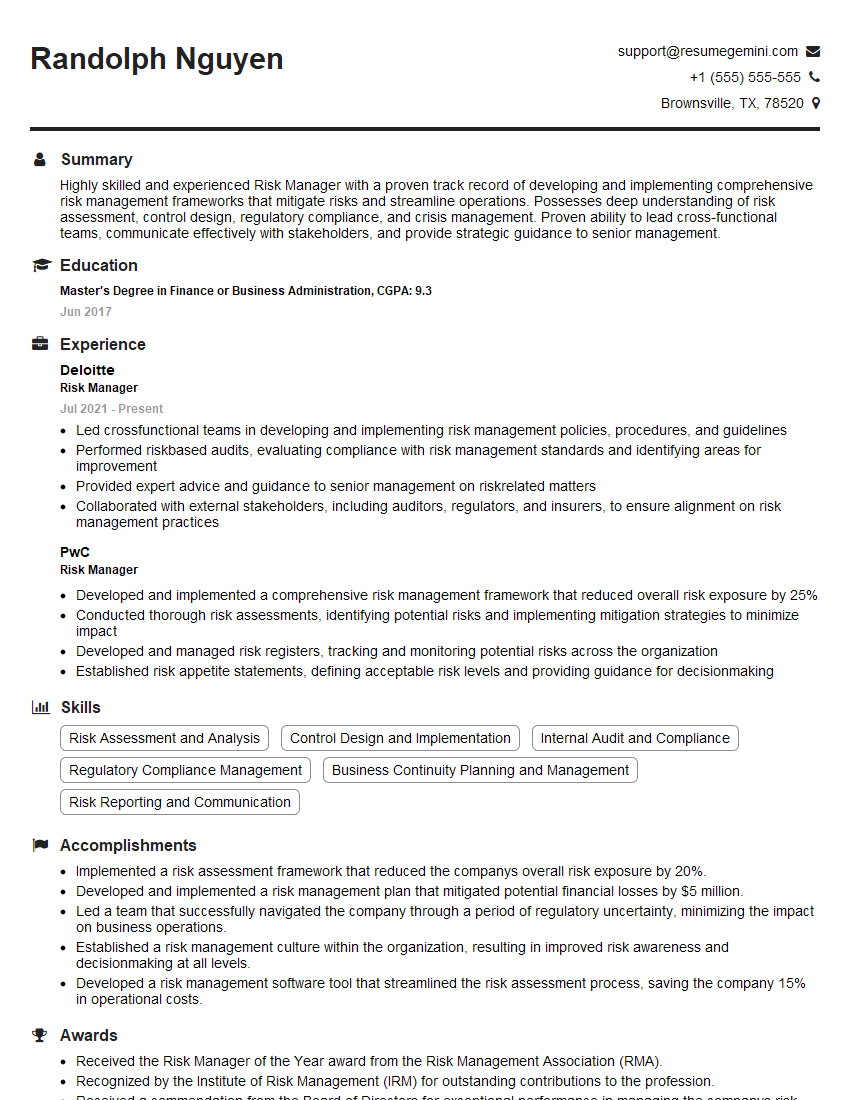
Risk Manager Resume Sample
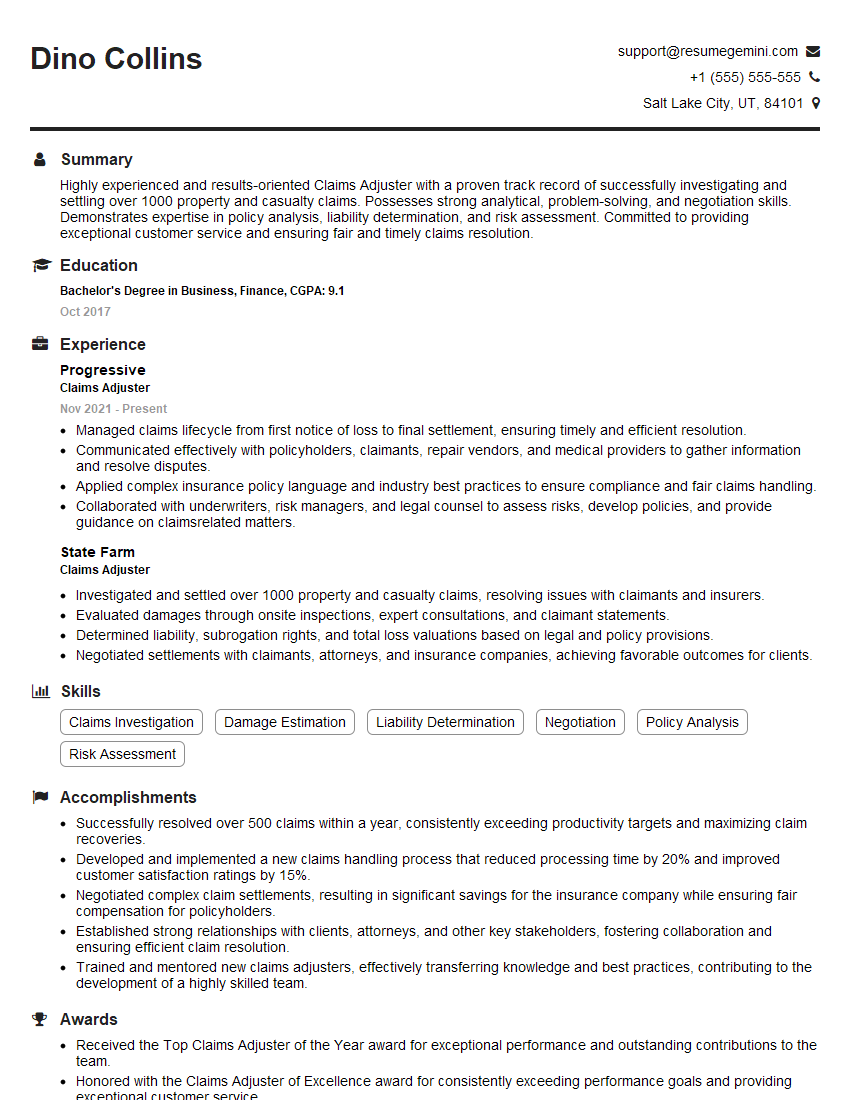
Claims Adjuster Resume Sample
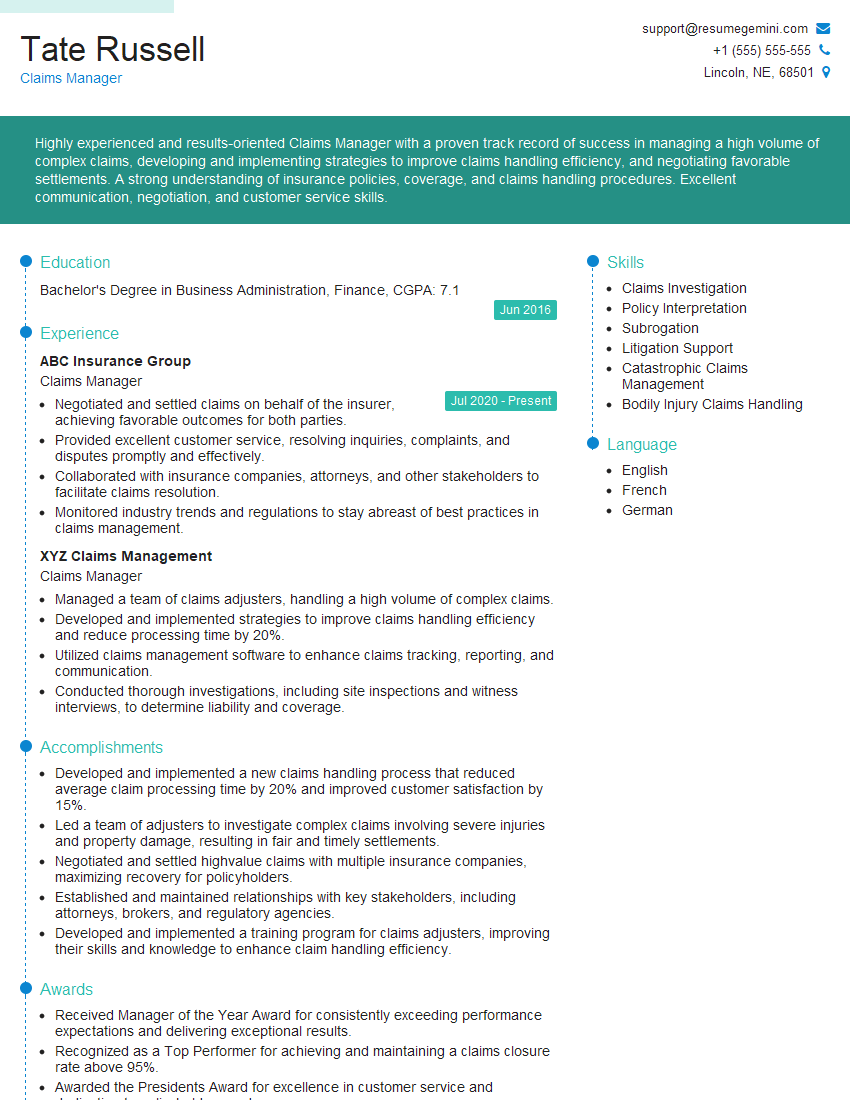
Claims Manager Resume Sample
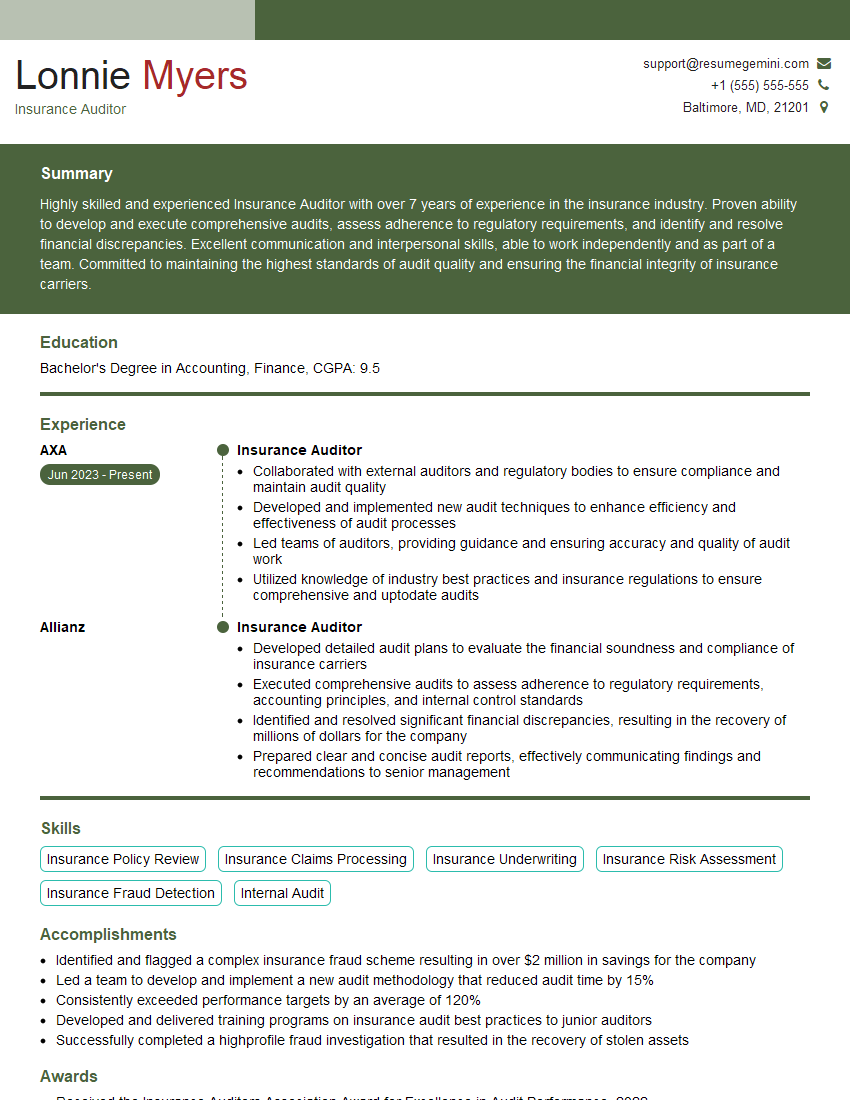
Insurance Auditor Resume Sample
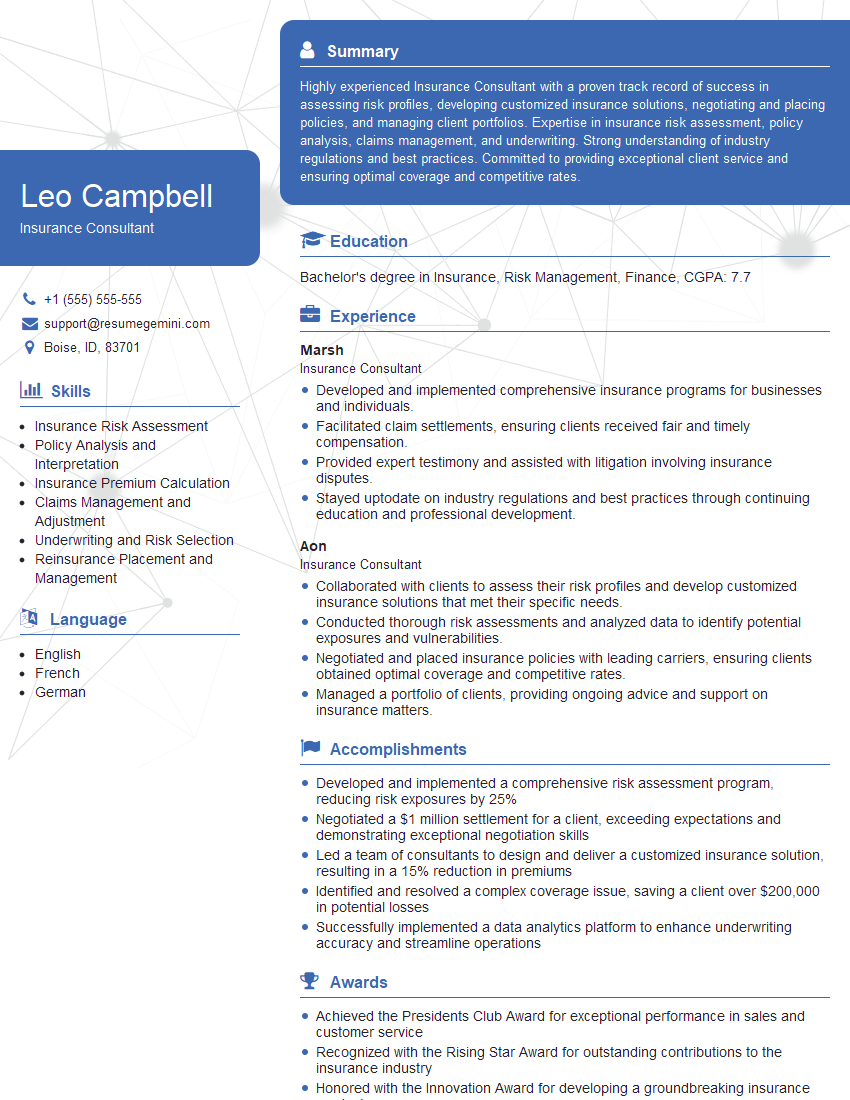
Insurance Consultant Resume Sample
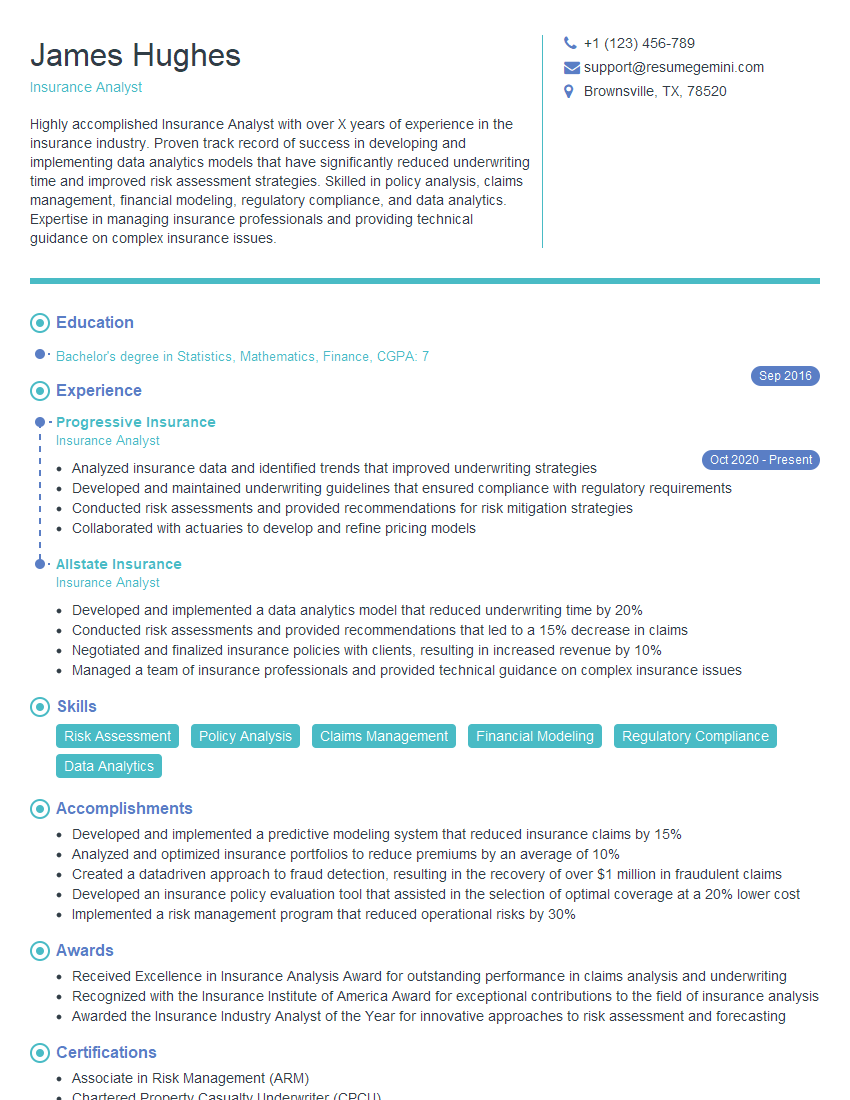
Insurance Analyst Resume Sample
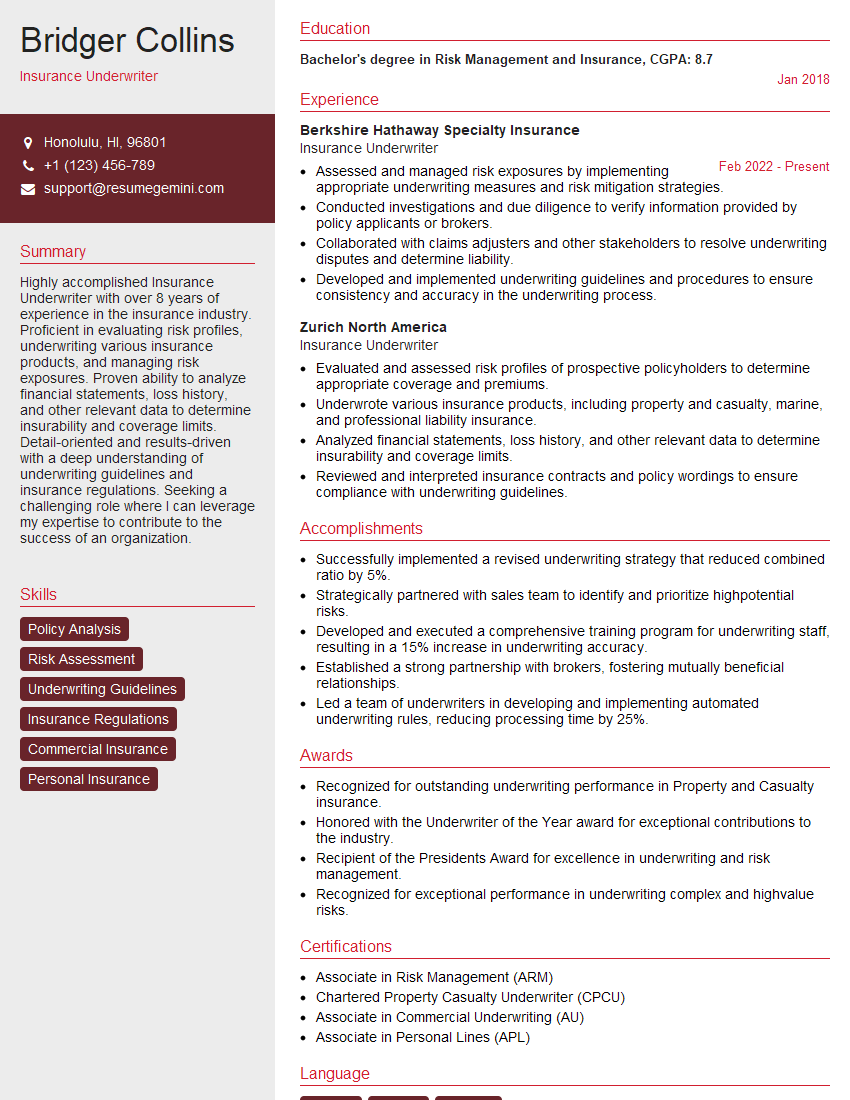
Insurance Underwriter Resume Sample
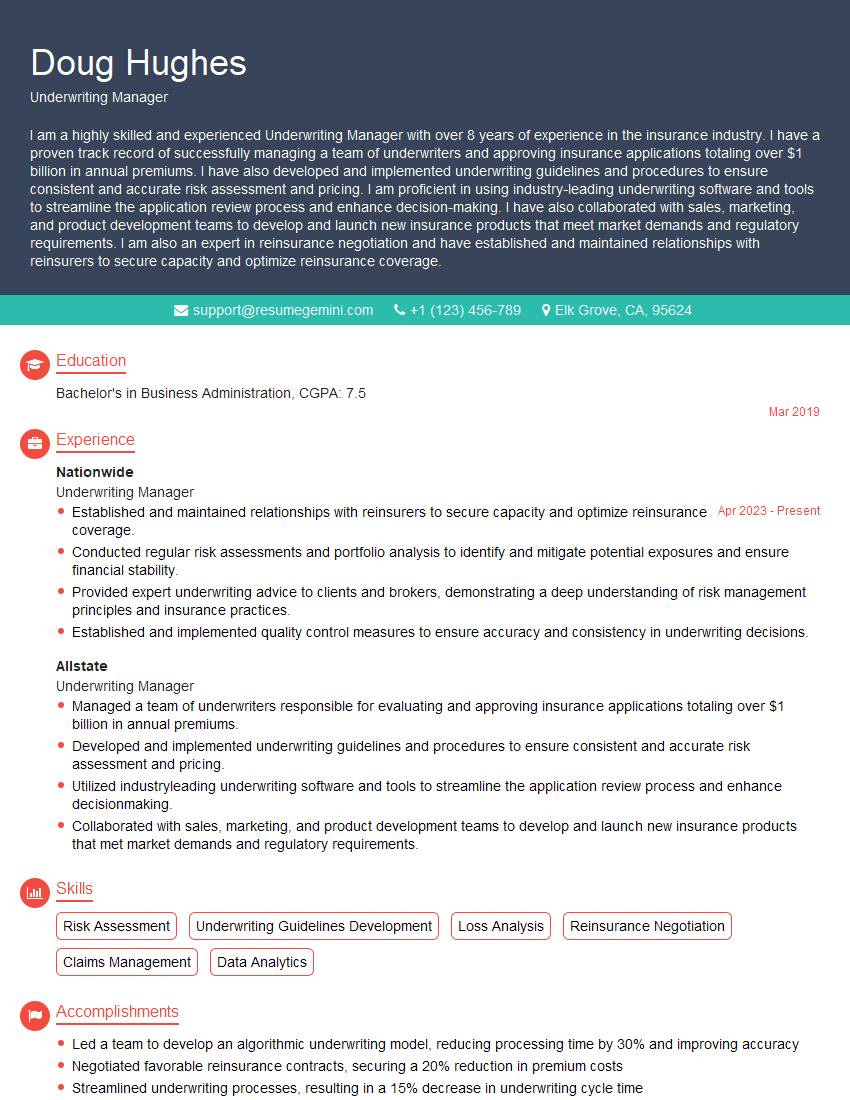
Underwriting Manager Resume Sample
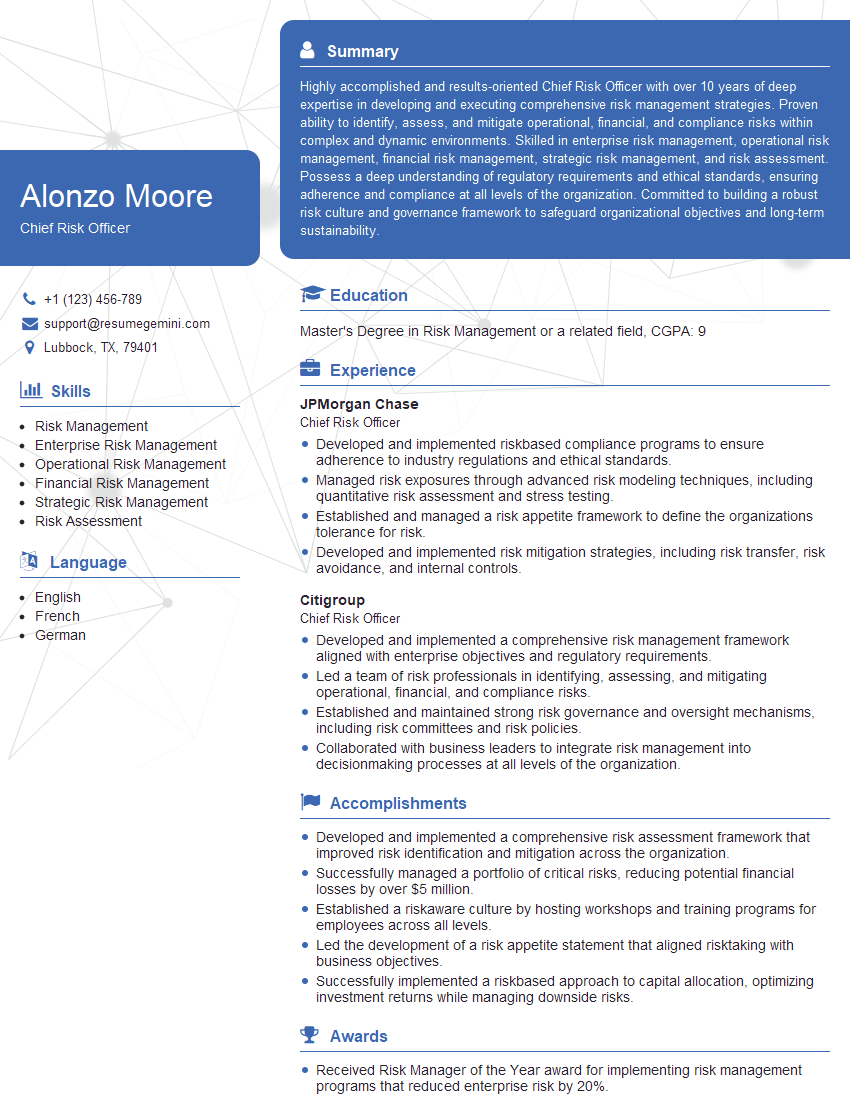
Chief Risk Officer Resume Sample
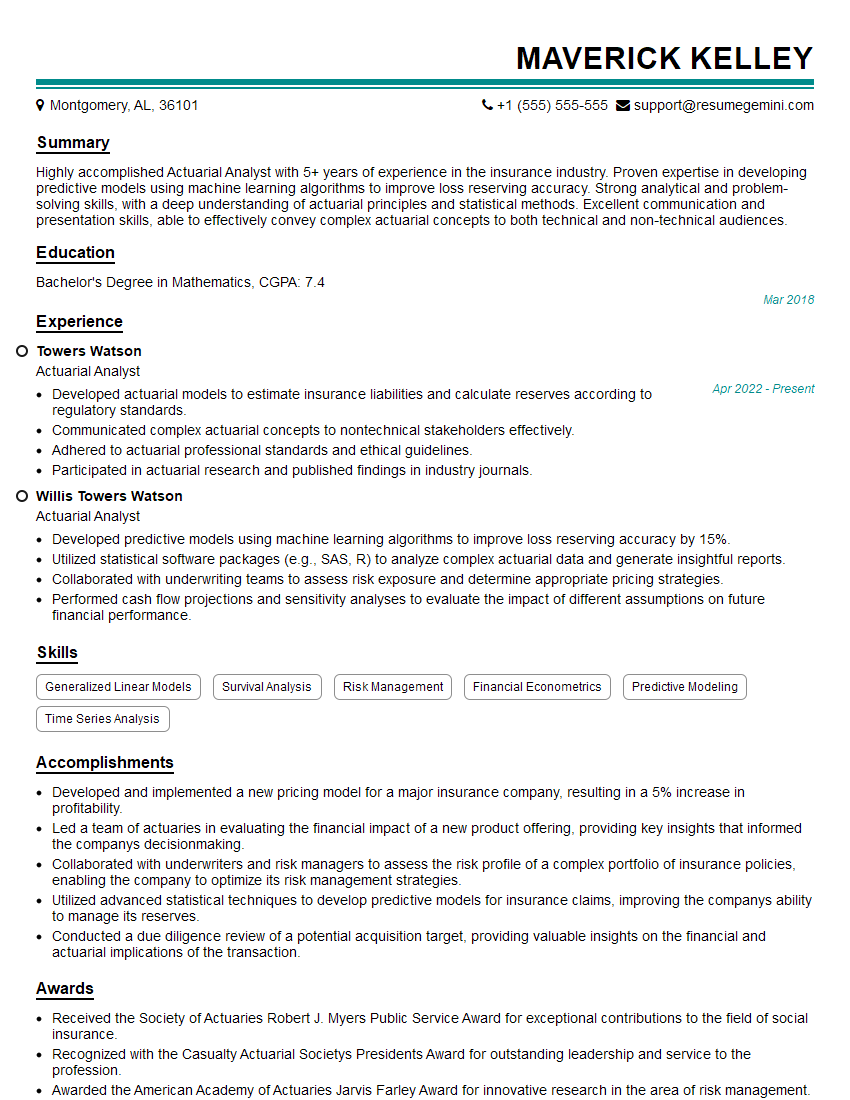
Actuarial Analyst Resume Sample
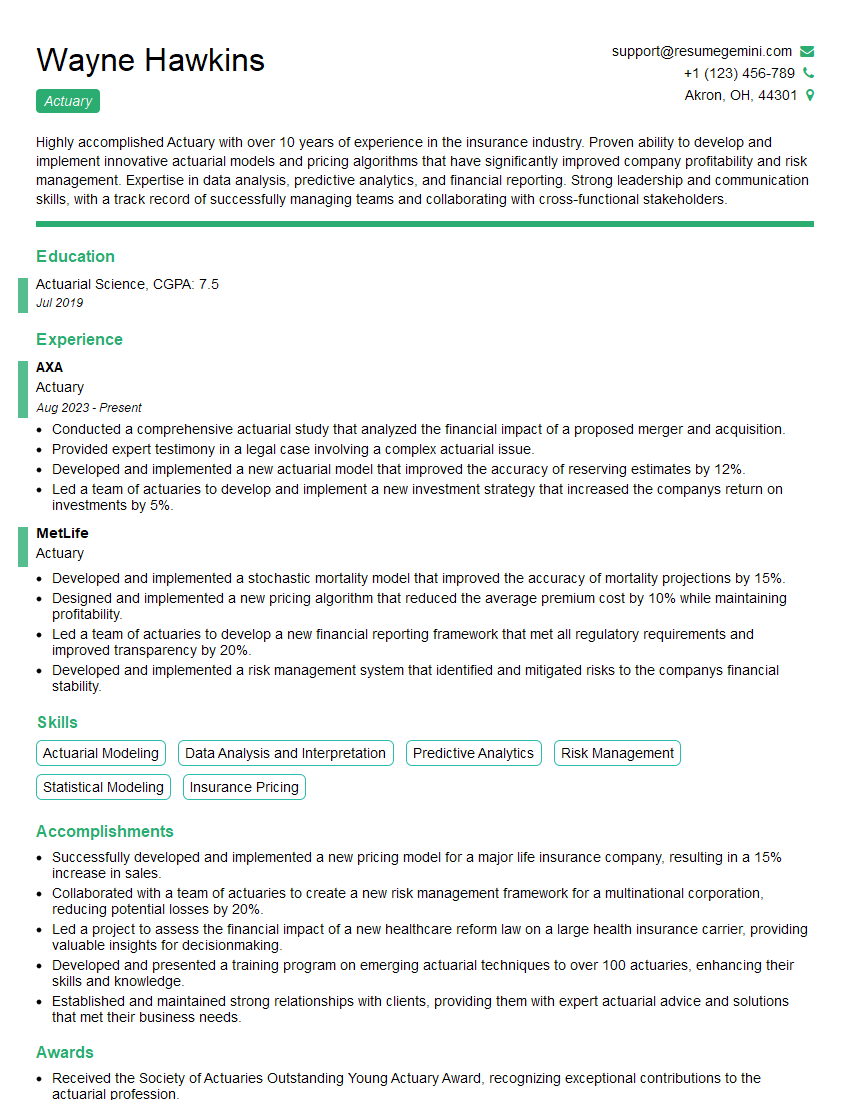
Actuary Resume Sample
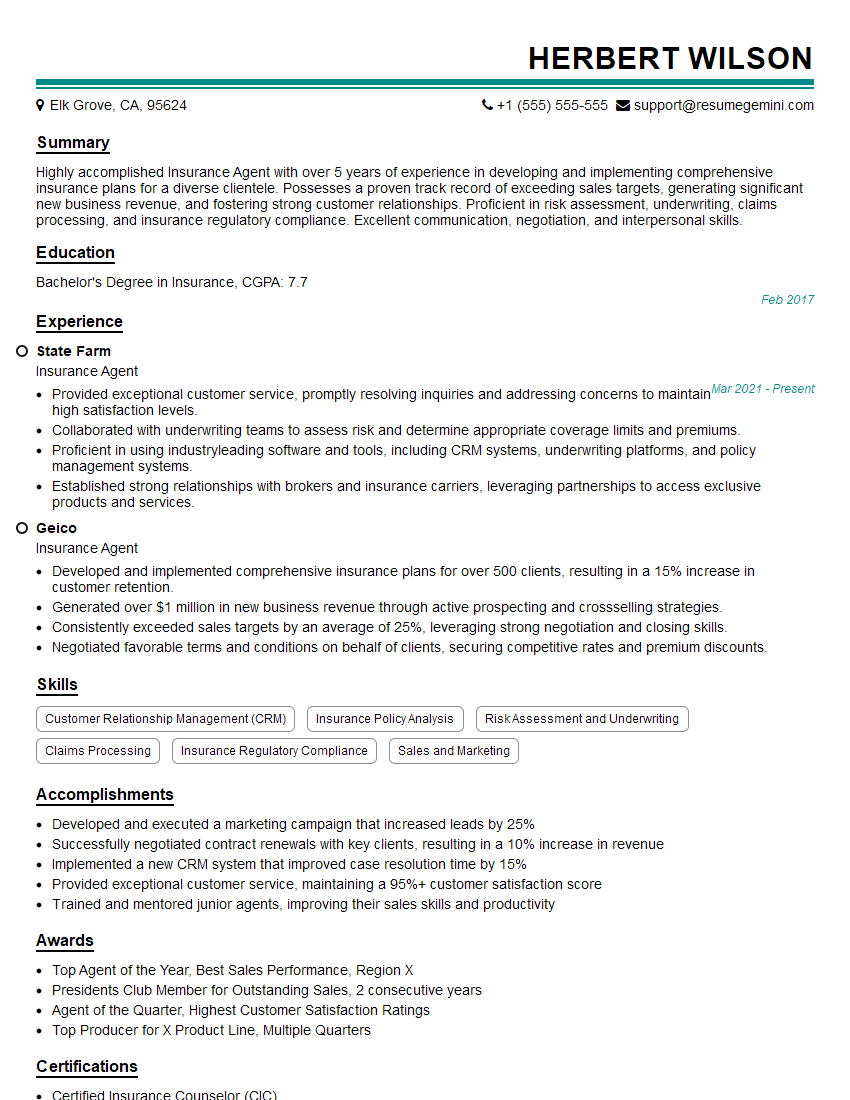
Insurance Agent Resume Sample
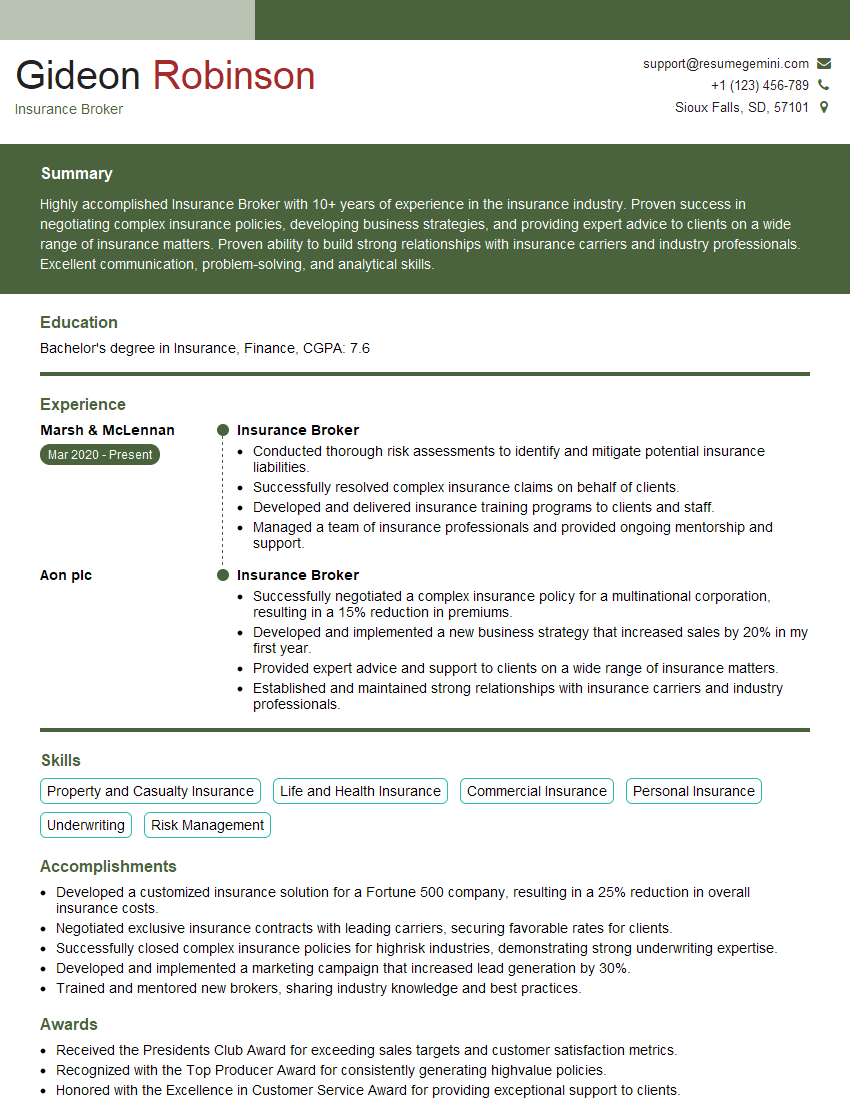
Insurance Broker Resume Sample
Explore more articles
Users Rating of Our Blogs
Share Your Experience
We value your feedback! Please rate our content and share your thoughts (optional).
What Readers Say About Our Blog
good