Interviews are opportunities to demonstrate your expertise, and this guide is here to help you shine. Explore the essential Understanding of Maritime Industry Best Practices interview questions that employers frequently ask, paired with strategies for crafting responses that set you apart from the competition.
Questions Asked in Understanding of Maritime Industry Best Practices Interview
Q 1. Explain the International Maritime Organization (IMO) and its role in setting industry standards.
The International Maritime Organization (IMO) is a specialized agency of the United Nations responsible for improving maritime safety and preventing pollution from ships. Think of them as the global rule-maker for shipping. They develop and maintain a comprehensive set of international standards, conventions, and codes that govern all aspects of the shipping industry, from the design and construction of vessels to the training of seafarers and the prevention of marine pollution.
The IMO’s role is crucial because it ensures a level playing field globally. Without international standards, individual countries might set different regulations, leading to chaos and inconsistencies. Their standards are legally binding for member states, promoting safety and environmental protection worldwide. For example, the International Convention for the Safety of Life at Sea (SOLAS) is a key IMO convention that sets minimum safety standards for ships, influencing everything from lifeboat drills to fire safety systems.
Q 2. Describe the key elements of a Ship Safety Management System (SMS).
A Ship Safety Management System (SMS) is a structured approach to managing safety risks on board a vessel. It’s like a comprehensive safety manual and operational plan rolled into one. The key elements typically include:
- Safety Policy: A formal statement of the company’s commitment to safety, outlining its goals and objectives.
- Safety Objectives: Specific, measurable, achievable, relevant, and time-bound (SMART) goals related to safety performance.
- Responsibility and Authority: Clearly defined roles and responsibilities for safety management at all levels of the organization.
- Resources and Support: Allocation of sufficient resources (financial, personnel, equipment) to support safety management activities.
- Competency Assurance: Ensuring that personnel possess the necessary skills and training to perform their duties safely.
- Accident/Incident Reporting and Investigation: Systems for reporting, investigating, and analyzing accidents and incidents to prevent recurrences.
- Emergency Preparedness: Plans and procedures for dealing with emergencies, such as fire, grounding, or medical emergencies.
- Internal Audits: Regular audits to assess the effectiveness of the SMS and identify areas for improvement.
- Management Review: Periodic reviews by senior management to evaluate the overall performance of the SMS.
An effective SMS is essential for preventing accidents and incidents, protecting the environment, and ensuring the smooth operation of a vessel. It’s not just a set of rules; it’s a living document constantly evolving based on experience and lessons learned.
Q 3. What are the main components of a voyage plan?
A voyage plan is a detailed itinerary for a ship’s journey, crucial for safe and efficient navigation. It’s like a detailed road map for a sea journey. Key components include:
- Route Planning: Choosing the optimal route considering factors like weather, traffic, currents, and potential hazards (e.g., shallow waters, icebergs).
- Navigation Data: Charts, publications, and electronic navigational systems (ECDIS) used for route planning and monitoring.
- Estimated Time of Arrival (ETA): Calculation of the expected arrival time at various checkpoints along the route.
- Contingency Plans: Procedures for handling unexpected events, such as equipment failure, bad weather, or emergencies.
- Cargo Information: Details about the cargo being transported, including its stowage plan and any special handling requirements.
- Communication Plan: Outline of communication procedures with port authorities, other vessels, and the company.
- Port Procedures: Information about procedures for entering and leaving ports, including pilotage and mooring instructions.
A well-prepared voyage plan minimizes risks and enhances the efficiency of the voyage. Failure to adequately plan a voyage can result in delays, accidents, or even environmental damage.
Q 4. How do you ensure compliance with SOLAS regulations?
Ensuring compliance with SOLAS regulations requires a multifaceted approach. It’s not a one-time event; it’s an ongoing process. Key aspects include:
- Regular Inspections and Surveys: Ships undergo regular inspections and surveys by classification societies and port state control authorities to ensure compliance with SOLAS requirements.
- Maintenance and Repairs: Proper maintenance and timely repairs of safety-critical equipment are essential to maintain compliance.
- Crew Training: Seafarers must receive adequate training on safety procedures and the use of safety equipment. Regular drills and exercises are also crucial.
- Documentation: Maintaining accurate and up-to-date documentation, including certificates, logs, and records, is vital for demonstrating compliance.
- Proactive Risk Management: Implementing a robust SMS to identify and mitigate safety risks proactively.
- Staying Updated: Keeping abreast of any amendments or updates to SOLAS regulations and implementing them accordingly.
Non-compliance can lead to serious consequences, including detention of the vessel, fines, and reputational damage. A commitment to safety and continuous improvement is crucial for maintaining SOLAS compliance.
Q 5. Explain the process of cargo securing and its importance.
Cargo securing is the process of ensuring that cargo is properly restrained and stabilized during transportation to prevent shifting, damage, or loss. Imagine stacking boxes in a truck – you wouldn’t just throw them in; you’d secure them to avoid a mess. The same principle applies to ships. Proper cargo securing is paramount for safety and preventing accidents.
The process involves various methods depending on the type of cargo, including:
- lashings: using chains, ropes, or straps to secure cargo.
- wedges and dunnage: using wooden blocks to fill gaps and prevent shifting.
- containers: using twist locks and other securing devices.
The importance of proper cargo securing cannot be overstated. Improperly secured cargo can lead to: damage to the cargo itself; damage to the vessel; injuries to crew members; and even vessel instability or capsizing in extreme cases. International standards and guidelines exist to ensure the safe and secure transportation of cargo on vessels.
Q 6. Describe different types of marine insurance and their coverage.
Marine insurance protects ship owners, operators, and cargo owners against various risks associated with maritime operations. Think of it as comprehensive protection against the unpredictable nature of the sea.
Different types of marine insurance include:
- Hull and Machinery Insurance: Covers damage to the vessel itself, including the hull, machinery, and equipment.
- Protection and Indemnity (P&I) Insurance: Covers third-party liabilities, such as damage to other vessels, cargo, or property, and also crew injuries.
- Cargo Insurance: Protects the cargo owner against loss or damage to the goods being transported. This can be further divided into Institute Cargo Clauses (ICC), offering different levels of coverage (e.g., ICC A, ICC B, ICC C).
- Freight Insurance: Protects the shipper against loss of freight income in case of cargo loss or damage.
- Liability Insurance: Covers the shipowner’s liability for pollution or other environmental damage.
The specific coverage provided by each type of insurance varies depending on the policy terms and conditions. It’s vital to choose the right type and level of coverage to protect against potential risks.
Q 7. What are the different types of ship chartering agreements?
Ship chartering agreements are contracts that allow shipowners to lease their vessels to charterers (those who need to transport goods). There are several types, each with different terms and conditions regarding responsibility and risk sharing. Think of it like renting a car, but on a much larger scale.
Common types include:
- Time Charter: The charterer hires the vessel for a specific period, paying a daily or monthly rate. The shipowner retains responsibility for the vessel’s maintenance and crew.
- Voyage Charter: The charterer hires the vessel for a single voyage or a series of voyages between specified ports. The shipowner is responsible for the vessel’s operation, but the charterer typically specifies the cargo and route.
- Bareboat Charter (Demise Charter): The charterer hires the vessel without crew, paying for the vessel’s operation and maintenance. The charterer assumes most of the risks and responsibilities associated with vessel operation.
The choice of chartering agreement depends on the specific needs and risk appetite of both the shipowner and charterer. Each type has unique legal and financial implications, so selecting the appropriate one is essential for a successful and risk-managed business transaction.
Q 8. Explain the concept of a Bill of Lading and its significance.
A Bill of Lading (B/L) is a crucial document in international trade, acting as a receipt for goods, a contract of carriage, and a document of title. Think of it as a detailed, legally binding agreement between the shipper (who owns the goods), the carrier (typically a shipping line), and the consignee (who receives the goods).
- Receipt: The B/L acknowledges the carrier received the goods in apparent good order and condition, specifying the quantity and type. Any discrepancies should be noted here.
- Contract of Carriage: It outlines the terms of the shipment, including the agreed-upon price, the route, and the responsibilities of each party. This is vital in case of disputes.
- Document of Title: The B/L represents ownership or possession of the goods. The consignee needs the original B/L to claim their goods at the destination port. This aspect is crucial for securing payment and managing risk.
For example, imagine exporting a container of coffee beans. The B/L will detail the number of bags, their weight, the shipper’s details, the vessel’s name, the port of loading and discharge, and the freight charges. Without a properly executed B/L, the consignee might struggle to retrieve their coffee, causing significant financial and reputational damage.
Q 9. How do you handle a marine casualty or emergency situation?
Handling a marine casualty or emergency requires a swift, organized response prioritizing safety and minimizing damage. My approach follows a structured framework:
- Immediate Actions: Assess the situation. Is it a fire, collision, grounding, or something else? Activate the ship’s emergency response plan, which should be regularly drilled. Notify relevant authorities (coast guard, salvors, etc.) immediately and provide accurate details of the incident, location, and nature of the emergency. Ensure the safety of the crew and passengers, using all available resources.
- Damage Control: Implement damage control measures, depending on the nature of the casualty. This might involve firefighting, patching holes, or stabilizing the vessel.
- Investigation: Once the immediate danger has passed, a thorough investigation must be conducted to determine the cause of the casualty. This often involves collecting evidence, interviewing crew members, and potentially engaging external experts.
- Reporting: Detailed reports must be submitted to relevant authorities, insurance companies, and flag state, complying with international regulations.
- Salvage and Repairs: If necessary, arrange for salvage operations to recover the vessel and its cargo. Subsequently, repairs will be carried out in accordance with the rules and regulations of the classification society.
For example, in a collision scenario, we immediately try to minimize further damage, ensure the safety of all onboard, and contact emergency services while simultaneously documenting the event with photographs and witness statements.
Q 10. What are the key aspects of port state control inspections?
Port State Control (PSC) inspections are crucial for maintaining safety and environmental standards in shipping. They are carried out by the coastal states on foreign-flagged vessels within their ports to verify compliance with international maritime conventions and regulations.
- Documentation Checks: PSC inspectors verify that the vessel possesses valid certificates, such as the International Safety Management (ISM) Code certificate, the International Convention for the Prevention of Pollution from Ships (MARPOL) certificate, and relevant crew documentation.
- Condition Surveys: Inspectors assess the vessel’s condition, including the hull, machinery, life-saving appliances, fire-fighting equipment, and pollution prevention systems.
- Crew Competency: The PSC verifies crew competency through certificates and documentation, confirming that they are qualified for their roles. They may also check watchkeeping arrangements.
- Record Keeping: The maintenance of various operational logs and records is thoroughly examined by the inspectors, checking for compliance with international conventions.
- Detention: If significant deficiencies are found, the vessel may be detained until the issues are rectified. This can lead to significant delays and costs for the shipowner.
Think of PSC inspections as a health check for ships. They ensure that vessels meet minimum standards, helping to prevent accidents, environmental damage, and unfair competition.
Q 11. Explain the role of the International Ship and Port Facility Security (ISPS) Code.
The International Ship and Port Facility Security (ISPS) Code is a comprehensive security measure designed to enhance the security of ships and port facilities worldwide. It mandates a layered approach to security, aiming to prevent acts of terrorism and other security threats. Key aspects include:
- Ship Security Assessments: Each ship must conduct a security assessment to identify vulnerabilities and develop a ship security plan (SSP).
- Port Facility Security Plans: Port facilities must also develop and implement security plans (PFSP) outlining procedures for security checks, access control, and emergency response.
- Security Levels: The ISPS Code defines three security levels: Level 1 (normal), Level 2 (heightened), and Level 3 (exceptionally heightened). Security measures are adjusted according to the prevailing threat level.
- Security Personnel: Ships and port facilities need designated security personnel to implement security measures.
- Communication Protocols: Clear communication protocols are crucial for information sharing between ships, port facilities, and authorities.
In essence, the ISPS Code provides a standardized, global approach to maritime security, protecting vessels and ports from potential threats. It’s a collaborative effort involving all stakeholders to minimize risks and ensure safety.
Q 12. How do you manage crew changes and ensure efficient crew rotation?
Efficient crew changes and rotation are vital for maintaining crew wellbeing and operational efficiency. Effective management involves:
- Advance Planning: Crew changes should be planned well in advance, considering factors like visa requirements, travel arrangements, and port availability. This allows for seamless transitions.
- Compliance with Regulations: Adherence to all relevant maritime labor conventions (MLC 2006) regarding crew working hours, leave entitlements, and repatriation is paramount.
- Crew Transfer Arrangements: Efficient and safe crew transfer methods need to be established, particularly in challenging weather conditions or remote locations. This may involve specialized boats or helicopters.
- Medical Fitness: New crew members must be medically fit for duty. Pre-joining medical examinations ensure the safety and well-being of both the crew member and the ship’s operation.
- Documentation: All necessary documentation, including contracts, visas, and medical certificates, must be in order to avoid delays or complications during the changeover.
A well-managed crew change process minimizes disruption to operations, ensures crew morale, and reduces the risk of accidents caused by fatigue or poor health.
Q 13. Discuss the importance of maintaining accurate ship’s documentation.
Maintaining accurate ship’s documentation is not merely a bureaucratic requirement; it’s crucial for safety, legal compliance, and efficient operations. Inaccurate records can lead to serious consequences, including delays, fines, and even accidents.
- Safety Records: Accurate records of maintenance, repairs, and inspections are essential for ensuring the ship’s seaworthiness. These records are frequently audited by classification societies and port state control.
- Cargo Records: Accurate cargo manifests, stowage plans, and delivery receipts are vital for proper cargo handling and prevent losses or disputes.
- Crew Records: Maintaining accurate crew records, including certificates of competency, medical records, and employment contracts, is crucial for compliance with maritime labor laws and prevents operational disruptions.
- Legal Compliance: Accurate documentation is critical for demonstrating compliance with various international and national regulations, helping to avoid legal issues.
- Insurance Claims: In case of incidents or accidents, accurate records are indispensable for supporting insurance claims.
Imagine a scenario where a ship’s logbook is incomplete, and an accident occurs. The lack of accurate data can make it extremely difficult to reconstruct the events, hindering any investigation and potentially affecting insurance claims.
Q 14. What are the challenges related to bunkering and fuel management?
Bunkering, the process of refuelling a ship, presents several challenges:
- Fuel Quality: Ensuring the quality and quantity of fuel received are as per the specifications is paramount. Receiving substandard fuel can damage engines and lead to costly repairs. Independent fuel testing is often employed.
- Bunkering Operations: Bunkering operations can be complex and time-consuming, particularly in congested ports. Effective coordination with the bunkering barge and port authorities is essential to avoid delays.
- Fuel Costs: Fuel prices are volatile and can significantly impact a ship’s operating costs. Effective fuel management strategies, including route optimization and slow steaming, are needed to control expenses.
- Environmental Regulations: Strict environmental regulations govern the handling and disposal of fuel oil. Ships must comply with MARPOL regulations to prevent pollution.
- Fuel Storage and Management: Proper storage and handling of fuel onboard are crucial for safety and preventing contamination. Regular tank inspections and maintenance are essential.
For example, receiving contaminated fuel can lead to engine failure mid-voyage, resulting in costly repairs, significant delays, and potential environmental damage. A robust bunkering plan and careful fuel testing are crucial to mitigate such risks.
Q 15. Explain your understanding of environmental regulations in the maritime industry (e.g., MARPOL).
Environmental regulations in the maritime industry are crucial for protecting our oceans and preventing pollution. The most significant international convention is MARPOL (International Convention for the Prevention of Pollution from Ships). MARPOL Annexes address various pollution sources, including oil, noxious liquid substances, garbage, sewage, and air emissions. Understanding MARPOL involves knowing its different Annexes and the specific regulations within each.
- Annex I: Regulates the discharge of oil and oily mixtures.
- Annex II: Covers the discharge of noxious liquid substances (NLS) in bulk.
- Annex III: Deals with the carriage of harmful substances in packaged form.
- Annex IV: Addresses sewage discharge.
- Annex V: Regulates garbage disposal at sea.
- Annex VI: Controls air pollution from ships, including SOx, NOx, and greenhouse gas emissions.
Compliance requires implementing and maintaining an Oil Record Book (ORB) and Garbage Record Book (GRB), conducting regular inspections, and having appropriate equipment like oil water separators and incinerators. Failure to comply can result in significant fines and legal repercussions. For instance, a ship discharging oil illegally could face detention and hefty penalties. Furthermore, environmental audits and port state control inspections ensure adherence to these regulations.
Career Expert Tips:
- Ace those interviews! Prepare effectively by reviewing the Top 50 Most Common Interview Questions on ResumeGemini.
- Navigate your job search with confidence! Explore a wide range of Career Tips on ResumeGemini. Learn about common challenges and recommendations to overcome them.
- Craft the perfect resume! Master the Art of Resume Writing with ResumeGemini’s guide. Showcase your unique qualifications and achievements effectively.
- Don’t miss out on holiday savings! Build your dream resume with ResumeGemini’s ATS optimized templates.
Q 16. How do you address issues related to crew welfare and fatigue management?
Crew welfare and fatigue management are paramount for safety and operational efficiency. Addressing these issues requires a multi-faceted approach, focusing on both preventative measures and responsive strategies.
- Preventative Measures: This includes proper crew scheduling to avoid excessive working hours, providing adequate rest periods in compliance with the Maritime Labour Convention (MLC), ensuring access to comfortable and safe accommodations, offering recreational facilities onboard, and promoting a positive working environment that values communication and psychological wellbeing.
- Responsive Strategies: This involves implementing systems for reporting fatigue, providing access to medical assistance, and addressing any underlying issues affecting crew morale. Utilizing fatigue risk management systems (FRMS) helps identify and mitigate potential risks. Regularly monitoring crew performance and conducting wellbeing checks are crucial.
For example, a company might implement a fatigue management system using electronic logs and software to track working hours and rest periods, automatically alerting management when an individual is approaching fatigue limits. A proactive and caring approach fosters a positive environment and reduces risks associated with human error caused by fatigue.
Q 17. Describe your experience with risk assessment and mitigation in maritime operations.
Risk assessment and mitigation are integral to safe and efficient maritime operations. My experience involves conducting regular risk assessments utilizing methodologies like HAZOP (Hazard and Operability Study) and SWOT (Strengths, Weaknesses, Opportunities, and Threats) analysis. These assessments identify potential hazards and vulnerabilities, such as equipment failure, human error, adverse weather conditions, and cargo-related risks.
Mitigation strategies are then developed based on the identified risks. These strategies vary depending on the risk level and might involve:
- Engineering Controls: Implementing technical solutions, such as installing redundant systems or improving equipment design.
- Administrative Controls: Implementing procedures, training programs, and communication protocols.
- Personal Protective Equipment (PPE): Providing appropriate safety gear for crew members.
For example, if a risk assessment reveals a high risk of collision due to poor visibility, the mitigation strategy could involve enhanced navigational equipment, improved crew training, and strict adherence to collision avoidance regulations. Regular monitoring and review of the risk assessment and mitigation plan are crucial to ensure effectiveness.
Q 18. Explain your knowledge of different types of cargo handling equipment.
Cargo handling equipment varies widely depending on the type of cargo and port facilities. Common types include:
- Container Cranes: Used for loading and unloading containers from ships to shore and vice-versa.
- Gantry Cranes: Similar to container cranes but often found in smaller ports or yards.
- Forklifts: Essential for moving containers and pallets within port terminals.
- Straddle Carriers: Used to transport containers directly from the ship to storage areas.
- Reach Stackers: Used to lift and stack containers in storage yards.
- Ship-to-Shore (STS) Cranes: Very large cranes capable of handling large vessels and containers.
- Grabs and Clamshells: Used for bulk cargo such as ore, grain, and other loose materials.
- Conveyors and Belt Systems: Used for efficiently moving bulk cargo.
Selecting the appropriate equipment depends on factors such as cargo type, vessel size, port infrastructure, and handling capacity. Efficient cargo handling contributes significantly to cost-effectiveness and turnaround time.
Q 19. How do you manage communication between the ship and shore?
Effective communication between ship and shore is critical for safe and efficient operations. Several methods are used, each with its strengths and weaknesses:
- Very High Frequency (VHF) Radio: Used for short-range communication, primarily for safety-related messages and pilot communication.
- Inmarsat Satellite Communications: Provides reliable global communication, particularly for ships in remote areas. It’s used for email, fax, and data transfer.
- Fleet Management Systems (FMS): Integrate various communication technologies for vessel tracking, data exchange, and remote monitoring of shipboard systems.
- Automatic Identification System (AIS): A system for automatically transmitting and receiving data on a ship’s position, course, and speed. Crucial for collision avoidance.
The choice of communication method often depends on the urgency and nature of the message. For example, a mayday call would be transmitted via VHF radio, while routine updates and administrative matters are typically handled through Inmarsat or FMS. Clear communication protocols and trained personnel are vital for seamless communication.
Q 20. Discuss your understanding of maritime labour conventions (MLCs).
The Maritime Labour Convention (MLC), 2006, is a landmark international agreement setting minimum standards for seafarers’ rights and working conditions. It aims to improve safety, health, and welfare for seafarers worldwide. Key aspects of the MLC include:
- Fair Wages: Stipulates minimum wage requirements and payment procedures.
- Hours of Work or Rest: Sets maximum working hours and mandated rest periods.
- Accommodation: Defines minimum standards for seafarers’ living and working spaces onboard ships.
- Health and Safety: Outlines safety and health regulations and procedures for seafarers.
- Medical Care: Requires ships to provide adequate medical care and facilities.
- Employment Agreements: Sets standards for seafarers’ employment contracts.
Compliance with MLC is mandatory for all flag states, meaning they must ensure that ships under their flag adhere to the convention’s requirements. Non-compliance can lead to significant penalties, including detention of the vessel.
Q 21. What is your experience with vessel maintenance and repair planning?
Vessel maintenance and repair planning is crucial for ensuring the operational readiness and safety of a ship. Effective planning requires a proactive approach, involving:
- Predictive Maintenance: Utilizing data-driven analysis to predict potential equipment failures and schedule maintenance accordingly. This minimizes downtime and enhances operational efficiency.
- Preventative Maintenance: Following a scheduled maintenance program to prevent equipment breakdowns. This involves regular inspections, lubrication, and replacement of parts.
- Corrective Maintenance: Addressing equipment failures as they occur. This requires prompt and effective troubleshooting and repair.
- Inventory Management: Maintaining an adequate supply of spare parts to minimize delays during repairs.
- Documentation: Meticulously maintaining records of all maintenance and repair activities to satisfy regulatory requirements and improve future planning.
A well-planned maintenance program considers the vessel’s age, type, and operating conditions. It also incorporates a risk assessment, identifying critical systems requiring more frequent maintenance. For example, a comprehensive maintenance plan for an engine room might include regular inspections of vital components like pumps, compressors, and generators, with preventive measures like oil changes and filter replacements scheduled at specific intervals. The goal is to maintain the highest level of safety and efficiency.
Q 22. How do you handle delays and disruptions in shipping schedules?
Handling shipping delays requires a proactive and multi-faceted approach. It starts with robust contingency planning. We build into our schedules buffer times to account for potential unforeseen events like port congestion, bad weather, or mechanical issues. Think of it like adding extra time to your commute – it’s better to arrive early than late!
When a delay occurs, the first step is identifying the root cause. Is it a weather-related issue? A port congestion problem? A problem with the vessel itself? Once the cause is identified, we can implement appropriate mitigation strategies. This might involve rerouting the vessel, chartering alternative vessels, or proactively communicating the delay to customers and adjusting delivery schedules accordingly. Transparent communication is key – keeping all stakeholders informed prevents misunderstandings and maintains trust.
For example, if a typhoon hits a key port, we might reroute the vessel to a nearby unaffected port and then utilize inland transportation to reach the final destination. Detailed tracking and monitoring throughout the entire process are crucial to making informed decisions and minimizing further delays.
Q 23. Explain the process of cargo claims handling.
Cargo claims handling is a crucial aspect of risk management in the maritime industry. It involves a systematic process to investigate, assess, and resolve claims arising from damage, loss, or delay of cargo during transit. The process typically begins with the filing of a formal claim by the cargo owner or their representative. This claim must include comprehensive documentation, such as Bills of Lading, commercial invoices, and evidence of the damage or loss.
Next, a thorough investigation is conducted to determine the cause of the incident and the extent of the damage. This may involve reviewing ship’s logs, conducting surveys of the cargo, and interviewing relevant personnel. We meticulously examine the documentation to ascertain liability. If the carrier is found liable, we proceed to assess the damages and negotiate a settlement with the claimant. This negotiation may involve insurance companies and legal counsel. The ultimate goal is to reach a fair and timely resolution that satisfies both parties.
Transparency and clear communication are crucial throughout the claims process. Maintaining detailed records of all communications, actions, and decisions is essential, not only for resolving the specific claim but also for future risk mitigation efforts. We also use this data to continually improve our operational procedures and minimize the occurrence of future claims.
Q 24. How do you ensure the safety of personnel on board during cargo operations?
Ensuring personnel safety during cargo operations is paramount. It’s not just a matter of compliance; it’s a fundamental ethical responsibility. We achieve this through a multi-layered approach. First and foremost, we provide comprehensive safety training to all personnel involved in cargo handling, covering topics like hazard identification, risk assessment, and the proper use of safety equipment. This includes both theoretical and practical training, often involving simulations and real-world scenarios.
Secondly, we implement strict safety procedures and protocols, meticulously documented and regularly reviewed. These procedures cover every aspect of cargo handling, from securing the cargo to using proper lifting techniques to following emergency response protocols. We also ensure adherence to international safety standards and regulations, such as those set by the IMO (International Maritime Organization).
Regular safety inspections and audits are crucial. We maintain a culture of proactive safety awareness, encouraging personnel to report any hazards or unsafe practices without fear of reprisal. We also leverage technology, using equipment like specialized lifting gear with safety interlocks and employing monitoring systems to enhance safety during operations.
Q 25. What are the key performance indicators (KPIs) you use to monitor operational efficiency?
We utilize a range of KPIs to monitor operational efficiency, categorized for clarity. These include:
- Financial KPIs: Freight cost per unit, profit margin per shipment, inventory turnover rate.
- Operational KPIs: On-time delivery rate, vessel turnaround time, cargo damage rate, claims frequency.
- Customer service KPIs: Customer satisfaction score, response time to customer inquiries, number of customer complaints.
- Safety KPIs: Lost-time injury frequency rate (LTIFR), near-miss reporting rate.
These KPIs are regularly tracked and analyzed to identify areas for improvement. For example, a consistently low on-time delivery rate might indicate a need to review scheduling processes or address port congestion issues. Similarly, a high cargo damage rate might necessitate a review of cargo handling procedures or investments in better equipment.
Q 26. How do you stay updated with changes in maritime regulations and best practices?
Staying abreast of changes in maritime regulations and best practices is ongoing and essential. We utilize several methods:
- Subscription to industry publications and newsletters: This provides access to the latest news, analysis, and regulatory updates.
- Participation in industry conferences and seminars: Networking and learning from experts in the field are invaluable.
- Membership in relevant professional organizations: These organizations often provide access to training, resources, and networking opportunities.
- Engagement with regulatory bodies: Direct interaction with regulatory agencies helps to understand and comply with evolving regulations.
- Internal training and knowledge sharing: We conduct regular training sessions to ensure that our staff is up-to-date on the latest developments.
Think of it as continuous professional development, but specifically for the maritime industry. Adapting to changes is not merely about compliance; it’s about maintaining competitiveness and minimizing risks.
Q 27. Describe your experience with using maritime logistics software or systems.
My experience with maritime logistics software and systems is extensive. I’ve worked extensively with systems that manage vessel scheduling, cargo tracking, documentation, and communication. These systems often involve:
- Vessel Management Systems (VMS): These systems optimize vessel routing, scheduling, and crew management.
- Cargo Management Systems (CMS): These track cargo from origin to destination, managing documentation, handling bookings, and providing real-time visibility.
- Electronic Data Interchange (EDI): This facilitates the electronic exchange of shipping documents and information, streamlining communication between stakeholders.
- Port Community Systems (PCS): These provide a centralized platform for communication and collaboration between port authorities, shipping lines, and other stakeholders.
My proficiency includes not only using these systems but also understanding their underlying data structures and integrating them with other business systems. For example, I’ve been involved in projects integrating CMS data with our customer relationship management (CRM) system, improving customer communication and service levels.
Q 28. Explain how you would approach a situation involving conflicting priorities in cargo handling.
Conflicting priorities in cargo handling are inevitable. The approach requires a structured and data-driven decision-making process. The first step is to clearly define all the competing priorities and their associated consequences. This often involves prioritizing urgent tasks over less urgent ones.
We use a matrix prioritizing by urgency and importance. This ensures that crucial time-sensitive shipments are addressed before less critical ones. For instance, perishable goods require immediate attention compared to non-perishable items. Open and honest communication with all stakeholders, including customers, is crucial in managing expectations and explaining decisions. Finding a mutually acceptable solution might involve negotiating delivery timelines or exploring alternative handling methods.
Documentation of the decision-making process and the rationale behind the prioritization is essential for transparency and accountability. In some instances, a cost-benefit analysis might be needed to justify specific choices. The goal is to minimize negative impacts while ensuring the overall operational efficiency is maintained.
Key Topics to Learn for Understanding of Maritime Industry Best Practices Interview
- Safety Regulations and Compliance: Understanding international maritime regulations (SOLAS, MARPOL, STCW), port state control, and the importance of safety management systems (SMS).
- Practical Application: Be prepared to discuss real-world scenarios involving safety incidents, non-compliance issues, and how best practices were (or should have been) applied to prevent or mitigate them.
- Cargo Handling and Operations: Knowledge of different cargo types, handling procedures, securing methods, and relevant safety protocols.
- Practical Application: Discuss efficient cargo handling techniques, strategies for minimizing damage, and methods for ensuring timely delivery.
- Shipping Documentation and Procedures: Familiarity with Bills of Lading, shipping manifests, customs declarations, and other essential documentation.
- Practical Application: Be ready to explain the importance of accurate documentation, the potential consequences of errors, and best practices for efficient document management.
- Environmental Protection and Sustainability: Understanding of environmental regulations, waste management at sea, and the industry’s efforts towards sustainable practices.
- Practical Application: Discuss specific environmental challenges faced by the maritime industry and how companies are working towards greener operations.
- Crew Management and Training: Knowledge of crew welfare, training requirements, and the importance of a well-trained and motivated crew.
- Practical Application: Discuss effective crew management strategies, the role of training in preventing accidents, and best practices for maintaining high crew morale.
- Risk Management and Crisis Response: Understanding risk assessment procedures, crisis management plans, and effective communication during emergencies.
- Practical Application: Discuss real-world scenarios where effective risk management prevented incidents or mitigated the impact of crises.
Next Steps
Mastering Understanding of Maritime Industry Best Practices is crucial for career advancement in this dynamic sector. A strong understanding of these principles demonstrates competence and commitment, significantly increasing your attractiveness to potential employers. To further enhance your job prospects, crafting an ATS-friendly resume is essential. ResumeGemini is a trusted resource that can help you build a professional and impactful resume, optimized for Applicant Tracking Systems. Examples of resumes tailored to showcasing expertise in Understanding of Maritime Industry Best Practices are available, providing you with a head-start in creating your winning application.
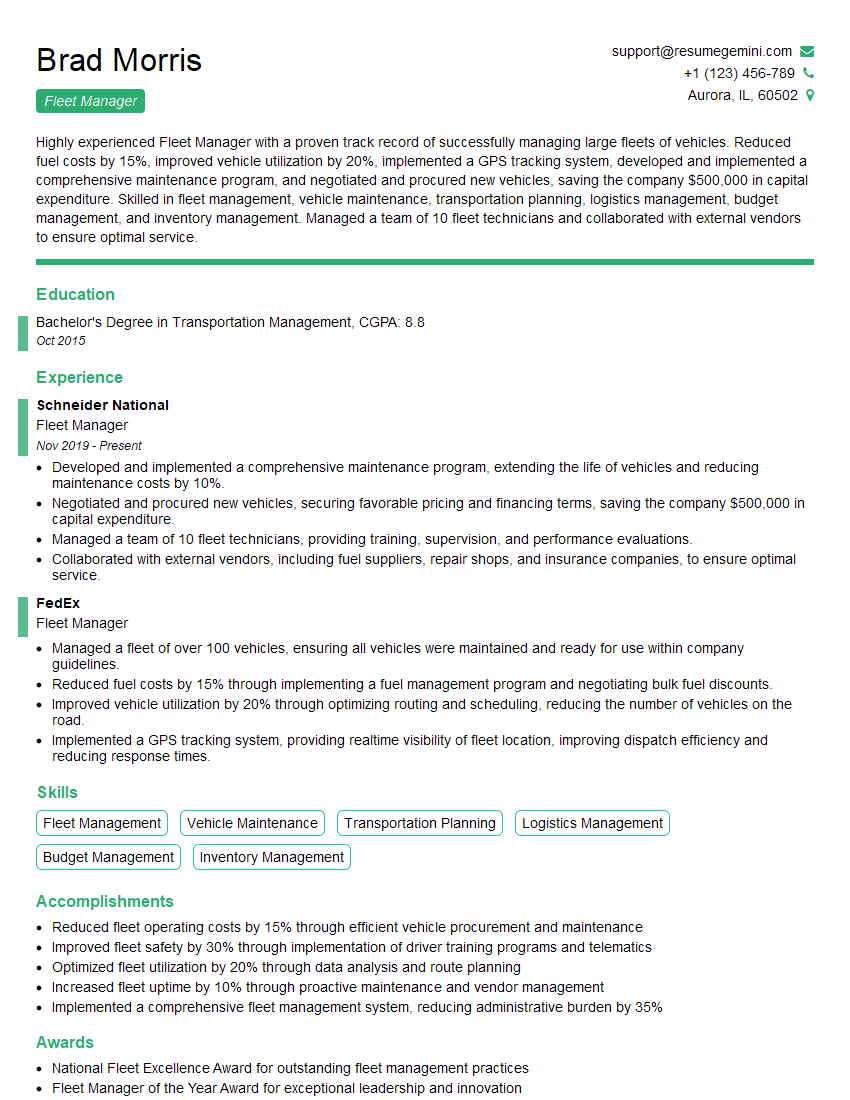
Fleet Manager Resume Sample
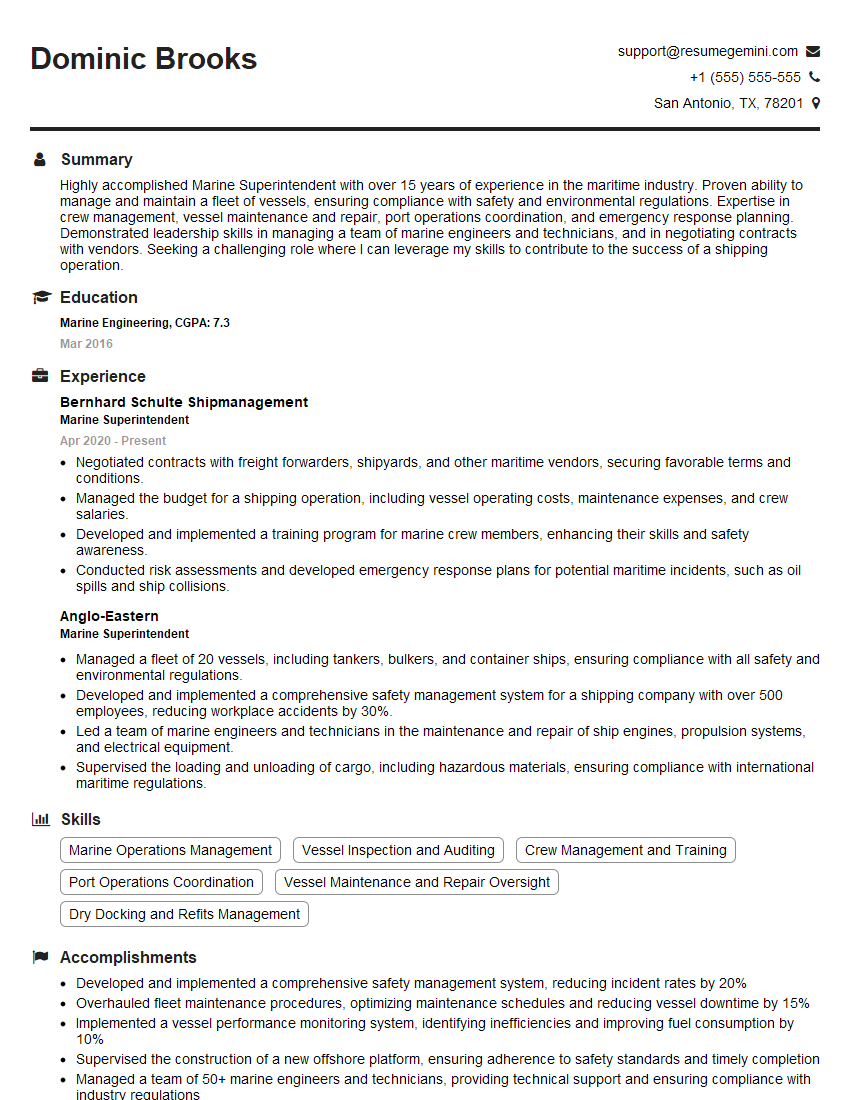
Marine Superintendent Resume Sample
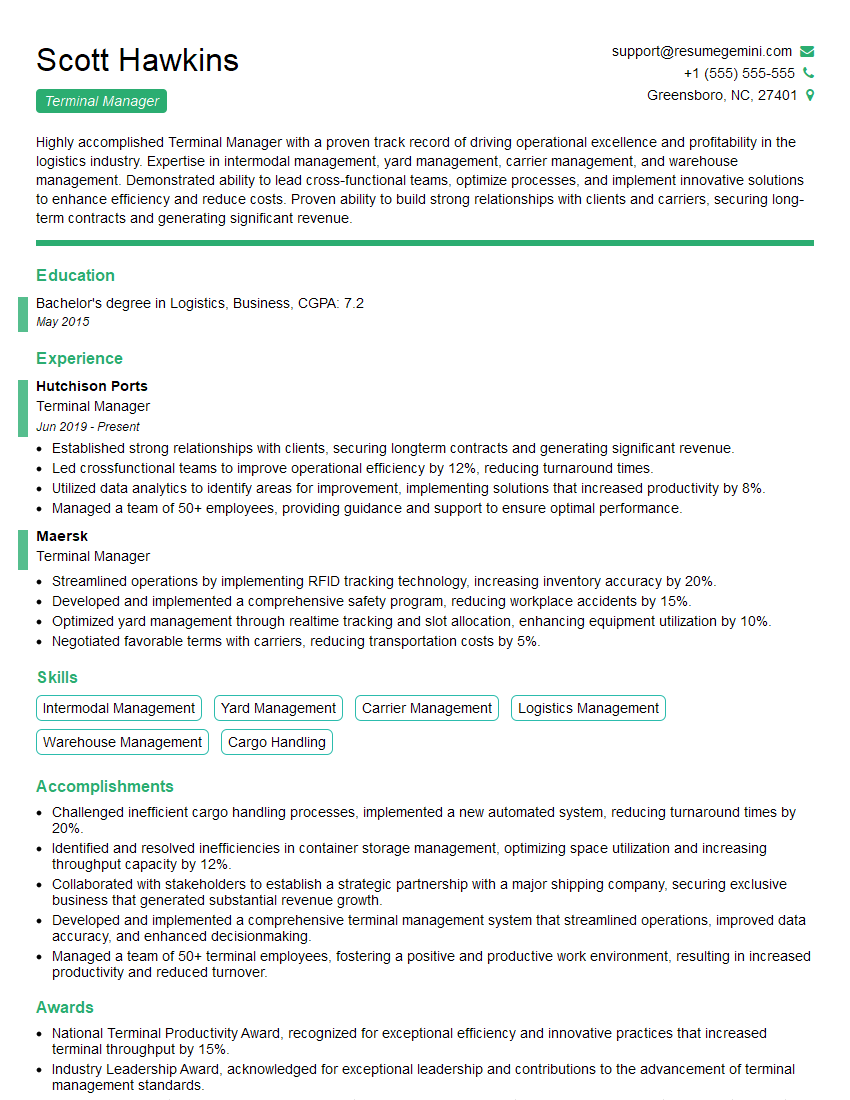
Terminal Manager Resume Sample
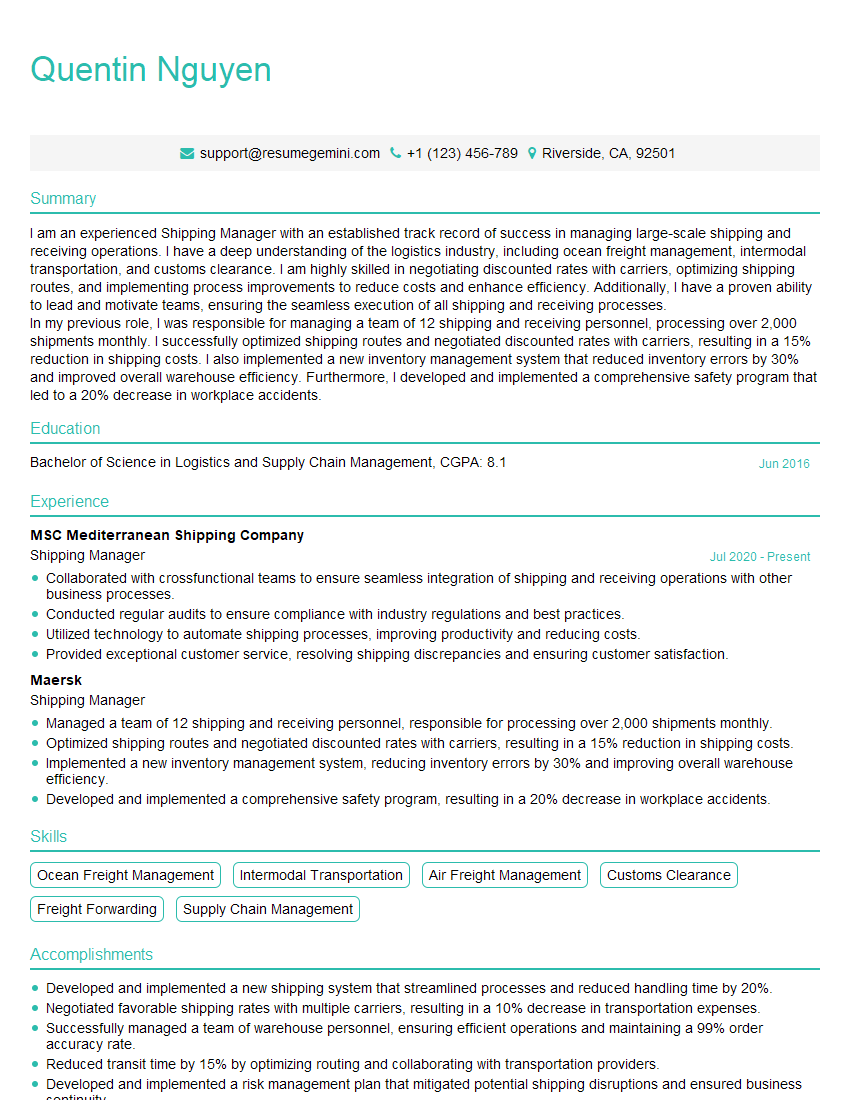
Shipping Manager Resume Sample
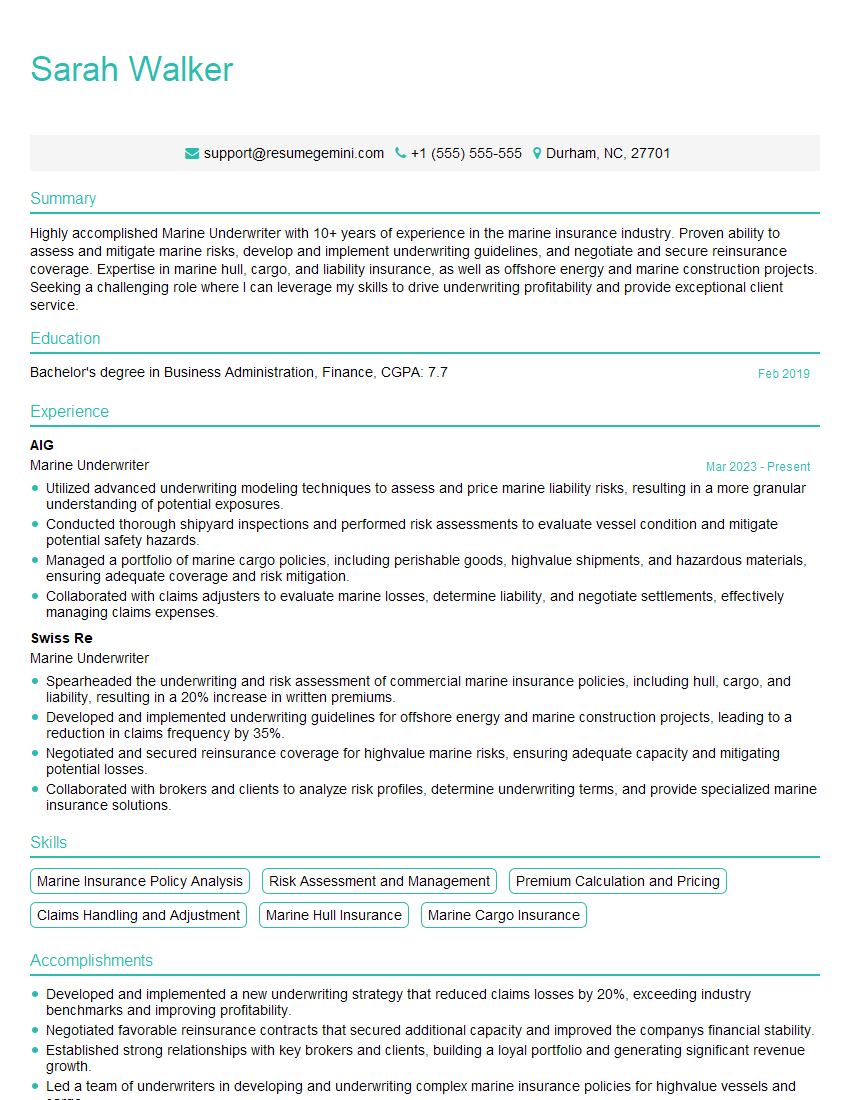
Marine Underwriter Resume Sample
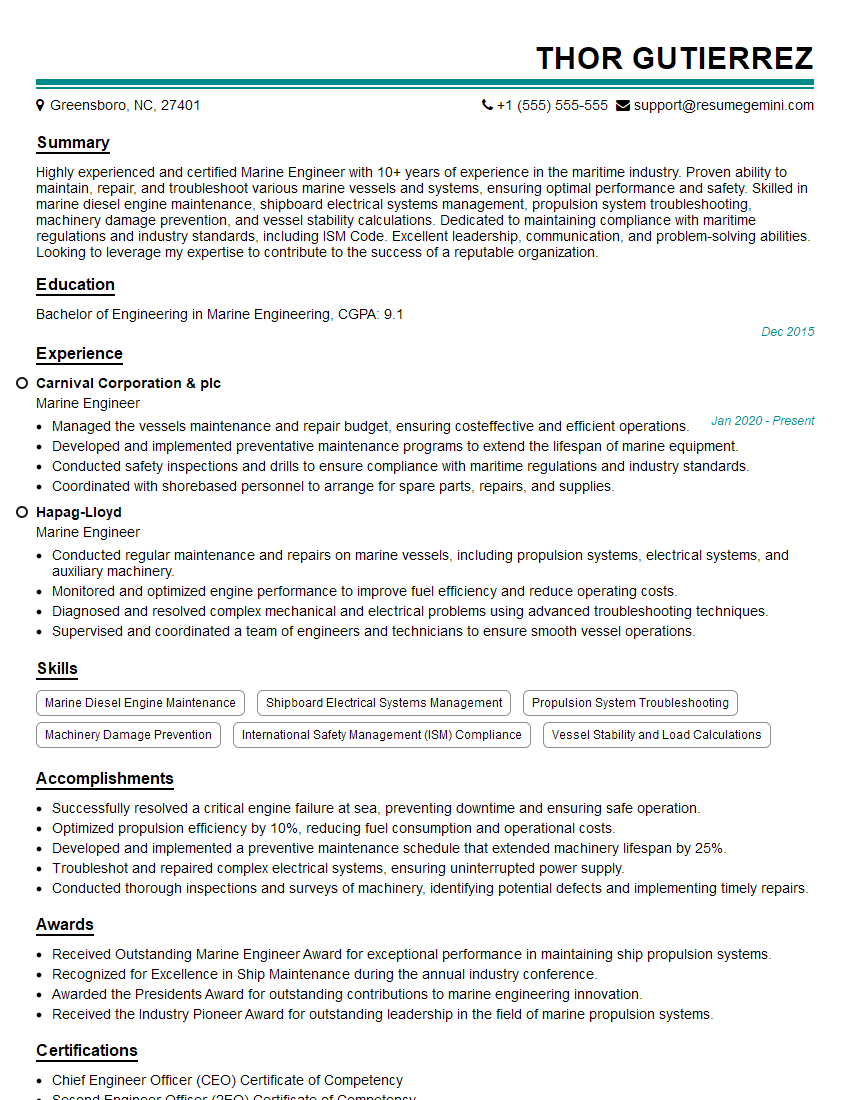
Marine Engineer Resume Sample
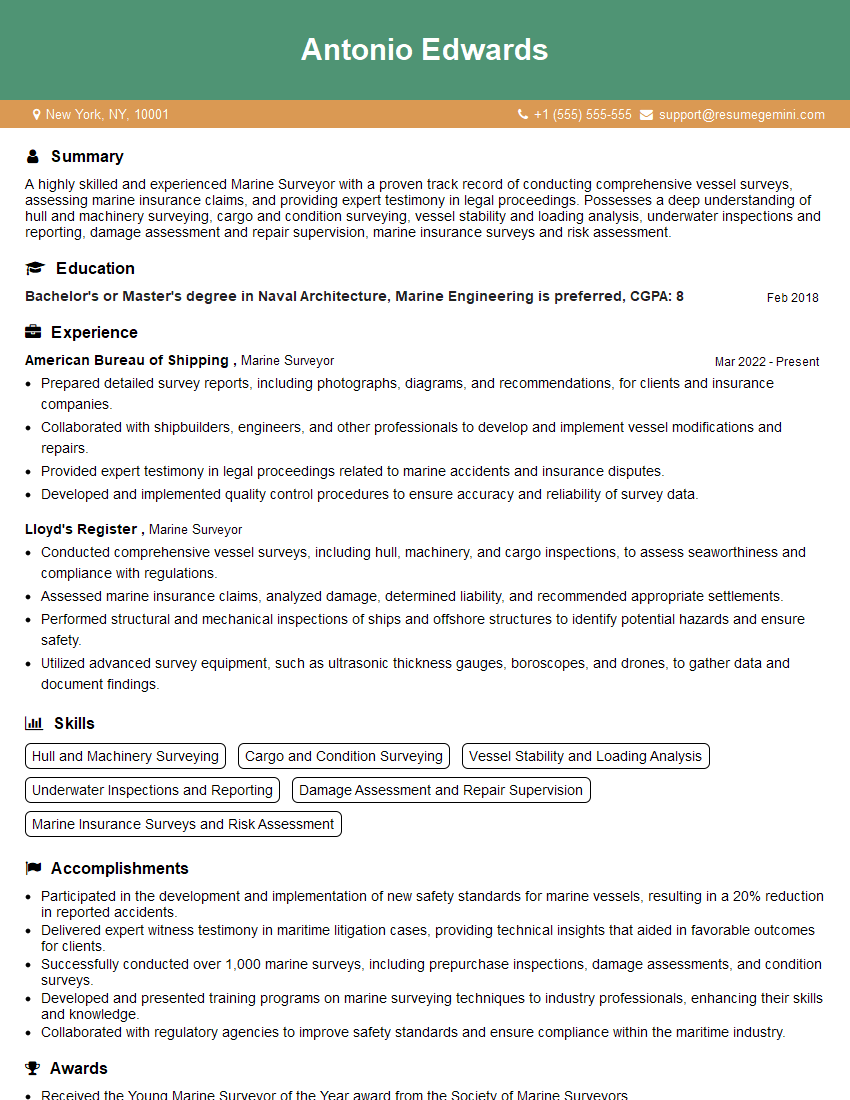
Marine Surveyor Resume Sample
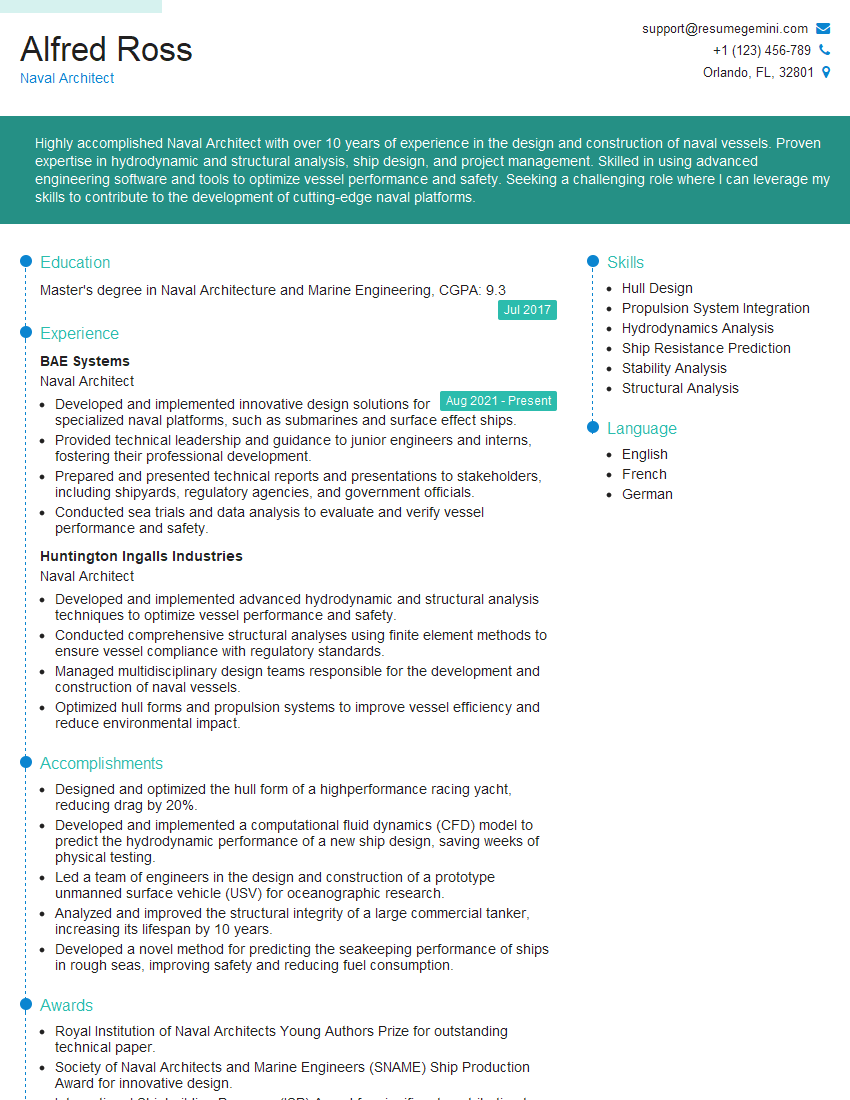
Naval Architect Resume Sample
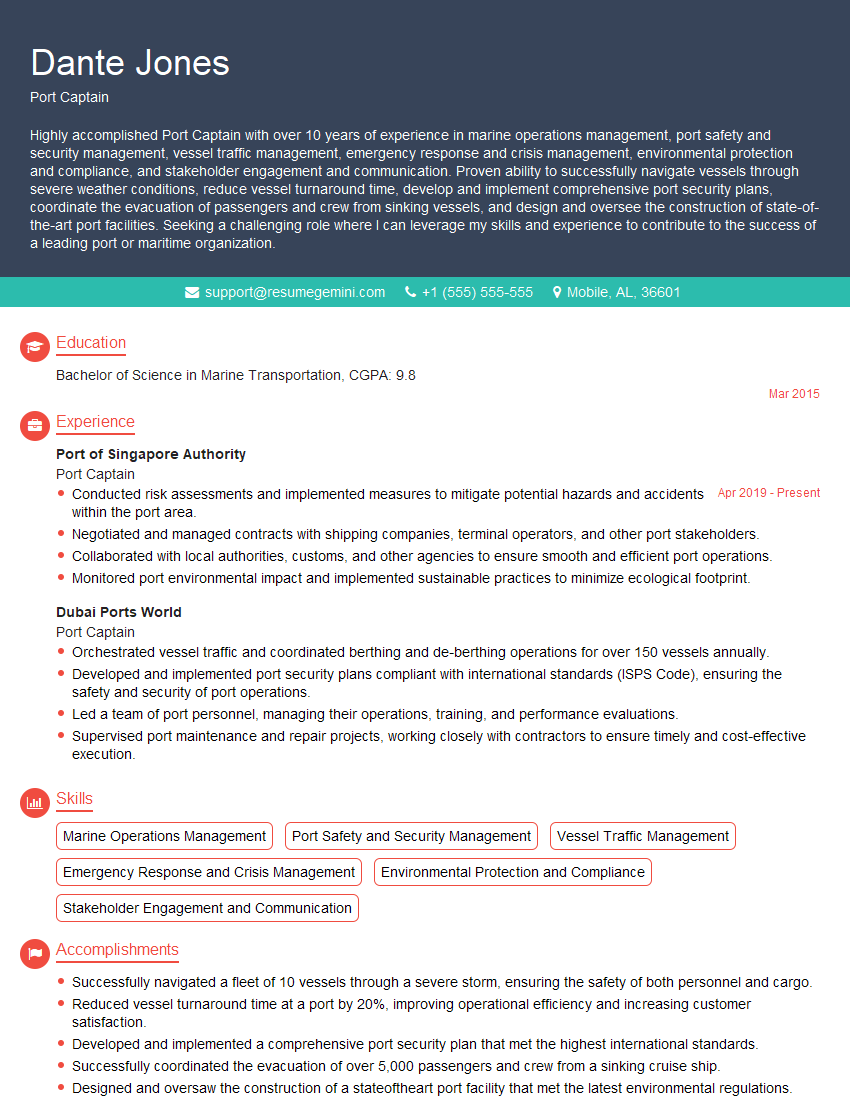
Port Captain Resume Sample
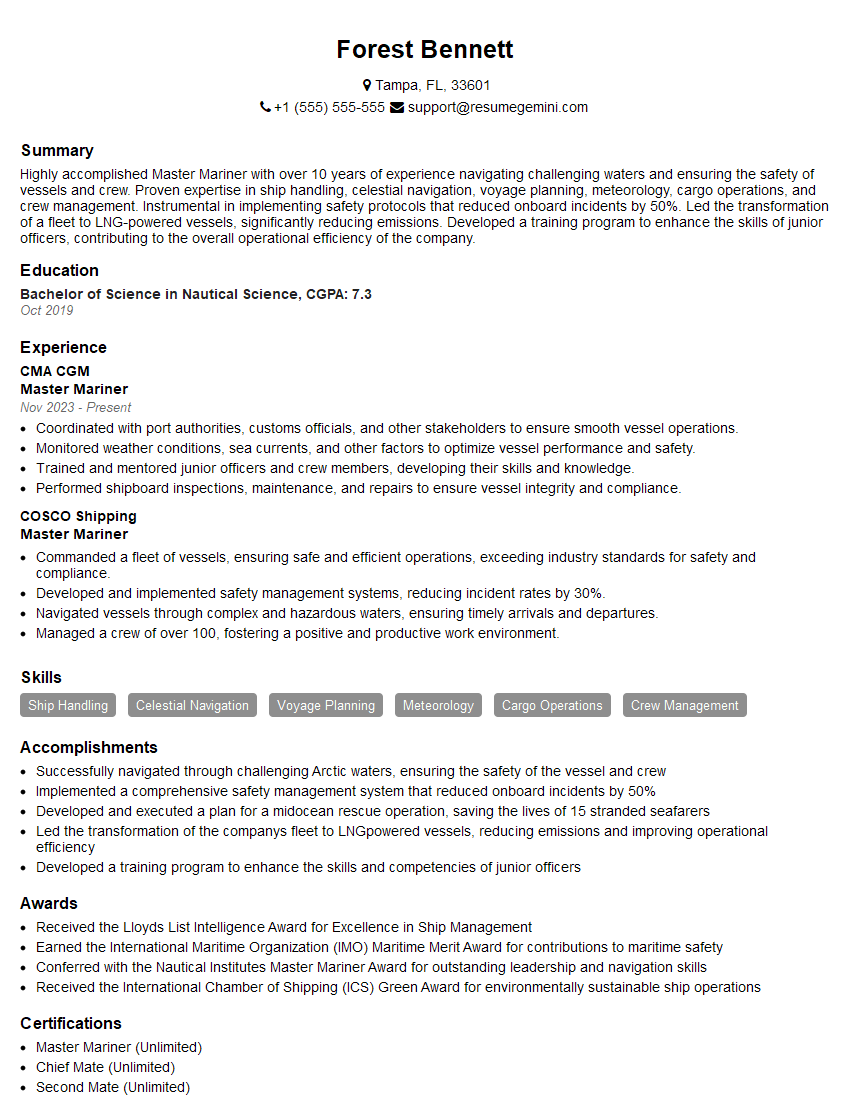
Master Mariner Resume Sample

Cargo Surveyor Resume Sample
Explore more articles
Users Rating of Our Blogs
Share Your Experience
We value your feedback! Please rate our content and share your thoughts (optional).
What Readers Say About Our Blog
Very informative content, great job.
good