Interviews are more than just a Q&A session—they’re a chance to prove your worth. This blog dives into essential Understanding of Printing Materials interview questions and expert tips to help you align your answers with what hiring managers are looking for. Start preparing to shine!
Questions Asked in Understanding of Printing Materials Interview
Q 1. What are the key differences between coated and uncoated paper?
The primary difference between coated and uncoated paper lies in the surface treatment. Coated paper has a layer of coating applied to its surface, typically a mixture of clay, calcium carbonate, and binders. This coating creates a smooth, non-porous surface. Uncoated paper, on the other hand, lacks this coating, resulting in a more porous and textured surface. Think of it like painting a wall – coated paper is like a freshly painted, smooth wall, while uncoated paper is like bare plaster.
- Coated Paper: Offers vibrant colors, sharp image reproduction, and a smooth feel. Ideal for high-quality printing like magazines, brochures, and packaging.
- Uncoated Paper: Absorbs ink more readily, leading to a softer, more rustic look. Suitable for applications where a natural, less glossy finish is desired, such as stationery, notepads, and book pages.
Q 2. Explain the properties of various paper stocks, such as gloss, matte, and textured.
Paper stocks encompass a range of surface finishes, each imparting unique visual and tactile qualities to the printed piece. Let’s examine some common types:
- Gloss: Highly reflective surface; provides vibrant, saturated colors but can show fingerprints and glare. Excellent for showcasing photography or impactful designs. Think of glossy magazines.
- Matte: Non-reflective, soft, diffused light; subtle elegance, less glare, and hides imperfections better than gloss. Great for text-heavy documents or projects requiring a sophisticated feel.
- Textured: Features a three-dimensional surface pattern – linen, felt, or other embossed textures. Adds a tactile dimension and high-end feel; commonly used for invitations, business cards, and high-end packaging.
The choice of stock significantly impacts the final aesthetic. For example, a glossy finish will make colors pop in a product catalog, whereas a matte finish might be preferred for a wedding invitation to project a classic and elegant feel.
Q 3. Describe the different types of inks used in printing (e.g., solvent-based, UV-curable, water-based).
Several ink types cater to different printing needs and substrate compatibilities:
- Solvent-based inks: Use solvents to dissolve and disperse pigments. They offer excellent durability and fast drying times, and are suitable for a wide array of substrates. Often used in flexographic and screen printing.
- UV-curable inks: Cure instantly upon exposure to UV light. This results in quick turnaround times and excellent scratch resistance. Commonly used in offset, screen, and large-format digital printing, particularly for durable applications like signage.
- Water-based inks: Environmentally friendly; use water as a solvent. They offer excellent color vibrancy on specific substrates, but may require longer drying times. Often preferred for food packaging and applications where environmental concerns are paramount.
Q 4. What are the advantages and disadvantages of each ink type?
Each ink type presents a unique balance of advantages and disadvantages:
- Solvent-based: Advantages – durability, vibrant colors, fast drying; Disadvantages – strong odor, environmental concerns.
- UV-curable: Advantages – instant curing, scratch resistance, vibrant colors; Disadvantages – requires specialized UV equipment, can be more expensive.
- Water-based: Advantages – environmentally friendly, lower odor; Disadvantages – longer drying times, may not be as durable or vibrant as other types on all substrates.
The best ink choice depends on the printing method, substrate, and desired final product characteristics. A high-quality outdoor banner might use UV-curable ink for its durability, while a children’s book might utilize water-based ink for its environmental friendliness.
Q 5. How does the choice of substrate affect the printing process and final product quality?
The substrate (printing material) significantly affects both the printing process and the final product quality. The ink absorption rate, surface smoothness, and overall properties of the substrate influence the ink’s appearance and adhesion. For instance:
- Coated paper: Accepts ink cleanly, resulting in sharp, vibrant images and crisp text. However, it may not be suitable for inks that require high absorption.
- Uncoated paper: Absorbs ink more readily, leading to a softer, more textured appearance. This can result in less sharp images, but it’s ideal for certain applications where a natural look is desired.
- Cardboard: A thicker substrate requires inks that adhere well and resist cracking or flaking.
Choosing the wrong substrate can lead to poor ink adhesion, color inconsistencies, and ultimately, a subpar final product. Careful consideration of the substrate is crucial for achieving the desired print quality.
Q 6. Explain the concept of color gamut and its relevance to printing.
Color gamut refers to the range of colors a specific printing process or device can reproduce. It’s essentially the spectrum of colors available within a given system. Think of it as a painter’s palette – a larger palette offers a wider variety of colors.
In printing, different processes have different color gamuts. For example, offset printing typically has a wider gamut than inkjet printing. Understanding color gamut is crucial because it helps determine which colors can be accurately reproduced and avoids disappointment when trying to match a specific color on screen to a printed product. Colors outside the printing gamut will need to be approximated, potentially resulting in slight color shifts.
Q 7. What is color profiling, and why is it important in printing?
Color profiling is the process of creating a mathematical representation of a device’s (printer, monitor, scanner) color characteristics. This profile acts as a translator, allowing the computer to accurately predict how colors will appear on the output device. Think of it as a recipe that calibrates the printer to match the intended colors.
It’s essential because different devices reproduce colors differently. Without color profiling, the colors you see on screen may differ significantly from the printed output. Color profiling ensures consistency between the digital design and the final printed product, minimizing color discrepancies and saving time and resources by reducing costly reprints.
Q 8. Describe different printing processes (offset, digital, flexography, screen printing).
Different printing processes cater to various needs and budgets. Let’s explore four major ones:
Offset Printing:
This is the workhorse of commercial printing, ideal for large-scale projects needing high-quality results. It uses an indirect printing method: ink is transferred from a plate to a rubber blanket, then to the paper. This allows for incredibly fine detail and consistent color across many prints. Think of glossy magazines or high-volume brochures – they’re likely offset printed.
Digital Printing:
Perfect for short runs and personalized projects, digital printing prints directly from a digital file onto the substrate. It’s incredibly versatile and quick, making it suitable for things like business cards, flyers, and custom t-shirts. The cost per unit is higher for small runs, but the setup costs are much lower compared to offset.
Flexography:
This process uses flexible photopolymer plates and is commonly used for packaging, labels, and flexible materials like plastic bags. It’s known for its speed and ability to print on a wide variety of substrates. The ink is applied to the plate using a rubber roller and transferred to the material. Think of the packaging on your cereal box or snack foods.
Screen Printing:
A time-tested technique involving pushing ink through a stencil onto a substrate. While slower than other methods, it excels at printing bold graphics and thick layers of ink on various materials, including textiles, wood, and glass. T-shirts, posters, and even fine art prints are often created with this method.
Q 9. What are the key considerations when choosing a printing method for a specific project?
Choosing the right printing method depends on several crucial factors:
Project Volume:
Offset is best for large quantities, while digital is ideal for smaller runs. Flexography shines for mass production of packaging.
Budget:
Digital printing often has lower setup costs but higher per-unit costs for small volumes. Offset is cost-effective for large projects, but the initial setup can be expensive.
Substrate:
Different processes work better with different materials. Flexography handles flexible materials well, while screen printing is excellent for textiles and other non-paper substrates.
Quality Requirements:
Offset typically provides the highest quality for fine detail and consistent color. Digital printing offers good quality, especially with advanced equipment. Screen printing allows for unique effects but less fine detail.
Turnaround Time:
Digital printing is typically the fastest, while offset can take longer due to plate-making and setup.
For example, a small business needing 500 business cards would opt for digital printing for its speed and cost-effectiveness. A large publishing house printing thousands of magazines would choose offset printing for superior quality and cost efficiency at that scale.
Q 10. How do you ensure color consistency across different printing runs?
Maintaining color consistency is critical. Here’s how we achieve it:
Color Management System (CMS):
A CMS ensures color accuracy throughout the process. It profiles devices like scanners, monitors, and printers, ensuring that the colors you see on screen closely match the printed output.
Spot Colors vs. Process Colors:
Spot colors (like Pantone) are premixed inks, guaranteeing consistency. Process colors (CMYK) are created by combining cyan, magenta, yellow, and black. Careful calibration is essential to ensure consistency in process color printing.
Proofing:
Color proofs act as a reference for the final product. Different types of proofs, such as soft proofs (on-screen) and hard proofs (physical samples), help verify color accuracy before mass production.
Standard Operating Procedures (SOPs):
Strict SOPs for press settings, ink mixing, and paper handling ensure consistency across different printing runs.
Regular Calibration and Maintenance:
Regular calibration of printing equipment and maintenance of ink supplies are crucial to minimizing variations.
For example, using a Pantone color matching system for a corporate logo ensures the exact same shade is reproduced across all marketing materials, regardless of the printing run.
Q 11. What are common printing defects, and how can they be avoided?
Common printing defects can be costly and frustrating. Here are some examples and how to avoid them:
Mottle:
Uneven ink distribution, often caused by improper ink viscosity or roller settings. Solution: Adjust ink viscosity and roller pressure.
Hickeys:
Small, dirt-like marks on the printed surface. Solution: Maintain a clean printing environment and ensure rollers and blankets are clean.
Set-off:
Ink transferring from one printed sheet to the next. Solution: Use correct paper, reduce ink density, or increase drying time.
Streaking:
Long lines of uneven ink coverage. Solution: Check for roller issues, ink viscosity, and cleaning issues.
Color Misregistration:
Colors are not perfectly aligned. Solution: Precise plate registration and careful press adjustments.
Regular press maintenance and pre-press quality control are essential for preventing these defects. A thorough understanding of press operation and a commitment to cleanliness are paramount.
Q 12. Explain the role of pre-press in the printing process.
Pre-press is the crucial stage *before* actual printing. It prepares all the necessary components to ensure a smooth and high-quality print job. Think of it as the foundation upon which the entire printing process is built. Key aspects include:
Design and Artwork Preparation:
This involves ensuring images are high-resolution, color profiles are correct, and all elements are placed accurately.
File Conversion and Imposition:
Preparing the files for the chosen printing method. Imposition arranges pages to optimize the printing workflow (e.g., arranging pages for a booklet in the most efficient manner for the press).
Plate Making (for offset):
Creating printing plates (usually using a computer-to-plate system) that will transfer the image to the rubber blanket and ultimately the substrate.
Proofing:
Generating proofs (both soft and hard) to ensure the artwork is accurate and colors are correct before printing commences.
Careful pre-press work prevents costly mistakes during the actual printing process and saves time and resources by minimizing errors.
Q 13. What is the importance of proofing in the printing workflow?
Proofing is a critical step in quality control. It allows for the verification of the final output *before* committing to a large print run. This avoids expensive reprints and ensures the final product meets client expectations. Different types of proofing exist:
Soft Proof:
A digital representation of the final print on screen. This is a quick and cost-effective way to verify the design and layout.
Hard Proof:
A physical representation of the final print, often created using a similar printing process to the final job (e.g., a digital proof for a digital print job or a press proof for an offset job). This provides the most accurate representation of the final product.
Contract Proof:
A legally binding proof showing that the client has approved the artwork and the printer is proceeding based on this approval.
By using a comprehensive proofing process, clients can make necessary adjustments before the printing is completed saving significant time and money.
Q 14. How do you handle a printing job with a tight deadline?
Handling a tight-deadline printing job requires a structured approach:
Prioritize and Delegate:
Identify critical tasks and assign them to the appropriate individuals or teams.
Efficient Communication:
Maintain open and clear communication among all involved parties to ensure everyone is on the same page and potential issues are addressed promptly.
Streamline Workflow:
Eliminate unnecessary steps and optimize the workflow to maximize efficiency.
Overtime/Additional Resources:
If necessary, allocate additional resources or consider overtime to meet the deadline without compromising quality.
Risk Management:
Identify potential risks and develop contingency plans to mitigate delays or other unforeseen circumstances.
A well-defined project plan, a dedicated project manager, and open communication are key to successfully navigating a tight deadline without sacrificing quality. Often, a premium rush charge is applied to the order as well to offset additional costs associated with expedited turnaround times.
Q 15. Describe your experience with different types of finishing techniques (e.g., cutting, folding, binding).
Finishing techniques are crucial for transforming printed sheets into a final, sellable product. My experience encompasses a wide range, including various cutting methods – from simple guillotine cutting for straight cuts to more complex die-cutting for intricate shapes and designs. I’m proficient in different folding techniques, such as letter folds, roll folds, and gate folds, selecting the most appropriate method based on the design and desired aesthetic. Binding is another key area of my expertise; I’m skilled in various binding methods, including saddle stitch (for brochures), perfect binding (for books), wire-o binding (for notebooks), and case binding (for high-end books and reports). For example, I once managed a project involving a high-volume, intricate die-cut invitation suite. Precise die-cutting and careful quality control were essential to meet the client’s exacting standards. In another instance, I oversaw the perfect binding of a large-format book, requiring careful attention to spine thickness and adhesive application to ensure a durable and aesthetically pleasing finish.
Career Expert Tips:
- Ace those interviews! Prepare effectively by reviewing the Top 50 Most Common Interview Questions on ResumeGemini.
- Navigate your job search with confidence! Explore a wide range of Career Tips on ResumeGemini. Learn about common challenges and recommendations to overcome them.
- Craft the perfect resume! Master the Art of Resume Writing with ResumeGemini’s guide. Showcase your unique qualifications and achievements effectively.
- Don’t miss out on holiday savings! Build your dream resume with ResumeGemini’s ATS optimized templates.
Q 16. How do you manage inventory of printing materials?
Efficient inventory management of printing materials is crucial for smooth operations and cost control. I utilize a combination of methods, starting with a robust inventory management system (IMS). This system tracks stock levels in real-time, allowing me to monitor usage, predict future needs, and generate automated reordering alerts. I also regularly perform physical stock checks to reconcile the IMS data with actual inventory. This minimizes discrepancies and ensures accuracy. Furthermore, I implement a first-in, first-out (FIFO) system to prevent material obsolescence. For special or less frequently used materials, I maintain detailed records including storage location and condition to ensure their longevity. A key element of my approach is regular analysis of usage patterns to optimize stock levels and prevent overstocking or shortages. For instance, during peak seasons, I proactively increase inventory levels for commonly used items, avoiding potential delays. Conversely, for slower moving items, I carefully monitor stock to avoid unnecessary storage costs.
Q 17. What are the environmental considerations in choosing printing materials?
Environmental responsibility is paramount in my material selection process. I prioritize using materials from responsibly managed forests, certified by organizations like the Forest Stewardship Council (FSC). This ensures that the paper comes from sustainable sources, minimizing deforestation. I also consider the recyclability and biodegradability of materials. Recycled paper is a preferred choice, reducing the demand for virgin pulp. Furthermore, I assess the carbon footprint of different materials and transportation methods, opting for suppliers with a strong commitment to environmental sustainability. For example, I recently helped a client transition from a glossy coated paper to a more environmentally friendly uncoated stock, slightly compromising the visual impact but significantly reducing the environmental burden. The client was initially hesitant, but after explaining the long-term benefits and exploring alternative design options that enhanced the uncoated paper’s beauty, they were happy with the environmentally conscious choice.
Q 18. How do you ensure the quality of incoming printing materials?
Quality control starts the moment materials arrive. My process involves a thorough inspection upon delivery, checking for several factors including: proper quantity, damage during transit (dents, tears, moisture damage), and verifying that the received materials match the ordered specifications (type, weight, color, finish). This involves visual inspection and, where necessary, testing for specific properties like grammage (weight) or color consistency using calibrated instruments. I maintain detailed records of each inspection, including any discrepancies or issues found. If any defects are detected, I immediately follow established procedures, initiating return requests or working with the supplier to resolve the problem. Regular audits of supplier performance and a close collaboration with reliable suppliers are crucial in maintaining a high level of quality control. Having clear documentation and a robust process helps in addressing any quality issues proactively and ensures that substandard materials never reach the production floor.
Q 19. Explain the concept of color management and its importance in achieving consistent color across different devices and substrates.
Color management is the process of controlling the colors throughout the printing process, from design to final output. Its importance lies in achieving consistent and accurate color reproduction across different devices (screens, printers) and substrates (paper types). Without effective color management, the colors on your screen might differ significantly from the final printed product, leading to costly reprints and client dissatisfaction. The core concept involves using standardized color spaces (like sRGB or Adobe RGB) and color profiles (which characterize a specific device’s color capabilities) to ensure accurate color representation. This includes calibrating monitors, using color-managed software, and employing proof printing techniques to simulate the final printed result. For example, a critical aspect of my process for a recent packaging project involved creating and using a color profile for the client’s specific substrate. This ensured that the rich colors in the logo were consistently represented on the packaging, regardless of the print run. The result was a highly satisfied client who valued the consistent branding across all materials.
Q 20. What software do you use for color management and pre-press preparation?
For color management and pre-press preparation, I regularly use Adobe Acrobat Pro for PDF creation and optimization, ensuring color profiles are embedded correctly. Adobe Photoshop and Illustrator are my tools of choice for image editing and design, where I leverage their color management features to ensure color consistency across different files and stages. Additionally, I’m proficient in using dedicated color management software such as X-Rite i1Profiler, which allows for precise calibration of monitors and printers. This software provides the necessary tools for profiling devices and ensuring that the colors we view on our screens accurately represent the printed colors. In pre-press, I also use software like EskoArtwork, which automates several pre-press tasks and also supports color management workflows for achieving consistent colors. Using these technologies enables me to generate accurate proofs and minimize the risk of color discrepancies during the printing process.
Q 21. What experience do you have with different types of paper coatings?
My experience covers a variety of paper coatings, each impacting the final print’s appearance and performance. Coated papers, such as gloss, matte, and dull, offer different levels of shine and ink absorption, influencing the vibrancy and clarity of the print. Gloss coatings enhance color and provide a high-sheen finish, ideal for vibrant images. Matte coatings provide a less reflective surface, useful for reducing glare and achieving a more subdued look. Dull coatings are a compromise, offering some sheen without the high gloss. Uncoated papers, on the other hand, are absorbent and result in a more natural, textured finish. They’re often preferred for applications where a less glossy, more tactile feel is desired. Specific coating types, such as UV coatings (providing scratch and scuff resistance), aqueous coatings (water-based and environmentally friendly), and lamination (enhancing durability) offer additional qualities. In practice, I always select coatings based on the application’s needs—a high-gloss magazine cover would demand a gloss coating, while a sophisticated business card might benefit from a textured uncoated stock. Matching the coating to the design requirements and client expectations is a key part of successful print management.
Q 22. Describe your experience with various types of substrates (e.g., paper, cardboard, plastic, textiles).
My experience encompasses a wide range of printing substrates, each presenting unique challenges and opportunities. I’ve extensively worked with various paper types – from lightweight newsprint to heavy-duty card stock, including coated and uncoated options. Understanding the grammage (weight) and fiber composition is crucial for print quality and final product durability. For instance, a glossy coated paper will produce vibrant colors and sharp images, but may be less absorbent than uncoated stock, affecting ink penetration.
Cardboard, used frequently in packaging, necessitates consideration of its flute type (the wavy structure) and ply (number of layers). This affects its stiffness, printability, and ability to withstand transportation. I’ve worked extensively with different plastics – including films like polyethylene and polypropylene – understanding their surface properties and the need for specialized primers or treatments for optimal ink adhesion. Textiles, such as cotton or polyester, introduce the dimension of fabric weave and the need for inks designed for absorption and colorfastness.
- Paper: Experience with offset, digital, and flexographic printing on various paper weights and finishes.
- Cardboard: Expertise in packaging printing, considering flute type, ply, and surface treatments.
- Plastics: Knowledge of printing on films and rigid plastics, including surface preparation techniques.
- Textiles: Experience with dye sublimation and direct-to-garment printing techniques.
Q 23. What are some challenges you have faced while working with specific printing materials, and how did you overcome them?
One significant challenge was achieving consistent color reproduction on recycled paper. The variation in fiber composition and absorbency can lead to uneven ink distribution and color inconsistencies. To address this, we implemented a rigorous color profiling process, creating custom ICC profiles for each recycled paper batch to ensure accurate color matching. Another challenge arose while printing on a particularly low-surface-energy plastic film. The ink simply wouldn’t adhere properly, resulting in smudging and poor print quality. We resolved this by pre-treating the film with a corona discharge treatment to improve surface energy, allowing for better ink adhesion and a significantly improved print result.
In a third instance, working with a delicate fabric for garment printing, I encountered issues with ink bleeding and color distortion. The solution involved meticulously selecting the appropriate ink type – a water-based, reactive ink designed for the specific fabric – and adjusting the printing parameters (temperature, pressure) to optimize ink penetration and prevent bleeding.
Q 24. How do you stay updated with the latest trends and technologies in printing materials?
Staying current in this rapidly evolving field requires a multi-pronged approach. I regularly attend industry conferences and trade shows, such as drupa and FESPA, to learn about the latest innovations and trends firsthand. I subscribe to several industry publications and online journals, including print-specific magazines and websites. I actively participate in online forums and communities where professionals discuss emerging technologies and share best practices. Furthermore, I maintain close relationships with material suppliers, who provide updates on new product launches and technological advancements.
Q 25. What is your experience with specialized printing materials like metallic inks or fluorescent inks?
I have considerable experience with specialized inks, including metallic and fluorescent inks. Metallic inks, often used to create a luxurious or high-end feel, require precise control of the printing process to achieve the desired visual effect. The metallic flakes in the ink need even distribution to avoid blotchy areas, and the substrate needs to be sufficiently smooth to ensure a pristine finish. I’ve successfully incorporated metallic inks into various projects, from high-end business cards to packaging for luxury products.
Fluorescent inks, which glow under UV light, present unique challenges in terms of ink stability and color vibrancy. They often require careful selection of the substrate to prevent fading or color degradation over time. For example, fluorescent inks printed on acid-free paper tend to have better longevity than those printed on less stable paper. My work has involved using fluorescent inks for security printing and eye-catching promotional materials.
Q 26. How do you assess the compatibility of different inks and coatings with various substrates?
Assessing ink and coating compatibility involves a systematic approach. I begin by reviewing the technical data sheets provided by the ink and coating manufacturers. These sheets outline the recommended substrates, printing processes, and curing methods for each product. Before proceeding to large-scale production, I conduct thorough compatibility testing using small-scale print runs on samples of the target substrate. This allows me to evaluate adhesion, color reproduction, drying times, and overall print quality under various conditions.
I might perform tests like the tape test (to assess adhesion) and rub test (to assess scratch resistance). If the ink and coating prove compatible, I would then create a production plan that includes specifications for the printing process, ensuring consistent quality throughout the entire print run. This thorough approach minimizes risks and maximizes the chance of achieving desired results.
Q 27. Describe your understanding of the impact of different printing processes on the environment.
The environmental impact of different printing processes is a significant consideration. Traditional methods like offset printing use large quantities of water and chemicals, generating waste that needs careful management. I’ve been actively involved in implementing environmentally responsible practices by selecting inks with lower VOC (volatile organic compound) content, utilizing recycled paper, and optimizing printing parameters to minimize waste. Digital printing offers a more sustainable alternative in many cases, as it often requires less water and fewer chemicals compared to offset printing. The choice of substrate is equally crucial: choosing recycled and sustainably sourced materials significantly reduces the environmental footprint of the entire process. Additionally, responsible waste management and recycling programs are essential for minimizing the environmental impact of printing operations.
Q 28. How familiar are you with industry standards and certifications related to printing materials (e.g., FSC, PEFC)?
I am very familiar with industry standards and certifications, especially those related to sustainability. The Forest Stewardship Council (FSC) and Programme for the Endorsement of Forest Certification (PEFC) certifications ensure that paper and other wood-based products come from responsibly managed forests. I prioritize sourcing materials with these certifications to ensure environmental responsibility. I also have experience with other relevant standards, such as those related to the safety and toxicity of inks and coatings. Understanding and complying with these certifications and standards is essential for responsible and sustainable printing practices, ensuring a minimal environmental impact and ethically sound operations.
Key Topics to Learn for Understanding of Printing Materials Interview
- Paper Types and Properties: Understanding different paper weights, finishes (coated, uncoated, textured), and their suitability for various printing techniques (offset, digital, screen printing). Consider the impact of paper choice on print quality, cost, and environmental considerations.
- Ink Technologies: Familiarize yourself with different ink types (CMYK, Pantone, spot colors), their properties, and their interaction with various substrates. Explore the practical applications of different ink types in relation to print longevity, vibrancy, and cost-effectiveness.
- Pre-press Preparation: Grasp the importance of color management, file preparation (resolution, color profiles), and proofing methods. Understand how these processes impact the final printed output and troubleshoot potential issues.
- Printing Processes: Gain a solid understanding of common printing methods like offset lithography, digital printing, screen printing, and flexography. Compare and contrast their strengths and weaknesses, including application, cost, and production speed.
- Finishing Techniques: Explore post-printing processes such as cutting, folding, binding, laminating, and embossing. Understand how these techniques enhance the final product and their impact on the overall cost and presentation.
- Sustainability and Environmental Impact: Become familiar with environmentally friendly printing practices, including the use of recycled paper, vegetable-based inks, and responsible waste management.
- Troubleshooting Common Printing Problems: Develop your problem-solving skills by understanding common printing defects (e.g., color inconsistencies, banding, misregistration) and their potential causes.
Next Steps
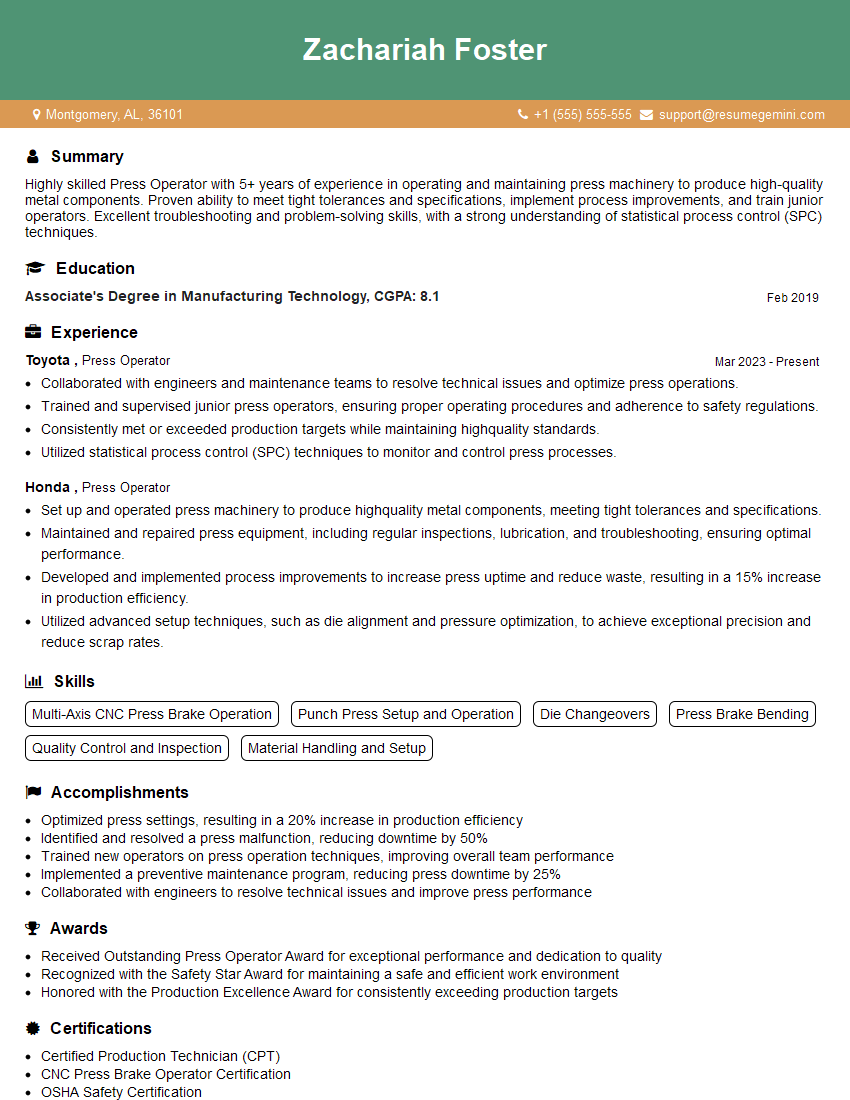
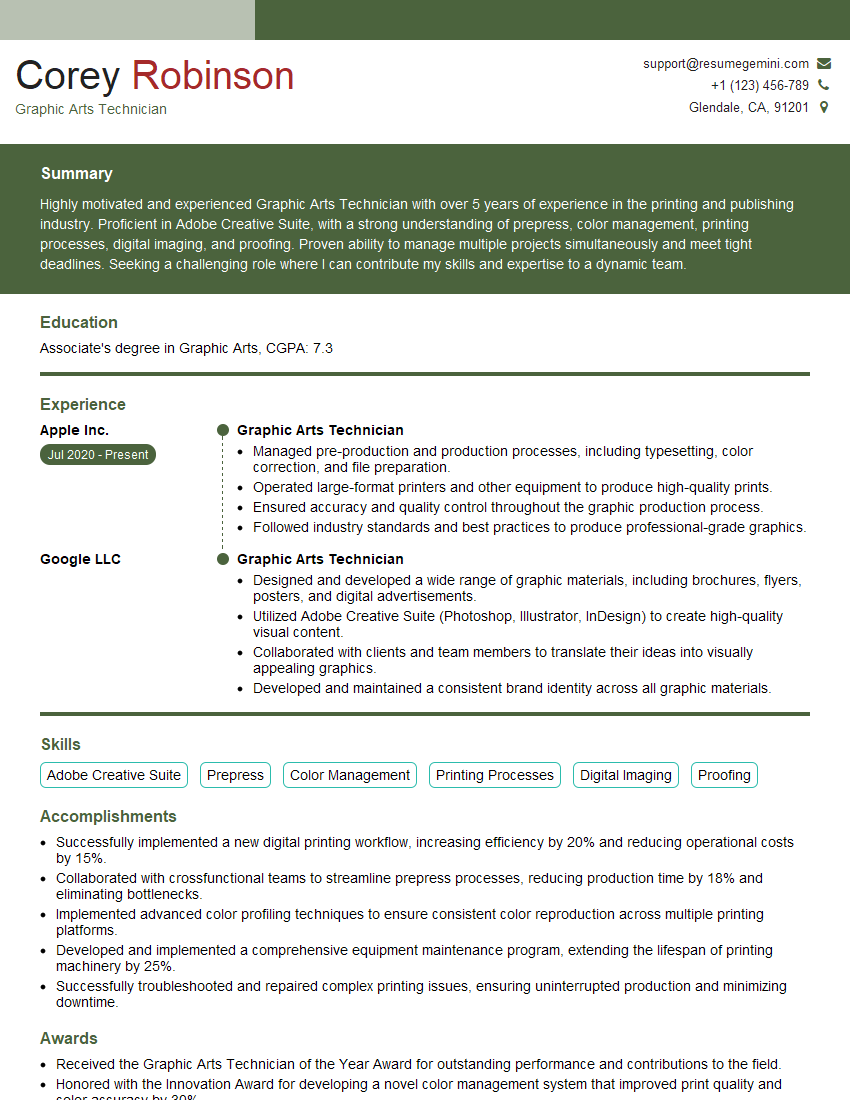
Mastering the understanding of printing materials is crucial for career advancement in the graphic arts and printing industries. A strong foundation in this area demonstrates technical proficiency and opens doors to more challenging and rewarding roles. To maximize your job prospects, create an ATS-friendly resume that highlights your skills and experience effectively. ResumeGemini is a trusted resource to help you build a professional and impactful resume that gets noticed. They provide examples of resumes tailored to Understanding of Printing Materials to help guide you. Invest in your resume—it’s your first impression!





Explore more articles
Users Rating of Our Blogs
Share Your Experience
We value your feedback! Please rate our content and share your thoughts (optional).
What Readers Say About Our Blog
Very informative content, great job.
good