Preparation is the key to success in any interview. In this post, we’ll explore crucial Understanding of Production Scheduling and Planning interview questions and equip you with strategies to craft impactful answers. Whether you’re a beginner or a pro, these tips will elevate your preparation.
Questions Asked in Understanding of Production Scheduling and Planning Interview
Q 1. Explain the difference between MRP (Material Requirements Planning) and MPS (Master Production Schedule).
The Master Production Schedule (MPS) and Material Requirements Planning (MRP) are both crucial components of production planning, but they serve distinct purposes. Think of the MPS as the high-level roadmap, outlining what finished products will be produced and when. It’s a detailed plan showing the quantities of each end product scheduled for production over a specific time horizon. It’s driven by customer demand forecasts, sales orders, and available capacity. The MRP, on the other hand, is the detailed breakdown of the materials and components needed to fulfill the MPS. It’s a ‘drill-down’ analysis that ensures you have the right materials at the right time to support the MPS. In essence, the MPS tells you what to make, and the MRP tells you how to make it (in terms of raw materials and sub-assemblies).
Example: Imagine a furniture company manufacturing tables. The MPS might specify that 100 tables are scheduled for production next month, with 50 in week 1 and 50 in week 2. The MRP will then calculate the quantities of wood, screws, varnish, etc., needed for each week, factoring in lead times for procurement and any existing inventory.
Q 2. Describe your experience with different scheduling techniques (e.g., FIFO, LIFO, SPT).
I have extensive experience with various scheduling techniques, each with its own strengths and weaknesses. FIFO (First-In, First-Out) is a simple approach where jobs are processed in the order they arrive. While easy to implement, it can lead to longer lead times for urgent orders. LIFO (Last-In, First-Out) prioritizes the most recently arrived jobs, potentially better for managing urgent orders but risking longer lead times for those waiting longer. SPT (Shortest Processing Time) prioritizes jobs with the shortest processing times, minimizing average flow time and improving overall throughput, especially effective when job durations vary significantly. I’ve also worked with more sophisticated methods like Critical Ratio Scheduling, which prioritizes jobs based on the ratio of time remaining to the total time available, helping to prevent late deliveries, and Priority Rules, which can combine several factors like due date, processing time, and customer priority to create a custom scheduling algorithm.
Practical Application: In a previous role, we were using FIFO for a production line making multiple product variants. Switching to SPT significantly reduced lead times, improving customer satisfaction and reducing inventory holding costs. We also employed a customized priority rule system for managing critical orders and ensuring high priority clients were given preference.
Q 3. How do you handle unexpected production delays or material shortages?
Unexpected delays and material shortages are inevitable in production. My approach is proactive, employing a multi-pronged strategy. First, I rely on robust real-time monitoring systems to detect issues early. This involves tracking key performance indicators (KPIs) such as machine uptime, material availability, and cycle times. When a delay occurs, I immediately assess the impact on the schedule using a What-If analysis and explore various mitigation options.
Problem-Solving Framework:
- Identify the root cause: Is it a machine malfunction, supplier delay, or quality issue?
- Assess the impact: Which orders are affected? What are the potential downstream consequences?
- Develop mitigation strategies: This may involve expediting materials, re-prioritizing orders, adjusting production schedules, or finding alternative suppliers.
- Communicate proactively: Keep stakeholders (customers, management) informed of the situation and the steps taken to resolve it.
- Document and learn: Analyze the root cause to identify areas for improvement and prevent future occurrences.
Example: In one instance, a supplier delay caused a shortage of a critical component. We immediately contacted the supplier to understand the situation and explored alternative sources, ultimately expediting a smaller shipment from another vendor to minimize the disruption and only causing a minor delay to the impacted orders.
Q 4. Explain your understanding of capacity planning and how it impacts scheduling.
Capacity planning is the process of determining the production capacity needed to meet the demand. It’s fundamentally linked to scheduling because the schedule must be feasible given the available resources. It involves analyzing production resources (machines, labor, space) to identify bottlenecks and optimize their utilization. Accurate capacity planning ensures that the schedule is realistic and prevents over-promising and under-delivering. It’s an iterative process that needs constant adjustments based on changing demand, maintenance schedules and workforce availability.
Impact on Scheduling: Without proper capacity planning, the schedule might be unrealistic, leading to delays, increased costs, and potentially lost revenue. A well-defined capacity plan informs the MPS and guides the development of a feasible production schedule. It allows for effective resource allocation and helps identify opportunities for improvement such as equipment upgrades or additional staffing to avoid bottlenecks. For example, if capacity planning reveals a bottleneck in the assembly line, the schedule needs to reflect this constraint.
Q 5. How do you prioritize production orders based on various factors (e.g., due dates, customer importance)?
Prioritizing production orders requires a systematic approach that considers several factors. I typically use a weighted scoring system that assigns points to different criteria such as:
- Due date: Orders with imminent due dates receive higher priority.
- Customer importance: Strategic or high-value customers get preference.
- Order size: Larger orders might require more resources and therefore need careful scheduling.
- Profitability: Higher-margin orders may be prioritized.
- Inventory levels: Orders for products with low inventory levels may receive priority.
The weights assigned to each criterion depend on the specific business context and priorities. This system allows for a transparent and objective prioritization process, minimizing bias and ensuring fairness. I’ve also used software tools that automate this prioritization based on complex algorithms.
Q 6. What software or tools have you used for production scheduling and planning?
Throughout my career, I’ve worked with a variety of software and tools for production scheduling and planning, including:
- Enterprise Resource Planning (ERP) systems such as SAP and Oracle, which offer comprehensive production planning modules.
- Manufacturing Execution Systems (MES) like Rockwell Automation and Siemens, providing real-time monitoring and control of the production floor.
- Advanced Planning and Scheduling (APS) software, specialized tools designed for complex scheduling problems, offering features like finite capacity scheduling and constraint management.
- Spreadsheet software (Excel) for simpler scheduling tasks, though less suitable for large or complex scenarios.
My experience spans both using these tools and configuring and implementing them. I am comfortable with both cloud-based and on-premise solutions and can adapt to different software environments effectively.
Q 7. Describe your experience with lean manufacturing principles and their application to scheduling.
Lean manufacturing principles focus on eliminating waste and maximizing value for the customer. Their application to scheduling is crucial for efficiency. The core ideas of lean translate directly into scheduling practices:
- Reduce lead times: Lean scheduling aims to shorten the time it takes to produce a product by reducing bottlenecks and optimizing workflows.
- Improve flow: This involves creating a smooth, continuous flow of materials and information through the production process. Techniques like Kanban or visual scheduling boards play a crucial role.
- Minimize inventory: Lean scheduling reduces work-in-progress (WIP) inventory by synchronizing production with demand. This minimizes storage costs and reduces the risk of obsolescence.
- Pull system: Instead of pushing products through the production line, lean scheduling uses a pull system where production is triggered by actual customer demand, reducing unnecessary production.
Practical Application: In a previous role, we implemented a Kanban system on our production line, which significantly reduced lead times and WIP inventory. This not only improved efficiency but also freed up valuable floor space and improved quality control.
Q 8. How do you measure the effectiveness of your production scheduling?
Measuring the effectiveness of production scheduling isn’t about a single metric; it’s a holistic assessment. We use a combination of Key Performance Indicators (KPIs) to get a complete picture. These KPIs fall into several categories:
- On-Time Delivery Rate: This measures the percentage of orders shipped on or before their due date. A high percentage indicates efficient scheduling and reliable delivery processes. For example, consistently achieving a 98% on-time delivery rate shows robust scheduling.
- Inventory Turnover Rate: This shows how efficiently we’re managing inventory. A healthy turnover rate means we’re not holding excessive stock, minimizing storage costs and reducing the risk of obsolescence. A rate of 4-6 times per year is generally considered good, but this depends on the industry.
- Production Efficiency: Measured by comparing planned output against actual output. This helps identify bottlenecks or inefficiencies in the production process. If planned output is 1000 units and we produce 950, then our efficiency is 95%, highlighting areas needing improvement.
- Lead Time Performance: Tracking how long it takes to fulfill an order from receipt to delivery. A shorter lead time indicates faster processing and improved customer satisfaction. Consistent reduction in lead time over time demonstrates scheduling improvements.
- Production Cost per Unit: This helps analyze the overall cost-effectiveness of the production process, factoring in materials, labor, and overhead. Trends in this metric help us evaluate the impact of scheduling on overall profitability.
By monitoring these KPIs and analyzing trends, we can identify areas for improvement in our scheduling process and adjust our strategies accordingly. Regular review meetings and data analysis are crucial for this continuous improvement process.
Q 9. How do you incorporate safety stock into your production plans?
Incorporating safety stock into production plans is crucial for mitigating risks associated with demand variability and supply chain disruptions. It’s a buffer that protects against unforeseen circumstances, ensuring we can meet customer demand even if something goes wrong.
We determine safety stock levels using a combination of methods, often incorporating statistical forecasting models which consider historical demand data, seasonality, and forecast error. The formula often used is: Safety Stock = Z * σ * √L where:
Zis the number of standard deviations corresponding to the desired service level (e.g., 1.645 for a 95% service level).σis the standard deviation of demand during the lead time.Lis the lead time (in periods).
For example, if our average lead time is 2 weeks, the standard deviation of demand during the lead time is 100 units, and we aim for a 95% service level, our safety stock would be approximately 329 units (1.645 * 100 * √2).
We regularly review and adjust safety stock levels based on changes in demand patterns, supply chain reliability, and cost considerations. It’s a balancing act; too much safety stock ties up capital, while too little risks stockouts and lost sales. Continuous monitoring and refinement are key.
Q 10. What are some common challenges you face in production scheduling, and how do you overcome them?
Production scheduling is rife with challenges! Some common ones include:
- Demand Fluctuations: Unpredictable changes in customer demand make it difficult to accurately forecast and schedule production. We mitigate this by employing sophisticated forecasting techniques and regularly updating our plans based on real-time data.
- Supply Chain Disruptions: Delays from suppliers can throw off the entire schedule. We address this by diversifying our supply base, building strong supplier relationships, and incorporating buffer time into our schedules.
- Machine Breakdowns and Maintenance: Unexpected equipment failures can significantly disrupt production. We implement preventative maintenance schedules and have contingency plans in place to minimize downtime.
- Labor Shortages: Lack of skilled workers can hamper production. We address this through effective workforce planning, training programs, and sometimes by outsourcing.
- Capacity Constraints: Limited production capacity can prevent us from meeting all demands. We tackle this through capacity planning, process optimization, and potentially investing in additional equipment.
Overcoming these challenges often involves a combination of proactive planning, robust contingency planning, effective communication across teams, and the use of advanced scheduling software and analytics. Flexibility and adaptability are key to navigate these complexities successfully.
Q 11. Explain your understanding of lead times and how they impact scheduling decisions.
Lead time is the time it takes to complete a process, from order placement to delivery or completion of a task. In production scheduling, it encompasses everything from raw material procurement to finished goods delivery. Accurate lead time estimation is crucial for effective scheduling.
Lead times impact scheduling decisions significantly. Understanding lead times allows for:
- Accurate Due Date Setting: Knowing the lead time for each stage of production allows us to set realistic due dates for orders, improving customer satisfaction and reducing late deliveries.
- Resource Allocation: Lead time information helps us allocate resources effectively, ensuring that necessary materials and equipment are available when needed.
- Identifying Bottlenecks: Analyzing lead times for different stages of production can highlight bottlenecks and areas needing improvement.
- Inventory Management: Lead times influence inventory levels. Longer lead times require larger safety stock levels to cover potential delays.
For example, if our product has a lead time of 4 weeks, we must plan accordingly – procuring raw materials 4 weeks before the expected delivery date. If we experience a lead time increase, we need to inform our customers and adjust our production plan accordingly to avoid stockouts or missed deadlines.
Q 12. How do you ensure accurate forecasting of demand?
Accurate demand forecasting is fundamental to effective production scheduling. We employ a multifaceted approach that combines quantitative and qualitative methods.
- Quantitative Methods: These utilize historical sales data to predict future demand. We employ time series analysis techniques such as moving averages, exponential smoothing, and ARIMA models. These models consider trends, seasonality, and cyclical patterns.
- Qualitative Methods: These involve gathering expert opinions and insights from sales teams, market research, and customer feedback. Techniques like Delphi method and market surveys provide valuable qualitative data that complements the quantitative predictions.
- External Factors: We also consider external factors that might influence demand, such as economic conditions, competitor activities, and changes in consumer preferences. Monitoring industry trends and conducting market research is crucial.
The combination of these methods helps us create a more accurate and comprehensive demand forecast. Regularly reviewing and refining our forecasting models based on actual sales data is crucial to maintain accuracy and improve predictability over time.
Q 13. How do you manage the trade-off between production efficiency and inventory levels?
Balancing production efficiency and inventory levels is a constant challenge. It’s about finding the optimal point where we minimize costs without compromising customer service.
Strategies we use include:
- Just-in-Time (JIT) Inventory: This approach aims to minimize inventory by receiving materials and producing goods only when needed. It requires very accurate demand forecasting and a reliable supply chain.
- Lean Manufacturing Principles: We focus on eliminating waste and improving efficiency in all areas of production, minimizing inventory holding costs.
- Economic Order Quantity (EOQ): This model helps determine the optimal order quantity that minimizes the total cost of inventory, balancing ordering costs and holding costs.
- Demand Forecasting & Planning: Accurate demand forecasting allows for more precise production planning, reducing the need for excessive safety stock.
- Inventory Control Systems: Using inventory management software helps track inventory levels, predict future needs, and optimize ordering processes.
Ultimately, it’s about striking a balance. Holding too much inventory increases storage costs and the risk of obsolescence, while holding too little can lead to stockouts and lost sales. Continuously monitoring KPIs, adapting to changes in demand, and using advanced analytics are crucial for maintaining this delicate equilibrium.
Q 14. Describe your experience with different inventory management systems.
I have experience with various inventory management systems, from simple spreadsheets to sophisticated Enterprise Resource Planning (ERP) systems. Each system offers different functionalities and levels of sophistication.
- Spreadsheet-based Systems: These are suitable for smaller businesses with limited inventory. However, they lack the advanced features and scalability of more robust systems.
- Dedicated Inventory Management Software: These offer more advanced features like barcode scanning, real-time inventory tracking, and reporting capabilities. They provide better control and visibility compared to spreadsheets.
- ERP Systems: These integrate inventory management with other business functions like production planning, sales, and accounting. They offer a comprehensive view of the entire business, enabling better decision-making and improved efficiency. Examples include SAP, Oracle, and Microsoft Dynamics 365.
My experience shows that the best system depends on the size and complexity of the business. For a small business, dedicated inventory management software might suffice. However, for larger enterprises with complex production processes, a comprehensive ERP system is usually necessary. Regardless of the system used, regular data analysis and system maintenance are essential for optimal performance.
Q 15. How do you handle production bottlenecks?
Production bottlenecks are points in the manufacturing process where the workflow slows down, limiting overall output. Think of it like a traffic jam on a highway – one slow-moving vehicle (or machine) can bring the whole system to a crawl. Handling them requires a systematic approach.
- Identify the Bottleneck: This often involves analyzing production data, observing the workflow, and talking to the team on the production floor. For example, a specific machine may be consistently underperforming, or a particular quality check might be creating a backlog.
- Analyze the Root Cause: Once identified, we need to understand *why* it’s a bottleneck. Is it due to machine malfunction, insufficient raw materials, poorly trained personnel, or process inefficiencies? Root cause analysis tools like the 5 Whys can be incredibly helpful.
- Implement Solutions: Solutions vary depending on the root cause. This could include:
- Machine maintenance or replacement: Addressing equipment issues.
- Process improvement: Streamlining tasks or reorganizing workflow.
- Inventory management: Ensuring sufficient raw materials are available.
- Training and development: Improving operator skills.
- Adding capacity: Investing in additional equipment or personnel.
- Monitor and Evaluate: After implementing solutions, it’s critical to monitor the impact and make adjustments as needed. Key performance indicators (KPIs) should be tracked to ensure the bottleneck is resolved and doesn’t reappear elsewhere.
For instance, in a previous role, we identified a bottleneck at the packaging stage. Through observation and data analysis, we found that the packaging machine was outdated and prone to frequent breakdowns. We successfully resolved the bottleneck by replacing the machine, resulting in a 20% increase in production output.
Career Expert Tips:
- Ace those interviews! Prepare effectively by reviewing the Top 50 Most Common Interview Questions on ResumeGemini.
- Navigate your job search with confidence! Explore a wide range of Career Tips on ResumeGemini. Learn about common challenges and recommendations to overcome them.
- Craft the perfect resume! Master the Art of Resume Writing with ResumeGemini’s guide. Showcase your unique qualifications and achievements effectively.
- Don’t miss out on holiday savings! Build your dream resume with ResumeGemini’s ATS optimized templates.
Q 16. How do you use data analysis to improve production scheduling?
Data analysis is crucial for optimizing production scheduling. It allows us to move beyond gut feelings and make data-driven decisions. We can identify trends, predict potential issues, and refine our schedules for maximum efficiency.
- Historical Data Analysis: Examining past production data (e.g., cycle times, machine downtime, defect rates) helps understand typical production patterns and identify areas for improvement. This data can be visualized using charts and graphs to pinpoint bottlenecks and areas of inefficiency.
- Predictive Analytics: By analyzing historical data and incorporating external factors (e.g., demand forecasts, material availability), we can predict future production needs and adjust schedules proactively. Machine learning algorithms can be particularly useful for this purpose.
- Real-time Monitoring: Real-time data from the shop floor (e.g., machine status, work-in-progress) allows for immediate adjustments to the schedule, minimizing the impact of unexpected events like machine breakdowns or material shortages. This often involves integrating various systems into a comprehensive production management dashboard.
For example, in a previous project, we used data analysis to identify a seasonal surge in demand for a particular product. By analyzing sales data and historical production figures, we adjusted the production schedule months in advance, ensuring we met the increased demand without compromising quality or efficiency. This involved carefully allocating resources and coordinating with suppliers to ensure sufficient raw materials were available.
Q 17. What is your approach to resolving scheduling conflicts?
Scheduling conflicts arise when multiple tasks or orders compete for the same resources (machines, personnel, materials). Resolving them requires a methodical approach.
- Prioritization: This often involves using techniques like Critical Path Method (CPM) or prioritizing orders based on factors such as due dates, profitability, and customer importance. This could involve identifying which orders are most critical and scheduling them accordingly.
- Resource Allocation: Carefully allocating resources to balance workload and minimize idle time. For example, if two orders require the same machine, one might be scheduled during off-peak hours or the machine could be prioritized for high-value orders.
- Negotiation and Communication: Open communication with stakeholders (e.g., customers, sales team) is essential. In some cases, adjusting due dates or negotiating priorities may be necessary to resolve conflicts.
- Flexibility: Building flexibility into the schedule to accommodate unforeseen circumstances. This might involve buffer time or contingency plans to handle potential delays or disruptions.
For example, I once faced a conflict where two high-priority orders required the same specialized machine. By analyzing their due dates and profitability, we prioritized the order with the tighter deadline and negotiated a slight extension for the other. This ensured timely delivery for both customers and minimized disruption to the production schedule.
Q 18. Describe your experience with production planning software (e.g., SAP, Oracle).
I have extensive experience with several production planning software packages, including SAP and Oracle. These systems provide powerful tools for optimizing production scheduling, managing inventory, and tracking performance. My experience spans the full lifecycle of implementation, configuration, and utilization.
- SAP PP (Production Planning): I’ve used SAP PP to create and manage production orders, plan material requirements, and monitor production progress. I’m familiar with its various modules, including capacity planning, material master data management, and shop floor control.
- Oracle Advanced Planning and Scheduling (APS): I have experience leveraging Oracle APS for more sophisticated scheduling scenarios involving complex constraints and dependencies. Its advanced algorithms help optimize resource utilization and improve overall efficiency. This includes experience with demand planning, supply chain optimization, and constraint management features.
- Data Integration: I understand the importance of seamless integration between these systems and other enterprise resource planning (ERP) modules. This ensures consistent data flow and accurate decision-making.
In a previous role, I successfully implemented SAP PP in a manufacturing plant, resulting in a significant reduction in production lead times and a marked improvement in on-time delivery.
Q 19. Explain your understanding of the concept of ‘takt time’.
Takt time is the rate at which a finished product needs to be completed to meet customer demand. It’s a fundamental concept in Lean manufacturing. Think of it as the heartbeat of your production line.
It’s calculated by dividing the available production time by the customer demand during that period. For example:
Available production time (e.g., 8 hours * 60 minutes/hour) / Customer demand (e.g., 480 units) = Takt time (e.g., 1 minute/unit)
This means that the production line needs to produce one unit every minute to meet the customer demand. It acts as a pacing mechanism, ensuring that production keeps pace with customer orders.
Understanding takt time is crucial for optimizing production processes. It helps identify whether the current production rate is sufficient to meet customer demand, allowing for adjustments in workforce, equipment, or workflow.
Q 20. How do you ensure effective communication and collaboration within the production team?
Effective communication and collaboration are paramount for successful production scheduling. This includes establishing clear communication channels, fostering a collaborative work environment, and using appropriate tools for information sharing.
- Daily Stand-up Meetings: Regular brief meetings where the production team discusses progress, challenges, and potential roadblocks. This promotes transparency and early problem detection.
- Production Management Software: Utilizing software to track progress, share updates, and maintain a centralized view of the production schedule. This minimizes confusion and ensures everyone is on the same page.
- Open Communication Channels: Encouraging open communication between team members, supervisors, and other departments. This ensures that issues are identified and resolved promptly.
- Cross-Functional Collaboration: Promoting collaboration between different departments (e.g., engineering, procurement, sales) to ensure everyone has a shared understanding of production goals and constraints.
I firmly believe that a well-informed and collaborative team is a productive team. In past projects, I’ve implemented daily stand-up meetings and used collaborative project management software to facilitate efficient communication and information flow among team members, significantly improving responsiveness to changes and minimizing disruptions to the production schedule.
Q 21. How do you stay up-to-date with the latest trends and technologies in production scheduling?
Staying current in the field of production scheduling requires continuous learning and engagement with industry advancements.
- Professional Development: Attending industry conferences, workshops, and training sessions focused on production scheduling and related technologies.
- Industry Publications and Journals: Regularly reading industry publications and journals to stay abreast of the latest research, best practices, and technological innovations. This includes journals focusing on operations research and supply chain management.
- Online Courses and Certifications: Exploring online courses and certifications offered by reputable institutions to enhance technical skills and knowledge in areas like advanced scheduling algorithms and data analytics.
- Networking: Engaging with other professionals in the field through networking events, online forums, and professional organizations. This facilitates the exchange of ideas and knowledge.
For example, I recently completed a certification in advanced planning and scheduling, enhancing my proficiency in using predictive analytics and optimization algorithms for production scheduling. I also actively participate in industry forums and subscribe to several journals dedicated to operations management to stay informed about cutting-edge trends and technologies.
Q 22. Describe a time you had to make a difficult scheduling decision. What was the outcome?
One challenging scheduling decision involved a rush order for a high-value product that required utilizing a machine already committed to a long-term project. Accepting the rush order risked delaying the existing project, potentially incurring significant penalties. Rejecting it meant losing a lucrative opportunity.
To resolve this, I employed a detailed analysis of both project timelines and potential consequences. I analyzed the critical path of both projects, identifying tasks that could be safely accelerated or slightly postponed without major repercussions. I then proposed a revised schedule that incorporated the rush order by strategically shifting less critical tasks within the long-term project, using buffer time already built into the schedule, and coordinating with the teams involved to ensure seamless workflow. The outcome was successful: We delivered both products on time without compromising quality, demonstrating effective prioritization and resource allocation.
Q 23. What metrics do you use to evaluate the success of a production plan?
Evaluating the success of a production plan relies on a combination of key metrics. These can be broadly categorized into efficiency, quality, and timeliness.
- Efficiency: This assesses how effectively resources are utilized. Metrics include Overall Equipment Effectiveness (OEE), which considers availability, performance, and quality rate; labor productivity (units produced per labor hour); and material utilization rate (amount of material used versus planned).
- Quality: This focuses on the conformance of the output to specifications. Metrics include defect rate, rework rate, customer returns, and customer satisfaction scores related to product quality.
- Timeliness: This ensures the product is delivered as scheduled. Metrics include on-time delivery rate, lead time, inventory turnover rate, and schedule adherence.
Using a balanced scorecard approach, considering all these categories, provides a holistic evaluation of the production plan’s success. For example, high OEE and on-time delivery demonstrate excellent efficiency and timeliness, while a low defect rate ensures high product quality. Regular monitoring and analysis of these metrics are crucial for continuous improvement.
Q 24. How would you handle a situation where a key machine breaks down?
A critical machine breakdown demands a rapid and organized response. My approach follows these steps:
- Immediate Assessment: Determine the severity of the breakdown and the impact on the production schedule. This involves evaluating the machine’s role in the production process and its dependencies on other machines or operations.
- Emergency Maintenance: Initiate immediate repair by contacting maintenance personnel and prioritizing the repair process. If possible, isolate the problem to minimize disruption.
- Reschedule & Reprioritize: Based on the assessment, reschedule affected tasks or products. This might involve prioritizing orders based on urgency and profitability, potentially leveraging buffer stock or adjusting customer delivery dates if necessary. This often includes implementing alternative production methods, such as using backup equipment or outsourcing parts of the production.
- Preventative Measures: Once the machine is operational, implement preventative measures to avoid future breakdowns. This includes scheduled maintenance, operator training, and potential upgrades or replacements to prevent similar incidents.
- Root Cause Analysis: Once the repair is complete, conduct a thorough root cause analysis to understand why the breakdown occurred and to prevent similar issues in the future.
Effective communication throughout this process is key to ensuring transparency and coordinated efforts within the team.
Q 25. Explain your understanding of critical path analysis in production scheduling.
Critical Path Analysis (CPA) is a project management technique used to identify the longest sequence of dependent tasks in a project, which determines the shortest possible duration for the project. In production scheduling, this means pinpointing the critical path of activities that directly influence the overall production time.
CPA involves creating a network diagram showing task dependencies and durations. The critical path is then identified by calculating the earliest and latest start and finish times for each activity. Any delay in a task along the critical path directly impacts the project completion time.
Example: Consider assembling a product requiring three steps: A (2 hours), B (3 hours) and C (1 hour), where B depends on A, and C depends on B. The critical path would be A -> B -> C (total 6 hours), as delaying any of these tasks directly delays the final product. Understanding the critical path allows for effective resource allocation and prioritizing activities to minimize delays and improve overall production efficiency.
Q 26. How do you incorporate sustainability considerations into production planning?
Incorporating sustainability into production planning requires a holistic approach that considers the entire lifecycle of the product, from raw material sourcing to end-of-life disposal. This involves:
- Sustainable Sourcing: Prioritizing suppliers who use sustainable practices, such as reducing waste, using renewable energy, and employing ethical labor practices.
- Energy Efficiency: Optimizing production processes to minimize energy consumption through the use of energy-efficient equipment, improved process control, and waste heat recovery.
- Waste Reduction: Implementing lean manufacturing principles to minimize waste generation at every stage of the production process, including material waste, energy waste, and water waste.
- Circular Economy: Designing products for durability, repairability, and recyclability, as well as incorporating recycled materials into the production process whenever possible.
- Emissions Reduction: Monitoring and reducing greenhouse gas emissions from production processes through the use of renewable energy sources and more efficient equipment.
These considerations can be integrated into the production plan through adjusting priorities, choosing appropriate technologies, and incorporating sustainability metrics into performance evaluations.
Q 27. What are your strengths and weaknesses in production scheduling and planning?
Strengths: My strengths lie in my analytical skills, ability to anticipate potential bottlenecks, and experience in optimizing complex production schedules. I am proficient in various scheduling software and techniques (e.g., Critical Path Method, Gantt charts) and possess a strong understanding of lean manufacturing principles. I also excel at communicating complex information clearly to cross-functional teams.
Weaknesses: While I am adept at planning, adapting quickly to unexpected disruptions can sometimes be challenging. I am actively working on improving my ability to respond to unforeseen circumstances by developing stronger contingency plans and improving my skills in real-time decision-making under pressure.
Q 28. How do you handle changes in customer demand or order priorities?
Handling changes in customer demand or order priorities requires a flexible and responsive approach. My process usually involves these steps:
- Real-time Monitoring: Continuously monitor customer demand using forecasting and order management systems. Identify any significant deviations from the initial plan.
- Prioritization: Use a prioritization framework (e.g., weighted scoring system) to determine the order in which to process orders based on factors such as urgency, profitability, and customer importance.
- Rescheduling: Adjust the production schedule to accommodate changes in order priorities. This may involve reshuffling tasks, allocating resources differently, or re-negotiating delivery dates with customers.
- Communication: Communicate effectively with all stakeholders, including customers, production teams, and management, to keep everyone informed about any changes in the production plan.
- Contingency Planning: Having robust contingency plans to handle potential disruptions allows for a quicker and more efficient response to changing demands. This could include having extra capacity built into the schedule or pre-negotiated agreements with suppliers.
Advanced planning and scheduling (APS) software can be very useful in automatically responding to such changes and providing a dynamic, optimized plan in real-time.
Key Topics to Learn for Understanding of Production Scheduling and Planning Interview
- Production Planning Fundamentals: Understanding demand forecasting, capacity planning, and materials requirement planning (MRP). Consider how these elements interact and influence each other.
- Scheduling Techniques: Familiarize yourself with various scheduling methods such as Gantt charts, critical path method (CPM), and priority scheduling rules (e.g., FIFO, SPT). Be prepared to discuss the strengths and weaknesses of each approach and when they are most effectively applied.
- Inventory Management: Explore the importance of inventory control in production scheduling. Understand concepts like economic order quantity (EOQ), safety stock, and just-in-time (JIT) inventory systems. Be ready to discuss the trade-offs between inventory holding costs and potential stockouts.
- Supply Chain Integration: Discuss how production scheduling interacts with broader supply chain management. Consider the impact of supplier lead times, transportation logistics, and potential disruptions on production schedules.
- Lean Manufacturing Principles: Understand how lean principles such as waste reduction, continuous improvement (Kaizen), and value stream mapping can optimize production scheduling and improve efficiency.
- Software and Tools: Demonstrate familiarity with common production scheduling software or tools. Even general knowledge of ERP systems or specialized scheduling platforms will be beneficial.
- Problem-Solving and Optimization: Be prepared to discuss scenarios involving production bottlenecks, scheduling conflicts, or unexpected disruptions. Highlight your ability to analyze problems, propose solutions, and optimize production plans.
- Metrics and KPIs: Understand key performance indicators (KPIs) used to measure the effectiveness of production scheduling, such as on-time delivery, production efficiency, and inventory turnover.
Next Steps
Mastering production scheduling and planning is crucial for career advancement in operations management, manufacturing, and related fields. A strong understanding of these concepts demonstrates valuable problem-solving skills and a strategic approach to optimizing operational efficiency. To significantly boost your job prospects, create an ATS-friendly resume that highlights your relevant skills and experience. ResumeGemini is a trusted resource that can help you build a professional and impactful resume. We provide examples of resumes tailored to highlight expertise in Understanding of Production Scheduling and Planning, allowing you to showcase your qualifications effectively.

Operations Manager Resume Sample
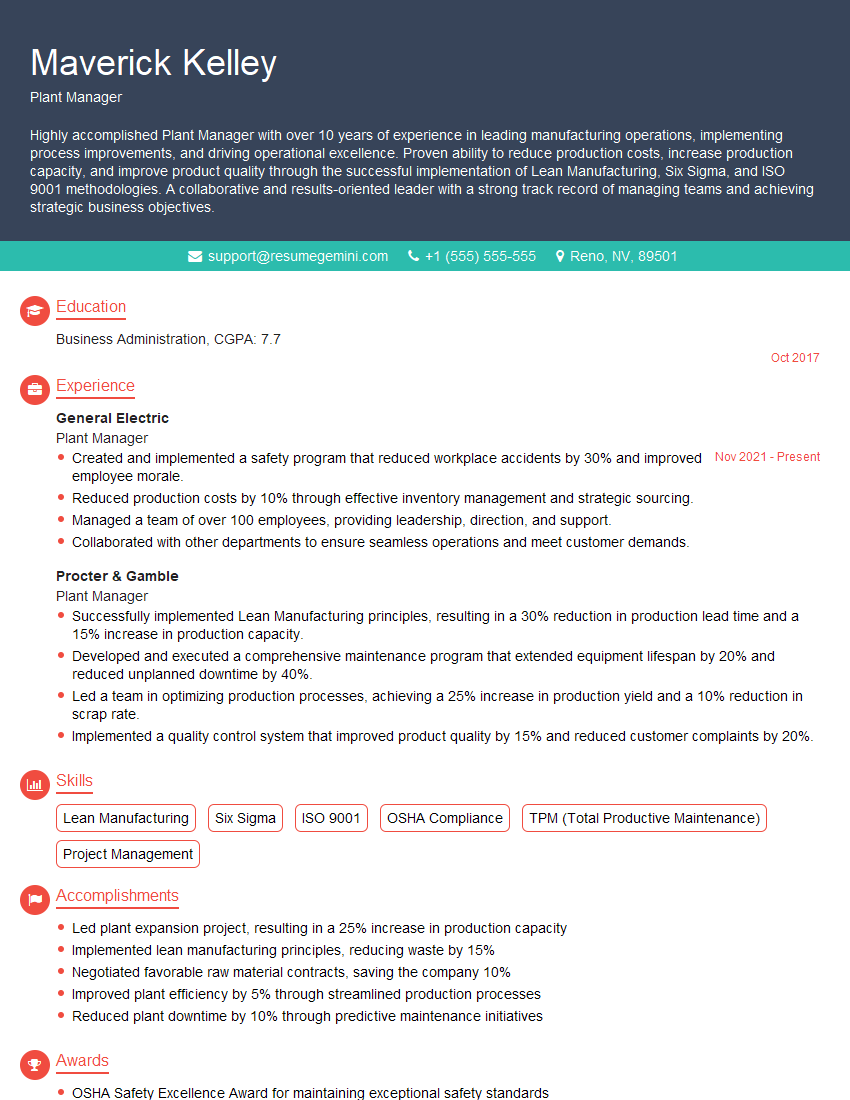
Plant Manager Resume Sample
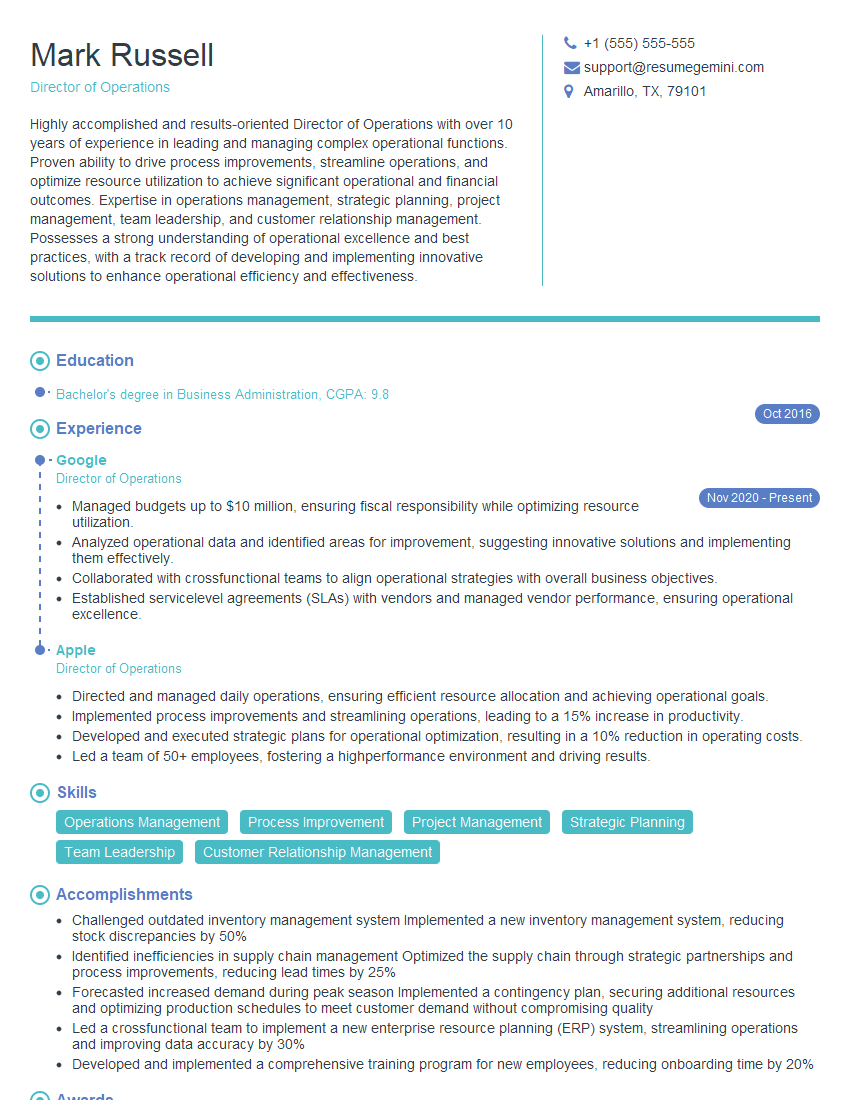
Director of Operations Resume Sample
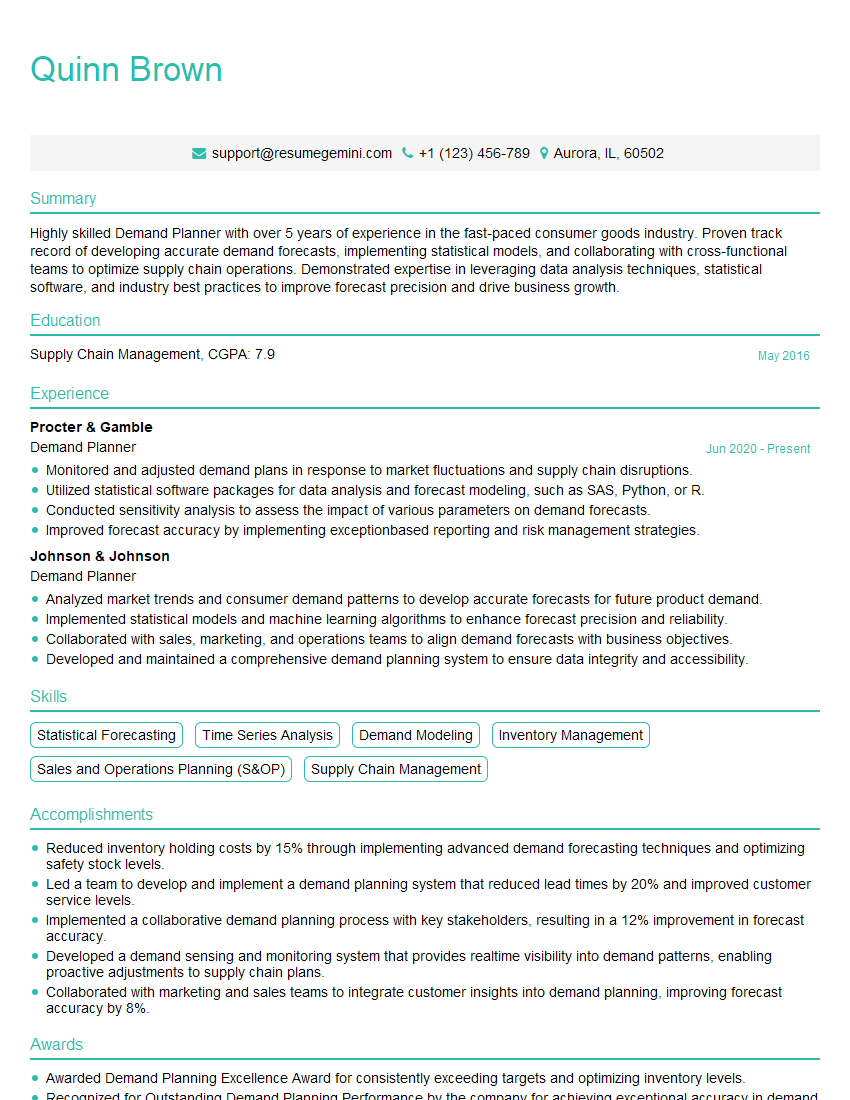
Demand Planner Resume Sample

Manufacturing Planner Resume Sample
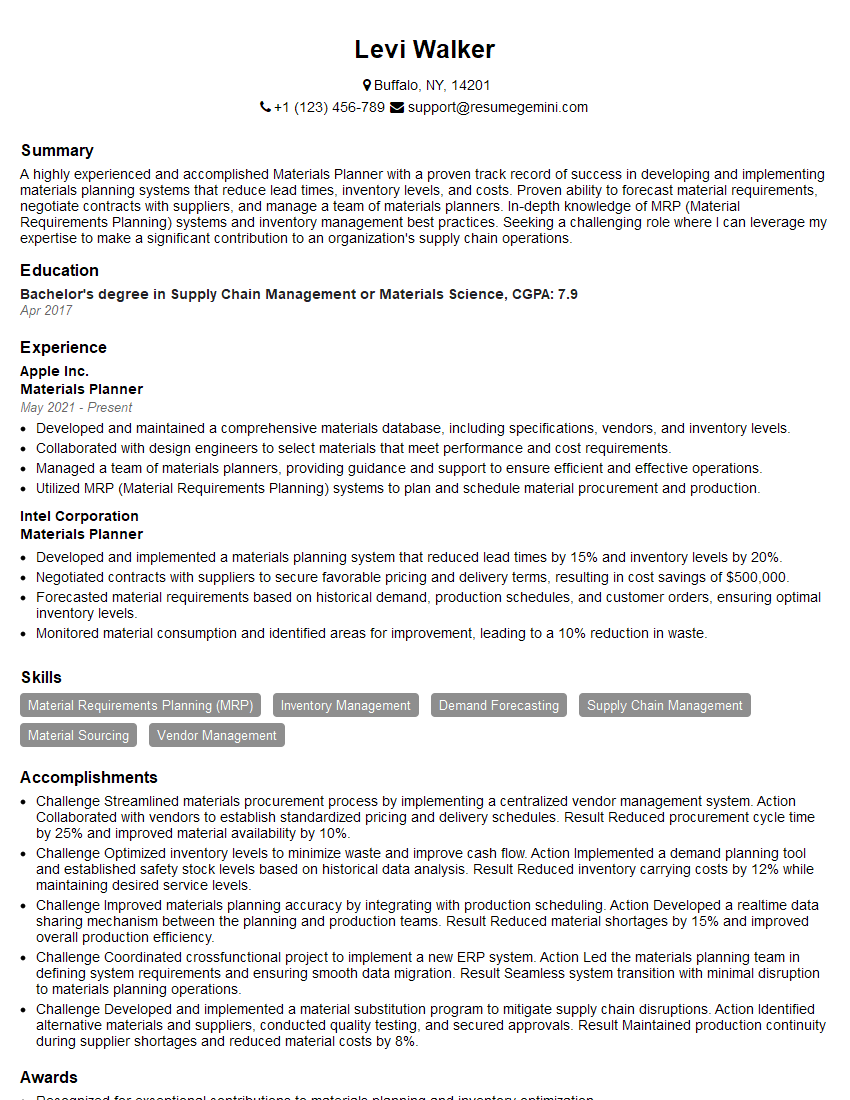
Materials Planner Resume Sample
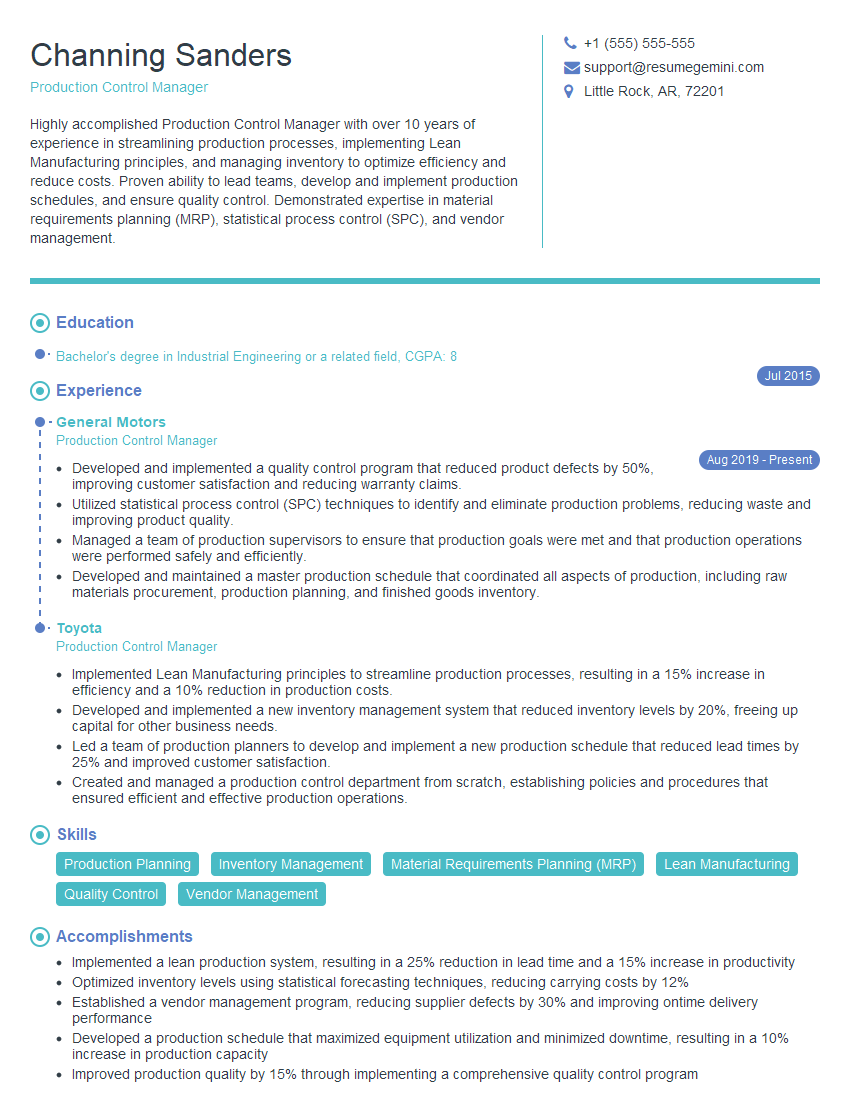
Production Control Manager Resume Sample
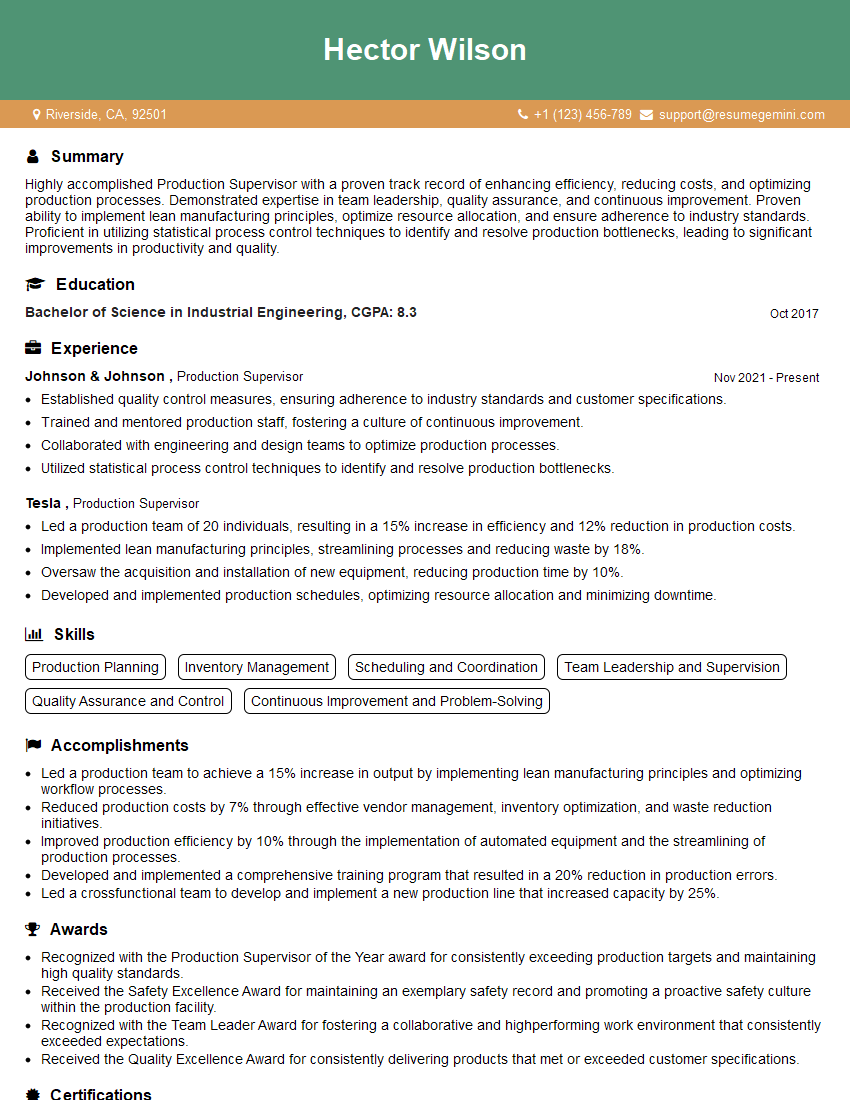
Production Supervisor Resume Sample
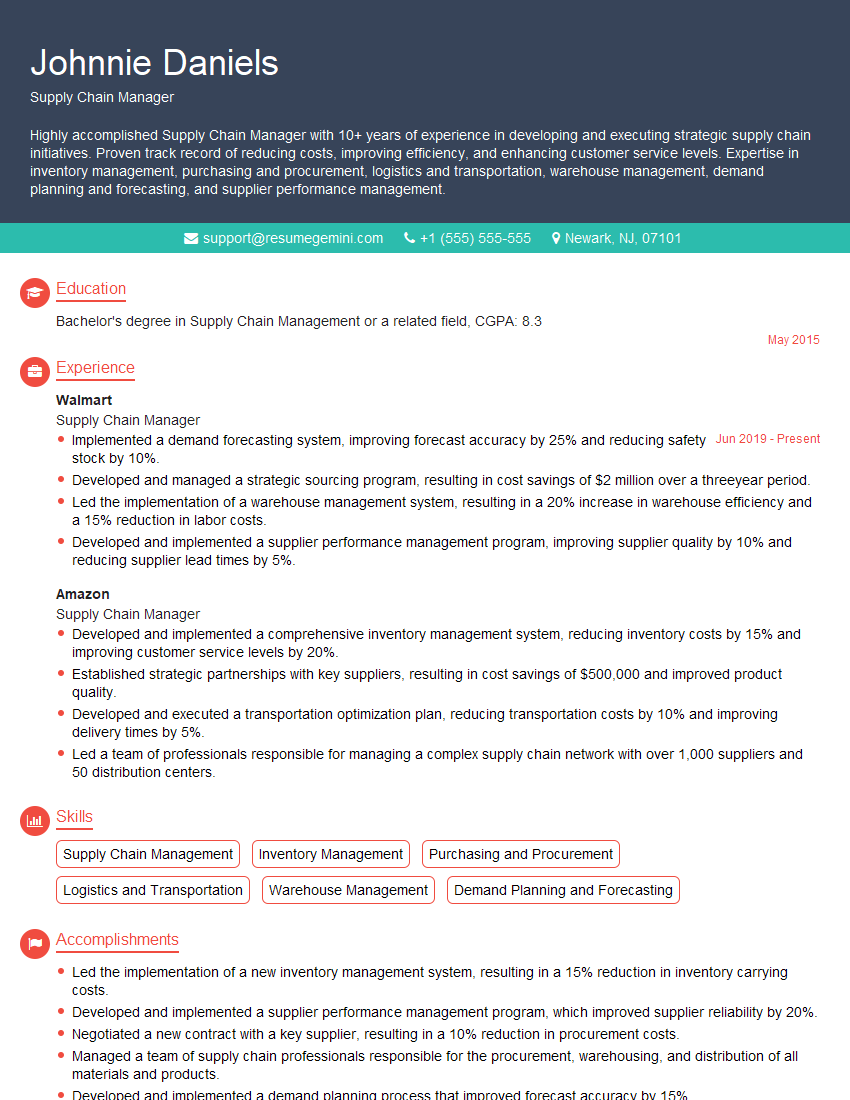
Supply Chain Manager Resume Sample
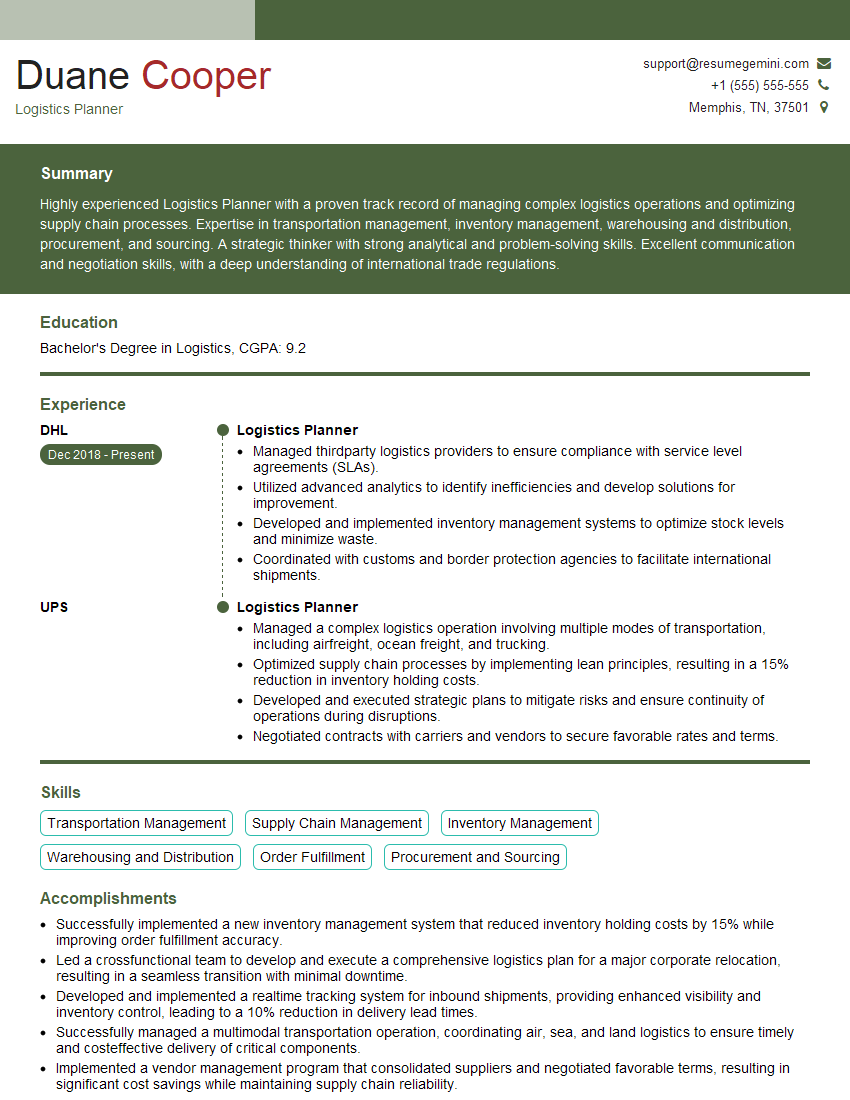
Logistics Planner Resume Sample
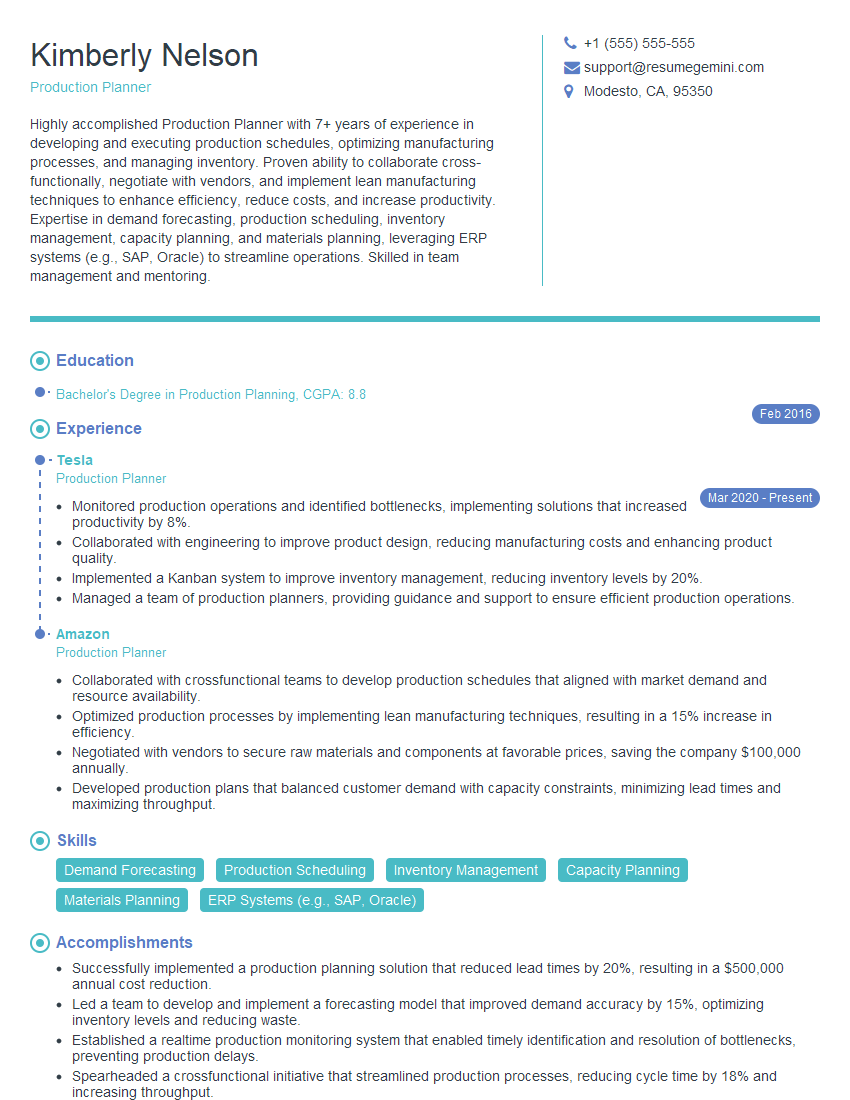
Production Planner Resume Sample
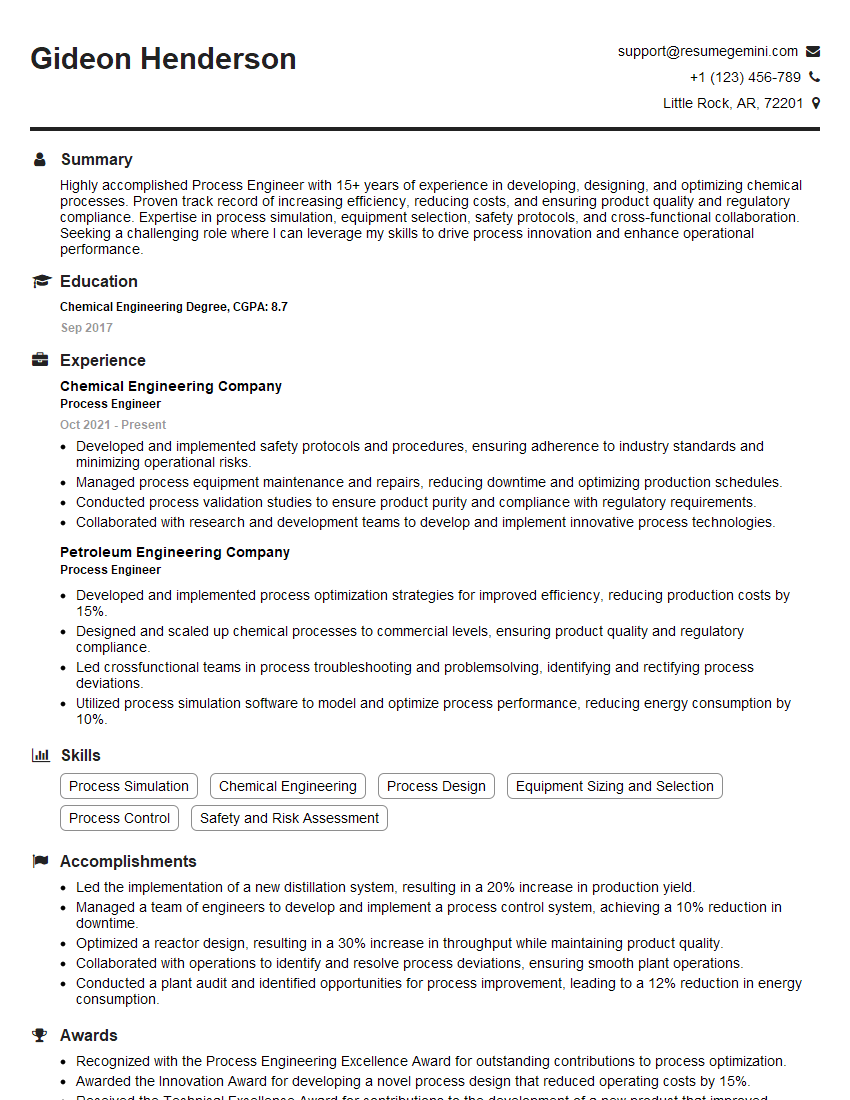
Process Engineer Resume Sample
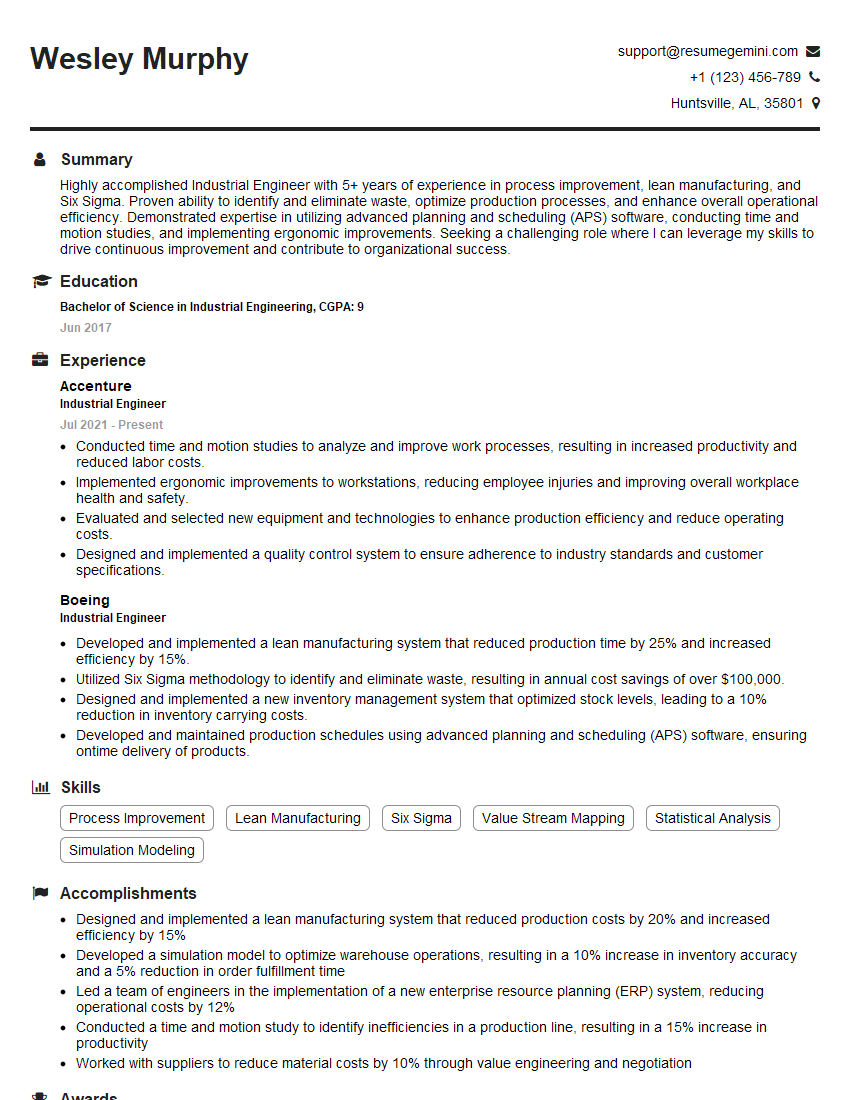
Industrial Engineer Resume Sample
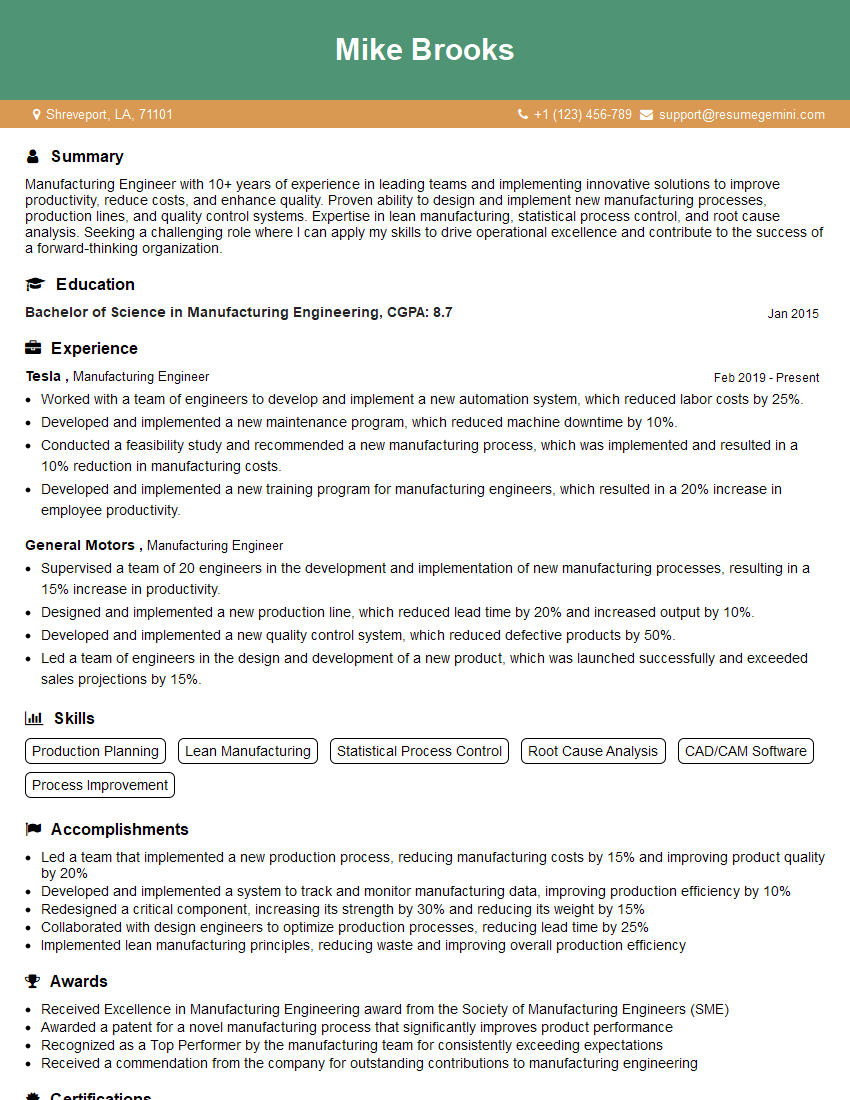
Manufacturing Engineer Resume Sample
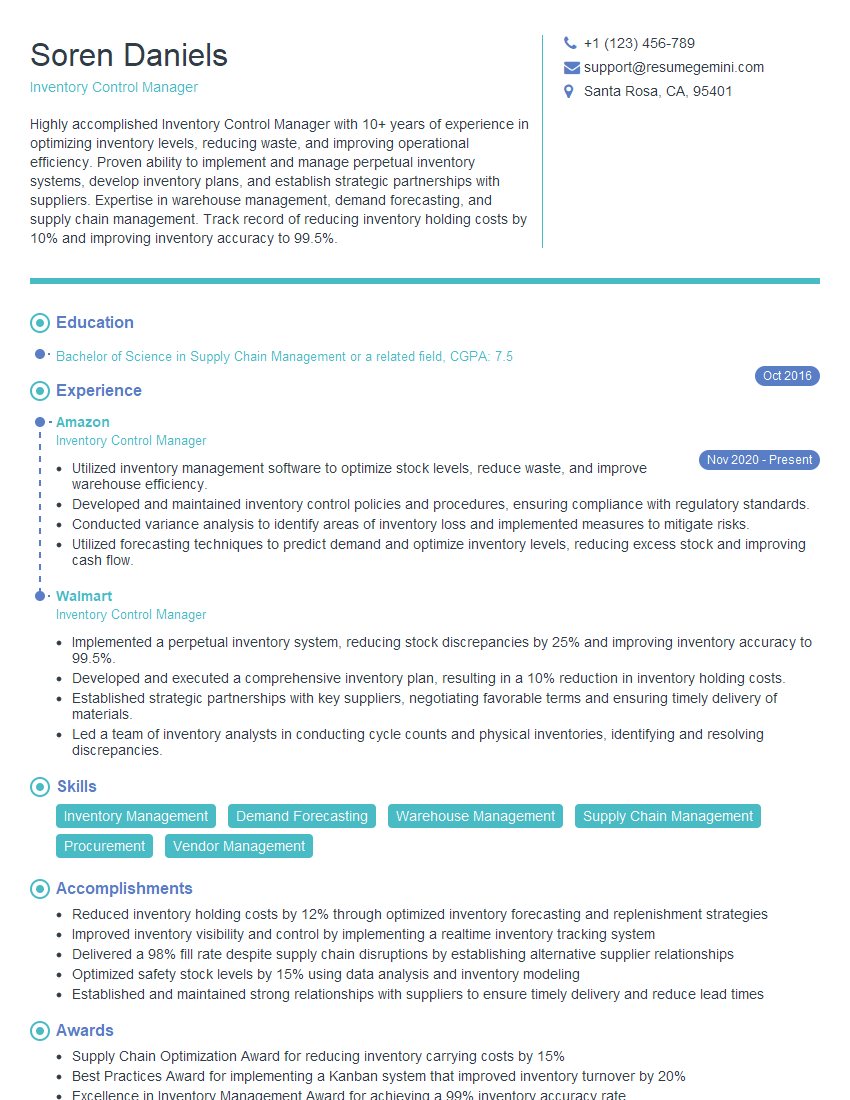
Inventory Control Manager Resume Sample
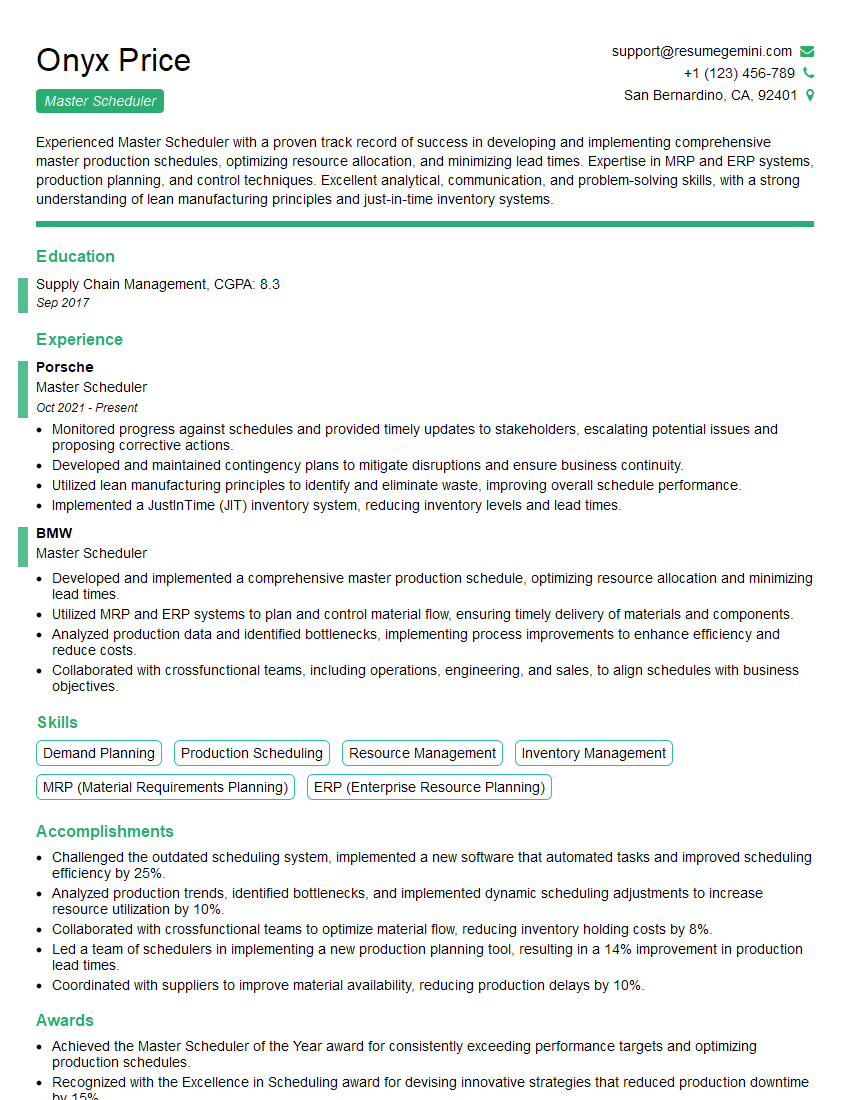
Master Scheduler Resume Sample
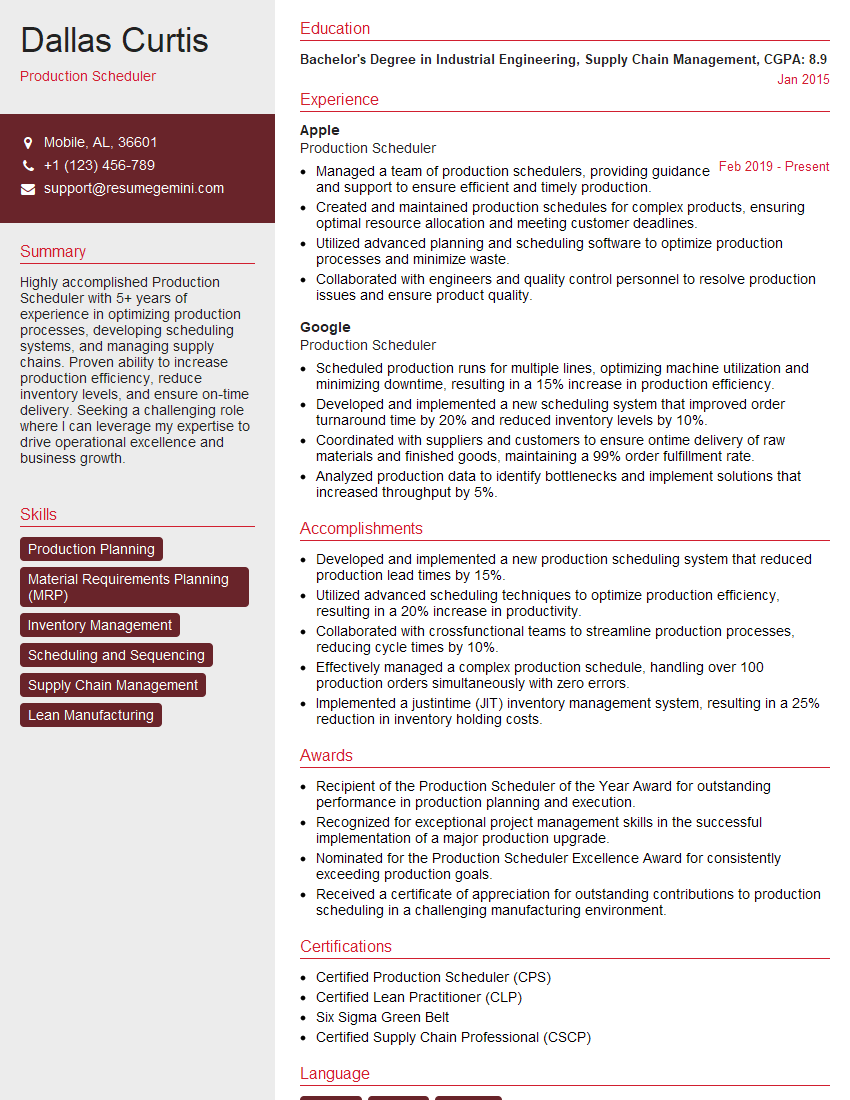
Production Scheduler Resume Sample
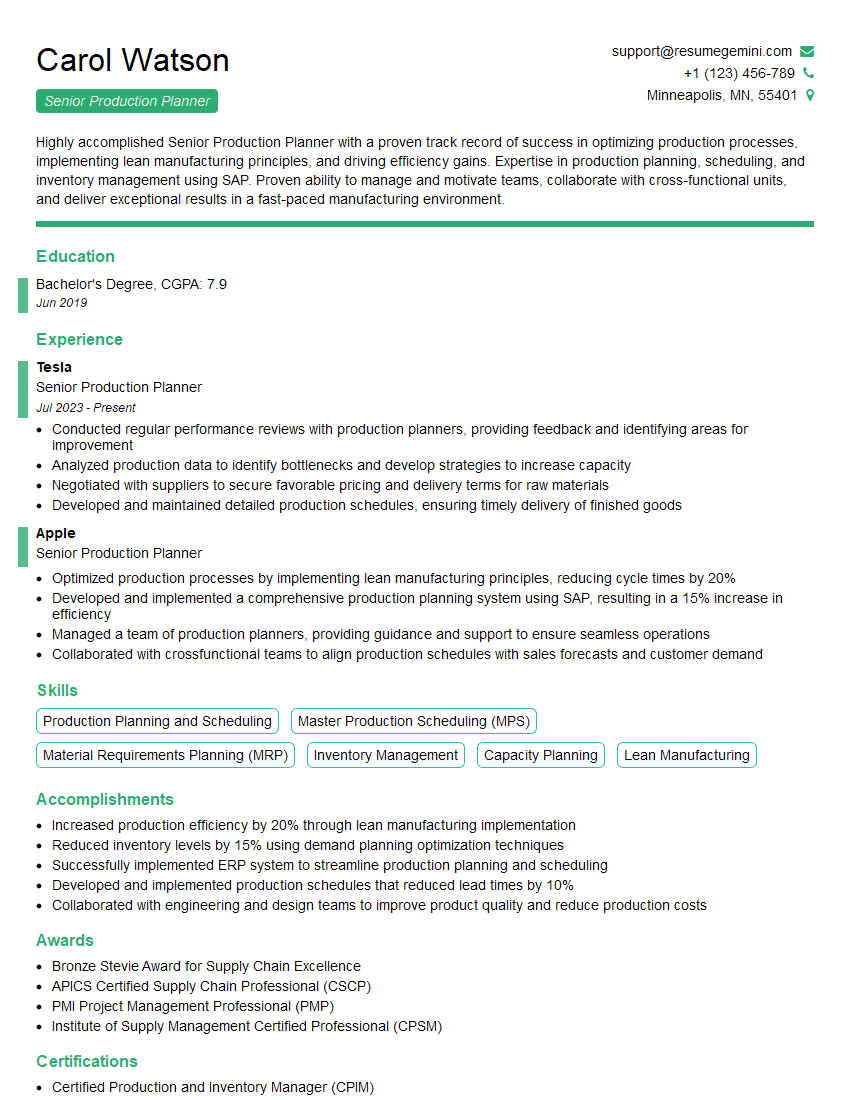
Senior Production Planner Resume Sample
- Operations Manager
- Plant Manager
- Director of Operations
- Demand Planner
- Manufacturing Planner
- Materials Planner
- Production Control Manager
- Production Supervisor
- Supply Chain Manager
- Logistics Planner
- Production Planner
- Process Engineer
- Industrial Engineer
- Manufacturing Engineer
- Inventory Control Manager
- Master Scheduler
- Production Scheduler
- Senior Production Planner
Explore more articles
Users Rating of Our Blogs
Share Your Experience
We value your feedback! Please rate our content and share your thoughts (optional).
What Readers Say About Our Blog
Very informative content, great job.
good