Feeling uncertain about what to expect in your upcoming interview? We’ve got you covered! This blog highlights the most important Union and Non-Union Casting interview questions and provides actionable advice to help you stand out as the ideal candidate. Let’s pave the way for your success.
Questions Asked in Union and Non-Union Casting Interview
Q 1. Explain the key differences between Union and Non-Union casting.
The primary difference between Union and Non-Union casting lies in the actors’ representation and the contractual agreements involved. Union casting, typically involving SAG-AFTRA (Screen Actors Guild – American Federation of Television and Radio Artists) members, operates under strict collective bargaining agreements that dictate wages, working conditions, and benefits. Non-Union casting, on the other hand, lacks these formalized protections, offering greater flexibility for productions but often resulting in lower pay and fewer safeguards for the actors.
- Union: Actors are represented by a union, ensuring fair compensation, health insurance, pension contributions, and standardized working hours. Productions are bound by specific rules and regulations.
- Non-Union: Actors are not represented by a union, leading to potentially lower pay, fewer benefits, and less regulated working conditions. Productions have greater freedom in terms of budget and scheduling.
Think of it like this: Union is like a high-end hotel with all the amenities and guarantees, while Non-Union is like a budget motel – more affordable but with potentially less comfort and reliability.
Q 2. Describe your experience with SAG-AFTRA contracts.
My experience with SAG-AFTRA contracts is extensive. I’ve negotiated and managed numerous projects under various SAG-AFTRA agreements, including ultra-low budget agreements and standard theatrical contracts. I am intimately familiar with the complexities of these agreements, encompassing everything from background performer agreements to lead actor contracts. This includes understanding the nuances of payment schedules, residuals, and the required paperwork for compliance. A recent example involved a low-budget independent film where we successfully navigated the ultra-low budget agreement to secure talented SAG-AFTRA actors while remaining within the production’s financial constraints. This required careful budget allocation and thorough understanding of the specific regulations under this type of contract.
Q 3. How do you manage a casting budget in a Non-Union production?
Managing a casting budget in a Non-Union production requires meticulous planning and resourcefulness. Since there are no union-mandated minimums, the budget is highly flexible, but that also means greater responsibility for ensuring fair compensation while staying within the allocated funds. My approach involves:
- Detailed Budget Breakdown: Allocating specific amounts for each role, factoring in the expected experience level and the number of days required.
- Strategic Casting Calls: Targeting actors whose experience and rate align with the production’s budget. This includes leveraging online platforms like Actors Access (non-union focused) and utilizing social media outreach.
- Negotiation Skills: Negotiating rates with individual actors, seeking out value-added incentives where possible, such as deferring payments or offering additional credit for involvement.
- Contingency Planning: Building a buffer into the budget to account for unexpected costs or last-minute changes.
For example, on a recent short film, I secured talented actors by offering a combination of a modest day rate, access to their headshots and reels, and a strong promise to promote the project to their portfolios upon completion.
Q 4. What are your strategies for finding talent in both Union and Non-Union markets?
My strategies for finding talent vary depending on whether it’s a Union or Non-Union project. For Union projects, I primarily utilize casting databases like Actors Access (which lists both Union and Non-Union actors) and Central Casting, focusing on actors with appropriate experience levels and who meet the specific requirements of the roles. For Non-Union projects, I diversify my approach, tapping into several avenues:
- Online Platforms: Actors Access, Mandy, and social media platforms (Instagram, Facebook groups for actors).
- Networking: Attending industry events, workshops, and collaborating with other casting directors and filmmakers.
- Local Acting Schools and Workshops: Connecting with acting schools and workshops to source emerging talent.
- Self-Submissions: Reviewing self-submitted materials directly from actors.
In both cases, I always verify actors’ availability, experience, and suitability for each character.
Q 5. How do you ensure compliance with union regulations during casting?
Ensuring compliance with union regulations is paramount in Union casting. My process involves:
- Thorough Contract Review: Carefully reviewing the appropriate SAG-AFTRA contract to understand all stipulations before commencing the casting process.
- Accurate Record Keeping: Maintaining meticulous records of all communications, auditions, and selected actors, ensuring every aspect of the casting process adheres to union guidelines.
- Compliance with Payment Schedules: Strictly adhering to the payment schedule outlined in the contract, including timely distribution of residuals and paychecks.
- Working Conditions Oversight: Ensuring the actors’ working conditions comply with union rules regarding hours, breaks, and safety.
- Union Representation Consultation: Consulting with SAG-AFTRA representatives when faced with ambiguous situations or potential disputes.
Ignoring union rules can lead to significant penalties for the production, so meticulous attention to detail is crucial.
Q 6. Explain your process for selecting actors for a union project.
Selecting actors for a Union project involves a rigorous process focusing on talent, experience, and contract compliance. I begin by reviewing the script and creating a clear character breakdown, then:
- Casting Call Distribution: Submitting casting calls through appropriate union channels to reach qualified actors.
- Audition Management: Conducting auditions according to union guidelines, ensuring a fair and unbiased process.
- Actor Evaluation: Evaluating acting ability, suitability for the role, and the actor’s understanding of the character.
- Contract Negotiation: Negotiating contracts with actors’ agents (union representatives) to determine terms and ensure everything is aligned with the appropriate SAG-AFTRA contract.
- Background Checks: Confirming the actor’s eligibility for the role within the union guidelines.
The goal is to find the perfect fit while adhering to all union rules.
Q 7. How do you handle conflicts between union rules and production needs?
Conflicts between union rules and production needs can arise. My approach involves:
- Proactive Planning: Careful pre-production planning and open communication with the production team to anticipate potential conflicts and mitigate them beforehand.
- Negotiation and Compromise: Working with the union and the production team to find mutually agreeable solutions, always prioritizing the actors’ rights and welfare.
- Documentation: Meticulously documenting all communications, decisions, and agreements to provide a clear record in case of disputes.
- Legal Consultation: If needed, seeking guidance from an entertainment lawyer specializing in union regulations.
For instance, if a tight shooting schedule clashes with union-mandated rest periods, I might propose alternative solutions such as adjusting the actors’ schedules or adding additional crew members to reduce workload. The key is clear communication and creative problem-solving.
Q 8. What software or tools do you use for managing casting calls and auditions?
Managing casting calls and auditions efficiently requires a robust system. I primarily use a combination of software and tools tailored to the specific needs of the project and the union/non-union status of the actors. For smaller, non-union projects, I often rely on user-friendly platforms like Casting Networks or Actor's Access. These platforms allow me to post casting calls, receive submissions, and manage the audition process digitally. For larger projects, or those involving union actors, I use specialized software which often integrates directly with union databases. This ensures compliance with union rules regarding pay, benefits, and casting procedures. Additionally, I utilize spreadsheets and project management tools like Asana or Trello to track actor submissions, scheduling, and communication effectively.
For example, on a recent independent film, Casting Networks proved invaluable for reaching a wide pool of talent quickly. Conversely, for a union television series, we used a more sophisticated system that automatically managed SAG-AFTRA compliance, ensuring all contracts and payments were processed correctly.
Q 9. How do you assess an actor’s suitability for a role, considering both their talent and union status?
Assessing an actor’s suitability is a multi-faceted process that goes beyond just talent. I consider several key factors. First, of course, is their acting ability: Do they embody the character’s essence? Is their performance compelling and believable? I also examine their physical attributes, vocal quality, and overall stage presence to determine how well they fit the role’s visual and sonic requirements.
Union status plays a crucial role in project budgeting and scheduling. Union actors often come with established rates and contractual obligations. While their talent might be exceptional, their availability or cost might not align with the project’s constraints. For non-union actors, the process focuses more on individual merit and project-specific negotiations. I always strive to find the perfect balance between artistic suitability and practical considerations.
For instance, I might find a non-union actor whose performance perfectly captures the spirit of the character, but a union actor might bring more experience or name recognition which is beneficial to the project’s marketing.
Q 10. Describe your experience with self-tape auditions in both union and non-union contexts.
Self-tape auditions have become increasingly prevalent in both union and non-union casting. The process is generally similar, though union contracts often specify technical requirements and guidelines. In either case, clear instructions are paramount. I provide detailed instructions about the desired scene, performance style, background, and technical specifications (lighting, audio quality, camera angle).
For non-union self-tapes, I may have more flexibility in terms of the technical requirements, focusing on the actor’s performance. However, even for non-union projects, high-quality self-tapes are crucial for a professional impression. For union self-tapes, adherence to the specified technical standards, outlined in the submission guidelines, is absolutely mandatory to ensure compliance and avoid rejection.
A recent example involved a union project that required a specific camera, lighting, and audio setup, with clear instructions on framing and background. Failure to meet these standards resulted in the immediate disqualification of several submissions.
Q 11. How do you maintain positive relationships with talent agencies?
Maintaining strong relationships with talent agencies is crucial for a casting director. I prioritize open communication, transparency, and mutual respect. I regularly update agencies on upcoming projects and relevant roles that might suit their clients. I offer timely feedback on auditions, even if the actor isn’t selected, emphasizing constructive criticism to help them grow.
I treat every interaction as an opportunity to build trust and rapport. I appreciate their expertise in identifying talent and their understanding of their clients’ capabilities and career goals. Strong relationships enable early access to potential candidates and accelerate the casting process.
A key example is my ongoing relationship with a leading agency specializing in character actors. Their insights and suggestions have significantly enhanced the casting process for many of my recent projects.
Q 12. How do you handle last-minute casting changes?
Last-minute casting changes are an inevitable part of the film and television industry. My approach is to stay calm, adaptable, and maintain clear communication with everyone involved. First, I carefully assess the reasons for the change (actor unavailability, script revision, creative direction shift). Then, I immediately contact the relevant agencies and actors. If necessary, I initiate a rapid search for alternative candidates, focusing on actors who possess the required skills and are readily available. My network of contacts and existing database of actors play a crucial role in efficient response to unexpected situations.
I also prioritize open and honest communication with the production team to manage expectations and ensure everyone is informed about the changes. A calm and organized response minimizes disruptions and maintains the project’s timeline.
Q 13. What is your process for background casting?
Background casting requires a different approach than principal casting. I focus on finding actors who blend seamlessly with the environment and enhance the overall visual narrative. I often utilize casting calls specifically targeting background actors, sometimes through specialized agencies or online platforms dedicated to extras. I clearly define the required look, attire, and any specific skills needed (e.g., dancing, specific historical attire).
The process often involves large-scale casting calls and careful selection based on physical appearance and ability to follow directions. I emphasize clear communication to ensure all background actors understand their roles, schedules, and any specific requirements for the day.
Recently, I cast background actors for a historical drama. I specified the required period clothing, hair styles, and demeanor, and the result seamlessly enhanced the authenticity of the scene.
Q 14. How do you handle actor availability issues?
Actor availability issues are a common challenge in casting. My response involves a combination of proactive planning and flexible problem-solving. I always obtain actors’ availability information upfront during the audition process. I use scheduling tools to track availability across multiple actors and to identify potential conflicts early on.
When conflicts arise, I explore alternative solutions. This might include adjusting the shooting schedule, searching for suitable replacements (from my existing network or through agencies), or negotiating with actors to accommodate the production’s needs. Clear and prompt communication with all stakeholders, including the actor, the agency, and the production team is essential to resolve availability issues effectively and efficiently.
In one instance, a lead actor had a scheduling conflict. By creatively rescheduling a few scenes and collaborating with the actor’s agency, we managed to successfully accommodate the change without compromising the production timeline.
Q 15. What is your experience with casting calls and callbacks?
My experience with casting calls and callbacks is extensive, spanning over a decade working in both union and non-union environments. I’ve managed everything from small independent film projects to large-scale commercial productions. The process typically starts with reviewing submitted materials – headshots, resumes, and reels – to identify potential candidates that fit the director’s vision. I then create and distribute casting calls, often utilizing online platforms and databases. This includes writing concise and accurate descriptions of the roles, outlining necessary skills and experience, and specifying deadlines.
Callbacks are a crucial part of the process, allowing for a more in-depth assessment of the actors. I structure callbacks strategically, often incorporating different techniques like cold reads, improvisational exercises, or scene work, depending on the role’s requirements. Throughout the entire process, meticulous record-keeping is crucial to track auditions, feedback, and decisions, ensuring transparency and efficiency.
For example, in a recent project casting for a historical drama, I used a combination of online casting platforms and direct outreach to agents specializing in period pieces to ensure a diverse pool of talent. The callbacks focused heavily on accents, period-appropriate movements and the ability to embody the emotional weight of the scenes.
Career Expert Tips:
- Ace those interviews! Prepare effectively by reviewing the Top 50 Most Common Interview Questions on ResumeGemini.
- Navigate your job search with confidence! Explore a wide range of Career Tips on ResumeGemini. Learn about common challenges and recommendations to overcome them.
- Craft the perfect resume! Master the Art of Resume Writing with ResumeGemini’s guide. Showcase your unique qualifications and achievements effectively.
- Don’t miss out on holiday savings! Build your dream resume with ResumeGemini’s ATS optimized templates.
Q 16. Describe a time you had to deal with a difficult actor.
Dealing with difficult actors is an inevitable aspect of casting. I once worked with an actor who exhibited unprofessional behavior on set, including arriving late and unprepared. My approach prioritized maintaining a professional and respectful demeanor while addressing the issue directly and promptly. I addressed his tardiness and lack of preparation calmly and privately. I explained the impact his actions had on the schedule and the entire production team, underscoring the importance of punctuality and preparedness in a collaborative setting. We established clear expectations and, thankfully, the actor responded positively, improving his conduct for the remainder of the production. Ultimately, effective communication and a consistent approach to managing expectations are key to resolving such situations. The key is to separate the professional concerns from personal feelings to create a constructive path forward.
Q 17. How do you ensure diversity and inclusion in your casting process?
Diversity and inclusion are paramount in my casting process. I actively seek out and promote opportunities for underrepresented groups. My strategy involves several key steps: First, crafting inclusive casting calls that explicitly encourage applications from individuals of diverse backgrounds. I use broad language that avoids stereotyping and specifically mention a commitment to diversity.
- Expanding Casting Networks: I work with diverse casting agents and reach out to organizations dedicated to promoting representation in the industry.
- Blind Auditions: Where appropriate, I employ blind auditions, focusing solely on talent without preconceived notions based on appearance.
- Diverse Casting Panels: I often work with casting panels that reflect the diversity I seek to represent on screen, ensuring multiple perspectives are considered.
- Ongoing Education: I regularly participate in workshops and training on diversity, equity, and inclusion to stay abreast of best practices.
For instance, on a recent project, we deliberately sought out actors with disabilities and created roles to specifically feature their talents. This commitment to inclusive casting enriched the project, bringing a wider range of perspectives to the storytelling.
Q 18. How familiar are you with the different union scales and rates?
I’m intimately familiar with union scales and rates for various actors’ unions, including SAG-AFTRA and Actors’ Equity Association. My knowledge extends to understanding the different contract types, minimum rates, overtime regulations, and benefits associated with union employment. I regularly consult the union’s published rate cards and contracts to ensure compliance and fairness. This includes understanding the nuances of different contract types, such as day rates, weekly rates, and residual payments, depending on the production’s scope and budget. For example, I know that SAG-AFTRA rates for background actors will differ significantly from the rates for principal roles, and these vary based on location and production budget.
Q 19. How do you handle negotiations with actors and their agents?
Negotiations with actors and their agents require tact, professionalism, and a solid understanding of industry standards. I approach negotiations as a collaborative process, aiming for a mutually agreeable outcome that respects both the actor’s value and the production’s budgetary constraints. I always begin with a clear understanding of the project’s budget and the actor’s rate expectations. I strive for transparent communication, presenting a detailed breakdown of the compensation package, including any potential bonuses or incentives. I also understand the importance of carefully reviewing contracts to prevent misunderstandings, ensuring that all terms and conditions are clearly defined. If necessary, I consult with legal counsel to ensure that all aspects of the negotiations comply with applicable regulations. Successful negotiation often hinges on building strong relationships with agents and fostering mutual trust and respect. Building those relationships takes consistent communication, transparency and fair deals.
Q 20. What’s your experience with different casting techniques (e.g., cold reads, improv)?
My experience with various casting techniques is extensive. Cold reads are frequently used for initial assessments, offering a glimpse into an actor’s ability to interpret a script on the spot. Improv exercises are valuable for evaluating spontaneity, creativity, and quick thinking. I also utilize scene work, particularly for more complex roles, allowing actors to showcase their emotional range and understanding of character dynamics. The specific technique used depends on the role’s demands; for instance, a comedic role might benefit more from improv exercises, while a dramatic role might necessitate a more focused scene study approach. I tailor the techniques to the character’s needs and the overall production. For example, in casting for a musical, I would likely incorporate singing and dancing auditions alongside scene work and cold reads.
Q 21. Describe your experience using casting databases and platforms.
I’m proficient in using various casting databases and platforms, such as Actors Access, Casting Networks, and Mandy. My experience includes creating and managing casting profiles, posting casting calls, reviewing submissions, and communicating with actors and their agents through these platforms. I understand the importance of using the platform’s features efficiently, including utilizing search filters and keyword optimization for effective talent scouting. Moreover, I’m also adept at using these platforms to track audition progress, manage communications, and maintain organized records of candidate details and feedback. Data security and privacy are always paramount; I adhere strictly to the platforms’ terms of service and industry best practices for data handling. These platforms are essential tools for streamlining the casting process and ensuring a wide reach for finding suitable talent.
Q 22. How do you evaluate actor performance during auditions?
Evaluating actor performance during auditions is a multifaceted process that goes beyond simply checking off a list of requirements. I look for a compelling blend of technical skills and creative interpretation. Technically, I assess their vocal projection, clarity of speech, physicality, and ability to convincingly inhabit the character. This includes observing their emotional range, timing, and ability to listen and react to other actors (if applicable). Beyond technique, I’m looking for a spark – that unique quality that brings the character to life. This could manifest as a specific choice in interpretation, a surprising nuance in delivery, or an overall charisma that captivates the audience. I use a detailed scoring system, rating different aspects of their performance to ensure objectivity and easy comparison of candidates. I also note specific moments where they excelled, or areas that require further development.
For example, in a recent audition for a comedic role, one actor managed to perfectly capture the character’s nervous energy through subtle physical tics and perfectly timed comedic pauses. Another, while equally skilled technically, lacked the necessary spark of comedic timing, making the performance feel flat. This helped me make a clear decision, choosing the actor who brought more than just technical skill to the role.
Q 23. How do you provide constructive feedback to actors during the audition process?
Providing constructive feedback is crucial for actors’ growth and for building a positive working relationship. My approach emphasizes specificity, positivity, and actionable steps. Instead of simply saying ‘it wasn’t right,’ I focus on pinpointing what could be improved. For instance, instead of saying ‘Your performance lacked energy,’ I might say, ‘While your delivery was clear, exploring a slightly faster pace and more dynamic physicality might enhance the character’s urgency.’ I always begin with positive reinforcement, highlighting elements that worked well. This creates a receptive environment for receiving criticism. I also frame my suggestions as opportunities for exploration rather than pronouncements of failure. The goal isn’t to discourage, but to guide the actor toward a stronger performance.
For instance, if an actor struggles with a particular line, I might suggest trying different vocal inflections, exploring subtext, or considering the character’s motivations to find a more effective approach. It’s a collaborative process; I aim to empower the actor to understand their performance and take ownership of improvements.
Q 24. Explain your experience with different audition formats (in-person, virtual, self-tapes).
My experience encompasses all major audition formats. In-person auditions provide a valuable opportunity for immediate feedback and direct interaction. I can observe nuances in their body language and energy levels that are harder to detect virtually. Virtual auditions, while limiting in some respects, have become an indispensable tool, especially with geographical limitations. Self-tapes, while requiring more technical proficiency from the actor, often allow a more relaxed and intimate performance. Each format offers unique advantages and challenges. The key is adapting my evaluation criteria to suit the format, understanding that limitations in one may be compensated by strengths in another.
For example, I might focus more on vocal clarity and emotional expression during a self-tape audition, since the visual aspects are less controlled. For virtual auditions, I pay close attention to the actor’s professionalism in setting up their environment and adhering to technical requirements. I maintain consistent standards across all formats, however, focusing on the actor’s performance, and adjusting my expectations to match the limitations of each format.
Q 25. How do you maintain accurate records of casting decisions and communications?
Maintaining accurate records is paramount for efficiency, legal compliance, and ethical casting practices. I use a combination of digital and physical methods to ensure complete and readily accessible information. My digital system usually involves a dedicated casting software (more on this later) that meticulously tracks every applicant’s information, including their audition materials, feedback notes, casting decisions, and communication logs. This software enables me to generate reports, search for specific candidates based on criteria, and ensure that the entire process is transparent and easily auditable. I also keep physical copies of key documents – primarily contracts – for archival purposes and as a failsafe against potential technological issues. This method ensures that all information is well-documented, organized, and secure.
Q 26. What are some common challenges you face in union vs non-union casting?
Union and non-union casting present distinct challenges. Union casting requires adhering to strict rules and regulations stipulated in collective bargaining agreements (CBAs). This includes ensuring adherence to minimum pay rates, working conditions, and call procedures. It often involves working closely with union representatives to manage casting calls, ensuring compliance, and resolving any potential disputes. Non-union casting offers more flexibility in terms of budget and scheduling, but it lacks the built-in protections and standards afforded by union contracts. It’s vital to manage expectations and ensure ethical treatment of actors, even in non-union projects. This means paying fair wages, offering timely communication, and providing a professional and respectful environment. Balancing budget constraints with responsible casting practices is crucial. There are certain skills and legal frameworks you will need in order to meet all the requirements of both types of casting.
Q 27. How do you manage the legal aspects of casting, especially concerning union contracts?
Managing the legal aspects of casting, especially concerning union contracts, requires meticulous attention to detail. I familiarize myself thoroughly with the relevant CBAs and understand the implications of each clause. This includes provisions related to minimum pay, overtime, residuals, and working conditions. When working with union actors, I ensure all contracts are meticulously reviewed and signed by both the actor and the production company, adhering to the procedures outlined by the union. I maintain detailed records of all agreements, payments, and communications to avoid potential legal disputes. I consult with legal counsel when necessary, particularly in complex scenarios or when faced with ambiguous contractual clauses. Proactive legal compliance minimizes risks and ensures a smooth working relationship between the production and the union.
Q 28. Describe your experience with using different casting software and platforms.
My experience with casting software and platforms is extensive. I’ve utilized several prominent systems, including Casting Networks, Breakdown Services, and ActorNet. Each platform has its strengths and weaknesses. Casting Networks, for example, excels in its extensive database of actors and its user-friendly interface. Breakdown Services offers efficient tools for managing large-scale casting calls. ActorNet boasts a strong community aspect, facilitating direct interaction between casting directors and actors. The choice of platform depends on the specific needs of the project – budget, scale, and the type of actors required. My proficiency extends to effectively utilizing these platforms to manage auditions, track submissions, communicate with actors, and maintain comprehensive records. My ability to navigate different software seamlessly ensures efficiency and reduces the administrative burden associated with casting.
Key Topics to Learn for Union and Non-Union Casting Interviews
- Understanding the Union Landscape: Explore the differences between various unions (e.g., SAG-AFTRA, Actors’ Equity) and their respective contract requirements. Consider the implications for pay, benefits, and working conditions.
- Navigating Non-Union Projects: Understand the dynamics of non-union casting calls, including typical pay structures, contract negotiations, and potential risks.
- Marketing Yourself Effectively: Develop strategies for tailoring your resume and cover letter to highlight relevant skills and experience for both union and non-union opportunities. Consider how to showcase your adaptability to different project types.
- Audition Preparation: Practice techniques for preparing for both union and non-union auditions, focusing on adapting your approach to the specific demands of each.
- Networking Strategies: Learn how to effectively network within both union and non-union circles to expand your opportunities and build valuable connections.
- Contractual Awareness: Understand the key clauses and implications of standard union and non-union contracts to ensure you’re protected and informed.
- Problem-Solving in Diverse Casting Environments: Prepare examples demonstrating your ability to adapt to unexpected challenges or conflicts that might arise on set in either union or non-union productions.
Next Steps
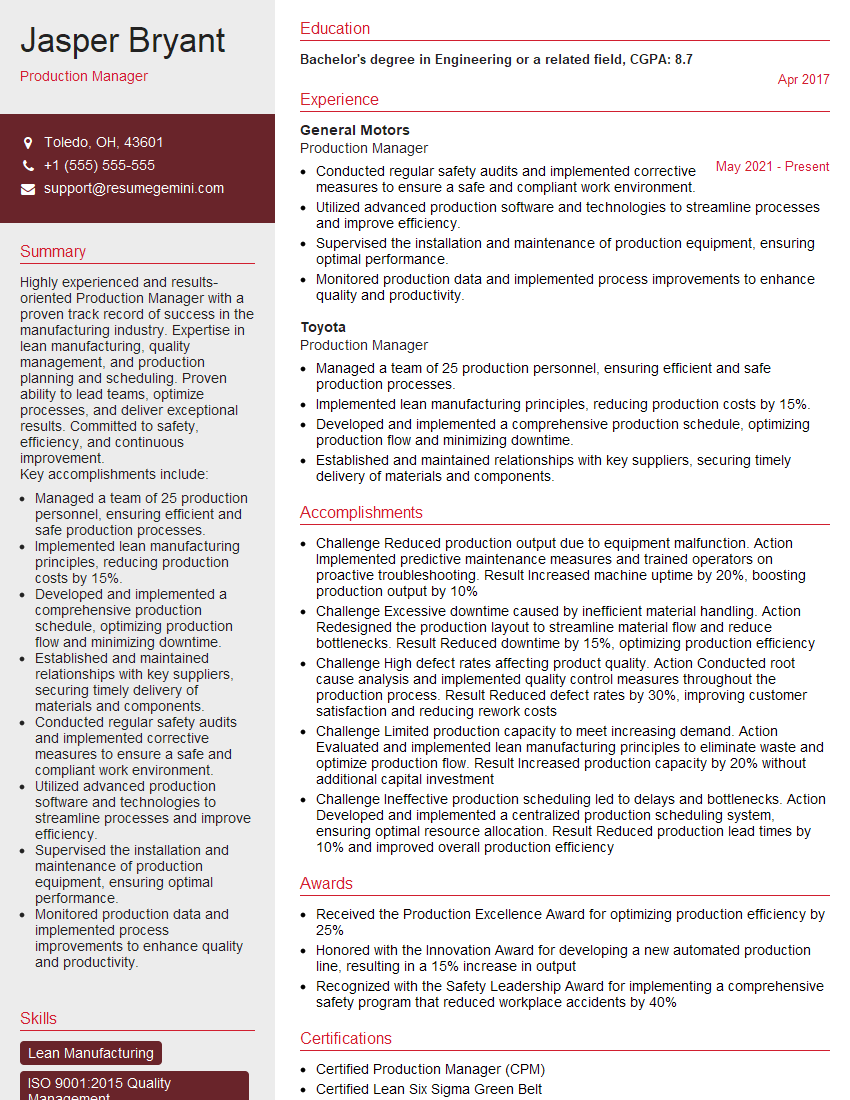
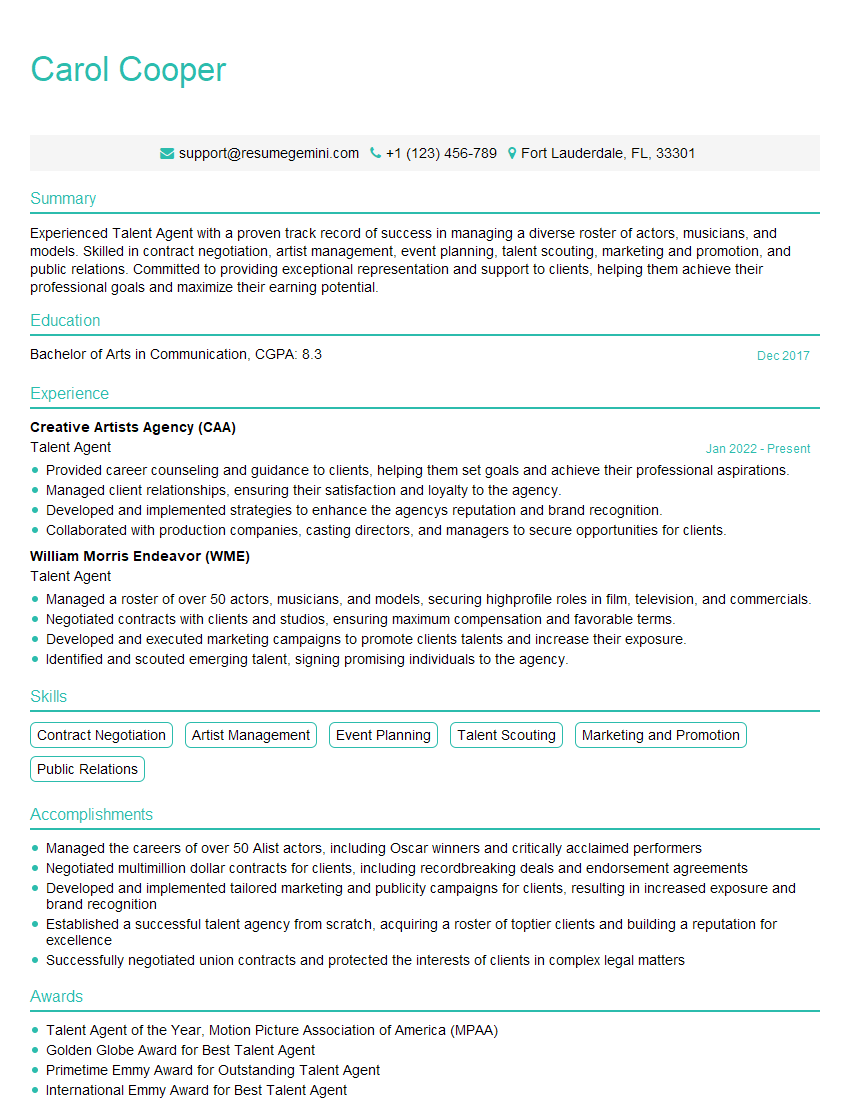
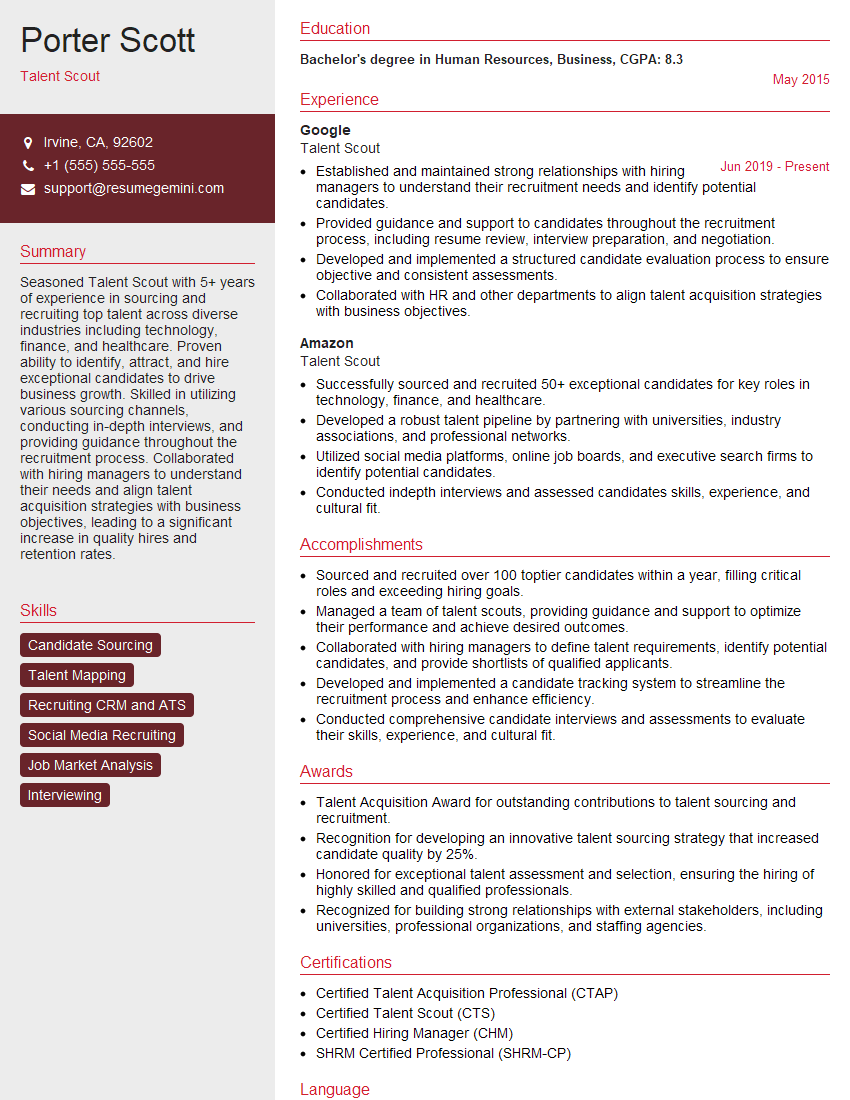
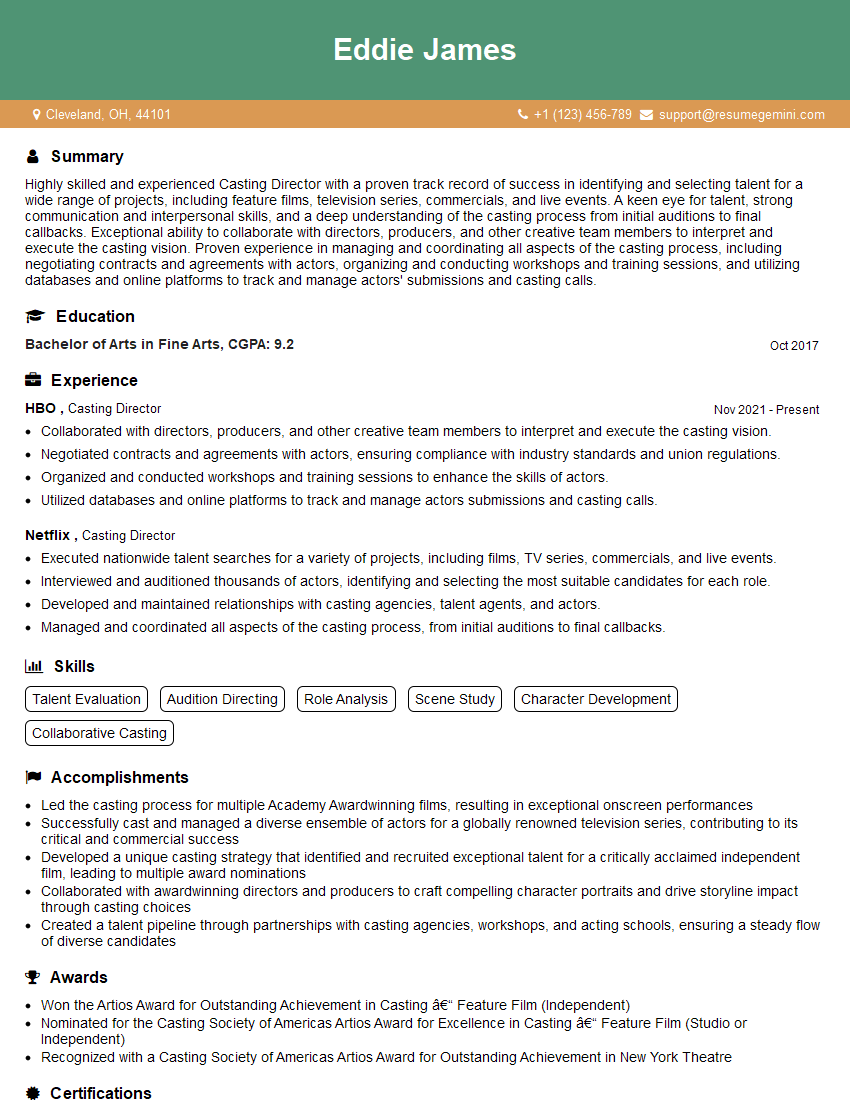
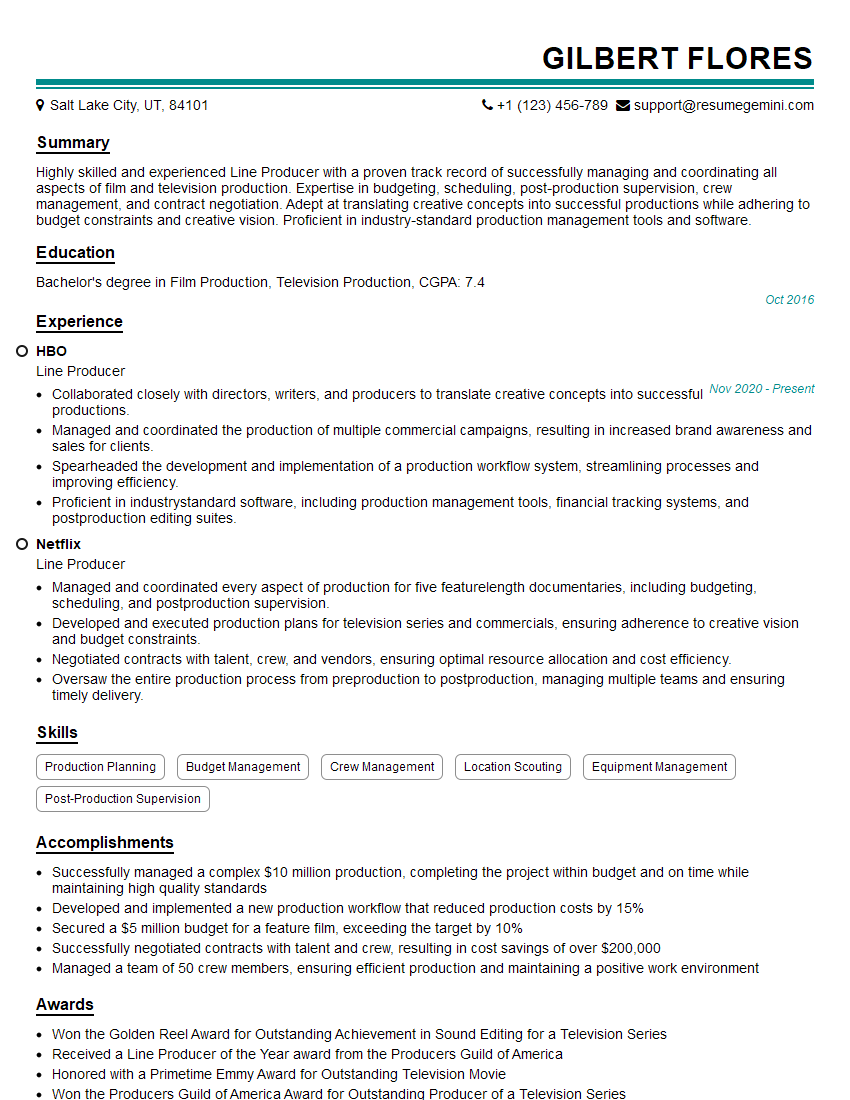
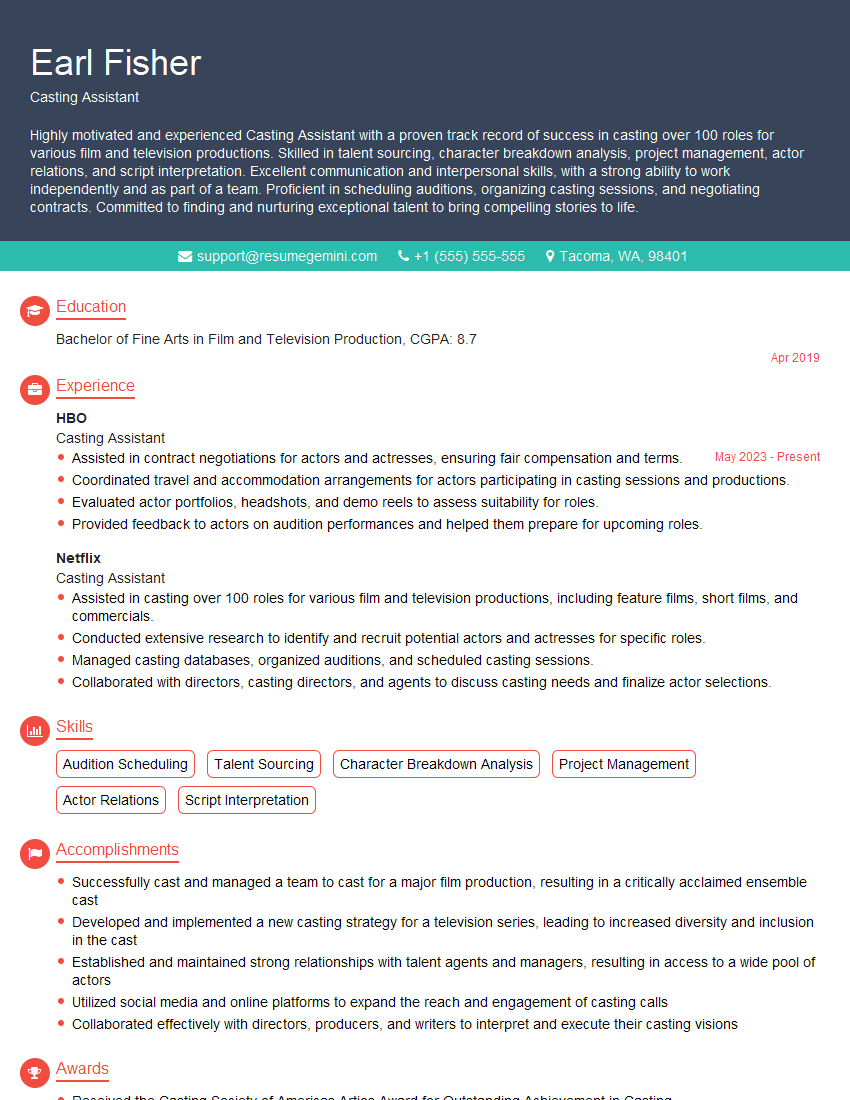
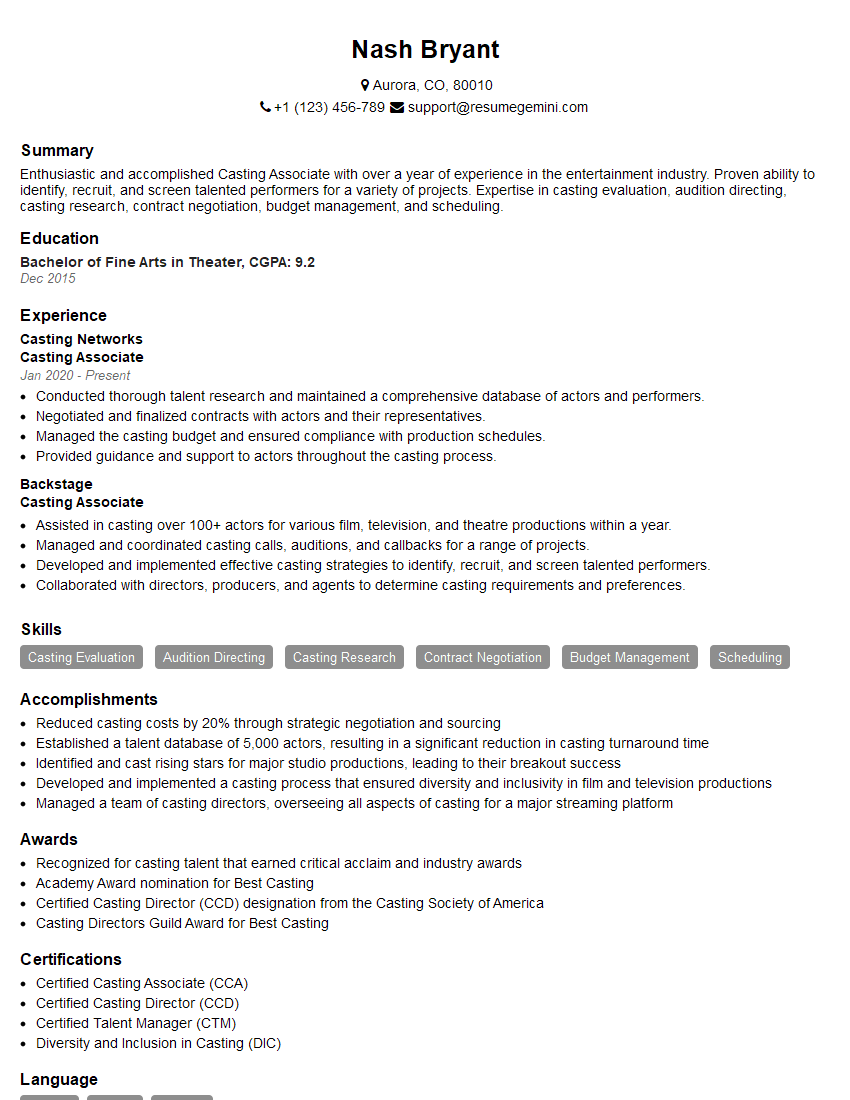
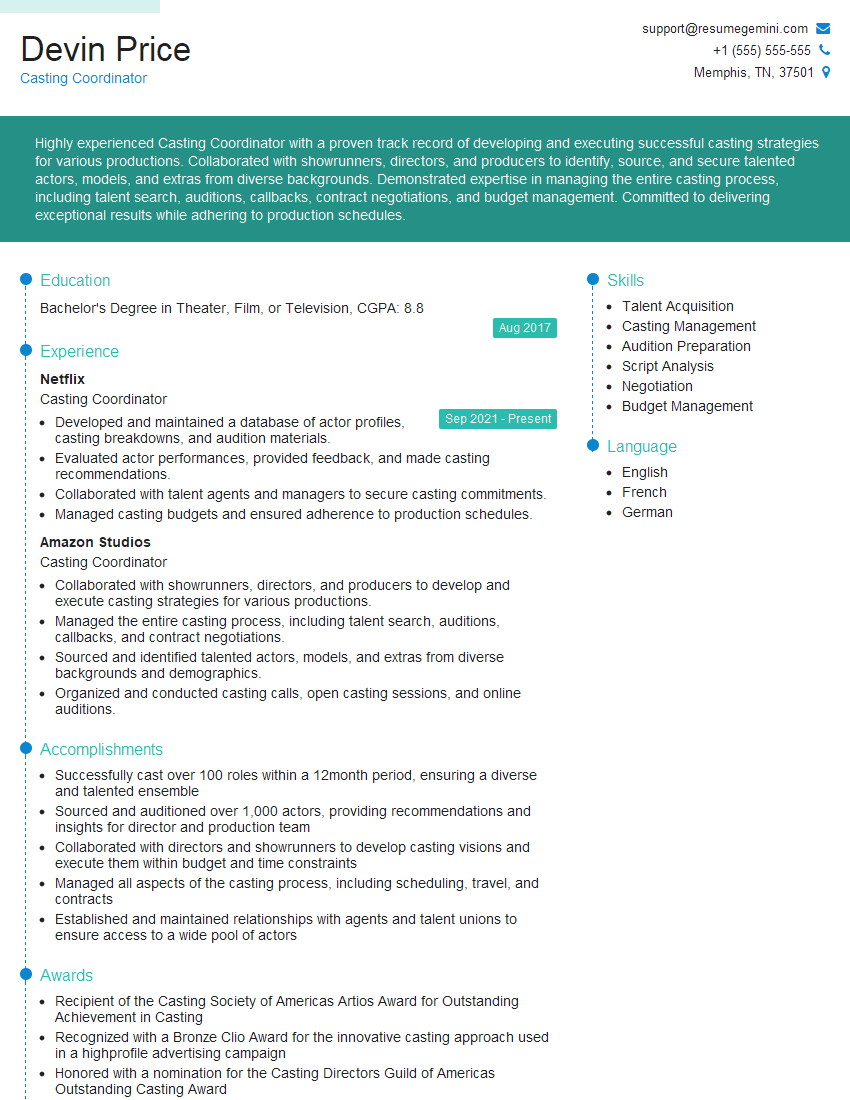
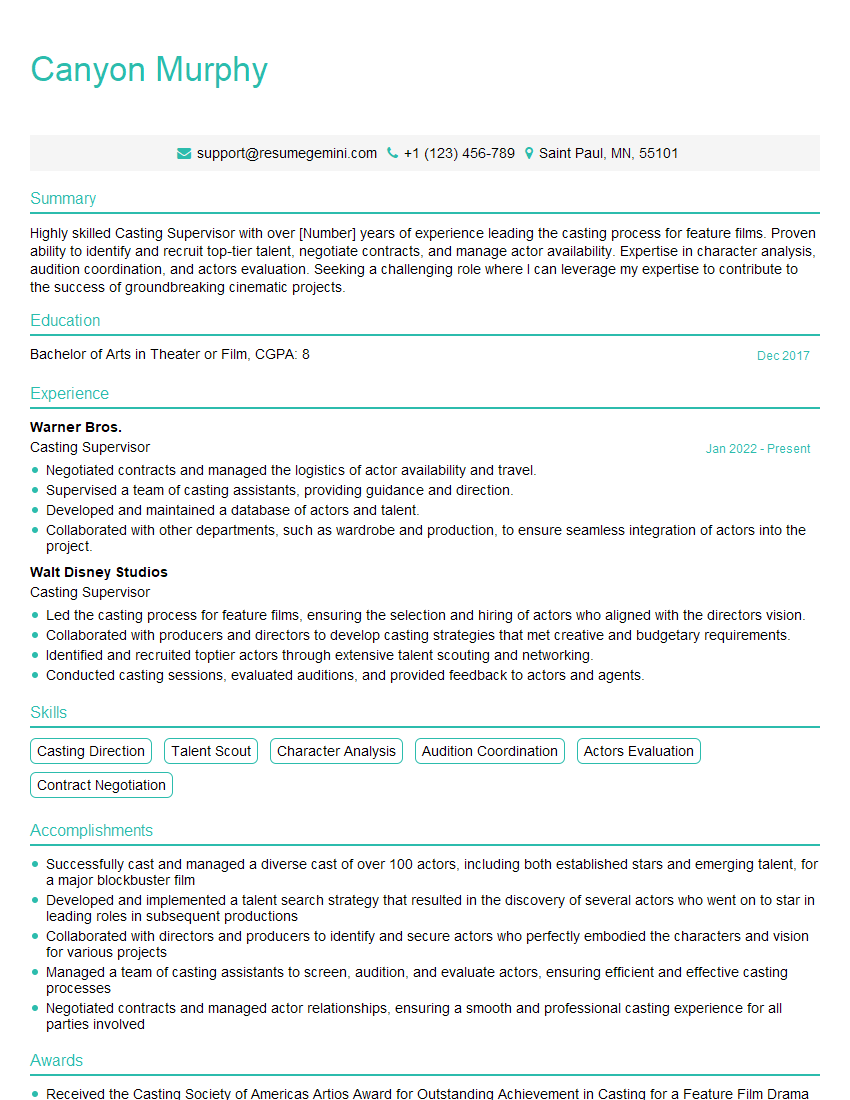
Mastering the nuances of Union and Non-Union casting is crucial for career advancement in the acting industry. It opens doors to a wider range of opportunities and allows you to navigate the industry with confidence and professionalism. Building a strong, ATS-friendly resume is paramount to getting your foot in the door. ResumeGemini is a valuable resource to help you craft a compelling and effective resume that showcases your skills and experience in the best possible light. We provide examples of resumes tailored to both Union and Non-Union Casting to guide you. Take advantage of these resources to elevate your job search and achieve your career goals.
Explore more articles
Users Rating of Our Blogs
Share Your Experience
We value your feedback! Please rate our content and share your thoughts (optional).
What Readers Say About Our Blog
Very informative content, great job.
good