Interviews are opportunities to demonstrate your expertise, and this guide is here to help you shine. Explore the essential United States Environmental Protection Agency (EPA) interview questions that employers frequently ask, paired with strategies for crafting responses that set you apart from the competition.
Questions Asked in United States Environmental Protection Agency (EPA) Interview
Q 1. Explain the Clean Air Act and its major amendments.
The Clean Air Act (CAA) is a comprehensive federal law that regulates air emissions from stationary and mobile sources. Think of it as a national rulebook for clean air. Its primary goal is to protect public health and the environment from air pollution. The CAA’s effectiveness hinges on setting National Ambient Air Quality Standards (NAAQS) for criteria pollutants – substances known to be harmful to human health and the environment, like ozone, particulate matter, carbon monoxide, sulfur dioxide, nitrogen dioxide, and lead.
- 1977 Amendments: These strengthened the CAA by adding stricter emission standards for new vehicles and industrial sources, introducing prevention of significant deterioration (PSD) permitting for new or modified major sources in areas meeting air quality standards, and incorporating non-attainment areas (areas not meeting air quality standards) programs to clean up polluted regions.
- 1990 Amendments: This was a major overhaul. Key additions included: Title I addressing acid rain through an emissions trading program (cap and trade), Title IV addressing ozone depletion with controls on ozone-depleting substances, and Title VI focusing on air toxics, requiring the EPA to establish Maximum Achievable Control Technology (MACT) standards.
For example, the 1990 amendments significantly reduced acid rain by setting limits on sulfur dioxide emissions from power plants, illustrating the impact of proactive legislation.
Q 2. Describe the process of obtaining an EPA permit.
Obtaining an EPA permit is a multi-step process that varies depending on the type of permit needed. It’s like applying for a license, but for environmentally impactful activities. Generally, the process involves:
- Identifying the appropriate permit: This depends on your activity (e.g., discharging pollutants into water, operating a hazardous waste facility, emitting air pollutants). The EPA website and relevant state agencies are crucial resources.
- Completing the application: This requires extensive information about your operation, potential environmental impacts, and proposed control measures. It’s a detailed process, often needing professional environmental consultants.
- Submitting the application: This is usually done electronically through the EPA’s online permitting systems.
- EPA review: The EPA (or the delegated state agency) reviews the application, checking compliance with applicable regulations. This can involve site inspections.
- Public comment period: Often, there’s a public comment period for community input.
- Permit issuance or denial: Based on the review and comments, the EPA either issues the permit with specific conditions or denies it.
Failing to obtain necessary permits can result in significant penalties, including fines and legal action.
Q 3. What are the key components of the Clean Water Act?
The Clean Water Act (CWA) is the cornerstone of US water pollution control. It aims to restore and maintain the chemical, physical, and biological integrity of the nation’s waters. Imagine it as a comprehensive framework to protect our lakes, rivers, and oceans.
- National Pollutant Discharge Elimination System (NPDES): This permit program regulates the discharge of pollutants from point sources (like industrial facilities and sewage treatment plants) into navigable waters. It’s like a license to discharge, but with strict limits.
- Water Quality Standards: States set water quality standards based on designated uses (e.g., drinking water, swimming, fishing). These standards define the acceptable levels of various pollutants.
- Wetlands protection: The CWA protects wetlands, vital ecosystems that filter pollutants and provide habitat. Unpermitted dredging or filling is prohibited.
- Nonpoint source pollution control: While the NPDES tackles point sources, the CWA also addresses nonpoint sources (like agricultural runoff), typically through state-level management plans.
For example, the CWA has led to significant improvements in water quality in many areas, though challenges remain with nonpoint source pollution and aging infrastructure.
Q 4. How does the EPA regulate hazardous waste?
The EPA regulates hazardous waste through the Resource Conservation and Recovery Act (RCRA). Think of RCRA as the cradle-to-grave management system for hazardous waste. It controls the generation, transportation, treatment, storage, and disposal of hazardous waste, from its creation to its final resting place. This involves:
- Hazardous waste identification: RCRA establishes criteria for identifying hazardous waste based on its ignitability, corrosivity, reactivity, or toxicity.
- Generator standards: Companies that generate hazardous waste must comply with specific requirements for managing their waste, including proper labeling, storage, and record-keeping.
- Treatment, storage, and disposal facilities (TSDFs): TSDFs must obtain permits and meet stringent requirements to ensure safe handling of hazardous waste.
- Land disposal restrictions: RCRA limits the land disposal of certain hazardous wastes to protect groundwater and soil.
- Corrective action: If a TSDF releases hazardous waste, corrective action is required to clean up the contamination.
For instance, the RCRA regulations ensure that hazardous wastes from industrial processes are handled safely to prevent environmental damage and human exposure.
Q 5. Explain the Superfund program and its role in environmental remediation.
The Superfund program, officially known as the Comprehensive Environmental Response, Compensation, and Liability Act (CERCLA), addresses abandoned or uncontrolled hazardous waste sites. It’s like a cleanup crew for the worst environmental disasters. Its main functions include:
- Identifying and assessing hazardous waste sites: The EPA maintains the National Priorities List (NPL) of the most hazardous sites needing cleanup.
- Cleanup of hazardous waste sites: The EPA can conduct cleanups itself or compel responsible parties to perform remediation.
- Liability and cost recovery: CERCLA holds potentially responsible parties (PRPs) liable for the cleanup costs. This can involve manufacturers, transporters, or previous site owners.
- Emergency response: The Superfund program also addresses immediate threats posed by hazardous substance releases.
A well-known example is the Love Canal disaster in New York, where a former chemical waste dump contaminated the surrounding area. Superfund played a critical role in the cleanup and relocation of residents.
Q 6. What are the different types of environmental impact assessments?
Environmental impact assessments (EIAs) evaluate the potential environmental effects of proposed projects or policies. Think of them as environmental pre-checks for major undertakings. Different types of EIAs exist, varying in scope and detail:
- Environmental Impact Statement (EIS): This is required for major federal actions significantly affecting the environment under the National Environmental Policy Act (NEPA). It’s the most comprehensive type of EIA.
- Environmental Assessment (EA): This is a less detailed assessment used to determine whether an EIS is necessary. It’s like a preliminary screening.
- Categorical Exclusion (CE): For certain actions with minimal environmental impact, a CE eliminates the need for an EA or EIS.
- Specific EIAs based on regulations: Other federal and state laws require EIAs for specific types of projects, such as those impacting wetlands or endangered species.
For example, the construction of a large dam would typically require a comprehensive EIS to evaluate impacts on water resources, aquatic habitats, and local communities.
Q 7. Describe your experience with environmental monitoring and data analysis.
My experience in environmental monitoring and data analysis involves designing and implementing monitoring programs, collecting and analyzing environmental data, and reporting on findings. I have extensive experience with various environmental matrices, including water, soil, and air. I’m proficient in using statistical software packages like R and ArcGIS to analyze large datasets, identifying trends and patterns in pollution levels. I’ve worked on projects involving:
- Water quality monitoring: I have developed and implemented sampling plans, collected water samples, and analyzed data for various pollutants, comparing results to regulatory standards.
- Air quality monitoring: My experience includes analyzing air quality data to assess compliance with NAAQS and identify pollution sources.
- Soil contamination assessment: I have conducted soil sampling and analysis to assess the extent of contamination at various sites.
- Data visualization and reporting: I have created maps, charts, and reports to effectively communicate environmental data to stakeholders.
For example, in one project, I used statistical modeling to identify the sources of nutrient pollution in a watershed, which informed the development of a targeted remediation strategy.
Q 8. How familiar are you with the National Environmental Policy Act (NEPA)?
The National Environmental Policy Act (NEPA) is the cornerstone of US environmental law. It’s not about setting specific environmental standards like Clean Air Act, but rather about ensuring federal agencies consider the environmental impacts of their actions before making decisions. Think of it as a procedural law, mandating an environmental review process for major federal projects.
At its core, NEPA requires federal agencies to prepare Environmental Impact Statements (EIS) for significant actions that could significantly affect the quality of the human environment. These statements must analyze the potential environmental consequences, including positive and negative impacts, and explore alternatives. A less extensive Environmental Assessment (EA) may be prepared if the impact is deemed less significant.
For example, the construction of a new highway would require a thorough NEPA review, examining its impacts on air and water quality, wildlife habitats, and nearby communities. The process involves public input and consideration of alternatives, like improving public transportation instead of building a new road. My experience includes directly participating in NEPA compliance reviews for various infrastructure projects, ensuring all necessary steps are followed correctly.
Q 9. Explain the concept of environmental justice.
Environmental justice is the fair treatment and meaningful involvement of all people regardless of race, color, national origin, or income with respect to the development, implementation, and enforcement of environmental laws, regulations, and policies.
It acknowledges that historically marginalized communities often bear a disproportionate burden of environmental hazards, like living near polluting industries or landfills. This isn’t simply about equal distribution of pollution; it’s about addressing systemic inequalities that lead to these disparities. For instance, a factory emitting toxic pollutants might be located near a low-income, minority neighborhood due to lack of political power and resources to resist such placement. Environmental justice initiatives aim to correct these historical injustices and ensure equitable access to a healthy environment for all.
My work involves assessing the environmental justice implications of various projects and policies, ensuring that potential negative impacts on vulnerable communities are identified and mitigated. This often involves community engagement and collaboration to ensure their voices are heard and their concerns are addressed.
Q 10. Describe your understanding of risk assessment and risk management in environmental contexts.
Risk assessment and risk management are crucial components of environmental protection. Risk assessment is the process of identifying hazards, characterizing their potential health and environmental effects, and estimating the likelihood of those effects occurring. Risk management is the process of deciding how to address the risks identified in the assessment.
Imagine a chemical spill. Risk assessment would involve determining the toxicity of the chemical, how much was spilled, how it might spread, and who or what might be exposed. Risk management would then involve developing strategies to contain the spill, clean it up, and prevent future incidents. It might involve emergency response plans, public health advisories, and regulatory actions to prevent similar spills.
My expertise includes conducting both risk assessments and risk management for a variety of environmental contaminants, incorporating both qualitative and quantitative data to inform decision-making. I’ve worked on projects involving everything from evaluating pesticide risks to managing the risks of industrial wastewater discharges, always keeping in mind the balance between protecting human health and the environment and the economic implications.
Q 11. How do you ensure compliance with EPA regulations?
Ensuring compliance with EPA regulations is a multifaceted process that requires a proactive and comprehensive approach. It begins with a thorough understanding of the applicable regulations, which can be numerous and complex.
Firstly, organizations must develop robust environmental management systems (EMS). This often includes internal audits, employee training programs, and regular monitoring of environmental performance to identify potential compliance issues early on. Secondly, accurate record-keeping is vital. Comprehensive documentation of all environmental activities, including waste management practices, emissions monitoring data, and permits, is essential for demonstrating compliance to EPA inspectors. Thirdly, regular self-audits and third-party inspections can help uncover vulnerabilities and address compliance gaps before they lead to penalties.
In my work, I have helped many organizations establish and maintain compliance with EPA regulations. This involved everything from developing tailored compliance programs to conducting internal audits and responding to EPA enforcement actions. Proactive compliance is much more cost-effective than reactive responses to enforcement actions.
Q 12. What are the key challenges in environmental enforcement?
Environmental enforcement faces several key challenges. One major challenge is limited resources. EPA and state environmental agencies often have limited budgets and staffing, making it difficult to effectively monitor all regulated entities and enforce regulations.
Another challenge is the complexity of environmental regulations. Regulations are often intricate and technical, requiring specialized expertise to understand and enforce. Furthermore, proving a violation can be difficult, requiring significant evidence gathering and scientific analysis. Finally, political pressures and industry lobbying can sometimes impede effective enforcement.
I have firsthand experience navigating these challenges. My experience includes resolving complex compliance issues, and working with regulated entities to achieve compliance, balancing enforcement with collaboration to achieve lasting positive environmental impact.
Q 13. Explain the role of the EPA in protecting human health and the environment.
The EPA’s primary mission is to protect human health and the environment. It does this through a variety of programs and initiatives focused on several key areas: air quality, water quality, hazardous waste management, pesticide regulation, and environmental remediation.
The EPA sets national environmental standards, issues permits to regulate pollution, conducts environmental monitoring and research, and enforces environmental laws. It works collaboratively with state and local governments, as well as with industry and the public to achieve its goals. For example, the Clean Air Act, managed by the EPA, sets limits on air pollutants, leading to significant improvements in air quality and public health across the nation.
My career has been dedicated to supporting the EPA’s mission. I have been directly involved in programs aimed at improving air and water quality, managing hazardous waste, and protecting endangered species. I’m proud to be part of an organization that strives to safeguard the environment for present and future generations.
Q 14. What is your experience with environmental modeling and simulation?
Environmental modeling and simulation are essential tools for understanding and predicting environmental processes. These models use mathematical equations and computer software to simulate complex environmental systems, such as air and water quality, climate change, and ecological dynamics.
For instance, air quality models can predict the dispersion of pollutants from industrial sources and their impact on human health. Water quality models can simulate the fate and transport of contaminants in rivers and lakes. These models are invaluable for assessing the environmental impacts of various projects and policies, supporting decision-making, and evaluating the effectiveness of environmental regulations.
Example: A simple model might use the equation C = S/V to estimate the concentration (C) of a pollutant, where S is the source strength and V is the volume of the water body. More complex models account for many other factors like diffusion, advection, and chemical reactions.
My experience includes developing and applying various environmental models, ranging from simple mass balance models to complex hydrodynamic and ecological models. I’m proficient in using various software packages for environmental modeling, and I am adept at interpreting model outputs and communicating findings to both technical and non-technical audiences.
Q 15. Describe your knowledge of different environmental remediation techniques.
Environmental remediation encompasses a wide array of techniques aimed at cleaning up contaminated sites. The best approach depends heavily on the type and extent of contamination, the surrounding environment, and regulatory requirements. Common methods include:
- Excavation and Disposal: This involves digging up contaminated soil or sediment and transporting it to a permitted landfill or treatment facility. This is effective for highly contaminated areas but can be costly and disruptive.
- In-situ Treatment: These techniques treat the contamination directly in the ground, avoiding excavation. Examples include bioremediation (using microorganisms to break down pollutants), chemical oxidation (using chemicals to degrade contaminants), and soil vapor extraction (removing volatile contaminants from the soil using vacuum pumps). This is often preferred for its lower cost and reduced environmental impact compared to excavation.
- Pump and Treat: This method extracts groundwater contaminated with pollutants, treats it above ground (e.g., using activated carbon filtration or air stripping), and then reinjects the cleaned water back into the aquifer. This is common for groundwater contamination from industrial sites.
- Phytoremediation: This utilizes plants to remove, degrade, or stabilize contaminants in soil and water. It’s a more sustainable and cost-effective option for some types of contamination but may be slower than other methods.
- Capping: This involves covering contaminated soil with a layer of clean material to prevent further spread of contaminants. It’s often used as a long-term solution in conjunction with other remediation techniques.
For instance, a former gas station with leaking underground storage tanks might require excavation of the contaminated soil, pump and treat for groundwater contamination, and potentially bioremediation to address remaining soil contaminants. The selection process is often complex and requires detailed site characterization, risk assessment, and regulatory approvals from the EPA or state environmental agencies.
Career Expert Tips:
- Ace those interviews! Prepare effectively by reviewing the Top 50 Most Common Interview Questions on ResumeGemini.
- Navigate your job search with confidence! Explore a wide range of Career Tips on ResumeGemini. Learn about common challenges and recommendations to overcome them.
- Craft the perfect resume! Master the Art of Resume Writing with ResumeGemini’s guide. Showcase your unique qualifications and achievements effectively.
- Don’t miss out on holiday savings! Build your dream resume with ResumeGemini’s ATS optimized templates.
Q 16. How familiar are you with environmental regulations specific to your area of expertise?
My expertise lies in environmental remediation under the Comprehensive Environmental Response, Compensation, and Liability Act (CERCLA), also known as Superfund. I’m intimately familiar with the National Contingency Plan (NCP), which outlines the procedures for cleanup of hazardous waste sites. This includes understanding the specific requirements for site assessments, remedial investigations, feasibility studies, and remedial actions. I also have a strong understanding of the Resource Conservation and Recovery Act (RCRA), which regulates the management of hazardous and non-hazardous waste, and the Clean Water Act (CWA), focusing on the discharge of pollutants into waterways. My knowledge extends to specific regulations pertaining to soil and groundwater cleanup standards, reporting requirements, and permitting processes, varying across different states. This includes navigating the nuances of specific EPA regions and their interpretations of federal regulations.
For example, I am proficient in interpreting and applying the EPA’s guidance on risk assessment methodologies for contaminated sites. Understanding the risk-based corrective action (RBCA) process is crucial for evaluating the potential health and ecological risks associated with contamination and determining appropriate cleanup levels.
Q 17. Describe your understanding of life cycle assessment (LCA).
Life Cycle Assessment (LCA) is a comprehensive methodology used to evaluate the environmental impacts associated with a product or service throughout its entire life cycle, from raw material extraction to disposal. It considers impacts across various environmental categories like greenhouse gas emissions, water and energy consumption, and waste generation.
An LCA typically involves four key stages:
- Goal and Scope Definition: Defining the objectives, boundaries, and functional unit (e.g., the amount of product produced).
- Inventory Analysis: Quantifying the inputs and outputs of all materials and energy used throughout the life cycle.
- Impact Assessment: Evaluating the environmental impacts of the identified inputs and outputs using various impact assessment methods.
- Interpretation: Analyzing and interpreting the results to identify significant environmental impacts and potential areas for improvement.
Imagine an LCA for a plastic bottle. It would consider the energy used to produce the plastic, the water used in manufacturing, the transportation impacts, the potential for plastic waste, and finally the end-of-life management (recycling or landfill). The results could highlight areas where improvements could be made, such as using recycled materials or developing more biodegradable plastics. This allows for a more holistic understanding of environmental impacts and supports informed decision-making regarding product design, material selection, and manufacturing processes.
Q 18. Explain the difference between point and non-point source pollution.
The key difference between point and non-point source pollution lies in the origin and nature of the pollution:
- Point Source Pollution: This originates from a single, identifiable source. It’s relatively easy to monitor and regulate. Examples include industrial discharge pipes releasing pollutants directly into a river, smokestacks emitting pollutants into the air, or a leaking underground storage tank contaminating groundwater. These sources are often regulated through permits that limit the amount and type of pollutants that can be discharged.
- Non-Point Source Pollution: This comes from multiple, diffuse sources, making it much harder to identify and control. Examples include agricultural runoff carrying fertilizers and pesticides into waterways, stormwater runoff from urban areas carrying pollutants like oil and litter, and atmospheric deposition of pollutants from widespread sources such as vehicle emissions. Addressing non-point source pollution often requires a more holistic approach, involving best management practices, land-use planning, and public awareness campaigns.
Think of it this way: a pipe discharging waste into a river is a point source, while fertilizer runoff from many farms across a watershed is a non-point source. Regulations for controlling each type differ significantly, with point sources usually subject to stricter, permit-based controls, while non-point source control relies on more comprehensive management strategies.
Q 19. What is your experience with environmental auditing?
I have extensive experience conducting environmental audits, both internal and external, adhering to various standards and regulations including ISO 14001. My experience encompasses all aspects of the audit process, from planning and scoping to fieldwork, data analysis, and report writing.
During audits, I assess compliance with environmental regulations (e.g., RCRA, CERCLA, CWA), evaluate environmental management systems, review environmental permits and licenses, and inspect pollution control equipment. I’ve identified and documented significant non-compliances, made recommendations for corrective actions, and verified the effectiveness of implemented corrective actions. I’m adept at working with clients to understand their operations, identifying potential environmental liabilities, and helping them establish robust environmental management systems to prevent future problems.
For example, I once conducted an environmental audit of a manufacturing facility which identified several violations related to hazardous waste management. This resulted in the implementation of a comprehensive corrective action plan and improved waste management procedures, thereby reducing their environmental footprint and preventing potential penalties.
Q 20. How do you stay current with changes in EPA regulations and policies?
Staying current with EPA regulations and policies is crucial in my field. I utilize several strategies to ensure I remain up-to-date:
- Subscription to EPA publications and updates: The EPA regularly publishes updates, guidance documents, and new regulations on its website. I monitor these publications closely.
- Participation in professional organizations and conferences: Attending conferences and joining professional organizations like the Society of Environmental Toxicology and Chemistry (SETAC) provides access to the latest research, best practices, and discussions on regulatory changes.
- Networking with other professionals: Regular communication with colleagues and industry experts allows for the sharing of information on recent updates and interpretations of regulations.
- Legal and regulatory research databases: Using databases like Westlaw or LexisNexis provides access to the most current case law and regulatory changes.
- Continuing education: I participate in continuing education courses and workshops to stay abreast of changes in environmental laws and regulations.
By proactively employing these methods, I ensure my knowledge base remains current and relevant, allowing me to provide accurate and effective environmental consulting services.
Q 21. Describe a time you had to solve a complex environmental problem.
During my career, I encountered a particularly challenging situation involving a Superfund site contaminated with both heavy metals and volatile organic compounds (VOCs). The initial remediation plan focused solely on the VOCs, neglecting the significant heavy metal contamination. This oversight resulted in incomplete cleanup and potential long-term risks.
To solve this, I employed a multi-faceted approach:
- Thorough Site Re-evaluation: I conducted a comprehensive re-assessment of the site, utilizing advanced analytical techniques to fully characterize the extent of both VOC and heavy metal contamination.
- Revised Remediation Strategy: Based on the re-assessment data, I developed a revised remediation strategy that incorporated both in-situ chemical oxidation for VOCs and an excavation and disposal plan for the heavily contaminated soil containing heavy metals. This integrated approach addressed both contaminants effectively.
- Stakeholder Engagement: I worked closely with EPA officials, the site owner, and community representatives to build consensus on the revised remediation strategy. This involved transparent communication of risks and benefits, incorporating community concerns into the final plan.
- Regulatory Compliance: I ensured that the revised plan fully complied with all applicable EPA regulations and received the necessary permits before implementing the remediation actions.
The successful resolution of this complex environmental problem demonstrates my ability to analyze complex situations, develop creative solutions, effectively manage diverse stakeholders, and ensure regulatory compliance. This experience reinforced the critical need for a holistic approach in addressing environmental contamination, going beyond initial assessments to ensure the lasting protection of human health and the environment.
Q 22. Explain your understanding of environmental toxicology.
Environmental toxicology is the study of the harmful effects of chemical, biological, and physical agents on living organisms. It bridges the gap between chemistry, biology, and ecology, focusing on how environmental pollutants affect the health of individuals, populations, and ecosystems. Think of it like a detective investigating a crime scene – only the ‘crime’ is environmental contamination and the ‘victims’ are living things.
My understanding encompasses various aspects, including:
- Exposure assessment: Determining the amount and frequency of contact between organisms and pollutants. For example, we might measure the levels of pesticides in soil or the concentration of heavy metals in fish.
- Toxicity testing: Conducting experiments (in vitro or in vivo) to evaluate the adverse effects of pollutants on organisms. This might involve exposing cells, animals, or plants to different doses of a substance and observing their responses.
- Risk assessment: Evaluating the probability of adverse health effects occurring in a population due to exposure to specific pollutants. This involves combining data from exposure assessment and toxicity testing to estimate risk.
- Risk management: Developing strategies to reduce or eliminate risks associated with environmental pollutants. This could involve implementing regulations, developing cleanup strategies, or promoting the use of safer alternatives.
I have practical experience applying these principles in several projects, including assessing the impacts of industrial discharges on aquatic ecosystems and evaluating the potential risks of newly developed chemicals.
Q 23. What is your experience with Geographic Information Systems (GIS) in an environmental context?
Geographic Information Systems (GIS) are invaluable tools in environmental science, allowing us to visualize, analyze, and interpret spatially referenced data. My experience involves using GIS software (ArcGIS, QGIS) to:
- Map environmental hazards: For example, creating maps showing the distribution of contaminated sites, areas at risk of flooding, or regions with high air pollution levels.
- Model environmental processes: Simulating the spread of pollutants in groundwater or the impact of climate change on vegetation patterns.
- Analyze spatial relationships: Investigating the correlation between environmental variables, such as proximity to industrial facilities and rates of respiratory illnesses in a population.
- Communicate environmental information: Creating maps and other visuals to effectively communicate complex environmental data to stakeholders. A clear map can speak volumes faster than a lengthy report.
In a recent project, I used GIS to analyze the spatial distribution of pesticide use and its correlation with declining bee populations, helping identify areas needing targeted intervention.
Q 24. How familiar are you with the Resource Conservation and Recovery Act (RCRA)?
The Resource Conservation and Recovery Act (RCRA) is a cornerstone of US environmental law, regulating the generation, transportation, treatment, storage, and disposal of hazardous waste. My understanding includes:
- Hazardous waste identification: Knowing which materials are classified as hazardous under RCRA criteria (e.g., ignitable, corrosive, reactive, toxic).
- Cradle-to-grave management: Tracking hazardous waste from its generation to its final disposal, ensuring compliance with regulations at every stage.
- Permitting requirements: Understanding the procedures for obtaining permits for hazardous waste treatment, storage, and disposal facilities.
- Corrective action: Knowing how to address environmental contamination resulting from past hazardous waste mismanagement, including conducting site assessments, developing remediation plans, and overseeing cleanup operations.
I’ve worked directly with RCRA compliance on projects involving industrial waste characterization and the development of remediation plans for contaminated sites.
Q 25. Describe your experience with environmental data management and reporting.
Effective environmental data management is crucial for sound decision-making. My experience includes:
- Data collection and validation: Implementing protocols to ensure data quality and accuracy, identifying and correcting errors.
- Database management: Utilizing relational databases (e.g., SQL Server, PostgreSQL) or specialized environmental data management systems to organize and store environmental data.
- Data analysis and interpretation: Employing statistical software (e.g., R, SAS) to analyze data and draw meaningful conclusions.
- Report writing: Preparing clear, concise, and accurate reports summarizing findings and recommendations.
- Data visualization: Creating graphs, charts, and maps to effectively communicate data to technical and non-technical audiences.
I’ve managed large datasets for projects involving water quality monitoring, air emissions analysis, and environmental impact assessments, producing reports used for regulatory compliance and stakeholder communication.
Q 26. Explain your understanding of climate change and its environmental impacts.
Climate change, driven primarily by human activities, is altering the Earth’s climate system, resulting in a wide range of environmental impacts. These impacts include:
- Rising global temperatures: Leading to heat waves, droughts, and increased wildfire risk.
- Melting glaciers and ice sheets: Contributing to sea-level rise and disrupting ocean currents.
- Changes in precipitation patterns: Causing more frequent and intense floods and droughts.
- Ocean acidification: Threatening marine ecosystems and the organisms that depend on them.
- Increased frequency and intensity of extreme weather events: Hurricanes, typhoons, and other extreme weather phenomena are becoming more common and more intense.
My understanding of climate change includes the scientific consensus on its causes and effects, as well as the various mitigation and adaptation strategies being employed to address it.
Q 27. How do you prioritize environmental concerns when faced with competing demands?
Prioritizing environmental concerns when faced with competing demands requires a structured approach. I typically use a framework that combines risk assessment, stakeholder engagement, and cost-benefit analysis. This involves:
- Identifying all environmental concerns: Creating a comprehensive list of potential environmental impacts.
- Assessing the risks associated with each concern: Evaluating the likelihood and severity of negative consequences.
- Considering stakeholder perspectives: Engaging with relevant stakeholders (e.g., communities, regulatory agencies) to understand their concerns and priorities.
- Analyzing costs and benefits: Evaluating the economic, social, and environmental costs and benefits of different actions.
- Developing a prioritized action plan: Based on risk assessment, stakeholder input, and cost-benefit analysis, create a plan that addresses the most critical environmental concerns first.
I find that this approach ensures that resources are allocated effectively to address the most significant environmental issues while considering the practical constraints of time, budget, and resources.
Q 28. What are your salary expectations for this position?
My salary expectations for this position are in the range of $ [Insert Salary Range] annually, commensurate with my experience and qualifications. I am flexible and willing to discuss this further based on the specific details of the position and the overall compensation package.
Key Topics to Learn for United States Environmental Protection Agency (EPA) Interview
- Environmental Regulations and Policy: Understand the Clean Air Act, Clean Water Act, CERCLA (Superfund), and other key legislation. Be prepared to discuss their implications and enforcement.
- Environmental Impact Assessment (EIA): Know the process of conducting EIAs, including identifying potential impacts, mitigation strategies, and regulatory compliance. Practice applying this knowledge to hypothetical scenarios.
- Pollution Control Technologies: Familiarize yourself with various technologies used to control air, water, and soil pollution. This includes understanding their effectiveness, limitations, and cost-benefit analysis.
- Environmental Monitoring and Data Analysis: Understand the methods used to collect and analyze environmental data, including statistical analysis and interpretation of results. Be ready to discuss data visualization and reporting.
- Risk Assessment and Management: Learn the principles of environmental risk assessment, including hazard identification, dose-response assessment, and risk characterization. Be able to apply these concepts to real-world problems.
- Sustainable Practices and Environmental Remediation: Understand different approaches to environmental remediation, such as brownfield redevelopment and sustainable land management practices. Discuss their effectiveness and challenges.
- Environmental Justice and Equity: Be familiar with the EPA’s commitment to environmental justice and how it addresses disproportionate environmental burdens on vulnerable communities.
- Specific EPA Programs and Initiatives: Research current EPA programs relevant to your target role, demonstrating your awareness of their current priorities and activities.
Next Steps
A strong understanding of the EPA’s mission, regulations, and ongoing initiatives is crucial for career advancement in environmental science and policy. Landing your dream role requires a compelling resume that showcases your skills and experience effectively. Crafting an ATS-friendly resume is paramount to ensuring your application gets noticed. ResumeGemini is a trusted resource that can help you build a professional and impactful resume tailored to the specific requirements of the EPA. Examples of resumes optimized for EPA applications are available through ResumeGemini to guide your own creation. Take the next step towards your EPA career today!
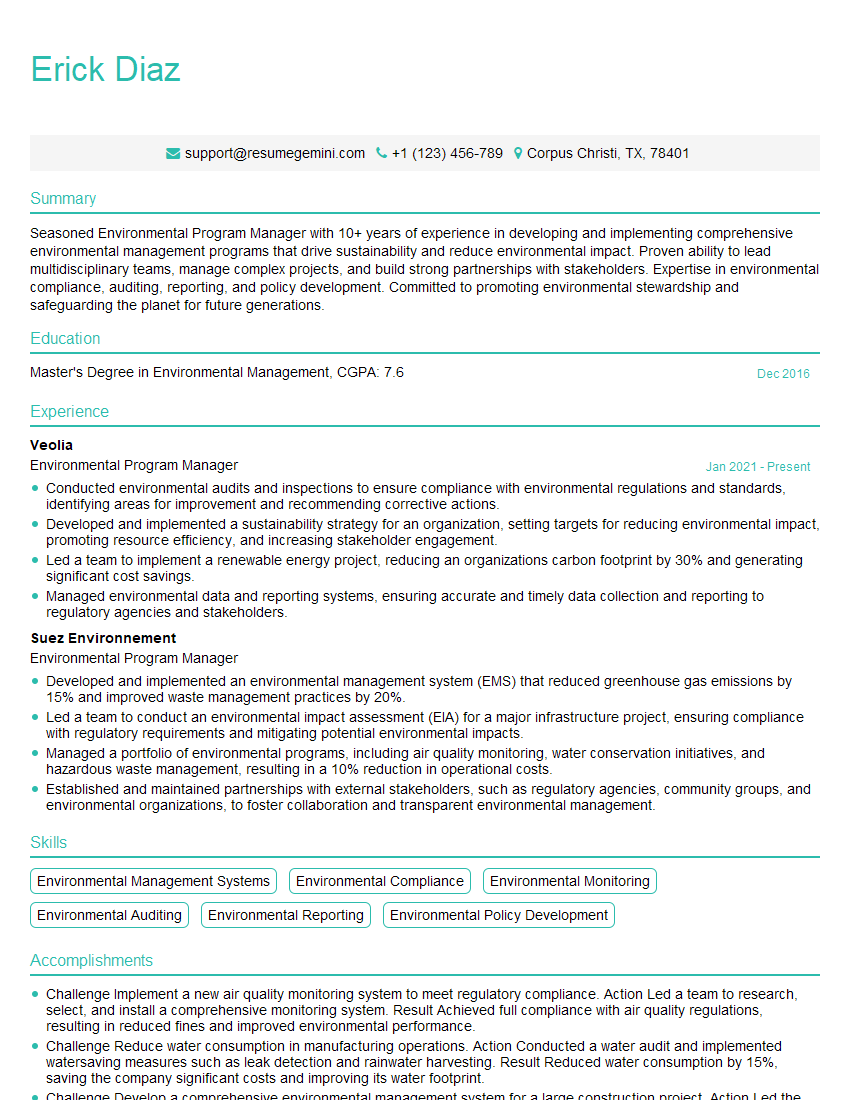
Environmental Program Manager Resume Sample
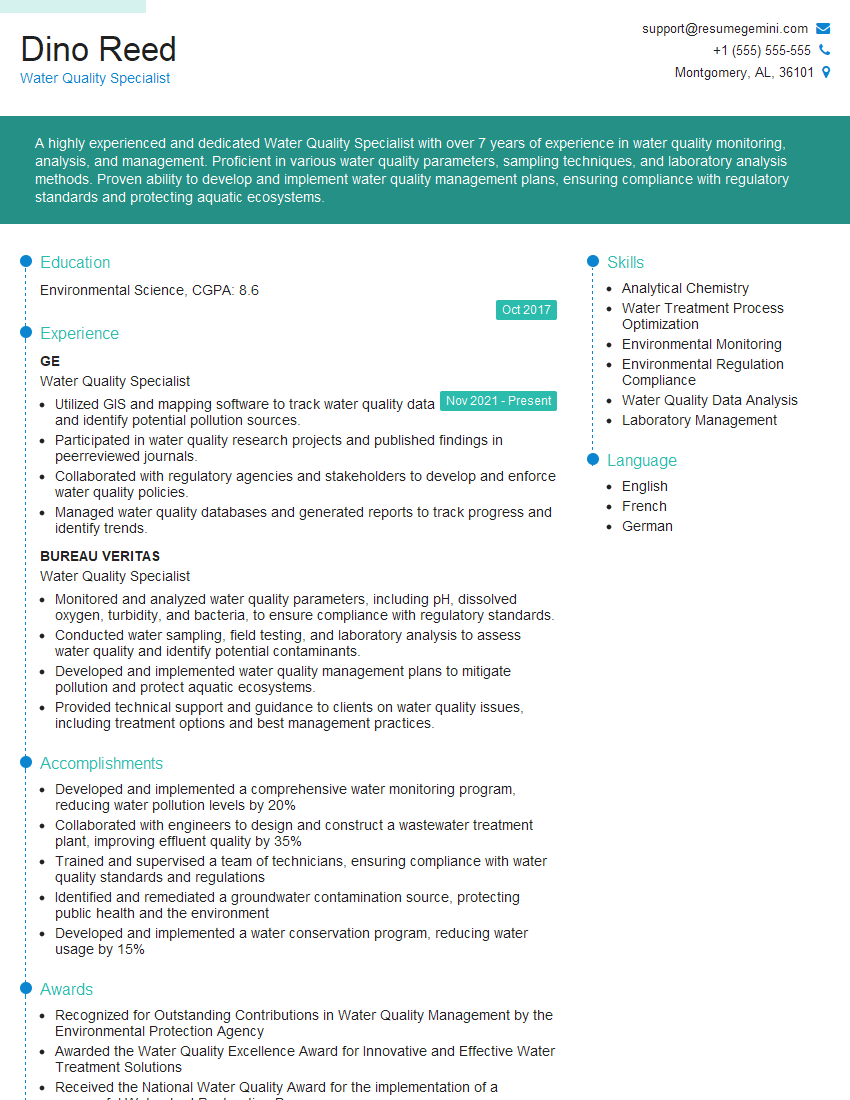
Water Quality Specialist Resume Sample

Compliance Officer Resume Sample
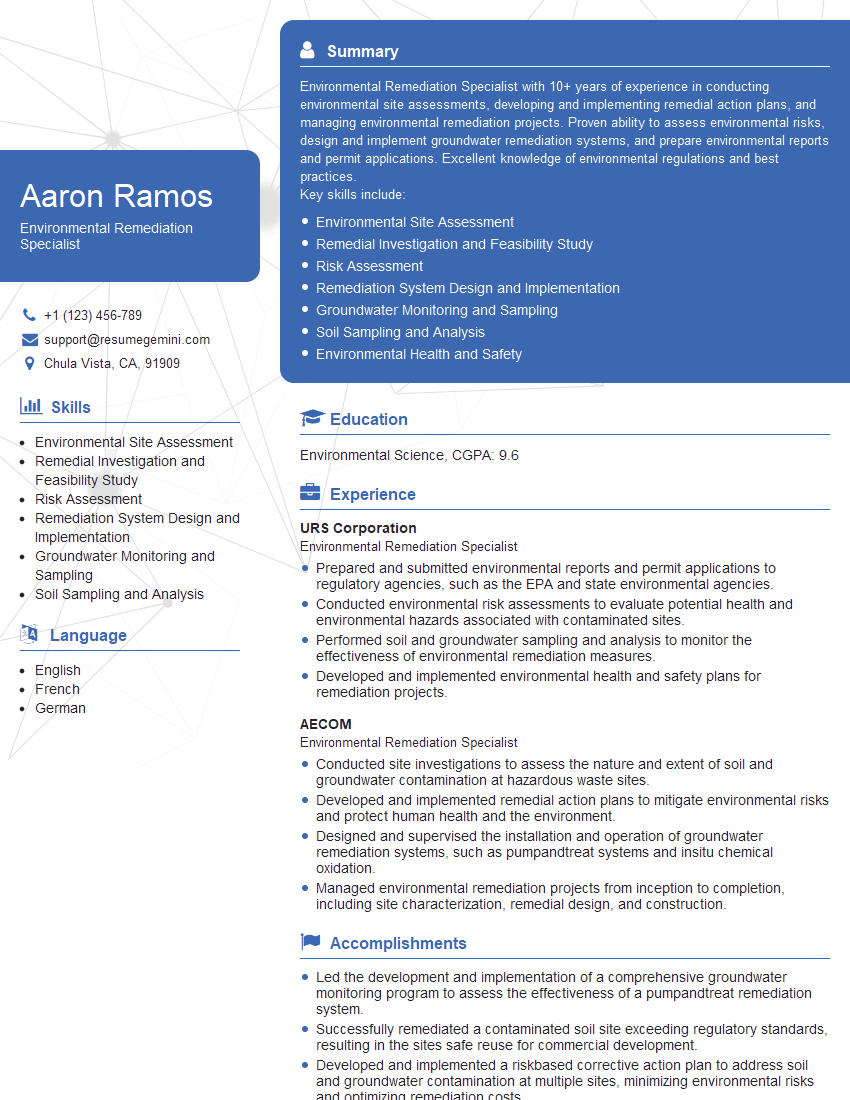
Environmental Remediation Specialist Resume Sample
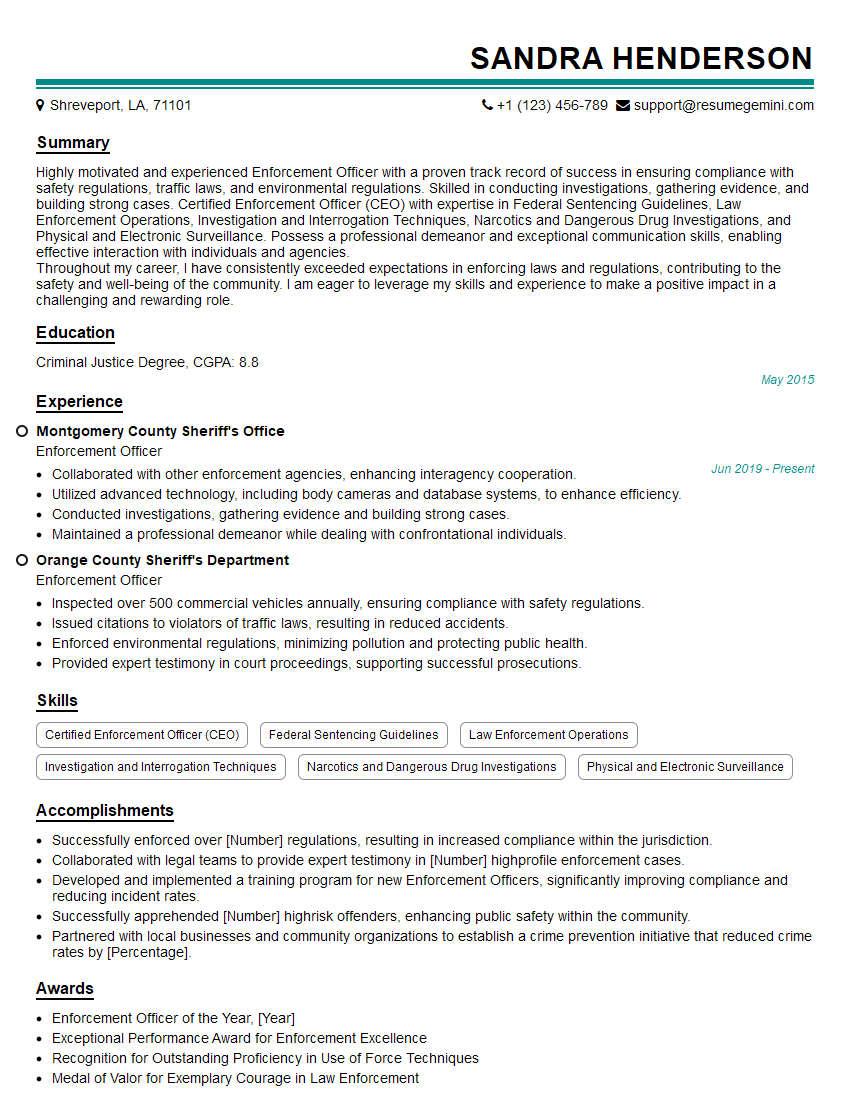
Enforcement Officer Resume Sample
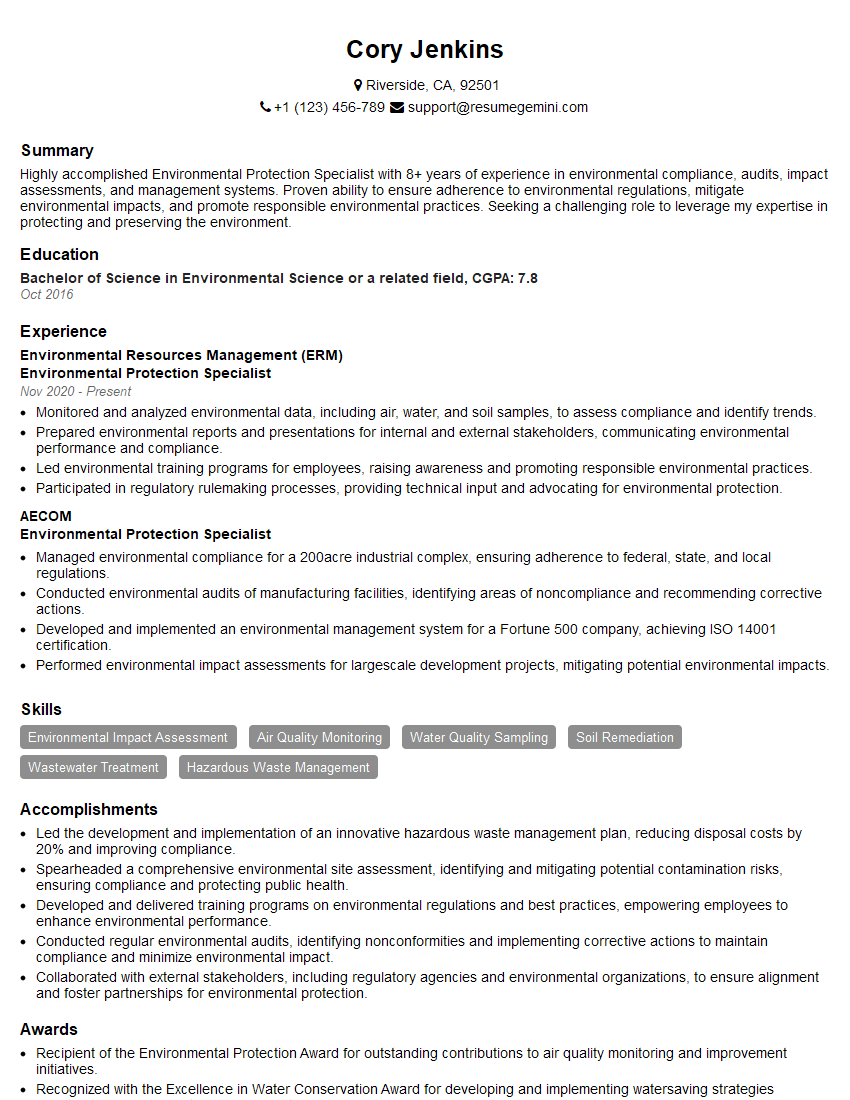
Environmental Protection Specialist Resume Sample
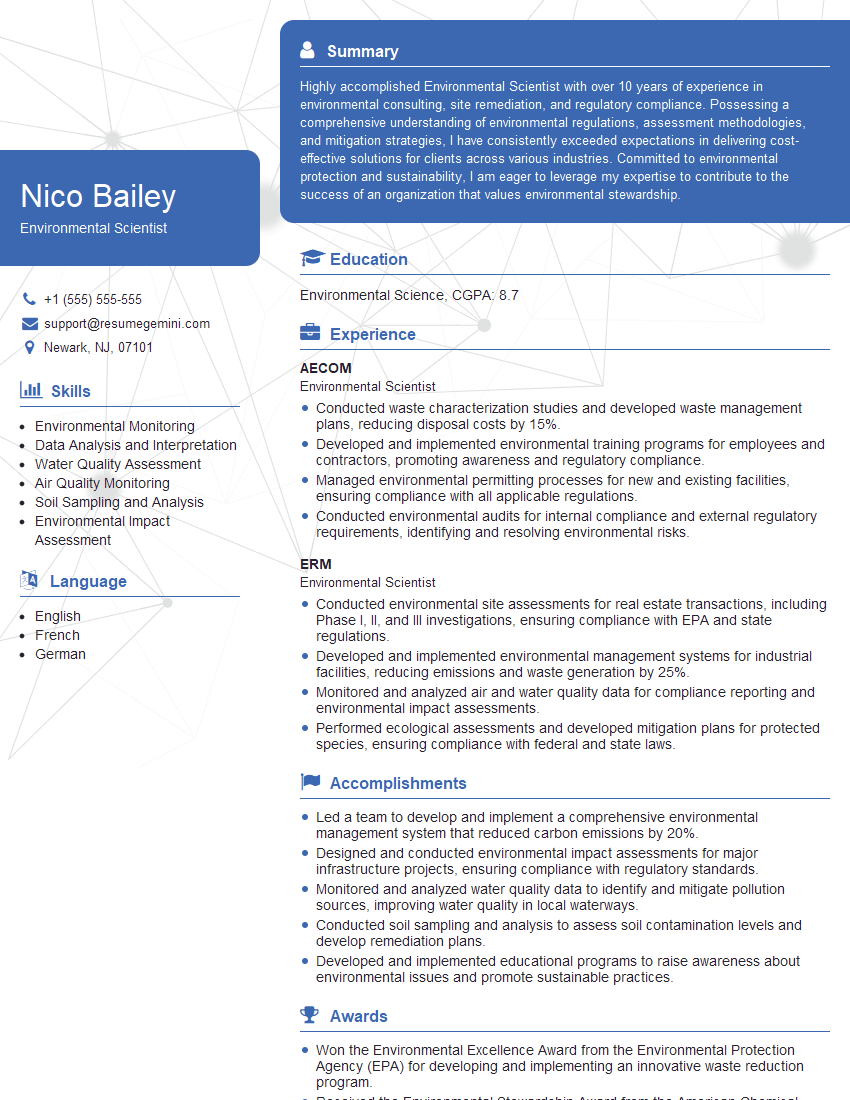
Environmental Scientist Resume Sample
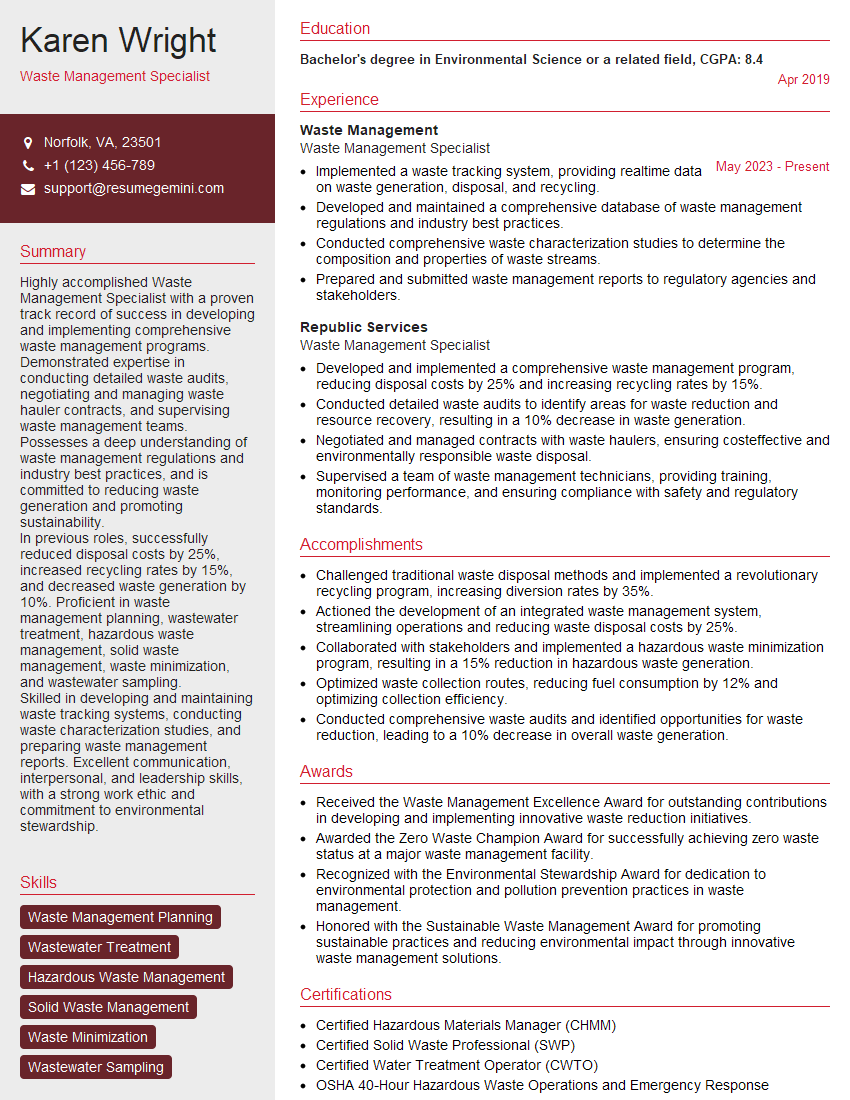
Waste Management Specialist Resume Sample
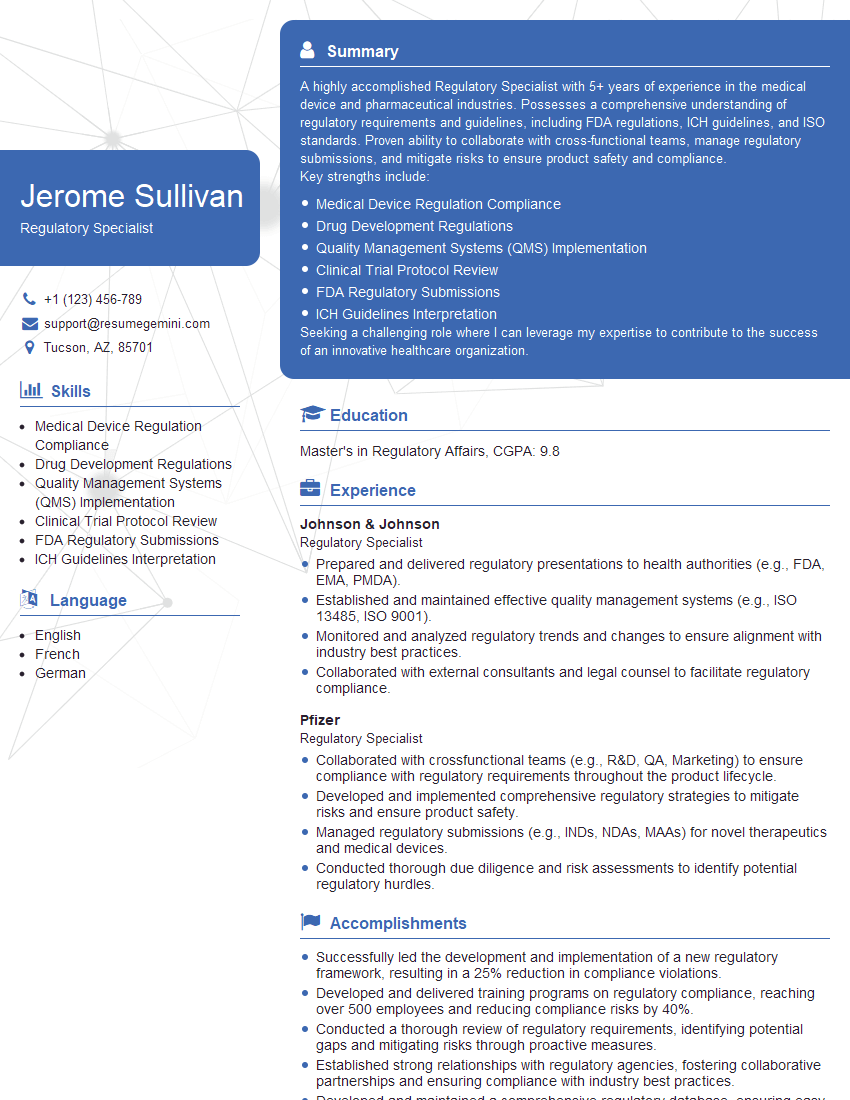
Regulatory Specialist Resume Sample
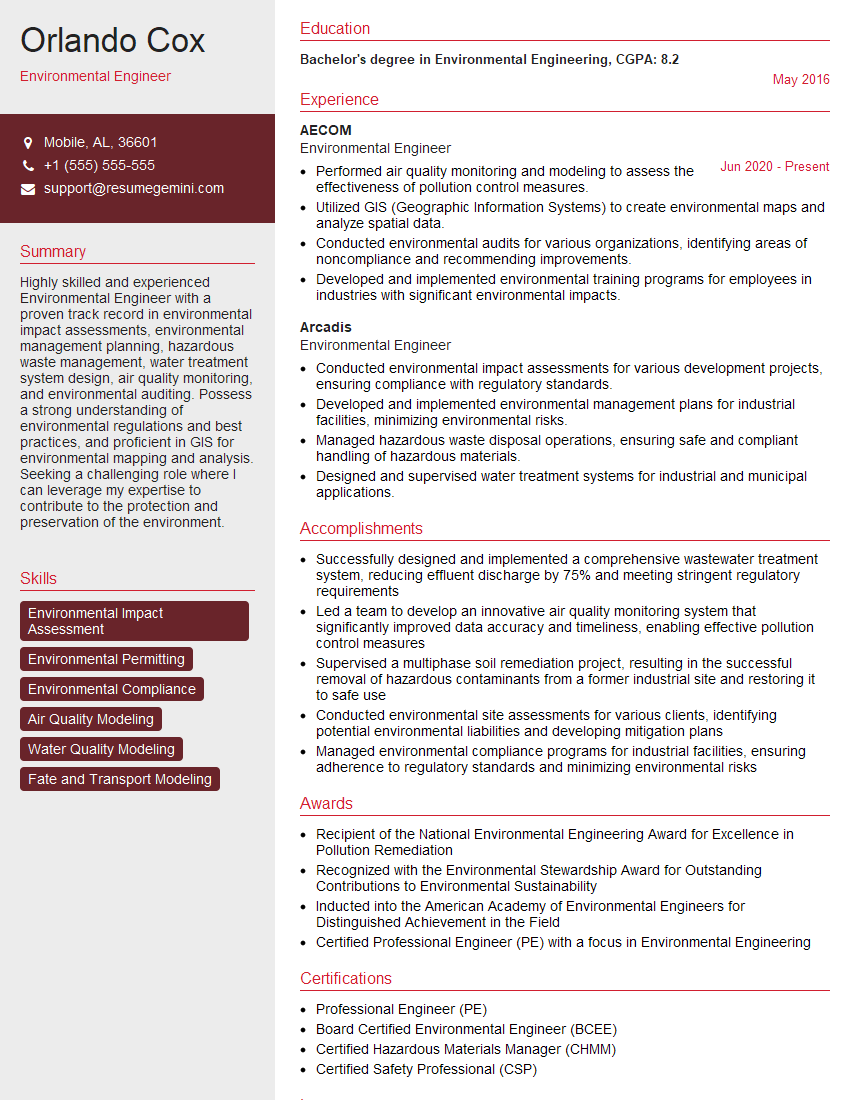
Environmental Engineer Resume Sample
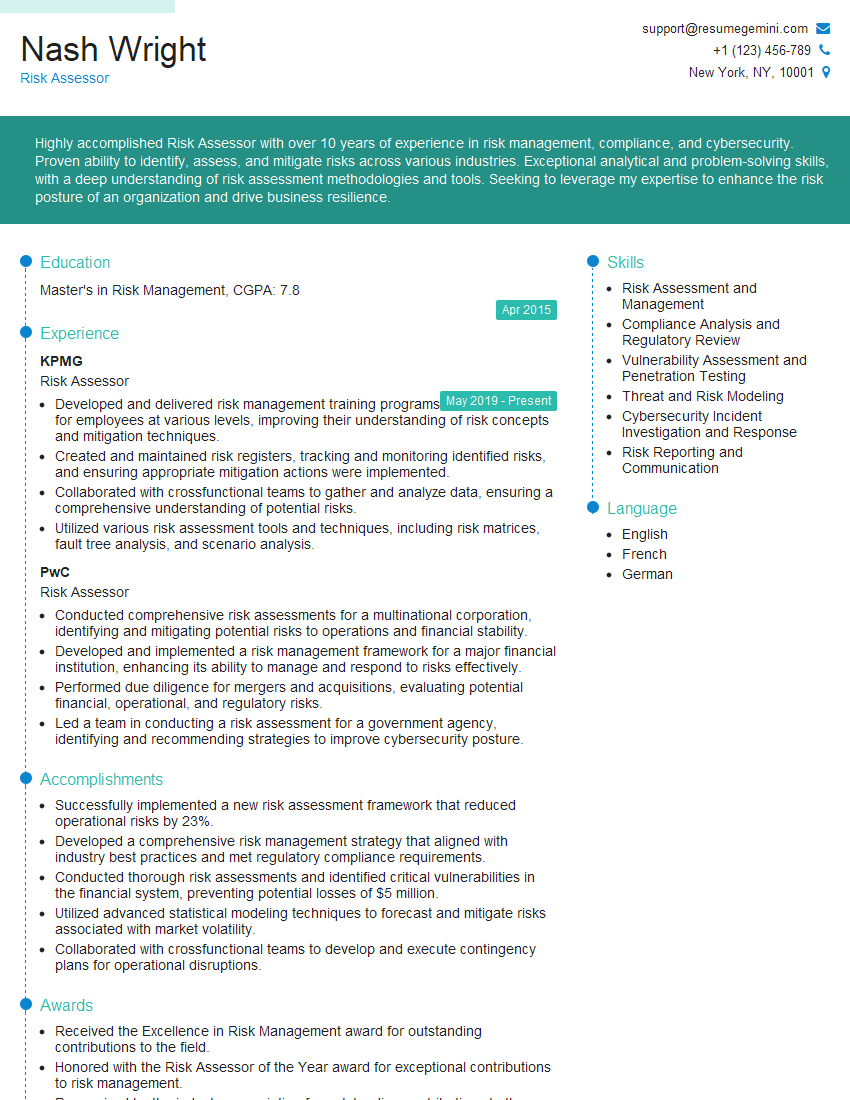
Risk Assessor Resume Sample
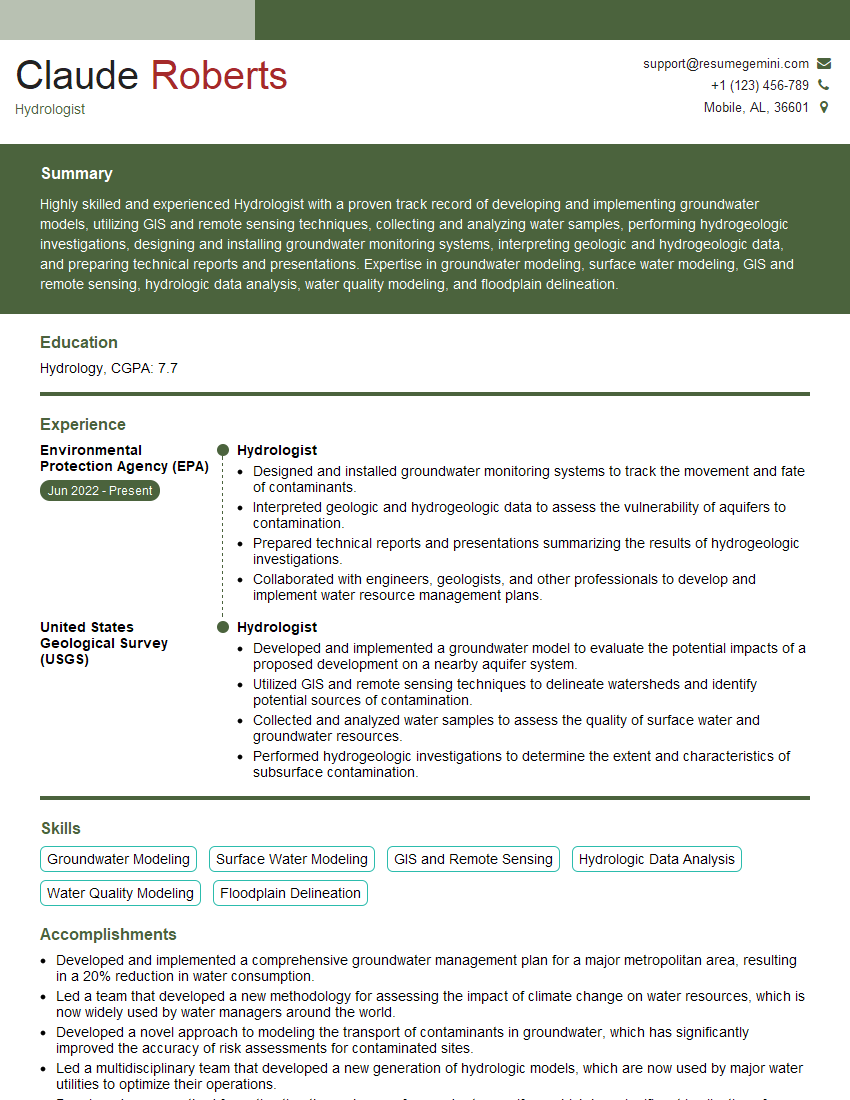
Hydrologist Resume Sample
Explore more articles
Users Rating of Our Blogs
Share Your Experience
We value your feedback! Please rate our content and share your thoughts (optional).
What Readers Say About Our Blog
Very informative content, great job.
good