Are you ready to stand out in your next interview? Understanding and preparing for Unload Planning interview questions is a game-changer. In this blog, we’ve compiled key questions and expert advice to help you showcase your skills with confidence and precision. Let’s get started on your journey to acing the interview.
Questions Asked in Unload Planning Interview
Q 1. Describe your experience optimizing unload processes in a warehouse environment.
Optimizing unload processes hinges on understanding the entire workflow, from the moment a truck arrives to when goods are shelved. In my previous role at a large distribution center, we significantly improved unload times by implementing a ‘pre-unload’ system. This involved receiving advance shipment notices (ASNs) and pre-assigning receiving docks and personnel based on the type and quantity of goods. We also utilized barcode scanning technology to accelerate the check-in process and minimize errors. Before this, we relied on manual documentation and this led to frequent delays and misplacement of goods. The change resulted in a 25% reduction in unloading time and a noticeable decrease in errors.
Another key element was optimizing the layout of the receiving area. We strategically positioned staging areas closer to the storage locations for frequently moved items, reducing the travel time for forklifts and personnel. This improvement alone reduced our unloading times by 10%.
Q 2. How do you prioritize unloading tasks to maximize efficiency?
Prioritizing unloading tasks involves a multi-faceted approach. First, I consider urgency. Perishable goods or time-sensitive orders naturally take precedence. Second, I factor in volume and the impact on downstream processes. Unloading large, bulky items efficiently prevents bottlenecks in later stages. Third, I look at the item’s location. If an item is crucial for an immediate order fulfillment, it deserves higher priority.
I often utilize a Kanban-like system, visually representing the prioritization and status of each unloading task. This gives everyone involved a clear understanding of what needs to be done and when. For example, we might color-code tasks based on priority: red for urgent, yellow for high, green for standard.
Q 3. Explain your approach to managing unexpected delays during unloading.
Unexpected delays are inevitable, but mitigating their impact is crucial. My approach involves proactive communication and flexibility. As soon as a delay is identified – whether due to damaged goods, equipment malfunction, or late arrivals – I immediately inform all relevant parties: warehouse management, transportation providers, and the receiving team. Open communication helps prevent further cascading delays.
Then, I assess the nature and severity of the delay. If it’s a minor issue, we adjust the workflow accordingly, perhaps re-prioritizing tasks to minimize disruption. For major delays, I develop contingency plans. This might include bringing in additional resources or temporarily diverting incoming shipments to alternative docks. Having a well-defined escalation process helps to ensure that larger problems are addressed rapidly.
Q 4. What metrics do you use to measure the effectiveness of an unload plan?
Measuring the effectiveness of an unload plan requires a combination of metrics. Key indicators include:
- Unload time per unit: This provides insight into overall efficiency and identifies areas for improvement.
- On-time arrival rate: This metric demonstrates the accuracy of planning and coordination with transport providers.
- Error rate (damaged goods, misplacements): A low error rate shows the effectiveness of the processes and the training of personnel.
- Dock utilization: Measuring the percentage of time docks are actively used helps optimize resource allocation.
- Throughput: This indicates the total volume of goods unloaded within a specific timeframe.
By tracking these metrics over time, we can identify trends and make data-driven decisions to optimize the unload plan.
Q 5. How do you handle discrepancies between planned and actual unload times?
Discrepancies between planned and actual unload times require a thorough investigation. I start by analyzing the root cause of the difference. Was it due to unforeseen circumstances (e.g., equipment malfunction, unexpected delays), inefficient processes, or inaccurate initial estimations? A good tracking system allows for retrospective analysis of these factors.
Once the reason is determined, I take corrective actions. This might involve adjusting the plan to account for realistic time buffers, improving communication protocols, or retraining staff. Documentation is vital here. I record the discrepancy, the root cause, and the implemented solutions to prevent similar issues in the future.
Q 6. Describe a time you had to revise an unload plan due to unforeseen circumstances.
During a particularly busy holiday season, a major supplier experienced an unexpected delay due to a severe winter storm. Their delivery, containing a significant portion of our inventory, was delayed by two days. My initial plan relied heavily on this shipment.
To adapt, I first rerouted some incoming shipments from other suppliers to make space. Then, I collaborated with the warehouse team to prioritize the unloading of the partially arrived shipment, focusing on the most urgent items. We also temporarily adjusted our staffing schedule and re-prioritized orders based on their urgency and the availability of inventory. The revised plan helped us minimize the impact on order fulfillment during peak demand. Although we faced some delays, the quick adaptation prevented a major disruption.
Q 7. What software or tools are you proficient in using for unload planning?
I am proficient in several software tools for unload planning. My experience includes using Warehouse Management Systems (WMS) like SAP WM and Manhattan Associates. These systems allow for advanced planning features, including appointment scheduling, real-time tracking of inbound shipments, and automated task assignments.
I’m also skilled in using Microsoft Excel and other spreadsheet software for data analysis and generating reports. I often use these to visualize key metrics and identify areas for improvement within the unloading process.
Q 8. How do you ensure safety protocols are followed during unloading operations?
Safety is paramount in unloading operations. We begin by ensuring all personnel are properly trained and equipped with the necessary Personal Protective Equipment (PPE), including safety shoes, high-visibility vests, and hard hats. Before any unloading commences, a thorough risk assessment is conducted to identify potential hazards like unstable loads, slippery surfaces, or heavy machinery. This assessment informs the development of a site-specific safety plan outlining clear procedures and responsibilities. We use standardized checklists to ensure all safety protocols are adhered to consistently. For example, we might have a checklist for securing loads before unloading, and another for ensuring proper use of forklifts and other equipment. Regular safety meetings and refresher training further reinforce these protocols. We also implement a ‘stop work authority’ – any team member can halt operations if they identify an immediate safety concern.
Furthermore, we implement clear signage indicating safety zones and restricted areas. Communication is crucial; we use two-way radios to maintain constant contact between team members and supervisors, enabling quick response to any incident. Finally, we diligently track safety incidents and near misses to identify trends and implement corrective actions to prevent future occurrences.
Q 9. How do you coordinate with other departments to ensure a smooth unloading process?
Coordinating with other departments is vital for a seamless unloading process. Effective communication is key. Before the shipment arrives, we coordinate with the receiving department to confirm the order details, including the number of pallets, type of goods, and any special handling instructions. This ensures that adequate space and resources are available. We also collaborate with the warehouse team to determine the optimal storage location for the goods, considering factors like product type, shelf life, and accessibility. With the transportation department, we confirm the delivery schedule and ensure the unloading area is accessible for the trucks. If there are any delays or issues, we maintain open communication channels to inform all relevant parties promptly. Think of it as a well-orchestrated symphony; each department plays its part in harmony to achieve a smooth and efficient outcome. Regular meetings and shared dashboards help us maintain visibility and proactively address potential issues.
Q 10. Explain your understanding of different unloading methods and their applications.
Various unloading methods exist, each suited to different circumstances. Manual unloading involves using hand trucks or other manual equipment; this is suitable for smaller shipments or when machinery access is limited. Mechanical unloading employs machinery like forklifts, conveyors, or cranes, significantly speeding up the process and improving efficiency for larger shipments. For example, a forklift is ideal for palletized goods, while a conveyor belt is better suited for bulk materials. Automated systems, such as automated guided vehicles (AGVs) or robotic arms, are used in highly automated warehouses to maximize efficiency and minimize human intervention. The choice of method depends on factors such as shipment size, product characteristics, available equipment, and budget constraints. In selecting the method, safety remains the primary consideration.
Q 11. How do you optimize space utilization during the unloading process?
Optimizing space utilization is critical for warehouse efficiency. We employ several strategies: Firstly, we use efficient storage techniques, such as block stacking and utilizing vertical space with racking systems. Secondly, we use sophisticated software to optimize the placement of goods in the warehouse, minimizing wasted space. Thirdly, we regularly audit our warehouse layout and adjust it based on inventory turnover and demand patterns. For example, fast-moving items are placed in easily accessible locations to minimize picking time. We also aim to minimize aisle widths to maximize storage capacity while ensuring sufficient space for safe equipment maneuvering. Regular inventory checks help us identify any areas where space is being inefficiently utilized, allowing for timely adjustments.
Q 12. How do you manage the flow of inbound and outbound shipments?
Managing the flow of inbound and outbound shipments requires a well-organized system. We utilize Warehouse Management Systems (WMS) to track inbound shipments from the moment they are scheduled until they are unloaded and stored. This system helps us anticipate arrival times, allocate resources accordingly, and prioritize urgent orders. For outbound shipments, the WMS facilitates order picking, packing, and shipping, ensuring a smooth flow of goods. We employ strategies like cross-docking, where incoming goods are immediately transferred to outgoing shipments, minimizing storage time and optimizing warehouse space. Real-time tracking and reporting allow us to monitor the entire process and identify bottlenecks or inefficiencies, optimizing the overall flow.
Q 13. Describe your experience with different types of unloading equipment.
My experience encompasses a range of unloading equipment. I am proficient in operating and overseeing the safe use of forklifts, both counterbalanced and reach trucks, ensuring operators possess the necessary certifications and training. I have experience with conveyor systems, including their setup, maintenance, and troubleshooting. I’m also familiar with crane operations, particularly for heavier or bulkier loads. Moreover, I’ve worked with automated guided vehicles (AGVs) in highly automated facilities. My understanding extends beyond operation to include equipment maintenance schedules and safety procedures. The selection of equipment is always carefully assessed based on the specific requirements of the load and the warehouse environment.
Q 14. How do you handle damaged goods during the unloading process?
Handling damaged goods requires a structured approach. Upon detection, we immediately document the damage, including photographs and a detailed description, noting the extent of the damage and any potential causes. We separate damaged goods from undamaged ones to prevent further damage or contamination. The damaged goods are then processed according to established procedures; this might involve returning them to the supplier, initiating a claim with the carrier, or disposing of them appropriately, depending on the severity of the damage and company policy. Clear documentation throughout the process is crucial for facilitating any claims or investigations.
Q 15. What strategies do you employ to reduce unloading times?
Reducing unloading times is crucial for efficiency and cost-effectiveness. My strategies focus on optimizing the entire process, from pre-arrival planning to post-unload verification. This involves several key approaches:
- Pre-planning and Communication: Before the truck even arrives, I ensure accurate delivery manifests are received and reviewed. This allows for pre-assignment of dock doors and personnel, minimizing wait times. Clear communication with drivers about procedures and potential delays is paramount.
- Efficient Dock Operations: We use a first-in, first-out (FIFO) system to minimize congestion. Optimized door assignments based on product type and delivery volume improve workflow. Proper equipment maintenance, such as forklifts and pallet jacks, is essential for preventing downtime.
- Improved Material Handling: Implementing standardized unloading procedures, including clearly marked unloading zones and designated personnel, significantly speeds up the process. Employing efficient techniques like cross-docking, where goods are transferred directly from incoming to outgoing vehicles, can dramatically reduce handling time.
- Technology Integration: Utilizing barcode scanners and RF (radio frequency) devices allows for real-time tracking of goods during unloading, enabling faster inventory updates and identifying bottlenecks immediately. WMS integration allows for automated task assignments and optimized routing.
For example, at a previous role, we implemented a new system that pre-assigned docks based on the truck’s contents, reducing unloading time by 15% by eliminating the need for sorting incoming goods on the dock.
Career Expert Tips:
- Ace those interviews! Prepare effectively by reviewing the Top 50 Most Common Interview Questions on ResumeGemini.
- Navigate your job search with confidence! Explore a wide range of Career Tips on ResumeGemini. Learn about common challenges and recommendations to overcome them.
- Craft the perfect resume! Master the Art of Resume Writing with ResumeGemini’s guide. Showcase your unique qualifications and achievements effectively.
- Don’t miss out on holiday savings! Build your dream resume with ResumeGemini’s ATS optimized templates.
Q 16. How do you manage labor resources during peak unloading periods?
Managing labor during peak periods requires a multi-pronged approach. It’s not just about having enough people, but about having the right people in the right place at the right time.
- Forecasting and Scheduling: Accurate forecasting of peak unloading periods is vital. This allows for proactive scheduling of additional temporary staff or overtime for existing employees. Historical data and sales forecasts are essential for these predictions.
- Cross-Training: Cross-training employees in different unloading tasks provides flexibility to handle unexpected surges or absences. A worker familiar with multiple tasks can fill in where needed, maintaining operational efficiency.
- Teamwork and Communication: Effective teamwork and clear communication are crucial. A well-organized team, with clear roles and responsibilities, can significantly improve unloading speed compared to disjointed efforts.
- Incentive Programs: Performance-based incentives, such as bonuses or recognition programs, can motivate employees to work efficiently during peak times. This encourages teamwork and a sense of shared responsibility for timely unloading.
In one instance, we implemented a tiered bonus system based on daily unloading targets, which increased productivity by 10% during our busiest months.
Q 17. How do you integrate unload planning with inventory management systems?
Unload planning is intrinsically linked to inventory management. Seamless integration ensures accurate tracking of goods from the moment they arrive until they’re placed in their designated storage locations. This integration typically involves:
- Real-time Data Synchronization: The WMS system needs to receive real-time updates on inbound shipments and the unloading progress. This allows inventory levels to be adjusted immediately, preventing discrepancies and ensuring accurate stock counts.
- Automated Task Assignments: The WMS can assign tasks to specific personnel based on factors like item location, skill sets, and availability, optimizing workforce utilization during unloading.
- Automated Reporting and Analytics: Integrated systems provide valuable insights into unloading performance, identifying bottlenecks and areas for improvement. This data can be used for optimizing future unloading plans and resource allocation.
- Improved Inventory Accuracy: Real-time updates prevent inventory discrepancies and improve overall accuracy. This reduces the time spent on reconciliation and ensures sufficient stock is available to meet customer demand.
Imagine a scenario without integration: Manual data entry is slow, prone to errors, and delays stock updates. A well-integrated system provides a real-time, accurate view of inventory, significantly streamlining operations.
Q 18. Explain your understanding of lean principles in the context of unloading.
Lean principles, focused on eliminating waste and maximizing efficiency, are highly applicable to unloading. In the context of unloading, this means targeting areas like:
- Waste Reduction (Muda): Identifying and removing any unnecessary movement, waiting, over-processing, inventory, transportation, defects, and underutilized talent in the unloading process.
- Value Stream Mapping: Analyzing the entire unloading process to identify bottlenecks and areas for improvement. This involves mapping every step, from truck arrival to storage, to pinpoint inefficiencies.
- 5S Methodology (Sort, Set in Order, Shine, Standardize, Sustain): Applying the 5S principles to the unloading area creates a clean, organized, and efficient workspace, reducing the time spent searching for items and improving safety.
- Kaizen (Continuous Improvement): Regularly evaluating and improving the unloading process based on feedback and data analysis. Small, incremental changes over time can lead to significant improvements.
For example, implementing a pull system, where goods are only unloaded as needed by downstream processes, can significantly reduce excess inventory and storage space.
Q 19. How do you ensure accurate documentation of unloading activities?
Accurate documentation is crucial for accountability, traceability, and efficient inventory management. My approach incorporates several measures:
- Digital Documentation: Using digital systems, such as barcode scanners and handheld devices, ensures accurate and timely recording of all unloading activities. This eliminates manual errors and provides a readily accessible audit trail.
- Real-time Data Capture: The data captured during unloading should be instantly integrated into the WMS, eliminating manual data entry and reducing the chance of errors. This immediate update provides real-time visibility into inventory and unloading progress.
- Verification Procedures: Implementing verification checks at each stage of the unloading process—checking against delivery manifests, scanning barcodes, and confirming quantities—ensures accuracy. Any discrepancies should be noted and immediately resolved.
- Audit Trails: The system should maintain a comprehensive audit trail, tracking who, what, when, and where actions occurred. This provides transparency and accountability, allowing us to identify and rectify any issues quickly.
For example, we use a system that automatically generates reports on discrepancies, allowing immediate corrective actions and minimizing the impact of errors.
Q 20. Describe your experience with WMS (Warehouse Management Systems) in unload planning.
I have extensive experience leveraging WMS (Warehouse Management Systems) for unload planning. My experience covers various aspects of WMS implementation and utilization:
- System Selection and Implementation: I’ve been involved in selecting and implementing several WMS solutions, considering factors such as scalability, integration capabilities, user-friendliness, and cost-effectiveness.
- Configuration and Customization: I understand how to configure and customize WMS parameters to optimize the unloading process based on specific warehouse needs and operational requirements. This includes setting up rules for dock assignments, task prioritization, and exception handling.
- Data Integration and Reporting: I have experience integrating WMS with other systems, such as TMS (Transportation Management Systems) and ERP (Enterprise Resource Planning) systems, for seamless data flow. This facilitates efficient data analysis and reporting on key unloading metrics.
- User Training and Support: I’m proficient in training warehouse staff on the proper use of the WMS and providing ongoing support to resolve issues and enhance user efficiency.
In a previous role, I helped implement a new WMS, leading to a 20% reduction in unloading time and a 15% improvement in inventory accuracy.
Q 21. How do you address capacity constraints during the unloading process?
Addressing capacity constraints during unloading requires a proactive and multi-faceted approach:
- Process Optimization: Analyzing the unloading process to identify bottlenecks and inefficiencies. This often reveals opportunities to improve workflow, such as optimizing dock assignments, improving material handling, and streamlining processes.
- Resource Optimization: Evaluating the current resources – personnel, equipment, and space – to determine if they are optimally utilized. This may involve adjusting staffing levels, upgrading equipment, or reconfiguring the warehouse layout.
- Peak Demand Planning: Developing strategies to manage peak unloading periods. This may include implementing overtime, hiring temporary staff, or using alternative unloading locations or methods.
- Technology Solutions: Leveraging technology, such as WMS and advanced material handling equipment, to improve efficiency and capacity. This may involve implementing automation, such as automated guided vehicles (AGVs), to improve throughput.
- Expansion Planning: Considering long-term capacity expansion if existing solutions are insufficient. This may involve expanding warehouse space, increasing dock capacity, or investing in additional equipment.
For instance, in one case we identified a bottleneck at a specific dock door due to insufficient space for staging materials. By rearranging the layout of that area, we were able to increase throughput by 15% without any significant capital investment.
Q 22. What is your experience with different types of transportation modes and their impact on unloading?
My experience spans various transportation modes, each impacting unloading significantly. Truck unloading, for instance, is often quicker for smaller shipments but requires efficient dock management and potentially specialized equipment like forklifts or conveyors. Rail transport, while offering greater volume capacity, necessitates slower, more organized unloading procedures due to the sheer scale of the operation. This might involve the use of cranes, specialized railcars, and extensive staging areas. Ocean freight, the slowest method, demands meticulous planning due to port congestion, customs clearance, and the need for specialized handling equipment for containers. The impact on unloading is reflected in the time required, the resources needed, and the potential for bottlenecks. For example, in one project involving a large retail client, we shifted from predominantly truck delivery to a combination of rail and truck, leading to a 20% reduction in unloading time by optimizing the staging and utilizing a more efficient rail unloading system.
Understanding the specific characteristics of each mode is key to creating an efficient unload plan. Factors such as cargo type, volume, fragility, and the receiving facility’s capabilities all influence the optimal choice of transportation and subsequent unloading strategy.
Q 23. How do you forecast unloading needs based on historical data and future demand?
Forecasting unloading needs involves a multi-step process that blends historical data analysis with future demand projections. First, we analyze past unloading data, including the volume of goods received, the time taken to unload, and any identified bottlenecks. We use statistical models, like time series analysis or regression techniques, to identify trends and seasonal variations in demand. This provides a baseline for our forecasts. Next, we incorporate external factors, such as predicted sales figures, planned promotions, seasonal fluctuations (e.g., increased demand during holidays), and any anticipated changes in supply chain operations.
We often utilize forecasting software that incorporates these diverse data sources and provides us with a probabilistic range of unloading volumes, rather than a single point estimate. This allows for contingency planning and resource allocation. For example, during peak seasons, we might schedule additional labor or equipment based on the projected increase in unloading volume. The accuracy of our forecasts is continuously monitored and adjusted through feedback loops, comparing actual unloading times and volumes against the predictions.
Q 24. How do you communicate changes to the unload plan to relevant stakeholders?
Communicating changes to the unload plan requires a multi-faceted approach to ensure transparency and coordination. We use a variety of methods, depending on the urgency and the audience. For minor changes, a simple email notification or a quick team meeting might suffice. For significant changes, a more formal approach is necessary, often involving a written communication detailing the changes, their rationale, and the impact on other stakeholders.
We leverage project management tools to track changes and ensure everyone involved has access to the latest version of the unload plan. These tools might include shared spreadsheets, collaboration platforms, or specialized supply chain management software. Regular meetings with key stakeholders, including transportation providers, warehouse personnel, and receiving teams, are crucial to maintain open communication and address any concerns. Clear, concise communication is key to avoid misunderstandings and ensure a smooth transition to the revised plan. For example, if a shipment’s arrival is delayed, we immediately communicate that to the unloading team and adjust the schedule accordingly.
Q 25. Explain your problem-solving approach to resolving unloading bottlenecks.
My approach to resolving unloading bottlenecks is systematic and data-driven. It begins with identifying the bottleneck itself. This often involves analyzing historical data to pinpoint recurring delays or inefficiencies. For instance, we might discover a particular type of product frequently causes jams in the conveyor system.
Once identified, we employ a structured problem-solving method, such as the 5 Whys technique, to drill down to the root cause. After pinpointing the root cause, we brainstorm potential solutions. This process involves gathering input from all stakeholders, including unloading personnel, to leverage their on-the-ground experience. We then evaluate the feasibility and cost-effectiveness of each solution. Implementation is followed by careful monitoring to assess the effectiveness of the solution. If the bottleneck persists, we iterate on the process, refining our approach until a satisfactory resolution is reached. For example, installing a new piece of equipment to streamline a specific part of the process might be a solution, but it requires thorough testing and evaluation before implementation.
Q 26. Describe your experience with implementing new unloading technologies or procedures.
I’ve been involved in implementing several new unloading technologies and procedures, significantly improving efficiency. One notable example involves the implementation of a Radio Frequency Identification (RFID) system for tracking incoming shipments. This system provided real-time visibility into the location and status of goods, significantly reducing search time and improving the accuracy of inventory management.
Another project focused on implementing automated guided vehicles (AGVs) within a warehouse to transport goods from the unloading docks to storage areas. This automated system reduced the need for manual handling, improved safety, and reduced overall unloading time. When introducing new technologies, I prioritize thorough training and change management to ensure a smooth transition and minimize disruption. Key to success is to involve the workforce in the implementation process, gathering their feedback, and addressing their concerns. A phased rollout, starting with a pilot project, allows for incremental improvements and adjustments based on real-world experience.
Q 27. How do you balance speed and accuracy during unloading operations?
Balancing speed and accuracy during unloading is crucial. A purely speed-focused approach often leads to errors and damage to goods. Conversely, an overly cautious approach leads to delays and inefficiencies. The optimal approach involves finding the right balance by implementing standardized procedures, well-trained personnel, and appropriate technology.
We utilize quality control checkpoints throughout the unloading process to ensure accuracy and identify errors early. This might involve verifying product counts, checking for damage, and scanning barcodes to ensure goods are being allocated to the correct locations. Employing technology like barcode scanners and automated systems can significantly improve accuracy without sacrificing speed. By investing in employee training programs and continuous improvement initiatives, we aim for a streamlined process that improves both speed and accuracy while ensuring safety.
Q 28. How do you measure the return on investment (ROI) of improvements to the unload plan?
Measuring the ROI of improvements to the unload plan requires a careful consideration of both costs and benefits. We track key performance indicators (KPIs) such as unloading time, labor costs, damage rates, and inventory accuracy.
By comparing these KPIs before and after the implementation of improvements, we can quantify the financial impact of the changes. For example, a reduction in unloading time translates directly to lower labor costs and potentially reduced storage fees. A decrease in damage rates means fewer replacement costs. Improved inventory accuracy can lead to less waste and improved customer satisfaction. We often use cost-benefit analysis to evaluate the overall return on investment, factoring in the initial investment in technology or training against the long-term savings and efficiencies gained. A clear and comprehensive ROI analysis is crucial to justify the costs of improvement initiatives and demonstrate their value to the organization.
Key Topics to Learn for Unload Planning Interview
- Understanding Warehouse Layout and Operations: Familiarize yourself with different warehouse configurations, material handling equipment, and their impact on unload planning efficiency.
- Optimizing Unload Sequencing: Learn strategies for prioritizing unloading based on factors like product type, delivery urgency, and storage location. Practice applying these strategies to different scenarios.
- Resource Allocation and Management: Understand how to effectively allocate personnel, equipment, and space to minimize unload time and maximize throughput. This includes understanding constraints and limitations.
- Safety Regulations and Procedures: Become proficient in relevant safety protocols and best practices for unloading operations. This is crucial for demonstrating responsibility and competence.
- Inventory Management Integration: Explore how unload planning interacts with inventory management systems, ensuring accurate tracking and minimizing discrepancies.
- Data Analysis and Reporting: Understand how to collect and analyze data to identify areas for improvement in the unloading process and measure efficiency. Consider different metrics and reporting techniques.
- Technology and Software Applications: Explore common software and technologies used in warehouse management systems (WMS) and their role in streamlining unload planning. Focus on understanding the principles, not specific software names.
- Problem-Solving and Decision-Making under Pressure: Develop your ability to quickly assess situations, make informed decisions, and adapt to unexpected challenges during the unloading process. Practice identifying potential bottlenecks and developing solutions.
Next Steps
Mastering unload planning significantly enhances your value to any logistics or warehouse operation, opening doors to diverse and rewarding career opportunities. A well-crafted resume is essential for showcasing your skills and experience to potential employers. Creating an ATS-friendly resume will significantly increase your chances of getting your application noticed. ResumeGemini is a trusted resource to help you build a professional and impactful resume that highlights your qualifications in Unload Planning. Examples of resumes tailored to Unload Planning are available to guide you.
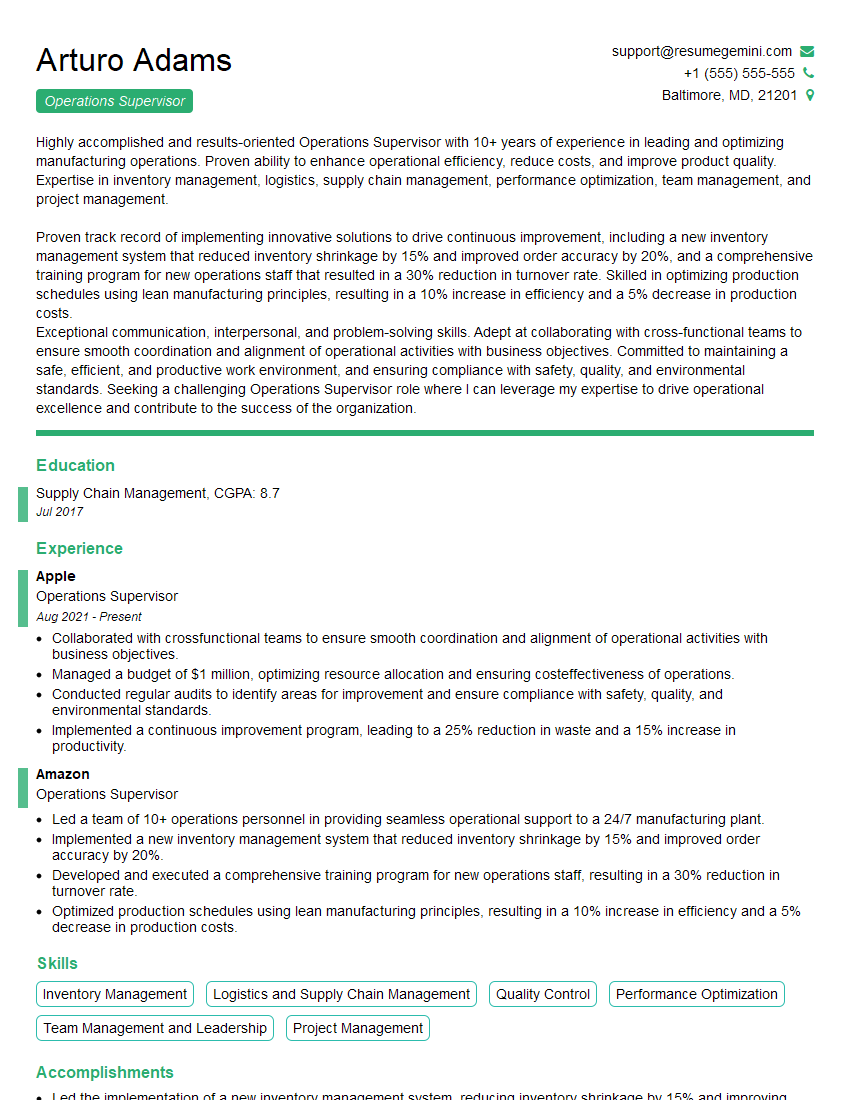
Operations Supervisor Resume Sample
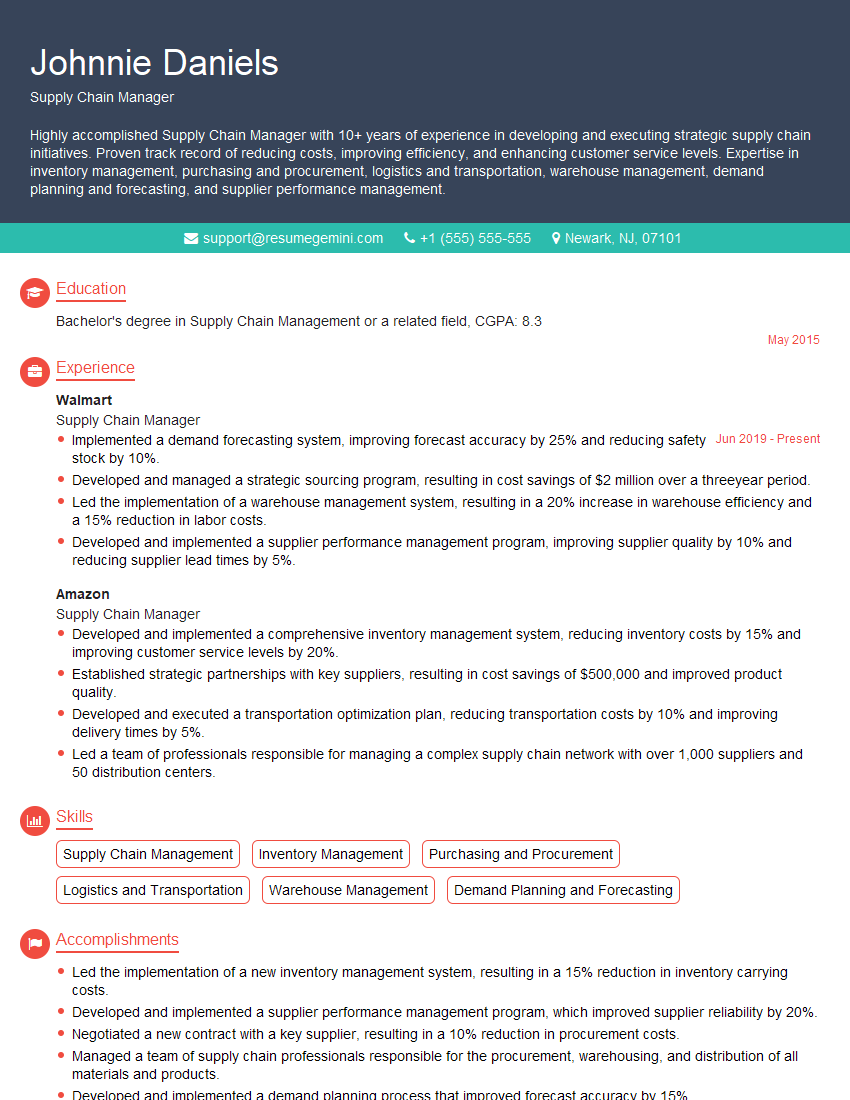
Supply Chain Manager Resume Sample
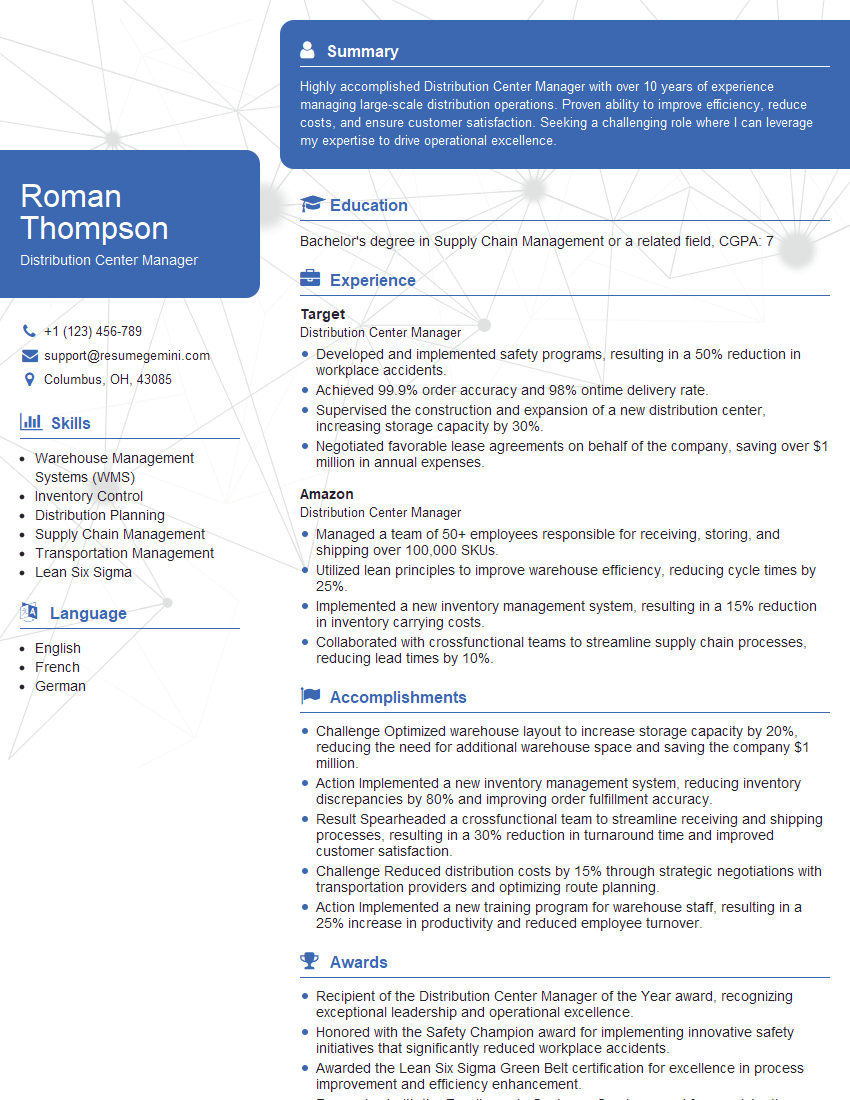
Distribution Center Manager Resume Sample
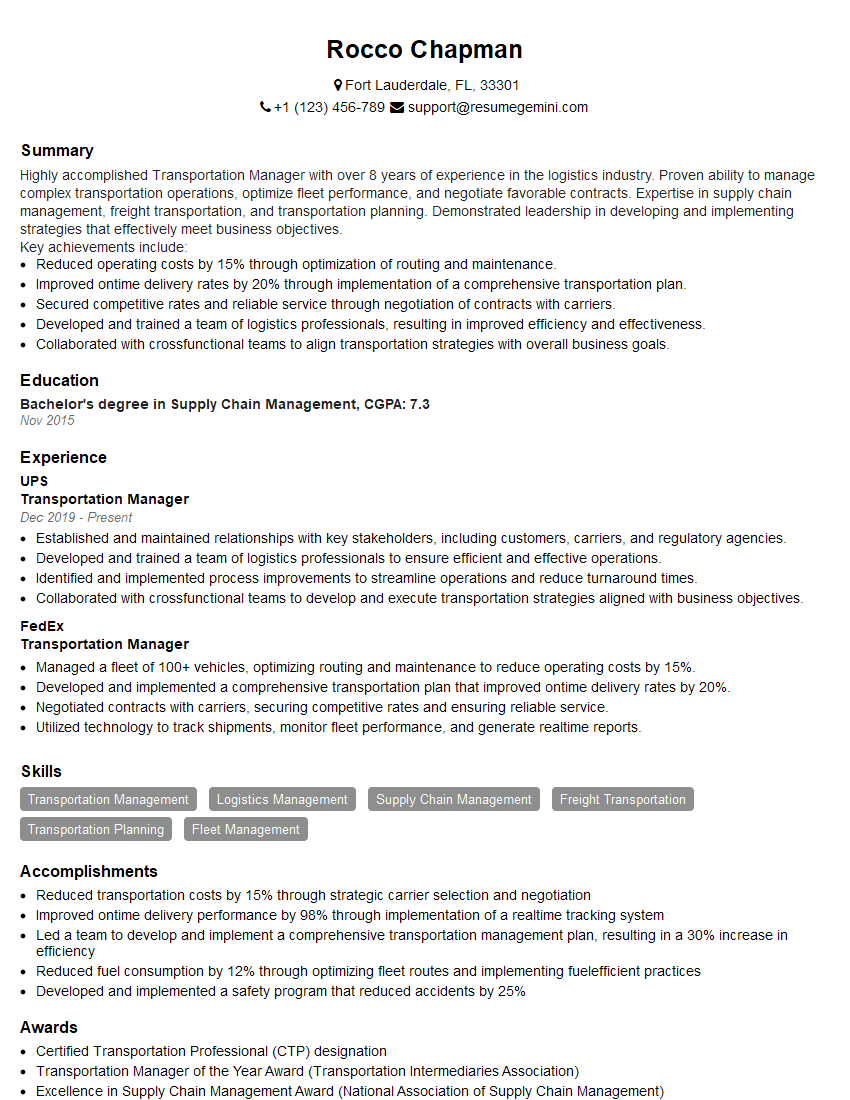
Transportation Manager Resume Sample

Warehouse Operations Manager Resume Sample

Dispatch Manager Resume Sample

Distribution Center Supervisor Resume Sample
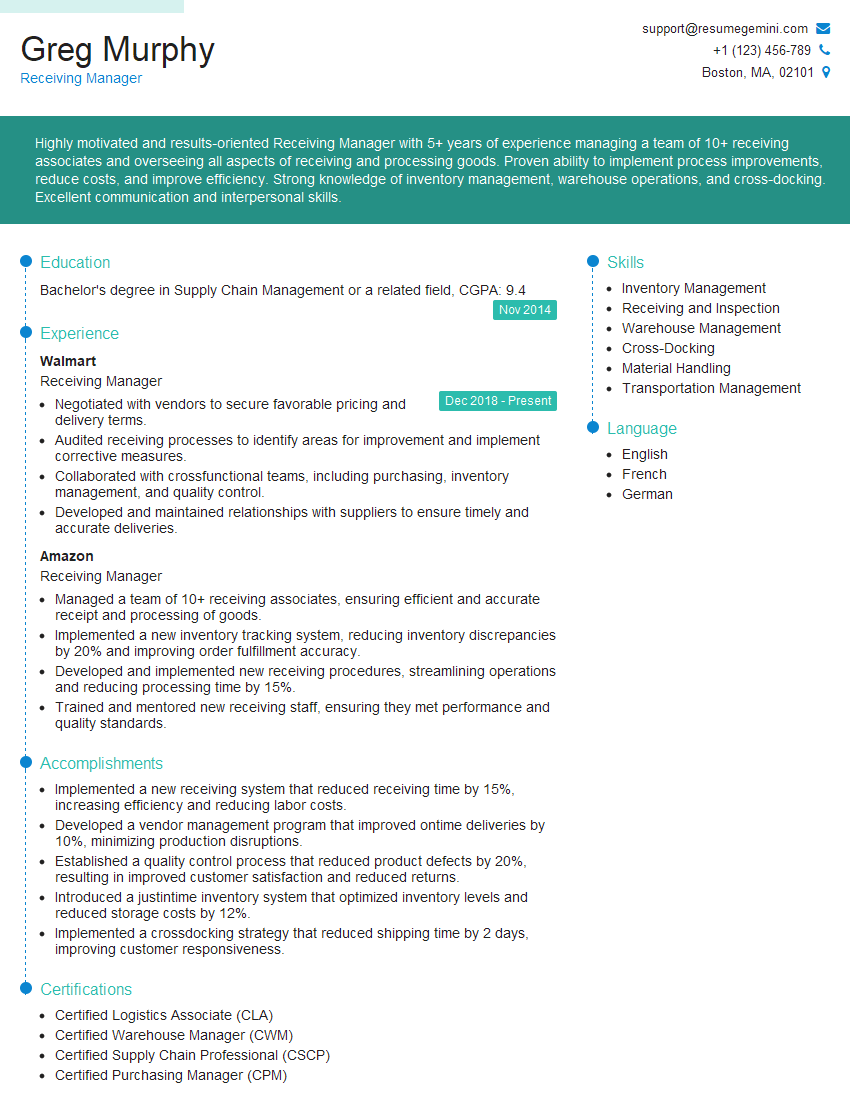
Receiving Manager Resume Sample
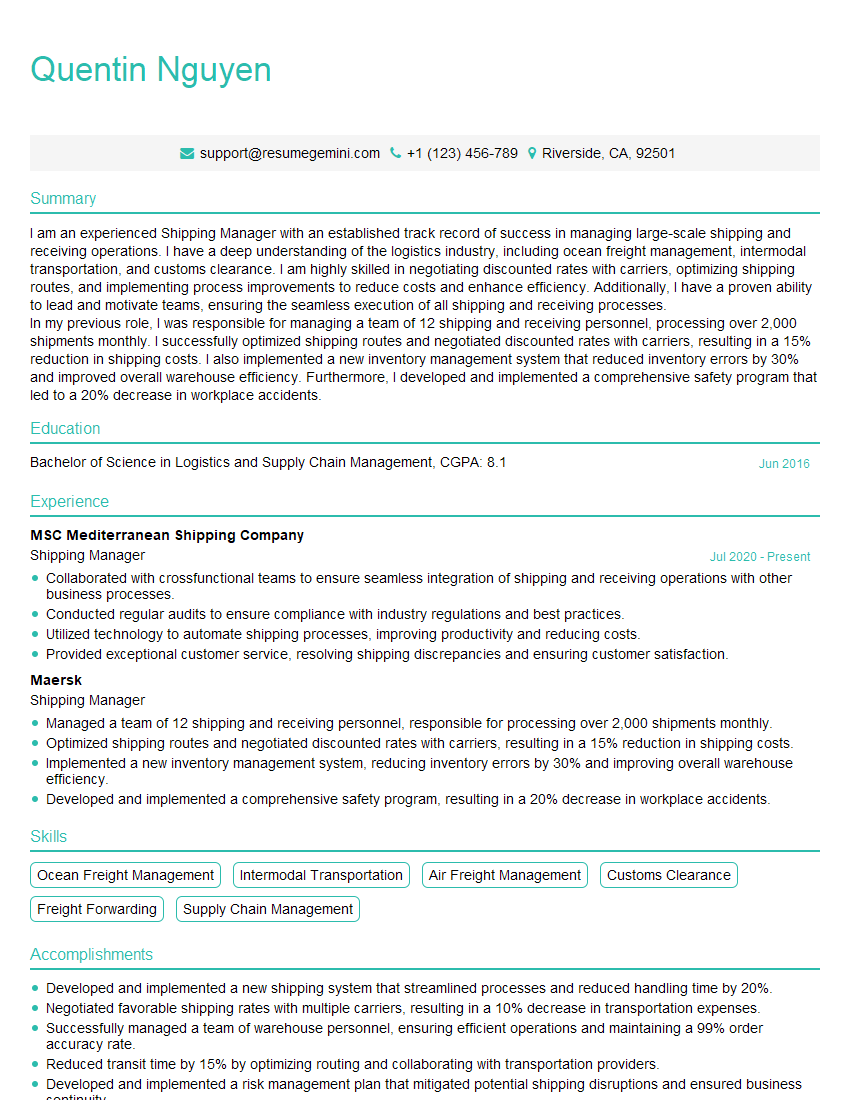
Shipping Manager Resume Sample
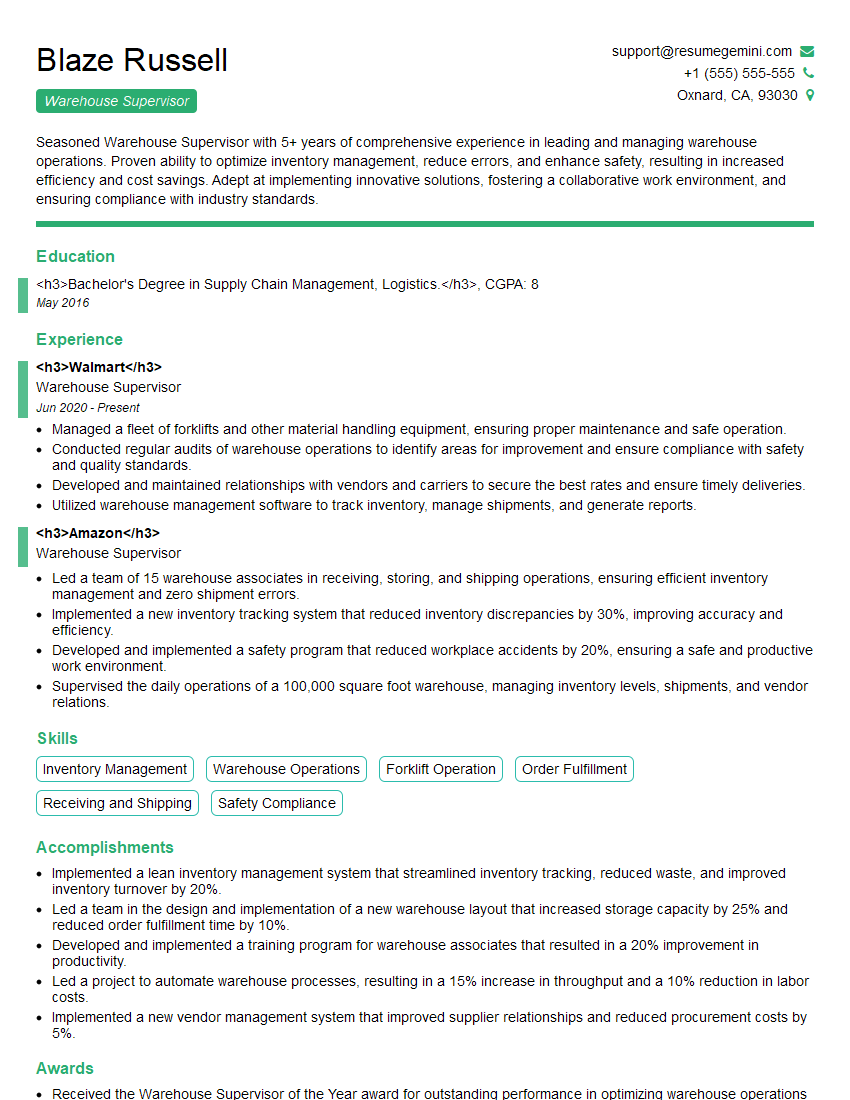
Warehouse Supervisor Resume Sample
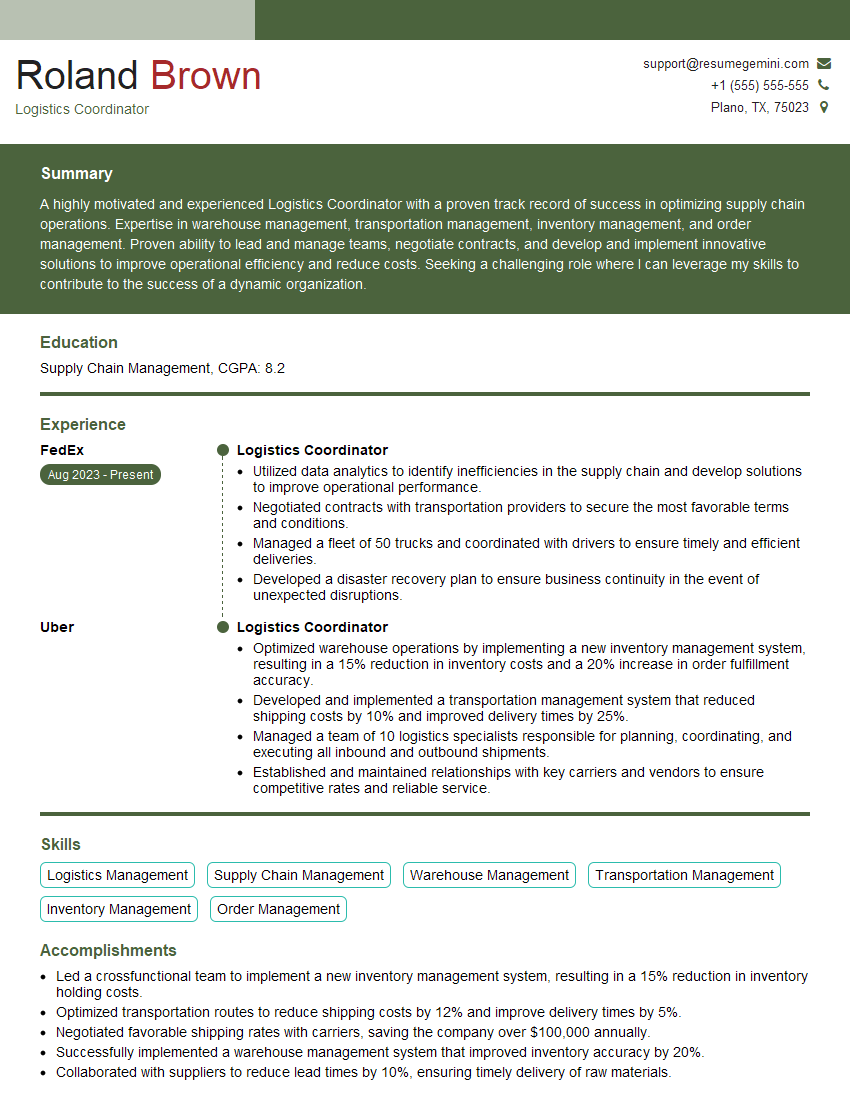
Logistics Coordinator Resume Sample
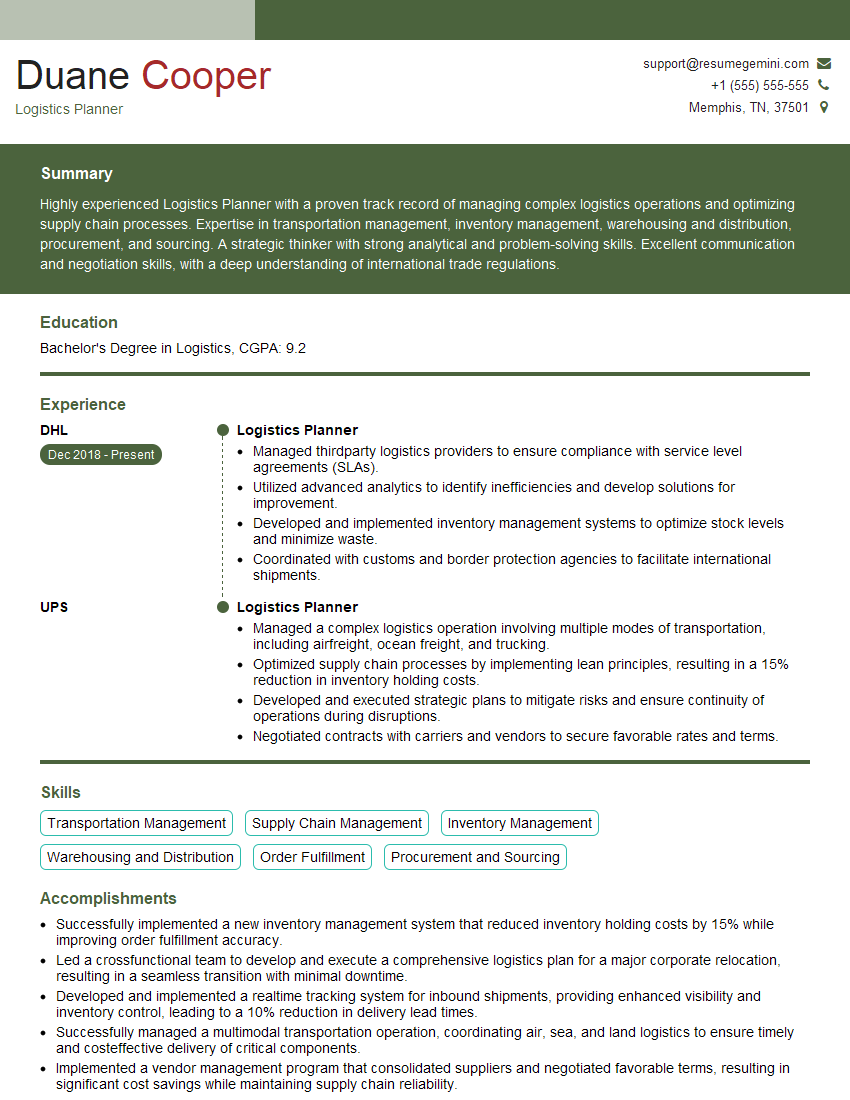
Logistics Planner Resume Sample
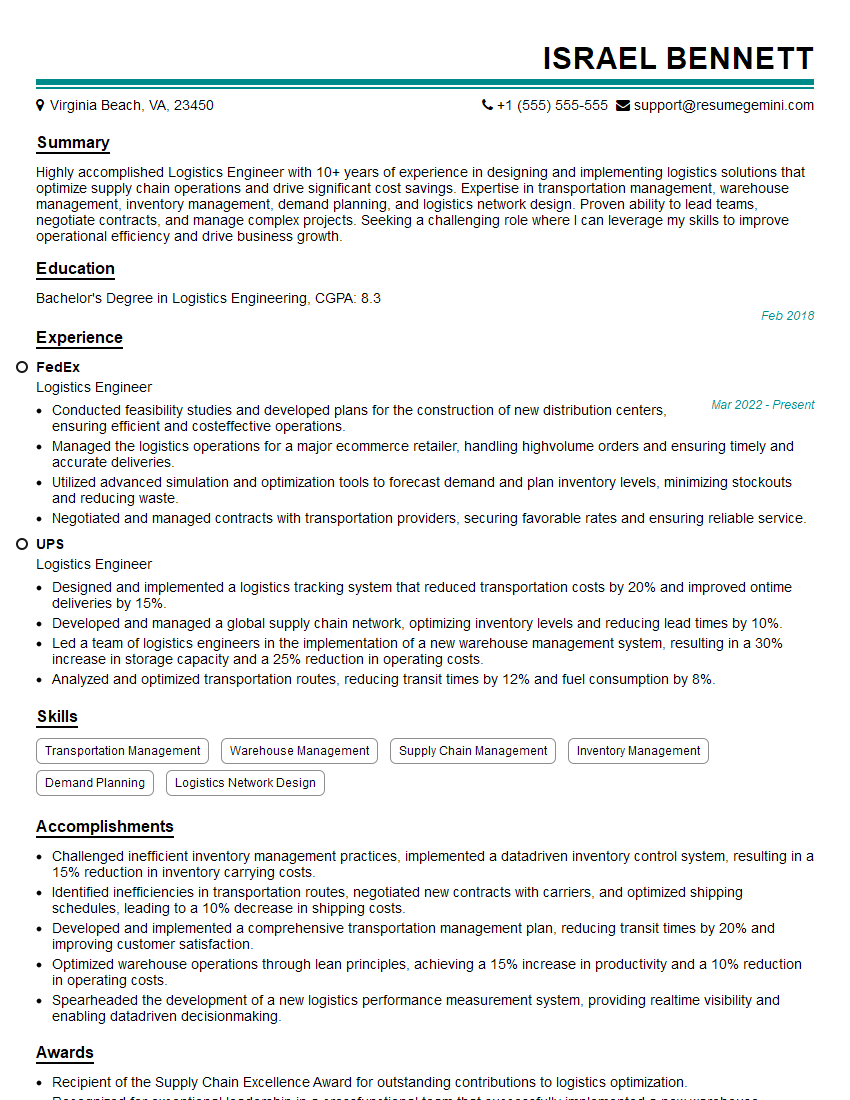
Logistics Engineer Resume Sample

Inventory Manager Resume Sample
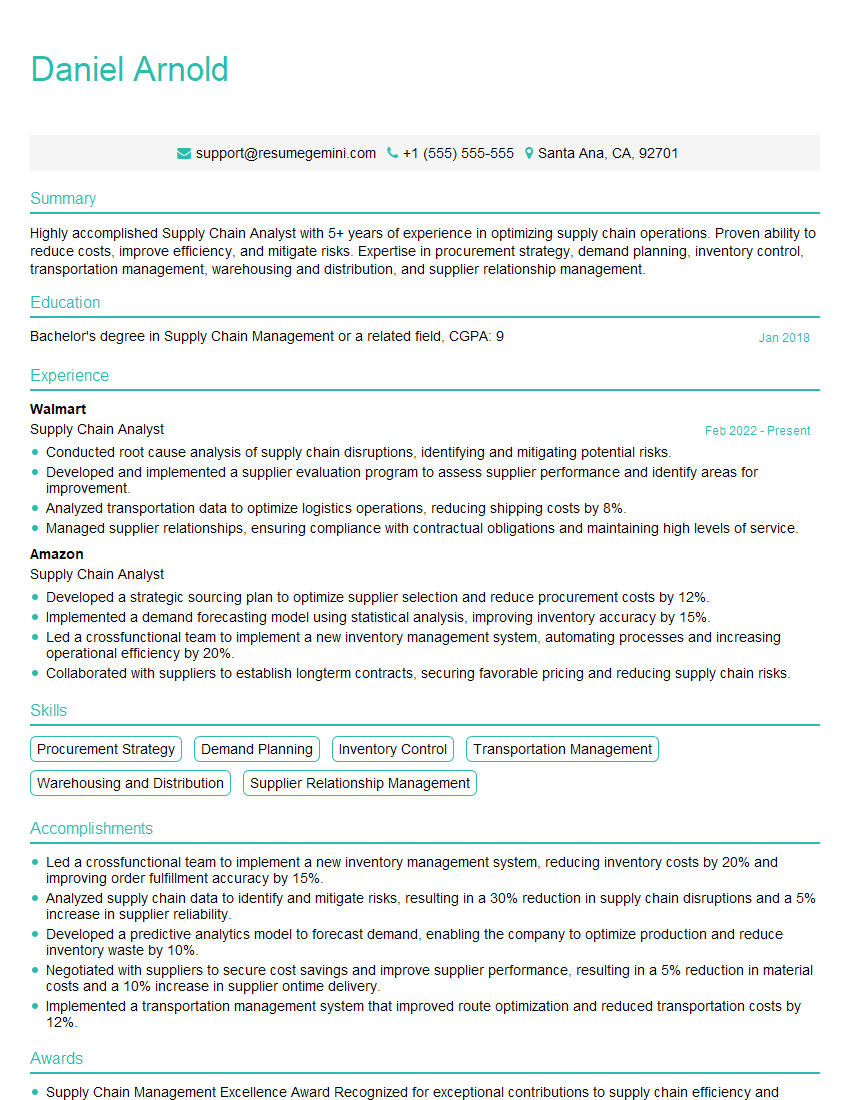
Supply Chain Analyst Resume Sample
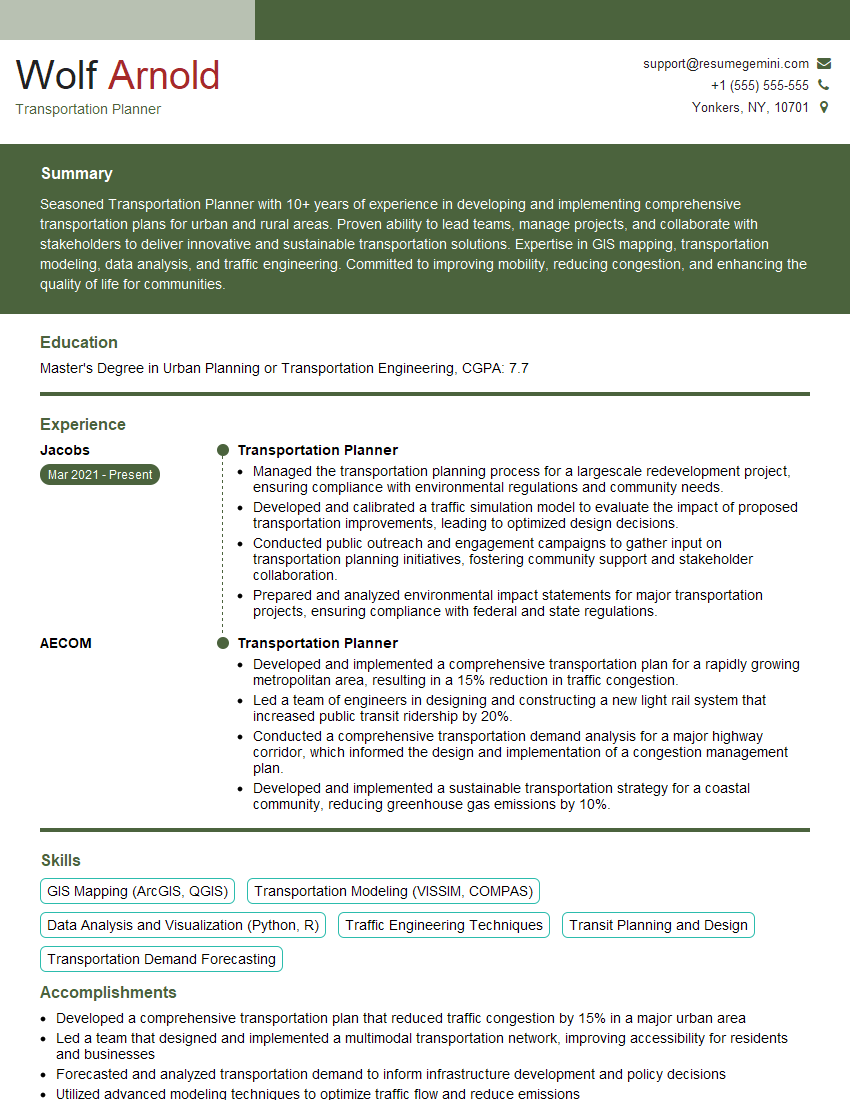
Transportation Planner Resume Sample
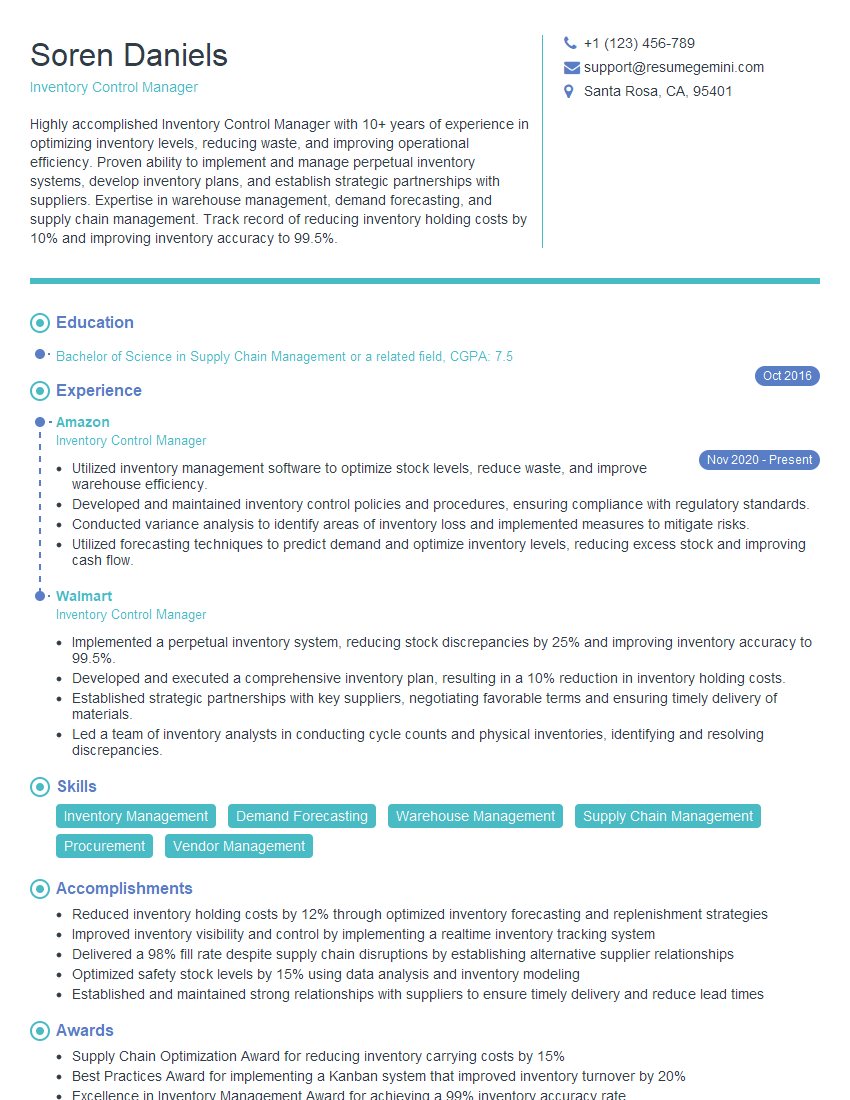
Inventory Control Manager Resume Sample
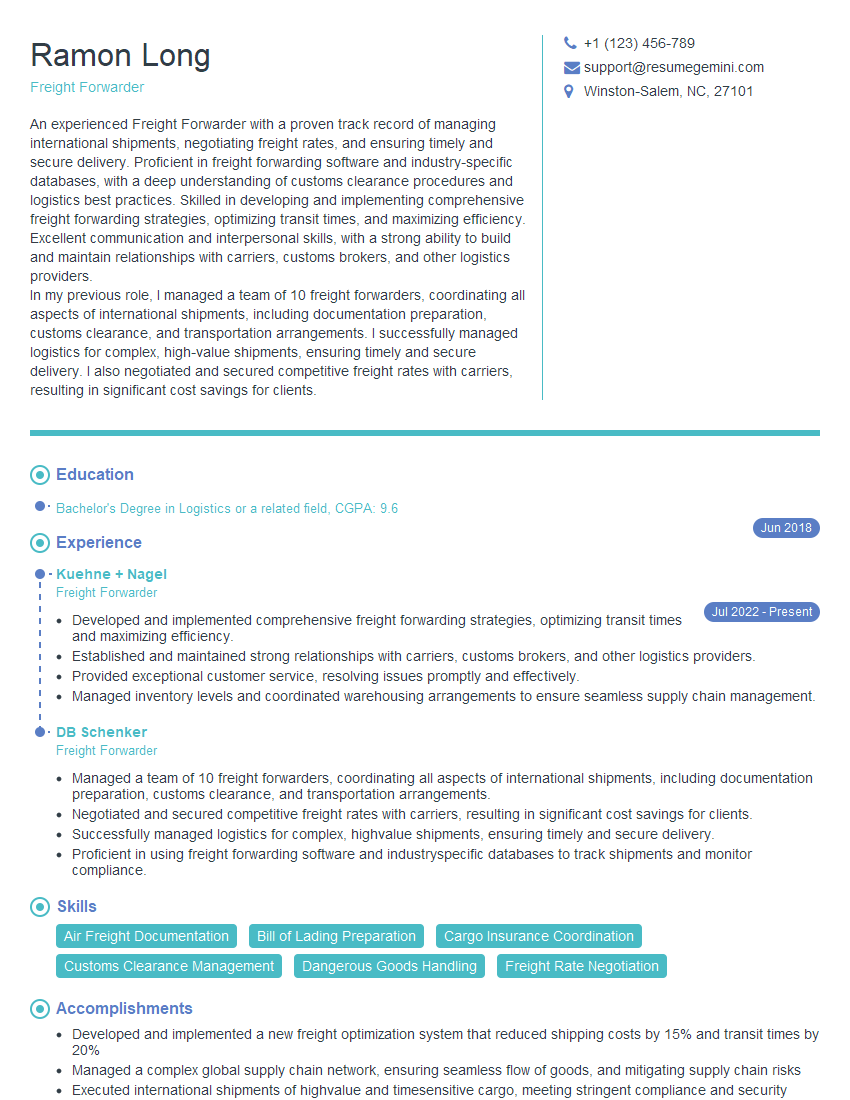
Freight Forwarder Resume Sample
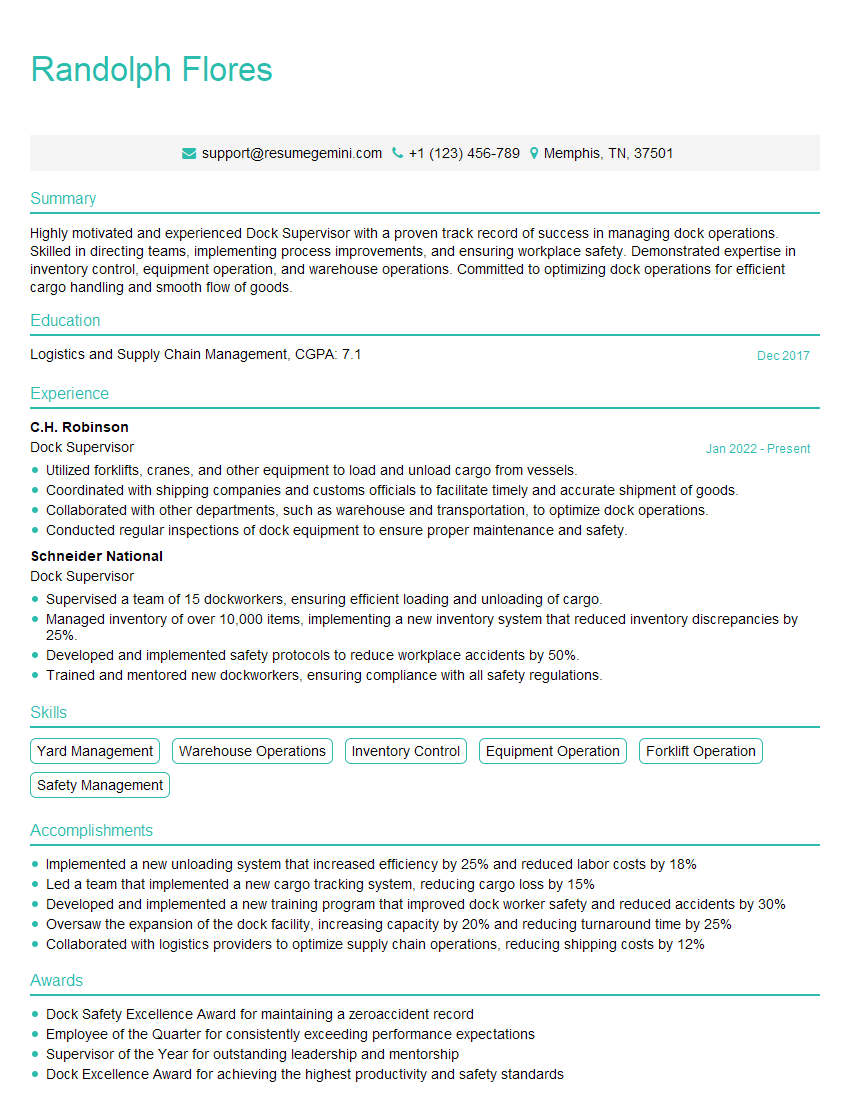
Dock Supervisor Resume Sample
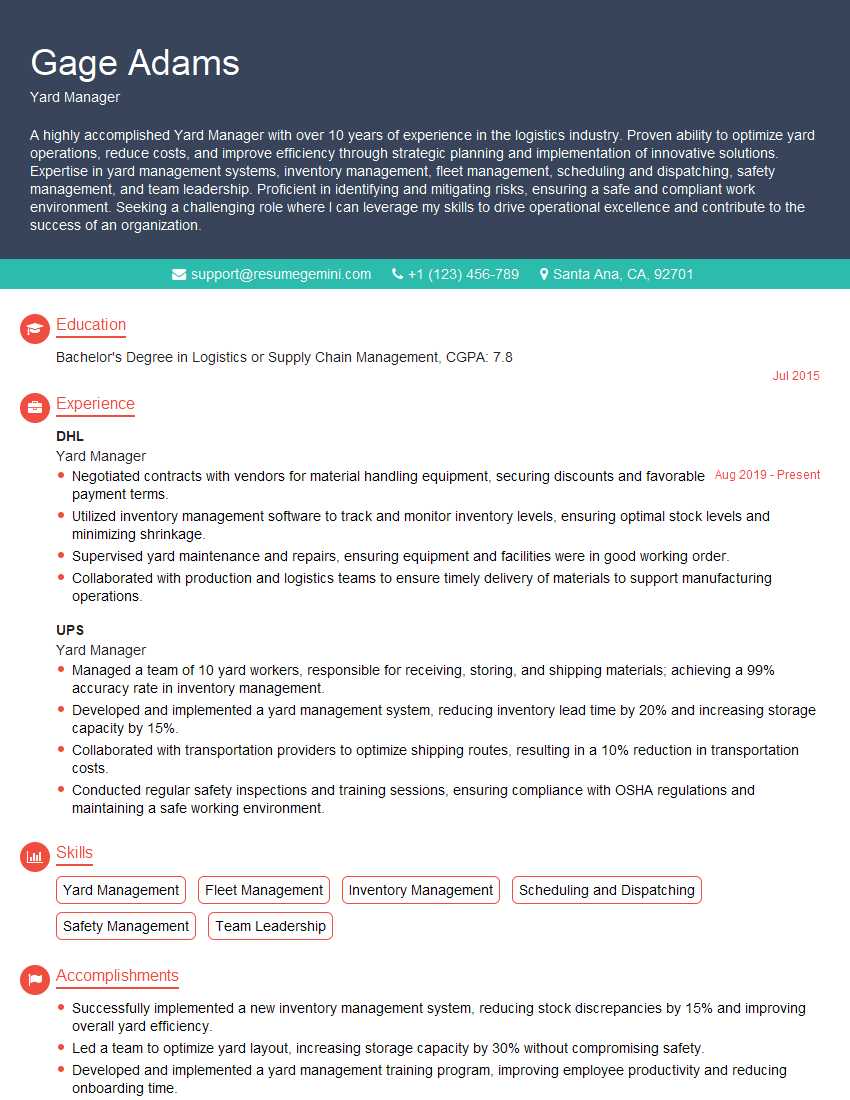
Yard Manager Resume Sample
- Operations Supervisor
- Supply Chain Manager
- Distribution Center Manager
- Transportation Manager
- Warehouse Operations Manager
- Dispatch Manager
- Distribution Center Supervisor
- Receiving Manager
- Shipping Manager
- Warehouse Supervisor
- Logistics Coordinator
- Logistics Planner
- Logistics Engineer
- Inventory Manager
- Supply Chain Analyst
- Transportation Planner
- Inventory Control Manager
- Freight Forwarder
- Dock Supervisor
- Yard Manager
Explore more articles
Users Rating of Our Blogs
Share Your Experience
We value your feedback! Please rate our content and share your thoughts (optional).
What Readers Say About Our Blog
Very informative content, great job.
good