Interviews are opportunities to demonstrate your expertise, and this guide is here to help you shine. Explore the essential Urban Forestry and Landscape Management interview questions that employers frequently ask, paired with strategies for crafting responses that set you apart from the competition.
Questions Asked in Urban Forestry and Landscape Management Interview
Q 1. Explain the principles of tree risk assessment.
Tree risk assessment is a systematic process to identify, analyze, and manage potential hazards posed by trees. It’s crucial for ensuring public safety and protecting property. We use a combination of visual inspection, advanced tools like sonic tomography, and knowledge of tree biology and mechanics.
- Visual Assessment: This involves a thorough inspection of the tree’s crown, trunk, and root system, looking for signs of decay, disease, structural weakness, or damage. We assess factors like branch attachment angles, presence of cavities, leaning, and root exposure.
- Data Collection: We document findings through detailed reports, photographs, and sometimes, specialized measurements. For example, we might measure the diameter at breast height (DBH) to understand the tree’s size and structural capacity.
- Risk Matrix: We categorize the risks based on factors like the likelihood of failure and the potential consequences. This helps prioritize mitigation efforts. A high-risk tree, for instance, might necessitate immediate removal or substantial pruning, while a low-risk tree may only need regular monitoring.
- Mitigation Strategies: Depending on the risk assessment, we recommend appropriate measures, including pruning, cabling, bracing, or tree removal. It’s about finding the most appropriate and effective solution, considering the tree’s value and the surrounding environment.
For example, a large oak tree with a significant crack in its trunk near a busy street would be deemed high-risk, requiring immediate attention. Conversely, a small, healthy tree in a park might pose minimal risk and require only periodic inspections.
Q 2. Describe different tree planting techniques and their suitability for various urban environments.
Tree planting techniques vary based on tree species, soil conditions, and the urban environment. Proper planting is vital for tree establishment and long-term survival.
- Bare-root planting: This method involves planting dormant trees without soil around their roots. It’s cost-effective but requires careful handling to prevent root damage. Suitable for less restrictive urban sites, and often used for larger trees where balled and burlapped planting isn’t feasible.
- Containerized planting: Trees grown in containers are easier to handle and transplant. This method minimizes root disturbance and ensures higher survival rates. Ideal for various urban settings, especially areas with limited space and pre-existing infrastructure.
- Balled and burlapped (B&B) planting: Trees are dug up with their root ball intact, wrapped in burlap. This preserves the root system, which results in better establishment. Best suited for larger, established trees being transplanted in urban spaces. Requires more space during planting.
In densely populated urban areas with limited space, containerized planting is generally preferred due to its ease of handling and minimal root damage. Larger parks or areas with more space might utilize B&B planting for mature trees. Bare-root planting is often suitable for reforestation projects or planting in less constrained urban environments.
Q 3. How do you manage invasive plant species in an urban landscape?
Managing invasive plant species requires a multi-pronged approach focusing on prevention, early detection, and control. Invasive plants outcompete native species and disrupt ecosystem balance.
- Prevention: Preventing the introduction and spread of invasive species is crucial. This involves educating the public about identifying and reporting invasive plants, regulating the import and sale of potentially invasive species, and implementing strict decontamination measures for equipment.
- Early Detection and Rapid Response: Early detection of infestations is critical for effective control. This requires regular monitoring of urban landscapes and prompt action once invasive species are identified. Small infestations are much easier to manage than large, established ones.
- Control Methods: Several control methods are employed based on the species and extent of the infestation. These include manual removal, mechanical removal (e.g., mowing, cutting), herbicides (with careful consideration of non-target effects), biological control (using natural enemies), and prescribed fire (only in appropriate contexts). Integrated Pest Management principles guide these choices.
For example, in a park where Japanese knotweed is found, a combination of repeated cutting, careful herbicide application (avoiding waterways), and monitoring for regrowth would be a typical management strategy.
Q 4. What are the benefits of using native plants in urban landscapes?
Native plants are crucial to the health and sustainability of urban ecosystems. Their use offers numerous benefits over non-native species.
- Enhanced Biodiversity: Native plants support local wildlife, providing food and habitat for birds, insects, and other animals. This creates a healthier and more resilient ecosystem.
- Reduced Maintenance: Native plants are better adapted to local climates and soil conditions, requiring less water, fertilizer, and pesticides than non-native species. This reduces maintenance costs and environmental impact.
- Improved Water Quality: Native plants help reduce stormwater runoff and filter pollutants, improving water quality in urban areas. Their extensive root systems help absorb excess water.
- Climate Change Resilience: Native plants are better equipped to handle local climate variations and extreme weather events, making urban landscapes more resistant to the impacts of climate change.
For instance, planting native milkweed in a city park attracts monarch butterflies, providing habitat and promoting biodiversity. Using drought-tolerant native grasses reduces watering needs and associated costs.
Q 5. Explain your understanding of Integrated Pest Management (IPM) in urban forestry.
Integrated Pest Management (IPM) in urban forestry is a holistic approach to pest control that prioritizes prevention and minimizes the use of pesticides. It considers the ecological balance and human health.
- Monitoring: Regular monitoring of trees for pests and diseases helps identify problems early and allows for timely intervention.
- Prevention: This involves choosing pest-resistant tree species, maintaining tree health through proper pruning and fertilization, and promoting biodiversity.
- Cultural Controls: These techniques aim to improve tree health and resilience, making them less susceptible to pests and diseases. They include proper planting, watering, and fertilization.
- Biological Controls: Introducing natural enemies of pests (such as beneficial insects or fungi) can help control populations without harmful chemicals.
- Chemical Controls: Pesticides are used as a last resort and only when necessary, with careful consideration of environmental impacts and human health. We prioritize targeted applications and minimally toxic products.
For example, instead of immediately spraying pesticides on a tree with aphids, we might first assess the infestation’s severity. If it’s minor, we may opt for introducing ladybugs (a natural predator of aphids) or carefully pruning affected branches. Only if the infestation threatens the tree’s health would we resort to carefully applied pesticides.
Q 6. How do you determine the appropriate pruning techniques for different tree species?
Pruning techniques vary significantly among tree species. Understanding a species’ growth habits and structural characteristics is critical for proper pruning. Incorrect pruning can damage trees and compromise their health and safety.
- Crown Cleaning: Removing dead, dying, diseased, or crossing branches.
- Thinning: Reducing the density of the crown to improve light penetration and air circulation, generally maintaining the natural form of the tree.
- Raising the Crown: Removing lower branches to increase clearance under the tree’s canopy.
- Reduction Pruning: Shortening branches to reduce the overall size of the crown. This should be done cautiously and strategically to avoid damaging the tree’s structure.
For example, oak trees generally tolerate heavy thinning and crown cleaning, while some species, like maples, are more sensitive to reduction pruning, requiring more delicate techniques. Incorrect pruning of a species like a willow, for example, could lead to excessive bleeding and stress.
Q 7. Describe the process of developing a comprehensive landscape management plan.
Developing a comprehensive landscape management plan involves a systematic process that considers various factors. It’s essential for effective management of urban green spaces and ensuring long-term sustainability.
- Site Assessment: Conduct a thorough assessment of the site, including soil conditions, existing vegetation, microclimate, and intended uses.
- Goal Setting: Define the goals and objectives of the landscape management plan, considering ecological, aesthetic, and functional aspects.
- Design & Planting Plan: Develop a detailed plan that specifies plant materials, planting locations, and design features (e.g., pathways, seating areas).
- Maintenance Plan: Outline routine maintenance tasks, such as irrigation, fertilization, pruning, pest and disease management, and weed control.
- Budgeting: Prepare a realistic budget that covers all aspects of the plan, including initial costs and ongoing maintenance expenses.
- Implementation & Monitoring: Implement the plan effectively and regularly monitor its progress, making adjustments as needed.
For example, a park’s landscape management plan might include goals for increasing biodiversity, improving water management, enhancing recreational opportunities, and controlling invasive species. The plan would detail the specific measures to achieve each goal, including planting native species, installing rain gardens, creating accessible pathways, and implementing an IPM program.
Q 8. What are the key considerations for designing a sustainable urban green space?
Designing a sustainable urban green space requires a holistic approach, considering ecological, social, and economic factors. It’s not just about planting trees; it’s about creating resilient and adaptable ecosystems within the city.
- Species Selection: Choosing native or adapted plant species is crucial. They require less water and maintenance, are better suited to the local climate, and support local wildlife. For example, selecting drought-tolerant grasses instead of water-intensive lawns can significantly reduce water consumption.
- Water Management: Implementing water-wise irrigation systems, using permeable paving materials to allow rainwater infiltration, and incorporating rain gardens are vital for reducing stormwater runoff and conserving water. Think of rain gardens as natural sponges soaking up excess water.
- Soil Health: Healthy soil is fundamental. Testing soil quality, amending it with compost, and avoiding compaction are key to supporting plant growth and reducing the need for fertilizers and pesticides. Healthy soil is like a well-fertilized garden – it thrives and sustains.
- Community Engagement: Involving local residents in the design and maintenance process fosters a sense of ownership and ensures the space is used and appreciated. Think community planting days or neighborhood watch programs for the green space.
- Accessibility and Inclusivity: The space should be accessible to everyone, regardless of age or ability. This includes providing ramps, benches, and clear pathways.
- Waste Management: Implementing composting programs and recycling initiatives helps reduce waste and minimizes environmental impact. This could involve a simple composting bin for leaf litter and green waste.
A successful sustainable design integrates these elements to create a vibrant, resilient, and enjoyable green space that benefits both the environment and the community.
Q 9. How do you assess the health of a tree?
Assessing tree health involves a visual inspection and sometimes more in-depth testing. Think of it like a doctor’s checkup for a tree.
- Visual Assessment: Look for signs of stress, such as leaf discoloration, dieback, insect infestation, or fungal growth. A tree with sparse leaves, for instance, may be experiencing drought stress.
- Trunk and Branch Examination: Check for cracks, cavities, or other physical damage. Inspect the bark for signs of disease or pest activity. Large cracks can indicate structural weakness.
- Root Examination: While not always easy, observing exposed roots can provide clues about soil health and root damage. Exposed or girdling roots are often a cause for concern.
- Instrumentation: In more complex cases, tools like resistographs (measuring wood density) or soil probes can be used to assess the internal condition of the tree. This is for cases of suspected internal decay.
- Soil Testing: Checking soil pH, nutrient levels, and compaction can help identify environmental factors affecting tree health.
By combining these methods, arborists can develop a comprehensive understanding of a tree’s health and identify potential problems early on, allowing for timely intervention.
Q 10. Explain the importance of soil health in urban forestry and landscaping.
Soil health is paramount in urban forestry and landscaping. Healthy soil provides the foundation for thriving trees and plants, minimizing the need for fertilizers and pesticides, and improving overall ecosystem function.
- Nutrient Cycling: Healthy soil supports nutrient cycling, providing essential nutrients for plant growth. This reduces the reliance on chemical fertilizers.
- Water Retention: Well-structured soil retains water effectively, reducing the need for frequent irrigation and lowering water bills. Think of it as a natural reservoir.
- Erosion Control: Healthy soil resists erosion, protecting valuable topsoil and preventing runoff pollution. This improves water quality in urban environments.
- Root Development: Proper soil structure promotes healthy root growth, increasing tree stability and drought resistance. Deep roots help anchor trees against winds.
- Microbial Diversity: Healthy soil teems with beneficial microbes that improve nutrient uptake and disease suppression. This acts like a natural defense system for plants.
Improper soil management, such as compaction from construction, can severely impair tree growth and increase the risk of diseases. Regular soil testing and amendment, therefore, are essential for success.
Q 11. What are some common tree diseases and their management strategies?
Many tree diseases can affect urban landscapes. Early detection and appropriate management are key to preventing widespread damage.
- Anthracnose: This fungal disease causes leaf spots and blight. Management involves sanitation, removing affected leaves, and applying fungicides in severe cases.
- Dutch Elm Disease: A devastating fungal disease affecting elm trees. Management focuses on early detection, removing infected trees, and preventing the spread through preventative measures such as insecticide treatments.
- Oak Wilt: Another deadly fungal disease, oak wilt spreads rapidly. Management involves removing infected trees, treating surrounding trees with fungicide, and preventing root grafts.
- Emerald Ash Borer: This invasive insect is devastating ash trees. Management includes early detection, insecticide treatments, and possibly removing severely infested trees.
Integrated pest management (IPM) strategies that combine preventative measures, biological controls, and chemical interventions when necessary are most effective. Proper tree selection, avoiding stress, and maintaining tree vigor all contribute to disease resistance.
Q 12. How do you handle stormwater management in urban landscapes?
Stormwater management in urban landscapes is crucial for preventing flooding, erosion, and water pollution. Traditional drainage systems are often inadequate, so green infrastructure is increasingly important.
- Rain Gardens: These depressed areas capture and filter stormwater, reducing runoff and improving water quality. They act like natural filtration systems.
- Bioswales: Vegetated channels that convey stormwater, filtering pollutants and reducing flow velocity. They slow down and filter the water.
- Permeable Pavements: These surfaces allow water to infiltrate the ground, reducing runoff and replenishing groundwater. Think of it as a less-sealed surface.
- Green Roofs: Roofs covered with vegetation help absorb rainwater, reducing runoff and mitigating the urban heat island effect. They are basically mini-ecosystems on top of buildings.
- Tree Planting: Trees intercept rainfall and help reduce stormwater volume. Their roots also help filter pollutants.
A combination of these green infrastructure techniques, along with traditional gray infrastructure where necessary, provides a comprehensive approach to stormwater management in urban areas. This approach combines natural and technological solutions.
Q 13. Discuss the role of urban forestry in mitigating climate change.
Urban forestry plays a significant role in mitigating climate change. Trees act as carbon sinks, absorbing CO2 from the atmosphere and storing it in their biomass.
- Carbon Sequestration: Trees absorb carbon dioxide, a major greenhouse gas, helping to mitigate climate change. This is like a natural air purifier.
- Cooling Effect: Trees provide shade, reducing the urban heat island effect and lowering energy consumption for cooling buildings. Think of the difference in temperature under a tree versus in direct sunlight.
- Improved Air Quality: Trees filter pollutants from the air, improving respiratory health and reducing the impact of air pollution. They absorb harmful particulate matter.
- Reduced Greenhouse Gas Emissions: Sustainable urban forestry practices reduce the need for energy-intensive maintenance and transportation, further minimizing greenhouse gas emissions.
By strategically planting and managing urban trees, cities can significantly reduce their carbon footprint and create more resilient and sustainable environments. This is about creating more sustainable urban living.
Q 14. Explain the importance of biodiversity in urban green spaces.
Biodiversity in urban green spaces is essential for creating resilient, healthy, and enjoyable environments. A diverse ecosystem is more resistant to disease, pests, and environmental stress.
- Ecosystem Stability: A variety of plant and animal species creates a more stable and resilient ecosystem, reducing vulnerability to disturbances. It’s like having a variety of crops in your garden – if one fails, you still have others.
- Pollination and Pest Control: Diverse plant communities support pollinators and natural predators, reducing the need for pesticides and enhancing food production. This promotes a natural ecosystem.
- Enhanced Aesthetics and Recreation: Biodiversity creates visually appealing and engaging spaces for recreation and relaxation. Think of a colorful flower garden versus a monoculture lawn.
- Educational Opportunities: Urban green spaces provide opportunities for environmental education and awareness. Children can learn about different plants and animals, fostering environmental stewardship.
Promoting biodiversity in urban areas can be achieved through careful plant selection, creating varied habitats, reducing pesticide use, and establishing wildlife corridors. It’s about creating a well-balanced ecosystem.
Q 15. Describe your experience with different irrigation systems.
My experience encompasses a wide range of irrigation systems, from traditional methods to sophisticated, automated technologies. Understanding the strengths and weaknesses of each is crucial for efficient and sustainable water management in urban landscapes.
- Drip Irrigation: This highly efficient method delivers water directly to the plant’s roots, minimizing water waste and runoff. I’ve used this extensively in smaller-scale projects, like residential gardens and park plantings, where precision water delivery is critical. For example, I designed a drip irrigation system for a community garden that reduced water consumption by 40% compared to traditional sprinkler systems.
- Sprinkler Irrigation: While less efficient than drip irrigation, sprinkler systems are suitable for larger areas such as sports fields or expansive lawns. I’ve overseen the installation and maintenance of numerous sprinkler systems, optimizing nozzle placement and scheduling to ensure even water distribution. A recent project involved upgrading an outdated sprinkler system with smart technology, allowing for real-time monitoring and adjustments based on weather data.
- Gravity Irrigation: This low-tech, low-cost method relies on elevation differences to deliver water. I’ve utilized it in some restoration projects where minimizing energy consumption was a priority. For instance, in a hillside reforestation project, we employed gravity irrigation to effectively water newly planted saplings.
- Smart Irrigation Systems: These systems incorporate sensors, weather data, and soil moisture monitoring to optimize water use. I’m experienced in programming and managing these systems, achieving significant water savings and improving plant health. I implemented a smart irrigation system in a large municipal park, resulting in a 30% reduction in water usage and a noticeable improvement in tree vigor.
Choosing the right irrigation system depends on factors like budget, site conditions, plant type, and water availability. My approach involves a thorough site assessment and careful consideration of these factors to select the most appropriate and sustainable option.
Career Expert Tips:
- Ace those interviews! Prepare effectively by reviewing the Top 50 Most Common Interview Questions on ResumeGemini.
- Navigate your job search with confidence! Explore a wide range of Career Tips on ResumeGemini. Learn about common challenges and recommendations to overcome them.
- Craft the perfect resume! Master the Art of Resume Writing with ResumeGemini’s guide. Showcase your unique qualifications and achievements effectively.
- Don’t miss out on holiday savings! Build your dream resume with ResumeGemini’s ATS optimized templates.
Q 16. How do you manage conflicts between urban development and tree preservation?
Balancing urban development with tree preservation requires proactive planning and skillful negotiation. It’s not just about protecting individual trees; it’s about maintaining the ecological integrity of the urban forest as a whole.
- Early Stakeholder Engagement: Collaborating with developers, architects, and community members from the initial stages of a project is paramount. This helps identify potential conflicts early on and find mutually acceptable solutions.
- Tree Inventory and Assessment: A detailed inventory and assessment of existing trees, including their species, size, health, and root systems, is crucial. This informs decisions regarding tree relocation, protection, or removal.
- Mitigation Strategies: When tree removal is unavoidable, developers should be required to implement mitigation strategies, such as planting replacement trees, creating green spaces, or contributing to urban forestry initiatives. This compensates for the loss of trees and enhances the overall urban green infrastructure.
- Innovative Design Solutions: Architects and landscape designers can integrate trees into development plans. This might involve designing buildings around existing trees, incorporating green roofs or walls, or creating tree-lined streets and walkways. This helps to preserve valuable trees while integrating them into new developments.
- Legal Frameworks and Regulations: Working within existing legal frameworks and regulations regarding tree protection is essential. This may involve obtaining permits for tree removal or implementing protective measures during construction.
I’ve successfully navigated several such conflicts by facilitating open communication between all stakeholders. For instance, in a recent project involving a new residential development, we were able to relocate several mature oak trees, minimizing their stress and ensuring their survival. It required meticulous planning and collaboration with the construction team.
Q 17. How do you estimate costs for a landscaping project?
Estimating costs for a landscaping project involves a detailed breakdown of materials, labor, and equipment. Accuracy is crucial for both the client and the contractor.
- Detailed Site Assessment: The process begins with a comprehensive site assessment, measuring the area, identifying existing vegetation, and understanding the client’s vision.
- Material Costs: Next, I carefully estimate costs for all materials needed, including plants, soil, mulch, hardscape elements (pavers, retaining walls), and irrigation components. I utilize current market prices and obtain quotes from reputable suppliers.
- Labor Costs: Labor costs are estimated based on the time required for each task, the number of workers needed, and prevailing wage rates. Factors like site accessibility and the complexity of the work also influence labor costs.
- Equipment Costs: The cost of equipment rental or use is factored in, including excavators, loaders, and other specialized machinery. I always consider potential fuel costs and maintenance.
- Contingency: A contingency is added to account for unforeseen expenses or delays. This protects against price fluctuations and unexpected challenges.
- Profit Margin: Finally, a reasonable profit margin is included to ensure the project’s financial viability.
Using project management software helps in organizing and tracking costs effectively. I often present clients with a detailed breakdown of estimated costs, enabling them to understand each component and make informed decisions. Transparency is key in building trust and confidence.
Q 18. What are your strategies for managing a team of landscape professionals?
Managing a team of landscape professionals requires strong leadership, clear communication, and a collaborative approach. Fostering a positive and productive work environment is essential for project success.
- Clear Communication: Regular team meetings, clear task assignments, and open communication channels ensure everyone is on the same page. This also allows for immediate problem-solving.
- Delegation and Empowerment: I empower team members by delegating tasks based on their skills and experience. This builds confidence and allows individuals to grow professionally.
- Skill Development: Regular training and development opportunities help improve the team’s skills and keep them abreast of the latest technologies and practices. This could include workshops on new planting techniques or software training.
- Team Building: Fostering a positive team spirit through team-building activities and informal gatherings improves morale and enhances collaboration.
- Performance Evaluation and Feedback: Regular performance evaluations and constructive feedback ensure that team members are performing at their best and that any issues are addressed promptly.
For example, I recently implemented a mentoring program within my team, pairing experienced professionals with newer team members. This resulted in improved knowledge transfer and increased overall team efficiency.
Q 19. What are your skills in using GIS software for landscape planning?
My GIS skills are integral to my work in landscape planning. I’m proficient in using various GIS software packages, such as ArcGIS and QGIS, to analyze spatial data and create maps and visualizations.
- Site Analysis: GIS enables me to conduct detailed site analyses, including topography, soil types, hydrology, and existing vegetation. This informs planting strategies and site design decisions.
- Data Visualization: I use GIS to create maps and visualizations that illustrate project plans, highlighting key features and helping stakeholders understand the proposed design.
- Spatial Modeling: GIS allows me to perform spatial modeling, predicting the growth and spread of vegetation over time or analyzing the impact of various design options on environmental factors.
- Data Management: GIS provides a powerful platform for managing and organizing large datasets related to trees, vegetation, and other landscape features.
- Integration with other software: I can integrate GIS data with other software, such as CAD, for generating detailed construction drawings.
For instance, in a recent park renovation project, I used GIS to analyze tree canopy cover and identify areas needing additional planting. This resulted in a more strategically planned and ecologically sound design.
Q 20. Describe your experience in creating detailed landscape plans and specifications.
Creating detailed landscape plans and specifications is a crucial aspect of my work, ensuring the successful implementation of projects. My plans are comprehensive and clearly communicate the design intent to contractors and other stakeholders.
- Site Plans: I prepare detailed site plans showing the location of trees, shrubs, paths, and other features. These plans include accurate measurements and scaled drawings.
- Planting Plans: Planting plans show the specific location and type of each plant, along with planting details like spacing and depth.
- Grading and Drainage Plans: These plans address site grading and drainage solutions to ensure proper water management.
- Construction Details: Detailed construction details are provided for specific elements such as walls, pavements, and irrigation systems.
- Specifications: Written specifications describe the materials, quality, and methods to be used during construction, ensuring consistency and quality control.
I adhere to industry standards and best practices when creating these documents. Using CAD software, I generate precise and visually appealing plans that clearly communicate the design vision. I’ve developed detailed plans for numerous projects, ranging from small residential gardens to extensive municipal parks.
Q 21. Explain the importance of public engagement in urban forestry projects.
Public engagement is paramount in urban forestry projects, ensuring community buy-in and achieving sustainable outcomes. It’s about transforming projects from ‘being done to the community’ to ‘being done with the community’.
- Community Workshops and Meetings: Holding community workshops and meetings allows for two-way communication and the incorporation of public input into project design.
- Surveys and Online Feedback: Online surveys and feedback mechanisms provide opportunities for a broader reach and gather diverse opinions.
- Interactive Mapping Tools: Using interactive mapping tools allows the public to visualize project proposals and provide feedback on specific aspects of the design.
- Community Volunteers: Engaging community volunteers in tree planting, maintenance, or other project activities fosters ownership and strengthens community connections.
- Educational Programs: Providing educational programs about urban forestry benefits, tree care, and the importance of green spaces increases community awareness and support.
For example, a recent community park revitalization project involved holding multiple community workshops to gather input on the design and plant selections. This resulted in a plan that truly reflected the community’s needs and preferences, leading to greater project acceptance and community stewardship.
Q 22. What are your knowledge of different types of soil and their suitability for specific plant species?
Understanding soil types is fundamental to successful urban forestry and landscape management. Different plants have varying needs regarding soil drainage, pH, nutrient content, and texture. For example, a waterlogged clay soil is unsuitable for plants that require well-draining conditions, while sandy soil might require more frequent watering due to its rapid drainage.
- Clay Soil: Heavy, retains water, can be poorly aerated. Suitable for plants tolerant of wet conditions, such as certain ferns or water-loving shrubs. However, it often requires amendments like compost to improve drainage and aeration.
- Sandy Soil: Light, drains quickly, low in nutrients. Best suited for drought-tolerant plants like succulents or certain grasses. Regular fertilization is crucial.
- Silty Soil: Holds moisture well and is relatively fertile. It’s a good all-around soil type, suitable for a wide range of plants. However, it can become compacted, so aeration is important.
- Loamy Soil: An ideal blend of sand, silt, and clay, providing good drainage, aeration, and nutrient retention. This soil type supports the widest variety of plants.
Before planting, I always conduct a soil test to determine its pH and nutrient levels. This allows me to amend the soil accordingly to provide optimal growing conditions for the chosen species. For example, if the soil is too acidic for azaleas (which prefer acidic soil), I would amend it with lime to raise the pH.
Q 23. Describe your experience with different types of lawn care equipment.
My experience with lawn care equipment is extensive, encompassing both gas-powered and electric options. I’m proficient in operating and maintaining a variety of machinery, including:
- Riding Mowers: I’m skilled in operating both zero-turn radius mowers for efficiency on large areas and traditional riding mowers for smaller, more intricate landscapes. Regular maintenance, including blade sharpening and oil changes, is crucial for optimal performance and safety.
- Push Mowers: Excellent for smaller areas and environmentally conscious projects. I’m familiar with both reel and rotary push mowers. Proper maintenance includes regular blade sharpening to maintain a clean cut.
- String Trimmers/Weed Eaters: Essential for edging and trimming around obstacles. I understand the importance of using the correct line type and tension for optimal performance and safety.
- Blowers: Used for quick and efficient cleanup of grass clippings and debris. I’m proficient with both backpack and handheld blowers. Regular maintenance keeps them running smoothly.
- Aerators and Overseeders: These are crucial for maintaining a healthy lawn, promoting aeration, and improving grass density. I understand the proper techniques for their operation and the importance of timing them correctly.
Beyond operation, I’m adept at troubleshooting and performing routine maintenance on all equipment. This preventative maintenance helps extend the lifespan of the machinery and reduces downtime.
Q 24. How do you prioritize tasks and manage multiple projects simultaneously?
Managing multiple projects simultaneously requires a structured approach. I utilize project management methodologies, often incorporating elements of Agile and Kanban. This allows me to prioritize tasks based on urgency, importance, and deadlines.
- Prioritization Matrix: I utilize a matrix that categorizes tasks by urgency and importance (urgent/important, important/not urgent, urgent/not important, neither urgent nor important). This helps me focus on the most critical tasks first.
- Task Breakdown: I break down large projects into smaller, manageable tasks. This makes them less daunting and allows for better tracking of progress.
- Scheduling and Time Blocking: I create detailed schedules and allocate specific time blocks for each project or task. This enhances productivity and helps prevent task slippage.
- Regular Progress Reviews: I conduct regular reviews of project progress to identify potential roadblocks and make necessary adjustments. This proactive approach minimizes delays and keeps projects on track.
For example, if I have a large landscaping project alongside several smaller maintenance contracts, I’ll schedule the larger project’s core tasks (e.g., planting) for days with the least amount of maintenance commitments, allocating dedicated time blocks for each.
Q 25. How do you handle difficult clients or stakeholders?
Handling difficult clients or stakeholders requires patience, empathy, and strong communication skills. My approach involves active listening, understanding their concerns, and finding mutually agreeable solutions.
- Active Listening: I listen carefully to their concerns without interrupting. I aim to fully grasp their perspective before responding.
- Empathy and Understanding: I try to understand their point of view, even if I don’t agree with it. This demonstrates respect and builds trust.
- Clear and Open Communication: I communicate clearly and openly, explaining my reasoning and offering alternative solutions when appropriate.
- Collaboration and Compromise: I aim to find a solution that meets both my client’s needs and the project’s requirements. This often involves compromise and negotiation.
- Documentation: Thorough documentation of agreements and changes helps prevent misunderstandings and disputes.
For instance, if a client is unhappy with the timing of a project, I’ll proactively explain any unforeseen delays, offer options for accelerating certain stages, and demonstrate my commitment to meeting their needs within the constraints of the project’s scope.
Q 26. What are your methods for ensuring worker safety in landscaping operations?
Worker safety is paramount. My methods involve comprehensive training, adherence to safety regulations, and the implementation of robust safety protocols.
- Comprehensive Safety Training: All workers receive thorough training on the safe operation of equipment, proper lifting techniques, hazard identification, and emergency procedures. This training includes both classroom instruction and hands-on demonstrations.
- Personal Protective Equipment (PPE): Providing and enforcing the use of appropriate PPE, such as safety glasses, gloves, hearing protection, and steel-toe boots, is mandatory. Regular inspections ensure PPE is in good condition.
- Regular Safety Meetings: Conducting regular safety meetings allows for open communication about safety concerns, reviewing near misses, and reinforcing safe work practices. This promotes a proactive safety culture.
- Hazard Identification and Risk Assessment: Regularly assessing potential hazards on the job site and implementing control measures to mitigate those risks is crucial. This involves identifying potential hazards like uneven terrain, overhead power lines, or exposure to chemicals.
- Emergency Procedures: Developing and practicing well-defined emergency procedures ensures workers know how to respond to various situations, such as injuries or equipment malfunctions.
For instance, before starting any tree removal operation, we thoroughly assess the site for potential hazards, use appropriate rigging equipment, and ensure all workers are positioned safely.
Q 27. What are your methods for ensuring the sustainability of your landscape practices?
Sustainability is integrated into every aspect of my landscape practices. My methods focus on resource conservation, biodiversity enhancement, and minimizing environmental impact.
- Water Conservation: Utilizing water-efficient irrigation systems, selecting drought-tolerant plants, and implementing proper soil management techniques to retain moisture significantly reduce water consumption.
- Reduced Chemical Use: Minimizing the use of chemical fertilizers and pesticides by opting for integrated pest management (IPM) strategies that prioritize natural control methods protects both human and environmental health.
- Native Plant Selection: Prioritizing native plant species reduces the need for excessive watering, fertilization, and pest control, as these plants are adapted to the local climate and soil conditions. They also support local ecosystems.
- Composting and Recycling: Composting yard waste and recycling materials reduces landfill waste and provides valuable organic matter for soil amendment.
- Waste Management: Proper waste management procedures ensure that waste is disposed of responsibly, minimizing environmental impact.
For example, in a new park development, I would specify native tree species to reduce maintenance needs and promote biodiversity. I would also design the irrigation system using smart technologies to optimize water usage.
Q 28. Explain your understanding of relevant safety regulations and legislation in landscape management.
My understanding of relevant safety regulations and legislation in landscape management is comprehensive. I stay updated on local, state, and federal regulations related to worker safety, equipment operation, and environmental protection. These regulations vary by location, so I always ensure my practices comply with the specific rules of the area where the work is being performed.
- Occupational Safety and Health Administration (OSHA): Familiar with OSHA standards related to workplace safety, including those specific to landscaping and tree care operations. This includes hazard communication, personal protective equipment, and fall protection.
- Environmental Protection Agency (EPA): Understanding EPA regulations related to pesticide use, stormwater management, and waste disposal is crucial for environmentally responsible practices.
- Local Ordinances: I’m aware of local ordinances and building codes related to tree planting, removal, and other landscaping activities. This includes permits, setbacks, and other site-specific requirements.
- State-Specific Regulations: Understanding state-specific regulations on worker’s compensation, licensing, and other relevant legal requirements is important for maintaining compliance.
Before starting any project, I conduct a thorough review of all applicable regulations to ensure compliance and to develop a safety plan that addresses all potential hazards.
Key Topics to Learn for Urban Forestry and Landscape Management Interview
- Tree Physiology and Health: Understanding tree growth, stress factors (disease, pests, environmental), and appropriate management techniques. Practical application: Diagnosing tree health issues and recommending effective treatments.
- Urban Forest Planning and Design: Principles of urban forest design, including species selection, site assessment, and long-term planning for sustainable urban green spaces. Practical application: Developing a planting plan for a new park or urban streetscape.
- Sustainable Landscape Management: Implementing environmentally responsible practices, such as integrated pest management, water conservation, and the use of native plants. Practical application: Creating a sustainable landscaping plan for a residential or commercial property.
- Arboriculture Techniques: Safe and effective tree pruning, planting, and removal techniques. Practical application: Demonstrating knowledge of proper pruning cuts and safety procedures.
- Landscape Construction and Maintenance: Understanding the principles of site preparation, grading, irrigation, and ongoing maintenance practices. Practical application: Designing and overseeing the installation of a new landscape project.
- GIS and Technology in Urban Forestry: Utilizing Geographic Information Systems (GIS) and other technologies for data management, urban forest inventory, and planning. Practical application: Using GIS software to analyze tree canopy cover in a city.
- Environmental Regulations and Permits: Familiarity with local, state, and federal regulations related to tree preservation, land use, and environmental protection. Practical application: Understanding the permitting process for tree removal or landscape modifications.
- Communication and Collaboration: Effective communication with clients, contractors, and other stakeholders. Practical application: Presenting landscape plans and managing project timelines.
Next Steps
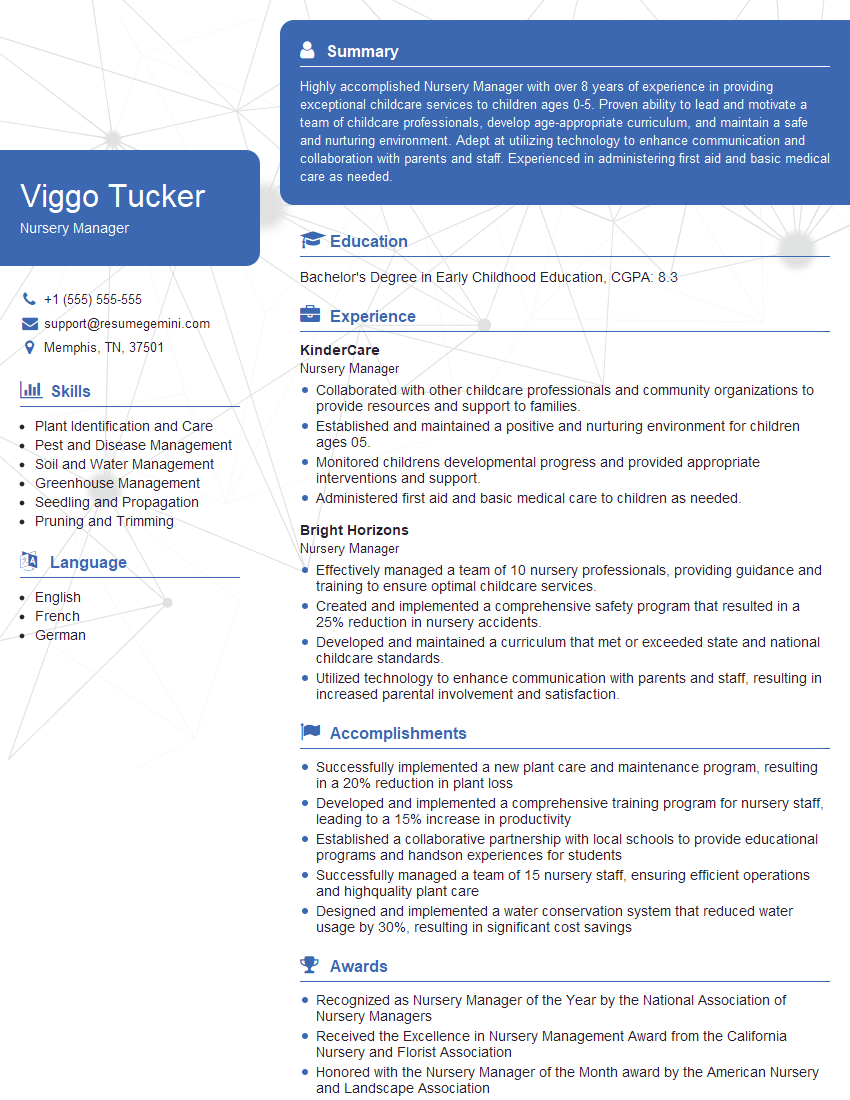
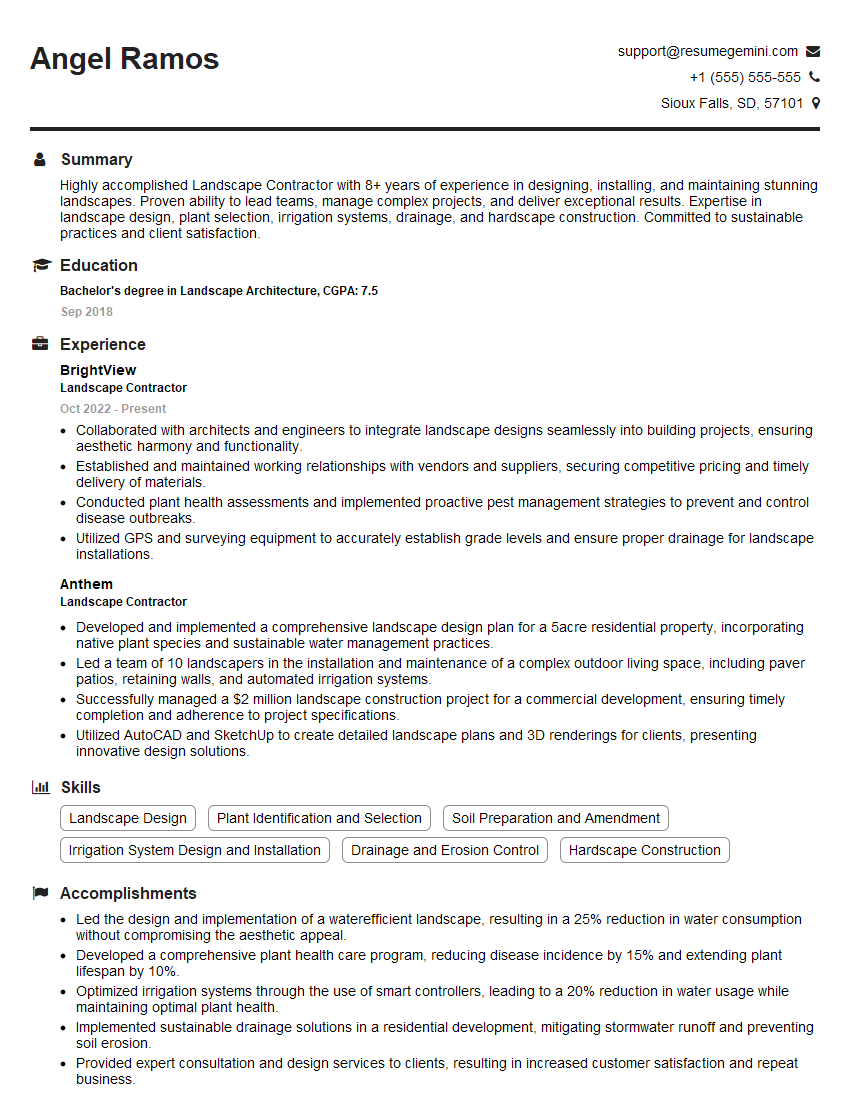
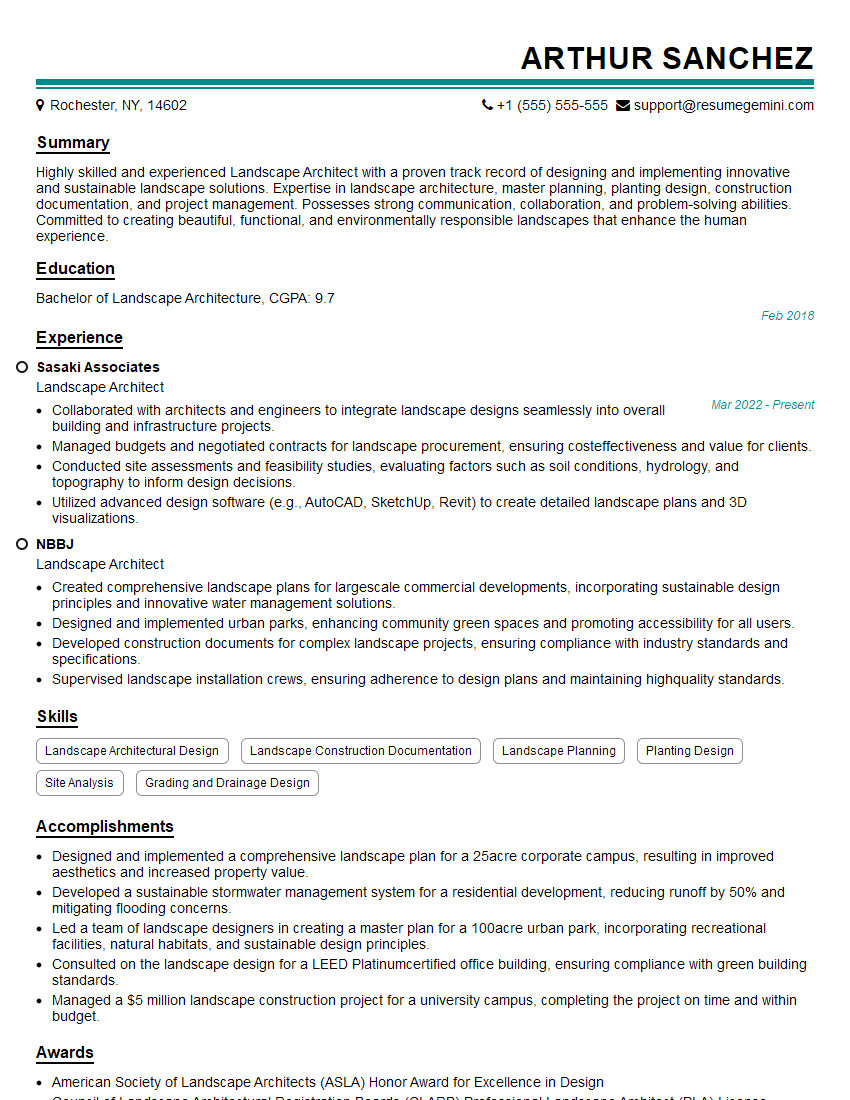
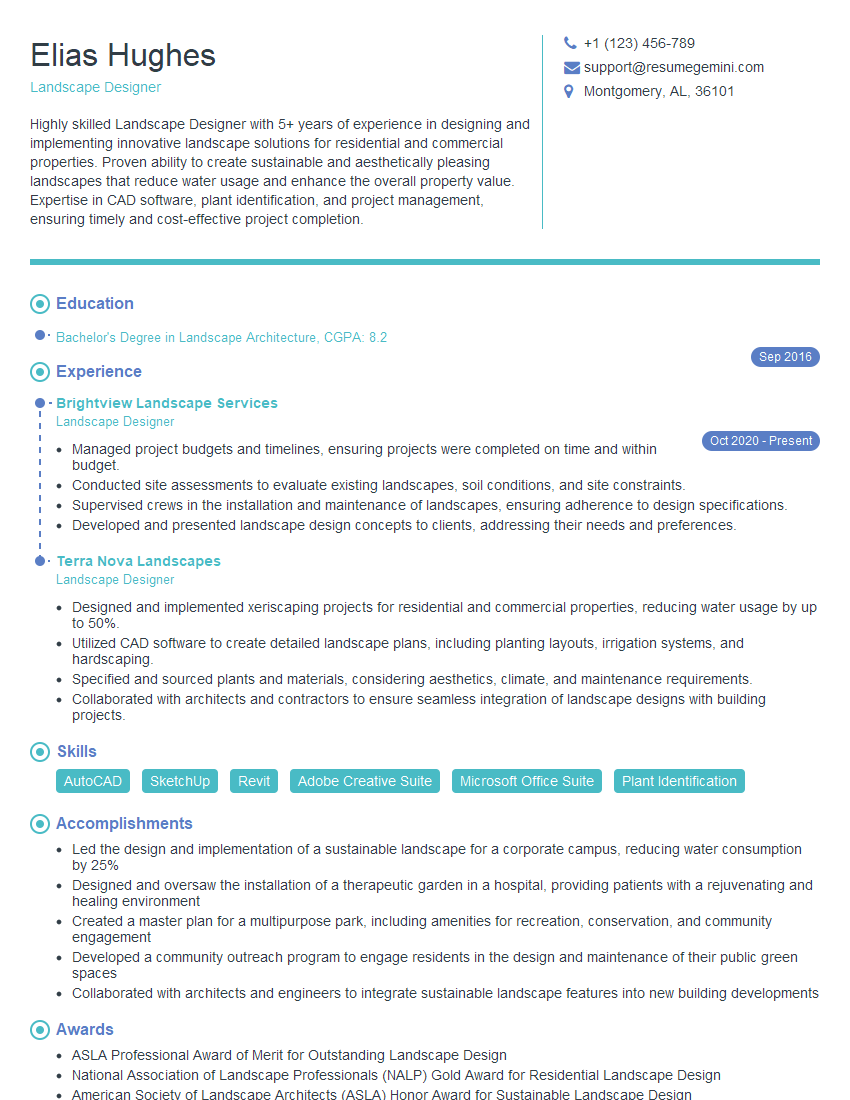
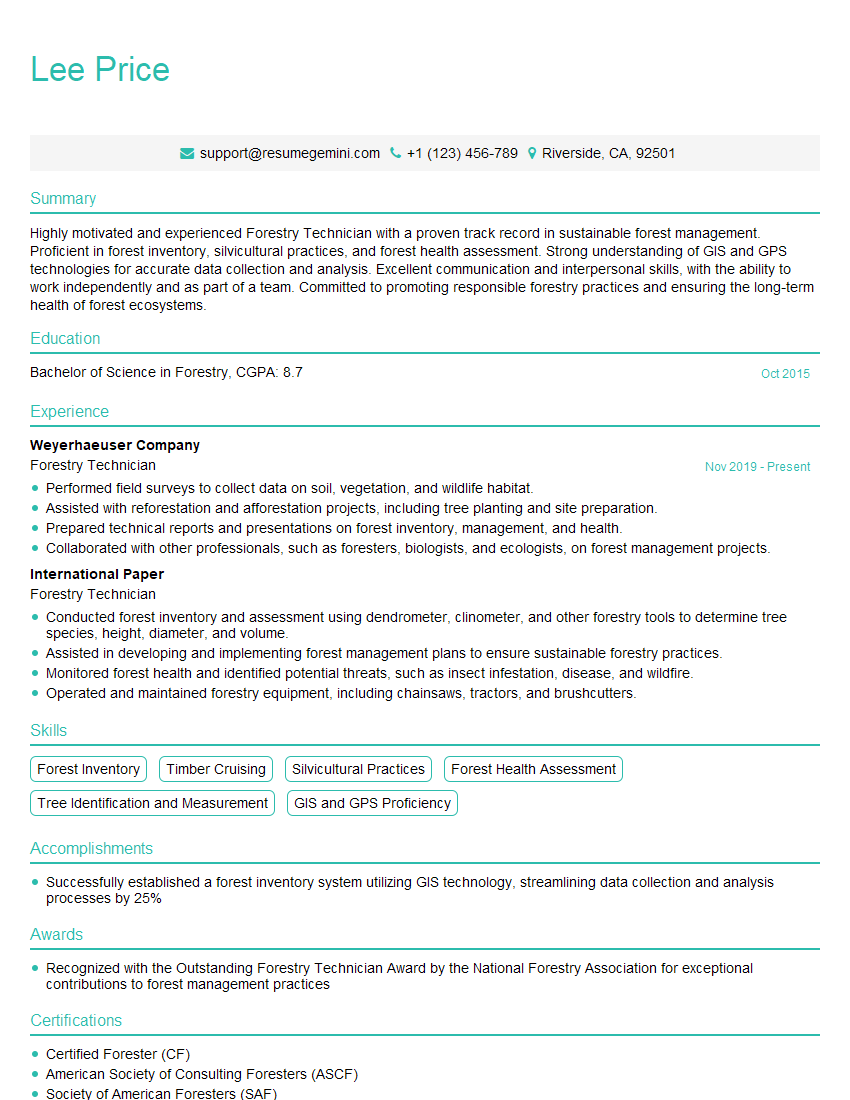
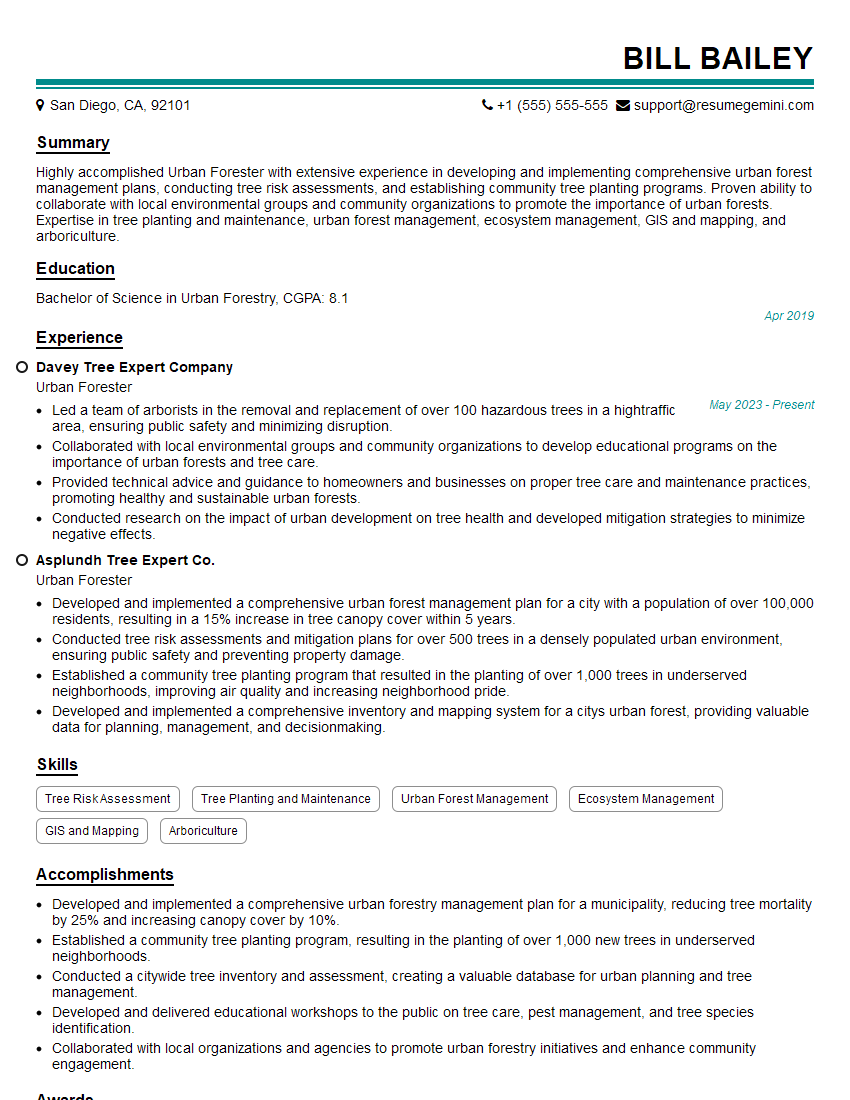
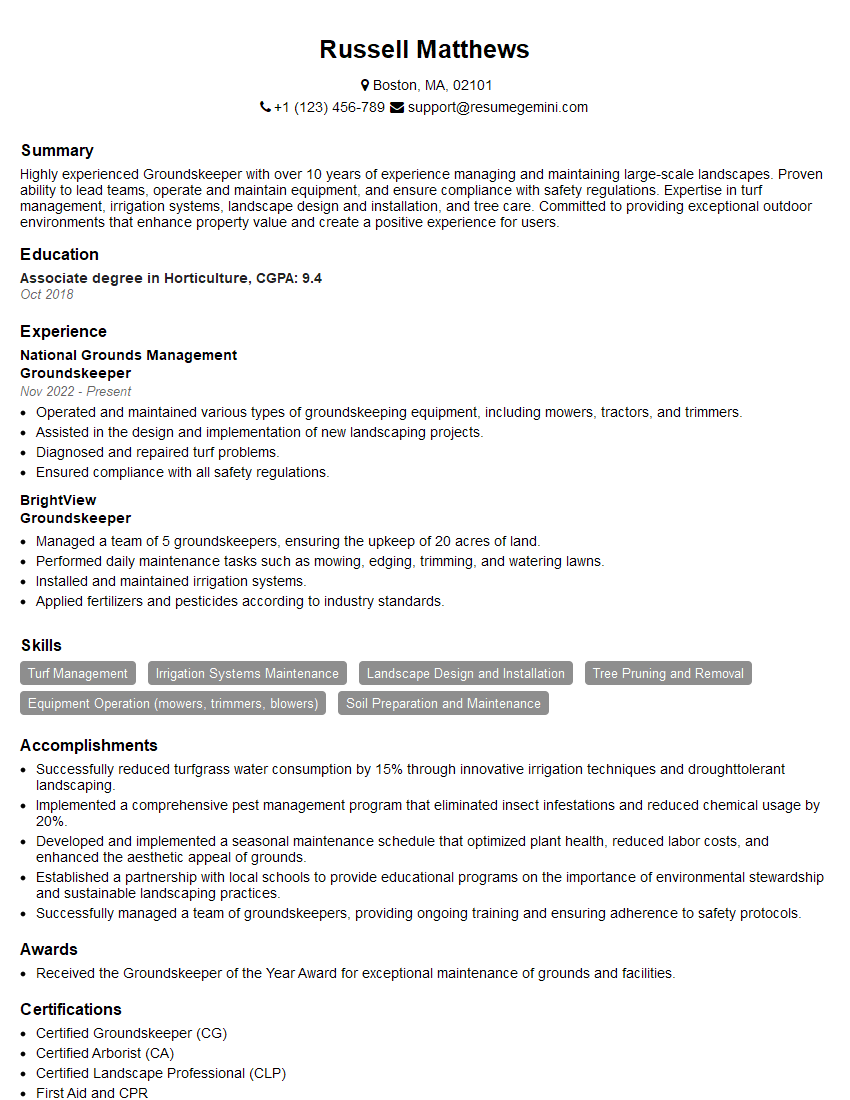
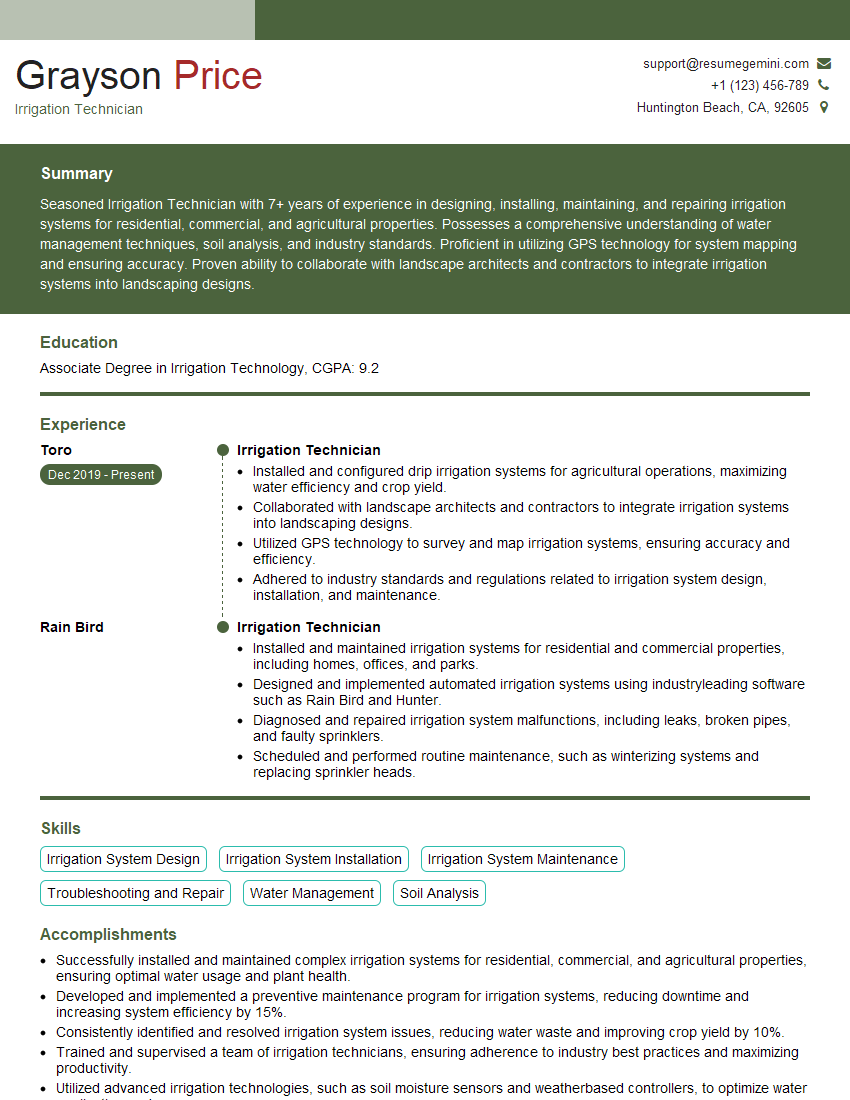
Mastering Urban Forestry and Landscape Management opens doors to a rewarding career with diverse opportunities for growth, from leading large-scale urban greening initiatives to managing private landscape projects. To significantly boost your job prospects, it’s crucial to present your skills and experience effectively through a well-crafted, ATS-friendly resume. ResumeGemini is a trusted resource that can help you build a professional and impactful resume tailored to the specific requirements of the Urban Forestry and Landscape Management field. Examples of resumes tailored to this sector are available to help guide you.

Explore more articles
Users Rating of Our Blogs
Share Your Experience
We value your feedback! Please rate our content and share your thoughts (optional).
What Readers Say About Our Blog
Very informative content, great job.
good