Preparation is the key to success in any interview. In this post, we’ll explore crucial Using Math Skills interview questions and equip you with strategies to craft impactful answers. Whether you’re a beginner or a pro, these tips will elevate your preparation.
Questions Asked in Using Math Skills Interview
Q 1. Explain the difference between correlation and causation.
Correlation and causation are two distinct concepts in statistics. Correlation describes a relationship between two variables – when one changes, the other tends to change as well. However, correlation does not imply causation. Just because two variables are correlated doesn’t mean one causes the other. There might be a third, unobserved variable influencing both.
Example: Ice cream sales and drowning incidents are often positively correlated; both increase during summer. This doesn’t mean eating ice cream causes drowning! The underlying cause is the warm weather, which influences both.
Causation, on the other hand, implies a direct cause-and-effect relationship. One variable directly influences the other. Establishing causation requires rigorous methods, often involving controlled experiments and careful consideration of confounding factors.
Q 2. What is the central limit theorem and how is it used in statistical analysis?
The Central Limit Theorem (CLT) is a fundamental concept in statistics. It states that the distribution of sample means (averages) from a large enough number of independent, identically distributed random variables will be approximately normally distributed, regardless of the shape of the original population distribution. This is true even if the original population isn’t normally distributed.
How it’s used: The CLT allows us to make inferences about a population using sample data, even when we don’t know the population’s true distribution. For example, if we want to know the average height of all adults in a country, we can take a random sample and use the CLT to estimate the population mean and its confidence interval. The larger our sample size, the more closely the distribution of sample means will approximate a normal distribution.
It’s crucial for hypothesis testing and constructing confidence intervals because it allows us to use the well-understood properties of the normal distribution to analyze sample data and make inferences about the population.
Q 3. How would you explain linear regression to a non-technical audience?
Imagine you’re trying to predict a house’s price based on its size. Linear regression is like drawing a best-fit straight line through a scatter plot of house sizes and their corresponding prices. This line represents the relationship between the two variables.
The line’s equation (typically y = mx + c, where y is the house price, x is the size, m is the slope, and c is the y-intercept) allows us to predict the price of a house given its size. The slope tells us how much the price changes for each increase in size, and the y-intercept is the predicted price when the size is zero (though this might not be practically meaningful).
Of course, real-world relationships are rarely perfectly linear. However, linear regression gives a useful approximation, enabling us to make predictions and understand the overall trend between variables.
Q 4. Describe different types of probability distributions.
There are many types of probability distributions, each describing a different way that random events can occur. Here are a few key examples:
- Normal Distribution (Gaussian): The bell-shaped curve. Many natural phenomena follow this distribution (e.g., height, weight).
- Binomial Distribution: Describes the probability of getting a certain number of successes in a fixed number of independent trials (e.g., flipping a coin 10 times and getting exactly 5 heads).
- Poisson Distribution: Models the probability of a certain number of events occurring in a fixed interval of time or space (e.g., the number of customers arriving at a store in an hour).
- Uniform Distribution: Every outcome has an equal probability (e.g., rolling a fair die).
- Exponential Distribution: Often used to model the time until an event occurs (e.g., time until a machine breaks down).
The choice of distribution depends on the nature of the data and the question being asked.
Q 5. How do you calculate standard deviation and what does it represent?
Standard deviation measures the spread or dispersion of a dataset around its mean (average). A low standard deviation indicates that the data points are clustered closely around the mean, while a high standard deviation indicates a wider spread.
Calculation:
- Calculate the mean (average) of the dataset.
- For each data point, find the difference between the data point and the mean. Square each of these differences.
- Sum up all the squared differences.
- Divide the sum by (n-1), where n is the number of data points (we use n-1 for sample standard deviation). This gives the variance.
- Take the square root of the variance to get the standard deviation.
Example (using a sample of data points): Let’s say our data points are: 2, 4, 6, 8. The mean is 5. Calculating the standard deviation will give a measure of how far each point is, on average, from the mean of 5. A higher standard deviation implies greater variability in the data.
Q 6. Explain hypothesis testing and its importance.
Hypothesis testing is a statistical method used to determine whether there’s enough evidence to reject a null hypothesis. The null hypothesis is a statement that there’s no effect or relationship between variables. We then collect data and use statistical tests to assess the likelihood of observing the data if the null hypothesis were true.
Process:
- State the null hypothesis (H0) and alternative hypothesis (H1): H0 typically represents the status quo, while H1 represents the effect we’re looking for.
- Choose a significance level (alpha): This represents the probability of rejecting the null hypothesis when it’s actually true (Type I error). A common value is 0.05.
- Collect data and perform a statistical test: This yields a p-value.
- Interpret the p-value: If the p-value is less than alpha, we reject the null hypothesis; otherwise, we fail to reject it.
Importance: Hypothesis testing is crucial for making evidence-based decisions in many fields, from medicine to business. It helps us determine if observed effects are statistically significant or simply due to random chance.
Q 7. What are different methods for handling missing data in a dataset?
Missing data is a common problem in datasets. Several methods exist to handle it, each with its strengths and weaknesses:
- Deletion: Simply remove rows or columns with missing data. This is simple but can lead to bias if the missing data isn’t random.
- Imputation: Replace missing values with estimated values. Methods include:
- Mean/Median/Mode imputation: Replace missing values with the mean, median, or mode of the remaining data. Simple but can distort the distribution.
- Regression imputation: Predict missing values using a regression model based on other variables. More sophisticated but requires careful model selection.
- K-Nearest Neighbors (KNN) imputation: Estimate missing values based on the values of similar data points.
- Multiple Imputation: Create multiple plausible imputed datasets and analyze each separately, combining the results to account for uncertainty.
The best method depends on the amount of missing data, the pattern of missingness, and the nature of the variables involved. Careful consideration is needed to avoid introducing bias and ensure accurate analysis.
Q 8. How would you approach outlier detection in a dataset?
Outlier detection is crucial for data analysis because outliers—data points significantly different from others—can skew results and lead to inaccurate conclusions. My approach is multifaceted and depends on the data’s nature and the analysis goals. I typically start with visual inspection using scatter plots, box plots, and histograms to get a feel for the data’s distribution and identify potential outliers visually. This provides a quick, intuitive first step.
Next, I employ statistical methods. The Interquartile Range (IQR) method is a robust and easy-to-understand technique. The IQR is the difference between the 75th and 25th percentiles. Outliers are often defined as data points falling below Q1 – 1.5*IQR or above Q3 + 1.5*IQR. This provides a clear numerical threshold for outlier identification.
For more complex datasets or situations with multiple variables, I might use more advanced techniques like Z-score or modified Z-score. The Z-score measures how many standard deviations a data point is from the mean. Points with an absolute Z-score above a certain threshold (e.g., 3) are considered outliers. Modified Z-scores are less sensitive to extreme values.
Finally, after identifying potential outliers, it’s crucial to investigate their cause. Are they errors in data entry? Do they represent legitimate but unusual events? Understanding the *reason* for the outlier is critical. Simply removing them without investigation could lead to flawed analyses. I often document my outlier detection and handling process meticulously.
Q 9. Describe your experience with statistical software packages (e.g., R, Python, SAS).
I’m proficient in several statistical software packages, most notably R and Python. In R, I’m comfortable using packages like ggplot2 for visualization, dplyr for data manipulation, and caret for machine learning tasks. I appreciate R’s statistical power and the vast community support available. For example, I recently used R to perform a complex time series analysis involving ARIMA modeling, leveraging its powerful time series packages.
Python, with its libraries such as pandas, NumPy, scikit-learn, and matplotlib, is another go-to for me. Python’s versatility extends beyond statistical computing, making it valuable for integrating data analysis with other tasks within a larger workflow. I particularly enjoy using Python’s flexibility for data preprocessing and exploratory data analysis (EDA), due to its clean syntax and diverse libraries. For instance, I recently utilized Python’s scikit-learn to build and evaluate a machine learning model for customer churn prediction.
While I haven’t extensively used SAS, I possess fundamental knowledge of its capabilities and understand its prevalence in many industries. I’m confident in my ability to adapt quickly to new software as needed.
Q 10. Walk me through your process of solving a complex mathematical problem.
My process for solving complex mathematical problems is systematic and iterative. First, I thoroughly understand the problem statement. This includes identifying the key variables, constraints, and the desired outcome. I often break down complex problems into smaller, more manageable subproblems. This helps avoid feeling overwhelmed.
Next, I explore different approaches. I might review relevant literature, search for similar problems already solved, and brainstorm potential solutions. I consider the available tools and techniques, and I always prioritize methods that are both accurate and computationally efficient.
Once a strategy is chosen, I meticulously implement the solution. I pay close attention to detail, carefully checking each step for errors. I often use simulations, or test cases, to validate my results. Finally, I interpret the results and communicate them clearly and concisely. If the initial solution doesn’t work perfectly, I iterate, refining my approach until I achieve a satisfactory result. This iterative process is often necessary, and it’s where true problem-solving expertise lies.
For instance, when tackling a complex optimization problem, I might start by visualizing the problem using graphs or simulations. Then, I’d select an appropriate algorithm (like gradient descent or linear programming) based on the problem’s characteristics, implement it using a suitable software package, and then carefully check the results.
Q 11. How do you handle large datasets for analysis?
Handling large datasets efficiently requires a combination of strategies. First, I focus on data reduction techniques. This could involve sampling, which allows me to analyze a representative subset of the data. Dimensionality reduction techniques, like Principal Component Analysis (PCA), can reduce the number of variables while preserving important information.
Second, I leverage efficient computing tools. This includes utilizing distributed computing frameworks like Spark or Hadoop for parallel processing of large datasets. Database management systems (DBMS) are invaluable for managing and querying massive datasets, and I am comfortable using SQL and other database query languages.
Third, I optimize my code for efficiency. This involves careful consideration of data structures, algorithms, and vectorization techniques to minimize processing time and memory usage. Using tools like profilers helps identify bottlenecks in the code for further optimization. Finally, data preprocessing and cleaning are critical steps to make the data suitable for analysis and reduce the overall size and complexity of the data.
Q 12. What are your preferred methods for data visualization?
My preferred methods for data visualization depend heavily on the type of data and the message I want to convey. For exploring relationships between variables, scatter plots and heatmaps are incredibly useful. For showing the distribution of a single variable, histograms, box plots, and kernel density estimates are effective tools. I find that interactive dashboards are powerful for presenting insights in an engaging and easily accessible manner, especially for sharing results with stakeholders who may not have a strong statistical background.
For time series data, line charts are a standard and highly effective choice. For categorical data, bar charts and pie charts can be useful, although I am mindful of potential pitfalls of pie charts (especially with many categories). I also frequently use geographic visualizations using map plots, particularly useful for spatial data analysis.
Beyond the choice of chart type, I emphasize clear labeling, thoughtful color palettes, and concise titles to ensure that the visualizations are both informative and aesthetically pleasing. I leverage tools like ggplot2 in R and matplotlib in Python for creating publication-quality visualizations. Good data visualization is about effective communication, and I strive for clear and impactful results.
Q 13. Explain the concept of Bayes’ theorem and give an example.
Bayes’ theorem is a fundamental concept in probability theory that describes how to update the probability of an event based on new evidence. Formally, it’s expressed as: P(A|B) = [P(B|A) * P(A)] / P(B), where:
P(A|B)is the posterior probability of event A occurring given that event B has occurred.P(B|A)is the likelihood of event B occurring given that event A has occurred.P(A)is the prior probability of event A occurring.P(B)is the prior probability of event B occurring (often calculated as a marginal probability using the law of total probability).
Let’s consider a simple example: Suppose we have a test for a disease. The test is 90% accurate when someone has the disease (true positive rate) and 95% accurate when someone doesn’t have the disease (true negative rate). The disease is relatively rare, affecting only 1% of the population. If a person tests positive, what is the probability they actually have the disease?
Here, A represents having the disease, and B represents a positive test result. We know: P(A) = 0.01 (prior probability), P(B|A) = 0.9 (likelihood), and P(B|¬A) = 0.05 (false positive rate). We can calculate P(B) using the law of total probability: P(B) = P(B|A)P(A) + P(B|¬A)P(¬A) = (0.9 * 0.01) + (0.05 * 0.99) ≈ 0.0585. Applying Bayes’ theorem: P(A|B) = (0.9 * 0.01) / 0.0585 ≈ 0.15. Even with a positive test result, the probability of actually having the disease is only about 15%, highlighting the importance of considering prior probabilities.
Q 14. Describe your understanding of time series analysis.
Time series analysis involves analyzing data points collected over time. It’s used to understand patterns, trends, and seasonality within the data, and to forecast future values. Key components include identifying trends (long-term upward or downward movements), seasonality (regular, periodic fluctuations), and cyclical patterns (irregular, longer-term fluctuations).
Common techniques used in time series analysis include:
- Moving averages: Smoothing out short-term fluctuations to reveal underlying trends.
- Exponential smoothing: Assigning greater weight to more recent observations.
- ARIMA models: Autoregressive Integrated Moving Average models, capturing relationships between past and present values.
- Decomposition: Separating a time series into its trend, seasonal, and residual components.
- Spectral analysis: Identifying the frequency components within the time series.
The choice of technique depends on the characteristics of the time series data and the goals of the analysis. For example, forecasting stock prices might involve ARIMA modeling or other sophisticated methods, whereas analyzing seasonal sales patterns might use simple decomposition techniques. Understanding autocorrelation and stationarity (constant statistical properties over time) is crucial for successful time series analysis. I have experience working with diverse time series datasets, from financial data to environmental data, applying appropriate methods based on the specific characteristics of each dataset.
Q 15. How familiar are you with different optimization techniques?
Optimization techniques are mathematical procedures used to find the best solution among many possible options. My familiarity spans a range of methods, from simple gradient descent to more sophisticated approaches. I’m proficient in linear programming, used for problems with linear objective functions and constraints, often seen in resource allocation. I also have experience with nonlinear programming, which handles more complex scenarios involving non-linear relationships. Furthermore, I’m well-versed in metaheuristics like genetic algorithms and simulated annealing, particularly useful for tackling large-scale or complex problems where finding a global optimum is challenging. These techniques are crucial for various applications, from supply chain management (minimizing costs) to machine learning (optimizing model parameters).
- Linear Programming: Imagine optimizing the production of two products, A and B, given limited resources (labor, materials). Linear programming can determine the optimal production quantities to maximize profit.
- Nonlinear Programming: Consider optimizing the trajectory of a rocket to minimize fuel consumption. This involves complex non-linear equations that require specialized algorithms.
- Genetic Algorithms: These are particularly useful in problems with a vast search space, like designing an efficient network topology or optimizing the parameters of a neural network. They mimic natural selection to evolve better solutions over time.
Career Expert Tips:
- Ace those interviews! Prepare effectively by reviewing the Top 50 Most Common Interview Questions on ResumeGemini.
- Navigate your job search with confidence! Explore a wide range of Career Tips on ResumeGemini. Learn about common challenges and recommendations to overcome them.
- Craft the perfect resume! Master the Art of Resume Writing with ResumeGemini’s guide. Showcase your unique qualifications and achievements effectively.
- Don’t miss out on holiday savings! Build your dream resume with ResumeGemini’s ATS optimized templates.
Q 16. Explain your understanding of different sampling methods.
Sampling methods are crucial when dealing with large datasets or populations where analyzing the entire data is impractical or impossible. They involve selecting a subset of the data that represents the whole population. Several methods exist, each with its strengths and weaknesses.
- Simple Random Sampling: Every member of the population has an equal chance of being selected. Think of drawing names from a hat. This is straightforward but might not represent subgroups within the population well.
- Stratified Sampling: The population is divided into subgroups (strata), and samples are drawn from each stratum proportionally to its size. For instance, surveying people across different age groups to ensure representation of each.
- Cluster Sampling: The population is divided into clusters, and a random sample of clusters is selected. All members within the selected clusters are then included in the sample. Imagine surveying households by selecting a few neighborhoods randomly and surveying all households within those selected neighborhoods.
- Systematic Sampling: Members are selected at regular intervals from an ordered list. For example, selecting every 10th person from a patient registry.
The choice of sampling method depends heavily on the research question and the characteristics of the population. Understanding the biases associated with each method is paramount for accurate conclusions.
Q 17. Describe your experience with statistical modeling.
My experience with statistical modeling encompasses a wide range of techniques. I’ve built and validated models using various methods, including linear regression for exploring relationships between variables, logistic regression for predicting binary outcomes, and time-series analysis for modeling data collected over time. I’m comfortable working with both frequentist and Bayesian approaches. In my previous role, for instance, I developed a logistic regression model to predict customer churn, significantly improving retention strategies. Another project involved building a time-series model to forecast sales, allowing for proactive inventory management.
Beyond simple models, I’ve worked with more advanced techniques like generalized linear models (GLMs) to handle non-normal response variables and survival analysis to study the duration of events like equipment failures or customer lifespans. Model selection, validation, and diagnostics are crucial aspects of my workflow, ensuring that the chosen model appropriately captures the data and makes accurate predictions.
Q 18. How would you determine the appropriate statistical test for a given research question?
Selecting the appropriate statistical test is crucial for drawing valid conclusions. The choice depends on several factors: the type of data (categorical, continuous), the research question (comparing groups, assessing relationships), and the number of groups or variables involved.
A structured approach is vital. I typically start by clarifying the research question and the type of data. Then, I consider the following:
- Comparing means of two groups: Independent samples t-test (if data is normally distributed) or Mann-Whitney U test (if data is not normally distributed).
- Comparing means of three or more groups: ANOVA (if data is normally distributed) or Kruskal-Wallis test (if data is not normally distributed).
- Assessing the relationship between two continuous variables: Pearson correlation (if data is normally distributed) or Spearman correlation (if data is not normally distributed).
- Analyzing categorical data: Chi-square test.
Understanding the assumptions of each test is critical. Violations of assumptions can lead to inaccurate results. If assumptions are violated, I may consider transformations of the data or alternative non-parametric tests.
Q 19. Explain your understanding of p-values and their interpretation.
The p-value is the probability of observing results as extreme as, or more extreme than, the ones obtained, assuming the null hypothesis is true. The null hypothesis is a statement that there is no effect or difference. A small p-value (typically less than 0.05) suggests that the observed results are unlikely to have occurred by chance alone, providing evidence against the null hypothesis. However, it’s crucial to understand that a p-value doesn’t measure the size of the effect or the probability that the null hypothesis is true.
Interpreting p-values requires careful consideration of the context. A low p-value indicates statistical significance but doesn’t necessarily imply practical significance. Furthermore, relying solely on p-values can be misleading. It’s essential to consider effect sizes, confidence intervals, and the overall context of the research to draw meaningful conclusions. For example, a statistically significant result with a small effect size might be less important than a non-significant result with a large effect size in a practical setting.
Q 20. How do you ensure the accuracy and validity of your calculations?
Ensuring accuracy and validity in calculations is paramount. My approach involves a multi-pronged strategy:
- Double-checking calculations: I routinely review my work, comparing manual calculations to software outputs whenever feasible.
- Using reliable software: I use established statistical software packages (like R or Python with appropriate libraries) known for their accuracy and reliability.
- Understanding the limitations of the methods: I’m acutely aware of the assumptions and limitations of the statistical methods I use and carefully consider whether these assumptions are met by the data.
- Peer review: Whenever possible, I get a colleague to review my calculations and interpretations to identify any potential errors or biases.
- Documenting the process: Maintaining detailed records of the methods, data transformations, and calculations allows for easy reproducibility and error detection.
Ultimately, rigorous attention to detail and a critical assessment of the entire process are key to ensuring the validity of my findings.
Q 21. Describe a time you had to solve a problem requiring complex mathematical skills.
In a previous project involving the optimization of a complex supply chain, we encountered significant challenges in minimizing transportation costs while meeting stringent delivery deadlines. The problem involved multiple warehouses, various delivery locations, and fluctuating demand. A simple approach wouldn’t suffice. We developed a solution using a combination of linear programming and a heuristic algorithm. The linear programming model optimized the allocation of goods from warehouses to customers, given constraints like warehouse capacities and transportation costs. However, this model couldn’t handle the dynamism of the demand fluctuations. We incorporated a heuristic algorithm to adjust the allocation based on real-time demand data, significantly improving the responsiveness and cost-efficiency of the system. This involved extensive modeling, coding, and validation, demonstrating the importance of combining different mathematical techniques to tackle intricate real-world problems. The solution resulted in a 15% reduction in transportation costs and a 5% improvement in on-time delivery.
Q 22. What is your experience with different types of matrices and their operations?
Matrices are fundamental to many areas of mathematics and its applications. My experience encompasses various types, including square matrices (equal number of rows and columns), rectangular matrices (unequal rows and columns), identity matrices (diagonal of 1s, rest 0s), diagonal matrices (non-zero elements only on the diagonal), and triangular matrices (all elements above or below the diagonal are zero).
I’m proficient in matrix operations such as addition, subtraction, multiplication (which is not commutative!), and finding the inverse of a matrix. I understand the significance of determinants in determining invertibility and solving systems of linear equations. For instance, consider solving a system of equations like:
2x + 3y = 7x - y = 1
This can be represented as a matrix equation Ax = b, where A is the coefficient matrix, x is the vector of unknowns, and b is the constant vector. Solving for x involves finding the inverse of A (if it exists) and multiplying it by b.
Furthermore, I’ve worked extensively with eigenvalues and eigenvectors, crucial in understanding the behavior of linear transformations. Eigenvalues represent scaling factors, and eigenvectors represent the directions that remain unchanged under the transformation. This concept is widely used in data analysis techniques like Principal Component Analysis (PCA).
Q 23. Explain your understanding of calculus and its applications in your field.
Calculus is the foundation for understanding change and rates of change. My understanding encompasses both differential and integral calculus. Differential calculus deals with derivatives, which represent the instantaneous rate of change of a function. This is incredibly useful in optimization problems—finding maximum or minimum values, such as maximizing profits or minimizing costs. Imagine a company trying to optimize its production to minimize the cost per unit produced. Differential calculus allows us to find the production level where the cost is at a minimum.
Integral calculus, on the other hand, deals with accumulation. It allows us to calculate areas under curves, volumes of solids, and other related quantities. In finance, integral calculus is used to calculate present values of future cash flows, a fundamental concept in financial modeling and valuation. For example, calculating the total interest earned on a savings account over a period of time involves integration.
In my work, I’ve applied calculus to model various phenomena, ranging from predicting growth rates (using exponential functions and their derivatives) to forecasting demand based on historical data. Understanding partial derivatives is particularly helpful in multivariate optimization, which is common in more complex scenarios.
Q 24. How do you approach problems involving financial modeling?
Financial modeling involves creating mathematical representations of financial situations. My approach is systematic and involves several key steps. First, I define the problem clearly: What are we trying to model? What are the key variables and assumptions?
Next, I gather relevant data and check its quality. This includes identifying potential biases or inaccuracies and understanding limitations. Data sources might include financial statements, market data, and economic forecasts. Then, I select appropriate mathematical models. This choice depends on the specific problem: discounted cash flow (DCF) analysis for valuation, regression analysis for forecasting, or stochastic models for risk management. I might use tools like spreadsheets or specialized financial modeling software.
After building the model, I validate it by comparing its outputs to historical data or realistic scenarios. Sensitivity analysis is crucial to examine how changes in assumptions affect the results, revealing areas of uncertainty or high risk. I also thoroughly document my assumptions, methodology, and results to ensure transparency and reproducibility.
For instance, I might build a DCF model to estimate the intrinsic value of a company, taking into account its projected free cash flows, discount rate, and terminal value. By modifying inputs (like discount rate), I assess the model’s robustness and sensitivity to different economic environments.
Q 25. Describe your experience with forecasting methods.
Forecasting is crucial for informed decision-making. My experience includes various methods, each with its strengths and weaknesses. Simple methods like moving averages (calculating the average of a specific number of past data points) are useful for smoothing out short-term fluctuations and detecting trends in relatively stable data. Exponential smoothing assigns exponentially decreasing weights to older data points, giving more weight to recent data, making it adaptive to changing trends.
More sophisticated methods include ARIMA (Autoregressive Integrated Moving Average) models, which capture patterns in time series data based on autocorrelations. These models are powerful but require careful selection of parameters and assumptions. Regression analysis, particularly time series regression, is another important tool; it helps to establish relationships between the variable being forecast and other relevant predictors. For example, predicting future sales based on past sales and advertising spending.
Finally, I also leverage more advanced techniques such as machine learning algorithms (like neural networks and support vector machines), particularly for more complex data sets with non-linear relationships and potentially large datasets where more traditional forecasting methods might not be sufficient.
Choosing the best method depends heavily on the nature of the data, the forecasting horizon, and the desired level of accuracy. Evaluating forecasting accuracy using metrics like Mean Absolute Error (MAE) and Root Mean Squared Error (RMSE) is essential.
Q 26. Explain your understanding of risk assessment and mitigation using mathematical models.
Risk assessment and mitigation are crucial using mathematical models. The process typically begins with identifying potential risks, which might involve brainstorming sessions or analyzing past data. Then, each risk is analyzed using various quantitative models. For example, Monte Carlo simulations can be used to generate a probability distribution of potential outcomes, considering the uncertainty of various factors. Sensitivity analysis can help determine which factors have the greatest impact on the overall risk.
Once the risks and their potential impact are quantified, mitigation strategies can be developed. These strategies often involve reducing the probability of the risk occurring or reducing its potential impact. The cost-benefit analysis of each mitigation strategy might also be considered, ensuring that the cost of mitigation doesn’t outweigh the potential benefits.
For instance, in a financial portfolio, Value at Risk (VaR) is a common risk metric that quantifies the maximum potential loss over a given time horizon with a certain confidence level. By modeling the portfolio’s returns using various statistical distributions and techniques, a VaR estimate can be generated. Based on the VaR and the portfolio’s risk tolerance, adjustments might be made (e.g., diversifying investments or hedging strategies).
Q 27. How proficient are you in using spreadsheets for data analysis?
I’m highly proficient in using spreadsheets for data analysis. My skills include data cleaning, manipulation, and visualization using tools like Excel, Google Sheets, and other similar software. I’m comfortable working with large datasets and using various functions and formulas for calculations and analysis. I also frequently use pivot tables and charts for summarizing, exploring, and communicating data insights.
Beyond basic data manipulation, I regularly utilize spreadsheet functions for statistical analysis, including descriptive statistics (mean, median, standard deviation), regression analysis, and hypothesis testing. Furthermore, I know how to link spreadsheets to external data sources (databases, web APIs) and automate repetitive tasks using macros and scripting (e.g., VBA in Excel).
For example, I might use spreadsheets to analyze sales data to identify trends, forecast future sales, and assess the effectiveness of marketing campaigns. The ability to quickly generate charts and dashboards allows for efficient communication of findings to both technical and non-technical stakeholders.
Q 28. Describe your approach to problem-solving when faced with an ambiguous or incomplete dataset.
Facing ambiguous or incomplete datasets is a common challenge. My approach is iterative and involves several steps. First, I carefully examine the available data to understand its limitations. This includes identifying missing values, outliers, and potential biases. I would then document these limitations clearly to ensure transparency.
Next, I consider different imputation strategies to deal with missing data. Simple methods like mean or median imputation are quick but can distort relationships in the data; more advanced techniques such as regression imputation or k-nearest neighbors can be used to estimate the missing values more accurately. The best choice depends on the nature of the data and the potential impact of imputation on the analysis.
If the data is inherently incomplete, I might explore robust statistical methods that are less sensitive to missing data or outliers. For example, non-parametric methods or methods based on ranked data might be used instead of techniques that rely on specific assumptions about data distributions. Finally, I consider whether additional data can be collected or external sources consulted to reduce the ambiguity.
Throughout this process, I emphasize transparency and clearly document the assumptions and limitations of the analysis. The goal is to make the best possible inferences given the available data while acknowledging the uncertainty introduced by incompleteness.
Key Topics to Learn for Using Math Skills Interview
- Fundamental Arithmetic & Algebra: Mastering basic operations, equations, and inequalities is foundational. Consider practical applications like calculating percentages, ratios, and proportions.
- Data Analysis & Interpretation: Practice interpreting charts, graphs, and tables. Understand concepts like mean, median, mode, and standard deviation, and their applications in real-world scenarios.
- Statistical Reasoning: Familiarize yourself with basic statistical concepts and their use in making informed decisions. Think about how to present data clearly and draw meaningful conclusions.
- Problem-Solving Strategies: Develop your ability to break down complex problems into smaller, manageable parts. Practice using logical reasoning and different approaches to find solutions.
- Financial Math (if applicable): Depending on the role, understanding concepts like interest rates, compound interest, and present value calculations might be crucial.
- Mathematical Modeling (if applicable): For some roles, you might need to demonstrate an understanding of how mathematical models are used to represent and solve real-world problems.
Next Steps
Mastering math skills significantly enhances your problem-solving abilities and opens doors to a wide range of rewarding career opportunities. A strong foundation in these skills demonstrates critical thinking and analytical capabilities highly valued by employers. To increase your chances of landing your dream job, focus on crafting an ATS-friendly resume that highlights your mathematical capabilities. ResumeGemini is a trusted resource to help you build a professional and impactful resume. We provide examples of resumes tailored to highlight proficiency in Using Math Skills; review them to gain inspiration and best practices.

Operations Manager Resume Sample
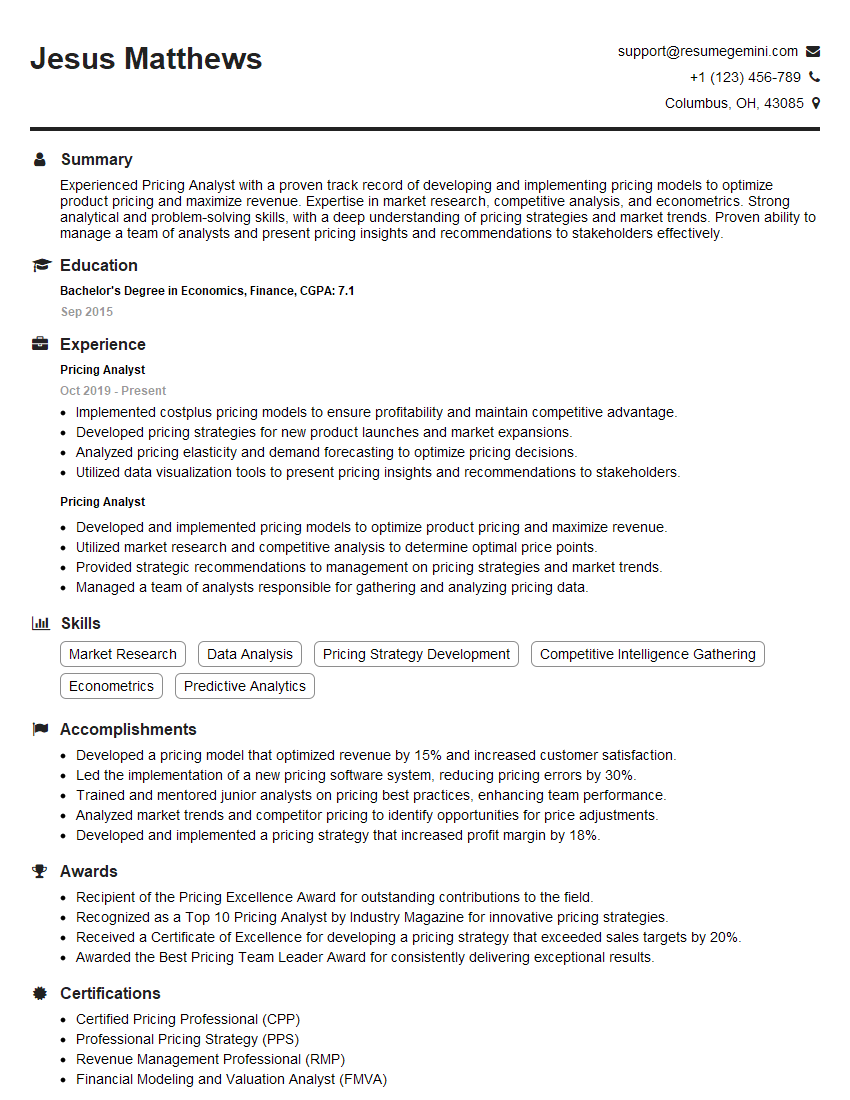
Pricing Analyst Resume Sample
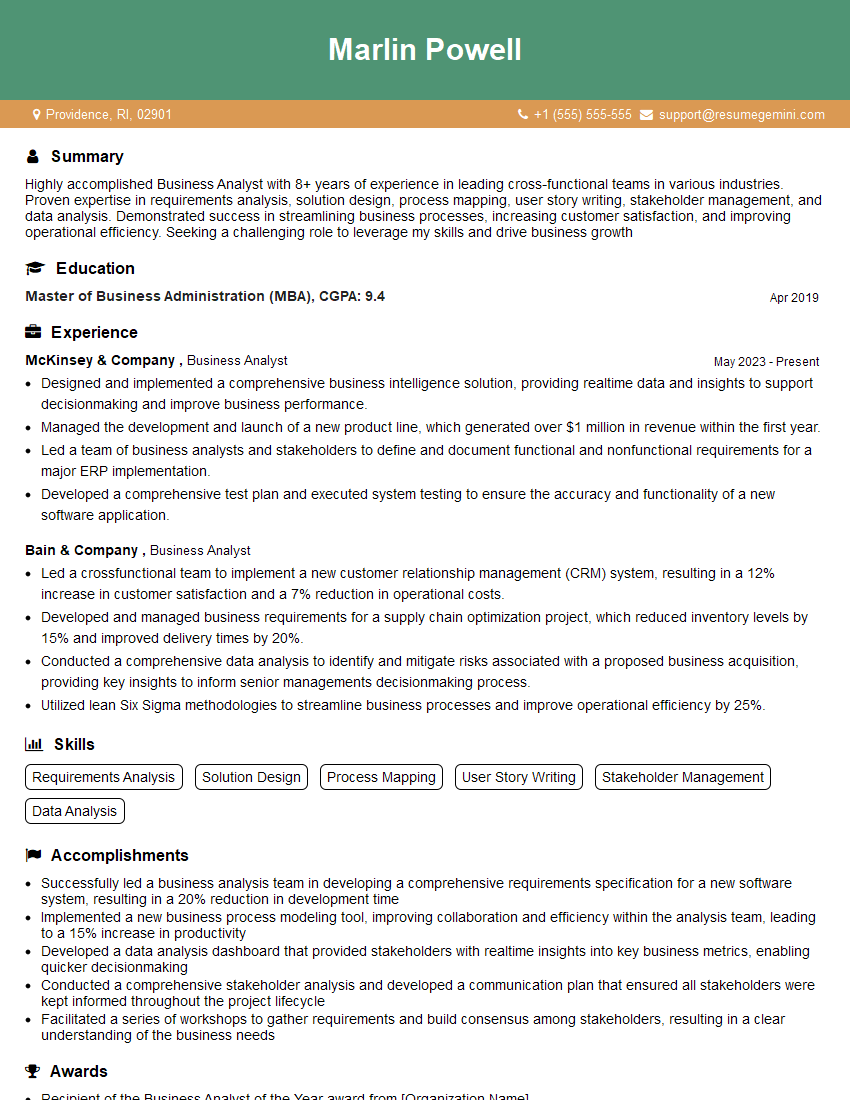
Business Analyst Resume Sample
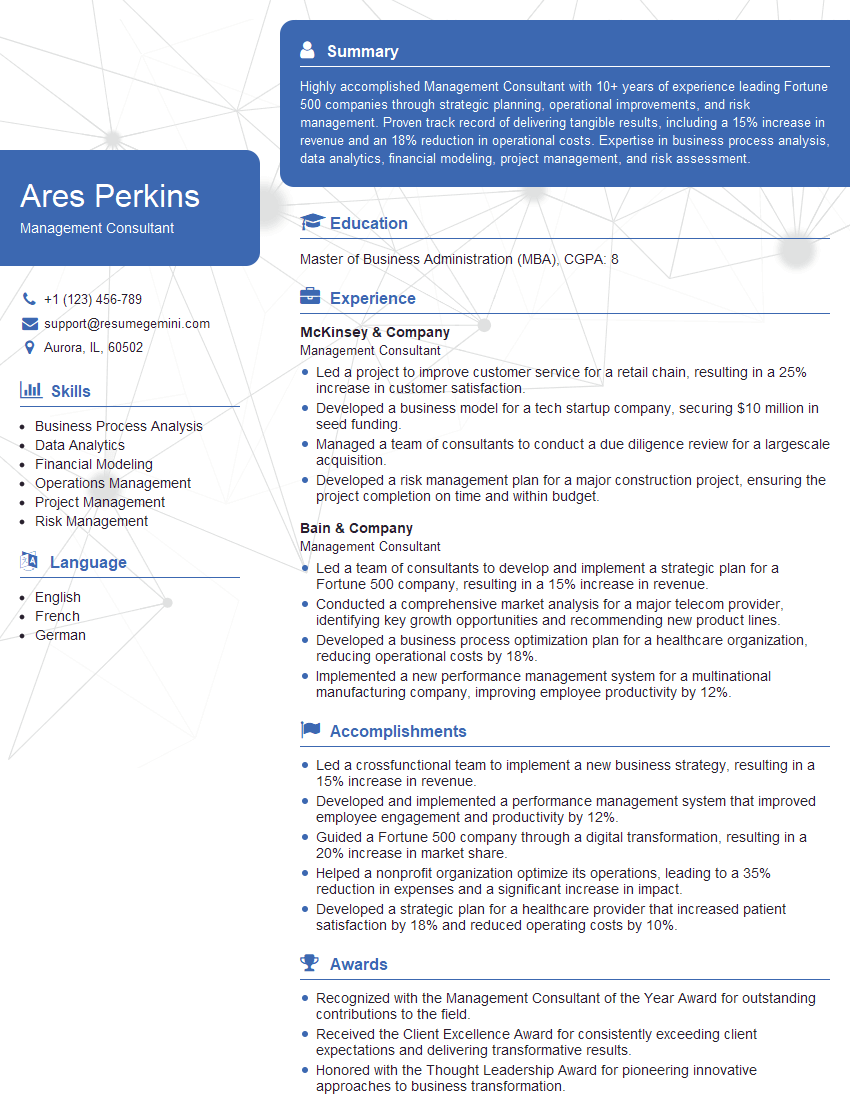
Management Consultant Resume Sample
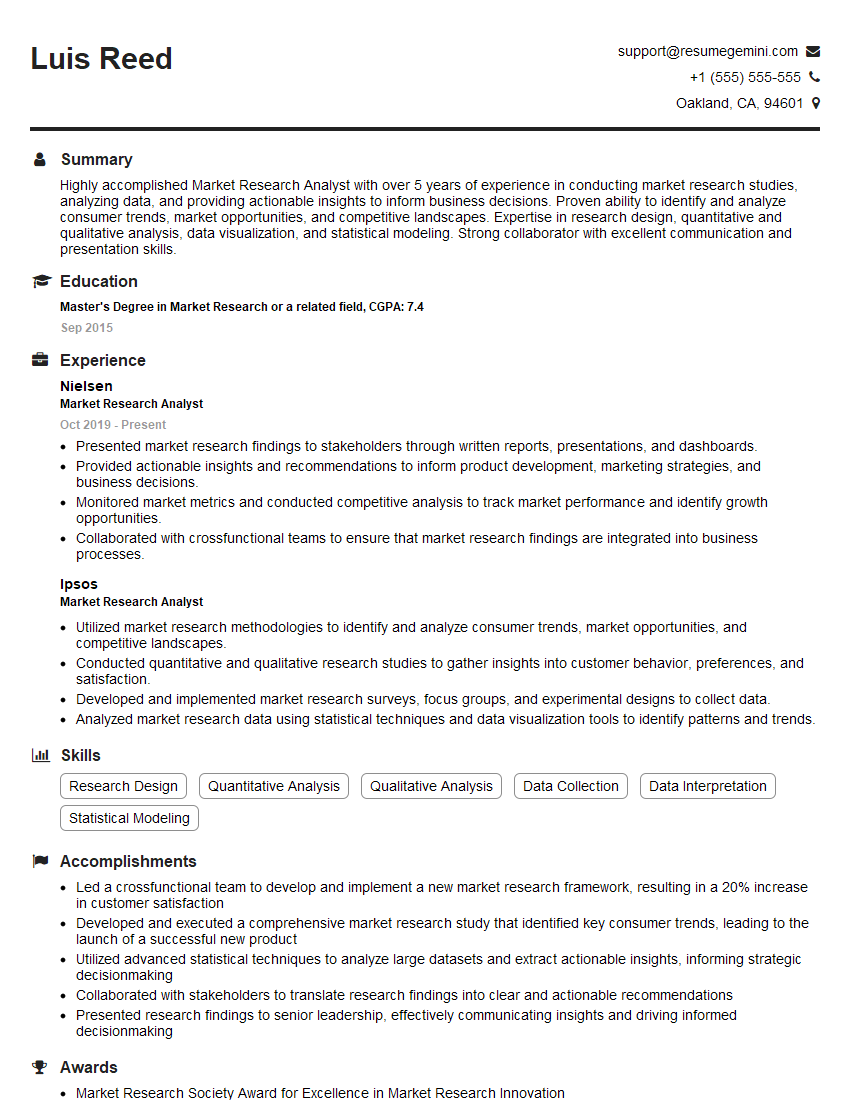
Market Research Analyst Resume Sample
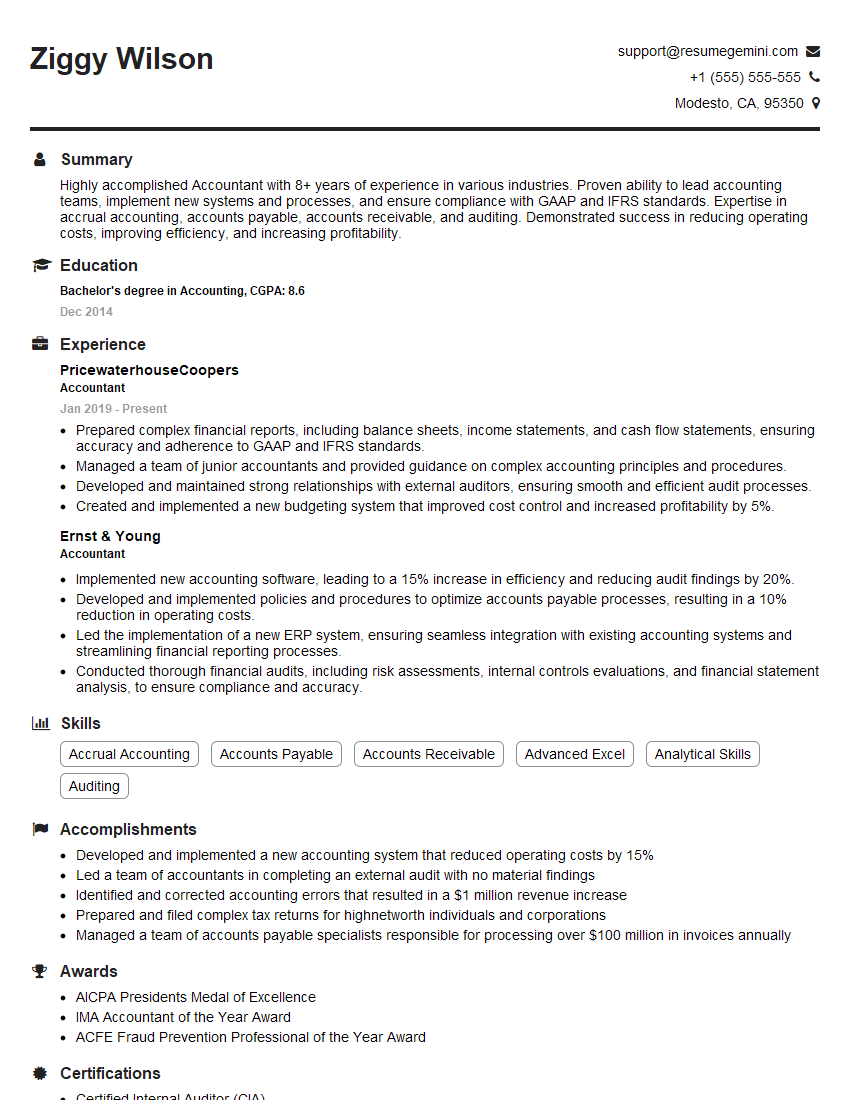
Accountant Resume Sample
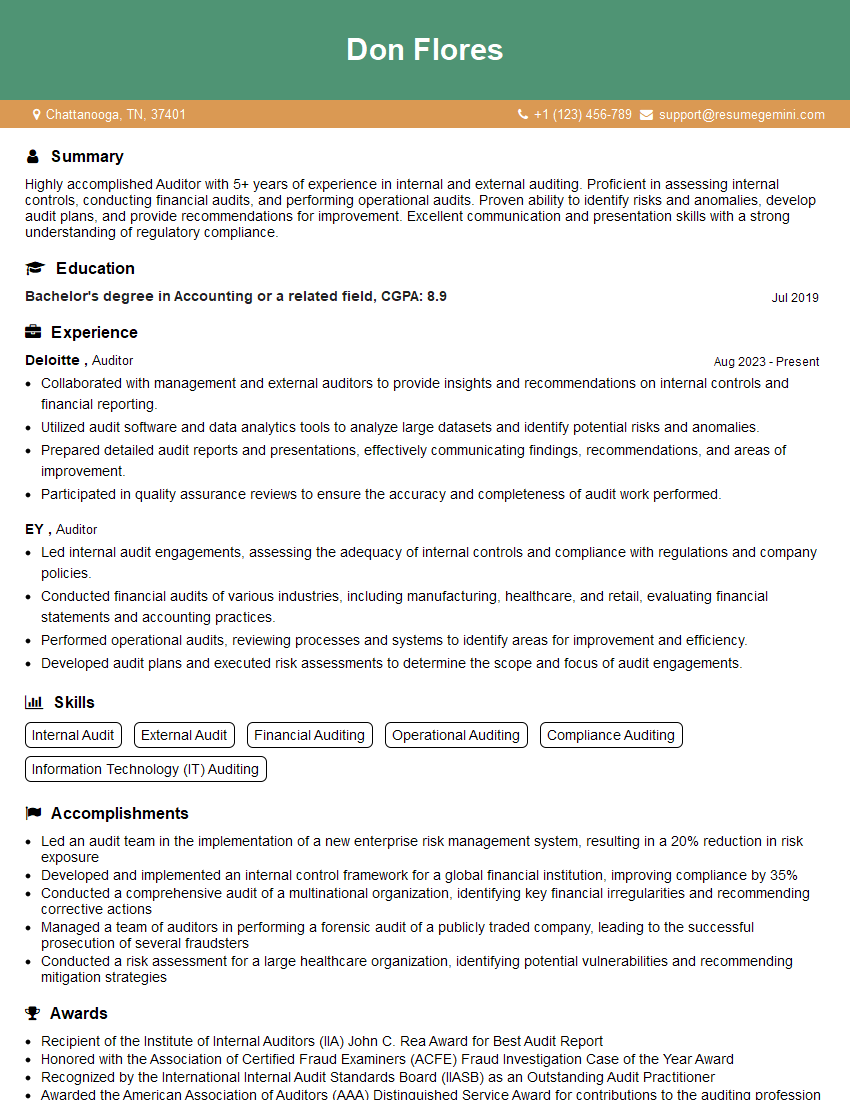
Auditor Resume Sample
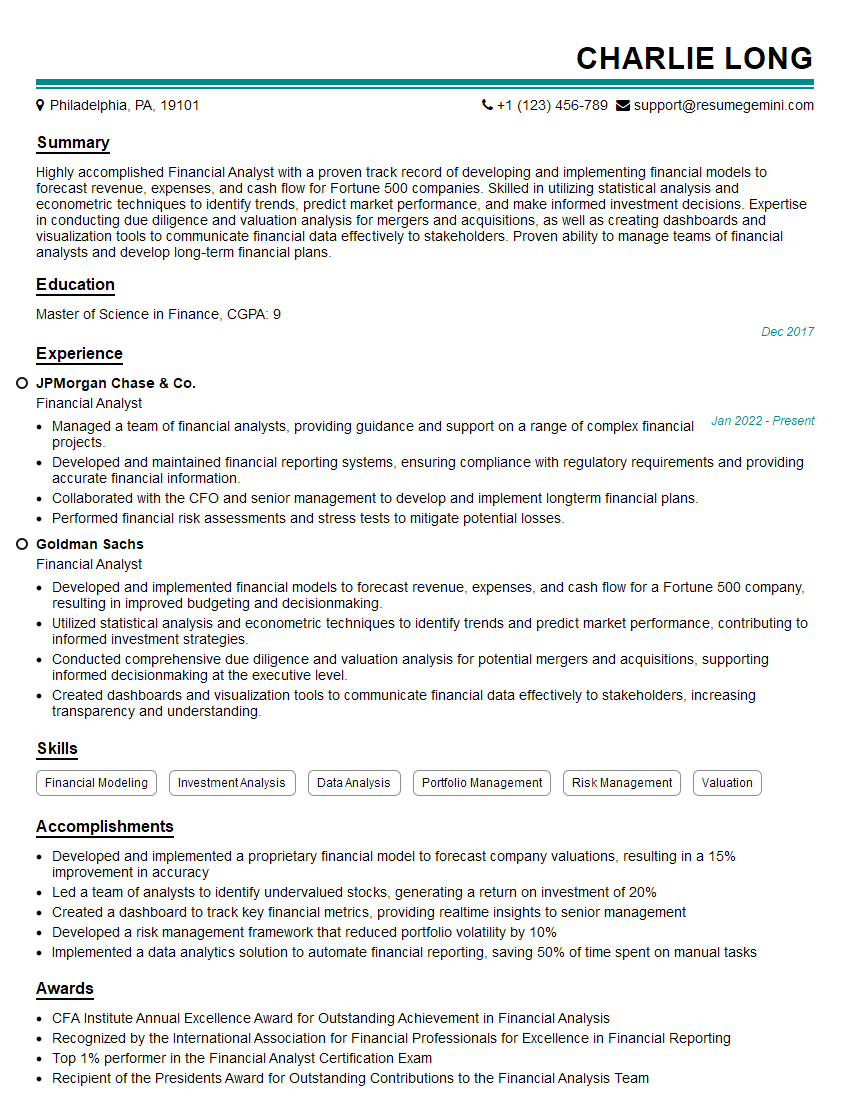
Financial Analyst Resume Sample
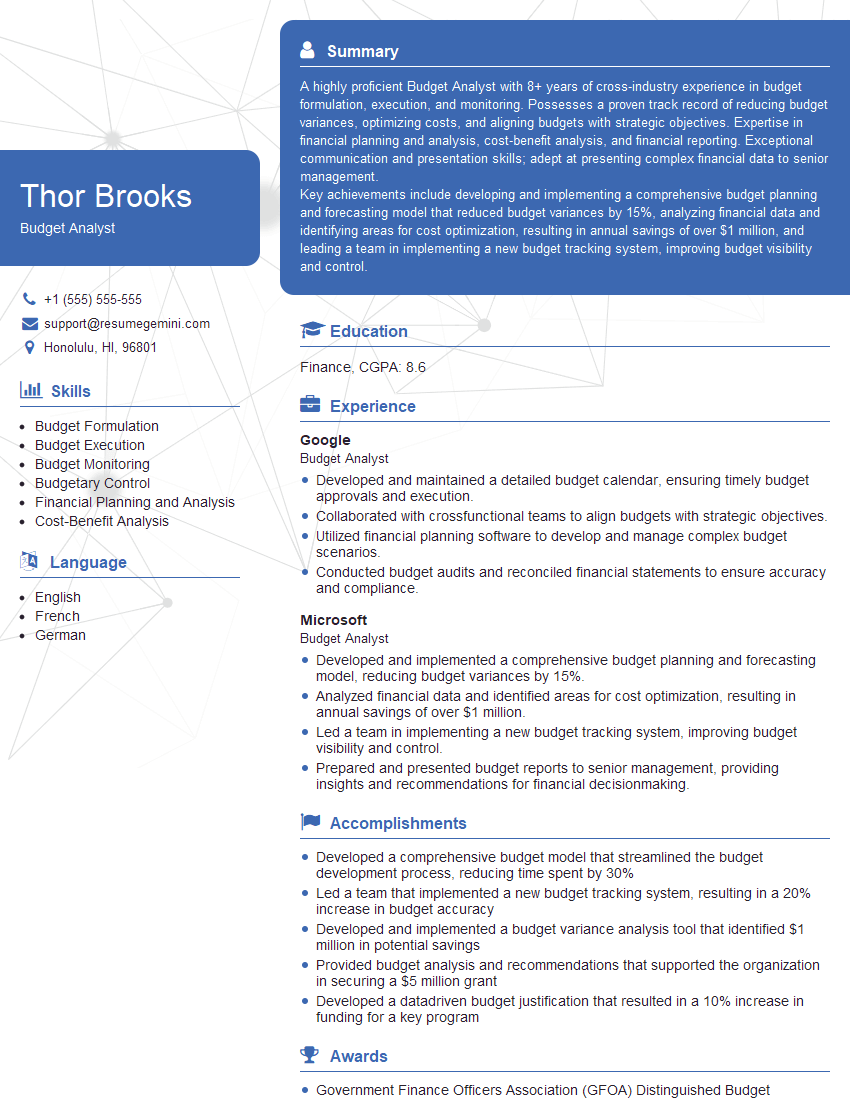
Budget Analyst Resume Sample

Data Analyst Resume Sample
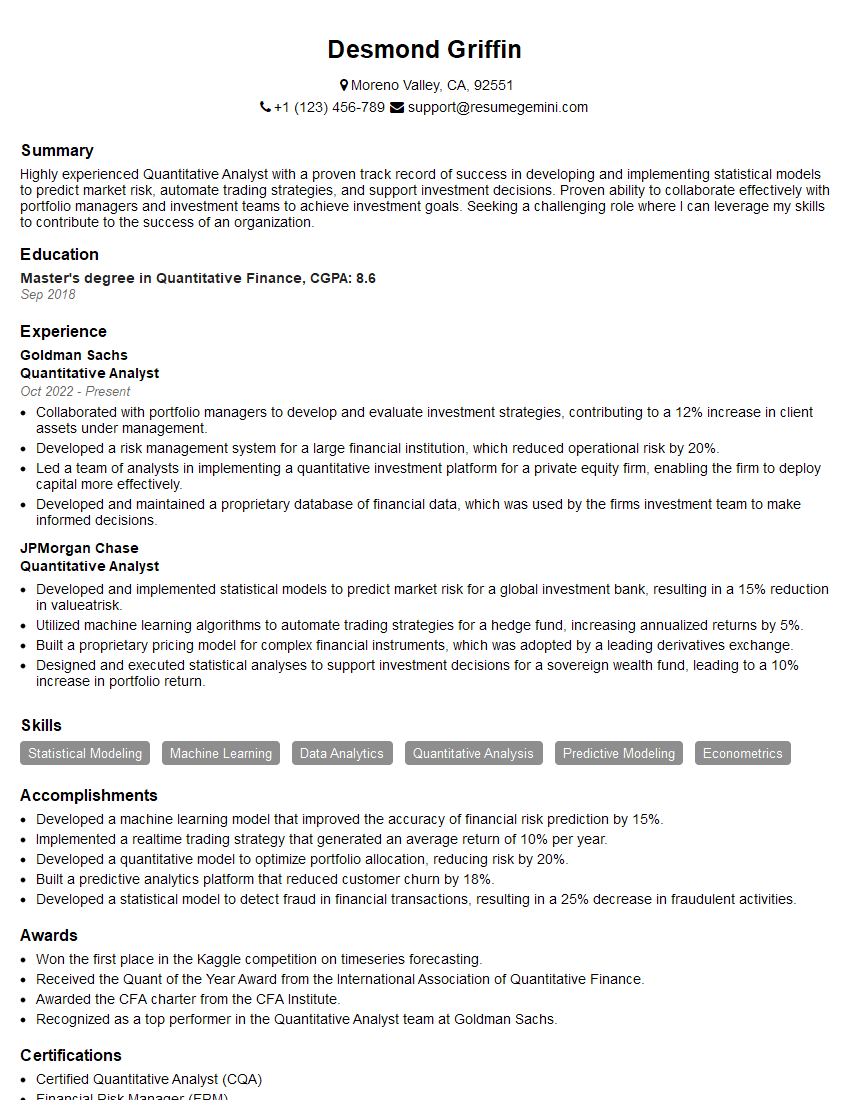
Quantitative Analyst Resume Sample
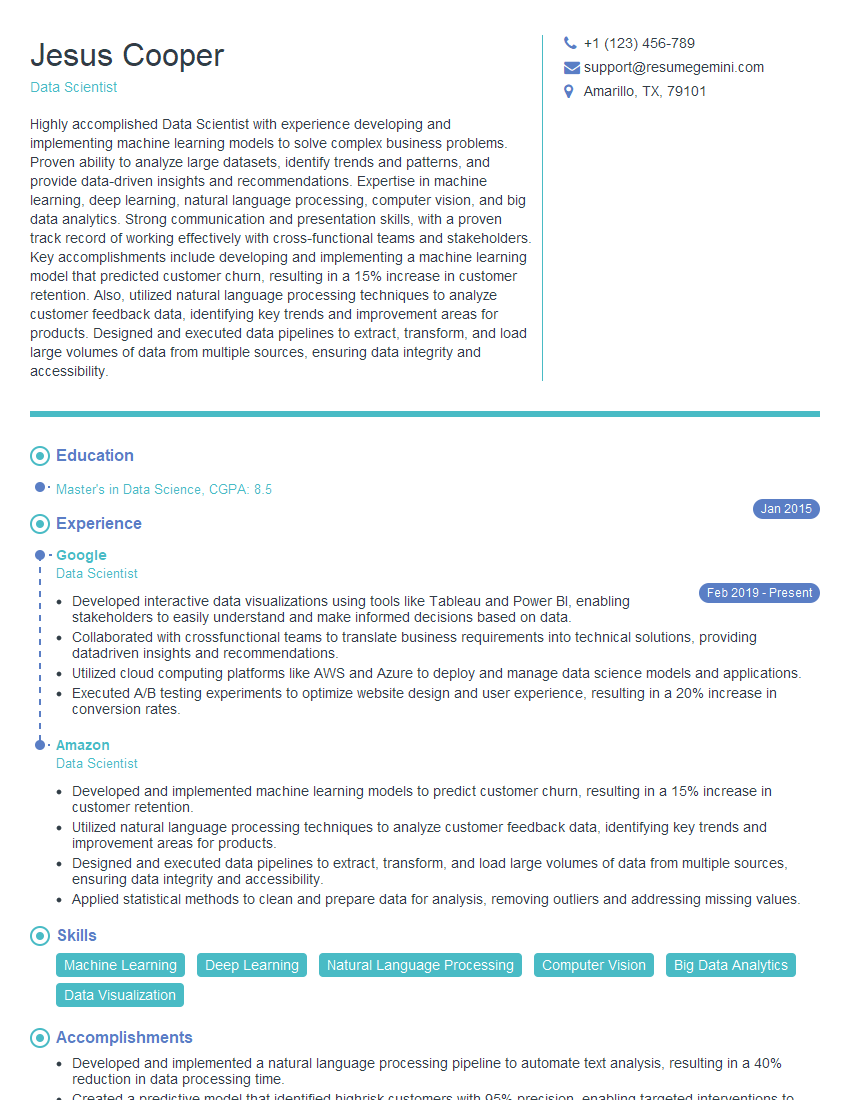
Data Scientist Resume Sample

Research Scientist Resume Sample
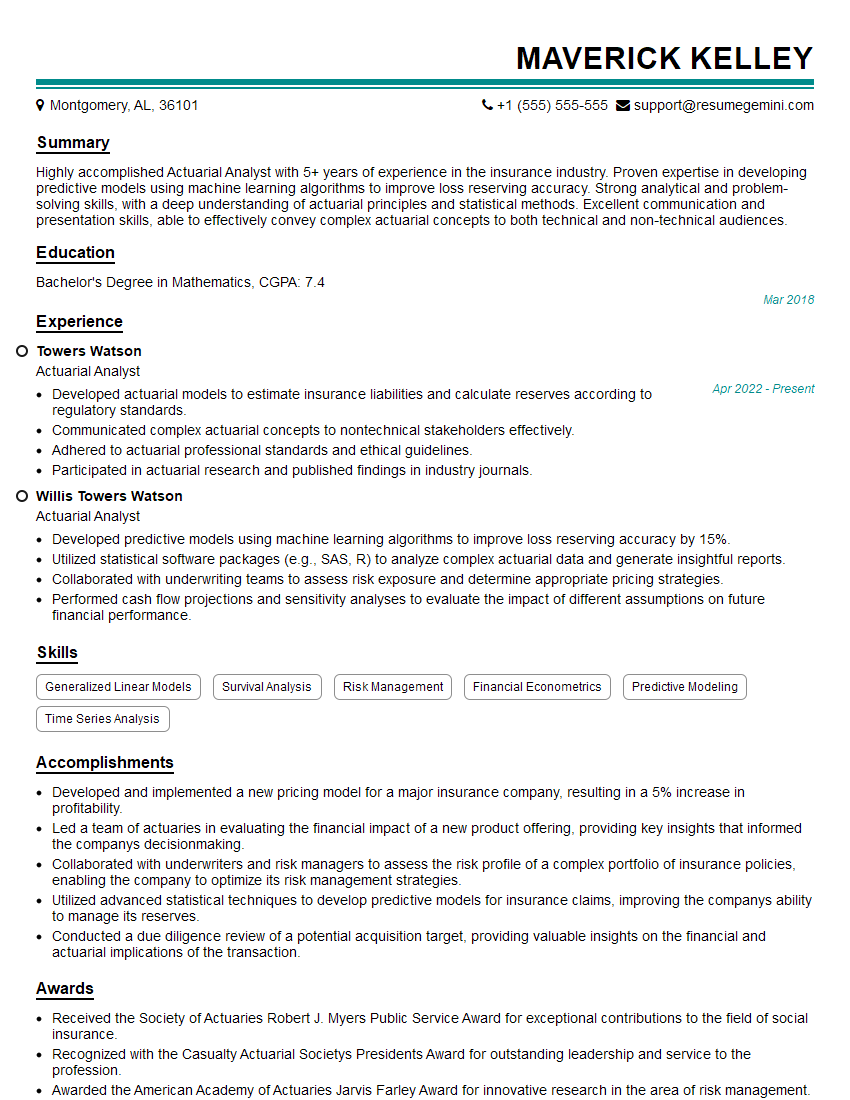
Actuarial Analyst Resume Sample
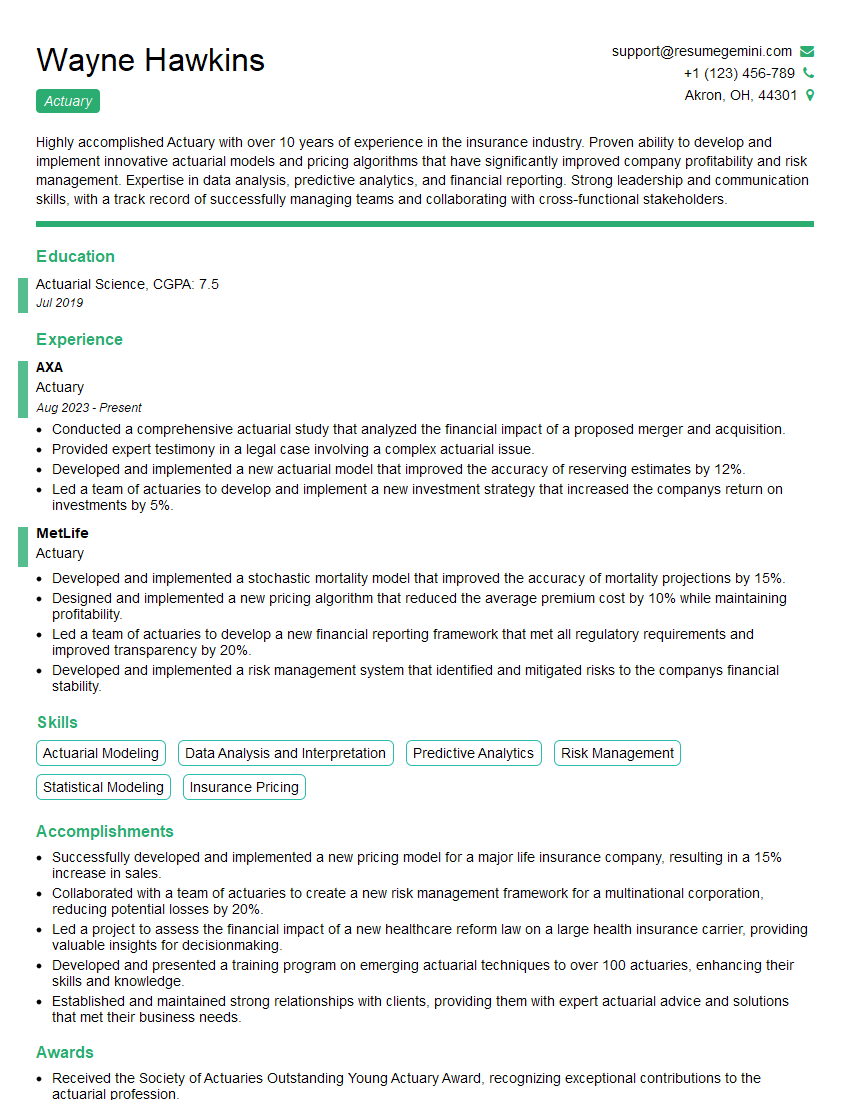
Actuary Resume Sample
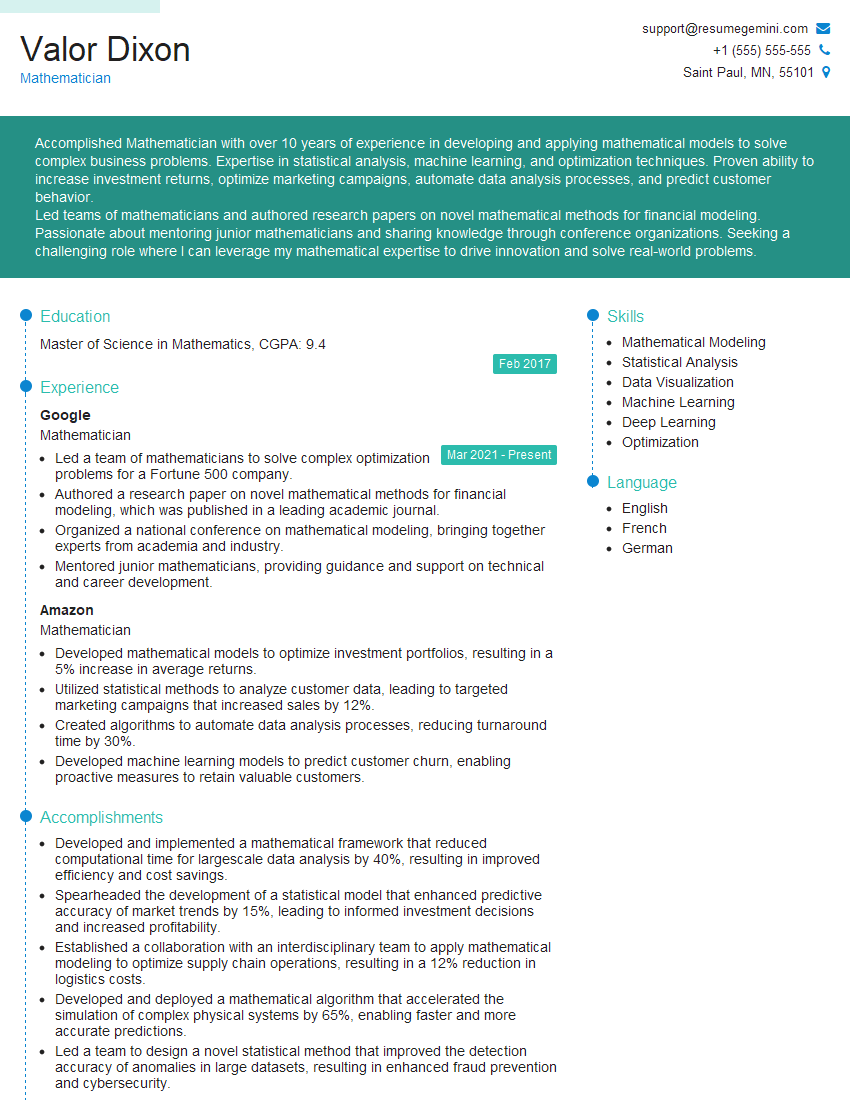
Mathematician Resume Sample

Operations Research Analyst Resume Sample
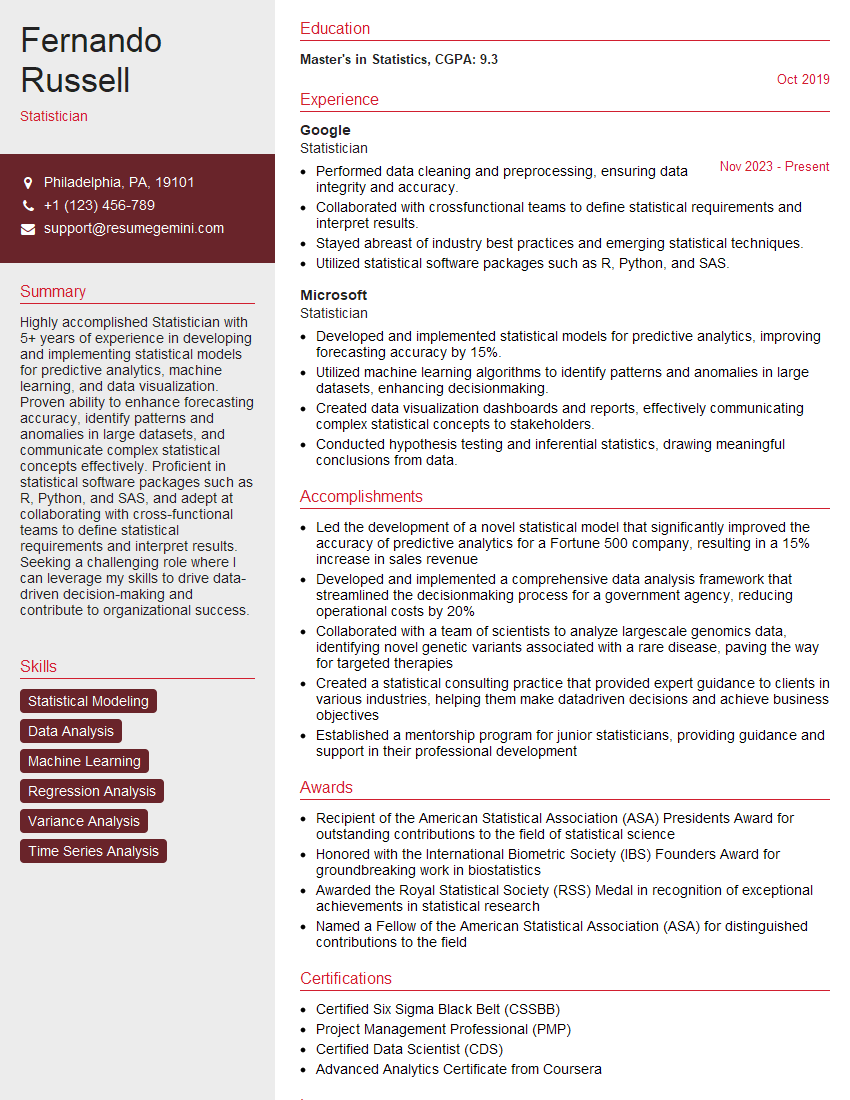
Statistician Resume Sample
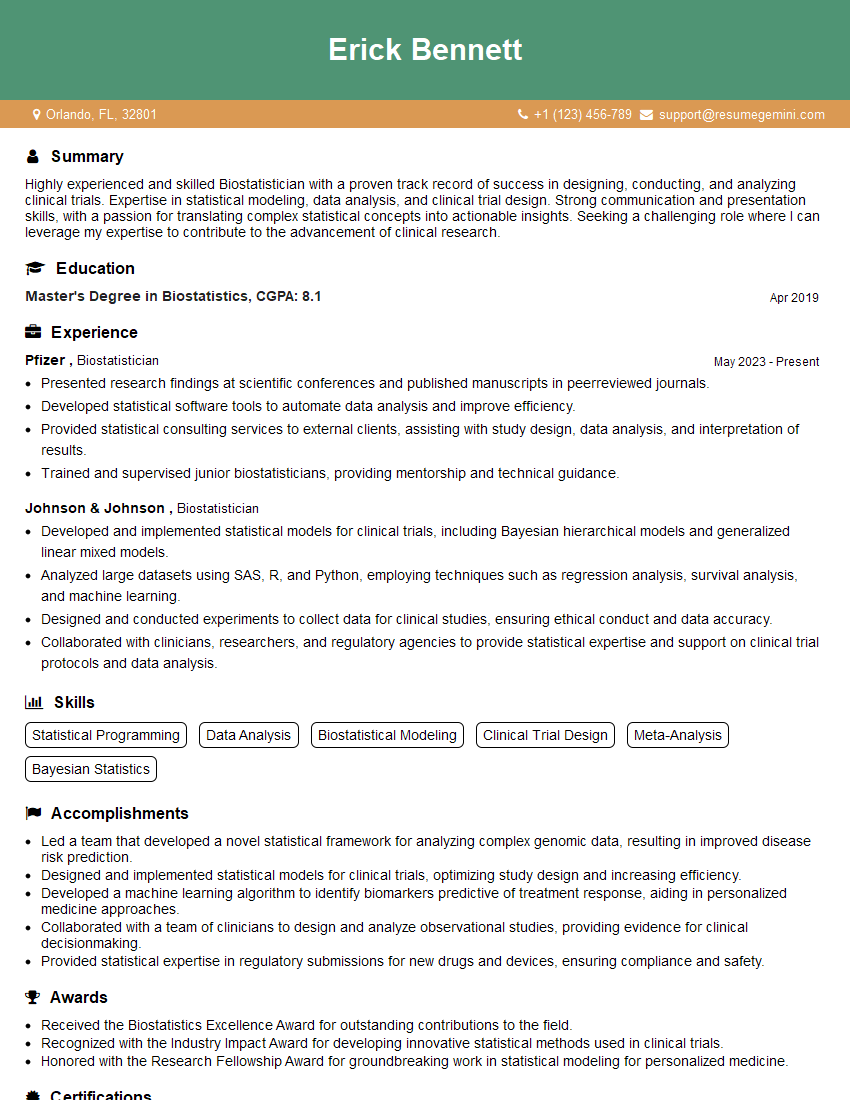
Biostatistician Resume Sample
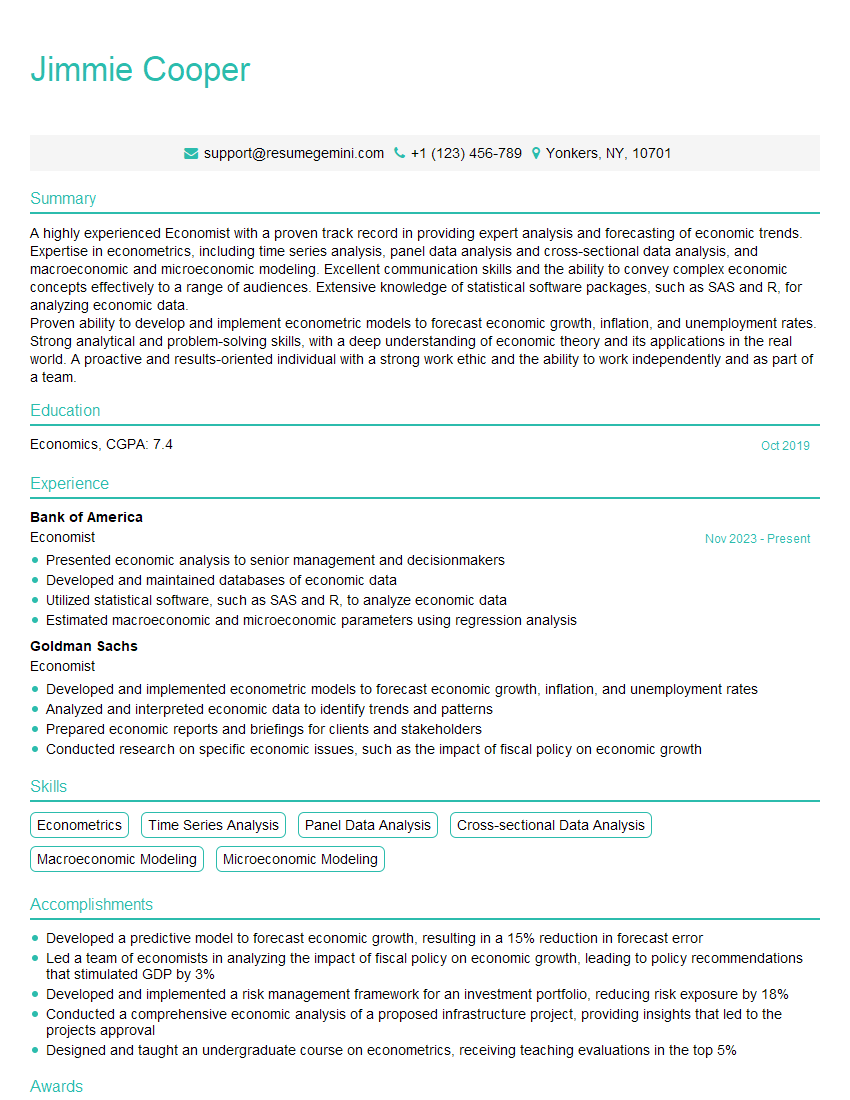
Economist Resume Sample
- Operations Manager
- Pricing Analyst
- Business Analyst
- Management Consultant
- Market Research Analyst
- Accountant
- Auditor
- Financial Analyst
- Budget Analyst
- Data Analyst
- Quantitative Analyst
- Data Scientist
- Research Scientist
- Actuarial Analyst
- Actuary
- Mathematician
- Operations Research Analyst
- Statistician
- Biostatistician
- Economist
Explore more articles
Users Rating of Our Blogs
Share Your Experience
We value your feedback! Please rate our content and share your thoughts (optional).
What Readers Say About Our Blog
Hello,
we currently offer a complimentary backlink and URL indexing test for search engine optimization professionals.
You can get complimentary indexing credits to test how link discovery works in practice.
No credit card is required and there is no recurring fee.
You can find details here:
https://wikipedia-backlinks.com/indexing/
Regards
NICE RESPONSE TO Q & A
hi
The aim of this message is regarding an unclaimed deposit of a deceased nationale that bears the same name as you. You are not relate to him as there are millions of people answering the names across around the world. But i will use my position to influence the release of the deposit to you for our mutual benefit.
Respond for full details and how to claim the deposit. This is 100% risk free. Send hello to my email id: [email protected]
Luka Chachibaialuka
Hey interviewgemini.com, just wanted to follow up on my last email.
We just launched Call the Monster, an parenting app that lets you summon friendly ‘monsters’ kids actually listen to.
We’re also running a giveaway for everyone who downloads the app. Since it’s brand new, there aren’t many users yet, which means you’ve got a much better chance of winning some great prizes.
You can check it out here: https://bit.ly/callamonsterapp
Or follow us on Instagram: https://www.instagram.com/callamonsterapp
Thanks,
Ryan
CEO – Call the Monster App
Hey interviewgemini.com, I saw your website and love your approach.
I just want this to look like spam email, but want to share something important to you. We just launched Call the Monster, a parenting app that lets you summon friendly ‘monsters’ kids actually listen to.
Parents are loving it for calming chaos before bedtime. Thought you might want to try it: https://bit.ly/callamonsterapp or just follow our fun monster lore on Instagram: https://www.instagram.com/callamonsterapp
Thanks,
Ryan
CEO – Call A Monster APP
To the interviewgemini.com Owner.
Dear interviewgemini.com Webmaster!
Hi interviewgemini.com Webmaster!
Dear interviewgemini.com Webmaster!
excellent
Hello,
We found issues with your domain’s email setup that may be sending your messages to spam or blocking them completely. InboxShield Mini shows you how to fix it in minutes — no tech skills required.
Scan your domain now for details: https://inboxshield-mini.com/
— Adam @ InboxShield Mini
Reply STOP to unsubscribe
Hi, are you owner of interviewgemini.com? What if I told you I could help you find extra time in your schedule, reconnect with leads you didn’t even realize you missed, and bring in more “I want to work with you” conversations, without increasing your ad spend or hiring a full-time employee?
All with a flexible, budget-friendly service that could easily pay for itself. Sounds good?
Would it be nice to jump on a quick 10-minute call so I can show you exactly how we make this work?
Best,
Hapei
Marketing Director
Hey, I know you’re the owner of interviewgemini.com. I’ll be quick.
Fundraising for your business is tough and time-consuming. We make it easier by guaranteeing two private investor meetings each month, for six months. No demos, no pitch events – just direct introductions to active investors matched to your startup.
If youR17;re raising, this could help you build real momentum. Want me to send more info?
Hi, I represent an SEO company that specialises in getting you AI citations and higher rankings on Google. I’d like to offer you a 100% free SEO audit for your website. Would you be interested?
Hi, I represent an SEO company that specialises in getting you AI citations and higher rankings on Google. I’d like to offer you a 100% free SEO audit for your website. Would you be interested?
good