The right preparation can turn an interview into an opportunity to showcase your expertise. This guide to VAV System Optimization interview questions is your ultimate resource, providing key insights and tips to help you ace your responses and stand out as a top candidate.
Questions Asked in VAV System Optimization Interview
Q 1. Explain the principle of operation of a Variable Air Volume (VAV) system.
A Variable Air Volume (VAV) system is a type of HVAC system that delivers air to individual zones or rooms at varying volumes, maintaining a set temperature in each zone. Unlike constant volume systems, VAV systems regulate temperature by adjusting the airflow rate. Imagine a water faucet: a constant volume system is like having the faucet always running at full blast, while a VAV system is like controlling the flow to get the desired amount of water.
The system works by using a central air handling unit (AHU) that supplies conditioned air (heated or cooled) to a network of ducts. Each zone is equipped with a VAV terminal unit. These units contain a damper that adjusts the airflow based on the temperature sensor readings in that zone. If a room is too warm, the damper closes, reducing airflow. If it’s too cold, the damper opens, increasing airflow. This precise control allows for independent temperature regulation in each space, enhancing comfort and efficiency.
Q 2. Describe different types of VAV terminal units and their applications.
VAV terminal units come in several types, each suited to different applications:
- Single-Duct VAV Units: These are the most common type, receiving conditioned air from a single duct and adjusting the airflow using a damper. They’re suitable for most applications.
- Dual-Duct VAV Units: These units receive both hot and cold air from separate ducts. A mixing box inside the unit blends the two streams to achieve the desired temperature, offering faster response to temperature changes than single-duct systems. They are typically used where rapid temperature adjustments are crucial.
- Fan-Powered VAV Units: These units incorporate a small fan to help distribute air within the zone, improving air circulation and ensuring uniform temperature distribution, particularly useful in larger spaces.
- Variable Air Volume with Reheat: These units often utilize electric or water reheating coils to supplement the AHU’s heating capacity. This is beneficial in zones where significant heating is needed beyond what the main AHU provides.
The choice of terminal unit depends on factors such as the space’s size, heating/cooling loads, desired response time, and budget.
Q 3. How do you troubleshoot a VAV system that is not maintaining the desired temperature?
Troubleshooting a VAV system that isn’t maintaining the desired temperature requires a systematic approach. Here’s a step-by-step process:
- Check the zone thermostat: Ensure it’s properly calibrated and functioning correctly. A faulty thermostat can send incorrect signals.
- Inspect the VAV terminal unit: Verify the damper is moving freely and responding to the thermostat signal. Look for any obstructions in the damper mechanism.
- Examine the air filter: A clogged air filter restricts airflow and affects temperature control. Replace or clean the filter as needed.
- Check the air pressure in the ductwork: Low air pressure can prevent sufficient airflow to the zone. Inspect for leaks or obstructions in the ductwork.
- Inspect the sensor: Verify the temperature sensor in the VAV unit is accurately measuring the room temperature. A faulty sensor will provide inaccurate feedback to the control system.
- Verify control system operation: Inspect the control system’s wiring and programming to ensure correct signals are being transmitted and processed.
- Check the AHU’s operation: If the problem affects multiple zones, the issue may lie with the main AHU—check its airflow, temperature set points, and cooling/heating capacity.
Often, a combination of these checks will lead to identifying the root cause. Using a digital multimeter to check sensor readings and voltage levels can be beneficial in pinpointing the problem.
Q 4. Explain the role of pressure sensors and dampers in a VAV system.
Pressure sensors and dampers are crucial components in a VAV system’s operation:
- Pressure Sensors: These sensors measure the static pressure within the ductwork. This information is essential for controlling airflow and ensuring proper distribution to all zones. By monitoring pressure, the system can detect leaks or blockages in the ductwork and adjust accordingly.
- Dampers: These are motorized valves that regulate the airflow to each zone. They receive commands from the control system based on the temperature setpoint and measured room temperature. The damper’s position directly determines the air volume delivered to each space.
The interplay between pressure sensors and dampers is essential. Pressure sensors provide feedback to the control system, which then adjusts the dampers to maintain the desired pressure and airflow, optimizing the performance and energy efficiency of the system.
Q 5. How does a VAV system contribute to energy efficiency?
VAV systems contribute significantly to energy efficiency in several ways:
- Reduced energy consumption: By only delivering the required amount of air to each zone, VAV systems avoid overcooling or overheating unoccupied spaces, saving considerable energy. This is in stark contrast to constant volume systems that deliver a constant flow regardless of need.
- Improved zone control: VAV’s precise temperature control eliminates the need for excessive heating or cooling to compensate for temperature variations across the building, leading to further energy savings.
- Smaller equipment: Because VAV systems provide efficient airflow management, smaller AHUs and ductwork can often be used compared to constant volume systems, reducing initial capital costs and ongoing maintenance needs.
The overall result is a more comfortable and energy-efficient building environment, reducing operational costs and environmental impact.
Q 6. Describe different control strategies used in VAV systems (e.g., PI, PID).
VAV systems commonly use various control strategies to manage airflow and temperature:
- Proportional (P) Control: This simple control strategy adjusts the damper position proportionally to the temperature difference between the setpoint and the measured temperature. While easy to implement, it often leads to steady-state errors.
- Proportional-Integral (PI) Control: PI control addresses the limitations of P control by adding an integral term. This term sums up the past errors, allowing the system to eliminate steady-state errors and reach the desired temperature more accurately.
- Proportional-Integral-Derivative (PID) Control: PID control is the most advanced and widely used method. It adds a derivative term to PI control, which considers the rate of change of the error. This anticipates future errors, resulting in faster and more stable response and reduced overshoot.
The choice of control strategy depends on factors such as system complexity, desired response speed, and accuracy requirements. Advanced systems might use sophisticated algorithms and predictive models for optimal control.
Q 7. What are the common causes of excessive air pressure drop in a VAV system?
Excessive air pressure drop in a VAV system can stem from several sources:
- Dirty air filters: Restricted airflow through clogged filters increases pressure drop across the system.
- Ductwork leaks: Leaks in the ductwork reduce the overall air pressure and affect airflow distribution.
- Obstructions in ductwork: Debris, insulation, or other obstructions in the ductwork restrict airflow and cause higher pressure drops.
- Incorrect damper sizing or operation: Improperly sized dampers or malfunctioning dampers can lead to increased pressure drop in certain zones.
- Insufficient fan capacity: If the AHU fan isn’t powerful enough to overcome the system’s resistance, excessive pressure drops result.
Identifying the specific cause requires thorough inspection of the entire system. Pressure readings at various points along the ductwork can help pinpoint the location of the problem.
Q 8. How do you balance a VAV system?
Balancing a Variable Air Volume (VAV) system ensures each zone receives the correct amount of airflow based on its heating and cooling demands. Think of it like balancing a seesaw – you need equal pressure on both sides for stability. In a VAV system, we aim for balanced airflow across all zones while maintaining the desired pressure in the supply and return ducts.
This is typically achieved through a combination of methods:
- Adjusting VAV terminal units: Each VAV box has a damper that controls the airflow to the zone. We adjust these dampers to achieve the specified airflow for each zone, often using a flow hood to measure the actual airflow and compare it to the design airflow.
- Modifying ductwork: If there are significant discrepancies between design and actual airflow, adjustments to the ductwork may be necessary. This might involve adding or removing dampers, changing duct sizes, or addressing duct leakage.
- Using balancing valves: Balancing valves are used on the supply and return branches to fine-tune the airflow distribution. These valves provide precise control over the airflow to individual zones or groups of zones.
- Utilizing a balancing tool and procedure: Professional tools such as digital flow hoods and pressure gauges and a detailed balancing procedure are critical for accurate measurement and adjustment.
A properly balanced VAV system ensures optimal comfort in each zone, reduces energy waste by preventing over- or under-cooling, and prolongs the lifespan of equipment by reducing strain.
Q 9. Explain the importance of commissioning and testing in a VAV system.
Commissioning and testing are crucial for a successful VAV system. Commissioning is the process of verifying that the system is installed and functions as designed, while testing involves confirming that all components meet performance specifications.
Imagine building a house – you wouldn’t want to move in without checking the plumbing, electricity, and structure. Similarly, commissioning and testing of a VAV system ensures that it operates efficiently and reliably.
- Pre-commissioning: Review of design documents, verification of equipment delivered, and inspection of installation.
- Functional testing: Testing of individual components such as VAV boxes, sensors, and controllers.
- Integrated testing: Testing the entire system as a whole to ensure proper interaction between components.
- Performance testing: Measurement of airflow, temperature, and pressure to verify compliance with design specifications.
These steps ensure early detection and correction of any problems, avoiding costly repairs and operational inefficiencies later on. A properly commissioned VAV system will provide optimal comfort and energy efficiency, while minimizing maintenance needs.
Q 10. How do you identify and resolve airflow problems in a VAV system?
Airflow problems in a VAV system can manifest in several ways, such as inadequate cooling or heating in specific zones, excessive noise from the VAV boxes, and high energy consumption.
Identifying these problems requires a systematic approach:
- Visual inspection: Check for obvious issues like obstructions in the ductwork, damaged dampers, or faulty sensors.
- Airflow measurement: Use a flow hood to measure the actual airflow at each VAV terminal and compare it to the design airflow. Significant discrepancies indicate a problem.
- Pressure measurement: Measure static pressure at various points in the ductwork to identify pressure drops that suggest blockages or leaks.
- Temperature measurement: Measure supply and return air temperatures in each zone to check for adequate heating or cooling.
- Data analysis (BMS): Review data from the Building Management System (BMS) to identify trends and patterns in airflow, temperature, and energy consumption.
Once the problem is identified, the solution will depend on the specific cause. For instance, a clogged filter might require simple replacement, while a faulty VAV box might need repair or replacement. A significant pressure drop might indicate ductwork leakage requiring repair or sealing.
Q 11. Describe the impact of duct leakage on VAV system performance.
Duct leakage significantly impacts VAV system performance, leading to both energy waste and comfort issues. Leaks in the ductwork disrupt the carefully balanced airflow, resulting in some zones receiving less air than designed and others receiving more.
Negative impacts of duct leakage:
- Energy loss: Leakage causes the system to work harder to maintain the desired temperatures, leading to increased energy consumption and higher operating costs.
- Uneven temperatures: Leaks can cause some zones to be over-cooled or over-heated while others remain uncomfortable.
- Increased noise levels: Leakage can lead to higher air velocities in the ducts, resulting in increased noise levels.
- Reduced system efficiency: Leaks reduce the overall efficiency of the VAV system, affecting its ability to maintain the desired conditions.
Addressing duct leakage through sealing or repair is essential for optimal VAV system performance and energy efficiency. A properly sealed duct system ensures that the air is delivered precisely where it’s needed, minimizing energy waste and improving occupant comfort.
Q 12. What are the different types of VAV controllers?
VAV controllers are the brains of the VAV system, regulating airflow based on the zone’s temperature requirements. Several types exist:
- Analog controllers: These older controllers use pneumatic or electric signals to control the VAV damper. They are less precise and less flexible than digital controllers.
- Digital controllers: These use microprocessors for more precise control and offer features like scheduling, remote monitoring, and integration with the BMS.
- Direct digital controllers (DDC): These are highly advanced controllers that offer sophisticated control algorithms and advanced communication capabilities.
- Networked controllers: These controllers communicate over a network, enabling centralized monitoring and control of multiple VAV systems.
The choice of controller depends on the size and complexity of the VAV system, the required level of control, and budget considerations. Modern buildings typically utilize digital or networked controllers for their superior capabilities and integration with the BMS.
Q 13. How do you optimize the performance of a VAV system using Building Management Systems (BMS)?
Building Management Systems (BMS) play a crucial role in optimizing VAV system performance. They provide centralized monitoring and control, allowing for real-time adjustments and data analysis to improve efficiency and comfort.
Optimizing VAV systems with BMS:
- Real-time monitoring: The BMS continuously monitors airflow, temperature, and pressure in each zone, providing valuable insights into the system’s performance.
- Automated control: The BMS can automatically adjust VAV dampers based on occupancy schedules, weather conditions, or other factors, optimizing energy use and comfort.
- Data analysis and reporting: The BMS generates reports on energy consumption, equipment performance, and other key metrics, helping identify areas for improvement.
- Remote access and control: The BMS allows for remote monitoring and control of the VAV system, enabling proactive maintenance and troubleshooting.
By utilizing the capabilities of the BMS, building operators can proactively address issues, fine-tune the system’s performance, and achieve significant energy savings. Regular review and analysis of the BMS data are critical for continuous optimization.
Q 14. What are the common maintenance requirements for a VAV system?
Regular maintenance is essential for ensuring the optimal performance and longevity of a VAV system. This involves a combination of preventative and corrective measures.
Common maintenance requirements:
- Filter replacement: Regularly replace air filters to prevent clogging and ensure proper airflow. Frequency depends on the environment and filter type.
- Damper lubrication: Lubricate VAV dampers to ensure smooth operation and prevent wear and tear.
- Sensor calibration: Periodically calibrate temperature and pressure sensors to maintain accuracy and reliability.
- Controller checks: Check VAV controllers for proper functionality and make adjustments as needed.
- Ductwork inspection: Periodically inspect ductwork for leaks, blockages, or other issues.
- Balancing: Periodically re-balance the system to ensure proper airflow distribution to each zone. This may be needed due to changes in occupancy or equipment.
Establishing a preventative maintenance schedule and adhering to it diligently will minimize downtime, reduce repair costs, and ensure that the VAV system continues to provide optimal performance for many years.
Q 15. How do you calculate the required airflow for a VAV zone?
Calculating the required airflow for a VAV (Variable Air Volume) zone is crucial for maintaining comfortable temperatures and efficient energy use. It’s not a single formula but a process involving several factors. We start with the zone’s heating and cooling load, determined through load calculations considering factors like the room’s size, occupancy, equipment, and outside climate.
Once the load is known, we determine the required airflow using the following principles:
- Sensible Heat Load: This is the heat gained or lost that changes the temperature of the air. We use the formula:
Qs = 1.08 * V * ρ * Cp * ΔT, where Qs is the sensible heat load (BTU/hr), V is the airflow (cfm), ρ is the air density (lb/ft³), Cp is the specific heat of air (BTU/lb°F), and ΔT is the temperature difference between supply and return air (°F). - Latent Heat Load: This accounts for moisture changes (humidity). A similar formula is used, but it involves the latent heat of vaporization of water.
- Airflow Calculation: By combining sensible and latent load calculations and considering the desired temperature difference, we can solve for the required airflow (V) in cubic feet per minute (cfm). This often involves iterative calculations using psychrometric charts or specialized software.
Example: Let’s say a zone’s sensible heat load is 10,000 BTU/hr and we want a 10°F temperature difference between supply and return air. Assuming standard air properties, we could estimate the required airflow. Note that this is a simplified example, and a complete calculation would use more precise data and account for latent heat.
Career Expert Tips:
- Ace those interviews! Prepare effectively by reviewing the Top 50 Most Common Interview Questions on ResumeGemini.
- Navigate your job search with confidence! Explore a wide range of Career Tips on ResumeGemini. Learn about common challenges and recommendations to overcome them.
- Craft the perfect resume! Master the Art of Resume Writing with ResumeGemini’s guide. Showcase your unique qualifications and achievements effectively.
- Don’t miss out on holiday savings! Build your dream resume with ResumeGemini’s ATS optimized templates.
Q 16. Explain the concept of VAV system zoning.
VAV system zoning divides a building’s HVAC system into distinct zones, each with its own thermostat and air volume control. This allows for precise temperature regulation in individual areas, rather than conditioning the entire building to a single setpoint. Imagine a large office building: some areas might be sun-drenched and need less cooling, while others, like a server room, might have a high heat load. Zoning allows for customized climate control, improving occupant comfort and energy efficiency.
Each zone typically consists of a dedicated VAV box that modulates airflow based on the zone’s thermostat reading. The system uses dampers to adjust the amount of air entering the zone, ensuring that only the necessary amount is delivered, saving energy. Effective zoning requires careful consideration of factors like room occupancy, heat loads, and the building’s architectural layout. Proper zoning leads to optimal climate control and reduced energy consumption compared to a single-zone system.
Q 17. What is the role of the economizer in a VAV system?
An economizer in a VAV system is a device that uses outside air to cool the building when conditions are favorable. It essentially bypasses the mechanical cooling system, reducing energy consumption. The economizer compares the outside air temperature and enthalpy (a measure of the total heat content) with the conditions inside the building. If the outside air is cooler and drier than the return air, the economizer opens dampers, allowing outside air to mix with the return air, reducing the load on the cooling system. This strategy significantly reduces operating costs, especially in moderate climates. Economizers are often controlled by sophisticated algorithms, which carefully monitor various parameters to ensure that the economizer operates safely and efficiently, preventing overheating or freezing.
Safety features: Economizers typically include freezestat protection to prevent freezing coils, and filters to remove contaminants from outdoor air. Proper maintenance and regular filter changes are crucial for efficient and safe operation. Regular inspections of all economizer components are recommended to minimize the risks of failure.
Q 18. How do you address condensation issues in a VAV system?
Condensation in VAV systems is a common issue, typically occurring when the supply air is cooled below the dew point of the surrounding air. This leads to moisture buildup on the ductwork and potentially water damage. Several strategies can be employed to address this:
- Proper Insulation: Insulating the ductwork prevents temperature changes within the duct, minimizing the chance of condensation.
- Improved Airflow: Ensuring adequate airflow prevents the air from cooling excessively within the ductwork.
- Air Temperature Control: Precisely regulating supply air temperature using advanced control systems helps to avoid condensation.
- Ductwork Design: Using properly sized and routed ductwork minimizes the chances of condensation.
- Moisture Removal: In cases where condensation is unavoidable, installing condensate drains helps to manage and remove moisture.
Addressing condensation requires a holistic approach. A thorough inspection of the system is critical to identify potential problem areas. It often involves a combination of preventive measures and corrective actions, with specialized humidity sensors and control systems aiding diagnosis and effective solutions.
Q 19. Explain the concept of static pressure regulation in a VAV system.
Static pressure regulation in a VAV system maintains consistent air pressure throughout the ductwork, despite varying airflow demands in different zones. Imagine a water pipe system: maintaining adequate pressure ensures sufficient flow to all taps. Similarly, maintaining consistent static pressure in a VAV system ensures each zone receives the required airflow. Without proper static pressure regulation, some zones might experience insufficient airflow, affecting temperature control, while others could suffer from excessive airflow, leading to energy waste and potential damage.
Several methods achieve static pressure regulation. One common method utilizes a constant volume system upstream of the VAV boxes, with pressure sensors and control valves adjusting the system’s airflow to maintain a setpoint. Other methods use variable frequency drives (VFDs) on supply fans to control the air pressure directly. Choosing the right method depends on the building’s specific requirements and design.
Q 20. What are some common sensor issues in VAV systems?
VAV systems rely heavily on accurate sensor data for efficient operation. Several common sensor issues can arise, including:
- Sensor Drift: Over time, sensors can become less accurate, leading to incorrect readings. Regular calibration and replacement of faulty sensors are crucial.
- Sensor Failure: Sensors can fail completely, requiring immediate replacement. Regular maintenance checks can help prevent unexpected failures.
- Contamination: Dust, debris, and other contaminants can affect sensor accuracy. Regular cleaning can help prevent this.
- Wiring Issues: Problems with wiring can lead to inaccurate or intermittent readings. Proper wiring and insulation are essential.
Addressing these issues involves preventive maintenance, regular calibration, and prompt replacement of faulty components. A comprehensive sensor monitoring system is helpful in identifying potential issues before they impact system performance. Employing redundant sensors or using sensor fusion techniques for critical data points improves system reliability.
Q 21. How does the outside air economizer affect VAV system operation?
An outside air economizer significantly affects VAV system operation by reducing the load on the mechanical cooling system. When the outside air is cooler and drier than the return air, the economizer allows more outside air into the system, reducing the amount of cooling required. This impacts the VAV system by decreasing the amount of conditioned air the system needs to produce. The VAV boxes still regulate airflow to individual zones, but the overall system airflow is reduced, saving energy.
The economizer’s operation interacts dynamically with the VAV system. Sophisticated control systems ensure that the economizer operates within safe limits, preventing issues such as freezing of cooling coils or excessive humidity. These controls carefully balance outside air intake with the need for temperature and humidity control in each VAV zone. Regular maintenance of the economizer and proper calibration are essential for optimal VAV system performance and energy savings.
Q 22. Describe the benefits and drawbacks of using VAV systems compared to constant volume systems.
Variable Air Volume (VAV) systems offer significant advantages over constant volume (CV) systems, primarily in energy efficiency and individual zone control. Let’s break down the benefits and drawbacks:
Benefits of VAV Systems:
- Energy Efficiency: VAV systems only supply the amount of air needed for each zone, reducing energy consumption compared to CV systems that constantly supply a fixed volume of air, regardless of occupancy or heat load. Think of it like having a tap that adjusts the water flow based on your needs versus a perpetually running firehose.
- Individual Zone Control: Each zone (e.g., office, classroom) has its own thermostat, providing customized temperature control for enhanced occupant comfort. This leads to improved satisfaction and productivity.
- Flexibility in Design: VAV systems are adaptable to various building designs and can easily accommodate future changes or expansions.
- Reduced Duct Sizing: Because air volume varies, ductwork can often be smaller than in CV systems, reducing construction costs and space requirements.
Drawbacks of VAV Systems:
- Higher Initial Cost: VAV systems are typically more expensive to install than CV systems due to the complexity of the control system and specialized equipment.
- Potential for System Imbalance: Careful design and commissioning are crucial to prevent air imbalances between zones, which can lead to discomfort and inefficient operation. Regular maintenance is also essential.
- Increased Complexity: The control system is significantly more sophisticated, requiring specialized expertise for installation, operation, and maintenance.
- Potential for Pressure Drop Issues: Long duct runs or improperly sized ductwork can lead to excessive pressure drop, affecting system performance.
In summary, VAV systems are a superior choice for buildings where energy efficiency and individual zone control are paramount, but the increased initial cost and complexity should be carefully considered.
Q 23. How do you ensure proper ventilation in a VAV system?
Ensuring proper ventilation in a VAV system requires a multi-faceted approach focusing on both the quantity and quality of air supplied. The key is to balance the need for individual zone control with the essential requirements of fresh air intake and exhaust.
- Minimum Outside Air (OA) Requirements: Compliance with building codes and ASHRAE standards is critical. These standards dictate the minimum amount of outdoor air that must be introduced into the building to maintain acceptable indoor air quality. This is often handled through dedicated outside air handlers or mixing boxes.
- OA Damper Control: Sophisticated VAV systems often employ OA dampers that automatically adjust the outdoor air intake based on occupancy and demand, ensuring sufficient fresh air without over-ventilating when unnecessary.
- Zone Balancing: Proper balancing of the VAV system is crucial to prevent negative pressure in certain zones that could draw in stale air from adjacent areas or even from outside. This is usually achieved through careful commissioning and ongoing monitoring.
- Air Quality Monitoring: Sensors measuring CO2 levels, temperature, and humidity can provide real-time feedback on indoor air quality. This data can be used to adjust ventilation rates dynamically, optimizing both comfort and air quality.
- Exhaust System Integration: VAV systems should be integrated with an efficient exhaust system to remove stale air and maintain the necessary pressure balance. Insufficient exhaust can negate the benefits of fresh air intake.
Consider a hospital setting: Stricter ventilation standards apply due to infection control concerns. The VAV system must be precisely controlled to ensure sufficient outdoor air supply in operating rooms and patient rooms, while minimizing energy consumption in less critical areas. Regular maintenance and filter changes are paramount to ensure air quality.
Q 24. Explain the role of air handlers in a VAV system.
Air handlers are the heart of a VAV system, responsible for conditioning and distributing the air throughout the building. They perform several crucial functions:
- Heating and Cooling: The air handler houses heating coils (often hot water or steam) and cooling coils (using chilled water or refrigerant) to adjust the air temperature to the desired setpoint.
- Air Filtration: Filters remove dust, pollen, and other contaminants from the air, improving indoor air quality. Regular filter changes are essential for maintaining efficiency and preventing filter clogging, which can impact airflow.
- Humidity Control: Some air handlers include humidification and dehumidification features to regulate the moisture content of the air, ensuring occupant comfort.
- Fan Operation: A powerful fan moves the conditioned air through the ductwork to the various VAV boxes.
- Air Mixing: In many systems, the air handler mixes outdoor air with return air to achieve the required fresh air percentage.
Think of the air handler as a central processing unit for your building’s climate control. It takes in the raw ingredients (outdoor air, energy), processes them, and distributes the finished product (conditioned air) to each zone through the VAV boxes.
Q 25. What are some common causes of VAV system failure?
VAV system failures can stem from a variety of causes, often related to either the control system or the mechanical components. Here are some common culprits:
- Damper Problems: Stuck or malfunctioning dampers can prevent proper air distribution and lead to zone imbalances or inefficient operation. This can be due to wear and tear, debris buildup, or control system faults.
- Sensor Failures: Inaccurate readings from temperature, pressure, or flow sensors can cause the system to operate incorrectly, leading to uncomfortable temperatures or energy waste. Regular calibration and maintenance are vital.
- Control System Issues: Software glitches, communication errors, or hardware malfunctions in the control system can disrupt the entire VAV network, impacting multiple zones simultaneously. Regular software updates and backups are important.
- Airflow Imbalances: Poor duct design, leaks, or blockages can lead to uneven air distribution and pressure imbalances, reducing efficiency and causing discomfort.
- Fan Problems: Motor failures, bearing wear, or belt slippage in the air handler fan can drastically reduce airflow, affecting the entire system.
- Coil Issues: Clogged or fouled coils (heating or cooling) can reduce efficiency and affect temperature control.
A proactive maintenance program is essential to prevent many of these failures. This includes regular inspections, cleaning, and calibration of components, and updates to the control system software.
Q 26. How do you perform a VAV system performance analysis?
Performing a VAV system performance analysis requires a systematic approach that combines data collection, analysis, and interpretation. The goal is to identify areas for improvement and optimize energy efficiency and occupant comfort.
- Data Acquisition: Gather data from various sources, including building management systems (BMS), flow meters, temperature sensors, and pressure gauges. This data should cover a representative period, ideally including different occupancy levels and weather conditions.
- Airflow Measurements: Verify that the actual airflow rates match the design specifications for each zone. This often involves using specialized flow hoods or anemometers.
- Pressure Drop Analysis: Assess pressure drops across the system to identify potential blockages or restrictions in the ductwork.
- Temperature Monitoring: Analyze temperature readings at various points within the system to identify temperature variations or deviations from setpoints.
- Energy Consumption Analysis: Track energy usage of the VAV system to identify any inefficiencies. Compare actual consumption to predicted energy usage based on design models.
- Occupancy Analysis: Consider occupancy patterns to correlate energy consumption with actual needs. This can reveal opportunities to optimize schedules and improve efficiency during periods of low occupancy.
After data collection, advanced software tools can be used to analyze the performance metrics. Based on this, recommendations for improvement such as damper recalibration, filter replacements, or upgrades to control systems can be made.
Q 27. What are some emerging technologies impacting VAV system optimization?
Several emerging technologies are revolutionizing VAV system optimization, enhancing efficiency, and improving occupant experience:
- Building Information Modeling (BIM): BIM allows for detailed 3D modeling of the VAV system, enabling improved design, better coordination between disciplines, and more accurate performance simulations before construction.
- Predictive Maintenance: The use of sensors and machine learning algorithms allows for predictive maintenance, identifying potential problems before they lead to failures. This reduces downtime and maintenance costs.
- Internet of Things (IoT): IoT sensors and actuators provide real-time data on system performance, enabling dynamic adjustments to optimize energy efficiency and occupant comfort based on occupancy patterns, weather conditions, and other relevant factors.
- Artificial Intelligence (AI): AI-powered control systems can learn optimal operating strategies based on historical data and real-time conditions, resulting in significant energy savings and improved comfort.
- Demand-Controlled Ventilation (DCV): DCV systems use CO2 sensors to adjust ventilation rates based on occupancy levels, minimizing energy waste by only supplying the required amount of fresh air.
For example, a smart building might use IoT sensors to detect low occupancy in a conference room, automatically reducing airflow to the VAV box serving that room, conserving energy. AI can then learn from this data to optimize scheduling and further reduce energy consumption.
Key Topics to Learn for VAV System Optimization Interview
- VAV System Fundamentals: Understanding the basic principles of Variable Air Volume systems, including air flow dynamics, pressure regulation, and control strategies.
- Control System Technologies: Familiarity with various control systems used in VAV systems (e.g., pneumatic, digital, DDC), their functionalities, and troubleshooting techniques. Practical application: Diagnosing and resolving common control system malfunctions.
- Energy Efficiency Strategies: Exploring methods for optimizing VAV system performance to minimize energy consumption. Practical application: Analyzing energy usage data and proposing improvements based on your findings.
- Air Balancing and Commissioning: Understanding the process of air balancing to ensure proper air distribution within a VAV system. Practical application: Describing the steps involved in commissioning a new VAV system.
- Troubleshooting and Diagnostics: Developing skills in identifying and resolving common issues in VAV systems, such as low airflow, pressure imbalances, and sensor malfunctions. Practical application: Explaining your approach to diagnosing a system fault.
- Building Automation Systems (BAS): Understanding the integration of VAV systems into larger BAS and how to utilize data from the BAS for optimization. Practical application: Describe how you would use BAS data to improve VAV system efficiency.
- Sensor Technology and Data Analysis: Analyzing data from various sensors (temperature, pressure, flow) to monitor and optimize VAV system performance. Practical application: Interpreting sensor data to identify areas for improvement.
- Advanced Control Strategies: Exploring advanced control algorithms (e.g., predictive control, model predictive control) and their applications in VAV system optimization. Practical application: Discussing the benefits and drawbacks of different control strategies.
Next Steps
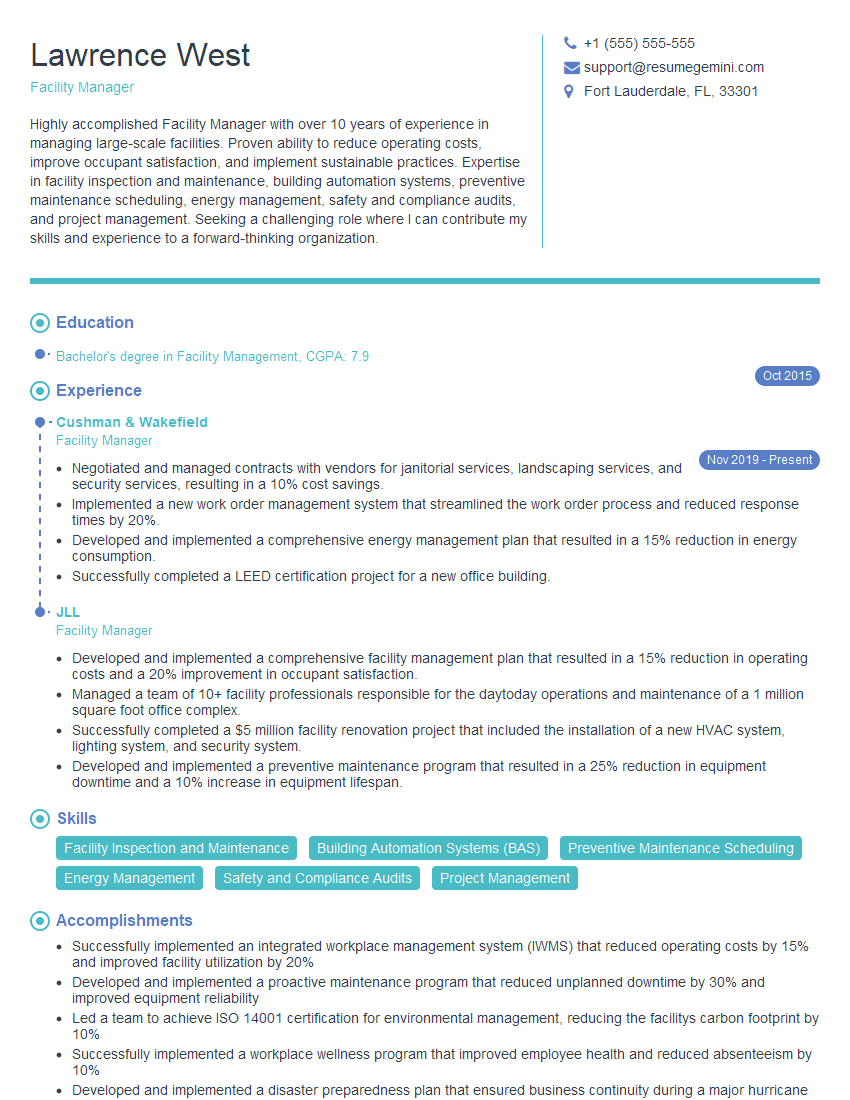
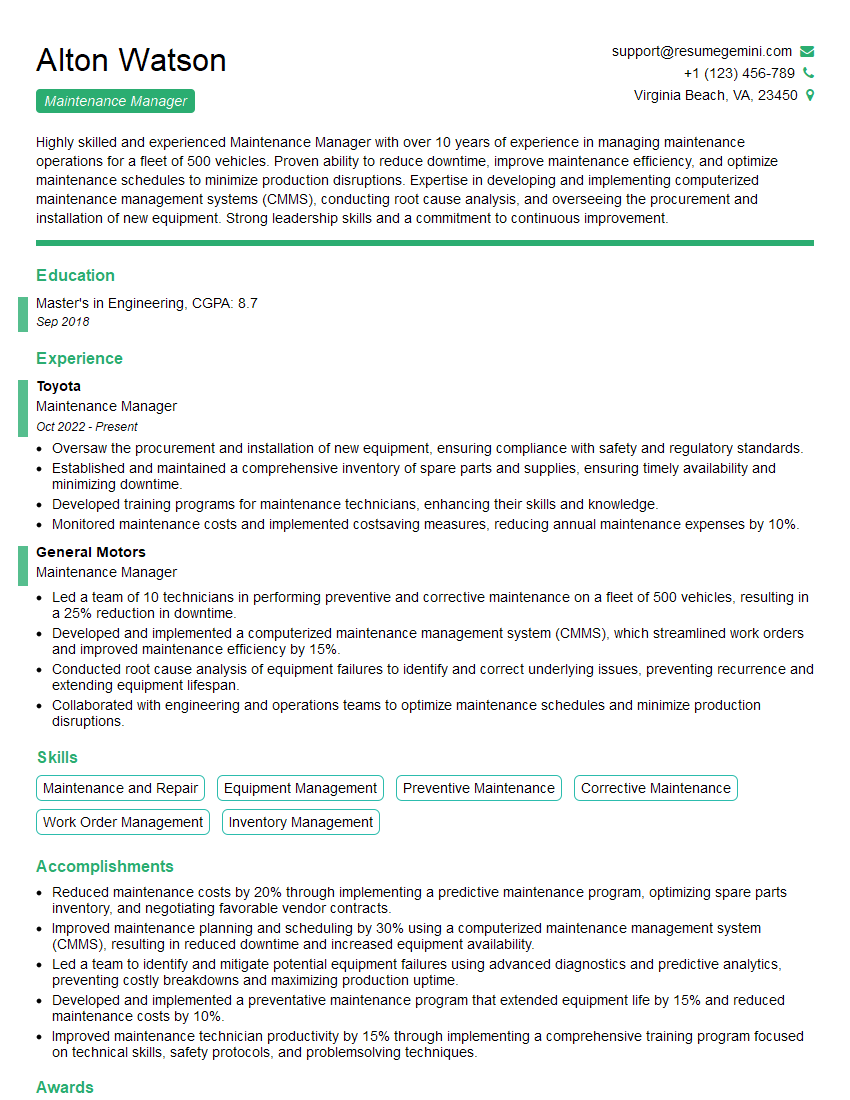
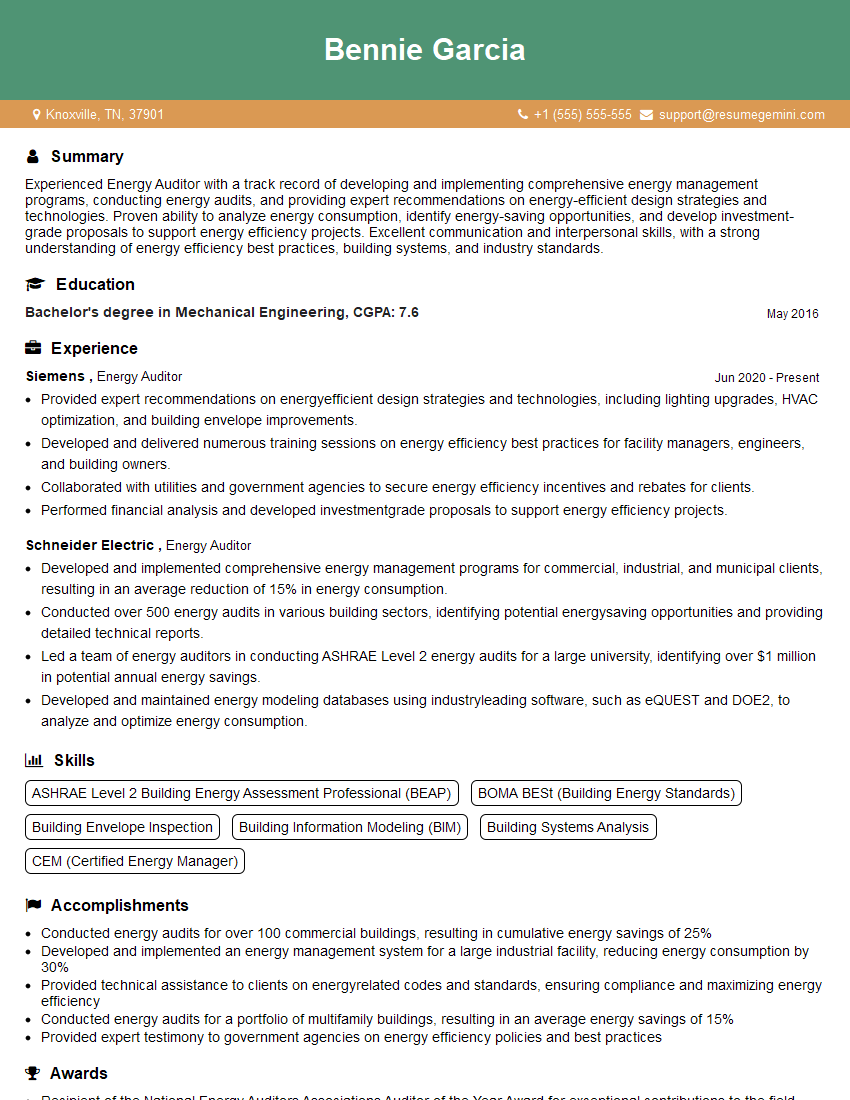
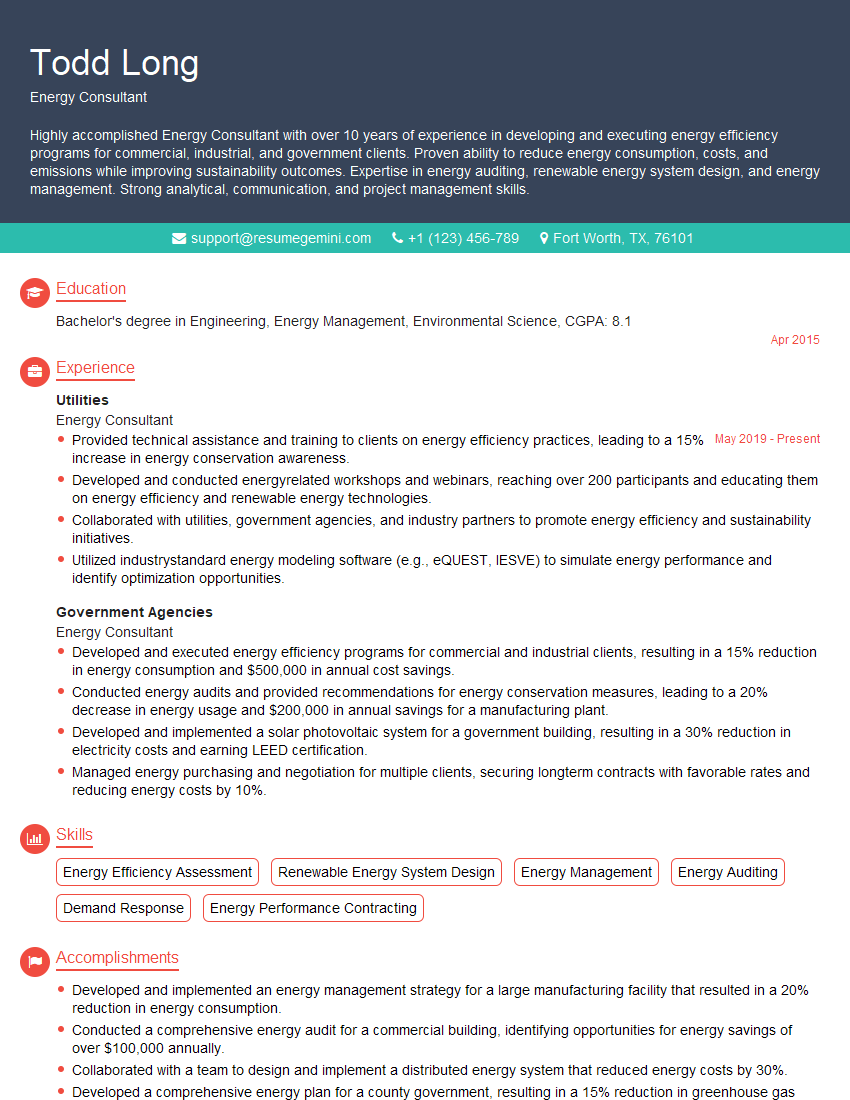
Mastering VAV System Optimization is crucial for career advancement in HVAC engineering and building automation. Demonstrating expertise in this area significantly increases your marketability and opens doors to higher-level roles with greater responsibility and earning potential. To secure your ideal position, creating a strong, ATS-friendly resume is paramount. ResumeGemini is a trusted resource to help you build a professional and impactful resume that highlights your skills and experience effectively. Take advantage of the examples of resumes tailored to VAV System Optimization provided to help you craft a winning application.
Explore more articles
Users Rating of Our Blogs
Share Your Experience
We value your feedback! Please rate our content and share your thoughts (optional).
What Readers Say About Our Blog
Very informative content, great job.
good