Feeling uncertain about what to expect in your upcoming interview? We’ve got you covered! This blog highlights the most important Vehicle Operations (Airborne) interview questions and provides actionable advice to help you stand out as the ideal candidate. Let’s pave the way for your success.
Questions Asked in Vehicle Operations (Airborne) Interview
Q 1. Describe your experience with aircraft pre-flight inspections.
Aircraft pre-flight inspections are crucial for ensuring safe and efficient flight operations. They’re a systematic check of the aircraft’s airworthiness, covering everything from the exterior to vital systems. Think of it as a thorough health check before any patient goes into surgery. My experience involves conducting these inspections meticulously, following standardized checklists specific to the aircraft type. This typically involves:
- Visual Inspection: Examining the exterior for any damage, leaks, or irregularities in the fuselage, wings, control surfaces, and landing gear.
- System Checks: Verifying the functionality of crucial systems, including the engine, flight controls, hydraulics, electrical systems, navigation equipment, and communication systems. This often involves running built-in tests and checking gauges and indicators.
- Documentation: Recording all findings, including any discrepancies, in the aircraft’s logbook. This helps to track maintenance history and address potential problems.
For example, during a pre-flight inspection of a Cessna 172, I once discovered a loose control cable. This seemingly small issue, if left unchecked, could have compromised flight control, potentially leading to a dangerous situation. By identifying and reporting it, I ensured the issue was addressed before flight, preventing a potential accident.
Q 2. Explain the process of troubleshooting a malfunctioning aircraft system.
Troubleshooting a malfunctioning aircraft system requires a systematic and methodical approach, combining technical knowledge with careful observation and documentation. It’s like solving a complex puzzle, where each clue helps narrow down the possibilities. My approach typically follows these steps:
- Identify the Problem: Accurately define the malfunction. What system is affected? What are the symptoms (warning lights, unusual sounds, loss of functionality)?
- Gather Information: Consult the aircraft’s technical manuals, maintenance logs, and any available troubleshooting guides. Check for recent maintenance performed on the affected system.
- Isolate the Fault: Use diagnostic tools and tests to pinpoint the source of the problem. This might involve checking electrical connections, pressure gauges, or using specialized equipment.
- Implement Corrective Action: Once the fault is identified, the appropriate corrective action is taken, which may involve simple repairs, component replacement, or contacting maintenance personnel.
- Verification: After implementing the corrective action, thorough testing is done to verify that the system is functioning correctly.
- Documentation: All troubleshooting steps, findings, and repairs are meticulously documented in the aircraft’s logbook.
For instance, if an aircraft’s electrical system is malfunctioning, I might start by checking the battery voltage, fuses, circuit breakers, and then move on to more complex diagnostic tests to isolate the faulty component.
Q 3. What are your familiarization levels with different aircraft types?
My familiarity with different aircraft types spans a range of single-engine piston aircraft like Cessna 172s and Piper Cherokees, to multi-engine turboprops such as the Beechcraft King Air, and even some exposure to light jets. My experience is categorized as follows:
- Extensive Experience: Cessna 172, Piper Archer, Beechcraft Bonanza (Single-engine piston)
- Moderate Experience: Beechcraft King Air, Cessna Caravan (Multi-engine Turboprop)
- Limited Experience: Learjet 35 (Light Jet)
This experience gives me a good understanding of the operational differences between these aircraft types, from their systems and performance characteristics to their maintenance requirements. My knowledge allows me to adapt quickly to new aircraft types, understanding the unique challenges and procedures of each.
Q 4. How do you handle unexpected mechanical issues during flight?
Unexpected mechanical issues during flight necessitate a calm and decisive response prioritizing safety. My approach involves:
- Assess the Situation: Immediately determine the severity of the problem and its potential impact on safety. Is the situation critical, requiring an immediate landing, or can it be managed until a suitable landing location is reached?
- Follow Emergency Procedures: Execute established emergency procedures for the specific aircraft and situation, including checklists and pilot-oriented guidance. This ensures a standardized approach to problem-solving.
- Communicate with Air Traffic Control (ATC): Contact ATC immediately to declare an emergency and inform them of the situation. ATC can then provide guidance and assistance, such as vectors to the nearest suitable airport.
- Prepare for Landing: If an immediate landing is necessary, perform the appropriate checks and procedures to ensure a safe landing. This includes configuring the aircraft for landing and assessing suitable landing sites.
- Post-Flight Procedures: Once safely landed, follow post-flight procedures, including reporting the incident to the relevant authorities and the maintenance crew.
For instance, experiencing engine failure at altitude requires immediate actions such as finding a suitable emergency landing field, contacting ATC, and implementing emergency power-off procedures.
Q 5. What is your understanding of aviation safety regulations?
My understanding of aviation safety regulations is comprehensive, covering various aspects including airworthiness directives, flight regulations, and operational limitations. These regulations are crucial for ensuring the safety of flight operations. I’m familiar with:
- Federal Aviation Regulations (FARs) or equivalent regulations: These regulations dictate the standards for aircraft maintenance, pilot certification, and flight operations.
- Airworthiness Directives (ADs): These are mandatory actions that must be implemented to correct known safety hazards. Compliance is essential for continued safe operation.
- Operational Limitations: These parameters (weight and balance limits, operating altitudes and speeds) must always be adhered to.
- Pilot Operating Handbook (POH): This handbook is the bible for any specific aircraft type and is critically important for safe operation.
Regular updates and thorough understanding of these regulations are integral to preventing accidents and ensuring safe flight operations. Non-compliance can lead to serious consequences, impacting both safety and legal standing.
Q 6. Describe your experience with aircraft maintenance documentation.
Aircraft maintenance documentation is paramount for tracking the aircraft’s history, ensuring airworthiness, and identifying potential problems early on. It’s a crucial record-keeping system and a key component of aviation safety. My experience involves:
- Maintaining Accurate Records: Meticulously documenting all maintenance activities, including inspections, repairs, and part replacements, in the aircraft logbook and other relevant databases.
- Understanding Logbook Entries: Interpreting maintenance records to understand the aircraft’s history and identify any recurring issues or potential maintenance needs.
- Compliance with Regulations: Ensuring that all maintenance documentation meets regulatory standards and is properly signed and dated.
- Digital Documentation: Utilizing computerized maintenance management systems (CMMS) to efficiently manage aircraft maintenance data.
Accurate and complete documentation is not merely a formality; it’s a critical safety measure. A complete history allows for effective maintenance planning and significantly reduces the risk of unexpected mechanical issues during flight.
Q 7. Explain the importance of weight and balance calculations in flight operations.
Weight and balance calculations are fundamental to flight safety and aircraft performance. They ensure that the aircraft’s center of gravity remains within safe limits during flight. Think of it like balancing a seesaw: if the weight distribution is incorrect, it could lead to instability and difficulties in controlling the aircraft. Incorrect calculations can result in:
- Poor Aircraft Handling: An improperly balanced aircraft may be difficult to control, increasing the risk of accidents.
- Structural Damage: Excessive stresses on the airframe due to improper weight distribution.
- Stalled Flight Conditions: The aircraft can reach critical angle of attack before expected and stall.
My understanding involves using weight and balance charts, calculating the aircraft’s center of gravity (CG), and ensuring that all weight limitations specified in the aircraft’s operating manual are adhered to. This includes considering the weight of passengers, baggage, fuel, and other cargo. Any deviation from established limits necessitates recalculation and potentially adjusting the loading of the aircraft to ensure safe flight.
Q 8. How do you manage communication with air traffic control?
Communication with Air Traffic Control (ATC) is paramount for safe and efficient flight operations. It’s a structured process relying on precise language and established procedures. We use standardized phraseology, ensuring clarity and minimizing misunderstandings. This includes reporting our position, altitude, intentions (like climbs, descents, turns), and any potential issues.
For example, a typical communication might be: “Tower, Cessna 1234 Alpha, five miles south, requesting landing.” The response from ATC would provide instructions, clearances, and any necessary warnings about other traffic or weather conditions. Communication channels vary depending on the phase of flight; ground control for taxiing, tower for takeoff and landing, and approach and departure control for the en-route portions of the flight. We utilize radio communication, strictly adhering to established frequencies and protocols, and always maintain clear and concise communication, double-checking any instructions received to avoid errors.
In addition to voice communication, some advanced systems use data-link communication for exchanging flight plans and other information electronically, further enhancing safety and efficiency.
Q 9. Describe your experience with emergency procedures.
Emergency procedures are a critical aspect of airborne vehicle operations and are practiced regularly to ensure preparedness for any unforeseen event. My experience encompasses various scenarios, including engine failures, in-flight medical emergencies, and severe weather encounters. Each scenario has its own established checklist and protocol, all aimed at prioritizing the safety of passengers and crew.
For example, during an engine failure, the immediate priorities are to maintain control of the aircraft, identify a suitable landing site, and communicate with ATC. The pilot follows a specific checklist, ensuring all necessary actions are taken in the correct sequence. This might involve adjusting the aircraft’s configuration, deploying emergency systems, and contacting emergency services. In medical emergencies, I’ve participated in coordinating in-flight medical assistance, diverting to the nearest suitable airport, and ensuring the safe transfer of the patient upon landing. During severe weather, navigating through turbulence and coordinating with ATC to find a safer path is crucial.
Training for these procedures involves recurrent simulator sessions, theoretical assessments, and practical flight exercises, making sure every member of the crew remains well-versed in responding to emergencies effectively.
Q 10. How do you ensure the safety of passengers and crew?
Ensuring the safety of passengers and crew is the number one priority. This is achieved through a multi-layered approach, starting with meticulous pre-flight checks to ensure the aircraft is airworthy. Adherence to strict operational procedures, thorough risk assessments, and constant monitoring of weather conditions are key factors.
Regular maintenance checks and inspections, conducted by qualified engineers, help prevent mechanical issues. Crew training focuses on emergency procedures, safety management systems (SMS), and human factors, emphasizing teamwork and efficient communication during critical situations. Security protocols are implemented to prevent unauthorized access to aircraft and passengers. Passenger briefings and safety demonstrations are crucial in educating passengers on emergency procedures. Emergency equipment is regularly inspected and maintained, ensuring its readiness in case of an incident.
Beyond these, situational awareness plays a significant role. Continuously monitoring weather radar, traffic collision avoidance systems, and communicating with ATC assists in avoiding potential hazards. In short, it’s a combination of preventive measures, rigorous protocols, and constant vigilance that makes passenger and crew safety paramount.
Q 11. What are your strengths and weaknesses in a high-pressure environment?
In high-pressure environments, my greatest strength lies in my ability to remain calm and focused under stress, which allows me to think clearly and make rational decisions. My experience handling various emergencies has honed this skill. I also excel at delegating tasks effectively to the crew, ensuring everyone plays their role in a coordinated manner.
A potential weakness might be my tendency to be detail-oriented, occasionally leading to slower decision-making in situations that demand immediate action. To counteract this, I am actively working on improving my ability to prioritize information and focus on the most crucial aspects of a situation in high-pressure settings. This includes time management techniques and practicing simulated high-pressure scenarios.
Q 12. How do you handle conflicting priorities in your work?
Conflicting priorities are a common occurrence in aviation. My approach involves prioritizing tasks based on their urgency and impact on safety and operational efficiency. I use a framework that considers safety as the highest priority, followed by legal compliance and then operational objectives.
For instance, if I face a situation where I have to choose between a minor maintenance issue and a crucial flight departure scheduled for a time-sensitive mission, I will prioritize the flight departure, ensuring all safety protocols are followed, and address the minor maintenance issue upon return. Clear communication with stakeholders is paramount. I will openly discuss the priorities and the reasoning behind my decisions with the crew and ATC. This transparent approach fosters understanding and cooperation, helping manage expectations and ensure a smooth workflow, even under pressure.
Q 13. Explain your understanding of different types of aircraft engines.
Aircraft engines are broadly categorized into several types, primarily distinguished by their design and operational principles. The most prevalent types in modern aviation include turbofan, turbojet, turboprop, and piston engines.
Turbofan engines are the most common in commercial airliners. They use a large fan to accelerate air, increasing thrust efficiency and reducing fuel consumption. A significant portion of the air bypasses the core engine, increasing overall thrust.
Turbojet engines are simpler than turbofans, with all the air passing through the core engine. They are less fuel-efficient but are suitable for high-speed applications. They were common in older supersonic aircraft.
Turboprop engines combine a turbine engine with a propeller. The turbine powers the propeller, providing high thrust at lower speeds. This is ideal for shorter-range flights and regional aircraft.
Piston engines are the oldest type, using reciprocating pistons to drive a propeller. They are simpler and less powerful than turbine engines but are still used in smaller general aviation aircraft.
Understanding the different characteristics of each engine type, including their thrust capabilities, fuel efficiency, and operational limitations, is crucial for safe and effective aircraft operation.
Q 14. Describe your experience with aircraft navigation systems.
My experience with aircraft navigation systems is extensive, encompassing both traditional and modern technologies. I am proficient in using various navigation systems, including:
Inertial Navigation Systems (INS): These systems utilize gyroscopes and accelerometers to calculate the aircraft’s position and velocity. They are self-contained and do not require external signals but can drift over time.
Global Navigation Satellite Systems (GNSS), such as GPS: These systems rely on satellite signals to provide precise position information. They are accurate and widely used, but can be susceptible to interference or signal loss.
Very High Frequency Omnidirectional Range (VOR) and Distance Measuring Equipment (DME): These are ground-based navigation aids that provide bearing and distance information to the aircraft.
Area Navigation (RNAV): This system allows for precise navigation along predetermined routes using onboard computers and satellite navigation. It allows for more flexible routing and fuel efficiency.
Modern aircraft often integrate these systems for redundancy and improved accuracy. Understanding how these systems work, their limitations, and how to utilize them effectively during various flight phases, including departures, en-route navigation, and approaches, is fundamental to safe and efficient flight operations. This knowledge is regularly updated through training and familiarization with new technologies.
Q 15. What are your problem-solving skills in dealing with mechanical failures?
My approach to mechanical failures prioritizes safety, methodical troubleshooting, and efficient communication. I follow a structured process: First, I immediately secure the aircraft and ensure the safety of all personnel. Then, I conduct a preliminary assessment, identifying the nature and severity of the malfunction. This often involves reviewing the aircraft’s systems logs and consulting relevant checklists. Next, I systematically check the affected systems, using my knowledge of aircraft mechanics to isolate the problem. I may use diagnostic tools, such as fault-finding computers, to aid in this process. Once the root cause is identified, I implement the necessary corrective actions, following established maintenance procedures. Throughout this entire process, I maintain clear and concise communication with ground personnel, pilots, and maintenance crews, keeping everyone informed of the situation and progress.
For example, during a flight, we experienced a sudden loss of hydraulic pressure in one system. Following safety procedures, I initiated a controlled descent. By reviewing the system logs and consulting the quick reference handbook, I narrowed down the potential causes to a leak or pump failure. Using the aircraft’s built-in diagnostics, I found a significant hydraulic fluid leak near the left main landing gear. We followed emergency procedures to secure the system and made a safe landing. Post-flight, I worked with the maintenance team to replace the damaged component, ensuring meticulous documentation of the entire process.
Career Expert Tips:
- Ace those interviews! Prepare effectively by reviewing the Top 50 Most Common Interview Questions on ResumeGemini.
- Navigate your job search with confidence! Explore a wide range of Career Tips on ResumeGemini. Learn about common challenges and recommendations to overcome them.
- Craft the perfect resume! Master the Art of Resume Writing with ResumeGemini’s guide. Showcase your unique qualifications and achievements effectively.
- Don’t miss out on holiday savings! Build your dream resume with ResumeGemini’s ATS optimized templates.
Q 16. Explain your knowledge of aircraft performance characteristics.
Understanding aircraft performance characteristics is crucial for safe and efficient operations. This knowledge encompasses various factors, including the aircraft’s weight and balance, its aerodynamic properties (lift, drag, thrust, and weight), and its engine performance. I understand the impact of altitude, temperature, wind, and air density on aircraft performance, and how these factors influence fuel consumption, climb rate, and overall flight efficiency. I’m also familiar with using performance charts and flight planning software to calculate takeoff and landing distances, fuel requirements, and optimal flight profiles.
For instance, understanding the effect of high-density altitude on takeoff performance is critical. On a hot day at a high-elevation airport, the air is less dense, reducing the lift generated by the wings. This requires a longer takeoff run and potentially a reduced payload. My experience involves using performance charts and software to calculate the required takeoff distance under various conditions to ensure safety. I also use performance data to optimize flight paths and fuel efficiency, selecting altitudes and speeds that minimize fuel burn while considering factors like headwinds and tailwinds.
Q 17. Describe your experience with flight planning and scheduling.
Flight planning and scheduling require meticulous attention to detail and a thorough understanding of regulatory requirements, airspace restrictions, weather patterns, and aircraft capabilities. I’m experienced in using specialized flight planning software to determine the optimal route, considering factors such as fuel consumption, flight time, and potential weather-related delays. This includes calculating estimated times of arrival (ETAs) and departure times (ETDs), considering various contingencies. I meticulously prepare flight plans, including emergency procedures, alternate routes, and communication plans, ensuring that all necessary information is readily available to the flight crew.
In a recent assignment, I was responsible for planning a series of flights across several time zones. I used flight planning software to determine the most efficient routes, factoring in headwinds and anticipated weather. I coordinated closely with air traffic control to obtain necessary clearances and slots. Furthermore, I incorporated contingency plans into the schedule, addressing potential delays due to weather or unforeseen circumstances. This meticulous planning ensured the timely and safe completion of all flights, minimizing disruptions and maximizing operational efficiency.
Q 18. How do you handle communication with maintenance personnel?
Effective communication with maintenance personnel is critical for resolving aircraft issues and ensuring safety. I prioritize clear, concise, and detailed communication, providing them with all relevant information about the malfunction, including observations, error codes, and any attempts at troubleshooting. I use standardized reporting formats and terminology to ensure clarity and avoid misunderstandings. Active listening is also vital. I carefully listen to the maintenance team’s findings and recommendations, clarifying any questions or concerns they may have. I collaborate closely with them to establish a shared understanding of the problem and to ensure a coordinated approach to its resolution. I also ensure comprehensive documentation of all communication and actions taken.
For example, if an engine exhibits unusual vibrations, I would provide the maintenance team with detailed information, including the flight parameters at the time of the event, the duration and nature of the vibration, and any related warning lights or messages displayed in the cockpit. I would then work collaboratively with them to diagnose the problem, coordinating any inspections or repairs required, and ensuring thorough documentation throughout the process. Open communication helps maintain a safety-first environment and fosters a collaborative relationship.
Q 19. What is your experience with using aircraft maintenance software?
I’m proficient in using various aircraft maintenance software packages, including [mention specific software e.g., AMOS, Trax, or other relevant software]. My experience includes inputting and retrieving maintenance records, scheduling maintenance tasks, tracking parts inventory, generating reports, and managing work orders. I understand the importance of accurate data entry and the significance of maintaining a comprehensive and up-to-date record of aircraft maintenance activities. This proficiency allows me to contribute to proactive maintenance planning, efficient troubleshooting, and regulatory compliance.
For instance, I utilize the software to monitor the aircraft’s maintenance history, identify upcoming inspections, and schedule necessary maintenance tasks based on flight hours, calendar time, or other relevant parameters. The software allows me to track the progress of maintenance activities, ensure that all required documentation is completed, and generate reports to satisfy regulatory requirements. My skills in using this software enable me to contribute to optimized maintenance scheduling, reducing downtime and improving operational efficiency.
Q 20. Describe your understanding of different types of aircraft fuel systems.
Aircraft fuel systems vary significantly depending on the size and type of the aircraft. Common types include gravity-fed systems, pump-fed systems, and pressure-fed systems. Gravity-fed systems rely on the weight of the fuel to feed the engines, commonly found in smaller aircraft. Pump-fed systems utilize pumps to transfer fuel from the tanks to the engines, often seen in larger aircraft. Pressure-fed systems use pressure to deliver fuel and are common in high-performance aircraft. All systems incorporate safety features like fuel gauges, fuel quantity indicating systems, and pressure sensors. Understanding these systems is crucial for safe fuel management, preventing fuel starvation, and avoiding potential hazards. Additionally, understanding fuel types, such as Jet A, Jet A-1, and AvGas, and their properties is essential for safe operation.
For example, during pre-flight checks, I meticulously check fuel levels and ensure the correct type of fuel is being used. I’m familiar with procedures for dealing with fuel imbalances or fuel contamination. My knowledge extends to understanding the different components of the fuel system, such as fuel tanks, pumps, filters, and fuel control units, and their function in delivering fuel to the engines under various flight conditions. Moreover, I understand the importance of maintaining fuel system integrity to prevent leaks or other malfunctions.
Q 21. Explain your knowledge of aircraft hydraulic systems.
Aircraft hydraulic systems are critical for controlling flight surfaces, landing gear, and brakes. These systems use pressurized hydraulic fluid to actuate various components. A typical system includes hydraulic pumps, reservoirs, actuators, valves, and lines. Understanding hydraulic systems involves knowledge of different types of hydraulic fluid, pressure regulation, leak detection, and troubleshooting malfunctioning components. It’s essential to know how hydraulic pressure affects system performance and to recognize the signs of hydraulic system failure, like loss of control surface movement or malfunctioning landing gear.
For instance, if I suspect a leak in the hydraulic system, I would first visually inspect the system for any obvious signs of leakage. Then, I would monitor hydraulic pressure readings and check the hydraulic fluid level. Depending on the severity of the leak, I would implement appropriate emergency procedures. My understanding of hydraulic systems extends to knowing how to interpret warning indications, isolate system failures, and coordinate with maintenance personnel for repairs. Regular maintenance and inspections are crucial to ensure the hydraulic systems’ continued safe and reliable operation.
Q 22. How do you ensure compliance with aviation safety standards?
Ensuring compliance with aviation safety standards is paramount in airborne vehicle operations. It’s not just about following regulations; it’s about fostering a safety culture. This involves a multi-faceted approach encompassing adherence to regulations set by governing bodies like the FAA (Federal Aviation Administration) or EASA (European Union Aviation Safety Agency), rigorous maintenance practices, thorough pilot training, and a commitment to continuous improvement.
- Regulatory Compliance: We meticulously follow all applicable Airworthiness Directives (ADs), operational manuals, and safety regulations. This includes regular audits and inspections to ensure our operations meet or exceed the required standards.
- Maintenance Programs: We employ comprehensive maintenance programs that follow strict schedules and meticulous record-keeping. This includes preventative maintenance to catch potential issues before they become major problems, and corrective maintenance to address any identified defects promptly and effectively.
- Pilot Training and Proficiency: Pilots undergo rigorous recurrent training to maintain their proficiency and stay updated on safety procedures and emergency response protocols. Simulator training and regular flight checks are crucial components of this process.
- Safety Reporting and Analysis: We have a robust system for reporting and analyzing safety incidents. This allows us to identify underlying issues, implement corrective actions, and prevent recurrence. A culture of open communication and constructive feedback is essential.
For instance, during a recent operational review, we identified a minor discrepancy in our pre-flight checklists. By addressing this promptly, we proactively prevented potential safety concerns before they even had a chance to materialize. Safety isn’t a one-time task; it’s an ongoing, evolving process.
Q 23. Describe your experience with aircraft electrical systems.
My experience with aircraft electrical systems spans over ten years, encompassing both troubleshooting and maintenance on a variety of aircraft types, ranging from light single-engine aircraft to larger multi-engine turboprops. I am proficient in diagnosing and repairing issues related to DC and AC power generation, distribution, and utilization systems. I understand the importance of proper grounding and bonding in preventing electrical interference and ensuring safe operation.
- Power Generation: I’ve worked extensively with various power generation systems, including alternators, generators, and batteries, understanding their operational principles and potential failure modes. This includes experience with Constant Speed Drives (CSDs) and their integration with the engine.
- Power Distribution: I’m familiar with bus bars, circuit breakers, and various wiring harnesses, and I understand the importance of safe and efficient power distribution to all critical aircraft systems. I can trace wiring diagrams, identify fault points, and perform effective repairs.
- Electrical Components: My expertise includes working with a wide array of electrical components, including flight instruments, lighting systems, communication equipment, and flight control actuators. I’m comfortable troubleshooting problems with these systems and performing necessary repairs or replacements.
For example, I once successfully diagnosed and repaired a faulty alternator on a turboprop aircraft during a remote operation, preventing a major flight delay. This involved careful analysis of the aircraft’s electrical system, utilizing specialized diagnostic equipment, and executing the repair under stringent safety protocols.
Q 24. What are your experiences with different types of flight control systems?
My experience encompasses several types of flight control systems, from purely mechanical systems found in older aircraft to modern fly-by-wire systems. Understanding the nuances of each type is crucial for safe and efficient aircraft operation.
- Mechanical Flight Controls: I’ve worked with traditional control systems using cables, pulleys, and control surfaces. This requires a strong understanding of aerodynamics and the mechanical linkages that translate pilot inputs into aircraft movement.
- Fly-by-Wire (FBW) Systems: I have significant experience with FBW systems, where electronic signals relay pilot inputs to the flight control surfaces. This involves understanding the complex computer algorithms, sensors, and actuators that govern the system. This includes knowledge of redundancy and fail-safe mechanisms.
- Hybrid Systems: Many modern aircraft utilize hybrid systems combining aspects of both mechanical and fly-by-wire technologies. I’m adept at troubleshooting these complex systems and maintaining optimal performance.
In one instance, I was involved in the troubleshooting of a malfunctioning flight control actuator on an aircraft equipped with a fly-by-wire system. Through methodical diagnostic procedures and the use of specialized ground support equipment, I identified a faulty sensor, successfully restoring the system’s functionality. This exemplifies the critical nature of understanding both the mechanical and electronic aspects of flight control systems.
Q 25. Explain your understanding of aircraft instrumentation.
Aircraft instrumentation provides pilots with essential information for safe and efficient flight operation. My understanding encompasses the principles behind various instruments, their limitations, and the importance of interpreting the data accurately.
- Flight Instruments: I’m proficient in interpreting data from instruments such as airspeed indicators, altimeters, vertical speed indicators, heading indicators, attitude indicators, and turn coordinators. This includes understanding the limitations of these instruments and the potential for errors due to instrument malfunction or environmental factors.
- Engine Instruments: I have extensive experience with engine instruments, including tachometers, oil pressure gauges, fuel flow indicators, and temperature gauges. These instruments are crucial for monitoring engine health and performance.
- Navigation Systems: My knowledge extends to various navigation systems, including GPS, VOR, ILS, and ADF. I’m familiar with their operation, limitations, and potential sources of error.
Understanding instrument error is just as important as understanding correct readings. For example, understanding how temperature affects altimeter readings, or recognizing the limitations of GPS in certain conditions, ensures that pilots make informed decisions.
Q 26. Describe your experience with aircraft environmental control systems.
Aircraft environmental control systems (ECS) maintain a safe and comfortable cabin environment for passengers and crew, especially crucial for long-haul flights. My experience involves understanding the various components and their functions, along with effective troubleshooting and maintenance.
- Air Conditioning and Heating: I understand the principles of aircraft air conditioning and heating systems, including the use of air cycle machines, vapor cycle systems, and electric heating elements. I am familiar with troubleshooting issues related to temperature control, air distribution, and cabin pressure.
- Cabin Pressurization: Maintaining cabin pressure at a safe altitude is critical for passenger comfort and safety at high altitudes. I understand the operation of cabin pressurization systems, including the components involved in pressurization control and emergency depressurization procedures.
- Oxygen Systems: I’m familiar with both passenger and crew oxygen systems, including emergency oxygen masks and oxygen concentrators. I understand the importance of regular inspections and maintenance to ensure their reliability.
During a recent flight, we experienced a minor issue with the air conditioning system. By systematically checking the various components, I was able to quickly isolate the problem to a faulty fan motor, allowing for a swift repair and minimal disruption to the flight schedule.
Q 27. How do you handle discrepancies found during pre-flight inspection?
Handling discrepancies found during pre-flight inspection is a critical aspect of ensuring flight safety. The process involves a systematic approach, from initial identification to appropriate documentation and corrective action.
- Identification and Documentation: Any discrepancies, no matter how minor, are carefully documented in the appropriate logbook or maintenance tracking system. This includes a clear description of the issue, its location, and the potential impact on safety.
- Severity Assessment: The severity of the discrepancy is assessed based on its potential impact on flight safety. This assessment determines the urgency of corrective action; some discrepancies may require immediate attention, while others can wait until scheduled maintenance.
- Corrective Action: Depending on the severity, the corrective action can range from simple adjustments to major repairs. For minor issues, the pilot might be able to make temporary corrections. For more significant problems, the aircraft may be grounded until the issue is resolved by qualified maintenance personnel.
- Communication and Reporting: Clear communication is essential throughout the process. This includes informing relevant personnel, such as maintenance engineers or flight dispatchers, about the discovered discrepancy and any subsequent actions taken.
For example, if I discover a loose panel during a pre-flight inspection, I’d document it, assess if it poses a safety risk (like interfering with flight controls), and either secure it temporarily or report it to maintenance for permanent repair, before proceeding with the flight.
Q 28. Explain your understanding of Airworthiness Directives (ADs).
Airworthiness Directives (ADs) are mandatory instructions issued by aviation authorities, such as the FAA or EASA, to address safety issues related to aircraft design, manufacturing, or operation. Compliance with ADs is essential for maintaining the airworthiness of an aircraft and ensuring passenger safety.
- Purpose of ADs: ADs are issued to correct known safety deficiencies or address potential hazards identified through accident investigations, service experience reports, or design flaws. They specify the actions required to address these issues, such as modifications, inspections, or replacements.
- Compliance Procedures: We maintain a detailed tracking system for all applicable ADs. This includes verifying the aircraft’s compliance status, scheduling necessary inspections or repairs, and maintaining meticulous records of all completed actions. Failure to comply with ADs can result in serious consequences, including grounding of the aircraft.
- Sources of AD Information: We regularly consult official sources, such as the FAA website or equivalent aviation authority websites, to stay updated on the latest ADs applicable to our aircraft fleet.
Ignoring an AD can lead to catastrophic consequences. Regular monitoring and diligent adherence to these directives are essential to ensure the safety and airworthiness of our aircraft.
Key Topics to Learn for Vehicle Operations (Airborne) Interview
- Airborne Vehicle Systems: Understanding the mechanics, electronics, and hydraulics of airborne vehicles. Consider the differences between various vehicle types and their specific operational requirements.
- Pre-flight Inspection and Maintenance: Detailed knowledge of pre-flight checklists, troubleshooting common issues, and performing routine maintenance procedures. Be prepared to discuss practical experience with specific tools and techniques.
- Safety Procedures and Regulations: Thorough understanding of all relevant safety regulations, emergency procedures, and risk mitigation strategies. Highlight your commitment to a safe working environment.
- Cargo Handling and Securing: Discuss techniques for safe and efficient loading, securing, and unloading of cargo, considering weight distribution and balance. Mention any experience with specialized cargo handling equipment.
- Communication and Teamwork: Explain your ability to communicate effectively within a team environment, particularly in high-pressure situations. Discuss your experience coordinating with pilots, ground crews, and other personnel.
- Troubleshooting and Problem-Solving: Be ready to discuss your approach to diagnosing and resolving technical problems encountered during vehicle operation. Use the STAR method (Situation, Task, Action, Result) to illustrate your problem-solving skills.
- Technological Proficiency: Showcase your familiarity with relevant technologies used in airborne vehicle operations, including onboard computer systems, communication systems, and navigation tools.
- Environmental Considerations: Discuss the impact of weather conditions and other environmental factors on vehicle operations, and how you adapt your procedures accordingly.
Next Steps
Mastering Vehicle Operations (Airborne) opens doors to exciting and rewarding career opportunities, offering opportunities for advancement and specialization within the aviation industry. To maximize your job prospects, it’s crucial to present your skills and experience effectively. An ATS-friendly resume is key to getting noticed by recruiters. ResumeGemini is a trusted resource that can help you build a professional and impactful resume tailored to the specific demands of this competitive field. Examples of resumes specifically designed for Vehicle Operations (Airborne) roles are available through ResumeGemini to guide you in crafting your own compelling application.
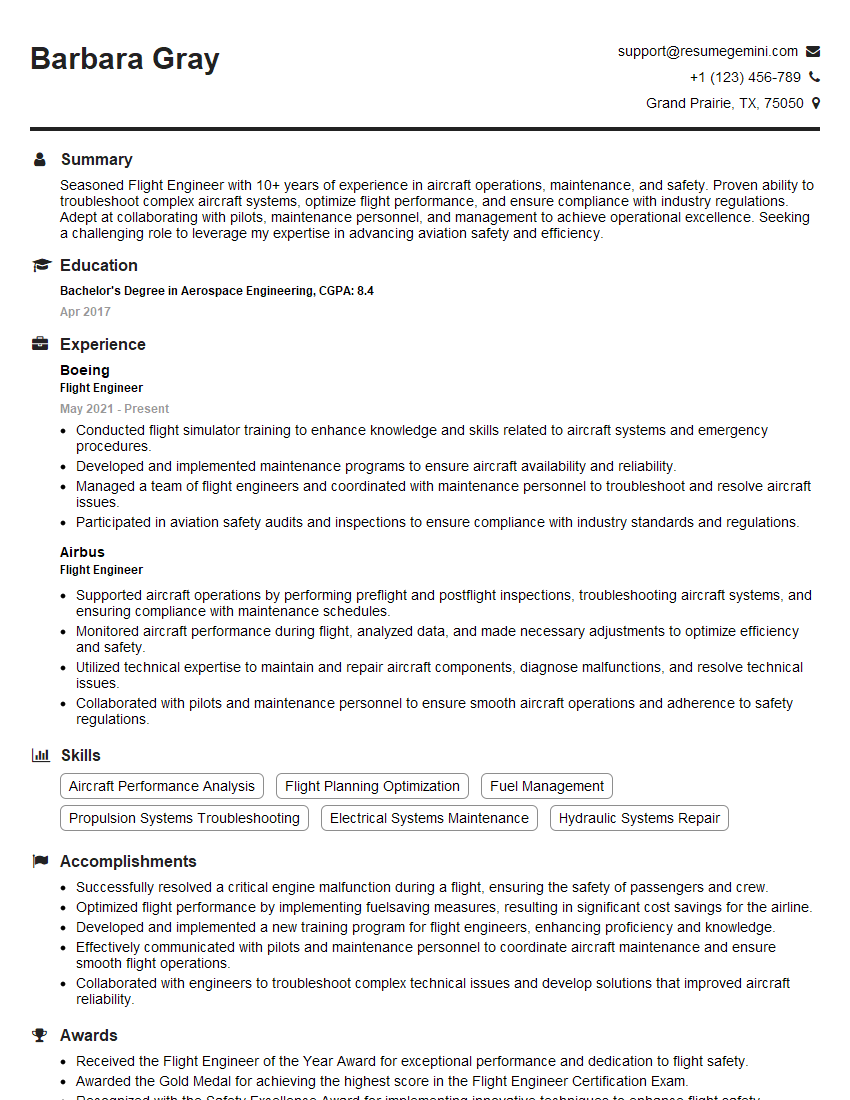
Flight Engineer Resume Sample
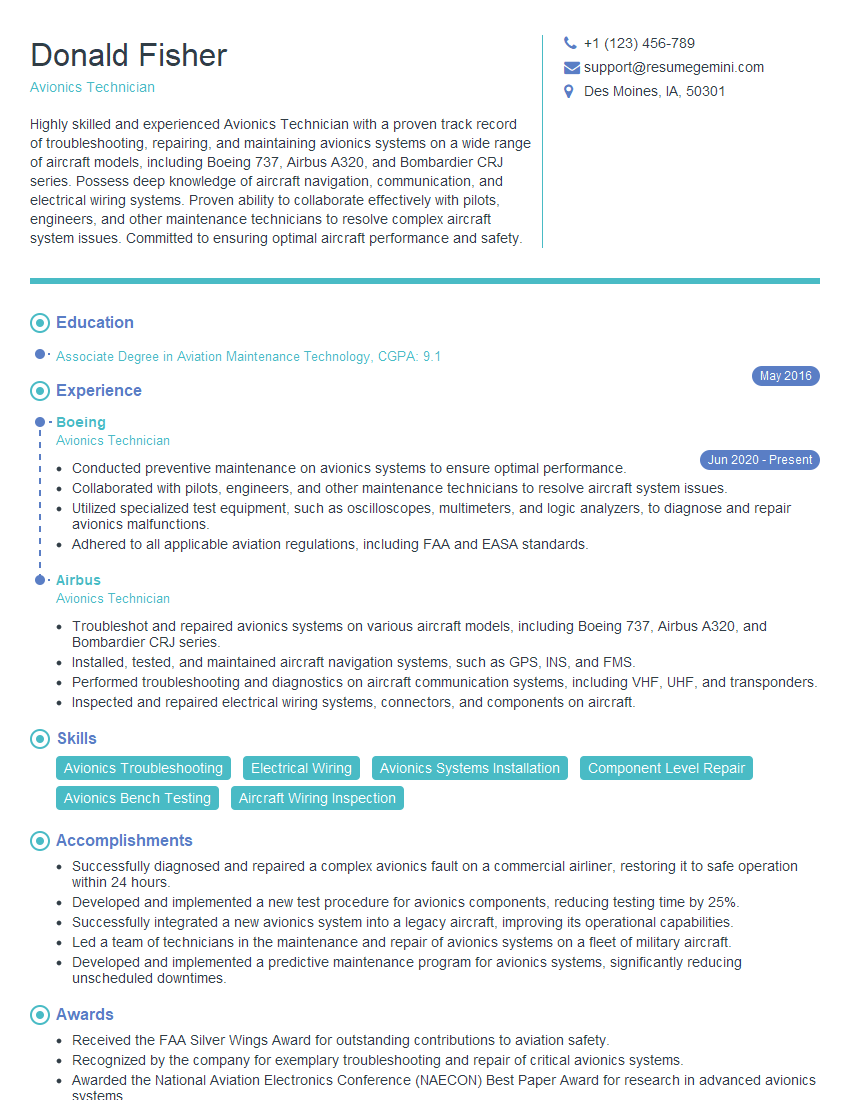
Avionics Technician Resume Sample

Aircraft Dispatcher Resume Sample
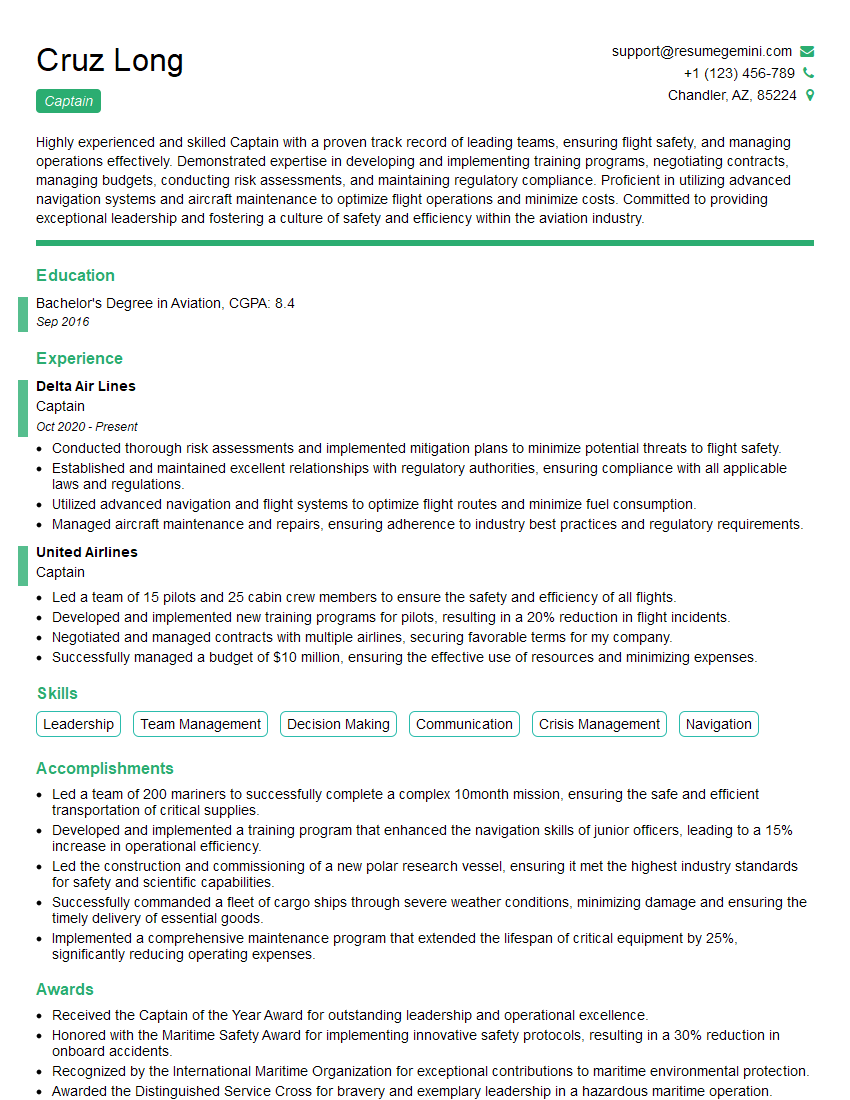
Captain Resume Sample
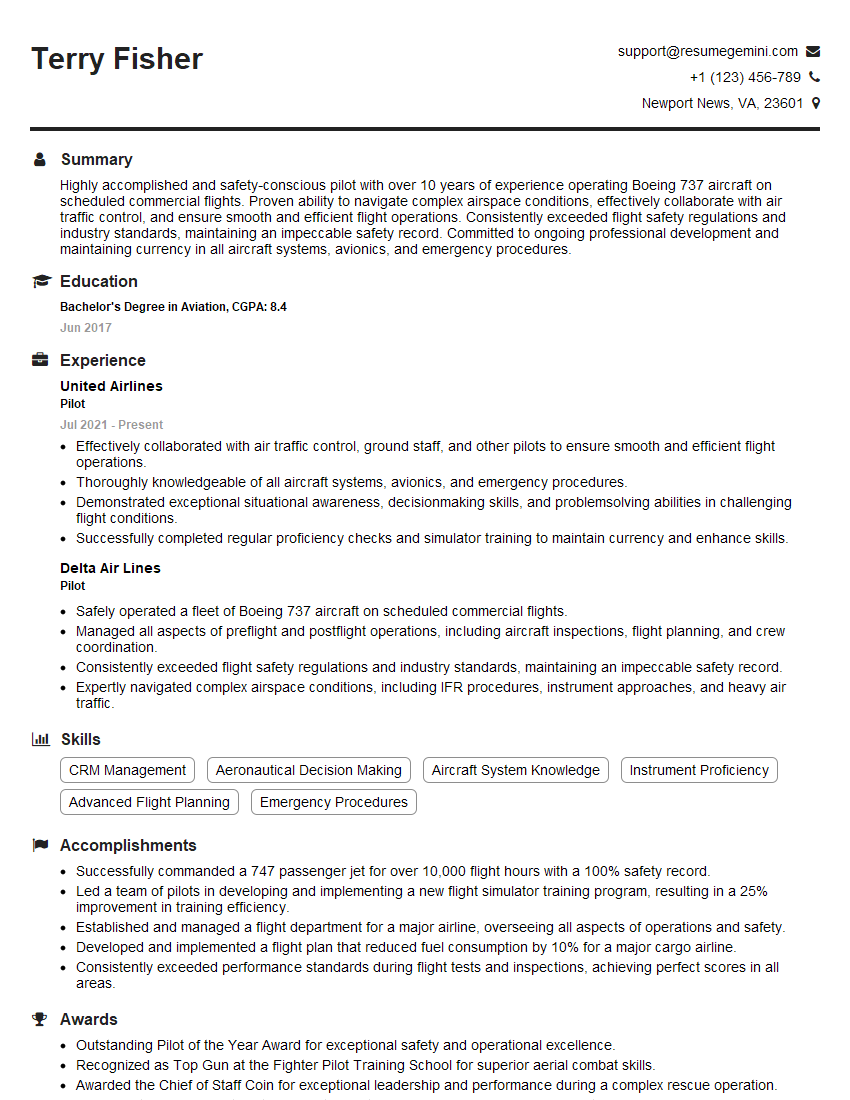
Pilot Resume Sample
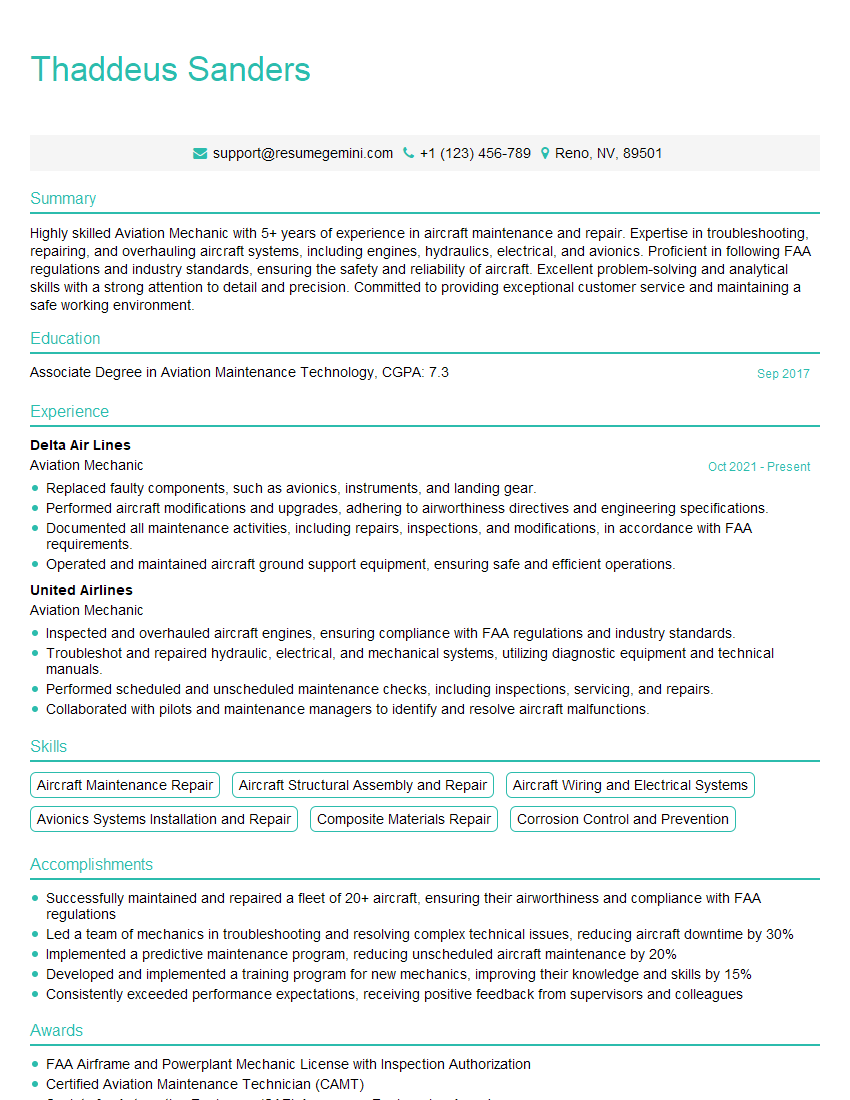
Aviation Mechanic Resume Sample
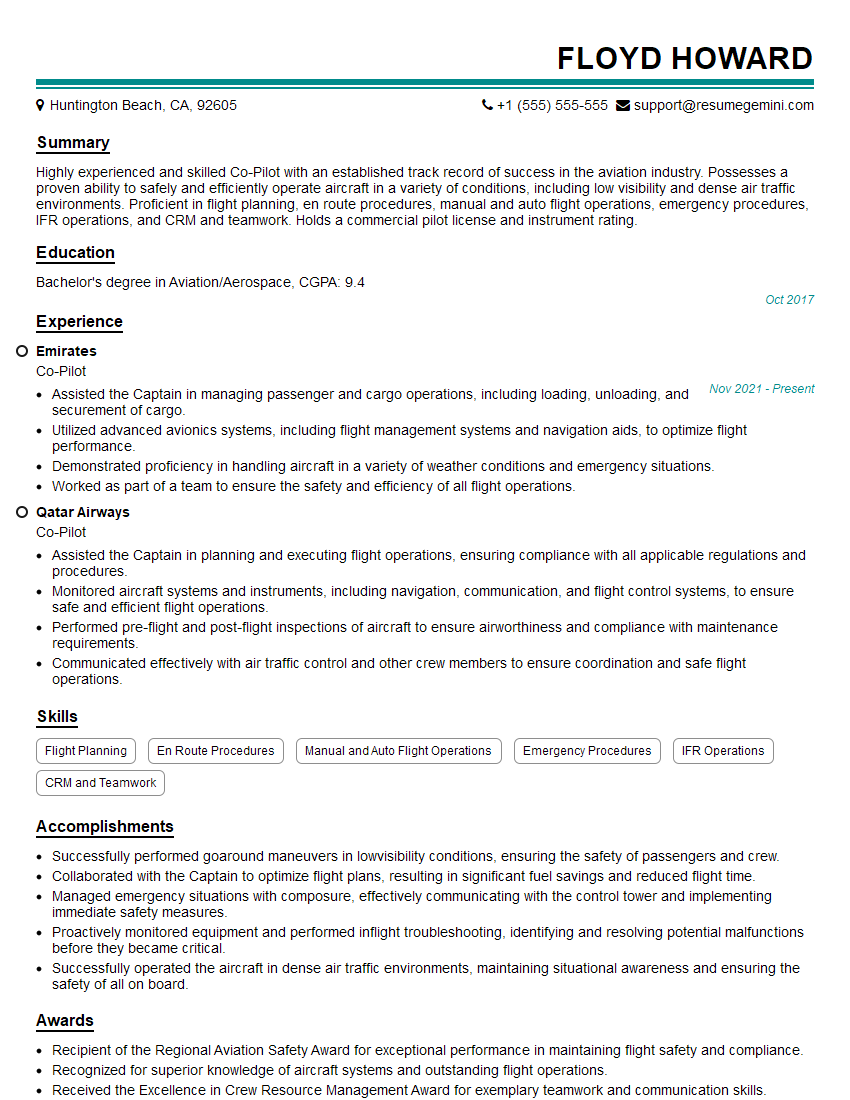
Co-Pilot Resume Sample
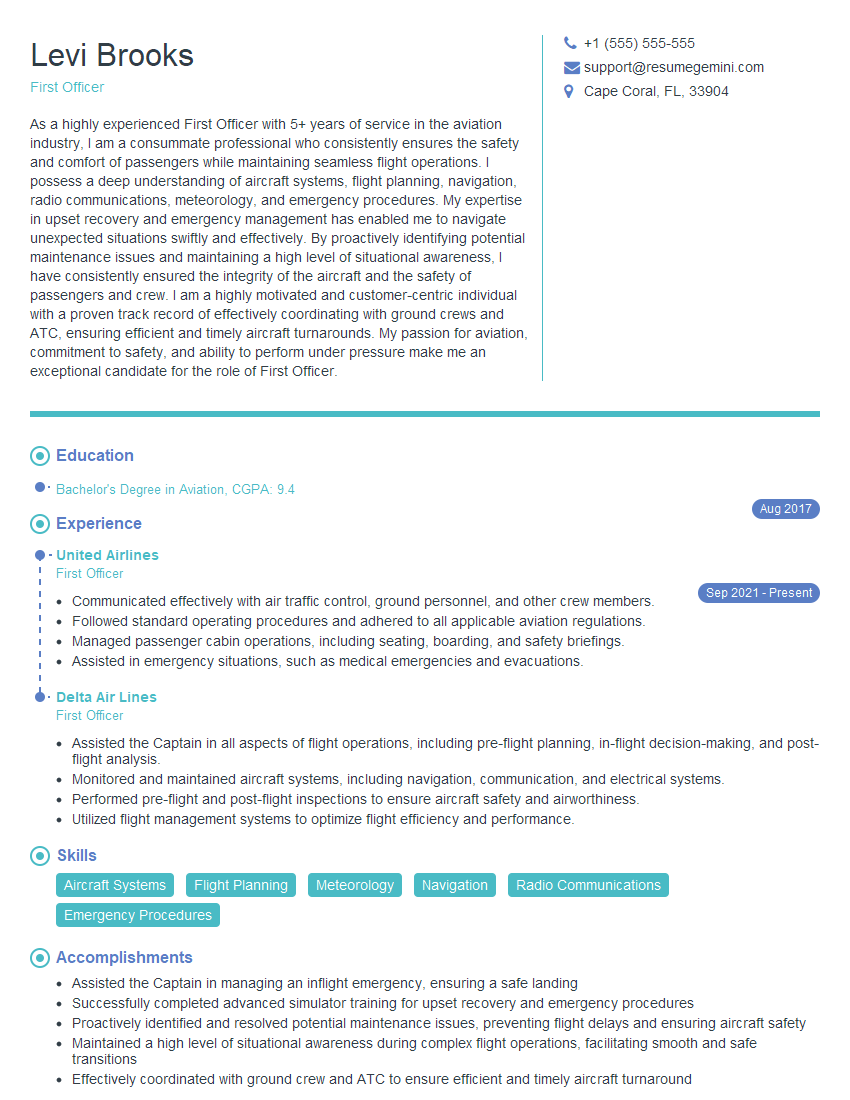
First Officer Resume Sample
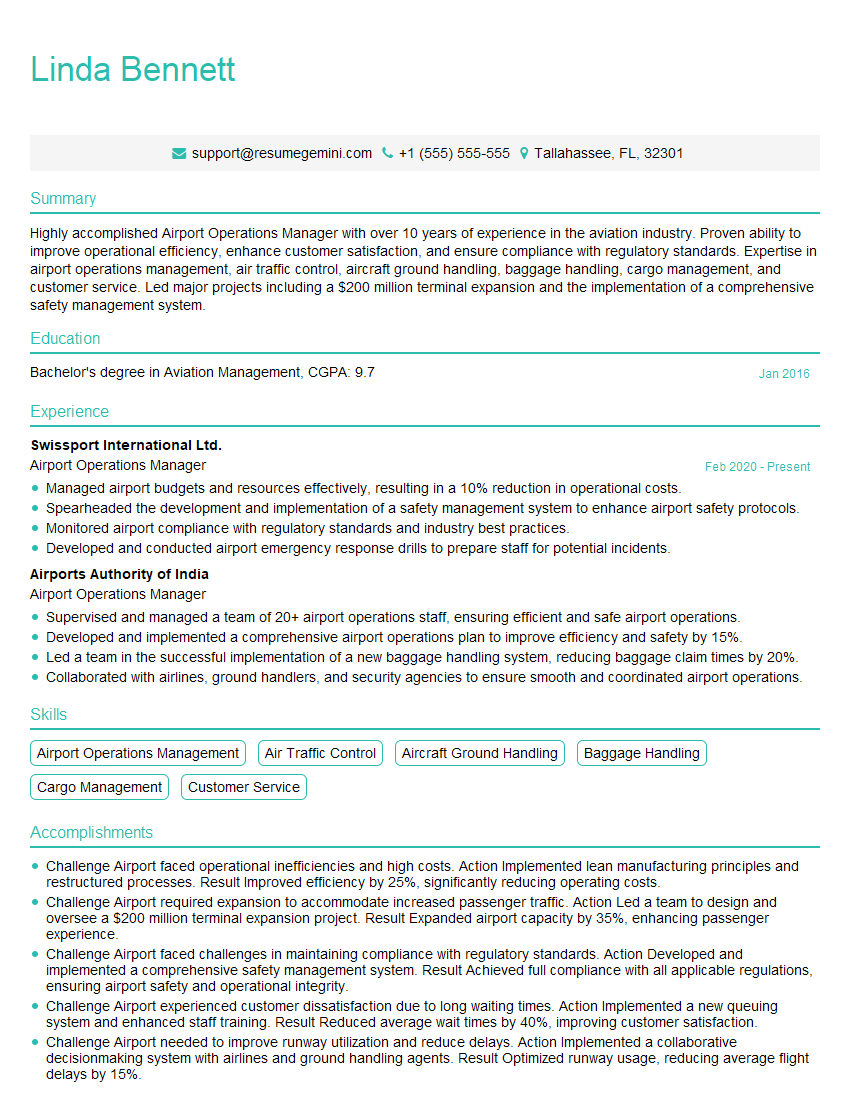
Airport Operations Manager Resume Sample
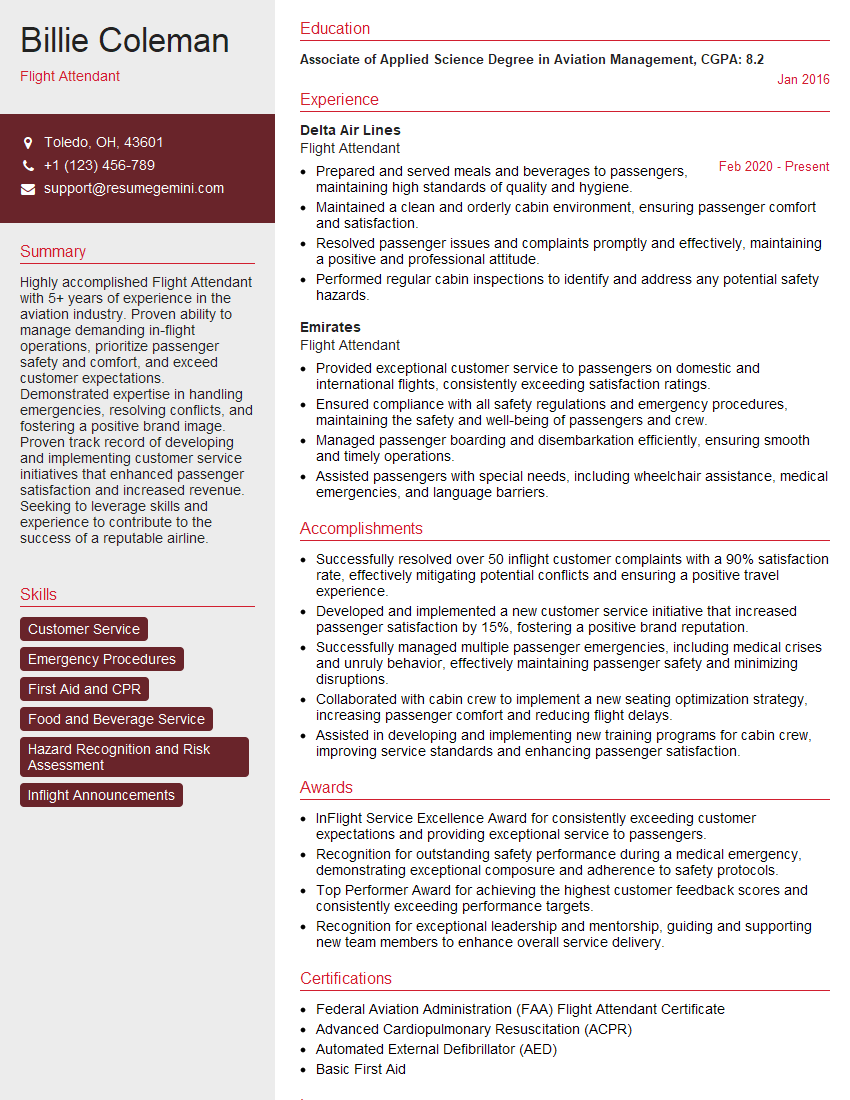
Flight Attendant Resume Sample
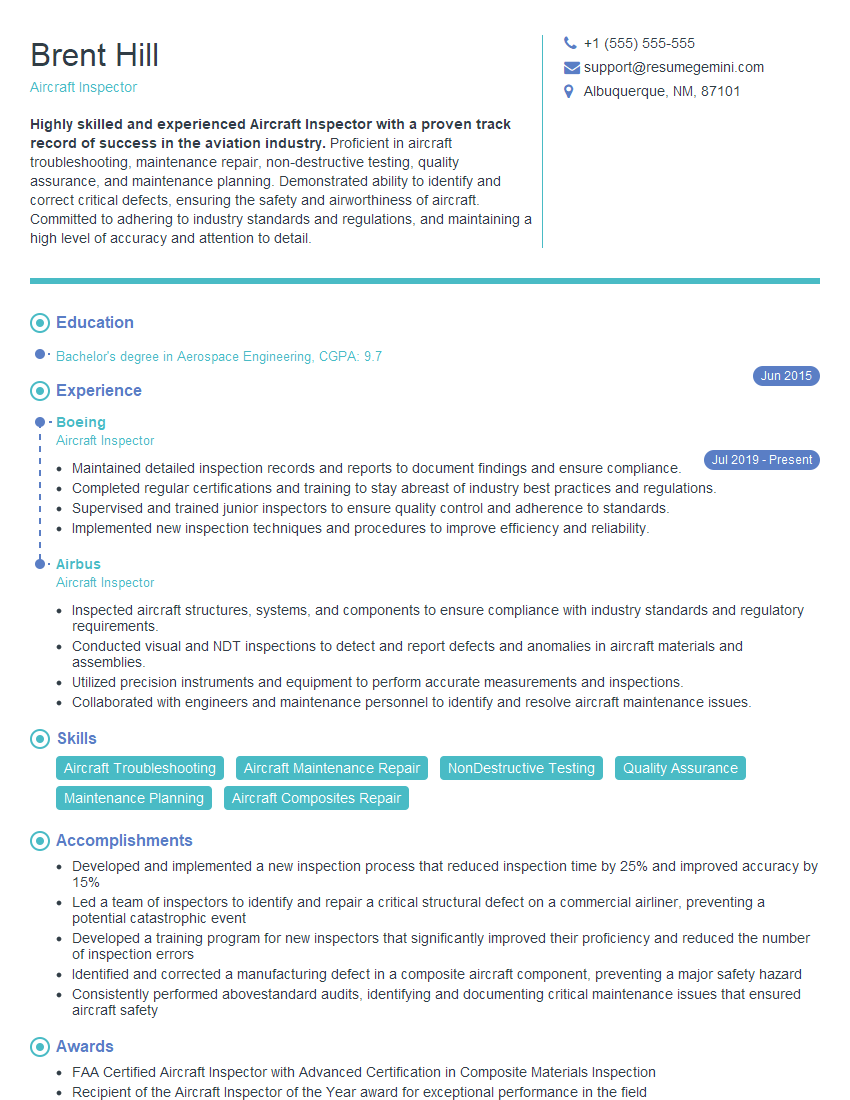
Aircraft Inspector Resume Sample
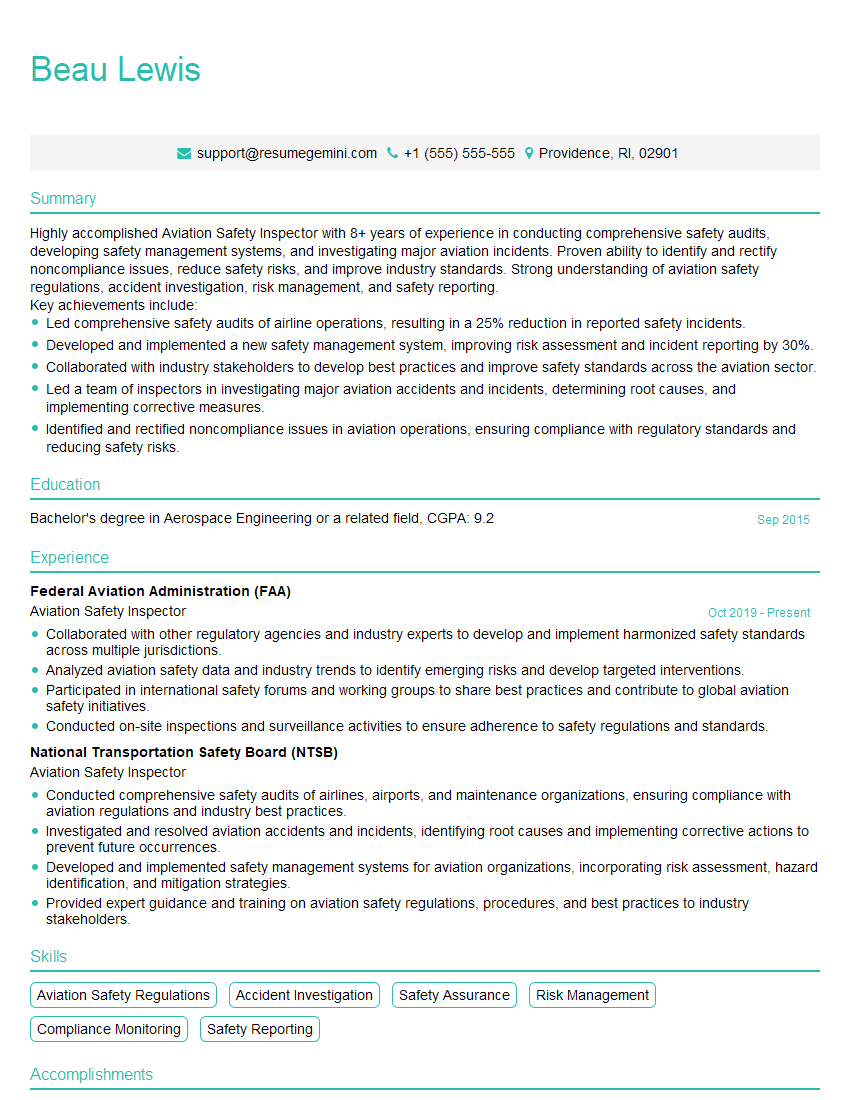
Aviation Safety Inspector Resume Sample
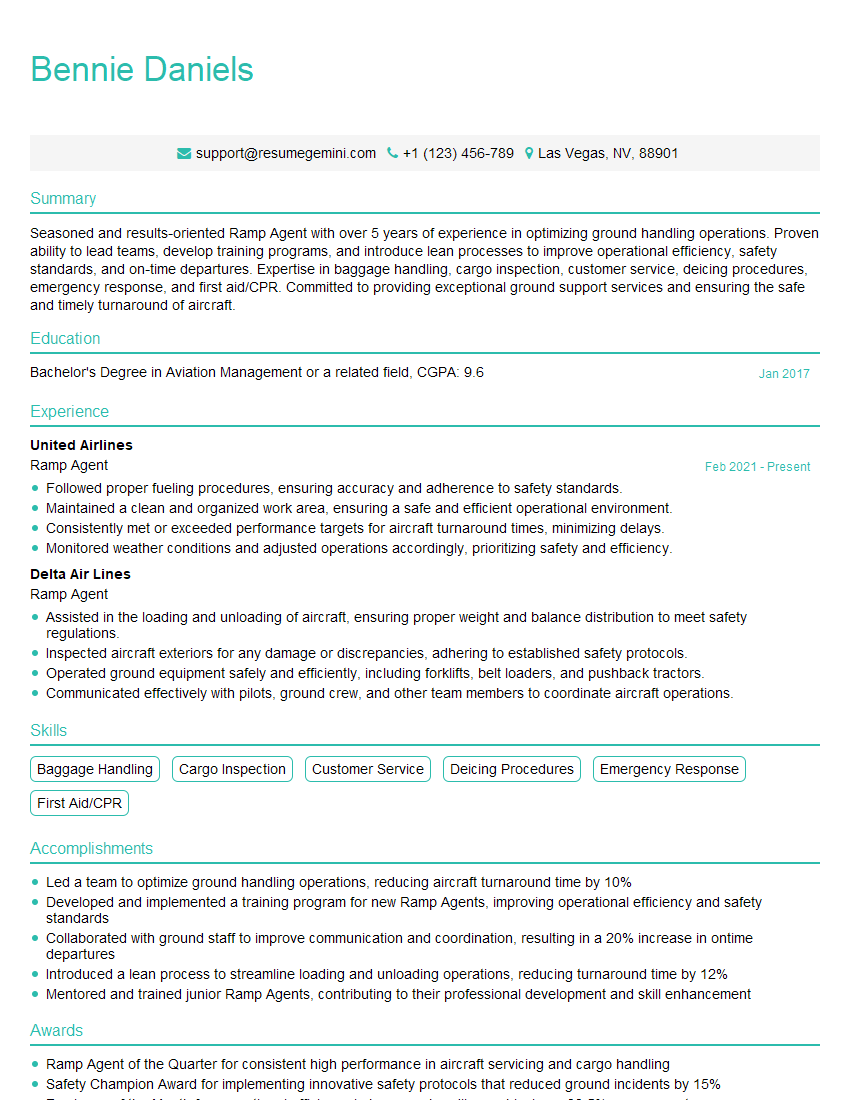
Ramp Agent Resume Sample
Explore more articles
Users Rating of Our Blogs
Share Your Experience
We value your feedback! Please rate our content and share your thoughts (optional).
What Readers Say About Our Blog
Very informative content, great job.
good