The thought of an interview can be nerve-wracking, but the right preparation can make all the difference. Explore this comprehensive guide to Viticulture Practices interview questions and gain the confidence you need to showcase your abilities and secure the role.
Questions Asked in Viticulture Practices Interview
Q 1. Describe the different pruning methods used in viticulture and their impact on yield and quality.
Pruning is a fundamental viticultural practice that shapes the vine’s growth and fruit production. Different methods influence yield and quality significantly. Think of it like trimming a bonsai tree – careful shaping yields a beautiful and productive plant.
- Short Pruning: This involves removing most of the previous year’s growth, leaving only a few buds (2-6). It results in fewer but potentially larger, higher-quality grapes. It’s often used for varieties needing less vigor or in high-density plantings. For example, Pinot Noir, known for its delicate flavors, often benefits from short pruning.
- Long Pruning: More canes (the previous year’s growth) are left, resulting in higher yields but potentially smaller, less concentrated berries. This is common for vigorous varieties needing more control or in areas with less sunlight. Think of a more abundant but perhaps less refined harvest.
- Spur Pruning: This involves cutting back canes to short spurs (2-4 buds) from the permanent arms of the vine. It promotes even fruiting and is popular in many training systems.
- Cane Pruning: Longer canes (6-12 buds) are left, producing more shoots and fruit, particularly suitable for vigorous varieties. It might be preferred in warmer climates to provide more shade for the fruit.
The choice of pruning method depends on factors like variety, climate, soil type, desired yield, and quality goals. Careful observation and experience are crucial for selecting the optimal method for a specific vineyard.
Q 2. Explain the process of canopy management and its importance in grapevine health.
Canopy management encompasses all practices aimed at controlling the grapevine’s leaf area and its arrangement. It’s like managing a thriving forest canopy to ensure that all trees receive enough sunlight and air circulation. Proper canopy management is vital for vine health and fruit quality.
Key aspects include:
- Leaf removal: Removing leaves around the fruit zone improves sunlight penetration, air circulation, and reduces disease risks. This is particularly important in dense canopies.
- Shoot positioning: Training shoots in the right direction ensures efficient sunlight capture and prevents overcrowding. It is essential for airflow and even ripening.
- Hedging: Cutting back excessive shoot growth to maintain a uniform canopy height. This promotes uniformity in ripening and simplifies harvesting.
- Thinning: Removing excess shoots or clusters to balance the canopy and improve fruit quality. This focuses the vine’s resources on fewer, better-quality grapes.
Neglecting canopy management can lead to increased disease incidence, poor fruit ripening, sunburn, and reduced overall yield. The specific techniques employed depend on the grape variety, climate, and training system.
Q 3. What are the key soil factors that influence grapevine growth and yield?
Soil is the foundation of viticulture, and its characteristics profoundly impact grapevine growth and yield. It’s like providing the right nutrients for a healthy plant. Consider these key factors:
- Texture: Sandy soils drain quickly, leading to drought stress but good aeration. Clay soils retain water, potentially leading to waterlogging and root diseases but good nutrient retention. Loam, a mix of sand, silt, and clay, is often ideal, offering a balance of drainage and water retention.
- Drainage: Poor drainage can lead to root rot and other diseases. Good drainage ensures adequate oxygen supply to roots.
- pH: Optimal pH ranges vary by grape variety. Most vines prefer slightly acidic to neutral conditions (pH 6.0-7.0), although some thrive in slightly alkaline soils.
- Nutrient content: Essential nutrients like nitrogen, phosphorus, potassium, and micronutrients are crucial for vine growth and fruit production. Soil tests help determine nutrient deficiencies.
- Organic matter: Improves soil structure, water retention, and nutrient availability.
Understanding soil properties allows for appropriate vineyard site selection, soil amendments (e.g., adding compost), and tailored fertilization strategies to optimize grapevine performance.
Q 4. How do you identify and manage common grapevine diseases and pests?
Grapevines are susceptible to various diseases and pests, requiring vigilance and effective management strategies. Early detection and timely intervention are crucial. Think of it as proactively protecting your investment.
- Disease Identification: Symptoms vary widely depending on the disease. Visual inspection, laboratory tests, and expert consultation can help pinpoint the problem. Examples include powdery mildew (white coating on leaves), downy mildew (yellowish lesions), and bunch rot (rotten berries).
- Pest Identification: Common pests include phylloxera (root-feeding insect), leafhoppers (sap-sucking insects), and birds. Regular monitoring and visual inspection are essential for early detection.
- Disease and Pest Management: Integrated Pest Management (IPM) is a holistic approach integrating preventive measures (e.g., choosing resistant varieties, proper sanitation) with targeted interventions. This may involve cultural practices, biological controls (e.g., beneficial insects), and judicious use of pesticides only when necessary. Always follow label instructions and safety guidelines.
Accurate identification is vital for selecting the appropriate control strategy. Prevention is always preferable to cure, emphasizing proactive management practices.
Q 5. Discuss the various irrigation techniques used in viticulture and their advantages and disadvantages.
Irrigation is crucial in viticulture, especially in dry climates, ensuring sufficient water supply for optimal vine growth and fruit development. Like choosing the right watering can for your plants, various techniques exist.
- Drip Irrigation: Water is delivered directly to the roots via a network of tubes and emitters. Advantages include water conservation, precise water application, and reduced weed growth. Disadvantages include higher initial investment and potential clogging.
- Overhead Irrigation: Water is sprayed over the entire vineyard. Advantages include ease of installation and relatively low cost. Disadvantages include water wastage, increased disease risk, and potential damage to fruit.
- Furrow Irrigation: Water flows in furrows between vine rows. Advantages include simplicity and low cost. Disadvantages include water wastage and uneven water distribution.
- Micro-sprinkler Irrigation: A combination of drip and overhead, using small sprinklers for more even coverage. This offers some benefits of both methods.
The choice of irrigation method depends on factors such as climate, soil type, topography, and vineyard size. Effective irrigation management is essential for maintaining optimal vine water status and maximizing yield and quality.
Q 6. Explain the importance of soil testing and its role in vineyard management decisions.
Soil testing is an indispensable tool in vineyard management, providing insights into soil properties and nutrient levels. It’s like getting a health check-up for your soil. This allows for informed decision-making and optimized vineyard management.
Soil tests assess various parameters, including:
- pH: Determines soil acidity or alkalinity.
- Nutrient levels: Measures the concentration of essential nutrients like nitrogen, phosphorus, potassium, and micronutrients.
- Organic matter content: Indicates the amount of organic material in the soil.
- Texture: Determines the proportion of sand, silt, and clay.
Based on the test results, appropriate adjustments can be made, such as targeted fertilization, soil amendment (adding compost, lime, or gypsum), and irrigation scheduling. Regular soil testing helps ensure vines receive optimal nutrients and grow healthy, resulting in high-quality grapes.
Q 7. Describe the different training systems used for grapevines and their suitability for various climates and grape varieties.
Training systems guide the growth and development of the vine, impacting yield, quality, and ease of management. Like building a strong framework for a house, this is a crucial decision.
- Goblet Training: The vine is trained to a low, open shape, resembling a goblet. Suitable for warmer climates, providing good sunlight penetration and air circulation. Often used for smaller varieties.
- Head Trained: Multiple canes rise from a single trunk, suitable for various climates and varieties. Simple to manage but can become overcrowded.
- Cordon Training: Permanent horizontal arms (cordons) support fruiting canes. Offers good sunlight exposure, air circulation, and ease of management; widely used for many grape varieties.
- Vertical Shoot Positioning (VSP): Shoots grow vertically, simplifying management and mechanization. Requires careful pruning and leaf management to prevent shading.
The choice of training system depends on several factors, including grape variety, climate, soil conditions, and vineyard management practices. Some systems are better suited to specific climates or varieties; for example, VSP thrives in areas with high sunlight intensity.
Q 8. How do you monitor grapevine health and identify stress indicators?
Monitoring grapevine health is crucial for successful viticulture. It’s like giving your vines a regular checkup. We use a multi-pronged approach, combining visual inspections with more advanced techniques.
Visual Inspection: This is the cornerstone. We look for signs of stress such as leaf chlorosis (yellowing), wilting, unusual discoloration, pest or disease damage (e.g., powdery mildew, downy mildew, phylloxera), and physical damage from weather events like hail.
Soil Analysis: Regular soil testing reveals nutrient deficiencies (e.g., boron, potassium) or imbalances that directly impact vine health. We adjust fertilizer applications based on these results. For example, a deficiency in potassium can manifest as weak canes and poor fruit set.
Sap Analysis: This more advanced technique provides insights into the vine’s physiological status. Measuring sugar content, mineral levels, and hormone concentrations helps diagnose hidden problems before they become visually apparent. We can detect early signs of stress even if the leaves look healthy.
Remote Sensing: Using technologies like NDVI (Normalized Difference Vegetation Index) imagery from drones or satellites allows for large-scale monitoring of vine health and early detection of stress in entire blocks. Areas showing low NDVI values can be targeted for closer investigation.
By combining these methods, we can quickly identify stress indicators and take corrective action, preventing yield loss and maintaining vine vigor.
Q 9. What are the key factors to consider when selecting grape varieties for a specific vineyard site?
Choosing the right grape variety for a site is like choosing the right plant for a specific garden – it needs to match the environment. Key factors include:
Climate: Temperature, rainfall, sunshine hours, and frost risk significantly influence grape ripening and quality. For instance, a cool-climate variety like Pinot Noir wouldn’t thrive in a hot, arid region. Conversely, a heat-loving variety like Zinfandel would struggle in a cool, maritime climate.
Soil: Soil type, drainage, and nutrient content impact root development and nutrient uptake. Well-drained soils are crucial to prevent waterlogging and root rot. The soil’s mineral composition can also affect the grape’s flavour profile.
Topography: Slope, aspect (direction the vineyard faces), and elevation influence sun exposure, temperature regulation, and airflow, affecting fruit ripening and disease pressure. South-facing slopes, for example, typically receive more sun.
Market Demand: The economic viability of a vineyard depends on the market demand for the grape variety. It’s essential to consider consumer preferences and market trends when making variety selections.
Thorough site assessment, combined with knowledge of varietal characteristics and market demands, is essential for successful vineyard establishment. We often conduct extensive trials and research to determine the best-suited varieties for specific sites before committing to large-scale planting.
Q 10. Describe the process of harvesting grapes, including timing and techniques.
Harvesting grapes is a critical phase, determining the quality of the wine. Timing is everything.
Timing: Harvest timing depends on achieving optimal ripeness – balancing sugar accumulation (Brix levels), acidity, and phenolic maturity (tannins and flavor compounds). We use a combination of sensory evaluation (tasting), laboratory analysis, and historical data to determine the ideal harvest date. Early harvest yields wines with higher acidity and lower alcohol; late harvest wines are richer, with more alcohol and potentially less acidity.
Techniques: Harvesting methods range from manual harvesting, offering precision and selectivity, to mechanical harvesting, which is faster and more efficient for large vineyards. Manual harvesting is preferred for premium wines, as it minimizes damage to the fruit. Mechanical harvesting is cost-effective but requires careful adjustments to avoid damaging the grapes.
Pre-harvest Considerations: Pre-harvest assessments like checking for rot, assessing yield, and planning logistics (labor, equipment) are done in advance. Careful handling of the harvested fruit is critical to maintain quality. Grapes are often transported in small bins to avoid crushing.
The choice between manual and mechanical harvesting often depends on the scale of the operation, the desired wine style, and the budget. We strive for a balance between efficiency and quality, employing the optimal harvesting method for each specific situation.
Q 11. Explain the importance of record-keeping in viticulture and the types of data that should be tracked.
Record-keeping is the backbone of successful viticulture, similar to a doctor maintaining a patient’s medical history. It allows for informed decision-making, optimization of practices, and traceability of the wine’s origin. Data should be meticulously recorded for various aspects:
Vineyard Management: Planting dates, pruning methods, irrigation schedules, fertilization treatments, pest and disease control applications, yield data, and other cultural practices.
Climate Data: Temperature, rainfall, sunshine hours, humidity, and frost occurrences are vital to understand the growing season’s impact on the vines.
Soil Data: Soil analysis results, including pH, nutrient levels, and organic matter content are crucial for informed fertilization decisions.
Harvest Data: Harvest dates, yield per vine, Brix levels, pH, and other quality parameters should be meticulously documented. This allows for year-to-year comparisons and helps to identify trends and improve wine quality.
Pest and Disease Management: Detailed records of pest and disease occurrences, the treatments applied, and their effectiveness. This helps track disease resistance and optimize pest management strategies.
We utilize both physical records and digital databases to ensure data security and accessibility. This detailed information allows us to analyze trends, identify areas for improvement, and optimize vineyard management practices for increased efficiency and quality.
Q 12. How do you manage labor in a vineyard setting, including scheduling and safety procedures?
Managing vineyard labor effectively involves careful planning and a strong focus on safety.
Scheduling: Labor needs fluctuate throughout the growing season. We create detailed work schedules based on the tasks required (pruning, canopy management, harvesting, etc.) and the availability of workers. This ensures sufficient labor during peak seasons and minimizes idle time.
Training: Providing adequate training on safe work practices is essential. We cover safe handling of equipment, chemical applications, and personal protective equipment (PPE) use. Regular refresher courses and safety meetings keep everyone up-to-date on best practices.
Communication: Clear and consistent communication is crucial, especially during busy times. We use various tools like daily briefings, two-way radios, and team messaging apps to keep everyone informed about tasks, changes in plans, and potential hazards.
Safety Procedures: Implementing rigorous safety protocols is a priority. This includes regular equipment inspections, emergency response planning, and procedures for handling chemical spills or injuries. We comply with all relevant safety regulations and have a dedicated safety officer who oversees these procedures.
Fair Labor Practices: Maintaining fair and competitive wages, ensuring compliance with all applicable labor laws and regulations, and providing fair working conditions are essential for retaining experienced labor and fostering a positive work environment.
By prioritizing safety and efficiency, we create a productive and supportive work environment, minimizing risks and maximizing the vineyard’s potential.
Q 13. Describe your experience with precision viticulture techniques such as GPS and remote sensing.
Precision viticulture techniques have revolutionized vineyard management. I have extensive experience using GPS and remote sensing technologies.
GPS: We use GPS-guided tractors and machinery for precise operations like planting, spraying, and mowing. This minimizes overlap, reduces chemical use, and improves the efficiency of various vineyard tasks. The precision offered by GPS allows for more targeted applications of resources, reducing costs and environmental impact.
Remote Sensing: Utilizing multispectral and hyperspectral imagery from drones and satellites allows us to monitor vine health, assess water stress, and detect disease outbreaks across large areas. The data acquired provides detailed maps highlighting areas that need attention. This enables timely intervention, preventing the spread of diseases and optimizing resource allocation.
Data Analysis: We integrate data from various sources, including GPS, remote sensing, soil sensors, and weather stations, to create a comprehensive picture of vineyard conditions. This data is analyzed using specialized software to identify patterns, predict potential problems, and make data-driven decisions for improved management.
These technologies help transition from traditional, broad-based approaches to targeted, data-driven strategies that improve efficiency and sustainability while increasing grape quality and yield. They’re invaluable for maximizing the return on investment in viticulture.
Q 14. How do you integrate sustainable practices into vineyard management?
Integrating sustainable practices is not just an option; it’s crucial for the long-term health of the vineyard and the environment. Our approach focuses on several key areas:
Water Conservation: We employ deficit irrigation techniques, optimizing water use while avoiding water stress. This involves employing soil moisture sensors to monitor soil water content and applying water only when needed. It significantly reduces water consumption without impacting yield or fruit quality.
Integrated Pest Management (IPM): IPM emphasizes using a combination of biological, cultural, and chemical control methods to manage pests and diseases. We prioritize non-chemical controls whenever possible, using beneficial insects, resistant grape varieties, and appropriate cultural practices to reduce reliance on pesticides.
Soil Health: We focus on improving soil health through cover cropping, composting, and reduced tillage. Cover crops help prevent erosion, improve soil structure, and increase biodiversity in the vineyard. Composting returns organic matter to the soil, improving its fertility and water-holding capacity. Reduced tillage minimizes soil disturbance and promotes healthy microbial activity.
Renewable Energy: We are exploring options for incorporating renewable energy sources, such as solar panels, to reduce our reliance on fossil fuels. This reduces our carbon footprint and helps ensure the long-term sustainability of our operation.
Waste Reduction: We strive to reduce waste by carefully managing pruning residue, optimizing fertilizer applications, and minimizing the use of plastic in vineyard operations.
Sustainability is a holistic approach. By implementing these practices, we aim to minimize our environmental impact, enhance the biodiversity of our vineyard, improve soil health, and ensure the long-term viability of our operations while maintaining high-quality wine production.
Q 15. What are the key challenges in viticulture, and how do you address them?
Viticulture, while rewarding, presents numerous challenges. These can be broadly categorized into climatic factors, disease and pest pressures, soil management issues, and economic considerations.
- Climatic Factors: Frost, hail, drought, and excessive rainfall can severely impact yield and quality. Addressing this involves careful site selection, employing frost protection methods (wind machines, sprinklers), implementing drought-tolerant irrigation strategies (drip irrigation), and selecting appropriate grape varieties suited to the specific microclimate.
- Disease and Pest Management: Downy mildew, powdery mildew, phylloxera, and various insect pests are constant threats. Integrated Pest Management (IPM) strategies are crucial. This involves a combination of preventative measures (proper vineyard sanitation, resistant rootstocks), biological control (introducing beneficial insects), and targeted pesticide application only when absolutely necessary, minimizing environmental impact. Regular scouting and early detection are key to effective management.
- Soil Management: Maintaining soil health is vital for vine health and productivity. This includes practices like cover cropping to improve soil structure and fertility, avoiding excessive tillage to minimize erosion, and optimizing irrigation to prevent waterlogging or drought stress. Soil testing and appropriate nutrient management are also critical.
- Economic Considerations: Labor costs, market fluctuations, and competition are significant economic challenges. Improving efficiency through mechanization (discussed later), adopting precision viticulture techniques (site-specific management), and diversifying production (e.g., offering different wine styles) can mitigate these issues.
Successfully navigating these challenges requires a holistic approach, combining scientific knowledge with practical experience and adaptability to changing conditions. For example, during a particularly dry year, I might adjust irrigation schedules based on soil moisture monitoring and evapotranspiration rates, and prioritize water allocation to the most sensitive vines.
Career Expert Tips:
- Ace those interviews! Prepare effectively by reviewing the Top 50 Most Common Interview Questions on ResumeGemini.
- Navigate your job search with confidence! Explore a wide range of Career Tips on ResumeGemini. Learn about common challenges and recommendations to overcome them.
- Craft the perfect resume! Master the Art of Resume Writing with ResumeGemini’s guide. Showcase your unique qualifications and achievements effectively.
- Don’t miss out on holiday savings! Build your dream resume with ResumeGemini’s ATS optimized templates.
Q 16. Explain your understanding of different vineyard trellising systems.
Vineyard trellising systems are crucial for optimizing sunlight exposure, air circulation, and fruit quality. The choice of system depends on factors such as grape variety, climate, and desired yield.
- Head-trained systems: These are simpler, often used for smaller vineyards or specific varieties. They offer good sunlight exposure but can limit canopy management.
- Vertical Shoot Positioning (VSP): A very common system where shoots are trained vertically along wires. This provides excellent sunlight exposure and ease of management for harvesting and canopy manipulation.
- Lyre system: A modified VSP where shoots are trained in a lyre shape, providing good fruit exposure and support.
- High-wire cordon: Shoots are trained along a high wire, maximizing sunlight and airflow, particularly useful in humid climates.
- Double Curtain: This system uses two parallel rows of wires to create a curtain of leaves, maximizing the leaf area and sunlight capture. It requires more labor but can lead to improved yield and quality.
For instance, in a cool, humid climate, a VSP or double curtain system might be preferred to improve air circulation and prevent fungal diseases. In a hot, dry climate, a high-wire cordon system might be more suitable to provide shade and protect the fruit.
Q 17. How do you ensure the quality and consistency of grape production?
Ensuring consistent grape quality involves meticulous attention to detail throughout the growing season. This is a multifaceted process.
- Vineyard Hygiene: Strict sanitation practices are vital to prevent the spread of diseases and pests. This includes removing diseased or damaged canes, proper pruning techniques, and efficient weed control.
- Canopy Management: Precise leaf removal (thinning) and shoot positioning are crucial to optimize sunlight penetration and air circulation, leading to healthier berries and balanced ripening.
- Irrigation Management: Careful irrigation practices help prevent water stress or overwatering. Monitoring soil moisture and adjusting irrigation schedules accordingly are crucial for maintaining optimal conditions.
- Nutrient Management: Regular soil testing and foliar analysis allow for targeted fertilization, ensuring the vines have the essential nutrients for optimal growth and fruit development.
- Harvest Management: Precise harvest timing is crucial. Assessing ripeness (discussed later) allows for picking grapes at their peak quality, maximizing flavor and aroma complexity.
By implementing these practices consistently, we aim for uniformity in berry size, sugar accumulation, and phenolic maturity, resulting in predictable and high-quality grapes year after year. For example, I might use precision viticulture techniques like GPS-guided tractors and sensors to monitor canopy health and adjust nutrient application as needed.
Q 18. Describe your experience with different grapevine propagation methods.
Grapevine propagation methods are critical for expanding vineyards and maintaining desired clonal selections. Two main methods are commonly used.
- Hardwood Cuttings: Dormant canes are cut into sections and planted directly in the ground or in a nursery. This is a cost-effective method, but success depends on proper timing and environmental conditions. It requires specific knowledge of dormancy and rooting hormones.
- Grafting: This involves joining a scion (desired grape variety) onto a rootstock (provides disease resistance or other desirable traits). Grafting is crucial for phylloxera resistance, allowing for the cultivation of desirable varieties on resistant rootstocks. Different grafting techniques exist, including cleft grafting and whip and tongue grafting.
In my experience, both methods have their place. Hardwood cuttings are simpler for propagating large quantities of a specific variety, while grafting is essential for managing disease and adapting to specific soil conditions. I select the appropriate method based on the specific needs of the project and the available resources.
Q 19. What are the different types of rootstocks and their impact on vine performance?
Rootstocks play a vital role in vine performance, impacting yield, vigor, disease resistance, and adaptation to various soil and climatic conditions.
- 1103 Paulsen: A very common rootstock known for its vigor, providing strong growth and high yields. However, it can be susceptible to certain diseases. It is well suited for fertile soils.
- 3309 Couderc: A rootstock known for its resistance to phylloxera and its adaptability to various soil types. It is often used in areas with poor drainage.
- SO4: This rootstock is known for its drought tolerance, making it a suitable choice for arid or semi-arid regions. It generally imparts less vigor to the vine than 1103 Paulsen.
The choice of rootstock depends on many factors, including soil type, water availability, disease pressure, and desired vine vigor. For instance, in a region with high phylloxera pressure and well-drained soils, 3309 Couderc might be a suitable choice. In a region with drought stress and good drainage, SO4 would be ideal. Selecting the right rootstock can significantly improve vine health, productivity, and longevity.
Q 20. Explain your knowledge of vineyard mechanization and its role in improving efficiency.
Vineyard mechanization has revolutionized viticulture, significantly improving efficiency and reducing labor costs. This includes various technologies.
- Mechanized Pruning: Specialized equipment can prune vines efficiently, reducing labor demands and ensuring consistency in pruning practices.
- Mechanized Harvesting: Harvesting machines significantly reduce labor costs, particularly in large vineyards. However, careful consideration is required regarding grape variety suitability and potential damage to the fruit.
- GPS-Guided Tractors: Precision viticulture utilizes GPS technology for precise application of fertilizers, pesticides, and herbicides, minimizing waste and optimizing resource use.
- Automated Irrigation Systems: Sensors and automated control systems monitor soil moisture and adjust irrigation schedules based on real-time data, optimizing water use and preventing water stress.
Mechanization has allowed for increased productivity while minimizing labor costs and environmental impact. However, it’s important to note that mechanization may not always be suitable for all vineyards, particularly smaller ones or those with complex terrain. In my experience, strategic integration of mechanization, combined with manual intervention where needed, offers the most effective approach.
Q 21. How do you assess the maturity of grapes for harvest?
Assessing grape maturity for harvest is crucial for ensuring optimal wine quality. Several parameters are considered.
- Brix: Measures the sugar concentration in the juice, indicating ripeness. The target Brix level varies depending on the grape variety and desired wine style.
- Acidity: Measured as total acidity (TA), this parameter indicates the balance between sugars and acids. Proper balance is crucial for wine quality and stability.
- pH: Indicates the hydrogen ion concentration, influencing the microbiological stability and flavor profile of the wine.
- Phenolic Maturity: Assesses the concentration of tannins and other phenolic compounds, influencing color, structure, and aging potential of the wine. This is often evaluated through sensory analysis of the juice and berry skins.
- Berry Flavor and Aroma: Sensory evaluation assesses the development of desirable flavor and aroma compounds in the berries. This is a subjective assessment but crucial in determining the ripeness and overall quality of the grapes.
The optimal harvest time is determined by integrating these various parameters, tailoring the approach to the specific grape variety and climate conditions. For example, in a cool climate, we may harvest at a slightly lower Brix level to maintain sufficient acidity, while in a hot climate, a higher Brix level may be needed to achieve desired sweetness. Regular monitoring of these parameters during the weeks leading up to harvest allows for making informed decisions about optimal harvest timing.
Q 22. Discuss your experience with frost protection methods in vineyards.
Frost protection in vineyards is crucial, as even a light frost can severely damage buds and blossoms, impacting the entire harvest. My experience encompasses a range of methods, each suited to different vineyard layouts, budgets, and frost risk levels.
Wind Machines: These large fans create turbulent air mixing warmer air from higher altitudes with the colder air near the ground, preventing temperature drops that cause frost damage. I’ve successfully used wind machines in several vineyards, particularly effective in valleys prone to cold air settling. Their effectiveness is maximized with proper placement and timely activation based on temperature forecasts.
Overhead Sprinklers: As water freezes, it releases latent heat, protecting the vines. This method, while effective, requires significant water resources and can be costly. I’ve found it best suited for smaller, high-value vineyards where the investment is justified. Precise timing is essential; the sprinklers must be activated before the temperature drops to freezing.
Covering Vines: This is a more labor-intensive method, but effective for smaller plots or particularly vulnerable vines. Various covers, from blankets to specialized frost cloths, can be used to insulate the vines and prevent freezing. I’ve utilized this method successfully in particularly vulnerable areas of vineyards or for experimental plots where damage needs to be minimized.
Smoke Generators: These create a layer of smoke that acts as insulation, trapping heat near the ground. The effectiveness of smoke depends on weather conditions and the type of smoke generator used; careful management is crucial to prevent environmental pollution. This is a method I’ve observed to be increasingly used in conjunction with other methods for more robust protection.
Choosing the right method depends on a careful cost-benefit analysis considering factors like vineyard size, topography, frost frequency, and the value of the crop.
Q 23. How do you manage water stress in grapevines?
Water stress management is a delicate balance. Too little water leads to reduced yield and quality, while too much can promote diseases and dilute fruit flavor. My approach is multifaceted and data-driven.
Soil Moisture Monitoring: I use soil moisture sensors to precisely measure water availability at different depths. This allows for irrigation scheduling based on actual plant need, rather than relying solely on rainfall or intuition. This approach minimizes water waste and ensures the vines receive water only when necessary.
Irrigation Techniques: Depending on the vineyard’s characteristics, I select the most appropriate irrigation system. Drip irrigation is highly efficient, delivering water directly to the root zone, minimizing evaporation losses. Micro-sprinklers offer a balance between efficiency and coverage, while flood irrigation (though less efficient) might be suitable for specific terrains.
Vine Training and Canopy Management: Proper pruning and training techniques create an open canopy that promotes airflow and reduces leaf area, thereby lowering water demands. I meticulously manage leaf density to balance photosynthesis with transpiration demands. This is a crucial aspect that is often overlooked; an optimally managed canopy will make a huge difference.
Rootstock Selection: Selecting drought-resistant rootstocks is crucial, particularly in arid regions. These root systems are more efficient at accessing water deep within the soil profile and can tolerate periods of water scarcity much better.
The key is to develop a tailored strategy based on the specific characteristics of the vineyard, including climate, soil type, and grape variety. Regular monitoring and adjustments are essential for optimal water management.
Q 24. Explain your knowledge of nutrient management in viticulture.
Nutrient management is about providing the right nutrients at the right time in the right amount for optimal grapevine growth and fruit quality. It’s not just about fertilization; it involves understanding the soil’s nutritional status and the vines’ nutritional needs at different growth stages.
Soil Testing: Regular soil analysis is fundamental to identify nutrient deficiencies or excesses. This informs the fertilization strategy and helps to avoid over-fertilization, which can negatively impact the environment and the quality of the grapes.
Leaf Analysis: Complementing soil testing, leaf analysis provides insights into the nutrients actually absorbed by the vines. This gives a better indication of plant health and nutritional status compared to soil analysis alone. It helps us to adjust the fertilization strategy based on plant uptake.
Fertilization Strategies: Different fertilization methods are used depending on vineyard characteristics and management goals. Organic fertilizers provide slow-release nutrients, while inorganic fertilizers provide immediate nutrient supply. I prefer integrated approaches, combining organic amendments to improve soil health with precise applications of inorganic fertilizers to address specific deficiencies. The timing of fertilization is also critical; for example, applying nitrogen too late can negatively affect ripening.
Nutrient Interactions: Understanding the complex interactions between different nutrients is paramount. For example, an excess of one nutrient can impede the uptake of another. This understanding is crucial for effective nutrient management and achieving a balanced nutrient profile in the grapes.
Nutrient management contributes significantly to the overall health and productivity of the vineyard and is fundamental to producing high-quality grapes consistently.
Q 25. Describe your experience with integrated pest management (IPM) strategies.
Integrated Pest Management (IPM) is my core approach to pest and disease control. It prioritizes preventative measures and minimizes pesticide use by employing a combination of strategies to control pest populations.
Monitoring and Scouting: Regular vineyard monitoring allows for early detection of pests and diseases. This helps to minimize the spread and the need for extensive intervention. Careful observation, including traps and visual inspections, is paramount. We need to understand the pest population dynamics in the vineyard.
Cultural Practices: Practices like proper pruning, canopy management, and irrigation scheduling create a less favorable environment for pests and diseases. For example, good air circulation minimizes fungal diseases, and appropriate pruning can prevent pest build-up.
Biological Control: Introducing beneficial insects or other biological agents can naturally control pest populations. This method is environmentally friendly and sustainable, and I have successfully incorporated it into multiple vineyards with remarkable results.
Targeted Pesticide Application: In cases where biological control or cultural practices are insufficient, I opt for targeted pesticide applications, selecting the least toxic and most effective option based on pest identification and susceptibility. This is always a last resort and is strictly regulated and documented.
IPM is not just about controlling pests, it is about maintaining the ecological balance within the vineyard, reducing reliance on harmful pesticides, and ultimately promoting sustainable viticulture.
Q 26. How do you deal with vineyard related regulatory compliance ?
Regulatory compliance in viticulture is complex and varies significantly by region. My experience involves meticulous adherence to all relevant regulations, including those related to pesticide use, water usage, and labor practices.
Record Keeping: Maintaining detailed records of all vineyard activities, including pesticide applications, irrigation practices, and harvest data, is crucial for demonstrating compliance. This record keeping is vital for traceability and is often required for certification purposes.
Label Compliance: Strictly following pesticide labels, including application rates, safety precautions, and re-entry intervals is essential. We need to ensure that all applications are done according to the labels and appropriate regulations.
Worker Safety: Ensuring the safety of vineyard workers through appropriate training, provision of personal protective equipment, and adherence to labor laws is paramount. This is not only ethically important but also a legal requirement.
Water Management Regulations: Adhering to regulations concerning water usage, especially in water-stressed regions, is crucial and becoming increasingly important in today’s climate. Understanding and following all water usage regulations is very important.
Sustainability Certifications: Many regions offer sustainability certifications (e.g., organic, biodynamic), which involve strict adherence to specific regulations and practices. These are important both for improving environmental impact and for potential market advantages.
Staying informed about evolving regulations and proactively ensuring compliance are vital for maintaining a successful and legally sound operation.
Q 27. Explain your knowledge of climate change impact on viticulture.
Climate change poses significant challenges to viticulture. Increased temperatures, altered rainfall patterns, and more frequent extreme weather events directly impact grapevine growth, yield, and quality.
Increased Temperatures: Higher temperatures can lead to accelerated ripening, resulting in grapes with lower acidity and less complex flavors. Heat stress can also damage vines, reducing yields. Adaptation strategies include selecting heat-tolerant grape varieties and implementing practices like improved canopy management to reduce temperature exposure.
Altered Rainfall Patterns: Changes in rainfall patterns, including increased frequency of droughts or intense rainfall events, can affect water availability and increase disease risks. Efficient irrigation systems, drought-resistant rootstocks, and integrated pest management strategies are crucial to mitigate these challenges.
Extreme Weather Events: More frequent and intense heatwaves, hailstorms, and frosts necessitate robust frost protection measures, hail nets, and resilient vineyard designs to minimize the damage from these events.
Pest and Disease Shifts: Climate change may alter the distribution and abundance of pests and diseases. This necessitates continuous monitoring and adaptation of pest management strategies.
Addressing climate change impacts requires a proactive and adaptive approach. This includes selecting climate-resilient grape varieties, implementing sustainable vineyard management practices, and investing in research and development for climate-smart viticulture.
Q 28. What are the economic considerations in vineyard management?
Economic considerations are central to successful vineyard management. Profitability depends on balancing production costs with revenue generated from grape sales or wine production.
Production Costs: These encompass land acquisition or lease, planting and vineyard establishment, irrigation and fertilization, pest and disease management, labor costs, and harvesting expenses. Careful planning and efficient resource utilization are critical for minimizing costs.
Revenue Streams: Revenue is generated from selling grapes to wineries or producing and selling wine directly. Market prices for grapes and wine fluctuate based on supply and demand, quality, and brand reputation. Understanding market dynamics is essential for maximizing returns.
Investment Decisions: Significant investments are required in vineyard establishment and infrastructure, including irrigation systems, machinery, and storage facilities. Careful evaluation of return on investment is needed before committing to such expenditures.
Yield and Quality: Balancing high yields with maintaining high grape quality is crucial. Over-yielding can negatively impact fruit quality, while low yields lead to reduced revenues. This balance involves vineyard management practices and carefully considering market demand.
Risk Management: Viticulture is subject to various risks, including weather events, diseases, market fluctuations, and labor issues. Implementing effective risk management strategies, including crop insurance and diversification, is vital for safeguarding profitability.
A sound business plan, careful financial management, and a deep understanding of market dynamics are essential for navigating the economic complexities of viticulture.
Key Topics to Learn for Your Viticulture Practices Interview
- Vineyard Site Selection & Establishment: Understanding soil analysis, climate considerations, and rootstock selection for optimal vine growth and yield. Practical application: Analyzing a site’s suitability for specific grape varietals based on its characteristics.
- Vine Training & Pruning Systems: Mastering various training systems (e.g., cordon, cane) and pruning techniques to manage vine vigor, fruit production, and canopy management. Practical application: Choosing the appropriate pruning system for a given vineyard considering factors like yield goals and labor efficiency. Problem-solving: Diagnosing and addressing vine growth imbalances resulting from improper pruning.
- Irrigation & Water Management: Understanding irrigation methods (drip, furrow), water requirements of different grape varieties, and efficient water use strategies for sustainable viticulture. Practical application: Designing an irrigation system for a specific vineyard considering soil type, climate, and water availability. Problem-solving: Identifying and resolving issues related to water stress or over-watering.
- Pest & Disease Management: Knowledge of common grapevine pests and diseases, integrated pest management (IPM) strategies, and sustainable disease control methods. Practical application: Developing a comprehensive pest and disease management plan for a specific vineyard, including preventative and curative measures. Problem-solving: Identifying and treating grapevine diseases based on symptoms and environmental conditions.
- Harvest Management: Understanding factors influencing harvest timing (sugar accumulation, acidity), harvesting techniques, and post-harvest handling to maintain grape quality. Practical application: Determining optimal harvest date based on berry analysis and weather forecasts. Problem-solving: Managing logistical challenges associated with harvesting and transporting grapes.
- Sustainable Viticulture Practices: Familiarity with environmentally friendly viticultural techniques, including organic and biodynamic farming methods. Practical application: Implementing sustainable practices to minimize environmental impact and enhance vineyard biodiversity.
Next Steps
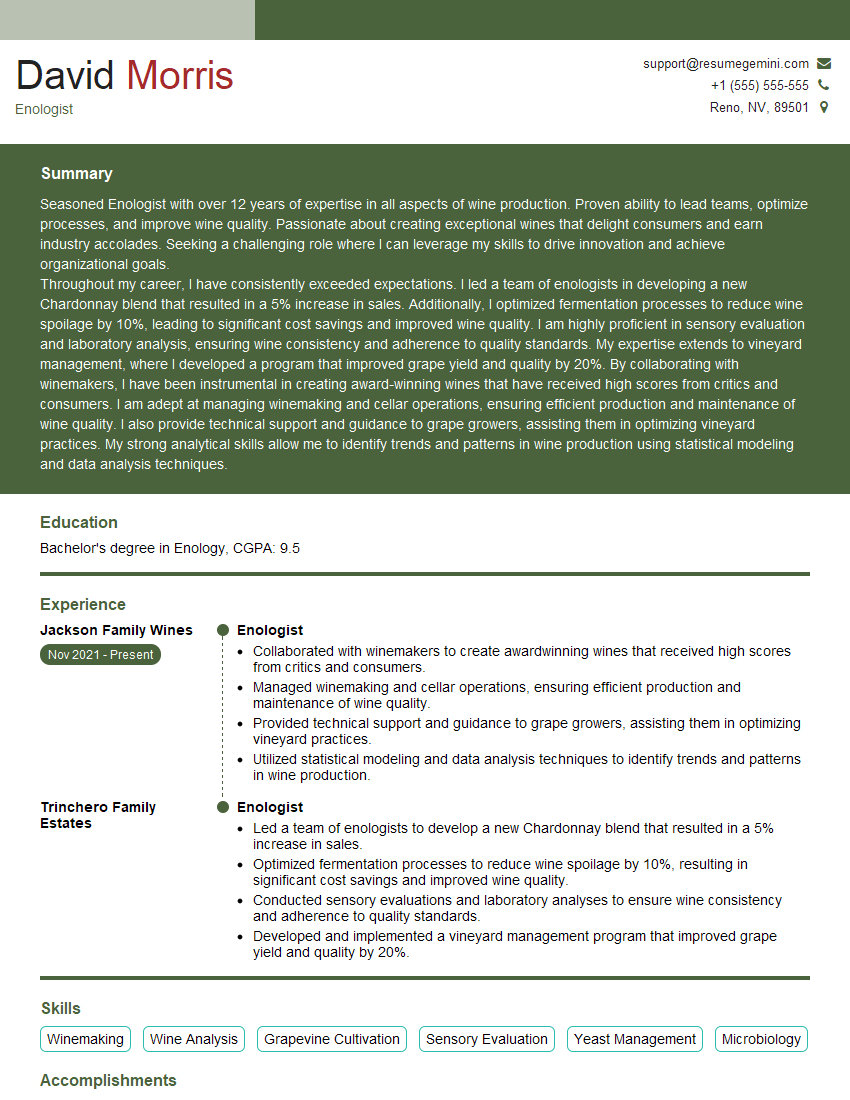
Mastering viticulture practices is crucial for career advancement in the wine industry, opening doors to diverse and rewarding roles. A strong understanding of these principles demonstrates your expertise and commitment to excellence. To further enhance your job prospects, focus on creating an ATS-friendly resume that effectively highlights your skills and experience. ResumeGemini is a trusted resource to help you build a professional and impactful resume. We provide examples of resumes tailored to viticulture practices to guide you in crafting a compelling application.

Explore more articles
Users Rating of Our Blogs
Share Your Experience
We value your feedback! Please rate our content and share your thoughts (optional).
What Readers Say About Our Blog
Very informative content, great job.
good