The right preparation can turn an interview into an opportunity to showcase your expertise. This guide to Waste Water Management interview questions is your ultimate resource, providing key insights and tips to help you ace your responses and stand out as a top candidate.
Questions Asked in Waste Water Management Interview
Q 1. Describe the different stages of wastewater treatment.
Wastewater treatment is a multi-stage process designed to remove pollutants and contaminants from wastewater, making it safe for discharge or reuse. The specific stages can vary depending on the type and volume of wastewater and the desired level of treatment, but generally include:
- Preliminary Treatment: This initial stage involves removing large debris like grit, rags, and sticks using screens and grit chambers. Think of it as a pre-cleaning step, removing the obvious large stuff.
- Primary Treatment: This stage relies on physical processes like sedimentation to remove suspended solids. Wastewater is allowed to settle in large tanks, allowing heavier solids to sink to the bottom, forming sludge, while lighter materials rise to the surface as scum. It’s like letting a muddy glass of water sit – the mud settles.
- Secondary Treatment: This is where the biological magic happens. Microorganisms (bacteria) break down dissolved organic matter in the wastewater. Common processes include activated sludge and trickling filters. This is similar to composting – nature breaking down organic matter.
- Tertiary Treatment: This optional stage further purifies the wastewater, removing nutrients like nitrogen and phosphorus, and disinfecting the water to kill harmful pathogens. This ensures the water is clean enough for specific reuse applications such as irrigation or even potable reuse.
- Sludge Treatment: The sludge produced throughout the process undergoes thickening, digestion (anaerobic or aerobic), and dewatering before final disposal or reuse.
Each stage plays a crucial role in achieving a high-quality effluent, and the combination of these stages allows for effective wastewater treatment.
Q 2. Explain the principles of activated sludge process.
The activated sludge process is a biological wastewater treatment method that relies on aerobic microorganisms (primarily bacteria) to break down organic matter. It’s a crucial part of secondary treatment. The process operates on several key principles:
- Aerobic Digestion: Air is introduced into the wastewater mixed with activated sludge (a mass of microorganisms) to maintain aerobic conditions, enabling bacteria to efficiently consume organic matter. Oxygen is essential for this process; it’s like providing the bacteria with the air they need to do their job.
- Microbial Growth and Reproduction: The bacteria consume organic matter and multiply, increasing the biomass of the activated sludge. This is a self-sustaining cycle; the more bacteria, the more efficient the treatment.
- Solids Separation: After the aerobic digestion, the treated wastewater is separated from the activated sludge using clarifiers. The sludge is then recycled back to the aeration tank to maintain a high concentration of microorganisms. Think of this as separating the clean water from the ‘dirty’ sludge.
- Waste Sludge Removal: A portion of the activated sludge is regularly removed (waste sludge) to prevent overgrowth and maintain optimal process efficiency. This is like controlling the population of the bacteria to avoid overwhelming the system.
The activated sludge process is highly efficient and widely used in wastewater treatment plants due to its effectiveness and relatively low operating costs.
Q 3. What are the key performance indicators (KPIs) for a wastewater treatment plant?
Key Performance Indicators (KPIs) for a wastewater treatment plant are essential for monitoring its effectiveness and ensuring compliance with regulations. They typically include:
- Influent and Effluent Flow Rates: Measuring the amount of wastewater entering (influent) and leaving (effluent) the plant, allowing for process optimization and detection of any abnormal situations.
- Biochemical Oxygen Demand (BOD): Measures the amount of dissolved oxygen needed by aerobic microorganisms to decompose organic matter in the wastewater. A lower BOD in the effluent indicates more efficient treatment.
- Chemical Oxygen Demand (COD): A broader measure of the amount of oxygen required to chemically oxidize organic and inorganic matter. Helpful for comparing different treatment methods.
- Suspended Solids (SS): Measures the amount of solid material in the wastewater. Lower SS in the effluent signifies effective solids removal.
- Nitrogen and Phosphorus Levels: Monitoring these nutrients is critical for preventing eutrophication (excessive nutrient enrichment) in receiving water bodies.
- pH levels: maintaining the correct pH level is important for both the health of the organisms and the efficiency of the treatment.
- Disinfectant Residual: If disinfection is part of the treatment, this measures the effectiveness of the disinfection process.
Regular monitoring of these KPIs allows operators to identify potential problems and make necessary adjustments to maintain optimal plant performance and environmental compliance.
Q 4. How do you monitor and control the effluent quality of a wastewater treatment plant?
Monitoring and controlling effluent quality is critical to ensure compliance with environmental regulations and protect receiving water bodies. This involves a multi-pronged approach:
- Continuous Online Monitoring: Real-time monitoring of key parameters like pH, dissolved oxygen, and flow rate using automated sensors and analyzers. This provides immediate feedback and allows for rapid response to any deviations from set points.
- Regular Laboratory Analysis: Periodic sampling and analysis of effluent samples for a wider range of parameters, including BOD, COD, SS, nutrients, and pathogens. This provides more detailed information for comprehensive evaluation of effluent quality.
- Process Control Systems: Automated control systems adjust various treatment parameters (e.g., aeration rate, chemical dosing) based on real-time monitoring data, maintaining optimal performance and effluent quality.
- Data Logging and Reporting: Comprehensive records of all monitoring data and operational parameters are maintained for regulatory compliance and performance evaluation. This data helps identify trends and improve plant efficiency over time.
- Corrective Actions: Effective procedures are in place for addressing any deviations from acceptable effluent quality standards. These may involve adjustments to treatment processes, equipment maintenance, or other corrective measures.
A robust monitoring and control system is essential for ensuring that the wastewater treatment plant consistently produces high-quality effluent, protecting the environment and complying with all relevant regulations.
Q 5. What are the common types of wastewater treatment technologies?
Many wastewater treatment technologies are available, each with strengths and limitations depending on the nature of the wastewater and the treatment goals. Common types include:
- Activated Sludge Process: As discussed earlier, a widely used biological treatment method utilizing aerobic microorganisms.
- Trickling Filters: Wastewater is trickled over a bed of media (e.g., rocks, plastic) supporting a biofilm of microorganisms that degrade organic matter. A more traditional biological process.
- Rotating Biological Contactors (RBCs): Rotating discs partially submerged in wastewater cultivate a biofilm that breaks down organic matter. Effective and relatively compact.
- Membrane Bioreactors (MBRs): Combines biological treatment with membrane filtration, resulting in a very high-quality effluent. Excellent for removing suspended solids and pathogens.
- Anaerobic Digestion: Utilizes anaerobic microorganisms (those that don’t need oxygen) to break down organic matter, producing biogas as a byproduct. A sustainable option for sludge treatment.
- Constructed Wetlands: Natural or artificial wetlands are used to treat wastewater through biological processes, providing a cost-effective and environmentally friendly option.
The choice of technology depends on factors such as the characteristics of the wastewater, the required effluent quality, land availability, capital costs, and operating costs.
Q 6. Explain the importance of biological nutrient removal in wastewater treatment.
Biological nutrient removal (BNR) is crucial in wastewater treatment because excessive nutrients (nitrogen and phosphorus) in receiving water bodies can lead to eutrophication. Eutrophication causes algal blooms, oxygen depletion, fish kills, and other adverse ecological impacts. BNR processes work by removing these nutrients from the wastewater through biological processes. The process often involves:
- Nitrification: Ammonia (NH3) is converted to nitrite (NO2-) and then nitrate (NO3-) by specialized bacteria under aerobic conditions. This is the first step in nitrogen removal.
- Denitrification: Nitrate is converted to nitrogen gas (N2), which is released into the atmosphere under anaerobic conditions. This is where nitrogen is actually removed from the water.
- Biological Phosphorus Removal: Certain microorganisms uptake and store phosphorus within their cells under alternating aerobic and anaerobic conditions. Then the phosphorus is removed with the excess sludge.
Effective BNR is essential for protecting water quality and the health of aquatic ecosystems. The specific processes used within a BNR system can vary depending on the design of the wastewater treatment plant, but the overall aim remains the same – removal of both nitrogen and phosphorus to acceptable levels.
Q 7. Describe the different types of filtration used in wastewater treatment.
Filtration plays a vital role in wastewater treatment, removing suspended solids and other contaminants. Several filtration methods are employed:
- Screening: Removes large debris using bar screens or fine screens, similar to the preliminary treatment stage.
- Microfiltration (MF): Uses membranes with pore sizes in the range of 0.1-10 microns to remove suspended solids, bacteria, and other microorganisms.
- Ultrafiltration (UF): Employs membranes with smaller pore sizes (0.01-0.1 microns) to remove even smaller particles, improving effluent quality further.
- Nanofiltration (NF): Uses membranes with even smaller pore sizes (0.001-0.01 microns) and can remove dissolved salts and organic molecules.
- Sand Filtration: A more traditional method where wastewater is passed through a bed of sand, removing suspended solids. Often used in tertiary treatment or as a polishing step.
- Membrane Filtration: Membrane filtration (MF, UF, NF) are often used in MBRs, providing very effective removal of suspended solids and even some dissolved materials.
The type of filtration chosen depends on the desired level of treatment and the specific contaminants being targeted. Filtration is an important step in ensuring high-quality effluent and protecting receiving waters.
Q 8. What are the regulations and compliance requirements for wastewater discharge?
Wastewater discharge regulations are complex and vary significantly depending on location (national, regional, and even local levels). Generally, these regulations aim to protect receiving water bodies like rivers, lakes, and oceans from pollution. They specify limits on the concentration of various pollutants in the effluent, such as biochemical oxygen demand (BOD), chemical oxygen demand (COD), suspended solids (SS), nutrients (nitrogen and phosphorus), and various toxic substances. Compliance involves regular monitoring and reporting of effluent quality, adhering to permit conditions, and undergoing periodic inspections by regulatory agencies. For example, in many countries, the discharge permit might specify a maximum BOD concentration of 20 mg/L, meaning the treated wastewater cannot exceed this limit before discharge. Failure to comply can result in significant penalties, including fines and even plant closure.
These regulations are often based on water quality standards set for the receiving water body, aiming to maintain its ecological health and suitability for various uses (e.g., drinking water supply, recreation). The specific pollutants monitored and their permitted levels are determined based on factors like the sensitivity of the receiving water body and the potential impact of different pollutants. Understanding and complying with these regulations is paramount for any wastewater treatment facility.
Q 9. How do you handle sludge disposal and management?
Sludge management is a critical aspect of wastewater treatment. Sludge, the semi-solid material resulting from the treatment process, contains high concentrations of organic matter, pathogens, and potentially hazardous substances. Its disposal requires careful consideration to prevent environmental contamination. Common methods include:
- Anaerobic Digestion: A biological process where microorganisms break down organic matter in the absence of oxygen, producing biogas (primarily methane and carbon dioxide) and a stabilized digestate. The biogas can be used for energy generation, while the digestate can be used as a soil amendment (after careful testing and monitoring).
- Land Application: Applying the dewatered sludge to agricultural land as a fertilizer. This requires careful monitoring to prevent nutrient overload and potential contamination of groundwater. Regulatory approvals are essential, taking into account soil type, crop type, and potential contaminant concentrations.
- Incineration: Burning the sludge to reduce its volume and destroy pathogens. This method is generally more expensive but suitable for areas with limited land availability or strict regulatory requirements. However, air emission control is crucial.
- Landfilling: Disposal in dedicated landfills designed for hazardous waste. This is usually a last resort due to space constraints and environmental concerns.
The choice of sludge management method depends on various factors, including local regulations, economic viability, and the characteristics of the sludge itself. A well-planned sludge management strategy is essential to minimize environmental impact and comply with relevant regulations.
Q 10. Explain the concept of anaerobic digestion.
Anaerobic digestion is a natural process where microorganisms break down organic matter in the absence of oxygen. This process occurs in several stages, involving different types of bacteria. Think of it like a complex biological recycling system. First, the organic material (sludge) is broken down into simpler compounds by acid-forming bacteria. Next, these simpler compounds are converted to methane and carbon dioxide by methane-forming bacteria.
The process generates biogas, a mixture of methane and carbon dioxide, which can be captured and used as a renewable energy source for heating or electricity generation. The remaining material, called digestate, is a stabilized byproduct with reduced pathogen levels and can be used as a soil amendment or fertilizer. This process reduces the volume of sludge requiring disposal and produces valuable byproducts, making it a sustainable and cost-effective solution in wastewater treatment.
For example, a wastewater treatment plant may use anaerobic digestion to treat its sludge, generating enough biogas to power part of the plant’s operations. The digestate is then used on nearby farmland after rigorous testing. This demonstrates the practical benefits of anaerobic digestion in terms of waste reduction, energy production, and resource recovery.
Q 11. What are the common causes of wastewater treatment plant malfunctions?
Wastewater treatment plant malfunctions can stem from a variety of causes, often interlinked and cascading. These can be broadly categorized as:
- Operational Issues: Improper operation of equipment (e.g., pumps, blowers, clarifiers), inadequate staffing or training, insufficient maintenance, and incorrect chemical dosing.
- Process Failures: Problems within the biological treatment processes, such as inadequate oxygen transfer, toxic shock loads (due to industrial discharges), and failures in sludge management. For instance, a sudden influx of industrial chemicals could inhibit the biological activity in activated sludge processes leading to poor treatment efficiency.
- Infrastructure Issues: Damage to infrastructure due to aging equipment, leaks, blockages in pipes, and structural failures. A broken clarifier settling tank would significantly impact the solids separation process.
- Influent Characteristics: Changes in the composition and quantity of influent wastewater. A sudden increase in flow or unusual contaminants (e.g., pharmaceuticals) could overwhelm the plant’s capacity.
Identifying the root cause requires careful investigation, monitoring, and data analysis. Regular maintenance, operator training, and advanced process control strategies help mitigate these issues.
Q 12. How do you troubleshoot problems in a wastewater treatment plant?
Troubleshooting in a wastewater treatment plant involves a systematic approach. It starts with identifying the problem through monitoring effluent quality and plant performance indicators (e.g., BOD, SS, flow rates, dissolved oxygen levels). A typical troubleshooting approach might include:
- Data Analysis: Review historical data and current sensor readings to pinpoint deviations from normal operating parameters. This could reveal trends or sudden changes pointing towards the cause of the problem.
- Visual Inspection: Inspect equipment and infrastructure for any obvious signs of damage, blockages, or leaks.
- Process Evaluation: Assess the performance of different treatment units to isolate the source of the malfunction. For example, if the effluent BOD is high, focus on the biological treatment units.
- Laboratory Analysis: Conduct laboratory tests on influent and effluent samples to determine the presence and concentrations of specific pollutants. This would help identify the nature and severity of the issue.
- Corrective Actions: Implement appropriate corrective measures, which might involve repairing equipment, adjusting chemical dosing, cleaning tanks, or modifying operational parameters.
- Documentation: Thoroughly document all troubleshooting steps, findings, and corrective actions taken. This improves operational efficiency and helps prevent future occurrences.
The troubleshooting process requires a strong understanding of wastewater treatment processes and plant operations.
Q 13. Describe your experience with SCADA systems in wastewater treatment.
SCADA (Supervisory Control and Data Acquisition) systems are indispensable in modern wastewater treatment plants. They provide real-time monitoring of various plant parameters, allowing operators to remotely control equipment and optimize treatment processes. My experience with SCADA systems involves using them for:
- Data Acquisition: Collecting data from a wide range of sensors, including flow meters, level sensors, dissolved oxygen probes, and analytical instruments. This data provides a comprehensive overview of the plant’s performance.
- Process Control: Automating control functions, such as adjusting chemical dosing based on real-time sensor readings, controlling aeration rates in activated sludge tanks, and managing sludge pumping. Automated control improves efficiency and consistency.
- Alarm Management: Setting up alarm thresholds to alert operators to critical events, like high levels in tanks, low dissolved oxygen, or equipment malfunctions. Early warning systems prevent problems from escalating.
- Data Reporting and Analysis: Generating reports on plant performance, identifying trends, and facilitating compliance reporting. These reports are critical for optimization and regulatory compliance.
My experience includes working with various SCADA platforms, including [mention specific platforms if you have experience with them], and troubleshooting issues related to data acquisition, communication networks, and software configuration. SCADA systems are fundamental for ensuring efficient and reliable operation of wastewater treatment facilities.
Q 14. What are the safety protocols and procedures in a wastewater treatment plant?
Safety is paramount in wastewater treatment plants due to the presence of hazardous materials, heavy machinery, and confined spaces. Safety protocols and procedures typically include:
- Personal Protective Equipment (PPE): Requiring appropriate PPE such as gloves, safety glasses, respirators, and protective clothing depending on the task. This is essential for protecting workers from chemical spills, pathogens, and other hazards.
- Lockout/Tagout Procedures: Implementing strict procedures for isolating and de-energizing equipment before maintenance or repairs to prevent accidental starts and injuries. This is a fundamental safety practice for all electrical and mechanical equipment.
- Confined Space Entry Procedures: Following established procedures for entering confined spaces like tanks and manholes, including atmospheric monitoring, ventilation, and rescue plans. This safeguards workers from asphyxiation and other hazards associated with confined spaces.
- Emergency Response Plans: Developing and regularly practicing emergency response plans for various scenarios, including chemical spills, equipment failures, and medical emergencies. This ensures prompt and effective response in case of incidents.
- Training and Education: Providing comprehensive safety training to all plant personnel, covering hazard identification, risk assessment, safe work practices, and emergency procedures. Regular safety meetings and training reinforce safe practices.
- Permit-to-Work System: Implementing a permit-to-work system for high-risk activities to ensure that all necessary precautions are taken before commencing work.
Regular safety inspections, audits, and incident reporting are crucial for maintaining a safe working environment. Safety should never be compromised; it is the top priority in wastewater treatment plant operations.
Q 15. Explain the importance of proper disinfection in wastewater treatment.
Proper disinfection in wastewater treatment is crucial for protecting public health and the environment. Untreated wastewater can contain harmful pathogens like bacteria, viruses, and parasites that can cause waterborne diseases if released into water bodies or the environment. Disinfection aims to eliminate or significantly reduce these pathogens to safe levels, ensuring the treated effluent is environmentally acceptable.
Think of it like sterilizing a kitchen knife after cutting raw meat – you wouldn’t want to use it for vegetables without proper cleaning. Similarly, wastewater requires disinfection before discharge to prevent the spread of disease.
- Protecting Human Health: Prevents the spread of waterborne illnesses through contact with contaminated water or recreational activities.
- Protecting Aquatic Life: Reduces the harmful impact of pathogens on aquatic ecosystems.
- Meeting Regulatory Standards: Disinfection ensures compliance with discharge permits and environmental regulations.
Career Expert Tips:
- Ace those interviews! Prepare effectively by reviewing the Top 50 Most Common Interview Questions on ResumeGemini.
- Navigate your job search with confidence! Explore a wide range of Career Tips on ResumeGemini. Learn about common challenges and recommendations to overcome them.
- Craft the perfect resume! Master the Art of Resume Writing with ResumeGemini’s guide. Showcase your unique qualifications and achievements effectively.
- Don’t miss out on holiday savings! Build your dream resume with ResumeGemini’s ATS optimized templates.
Q 16. How do you calculate the hydraulic retention time (HRT) of a wastewater treatment plant?
Hydraulic Retention Time (HRT) is a crucial parameter in wastewater treatment, representing the average time wastewater spends in a specific treatment unit. It’s calculated by dividing the volume of the treatment unit by the flow rate of wastewater entering the unit.
The formula is: HRT = Volume / Flow Rate
For example, if a clarifier has a volume of 500 cubic meters and the wastewater flow rate is 10 cubic meters per hour, the HRT would be 50 hours (500 m³/10 m³/hr).
Accurate HRT calculation is essential for designing and operating efficient treatment plants. An insufficient HRT might lead to incomplete treatment, while an excessively long HRT could increase the plant’s footprint and operational costs. It influences the efficiency of various processes, especially biological treatment where sufficient time is needed for microbial activity.
Q 17. What are the different types of wastewater pumps and their applications?
Wastewater pumps are vital for moving wastewater through various stages of the treatment process. Several types exist, each suited to specific applications:
- Submersible Pumps: These are installed directly in the wastewater, ideal for pumping from wet wells or collection systems due to their compact design and ability to handle solids.
- Centrifugal Pumps: Commonly used for transferring wastewater between treatment units. They offer high flow rates and are relatively efficient but are less tolerant to solids.
- Positive Displacement Pumps: These pumps move a fixed volume of wastewater per revolution, making them suitable for handling highly viscous or thick sludge.
- Progressive Cavity Pumps: Excellent for handling high-viscosity sludge and slurries, as well as those containing stringy materials.
The choice depends on factors like flow rate, head pressure, the presence of solids, and the specific stage of treatment. For instance, a submersible pump is ideal for the influent pumping station, while centrifugal pumps are often used for transferring clarified effluent.
Q 18. Explain your understanding of wastewater flow measurement techniques.
Accurate wastewater flow measurement is paramount for efficient plant operation and regulatory compliance. Several techniques are employed:
- Weirs and Flumes: These structures create a controlled flow, allowing the flow rate to be calculated based on the height of the water flowing over or through them. They are relatively simple and cost-effective but can be prone to clogging.
- Magnetic Flow Meters: These meters use Faraday’s law of induction to measure flow rate without any moving parts, ideal for slurries and wastewater with solids. They’re very accurate but can be expensive.
- Ultrasonic Flow Meters: These meters use sound waves to measure the velocity of wastewater. They are non-invasive and suitable for various pipe materials and sizes. They are less accurate than magnetic meters for highly aerated wastewater.
- Open Channel Flow Meters: These are used in open channels, utilizing various technologies like ultrasonic or radar to measure the water level and calculate flow.
The selection of the most suitable technique depends on factors such as the pipe size, the characteristics of the wastewater, budget, and the required accuracy level.
Q 19. What is the role of chlorine in wastewater disinfection?
Chlorine is a widely used disinfectant in wastewater treatment due to its effectiveness in killing a broad range of pathogens. It’s a strong oxidizing agent that disrupts the cellular structure of microorganisms, rendering them inactive.
However, it’s important to note the potential drawbacks: Chlorine can react with organic matter in wastewater to form disinfection byproducts (DBPs), some of which are potentially carcinogenic. Therefore, careful control of chlorine dosage and monitoring of DBP levels are essential to minimize risks. Alternatives like UV disinfection are gaining popularity due to their environmental friendliness and absence of DBP formation, although they may not be as effective against all types of pathogens.
Q 20. Describe your experience with different types of wastewater treatment plant instrumentation.
My experience encompasses a wide range of wastewater treatment plant instrumentation, including:
- Level Sensors: Ultrasonic, pressure, and float-type sensors are used for monitoring levels in tanks, clarifiers, and digesters. These are crucial for preventing overflows and ensuring proper operation.
- Flow Meters: As mentioned earlier, various types of flow meters are used for monitoring influent and effluent flow rates, providing vital information for process control.
- pH and Conductivity Sensors: These sensors monitor the chemical properties of wastewater, providing essential information for controlling the chemical addition processes.
- Dissolved Oxygen (DO) Sensors: Crucial for monitoring the aeration process in activated sludge systems, ensuring optimal conditions for biological treatment.
- SCADA Systems: Supervisory Control and Data Acquisition (SCADA) systems integrate data from various sensors and controllers, providing a centralized overview of the plant’s operation and allowing for remote monitoring and control.
Understanding the principles of operation, calibration, and maintenance of these instruments is essential for ensuring reliable data and efficient plant operation.
Q 21. How do you manage and interpret laboratory data from a wastewater treatment plant?
Managing and interpreting laboratory data is a cornerstone of effective wastewater treatment plant operation. This involves several steps:
- Regular Sampling: Consistent sampling of influent, effluent, and process streams is crucial to track treatment performance.
- Laboratory Analysis: Various parameters are analyzed, including BOD (Biochemical Oxygen Demand), COD (Chemical Oxygen Demand), TSS (Total Suspended Solids), ammonia, nitrates, phosphates, and pathogens.
- Data Management: Data is logged and organized using spreadsheets or dedicated software, facilitating trend analysis and identifying anomalies.
- Interpretation and Trend Analysis: Changes in key parameters are examined to identify potential issues, such as upsets in biological processes or malfunctions in equipment.
- Process Adjustments: Based on the interpretation of data, adjustments are made to the treatment process, such as adjusting chemical dosages or aeration rates, to maintain optimal performance.
- Reporting and Compliance: Regular reports are generated, summarizing the plant’s performance and demonstrating compliance with regulatory requirements.
For example, a sudden increase in BOD in the effluent might indicate a problem in the biological treatment process, prompting investigation into factors such as aeration efficiency, sludge age, or influent characteristics.
Q 22. What are the environmental impacts of improper wastewater treatment?
Improper wastewater treatment has severe environmental consequences, primarily stemming from the release of untreated or inadequately treated pollutants into water bodies. These pollutants can be broadly categorized into:
- Pathogens: Bacteria, viruses, and parasites present in sewage can contaminate water sources, leading to waterborne diseases in humans and animals. This poses significant risks to public health, especially in communities relying on contaminated water sources for drinking or recreation.
- Nutrients: Excess nitrogen and phosphorus from wastewater can cause eutrophication – an overgrowth of algae and aquatic plants. This depletes oxygen levels in the water, creating “dead zones” where aquatic life cannot survive. Imagine a lake suddenly turning green and foul-smelling; that’s eutrophication in action.
- Toxic substances: Industrial wastewater often contains heavy metals, pesticides, and other toxic chemicals. These pollutants accumulate in the food chain, harming wildlife and potentially entering the human food supply. Bioaccumulation is a major concern here, where toxins concentrate in organisms at higher trophic levels.
- Organic matter: Untreated organic matter consumes dissolved oxygen in water bodies, leading to similar oxygen depletion as seen in eutrophication, stressing the ecosystem and harming aquatic life.
The cumulative effect of these pollutants significantly degrades water quality, impacting aquatic ecosystems, harming human health, and disrupting the natural balance of the environment. For instance, a coastal region with untreated sewage discharge will experience beach closures, harming tourism and affecting local economies.
Q 23. Explain your knowledge of the Clean Water Act and other relevant regulations.
The Clean Water Act (CWA) of 1972 is the cornerstone of US water pollution control. It establishes the basic structure for regulating pollutants discharged into US waters and mandates water quality standards. Key aspects include:
- National Pollutant Discharge Elimination System (NPDES): This permit program regulates point source discharges, requiring facilities to obtain permits that specify allowable pollutant limits.
- Water Quality Standards: States set water quality standards for various uses, like drinking water, swimming, and aquatic life support. These standards provide targets for wastewater treatment plants to meet.
- Best Management Practices (BMPs): The CWA encourages the use of BMPs to minimize pollution from non-point sources (e.g., agricultural runoff, urban stormwater). This is a crucial aspect of preventing pollution before it reaches the treatment facility.
Beyond the CWA, other relevant regulations include the Safe Drinking Water Act (SDWA), which regulates drinking water quality, and various state and local regulations that may add more stringent requirements. For instance, some states have more stringent limits on specific pollutants or require more advanced treatment technologies. Understanding and adhering to these regulations is paramount in ensuring compliance and environmental protection.
Q 24. How do you handle emergency situations in a wastewater treatment plant?
Handling emergency situations in a wastewater treatment plant requires a swift, organized response. Our plant has a comprehensive emergency response plan, outlining procedures for various scenarios.
- Rapid Assessment: The first step is a rapid assessment of the situation to determine the nature and extent of the emergency. This could involve a pump failure, power outage, or a spill. Clear communication is key here.
- Containment and Control: The focus shifts to containing and controlling the problem. This might involve isolating affected areas, deploying backup systems, or implementing emergency procedures like diverting flows.
- Notification and Reporting: Relevant authorities, including regulatory agencies and emergency services, must be notified immediately. This adheres to our legal obligations and ensures appropriate support.
- Repair and Restoration: Once the immediate threat is mitigated, the focus turns to repairs, system restoration, and post-incident review to prevent future occurrences.
For example, during a major power outage, we immediately switch to backup generators, and I’ll personally coordinate with our team to secure sensitive areas and prevent overflows. Regular drills and training keep the team prepared for such events, and we conduct thorough post-incident analyses to enhance our emergency response capabilities.
Q 25. Describe your experience with wastewater collection system maintenance.
My experience in wastewater collection system maintenance is extensive. This involves inspecting, maintaining, and repairing the network of pipes, pumps, and other infrastructure that collects wastewater from homes and businesses. This is critical to prevent sewer backups, overflows, and environmental pollution.
- Preventive Maintenance: Regular inspections of pipes, pumps, and lift stations using CCTV cameras and other tools are vital to identify potential issues before they become major problems. We schedule regular cleaning and maintenance of lift stations and pipelines to maintain optimal flow.
- Reactive Maintenance: Addressing blockages, leaks, and other issues when they arise is crucial. This might involve deploying crews to clear blockages, repair leaks, and replace damaged pipes. Efficient dispatch and timely repairs prevent service disruptions and environmental damage.
- Data Management: Maintaining accurate records of system performance, repairs, and maintenance is essential. We utilize Geographic Information Systems (GIS) to map our system and track issues effectively.
- Infiltration/Inflow (I/I) Management: Minimizing infiltration (groundwater entering the system) and inflow (surface water entering the system) is crucial to reduce treatment plant load and prevent overflows. We utilize various techniques like smoke testing and rehabilitation of aging pipes to address this.
In a past role, I led a project to rehabilitate several kilometers of aging sewer lines using cured-in-place pipe (CIPP) technology. This significantly reduced I/I, improved system reliability, and extended the lifespan of the infrastructure, saving considerable costs in the long run.
Q 26. Explain the importance of proper process control in wastewater treatment.
Proper process control is the backbone of efficient and effective wastewater treatment. It ensures that the treatment process operates optimally, consistently meeting effluent quality standards and minimizing operational costs. Think of it as the control panel of a complex machine – wastewater treatment.
- Monitoring and Data Acquisition: Continuous monitoring of key parameters (pH, dissolved oxygen, flow rate, etc.) is essential. Automated systems collect data, providing real-time insights into process performance.
- Process Control Strategies: Control systems use this data to adjust process parameters, ensuring optimal operation. This could involve adjusting chemical dosages, modifying aeration rates, or controlling flow distribution.
- Alarm Systems and Emergency Protocols: Alert systems notify operators of deviations from set points, allowing prompt corrective actions. This is critical for preventing equipment damage, exceeding effluent limits, and ensuring environmental protection.
- Optimization and Adjustments: Regular review of process data helps identify areas for improvement, leading to optimized processes and reduced operational costs. We use data analysis to identify patterns and make necessary adjustments to improve efficiency.
Without proper process control, the treatment plant risks producing effluent that does not meet regulatory standards, leading to environmental violations and penalties. Furthermore, inefficient operation results in increased energy and chemical consumption, significantly increasing costs.
Q 27. How do you ensure the efficient use of energy in a wastewater treatment plant?
Energy efficiency is a critical concern in wastewater treatment. Plants are energy-intensive, consuming substantial amounts of electricity and natural gas. Strategies for efficient energy use include:
- High-Efficiency Equipment: Investing in energy-efficient pumps, blowers, and other equipment is crucial. Variable frequency drives (VFDs) allow for precise control of pump speeds, reducing energy consumption.
- Process Optimization: Optimizing treatment processes can significantly reduce energy demand. This includes optimizing aeration strategies, improving sludge management, and minimizing energy use in other unit processes.
- Renewable Energy Sources: Integrating renewable energy sources like solar and wind power can reduce reliance on fossil fuels, lowering carbon footprint and operational costs.
- Energy Recovery: Anaerobic digestion of sludge can generate biogas, which can be used to power plant operations. This reduces reliance on external energy sources.
- Data-Driven Optimization: Using advanced analytics and process modeling software to identify energy-saving opportunities and optimize energy usage patterns is crucial.
For example, we implemented a project to replace our aging blowers with high-efficiency models equipped with VFDs. This resulted in a significant reduction in energy consumption and operational costs. We also explore opportunities to integrate renewable energy to further reduce our carbon footprint.
Q 28. Describe your experience with wastewater modeling and simulation software.
I have extensive experience using wastewater modeling and simulation software, such as MIKE URBAN, SWMM, and GPS-X. These tools are invaluable for planning, designing, and optimizing wastewater systems.
- System Design and Optimization: Modeling helps in designing efficient and reliable wastewater collection and treatment systems. Simulations can assess the impact of different design options on system performance, cost, and environmental impact.
- Capacity Planning: Models can be used to forecast future wastewater flows and assess the need for capacity expansion or upgrades. This helps in proactive planning for future growth.
- Troubleshooting and Problem Solving: Simulation models can be used to diagnose operational problems, identify bottlenecks, and optimize process control strategies. This can be done by simulating different scenarios and observing their impact.
- I/I Analysis: Models can help in identifying sources of infiltration and inflow (I/I), aiding in developing effective strategies for reducing I/I and improving system efficiency.
In a previous project, we used SWMM to model the impact of a proposed development on the existing wastewater collection system. The simulation helped us identify potential capacity constraints and design necessary upgrades to ensure that the system could handle increased flows. The modeling saved us from costly mistakes and enabled us to make informed decisions.
Key Topics to Learn for Waste Water Management Interview
- Wastewater Characterization: Understanding the physical, chemical, and biological properties of wastewater; including sampling techniques and data analysis.
- Pretreatment Processes: Familiarize yourself with screening, grit removal, and flow equalization – their purpose and practical applications in different treatment plants.
- Biological Treatment: Mastering concepts of activated sludge, trickling filters, and anaerobic digestion. Be prepared to discuss their operational parameters and troubleshooting strategies.
- Physical-Chemical Treatment: Understand coagulation, flocculation, sedimentation, filtration, and disinfection processes. Know their application and limitations.
- Sludge Management: Learn about sludge thickening, dewatering, and disposal methods; including environmentally sound practices and regulatory compliance.
- Instrumentation and Control: Develop a working knowledge of sensors, instrumentation, and SCADA systems used in wastewater treatment plants for monitoring and control.
- Wastewater Regulations and Compliance: Understand relevant environmental regulations and permits related to wastewater discharge and treatment.
- Process Optimization and Troubleshooting: Be prepared to discuss approaches to optimizing treatment processes, identifying and resolving operational problems, and improving plant efficiency.
- Sustainability and Resource Recovery: Explore the concepts of energy recovery from wastewater treatment, nutrient recovery, and the circular economy within the context of wastewater management.
- Health and Safety Regulations: Understand and be able to discuss the importance of safety protocols and risk management in wastewater treatment facilities.
Next Steps
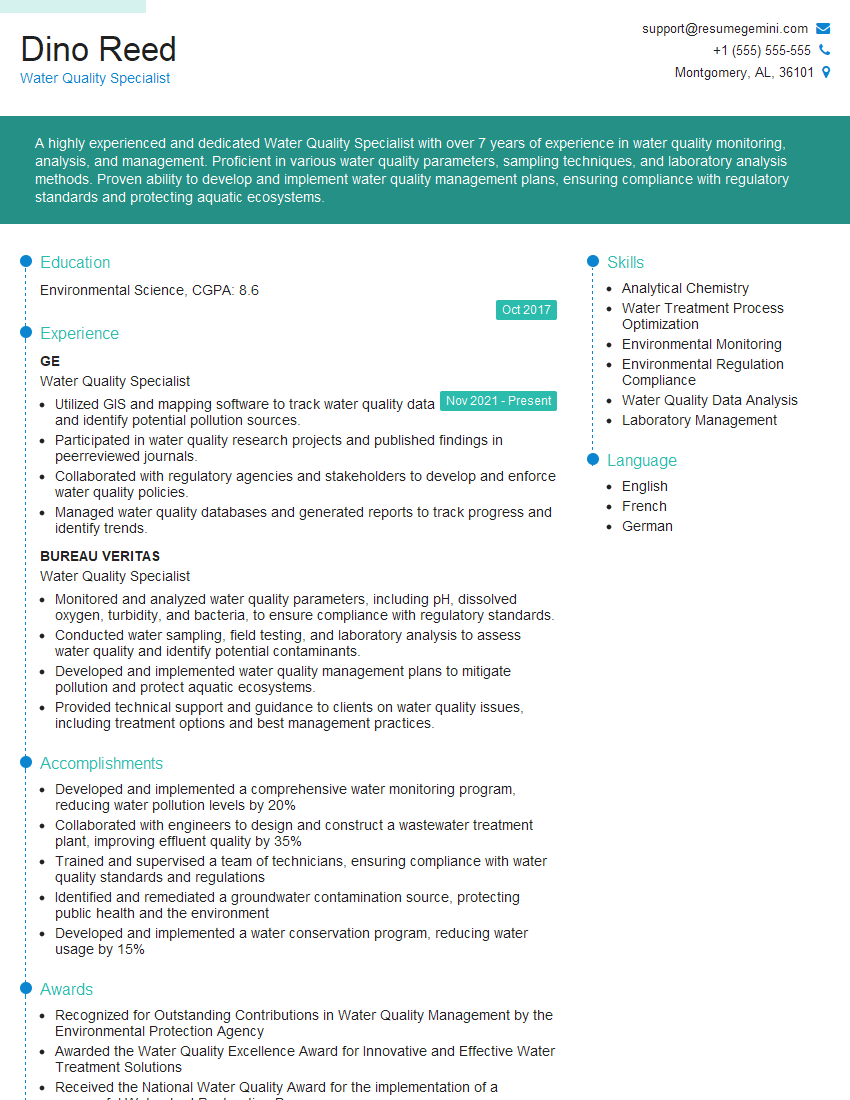
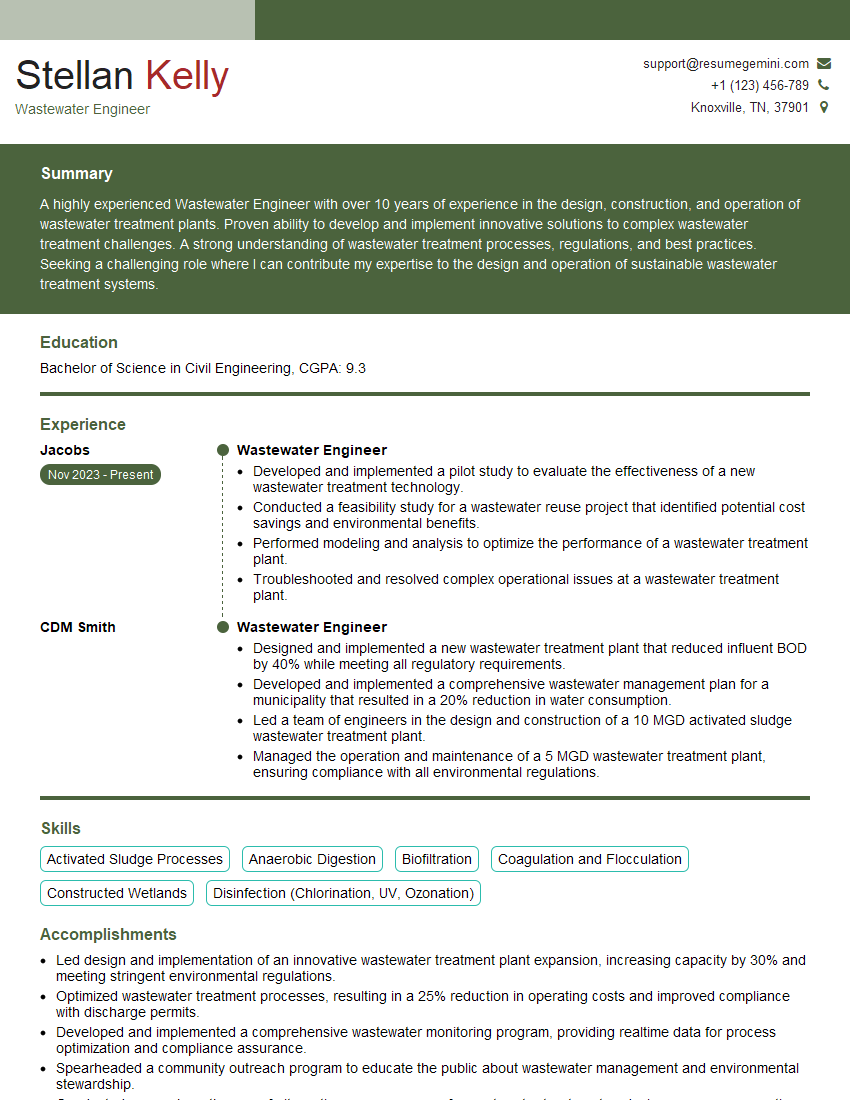
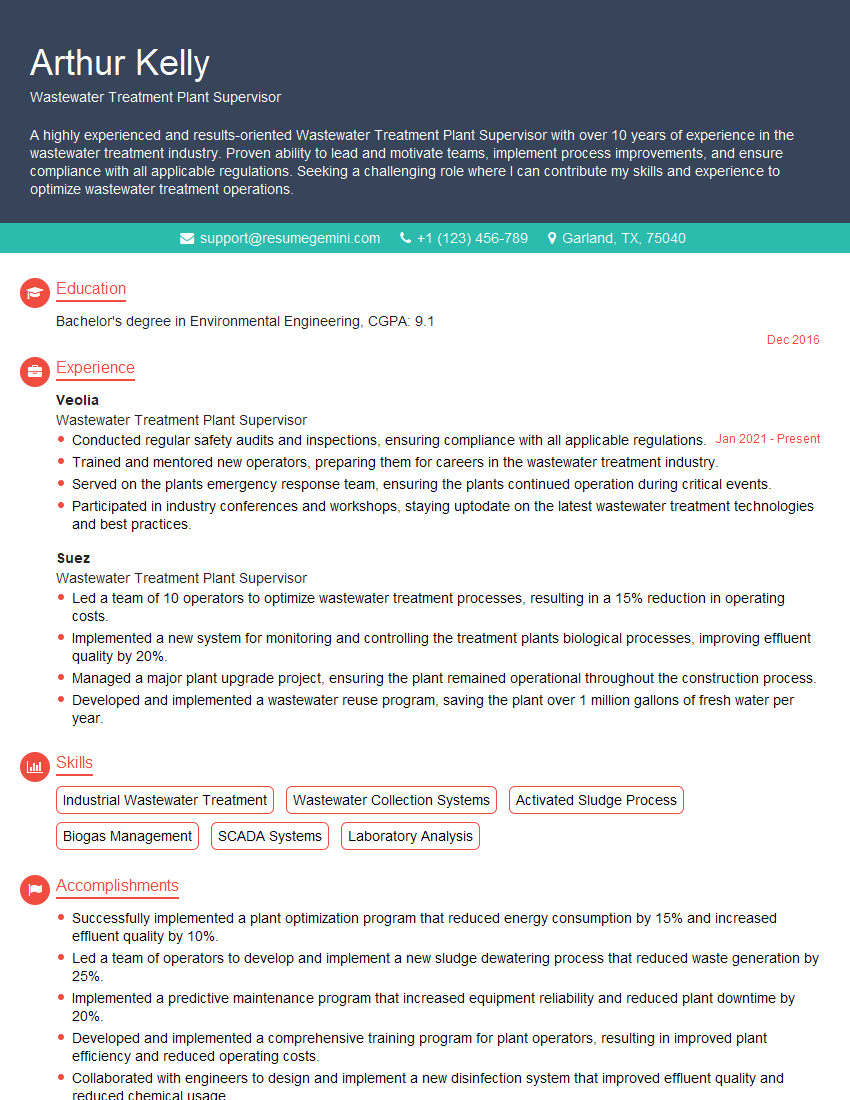
Mastering wastewater management opens doors to a rewarding career with significant impact on environmental sustainability. A strong understanding of these core principles will significantly enhance your interview performance and career prospects. To stand out, creating an ATS-friendly resume is crucial. ResumeGemini is a trusted resource to help you build a professional resume that highlights your skills and experience effectively. Examples of resumes tailored to the wastewater management field are available within ResumeGemini to help guide you. Take the next step towards your dream career today!
Explore more articles
Users Rating of Our Blogs
Share Your Experience
We value your feedback! Please rate our content and share your thoughts (optional).
What Readers Say About Our Blog
Very informative content, great job.
good