Unlock your full potential by mastering the most common Water Analysis interview questions. This blog offers a deep dive into the critical topics, ensuring you’re not only prepared to answer but to excel. With these insights, you’ll approach your interview with clarity and confidence.
Questions Asked in Water Analysis Interview
Q 1. Explain the difference between potable and non-potable water.
The key difference between potable and non-potable water lies in its safety for human consumption. Potable water is safe for drinking and cooking, meeting strict standards set by regulatory bodies like the EPA (in the US) or similar organizations worldwide. These standards cover various parameters like bacterial contamination, chemical levels, and turbidity (cloudiness). Non-potable water, on the other hand, is unsafe for drinking and may contain harmful substances or microorganisms. This water might be used for irrigation, industrial processes, or toilet flushing, but never for direct human consumption without proper treatment.
Think of it like this: bottled water you buy from the store is potable, while water from a stream or a lake is generally considered non-potable unless treated appropriately.
Q 2. Describe common water quality parameters and their significance.
Several key parameters define water quality. pH measures acidity or alkalinity, impacting aquatic life and the effectiveness of treatment processes. A neutral pH is around 7. Turbidity measures water cloudiness, indicating suspended solids like sediment or algae, affecting water clarity and treatment efficiency. Temperature influences aquatic organisms and chemical reactions; elevated temperatures can reduce dissolved oxygen. Dissolved oxygen (DO) is crucial for aquatic life; low DO levels indicate pollution. Total dissolved solids (TDS) represent the total amount of dissolved minerals and salts, influencing taste and potentially health.
Conductivity, a measure of how easily water conducts electricity, is related to TDS. High conductivity suggests high mineral content. Bacterial counts indicate the presence of harmful microorganisms, posing health risks. Nutrient levels (like nitrates and phosphates) affect algal growth, impacting water quality and ecosystem health. Finally, the presence of specific chemicals (like heavy metals or pesticides) determines toxicity and requires careful monitoring.
Q 3. What are the primary methods for determining water hardness?
Water hardness is primarily determined by the concentration of calcium and magnesium ions. Two main methods are commonly employed: Titration and Atomic Absorption Spectroscopy (AAS).
Titration: This involves reacting a water sample with a chelating agent (like EDTA) that binds to calcium and magnesium ions. The volume of chelating agent required to bind all the ions indicates the hardness. This is a relatively simple and inexpensive method, suitable for routine monitoring.
Atomic Absorption Spectroscopy (AAS): This sophisticated technique uses light absorption to measure the concentration of specific elements, including calcium and magnesium. AAS provides more accurate and precise results but is more expensive and requires specialized equipment. It’s often used for more detailed analysis or when high precision is needed.
For instance, a water treatment plant might use titration for daily monitoring of hardness, while a research lab studying the impact of industrial discharge on water hardness would employ AAS.
Q 4. How do you analyze water for bacterial contamination?
Bacterial contamination analysis involves several steps. First, a water sample is collected using sterile techniques to prevent contamination. The sample is then analyzed using microbiological methods, primarily plate counts and membrane filtration.
Plate counts involve diluting the sample and spreading it on a nutrient agar plate. After incubation, the number of bacterial colonies is counted, providing an estimate of the bacterial population.
Membrane filtration involves filtering a known volume of water through a membrane filter that traps bacteria. The filter is then placed on a nutrient agar plate and incubated. The colonies are counted to determine the bacterial concentration. This method is particularly useful for detecting low levels of bacteria.
Beyond these general tests, specific tests can be performed to identify coliforms (indicators of fecal contamination) or other pathogenic bacteria. The presence of coliforms, like E. coli, indicates potential contamination by fecal matter and the risk of waterborne diseases.
Q 5. Explain the principles of spectrophotometry in water analysis.
Spectrophotometry is a powerful technique used to measure the absorbance or transmission of light through a solution. In water analysis, it’s used to determine the concentration of various substances. The principle lies in the fact that different substances absorb specific wavelengths of light differently. A spectrophotometer measures the amount of light absorbed or transmitted at a specific wavelength, and this absorbance or transmission is directly proportional to the concentration of the analyte (the substance being measured) according to the Beer-Lambert Law.
A = εlc
Where A is absorbance, ε is the molar absorptivity (a constant specific to the substance and wavelength), l is the path length of the light through the sample, and c is the concentration of the analyte.
For example, spectrophotometry can be used to measure the concentration of chlorophyll in water, indicating algal growth, or to determine the concentration of specific pollutants.
Q 6. What are the different types of water treatment processes?
Water treatment processes vary depending on the source water quality and intended use. Common processes include:
- Coagulation/Flocculation: Chemicals are added to clump together suspended particles, making them easier to remove.
- Sedimentation: Gravity removes the larger, heavier particles settled out.
- Filtration: Water is passed through various filters (sand, gravel, charcoal) to remove remaining suspended solids.
- Disinfection: Chemicals (chlorine, ozone, UV) kill harmful microorganisms.
- Aeration: Adding air to remove dissolved gases (like hydrogen sulfide) and improve taste and odor.
- Softening: Removing hardness minerals (calcium and magnesium) through ion exchange or other methods.
- Advanced oxidation processes (AOPs): Employing strong oxidizing agents to remove organic pollutants.
- Membrane filtration (reverse osmosis, microfiltration, ultrafiltration): Using membranes to remove various contaminants based on size.
A typical municipal water treatment plant would employ a combination of these processes, tailored to the specific needs of the community.
Q 7. Describe the process of chlorination and its role in water disinfection.
Chlorination is a widely used water disinfection process that involves adding chlorine to water to kill harmful microorganisms. Chlorine reacts with water to form hypochlorous acid (HOCl) and hypochlorite ions (OCl-), which are strong oxidizing agents that disrupt the cellular processes of bacteria, viruses, and other pathogens, leading to their inactivation.
The effectiveness of chlorination depends on several factors, including the concentration of chlorine, contact time, pH, and the presence of other substances that can react with chlorine. Free chlorine residual (the amount of unreacted chlorine remaining after disinfection) is monitored to ensure adequate disinfection.
While highly effective, chlorination can produce disinfection byproducts (DBPs), some of which are potentially harmful. Therefore, careful control of chlorine dosage and consideration of alternative disinfection methods are crucial.
Q 8. How do you interpret water quality data and generate reports?
Interpreting water quality data involves a multi-step process. First, I meticulously examine the raw data, checking for outliers and inconsistencies. This often involves using statistical methods to identify potential errors in sampling or analysis. Next, I compare the results against established water quality standards and guidelines, such as those set by the EPA or WHO. This comparison allows me to determine if the water is safe for its intended use (drinking, irrigation, recreation, etc.). Finally, I synthesize the findings into a clear, concise report, using tables, graphs, and charts to visualize the data effectively. This report typically includes an executive summary highlighting key findings, a detailed analysis of individual parameters, and a conclusion summarizing the overall water quality and any potential risks or concerns. For example, if I’m analyzing data from a lake used for recreation, I might focus on parameters like E.coli levels and turbidity, and highlight any exceedances of safe limits. The report would then provide recommendations for remediation or further investigation, if necessary.
Q 9. What are the limitations of standard water quality tests?
Standard water quality tests, while valuable, have inherent limitations. Firstly, they often focus on a limited set of parameters. They may not detect emerging contaminants like pharmaceuticals or microplastics. Secondly, these tests can be time-consuming and resource-intensive, especially for complex analyses. The accuracy and precision of the results depend on many factors including proper sample collection, handling, and the calibration of the equipment. For instance, a simple colorimetric test for chlorine might be affected by the presence of other substances that interfere with the reaction. Another limitation lies in the fact that a single snapshot in time may not accurately reflect the overall water quality, as conditions can fluctuate significantly. Regular and frequent monitoring is essential to gain a comprehensive picture.
Q 10. Explain the significance of pH, turbidity, and conductivity in water analysis.
pH, turbidity, and conductivity are fundamental parameters in water analysis, each providing unique insights into water quality. pH measures the acidity or alkalinity of the water, ranging from 0 to 14 (7 being neutral). A pH outside the optimal range can impact aquatic life and infrastructure. For instance, highly acidic water can corrode pipes. Turbidity measures the cloudiness or haziness of the water, caused by suspended particles. High turbidity can reduce light penetration, affecting photosynthesis and potentially indicating the presence of pollutants. Imagine a muddy river – that high turbidity indicates suspended sediment and possibly other pollutants. Conductivity measures the water’s ability to conduct electricity, reflecting the concentration of dissolved ions. High conductivity often indicates the presence of dissolved salts or minerals, which can affect the taste and suitability of water for drinking or irrigation.
Q 11. What are the common types of water pollutants and their sources?
Water pollution encompasses a vast array of contaminants originating from diverse sources. Point-source pollution stems from identifiable locations like industrial discharge pipes or sewage treatment plants, making them easier to regulate. Examples include heavy metals (lead, mercury) from industrial discharges or pathogens from sewage. Non-point source pollution is more diffuse and originates from multiple sources over a wider area. Agricultural runoff containing pesticides and fertilizers, urban stormwater carrying oil and heavy metals, and atmospheric deposition of pollutants are all examples. The consequences of these pollutants are varied and severe, impacting human health, ecosystems, and the economy. For instance, nutrient pollution (from fertilizers) can lead to eutrophication in water bodies, causing algal blooms that deplete oxygen and harm aquatic life.
Q 12. Describe the principles of chromatography in water analysis.
Chromatography is a powerful separation technique used extensively in water analysis. It involves separating different components of a mixture based on their differential interactions with a stationary and a mobile phase. In water analysis, this allows us to identify and quantify various pollutants, such as pesticides, herbicides, and pharmaceuticals. There are several types of chromatography used, including Gas Chromatography (GC) and High-Performance Liquid Chromatography (HPLC). In GC, the sample is vaporized and passed through a column containing a stationary phase, while a carrier gas serves as the mobile phase. HPLC uses a liquid mobile phase, allowing the analysis of non-volatile compounds. The separated components are then detected using various detectors, providing quantitative and qualitative information about the sample’s composition. For example, HPLC can be used to separate and quantify different types of pesticides in groundwater.
Q 13. How do you handle and analyze water samples to maintain integrity?
Maintaining the integrity of water samples is crucial for accurate analysis. This begins with proper sample collection, using clean, sterilized containers and avoiding contamination. Samples should be appropriately preserved to prevent chemical or biological changes before analysis. This often involves adding preservatives, refrigerating, or filtering the sample, depending on the analytes of interest. For example, samples for bacterial analysis require refrigeration to slow down microbial growth. Chain of custody documentation must be meticulously maintained, recording the sample’s origin, handling, and analysis steps. This ensures the traceability and credibility of the results. Appropriate analytical techniques must be selected to match the sample matrix and target analytes.
Q 14. What are the safety precautions you would take while handling water samples?
Safety precautions when handling water samples are paramount. Depending on the suspected or known contaminants, appropriate Personal Protective Equipment (PPE) such as gloves, lab coats, and eye protection must be worn. Samples should be handled in a designated area to prevent cross-contamination. If the samples contain hazardous substances like heavy metals or pathogens, specific safety protocols, including proper disposal procedures, must be followed strictly, adhering to all relevant health and safety regulations. Training on handling hazardous materials and proper waste disposal is essential for all personnel involved in the water analysis process. Spills must be handled immediately and reported according to safety procedures, with appropriate decontamination measures taken.
Q 15. Explain your experience with different water quality testing equipment.
My experience with water quality testing equipment spans a wide range of technologies, from traditional methods to sophisticated instrumentation. I’m proficient in using:
- Spectrophotometers: For determining concentrations of various substances through light absorbance, like measuring nutrient levels (nitrates, phosphates) or chemical oxygen demand (COD).
- Titrators: Used for precise measurements of acidity (pH) and alkalinity, crucial for assessing water’s buffering capacity and potential for corrosion.
- Ion Chromatography (IC): This technique allows for the separation and quantification of various ions like chloride, sulfate, and fluoride, vital for understanding salinity and potential health impacts.
- Inductively Coupled Plasma Mass Spectrometry (ICP-MS): A powerful tool for detecting trace metals, even at parts-per-trillion levels, critical for evaluating heavy metal contamination.
- Turbidimeters: Used to measure water clarity, indicating the presence of suspended solids and assessing the effectiveness of filtration processes. A high turbidity reading often signals pollution.
- Dissolved Oxygen (DO) meters: Essential for assessing the health of aquatic ecosystems, as DO levels directly impact the survival of aquatic life.
I am also experienced in using field testing kits for quick on-site assessments of key parameters like pH, chlorine, and total dissolved solids (TDS).
Career Expert Tips:
- Ace those interviews! Prepare effectively by reviewing the Top 50 Most Common Interview Questions on ResumeGemini.
- Navigate your job search with confidence! Explore a wide range of Career Tips on ResumeGemini. Learn about common challenges and recommendations to overcome them.
- Craft the perfect resume! Master the Art of Resume Writing with ResumeGemini’s guide. Showcase your unique qualifications and achievements effectively.
- Don’t miss out on holiday savings! Build your dream resume with ResumeGemini’s ATS optimized templates.
Q 16. Describe your proficiency with various water analysis software and tools.
My proficiency in water analysis software and tools includes experience with:
- Laboratory Information Management Systems (LIMS): I’m adept at using LIMS for sample tracking, data management, quality control, and reporting. This software streamlines the entire analytical process.
- Statistical software packages (e.g., R, SPSS): I use these tools for data analysis, including descriptive statistics, hypothesis testing, and regression analysis, allowing me to draw meaningful conclusions from water quality datasets.
- GIS software (e.g., ArcGIS): I utilize GIS for spatial analysis of water quality data, creating maps to visualize pollution patterns and identify sources of contamination. This allows for targeted remediation efforts.
- Specialized water quality modeling software: I have experience using software that simulates water flow and pollutant transport to predict water quality changes under different scenarios, assisting in management decisions.
These tools allow me to efficiently process, analyze, and interpret large datasets, ensuring comprehensive water quality assessments.
Q 17. What is your experience with data analysis and interpretation in water quality assessments?
Data analysis and interpretation are central to my work. I follow a rigorous process: I begin with descriptive statistics to understand the distribution of data (mean, median, standard deviation). Then I conduct inferential statistics to test hypotheses and draw conclusions about water quality trends. For example, I might use t-tests to compare water quality parameters between different sampling locations or ANOVA to compare multiple locations.
I also use graphical techniques like box plots and scatter plots to visualize data and identify outliers or patterns. Interpreting the results requires a deep understanding of water chemistry and hydrology, allowing me to relate the data back to potential sources of pollution or environmental factors. I regularly present my findings in clear, concise reports tailored to the audience’s level of understanding.
For instance, in a recent project involving a lake experiencing algal blooms, statistical analysis revealed a strong correlation between elevated nutrient levels (phosphorus and nitrogen) and the severity of the blooms. This allowed us to identify agricultural runoff as a major contributing factor and recommend strategies for reducing nutrient inputs.
Q 18. How would you troubleshoot issues encountered during water analysis?
Troubleshooting water analysis issues requires a systematic approach. My process typically involves:
- Identifying the problem: Is it an instrument malfunction, a procedural error, or an issue with the sample itself?
- Reviewing the procedure: I carefully examine the steps taken during the analysis, checking for any deviations from established protocols. This often involves looking at calibration records and quality control data.
- Inspecting the equipment: I thoroughly inspect the instrumentation for any signs of damage, malfunction, or improper calibration. This may involve checking sensors, tubing, and other components.
- Examining the sample: I consider whether the sample itself could be the source of the issue. Was it properly collected, preserved, and handled? Were there any unusual characteristics noted?
- Consulting resources: If the problem persists, I consult relevant manuals, technical literature, and colleagues for guidance.
For example, if a spectrophotometer produces inconsistent results, I would check the calibration, ensure the cuvettes are clean, and verify the proper wavelength is selected. If the issue persists, it might require instrument servicing.
Q 19. Explain your understanding of relevant water quality regulations and standards.
My understanding of water quality regulations and standards is comprehensive. I am familiar with:
- Safe Drinking Water Act (SDWA): This act sets maximum contaminant levels (MCLs) for various pollutants in drinking water.
- Clean Water Act (CWA): This act regulates the discharge of pollutants into surface waters and sets water quality standards for various uses (e.g., drinking water, recreation).
- National Pollutant Discharge Elimination System (NPDES): This program regulates point source discharges of pollutants into surface waters.
- State-specific regulations: Water quality standards and regulations often vary by state and are crucial to consider in context-specific assessments.
Understanding these regulations is essential for ensuring that water quality assessments comply with legal requirements and protect public health and the environment. I regularly stay updated on changes and new developments in water quality regulations through professional organizations and publications.
Q 20. Describe a situation where you had to solve a challenging water quality problem.
During a project assessing a municipal water supply, we discovered unexpectedly high levels of trihalomethanes (THMs), disinfection byproducts that can pose health risks. Initial testing showed THMs significantly exceeding the MCLs set by the SDWA. This posed a significant challenge, as the town relied on this water source.
To solve this, we implemented a systematic investigation. We first examined the water treatment process, reviewing the chlorination procedures and examining potential sources of organic precursors that react with chlorine to form THMs. We collected samples at different stages of the treatment process to pinpoint the source of the problem. Our analysis revealed that the high organic matter content in the raw water, combined with an inefficient treatment process, was leading to excessive THM formation.
We then proposed and implemented several solutions: optimizing the chlorination process, exploring alternative disinfectants, and enhancing the pre-treatment steps to remove organic matter. The collaborative effort resulted in a significant reduction of THM levels, bringing the water quality back into compliance with regulatory standards and ensuring the safety of the town’s drinking water supply.
Q 21. How do you ensure accuracy and precision in your water analysis results?
Ensuring accuracy and precision in water analysis results is paramount. My approach involves a multi-faceted strategy:
- Proper sample collection and handling: Using clean equipment, following standardized procedures, and ensuring proper preservation techniques are crucial. A poorly collected sample will render even the most sophisticated analysis meaningless.
- Method validation and quality control: I regularly validate analytical methods to ensure they meet accuracy and precision requirements. This involves running quality control samples (blanks, duplicates, and spiked samples) to detect any systematic errors or biases. Data is regularly reviewed for outliers and inconsistencies.
- Instrument calibration and maintenance: Regular calibration and maintenance of analytical instruments are essential for ensuring accurate and reliable results. Calibration procedures are carefully documented and followed.
- Proficiency testing and inter-laboratory comparisons: Participation in proficiency testing programs helps to evaluate the performance of the laboratory and compare our results against other reputable laboratories.
- Data verification and review: All data are carefully reviewed for accuracy and completeness before reporting. This includes checking calculations, units, and significant figures. Statistical methods help flag potential errors or outliers.
This multi-pronged approach guarantees high-quality, reliable water analysis results that can be used with confidence for decision-making.
Q 22. What is your experience with different types of water sampling techniques?
Water sampling techniques are crucial for obtaining representative samples, ensuring accurate analysis results. The choice of technique depends heavily on the water source (e.g., surface water, groundwater, drinking water), the purpose of the analysis (e.g., routine monitoring, contamination investigation), and the parameters being measured.
Grab Sampling: This is the simplest method, involving collecting a single sample at a specific time and location. It’s useful for quick assessments but may not reflect overall water quality variations. For example, a grab sample from a river might miss a localized pollutant surge.
Composite Sampling: This involves collecting multiple grab samples over a specific time period and combining them into a single sample. This averages out fluctuations and provides a more representative picture of the water quality over time. This is frequently used for industrial wastewater discharge monitoring.
Integrated Sampling: This technique uses a device that collects a sample continuously over a period, proportionally to the flow rate. This is especially valuable for streams and rivers where flow varies considerably. Imagine a river with fluctuating sediment load; integrated sampling captures the average sediment concentration accurately.
Depth-Integrated Sampling: This method is vital for stratified water bodies like lakes or reservoirs, where water properties can change significantly with depth. It involves collecting samples at different depths and combining them to get a representative profile of the water column.
My experience encompasses all these methods, and I’m proficient in selecting the appropriate technique based on project requirements, adhering to strict quality control measures throughout the sampling process, ensuring sample integrity and minimizing contamination risk.
Q 23. How do you assess the risk of waterborne diseases?
Assessing the risk of waterborne diseases involves a multi-faceted approach, combining microbiological analysis with epidemiological data and understanding of the water system.
Microbiological Analysis: This is the cornerstone, focusing on detecting indicator organisms like E. coli and Enterococcus, which signal fecal contamination and potential presence of pathogens like Salmonella, Shigella, or Giardia. Absence of indicators doesn’t guarantee safety, but their presence warrants immediate attention.
Water Quality Parameters: Beyond microbiology, parameters such as turbidity (cloudiness), pH, dissolved oxygen, and nutrient levels provide context. High turbidity can mask pathogens, low dissolved oxygen can indicate poor water quality, and excess nutrients can fuel algal blooms producing toxins.
Epidemiological Data: Analyzing disease incidence rates in communities served by a particular water source helps correlate water quality with public health outcomes. This data strengthens the risk assessment, providing a historical perspective.
Water System Assessment: This involves evaluating the infrastructure – from source to tap – for vulnerabilities. Leaks, inadequate treatment, or contamination points in the distribution network significantly increase the risk.
Risk assessment is not a single test, but a comprehensive evaluation combining multiple data points to arrive at a risk profile. For example, detecting high E. coli levels in a drinking water sample coupled with a reported outbreak of gastrointestinal illness would point to a significant risk requiring immediate action.
Q 24. Explain your understanding of the water cycle and its impact on water quality.
The water cycle is a continuous process of evaporation, condensation, precipitation, and collection, significantly influencing water quality. Understanding its phases is crucial for assessing water quality at various points.
Evaporation: As water evaporates, most contaminants are left behind, resulting in relatively pure water vapor. However, certain volatile organic compounds (VOCs) can evaporate and contaminate the atmosphere, eventually returning to the earth via precipitation.
Condensation: As water vapor condenses to form clouds, some impurities can be incorporated into raindrops or snowflakes.
Precipitation: Rainfall can pick up airborne pollutants, agricultural runoff (fertilizers, pesticides), and industrial discharges, contaminating surface and groundwater resources.
Collection: As water flows through rivers, lakes, and groundwater aquifers, it interacts with sediments, soil, and rocks. This leads to both natural purification (e.g., filtration through soil) and contamination (e.g., leaching of heavy metals from rocks).
For instance, acid rain, a result of atmospheric pollutants interacting with the water cycle, drastically lowers the pH of water bodies, harming aquatic life. Similarly, agricultural runoff can lead to eutrophication (excessive nutrient enrichment), causing algal blooms and oxygen depletion in lakes and rivers.
Q 25. What are the ethical considerations involved in water analysis?
Ethical considerations in water analysis are paramount. Our work directly impacts public health, environmental protection, and resource management. Key ethical principles include:
Data Integrity and Accuracy: Maintaining the highest standards of accuracy and honesty in data collection, analysis, and reporting is crucial. Fabricating or manipulating data undermines public trust and can have severe consequences.
Confidentiality: Protecting the confidentiality of client information is essential. Sharing sensitive data without consent is a breach of ethics.
Transparency and Objectivity: Maintaining transparency in methodology, data analysis, and interpretation is critical. Presenting data objectively, without bias, ensures that conclusions are credible and reliable.
Social Responsibility: Water analysis professionals have a social responsibility to advocate for safe and sustainable water management practices, promoting public access to safe and clean water.
Environmental Stewardship: Minimizing the environmental impact of our laboratory operations, reducing waste, and promoting sustainable practices are vital.
For example, reporting inaccurate results to support a biased conclusion, like downplaying contamination levels to avoid costly remediation, is ethically wrong and could lead to severe health risks. Our ethical conduct must prioritize public health and environmental protection above all else.
Q 26. Describe your familiarity with different types of water treatment chemicals.
Water treatment employs various chemicals to achieve different objectives, and I’m familiar with several classes:
Coagulants and Flocculants: These chemicals, like alum (aluminum sulfate) or ferric chloride, neutralize charges on suspended particles, causing them to clump together (flocculate) for easier removal.
Disinfectants: Chlorine, chloramine, ozone, and UV light are used to kill harmful microorganisms. Chlorine, while effective, can form disinfection byproducts, demanding careful monitoring.
pH Adjusters: Lime (calcium hydroxide) or acid (sulfuric acid) are used to adjust the pH to an optimal level for treatment processes and to prevent corrosion in pipes.
Corrosion Inhibitors: Orthophosphate and silicates are employed to minimize corrosion in water distribution systems.
Fluoride: Added to drinking water to prevent tooth decay, but requires careful monitoring to avoid exceeding safe levels.
Understanding the properties and potential impacts of each chemical is critical for effective water treatment and minimizing the formation of harmful byproducts. For example, using excessive chlorine can lead to the formation of trihalomethanes (THMs), which are known carcinogens. Thus, responsible selection and dosage are critical.
Q 27. How do you ensure the quality and reliability of your water analysis laboratory?
Ensuring quality and reliability in a water analysis laboratory demands a rigorous approach, incorporating several key elements:
Quality Control (QC) and Quality Assurance (QA): Implementing strict QC/QA procedures, including regular calibration of instruments, use of certified reference materials, and participation in proficiency testing programs, are vital for accurate and reliable results. This involves blind samples and duplicate analyses to check precision and accuracy.
Method Validation: Each analytical method must be validated to ensure its suitability for the intended purpose, verifying accuracy, precision, and detection limits. This is crucial for data credibility.
Personnel Training and Competency: Technicians and analysts must be highly trained and proficient in all analytical procedures, adhering to standard operating procedures (SOPs) to ensure consistency and minimize errors. Regular training is essential to remain current with advancements in the field.
Equipment Maintenance and Calibration: Regular preventative maintenance and calibration of laboratory equipment are vital for consistent performance and reliable data. This includes maintaining accurate records of calibrations.
Accreditation: Seeking accreditation from a recognized body, like ISO/IEC 17025, demonstrates compliance with international standards and enhances credibility.
For instance, regularly checking pipettes for accuracy, using certified standards to verify instrument readings, and participating in inter-laboratory comparisons ensures the highest levels of quality control in our lab.
Q 28. What are your professional development goals in the field of water analysis?
My professional development goals focus on expanding my expertise and contributing to advancements in water analysis. This includes:
Advanced Analytical Techniques: I aim to deepen my proficiency in advanced techniques like mass spectrometry and chromatography for detecting emerging contaminants and trace pollutants.
Data Analysis and Interpretation: I want to enhance my skills in data analysis, using statistical software and modelling techniques to interpret complex datasets and draw meaningful conclusions.
Research and Publication: I plan to contribute to the field through research projects focusing on innovative water analysis methods and publishing my findings.
Leadership and Mentoring: I aspire to develop leadership skills and mentor junior colleagues, sharing my expertise and contributing to the growth of future generations of water professionals.
Ultimately, I aim to become a leading expert in my field, contributing to sustainable water management practices and advancing the scientific understanding of water quality. This includes staying informed about emerging contaminants and adapting to new analytical challenges.
Key Topics to Learn for Water Analysis Interview
- Water Chemistry Fundamentals: Understanding pH, alkalinity, hardness, dissolved oxygen, and their impact on water quality. Practical application: Interpreting lab results to assess water suitability for various purposes (drinking, irrigation, industrial use).
- Microbiological Analysis: Techniques for identifying and quantifying bacteria, viruses, and other microorganisms in water samples. Practical application: Assessing the safety of drinking water and identifying sources of contamination.
- Spectroscopic Techniques (UV-Vis, Spectrophotometry): Understanding the principles and applications of these techniques in determining the concentration of various substances in water. Practical application: Measuring pollutants like nitrates and phosphates.
- Chromatographic Methods (HPLC, GC): Understanding the principles and applications of these techniques for separating and identifying complex mixtures of organic and inorganic compounds in water. Practical application: Detecting pesticides and other organic contaminants.
- Water Treatment Processes: Familiarity with different treatment methods like coagulation, flocculation, sedimentation, filtration, disinfection, and their effectiveness in removing various contaminants. Practical application: Evaluating the efficiency of existing water treatment plants or designing new ones.
- Data Analysis and Interpretation: Skills in statistical analysis, quality control, and data visualization to interpret results accurately and draw meaningful conclusions from water quality data. Practical application: Identifying trends and patterns in water quality data over time.
- Regulatory Compliance and Standards: Knowledge of relevant water quality regulations and standards (e.g., EPA guidelines). Practical application: Ensuring that water treatment and analysis meet legal requirements.
- Instrumental Analysis and Calibration: Understanding the principles of operation, calibration, and maintenance of various analytical instruments used in water analysis. Practical application: Troubleshooting instrument malfunctions and ensuring accurate measurements.
Next Steps
Mastering water analysis opens doors to a rewarding career with excellent growth potential in environmental protection, public health, and industrial settings. To maximize your job prospects, focus on creating an ATS-friendly resume that highlights your skills and experience effectively. ResumeGemini is a trusted resource that can help you build a professional resume tailored to the Water Analysis field. Examples of resumes specifically designed for Water Analysis professionals are available to help you get started. Invest time in crafting a compelling resume – it’s your first impression on potential employers.
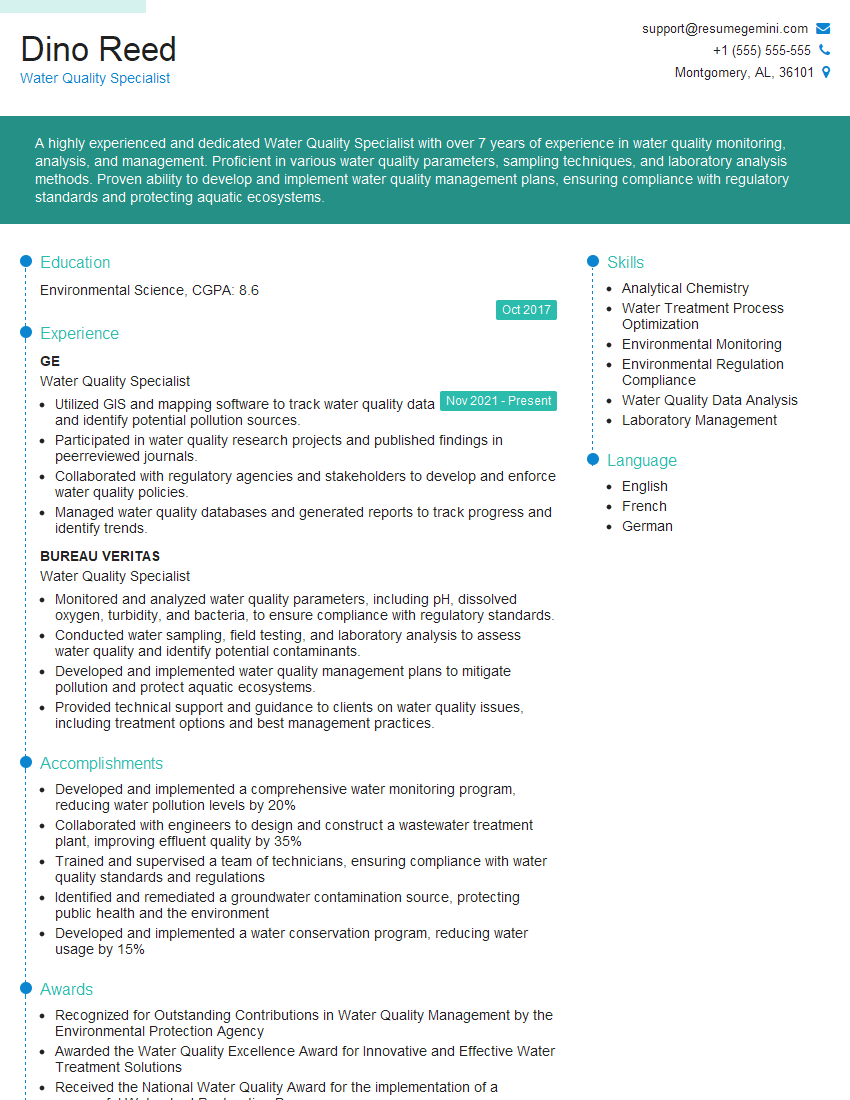
Water Quality Specialist Resume Sample
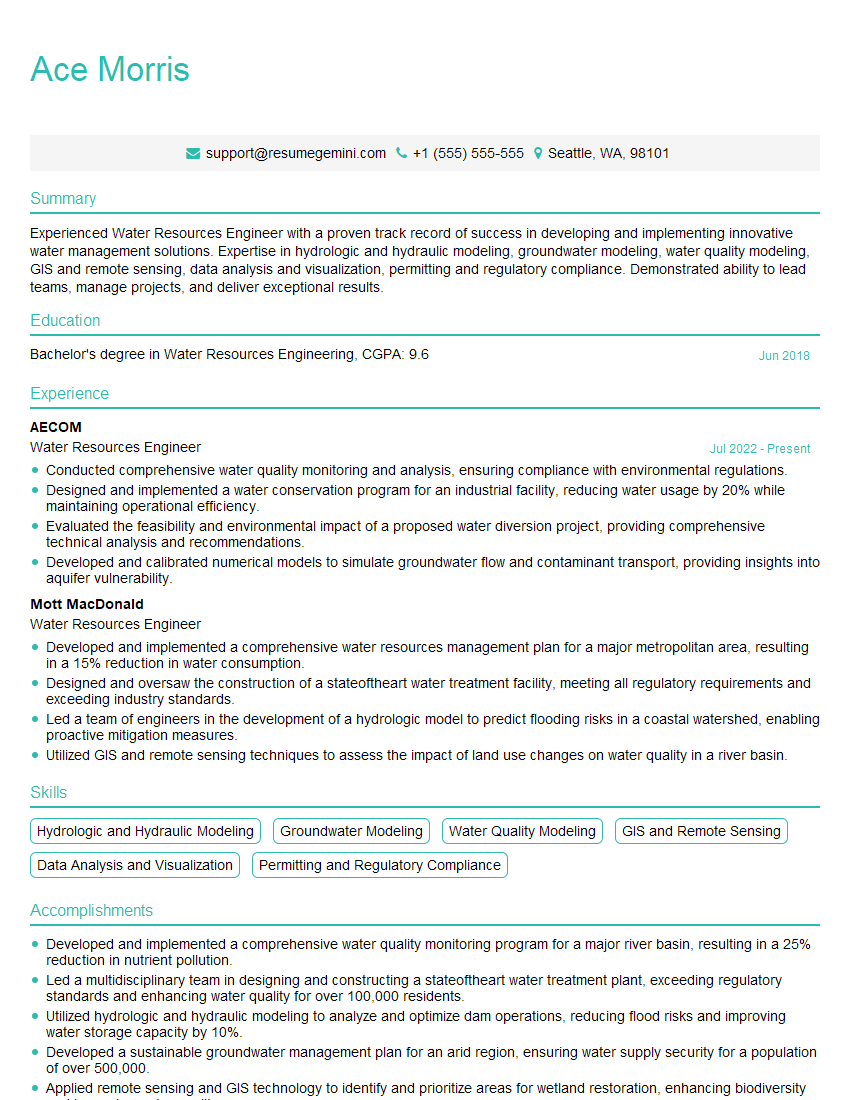
Water Resources Engineer Resume Sample
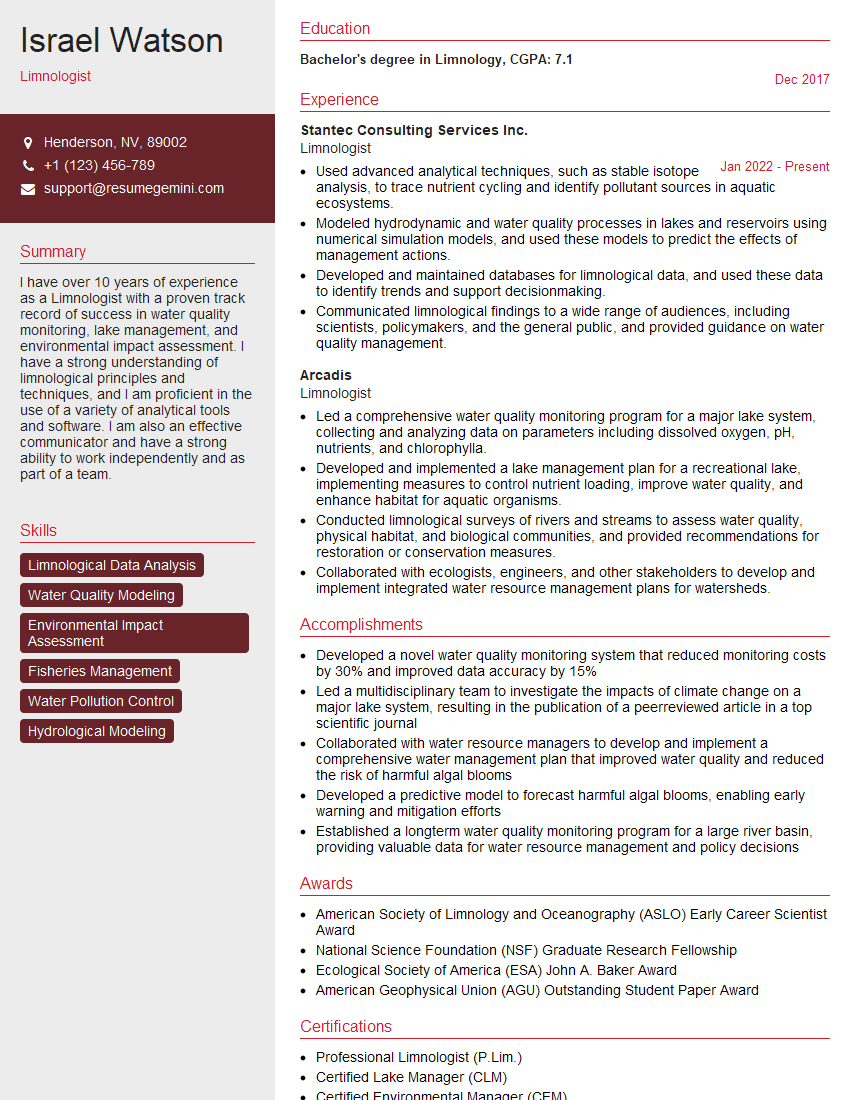
Limnologist Resume Sample
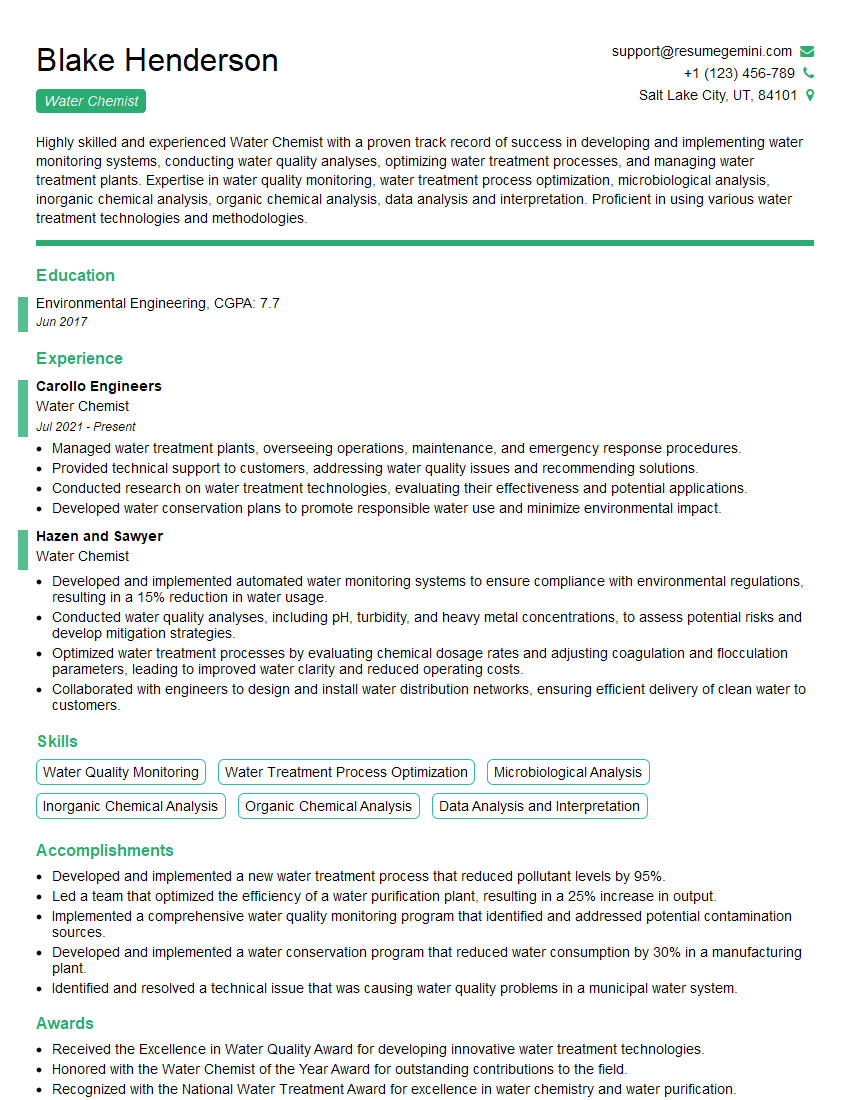
Water Chemist Resume Sample
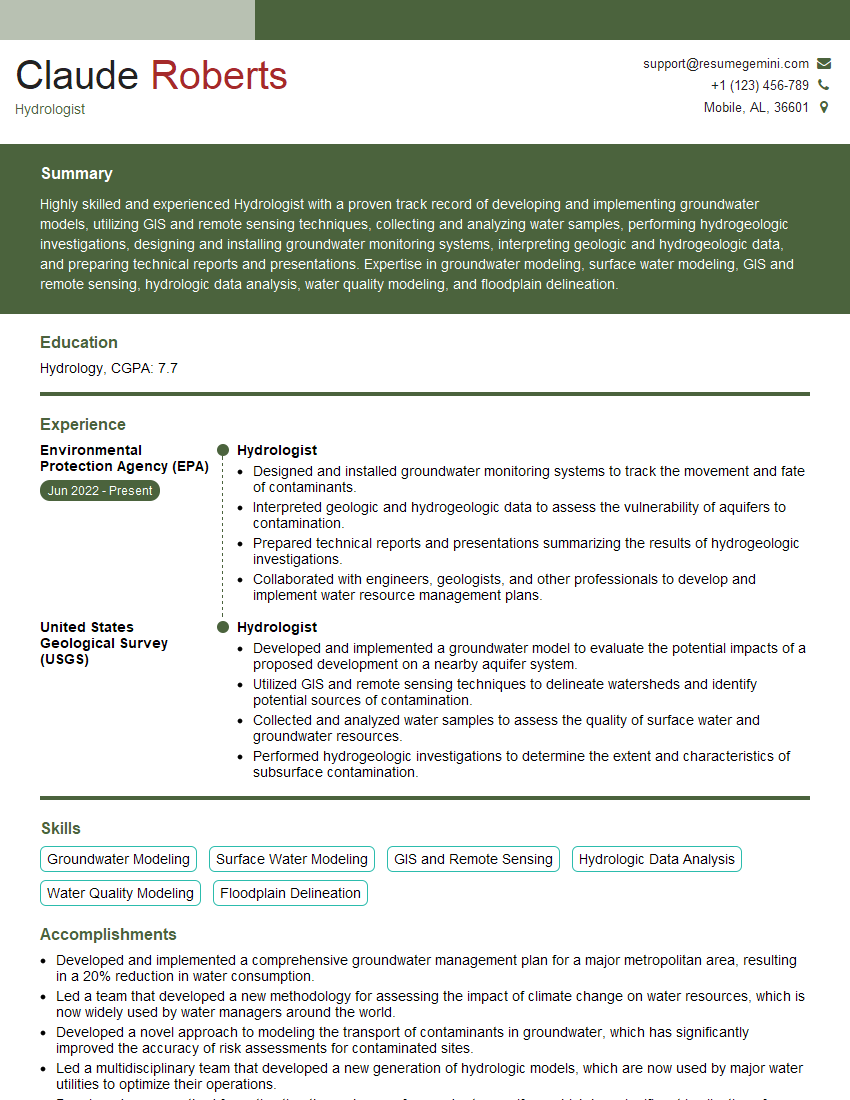
Hydrologist Resume Sample
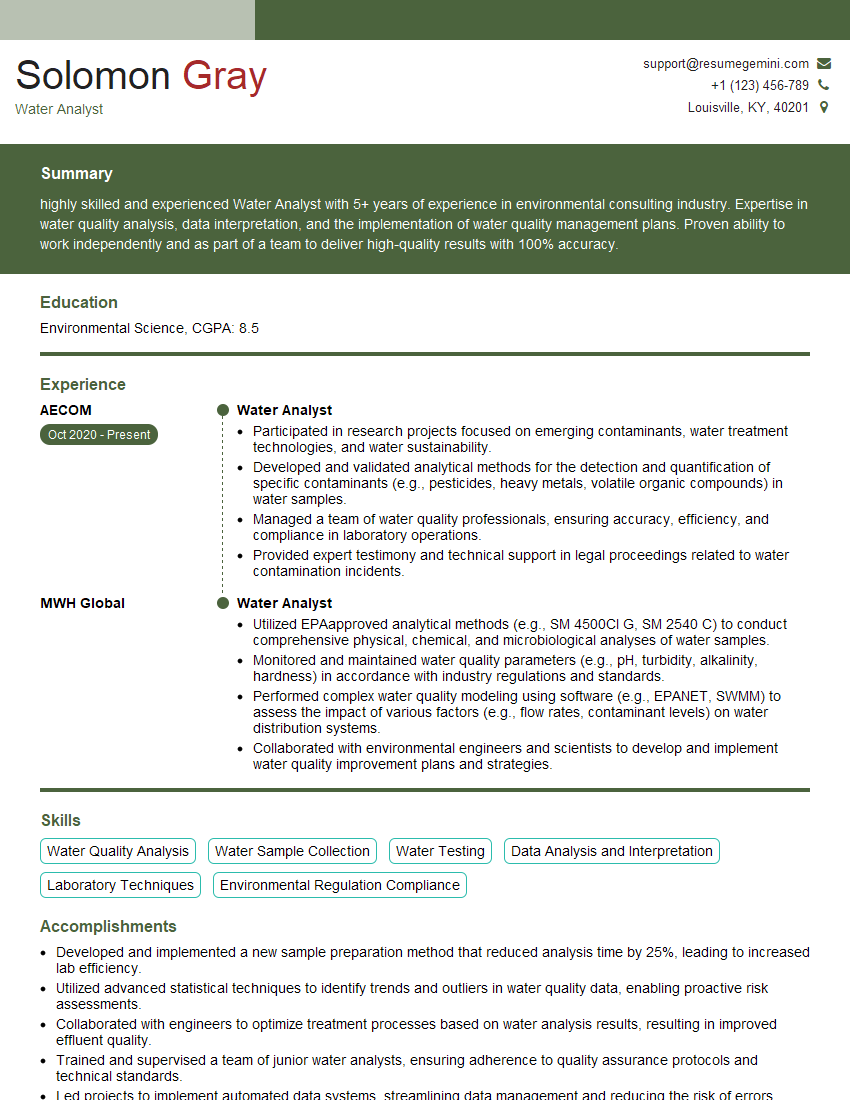
Water Analyst Resume Sample
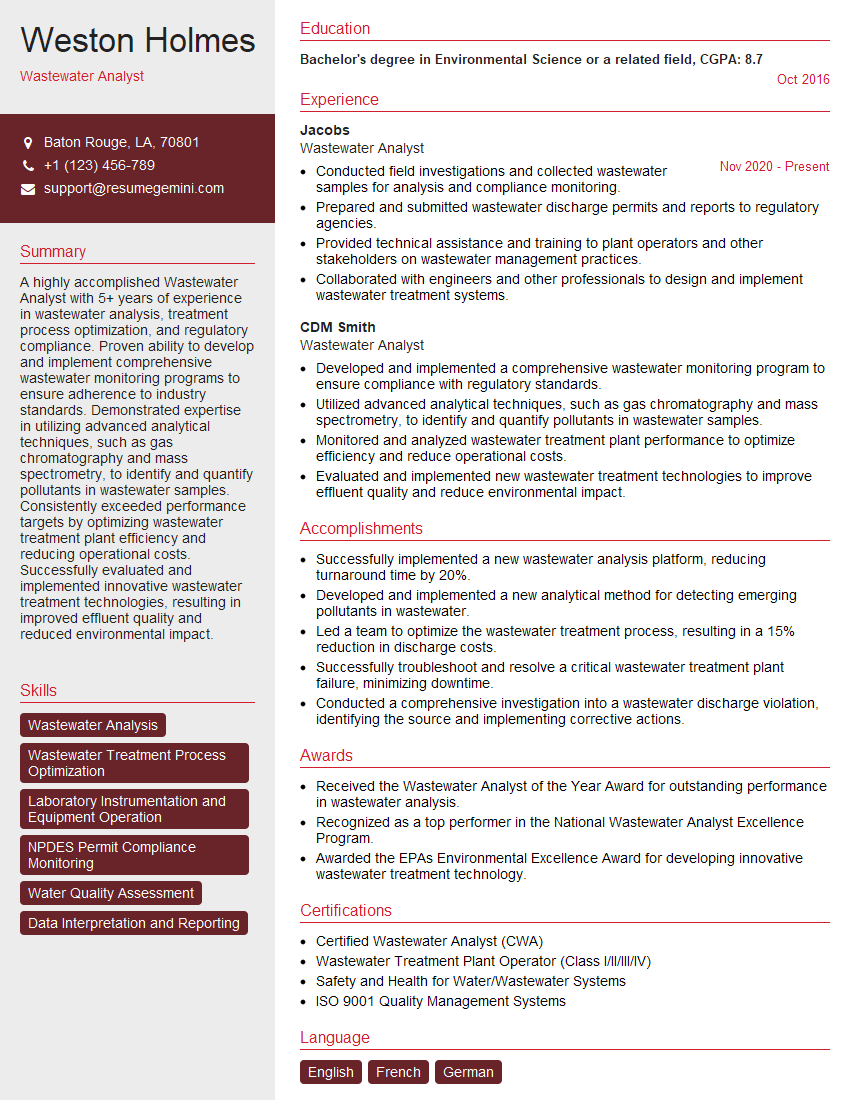
Wastewater Analyst Resume Sample
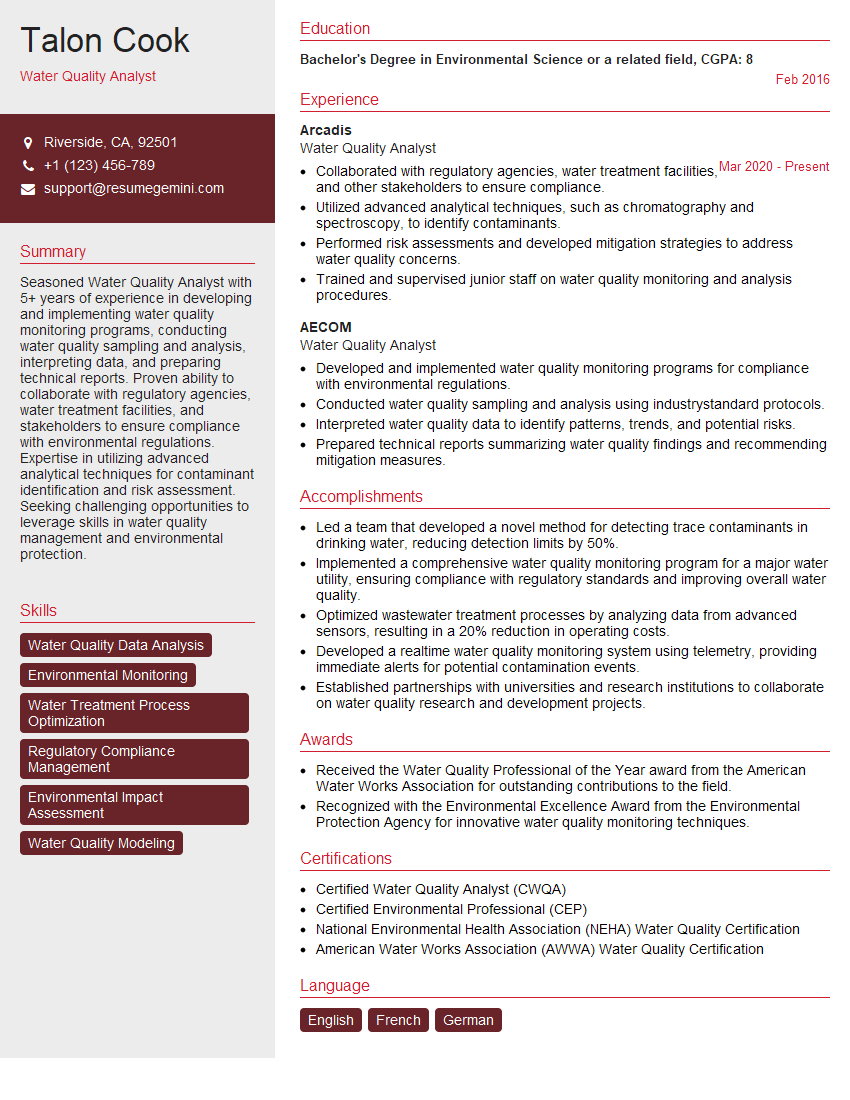
Water Quality Analyst Resume Sample
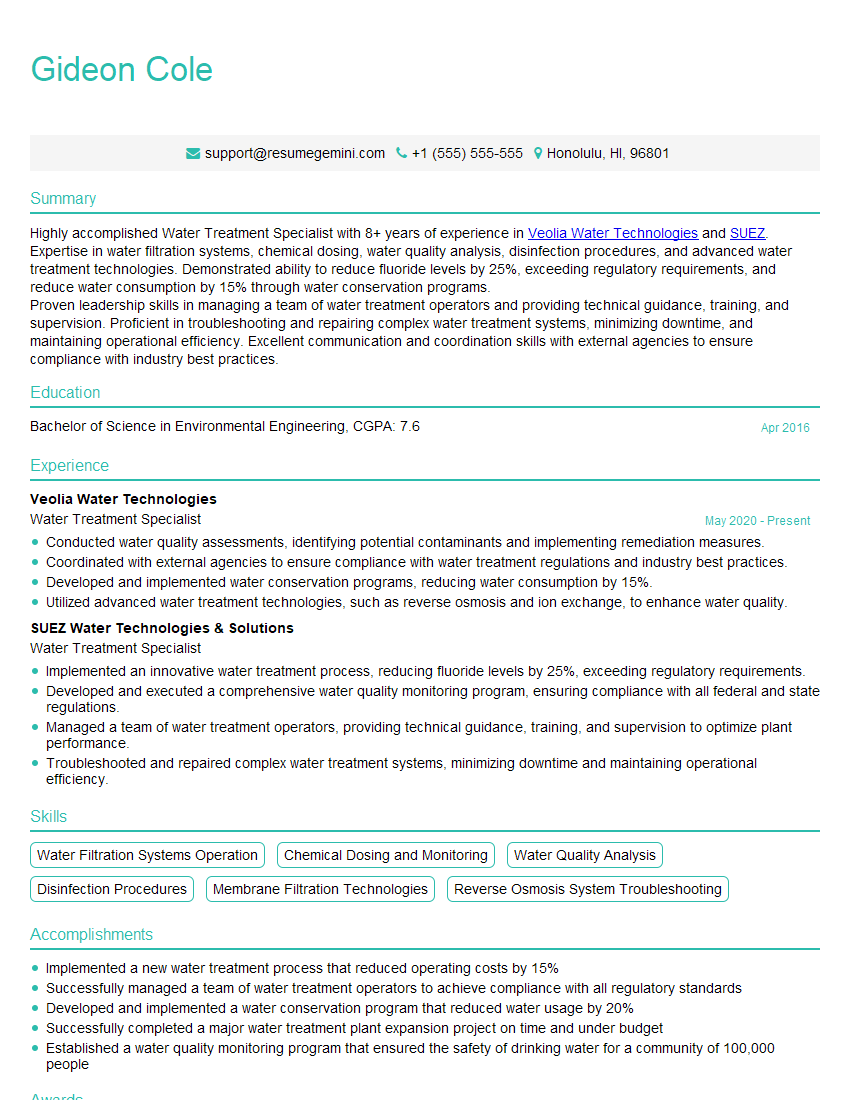
Water Treatment Specialist Resume Sample
Explore more articles
Users Rating of Our Blogs
Share Your Experience
We value your feedback! Please rate our content and share your thoughts (optional).
What Readers Say About Our Blog
Very informative content, great job.
good