Unlock your full potential by mastering the most common Water Quality Monitoring and Treatment interview questions. This blog offers a deep dive into the critical topics, ensuring you’re not only prepared to answer but to excel. With these insights, you’ll approach your interview with clarity and confidence.
Questions Asked in Water Quality Monitoring and Treatment Interview
Q 1. Explain the difference between point source and non-point source pollution.
The key difference between point source and non-point source pollution lies in their origin and ease of identification. Point source pollution originates from a single, identifiable source. Think of it like a faucet dripping pollutants directly into a river – you can pinpoint the exact location. Examples include industrial wastewater discharge pipes, sewage treatment plant outflows, and leaking underground storage tanks. These sources are relatively easy to monitor and regulate.
Non-point source pollution, conversely, is diffuse and originates from multiple, widespread sources. Imagine rainfall washing fertilizers and pesticides from farmlands into a nearby stream – it’s difficult to pinpoint a single source. Other examples include urban runoff (carrying oil, litter, and other pollutants), agricultural runoff, and atmospheric deposition. Managing non-point source pollution is significantly more challenging due to its dispersed nature and the complexity of identifying and controlling numerous contributing factors.
In my experience, tackling non-point source pollution often requires a collaborative approach involving land-use planning, best management practices for agriculture, and public awareness campaigns to reduce overall pollution loads.
Q 2. Describe the process of coagulation and flocculation in water treatment.
Coagulation and flocculation are crucial steps in water treatment designed to remove suspended solids and turbidity. Coagulation involves adding a chemical coagulant, such as alum or ferric chloride, to the water. This coagulant neutralizes the electrical charges on the suspended particles, causing them to destabilize and clump together. Think of it like adding a glue that binds the tiny particles together.
Flocculation follows coagulation. Gentle mixing is applied to the coagulated water, allowing the destabilized particles to aggregate into larger, heavier flocs (clusters of particles). These flocs are larger and heavier, making them easier to remove in the subsequent sedimentation process. The gentle mixing in flocculation is typically achieved using paddle mixers or other low-shear mixing devices. Insufficient mixing can result in small, poorly formed flocs, while excessive mixing can break up the flocs and reduce their settling efficiency. Finding the right balance between coagulation and flocculation is a critical aspect of water treatment optimization.
For instance, I’ve worked on projects where adjusting the coagulant dosage and flocculation time significantly improved the efficiency of the sedimentation process, leading to clearer water and reduced sludge production.
Q 3. What are the common indicators of water quality, and what do they signify?
Several indicators are used to assess water quality, each providing insights into different aspects of water’s suitability for various uses. pH measures acidity or alkalinity and impacts aquatic life and infrastructure corrosion. Turbidity indicates the presence of suspended solids, affecting water clarity and potentially harboring pathogens. Dissolved oxygen (DO) is vital for aquatic life; low DO levels indicate pollution. Biochemical oxygen demand (BOD) measures the amount of oxygen consumed by microorganisms decomposing organic matter, reflecting organic pollution levels. Total coliform bacteria serve as indicators of fecal contamination and potential health risks. Nutrients (nitrogen and phosphorus) contribute to eutrophication, causing algal blooms and harming aquatic ecosystems. Heavy metals (lead, mercury, etc.) are toxic pollutants that can accumulate in the food chain. Temperature impacts dissolved oxygen levels and overall aquatic habitat.
For example, high BOD and low DO levels in a river would indicate significant organic pollution, possibly from untreated sewage. Elevated coliform counts would signal a risk of waterborne diseases, requiring immediate action.
Q 4. How do you interpret water quality data using statistical methods?
Statistical methods are essential for interpreting water quality data, allowing us to identify trends, assess compliance with standards, and make informed decisions. Descriptive statistics (mean, median, standard deviation) summarize the data and reveal central tendencies and variability. Inferential statistics (t-tests, ANOVA) allow us to compare different datasets or assess the significance of observed differences. Time series analysis helps identify trends and patterns in data collected over time, enabling prediction and early warning systems for pollution events. Regression analysis explores relationships between different water quality parameters, aiding in understanding pollution sources and identifying contributing factors.
For instance, using time series analysis, we can identify seasonal variations in nutrient levels in a lake and predict potential algal bloom events based on historical data. Regression analysis can help establish a relationship between rainfall and pollutant runoff, aiding in developing effective pollution control strategies.
Example: A simple linear regression could be used to model the relationship between rainfall (X) and the concentration of a pollutant (Y) in runoff, providing an equation of the form Y = mX + c, where m is the slope and c is the intercept.
Q 5. Explain the principles of disinfection in water treatment.
Disinfection is a critical step in water treatment, aimed at eliminating or significantly reducing harmful pathogens like bacteria, viruses, and protozoa. The primary goal is to ensure the treated water is safe for human consumption. Several methods are employed, each with its own advantages and disadvantages:
- Chlorination: The most widely used method, involving the addition of chlorine gas or hypochlorite solutions. Chlorine is effective against a broad range of pathogens but can form disinfection byproducts (DBPs) that are potentially harmful.
- Chloramination: Combining chlorine with ammonia, it produces chloramines, which provide longer-lasting disinfection and reduce DBP formation compared to free chlorine.
- Ozone disinfection: Uses ozone, a powerful oxidizing agent, to inactivate pathogens. Ozone is effective but doesn’t provide residual disinfection, requiring post-treatment with chlorine or chloramines for distribution system protection.
- UV disinfection: Employs ultraviolet (UV) light to damage the DNA of microorganisms, rendering them unable to reproduce. UV disinfection is effective but relies on the proper lamp intensity and water clarity.
Selecting the appropriate disinfection method depends on factors like water quality, desired residual disinfection, regulatory requirements, and cost considerations. For example, in areas with high levels of organic matter, chloramination might be preferred over free chlorine to reduce DBP formation.
Q 6. What are the different types of water filtration methods?
Water filtration methods are categorized based on the size of particles they remove. They form a vital part of the water treatment process:
- Screening: Removes large debris like sticks and leaves using screens or bar racks.
- Sedimentation: Allows suspended solids to settle out of the water under gravity.
- Slow sand filtration: Water percolates slowly through a bed of sand, where biological processes remove many impurities.
- Rapid sand filtration: Uses a faster filtration rate and requires pre-treatment steps (coagulation/flocculation) for effective particle removal.
- Membrane filtration (microfiltration, ultrafiltration, nanofiltration, reverse osmosis): Employ membranes with progressively smaller pore sizes to remove suspended solids, dissolved organic matter, and even dissolved salts.
- Activated carbon filtration: Removes dissolved organic matter and some contaminants via adsorption onto activated carbon granules.
The selection of filtration method is determined by the water quality, desired level of treatment, and cost considerations. For example, reverse osmosis is effective for removing dissolved salts, making it suitable for seawater desalination, but it’s energy-intensive and expensive.
Q 7. Describe your experience with various water quality testing methods.
Throughout my career, I’ve gained extensive experience with various water quality testing methods. My expertise includes:
- Physical tests: Turbidity (using a turbidimeter), temperature (using a thermometer), pH (using a pH meter), conductivity (using a conductivity meter), and color (using visual comparison or spectrophotometry).
- Chemical tests: Dissolved oxygen (using a DO meter or Winkler titration), BOD (using BOD incubation bottles), nutrient levels (using colorimetric methods), heavy metals (using atomic absorption spectroscopy or inductively coupled plasma mass spectrometry), and disinfection byproduct analysis.
- Microbiological tests: Total coliform, fecal coliform, and E. coli counts (using membrane filtration or multiple-tube fermentation techniques).
I’m proficient in using laboratory equipment and adhering to standard operating procedures for data quality assurance and control. Furthermore, I have experience interpreting results, identifying potential problems, and recommending appropriate treatment strategies. I have also worked with automated monitoring systems that provide real-time data on critical parameters, allowing for proactive management of water quality issues.
For example, in a recent project, we utilized advanced analytical techniques, including high-performance liquid chromatography (HPLC) to identify specific organic pollutants in a contaminated groundwater source. This information was critical in designing a targeted remediation strategy.
Q 8. What are the regulatory requirements for discharging treated wastewater?
Discharging treated wastewater is heavily regulated to protect public health and the environment. Specific regulations vary significantly depending on location (national, state/provincial, and even local levels). Generally, these regulations dictate acceptable limits for various pollutants, such as:
- Biological Oxygen Demand (BOD): Measures the amount of oxygen consumed by microorganisms as they break down organic matter. High BOD indicates pollution and can deplete oxygen in receiving waters, harming aquatic life.
- Chemical Oxygen Demand (COD): Measures the amount of oxygen needed to chemically oxidize organic and inorganic matter. Provides a broader picture of pollution than BOD.
- Suspended Solids (SS): Represents the total amount of solid material suspended in the water. High levels can cloud the water, reducing light penetration and affecting aquatic life.
- Nutrients (Nitrogen and Phosphorus): Excessive nutrients can cause eutrophication, leading to algal blooms and oxygen depletion.
- Specific Pollutants: Regulations often target specific pollutants like heavy metals (e.g., lead, mercury), pesticides, and pharmaceuticals, depending on the industrial or municipal sources.
Permitting agencies, such as the Environmental Protection Agency (EPA) in the United States or equivalent bodies in other countries, set these limits. Treatment plants must regularly monitor their effluent and submit reports to demonstrate compliance. Failure to comply can result in significant penalties.
For example, a dairy farm discharging wastewater might face strict limits on BOD and SS due to the high organic load in their effluent. A manufacturing facility might have specific limits on heavy metals depending on the processes involved. The permitting process involves detailed assessments of the wastewater characteristics and the receiving water body’s capacity to assimilate the discharge.
Q 9. How do you troubleshoot problems in a water treatment plant?
Troubleshooting in a water treatment plant involves a systematic approach. Think of it like diagnosing a car problem: you need to identify the symptoms, isolate the cause, and implement the appropriate fix.
- Identify the Problem: This often starts with noticing deviations from normal operating parameters. For instance, an increase in turbidity (cloudiness) in the treated water, a drop in chlorine residual, or a rise in BOD in the effluent.
- Gather Data: Collect data from all relevant sources. This includes readings from instruments (e.g., flow meters, turbidity sensors, pH meters), lab results (e.g., BOD, COD, bacterial counts), and operational logs.
- Analyze the Data: Look for patterns and correlations. For example, a sudden increase in turbidity might correlate with a malfunction in the filtration system. A drop in chlorine residual could be due to higher than expected organic load or a malfunctioning chlorination system.
- Isolate the Cause: This often involves a process of elimination. If the problem is with filtration, check the filter media, backwash cycles, and pressure drops. If it’s chlorination, inspect the chlorine feed system, residual levels, and contact time.
- Implement Corrective Actions: Based on the identified cause, take corrective action. This might involve replacing filter media, adjusting chemical dosages, repairing equipment, or adjusting operational parameters.
- Monitor and Evaluate: After implementing corrective actions, closely monitor the system to ensure the problem is resolved and to prevent recurrence. Document all actions taken and their effectiveness.
For instance, imagine a sudden rise in effluent BOD. We’d check the influent quality to see if there’s a change in the raw wastewater. Then, we’d examine the performance of the activated sludge process (if used), looking at things like dissolved oxygen levels, sludge age, and mixed liquor suspended solids. The problem could be a malfunctioning aeration system, a change in wastewater composition, or an issue with sludge settling.
Q 10. Explain the concept of Total Maximum Daily Load (TMDL).
Total Maximum Daily Load (TMDL) is a regulatory tool used to manage water pollution. It represents the maximum amount of a specific pollutant that a water body can receive daily and still meet water quality standards. Think of it as the water body’s pollution ‘budget’.
The TMDL calculation considers several factors:
- Water Quality Standards: These are legally established limits for pollutants in a water body (e.g., maximum allowable concentration of phosphorus).
- Waste Load Allocation (WLA): The portion of the TMDL allocated to point sources, such as wastewater treatment plants and industrial discharges.
- Load Allocation (LA): The portion of the TMDL allocated to non-point sources, such as agricultural runoff and urban stormwater.
- Margin of Safety (MOS): A buffer added to account for uncertainties in the data and model predictions.
For example, a river might have a TMDL for phosphorus of 100 kg/day. This total might be divided into 40 kg/day for point sources and 60 kg/day for non-point sources, plus a margin of safety. Regulatory agencies use TMDLs to set limits on pollutant discharges and develop plans to improve water quality. If a water body is already exceeding its TMDL, corrective actions must be implemented to reduce pollution loads.
Q 11. How do you manage and interpret data from continuous water quality monitoring systems?
Continuous water quality monitoring systems generate a vast amount of data. Effective management and interpretation are crucial. This involves several steps:
- Data Acquisition: The data is typically collected using automated sensors and stored digitally. This might involve SCADA (Supervisory Control and Data Acquisition) systems.
- Data Validation and QA/QC: Raw data needs to be checked for errors and inconsistencies. This involves quality assurance/quality control procedures, including checking for sensor malfunctions, calibration issues, and data outliers.
- Data Analysis: Analyze the data to identify trends, patterns, and anomalies. This often involves statistical methods and visualization techniques. Software packages are typically used for this.
- Data Interpretation: Interpret the analysis results in the context of water quality standards and treatment plant operations. For instance, a sudden spike in turbidity might indicate a problem with the filtration system, prompting investigation and corrective action.
- Reporting and Communication: Communicate findings to relevant stakeholders, including regulatory agencies and plant operators. Reports might include summary statistics, graphs, and trend analyses.
For example, a continuous turbidity monitor might provide data every minute. By analyzing this data, we can detect gradual increases in turbidity that might precede a major problem, allowing for preventative maintenance. Data visualization tools can create charts and graphs showing turbidity trends over time, making it easier to identify anomalies and make informed decisions.
Q 12. What are the different types of waterborne pathogens, and how are they controlled?
Waterborne pathogens are microorganisms that can cause disease when ingested through contaminated water. They include:
- Bacteria: E. coli, Salmonella, Legionella. These are single-celled organisms that can multiply in water.
- Viruses: Rotavirus, Norovirus, Hepatitis A. Viruses are smaller than bacteria and require a host cell to replicate. They are very resistant to disinfection.
- Protozoa: Giardia, Cryptosporidium. These are single-celled eukaryotic organisms that are more resistant to disinfection than bacteria.
- Helminths (Parasitic Worms): Various types of worms, whose eggs can be present in contaminated water.
Controlling waterborne pathogens involves multiple barriers:
- Source Water Protection: Preventing contamination at the source, such as through watershed management practices.
- Treatment Processes: Employing effective treatment processes, such as coagulation, flocculation, sedimentation, filtration, and disinfection (chlorination, UV, ozonation).
- Monitoring and Surveillance: Regularly monitoring water quality for pathogens to detect contamination early.
- Distribution System Management: Maintaining the integrity of the distribution system to prevent recontamination.
For example, Cryptosporidium cysts are very resistant to chlorine disinfection. Therefore, advanced treatment technologies such as membrane filtration might be necessary to effectively remove them. Regular monitoring and testing for pathogens ensure the safety of the drinking water supply.
Q 13. Explain the role of chlorine in water treatment and its potential drawbacks.
Chlorine is a widely used disinfectant in water treatment because it’s effective against a broad range of pathogens, relatively inexpensive, and easy to apply. It works by oxidizing and destroying microorganisms.
Role of Chlorine: Chlorine is typically added as a gas (chlorine gas) or as a solution (sodium hypochlorite). It reacts with water to form hypochlorous acid (HOCl) and hypochlorite ion (OCl-), which are the active disinfecting agents. The disinfection process involves the oxidation of cellular components in the pathogens, leading to their inactivation.
Potential Drawbacks: While effective, chlorine has some drawbacks:
- Formation of Disinfection Byproducts (DBPs): Chlorine can react with organic matter in the water to form DBPs, some of which are potentially harmful to human health. Examples include trihalomethanes (THMs) and haloacetic acids (HAAs).
- Taste and Odor Issues: Chlorine can impart an unpleasant taste and odor to the water, especially at higher concentrations.
- Ineffectiveness against Cryptosporidium and Giardia: Chlorine is less effective against certain resistant pathogens.
- Environmental Concerns: The release of chlorinated DBPs into the environment can have ecological impacts.
To mitigate these drawbacks, water treatment plants often optimize chlorine dosage, use alternative disinfectants (UV, ozonation), and employ advanced treatment processes to remove precursors to DBP formation. The balance between effective disinfection and minimizing DBPs is a critical aspect of water treatment management.
Q 14. What are the key performance indicators (KPIs) for a water treatment plant?
Key Performance Indicators (KPIs) for a water treatment plant provide a quantitative measure of its effectiveness and efficiency. These can be categorized into several areas:
- Water Quality:
- Turbidity: Measure of water clarity. Lower values indicate better treatment.
- Bacterial Counts (e.g., E. coli): Indicates the presence of fecal contamination. Should be zero in treated water.
- Disinfectant Residual (Chlorine, etc.): Ensures sufficient disinfection throughout the distribution system.
- DBP Levels: Indicates the formation of disinfection byproducts, which should be below regulatory limits.
- Operational Efficiency:
- Energy Consumption: Measures the energy used per unit volume of water treated.
- Chemical Usage: Tracks the amount of chemicals used per unit volume of water treated.
- Production Rate: Measures the volume of water treated per unit time.
- Downtime: Measures the time when the plant is not operating at full capacity.
- Financial Performance:
- Operating Costs: The total costs associated with plant operation and maintenance.
- Capital Expenditures: Investments made in plant upgrades and new equipment.
Regular monitoring of these KPIs allows plant operators to identify potential problems, optimize operations, and ensure the plant’s performance meets regulatory requirements and provides high-quality, safe water to consumers. For example, consistently high energy consumption might indicate a need to upgrade equipment or optimize operational strategies.
Q 15. Describe your experience with water quality modeling and simulation.
Water quality modeling and simulation are crucial for predicting the behavior of pollutants in water bodies and optimizing treatment processes. My experience encompasses using various software packages, such as MIKE 11 and QUAL2K, to simulate hydrodynamic and water quality parameters in rivers, lakes, and reservoirs. For example, I’ve used MIKE 11 to model the impact of a proposed wastewater discharge on dissolved oxygen levels downstream, helping to inform permit applications and mitigation strategies. In other projects, I leveraged QUAL2K to evaluate the effectiveness of different treatment scenarios in reducing nutrient loading in a eutrophic lake, ultimately assisting in the design of a more effective nutrient reduction program. My work often involves calibrating models using field data and validating predictions against observed conditions. This iterative process ensures that the model accurately reflects the real-world system.
Furthermore, I have experience with developing custom models using programming languages like Python, leveraging libraries such as NumPy and SciPy for numerical computations and data analysis. This has allowed me to tailor models to specific needs and incorporate more complex interactions not readily available in commercial software.
Career Expert Tips:
- Ace those interviews! Prepare effectively by reviewing the Top 50 Most Common Interview Questions on ResumeGemini.
- Navigate your job search with confidence! Explore a wide range of Career Tips on ResumeGemini. Learn about common challenges and recommendations to overcome them.
- Craft the perfect resume! Master the Art of Resume Writing with ResumeGemini’s guide. Showcase your unique qualifications and achievements effectively.
- Don’t miss out on holiday savings! Build your dream resume with ResumeGemini’s ATS optimized templates.
Q 16. How do you ensure the accuracy and reliability of water quality data?
Ensuring the accuracy and reliability of water quality data is paramount. This involves a multi-faceted approach, starting with meticulous sampling design. This includes selecting appropriate sampling locations, frequencies, and depths to capture representative data. For example, in a river, we would strategically place sampling sites upstream, midstream, and downstream of potential pollution sources.
Next, rigorous quality control (QC) and quality assurance (QA) procedures are implemented throughout the analytical process. This begins with proper sample preservation and handling to prevent degradation or contamination. We use chain-of-custody documentation to track samples from collection to analysis. Laboratory analyses are performed using standardized methods, with regular calibration and maintenance of instruments. Data validation includes checking for outliers and inconsistencies, and running duplicate samples to assess precision and accuracy. Finally, data are reviewed for completeness and plausibility. If anomalies are detected, further investigation is carried out to identify the source of error. The ultimate aim is to maintain data quality according to nationally or internationally recognized standards such as those set by ISO and EPA.
Q 17. What are the common challenges faced in water quality monitoring and treatment?
Water quality monitoring and treatment face numerous challenges. One significant issue is the increasing volume and complexity of pollutants. Emerging contaminants, such as pharmaceuticals and microplastics, are challenging to remove using conventional treatment methods. Another challenge lies in the variability of water quality parameters. Seasonal changes, rainfall events, and industrial discharges can significantly impact water quality, necessitating adaptive management strategies.
- Funding limitations: Adequate funding is crucial for effective monitoring and treatment infrastructure.
- Aging infrastructure: Many water treatment plants rely on aging infrastructure requiring substantial investment in upgrades and repairs.
- Climate change impacts: Increased frequency and intensity of extreme weather events are impacting water availability and quality.
- Data management: Efficient data management and analysis are crucial, yet can be challenging with large datasets from various sources.
- Public awareness and engagement: Effective communication about water quality issues and the importance of conservation is critical.
Addressing these challenges requires a collaborative approach involving researchers, policymakers, and the public. Innovative treatment technologies, improved data management practices, and community engagement are crucial for ensuring safe and sustainable water resources.
Q 18. How do you maintain water treatment plant equipment and ensure its optimal performance?
Maintaining water treatment plant equipment is crucial for optimal performance and longevity. This involves a preventative maintenance program, which includes regular inspections, cleaning, and lubrication of equipment. For example, we schedule routine checks on pumps, filters, and disinfection systems. Detailed logs record all maintenance activities, allowing for trend analysis and predictive maintenance. This allows us to identify potential problems before they lead to equipment failure.
In addition to preventative maintenance, we have a robust system for responding to equipment malfunctions. This involves a team of skilled technicians who can troubleshoot issues and perform repairs quickly and efficiently. We also utilize spare parts inventory to minimize downtime during repairs. Operator training is a key component of this process, ensuring plant personnel are well-versed in the operation and maintenance of all equipment. Regular training ensures that operators can identify and address potential problems promptly, keeping the plant operating efficiently and reliably.
Q 19. Explain your understanding of different types of water meters and their applications.
Different water meters serve various purposes in water management. Common types include:
- Mechanical meters: These measure water flow using a rotating mechanism driven by the water’s motion. They are relatively simple and cost-effective but have lower accuracy than electronic meters, and are susceptible to wear and tear.
- Electronic meters: These utilize electronic sensors to measure flow rate, offering higher accuracy and the ability to transmit data remotely. They are often used in large-scale water distribution systems.
- Ultrasonic meters: These use sound waves to measure flow, making them suitable for applications where a physical obstruction in the pipe is undesirable. They are often used for measuring flow in large pipes or open channels.
- Positive displacement meters: These precisely measure water volume by trapping a known volume of water and counting the number of cycles. These are highly accurate but often more expensive.
The choice of water meter depends on factors such as the required accuracy, flow rate range, pipe size, budget, and data management needs. For instance, a small residential water meter might be a simple mechanical meter, while a large industrial application might necessitate a high-accuracy electronic meter with remote data logging capabilities.
Q 20. What are the environmental impacts of water pollution?
Water pollution has significant environmental impacts, affecting aquatic ecosystems, human health, and the global climate. Pollutants such as heavy metals, pesticides, and nutrients can accumulate in water bodies, harming aquatic life. For example, nutrient pollution (eutrophication) leads to algal blooms, which deplete oxygen levels, causing fish kills and damaging habitats.
Contaminated water sources can directly impact human health through the transmission of waterborne diseases. Furthermore, the release of greenhouse gases from polluted waters contributes to climate change. Water pollution also has economic impacts, reducing the value of recreational areas and affecting industries reliant on clean water resources. Ultimately, preserving water quality is vital for maintaining ecosystem health, human well-being, and the overall sustainability of our planet.
Q 21. Describe your experience working with different types of water sampling techniques.
My experience encompasses a variety of water sampling techniques tailored to specific objectives and water body characteristics. These include:
- Grab sampling: This involves collecting a single sample at a specific time and location, providing a snapshot of water quality at that instant. This is useful for quick assessments or when monitoring highly variable parameters.
- Composite sampling: Multiple grab samples are collected over a period (e.g., 24 hours), and then combined to obtain a representative sample of the average water quality over that period. This method is frequently used for monitoring constituents that show significant diurnal variations.
- Integrated sampling: This technique uses a device to collect a sample integrated over a specified depth, representing a more comprehensive profile of the water column than grab sampling alone. This is especially useful for stratified water bodies, like lakes.
- Continuous monitoring: In-situ sensors continuously collect water quality data, providing real-time information. This allows for immediate detection of changes and facilitates rapid responses to pollution events.
The choice of sampling technique is determined by many factors, including the nature of the pollutants being investigated, the spatial and temporal variability of the water quality parameters, and the resources available. Accurate and representative sampling is essential for obtaining reliable water quality data that can inform management decisions.
Q 22. How do you handle emergency situations related to water quality issues?
Emergency response to water quality issues requires a rapid, coordinated effort. My approach follows a structured protocol: First, I would immediately assess the situation, identifying the source and extent of the contamination. This might involve deploying rapid-response teams to collect water samples for immediate analysis. Next, I’d implement immediate control measures to prevent further contamination – this could range from shutting down a contaminated water source to issuing ‘boil water’ advisories to affected communities. Concurrent with this, we’d notify relevant authorities, including public health officials and emergency management agencies. Finally, once the immediate threat is mitigated, we’d conduct a thorough investigation to determine the root cause, implement long-term corrective actions, and develop strategies to prevent similar incidents in the future. For example, during a chemical spill incident into a river, we’d focus on containment, downstream monitoring, and communicating risk to downstream water users while simultaneously working with the responsible party to clean the spill.
Q 23. What are the health risks associated with contaminated drinking water?
Contaminated drinking water poses serious health risks, ranging from mild discomfort to life-threatening illnesses. The severity depends on the type and concentration of contaminants and the individual’s vulnerability. For instance, bacterial contamination can cause diarrhea, vomiting, and typhoid fever. Viral contamination can lead to gastroenteritis, hepatitis A, and polio. Chemical contaminants like lead, arsenic, and pesticides can result in long-term health problems, including neurological damage, cancer, and developmental issues. Parasites in water can cause infections like giardiasis and cryptosporidiosis. Even seemingly harmless contaminants can cause gastrointestinal issues. Regular monitoring and treatment are essential to avoid these risks. I’ve personally witnessed the devastating effects of contaminated water on communities, which underscores the importance of proactive and robust water quality management.
Q 24. Explain the concept of water balance and its importance in water resource management.
Water balance refers to the equilibrium between water inflow and outflow within a specific area, such as a watershed or aquifer. It’s a crucial concept in water resource management because it helps us understand the availability and sustainability of water resources. Think of it like a bathtub: inflow represents precipitation, groundwater recharge, and surface water inflows, while outflow includes evaporation, transpiration (water loss from plants), surface runoff, and groundwater discharge. A balanced system ensures sufficient water supply to meet various needs without depletion or excessive accumulation. Maintaining this balance requires careful consideration of factors influencing both inflow and outflow, including climate change, land-use changes, and water withdrawal rates. Imbalances, such as excessive water extraction or reduced rainfall, can lead to water scarcity, droughts, or flooding. In my experience, successfully managing water balance often requires sophisticated hydrological modeling to predict future scenarios and guide sustainable water management strategies.
Q 25. How do you develop and implement a water quality monitoring plan?
Developing a water quality monitoring plan involves a systematic approach. First, we define the objectives – what specific water quality parameters need monitoring, and what are the intended uses of the water? Next, we identify the sampling locations based on factors such as potential pollution sources, land use, and ecological significance. The frequency of sampling depends on the variability of water quality and the sensitivity of the intended use. For example, a drinking water source needs far more frequent monitoring than a less-sensitive use. We then select appropriate analytical methods to measure the parameters, ensuring they meet required accuracy and precision. Finally, data analysis, interpretation, and reporting are crucial to identify trends, assess water quality, and guide management actions. A well-designed plan also incorporates quality control measures to ensure data reliability. For example, I once developed a monitoring plan for a large lake, incorporating multiple sampling locations and parameters, including nutrient levels, algal biomass, and dissolved oxygen, to assess the impact of agricultural runoff.
Q 26. What are the different types of water treatment chemicals and their applications?
Various chemicals are used in water treatment to remove impurities and ensure safe drinking water. Coagulation and flocculation use chemicals like alum and ferric chloride to clump together suspended particles for easier removal. Disinfection, usually with chlorine, chloramine, or UV light, kills harmful microorganisms. Fluoridation adds fluoride to prevent tooth decay. pH adjustment uses lime or acid to maintain optimal pH levels. Other chemicals, such as activated carbon, are used to remove taste and odor compounds or specific contaminants. The choice of chemicals and their application depends on the specific water quality issues and the desired treatment goals. It’s crucial to carefully control the dosage of chemicals to prevent undesirable side effects. For example, excessive chlorine can create disinfection byproducts, while improper pH control can affect the effectiveness of other treatment processes. I have extensive experience in selecting and optimizing chemical treatment strategies for various water sources.
Q 27. Describe your experience with GIS (Geographic Information Systems) applications in water quality management.
GIS has become an indispensable tool in water quality management. I use GIS to map water bodies, identify pollution sources, visualize monitoring data, and model water flow patterns. For instance, GIS allows us to overlay data layers showing pollutant concentrations, land use, and population density to identify potential pollution hotspots. This spatial analysis helps prioritize monitoring efforts and target remediation strategies. Further, GIS is essential for communicating water quality information effectively, as it allows for the creation of user-friendly maps and visualizations. I’ve used GIS extensively to model the spread of contamination from a point source, helping in developing effective mitigation and remediation plans. This involved using spatial interpolation techniques and overlaying various environmental factors to predict the extent and impact of the pollution.
Q 28. How do you communicate complex water quality information to non-technical audiences?
Communicating complex water quality information to non-technical audiences requires clear, concise, and relatable language. I avoid technical jargon whenever possible and use simple analogies and visual aids to explain complex concepts. For example, instead of saying ‘high turbidity,’ I might explain that the water is ‘cloudy’ due to suspended particles. Using charts, graphs, and maps makes data easier to understand. Storytelling can also be powerful – sharing real-world examples of the impacts of water quality on human health or the environment can make the information more engaging and memorable. I often create infographics and presentations tailored to the audience’s level of understanding, ensuring the message is both informative and accessible. For instance, when explaining the importance of water conservation to community members, I use practical examples and relate the conservation measures to their daily lives.
Key Topics to Learn for Water Quality Monitoring and Treatment Interview
- Water Chemistry Fundamentals: Understanding pH, alkalinity, hardness, dissolved oxygen, and their impact on water quality. Consider practical applications like interpreting lab results and predicting treatment needs.
- Microbiology in Water Treatment: Knowledge of common waterborne pathogens, indicator organisms, and disinfection methods. Explore case studies of waterborne disease outbreaks and their prevention.
- Water Treatment Processes: Familiarize yourself with various treatment techniques like coagulation, flocculation, sedimentation, filtration, disinfection (chlorination, UV, ozonation), and membrane processes. Be prepared to discuss the advantages and disadvantages of each.
- Water Quality Monitoring Techniques: Mastering different sampling methods, analytical techniques (spectrophotometry, chromatography), and data interpretation. Practice explaining quality control procedures and troubleshooting equipment malfunctions.
- Regulatory Compliance and Standards: Understanding relevant water quality regulations (e.g., Safe Drinking Water Act) and reporting requirements is crucial. Prepare to discuss how these standards impact treatment strategies.
- Instrumentation and Data Analysis: Become proficient in using water quality monitoring equipment (e.g., turbidity meters, pH meters) and analyzing the collected data using statistical methods. Practice explaining data trends and anomalies.
- Sustainable Water Management Practices: Demonstrate awareness of sustainable water management principles and their role in water treatment and conservation. Explore innovative technologies and approaches to water treatment.
Next Steps
Mastering Water Quality Monitoring and Treatment opens doors to a rewarding career with diverse opportunities for growth in environmental protection, public health, and industrial settings. To maximize your job prospects, creating an ATS-friendly resume is essential. This ensures your qualifications are effectively communicated to hiring managers and Applicant Tracking Systems (ATS). We highly recommend using ResumeGemini to build a professional and impactful resume that showcases your skills and experience effectively. ResumeGemini provides examples of resumes tailored to Water Quality Monitoring and Treatment, helping you craft a compelling application that stands out from the competition.
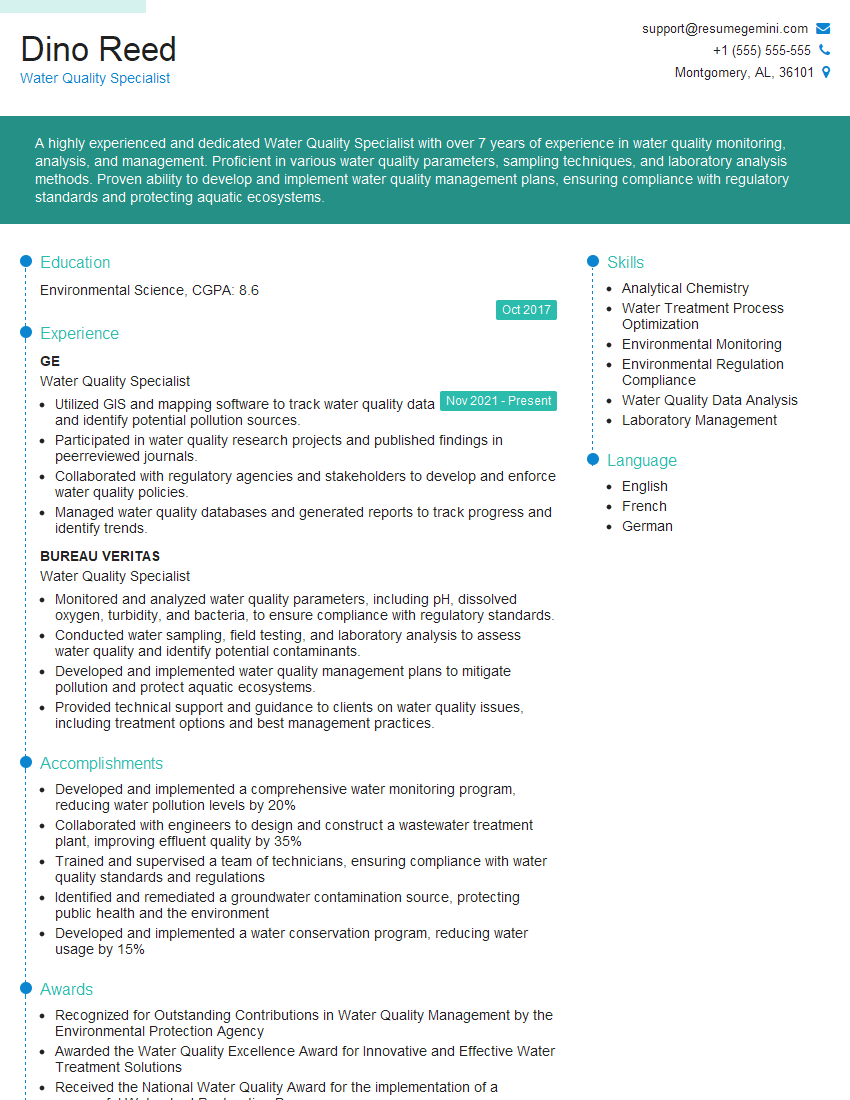
Water Quality Specialist Resume Sample
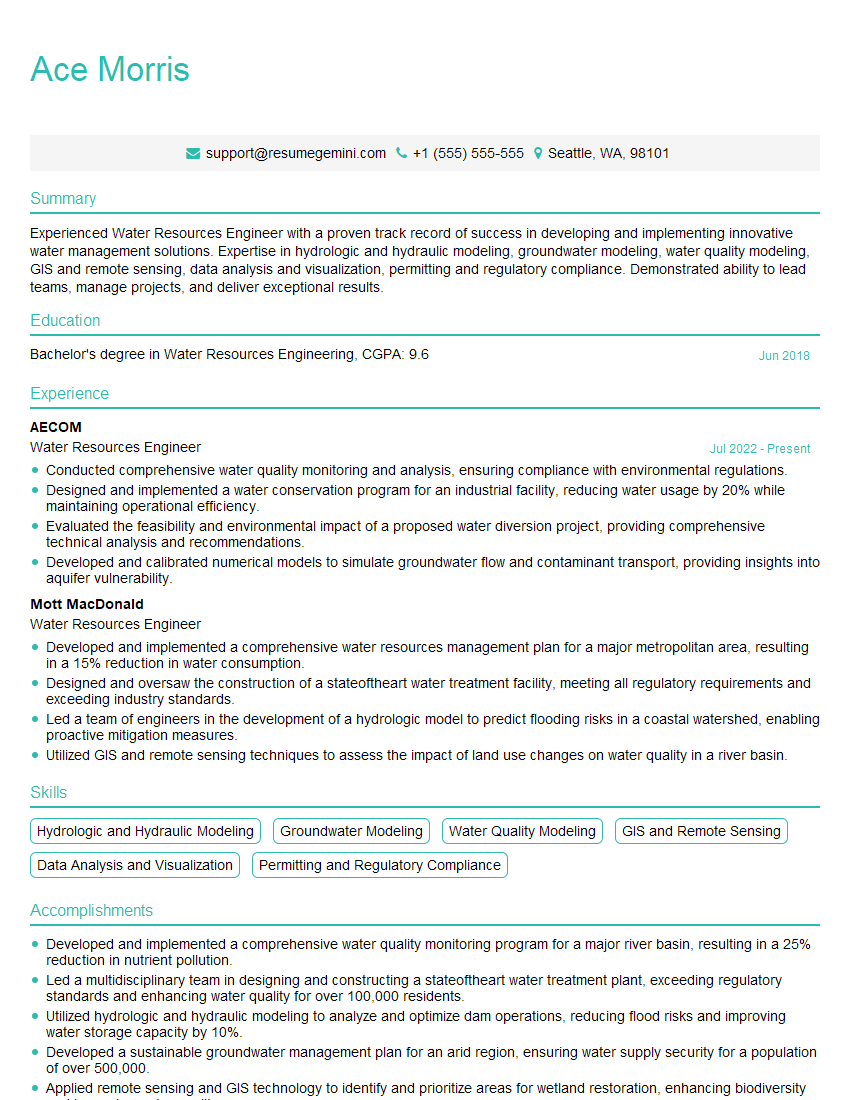
Water Resources Engineer Resume Sample
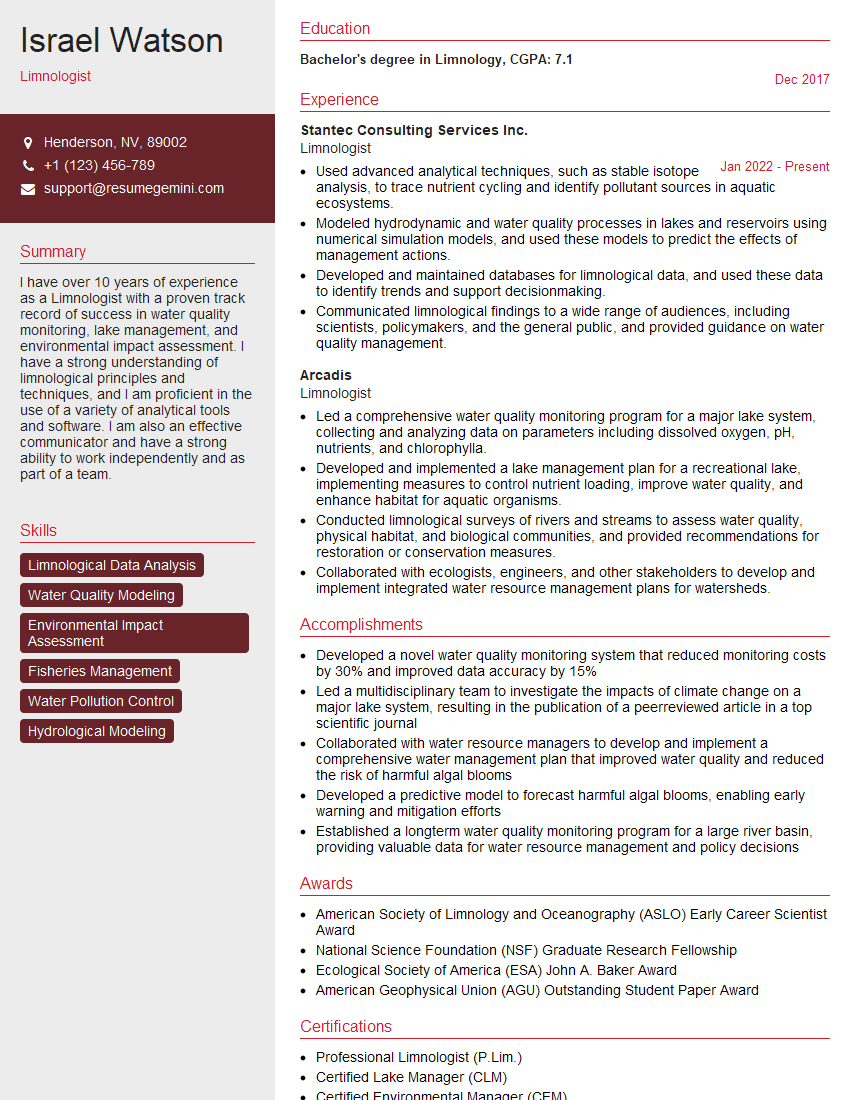
Limnologist Resume Sample
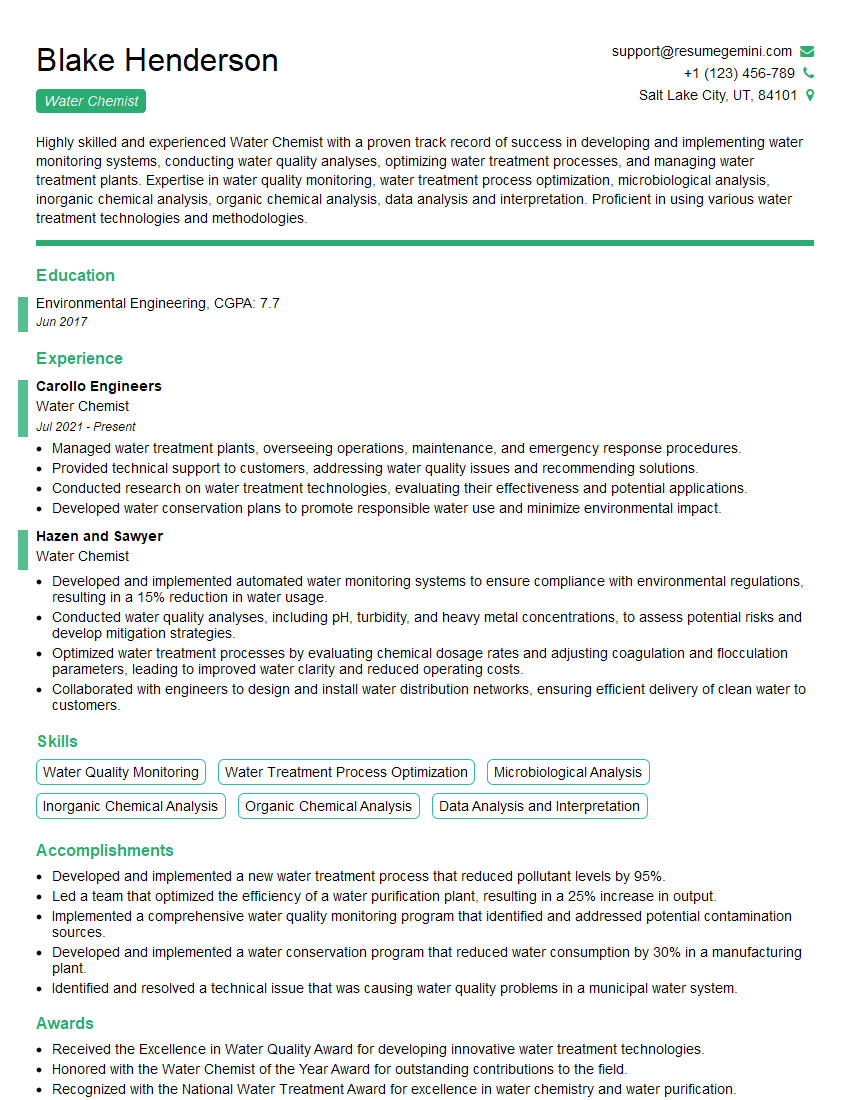
Water Chemist Resume Sample
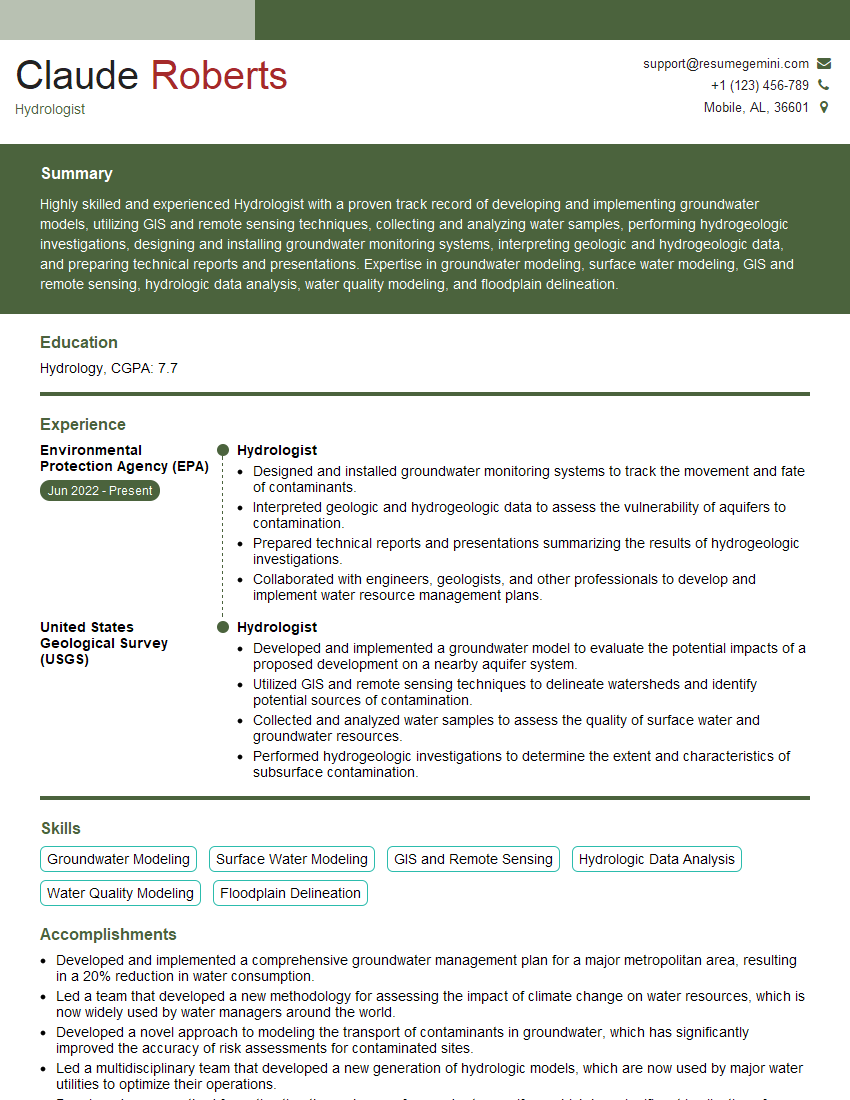
Hydrologist Resume Sample
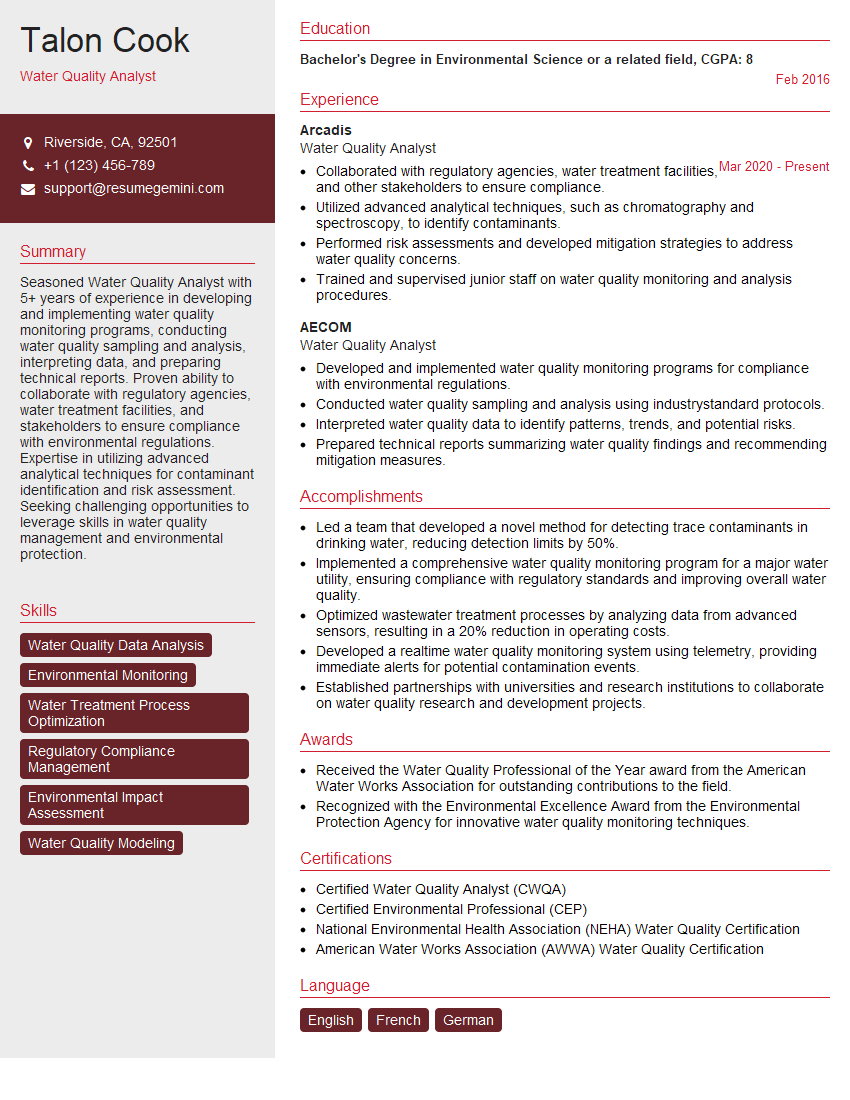
Water Quality Analyst Resume Sample
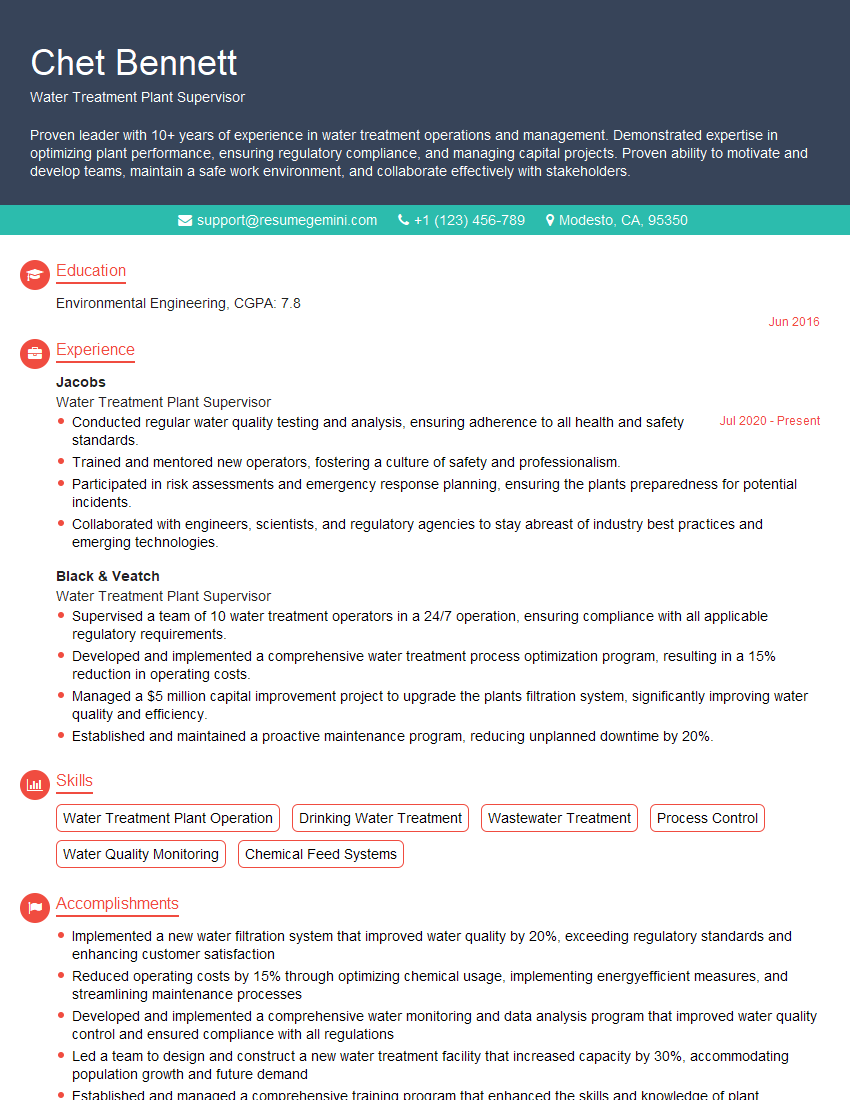
Water Treatment Plant Supervisor Resume Sample
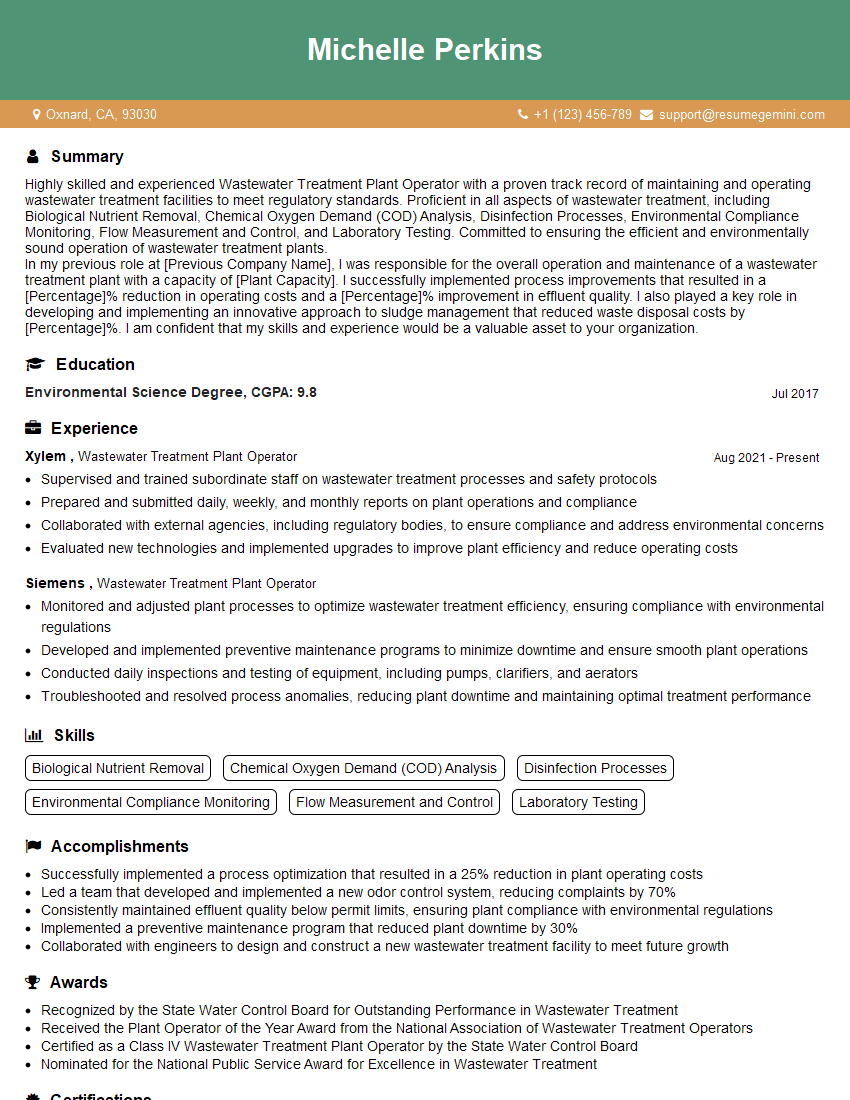
Wastewater Treatment Plant Operator Resume Sample
Explore more articles
Users Rating of Our Blogs
Share Your Experience
We value your feedback! Please rate our content and share your thoughts (optional).
What Readers Say About Our Blog
Very informative content, great job.
good