Interviews are opportunities to demonstrate your expertise, and this guide is here to help you shine. Explore the essential Weaning interview questions that employers frequently ask, paired with strategies for crafting responses that set you apart from the competition.
Questions Asked in Weaning Interview
Q 1. Describe the stages of infant weaning.
Infant weaning is a gradual process of transitioning from exclusive breastfeeding or formula feeding to a variety of solid foods. It’s not a single event, but rather a journey with several overlapping stages. While timelines vary, we generally see these stages:
- Stage 1: Introduction of solids (around 6 months): This involves starting with single-ingredient purees or soft, easily mashed foods. The focus is on introducing textures and flavors.
- Stage 2: Expanding textures and flavors (6-8 months): We introduce a wider variety of foods, including finely chopped or pureed vegetables, fruits, and meats. The baby begins to explore different tastes and textures.
- Stage 3: Finger foods and self-feeding (8-12 months): The baby starts to develop fine motor skills and enjoys self-feeding. We offer soft, easily manageable finger foods like cooked pasta, soft fruits, and small pieces of well-cooked vegetables.
- Stage 4: Family meals (12+ months): The baby is now eating a wider range of foods, participating in family meals, and transitioning to adult table foods, albeit in appropriately sized portions and textures. This stage focuses on establishing healthy eating habits.
It’s crucial to remember that these stages are guidelines, and each baby develops at their own pace.
Q 2. What are the recommended ages for introducing solids?
The recommended age for introducing solids is around 6 months of age. This is when most infants show developmental readiness, including the ability to sit with support, head control, and showing interest in food. However, it’s vital to follow your pediatrician’s advice, as individual infants may mature at different rates. Introducing solids too early can increase the risk of allergies or choking, while introducing them too late can lead to nutritional deficiencies.
Q 3. Explain the difference between baby-led weaning and purees.
Baby-led weaning (BLW) and purees are two different approaches to introducing solids. With purees, the caregiver prepares smooth, often blended, foods and feeds the baby using a spoon. This method provides a controlled introduction of flavors and textures. Baby-led weaning, on the other hand, encourages the baby to self-feed from the start, using soft, appropriately-sized pieces of food that they can pick up and manage themselves. For example, soft cooked carrots sticks, steamed broccoli florets, or pieces of ripe avocado. BLW emphasizes the baby’s self-regulation and exploration of food. Both approaches are perfectly viable, and the best choice depends on the family’s preferences and the baby’s individual development.
Q 4. How do you address common weaning challenges like gagging or refusal of solids?
Gagging and refusal of solids are common challenges during weaning. Gagging is a normal reflex to protect the airway and is different from choking. If your baby gags, remain calm and supportive; it’s their way of learning to manage food in their mouth. Choking is a serious emergency, requiring immediate intervention. Learn the Heimlich maneuver for infants. For refusal of solids, try offering a variety of foods, presenting food in different ways (e.g., different textures or temperatures), and ensuring a relaxed and enjoyable feeding environment. Don’t force your baby to eat and avoid power struggles over food. If the refusal persists, consult your pediatrician to rule out any underlying issues.
Q 5. What are the signs of readiness for weaning?
There are several signs indicating readiness for weaning. These include:
- Good head and neck control: The baby can sit upright with minimal support.
- Interest in food: They show interest in watching others eat and may try to grab food from your plate.
- Loss of the tongue-thrust reflex: The baby no longer automatically pushes food out of their mouth with their tongue.
- Ability to swallow: They can successfully swallow pureed foods or soft solids.
- Weight gain: The baby has achieved a healthy weight gain since birth.
Remember, these signs often appear around 6 months, but it is crucial to follow your child’s cues and individual development.
Q 6. Discuss the nutritional needs of infants during weaning.
During weaning, infants need a balanced diet that provides sufficient energy, nutrients, and essential vitamins and minerals for their growth and development. Breast milk or formula continues to be a vital source of nutrition throughout the weaning period and ideally for the first year of life or longer. Introducing iron-rich foods, such as fortified cereals, meat purees, and legumes is essential. Other important nutrients include Vitamin D (often supplemented), Vitamin A, zinc, and calcium. Always consult with a pediatrician or registered dietitian for tailored dietary recommendations to meet your baby’s specific needs.
Q 7. What are some common food allergies and how are they managed during weaning?
Common food allergies during weaning include cow’s milk protein, eggs, peanuts, tree nuts, soy, wheat, fish, and shellfish. Management involves a gradual introduction of potential allergens, one at a time, monitoring for any allergic reactions. Signs of an allergic reaction can range from mild (rash, hives) to severe (anaphylaxis). It’s crucial to consult with a pediatrician or allergist for guidance on introducing potential allergens and managing any allergies discovered. Never introduce multiple new foods simultaneously during weaning. It is important to keep a detailed food diary to track what foods the baby is eating and if there are any reactions.
Q 8. Explain the importance of introducing iron-rich foods.
Introducing iron-rich foods during weaning is crucial because infants’ iron stores acquired from their mothers during pregnancy begin to deplete around 6 months of age. Iron is essential for healthy red blood cell production, preventing anemia, and supporting cognitive development. A deficiency can lead to fatigue, developmental delays, and impaired immune function. Therefore, it’s vital to start introducing iron-rich foods as part of complementary feeding, alongside breastfeeding or formula.
Examples of iron-rich foods include: iron-fortified cereals, pureed meats (e.g., chicken, beef, lamb), lentils, beans, and spinach. Remember that the bioavailability of iron varies depending on the food source and other dietary components. For instance, iron from heme sources (meat) is more readily absorbed than non-heme iron (plants). Offering foods rich in Vitamin C alongside non-heme iron sources can improve absorption.
Q 9. How do you counsel parents on appropriate portion sizes for infants?
Counseling parents on appropriate portion sizes requires a nuanced approach. It’s not about rigid measurements but rather observing the infant’s cues. Start with very small portions – think 1-2 teaspoons of a new food. The goal is to introduce the taste and texture, not to fill the baby’s belly. Gradually increase the amount as the baby shows interest and demonstrates readiness.
I often use analogies to help parents understand: think of a spoonful of food as a sample, not a main course. We encourage parents to offer a variety of foods and let the baby decide how much they want to eat. It’s vital to avoid forcing or pressuring the baby to finish their food. We also explain that appetite varies from day to day, and that’s perfectly normal.
Furthermore, I use visual aids like charts or pictures that illustrate appropriate portion sizes for different age groups, keeping in mind individual variations. Each child’s developmental stage and energy needs should be taken into consideration.
Q 10. Describe various methods for introducing new foods.
Introducing new foods can be done in several ways, depending on the infant’s developmental stage and preferences. The most common methods include:
- Single-ingredient introduction: This involves offering one new food at a time, waiting 2-3 days to observe for any allergic reactions before introducing another. This allows for easier identification of any potential allergens.
- Purees: Smooth purees are ideal for starting solids, as they are easy to swallow and digest. As the baby gets older, you can gradually increase the texture.
- Mashed foods: Once the baby is comfortable with purees, mashed foods can be introduced. This offers a different texture and helps develop chewing skills.
- Finger foods: Around 6-9 months, soft finger foods like steamed vegetables, soft fruits, and cooked pasta can be introduced, promoting self-feeding and hand-eye coordination.
- Baby-led weaning (BLW): This approach allows the baby to self-feed from the start, offering soft, appropriately sized pieces of food. It empowers the baby and encourages them to explore different textures and tastes.
The chosen method depends on parental preference and the child’s development. Regardless of the method used, it’s crucial to ensure the food is appropriately cooked, soft, and cut into safe sizes to prevent choking hazards.
Q 11. What are the key indicators of successful weaning?
Successful weaning is indicated by several key factors, encompassing both physical and behavioral signs. Physically, the baby should be gaining weight appropriately and showing good growth. They should be able to sit up unsupported and demonstrate good head and neck control. Behaviorally, a successful transition is marked by the baby showing interest in food, willingly opening their mouth, and accepting a variety of tastes and textures. They should also be demonstrating age-appropriate chewing and swallowing skills. Another important sign is the baby showing satiation cues, such as turning their head away or pushing food away when they’ve had enough. If the baby is consistently refusing food or showing signs of discomfort during feeding, a professional assessment may be needed.
Q 12. How do you manage picky eating during weaning?
Picky eating is common during weaning. It’s not usually a sign of a problem but a normal developmental phase. Instead of forcing a child to eat disliked foods, I recommend a patient, repeated exposure strategy. Offer the disliked food alongside familiar and liked foods. Don’t pressure the child to eat it; simply make it available. Repeated exposure over time can make the child more receptive.
Another effective strategy is to involve the child in food preparation, increasing their interest in trying new things. Make mealtimes relaxed and enjoyable, free from pressure and conflict. Focus on offering a variety of healthy options rather than focusing on single foods. If concerns persist, consulting a registered dietitian or healthcare professional can be beneficial.
Q 13. Discuss the role of family history in guiding food introductions.
Family history plays a significant role in guiding food introductions, particularly regarding potential allergies and intolerances. If there’s a family history of allergies (e.g., eczema, asthma, food allergies), it’s crucial to introduce potential allergens one at a time, carefully monitoring for any reactions. This might involve introducing common allergens such as peanuts, eggs, milk, and wheat later in the weaning process and in smaller amounts initially than in families without a history of allergies. Consult a pediatrician or allergist for personalized advice if family history shows a predisposition to allergies.
Similarly, family history of digestive issues can influence food choices. If there’s a history of lactose intolerance or celiac disease, for example, it’s prudent to approach the introduction of dairy and gluten-containing foods with caution and monitor for symptoms. It’s always best to consult with a healthcare professional to create an individualized plan based on family medical history.
Q 14. What are the signs of food intolerance or allergy?
Signs of food intolerance or allergy can range from mild to severe. Mild signs might include mild skin rashes, slight eczema flare-ups, mild digestive upset (gas, fussiness, mild diarrhea or constipation), or reflux. More severe reactions can include hives, swelling of the face, lips, or tongue (angioedema), difficulty breathing, vomiting, or a sudden drop in blood pressure (anaphylaxis). Anaphylaxis is a medical emergency and requires immediate medical attention.
It’s crucial to note that not all reactions are immediate. Some allergic reactions can develop several hours after eating the offending food. Maintaining a detailed food diary and consulting a healthcare professional if symptoms arise is vital for accurate diagnosis and management. Early identification and management of food allergies and intolerances are crucial for the baby’s well-being.
Q 15. How do you address parental concerns and anxieties related to weaning?
Addressing parental concerns during weaning is crucial for a smooth transition. Many parents worry about their baby’s nutritional needs, potential allergies, and the overall process of introducing solids. I begin by actively listening to their anxieties, validating their feelings, and emphasizing that weaning is a gradual and individualized journey. I then provide evidence-based information about age-appropriate foods, portion sizes, and signs of readiness. For example, if a parent is worried about allergies, I explain how to introduce potential allergens one at a time, observing for any reactions. I also empower parents by providing them with practical strategies and resources, such as recipe ideas, age-appropriate feeding charts, and contact information for support groups or healthcare professionals.
I often use analogies to help parents understand the process. For instance, I might compare weaning to learning to ride a bike: it takes time, practice, and there will be some wobbles along the way. The key is patience, encouragement, and celebrating small successes. I reassure them that it’s okay if their baby doesn’t accept every new food immediately. It’s a learning process for both the parent and the child.
Career Expert Tips:
- Ace those interviews! Prepare effectively by reviewing the Top 50 Most Common Interview Questions on ResumeGemini.
- Navigate your job search with confidence! Explore a wide range of Career Tips on ResumeGemini. Learn about common challenges and recommendations to overcome them.
- Craft the perfect resume! Master the Art of Resume Writing with ResumeGemini’s guide. Showcase your unique qualifications and achievements effectively.
- Don’t miss out on holiday savings! Build your dream resume with ResumeGemini’s ATS optimized templates.
Q 16. What are the benefits of breastfeeding alongside weaning?
Continuing breastfeeding alongside weaning offers numerous benefits. Breast milk remains a crucial source of nutrients, antibodies, and comfort for the baby, even after solids are introduced. The antibodies in breast milk protect the baby’s developing immune system, reducing the risk of infections. Breast milk also provides easily digestible nutrients that complement the solids being introduced. It’s important to note that the baby’s nutritional needs will change during this process and breast milk will make up a smaller proportion of their intake as they consume more solids.
Beyond nutrition, breastfeeding provides emotional comfort and security, which can be especially important during the weaning transition. It can help soothe a fussy baby and ease anxiety about new foods. The combination of breast milk and solid foods allows for a gradual, less stressful transition. The duration of breastfeeding alongside weaning is individualized, with many mothers continuing to breastfeed for several months or even years after starting solids.
Q 17. Explain the importance of monitoring infant growth during weaning.
Monitoring infant growth during weaning is essential to ensure that the baby is receiving adequate nutrition. Regular weight checks, plotted on a growth chart, allow for early detection of any problems. I advise parents to keep a food diary, noting the types and amounts of food their baby consumes, as well as the baby’s bowel movements. This information helps assess nutrient intake and identify any potential issues early on. For example, if a baby’s weight gain slows down significantly, it could indicate that they’re not consuming enough calories. Similarly, a sudden change in bowel habits might indicate a problem with digestion or food intolerances.
A multidisciplinary approach may be needed to support the baby’s needs. I use age-appropriate growth charts to monitor progress. I would refer a child to a dietitian or other healthcare professional if significant weight concerns arise, ensuring the baby is receiving proper nutrition. The key is consistent monitoring and proactive interventions.
Q 18. How do you address constipation or diarrhea related to weaning?
Constipation and diarrhea are common issues during weaning, often related to the introduction of new foods. Constipation can be addressed by increasing the baby’s fluid intake (breast milk or formula) and introducing foods rich in fiber, such as fruits and vegetables. Offering foods like prunes or pears, known for their laxative effect, can also help. It is important to exclude potential allergies as the cause of diarrhoea. If constipation persists, a gentle abdominal massage may help, but always consult with a healthcare professional to rule out underlying medical conditions.
Diarrhea, on the other hand, requires careful monitoring. It’s important to ensure adequate hydration. If the diarrhea is severe or persistent, involving a healthcare professional is vital to rule out any infections or intolerances. In milder cases, I would advise reducing the amount of new foods being introduced and focusing on easily digestible options, such as plain rice cereal.
Q 19. What are the strategies for managing choking hazards during weaning?
Choking is a significant concern during weaning. The key is to introduce foods in age-appropriate textures and sizes. Starting with pureed foods, then progressing to mashed foods, and finally to soft, bite-sized pieces, reduces the risk. Foods that are a common choking hazard such as nuts, popcorn, whole grapes, and hot dogs should be avoided. I advise parents to always supervise their baby during mealtimes, ensuring they are seated upright and eating in a calm environment. I demonstrate and show parents the correct techniques for cutting food into appropriate sizes. For example, grapes should be cut lengthwise into quarters, and hotdogs should be cut into small, flat pieces.
I emphasize the importance of never leaving a baby unsupervised while eating. Parents should also be aware of the signs of choking, such as coughing, gagging, or difficulty breathing. Knowing how to perform infant CPR is a valuable skill for parents during this period.
Q 20. Discuss the role of texture progression in weaning.
Texture progression in weaning is a crucial aspect of development. It allows babies to gradually develop their chewing and swallowing skills. Starting with smooth purees allows the baby to get used to the different sensations and textures of food in their mouth. Slowly, the texture is gradually progressed to mashed foods, then soft lumpy foods and finally to more textured foods that require chewing.
This gradual progression is important because it builds the muscles required for chewing and swallowing and helps prevent choking. The appropriate timing of texture progression should be individualised and guided by the baby’s developmental milestones and readiness cues. For example, a baby who is showing signs of chewing and attempting to bite might be ready for a more textured food, while a baby who is still struggling with swallowing smooth purees may need more time before progressing to lumpy foods. A good rule of thumb is to observe the baby’s ability to manage the texture before moving on to the next stage.
Q 21. What are some creative ways to increase food variety and acceptance?
Increasing food variety and acceptance requires creativity and patience. One effective strategy is to involve the baby in the preparation and presentation of food. Letting them help wash vegetables or stir ingredients can make them more interested in trying the food. Another helpful tactic is offering a small sample of new foods alongside familiar favorites. This ‘pairing’ can make the new food less intimidating.
Presentation matters a great deal; making food visually appealing can make it more tempting. Try cutting foods into fun shapes using cookie cutters or serving them in colorful bowls. Repeated exposure to a food is also vital. Don’t be discouraged if your baby rejects a new food the first time; it might take multiple tries before they accept it. It’s also important to remember that offering a variety of healthy options does not guarantee a baby will eat everything – that’s fine!
Q 22. How do you incorporate cultural dietary preferences into weaning plans?
Incorporating cultural dietary preferences into weaning plans is crucial for respecting family traditions and ensuring successful nutritional intake. It’s not about compromising safety but about finding culturally appropriate ways to introduce new foods.
For instance, if a family traditionally uses pureed lentils as a first food, we can work with that, ensuring the lentils are cooked thoroughly and appropriately mashed for the infant’s developmental stage. Similarly, if a family uses specific spices in their cuisine, we can introduce them gradually, monitoring for any allergic reactions. The key is open communication and collaboration. We can provide guidance on safe preparation and portion sizes while adapting our recommendations to fit within the family’s existing food habits. We might suggest introducing new textures and flavors within the familiar framework of their cultural dishes. A visual aid, such as a culturally relevant food chart, can be helpful. For example, a chart showing different stages of weaning using familiar local ingredients can enhance parent understanding.
Q 23. What are the potential long-term effects of poor weaning practices?
Poor weaning practices can have significant and long-lasting impacts on a child’s health and development. These consequences can extend to various aspects of well-being.
- Nutritional Deficiencies: Inadequate introduction of diverse nutrients can lead to deficiencies in iron, zinc, vitamin D, and other essential micronutrients, increasing the risk of anemia, weakened immunity, and impaired growth.
- Allergies and Intolerances: Delayed introduction of potential allergens can paradoxically increase the risk of developing allergies. Conversely, early introduction of allergenic foods is considered beneficial in many situations. This is a complex area needing expert advice.
- Food Preferences and Habits: Restrictive or inappropriate weaning practices can influence food preferences and potentially lead to picky eating, disordered eating patterns, or even obesity in later life.
- Oral Motor Development: Failure to provide opportunities for exploration and self-feeding can delay the development of oral motor skills necessary for proper chewing and swallowing.
- Gastrointestinal Problems: Introducing foods too early, or in unsuitable forms, can trigger digestive problems such as colic, diarrhea, or constipation.
Therefore, careful planning and gradual introduction of a variety of foods are essential to prevent these potential long-term health problems.
Q 24. How do you address specific dietary needs, such as allergies or intolerances?
Addressing specific dietary needs, such as allergies or intolerances, requires careful planning and close monitoring. It’s vital to have a thorough medical history of the infant, family history of allergies, and to conduct allergy tests if there are concerns.
If a known allergy exists (e.g., cow’s milk allergy), we eliminate the allergen completely from the diet and replace it with suitable alternatives (e.g., hypoallergenic formula, soy milk). We carefully read all food labels for hidden allergens. For suspected intolerances or allergies, a gradual introduction of potential allergens in small quantities is essential, observing for any adverse reactions. We work closely with pediatricians, dieticians, and allergists to develop personalized plans that minimize risks and ensure adequate nutrition. A food diary can be extremely helpful in tracking food intake and identifying any potential triggers. Involving parents in the process through providing clear instructions and encouraging them to contact us with any questions or concerns is paramount.
Q 25. Describe the use of assistive feeding devices if necessary.
Assistive feeding devices are tools used to support infants with difficulty eating or swallowing. The choice of device depends on the individual’s needs and abilities, which are often determined by a speech therapist or occupational therapist.
- Adaptive Spoons: These are specially designed spoons with deeper bowls and longer handles to aid in scooping and delivery of food.
- Sippy Cups: These help transition from bottle-feeding to cup drinking, and various designs cater to different abilities.
- Specialized Bottles: For infants with difficulty sucking, specialized bottles with different flow rates or nipples can be used.
- Specialized Cutlery: As the child progresses, adaptive forks and knives can aid in self-feeding.
Introducing assistive devices requires careful teaching and practice. The therapist will guide parents on the appropriate use and timing of these tools. It’s important to make the process positive and encouraging, avoiding pressure or frustration.
Q 26. How do you educate parents about safe food handling practices during weaning?
Educating parents about safe food handling practices is a cornerstone of successful weaning. We use a multi-faceted approach emphasizing practical advice and reinforcing key principles.
- Hygiene: Thorough handwashing before preparing and handling food is stressed. Cleanliness of surfaces and utensils is equally important.
- Food Storage: Correct storage techniques to prevent bacterial growth, including refrigeration and freezing, are explained. We emphasize the ‘use-by’ dates on pre-prepared foods.
- Temperature Control: Ensuring food is cooked thoroughly and cooled appropriately is highlighted. We emphasize the dangers of reheating food multiple times.
- Allergen Awareness: Parents are advised to carefully read food labels and avoid cross-contamination of foods.
- Choking Hazards: We discuss appropriate food textures for different developmental stages and explain how to cut food into small, manageable pieces to minimize choking risk. We provide examples of safe vs. unsafe foods, using clear visuals.
Providing written materials, demonstrations, and follow-up consultations further reinforces these messages. Regular check-ups with the health visitor or pediatrician allow for ongoing monitoring and addressing any concerns.
Q 27. How do you assess the developmental readiness for different feeding techniques?
Assessing developmental readiness for different feeding techniques is crucial for a smooth and successful weaning process. We consider several developmental milestones:
- Head and Neck Control: The ability to sit upright with good head control is essential before introducing solids, as this prevents choking.
- Oral Motor Skills: The infant should demonstrate the ability to move food around the mouth and swallow without difficulty. We observe tongue movements and swallowing patterns.
- Interest in Food: The baby should show interest in food being eaten by others, reaching for food, or opening their mouth when offered a spoon.
- Gag Reflex: The gag reflex, a natural protective mechanism, helps infants manage food in their mouths. We monitor its presence and response to different textures.
- Developmental Age: Generally, weaning is introduced around 6 months of age, but this can be adjusted based on individual developmental readiness. Early indicators, such as the infant’s ability to hold their head up steadily and show an interest in food are key.
Regular monitoring and observations during feeding sessions allow us to make informed decisions about when to introduce new feeding techniques (e.g., self-feeding, using a cup).
Q 28. What are some common misconceptions regarding infant weaning?
Several common misconceptions surround infant weaning, which can lead to suboptimal nutritional outcomes and even safety concerns.
- ‘One-food-at-a-time’ approach: This outdated method can delay the introduction of a variety of nutrients and might not be necessary, except for monitoring potential allergic reactions. Introducing a variety of foods gradually is generally preferred.
- Introducing foods too early: Starting solids before the infant is developmentally ready can lead to choking and digestive problems. Waiting until around 6 months is usually recommended.
- Using cow’s milk too early: Cow’s milk is not a suitable replacement for breast milk or formula in the first year of life, except under expert medical guidance. Introducing it too early may have digestive and immunological implications.
- Believing that only purees are appropriate: Offering a variety of textures, such as mashed, soft, and finger foods, from an early stage encourages healthy oral motor development.
- Ignoring signs of allergies or intolerances: Any signs of allergic reactions (rashes, vomiting, diarrhea, difficulty breathing) should be taken seriously and addressed promptly.
Addressing these misconceptions is crucial in providing parents with the accurate information they need for their child’s healthy development. It’s important to emphasize that a personalized and flexible approach is needed. We should encourage parents to discuss any concerns or questions with healthcare professionals to develop an optimized plan.
Key Topics to Learn for Weaning Interview
- Nutritional Needs During Weaning: Understand the evolving nutritional requirements of infants transitioning from breast milk or formula to solid foods. Explore the role of macronutrients, micronutrients, and the importance of introducing diverse food groups.
- Safe Food Introduction Practices: Master the principles of safe food handling and preparation for infants. This includes understanding allergen introduction, choking hazards, and food safety guidelines.
- Developmental Milestones and Weaning: Learn how to assess an infant’s readiness for weaning based on developmental milestones, such as sitting unsupported and showing interest in food.
- Common Challenges and Problem-Solving: Familiarize yourself with common issues encountered during weaning, such as food refusal, allergies, and digestive problems. Develop strategies for addressing these challenges effectively.
- Parental Education and Support: Understand the importance of providing parents with clear, concise, and evidence-based information to support them through the weaning process. This includes addressing common anxieties and misconceptions.
- Monitoring Growth and Development: Learn how to monitor an infant’s growth and development during weaning, identifying any potential nutritional deficiencies or concerns.
- Different Weaning Approaches: Explore various weaning methods (e.g., baby-led weaning, traditional purees) and their advantages and disadvantages.
Next Steps
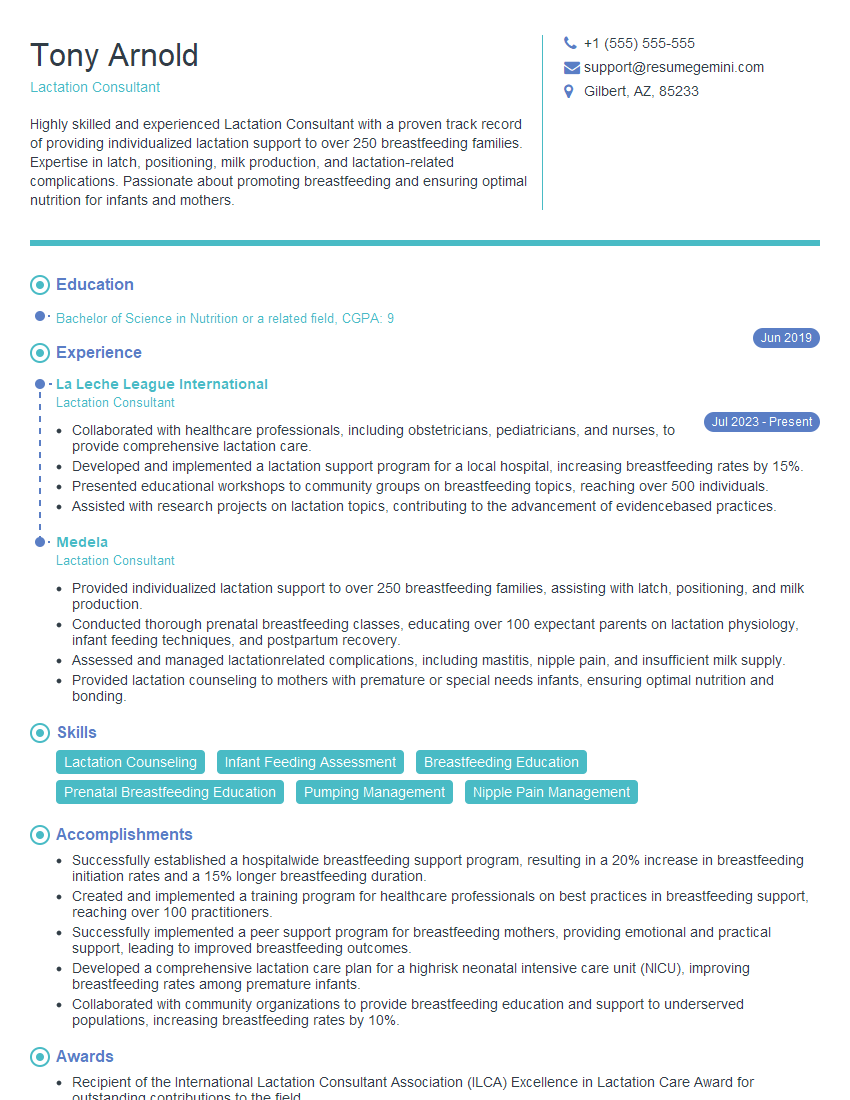
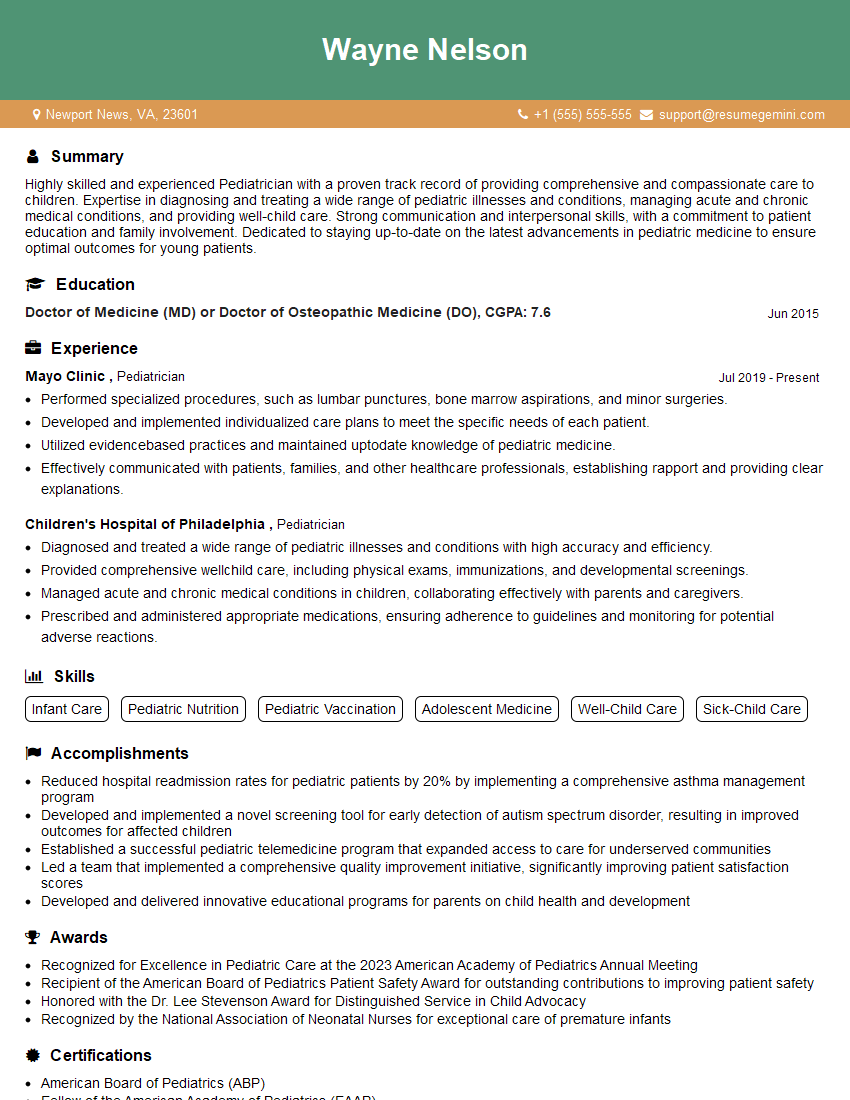
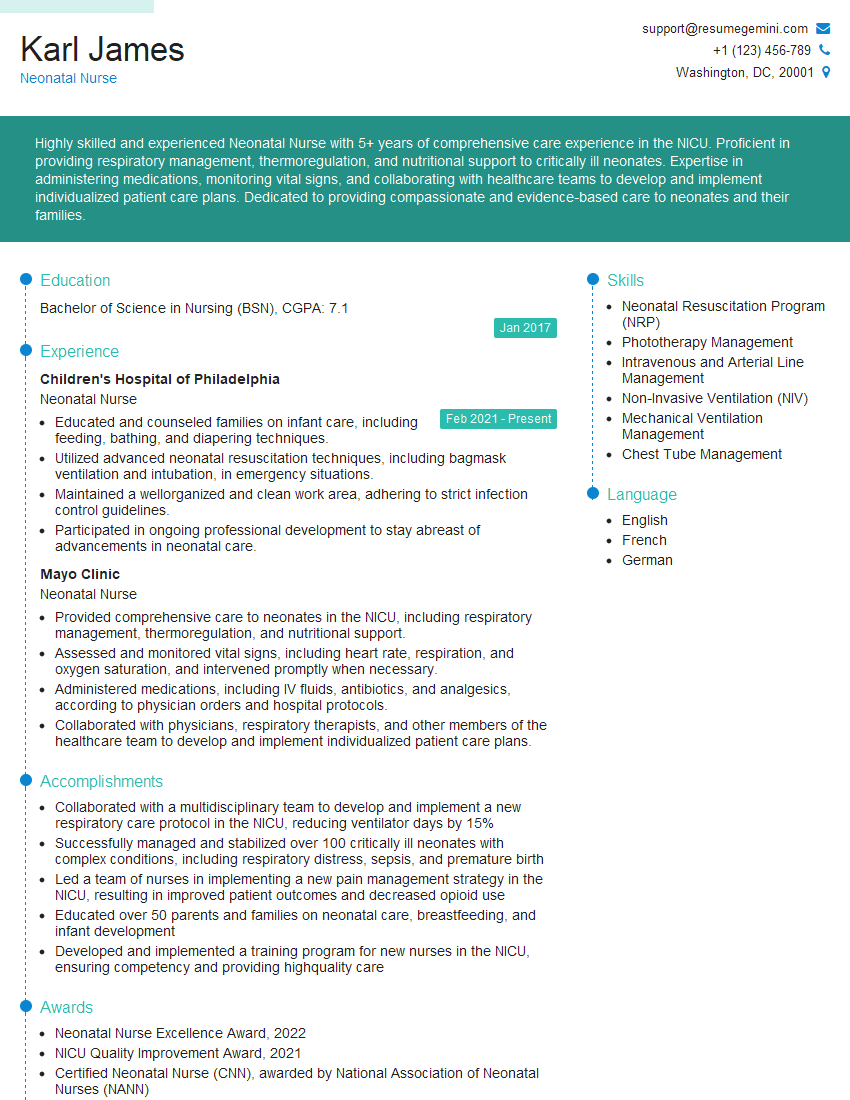
Mastering the complexities of weaning is crucial for a rewarding career in infant nutrition and childcare. A strong understanding of these principles will significantly enhance your job prospects and allow you to make a real difference in the lives of infants and their families. To increase your chances of landing your dream role, creating an ATS-friendly resume is essential. ResumeGemini is a trusted resource that can help you craft a professional and impactful resume that highlights your skills and experience. Examples of resumes tailored to the Weaning field are available to help guide you.
Explore more articles
Users Rating of Our Blogs
Share Your Experience
We value your feedback! Please rate our content and share your thoughts (optional).
What Readers Say About Our Blog
good