Preparation is the key to success in any interview. In this post, we’ll explore crucial Weight Management and Nutrition interview questions and equip you with strategies to craft impactful answers. Whether you’re a beginner or a pro, these tips will elevate your preparation.
Questions Asked in Weight Management and Nutrition Interview
Q 1. Explain the difference between macronutrients and micronutrients.
Macronutrients and micronutrients are both essential for our health, but they differ significantly in their function and the quantities our bodies need. Macronutrients are the energy-providing components of our diet: carbohydrates, proteins, and fats. We need these in relatively large amounts to fuel our bodies. Micronutrients, on the other hand, are vitamins and minerals. We need them in smaller quantities, but they are crucial for various metabolic processes and overall health. Think of it like this: macronutrients are the fuel for your car, while micronutrients are the spark plugs – you need both to get it running smoothly.
- Macronutrients:
- Carbohydrates: Provide the body’s primary source of energy. Examples include bread, rice, pasta, and fruits.
- Proteins: Essential for building and repairing tissues, making enzymes and hormones. Examples include meat, fish, beans, and lentils.
- Fats: Provide energy, support cell function, and help absorb certain vitamins. Examples include oils, avocados, nuts, and seeds.
- Micronutrients:
- Vitamins: Organic compounds needed for various bodily functions. Examples include Vitamin C (for immune function) and Vitamin D (for calcium absorption).
- Minerals: Inorganic elements crucial for numerous processes. Examples include iron (for red blood cell production) and calcium (for bone health).
Q 2. Describe the role of fiber in weight management.
Fiber plays a crucial role in weight management. It’s a type of carbohydrate that the body can’t digest, which means it adds bulk to your stool and promotes regularity. This helps prevent constipation and keeps your digestive system healthy. More importantly for weight management, fiber makes you feel fuller for longer. This is because it slows down digestion and absorption of nutrients, preventing blood sugar spikes and keeping you satisfied between meals, reducing overall calorie intake. Think of fiber as a natural appetite suppressant. It also helps regulate blood sugar levels, which can contribute to weight gain if uncontrolled.
For example, a diet rich in fiber-rich foods like fruits, vegetables, and whole grains will naturally lead to consuming fewer calories overall because you’ll feel full sooner and for a longer duration. This, in conjunction with a balanced diet and regular exercise, supports effective and sustainable weight loss.
Q 3. What are the components of a balanced meal plan?
A balanced meal plan should incorporate all the macronutrients and micronutrients in appropriate proportions. It’s not just about eating enough; it’s about eating the right things. A balanced meal generally consists of:
- Lean Protein: Provides essential amino acids for building and repairing tissues. Examples include chicken breast, fish, beans, lentils, tofu.
- Complex Carbohydrates: Provide sustained energy release. Examples include whole grains (brown rice, quinoa, oats), fruits, and vegetables.
- Healthy Fats: Provide essential fatty acids and support various bodily functions. Examples include avocados, nuts, seeds, olive oil.
- Fruits and Vegetables: Rich in vitamins, minerals, and fiber, essential for overall health. Aim for a variety of colors for a wider range of nutrients.
Portion control is also key. Understanding your daily caloric needs and dividing those calories across multiple balanced meals throughout the day is critical for effective weight management.
Q 4. How do you calculate Basal Metabolic Rate (BMR)?
Basal Metabolic Rate (BMR) is the number of calories your body burns at rest to maintain basic functions like breathing and heart rate. There are several formulas to estimate BMR, but they generally use factors like age, sex, weight, and height. One common formula is the Mifflin-St Jeor equation:
For Men: BMR = (10 × weight in kg) + (6.25 × height in cm) – (5 × age in years) + 5
For Women: BMR = (10 × weight in kg) + (6.25 × height in cm) – (5 × age in years) – 161
Example: Let’s say a 30-year-old woman weighs 60kg and is 165cm tall. Her estimated BMR would be: (10 × 60) + (6.25 × 165) – (5 × 30) – 161 = 1376 calories.
It’s crucial to remember that these are just estimations. Individual BMRs can vary based on factors like muscle mass, genetics, and overall health.
Q 5. What are the common nutritional deficiencies and their symptoms?
Nutritional deficiencies can significantly impact health and well-being, often manifesting with various symptoms. Some common deficiencies include:
- Iron Deficiency (Anemia): Symptoms include fatigue, weakness, pale skin, shortness of breath. Iron is crucial for red blood cell production.
- Vitamin D Deficiency: Symptoms include bone pain, muscle weakness, fatigue. Vitamin D is essential for calcium absorption and bone health.
- Calcium Deficiency: Symptoms include weak bones (osteoporosis), muscle cramps, and increased risk of fractures. Calcium is critical for bone strength and many other bodily functions.
- Vitamin B12 Deficiency: Symptoms include fatigue, weakness, numbness, tingling in the extremities. B12 is crucial for nerve function and red blood cell formation.
It’s important to note that these are just a few examples, and symptoms can vary. A blood test is the best way to diagnose a nutritional deficiency. A balanced diet, including a variety of nutrient-rich foods, is the best way to prevent deficiencies.
Q 6. Explain the concept of glycemic index and its importance.
The glycemic index (GI) is a ranking system for carbohydrate-containing foods based on how quickly they raise blood glucose levels after eating. Foods with a high GI cause a rapid increase in blood sugar, while low-GI foods cause a slower, more gradual rise. This is important for weight management because rapid spikes in blood sugar often lead to subsequent crashes, leaving you feeling hungry and potentially leading to overeating. Maintaining stable blood sugar levels contributes to better appetite regulation and can aid in weight control.
Importance: Choosing low-GI foods helps prevent blood sugar fluctuations and promotes sustained energy. This is beneficial for people with diabetes, those trying to lose weight, and anyone seeking to maintain healthy blood sugar levels. For example, white bread has a high GI, leading to a rapid blood sugar spike. On the other hand, brown rice has a lower GI, leading to a slower and more stable rise in blood sugar.
Q 7. Describe different types of dietary approaches (ketogenic, Mediterranean, etc.).
Several dietary approaches have gained popularity for their potential health benefits and weight management properties. Here are a few examples:
- Ketogenic Diet: This diet is very low in carbohydrates, moderate in protein, and high in fat. The body switches to burning fat for energy (ketosis), which can lead to weight loss. However, it can have side effects and requires careful planning.
- Mediterranean Diet: This diet emphasizes fruits, vegetables, whole grains, legumes, nuts, and olive oil, with moderate amounts of fish and poultry. It’s rich in antioxidants and healthy fats and has been linked to various health benefits, including weight management and reduced risk of chronic diseases.
- DASH Diet (Dietary Approaches to Stop Hypertension): This diet focuses on fruits, vegetables, whole grains, and lean protein, with reduced sodium intake. It’s effective for managing blood pressure and can also aid in weight loss.
- Intermittent Fasting: This isn’t a diet in the traditional sense but a pattern of eating that involves cycling between periods of eating and voluntary fasting. It can promote weight loss by reducing overall calorie intake. However, it’s not suitable for everyone.
It’s crucial to consult with a healthcare professional or registered dietitian before starting any restrictive diet to ensure it’s appropriate for your individual needs and health status.
Q 8. How do you assess a client’s nutritional needs?
Assessing a client’s nutritional needs is a multi-faceted process that goes beyond simply looking at their weight. It involves a thorough understanding of their individual circumstances, preferences, and health status. I begin with a comprehensive intake, including a detailed health history, dietary assessment, and anthropometric measurements (height, weight, body mass index, waist circumference). This helps me identify potential nutrient deficiencies or excesses.
- Dietary Assessment: This involves a detailed review of their current eating habits, including food frequency, portion sizes, and meal timing. I might use food diaries, 24-hour recalls, or food frequency questionnaires to gather this information. For example, I’d look for patterns of excessive sugar intake, reliance on processed foods, or inadequate fruit and vegetable consumption.
- Biochemical Data: Blood work, such as complete blood count, lipid panel, and glucose levels, helps identify underlying medical conditions and nutrient deficiencies. For instance, low iron levels might indicate a need for iron supplementation.
- Lifestyle Factors: Understanding their physical activity levels, stress levels, sleep patterns, and medication use is crucial, as these factors significantly impact nutritional needs. A client who is highly stressed might benefit from stress-reducing strategies alongside dietary adjustments.
- Personal Preferences and Goals: Finally, I take into account their personal preferences, cultural background, and weight management goals. A vegetarian client’s nutritional needs differ significantly from someone who consumes meat regularly. Their weight loss goals, whether it’s a slow and steady approach or a more rapid one, also inform my recommendations.
Based on this comprehensive assessment, I develop a personalized nutritional plan that is realistic, sustainable, and tailored to their unique needs and goals.
Q 9. What are the ethical considerations in providing nutritional advice?
Ethical considerations are paramount in providing nutritional advice. My practice is guided by principles of autonomy, beneficence, non-maleficence, and justice.
- Autonomy: I respect clients’ right to make informed decisions about their health and nutrition. I present information clearly and avoid coercion, empowering them to choose the path they feel is best for them.
- Beneficence: I strive to act in the best interests of my clients, providing evidence-based advice and ensuring their safety and well-being. This includes referring clients to other healthcare professionals when necessary, such as a physician or registered dietitian, if their needs fall outside my expertise.
- Non-maleficence: I avoid causing harm. This means carefully considering potential risks and side effects associated with dietary recommendations and avoiding promoting fad diets or unproven interventions. For example, I would caution against extremely low-calorie diets, which can lead to nutrient deficiencies.
- Justice: I ensure fair and equitable access to nutritional services, regardless of a client’s socioeconomic status or background. This includes offering culturally sensitive care and adapting my recommendations to accommodate individual circumstances.
- Confidentiality: Maintaining client confidentiality is crucial. All information shared during consultations is kept private and only shared with other healthcare professionals involved in the client’s care with their explicit consent.
Maintaining ongoing professional development and adhering to the latest evidence-based guidelines are also essential ethical considerations, ensuring I provide the most accurate and effective advice.
Q 10. How do you address client resistance to dietary changes?
Addressing client resistance to dietary changes requires empathy, understanding, and a collaborative approach. It’s crucial to remember that changing ingrained eating habits is challenging. I address resistance by:
- Active Listening and Empathy: I begin by actively listening to their concerns and validating their feelings. Understanding their resistance is the first step to overcoming it. For instance, a client might resist changes due to time constraints, lack of cooking skills, or fear of deprivation.
- Setting Realistic Goals: Instead of drastic changes, I encourage small, achievable steps. For example, rather than eliminating all processed foods at once, we might focus on reducing their consumption gradually. Small successes build confidence and momentum.
- Collaborative Goal Setting: I work with the client to establish goals that are meaningful to them. The goals should be specific, measurable, achievable, relevant, and time-bound (SMART).
- Problem-Solving Together: I help them identify and address barriers to change. If a client says they lack time for cooking, we brainstorm solutions, such as meal prepping on the weekend or using quick and healthy recipes.
- Education and Empowerment: I provide them with the knowledge and skills they need to make informed food choices. This includes educating them about nutrition, healthy cooking techniques, and mindful eating practices.
- Positive Reinforcement and Support: Regular check-ins, encouragement, and celebrating small victories are key to maintaining motivation and adherence to the plan.
Ultimately, my goal is to empower clients to take control of their nutrition and make sustainable lifestyle changes, not to dictate what they should eat.
Q 11. Explain the role of exercise in weight management.
Exercise plays a vital role in weight management, extending beyond simple calorie burning. It contributes to overall health, improves body composition, and enhances the effectiveness of dietary changes.
- Increased Calorie Expenditure: Exercise directly burns calories, creating a calorie deficit necessary for weight loss. The intensity and duration of exercise determine the amount of calories burned.
- Improved Metabolism: Regular physical activity can boost metabolism, leading to increased calorie burning even at rest. This is because exercise builds muscle mass, and muscle tissue burns more calories than fat tissue.
- Increased Energy Expenditure: Exercise improves energy levels, reducing reliance on sugary snacks and processed foods for an energy boost.
- Improved Body Composition: Exercise promotes the development of lean muscle mass while reducing body fat. This leads to a healthier body composition, even if the scale doesn’t show significant weight changes.
- Enhanced Insulin Sensitivity: Exercise helps regulate blood sugar levels and improves insulin sensitivity, reducing the risk of type 2 diabetes and aiding in weight management.
- Psychological Benefits: Exercise reduces stress, improves mood, and increases self-esteem, all of which are crucial for successful weight management. These psychological benefits often help clients stay committed to their goals.
The type and intensity of exercise should be tailored to the individual’s fitness level and preferences. A combination of cardiovascular exercise and strength training is usually recommended.
Q 12. What are some common barriers to weight loss, and how can you overcome them?
Many barriers can hinder weight loss. Understanding these barriers is critical for creating effective strategies to overcome them.
- Lack of Motivation and Commitment: Weight loss requires sustained effort and commitment. Addressing the underlying reasons for a lack of motivation is crucial. This often involves setting realistic goals, identifying support systems, and focusing on the long-term benefits.
- Unrealistic Expectations: Expecting rapid weight loss or aiming for drastic changes can be demotivating. Gradual, sustainable changes are more likely to succeed.
- Lack of Knowledge and Support: Many individuals lack the necessary knowledge about healthy eating and exercise. Professional guidance and support can bridge this gap.
- Stress and Emotional Eating: Stress can trigger emotional eating, leading to weight gain. Stress management techniques, such as mindfulness or yoga, can be beneficial.
- Medical Conditions: Certain medical conditions, such as hypothyroidism or polycystic ovary syndrome (PCOS), can make weight loss more challenging. Addressing these underlying issues is essential.
- Lack of Time and Resources: Time constraints and limited access to healthy food options can present barriers. Strategies to overcome this include meal prepping, utilizing quick and healthy recipes, and finding accessible exercise options.
Overcoming these barriers involves creating a personalized plan that addresses each individual challenge. This includes providing education, setting realistic goals, providing support, and addressing any underlying medical conditions. A strong support system, including family, friends, or a therapist, can significantly improve adherence to the plan.
Q 13. How do you monitor a client’s progress and make adjustments to their plan?
Monitoring progress and making adjustments is an integral part of successful weight management. I use a multifaceted approach:
- Regular Check-ins: I schedule regular appointments with clients to review their progress, address concerns, and provide ongoing support. The frequency of these check-ins can vary based on individual needs.
- Weight Monitoring: While weight is only one indicator of progress, I monitor it regularly, recognizing that fluctuations are normal. The focus isn’t solely on the number on the scale but on overall health improvements.
- Measurements and Body Composition Analysis: I often utilize measurements like waist circumference and body composition analysis (such as bioelectrical impedance analysis) to track changes in body fat and muscle mass, providing a more holistic view of progress. These measurements provide a better picture than weight alone.
- Dietary Tracking and Feedback: Clients continue to track their food intake, allowing us to identify areas for improvement. We work together to address any challenges or plateaus.
- Feedback on Exercise Progress: Clients track their exercise routines, and we discuss progress, challenges, and modifications as needed.
- Plan Adjustments: Based on the data gathered, I adjust the nutritional and exercise plan as needed. This might involve refining portion sizes, swapping foods, altering the exercise routine, or addressing any emotional or psychological barriers.
The key is flexibility and collaboration. The plan is a living document, evolving based on the client’s progress and needs.
Q 14. Describe your experience with different types of weight loss surgeries and their nutritional implications.
I have experience working with clients pre- and post-weight loss surgery, understanding the significant nutritional implications. Different surgeries require different nutritional approaches.
- Gastric Bypass: This surgery reduces stomach size and alters the digestive pathway. Post-surgery, clients need to focus on smaller, frequent meals, consuming nutrient-dense foods to avoid deficiencies. They are often at increased risk of deficiencies in vitamins B12, iron, and calcium, requiring supplementation.
- Sleeve Gastrectomy: This surgery removes a portion of the stomach, reducing its capacity. Post-surgery, clients experience increased satiety but can still experience nutrient deficiencies, particularly iron and B vitamins. Careful monitoring and supplementation are vital.
- Gastric Banding: This procedure involves placing an inflatable band around the upper stomach to restrict food intake. Nutritional needs are generally less altered compared to bypass or sleeve gastrectomy, though clients still require guidance on portion control and nutrient-dense food choices.
In all cases, close collaboration with the surgical team is essential. I work closely with surgeons and other healthcare professionals to develop personalized post-operative nutritional plans that address specific needs, promote healing, and prevent complications. This involves detailed education on appropriate food choices, portion control strategies, and supplementation. Regular monitoring of nutrient levels and weight is crucial to ensure long-term success and well-being.
Q 15. What is your approach to educating clients about healthy eating habits?
My approach to educating clients about healthy eating habits is multifaceted and highly personalized. I begin by understanding their current dietary patterns, preferences, and any existing health conditions. Instead of imposing strict diets, I focus on making gradual, sustainable changes. This involves collaboratively creating a personalized plan that incorporates their food preferences and lifestyle.
We discuss the basics of balanced nutrition: macronutrient balance (proteins, carbohydrates, and fats), portion control, and the importance of consuming a variety of nutrient-rich foods. I utilize visual aids like MyPlate to illustrate these concepts. We also address common misconceptions about dieting and explore practical strategies for meal preparation and grocery shopping. For example, I might guide a client to swap white bread for whole-wheat, gradually increase vegetable intake, or plan simple, healthy meals for the week. Regular follow-up sessions allow us to track progress, address challenges, and adjust the plan as needed. The ultimate goal is to empower clients to make informed food choices that support their long-term health and well-being.
Career Expert Tips:
- Ace those interviews! Prepare effectively by reviewing the Top 50 Most Common Interview Questions on ResumeGemini.
- Navigate your job search with confidence! Explore a wide range of Career Tips on ResumeGemini. Learn about common challenges and recommendations to overcome them.
- Craft the perfect resume! Master the Art of Resume Writing with ResumeGemini’s guide. Showcase your unique qualifications and achievements effectively.
- Don’t miss out on holiday savings! Build your dream resume with ResumeGemini’s ATS optimized templates.
Q 16. How do you incorporate cultural considerations into nutritional counseling?
Cultural considerations are paramount in nutritional counseling. Dietary habits are deeply rooted in culture, and ignoring this aspect can lead to poor adherence and frustration. I begin by actively listening to understand a client’s cultural background, traditional foods, and any religious or social dietary restrictions (e.g., halal, kosher, vegetarianism). I aim to respect and integrate these aspects into their personalized plan rather than trying to replace them entirely.
For instance, if a client enjoys rice as a staple, I wouldn’t eliminate it but rather suggest healthier cooking methods or swapping white rice for brown rice. Similarly, if certain spices or herbs are integral to their cuisine, I’ll explore ways to incorporate them into healthy recipes. I also strive to learn about culturally appropriate portion sizes and meal timing. By working collaboratively, we find ways to bridge cultural preferences with healthy eating principles, ensuring the plan feels relevant and sustainable for the client.
Q 17. How do you handle conflicting dietary recommendations from other healthcare professionals?
Handling conflicting dietary recommendations requires careful communication and collaboration. My priority is the client’s well-being, and I approach these situations with respect for all involved healthcare professionals. I would first review the conflicting recommendations to identify the discrepancies and underlying rationale for each. Then, I schedule a meeting with the client to openly discuss the different recommendations and their potential implications.
I would explain the rationale behind my recommendations, emphasizing the scientific evidence supporting my approach, while acknowledging the validity of other perspectives. This isn’t about proving who’s ‘right’ but about finding a unified strategy that aligns with the client’s overall health goals and preferences. In some cases, collaboration with other healthcare professionals might be necessary to ensure a cohesive and effective plan. The ultimate decision about dietary choices rests with the client, informed by all available information and their individual needs.
Q 18. Describe your experience with meal planning software or apps.
I have extensive experience using various meal planning software and apps, both for personal use and to support my clients. These tools offer several advantages, including the ability to track calorie intake, macronutrient ratios, and micronutrient intake. They also assist with recipe creation and grocery list generation. I often utilize apps like MyFitnessPal or Cronometer to help clients monitor their food intake and make informed choices.
However, I emphasize that these apps are tools, not replacements for personalized guidance. I carefully select apps based on their accuracy, user-friendliness, and alignment with my nutritional philosophy. I don’t rely solely on an app’s recommendations but use them to complement my professional expertise, ensuring the plans created are appropriate for the client’s individual needs, preferences, and health status. Over-reliance on apps can lead to restrictive eating or disordered eating behaviors, which I actively work to prevent.
Q 19. What are your strategies for promoting long-term weight management?
Promoting long-term weight management is far more than just achieving short-term weight loss; it’s about cultivating sustainable lifestyle changes. My strategies focus on building healthy habits that are integrated into daily life. This starts with fostering a positive relationship with food, emphasizing mindful eating, and avoiding restrictive dieting. We work together to identify potential triggers for unhealthy eating and develop coping mechanisms.
Regular physical activity is also crucial. We collaboratively set realistic fitness goals and explore activities the client enjoys. Beyond diet and exercise, addressing psychological aspects is essential. I encourage stress management techniques such as mindfulness, yoga, or spending time in nature, as stress significantly impacts food choices and weight management. We discuss strategies to improve sleep quality, since inadequate sleep can negatively affect hormones that regulate appetite. Continuous support and regular check-ins are key, offering encouragement and addressing any challenges that may arise over time. The ultimate goal is to empower clients to take control of their health and well-being for the long term.
Q 20. How do you motivate clients to adhere to their dietary plans?
Motivating clients to adhere to their dietary plans requires a multi-pronged approach that centers on building rapport and fostering self-efficacy. I focus on setting realistic and achievable goals, celebrating small wins, and adapting the plan as needed to address any challenges. Instead of focusing solely on weight loss, we celebrate improvements in energy levels, sleep quality, or other positive health indicators.
I provide regular support and encouragement, acting as a coach and mentor throughout the process. This includes open communication, active listening, and empathetic responses. We jointly problem-solve obstacles, adjusting strategies as needed. Involving family and friends in the process can provide additional support and accountability. I might also suggest joining a support group or utilizing resources like online communities to connect with others on a similar journey. By empowering clients to take ownership of their health and celebrate their progress, I build self-efficacy, promoting long-term adherence.
Q 21. Explain the importance of hydration in weight management.
Hydration plays a vital role in weight management. Water is essential for numerous bodily functions, including metabolism, nutrient absorption, and waste removal. Adequate hydration can help curb appetite, as sometimes thirst is mistaken for hunger. Drinking water before meals can promote satiety, leading to reduced calorie intake.
Furthermore, water helps regulate body temperature and supports physical activity, both crucial for weight management. Dehydration can lead to fatigue, decreased metabolic rate, and increased hunger, hindering weight loss efforts. I encourage clients to drink plenty of water throughout the day, aiming for at least eight glasses, adjusting based on individual needs and activity levels. I also suggest incorporating hydrating foods like fruits and vegetables into their diet. By prioritizing hydration, we can optimize the body’s natural weight-management processes.
Q 22. Describe your understanding of food labels and nutrition facts panels.
Food labels and nutrition facts panels are crucial tools for making informed food choices. They provide a standardized way to understand the nutritional content of packaged foods. Understanding these labels empowers consumers to manage their weight and overall health effectively.
The panel typically includes serving size, calories, total fat, saturated fat, trans fat, cholesterol, sodium, total carbohydrate, dietary fiber, total sugars, added sugars, protein, and the percentage of the Daily Value (%DV) for each nutrient. The %DV is based on a 2,000-calorie diet and helps you see at a glance how much of a nutrient is in a serving compared to what’s recommended daily.
For example, a high %DV for sodium might indicate a need to reduce intake, while a low %DV for fiber might suggest increasing fiber-rich foods in your diet. It’s important to pay close attention to serving sizes, as the nutritional information is based on that specific serving. Eating twice the serving means you’re consuming double the calories and nutrients.
Q 23. How do you differentiate between fad diets and evidence-based approaches?
The key difference lies in the scientific basis and sustainability. Evidence-based approaches to weight management are rooted in scientific research, focusing on sustainable lifestyle changes rather than quick fixes. Fad diets, on the other hand, often promise rapid weight loss with restrictive eating patterns or unusual food combinations, lacking long-term sustainability and often with insufficient scientific backing.
For instance, a fad diet might exclude entire food groups, leading to nutrient deficiencies and potential health problems. An evidence-based approach, conversely, would emphasize a balanced diet rich in fruits, vegetables, whole grains, and lean protein, combined with regular physical activity and behavioral changes to support long-term weight maintenance. Focusing on gradual, sustainable changes, like reducing portion sizes and increasing physical activity, is much more effective in the long run than a drastic, short-term diet.
Q 24. What is your experience with different types of food allergies and intolerances?
My experience encompasses a wide range of food allergies and intolerances. I’ve worked with clients with allergies to common allergens like peanuts, tree nuts, milk, eggs, soy, wheat, fish, and shellfish. I also have experience managing intolerances, such as lactose intolerance, gluten intolerance, and various food sensitivities that cause digestive discomfort or other symptoms. Proper diagnosis from a medical professional is crucial.
Managing these conditions involves meticulous attention to diet, careful label reading, and close collaboration with the client to develop a safe and nutritionally adequate meal plan. For example, a client with celiac disease would require a strictly gluten-free diet, while someone with lactose intolerance may need to find suitable lactose-free alternatives. Cross-contamination is a significant concern, especially with allergies, and education about this is a vital part of my work.
Q 25. Explain your understanding of the role of gut health in weight management.
Gut health plays a significant role in weight management. The gut microbiome, the community of microorganisms residing in the gut, influences metabolism, energy regulation, and even appetite. An imbalance in the gut microbiome, known as dysbiosis, has been linked to weight gain and metabolic disorders.
A healthy gut microbiome, rich in diverse beneficial bacteria, can support healthy digestion, nutrient absorption, and efficient energy expenditure. Factors like diet, stress, and medication can impact gut health. Strategies to improve gut health, such as consuming plenty of fiber-rich foods (prebiotics) and incorporating fermented foods (probiotics), can contribute to weight management efforts. However, it’s crucial to note that this is not a standalone solution; rather, it’s a complementary aspect of a comprehensive weight management program.
Q 26. Describe your experience working with clients with specific medical conditions.
I have extensive experience working with clients with various medical conditions, including diabetes, hypertension, cardiovascular disease, and thyroid disorders. Each condition requires a tailored approach, considering medication interactions and individual needs. My approach involves close collaboration with the client’s physician to ensure the nutrition plan aligns with their overall medical care.
For instance, a client with type 2 diabetes requires a carefully planned meal plan focusing on blood sugar control, which may involve adjusting carbohydrate intake, portion sizes, and meal timing. For someone with hypertension, a low-sodium diet might be recommended. I always adapt my strategies to meet the specific needs of each client, prioritizing safety and effectiveness within the context of their medical condition.
Q 27. How do you assess and address emotional eating?
Assessing and addressing emotional eating involves understanding the underlying emotional triggers that drive food choices. This often requires a sensitive and empathetic approach, recognizing that food can be used as a coping mechanism for stress, boredom, sadness, or other emotions.
My approach involves exploring the client’s relationship with food through discussions and potentially using techniques like keeping a food journal to identify patterns and triggers. Strategies might include stress management techniques (like mindfulness or exercise), developing healthier coping mechanisms, and establishing mindful eating practices to increase awareness of hunger and satiety cues. This holistic approach helps clients manage their emotions without relying solely on food.
Q 28. What software or technology do you use to track client progress and provide feedback?
I utilize a combination of software and technology to track client progress and provide feedback. This includes secure client portals for communication and data sharing, apps for tracking food intake and physical activity, and telehealth platforms for virtual consultations. I also utilize spreadsheet software for detailed data analysis and personalized report generation.
These tools enable efficient tracking of weight, body measurements, dietary intake, and physical activity levels. I use this data to personalize interventions, provide tailored feedback, and monitor progress. Data visualization helps clients see their progress and stay motivated, reinforcing the effectiveness of the strategies we implement together.
Key Topics to Learn for Weight Management and Nutrition Interview
- Nutritional Biochemistry: Understanding macronutrients (carbohydrates, proteins, fats), micronutrients (vitamins, minerals), their metabolic pathways, and their impact on weight management.
- Dietary Assessment & Planning: Practical application in analyzing dietary intake, creating personalized meal plans, and adapting plans based on individual needs and goals (e.g., using food diaries, 24-hour recalls, or nutrition analysis software).
- Weight Management Strategies: Exploring various approaches such as calorie restriction, mindful eating, behavioral modification techniques, and exercise integration for sustainable weight loss or maintenance.
- Clinical Nutrition & Disease Management: Understanding the role of nutrition in managing obesity-related diseases (type 2 diabetes, heart disease, etc.) and other conditions influenced by diet.
- Evidence-Based Practice: Critically evaluating scientific literature and research to support dietary recommendations and treatment plans.
- Client Communication & Counseling: Developing effective communication skills for building rapport with clients, motivating adherence to dietary plans, and addressing concerns or challenges.
- Ethical Considerations: Understanding professional ethics and responsibilities in providing nutrition advice and weight management services.
- Technology & Nutrition: Familiarity with nutrition tracking apps, software, and other technological tools used in weight management.
Next Steps
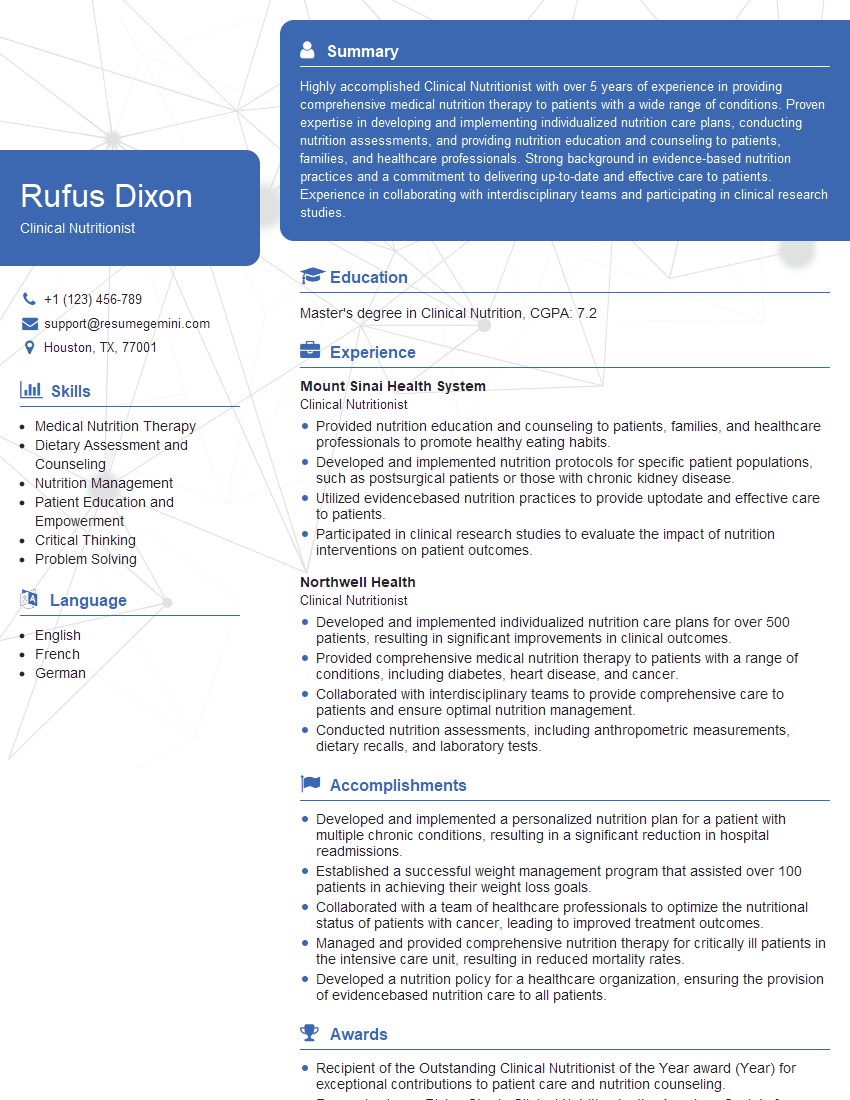
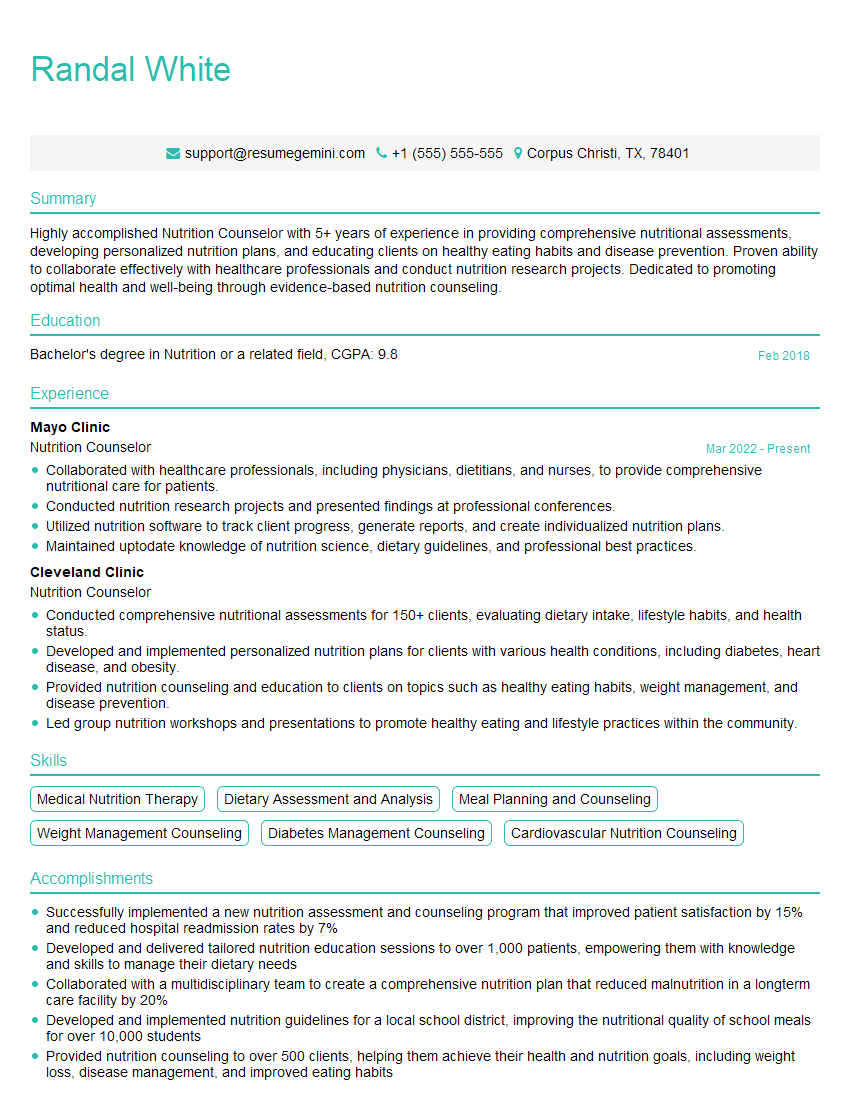
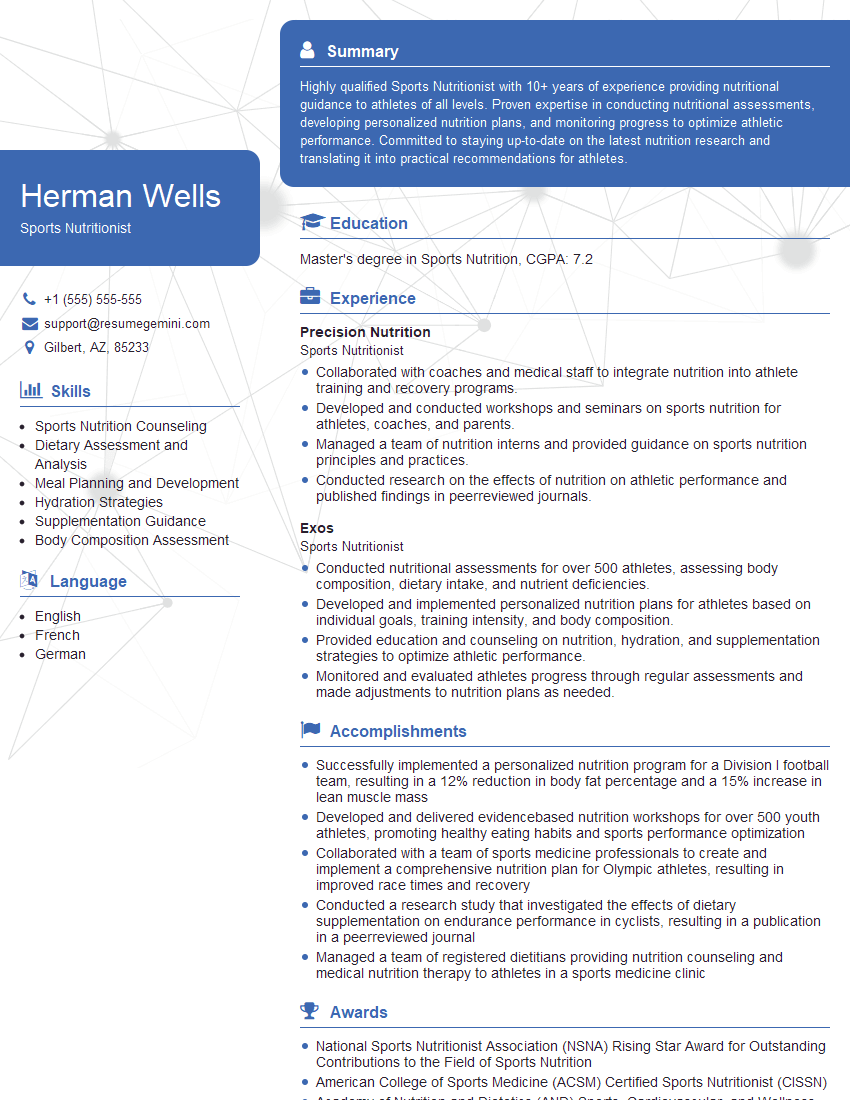
Mastering Weight Management and Nutrition opens doors to rewarding careers in diverse settings, from clinical practice to corporate wellness. A strong understanding of these concepts is crucial for demonstrating your expertise and securing your dream role. To significantly boost your job prospects, crafting a compelling and ATS-friendly resume is essential. ResumeGemini offers a trusted resource to help you build a professional resume that highlights your skills and experience effectively. Examples of resumes tailored specifically to Weight Management and Nutrition are available, showcasing how to best present your qualifications to potential employers. Take the next step towards your successful career in nutrition – build your best resume with ResumeGemini.

Explore more articles
Users Rating of Our Blogs
Share Your Experience
We value your feedback! Please rate our content and share your thoughts (optional).
What Readers Say About Our Blog
Very informative content, great job.
good