Interviews are opportunities to demonstrate your expertise, and this guide is here to help you shine. Explore the essential Wildlife Conservation and Sustainable Practices interview questions that employers frequently ask, paired with strategies for crafting responses that set you apart from the competition.
Questions Asked in Wildlife Conservation and Sustainable Practices Interview
Q 1. Describe your experience with habitat restoration techniques.
Habitat restoration is the process of repairing degraded ecosystems to their natural state or a more sustainable condition. My experience encompasses a wide range of techniques, from active restoration, which involves direct intervention like planting native species or removing invasive ones, to passive restoration, which focuses on allowing natural processes to regenerate the area with minimal human interference.
For example, in a recent project focused on wetland restoration, we employed a multi-pronged approach. First, we removed invasive phragmites, a highly competitive plant that was outcompeting native wetland vegetation. Then, we reintroduced native sedges and grasses, carefully selecting species appropriate for the specific soil conditions and hydrological regime. Finally, we monitored water levels and implemented controlled burns (where appropriate) to mimic natural disturbance patterns and promote biodiversity. In another project involving forest restoration, we focused on reforestation efforts, using a combination of tree planting and natural regeneration techniques, ensuring genetic diversity within the planted populations. This involved detailed site assessments, analyzing soil quality, and identifying the appropriate tree species for successful establishment.
Successful habitat restoration requires meticulous planning, continuous monitoring, and adaptive management. We regularly assess the effectiveness of our interventions and adapt our strategies based on the observed outcomes. This iterative approach is crucial for ensuring long-term success.
Q 2. Explain the concept of biodiversity and its importance in conservation.
Biodiversity refers to the variety of life at all levels, from genes to ecosystems. This encompasses species diversity (the number and abundance of different species), genetic diversity (the variation in genes within a species), and ecosystem diversity (the variety of habitats, communities, and ecological processes). It’s the intricate web of life that sustains our planet.
The importance of biodiversity in conservation is paramount. A diverse ecosystem is more resilient to disturbances like disease, climate change, and invasive species. Each species plays a crucial role, contributing to ecosystem services such as pollination, water purification, and carbon sequestration. Loss of biodiversity weakens these services, threatening human well-being and economic stability. Imagine a forest dominated by a single tree species – it’s far more vulnerable to disease or pests compared to a diverse forest with multiple species interacting.
Consider the case of a coral reef. High biodiversity in a coral reef provides a natural defense mechanism against damage. A diverse array of fish helps maintain a natural balance, preventing any single species from overpopulating and damaging the reef. Loss of biodiversity weakens this natural balance, making the reef vulnerable to collapse.
Q 3. What are the key threats to endangered species in your region?
In my region, the key threats to endangered species are habitat loss and fragmentation due to deforestation and urbanization, climate change leading to altered precipitation patterns and increased frequency of extreme weather events, pollution from industrial activities and agricultural runoff, and illegal wildlife trade.
For example, the declining population of the (mention a specific endangered species in your region, e.g., California condor) is directly linked to habitat loss resulting from urban development encroaching on their natural nesting grounds. The increasing frequency of wildfires caused by climate change further exacerbates the situation by destroying remaining habitat. Similarly, the (mention another species and its threat) is threatened by pollution contaminating their food sources. Illegal hunting and poaching remain a significant challenge for many species.
Addressing these threats requires a multi-faceted approach involving land-use planning, pollution control, strengthened law enforcement, community engagement, and climate change mitigation strategies.
Q 4. How do you prioritize conservation efforts when resources are limited?
Prioritizing conservation efforts with limited resources requires a strategic approach. I use a combination of methods, including:
- Species-based prioritization: Focusing on the most critically endangered species with the highest conservation value, often using species-specific vulnerability assessments.
- Ecosystem-based prioritization: Identifying and protecting key habitats or ecosystems that support a high diversity of species.
- Threat-based prioritization: Focusing on the most significant threats to biodiversity and implementing cost-effective interventions to mitigate those threats.
- Cost-effectiveness analysis: Evaluating the cost-benefit ratio of different conservation interventions and prioritizing those with the greatest impact per unit of investment.
For instance, if faced with a choice between protecting two endangered species, I’d assess the extinction risk for each species, their relative ecological importance, and the cost of conservation actions for each. A species with high extinction risk and crucial ecological roles, even if it requires a higher financial investment, might be given priority over a species with a lower risk but less significant ecological impact.
Q 5. Describe your experience with data analysis in conservation projects.
Data analysis is integral to effective conservation projects. I have extensive experience using various statistical techniques to analyze ecological data, ranging from population monitoring data to habitat suitability modeling.
For instance, I use population viability analysis (PVA) to assess the long-term survival probability of endangered species populations, incorporating factors like birth and death rates, habitat loss, and genetic diversity. PVA models often involve complex algorithms and statistical packages like R or Matlab to simulate population dynamics. Furthermore, I use GIS software to analyze spatial data, map species distributions and habitats, and model the impact of land-use change. This allows us to identify priority areas for conservation and inform habitat restoration strategies. We also use statistical methods like regression analysis and ANOVA to understand factors driving species distribution, abundance and survival.
In one project, we used occupancy modeling to estimate the probability of species presence in different habitat patches. This helped guide our efforts to manage and restore these habitats effectively. The output of these analyses is frequently used to inform conservation strategies, prioritize conservation efforts and evaluate the effectiveness of implemented actions.
Q 6. What is your understanding of sustainable forestry practices?
Sustainable forestry practices aim to balance the economic benefits of timber production with the ecological integrity of forests. It’s about managing forests for multiple benefits – not just wood extraction. Key principles include:
- Selective logging: Harvesting only mature trees, leaving younger trees and diverse species to maintain forest structure and biodiversity.
- Reduced-impact logging: Minimizing damage to remaining trees and the forest floor during logging operations.
- Reforestation and afforestation: Planting trees to replace those harvested and restoring degraded areas.
- Forest certification: Obtaining certification from organizations like the Forest Stewardship Council (FSC) that ensure sustainable management practices.
- Integrated forest management: Considering multiple forest values, including biodiversity, carbon sequestration, and recreation, in management decisions.
Imagine a forest managed solely for maximum timber yield. This approach often leads to monocultures, making the forest susceptible to diseases and pests. Sustainable forestry, on the other hand, aims to maintain the forest’s biodiversity and ecological functions while still providing timber. This ensures the long-term health and productivity of the forest ecosystem, benefiting both the environment and the local communities.
Q 7. Explain the role of GIS in wildlife conservation.
Geographic Information Systems (GIS) are powerful tools in wildlife conservation. They allow us to collect, analyze, and visualize spatial data related to species distribution, habitat characteristics, and human activities. This information is critical for making informed conservation decisions.
For example, we use GIS to map species occurrences, identify areas of high species richness or endemism, and model habitat suitability. This helps us prioritize areas for protection and restoration. We can also analyze spatial relationships between wildlife populations and human activities like agriculture or infrastructure development to identify potential conflict zones and develop mitigation strategies. Furthermore, GIS facilitates efficient monitoring of wildlife populations and their habitats over time, allowing us to track changes in distribution, abundance, and habitat quality. This information is essential for evaluating the effectiveness of conservation efforts and adapting management strategies as needed.
For example, we might use GIS to analyze the movement patterns of an endangered species, identifying key corridors and habitat patches that are essential for its survival. This information can then be used to inform land-use planning and habitat restoration efforts.
Q 8. How do you measure the success of a conservation program?
Measuring the success of a conservation program isn’t a simple task; it requires a multifaceted approach. We can’t just look at one factor, like population numbers, but rather consider a range of ecological, social, and economic indicators. Think of it like assessing the health of a patient – you wouldn’t just look at their weight; you’d consider blood pressure, heart rate, and overall well-being.
Population Trends: This is a crucial starting point. We use various methods (discussed later) to monitor population size, density, age structure, and genetic diversity. A stable or increasing population is a positive sign, but we also need to understand the underlying reasons behind these trends.
Habitat Condition: Is the habitat improving or degrading? Are key resources like food and water sources plentiful and accessible? We use indicators such as vegetation cover, water quality, and the presence of invasive species to assess habitat health.
Community Involvement and Support: Conservation isn’t just about the wildlife; it’s about the people who share their habitat. Successful programs often involve local communities in monitoring, management, and benefit-sharing. Measuring community participation and satisfaction is vital.
Economic Impacts: Conservation programs can have positive or negative economic consequences for local communities. We need to evaluate whether the program is promoting sustainable livelihoods and economic benefits, such as ecotourism or sustainable harvesting.
Policy Changes: Has the program influenced policies related to wildlife protection and habitat management at local, national, or international levels? Positive policy changes demonstrate long-term sustainability.
Ultimately, measuring success involves comparing pre- and post-program data across these indicators, using statistical analysis to assess the significance of changes. It requires ongoing monitoring and adaptive management to ensure the program’s effectiveness.
Q 9. What are the ethical considerations in wildlife research and management?
Ethical considerations in wildlife research and management are paramount. Our actions must always prioritize the well-being of the animals and the integrity of the ecosystem. This involves careful consideration of several key factors:
Minimizing Harm: Research and management actions should minimize stress, injury, or mortality to animals. This necessitates careful planning, appropriate permits, and the use of humane techniques whenever possible. For example, using non-invasive methods like camera traps instead of physically capturing animals whenever feasible.
Informed Consent (where applicable): While not always directly applicable to wildlife, it’s important to obtain informed consent from communities that are affected by research and management activities. This ensures their participation is voluntary and respectful of their cultural practices and beliefs.
Data Integrity and Transparency: Research must be conducted rigorously and ethically, with data collected and analyzed transparently. Results should be shared openly and honestly, even if they contradict initial hypotheses or expectations. This promotes trust and accountability.
Animal Welfare: The three Rs—Replacement (using alternatives to animals where possible), Reduction (minimizing the number of animals used), and Refinement (minimizing suffering during procedures)—should always guide research and management practices.
Conflict of Interest: Researchers and managers must be aware of and avoid potential conflicts of interest that could compromise the integrity of their work. This includes financial interests, personal biases, and affiliations with organizations that might benefit from biased results.
Ethical considerations are not merely guidelines but are crucial for the credibility and long-term success of conservation efforts. Ignoring these principles can severely damage the reputation of conservation science and negatively impact animal welfare.
Q 10. Describe your experience with community engagement in conservation initiatives.
Community engagement is the cornerstone of successful conservation. In my experience working with communities in [mention specific region/project], I’ve found that building trust and establishing genuine partnerships are crucial. It’s not enough to simply tell people what to do; we must actively involve them in the decision-making process.
Participatory Monitoring: We trained local communities in basic wildlife monitoring techniques, empowering them to collect valuable data and develop a sense of ownership over the conservation initiative. This not only improved data collection efficiency but also fostered a deep connection to the wildlife and their habitat.
Benefit-Sharing: We worked with communities to develop initiatives that generated economic benefits from conservation, such as ecotourism or sustainable harvesting of non-timber forest products. Ensuring local people benefit directly from conservation efforts is critical for long-term success.
Conflict Resolution: We used participatory approaches to address human-wildlife conflict, working with communities to identify the root causes of conflict and develop practical solutions that are acceptable to all stakeholders. For instance, we implemented early warning systems for elephants entering agricultural fields, which drastically reduced crop damage and human-elephant encounters.
Capacity Building: We provided training and education to community members, equipping them with the skills and knowledge necessary to participate fully in conservation activities. This fostered local leadership and ensured the sustainability of our efforts beyond the project timeline.
Effective community engagement involves active listening, mutual respect, and a commitment to transparency and inclusivity. The success of conservation largely hinges on the willingness and ability of local communities to participate actively in the process.
Q 11. What are some common methods for wildlife population monitoring?
Wildlife population monitoring employs a variety of methods, each with its strengths and weaknesses, chosen based on the species, habitat, and research objectives.
Visual Encounter Surveys: These involve directly observing and counting animals. They can range from simple counts along transects (pre-determined lines) to more complex methods like distance sampling, which corrects for detectability biases. This method is straightforward but can be time-consuming and susceptible to observer bias.
Camera Trapping: Motion-activated cameras are increasingly used to photograph or video record animals. This method allows for non-invasive monitoring, covering large areas, and providing valuable data on animal behavior and activity patterns. Analyzing the images requires time and specialized software.
Mark-Recapture Studies: Animals are captured, marked (e.g., with tags, collars, or paint), released, and then recaptured at a later date. Analyzing the proportion of marked individuals in the second capture allows for estimation of population size. This is a powerful method but requires considerable resources and expertise.
Genetic Analysis: DNA analysis from scat, hair, or other samples can provide insights into population size, genetic diversity, and relatedness. This method is particularly useful for elusive species that are difficult to observe directly.
Acoustic Monitoring: Recording and analyzing animal vocalizations can be used to estimate population density and monitor breeding success for species that are vocal. This method is particularly effective for nocturnal or elusive animals.
Often, a combination of these methods is employed to obtain a more comprehensive understanding of wildlife populations. The choice of method depends on factors like the species’ behavior, the terrain, and the resources available.
Q 12. How do you handle conflicts between human activities and wildlife conservation?
Conflicts between human activities and wildlife conservation are common and often complex. Addressing them requires a collaborative, multidisciplinary approach focusing on both mitigation and conflict resolution. Think of it like mediating a dispute – you need to understand the needs and concerns of all parties involved to find a sustainable solution.
Understanding the Root Causes: The first step is to identify the factors driving the conflict. This might involve habitat loss, resource competition (e.g., livestock grazing vs. wildlife foraging), or perceived threats to human safety.
Mitigation Strategies: These strategies aim to reduce the likelihood of conflict in the first place. Examples include habitat restoration to improve food and water resources, creating wildlife corridors to facilitate safe movement, and implementing buffer zones between human settlements and wildlife habitats.
Conflict Resolution: When conflicts do occur, effective strategies are needed to resolve them peacefully and fairly. This might involve compensation for livestock losses, providing alternative livelihoods for affected communities, or developing early warning systems to prevent encounters.
Community Engagement: Involving local communities in the conflict resolution process is vital. This enables them to share their perspectives, participate in decision-making, and foster a sense of ownership and responsibility for the outcome.
Policy and Legal Frameworks: Effective policies and laws are crucial for regulating human activities that negatively impact wildlife and addressing conflicts in a just and equitable manner.
A successful approach involves a combination of these strategies, tailored to the specific context of the conflict. It’s crucial to remember that a ‘one-size-fits-all’ solution rarely works; a flexible and adaptive approach is essential.
Q 13. Explain the impact of climate change on wildlife populations.
Climate change is significantly impacting wildlife populations worldwide, altering habitats, disrupting ecological interactions, and increasing the vulnerability of many species. The effects are far-reaching and complex, affecting everything from distribution patterns to reproductive success.
Habitat Change: Rising temperatures, changes in precipitation patterns, and increased frequency of extreme weather events (e.g., droughts, floods, wildfires) are altering habitats, making them less suitable for many species. This can lead to range shifts, habitat fragmentation, and loss of biodiversity.
Phenological Mismatches: Changes in the timing of seasonal events (e.g., migration, flowering, breeding) can disrupt ecological interactions between species. For example, if a bird’s migration doesn’t align with the availability of its food source, it could suffer reduced reproductive success.
Increased Disease Risk: Climate change can alter the distribution and prevalence of diseases affecting wildlife populations. Warmer temperatures and changing precipitation patterns can expand the range of disease vectors (e.g., mosquitos), increasing the risk of outbreaks.
Ocean Acidification: For marine wildlife, ocean acidification, caused by increased absorption of carbon dioxide by the oceans, is significantly affecting shell-forming organisms like corals and shellfish, impacting entire marine ecosystems.
Extinction Risk: The cumulative effect of these impacts is increasing the extinction risk for many species, particularly those with limited adaptability or specialized habitat requirements.
Understanding and addressing the impact of climate change on wildlife requires a comprehensive approach that integrates conservation strategies with climate change mitigation and adaptation efforts.
Q 14. What are your strategies for mitigating human-wildlife conflict?
Mitigating human-wildlife conflict requires a multifaceted strategy that addresses both the immediate needs and the underlying causes of conflict. It’s not enough to simply remove the animal; we must address the reasons why the conflict arose in the first place.
Habitat Protection and Restoration: Protecting and restoring wildlife habitats reduces competition for resources and decreases the likelihood of encounters between humans and wildlife. This includes establishing protected areas, restoring degraded habitats, and creating wildlife corridors to facilitate movement.
Livestock Protection: Improving livestock management practices, such as using predator-proof enclosures or herding techniques, can significantly reduce livestock depredation. Investing in livestock insurance programs can also provide financial compensation to farmers and reduce retaliatory killings.
Early Warning Systems: Implementing early warning systems, such as community-based monitoring programs or technological solutions (e.g., sensors, drones), can allow for proactive intervention and prevent conflicts before they escalate. This might involve warning farmers about the approach of wildlife or dispatching rapid response teams.
Community Education and Awareness: Educating local communities about wildlife behavior, conflict mitigation strategies, and the importance of coexistence is essential. Empowering communities with knowledge and skills enables them to play an active role in conflict prevention and management.
Translocation and Management of Problem Animals: In cases where conflicts are severe and other mitigation strategies have failed, carefully planned translocation or other management strategies may be necessary, always adhering to strict ethical guidelines and ensuring animal welfare.
Effective strategies are context-specific, requiring a deep understanding of the ecological and social factors driving the conflict. Collaboration among government agencies, conservation organizations, and local communities is essential for successful conflict mitigation.
Q 15. What is your experience with invasive species management?
Invasive species management is crucial for maintaining biodiversity and ecosystem health. It involves identifying, controlling, and ideally eradicating non-native species that negatively impact native flora and fauna. My experience spans various aspects, from conducting field surveys to assess the extent of an infestation, to implementing control strategies ranging from physical removal to biological control methods.
For example, I was involved in a project managing the spread of the Japanese knotweed in a riparian zone. This involved a multi-pronged approach: initial mapping using GIS technology to determine the extent of the infestation, followed by manual removal of smaller patches and targeted herbicide application in larger areas. We also worked with local communities to raise awareness and prevent further spread through educational programs and volunteer efforts. Another project focused on the control of feral cats on a small island, using a combination of trapping and relocation to protect vulnerable seabird populations. Careful monitoring and evaluation of our strategies was crucial to assessing their effectiveness and adapting our approach as needed.
Career Expert Tips:
- Ace those interviews! Prepare effectively by reviewing the Top 50 Most Common Interview Questions on ResumeGemini.
- Navigate your job search with confidence! Explore a wide range of Career Tips on ResumeGemini. Learn about common challenges and recommendations to overcome them.
- Craft the perfect resume! Master the Art of Resume Writing with ResumeGemini’s guide. Showcase your unique qualifications and achievements effectively.
- Don’t miss out on holiday savings! Build your dream resume with ResumeGemini’s ATS optimized templates.
Q 16. Describe your understanding of protected area management.
Protected area management encompasses the planning, implementation, and monitoring of strategies to conserve biodiversity within designated areas. This involves a multifaceted approach that considers ecological, social, and economic factors. Effective management requires understanding the specific ecological characteristics of the protected area, setting clear conservation goals, and developing and implementing strategies to achieve these goals. This includes habitat restoration, species monitoring, controlling human impacts (e.g., poaching, pollution), and engaging local communities in conservation efforts.
One key aspect is adaptive management – a cyclical process of planning, implementing, monitoring, and evaluating, allowing for adjustments based on new information and changing conditions. For instance, in managing a national park, we might initially focus on combating illegal logging, but if monitoring reveals a decline in a key species due to habitat fragmentation, we would adapt our strategy to include habitat restoration projects. Successful protected area management is highly collaborative, involving scientists, policymakers, local communities, and other stakeholders.
Q 17. How do you incorporate sustainable practices into your daily life?
Sustainability is interwoven into my daily life. I actively practice reducing my carbon footprint through conscious consumption choices, including reducing waste by opting for reusable items, minimizing my meat consumption, choosing local and seasonal produce, and using public transportation or cycling whenever feasible. At home, I prioritize energy conservation through efficient appliances and responsible energy use.
I also incorporate sustainable practices in my professional life by using digital tools to minimize paper usage and promoting responsible research methodologies that minimize environmental impact during fieldwork. For example, I always strive to use minimal-impact camping techniques when conducting research in remote areas. Ultimately, living sustainably is not just about individual actions, but about integrating these choices into a conscious lifestyle.
Q 18. What are the principles of sustainable agriculture?
Sustainable agriculture prioritizes the long-term health of the environment, the economic viability of farming, and the social well-being of farming communities. Key principles include:
- Soil health: Maintaining and improving soil fertility through practices like crop rotation, cover cropping, and no-till farming, which minimize soil erosion and improve water retention.
- Water conservation: Efficient irrigation techniques, such as drip irrigation, reduce water waste.
- Biodiversity: Integrating diverse plant and animal life on farms supports ecosystem services and resilience to pests and diseases.
- Pest and disease management: Employing integrated pest management strategies minimizes reliance on harmful pesticides and promotes natural pest control.
- Reduced reliance on synthetic inputs: Minimizing the use of synthetic fertilizers and pesticides reduces environmental pollution.
- Climate change adaptation and mitigation: Adopting farming practices that reduce greenhouse gas emissions and build resilience to climate change impacts.
For instance, agroforestry systems, which combine trees with crops or livestock, offer a multitude of benefits, including improved soil fertility, carbon sequestration, and increased biodiversity.
Q 19. What are your thoughts on the role of technology in conservation?
Technology plays a transformative role in conservation. From remote sensing and GIS for habitat monitoring to DNA analysis for species identification and tracking, technological advancements are revolutionizing our ability to understand and protect biodiversity.
For example, drone technology is increasingly used to monitor wildlife populations, assess habitat conditions, and detect illegal activities such as poaching or deforestation. Citizen science platforms leverage the power of crowdsourcing data, enabling large-scale monitoring efforts. Artificial intelligence (AI) is being applied to analyze vast datasets, enabling improved predictive modeling of species distribution and responses to environmental change. However, it’s critical to ensure equitable access to and responsible use of these technologies, considering both their potential and limitations.
Q 20. Explain your understanding of the Endangered Species Act (or equivalent legislation).
The Endangered Species Act (ESA) in the United States, and equivalent legislation in other countries, provides a legal framework for the protection of imperiled species and their habitats. It identifies species as endangered or threatened based on their risk of extinction, and mandates the development and implementation of recovery plans to improve their conservation status.
The ESA includes provisions for habitat protection, restricting activities that harm listed species, and promoting species recovery through captive breeding and reintroduction programs. Successful implementation requires collaboration between government agencies, scientific researchers, landowners, and local communities. Challenges include balancing conservation needs with economic development and the complexities of species recovery in dynamic environments. The ESA serves as a critical legal tool for species conservation, but its effectiveness hinges on robust scientific knowledge, effective enforcement, and collaborative partnerships.
Q 21. Describe your experience with wildlife rehabilitation.
Wildlife rehabilitation is a critical component of conservation, focusing on rescuing, treating, and releasing injured, orphaned, or sick animals back into their natural habitats. My experience includes assessing the condition of injured animals, providing appropriate veterinary care (in collaboration with licensed veterinarians), and implementing rehabilitation protocols tailored to the specific needs of each species. This includes providing appropriate nutrition, housing, and behavioral enrichment.
A particularly memorable case involved rescuing a young orphaned bald eagle. After stabilizing its condition and providing appropriate care, we worked to gradually acclimate the eagle to a larger enclosure, culminating in its successful release back into the wild. Ethical considerations are paramount in wildlife rehabilitation, prioritizing the animal’s well-being and the long-term sustainability of wild populations. Success is measured not just by individual survival rates, but by ensuring released animals can thrive in their natural environment.
Q 22. How do you develop and implement a conservation action plan?
Developing and implementing a conservation action plan is a multi-step process requiring meticulous planning and collaboration. It begins with a thorough needs assessment, identifying the specific species or habitat under threat and the underlying causes. This might involve analyzing population trends, habitat loss rates, and the impacts of human activities. Next, we establish clear, measurable, achievable, relevant, and time-bound (SMART) goals. For instance, instead of vaguely aiming to ‘protect the endangered snow leopard’, a SMART goal might be ‘to increase the snow leopard population in the Annapurna Conservation Area by 15% within the next 10 years.’
Following goal setting, we develop specific strategies. This includes actions like habitat restoration, anti-poaching measures, community engagement programs (e.g., educating local communities about sustainable practices), and policy advocacy. Each strategy requires detailed implementation plans with assigned responsibilities and timelines. For example, a habitat restoration strategy might involve planting specific tree species, controlling invasive weeds, and monitoring ecosystem recovery.
Monitoring and evaluation are crucial. We establish a robust system to track progress towards our goals, using quantitative data like population counts, habitat area, or poaching incidents. This data informs adaptive management; we adjust our strategies as needed to maximize effectiveness. Finally, we need to secure funding and resources to support all aspects of the plan, from field research to community outreach.
For example, in a project to conserve sea turtles, the action plan might involve nesting beach protection, reducing light pollution, and educating fishermen about bycatch reduction techniques. Each of these would have its own detailed implementation strategy, with clear metrics for success.
Q 23. What are the challenges in enforcing environmental regulations?
Enforcing environmental regulations presents several significant challenges. Limited resources are a major obstacle; environmental agencies often lack sufficient funding, staff, and equipment to effectively monitor compliance and investigate violations. This is particularly true in remote areas or countries with weak governance structures.
Political influence and corruption can undermine enforcement efforts. Powerful industries or individuals might lobby against regulations or bribe officials to avoid penalties. Lack of public awareness and support also poses a challenge. If the public doesn’t understand the importance of regulations or believe in their effectiveness, compliance is unlikely.
Furthermore, complex legal frameworks and ambiguous regulations can make enforcement difficult. Regulations can be overly complex, making them hard to interpret and enforce consistently. Finally, detecting violations can be problematic, particularly for crimes like illegal wildlife trade, which often happens clandestinely. Technological advancements, such as using GPS tracking and drones to monitor protected areas, can help address some of these challenges.
Q 24. How do you communicate complex scientific information to a non-scientific audience?
Communicating complex scientific information to a non-scientific audience requires adopting a clear, concise, and engaging approach. Instead of using technical jargon, I focus on using analogies and metaphors to relate abstract concepts to everyday experiences. For instance, when explaining biodiversity loss, I might compare a forest ecosystem to a complex machine where each species plays a vital role; if one part fails, the whole system is threatened.
Visual aids, such as charts, graphs, images, and videos, are extremely valuable. They help to simplify complex data and make it more accessible. I also employ storytelling, weaving scientific facts into compelling narratives that resonate with audiences on an emotional level. This helps create a connection and makes the information more memorable.
Active listening and feedback are key. Before presenting the information, I try to understand the audience’s existing knowledge and concerns. This helps me tailor my message to their specific needs and expectations. Finally, I use simple language, avoiding overly technical terms and defining any necessary scientific vocabulary in plain terms. I also encourage audience participation, questions, and discussions to enhance understanding and engagement.
Q 25. What are your salary expectations?
My salary expectations are commensurate with my experience and qualifications, and are in line with industry standards for a conservation professional with my expertise. I am open to discussing this further based on the specific responsibilities and benefits offered by the position.
Q 26. What are your long-term career goals in conservation?
My long-term career goals in conservation center on leveraging my expertise to create significant positive impact. I envision myself in a leadership role, perhaps heading a conservation organization or working within a government agency, where I can shape conservation policy and strategy. I am particularly interested in applying innovative technologies and approaches to conservation challenges, such as employing artificial intelligence for wildlife monitoring or using drone technology for habitat restoration.
Beyond direct conservation work, I aim to mentor and train the next generation of conservation professionals. I believe that fostering a diverse and highly skilled workforce is critical for the future success of the field. My ultimate goal is to contribute to a world where both humanity and wildlife can thrive together.
Q 27. Describe a time you had to make a difficult decision related to conservation.
During a project to relocate a population of endangered primates, we faced a critical dilemma. The ideal relocation site was privately owned land, and the landowner was initially reluctant to cooperate, citing concerns about potential impacts on his agricultural activities. This was a difficult decision because the primate population was at risk of extinction in their current habitat, and relocating them was crucial. However, forcing the landowner’s cooperation would have damaged our relationship with the local community and jeopardized future conservation efforts in the region.
After extensive negotiations, involving careful consideration of economic incentives and mitigating any potential negative consequences for the landowner, we reached a mutually agreeable solution. We provided financial compensation for any losses related to habitat alterations and provided expertise to support the landowner in sustainable farming practices. This ensured the primate’s relocation while building trust and collaboration with the local community, which is essential for long-term conservation success.
Q 28. What are your strengths and weaknesses as a conservation professional?
My strengths include strong analytical and problem-solving skills, a deep understanding of ecological principles and conservation strategies, excellent communication and interpersonal abilities, and proven experience in project management. I am highly adaptable and can work effectively both independently and as part of a team. I am passionate about conservation and deeply committed to making a difference.
One area where I am working on improvement is delegation. As a detail-oriented individual, I sometimes find it challenging to relinquish control over tasks, but I am actively developing strategies to effectively delegate responsibilities, fostering team collaboration and enhancing overall efficiency.
Key Topics to Learn for Wildlife Conservation and Sustainable Practices Interview
- Biodiversity Conservation: Understanding biodiversity hotspots, threats to biodiversity (habitat loss, climate change, poaching), and conservation strategies (protected areas, species-specific management plans).
- Habitat Restoration and Management: Practical application of ecological restoration techniques, sustainable land management practices, and the role of technology in monitoring and managing habitats.
- Sustainable Resource Management: Exploring sustainable forestry, fisheries management, and the principles of circular economy within a conservation context.
- Climate Change Impacts and Mitigation: Analyzing the effects of climate change on wildlife and ecosystems, and discussing adaptation and mitigation strategies.
- Community Engagement and Conservation Education: Understanding the importance of involving local communities in conservation efforts and developing effective educational programs.
- Wildlife Monitoring and Research Techniques: Familiarizing yourself with various methods for monitoring wildlife populations (e.g., camera trapping, GPS tracking), data analysis, and scientific research methodologies.
- Policy and Legislation in Conservation: Understanding relevant national and international laws and policies related to wildlife protection and sustainable practices. Analyzing the effectiveness of different policy approaches.
- Conservation Finance and Funding Mechanisms: Exploring different funding sources for conservation projects (e.g., grants, philanthropy, ecotourism) and developing sustainable financing strategies.
- Conflict Resolution and Stakeholder Management: Developing strategies for addressing conflicts between conservation goals and human activities, and managing diverse stakeholder interests.
Next Steps
Mastering Wildlife Conservation and Sustainable Practices is crucial for a thriving career, opening doors to impactful roles in research, management, policy, and education. A strong resume is your key to unlocking these opportunities. Building an ATS-friendly resume that highlights your skills and experience is paramount. We strongly encourage you to leverage ResumeGemini to craft a compelling resume that showcases your passion and expertise in this field. ResumeGemini provides you with the tools and resources to build a professional and effective document, and offers examples of resumes tailored to Wildlife Conservation and Sustainable Practices to help guide you.
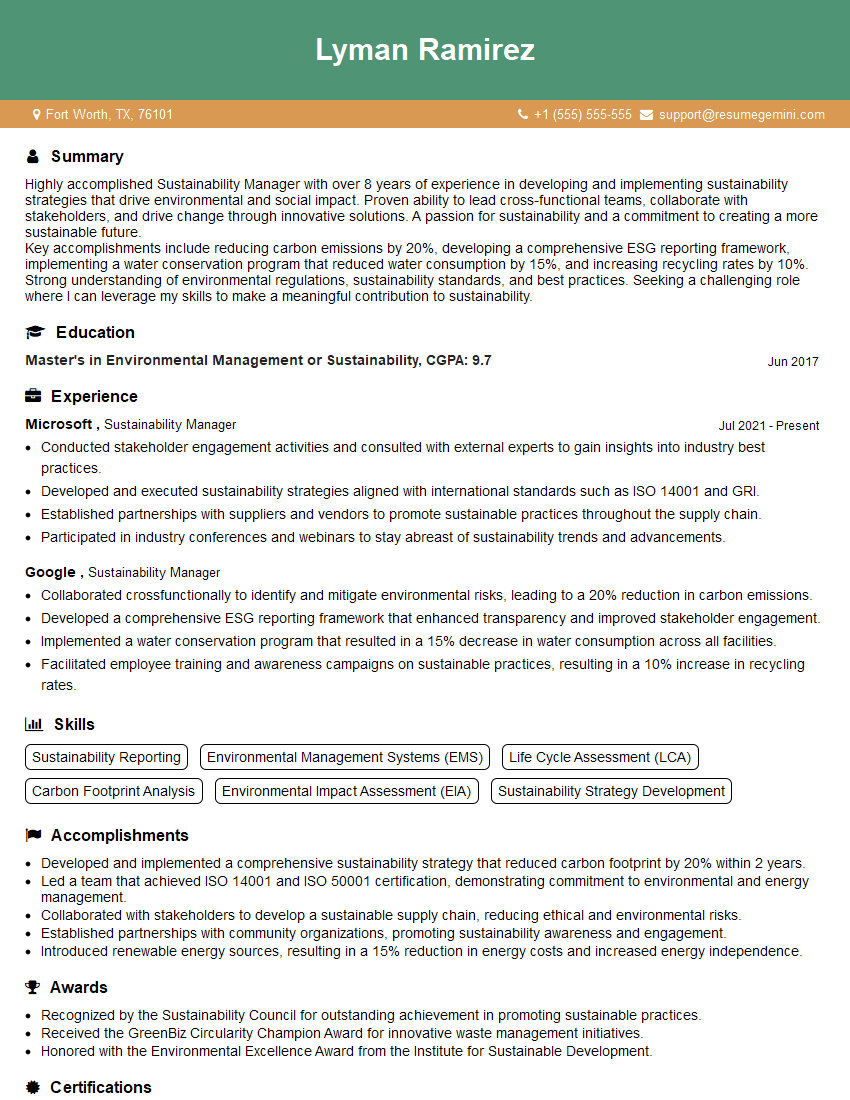
Sustainability Manager Resume Sample
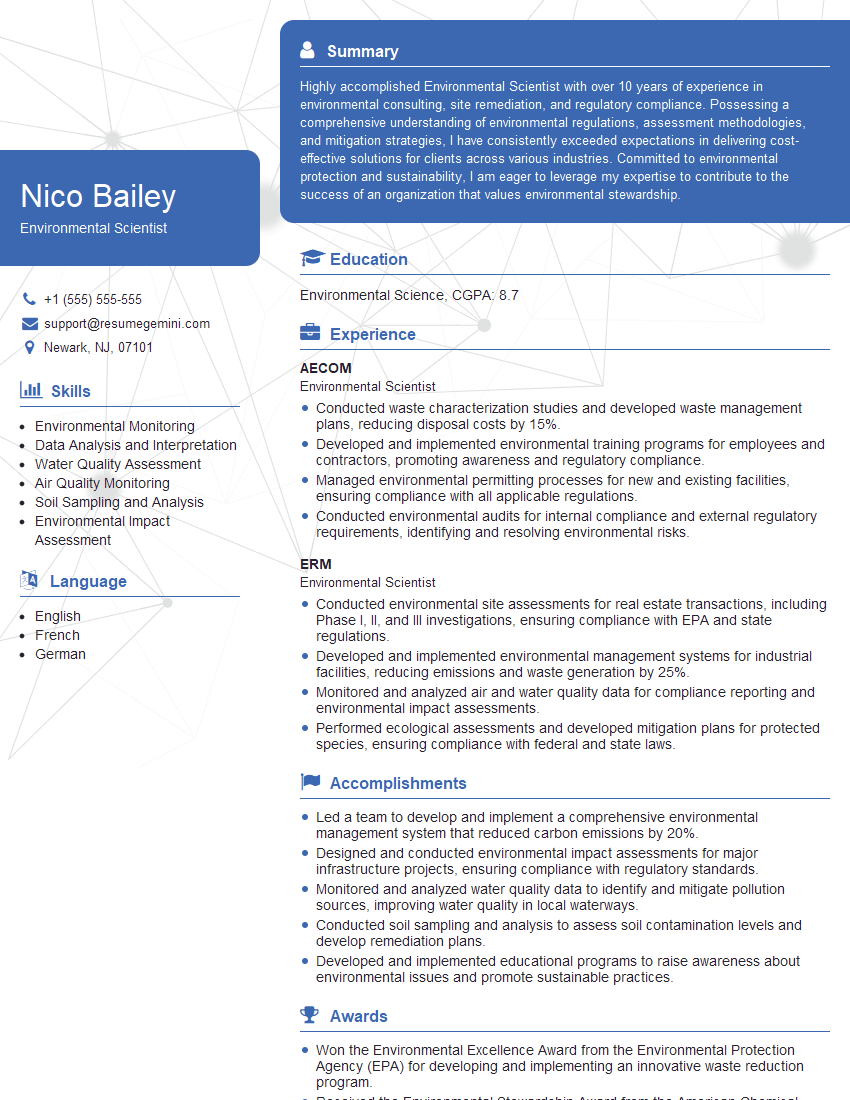
Environmental Scientist Resume Sample

Sustainability Consultant Resume Sample
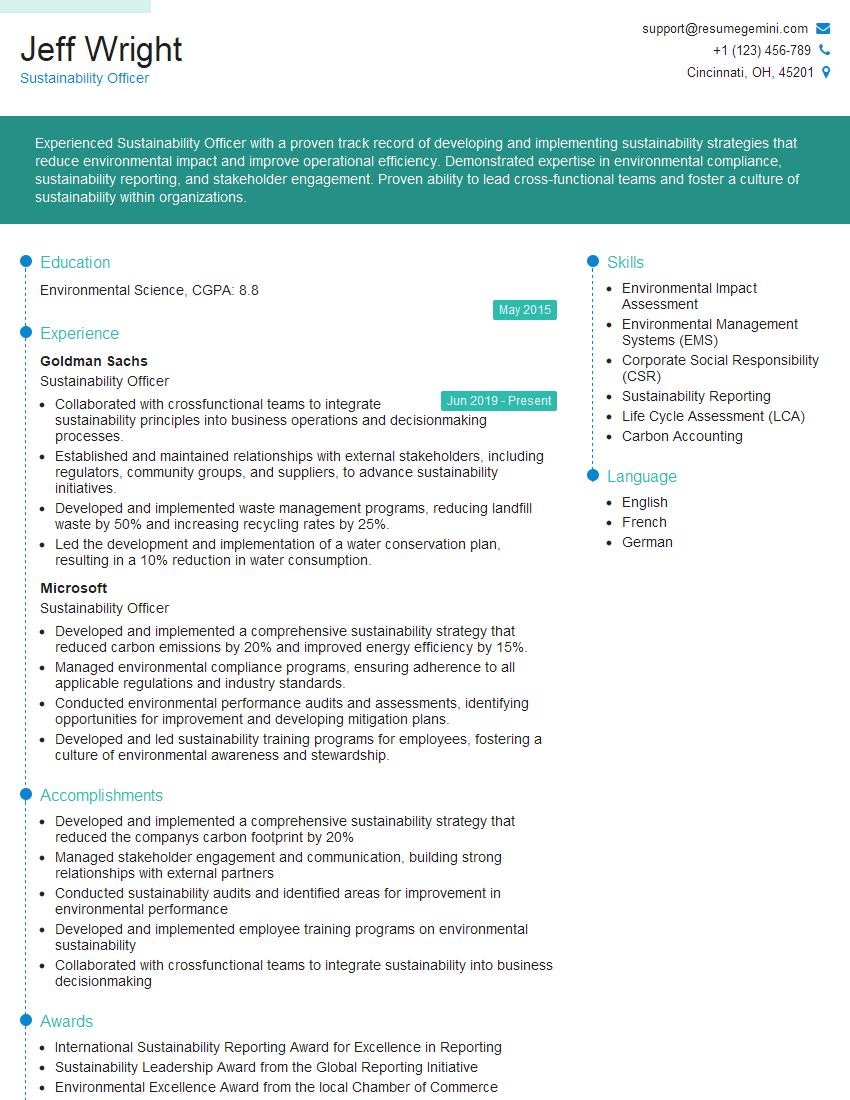
Sustainability Officer Resume Sample
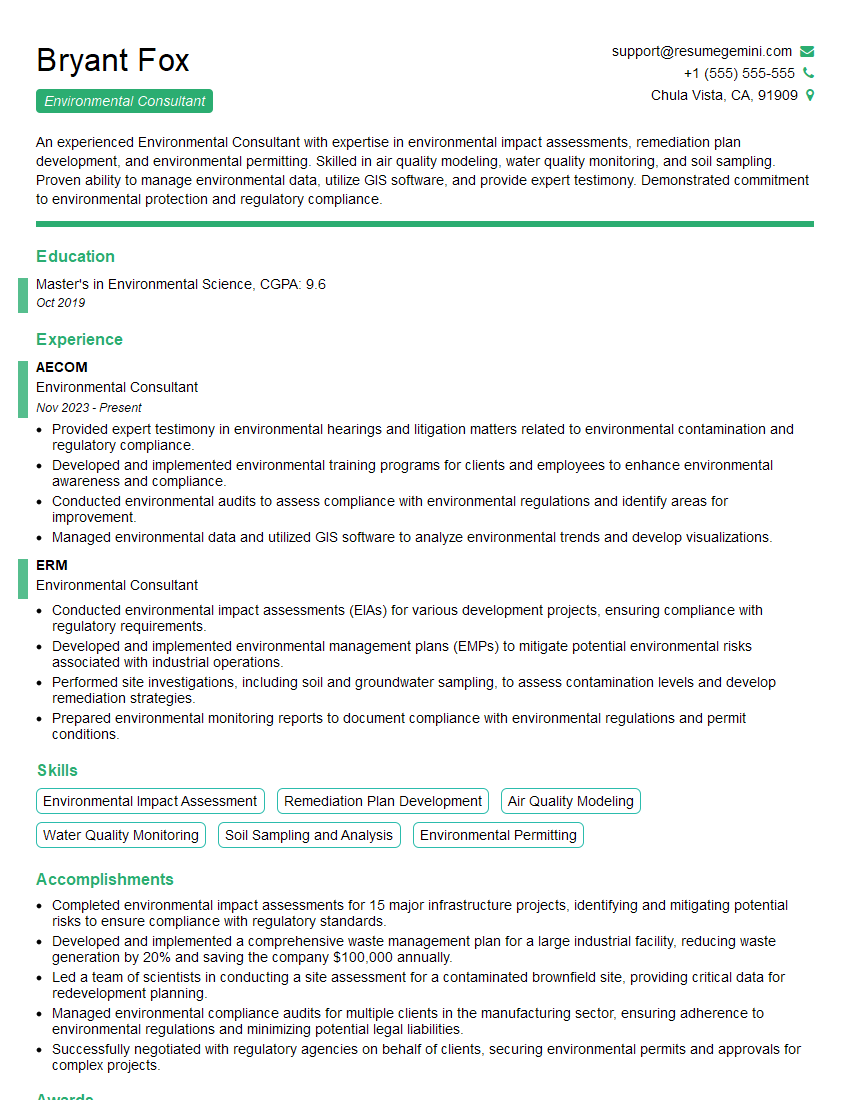
Environmental Consultant Resume Sample
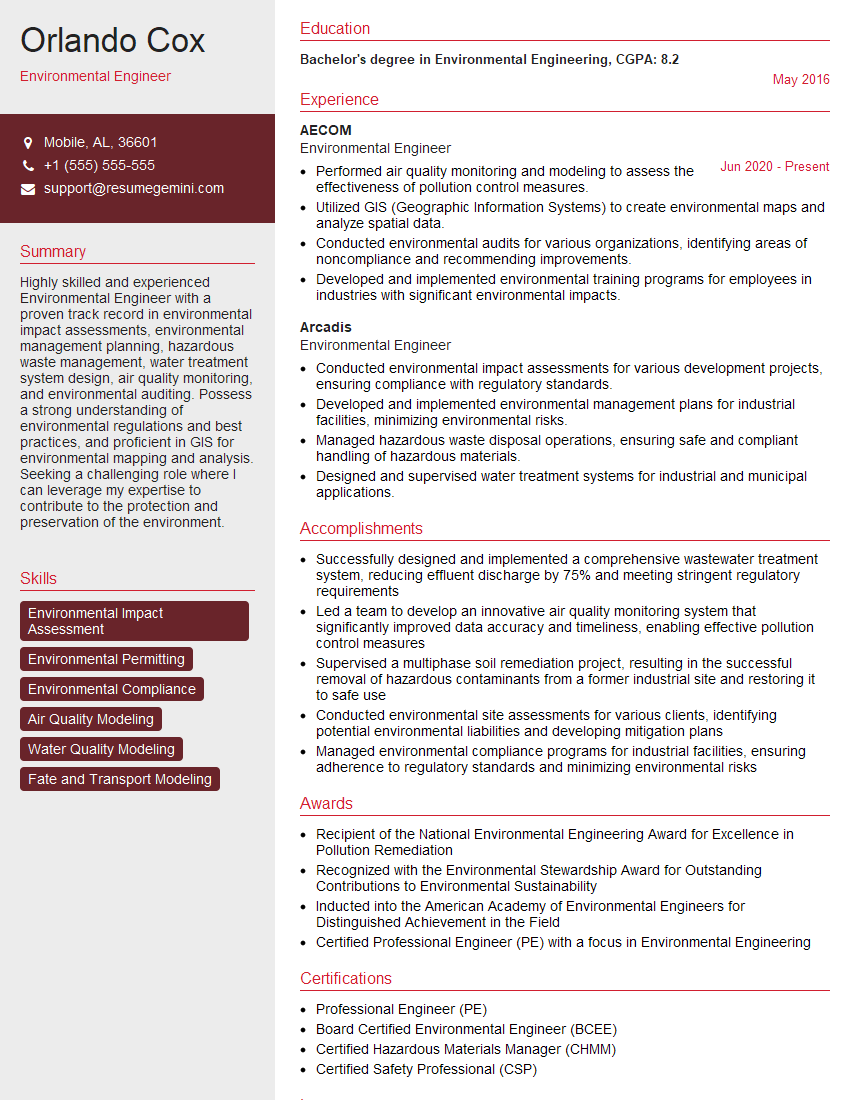
Environmental Engineer Resume Sample
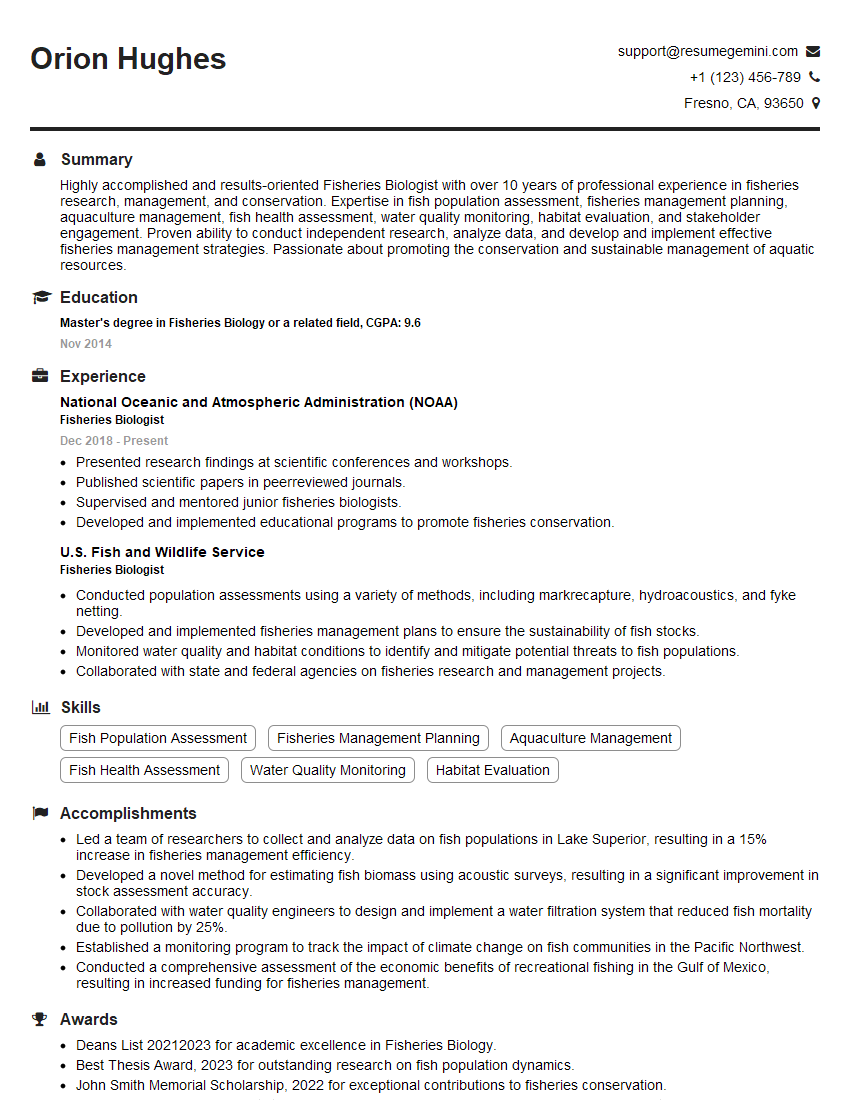
Fisheries Biologist Resume Sample

Wildlife Biologist Resume Sample
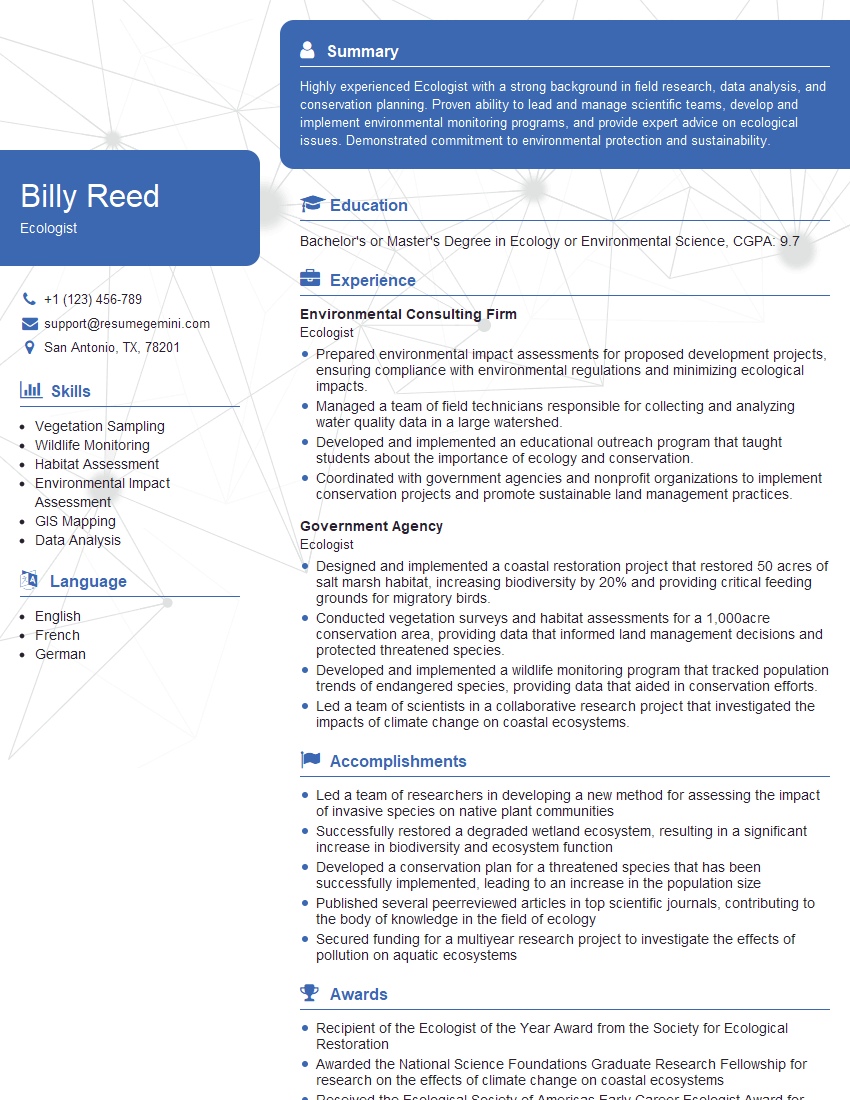
Ecologist Resume Sample

Wildlife Technician Resume Sample
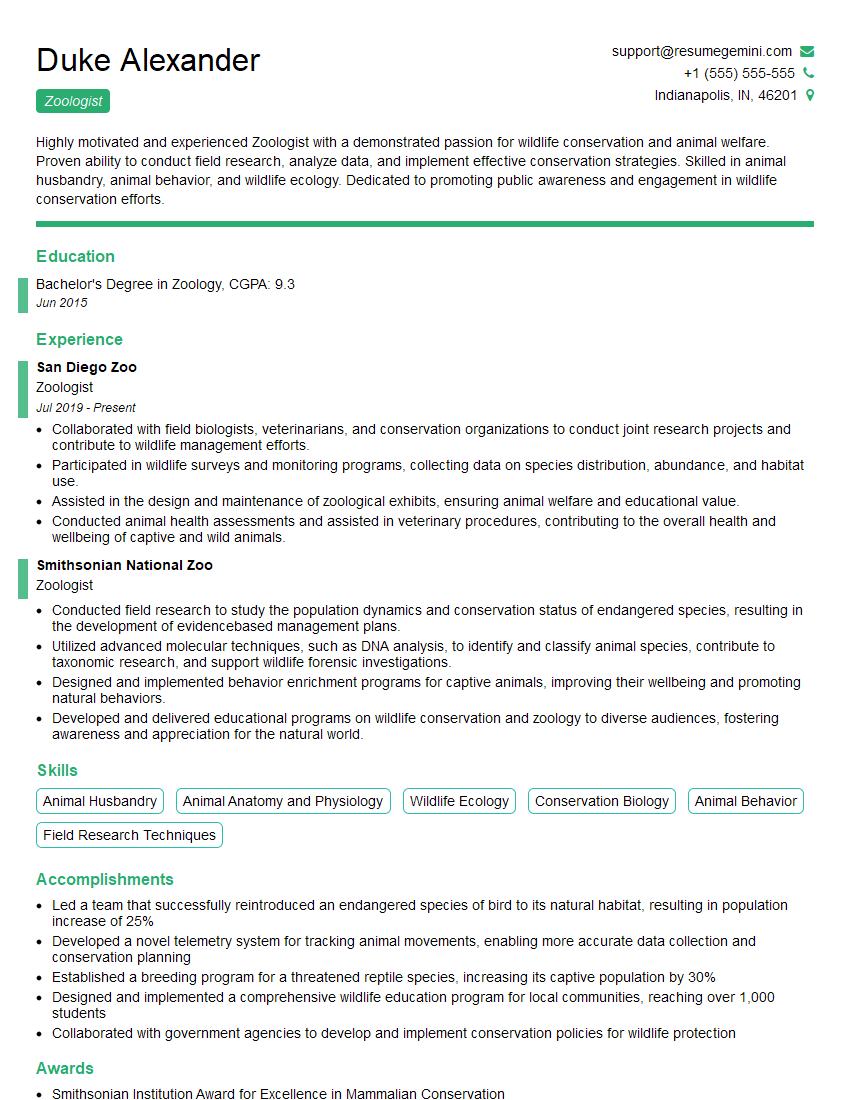
Zoologist Resume Sample

Environmental Educator Resume Sample
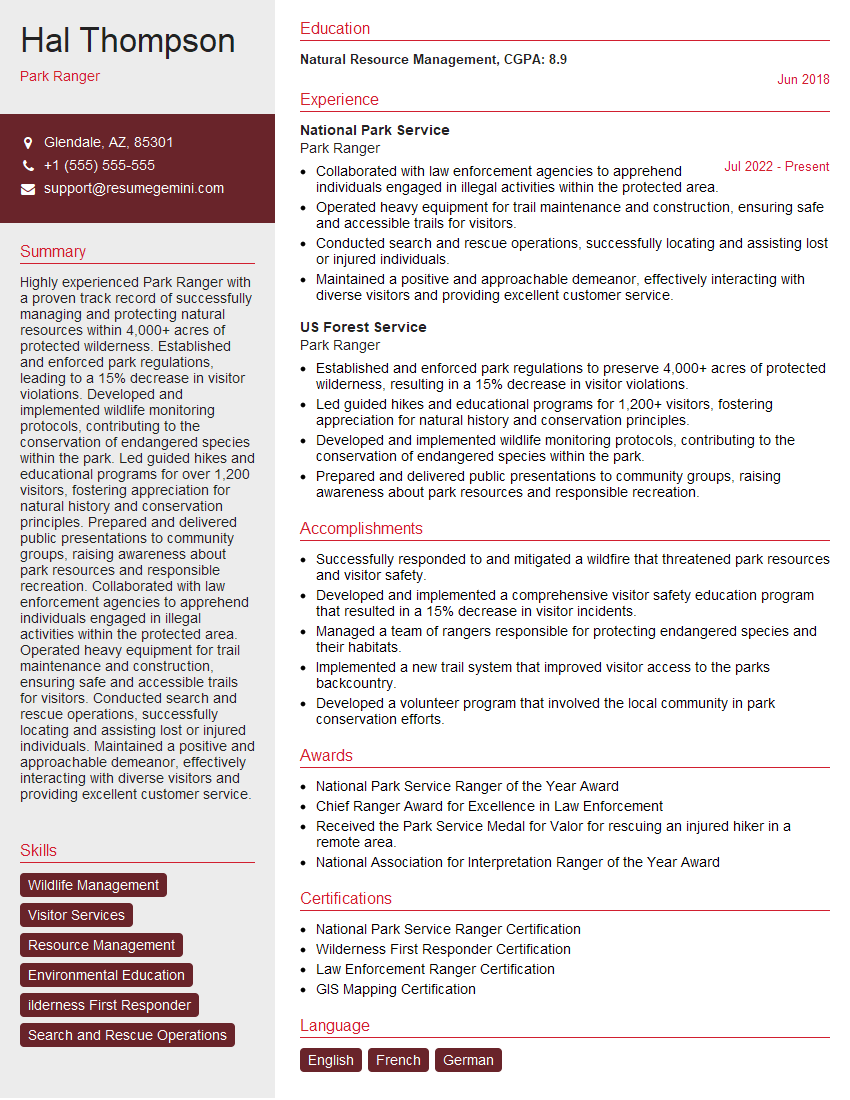
Park Ranger Resume Sample
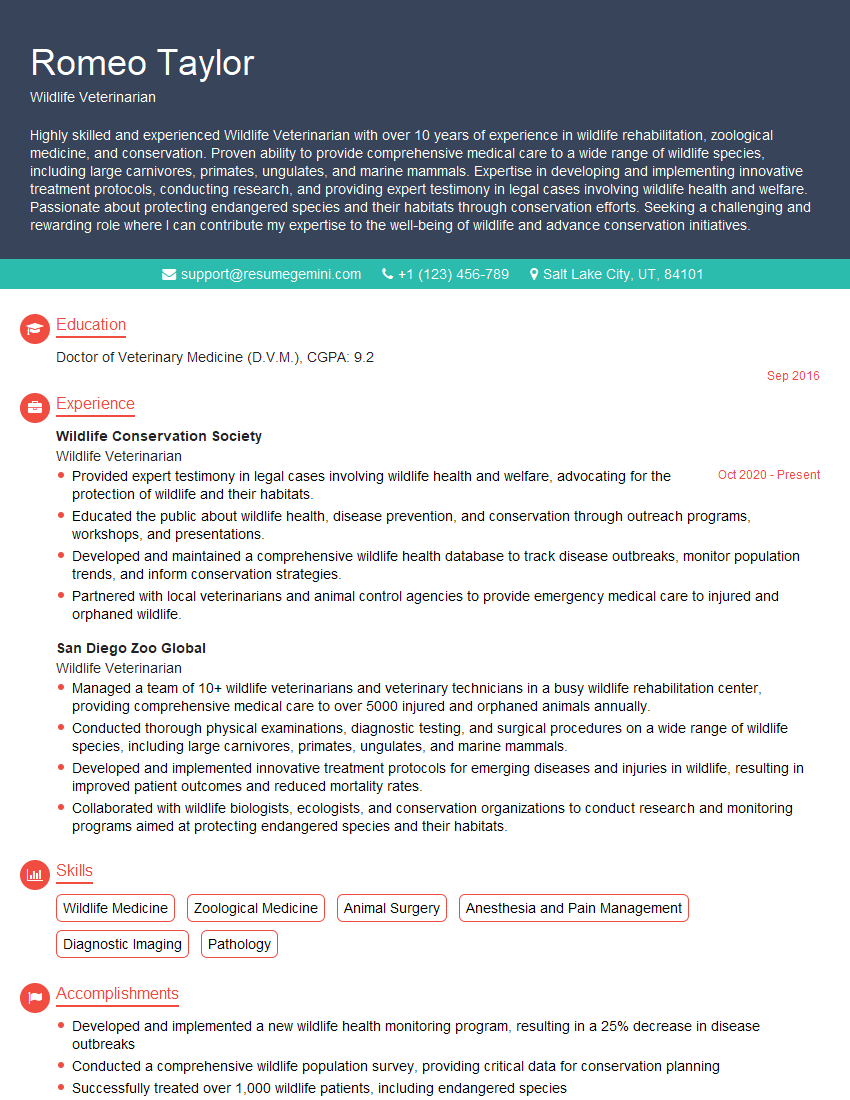
Wildlife Veterinarian Resume Sample

Wildlife Rehabilitator Resume Sample
- Sustainability Manager
- Environmental Scientist
- Sustainability Consultant
- Sustainability Officer
- Environmental Consultant
- Environmental Engineer
- Fisheries Biologist
- Wildlife Biologist
- Ecologist
- Wildlife Technician
- Zoologist
- Environmental Educator
- Park Ranger
- Wildlife Veterinarian
- Wildlife Rehabilitator
Explore more articles
Users Rating of Our Blogs
Share Your Experience
We value your feedback! Please rate our content and share your thoughts (optional).
What Readers Say About Our Blog
Very informative content, great job.
good