Are you ready to stand out in your next interview? Understanding and preparing for Wildlife Conservation Practices interview questions is a game-changer. In this blog, we’ve compiled key questions and expert advice to help you showcase your skills with confidence and precision. Let’s get started on your journey to acing the interview.
Questions Asked in Wildlife Conservation Practices Interview
Q 1. Describe your experience with population viability analysis.
Population viability analysis (PVA) is a powerful tool we use in conservation to assess the probability of a species or population persisting for a certain amount of time in the face of different threats. It essentially helps us predict whether a population is likely to go extinct or thrive. We use mathematical models, incorporating factors like birth rates, death rates, habitat loss, and disease, to simulate the population’s trajectory over time. This helps us identify vulnerabilities and prioritize conservation actions.
In my experience, I’ve used PVA extensively for various species, including the California condor and the Florida panther. For the condor, PVA models helped us understand the impact of lead poisoning on population growth, guiding the implementation of lead ammunition restrictions. With the Florida panther, we used PVA to evaluate the effectiveness of habitat corridors in mitigating the effects of habitat fragmentation and road mortality. The results from these analyses provided critical data to inform management decisions and secure funding for crucial conservation measures.
Q 2. Explain the principles of habitat restoration.
Habitat restoration aims to return degraded ecosystems to a healthier, more functional state, often mimicking a historical benchmark or desired future condition. It’s not simply about planting trees; it’s about recreating the complex web of interactions that support a diverse array of species. The principles involve careful assessment of the site’s history, current condition, and the desired future state. This often requires removing invasive species, reintroducing native plants, managing water flow, and mitigating pollution.
For example, restoring a wetland might involve removing excess nutrients from agricultural runoff, re-establishing native vegetation that provides habitat for fish and waterfowl, and restoring natural hydrological processes. Another example could be restoring a forest ecosystem by replanting native trees, removing invasive species, and managing the understory vegetation to promote diversity. The success of habitat restoration depends greatly on understanding the ecological processes that shaped the habitat in the past and using that understanding to inform the restoration plan. Long-term monitoring is crucial to evaluate the efficacy of restoration efforts.
Q 3. What are the key threats to biodiversity in [specific region]?
Please specify the region you’re interested in. The key threats to biodiversity vary significantly depending on location. However, some common threats globally include habitat loss and fragmentation due to urbanization and agriculture; climate change leading to altered precipitation patterns and temperature shifts; pollution from industrial activities and agricultural runoff; invasive species outcompeting native species; and overexploitation of resources.
(Once you provide a specific region, I can tailor my answer with detailed examples. For instance, if you were asking about the Amazon rainforest, I would focus on deforestation, mining, and the impact of large-scale agriculture. If you specified the Arctic, I would focus on climate change, sea ice melt, and potential impacts on polar bear populations. )
Q 4. How do you monitor wildlife populations effectively?
Effective wildlife population monitoring requires a multifaceted approach tailored to the specific species and habitat. Techniques range from simple visual surveys and track counts to sophisticated technologies like camera traps, GPS collars, and acoustic monitoring. The choice of method depends on factors such as the species’ behavior, habitat accessibility, and available resources.
For example, visual surveys might be suitable for large, easily observable animals in open habitats, while camera traps are more effective for shy or nocturnal species. GPS collars provide detailed movement data for individual animals, helping us understand habitat use and migration patterns. Acoustic monitoring is valuable for detecting vocalizing animals, like whales or birds, across large areas. Regardless of the method, robust statistical analysis is essential to interpret the data and draw meaningful conclusions about population trends.
Furthermore, combining multiple methods often provides a more complete picture. For instance, using camera traps to estimate population density and supplementing that with GPS collar data on individual movement patterns provides a more comprehensive understanding of the species’ ecology and population dynamics.
Q 5. What GIS software are you proficient in, and how have you used it in conservation work?
I’m proficient in ArcGIS and QGIS, two widely used Geographic Information System (GIS) software packages. I utilize GIS extensively in my conservation work for various purposes, including habitat mapping, species distribution modeling, and spatial analysis of conservation priority areas.
For instance, I’ve used ArcGIS to map suitable habitat for endangered species based on factors like elevation, vegetation type, and proximity to water sources. This allowed us to identify potential areas for habitat restoration or protection. QGIS has been instrumental in analyzing the overlap between protected areas and areas of high biodiversity, helping us identify gaps in conservation coverage and prioritize areas needing additional protection. In another project, I used GIS to model the potential spread of an invasive species based on climatic variables and land use patterns, helping to predict areas at high risk and inform early intervention strategies.
My GIS skills enable me to visualize and analyze spatial data efficiently, which is crucial for effective conservation planning and management.
Q 6. Discuss your experience with endangered species recovery programs.
I have participated in several endangered species recovery programs, focusing primarily on species with small and fragmented populations. These programs typically involve a collaborative effort among scientists, government agencies, and local communities. A crucial part of my role has been designing and implementing population monitoring programs, and carrying out habitat restoration projects, and addressing the threats impacting the species’ survival. For example, I’ve worked on a project focusing on the recovery of the red-cockaded woodpecker, which involved creating artificial cavities in pine forests and managing forest fires to promote suitable habitat.
Another example involves working with the giant panda conservation program, where my contributions involved optimizing captive breeding programs and analyzing habitat connectivity to enhance gene flow and reduce inbreeding depression in wild populations. Success in endangered species recovery depends heavily on a comprehensive understanding of the threats to the species, combined with adaptable, evidence-based management strategies, and strong community participation.
Q 7. Explain the importance of community engagement in conservation efforts.
Community engagement is paramount in conservation efforts because long-term success depends on the support and participation of the people who live alongside wildlife. Conservation isn’t just about protecting nature; it’s about ensuring the well-being of communities that depend on natural resources. Engaging local communities in conservation planning and implementation leads to more effective and sustainable outcomes.
For example, when working in a rural community that relies on forest resources, we need to engage community members in discussions about sustainable harvesting practices and the importance of biodiversity. This often involves co-creating management plans that balance local needs with conservation goals. By involving local communities in monitoring and enforcement efforts, we foster a sense of ownership and responsibility, increasing the likelihood of long-term success. Without community buy-in, even the most technically sound conservation plan is likely to fail.
Effective community engagement requires careful consideration of local culture, values, and needs. It requires open communication, trust-building, and shared decision-making. It means ensuring that conservation benefits are fairly distributed, acknowledging that communities often bear the brunt of conservation restrictions.
Q 8. How do you assess the effectiveness of a conservation project?
Assessing the effectiveness of a conservation project requires a multifaceted approach, going beyond simple anecdotal evidence. We need to establish clear, measurable, achievable, relevant, and time-bound (SMART) objectives before the project even begins. Then, we use a combination of methods to track progress toward those goals.
- Monitoring Population Trends: This involves regular surveys and censuses to determine changes in the target species’ population size, distribution, and genetic diversity. For example, we might use camera trapping to monitor tiger populations in a protected area, comparing the data year-on-year to see if numbers are increasing, decreasing, or stabilizing. Statistical analysis helps us to determine if observed changes are statistically significant or due to random variation.
- Habitat Assessment: We evaluate the quality and extent of the habitat. This might involve measuring forest cover, water quality, or the abundance of prey species. Changes in these factors can indicate the success or failure of habitat restoration efforts.
- Socioeconomic Indicators: Many conservation projects aim to improve the livelihoods of local communities. Assessing changes in income, education, or health can reveal the social impact of the conservation efforts. For instance, we might track the income generated from ecotourism projects linked to wildlife conservation.
- Impact Evaluation: This is a more comprehensive approach involving before-and-after comparisons and ideally, a control group where the intervention didn’t occur. This allows for a stronger causal inference on project effectiveness.
Finally, it’s crucial to document all methodologies, data collection procedures, and analyses transparently to ensure accountability and facilitate future assessments.
Q 9. Describe your experience with data analysis and interpretation in a conservation context.
Data analysis and interpretation are fundamental to my work. I’ve extensively used statistical software like R and ArcGIS to analyze various datasets. In one project, we used camera trap data to model the occupancy and abundance of a threatened primate species across a fragmented landscape. This involved using occupancy models, which statistically account for imperfect detection, to estimate the probability of the species being present at each sampling location. We then used spatial analysis tools in ArcGIS to visualize these results and identify areas of high and low occupancy, which informed habitat conservation prioritization.
Another example involved analyzing demographic data collected from long-term monitoring of bird populations. This included survival analysis to assess factors influencing annual survival rates and population viability analysis to estimate extinction risk under different scenarios. This helped us identify key threats and design more effective conservation strategies.
Q 10. What are some common methods for controlling invasive species?
Controlling invasive species is a complex challenge requiring integrated pest management strategies that consider the biology of the invader, the ecosystem, and human factors. There’s no one-size-fits-all solution.
- Physical Removal: This can include manually removing plants, trapping animals, or even culling in extreme cases. For instance, manual removal of water hyacinth from waterways is effective but labor-intensive.
- Biological Control: Introducing natural predators, parasites, or pathogens of the invasive species. However, this needs careful consideration to prevent unintended consequences on native species. An example is the use of specific insects to control invasive weeds.
- Chemical Control: Using herbicides or pesticides. This method requires careful planning to minimize impacts on non-target species and the environment. It’s often used as a last resort.
- Habitat Management: Modifying the habitat to make it less suitable for the invader. This can involve restoring native vegetation, controlling grazing, or altering water levels.
- Prevention: Stopping the introduction and spread of invasive species in the first place is the most cost-effective strategy. This includes border inspections, quarantine measures, and public education.
Effective invasive species control often requires a combination of these methods, tailored to the specific species and ecosystem.
Q 11. Explain the concept of protected areas and their management challenges.
Protected areas are geographically defined spaces dedicated to the long-term conservation of biodiversity. They represent critical tools for safeguarding endangered species and ecosystems. However, managing them effectively presents considerable challenges.
- Funding Constraints: Maintaining protected areas requires significant financial resources for staffing, monitoring, law enforcement, and infrastructure development. Many protected areas in developing countries lack adequate funding.
- Encroachment and Illegal Activities: Protected areas often face pressure from human activities like poaching, logging, and encroachment for agriculture or settlements. Effective enforcement is crucial but often difficult.
- Climate Change: Climate change impacts ecosystems globally, affecting the habitats within protected areas. Managers need to adapt management strategies to mitigate these effects.
- Lack of Community Involvement: Successful protected area management requires the participation and support of local communities. Failure to engage communities can lead to conflicts and resistance.
- Management Capacity: Effective management requires skilled personnel with expertise in various areas, from ecology and law enforcement to community engagement and finance. Lack of trained personnel can hamper effectiveness.
Overcoming these challenges requires integrated management plans that involve diverse stakeholders, adequate funding, strong enforcement, and adaptive management strategies.
Q 12. How do you handle conflict between human activities and wildlife conservation?
Handling conflicts between human activities and wildlife conservation requires a collaborative and participatory approach. The goal is to find solutions that benefit both people and wildlife. This often involves:
- Participatory Planning: Involving local communities in the planning and implementation of conservation projects. This helps address their concerns and ensure their support.
- Compensation Schemes: Providing financial or other forms of compensation to communities affected by wildlife, such as crop raiding by elephants or livestock predation by lions. This can mitigate negative impacts and foster cooperation.
- Conflict Mitigation Measures: Implementing measures to reduce human-wildlife conflict, such as building fences, using deterrent devices, or establishing early warning systems. For example, beehive fences can deter elephants from entering farmland.
- Sustainable Livelihoods: Supporting alternative livelihood options for communities that rely on natural resources. This can reduce their dependence on activities that harm wildlife, such as unsustainable logging or poaching.
- Education and Awareness: Raising awareness among communities about the importance of wildlife conservation and the benefits of coexisting peacefully.
Successful conflict resolution requires understanding the root causes of conflict, building trust, and finding mutually beneficial solutions.
Q 13. Describe your experience with wildlife tracking and monitoring techniques.
My experience encompasses a range of wildlife tracking and monitoring techniques, chosen based on the species, habitat, and research question.
- Direct Observation: This involves visually observing animals, often using binoculars or spotting scopes. It is effective for easily observable species but can be time-consuming and biased.
- Camera Trapping: Motion-activated cameras provide valuable data on species presence, abundance, and behavior, especially for elusive animals. Data analysis often requires sophisticated statistical modeling to account for imperfect detection.
- GPS Tracking: Attaching GPS collars to animals allows for detailed tracking of their movements and habitat use over time. This provides valuable insights into animal behavior and ecology. Data analysis might involve calculating home range size or movement patterns.
- Scat Analysis: Analyzing animal droppings provides information on diet, health, and genetics. This is a non-invasive method useful for many species.
- Acoustic Monitoring: Recording animal vocalizations helps to identify species presence and abundance, particularly useful for nocturnal or cryptic species.
The choice of technique depends on the specific research objectives and the characteristics of the target species and habitat. Often, a combination of methods is used to gain a more complete understanding.
Q 14. What are the ethical considerations in wildlife research and management?
Ethical considerations are paramount in wildlife research and management. We must always prioritize the welfare of the animals and strive to minimize any potential harm. Key considerations include:
- Minimizing Disturbance: Researchers should design studies to minimize disturbance to animals and their habitats. This involves careful planning, appropriate equipment, and training.
- Animal Welfare: Any procedures involving handling or capture of animals must adhere to strict animal welfare guidelines, minimizing stress and ensuring quick recovery.
- Data Integrity: Researchers must ensure the accuracy and integrity of their data, avoiding bias and misrepresentation.
- Informed Consent: When working with communities, obtaining their informed consent and ensuring they benefit from research findings is essential.
- Permitting and Regulations: Adhering to all relevant permits and regulations for research and management activities is crucial.
- Avoiding Conflicts of Interest: Researchers and managers must avoid conflicts of interest that could compromise their objectivity.
Ethical wildlife research and management require careful consideration of these principles to ensure both the scientific validity of the work and the well-being of the animals and people involved.
Q 15. What are some examples of successful conservation strategies you’ve encountered?
Successful conservation strategies often hinge on a combination of factors, including effective habitat management, community engagement, and targeted interventions. One shining example is the recovery of the California Condor. This critically endangered species benefited immensely from a multi-pronged approach involving captive breeding programs to boost population numbers, habitat restoration to provide suitable foraging and nesting grounds, and lead poisoning mitigation through changes in livestock management practices. Another success story is the reintroduction of wolves to Yellowstone National Park, demonstrating the cascading positive effects of restoring a keystone species to its natural habitat, improving river health and overall ecosystem resilience.
- Captive breeding and reintroduction: This technique is vital for species with extremely low population numbers, offering a safety net and a chance to rebuild.
- Habitat restoration and protection: Preserving and restoring crucial habitats is the cornerstone of many successful strategies, providing the necessary environment for species to thrive.
- Community engagement and education: Sustainable conservation requires the active participation of local communities, fostering a sense of ownership and shared responsibility.
Career Expert Tips:
- Ace those interviews! Prepare effectively by reviewing the Top 50 Most Common Interview Questions on ResumeGemini.
- Navigate your job search with confidence! Explore a wide range of Career Tips on ResumeGemini. Learn about common challenges and recommendations to overcome them.
- Craft the perfect resume! Master the Art of Resume Writing with ResumeGemini’s guide. Showcase your unique qualifications and achievements effectively.
- Don’t miss out on holiday savings! Build your dream resume with ResumeGemini’s ATS optimized templates.
Q 16. Explain your understanding of climate change impacts on wildlife populations.
Climate change presents a significant and multifaceted threat to wildlife populations. Rising temperatures alter habitat suitability, forcing species to migrate or adapt. Changes in precipitation patterns can lead to droughts or floods, impacting food and water availability. The changing climate also disrupts the timing of seasonal events like migration and breeding, impacting species interactions and overall population dynamics. Ocean acidification, a direct consequence of increased atmospheric CO2, poses severe threats to marine life, particularly coral reefs and shellfish.
For example, polar bears are facing habitat loss due to melting Arctic ice, their primary hunting ground. Similarly, coral bleaching events linked to warming ocean waters are devastating coral reef ecosystems, which support immense biodiversity. Many migratory bird species are also experiencing disruptions to their migration patterns due to altered weather patterns.
Q 17. How do you prioritize conservation projects with limited resources?
Prioritizing conservation projects with limited resources requires a strategic approach. We use a combination of techniques, including cost-benefit analysis, risk assessment, and impact evaluation. A key aspect is focusing on projects with the highest potential for impact, meaning those that maximize conservation gains per dollar spent. We often employ a triage system, prioritizing projects based on urgency (e.g., species facing imminent extinction), feasibility (access to resources and partnerships), and potential for long-term sustainability.
For instance, we might prioritize a project to protect a critically endangered species’s last remaining habitat over a project with a broader scope but less immediate impact. Furthermore, engaging in collaborative projects and seeking external funding can help to increase the scope of conservation projects.
Q 18. Describe your experience with wildlife rehabilitation and release programs.
Wildlife rehabilitation and release programs are crucial for the survival of injured or orphaned animals. My experience involves assessing the animal’s condition, providing appropriate veterinary care, and designing a rehabilitation plan tailored to its specific needs. This might include specialized diets, physical therapy, and behavioral enrichment to prepare them for release back into their natural habitat. Success is measured by the animal’s ability to survive and thrive in the wild after release. We often employ telemetry to track released animals, gaining valuable data on their post-release behavior and survival rates.
For example, I’ve worked on projects rehabilitating injured raptors, preparing them for flight by strengthening their wing muscles and re-acclimating them to hunting. The success of these programs depends heavily on meticulous record-keeping, monitoring, and post-release tracking to understand the challenges faced by these animals.
Q 19. What are the key components of a successful conservation plan?
A successful conservation plan needs several key components: a clear understanding of the target species and its habitat requirements; a detailed assessment of threats; realistic, achievable goals and objectives; a sound implementation strategy with defined timelines and responsibilities; a robust monitoring and evaluation framework; and a mechanism for adapting the plan to changing circumstances. Community engagement and stakeholder participation are also essential for achieving long-term success.
Think of it as building a house: you need a solid foundation (species assessment), a strong structure (goals and objectives), proper utilities (monitoring and evaluation), and a comfortable interior (community involvement) to ensure it stands the test of time. A plan lacking any of these elements is less likely to be effective.
Q 20. How do you ensure the long-term sustainability of conservation efforts?
Ensuring the long-term sustainability of conservation efforts requires a multifaceted approach. Financial sustainability is critical; we need to explore diversified funding streams, including grants, private donations, and ecotourism initiatives. Building strong partnerships with local communities, governments, and NGOs is crucial for securing continued support and ensuring buy-in. Furthermore, incorporating adaptive management strategies, which allow for adjustments based on ongoing monitoring and evaluation, is key to dealing with unexpected challenges and ensuring resilience.
For example, creating sustainable income opportunities for local communities, such as through ecotourism, can incentivize them to protect the environment, ensuring long-term conservation success.
Q 21. Describe your experience working with different stakeholders in a conservation project.
Working with diverse stakeholders is a crucial aspect of conservation. This involves engaging with local communities, government agencies, NGOs, scientists, and private landowners. Successful collaboration requires strong communication, mutual respect, and a shared understanding of the project’s goals and objectives. Open dialogue, participatory decision-making, and conflict resolution are essential skills for navigating differing viewpoints and priorities. Building trust and transparency are crucial for achieving buy-in and ensuring the project’s longevity.
In one project, I facilitated workshops to bring together representatives from different sectors, fostering collaborative planning and reducing conflicts over land-use decisions. This participatory approach resulted in a conservation plan that was widely accepted and effectively implemented.
Q 22. What are the challenges of working in remote or challenging field conditions?
Working in remote field conditions presents unique and significant challenges. Imagine trekking through dense jungle for days, battling unpredictable weather, and facing limited access to resources. These challenges fall into several categories:
- Logistical hurdles: Accessing study sites often involves arduous journeys, potentially involving difficult terrain, unreliable transportation, and lack of infrastructure. For example, during a primate research project in the Amazon, our team faced weeks of river travel in small boats, heavily reliant on weather conditions.
- Safety concerns: Remote areas can pose risks from wildlife encounters, hazardous environments (e.g., steep slopes, unstable terrain), and potential for accidents with limited medical access. We always implement thorough safety protocols, including first aid training, carrying emergency communication devices (satellite phones), and working in teams.
- Resource limitations: Access to essential supplies like food, water, fuel, and communication equipment can be challenging. Careful planning and pre-emptive packing are vital. During one project monitoring snow leopards in the Himalayas, we had to plan meticulously for months to ensure sufficient supplies for the entire team throughout the expedition.
- Data collection difficulties: Harsh conditions can make accurate data collection difficult. Extreme weather, challenging terrain, and limited technology access can affect the reliability and quality of data. We use robust, weatherproof equipment and develop contingency plans to account for such challenges.
Effective mitigation requires meticulous planning, appropriate training, robust safety protocols, and a strong reliance on teamwork.
Q 23. How do you stay updated on the latest advances in wildlife conservation science?
Staying abreast of the latest advancements in wildlife conservation science is critical. My approach involves a multi-pronged strategy:
- Peer-reviewed publications: I regularly read journals like Conservation Biology, Biological Conservation, and Journal of Wildlife Management to stay informed about cutting-edge research and methodologies. This allows me to assess the validity and relevance of new techniques.
- Conferences and workshops: Attending international and national conferences provides opportunities to network with leading researchers and learn about ongoing projects. For example, attending the Society for Conservation Biology’s annual conference keeps me updated on the latest conservation strategies and research findings.
- Online resources and databases: I utilize online platforms such as Google Scholar, ResearchGate, and Web of Science to search for relevant publications and data sets. These resources are invaluable for accessing a vast amount of information quickly and efficiently.
- Professional networks: Engaging with professional organizations like the Wildlife Society and IUCN helps me stay connected to the conservation community and receive updates on policy changes, new techniques, and important findings.
- Mentorship and collaboration: Engaging in collaborative research projects allows for the exchange of knowledge and insights, keeping me informed about the work of others.
This combination of approaches ensures I maintain a deep and current understanding of the field.
Q 24. Explain your understanding of the role of legislation and policy in conservation.
Legislation and policy are fundamental to effective wildlife conservation. They provide the legal framework and regulatory mechanisms to protect endangered species, manage habitats, and control human activities that negatively impact wildlife. My understanding encompasses several key aspects:
- Species protection laws: Laws like the Endangered Species Act (in the US) provide legal protection to threatened and endangered species, prohibiting activities that harm them or their habitats. This involves identifying species at risk, designating protected areas, and enforcing regulations.
- Habitat conservation: Policies focus on designating protected areas (national parks, wildlife reserves), promoting sustainable land use practices, and mitigating habitat loss and fragmentation. This often involves community engagement and collaborative management initiatives.
- International agreements: Global treaties like CITES (Convention on International Trade in Endangered Species) regulate the international trade of wildlife and their products, preventing exploitation and poaching. International cooperation is crucial for the success of these agreements.
- Enforcement and compliance: Effective law enforcement and monitoring are essential to ensure compliance with regulations and deter illegal activities like poaching, habitat destruction, and illegal wildlife trade.
- Policy advocacy: Conservationists actively participate in shaping policy by providing scientific data, engaging in public awareness campaigns, and advocating for stronger conservation measures.
In essence, legislation and policy create the rules of the game for wildlife conservation, shaping how we protect species and manage their habitats.
Q 25. Describe your experience with fundraising or grant writing for conservation projects.
Fundraising and grant writing are essential for securing financial resources to support conservation projects. My experience involves:
- Identifying funding opportunities: I actively search for relevant funding sources, including government grants (e.g., National Science Foundation, US Fish and Wildlife Service), private foundations, and corporate sponsorships.
- Developing compelling proposals: This includes clearly articulating project goals, outlining methodologies, detailing budgets, and demonstrating the project’s impact and sustainability. A strong narrative is key to securing funding.
- Building relationships with funders: Cultivating relationships with potential funders, providing regular updates on project progress, and showcasing achievements are critical for securing future funding.
- Budget management: Once funding is secured, meticulous budget management ensures efficient allocation of resources to achieve project objectives.
- Reporting and evaluation: Regular reporting to funders demonstrates accountability and transparency, showcasing the project’s success and impact. This strengthens the chances of securing future funding.
For instance, in a recent project focused on elephant conservation, I successfully secured a grant from a private foundation by highlighting the project’s innovative use of technology for anti-poaching measures. Effective communication of our objectives and our impact were crucial to the success of this grant application.
Q 26. How would you adapt conservation strategies to address the specific needs of different species?
Adapting conservation strategies to different species necessitates a nuanced understanding of their unique ecological needs, behaviors, and threats. A one-size-fits-all approach is ineffective. My approach involves:
- Species-specific threats: Identifying the primary threats to each species (e.g., habitat loss, poaching, climate change, invasive species). For example, conservation efforts for tigers focus heavily on anti-poaching measures, whereas those for sea turtles concentrate on protecting nesting beaches and reducing bycatch in fishing nets.
- Habitat requirements: Understanding the specific habitat requirements of each species and developing strategies to protect and restore those habitats. This involves habitat mapping, restoration efforts, and minimizing habitat fragmentation.
- Behavioral ecology: Incorporating knowledge of species’ behaviors into conservation strategies. This might involve designing protected areas to accommodate species’ migratory patterns, understanding social structures for effective community-based conservation, or using animal behavior to inform anti-poaching strategies.
- Genetic diversity: Considering genetic factors in species management to ensure the long-term health and viability of populations, which can be particularly important for endangered species.
- Community engagement: Involving local communities in conservation efforts to address human-wildlife conflict and promote sustainable resource management.
Tailoring strategies to specific needs ensures the most effective use of resources and increases the likelihood of conservation success.
Q 27. What are some innovative technologies used in wildlife conservation today?
Innovative technologies are revolutionizing wildlife conservation. Examples include:
- Remote sensing and GIS: Satellite imagery and Geographic Information Systems (GIS) are used to monitor habitat changes, track animal movements, and identify poaching hotspots. This allows for efficient allocation of resources and timely intervention.
- Camera traps and drones: Camera traps provide non-invasive monitoring of wildlife populations and behavior, while drones offer aerial surveys for habitat assessment and anti-poaching patrols.
- DNA analysis: Genetic analysis helps identify species, assess genetic diversity, track illegal wildlife trade, and monitor population connectivity.
- Acoustic monitoring: Passive acoustic monitoring uses sound recorders to detect and identify animal vocalizations, providing valuable insights into species distribution, abundance, and behavior.
- Artificial intelligence (AI) and machine learning: AI algorithms are used to analyze large datasets from camera traps, acoustic monitoring, and other sources, automatically identifying species, tracking individuals, and predicting potential threats.
These technologies enhance our ability to monitor wildlife populations, understand their behavior, and combat threats more effectively than ever before.
Q 28. Describe a time you had to solve a complex problem in a conservation setting.
During a project to protect nesting sea turtles on a remote beach, we faced a significant challenge: increased predation of turtle nests by feral dogs. Simply removing the dogs wasn’t feasible due to community resistance. The problem was complex because it involved balancing the needs of the sea turtles with the concerns of the local community who relied on the dogs.
Our solution involved a multi-pronged approach:
- Community engagement: We organized workshops and meetings with the local community to understand their concerns and build trust. We explained the ecological importance of sea turtles and the economic benefits of ecotourism linked to their conservation.
- Alternative food sources: We worked with the community to establish a program providing supplemental food for the dogs, reducing their dependence on turtle nests for sustenance.
- Physical protection: We implemented improved nest protection techniques, including stronger fencing and regular patrols to deter dogs from accessing the nests.
- Dog sterilization program: We initiated a dog sterilization program in collaboration with local veterinary services to help control the dog population sustainably.
This collaborative approach, addressing both ecological and social aspects, significantly reduced nest predation and demonstrated the importance of community participation in achieving conservation goals. This experience underscored the need to view conservation challenges holistically, considering both biological and social contexts.
Key Topics to Learn for Wildlife Conservation Practices Interview
- Habitat Management and Restoration: Understanding principles of habitat restoration, including ecological succession, species-specific habitat requirements, and the practical application of techniques like prescribed burning or invasive species removal.
- Wildlife Population Monitoring and Assessment: Learn about various survey methods (e.g., camera trapping, mark-recapture), data analysis techniques, and interpreting population trends to inform conservation strategies. Consider the ethical implications of research methods.
- Conservation Genetics and Biodiversity: Explore the role of genetic diversity in population viability, understanding inbreeding depression, and the use of genetic tools in conservation management (e.g., captive breeding programs).
- Protected Area Management: Familiarize yourself with different protected area categories (national parks, wildlife reserves), zoning strategies, and the challenges of balancing conservation with human needs.
- Human-Wildlife Conflict Mitigation: Understand the causes and consequences of human-wildlife conflict, and explore different mitigation strategies, considering both ecological and socio-economic factors.
- Climate Change Impacts on Wildlife: Analyze the effects of climate change on wildlife populations and habitats, and discuss adaptation and mitigation strategies. Explore vulnerable species and ecosystems.
- Conservation Policy and Legislation: Develop a strong understanding of relevant national and international conservation laws, policies, and agreements, and their implications for conservation practice.
- Community Engagement and Education: Learn about participatory approaches to conservation, including community-based conservation initiatives and the importance of environmental education and outreach.
- Sustainable Resource Management: Understand the principles of sustainable resource use and their application in wildlife conservation, such as sustainable forestry or ecotourism.
- Data Analysis and Interpretation: Practice analyzing ecological data, using statistical software, and presenting your findings clearly and concisely. This is crucial for many conservation roles.
Next Steps
Mastering Wildlife Conservation Practices is vital for a successful career in this rewarding field. A strong understanding of these principles demonstrates your commitment and expertise, opening doors to exciting opportunities. To maximize your job prospects, crafting an ATS-friendly resume is essential. ResumeGemini is a trusted resource that can help you build a professional and impactful resume that highlights your skills and experience effectively. Examples of resumes tailored to Wildlife Conservation Practices are available to guide you.
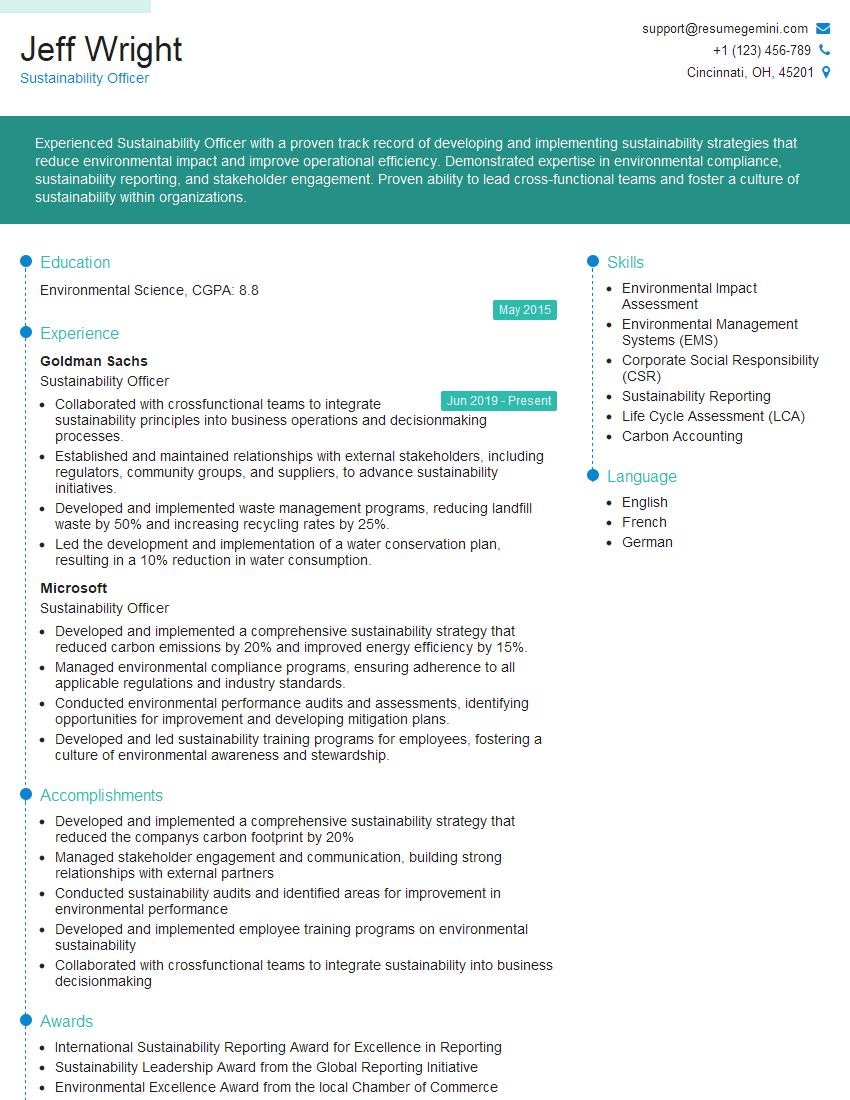
Sustainability Officer Resume Sample
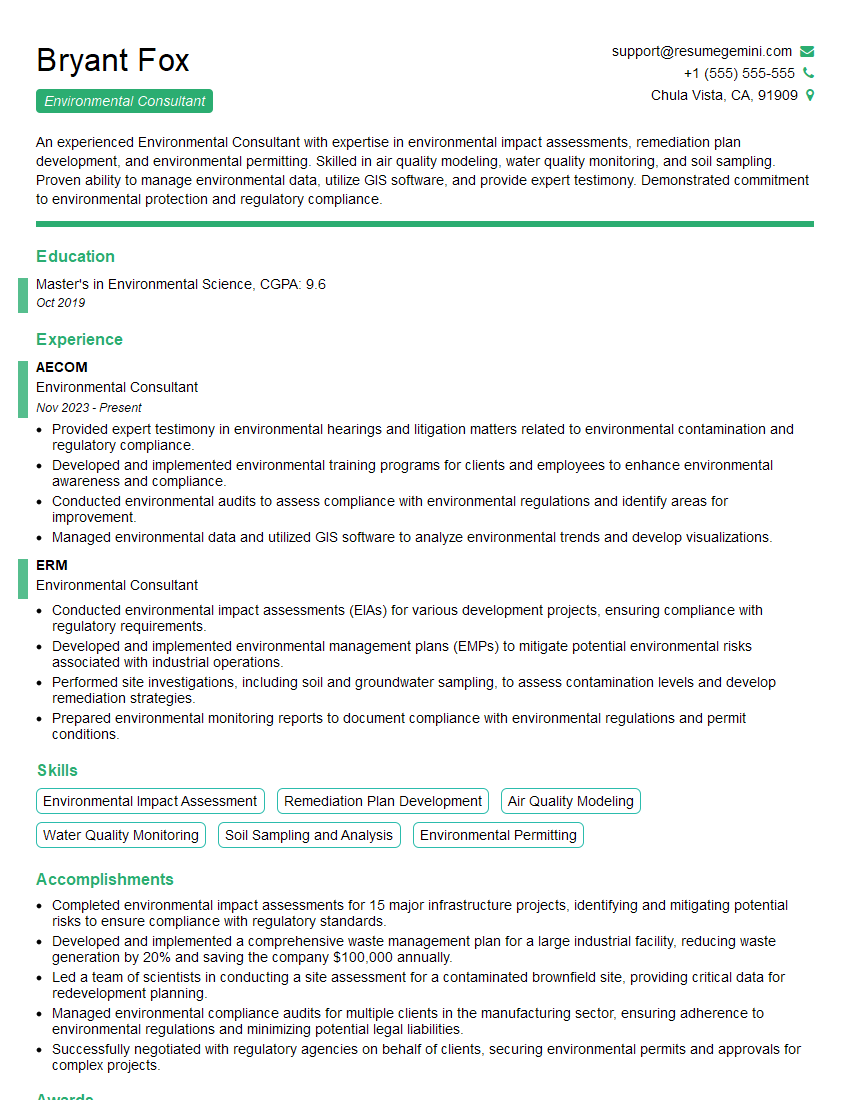
Environmental Consultant Resume Sample

Wildlife Biologist Resume Sample
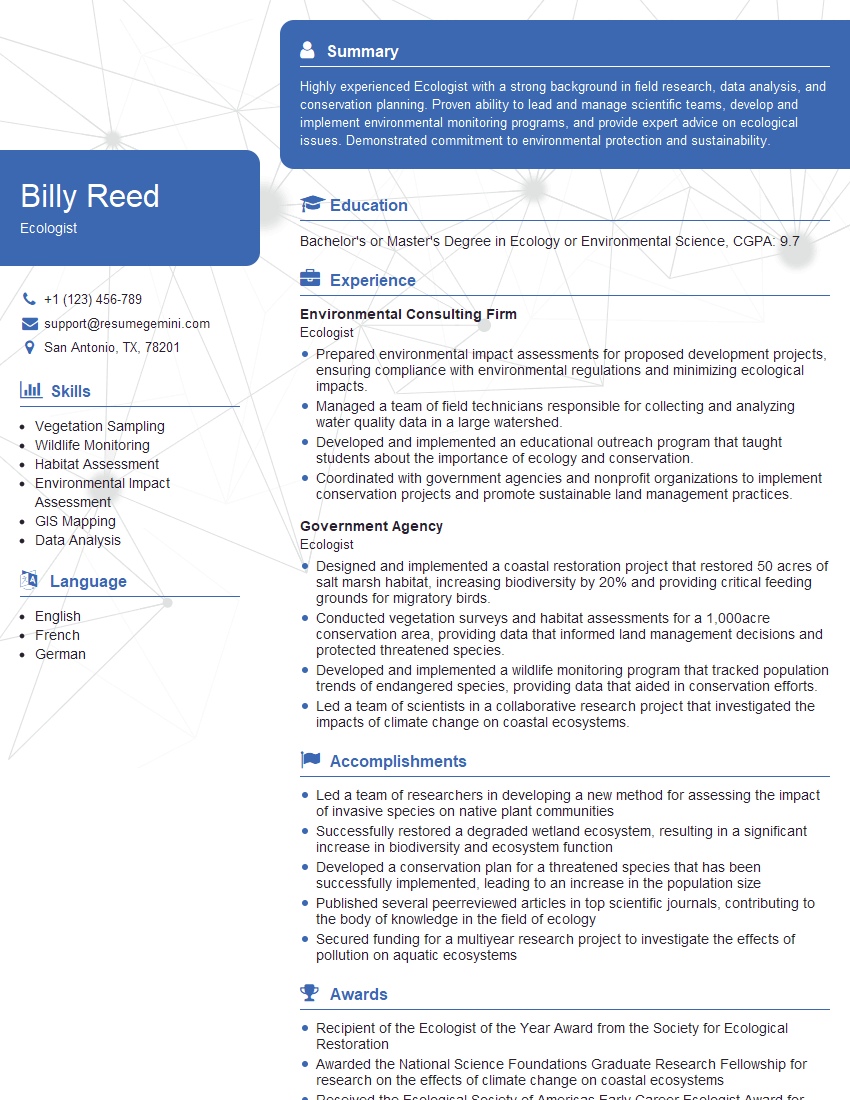
Ecologist Resume Sample
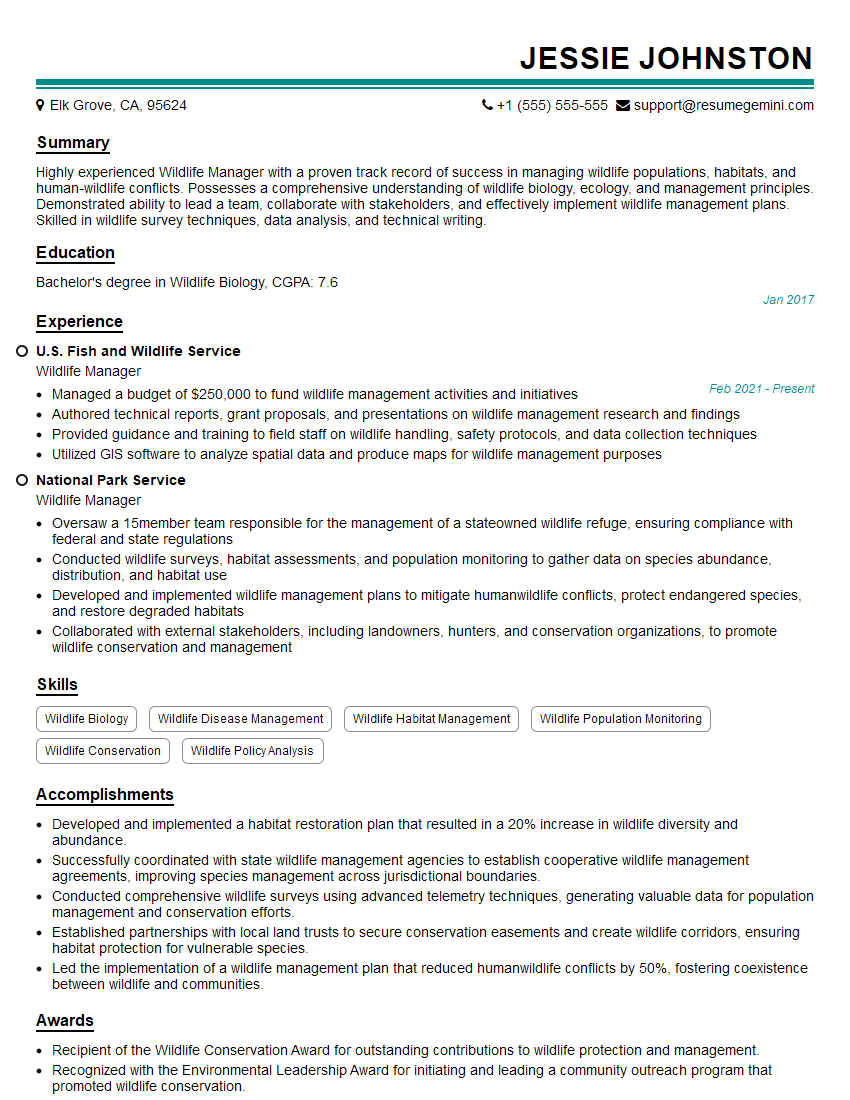
Wildlife Manager Resume Sample
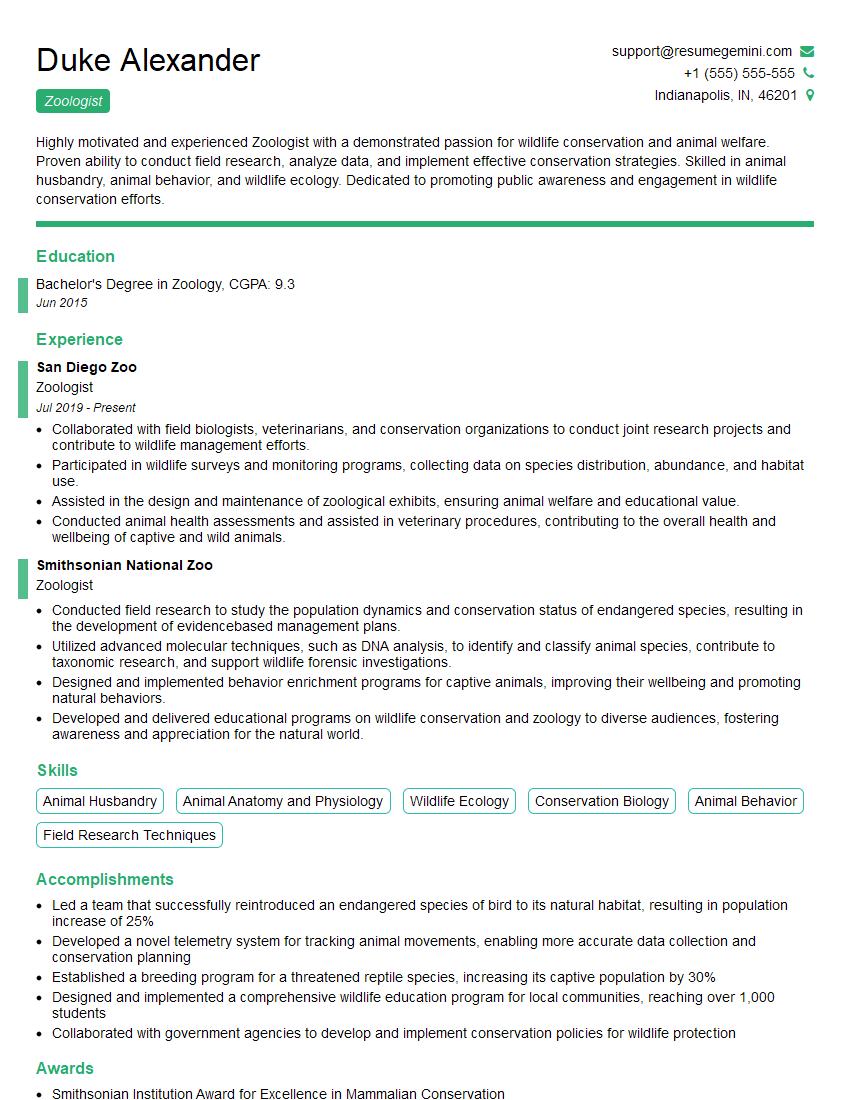
Zoologist Resume Sample

Environmental Educator Resume Sample
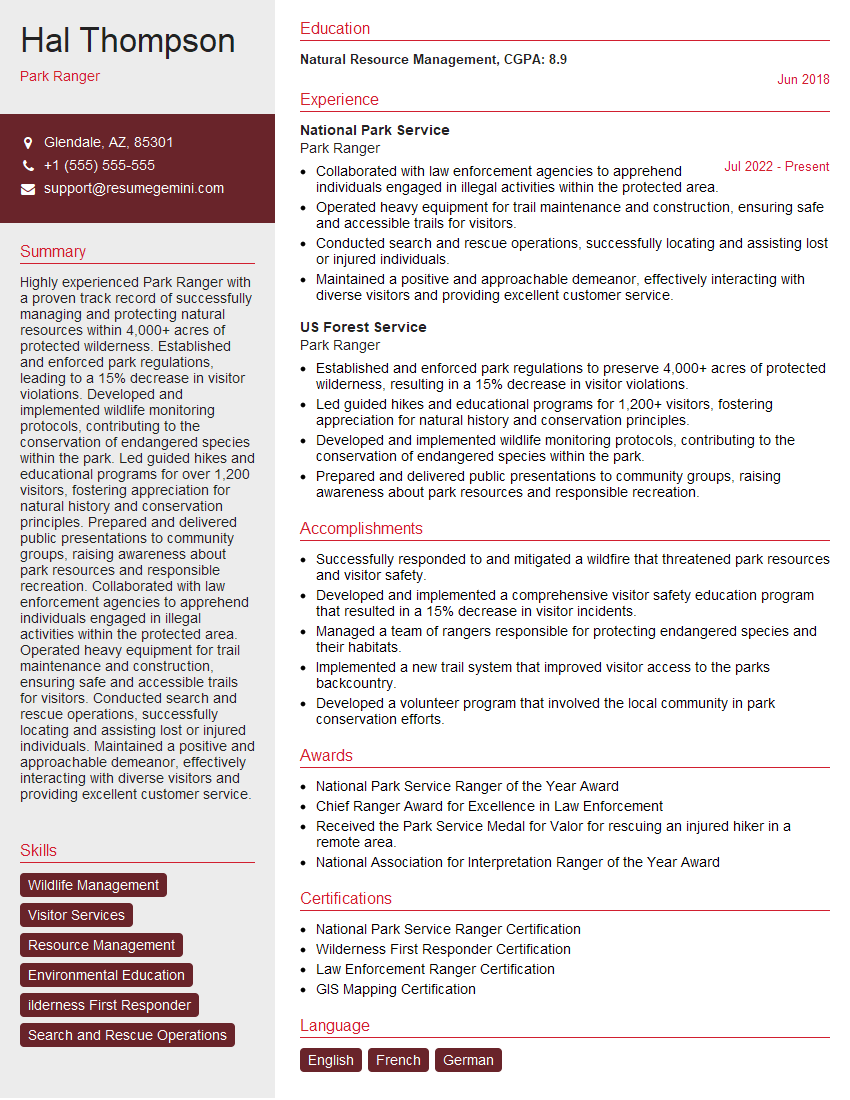
Park Ranger Resume Sample
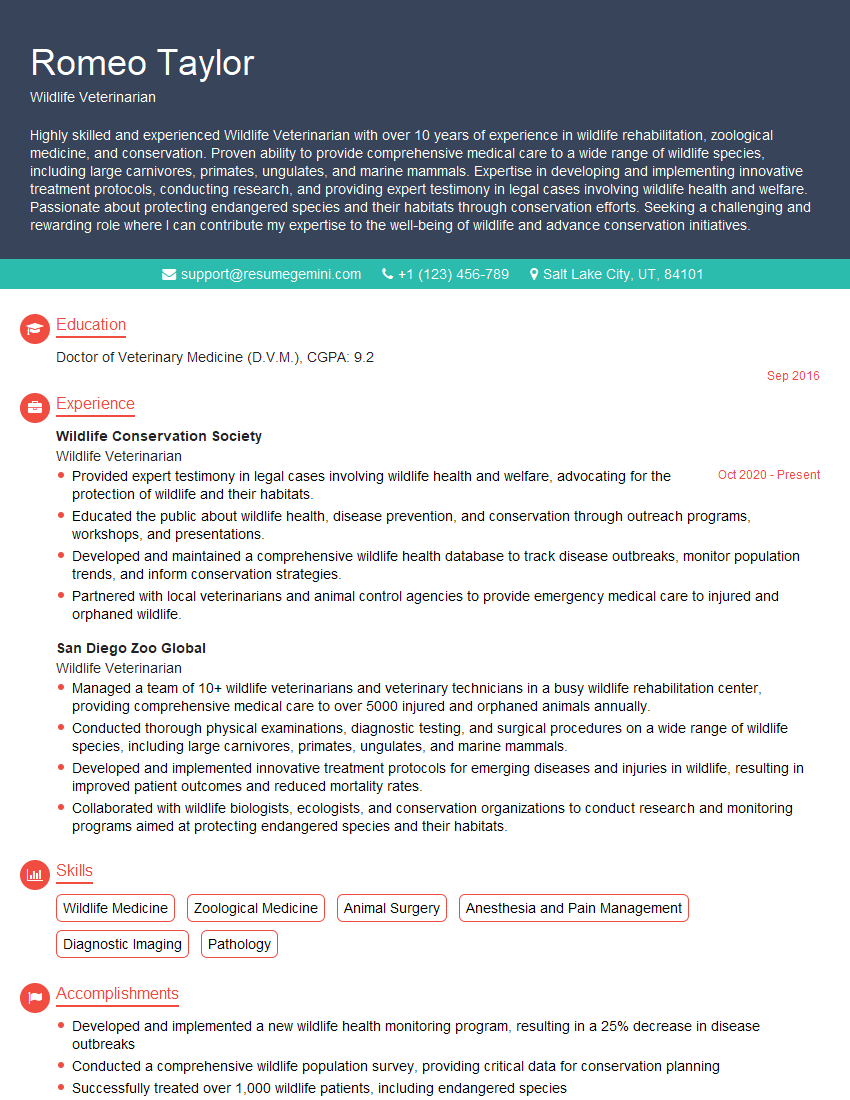
Wildlife Veterinarian Resume Sample
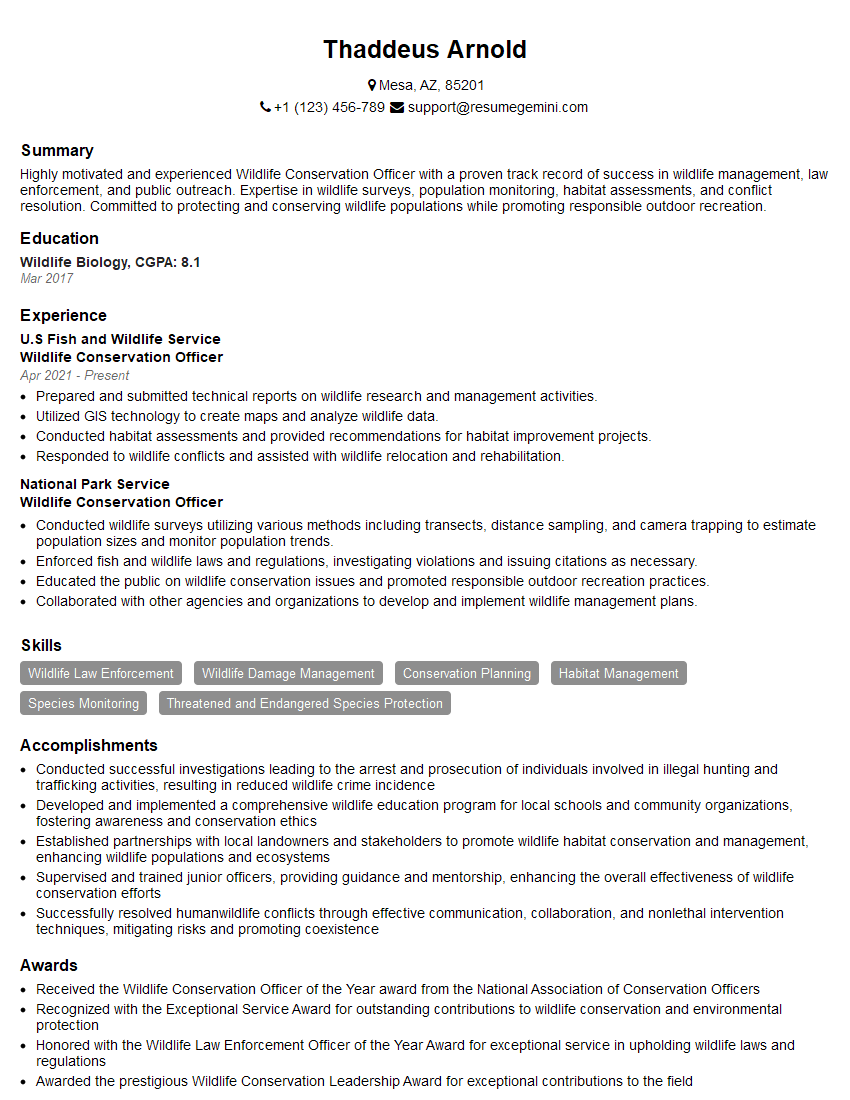
Wildlife Conservation Officer Resume Sample

Wildlife Rehabilitator Resume Sample
Explore more articles
Users Rating of Our Blogs
Share Your Experience
We value your feedback! Please rate our content and share your thoughts (optional).
What Readers Say About Our Blog
Very informative content, great job.
good