Preparation is the key to success in any interview. In this post, we’ll explore crucial Wildlife Education and Conservation interview questions and equip you with strategies to craft impactful answers. Whether you’re a beginner or a pro, these tips will elevate your preparation.
Questions Asked in Wildlife Education and Conservation Interview
Q 1. Describe your experience with different wildlife education methodologies.
My experience spans a wide range of wildlife education methodologies, focusing on creating engaging and impactful learning experiences. I’ve employed various approaches, tailoring them to the specific audience and learning objectives. For example, with younger children, I utilize hands-on activities like nature walks and craft projects incorporating natural materials. This approach fosters a sense of wonder and direct connection with nature. For older audiences or specialized groups, I incorporate more sophisticated methods, such as interactive presentations with multimedia elements, citizen science projects, and field research opportunities. I’ve also developed and delivered educational programs using storytelling, incorporating local folklore and cultural perspectives to connect with the audience on a deeper level. The key is adaptability; choosing the right method depends on the learning style and background of the participants and the specific conservation messages being conveyed. For instance, while a lecture might be appropriate for university students, it wouldn’t be effective for a group of elementary school children.
- Experiential Learning: Hands-on activities, field trips, and wildlife encounters promote direct interaction and deeper understanding.
- Inquiry-Based Learning: Encouraging questioning and investigation fosters critical thinking and problem-solving skills.
- Storytelling and Narrative: Connecting with audiences through compelling narratives enhances engagement and memorability.
- Technology Integration: Utilizing multimedia resources, online platforms, and interactive simulations can reach wider audiences and enhance accessibility.
Q 2. Explain your understanding of various wildlife conservation strategies.
Wildlife conservation strategies are multifaceted and require a holistic approach. My understanding encompasses a range of techniques, from habitat preservation and restoration to population management and community engagement.
- Habitat Conservation and Restoration: Protecting and restoring crucial habitats is paramount. This includes establishing protected areas, creating wildlife corridors, and mitigating habitat fragmentation.
- Species-Specific Management: Implementing strategies tailored to the specific needs of individual species, such as captive breeding programs, reintroduction initiatives, and anti-poaching measures.
- Community-Based Conservation: Engaging local communities in conservation efforts is crucial for long-term success. This involves empowering local stakeholders, promoting sustainable livelihoods, and addressing human-wildlife conflict.
- Policy and Legislation: Working within existing legal frameworks and advocating for strengthened conservation laws is essential for protecting wildlife and their habitats.
- Combating Illegal Wildlife Trade: Addressing the illegal trade of wildlife and wildlife products through enforcement, education, and international collaboration.
- Monitoring and Research: Continuous monitoring of wildlife populations and habitats provides critical data for adaptive management and effective conservation planning.
For example, during a project focusing on the conservation of endangered sea turtles, we implemented a multi-pronged strategy that involved nesting site protection, community education programs on responsible beach use, and collaboration with local fishermen to reduce bycatch. The success of this project hinged on the integration of all these approaches.
Q 3. How would you assess the effectiveness of a wildlife conservation program?
Assessing the effectiveness of a wildlife conservation program requires a rigorous and multi-faceted approach. It’s not simply about counting animals; it’s about understanding the underlying ecological processes and the social context within which the program operates.
A comprehensive assessment would incorporate:
- Biological Monitoring: Tracking population trends, habitat quality, and key ecological indicators. This could involve population surveys, camera trapping, genetic analysis, and habitat assessments. Quantitative data is essential here.
- Socio-economic Evaluation: Assessing the impacts of the program on local communities, including changes in livelihoods, attitudes towards conservation, and participation in conservation activities. Qualitative data, such as interviews and focus groups, are vital for this aspect.
- Programmatic Review: Evaluating the efficiency and effectiveness of program implementation, including resource allocation, stakeholder engagement, and adaptive management strategies. This involves reviewing budgets, reports, and meeting minutes.
- Adaptive Management: Using the data collected to continuously refine the program and improve its outcomes. It’s crucial to be flexible and adjust strategies based on monitoring results.
For example, in evaluating a reintroduction program for a threatened bird species, we would assess not only the survival and reproductive success of the released birds but also the quality of the restored habitat and the level of community support for the program. The effectiveness is judged by a combination of ecological and social metrics.
Q 4. What are the ethical considerations in wildlife rehabilitation?
Ethical considerations in wildlife rehabilitation are paramount. The primary goal is always the well-being of the animal, and ethical practices must guide every decision. Key considerations include:
- Minimizing Stress and Trauma: Handling animals gently, providing appropriate veterinary care, and minimizing human contact.
- Prioritizing Natural Behaviors: Creating an environment that encourages natural behaviors, rather than humanizing the animal.
- Species-Appropriate Care: Providing the specific dietary, environmental, and social needs of the species.
- Release Success: Prioritizing the animal’s ability to survive and thrive in its natural environment. Release should only occur when the animal has a reasonable chance of success.
- Transparency and Accountability: Maintaining accurate records, documenting procedures, and adhering to relevant regulations.
- Euthanasia: In situations where rehabilitation is impossible due to severe injury or illness, humane euthanasia is a necessary ethical consideration.
A key ethical dilemma might arise when deciding whether to intervene in a situation where an animal is seemingly struggling. It’s crucial to avoid anthropomorphism and make decisions based on scientific evidence and the animal’s best interests. For instance, interfering in a seemingly distressed animal situation might cause more harm than good and interrupt a natural behavioral pattern.
Q 5. Describe your experience with data collection and analysis in wildlife research.
My experience encompasses diverse data collection and analysis techniques commonly used in wildlife research. I’m proficient in both quantitative and qualitative methods.
- Quantitative Methods: This includes population surveys (e.g., mark-recapture, distance sampling), habitat assessments (e.g., vegetation surveys, GIS analysis), and monitoring of physiological parameters (e.g., body condition, hormone levels).
- Qualitative Methods: This includes observational studies, interviews with local communities, and analysis of anecdotal evidence. This is crucial for understanding the social and cultural aspects of wildlife conservation.
- Data Analysis: I’m proficient in using statistical software (e.g., R, SPSS) to analyze data, test hypotheses, and develop predictive models. This ensures data interpretation is robust and reliable.
In a recent project involving the monitoring of an endangered primate population, we used camera trapping to collect data on population size, distribution, and behavior. This data was then analyzed using spatial analysis techniques to understand habitat use and identify key threats to the population. The collected data helped in informing habitat restoration plans.
Q 6. How would you handle a conflict between wildlife conservation and human development?
Handling conflicts between wildlife conservation and human development requires a nuanced and collaborative approach. It’s about finding solutions that balance human needs with the needs of wildlife and the environment. This often involves:
- Stakeholder Engagement: Bringing together all affected parties – developers, conservationists, local communities, and government agencies – to facilitate open dialogue and identify common ground.
- Impact Assessment: Conducting thorough environmental impact assessments to identify potential negative impacts on wildlife and habitats. This allows for mitigation strategies to be implemented.
- Mitigation Measures: Developing strategies to minimize the negative impacts of development, such as creating wildlife corridors, implementing habitat restoration projects, or modifying development plans to avoid sensitive areas.
- Compensation and Incentives: Providing compensation to local communities for lost income or resources due to conservation efforts, and creating incentives for sustainable land use practices.
- Policy and Legislation: Advocating for policies that incorporate biodiversity considerations into development planning and promote sustainable development.
For example, in a situation where a proposed road project threatened the habitat of an endangered species, a potential solution might involve rerouting the road to minimize habitat fragmentation, creating wildlife crossings, and implementing habitat restoration along the road corridor. The key is to collaborate and find creative solutions that meet the needs of both humans and wildlife.
Q 7. Explain your knowledge of endangered species legislation and regulations.
My knowledge of endangered species legislation and regulations is extensive. I understand the complexities of national and international laws designed to protect threatened and endangered species. This includes:
- The Endangered Species Act (ESA) (U.S.): I’m familiar with the provisions of the ESA, including listing criteria, critical habitat designation, and recovery planning. I understand the complexities of permit requirements and the mechanisms for enforcement.
- CITES (Convention on International Trade in Endangered Species): I’m knowledgeable about the international agreements regulating the trade of endangered species and their products. This involves understanding Appendix I, II, and III listings and the permit requirements for legal trade.
- National and Regional Legislation: My understanding extends to national and regional laws governing wildlife conservation, such as habitat protection laws and hunting regulations. These vary considerably based on location and species.
- Enforcement and Compliance: I understand the mechanisms for enforcing endangered species laws, including investigations, prosecutions, and penalties for violations. This also involves knowing how to obtain and understand permits and licenses.
It’s crucial to stay updated on changes in legislation and regulations as well as understand the intricacies of specific laws. These laws are essential tools for protecting endangered species and their habitats; my knowledge allows me to develop conservation strategies that are compliant and effective. For instance, before implementing a reintroduction project, I would carefully assess the relevant legal requirements and secure any necessary permits.
Q 8. How do you communicate complex scientific information to a non-scientific audience?
Communicating complex scientific information to a non-scientific audience requires translating jargon into everyday language and focusing on the ‘so what?’ – the relevance to their lives. I employ several strategies: using analogies and metaphors to explain intricate concepts; visual aids like graphs, charts, and compelling images; storytelling to connect with the audience on an emotional level; and interactive elements like Q&A sessions and hands-on activities. For example, when explaining population dynamics, instead of using terms like ‘carrying capacity,’ I might use a relatable analogy like a crowded bus – if too many people try to get on, it becomes uncomfortable and unsustainable. This makes the concept immediately understandable and memorable.
I also tailor my communication style to the specific audience. A presentation for children will differ greatly from one for adults or policymakers. For children, I incorporate games and playful activities. For adults, I emphasize the impact on their community or environment. For policymakers, I focus on the implications for conservation strategies and resource allocation.
Q 9. What are the key challenges in habitat restoration and management?
Habitat restoration and management face numerous challenges. One major hurdle is the sheer scale of habitat loss and degradation; restoring vast areas requires significant resources and sustained effort. Another challenge is the complexity of ecological systems; understanding the intricate interactions between different species and their environment is crucial for successful restoration. Introducing a species to a restored habitat without considering these interactions could cause unintended consequences, such as invasive species outcompeting native flora and fauna.
- Funding limitations: securing long-term funding for restoration projects is often difficult.
- Invasive species: managing and controlling invasive species that threaten restored habitats requires ongoing vigilance.
- Climate change: shifting climate patterns can alter habitat suitability and require adaptive management strategies.
- Human impact: ongoing human activities like pollution and encroachment can compromise restoration efforts.
- Lack of public awareness and support: gaining public support for conservation initiatives is crucial for long-term success.
Effective habitat restoration requires a multi-faceted approach, involving scientific research, community engagement, and adaptive management strategies. For example, a successful project in Costa Rica involved reforestation efforts combined with community education programs to ensure long-term protection of the restored forest.
Q 10. Describe your experience with public outreach and education programs.
Throughout my career, I’ve been heavily involved in public outreach and education programs. I’ve developed and delivered presentations at schools, community centers, and environmental conferences. I’ve also led nature walks and workshops, created educational materials (brochures, websites, social media campaigns), and participated in citizen science initiatives. One particularly rewarding experience involved developing a summer camp program for underprivileged children, introducing them to the wonders of wildlife and instilling a sense of responsibility for environmental conservation. This program involved hands-on activities like wildlife tracking, bird watching, and habitat restoration, coupled with engaging lectures and interactive games. The children’s enthusiasm and the positive feedback from their parents were truly inspiring. We saw a significant improvement in their environmental knowledge and attitudes after the program.
Q 11. How would you develop a wildlife education curriculum for a specific age group?
Developing a wildlife education curriculum for a specific age group requires careful consideration of their developmental stage and learning styles. For example, a curriculum for young children (5-8 years old) should be highly interactive, hands-on, and visually engaging, incorporating storytelling, songs, and games to convey key concepts. It should focus on basic ecological principles and introduce them to the diversity of wildlife in their local area. Older children (9-12 years old) can handle more complex information, such as food webs, habitat loss, and conservation strategies. The curriculum for this age group can incorporate scientific inquiry, research projects, and debates. For teenagers (13-18 years old), the focus can be on critical thinking, problem-solving, and engagement in community-based conservation projects. The curriculum should be adaptable and cater to various learning styles, using a mix of activities to accommodate visual, auditory, and kinesthetic learners.
Q 12. What are the different types of wildlife monitoring techniques?
Wildlife monitoring techniques are diverse and depend on the species being studied and the research question. Common techniques include:
- Visual surveys: direct observation of animals, often using binoculars or spotting scopes.
- Camera trapping: using motion-activated cameras to capture images or videos of animals.
- Acoustic monitoring: using audio recorders to detect animal vocalizations.
- Mark-recapture studies: capturing, marking, and releasing animals to estimate population size.
- GPS tracking: using GPS collars or tags to track animal movements.
- Genetic analysis: analyzing DNA samples to study population genetics and relatedness.
- Scat analysis: examining animal droppings to identify species and diet.
The choice of technique often involves a combination of methods for more accurate and comprehensive data. For instance, a study on the population size and movement patterns of a threatened primate might involve a combination of camera trapping, GPS tracking, and mark-recapture techniques.
Q 13. Explain your understanding of population dynamics and their application in conservation.
Population dynamics refers to the changes in the size and structure of populations over time. Understanding these dynamics is crucial for conservation because it allows us to identify threatened species and develop effective management strategies. Factors influencing population dynamics include birth rates, death rates, immigration, emigration, and environmental factors like habitat availability and food resources. The logistic growth model, for example, illustrates how population growth slows down as it approaches the carrying capacity of the environment. dN/dt = rN(1 - N/K) This equation shows the rate of population change (dN/dt) is a function of the intrinsic growth rate (r), population size (N), and carrying capacity (K).
In conservation, this understanding is applied in various ways. For example, by monitoring population trends and identifying factors limiting population growth, we can develop strategies to mitigate threats and ensure species survival. This could involve habitat restoration, controlling poaching, or managing human-wildlife conflict.
Q 14. How do you utilize technology in wildlife conservation and education?
Technology plays a vital role in both wildlife conservation and education. In conservation, GPS tracking devices provide real-time data on animal movements, allowing for effective monitoring and management of threatened species. Remote sensing technologies like satellite imagery and drones help in mapping habitats, assessing habitat quality, and detecting signs of deforestation or poaching. Genetic analysis tools are used for species identification, population genetic studies, and forensic investigations. Citizen science platforms harness the power of crowdsourcing to collect data on wildlife sightings and contribute to conservation efforts.
In wildlife education, technology facilitates access to information and learning opportunities. Interactive websites and online courses provide engaging educational content. Virtual reality and augmented reality can create immersive experiences that bring wildlife and conservation issues to life. Social media platforms can be used to disseminate information, raise awareness, and engage a wider audience. For example, we can use online platforms to create virtual tours of national parks or to share videos of animal behavior, making conservation accessible to people who may not have the opportunity to experience it firsthand.
Q 15. Describe your experience with grant writing or fundraising for conservation projects.
Grant writing and fundraising are crucial for securing the financial resources needed to implement effective conservation projects. My experience spans over ten years, encompassing everything from researching potential funders to crafting compelling proposals and managing awarded grants. I’ve successfully secured funding from a variety of sources, including private foundations (like the National Fish and Wildlife Foundation and the Gordon and Betty Moore Foundation), government agencies (such as the US Fish and Wildlife Service and the National Park Service), and corporate sponsors.
My approach involves a thorough understanding of the funder’s priorities and a meticulous presentation of the project’s potential impact. For instance, when applying for a grant focused on endangered species recovery, I emphasized the project’s scientific rigor, community involvement, and long-term sustainability. I also highlight measurable outcomes, using clear metrics to demonstrate the project’s success and justify continued funding. This includes tracking population changes, habitat restoration progress, and community participation rates. Finally, robust budgeting and reporting are crucial for maintaining transparency and accountability.
A successful grant proposal isn’t just about numbers; it’s a story that resonates with the funder. I use storytelling techniques to engage the reader and showcase the urgency and importance of the conservation work being undertaken.
Career Expert Tips:
- Ace those interviews! Prepare effectively by reviewing the Top 50 Most Common Interview Questions on ResumeGemini.
- Navigate your job search with confidence! Explore a wide range of Career Tips on ResumeGemini. Learn about common challenges and recommendations to overcome them.
- Craft the perfect resume! Master the Art of Resume Writing with ResumeGemini’s guide. Showcase your unique qualifications and achievements effectively.
- Don’t miss out on holiday savings! Build your dream resume with ResumeGemini’s ATS optimized templates.
Q 16. What are the key factors affecting biodiversity loss?
Biodiversity loss, the decline in the variety of life on Earth, is driven by a complex interplay of factors. Think of it like a tangled web – if you pull one thread, the whole thing can unravel.
- Habitat Loss and Degradation: This is arguably the biggest driver. Deforestation, urbanization, and agricultural expansion destroy and fragment habitats, leaving species with nowhere to live. Imagine a forest being cut down – the animals lose their homes and food sources.
- Climate Change: Shifting climate patterns alter species’ ranges and disrupt ecosystems. Rising temperatures, altered precipitation patterns, and increased frequency of extreme weather events all contribute to this.
- Pollution: Air, water, and soil pollution harm wildlife directly and indirectly through habitat degradation. Pesticides can kill insects, impacting entire food webs.
- Overexploitation: Overfishing, hunting, and poaching deplete populations faster than they can recover. Think of the illegal ivory trade decimating elephant populations.
- Invasive Species: Non-native species can outcompete native organisms for resources, introduce diseases, and disrupt entire ecosystems. The introduction of the brown tree snake in Guam devastated the island’s native bird populations.
- Disease: Diseases can wipe out entire populations, especially those already stressed by other factors. For instance, chytrid fungus is devastating amphibian populations globally.
Addressing biodiversity loss requires a multi-pronged approach, tackling each of these factors simultaneously. It requires collaboration between governments, conservation organizations, and local communities.
Q 17. How do you assess the impact of human activities on wildlife populations?
Assessing the impact of human activities on wildlife populations requires a multi-faceted approach, combining various scientific methods and data analysis techniques.
We often use population monitoring – tracking the size and distribution of populations over time. This can involve direct counts, camera trapping, or genetic analyses. For example, we might compare population trends of a certain bird species before and after the construction of a highway to assess its impact. We then analyze the data statistically to determine if there’s a significant decline or change in the population’s genetic diversity.
Habitat analysis is another vital component. We assess habitat quality and quantity, looking for changes in land use, pollution levels, and fragmentation. Remote sensing technologies such as satellite imagery help monitor large-scale changes in vegetation cover and habitat integrity.
Modeling plays a significant role. We use computer models to simulate various scenarios and predict future population trends based on different human activities. For instance, we could model the impact of different levels of deforestation on a particular primate population.
Finally, combining these different methods provides a comprehensive understanding of the impacts of human activities. These findings often inform conservation strategies and policy decisions.
Q 18. What are the different methods for controlling invasive species?
Controlling invasive species requires a multifaceted strategy tailored to the specific species and ecosystem. There’s no one-size-fits-all solution.
- Physical Removal: This involves manually removing the invasive species. This can be effective for smaller infestations, but it’s labor-intensive and may not be suitable for large areas. Example: manually removing water hyacinth from a lake.
- Chemical Control: Herbicides and pesticides can effectively control invasive plants and animals, but they need to be carefully applied to minimize harm to non-target species and the environment. Example: using herbicide to control an invasive weed.
- Biological Control: This involves introducing natural enemies (predators, parasites, or pathogens) of the invasive species to control their populations. This method requires careful research to ensure that the introduced control agent doesn’t become an invasive species itself. Example: introducing a specific beetle to control an invasive plant.
- Integrated Pest Management (IPM): IPM combines different control methods to achieve the most effective and sustainable management of invasive species. It’s often the most sustainable approach. Example: combining physical removal with biological control.
- Prevention: The most effective method is preventing the introduction of invasive species in the first place, through strict border controls and regulations, and public awareness campaigns.
Choosing the appropriate control method(s) requires careful consideration of the ecosystem, the invasive species’ characteristics, and potential risks to non-target organisms. Often, a combination of methods is the most effective strategy.
Q 19. Describe your experience with community engagement in conservation initiatives.
Community engagement is absolutely crucial for successful conservation. Conservation initiatives can only be truly effective with the support and participation of local communities. My experience includes working with diverse communities – from indigenous groups in the Amazon rainforest to rural farming communities in Africa – to develop and implement conservation projects.
My approach involves establishing strong relationships based on mutual respect and trust. This includes actively listening to their concerns and incorporating their traditional ecological knowledge (TEK) into conservation strategies. For example, in a project focused on forest protection, we collaborated with a local community to develop a sustainable forestry plan that aligns with their traditional practices.
I believe that empowering communities to participate actively in the management and monitoring of their natural resources is essential for long-term success. This involves providing training and education, promoting leadership within the community, and establishing clear communication channels. We use participatory approaches, such as community workshops and forums, to ensure that the conservation goals are aligned with their needs and aspirations.
Sharing the benefits of conservation with local communities is essential. For example, we might support ecotourism initiatives or create employment opportunities through sustainable resource management.
Q 20. How would you address poaching or illegal wildlife trade?
Addressing poaching and illegal wildlife trade requires a multi-pronged approach that targets various aspects of the problem. This isn’t just about catching poachers; it’s about dismantling the entire criminal network.
- Strengthening Law Enforcement: This includes increasing patrols in protected areas, improving investigative techniques, and strengthening legal frameworks. Increased collaboration between law enforcement agencies across borders is crucial to disrupt transnational trafficking networks.
- Reducing Demand: Public awareness campaigns targeting consumers can help reduce demand for illegal wildlife products. Educating people about the consequences of their actions is critical. For instance, campaigns highlighting the link between ivory consumption and elephant poaching can be effective.
- Community Engagement: Involving local communities in anti-poaching efforts is essential. This could involve providing alternative livelihood opportunities to reduce reliance on poaching and empowering local communities to participate actively in protecting their wildlife.
- Improving Surveillance Technology: Employing drones, camera traps, and other technologies can enhance monitoring and detection capabilities. Real-time monitoring of wildlife populations can help prevent poaching before it happens.
- International Cooperation: Collaboration between countries is necessary to combat transnational organized crime involved in illegal wildlife trade. This includes sharing intelligence, conducting joint operations, and enacting stronger international legislation.
Ultimately, success depends on a combination of strong law enforcement, community engagement, reducing demand, and international collaboration. It’s a complex problem requiring a collaborative and sustained effort.
Q 21. Explain your understanding of climate change impacts on wildlife.
Climate change is profoundly impacting wildlife, threatening species and ecosystems globally. It’s like shifting the entire stage on which life plays out, forcing species to adapt or perish.
- Range Shifts: As temperatures rise, species are shifting their geographic ranges towards higher altitudes or latitudes in search of suitable habitats. This can lead to competition with existing species and ecosystem disruption.
- Phenological Mismatches: Climate change is altering the timing of seasonal events (like migration, breeding, and flowering). This can disrupt the synchronized relationships between species, such as between pollinators and plants.
- Habitat Loss and Degradation: Rising sea levels, increased frequency of extreme weather events (like droughts and floods), and changes in precipitation patterns are degrading and destroying habitats.
- Increased Disease Risk: Warmer temperatures can expand the range of disease vectors, increasing the risk of disease outbreaks in wildlife populations.
- Ocean Acidification: Increased absorption of carbon dioxide by the oceans is leading to ocean acidification, harming marine organisms with calcium carbonate shells or skeletons, such as corals and shellfish.
Addressing the impact of climate change on wildlife requires mitigating climate change through reducing greenhouse gas emissions and implementing adaptation strategies to help wildlife cope with the changes already occurring. This includes habitat restoration, protected area management, and assisted migration, where feasible.
Q 22. What are the key principles of sustainable resource management?
Sustainable resource management hinges on the principle of meeting present needs without compromising the ability of future generations to meet their own. It’s about finding a balance between human use and ecological integrity. Key principles include:
- Carrying Capacity: Understanding the maximum population size an environment can sustainably support for a given species. Think of it like a house – only so many people can comfortably live there without overcrowding.
- Precautionary Principle: When there’s uncertainty about the potential impacts of an action, err on the side of caution. This is especially crucial in conservation, where irreversible damage can easily occur.
- Adaptive Management: Continuously monitoring and adjusting management strategies based on new data and feedback. Conservation isn’t static; it requires flexibility and learning.
- Ecosystem-Based Management: Focusing on the entire ecosystem rather than just individual species. Protecting biodiversity helps create a more resilient and functional system.
- Stakeholder Engagement: Incorporating the perspectives and knowledge of all stakeholders – local communities, scientists, policymakers – into decision-making. This ensures broad support and better outcomes.
For instance, sustainable forestry involves harvesting trees at a rate that allows for regeneration, maintaining biodiversity, and protecting water resources. Ignoring carrying capacity can lead to deforestation and soil erosion.
Q 23. Describe your experience with GIS and its application in wildlife conservation.
Geographic Information Systems (GIS) are invaluable tools in wildlife conservation. My experience spans over ten years, encompassing habitat mapping, species distribution modeling, and monitoring protected areas. I’ve used GIS software like ArcGIS to:
- Map wildlife habitats: By overlaying data on vegetation types, elevation, and water sources, I can identify crucial habitats for different species.
- Model species distributions: Using presence-absence data and environmental variables, I’ve created predictive maps of where species are likely to be found, useful for planning conservation efforts and assessing the impact of habitat changes.
- Monitor protected areas: Tracking deforestation, poaching activity, or habitat fragmentation within protected zones allows for timely interventions.
- Plan wildlife corridors: GIS helps identify suitable locations to link fragmented habitats, enhancing species movement and gene flow.
For example, in a recent project, we used GIS to identify optimal locations for anti-poaching patrols based on historical poaching incidents and habitat suitability for target species. This resulted in a significant reduction in poaching activities.
Q 24. How do you use data to inform decision-making in wildlife management?
Data is crucial for evidence-based decision-making in wildlife management. I use various data sources – population counts, disease surveillance data, habitat monitoring, climate data – to inform strategies. My approach involves:
- Data Collection: Employing various methods like camera trapping, GPS tracking, aerial surveys, and citizen science initiatives.
- Data Analysis: Using statistical tools and modeling techniques to interpret the collected data, identifying trends and patterns.
- Decision Support Systems: Integrating data into spatial decision support systems to create maps and scenarios that assist in setting conservation priorities and evaluating management alternatives.
- Adaptive Management: Regularly reviewing data to refine management strategies. If a conservation strategy is not yielding the expected results, the data will often highlight the need for adjustments.
For example, monitoring population trends of a threatened species might reveal a decline, prompting investigations into potential causes, like habitat loss or disease outbreaks. This data drives decisions about habitat restoration or disease management.
Q 25. Explain your understanding of wildlife disease and its impact on conservation.
Wildlife diseases pose a significant threat to biodiversity and conservation efforts. These diseases can be caused by various factors including pathogens, parasites, and environmental contaminants. The impact can range from individual mortality to population declines, potentially leading to extinctions. Understanding the dynamics of wildlife diseases is essential:
- Disease Surveillance: Regular monitoring of wildlife populations for signs of disease is crucial for early detection and prevention.
- Disease Transmission: Investigating the routes of transmission, whether it’s direct contact, vectors (like ticks or mosquitoes), or environmental contamination is key to developing effective control measures.
- Impact Assessment: Determining the impact of disease on population dynamics and ecosystem function allows for prioritization of conservation resources.
- Disease Management: Depending on the disease and its impact, management strategies might include vaccination, culling, or habitat management.
For instance, the spread of chytrid fungus has devastated amphibian populations globally. Understanding its transmission pathways and developing mitigation strategies is critical for protecting these vulnerable species.
Q 26. What are the legal and regulatory frameworks governing wildlife conservation in your region?
(Note: This answer will need to be adapted based on your specific region. The following is a general example.) The legal and regulatory frameworks governing wildlife conservation in [Region Name] are complex and multifaceted. Key legislation includes:
- [Specific Legislation 1]: This act establishes protected areas, regulates hunting and trapping, and outlines penalties for wildlife offenses.
- [Specific Legislation 2]: This legislation focuses on endangered species protection, including habitat preservation and recovery plans.
- [Specific Legislation 3]: This act addresses the trade in wildlife and wildlife products, aiming to combat illegal trafficking.
These laws are supported by various regulations, permits, and licensing systems, which govern activities that impact wildlife and their habitats. Enforcement is crucial, and collaborations among government agencies, law enforcement, and local communities are necessary for effective protection.
Q 27. Describe a time you had to adapt your conservation approach due to unexpected circumstances.
During a project aimed at reintroducing a particular bird species into a degraded habitat, we experienced unexpected severe wildfires. Our initial plan involved releasing birds into carefully selected sites after habitat restoration. However, the fires destroyed much of the restored habitat and created new challenges.
We adapted by:
- Re-evaluating habitat suitability: Using GIS, we reassessed the remaining suitable habitats, identifying new potential release sites.
- Adjusting the release schedule: We delayed the releases until suitable habitat could be partially restored.
- Strengthening monitoring efforts: Increased monitoring was crucial to assess the birds’ adaptation to the changed landscape and identify any immediate threats.
- Collaborating with fire management agencies: We worked with agencies to incorporate our conservation goals into long-term fire management strategies.
This experience highlighted the importance of flexibility and adaptive management in conservation, emphasizing the need to incorporate unpredictable events into planning.
Q 28. How do you stay up-to-date with the latest advancements in wildlife conservation?
Staying current with advancements in wildlife conservation requires a multi-pronged approach:
- Scientific literature: I regularly read peer-reviewed journals, such as Conservation Biology and Biological Conservation, to stay abreast of new research findings and methodologies.
- Conferences and workshops: Attending international and regional conferences allows for networking and learning from experts in the field.
- Professional networks: Participating in professional organizations, such as the Society for Conservation Biology, provides access to the latest information and networking opportunities.
- Online resources: Utilizing online databases and platforms dedicated to conservation science and practice, and following key researchers and organizations on social media.
- Continuous learning: Engaging in professional development courses and workshops to enhance my technical skills and knowledge.
Staying updated is not just about reading; it’s about critically evaluating information, adapting new techniques, and actively participating in the conservation community. This continuous learning ensures my work remains relevant and impactful.
Key Topics to Learn for Wildlife Education and Conservation Interview
- Wildlife Ecology and Behavior: Understanding animal adaptations, population dynamics, and habitat requirements. Practical application: Designing effective conservation strategies based on species-specific needs.
- Conservation Biology Principles: Incorporating concepts like biodiversity, habitat loss, and climate change impacts. Practical application: Evaluating the effectiveness of different conservation interventions.
- Environmental Education Methods: Developing engaging and impactful educational programs for diverse audiences. Practical application: Creating curriculum tailored to different age groups and learning styles.
- Protected Area Management: Understanding the challenges and strategies involved in managing national parks, wildlife reserves, and other protected areas. Practical application: Contributing to habitat restoration and sustainable tourism initiatives.
- Communication and Outreach: Effectively communicating complex scientific information to the public and stakeholders. Practical application: Developing compelling presentations and educational materials.
- Data Analysis and Interpretation: Utilizing quantitative and qualitative data to inform conservation decisions. Practical application: Analyzing population trends and evaluating the success of conservation programs.
- Policy and Legislation: Understanding relevant environmental laws and regulations. Practical application: Advocating for effective conservation policies.
- Community Engagement and Collaboration: Working effectively with diverse stakeholders, including local communities, government agencies, and non-profit organizations. Practical application: Building strong partnerships to achieve conservation goals.
Next Steps
Mastering Wildlife Education and Conservation opens doors to a fulfilling career contributing to the planet’s well-being. A strong resume is crucial for showcasing your skills and experience to potential employers. Creating an ATS-friendly resume significantly increases your chances of getting noticed. We encourage you to leverage the power of ResumeGemini to build a compelling and professional resume that highlights your unique qualifications. ResumeGemini provides examples of resumes tailored to Wildlife Education and Conservation, helping you craft a document that truly reflects your expertise and passion. Take the next step towards your dream career today.
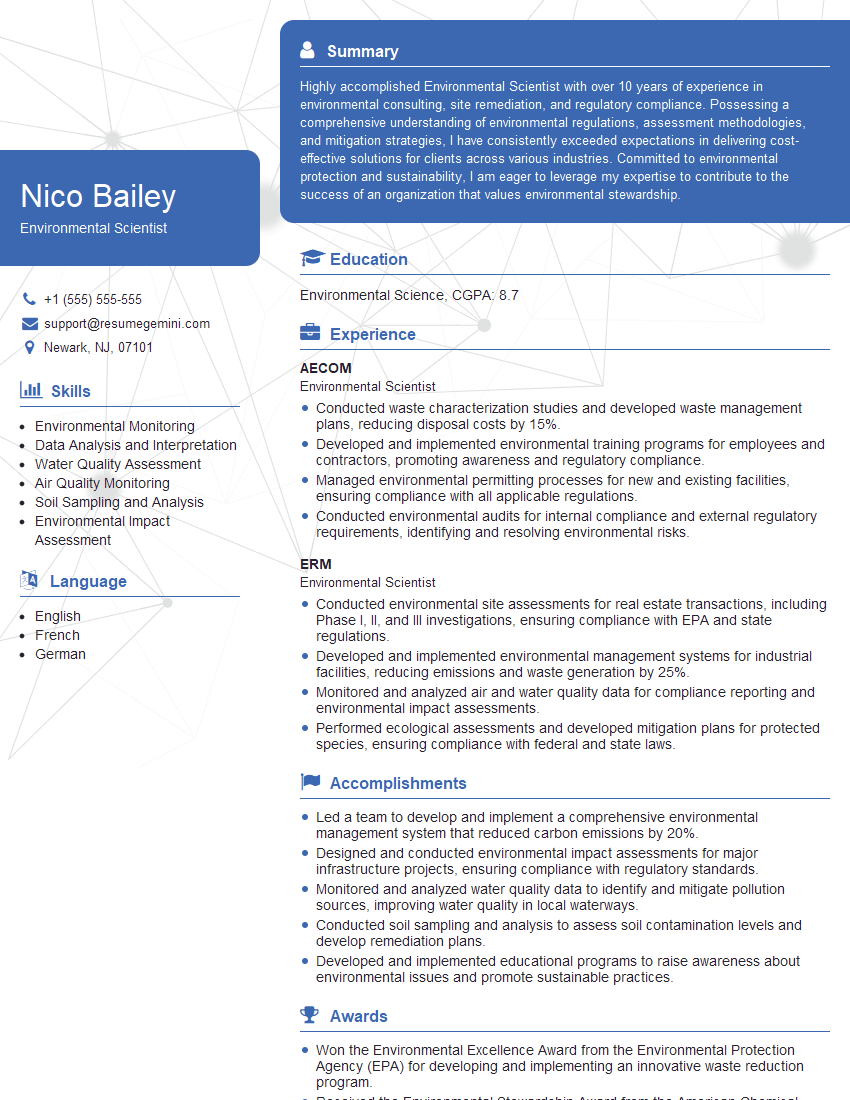
Environmental Scientist Resume Sample
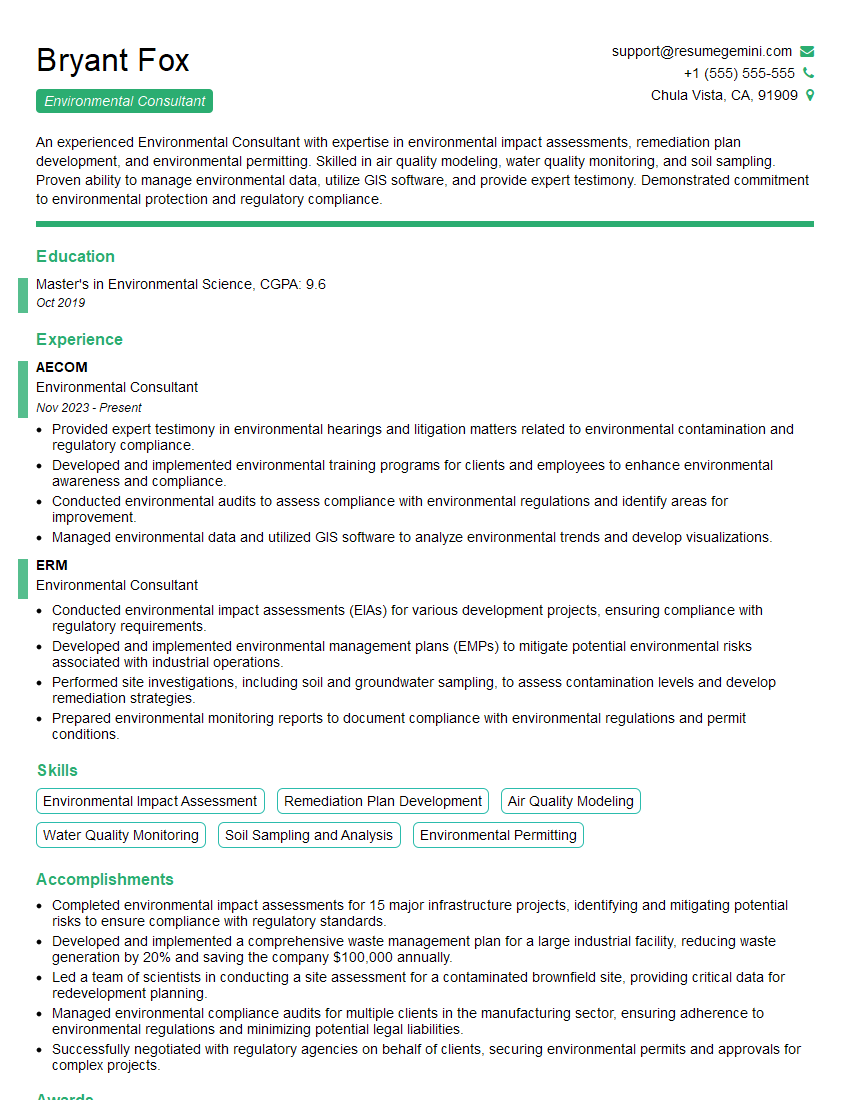
Environmental Consultant Resume Sample

Wildlife Biologist Resume Sample

Naturalist Resume Sample
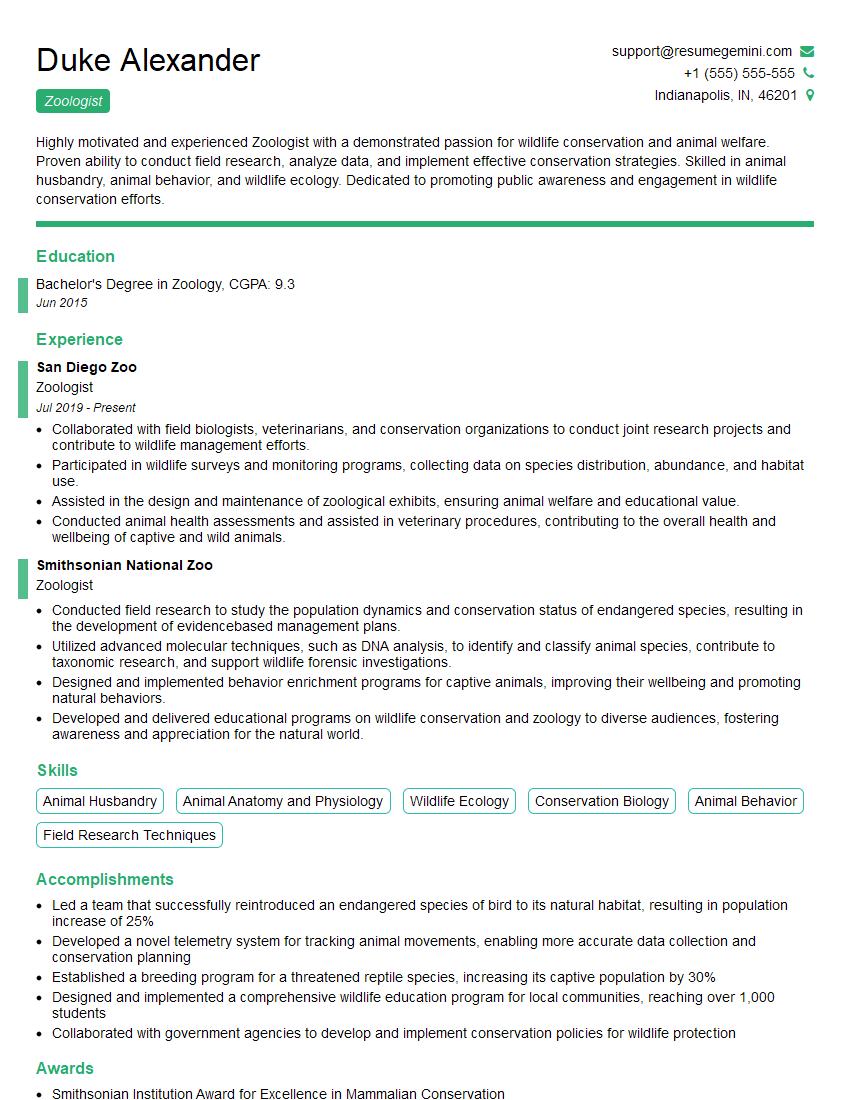
Zoologist Resume Sample

Environmental Educator Resume Sample
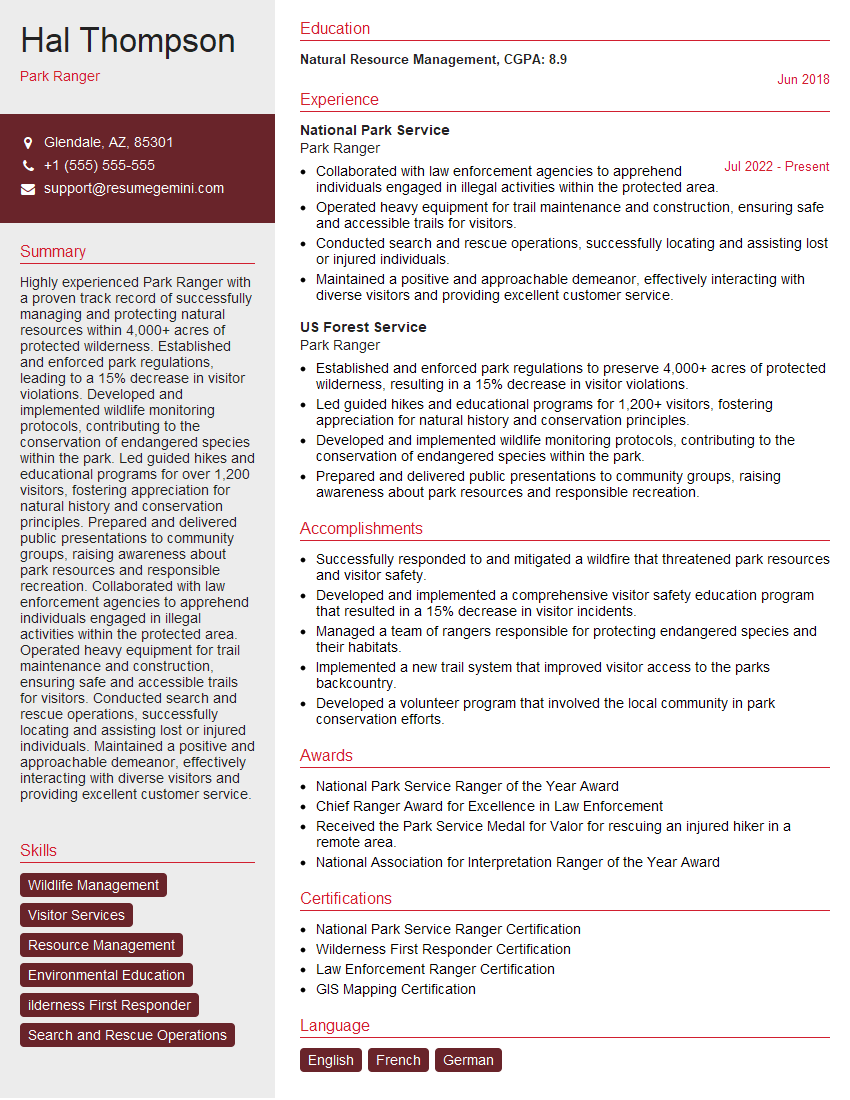
Park Ranger Resume Sample
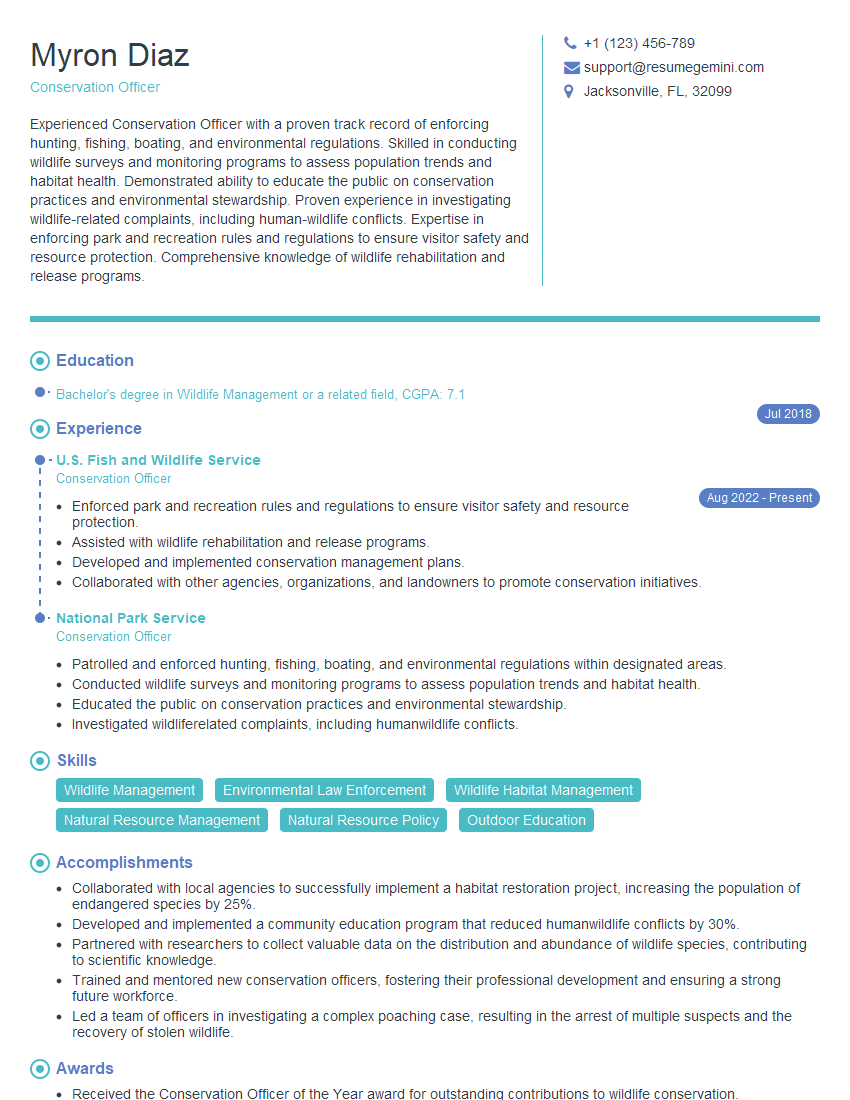
Conservation Officer Resume Sample
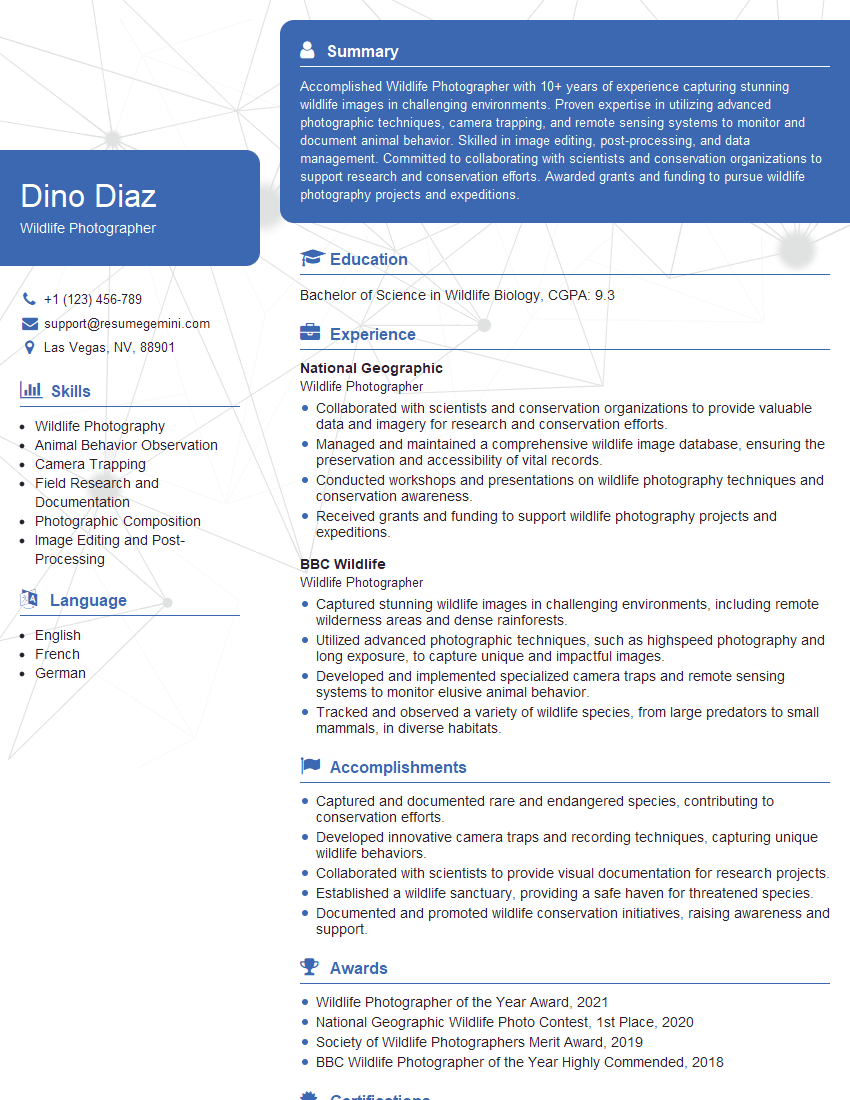
Wildlife Photographer Resume Sample
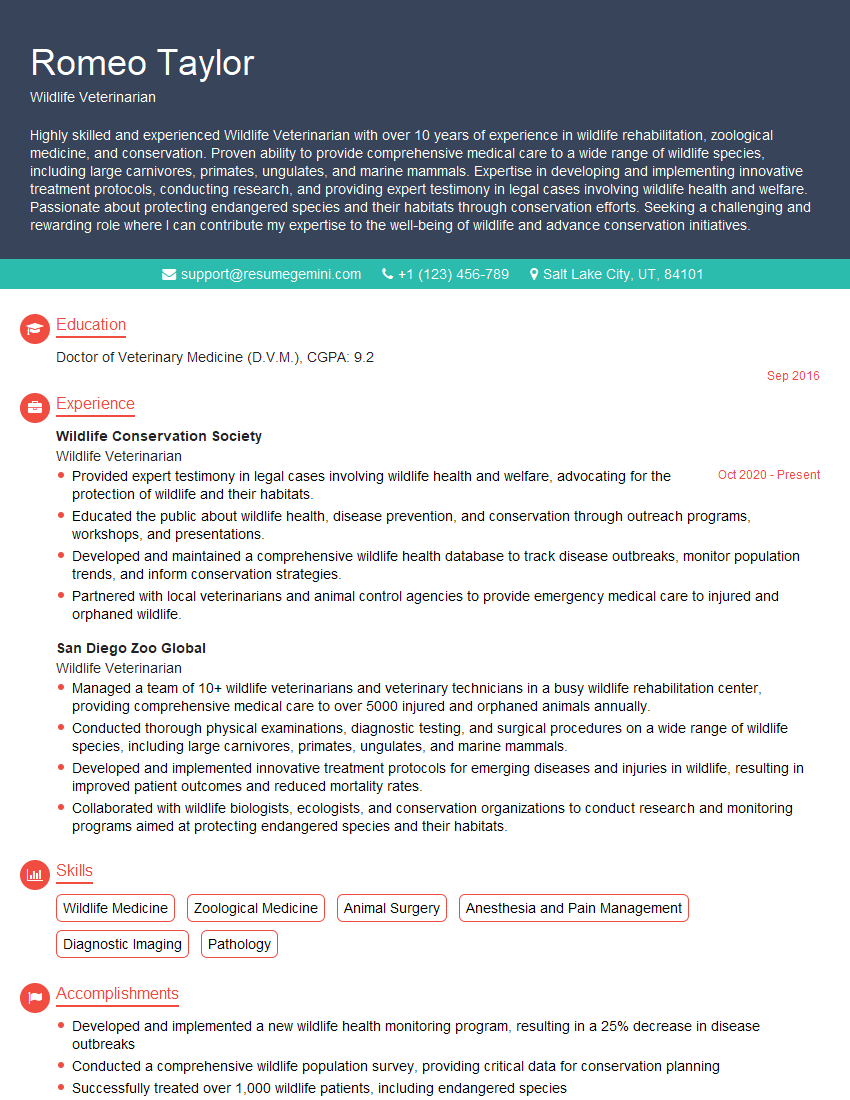
Wildlife Veterinarian Resume Sample

Wildlife Rehabilitator Resume Sample
Explore more articles
Users Rating of Our Blogs
Share Your Experience
We value your feedback! Please rate our content and share your thoughts (optional).
What Readers Say About Our Blog
Very informative content, great job.
good