Unlock your full potential by mastering the most common Wildlife Identification and Species Management interview questions. This blog offers a deep dive into the critical topics, ensuring you’re not only prepared to answer but to excel. With these insights, you’ll approach your interview with clarity and confidence.
Questions Asked in Wildlife Identification and Species Management Interview
Q 1. Describe your experience with various wildlife identification techniques.
Wildlife identification relies on a multifaceted approach, combining visual observation with an understanding of animal behavior, habitat preferences, and other subtle clues. My experience encompasses a wide range of techniques, including:
Visual Identification: This is the most fundamental technique, involving careful observation of an animal’s physical characteristics such as size, shape, color, markings, and behavior. For example, distinguishing a red fox from a coyote involves noting differences in their fur color, tail shape, and gait.
Acoustic Monitoring: Many animals are identified by their unique vocalizations. I’ve used sound recorders and acoustic analysis software to identify elusive species like owls or bats, based on their calls.
Track and Sign Identification: Analyzing animal tracks, scat (droppings), and other signs like claw marks or feeding patterns offers valuable insights, even when the animal itself is not visible. I’ll explain this in more detail in the next answer.
Camera Trapping: Employing camera traps, triggered by motion sensors, provides photographic evidence of animal presence and activity, enabling identification without disturbing the wildlife.
Genetic Analysis: In certain cases, DNA analysis of hair, scat, or other samples can be used to definitively identify species, especially when visual identification is challenging.
Q 2. How do you identify different animal tracks and scat?
Identifying animal tracks and scat requires a keen eye for detail and a good understanding of local fauna. I approach this in a systematic way:
Track Analysis: I consider the size and shape of the track, the number of toes, the presence of claws, and the pattern of the gait (the way the animal moves). For instance, a canine track shows distinct claw marks, whereas a feline track typically does not. The size of the track helps estimate the size of the animal.
Scat Analysis: The size, shape, color, and content of scat are key indicators. For example, the presence of undigested berries in scat might suggest a frugivorous (fruit-eating) animal, while bone fragments could point to a carnivore. I also examine the consistency of the scat – hard pellets vs. looser droppings.
Context is crucial: The location of tracks and scat is also vital. Tracks found near a stream might suggest an animal that relies on water sources. Scat found in a specific habitat like a dense forest helps narrow down the possibilities.
Reference Materials: I frequently use field guides and online resources containing detailed images and descriptions of tracks and scat from regional wildlife.
Think of it like a detective story – every clue, from the size of a footprint to the remnants of a meal in the scat, adds to the picture, ultimately revealing the identity of the animal.
Q 3. Explain the process of species population estimation.
Estimating species populations is a complex task that involves choosing an appropriate method based on the species, habitat, and available resources. Common techniques include:
Complete Counts: Feasible only for small, easily observable populations, like birds in a small area. This involves a thorough survey of the entire area.
Mark-Recapture: This method involves capturing a sample of animals, marking them (e.g., tagging or branding), releasing them, and then recapturing a sample after a period of time. By comparing the proportion of marked animals in the second sample to the total number captured, we can estimate the population size. The Lincoln-Petersen index is a commonly used formula.
Distance Sampling: This technique is used for animals that are difficult to capture, relying on observations from transects (straight lines) across the habitat. The distance of animals from the transect is recorded, and statistical models are used to estimate density and abundance.
Index Methods: These methods measure indicators of population size, such as the number of nests, tracks, or vocalizations, rather than directly counting individuals. For example, counting bird nests can provide an index of breeding population size.
Accuracy relies heavily on choosing the right technique and applying it rigorously. Factors like sampling error and observer bias need to be carefully considered when interpreting the results.
Q 4. What methods do you use to monitor wildlife health?
Monitoring wildlife health requires a combination of non-invasive and minimally invasive techniques. My approach integrates:
Observation: Careful observation of animal behavior is crucial. Signs of illness or injury include lethargy, abnormal gait, unusual vocalizations, or changes in social interactions.
Non-invasive Sampling: I collect scat samples for analysis of parasites, pathogens, and dietary indicators. Hair samples can be analyzed for hormone levels or genetic markers of disease susceptibility.
Remote Sensing: Drones equipped with thermal cameras can assess body temperature and identify signs of illness or stress.
Minimally Invasive Techniques: In cases where more detailed information is needed, I may work with veterinarians to perform blood tests, collect tissue samples, or administer vaccinations under appropriate permits and ethical guidelines. This is always done minimizing stress and potential harm to the animals.
These data, combined with knowledge of the environment and the animal’s natural history, contribute to a comprehensive assessment of the health status of the population.
Q 5. Discuss your familiarity with different wildlife survey methods.
I have extensive experience with a variety of wildlife survey methods, each with its own strengths and weaknesses:
Line Transects: Involves walking along a straight line and recording all observations within a specified distance of the line. Useful for estimating abundance and density of animals.
Point Counts: Observations are made from fixed points for a set period, recording all animals seen or heard. This method is suitable for birds and other relatively easily observable species.
Quadrat Sampling: This involves dividing the study area into smaller squares (quadrats) and assessing animal presence or abundance within each quadrat. It’s particularly useful for assessing habitat use and distribution patterns.
Capture-Mark-Recapture (mentioned previously): A powerful method to estimate population size.
Camera Trapping (mentioned previously): Provides photographic evidence of species presence and activity, useful for both nocturnal and elusive species.
The choice of survey method depends on the species of interest, the habitat type, the research question, and available resources. Often, multiple methods are combined to get a more robust understanding of the wildlife community.
Q 6. How do you handle conflicts between wildlife and humans?
Handling wildlife-human conflicts requires a multi-pronged approach that prioritizes both human safety and wildlife conservation. My strategies generally include:
Understanding the root cause: The first step is identifying why the conflict arises. Is it due to habitat encroachment? Lack of natural food sources? Or attraction to human-provided resources?
Non-lethal deterrents: These include installing fences, using noisemakers, or employing hazing techniques (carefully managed actions to scare away animals without causing harm). For example, using motion-activated sprinklers to deter deer from gardens.
Habitat modification: Creating or restoring suitable habitat for wildlife can reduce their dependence on human resources. For instance, planting native vegetation to provide alternative food sources.
Public education: Educating the public on responsible practices, like proper waste disposal, can reduce the attractiveness of human areas for wildlife.
Relocation (as a last resort): In some situations, where other methods have failed and safety is compromised, relocation might be considered. However, this is often complex and requires careful planning to ensure the animal’s welfare and to prevent future conflicts.
Each situation is unique and requires a tailored approach. Collaboration with local communities, landowners, and wildlife agencies is crucial for effective conflict resolution.
Q 7. Explain your understanding of habitat restoration techniques.
Habitat restoration aims to recover degraded ecosystems to their natural state or a more desirable condition. Techniques vary depending on the specific ecosystem and the degree of degradation, but generally involve:
Assessing the damage: A thorough assessment of the current state of the habitat is essential, identifying the causes of degradation and the species affected.
Removing invasive species: Invasive plants or animals can outcompete native species. Their removal, either manually, mechanically, or through biological control, is often a key step.
Reintroducing native species: Once invasive species are controlled and suitable conditions restored, native plants and animals can be reintroduced, helping to rebuild biodiversity.
Improving water quality and flow: Restoration of water sources is vital in many degraded habitats. This can involve restoring wetlands, cleaning up polluted water bodies, or managing water flow to create more natural conditions.
Soil remediation: This could include addressing soil erosion, improving soil fertility, or removing pollutants.
Monitoring and adaptive management: Ongoing monitoring of the restored habitat is crucial to assess its success and make adjustments to management practices as needed.
Habitat restoration projects can be long-term endeavors, but they are vital for conserving biodiversity and ensuring the health of our ecosystems. Success requires careful planning, scientific knowledge, and community engagement.
Q 8. Describe your experience with GIS and its application in wildlife management.
Geographic Information Systems (GIS) are indispensable tools in wildlife management. They allow us to spatially analyze and visualize data related to animal populations, habitat, and environmental factors. My experience involves using GIS software like ArcGIS and QGIS to map species distributions, habitat suitability, and movement patterns. For instance, I’ve used GIS to model the potential impact of a proposed highway on a migratory bird species’ habitat, overlaying the proposed route with known nesting areas and migration corridors to assess the potential for habitat fragmentation and population decline. This allowed for informed mitigation strategies to be proposed, such as wildlife crossings or habitat restoration projects.
Another application involves using remotely sensed data, such as satellite imagery, integrated into GIS to monitor changes in vegetation cover, which is crucial for understanding habitat quality over time. We can also overlay this with GPS tracking data from collared animals to identify areas of high habitat use, facilitating informed decisions about habitat protection and management.
- Mapping species distributions and identifying hotspots of biodiversity.
- Modeling habitat suitability based on environmental variables.
- Analyzing animal movement patterns and migration routes.
- Assessing the impact of human activities on wildlife habitats.
- Planning and implementing conservation strategies.
Q 9. How do you assess the impact of environmental changes on wildlife populations?
Assessing the impact of environmental changes on wildlife populations requires a multifaceted approach. It starts with identifying the specific environmental changes occurring – this could involve climate change (altered temperature and precipitation patterns), habitat loss and fragmentation due to deforestation or urbanization, pollution, or the introduction of invasive species. We then need to understand the potential effects of these changes on the wildlife population. For example, changes in temperature and precipitation can impact breeding success and survival rates, particularly in species with specific climatic requirements. Similarly, habitat loss can lead to population fragmentation and reduce available resources, increasing competition and potentially causing localized extinctions.
We use a variety of methods to assess these impacts, including population monitoring (e.g., camera trapping, mark-recapture studies), physiological measurements (e.g., body condition indices), and statistical modeling to predict future population trends under different scenarios. I have personally utilized these methods to assess the impacts of drought on a small mammal population, observing a significant decrease in both population size and reproductive success during drought years. This allowed the development of strategies to assist the species during future droughts, such as supplemental feeding programs or artificial watering holes.
Q 10. What is your experience with endangered species recovery programs?
My experience with endangered species recovery programs involves both fieldwork and data analysis. I’ve participated in projects focusing on the conservation of several endangered species, ranging from the California Condor to the Florida Panther. These programs typically involve a combination of population monitoring, habitat restoration, captive breeding programs, and public education initiatives. For the California Condor program, for instance, I was involved in data analysis to inform decisions related to release sites and habitat management. We used population viability analysis models to assess the probability of population persistence under different management scenarios and identify factors that may be critical for the species’ success in the wild.
Another crucial aspect of endangered species recovery involves identifying and mitigating threats. This could involve reducing mortality from human-wildlife conflict, controlling invasive species that compete with or prey on endangered species, and reducing pollution that may negatively impact their habitat.
Q 11. Describe your understanding of wildlife disease dynamics.
Wildlife disease dynamics are complex and involve the interplay of several factors including the pathogen, the host, and the environment. Understanding these dynamics is crucial for effective wildlife management, particularly in preventing disease outbreaks and mitigating their impacts on wildlife populations. I have a thorough understanding of different disease transmission routes, including direct contact, vector-borne transmission (e.g., ticks, mosquitos), and environmental contamination. We need to consider disease prevalence, incidence, and mortality rates within populations.
My work has included analyzing disease outbreaks, identifying risk factors, and implementing disease surveillance programs. For instance, in a recent project, I helped investigate a significant outbreak of a particular disease in deer populations, using statistical modeling to identify potential factors like habitat density and proximity to human settlements to determine transmission patterns. This information helps design appropriate mitigation strategies, such as culling infected animals or reducing habitat density.
Q 12. How do you analyze wildlife data to inform management decisions?
Analyzing wildlife data to inform management decisions is a critical part of my work. This involves using a variety of statistical methods and modeling techniques to understand population trends, habitat use, and the impacts of environmental factors. We often work with large datasets, including population counts, GPS tracking data, camera trap images, and environmental variables. Data cleaning and pre-processing are essential first steps, ensuring data accuracy and consistency. I frequently use statistical software such as R and SPSS to perform analyses such as survival analysis, regression modeling, and spatial analysis.
For example, I might use capture-recapture models to estimate population size and trends, or resource selection functions to understand habitat preferences. The results of these analyses directly inform management decisions. For instance, if our analysis indicates a decline in population size, we may need to consider interventions such as habitat restoration or supplementary feeding programs.
Q 13. Explain your familiarity with different wildlife capture and handling methods.
Wildlife capture and handling methods must be chosen carefully to minimize stress and injury to the animals. The appropriate method depends on the species, the objectives of the study or management action, and the available resources. Common methods include darting (using tranquilizer guns), trapping (e.g., live traps, snares), netting, and even hand-capture for some species. Each method requires specialized knowledge and training to ensure safety and minimize animal suffering. For example, darting requires careful consideration of the dosage of the tranquilizer to ensure effective immobilization without causing harm.
I am proficient in various techniques and always prioritize the safety and well-being of the animals. This includes proper restraint techniques, the use of appropriate equipment, and rapid recovery protocols. Prior to any capture event, we conduct a thorough risk assessment to evaluate potential dangers to both the animals and the research team. Proper handling minimizes stress and ensures that valuable data is collected while protecting the animals.
Q 14. How do you ensure the ethical treatment of animals during research?
Ethical treatment of animals during research is paramount. All my research activities adhere to strict ethical guidelines and regulations, including obtaining necessary permits and approvals from relevant authorities. We always prioritize the minimization of stress and harm to animals, utilizing the most humane capture and handling methods available. Any procedures that may cause pain or distress are carefully reviewed and justified. Furthermore, we ensure that all research protocols are reviewed by an Institutional Animal Care and Use Committee (IACUC) to guarantee ethical standards are met.
Beyond minimizing physical harm, we also consider the potential psychological impacts of handling and research activities. We strive to minimize disturbance to the animal’s natural behavior and habitat. The use of non-invasive research methods is favored whenever possible. For instance, using camera traps for population monitoring minimizes disturbance to the animals compared to direct observation or capture.
Q 15. What is your experience with wildlife telemetry and remote sensing technologies?
Wildlife telemetry and remote sensing are crucial tools in modern wildlife management. Telemetry involves tracking animals using devices like GPS collars, which transmit location data. Remote sensing utilizes technologies like satellite imagery and aerial surveys to monitor habitats and animal populations from a distance. My experience encompasses both. I’ve extensively used GPS collars to track endangered snow leopards in the Himalayas, analyzing movement patterns to identify critical habitats and potential human-wildlife conflict zones. This data, combined with satellite imagery showing vegetation changes, allowed us to refine conservation strategies and mitigate threats. Furthermore, I’ve employed camera traps, another remote sensing technology, for species identification and population density estimation in diverse ecosystems, from tropical rainforests to arid grasslands. Analyzing the data from these various technologies requires proficiency in GIS (Geographic Information Systems) software, which I also possess.
Career Expert Tips:
- Ace those interviews! Prepare effectively by reviewing the Top 50 Most Common Interview Questions on ResumeGemini.
- Navigate your job search with confidence! Explore a wide range of Career Tips on ResumeGemini. Learn about common challenges and recommendations to overcome them.
- Craft the perfect resume! Master the Art of Resume Writing with ResumeGemini’s guide. Showcase your unique qualifications and achievements effectively.
- Don’t miss out on holiday savings! Build your dream resume with ResumeGemini’s ATS optimized templates.
Q 16. How do you develop and implement wildlife management plans?
Developing a wildlife management plan involves a systematic process. It begins with a thorough assessment of the species’ status, including population size, distribution, habitat quality, and threats. This usually involves literature review, field surveys, and data analysis. Next, clear, measurable, achievable, relevant, and time-bound (SMART) objectives are defined, such as increasing population size by a certain percentage within a specified timeframe. These objectives then inform the development of specific management actions. This could include habitat restoration, controlling poaching, mitigating human-wildlife conflict, or captive breeding programs. For example, when working with a declining population of black rhinos, we implemented a plan focusing on anti-poaching patrols, community education to change attitudes towards the rhinos, and improved veterinary care. Regular monitoring and evaluation are critical; we use adaptive management, adjusting the plan based on the results of monitoring to ensure effectiveness.
Q 17. Explain your understanding of wildlife genetics and its application in conservation.
Wildlife genetics is transforming conservation efforts. It helps us understand population structure, genetic diversity, and kinship. For example, by analyzing DNA from scat samples, we can determine the number of individual animals in a population without having to physically capture them, a less invasive method. This is especially useful for elusive species. Genetic analysis can also identify inbreeding, which can reduce fitness and increase the risk of extinction. By knowing the genetic diversity of a population, we can make informed decisions about breeding programs, translocation, and habitat management to maintain genetic health. In a recent project involving Florida panthers, genetic analysis helped us identify bottlenecks in their population, leading to the introduction of new genetic material from a related subspecies to enhance their long-term viability. This application of genetic data directly informs conservation planning and management actions.
Q 18. Discuss your experience with community engagement in wildlife conservation.
Community engagement is paramount in successful wildlife conservation. Local communities are often the custodians of wildlife habitats and play a crucial role in their protection. My approach involves participatory methods. We start by building trust and establishing open communication channels. We involve local communities in the planning, implementation, and monitoring stages of conservation projects. This could involve co-managing protected areas, implementing community-based ecotourism initiatives, or designing and delivering educational programs. For example, in a project focused on protecting chimpanzee habitats in Africa, we collaborated with local villages to develop sustainable alternatives to destructive agricultural practices that encroached on chimpanzee territory. This participatory approach created a sense of ownership and responsibility among the community members, resulting in increased cooperation and improved conservation outcomes.
Q 19. How do you prioritize conservation efforts given limited resources?
Prioritizing conservation efforts with limited resources necessitates a strategic approach. We use a triage system, focusing first on species facing the highest extinction risk and habitats with the greatest biodiversity value. We use quantitative methods such as species-area curves and extinction risk assessments to inform these decisions. Cost-effectiveness is also considered, choosing interventions with the highest impact per unit of investment. For instance, when working with several endangered species simultaneously, we might prioritize habitat restoration projects impacting multiple species over a species-specific captive breeding program which may have lower overall impact. We might also focus efforts on regions where conservation interventions are most likely to succeed given the existing social and political context. This data-driven prioritization ensures that our limited resources have the greatest possible positive impact on biodiversity.
Q 20. Describe your experience with environmental impact assessments.
Environmental Impact Assessments (EIAs) are crucial for evaluating the potential effects of development projects on wildlife and their habitats. My experience involves conducting EIAs for various projects such as road construction, mining, and hydropower development. This involves identifying potential impacts, predicting their magnitude and likelihood, and suggesting mitigation measures. We use various methods like habitat suitability modeling, population viability analysis, and species distribution modeling to assess the potential impacts on wildlife populations. A crucial aspect is stakeholder consultation, integrating the concerns of local communities and other relevant parties into the assessment process. For example, during an EIA for a highway project, we identified a crucial migration corridor for a threatened antelope species and proposed alternative route options to minimize habitat fragmentation and disruption to migration patterns.
Q 21. How do you manage data related to wildlife identification and species management?
Effective data management is essential for efficient wildlife identification and species management. I use relational databases (such as PostgreSQL or MySQL) to store and manage wildlife data. This includes information on species occurrences, population sizes, habitat characteristics, and conservation actions taken. Data from various sources—field surveys, telemetry, remote sensing, and genetic analyses—are integrated into the database. We use appropriate data cleaning and quality control procedures to ensure accuracy and reliability. Data visualization tools, such as R and GIS software, are employed to analyze patterns, trends, and spatial relationships. This structured approach allows us to track progress, identify trends, and make data-driven decisions for conservation management. Data security and backup strategies are also implemented to ensure long-term data availability.
Q 22. What software or tools do you utilize for data analysis?
My data analysis workflow relies on a suite of tools tailored to the specific needs of each project. For basic statistical analysis and data visualization, I frequently use R and RStudio, leveraging packages like ggplot2 for creating informative graphs and dplyr for data manipulation. For larger datasets or more complex analyses requiring spatial data processing, I utilize ArcGIS Pro, which allows me to integrate GPS data, habitat maps, and other geospatial information. Finally, I often employ spreadsheet software like Microsoft Excel or Google Sheets for initial data cleaning and organization before moving to more powerful statistical packages. For example, I recently used R to analyze camera trap data to estimate population density of a rare species, while ArcGIS Pro helped map habitat use across a protected area.
Q 23. How familiar are you with relevant wildlife legislation and regulations?
I possess a thorough understanding of relevant wildlife legislation and regulations, including both federal and state laws. This includes the Endangered Species Act (ESA), the Migratory Bird Treaty Act (MBTA), and relevant state-specific regulations pertaining to hunting, trapping, and habitat protection. My knowledge extends to understanding permitting processes and compliance requirements for research and management activities. I frequently consult resources like the U.S. Fish and Wildlife Service website and state wildlife agency websites to stay abreast of changes and updates. For instance, understanding the restrictions imposed by the ESA was crucial during a project involving the relocation of a threatened species. My familiarity with these laws ensured that the project complied fully with all legal requirements.
Q 24. Describe your experience with preparing reports and presenting findings.
Report writing and presentation are integral parts of my work. I’ve extensive experience crafting comprehensive reports that clearly communicate findings, methodology, and recommendations to diverse audiences, from technical experts to policymakers and the general public. I use a structured approach, employing clear headings, concise language, and visual aids (graphs, maps, tables) to enhance understanding. Presentations often involve using software like PowerPoint or Google Slides, tailored to the audience’s level of expertise. For example, I recently presented findings from a long-term monitoring program to a panel of scientists, while preparing a separate, more accessible summary for local community stakeholders. This required adjusting the level of technical detail and utilizing plain language in the latter.
Q 25. How do you maintain accurate records of your work?
Maintaining accurate records is paramount. I utilize a combination of methods to ensure data integrity. I leverage dedicated databases (such as Access or FileMaker Pro), tailored to specific projects, to store and manage raw data, metadata, and analysis results. Cloud-based solutions like Google Drive are also helpful for secure storage and collaborative work. Furthermore, I meticulously document each step of the process, from data collection to analysis, within detailed field notebooks and project documentation. This systematic approach ensures traceability and reproducibility of results. This detailed record-keeping has been crucial in several instances, allowing me to quickly locate specific data points and ensure the consistency of my work over time.
Q 26. Describe a challenging situation in wildlife management and how you solved it.
During a project involving the management of an invasive species, we faced a significant challenge: the rapid spread of the species across a sensitive wetland ecosystem. Our initial attempts at control using conventional methods proved ineffective. To address this, I collaborated with a team of experts to develop a multi-pronged approach. This included targeted herbicide application in conjunction with the introduction of a natural predator of the invasive species. The methodology was carefully monitored and adjusted based on real-time data. This iterative process, which involved rigorous data collection and analysis, ultimately led to a significant reduction in the invasive species population and helped preserve the wetland ecosystem. This experience emphasized the importance of adaptive management strategies in wildlife conservation.
Q 27. How do you stay up-to-date with the latest advancements in wildlife management?
Staying current in wildlife management necessitates continuous learning. I regularly read scientific journals (e.g., Conservation Biology, Biological Conservation), attend professional conferences and workshops, and participate in online courses and webinars to keep my skills sharp and my knowledge base up-to-date. I actively engage in professional networks, such as The Wildlife Society, to stay informed about new technologies, methodologies, and research findings. Further, I often review and utilize recent government reports and policy updates. This continuous professional development ensures that I stay at the forefront of the field.
Q 28. What are your long-term career goals in wildlife identification and species management?
My long-term career goals involve contributing to the advancement of wildlife conservation through research and management. I aspire to lead impactful research projects that address critical conservation challenges, such as climate change adaptation and habitat restoration. This includes mentoring junior scientists and fostering collaboration among diverse stakeholders. Ultimately, I aim to integrate cutting-edge technology and data-driven strategies to improve the effectiveness of wildlife management and ensure the long-term sustainability of wildlife populations. My passion lies in applying scientific knowledge to practical conservation challenges, leading to tangible, positive outcomes for wildlife and their ecosystems.
Key Topics to Learn for Wildlife Identification and Species Management Interview
- Wildlife Identification Techniques: Mastering field guides, understanding morphological characteristics, and utilizing technological aids for species identification (e.g., camera traps, acoustic monitoring).
- Species-Specific Ecology and Behavior: Understanding habitat requirements, dietary needs, reproductive strategies, and social structures of various species. This includes knowledge of keystone species and their impact on ecosystems.
- Population Monitoring and Assessment: Familiarizing yourself with different population estimation techniques (e.g., mark-recapture, transect surveys), data analysis methods, and interpreting population trends.
- Conservation Strategies and Management Plans: Understanding the principles of conservation biology, developing and implementing management plans for endangered or threatened species, and knowledge of relevant legislation (e.g., Endangered Species Act).
- Habitat Management and Restoration: Understanding techniques for habitat restoration and improvement, managing invasive species, and the impact of human activities on wildlife habitats.
- Data Analysis and Interpretation: Proficiency in using statistical software and interpreting ecological data to inform management decisions. This includes understanding the limitations of different data collection methods.
- Conflict Resolution and Public Engagement: Developing strategies for mitigating human-wildlife conflict and effectively communicating scientific information to diverse audiences.
- Ethical Considerations in Wildlife Management: Understanding the ethical implications of various management techniques and prioritizing animal welfare.
Next Steps
Mastering Wildlife Identification and Species Management opens doors to rewarding careers with significant positive impact on the environment. To maximize your job prospects, a strong, ATS-friendly resume is crucial. ResumeGemini is a trusted resource that can help you craft a professional resume highlighting your skills and experience effectively. Examples of resumes tailored to Wildlife Identification and Species Management are available to guide you through the process. Investing time in a well-structured resume will significantly increase your chances of landing your dream job in this exciting field.
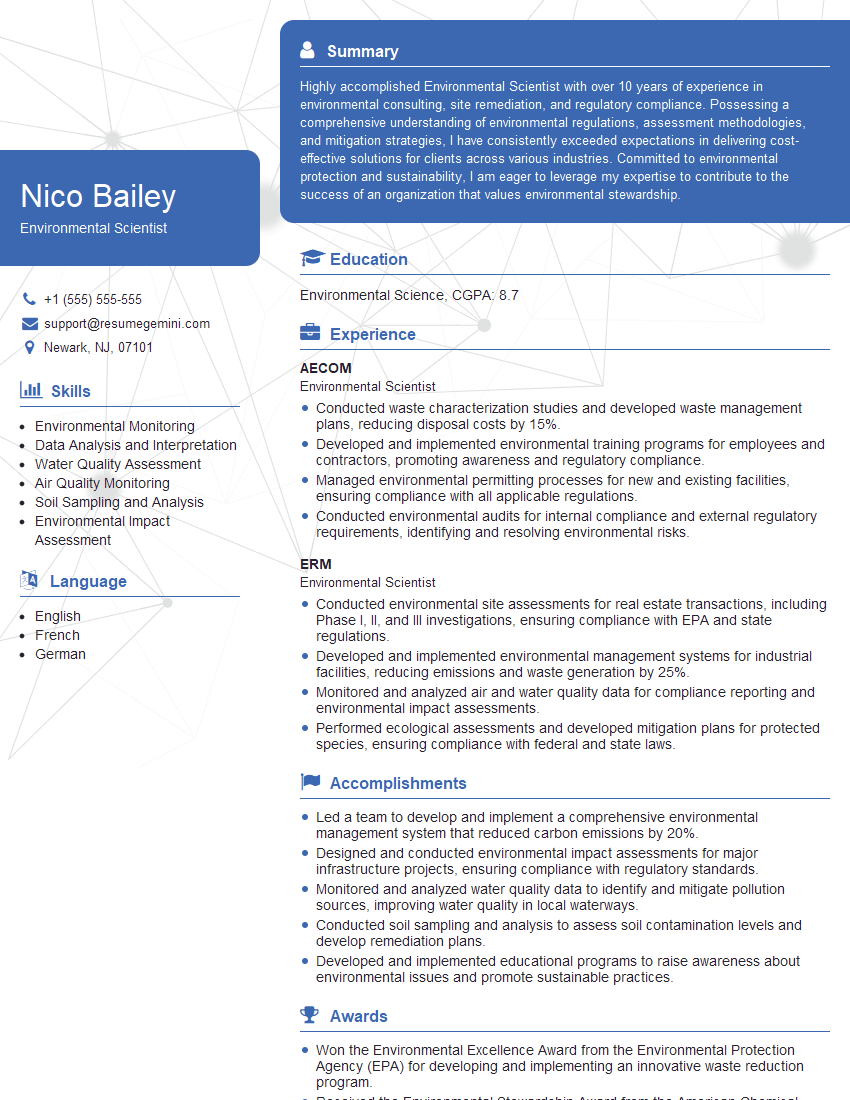
Environmental Scientist Resume Sample
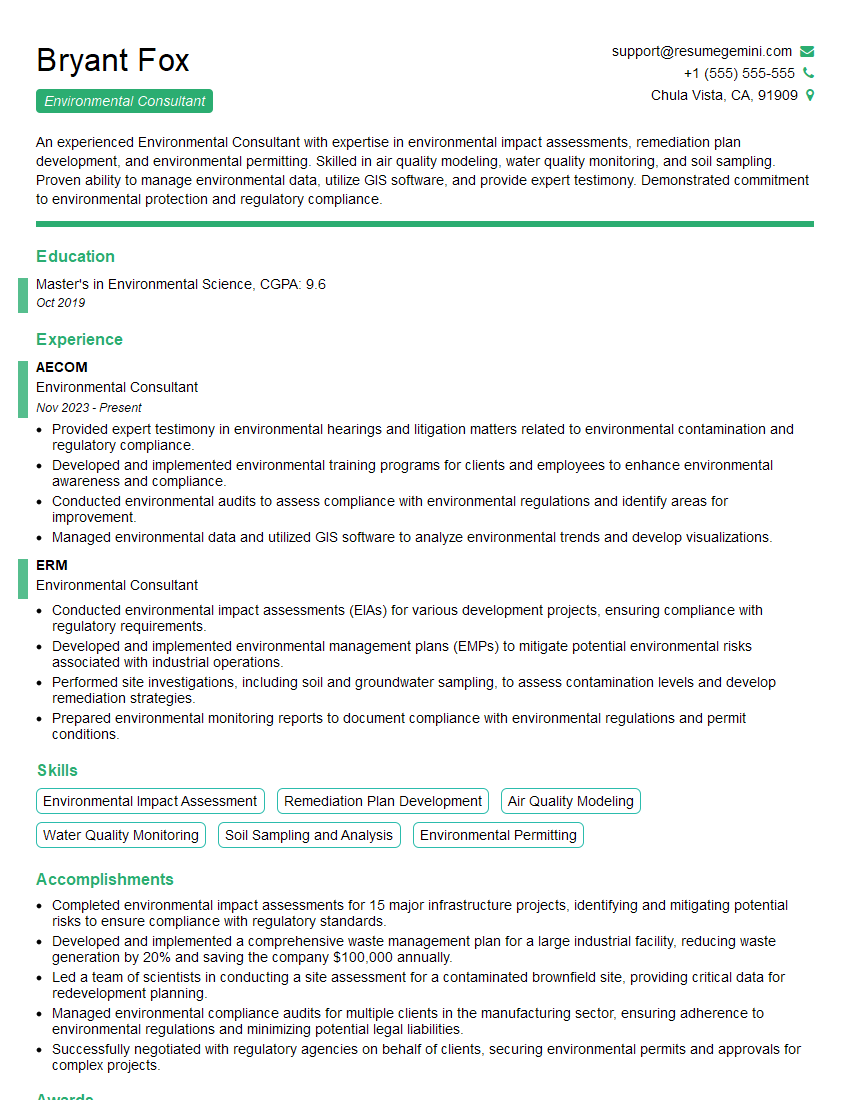
Environmental Consultant Resume Sample
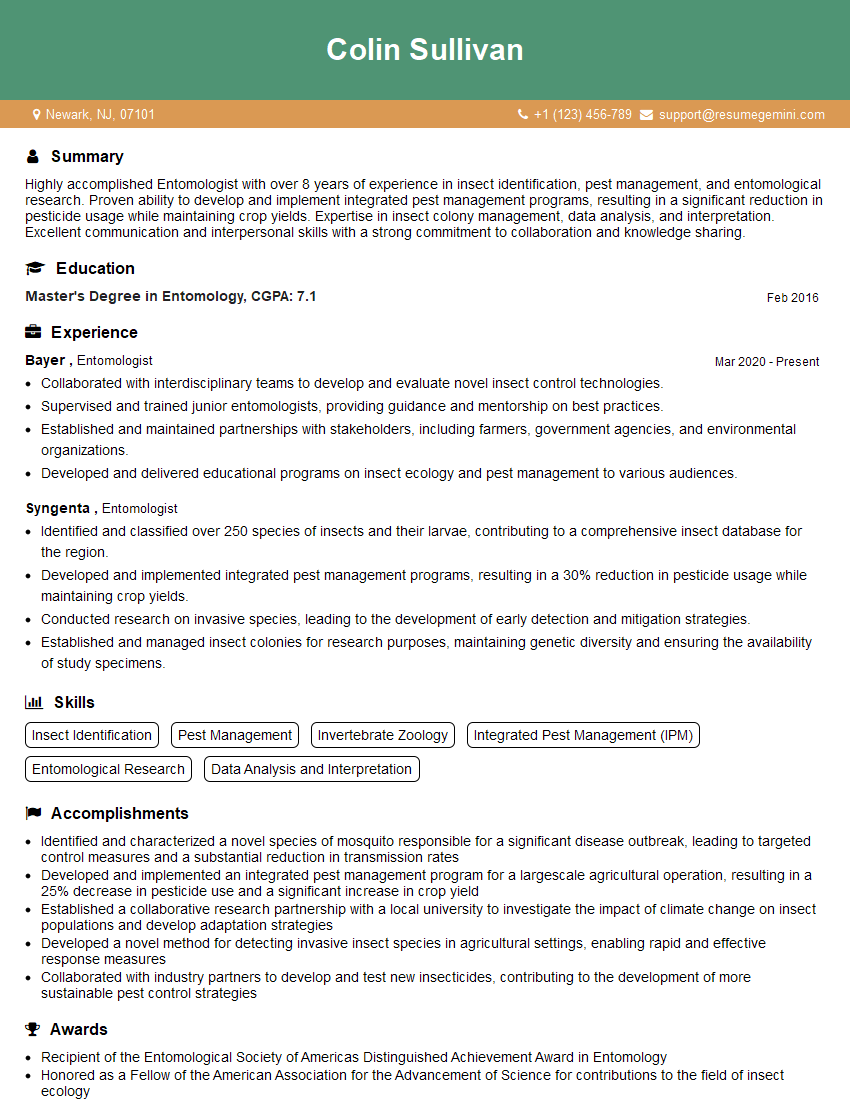
Entomologist Resume Sample
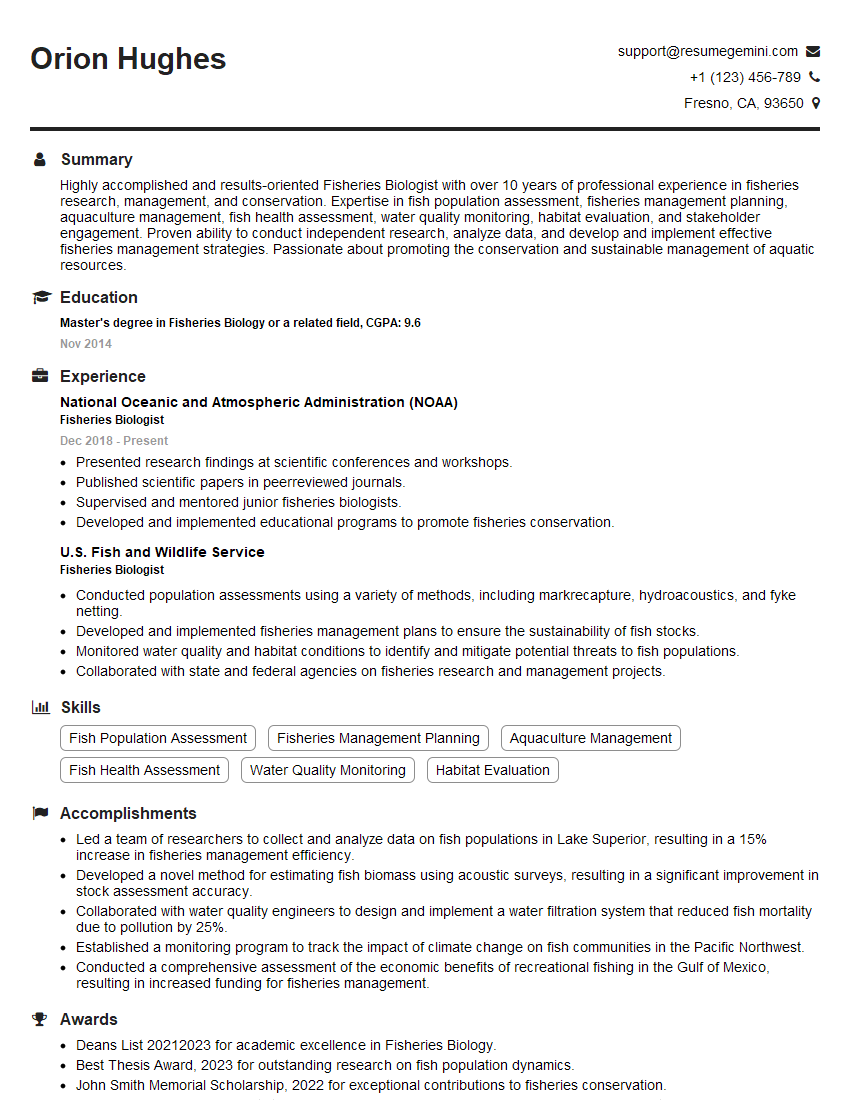
Fisheries Biologist Resume Sample

Wildlife Biologist Resume Sample
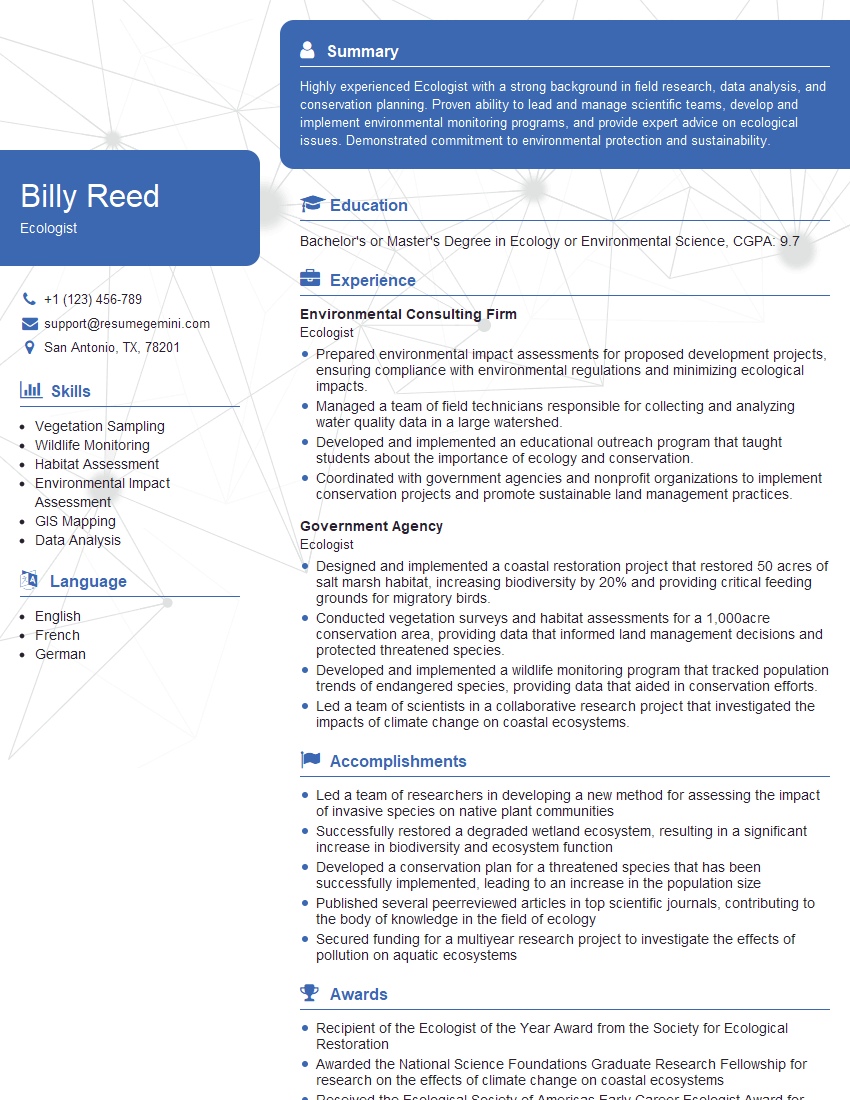
Ecologist Resume Sample
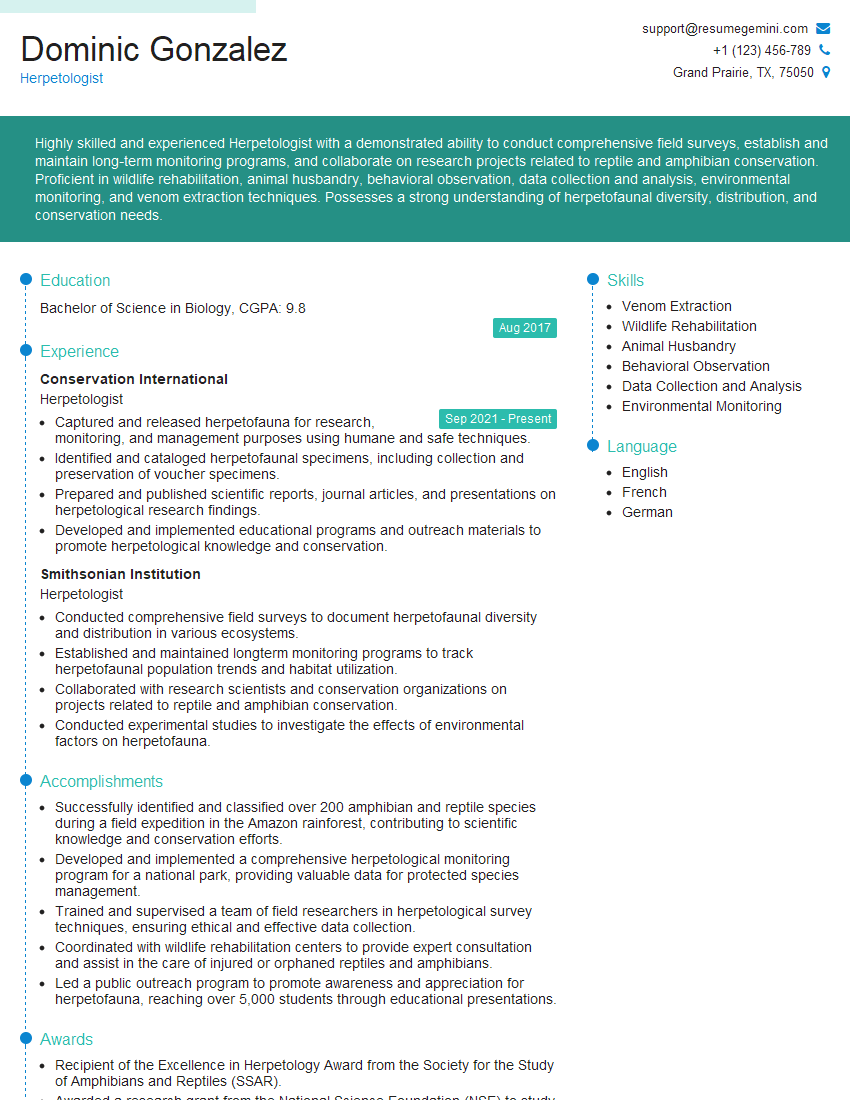
Herpetologist Resume Sample
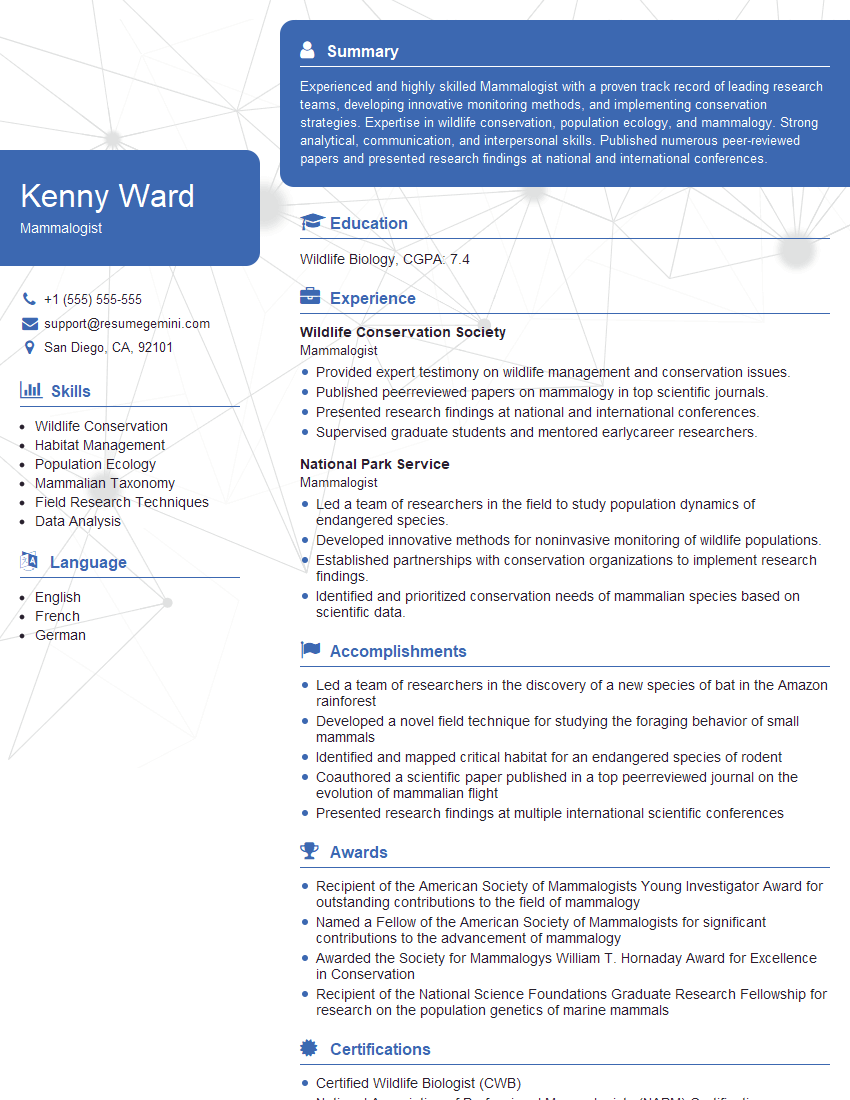
Mammalogist Resume Sample

Ornithologist Resume Sample
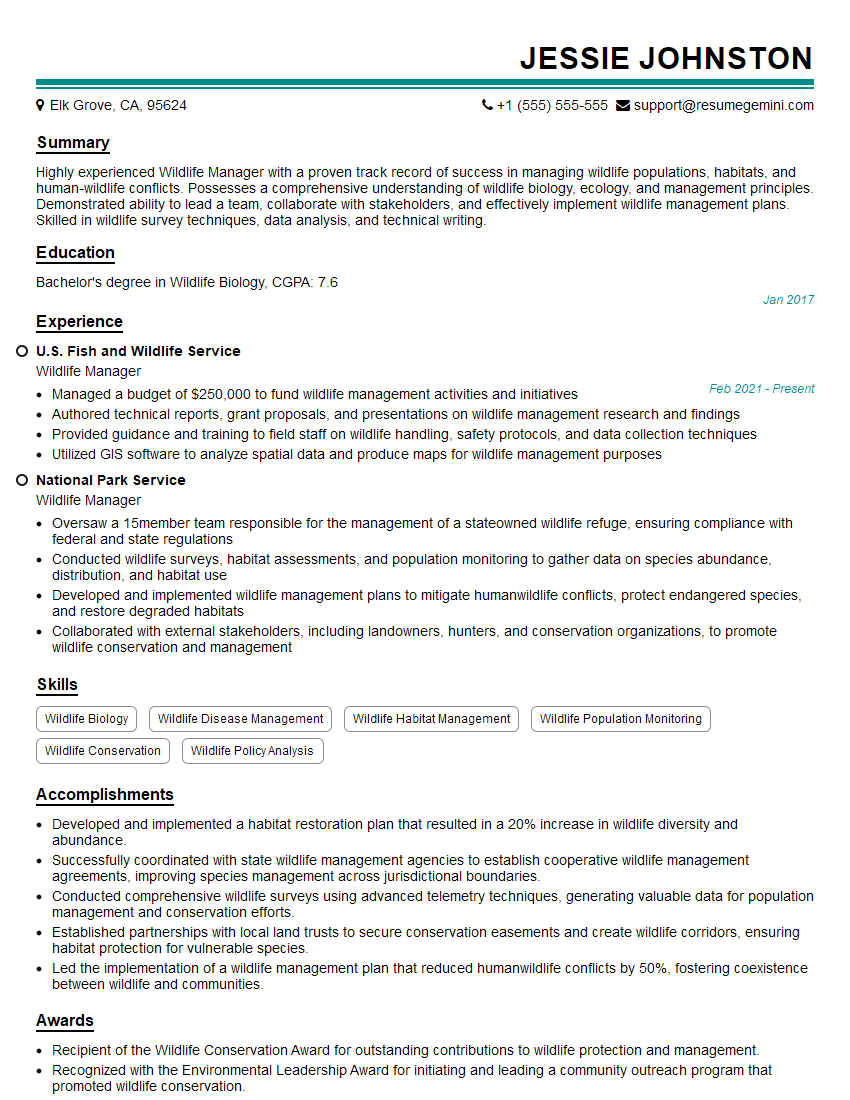
Wildlife Manager Resume Sample

Wildlife Technician Resume Sample
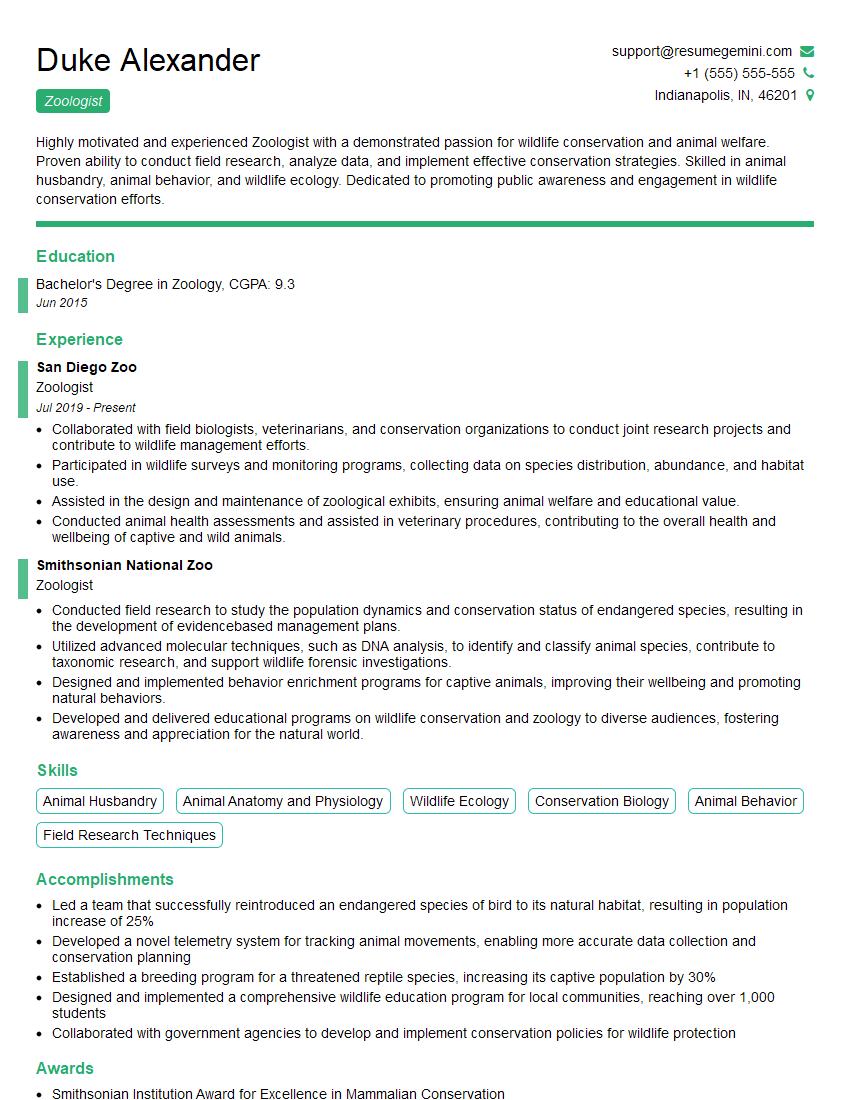
Zoologist Resume Sample
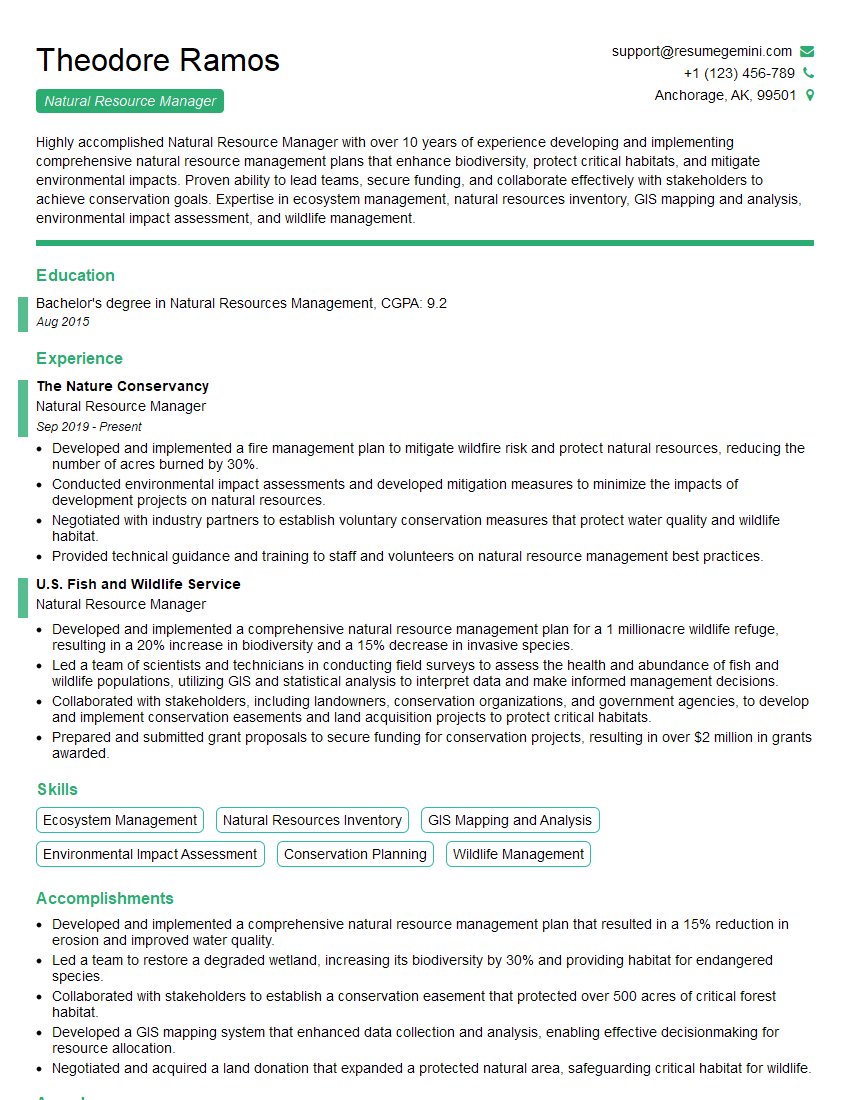
Natural Resource Manager Resume Sample
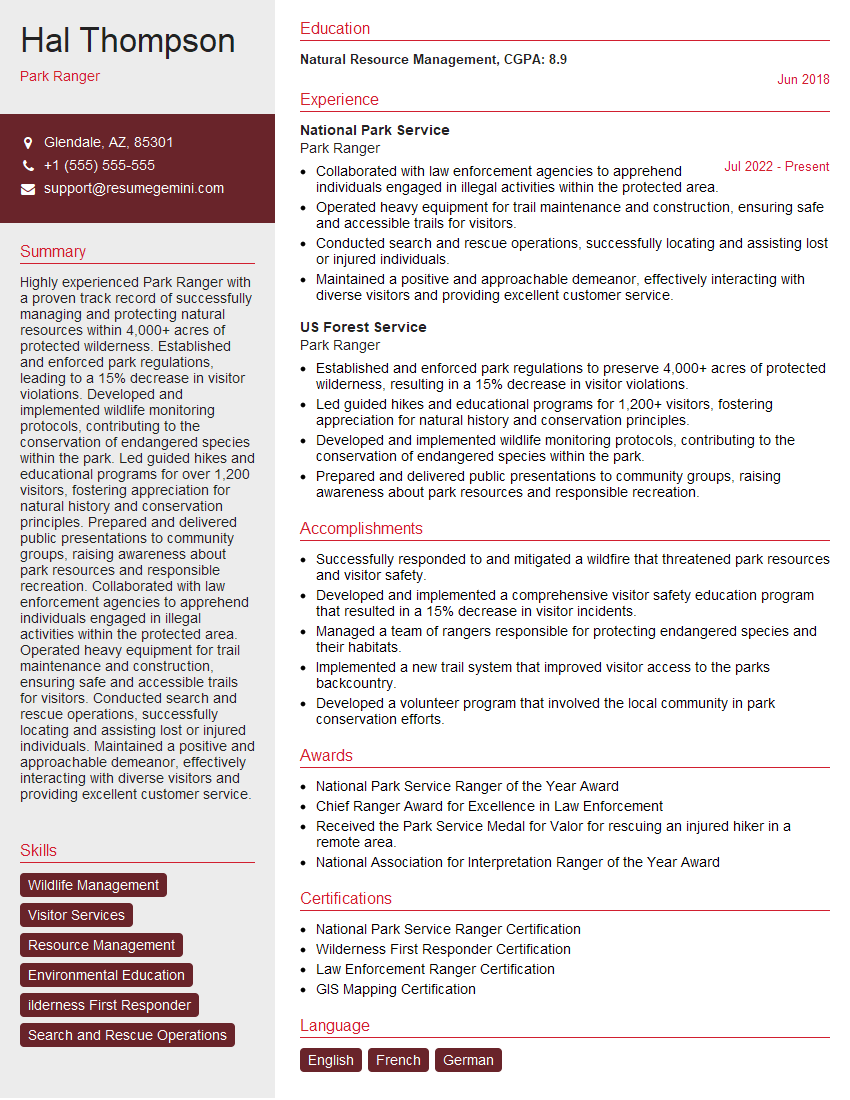
Park Ranger Resume Sample
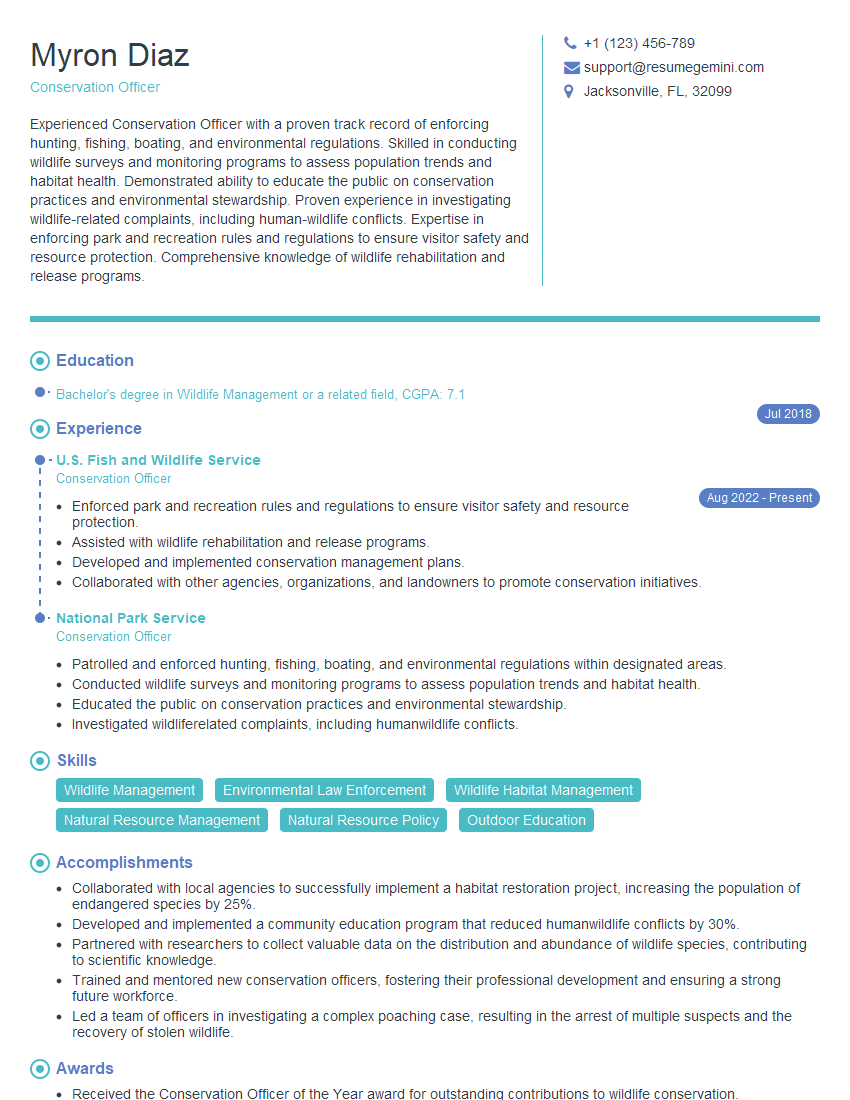
Conservation Officer Resume Sample
Explore more articles
Users Rating of Our Blogs
Share Your Experience
We value your feedback! Please rate our content and share your thoughts (optional).
What Readers Say About Our Blog
Very informative content, great job.
good