Interviews are more than just a Q&A session—they’re a chance to prove your worth. This blog dives into essential Wildlife Management and Conservation interview questions and expert tips to help you align your answers with what hiring managers are looking for. Start preparing to shine!
Questions Asked in Wildlife Management and Conservation Interview
Q 1. Describe your experience with population monitoring techniques.
Population monitoring is crucial for effective wildlife management. It involves systematically collecting data on animal abundance, distribution, and demographics to understand population trends and inform conservation strategies. My experience encompasses a range of techniques, from direct observation methods like line transects and quadrat sampling, to indirect methods such as scat analysis, camera trapping, and mark-recapture studies.
For instance, during a project studying the elusive clouded leopard population in the Western Ghats, we employed camera trapping across a vast area. By analyzing the photos, we estimated population density, identified individual animals based on unique spot patterns, and assessed habitat use. In another project involving African elephants, we used dung counts along transects to estimate elephant density across different vegetation types.
Mark-recapture, a powerful technique, involves capturing, tagging, and releasing animals. Later, a recapture event allows us to estimate population size using statistical models. The choice of technique depends on the species, its behavior, the habitat, and the research questions.
Q 2. Explain the principles of habitat restoration.
Habitat restoration aims to reinstate ecological processes and species assemblages to a degraded ecosystem. The principles are based on understanding the historical ecological context, identifying limiting factors, and implementing appropriate interventions. It’s not simply about planting trees; it’s about restoring the entire ecosystem’s functionality.
This involves several key steps: First, we assess the current condition of the habitat and its degradation drivers (e.g., pollution, invasive species, habitat fragmentation). Then we define restoration goals, specifying the desired future state of the ecosystem. Next, we select appropriate restoration methods, such as removing invasive species, reintroducing native plants, restoring hydrology, or controlling erosion. Monitoring and adaptive management are vital throughout the process to ensure the restoration’s success.
For example, in a project restoring riparian zones along a polluted river, we first removed invasive weeds and then planted native trees and shrubs to stabilize the banks and improve water quality. We also implemented measures to control erosion and reintroduce native fish species. Continuous monitoring is crucial to see if the restored habitat is supporting the expected species and ecological functions.
Q 3. What are the key threats to biodiversity in your region?
In my region (assuming a temperate forest ecosystem for the sake of this example), key threats to biodiversity include habitat loss and fragmentation due to deforestation and urbanization, climate change resulting in altered precipitation patterns and increased frequency of extreme weather events, and the introduction of invasive species that outcompete native flora and fauna.
Furthermore, pollution from agricultural runoff and industrial activities contaminates water and soil, negatively impacting wildlife. Overexploitation of resources, such as overfishing and illegal poaching, further depletes biodiversity. Human population growth intensifies these pressures, putting immense strain on the region’s natural resources.
Q 4. How would you manage human-wildlife conflict in a specific scenario?
Managing human-wildlife conflict requires a multi-pronged approach that considers both human safety and wildlife conservation. Let’s consider a scenario where elephants raid farms in a rural area. A purely punitive approach, like killing the elephants, is unethical and often ineffective in the long run.
My approach would involve:
- Mitigation: Implementing measures to reduce elephant-human encounters. This could include establishing elephant corridors to enable safe movement, improving agricultural practices to make crops less attractive to elephants (e.g., using electric fencing), and educating local communities about elephant behavior and conflict prevention.
- Compensation: Providing financial compensation to farmers whose crops are damaged by elephants can reduce their hostility towards the animals and encourage cooperation in conservation efforts.
- Law Enforcement: Strengthening law enforcement to deter poaching and illegal wildlife trade.
- Community Engagement: Working closely with local communities to develop sustainable solutions that address their concerns and promote coexistence. This includes empowering them to actively participate in conservation efforts.
It’s important to remember that a successful solution must address both the immediate problem and the underlying causes of the conflict, fostering long-term peaceful coexistence between humans and wildlife.
Q 5. Discuss your experience with GIS software in wildlife management.
GIS (Geographic Information Systems) software is indispensable in wildlife management. I have extensive experience using ArcGIS and QGIS for various applications, including habitat mapping, species distribution modeling, and monitoring animal movements.
For example, I used GIS to create habitat suitability maps for a threatened bird species by overlaying data on vegetation cover, elevation, and proximity to water sources. This helped identify areas crucial for conservation and informed habitat restoration efforts. I also used GPS tracking data from collared animals in conjunction with GIS to analyze their home ranges, movement patterns, and habitat use, providing valuable insights into their ecology and behavior. Furthermore, GIS helps in planning efficient survey routes, analyzing spatial patterns of human-wildlife conflict, and visualizing the outcomes of conservation interventions.
Q 6. Explain different methods for wildlife capture and handling.
Wildlife capture and handling techniques vary widely depending on the species, its size, temperament, and the research objectives. Methods must always prioritize animal welfare and safety.
Common methods include:
- Trapping: Various types of traps are used, including snares, box traps, and nets. The choice of trap depends on the target species and the terrain.
- Darting: Immobilizing animals with tranquilizer darts allows for safe handling and data collection (e.g., health assessment, tagging). This requires expertise and careful consideration of the drug’s effects.
- Netting: Mist nets are commonly used to capture birds, while larger nets can be used for other animals. This method requires careful timing and execution to minimize stress and injury.
Once captured, animals are handled with care, minimizing stress and ensuring their safety. Depending on the study, procedures might include measuring body condition, collecting samples (e.g., blood, hair), attaching GPS collars, and fitting ear tags. After data collection, the animals are quickly released back into their habitat.
Q 7. Describe your understanding of endangered species legislation.
My understanding of endangered species legislation encompasses national and international laws designed to protect threatened and endangered species. These laws typically prohibit the hunting, killing, or capturing of listed species without permits, regulate trade in endangered species and their products (e.g., CITES – the Convention on International Trade in Endangered Species of Wild Fauna and Flora), and mandate the development and implementation of recovery plans for endangered species.
Key aspects include the criteria used to list species as threatened or endangered (often based on population size, trends, and threats), the enforcement mechanisms used to prevent illegal activities, and the provisions for habitat protection and restoration. Understanding this legislation is crucial for effective conservation planning and ensuring compliance.
For example, the Endangered Species Act in the United States provides a legal framework for protecting endangered species and their habitats. Similarly, CITES plays a critical role in regulating international trade and preventing the exploitation of endangered species across borders.
Q 8. What are the ethical considerations in wildlife research?
Ethical considerations in wildlife research are paramount, ensuring the well-being of animals and the integrity of scientific findings. We must prioritize the ‘3Rs’: Replacement (using non-animal methods where possible), Reduction (minimizing the number of animals used), and Refinement (minimizing stress and pain). This involves careful planning and rigorous review by ethics committees. For example, before capturing and tagging a bird, we must consider less invasive techniques like camera trapping. If capture is necessary, we need to ensure minimal handling time, appropriate anesthesia, and post-release monitoring. Further ethical considerations encompass data transparency, responsible publication, and avoiding any research that could lead to harm or exploitation of animals or their habitats.
Another crucial aspect is obtaining informed consent from indigenous communities and local stakeholders who may be impacted by the research. Their traditional ecological knowledge is invaluable and must be respected. Failure to do so can lead to conflict and undermine trust, hindering long-term conservation efforts. This might involve community engagement workshops, collaborative research design, and benefit-sharing agreements to ensure equitable partnerships.
Q 9. How do you assess the health of a wildlife population?
Assessing the health of a wildlife population is a multifaceted process. It involves monitoring various indicators, including population size and density (using techniques like mark-recapture or camera trapping), body condition (measuring weight, length, and fat reserves), disease prevalence (through serological testing or necropsy), and reproductive success (tracking birth and survival rates of young). We also look at genetic diversity, as low diversity can make a population vulnerable to disease and environmental change. Imagine a deer population: We’d monitor their numbers, check for signs of malnutrition (e.g., low body weight), test for diseases like chronic wasting disease, and count fawns to assess reproductive rates. Integrating all these data points gives a comprehensive picture of the population’s health and resilience.
Q 10. Explain your experience with data analysis in wildlife studies.
My experience with data analysis in wildlife studies is extensive. I’m proficient in using statistical software like R and ArcGIS to analyze various datasets, including population demographics, movement patterns, habitat use, and disease prevalence. For instance, I’ve utilized capture-recapture models in R to estimate population size and survival rates of endangered sea turtles. This involved cleaning and transforming the raw capture data, selecting the appropriate model, and interpreting the results to inform conservation strategies. With ArcGIS, I’ve mapped habitat suitability for a threatened primate species, integrating vegetation cover, elevation, and proximity to water sources to identify critical habitat areas and inform protected area management. My analyses always involve rigorous statistical testing and error estimation to ensure reliability and robustness of the results.
Q 11. Describe your knowledge of wildlife disease management.
Wildlife disease management requires a holistic approach, combining surveillance, prevention, and control strategies. Effective surveillance involves regular monitoring of wildlife populations for signs of disease through field observations, sample collection, and laboratory testing. For example, proactive screening for avian influenza in waterfowl populations is crucial to prevent outbreaks. Prevention strategies include habitat management to reduce disease transmission (e.g., reducing population density) and vaccination programs where feasible. Control measures might include culling infected animals in extreme cases, but this is always a last resort and requires careful ethical consideration and stakeholder involvement. Understanding the disease ecology—how the disease spreads within the population and the environment—is crucial for designing effective control strategies. For instance, we might focus on reducing contact rates between animals, such as by managing water resources, to limit disease transmission.
Q 12. How do you design and implement a wildlife monitoring program?
Designing and implementing a wildlife monitoring program involves several key steps. First, we define clear objectives, identifying the specific questions we want to answer. Then, we select appropriate monitoring techniques based on the species, the habitat, and the research questions. For example, for a secretive species like a jaguar, camera trapping might be the most effective. Next, we determine the spatial and temporal scale of monitoring, deciding the area to cover and how frequently we’ll collect data. We need to consider the logistics of data collection, including personnel, equipment, and budget. Then, data analysis plans are developed before any data is even collected. This will guide the analysis and ensure that the data collected is fit-for-purpose. Finally, ongoing data quality control and analysis are essential, allowing for adaptive management, meaning that our strategies can be adjusted based on what the data is revealing.
Q 13. Explain your understanding of ecosystem services.
Ecosystem services are the myriad of benefits that humans derive from natural ecosystems. These can be categorized into supporting services (nutrient cycling, soil formation), provisioning services (food, water, timber), regulating services (climate regulation, water purification), and cultural services (recreation, spiritual enrichment). For instance, forests provide clean water (regulating service), timber (provisioning service), and opportunities for hiking and birdwatching (cultural service). Understanding ecosystem services is crucial for conservation because it highlights the economic and social value of biodiversity and helps justify conservation investments. For example, the economic value of carbon sequestration by forests can be used to argue for their protection, demonstrating the link between biodiversity conservation and human well-being.
Q 14. What are the impacts of climate change on wildlife populations?
Climate change is profoundly impacting wildlife populations. Rising temperatures can alter species’ geographic ranges, shifting habitats upwards in elevation or towards the poles. Changes in precipitation patterns can affect water availability and food resources. Extreme weather events like droughts, floods, and wildfires can cause mass mortality. Phenological mismatches, where the timing of life cycle events (e.g., migration, breeding) becomes out of sync with resource availability, can also negatively impact wildlife. For example, some bird species may arrive at their breeding grounds too late for the peak insect abundance. Ocean acidification affects marine organisms with calcium carbonate shells or skeletons. These multifaceted impacts can lead to population declines, range contractions, and ultimately, species extinctions. Understanding these impacts is crucial for developing effective conservation strategies, such as assisted migration or habitat restoration tailored to climate change projections.
Q 15. Describe your experience with community engagement in conservation projects.
Community engagement is paramount to successful conservation. It’s not just about informing people; it’s about building partnerships and fostering a sense of shared responsibility for wildlife and their habitats. My experience involves collaborating with local communities in various capacities, from participatory monitoring programs to co-managing protected areas. For example, during a project aimed at reducing human-wildlife conflict involving elephants in a rural community in Kenya, we involved villagers in identifying elephant corridors, designing early warning systems, and implementing beehive fences. This collaborative approach ensured buy-in and long-term sustainability of the project, far surpassing the results we would have achieved with a top-down approach.
- Participatory Monitoring: Training community members to collect data on wildlife populations, habitat use, and human impacts provides valuable local knowledge and strengthens community ownership.
- Co-management: Sharing decision-making power with local communities in managing protected areas ensures that conservation efforts align with their needs and priorities.
- Capacity Building: Equipping community members with skills in conservation-related fields such as ecotourism, sustainable agriculture, and wildlife monitoring empowers them to become active participants in conservation.
Career Expert Tips:
- Ace those interviews! Prepare effectively by reviewing the Top 50 Most Common Interview Questions on ResumeGemini.
- Navigate your job search with confidence! Explore a wide range of Career Tips on ResumeGemini. Learn about common challenges and recommendations to overcome them.
- Craft the perfect resume! Master the Art of Resume Writing with ResumeGemini’s guide. Showcase your unique qualifications and achievements effectively.
- Don’t miss out on holiday savings! Build your dream resume with ResumeGemini’s ATS optimized templates.
Q 16. How do you prioritize conservation efforts with limited resources?
Prioritizing conservation efforts with limited resources necessitates a strategic approach. I employ a framework that combines threat assessment, species vulnerability, and cost-effectiveness analysis. First, we identify the most significant threats to biodiversity (habitat loss, poaching, invasive species, etc.). Then we assess the vulnerability of different species or ecosystems to these threats. Finally, we evaluate the cost-effectiveness of various interventions. This helps us focus on actions that yield the greatest conservation impact for the available funding. For instance, if we have a limited budget to address habitat fragmentation, we may prioritize the creation of wildlife corridors connecting isolated populations over purchasing large land parcels.
- Threat Assessment: Identifying the most pressing threats to biodiversity in the region.
- Species Prioritization: Focusing on endangered or key species that play critical roles in the ecosystem.
- Cost-Effectiveness Analysis: Evaluating the cost-benefit ratio of different conservation interventions.
Q 17. Explain your understanding of invasive species management.
Invasive species management is crucial for preserving biodiversity. Invasive species are non-native organisms that outcompete native species, disrupt ecosystems, and cause economic damage. Management strategies vary depending on the species and the invaded ecosystem, and often involve a combination of approaches. Early detection is vital, preventing their establishment is ideal, but once established, control methods including mechanical removal, chemical control, biological control (introducing natural predators or pathogens), and habitat modification are often necessary. For example, the control of the brown tree snake in Guam, which has decimated native bird populations, involves a multi-pronged approach including trapping and the use of specially trained dogs.
- Prevention: Strict border controls and biosecurity measures to prevent the introduction of invasive species.
- Early Detection and Rapid Response: Implementing monitoring programs to identify new invasions quickly.
- Control and Eradication: Employing a range of methods to reduce or eliminate invasive species populations.
- Restoration: Rehabilitating ecosystems after invasive species removal.
Q 18. Describe your experience with wildlife telemetry and tracking.
Wildlife telemetry and tracking are indispensable tools in my work, providing invaluable data on animal movement, behavior, habitat use, and survival rates. I have extensive experience deploying various tracking technologies, including GPS collars, VHF transmitters, and acoustic telemetry devices. This data informs conservation decisions, such as identifying critical habitats, assessing population dynamics, and mitigating human-wildlife conflict. For instance, in a study of snow leopards in the Himalayas, we used GPS collars to understand their range size, habitat preferences, and movement patterns, information crucial for designing effective conservation strategies, such as establishing protected areas and managing human activities.
- GPS Collaring: Provides precise location data, allowing detailed mapping of animal movements.
- VHF Telemetry: Useful for tracking animals in remote areas with limited visibility.
- Acoustic Telemetry: Tracks aquatic animals using sound signals.
Q 19. How do you evaluate the success of a conservation program?
Evaluating the success of a conservation program requires a robust monitoring and evaluation plan. This involves setting clear, measurable, achievable, relevant, and time-bound (SMART) objectives at the outset. Success is then measured by tracking progress towards these objectives using a combination of quantitative and qualitative data. For example, we might measure the increase in population size of a target species, the reduction in habitat loss, or changes in community attitudes towards conservation. We often use statistical analysis to assess the significance of observed changes. If objectives aren’t being met, we analyze the reasons for the shortcomings, adjusting the strategy as needed. Transparency in reporting is vital to ensure accountability.
- SMART Objectives: Setting specific, measurable, achievable, relevant, and time-bound objectives.
- Data Collection: Regularly monitoring indicators of conservation success.
- Data Analysis: Using statistical methods to assess progress and identify trends.
- Adaptive Management: Adjusting conservation strategies based on monitoring results.
Q 20. Explain your knowledge of different wildlife management strategies.
Wildlife management strategies aim to balance the needs of wildlife with those of humans. These strategies are diverse and often context-specific, but common approaches include:
- Habitat Management: Protecting and restoring wildlife habitats through measures such as creating protected areas, restoring degraded landscapes, and managing land use.
- Population Management: Regulating wildlife populations through methods such as hunting, translocation, and contraception to maintain healthy ecosystems and prevent human-wildlife conflicts. This might involve managing overabundant deer populations to protect forests from overgrazing, or culling invasive species.
- Disease Management: Monitoring and controlling wildlife diseases to protect both wildlife and human health.
- Human-Wildlife Conflict Mitigation: Developing strategies to minimize conflicts between humans and wildlife, such as through early warning systems, crop protection, and livestock guarding dogs.
- Protected Area Management: Establishing and managing protected areas to safeguard biodiversity and provide habitat for wildlife.
The specific approach chosen depends on many factors, including the species in question, the ecosystem, the threats, and the socio-economic context. Integrated approaches, incorporating multiple strategies, are usually most effective.
Q 21. What are your experiences with grant writing for conservation projects?
Grant writing is a critical skill for securing funding for conservation projects. My experience spans various funding agencies, from government bodies to private foundations. The process involves identifying suitable funding opportunities, developing compelling proposals that clearly articulate project goals, methods, and expected outcomes, and demonstrating the project’s potential for impact. I’m skilled in crafting persuasive narratives that highlight the urgency of the conservation challenge, the innovative nature of the proposed solution, and the capacity of the project team to deliver results. A successful grant proposal needs to be well-researched, clearly written, and convincingly demonstrate the project’s value. It’s essential to tailor proposals to specific funding agency guidelines and priorities.
- Identifying Funding Opportunities: Researching grants relevant to project objectives.
- Developing Compelling Proposals: Crafting clear, concise proposals that demonstrate impact and feasibility.
- Building Partnerships: Collaborating with other organizations to increase the project’s appeal and capacity.
- Monitoring and Reporting: Tracking project progress and reporting to funders.
Q 22. Describe your understanding of wildlife toxicology.
Wildlife toxicology is the study of the harmful effects of toxic substances on wildlife populations. It encompasses a wide range of disciplines, including chemistry, biology, ecology, and veterinary medicine, to understand how pollutants impact animal health and ecosystems. This involves identifying the sources of toxins (e.g., pesticides, industrial waste, heavy metals), determining the routes of exposure (e.g., ingestion, inhalation, dermal contact), and assessing the effects at the individual, population, and community levels. For example, a wildlife toxicologist might investigate the impact of agricultural runoff containing pesticides on amphibian populations in a wetland, measuring pesticide concentrations in water and amphibian tissues, and correlating these levels with mortality rates and reproductive success.
The field is crucial for conservation because exposure to toxins can lead to reduced reproductive rates, impaired immune function, increased susceptibility to diseases, and ultimately, population declines or even extinctions. Understanding wildlife toxicology is vital for developing effective mitigation strategies and conservation plans.
Q 23. How do you manage conflict among different stakeholders in conservation?
Managing stakeholder conflict in conservation requires a collaborative and communicative approach. It’s akin to orchestrating a complex symphony where different players (landowners, local communities, government agencies, NGOs, and businesses) have their own unique interests and priorities, often competing with one another. I use a multi-step strategy that starts with fostering open communication and understanding among stakeholders. This involves holding regular meetings, actively listening to each perspective, and identifying areas of common ground. Then, I facilitate collaborative workshops to brainstorm potential solutions that address the concerns of all parties.
A key component is identifying and incorporating the needs and concerns of local communities. Their traditional knowledge and insights are invaluable, and their buy-in is crucial for successful conservation efforts. I often use participatory mapping techniques, allowing stakeholders to visually contribute to decision-making processes related to resource allocation and land-use planning. Finally, I utilize conflict-resolution tools like mediation and negotiation, aiming to find solutions that are both ecologically sound and socially acceptable. For instance, in a project involving the protection of a migratory bird species, I successfully mediated between farmers who needed to use pesticides and conservationists who wanted to minimize the impact on birds by facilitating the adoption of eco-friendly agricultural practices, leading to a mutually beneficial outcome.
Q 24. Describe your experience with data visualization in wildlife research.
Data visualization is essential for effectively communicating complex wildlife research findings. Throughout my career, I’ve extensively utilized various software packages like R and ArcGIS to create informative and engaging visuals from complex datasets. This includes creating maps showing species distributions, creating graphs depicting population trends over time, and developing dashboards that integrate different datasets to provide a holistic picture. For example, in a recent study on the impact of climate change on a particular mammal species, I used R to generate interactive maps illustrating how habitat suitability is projected to change under different climate change scenarios. I then translated these visualizations into easily understandable graphics for inclusion in scientific publications and presentations to policymakers.
My goal in data visualization is always clarity and accessibility. I believe in conveying information in a way that anyone, regardless of their technical expertise, can easily understand the significance of the research. Good data visualizations are crucial for securing funding, informing policy decisions, and engaging the public in conservation efforts.
Q 25. Explain your understanding of landscape ecology principles.
Landscape ecology examines the spatial patterns of ecosystems and how these patterns influence ecological processes. It’s about understanding how habitat fragmentation, connectivity, and heterogeneity affect the distribution, abundance, and interactions of wildlife populations. A core principle is the concept of spatial heterogeneity – the variation in habitat types across a landscape. This variation creates a mosaic of habitats, each supporting different species and providing varying levels of resources. The degree of connectivity between these habitats is also crucial, as it influences species movement and gene flow.
For instance, understanding landscape ecology principles is vital when designing wildlife corridors that connect fragmented habitats, allowing species to move between them, thereby enhancing genetic diversity and reducing inbreeding depression. Similarly, it informs conservation strategies aiming to preserve large, contiguous areas of habitat rather than isolated patches, minimizing the negative effects of habitat fragmentation. The principles of landscape ecology are increasingly crucial given the impacts of habitat loss and climate change on biodiversity.
Q 26. How do you assess the effectiveness of habitat restoration efforts?
Assessing the effectiveness of habitat restoration efforts requires a multi-faceted approach, combining quantitative and qualitative data. I typically begin by establishing baseline data on key ecological indicators before the restoration project begins. This might include measures such as vegetation cover, species richness, and soil properties. Following restoration, I monitor these indicators over time to assess changes. This often involves repeated surveys, vegetation sampling, and tracking changes in species abundance and distribution.
Quantitative data is analyzed using statistical methods to determine if significant improvements have occurred compared to the baseline conditions and other control areas that were not restored. Qualitative data, such as observations on the behavior and interactions of wildlife, can also provide important insights into the success of restoration. For example, observing the return of a key indicator species to a restored habitat signifies a positive outcome. Moreover, community involvement and feedback are integral, providing invaluable information on the social and economic benefits of the restoration efforts. Ultimately, a successful restoration project exhibits not only ecological improvements but also tangible community benefits.
Q 27. What are your experiences with working in remote or challenging field conditions?
My experience working in remote and challenging field conditions is extensive. I’ve conducted research in diverse and often harsh environments, ranging from tropical rainforests to high-altitude mountains. This includes navigating dense vegetation, dealing with extreme weather conditions, and managing logistical challenges associated with remote fieldwork. For example, I once spent several weeks conducting a camera-trap survey in a remote section of the Amazon rainforest, dealing with torrential rain, humidity, and the ever-present threat of insects and wildlife.
Overcoming these challenges necessitates meticulous planning, including securing appropriate permits, assembling reliable equipment, and coordinating effective teams. Safety protocols are paramount, and I’ve developed a strong understanding of risk assessment and mitigation strategies in demanding settings. This experience has instilled in me resourcefulness, resilience, and an appreciation for the dedication and teamwork required for successful fieldwork in challenging environments.
Q 28. Describe your understanding of adaptive management in wildlife conservation.
Adaptive management is a structured, iterative approach to wildlife conservation that embraces uncertainty and uses monitoring data to adjust management actions over time. Unlike traditional management approaches that rely on static plans, adaptive management acknowledges that our understanding of ecological systems is constantly evolving and that unexpected events can occur. It’s a cyclical process involving planning, implementing actions, monitoring the effects, evaluating results, and then adjusting management strategies based on what’s learned.
For example, in managing a threatened bird species, an adaptive management approach might involve testing different habitat restoration techniques in a controlled experiment, carefully monitoring the bird’s response to each treatment, and then using the data to refine restoration efforts. This iterative process allows managers to learn from their successes and failures and to continually improve their management strategies. Adaptive management requires strong commitment to monitoring and evaluation, and a willingness to embrace uncertainty and adjust course as needed, ensuring that conservation efforts remain flexible and responsive to dynamic ecological systems.
Key Topics to Learn for Wildlife Management and Conservation Interview
- Wildlife Population Dynamics: Understanding population growth, carrying capacity, and factors influencing population fluctuations. Practical application: Analyzing population data to inform management decisions like hunting regulations or habitat restoration.
- Habitat Management and Restoration: Techniques for improving and maintaining wildlife habitats, including prescribed burns, invasive species control, and reforestation. Practical application: Designing and implementing habitat restoration projects to benefit specific species.
- Wildlife Disease Management: Identifying, monitoring, and mitigating the impact of diseases on wildlife populations. Practical application: Developing and implementing disease surveillance programs and control strategies.
- Conservation Genetics: Applying genetic principles to conservation efforts, including population viability analysis and assisted migration. Practical application: Assessing the genetic health of endangered populations and informing breeding programs.
- Protected Area Management: Principles and practices of managing protected areas, including national parks and wildlife refuges. Practical application: Developing and implementing management plans for protected areas, balancing conservation with recreation and other human uses.
- Human-Wildlife Conflict: Understanding and mitigating conflicts between humans and wildlife. Practical application: Developing and implementing strategies to reduce human-wildlife conflict, such as non-lethal deterrents or habitat modification.
- Climate Change Impacts on Wildlife: Assessing the effects of climate change on wildlife populations and habitats. Practical application: Incorporating climate change considerations into conservation planning and management decisions.
- Conservation Policy and Legislation: Understanding relevant environmental laws and regulations. Practical application: Advocating for effective wildlife conservation policies and participating in environmental impact assessments.
Next Steps
Mastering Wildlife Management and Conservation opens doors to a rewarding career with diverse opportunities for contributing to the preservation of our planet’s biodiversity. To significantly enhance your job prospects, crafting an ATS-friendly resume is crucial. This ensures your qualifications are effectively communicated to hiring managers and Applicant Tracking Systems. We strongly recommend using ResumeGemini to build a compelling and professional resume that showcases your skills and experience in the best possible light. ResumeGemini provides examples of resumes tailored to Wildlife Management and Conservation to guide you through the process. Invest the time to build a strong resume – it’s a vital investment in your future.
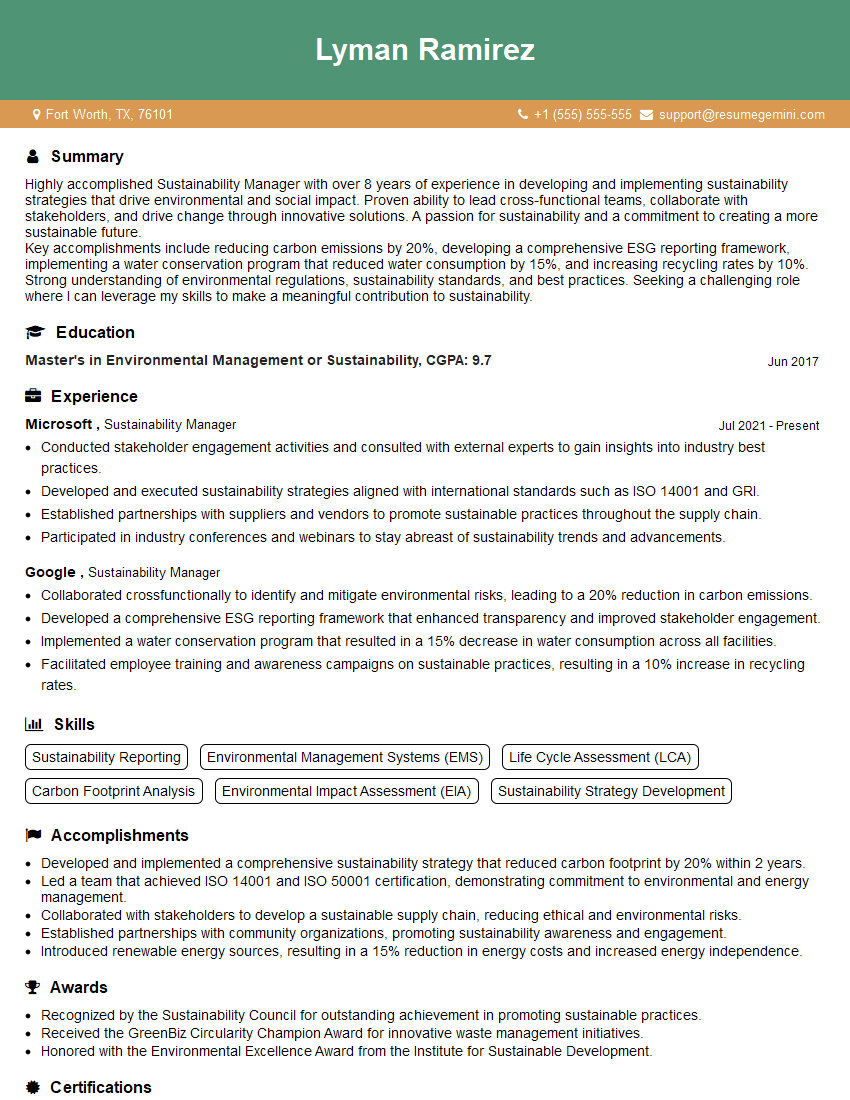
Sustainability Manager Resume Sample
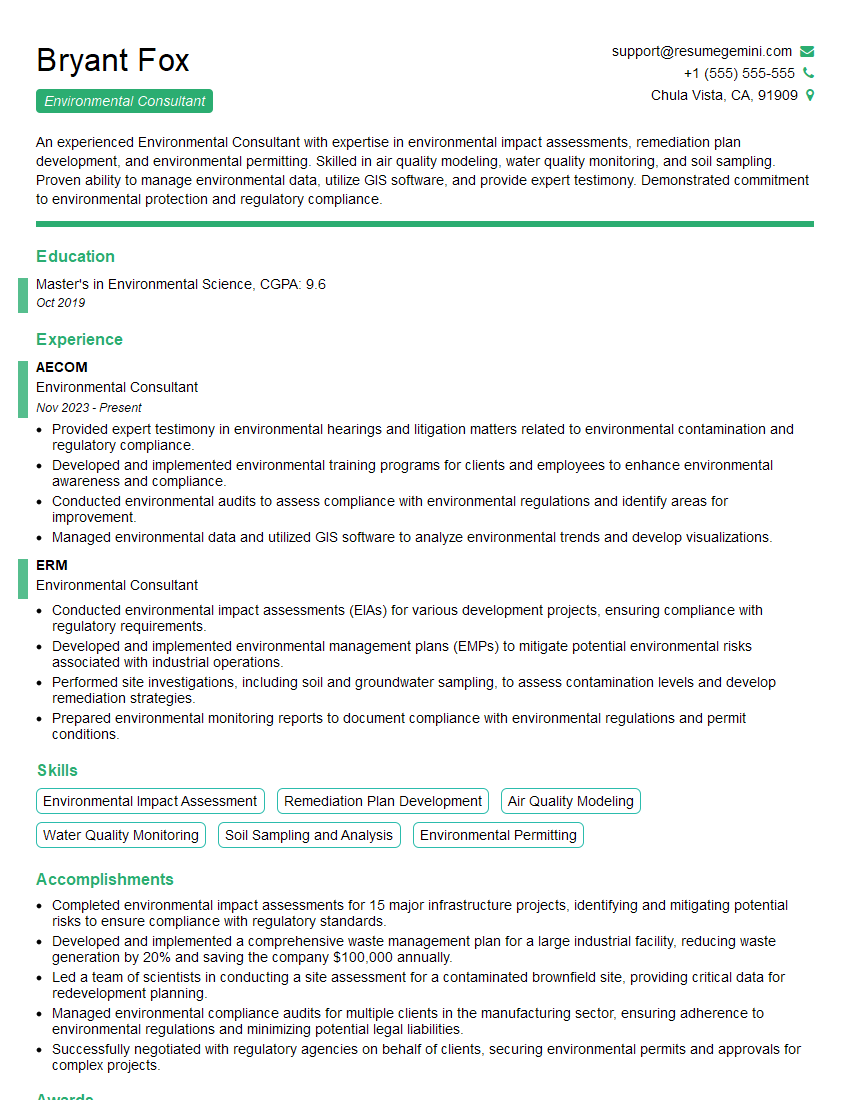
Environmental Consultant Resume Sample
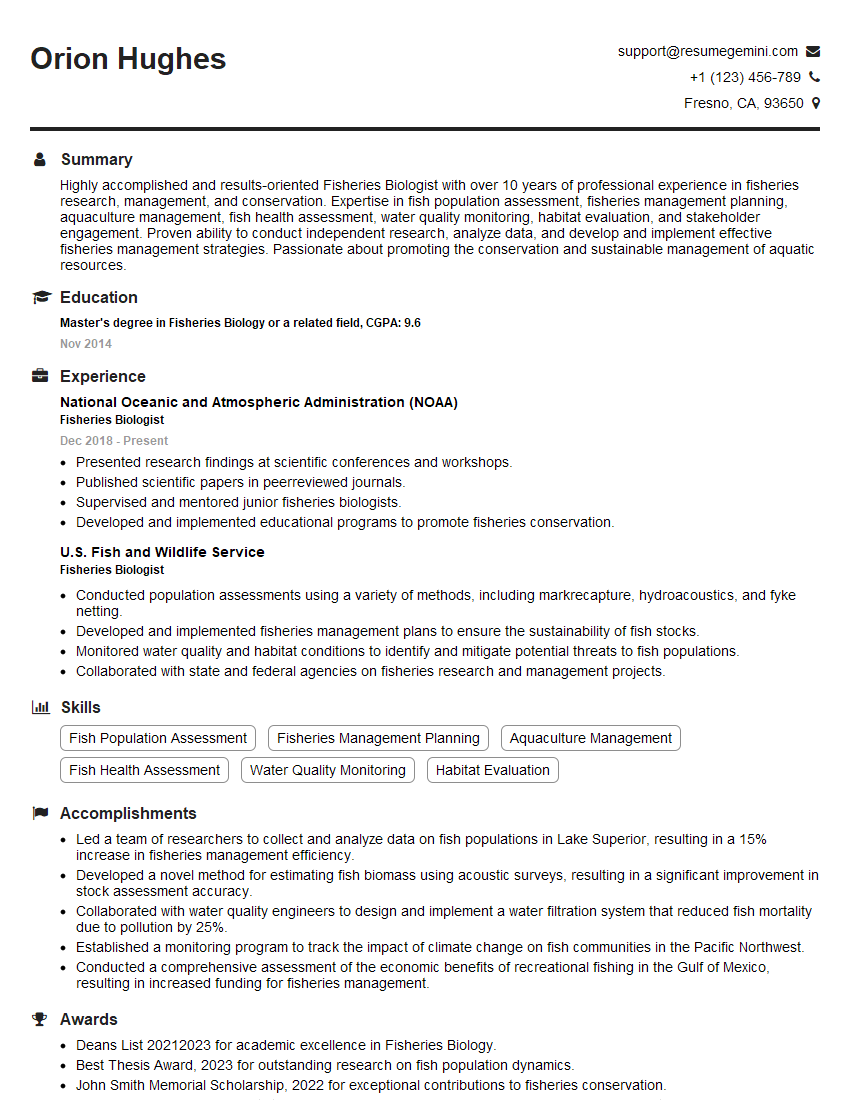
Fisheries Biologist Resume Sample

Wildlife Biologist Resume Sample
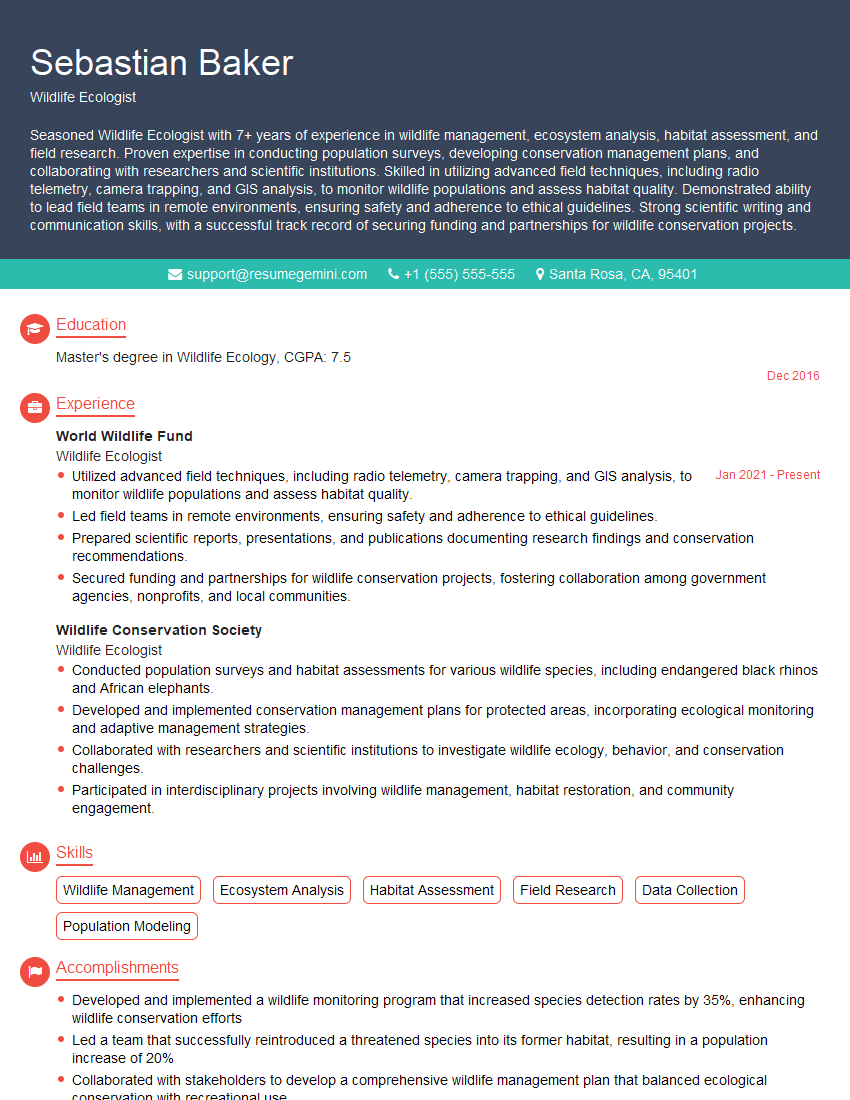
Wildlife Ecologist Resume Sample
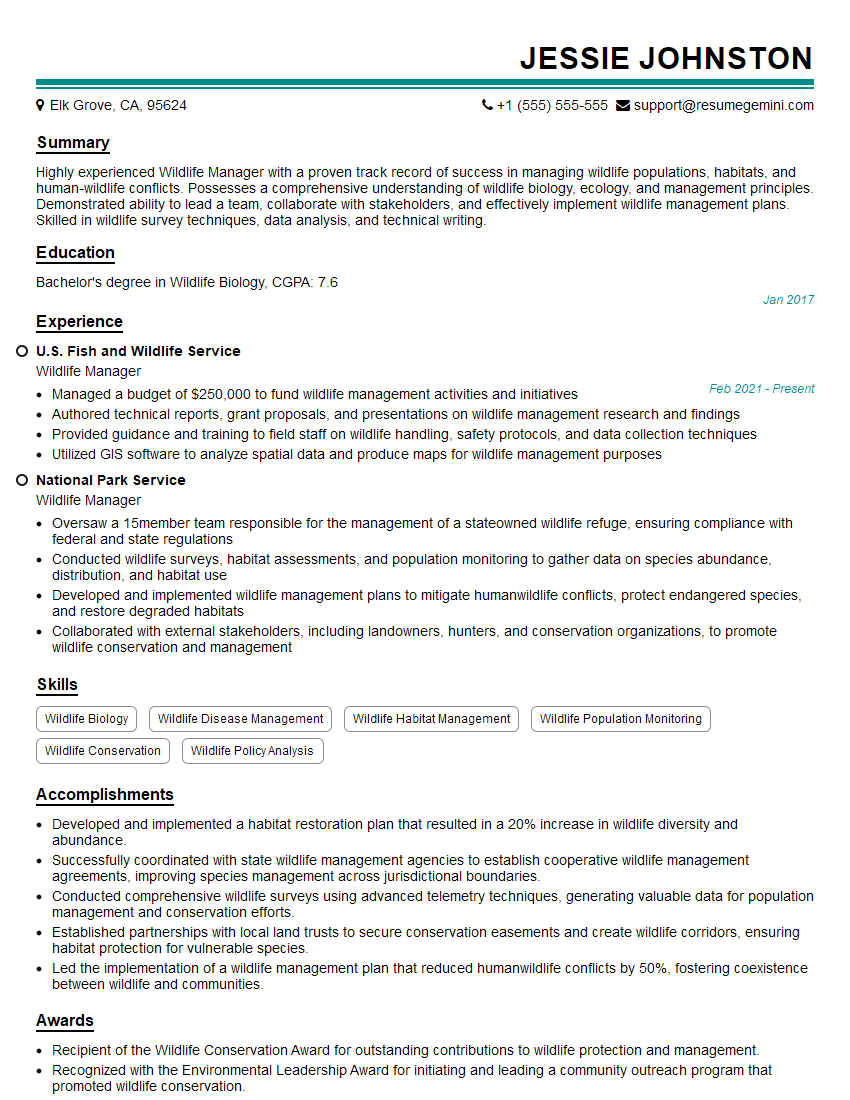
Wildlife Manager Resume Sample

Wildlife Technician Resume Sample
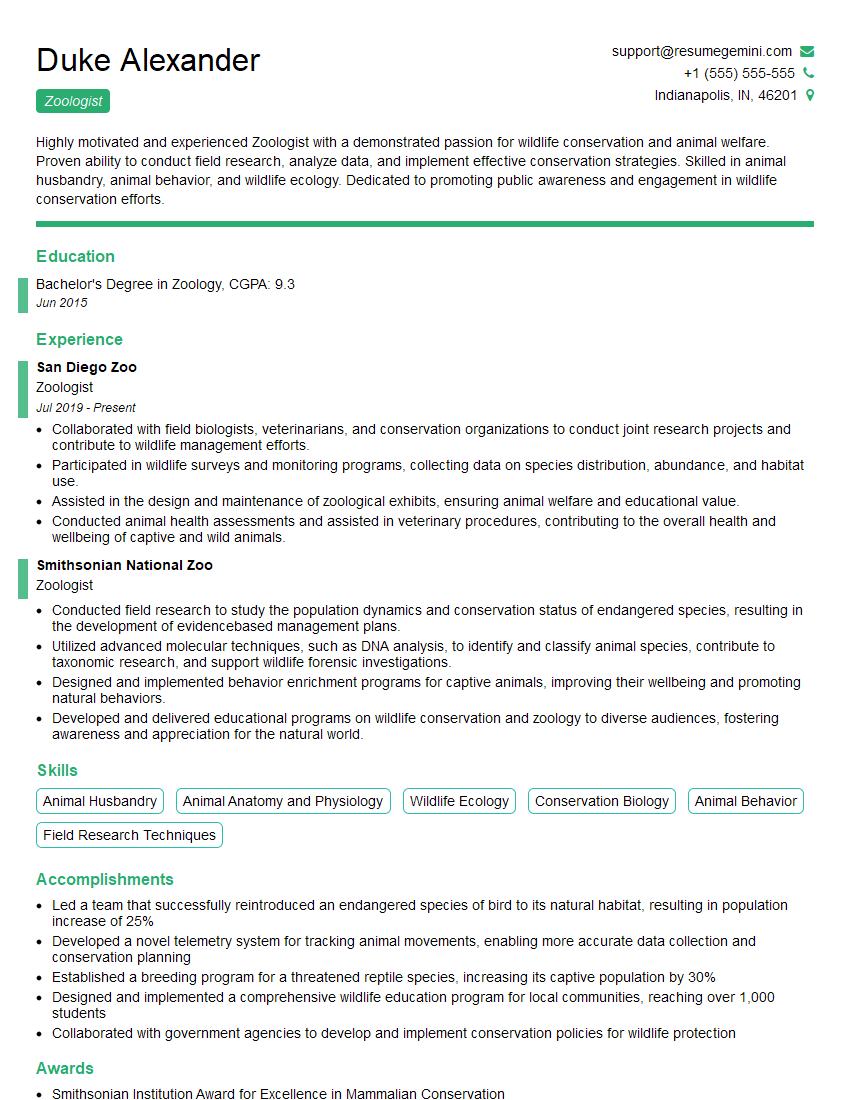
Zoologist Resume Sample

Environmental Educator Resume Sample
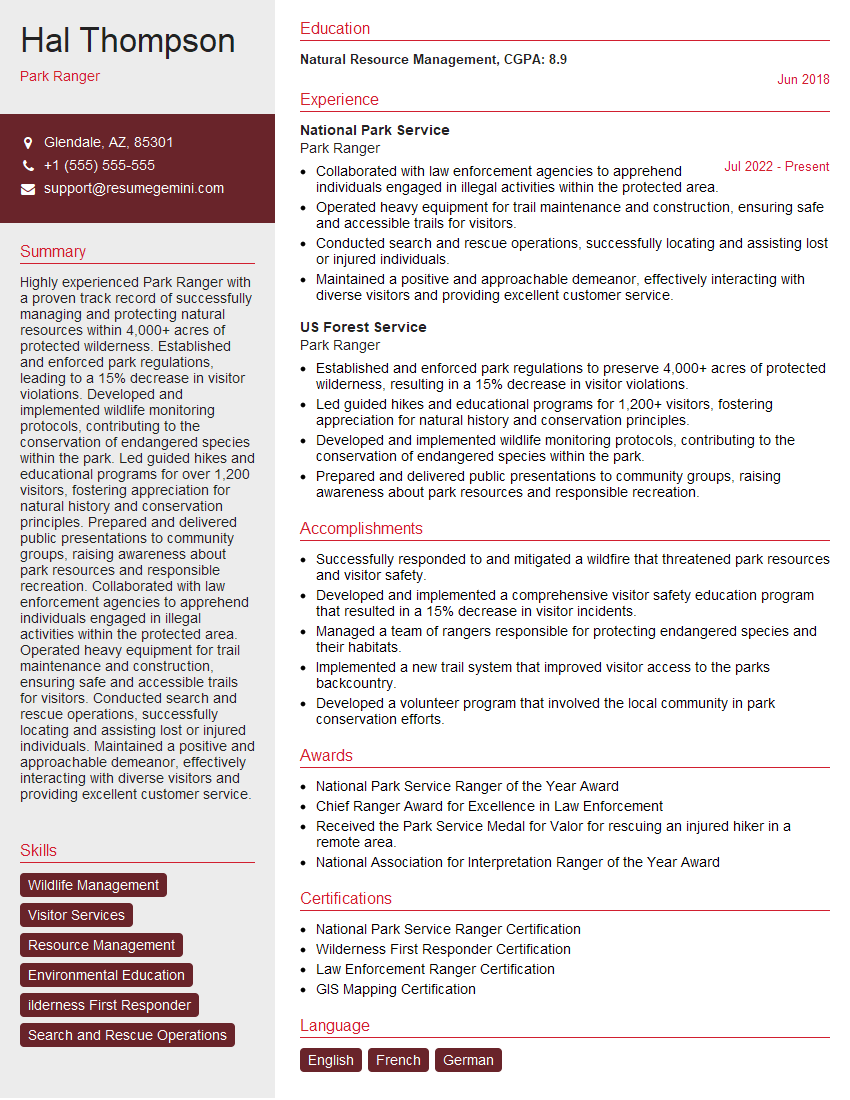
Park Ranger Resume Sample

Conservation Planner Resume Sample
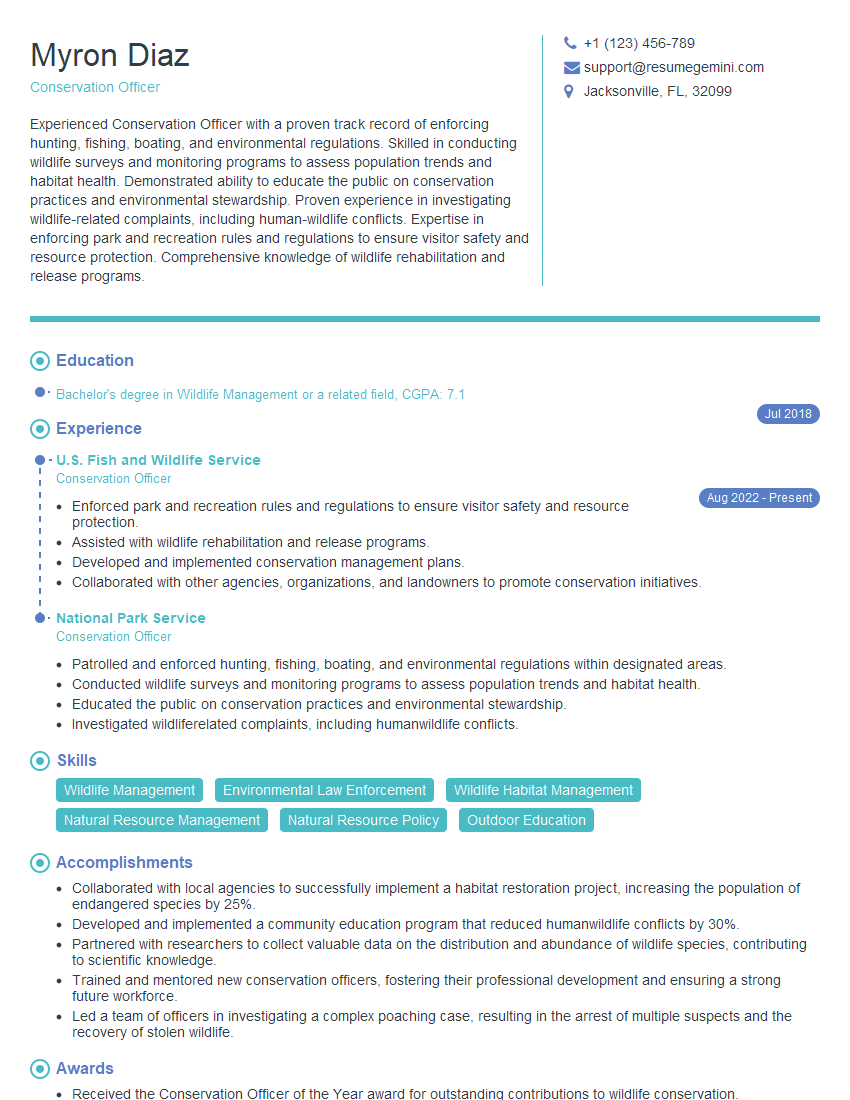
Conservation Officer Resume Sample
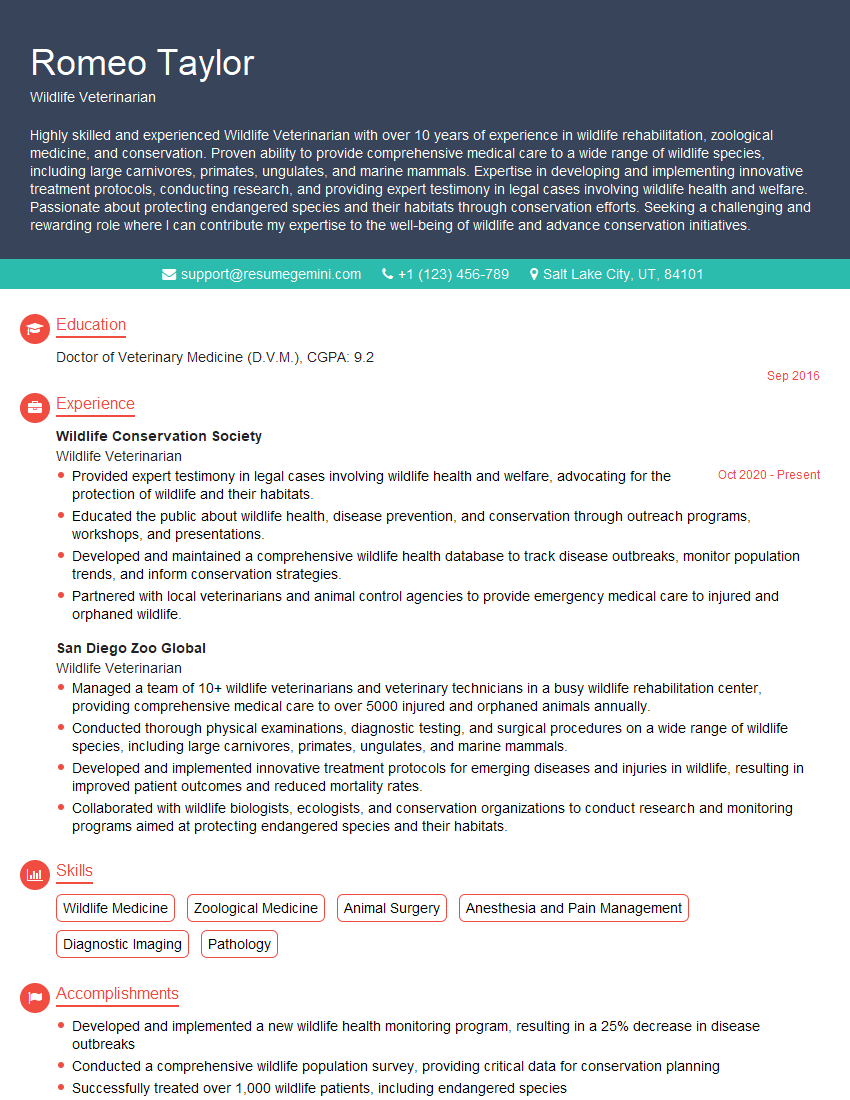
Wildlife Veterinarian Resume Sample

Wildlife Rehabilitator Resume Sample
Explore more articles
Users Rating of Our Blogs
Share Your Experience
We value your feedback! Please rate our content and share your thoughts (optional).
What Readers Say About Our Blog
Very informative content, great job.
good