Unlock your full potential by mastering the most common Wind Farm Permitting interview questions. This blog offers a deep dive into the critical topics, ensuring you’re not only prepared to answer but to excel. With these insights, you’ll approach your interview with clarity and confidence.
Questions Asked in Wind Farm Permitting Interview
Q 1. Explain the process of obtaining a wind farm permit.
Securing a wind farm permit is a complex, multi-stage process involving numerous regulatory agencies and stakeholders. It’s akin to navigating a complex maze, requiring careful planning and execution at each step. The process typically begins with preliminary site assessments to evaluate the wind resource, land suitability, and potential environmental impacts. This is followed by:
- Pre-application meetings: Informal discussions with relevant agencies to understand their requirements and address potential concerns early on.
- Application submission: A formal application including detailed plans, environmental impact studies, and technical specifications is submitted to the relevant agencies (local, state, and federal).
- Environmental review: This is a crucial stage involving comprehensive assessments of potential impacts on air and water quality, wildlife, cultural resources, and noise. Agencies conduct thorough reviews and may request additional information or modifications.
- Public hearings and comment periods: Agencies provide opportunities for public input and address concerns from stakeholders, including landowners, community members, and environmental groups.
- Permit issuance: After a thorough review and consideration of public comments, the permitting agencies issue permits or approvals, provided all requirements are met. This may involve multiple permits from different agencies.
- Construction and operation: Once permits are obtained, construction can begin, followed by the operation and monitoring phase, often with ongoing reporting requirements.
The exact steps and requirements vary depending on the location and project specifics, emphasizing the importance of early engagement with regulatory agencies.
Q 2. Describe the key environmental regulations impacting wind farm development.
Wind farm development is significantly impacted by a web of environmental regulations, designed to mitigate potential harm to ecosystems and human health. Key regulations include:
- Clean Air Act (CAA): Governs air emissions, including those from construction and operation. Wind farms must adhere to emission standards for pollutants such as particulate matter and volatile organic compounds.
- Clean Water Act (CWA): Protects water bodies from pollution and impacts from construction activities. Permits may be required for activities like dredging, filling wetlands, and discharging pollutants into waterways.
- Endangered Species Act (ESA): Protects endangered and threatened species. Wind farm developers must conduct thorough assessments to determine the potential impacts on listed species and their habitats, potentially requiring mitigation measures to avoid jeopardizing their survival.
- Migratory Bird Treaty Act (MBTA): Protects migratory birds from harm. Assessing potential impacts on bird populations through mortality studies and habitat considerations is crucial.
- National Environmental Policy Act (NEPA): Requires federal agencies to assess the environmental impacts of their actions and those they fund or permit. This often involves conducting Environmental Assessments (EAs) or Environmental Impact Statements (EISs).
Compliance with these regulations is essential to ensure environmentally sound development and secure necessary permits. A failure to address any of these adequately can result in project delays, costly modifications, or even outright rejection.
Q 3. What are the common challenges in securing permits for onshore wind farms?
Securing permits for onshore wind farms presents unique challenges, stemming from diverse factors:
- Community opposition: Concerns about visual impacts, noise pollution, and potential impacts on property values can lead to significant opposition from local communities, delaying or even preventing projects.
- Siting constraints: Finding suitable locations with adequate wind resources, while minimizing environmental impacts and accommodating community concerns, can be extremely difficult.
- Regulatory complexity: Navigating the overlapping jurisdictions and requirements of local, state, and federal agencies requires expertise and significant time investment.
- Environmental sensitivities: Onshore wind farms often intersect with environmentally sensitive areas, such as forests, wetlands, and habitats of endangered species, requiring detailed studies and mitigation measures.
- Grid interconnection challenges: Connecting the wind farm to the power grid can pose significant technical and regulatory hurdles, requiring substantial coordination with transmission system operators.
Effective stakeholder engagement and proactive mitigation strategies are essential to address these challenges and improve the chances of successful permitting.
Q 4. How do you navigate differing local, state, and federal permitting requirements?
The permitting landscape for wind farms is fragmented, with differing requirements at the local, state, and federal levels. Successfully navigating this requires a strategic approach:
- Early engagement: Initiating contact with all relevant agencies early in the project planning phase is crucial to understand their specific requirements and expectations.
- Jurisdictional mapping: Clearly defining the jurisdictional boundaries and responsibilities of each agency is essential for ensuring comprehensive compliance.
- Consolidated permitting strategies: Whenever possible, streamlining the permitting process by coordinating applications and submissions across agencies can save time and resources.
- Expertise and collaboration: Working with experienced permitting consultants who understand the intricacies of each jurisdiction is crucial for a smooth process.
- Adaptive management: Being prepared to adapt the project plans and mitigation strategies based on agency feedback and evolving regulatory landscapes is critical for project success.
This systematic approach, utilizing expertise and proactive communication, is key to navigating the complex regulatory maze and securing all necessary approvals efficiently.
Q 5. What are the key considerations for avian and bat impact assessments?
Avian and bat impact assessments are vital components of wind farm permitting, given the potential for collisions with turbine blades. These assessments require rigorous scientific methodology:
- Species identification and distribution mapping: Determining which bird and bat species are present in the project area, their migratory patterns, and habitat use.
- Mortality risk assessment: Employing models and data to predict the potential number of bird and bat fatalities based on factors like turbine design, bird/bat flight patterns, and habitat proximity.
- Mitigation strategies: Identifying and implementing measures to reduce mortality risk. These might include curtailing turbine operations during periods of high bird or bat activity, using bird deterrents, or modifying turbine design to reduce collision risk.
- Monitoring programs: Implementing post-construction monitoring to track bird and bat fatalities and assess the effectiveness of mitigation measures.
High-quality avian and bat impact assessments are crucial for demonstrating compliance with environmental regulations and obtaining project approvals. Inaccurate assessments can result in project delays, additional costs, and potentially even project failure.
Q 6. Describe your experience with NEPA (National Environmental Policy Act) compliance.
My experience with NEPA compliance spans numerous wind farm projects, encompassing both Environmental Assessments (EAs) and Environmental Impact Statements (EISs). This involves:
- Scoping: Participating in early scoping meetings with federal agencies to define the scope of the environmental review and identify key issues.
- Data collection and analysis: Gathering and analyzing data on potential environmental impacts, including air quality, water resources, wildlife, cultural resources, and socioeconomic factors.
- Document preparation: Preparing detailed EA or EIS documentation, including a thorough description of the project, potential environmental impacts, and mitigation measures.
- Agency coordination and review: Working closely with federal agencies to address their comments and concerns during the review process.
- Public participation: Engaging with the public through public meetings, comment periods, and responses to public concerns.
Successful NEPA compliance hinges on rigorous scientific analysis, transparent communication, and a proactive approach to addressing agency and public concerns. It’s a process that requires meticulous attention to detail and a deep understanding of NEPA regulations and guidance.
Q 7. How do you manage stakeholder engagement during the permitting process?
Effective stakeholder engagement is paramount for successful wind farm permitting. It’s about building trust and fostering collaboration from the outset. My approach involves:
- Early and ongoing communication: Maintaining open and consistent communication with stakeholders throughout the entire permitting process, keeping them informed about project developments and addressing their concerns promptly.
- Transparency and accessibility: Making project information readily available and accessible to stakeholders through websites, public meetings, and other channels.
- Active listening and feedback incorporation: Actively listening to stakeholder concerns, considering their feedback, and integrating it into project plans whenever possible.
- Community benefit agreements: Exploring opportunities to create community benefit agreements that address local concerns and provide tangible benefits to the community.
- Conflict resolution and mediation: Employing conflict resolution strategies to address disagreements and foster collaborative solutions.
A successful permitting process hinges on building strong relationships with stakeholders, addressing their concerns respectfully, and demonstrating that the project will bring positive benefits to the community while minimizing potential negative impacts. This necessitates a commitment to transparency and proactive engagement.
Q 8. Explain the importance of community relations in wind farm permitting.
Strong community relations are absolutely vital for successful wind farm permitting. Think of it like this: you’re asking a community to share their landscape, and potentially, their views. Without their buy-in, even the most technically sound project can fail. Effective community engagement starts long before the permit application is even drafted.
- Early and frequent communication: Regular meetings, newsletters, and open houses keep residents informed and address concerns proactively.
- Transparency and honesty: Openly addressing potential impacts, even negative ones, builds trust and credibility.
- Addressing concerns directly: Actively listening to and responding to community feedback is crucial. This includes engaging with those who may have initial opposition to the project.
- Benefit-sharing agreements: Exploring opportunities for local economic development, such as job creation or tax revenue sharing, can significantly improve community acceptance.
For example, in one project I worked on, we faced initial resistance from a local farming community concerned about the impact on their land. By engaging in numerous dialogues, demonstrating the minimal land use impact, and offering lease agreements that fairly compensated farmers, we successfully garnered their support, ensuring a smooth permitting process.
Q 9. What are the potential impacts of wind farms on cultural resources?
Wind farms can potentially impact cultural resources, which include archaeological sites, historical buildings, and sacred landscapes. These impacts can be direct, such as the physical construction disturbing a site, or indirect, such as altering viewsheds significant to a community’s cultural heritage.
- Archaeological surveys: Thorough Phase I and II archaeological investigations are necessary to identify and assess the presence of archaeological resources before any ground-disturbing activities begin.
- Traditional Cultural Property (TCP) assessments: Consulting with Native American tribes and other culturally significant groups is essential to identify potential impacts on TCPs. This often involves extensive consultation and collaboration.
- Mitigation measures: If cultural resources are found, mitigation measures, such as data recovery excavations or avoidance strategies, are implemented.
- Documentation and reporting: All findings and mitigation efforts must be meticulously documented and reported to regulatory agencies.
In a recent project, we discovered a previously unknown prehistoric site during the initial survey. This resulted in a delay while we conducted a comprehensive archaeological investigation, fully documented the find, and worked with the state historical preservation office to develop a mitigation plan that protected the site’s integrity while allowing the wind farm project to proceed.
Q 10. How do you address potential noise complaints related to wind farms?
Noise complaints are a common concern associated with wind farms. The key to addressing them is a combination of proactive planning and responsive mitigation.
- Noise modeling: Sophisticated acoustic modeling software predicts noise levels at various locations surrounding the project, helping to identify potential problem areas.
- Setback distances: Maintaining appropriate distances between turbines and nearby residences is crucial in minimizing noise impacts. These distances are often determined by the acoustic modeling and local ordinances.
- Turbine selection and optimization: Selecting quieter turbines and optimizing their operation can significantly reduce noise pollution.
- Community monitoring: Installing monitoring equipment to measure actual noise levels and compare them to predicted levels provides data for addressing any discrepancies.
- Noise complaint response plan: Having a clearly defined process for handling noise complaints, which includes regular communication with the complainants and timely resolution of issues, is paramount.
We once had a complaint about low-frequency noise that was initially difficult to address. However, by installing a monitoring station, we found that the issue was related to a specific atmospheric condition rather than a turbine malfunction. This information allowed us to better communicate with the community and manage expectations.
Q 11. Describe your experience with visual impact assessments.
Visual impact assessments are crucial in wind farm permitting as they evaluate the potential visual effects of the wind farm on the surrounding landscape and communities. These assessments involve a combination of techniques, with the objective of minimizing the visual intrusion of the project.
- Viewshed analysis: Using GIS software and digital elevation models, we identify locations where the wind farm will be visible and determine the visual impact based on factors such as distance, terrain, and vegetation.
- Photo simulations: Realistic photo simulations show how the wind farm might look from various viewpoints, helping visualize the impact and facilitating communication with the public.
- Visual sensitivity mapping: Identifying areas with high visual sensitivity, such as scenic overlooks, historical sites, or residential areas, helps prioritize mitigation efforts.
- Mitigation strategies: These might include carefully selecting turbine locations, using camouflage techniques, or employing smaller turbines to reduce the visual prominence.
In a recent project near a national park, we incorporated visual impact assessments early on in the planning process. By carefully siting the turbines and using a color scheme that blended with the surrounding environment, we significantly reduced the visual impact, contributing to a successful permit application.
Q 12. What strategies do you use to mitigate potential environmental risks?
Mitigating potential environmental risks is paramount. A comprehensive approach is vital, encompassing several key strategies.
- Wildlife studies: Pre-construction surveys assess potential impacts on avian and bat populations, informing turbine placement and operational strategies to minimize collisions.
- Habitat restoration: Restoration of degraded habitats can offset any potential loss and even create beneficial areas for wildlife.
- Water resource management: Careful planning addresses potential impacts on water quality and quantity, especially in areas with limited water resources.
- Erosion and sedimentation control: Implementing best practices for erosion and sediment control during construction minimizes impacts on soil and water quality.
- Air quality monitoring: Monitoring air quality before, during, and after construction can help to ensure that the project does not contribute to air pollution.
For instance, in one project, we implemented a bat deterrent system to minimize the risk of bat mortality. We also collaborated with local conservation organizations to create a habitat restoration plan to compensate for any habitat loss.
Q 13. How do you manage project timelines and budgets within the permitting process?
Managing project timelines and budgets effectively during the permitting process requires careful planning and proactive management.
- Detailed project schedule: A comprehensive schedule, breaking down all permitting tasks into smaller, manageable milestones, helps track progress and identify potential delays.
- Budget allocation: Allocating sufficient resources to each phase of the permitting process is crucial. This includes consultant fees, agency application fees, and potential mitigation costs.
- Risk assessment: Identifying potential delays or cost overruns early allows for proactive mitigation strategies.
- Regular progress reporting: Regular meetings with the project team and stakeholders ensure everyone is informed about the project’s progress and any emerging challenges.
- Contingency planning: Having a plan for addressing unforeseen circumstances, such as regulatory changes or appeals, is essential for staying on track.
I’ve found that using project management software, like MS Project, is incredibly helpful in tracking timelines and budgets, and keeping everyone informed of the progress.
Q 14. Describe your experience with preparing and submitting permit applications.
Preparing and submitting permit applications requires meticulous attention to detail and a deep understanding of regulatory requirements. It’s a multi-step process.
- Comprehensive environmental studies: Gathering all necessary environmental data, including noise, visual, and ecological assessments.
- Permit application preparation: Completing all application forms accurately and providing all required supporting documents.
- Regulatory agency coordination: Maintaining open communication with relevant regulatory agencies to address any questions or concerns they may have.
- Public participation: Addressing public concerns and providing opportunities for public comment.
- Permit amendment management: Addressing any necessary revisions to the application or permit during the review process.
For example, one project involved navigating multiple federal, state, and local permitting agencies. Success depended upon meticulous preparation of applications tailored to the unique requirements of each agency, along with effective communication throughout the process. Proactive engagement with agencies helped avoid delays and streamline the overall timeline.
Q 15. What are your strategies for resolving permit objections or denials?
Resolving permit objections or denials requires a multifaceted approach. It starts with a thorough understanding of the objections themselves. Are they based on environmental concerns, community opposition, technical issues, or regulatory hurdles? Once identified, a tailored strategy is developed.
This often involves:
- Engagement and Communication: Proactively addressing concerns of stakeholders through open dialogue, community meetings, and transparent information sharing. This could involve presentations, fact sheets, and even site visits to demonstrate the project’s benefits and mitigation measures.
- Technical Adjustments: Modifying the project design to address specific objections. For instance, if noise levels are a concern, we might explore quieter turbine technologies or implement noise barriers. Similarly, if avian impacts are a concern, we might adjust turbine placement or implement bird deterrent systems.
- Data-Driven Responses: Providing robust scientific data and expert analysis to refute inaccurate claims or misconceptions. This often involves environmental impact assessments, noise modeling studies, and shadow flicker analyses.
- Legal Counsel: In cases of significant disputes, engaging experienced legal counsel to navigate the regulatory process and advocate for the project’s approval.
- Compromise and Negotiation: In some cases, finding common ground through compromise and negotiation is necessary to gain support. This might involve adjusting the project scale, agreeing to specific mitigation measures, or providing community benefits packages.
For example, in one project facing community opposition due to visual impacts, we successfully mitigated the objections by reducing the number of turbines and carefully selecting turbine placement to minimize visual intrusion from key viewpoints. The key is proactive engagement and a willingness to adapt.
Career Expert Tips:
- Ace those interviews! Prepare effectively by reviewing the Top 50 Most Common Interview Questions on ResumeGemini.
- Navigate your job search with confidence! Explore a wide range of Career Tips on ResumeGemini. Learn about common challenges and recommendations to overcome them.
- Craft the perfect resume! Master the Art of Resume Writing with ResumeGemini’s guide. Showcase your unique qualifications and achievements effectively.
- Don’t miss out on holiday savings! Build your dream resume with ResumeGemini’s ATS optimized templates.
Q 16. Explain your understanding of various permitting agencies and their roles.
Wind farm permitting involves a complex interplay of agencies at different levels of government. The specific agencies involved vary by location but generally include:
- Federal Agencies (e.g., in the US): The Bureau of Ocean Energy Management (BOEM) for offshore projects, the Federal Aviation Administration (FAA) for airspace considerations, and the US Fish and Wildlife Service (USFWS) for endangered species protection. Their roles focus on national-level regulations and environmental considerations.
- State Agencies: State energy offices, environmental agencies (e.g., Department of Environmental Quality), and public utility commissions often have significant authority over project siting, environmental permits, and grid interconnection. Their roles are critical because they implement state-specific regulations and environmental protection standards.
- Local Agencies: County and municipal authorities play a crucial role in land use planning, zoning approvals, and reviewing local impacts. Their responsibilities often focus on immediate community concerns and local ordinances.
Understanding each agency’s jurisdiction and requirements is critical. Failing to address a specific agency’s concerns can lead to significant delays or project rejection. It requires meticulous coordination and clear communication with each involved agency to navigate the process successfully.
Q 17. How do you ensure compliance with all relevant permits and regulations post-construction?
Ensuring post-construction compliance requires a robust and proactive approach. This involves:
- Ongoing Monitoring: Implementing a comprehensive monitoring program to track operational performance and environmental impacts. This includes regular inspections of turbines, noise monitoring, and avian mortality surveys to detect any deviations from permit conditions.
- Data Reporting: Accurately and timely reporting of monitoring data to the relevant permitting agencies, following their specific reporting requirements and schedules. This demonstrates transparency and accountability.
- Maintenance and Repair: Maintaining the wind farm’s infrastructure to prevent equipment malfunctions and environmental damage. This includes regular maintenance schedules and rapid response to any identified issues.
- Emergency Response Planning: Having a detailed emergency response plan to manage unexpected events, such as equipment failures or natural disasters. This is crucial for minimizing environmental damage and ensuring public safety.
- Record Keeping: Meticulous record keeping of all operational data, maintenance activities, and interactions with regulatory agencies.
Failure to adhere to these post-construction requirements can lead to penalties, permit revocation, and reputational damage. We treat post-construction compliance as an ongoing and essential aspect of responsible project management.
Q 18. Describe your experience using GIS software for permitting applications.
GIS (Geographic Information System) software is indispensable for wind farm permitting. We use it extensively for various tasks:
- Site Selection and Assessment: GIS allows us to analyze terrain, wind resources, environmental features, and land ownership to identify suitable locations for wind turbines.
- Environmental Impact Assessment: GIS helps us map and analyze potential impacts on habitats, endangered species, and cultural resources, supporting the preparation of Environmental Impact Statements (EIS) or Environmental Assessments (EA).
- Permit Application Preparation: GIS is used to create detailed maps and visualizations for permit applications, showcasing project boundaries, turbine locations, and proposed infrastructure.
- Stakeholder Communication: GIS allows us to communicate project plans to stakeholders using clear and intuitive maps.
- Regulatory Compliance: GIS helps ensure compliance with setbacks, buffer zones, and other regulatory requirements.
For example, we used ArcGIS to overlay wind resource data, avian migration patterns, and land ownership information to optimize turbine placement, minimizing environmental impacts and maximizing energy production. This spatial analysis capability is crucial for efficient and environmentally responsible project planning.
Q 19. How do you prioritize multiple permit applications simultaneously?
Prioritizing multiple permit applications requires a structured approach. We typically use a project management system that incorporates:
- Timeline Development: Creating a detailed timeline for each application, considering agency processing times, required approvals, and potential delays.
- Risk Assessment: Identifying potential risks and challenges associated with each application, such as potential objections or regulatory hurdles.
- Resource Allocation: Allocating resources (personnel, budget, and expertise) based on the urgency and complexity of each application.
- Communication and Coordination: Maintaining clear and consistent communication among team members and agencies to ensure efficient progress.
- Regular Review and Adjustment: Regularly reviewing the progress of each application and adjusting the prioritization as needed based on emerging circumstances.
This systematic approach enables us to effectively manage multiple, sometimes overlapping, permitting processes, ensuring that no critical deadlines are missed while strategically allocating resources to maximize overall success.
Q 20. What are the key differences between onshore and offshore wind farm permitting?
Onshore and offshore wind farm permitting differ significantly due to the distinct challenges and regulatory frameworks associated with each.
- Jurisdiction and Agencies: Onshore projects primarily involve state and local agencies, while offshore projects involve federal agencies like BOEM in the US, alongside state and potentially international bodies.
- Environmental Considerations: Offshore projects face unique challenges related to marine ecosystems, migratory birds, and potential impacts on fisheries, requiring more extensive environmental studies and specialized permits. Onshore projects primarily focus on terrestrial ecosystems and land use impacts.
- Infrastructure Complexity: Offshore projects necessitate the design and permitting of complex subsea infrastructure (cables, foundations), while onshore projects involve simpler infrastructure.
- Technology and Construction Methods: Offshore projects require specialized vessels and technologies, adding complexity to permitting and construction management.
- Public and Stakeholder Engagement: Community engagement is critical for both, but offshore projects may involve additional stakeholder consultation with fishing communities, maritime users, and potentially international bodies.
The permitting timelines and complexities are vastly different. Offshore projects generally require longer lead times and a more extensive and rigorous permitting process than onshore projects.
Q 21. Describe your experience with the interconnection process for wind farms.
The interconnection process for wind farms involves integrating the project’s electricity generation into the existing transmission grid. It is a critical step that requires coordination with grid operators and regulatory bodies. My experience encompasses:
- Interconnection Studies: Conducting detailed studies to assess the technical feasibility of connecting the wind farm to the grid, addressing issues such as voltage stability, frequency regulation, and power flow.
- Grid Impact Assessment: Evaluating the impact of the wind farm on the grid’s stability and reliability.
- System Upgrades: Working with grid operators to determine and coordinate necessary upgrades to the transmission infrastructure to accommodate the wind farm’s output. This may involve upgrading substations, transmission lines, or other components.
- Point of Interconnection (POI) Selection: Identifying the optimal POI for connecting the wind farm to the grid based on technical and economic factors.
- Regulatory Compliance: Navigating the complex regulatory requirements related to grid interconnection, obtaining necessary approvals from regulatory bodies.
- Negotiation with Grid Operators: Negotiating interconnection agreements that define the technical specifications, cost allocation, and operational requirements for the interconnection.
I’ve worked on projects requiring significant upgrades to existing infrastructure to accommodate the influx of renewable energy, and success requires close collaboration with grid operators throughout the entire process.
Q 22. How do you evaluate the feasibility of a wind farm project from a permitting perspective?
Evaluating the feasibility of a wind farm project from a permitting perspective requires a multi-faceted approach. It’s not just about whether the wind resource is good; it’s about navigating a complex regulatory landscape. I start by conducting a thorough due diligence process, which includes:
- Resource Assessment: Confirming sufficient wind resource to justify the project’s economics.
- Regulatory Review: Identifying all applicable federal, state, and local permits. This might involve analyzing zoning regulations, environmental impact statements requirements, and bird/bat protection stipulations. Each jurisdiction has its own nuances.
- Environmental Impact Assessment (EIA): This critical step involves identifying and mitigating potential environmental impacts, such as noise pollution, visual impact, and impacts on wildlife habitats. A strong EIA is crucial for securing permits.
- Stakeholder Engagement: Early and continuous engagement with landowners, local communities, and other stakeholders is vital. Addressing concerns proactively can prevent delays and opposition.
- Permitting Timeline Analysis: I create a realistic timeline, factoring in potential delays and complexities of each permitting phase. This involves understanding the bureaucratic process of each agency involved and anticipating potential bottlenecks.
- Risk Assessment: Identifying potential risks and developing mitigation strategies. This may involve legal challenges, permitting denials, or cost overruns.
For example, in one project, we discovered a previously unknown bat migration route during the EIA. This required us to adjust the turbine placement and implement additional mitigation measures, adding time and cost to the project. However, by addressing the issue proactively, we avoided a potentially much larger delay later in the process.
Q 23. Explain your understanding of endangered species regulations and their impact on wind farm development.
Endangered species regulations are paramount in wind farm development, often posing significant hurdles. The primary legislation is the Endangered Species Act (ESA) in the US, but similar regulations exist internationally. The ESA prohibits actions that harm listed species or their critical habitat. My understanding encompasses:
- Species Identification and Habitat Mapping: Thorough surveys are conducted to identify the presence of endangered or threatened species, and to map their critical habitats.
- Consultation with Regulatory Agencies: We work closely with agencies like the U.S. Fish and Wildlife Service (USFWS) or similar state agencies to obtain necessary permits and ensure compliance. This involves detailed assessments and often requires mitigation plans.
- Mitigation Strategies: These could include changing turbine locations, implementing bird deterrent systems (e.g., radar-based bird deflection), curtailing turbine operation during critical periods, or establishing habitat restoration areas.
- Incidental Take Permits: These permits allow for limited harm to listed species under specific conditions, often with associated mitigation requirements. Obtaining an Incidental Take Permit requires rigorous analysis and demonstrably effective mitigation strategies.
For instance, a project near a known bald eagle nesting area required significant modifications to the project layout to maximize distance from the nests, and a detailed plan to monitor eagle activity during and after construction.
Q 24. Describe your experience with public hearings and stakeholder meetings.
Public hearings and stakeholder meetings are integral parts of the wind farm permitting process. My experience involves:
- Preparing Presentations: Creating clear, concise presentations that explain the project’s benefits and address potential concerns.
- Facilitating Dialogue: Creating a space for open communication and constructive discussion among stakeholders. This involves actively listening, responding to questions transparently, and addressing concerns professionally.
- Managing Conflict: Skillfully navigating disagreements and finding mutually acceptable solutions. This often involves compromise and creative problem-solving.
- Documenting Interactions: Keeping detailed records of all meetings, including attendee lists, presentations, and notes from the discussions.
In one instance, initial opposition from local residents concerned about visual impacts was overcome by incorporating community feedback into the project design, such as using quieter turbines and landscape mitigation to reduce visual impact. This resulted in a much smoother permitting process.
Q 25. How do you manage unexpected delays or challenges during the permitting process?
Unexpected delays and challenges are common in wind farm permitting. My approach emphasizes proactive risk management and flexible adaptation:
- Contingency Planning: Developing plans to address potential delays, such as funding issues, regulatory changes, or legal challenges.
- Communication: Maintaining open and transparent communication with all stakeholders to manage expectations.
- Problem-Solving: Employing creative problem-solving techniques to overcome obstacles. This might involve negotiating with regulatory agencies, addressing community concerns, or adjusting project designs.
- Expert Consultation: Seeking expert advice from legal counsel, environmental specialists, or other professionals as needed.
For example, we once encountered a delay due to an unforeseen archeological discovery on the project site. By working closely with the relevant authorities, we were able to conduct a swift archeological assessment, incorporate the findings into the project design, and minimize the impact on the overall timeline.
Q 26. What are the key metrics you use to track progress on permit applications?
Tracking progress on permit applications requires a systematic approach. Key metrics include:
- Milestone Tracking: Establishing clear milestones and deadlines for each permitting stage. I use project management software to track progress against these milestones.
- Agency Response Time: Monitoring the response time of regulatory agencies to permit applications and requests for information. This helps identify potential bottlenecks.
- Public Comment Period Progress: Tracking the number of public comments received and the nature of those comments. This helps gauge public opinion and anticipate potential challenges.
- Permit Application Completeness: Regularly reviewing the completeness of permit applications to ensure all required information is submitted.
- Legal and Regulatory Compliance: Ensuring that all project activities comply with all applicable laws and regulations.
Using a dashboard to visually represent this data allows for prompt identification of potential issues and effective course correction.
Q 27. How familiar are you with different types of renewable energy permits (e.g., air quality, water quality)?
I am very familiar with a wide range of renewable energy permits. Beyond the core permits often associated with wind farms, my expertise includes:
- Air Quality Permits: These address potential emissions from construction and operation, focusing on pollutants like particulate matter and noise.
- Water Quality Permits: These are crucial if the project involves any water usage, discharge, or impacts on water bodies, protecting water quality and aquatic life.
- Navigational Permits: These are necessary if the project affects navigable waterways.
- Coastal Zone Management Permits: Required if the project is located in coastal areas, addressing potential impacts on coastal ecosystems.
- Construction Permits: These cover the actual construction of the wind farm infrastructure.
- Grid Connection Permits: These secure the necessary interconnection to the power grid.
The specific requirements for each permit vary significantly depending on the location and the nature of the project. Navigating these different permitting requirements requires a deep understanding of each agency’s regulations and a well-coordinated approach.
Key Topics to Learn for Wind Farm Permitting Interview
- Environmental Impact Assessments (EIA): Understanding the process, key regulations (e.g., NEPA in the US), and methodologies for assessing the environmental impacts of wind farms. Practical application: Analyzing EIA reports and identifying potential mitigation strategies.
- Land Use Planning & Zoning: Navigating local, regional, and national regulations concerning land use for wind energy projects. Practical application: Researching zoning ordinances and obtaining necessary permits.
- Stakeholder Engagement & Communication: Effective communication strategies for engaging with landowners, community members, and regulatory agencies. Practical application: Developing and executing a stakeholder engagement plan.
- Regulatory Compliance: Understanding and adhering to all applicable federal, state, and local regulations related to wind farm permitting. Practical application: Identifying and addressing potential regulatory hurdles.
- Permitting Processes & Applications: Familiarity with the specific permitting processes in different jurisdictions. Practical application: Preparing complete and accurate permit applications.
- Grid Connection & Transmission: Understanding the process of connecting a wind farm to the electricity grid. Practical application: Analyzing grid interconnection studies and addressing transmission constraints.
- Mitigation & Monitoring Plans: Developing and implementing plans to mitigate environmental and social impacts of wind farms and monitoring their effectiveness. Practical application: Designing effective monitoring programs and reporting mechanisms.
- Renewable Energy Policy & Incentives: Knowledge of relevant policies and incentives that support wind energy development. Practical application: Leveraging incentives to reduce project costs and increase feasibility.
Next Steps
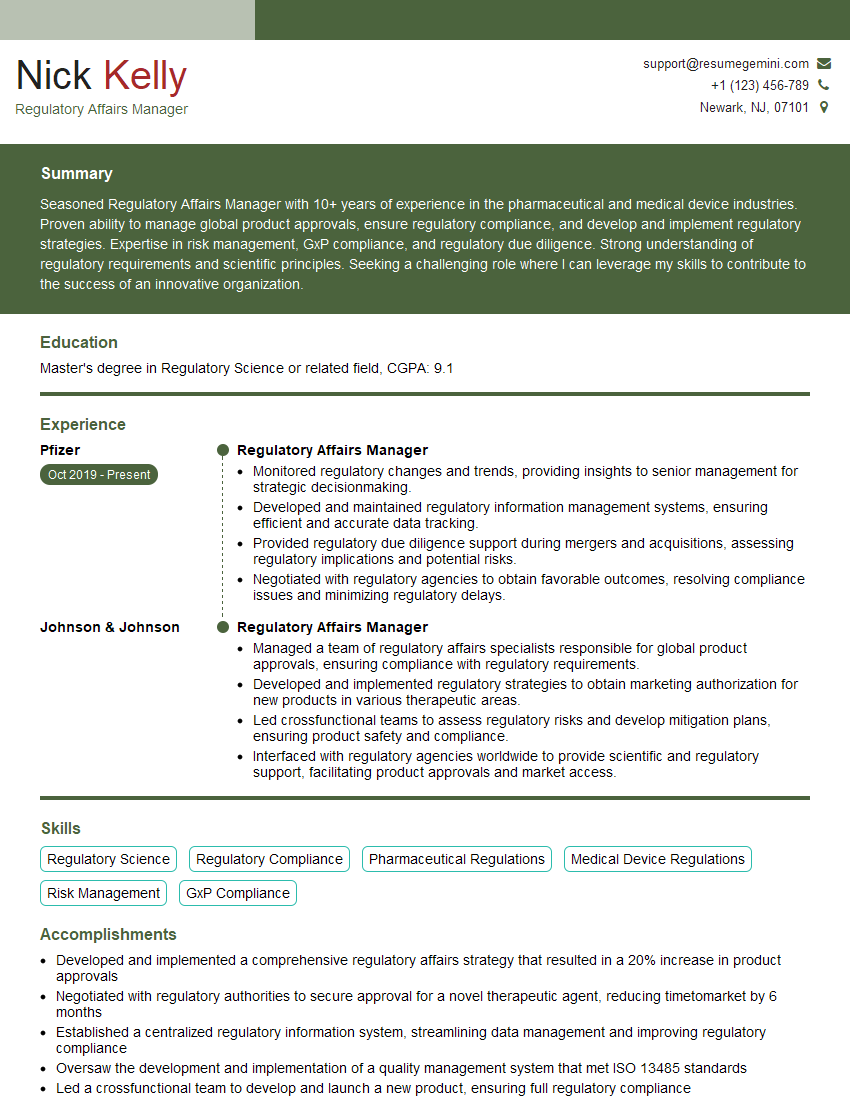
Mastering Wind Farm Permitting opens doors to a rewarding career in a rapidly growing sector. Your expertise in navigating complex regulations and stakeholder concerns is highly valued. To maximize your job prospects, it’s crucial to have an ATS-friendly resume that showcases your skills and experience effectively. ResumeGemini is a trusted resource that can help you build a professional, impactful resume tailored to the specific requirements of Wind Farm Permitting roles. We provide examples of resumes tailored to this field to guide you. Invest the time in crafting a strong resume – it’s your first impression with potential employers.
Explore more articles
Users Rating of Our Blogs
Share Your Experience
We value your feedback! Please rate our content and share your thoughts (optional).
What Readers Say About Our Blog
Very informative content, great job.
good