Feeling uncertain about what to expect in your upcoming interview? We’ve got you covered! This blog highlights the most important Wiring Design and Installation interview questions and provides actionable advice to help you stand out as the ideal candidate. Let’s pave the way for your success.
Questions Asked in Wiring Design and Installation Interview
Q 1. Explain the NEC (National Electrical Code) and its relevance to your work.
The National Electrical Code (NEC) is a widely adopted standard for the safe installation of electrical wiring and equipment in the United States. Think of it as the rule book for electrical work. It’s crucial to my work because it ensures safety and compliance with regulations. Ignoring the NEC can lead to dangerous situations like electrical fires, shocks, and even fatalities. My work consistently adheres to the NEC, ensuring all installations meet the required safety standards. I regularly consult the latest NEC updates to remain current on best practices and code changes. For example, understanding the NEC’s requirements for grounding and bonding is critical to prevent electrical hazards and ensure the safety of occupants.
Q 2. Describe your experience with different types of wiring (e.g., Romex, BX, conduit).
I have extensive experience working with various types of wiring. Romex, also known as NM-B cable, is a common type used in residential settings. It’s relatively easy to install and cost-effective, but its flexibility limits its use in certain applications. BX cable, or armored cable, provides better protection against physical damage due to its metal sheath. I’ve used it in areas where the wiring might be subject to abrasion or impact. Conduit, on the other hand, offers the most robust protection. It’s more labor-intensive to install, but it’s ideal for harsh environments or where future changes are anticipated. For example, I recently used conduit in a commercial kitchen renovation, protecting the wiring from potential damage from moisture and heavy equipment.
Q 3. How do you determine the appropriate wire gauge for a given application?
Determining the appropriate wire gauge involves several factors. The primary consideration is the amperage (current) the wire needs to carry. A higher amperage requires a thicker, lower gauge wire to prevent overheating and potential fire hazards. The length of the wire also plays a role, as longer runs experience more voltage drop. Material (copper or aluminum) also impacts the choice. I use tables and calculators based on the NEC to determine the correct gauge for every application. For instance, if I need to power a high-draw appliance like an electric stove, I’d need a much thicker gauge wire compared to a standard lighting circuit. Failing to use the correct gauge can lead to excessive heat, potential fire, and insufficient power to the connected device.
Q 4. What are the safety precautions you take when working with electricity?
Safety is paramount in electrical work. Before starting any project, I always ensure the power is completely shut off and locked out/tagged out at the service panel. I use a voltage tester to double-check that the power is indeed off. I wear appropriate personal protective equipment (PPE), including insulated gloves, safety glasses, and work boots. I also maintain a clean and organized workspace to minimize tripping hazards. In addition, I’m always mindful of overhead obstructions and potential contact with energized equipment. For example, before working on a ceiling fixture, I thoroughly inspect the area for any exposed wiring or potential hazards.
Q 5. Explain the process of grounding and bonding.
Grounding and bonding are critical for electrical safety. Grounding provides a path for fault currents to flow back to the earth, preventing dangerous electrical shocks. A grounding rod driven into the earth provides a low-resistance path. Bonding connects non-current-carrying metal parts to the grounding system, equalizing electrical potential and preventing dangerous voltage differences. For example, bonding metal plumbing pipes to the grounding system prevents a shock if a fault occurs in an appliance connected to the plumbing. Proper grounding and bonding are essential for safety and comply with NEC standards.
Q 6. Describe your experience with different types of electrical panels.
My experience includes working with various types of electrical panels, from standard residential panels to larger commercial panels. I’ve worked with load centers offering various amperage ratings, circuit breaker types, and configurations. I understand the differences between main breaker panels and fuse panels. Recently, I installed a new subpanel in a garage expansion, ensuring adequate capacity for future loads. Choosing the appropriate panel type depends on the power requirements of the building and must meet local codes. Incorrect panel selection or installation can be a significant fire hazard and may violate building codes.
Q 7. How do you troubleshoot electrical problems?
Troubleshooting electrical problems starts with safety—de-energizing the circuit. I then use a variety of tools, including multimeters (to measure voltage, current, and resistance), voltage testers, and circuit tracers. Systematic approaches, such as checking fuses and breakers, inspecting wiring for damage, and testing outlets and switches, are key to identifying the problem. If it’s a complex issue, I might use thermal imaging cameras to detect hot spots indicating loose connections or overloads. For example, if a circuit is tripping, I systematically check each component on that circuit to find the root cause—from the panel to the final outlet or fixture.
Q 8. What is your experience with electrical blueprints and schematics?
Electrical blueprints and schematics are the roadmap for any wiring project. My experience encompasses interpreting complex drawings, identifying components like circuit breakers, switches, outlets, and lighting fixtures, and understanding their interconnections. I’m proficient in reading both single-line diagrams, which show the overall power flow, and detailed schematics, which illustrate the wiring pathways and component connections. For instance, I’ve worked on projects where the blueprint specified a three-phase power distribution system across a large industrial facility, requiring careful analysis to ensure proper grounding and load balancing. I can also identify potential conflicts or errors in the blueprints before installation begins, saving time and resources. This includes verifying compliance with relevant electrical codes, ensuring correct sizing of conductors, and confirming proper device placement.
Q 9. Explain your understanding of voltage, amperage, and wattage.
Voltage, amperage, and wattage are fundamental electrical concepts. Voltage (V) is the electrical potential difference between two points, essentially the ‘push’ that drives electrons through a circuit. Think of it like water pressure in a pipe. Amperage (A), or current, is the rate of electron flow, representing the amount of electricity flowing through the circuit. This is like the flow rate of water in the pipe. Wattage (W) is the power, representing the rate at which electrical energy is consumed or generated. It’s the combination of voltage and amperage (Watts = Volts x Amps). For example, a 120V, 10A circuit has a power capacity of 1200W (120V x 10A). Understanding these relationships is crucial for selecting appropriate wiring, circuit breakers, and other components to prevent overheating and potential hazards. Incorrect sizing can lead to overloaded circuits, resulting in blown fuses, tripped breakers, or even fires.
Q 10. Describe your experience with different types of electrical testing equipment.
I’m experienced with a variety of electrical testing equipment, including multimeters for measuring voltage, current, and resistance; clamp meters for measuring current without breaking the circuit; insulation testers to check the integrity of cable insulation; and continuity testers to verify circuit connections. I’ve also used more specialized equipment like meggers for high-voltage insulation testing, and thermal imaging cameras to detect hot spots indicating potential electrical problems. For example, during the commissioning of a new commercial building, I used a megger to verify the insulation resistance of all the power cables before energizing the system. Understanding the proper use and limitations of each piece of equipment is critical for accurate and safe testing.
Q 11. What is your experience with conduit bending and installation?
Conduit bending and installation are essential skills for a wiring professional. I’m proficient in bending EMT (electrical metallic tubing), rigid conduit, and flexible conduit using various hand tools and bending machines. I understand the importance of proper bending techniques to avoid kinks or crushing the conduit, which can damage the wires inside. My experience includes working with different conduit sizes and materials, ensuring correct sizing for the number and type of conductors being installed. I also understand the safety regulations around conduit installation, such as proper grounding and support techniques. For example, on a recent industrial project, we installed a complex network of rigid conduit to protect high-voltage cabling in a harsh environment. The careful bending and installation ensured protection and longevity of the cabling.
Q 12. Explain your understanding of different types of electrical connectors.
Electrical connectors come in various types, each with its own application. I’m familiar with wire nuts for joining wires within a junction box; terminal blocks for connecting multiple wires neatly; push-in connectors for quick and easy connections; and various types of connectors for specific applications like outdoor wiring or high-voltage connections. Understanding the amperage and voltage ratings of each connector type is critical for ensuring safe and reliable connections. For instance, using an undersized wire nut can lead to loose connections and potential overheating, while using an incorrect connector type for a specific environment (e.g., using an indoor connector outdoors) could compromise the integrity and safety of the electrical system.
Q 13. How do you ensure the safety and compliance of your wiring installations?
Safety and compliance are paramount in electrical wiring. I adhere strictly to all applicable electrical codes and regulations (like NEC in the US), ensuring that every installation meets the highest safety standards. This includes proper grounding, bonding, and using appropriate personal protective equipment (PPE). Regular inspection and testing are vital. Before energizing any circuit, I perform thorough inspections to verify correct wiring, grounding, and the absence of any potential hazards. Documentation is key; I maintain detailed records of every installation, including diagrams, testing results, and any deviations from the original plan. Proactive safety measures, like using lockout/tagout procedures when working on energized equipment, are always followed. Failure to prioritize safety can lead to serious injury or even fatalities.
Q 14. Describe your experience with working in different environments (e.g., residential, commercial, industrial).
My experience spans various environments. In residential settings, I’ve worked on everything from simple wiring upgrades to complex whole-house renovations. Commercial projects have involved installing electrical systems in offices, retail spaces, and restaurants, requiring attention to detail and compliance with building codes. Industrial settings are different, involving high-voltage systems and specialized equipment demanding rigorous safety protocols and knowledge of heavy-duty components. Adapting to the specific challenges of each environment is crucial, and understanding the varying needs and regulations is essential. For example, a residential project may involve replacing a simple light switch, while an industrial project might involve working on a 480V three-phase motor control circuit, requiring specialized training and safety precautions.
Q 15. How do you manage your time and prioritize tasks on a project?
Effective time management is crucial in wiring projects. I employ a prioritized task list, often using a Kanban-style system to visualize workflow. This allows me to break down large projects into smaller, manageable tasks, assigning deadlines and resources effectively. I regularly review and adjust this list, prioritizing tasks based on urgency, dependencies, and potential impact on the project schedule. For example, if a critical component’s delivery is delayed, I’ll immediately reassess the schedule and potentially re-prioritize tasks to mitigate the impact. This proactive approach ensures timely completion while maintaining quality.
Beyond task prioritization, I dedicate specific time blocks for focused work, minimizing interruptions. Regular progress meetings with the team allow for quick issue resolution and collaborative problem-solving, preventing minor setbacks from escalating into major delays. Tools like project management software help track progress and identify potential bottlenecks proactively.
Career Expert Tips:
- Ace those interviews! Prepare effectively by reviewing the Top 50 Most Common Interview Questions on ResumeGemini.
- Navigate your job search with confidence! Explore a wide range of Career Tips on ResumeGemini. Learn about common challenges and recommendations to overcome them.
- Craft the perfect resume! Master the Art of Resume Writing with ResumeGemini’s guide. Showcase your unique qualifications and achievements effectively.
- Don’t miss out on holiday savings! Build your dream resume with ResumeGemini’s ATS optimized templates.
Q 16. What is your experience with working from blueprints and specifications?
I have extensive experience interpreting blueprints and specifications. My process begins with a thorough review of all documentation, including architectural plans, electrical schematics, and equipment specifications. I carefully examine details such as cable sizing, conduit routing, device locations, and power requirements. I cross-reference different documents to ensure consistency and identify potential conflicts early on. For instance, discrepancies between architectural drawings and electrical schematics are flagged immediately and resolved through communication with the design team.
Understanding symbols, notations, and conventions is critical. I am proficient in reading various standards (e.g., NEC, IEC) and translate the design requirements into practical installation plans. This includes determining the best material selections, ensuring code compliance, and coordinating the work with other trades. I regularly use these interpretations to create detailed wiring diagrams and installation instructions for my team.
Q 17. Describe your experience with different types of lighting systems.
My experience encompasses a wide range of lighting systems, from traditional incandescent and fluorescent to modern LED and smart lighting solutions. I understand the different power requirements, control systems, and installation techniques associated with each type. For example, I’ve worked on projects utilizing DMX-controlled LED lighting for dynamic effects in commercial settings, as well as simple residential installations with energy-efficient LED bulbs and standard dimming switches.
With fluorescent lighting, I’m familiar with ballast types and their compatibility with different lamp types. I understand the safety precautions required when working with high-voltage ballasts and the importance of proper grounding. In LED installations, I consider factors like heat dissipation, lumen output, and color rendering index (CRI) to select appropriate fixtures and ensure optimal performance. My knowledge extends to troubleshooting issues in each system, quickly identifying problems with ballasts, drivers, sensors, or wiring.
Q 18. How do you handle unexpected problems or challenges on a project?
Unexpected problems are inevitable in any project. My approach is systematic and focuses on rapid assessment and effective solutions. When encountering an unexpected challenge, I first carefully assess the situation to understand its scope and impact. This includes documenting the problem, gathering relevant data, and consulting relevant codes and standards.
Next, I develop potential solutions and evaluate their feasibility and safety implications. This often involves brainstorming with my team to leverage everyone’s expertise. For instance, if a conduit is found to be incorrectly sized, I would assess the impact on the entire system, and propose solutions ranging from using reducers and bushings to rerouting the conduit, depending on the severity of the issue. Thorough documentation of the problem and the corrective action taken is essential for project records and to prevent recurrence.
Q 19. What software or tools do you use for wiring design?
I’m proficient in various software tools for wiring design. AutoCAD is my primary tool for creating detailed schematics, diagrams, and installation plans. I use it to design complex wiring layouts, specify cable types and sizes, and annotate drawings with relevant information. I also utilize specialized electrical design software, such as [mention specific software if comfortable, e.g., EPLAN Electric P8 or similar], which streamlines the design process and aids in generating reports and documentation. These tools allow for collaboration and ensure accuracy in design and documentation.
Beyond design software, I frequently use project management software for task scheduling, resource allocation, and communication. Spreadsheet software is also invaluable for creating detailed material lists, calculating cable lengths, and organizing project data. Proficiency in these tools is key to efficient and accurate project execution.
Q 20. Describe your experience with different types of termination techniques.
My expertise includes various termination techniques, ensuring safe and reliable electrical connections. I’m proficient in using various connectors, including wire nuts, crimp connectors, and solderless terminals, selecting the appropriate type based on the wire gauge, current rating, and environmental conditions. I rigorously adhere to safety standards, including proper stripping and insulation removal techniques to prevent short circuits.
For specific applications, I’m experienced in using different termination methods like: crimping for high-volume connections, soldering for precise and durable connections in critical applications, and using various types of terminal blocks for easy wiring management and maintainability. I understand the importance of proper torque when tightening screws on terminal blocks to prevent overheating and ensure secure connections. Each technique is chosen carefully based on factors such as the application’s needs, the type of wire used, and the local electrical codes.
Q 21. What is your understanding of load calculations?
Load calculations are fundamental to safe and efficient electrical system design. It’s the process of determining the total power demand of all electrical devices connected to a circuit or system. This ensures that circuits are properly sized to handle the load without overheating or causing safety hazards. I perform load calculations using established methods, considering factors like voltage, current, and power factor.
My approach involves identifying all loads connected to a circuit, determining their individual power requirements (in watts or kilowatts), and calculating the total load. I then factor in demand factors to account for the fact that not all loads operate simultaneously. This allows for a realistic assessment of the peak demand on the circuit. I use these calculations to select appropriately sized circuit breakers, conductors, and other components, ensuring compliance with all applicable electrical codes. Accurate load calculations are crucial to prevent overloads, which can lead to fires, equipment damage, or even electrical shock.
Q 22. Explain your experience with motor control circuits.
Motor control circuits are the nervous system of many industrial and commercial applications. My experience spans designing and installing circuits for various motor types, including AC induction motors, DC motors, and servo motors. This involves understanding the specific requirements of each motor – its voltage, amperage, horsepower, and starting torque – to select appropriate components like motor starters (e.g., across-the-line starters, reduced-voltage starters, soft starters), overload relays, and contactors.
For example, I once worked on a project involving a high-horsepower pump requiring a soft starter to prevent high inrush current and protect the motor and electrical system. This involved calculating the required soft starter size based on the motor’s characteristics and the power supply capabilities. I also designed the control circuit incorporating safety features like emergency stops and interlocking to ensure safe operation. I’m proficient in various control schemes including direct-on-line starting, star-delta starting, and variable frequency drives (VFDs), which provide precise speed control and energy efficiency.
Beyond the design, I have extensive experience in the practical installation and troubleshooting of these circuits, ensuring proper grounding, wiring, and safety compliance according to relevant codes such as NEC (National Electrical Code). This includes terminating wires correctly, using appropriate conduit and fittings, and testing the completed installation to ensure it operates as designed.
Q 23. Describe your experience with low-voltage wiring systems.
Low-voltage wiring systems, typically operating below 50V, are critical in various applications like building automation systems, fire alarm systems, and data communication networks. My experience encompasses designing and installing these systems, adhering to strict safety and code requirements. I’m familiar with various low-voltage cabling types, including shielded twisted pair (STP), unshielded twisted pair (UTP), coaxial cable, and fiber optic cables, and their appropriate applications.
One project involved installing a low-voltage network for a large office building. This required careful planning to ensure proper cable routing and termination, minimizing signal interference and ensuring data integrity. I used structured cabling techniques, including the use of patch panels and cable management systems to maintain a clean and organized installation. I’ve also worked with various low-voltage components such as sensors, actuators, and control panels, integrating them seamlessly into the overall system.
My experience extends to troubleshooting these systems, using specialized tools to identify faults and implement effective solutions. For instance, I was able to quickly diagnose and repair a faulty connection in a building’s security system by using a TDR (Time Domain Reflectometer) to pinpoint the location of the break in the cable.
Q 24. How do you ensure the quality of your work?
Quality assurance is paramount in wiring design and installation. My approach is multifaceted, beginning with meticulous planning and design. I utilize industry-standard software for designing circuits and ensuring compliance with all applicable codes (NEC, local codes). During the installation phase, I maintain rigorous documentation, including detailed schematics, wiring diagrams, and test reports.
I perform thorough inspections at every stage of the process, checking for correct wire sizing, proper grounding, secure connections, and overall safety. I regularly use testing equipment like multimeters, insulation resistance testers, and loop testers to ensure the electrical integrity and safety of the installations. Beyond technical aspects, I believe clear communication and collaboration with clients and colleagues are integral to quality work; proactively addressing potential issues and clarifying expectations. Finally, regular professional development and staying updated on the latest industry best practices contribute significantly to consistent high quality.
Q 25. What are your strengths and weaknesses as a wiring designer/installer?
My strengths lie in my meticulous attention to detail, problem-solving skills, and ability to work effectively both independently and collaboratively. I’m adept at interpreting complex electrical schematics and translating them into practical installations. My experience troubleshooting intricate wiring issues makes me a valuable asset. I also pride myself on my ability to clearly communicate technical information to both technical and non-technical audiences.
One area I’m actively working on is enhancing my proficiency with the latest design software. While I’m competent with existing tools, I aim to expand my knowledge of advanced features and functionalities for greater efficiency. This is something I continuously address through online courses and workshops. I also acknowledge that managing multiple large projects concurrently can be challenging, therefore I am continuously refining my time management and organizational skills to ensure efficiency and avoid potential errors.
Q 26. Describe your experience with working in a team environment.
Teamwork is essential in this field. I’ve consistently worked effectively in diverse team settings, ranging from small, specialized crews to larger project teams involving engineers, electricians, and project managers. I value clear communication, active listening, and collaborative problem-solving.
On one particular project, our team faced a significant challenge when an unexpected design change necessitated a major revision to the wiring layout. Through open communication and collaboration, we successfully adjusted the plan, minimizing delays and avoiding any compromises to safety or quality. My role involved not only making my own contributions but also coordinating with other team members, ensuring everyone was aligned and informed. This project showcased my ability to contribute constructively to team discussions, provide feedback, and resolve conflicts effectively.
Q 27. How do you stay current with the latest industry trends and technologies?
Staying current in this rapidly evolving field is crucial. I maintain my professional competency through several avenues. I actively participate in industry conferences and workshops, attending sessions on the latest codes, technologies, and best practices. I subscribe to relevant trade publications and online resources, keeping abreast of advancements in wiring techniques, safety regulations, and new equipment.
Moreover, I actively seek out opportunities for professional development, including online courses and certifications. For instance, I recently completed a course on the application of smart sensors in building automation, expanding my skills and knowledge base. This continuous learning ensures I remain at the forefront of the field and can provide my clients with the most effective and up-to-date solutions.
Key Topics to Learn for Your Wiring Design and Installation Interview
- Electrical Codes and Standards: Understanding and applying relevant national and local electrical codes (e.g., NEC) is paramount. This includes safety regulations and best practices.
- Schematic Reading and Interpretation: Demonstrate your ability to accurately read and interpret wiring diagrams, blueprints, and other technical documentation.
- Wiring Techniques and Methods: Be prepared to discuss various wiring methods (e.g., conduit bending, cable termination, splicing techniques) and their applications in different settings.
- Troubleshooting and Diagnostics: Showcase your problem-solving skills by outlining your approach to identifying and resolving common wiring faults and malfunctions.
- Material Selection and Application: Discuss your knowledge of different wire types, sizes, and insulation materials, and how to choose the appropriate materials for specific applications.
- Safety Procedures and Practices: Emphasize your commitment to workplace safety, including lockout/tagout procedures, personal protective equipment (PPE) usage, and hazard identification.
- Project Planning and Management: Explain your approach to planning and executing wiring projects, including estimating materials, scheduling tasks, and managing resources.
- Testing and Inspection Methods: Describe the various testing and inspection methods used to ensure the safety and functionality of wiring installations (e.g., continuity testing, voltage testing).
- Power Distribution Systems: Understanding different power distribution systems (e.g., single-phase, three-phase) and their applications is crucial.
- Control Systems and Automation: Familiarity with basic control systems and automation techniques in wiring design will be a significant advantage.
Next Steps
Mastering Wiring Design and Installation opens doors to a rewarding career with excellent growth potential. To maximize your job prospects, creating a strong, ATS-friendly resume is essential. ResumeGemini is a trusted resource that can help you build a professional and impactful resume tailored to the Wiring Design and Installation field. We provide examples of resumes specifically designed for this industry to guide you. Take advantage of these resources to present yourself effectively and land your dream job!
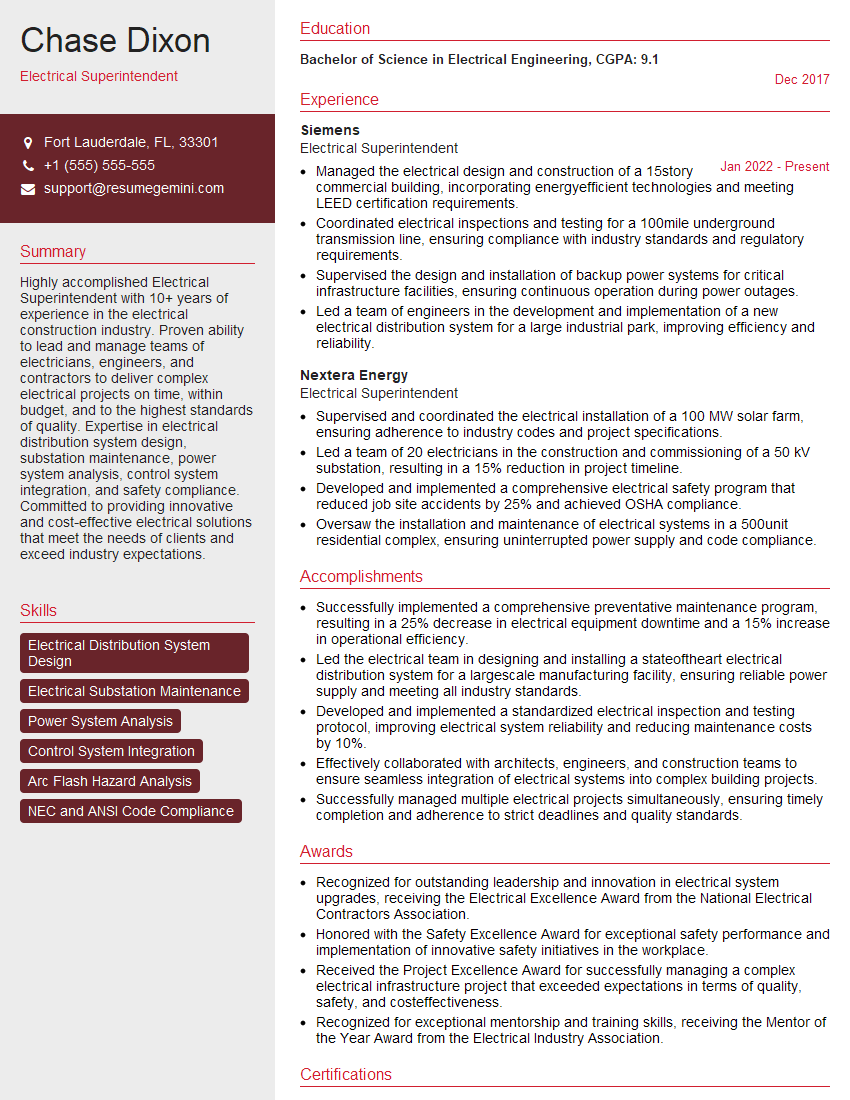
Electrical Superintendent Resume Sample
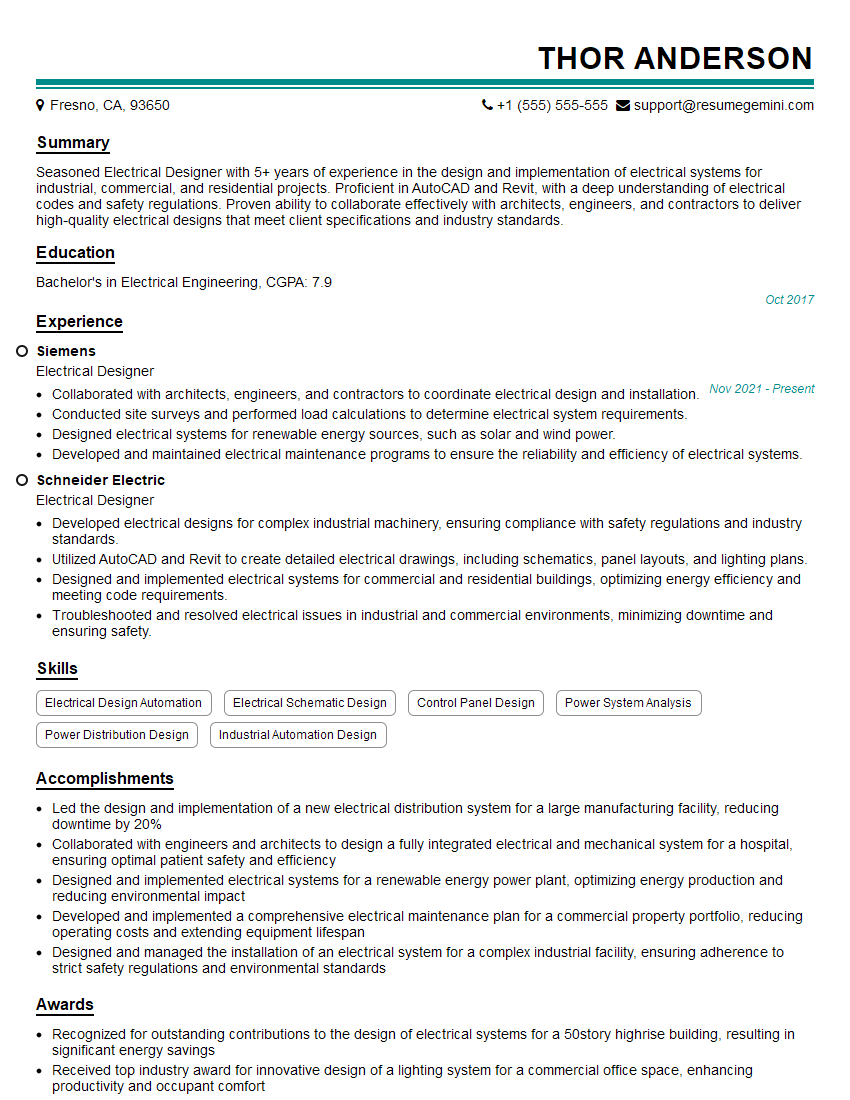
Electrical Designer Resume Sample
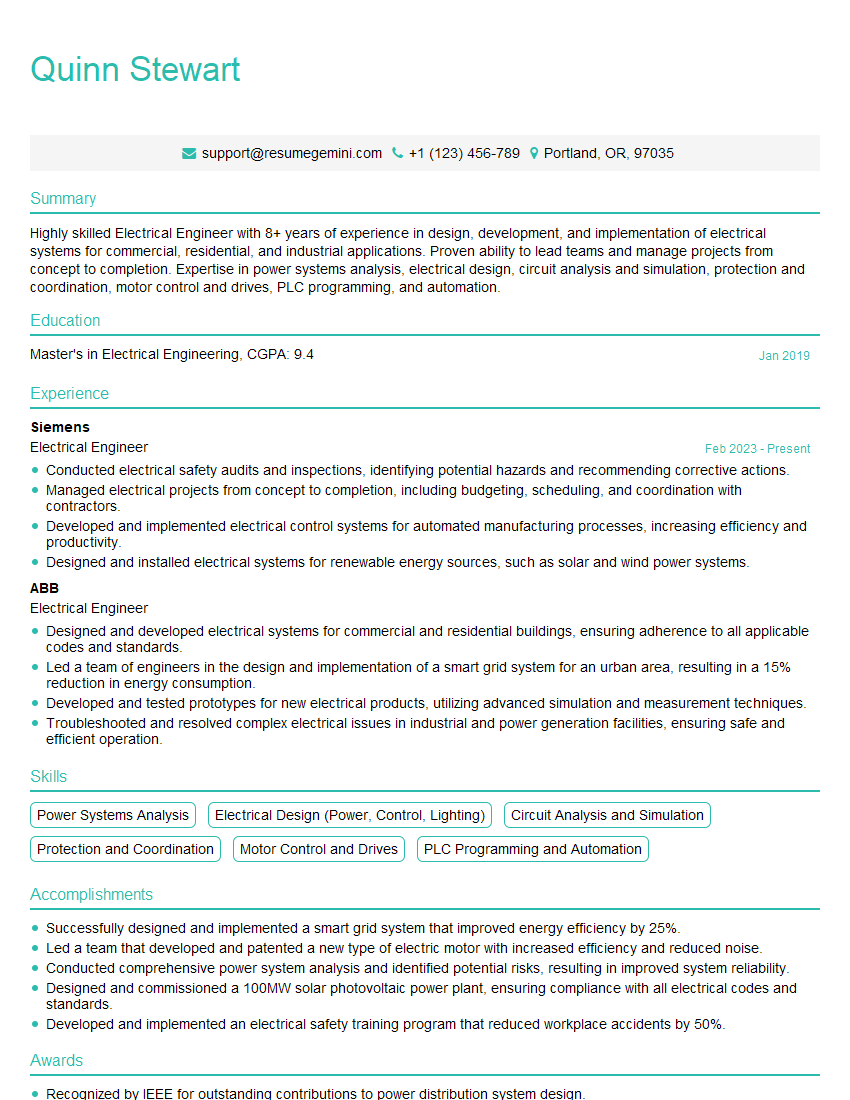
Electrical Engineer Resume Sample
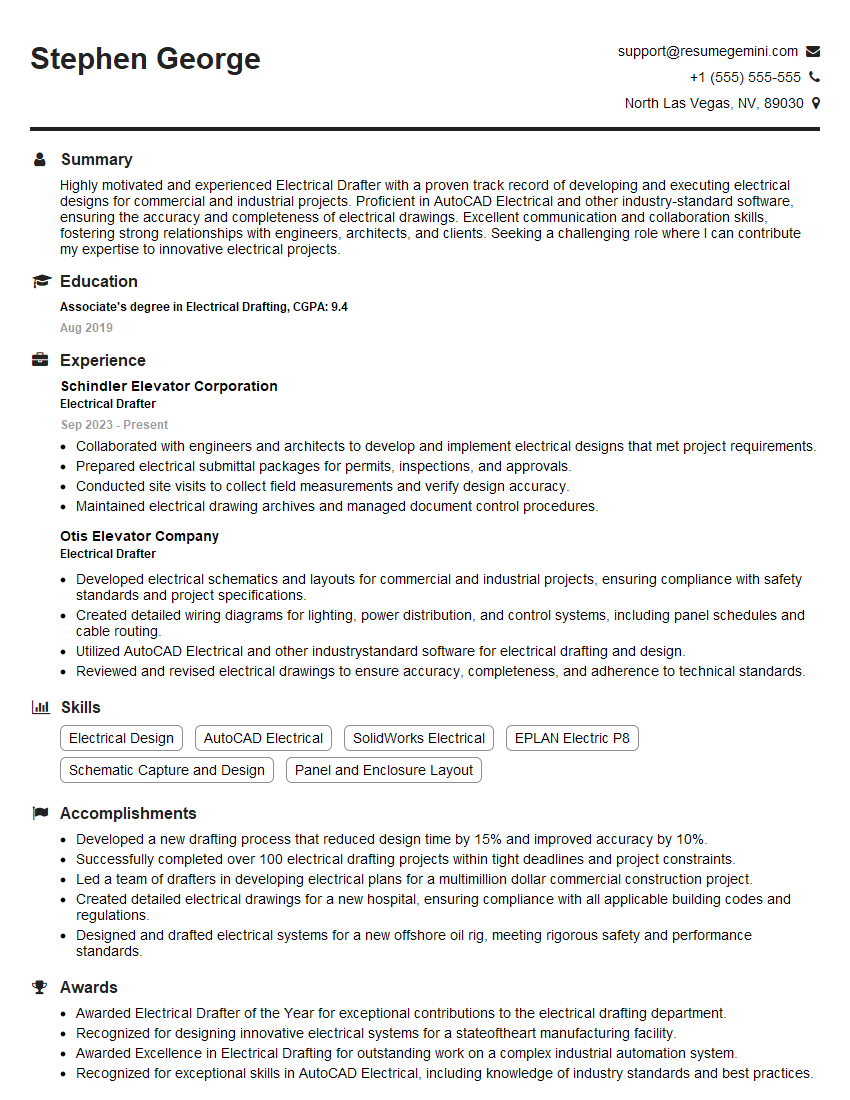
Electrical Drafter Resume Sample
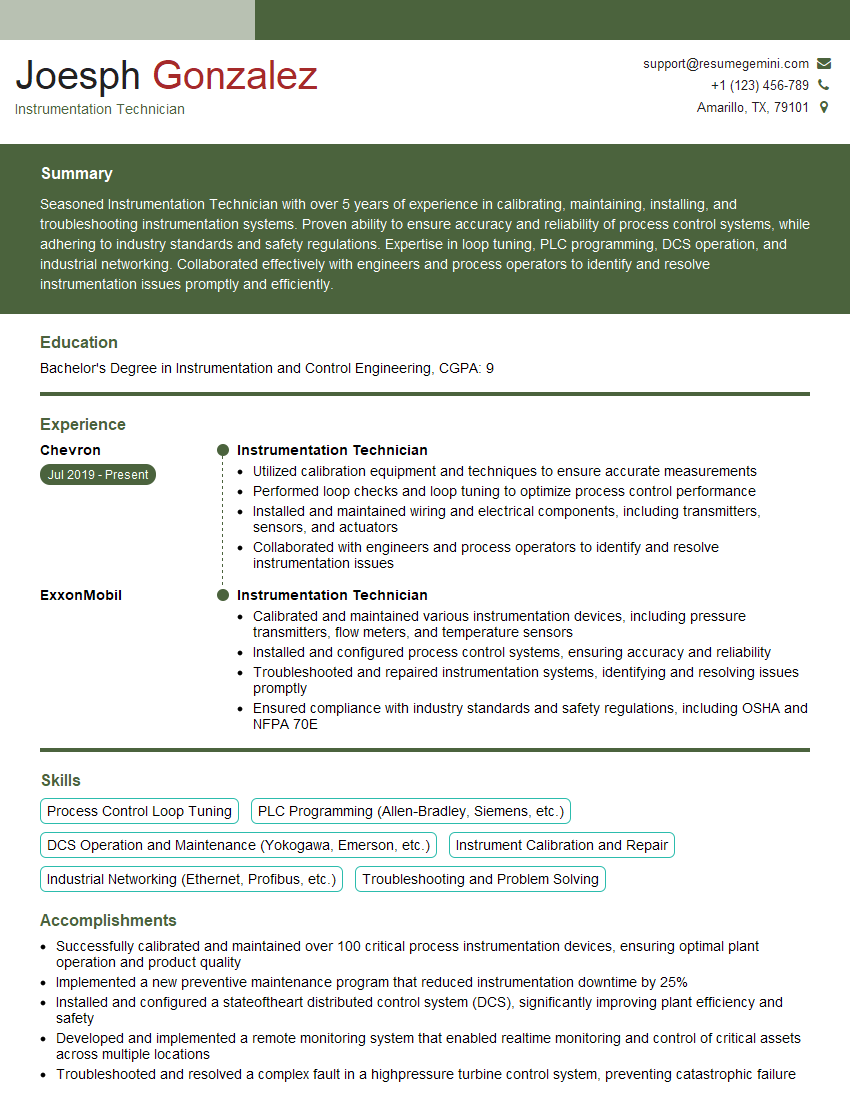
Instrumentation Technician Resume Sample
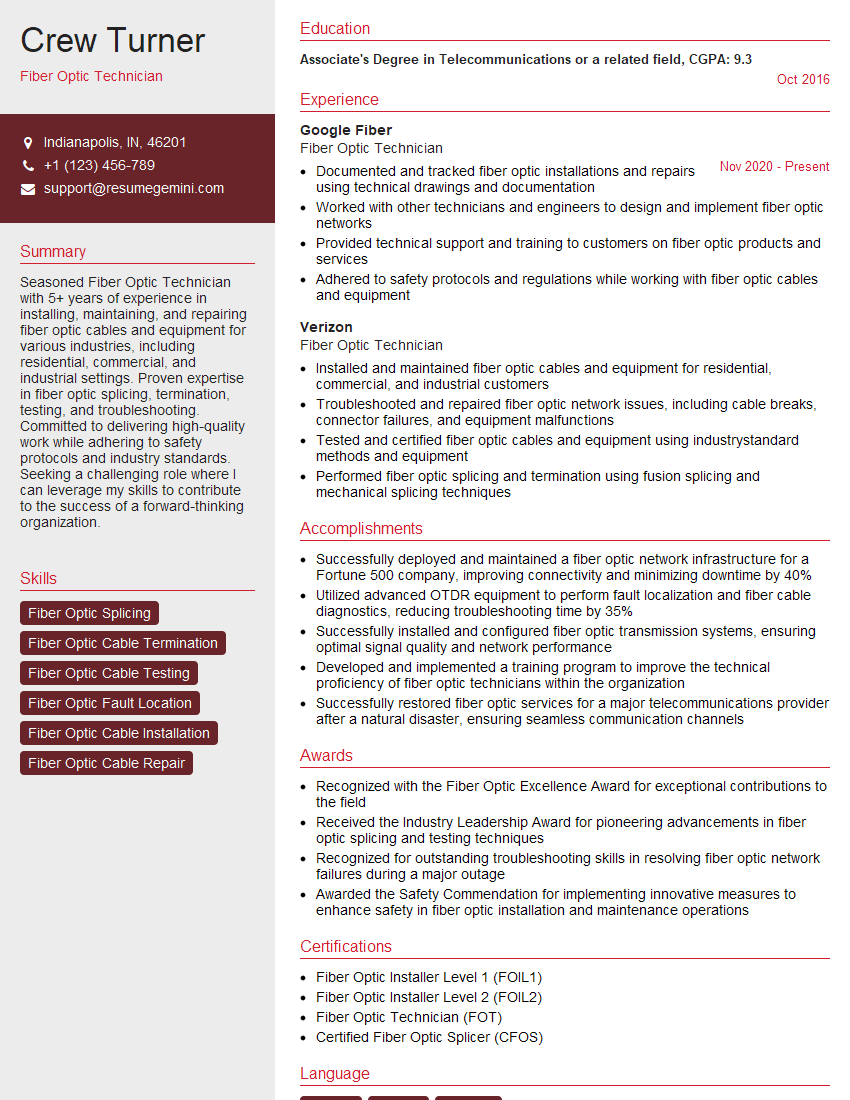
Fiber Optic Technician Resume Sample
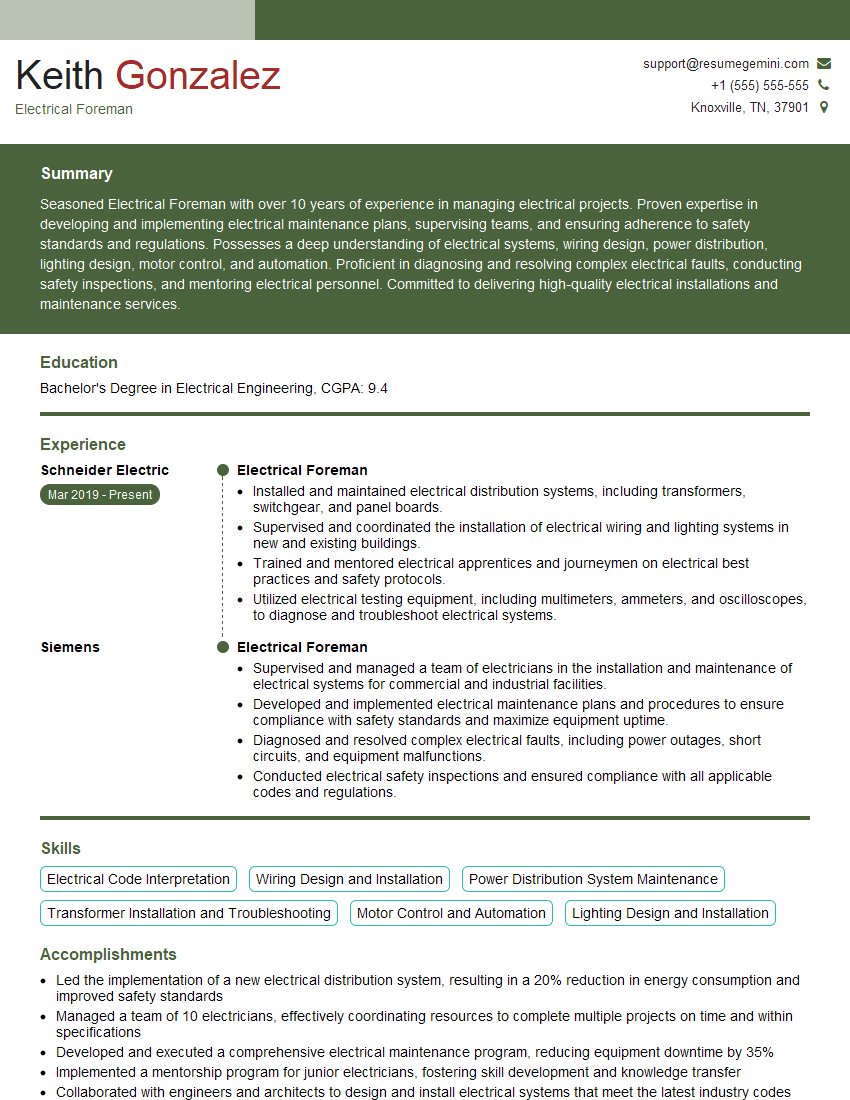
Electrical Foreman Resume Sample
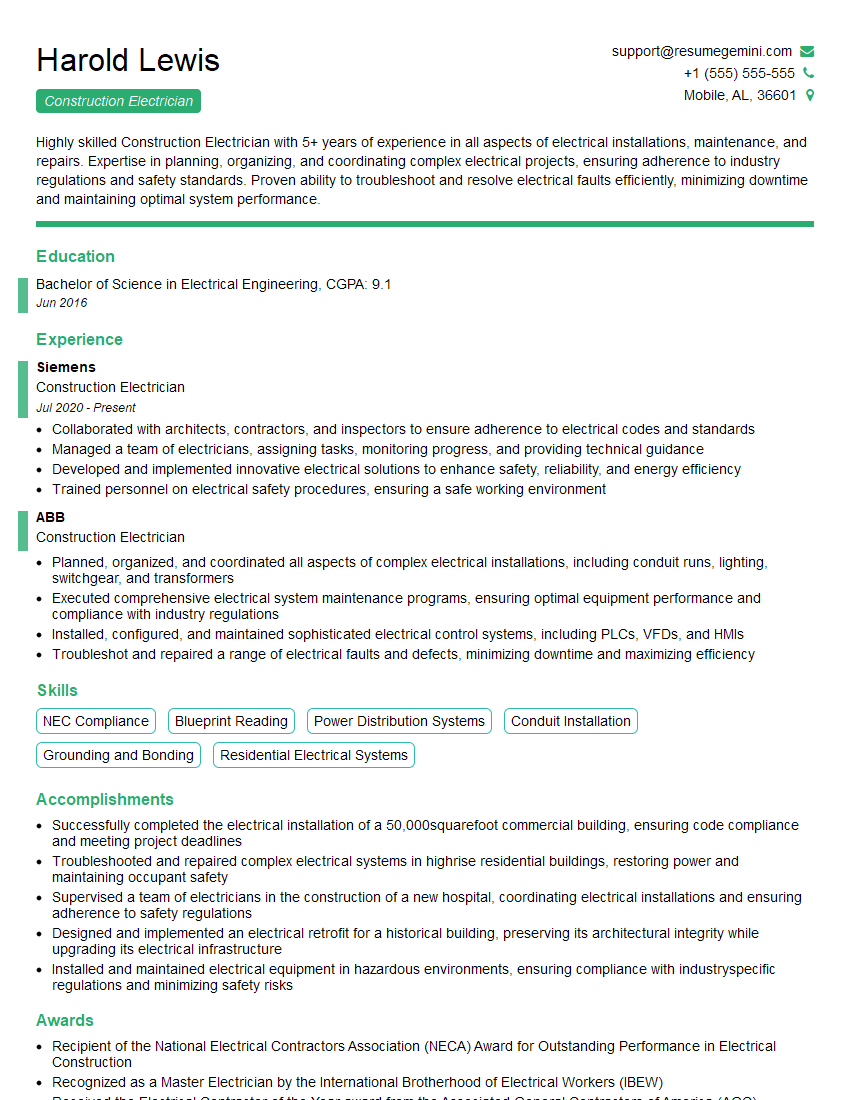
Construction Electrician Resume Sample
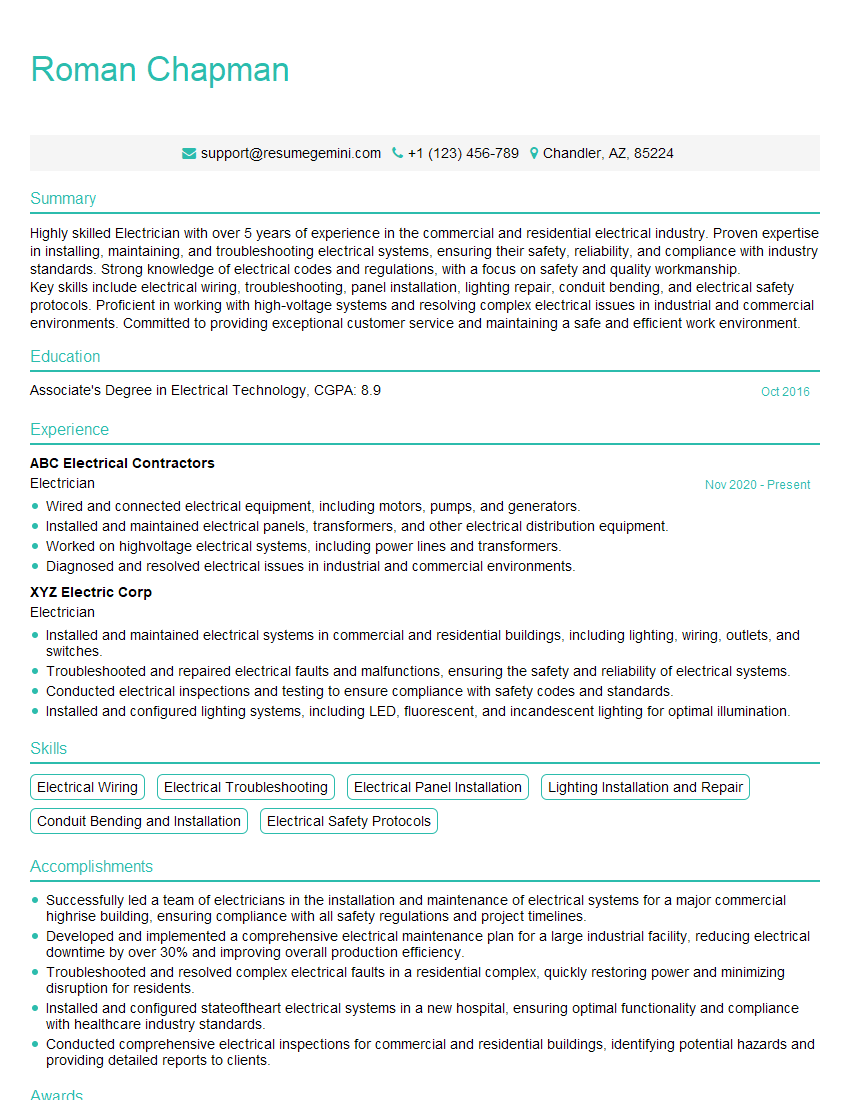
Electrician Resume Sample
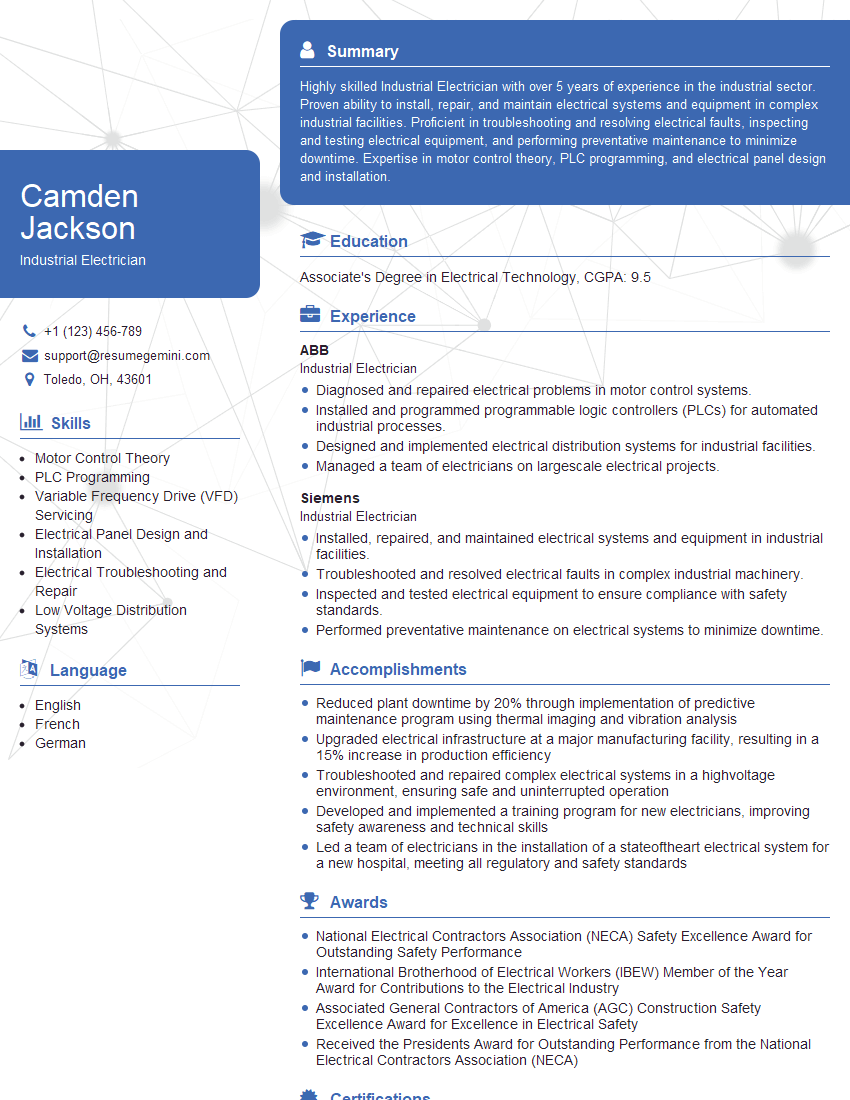
Industrial Electrician Resume Sample
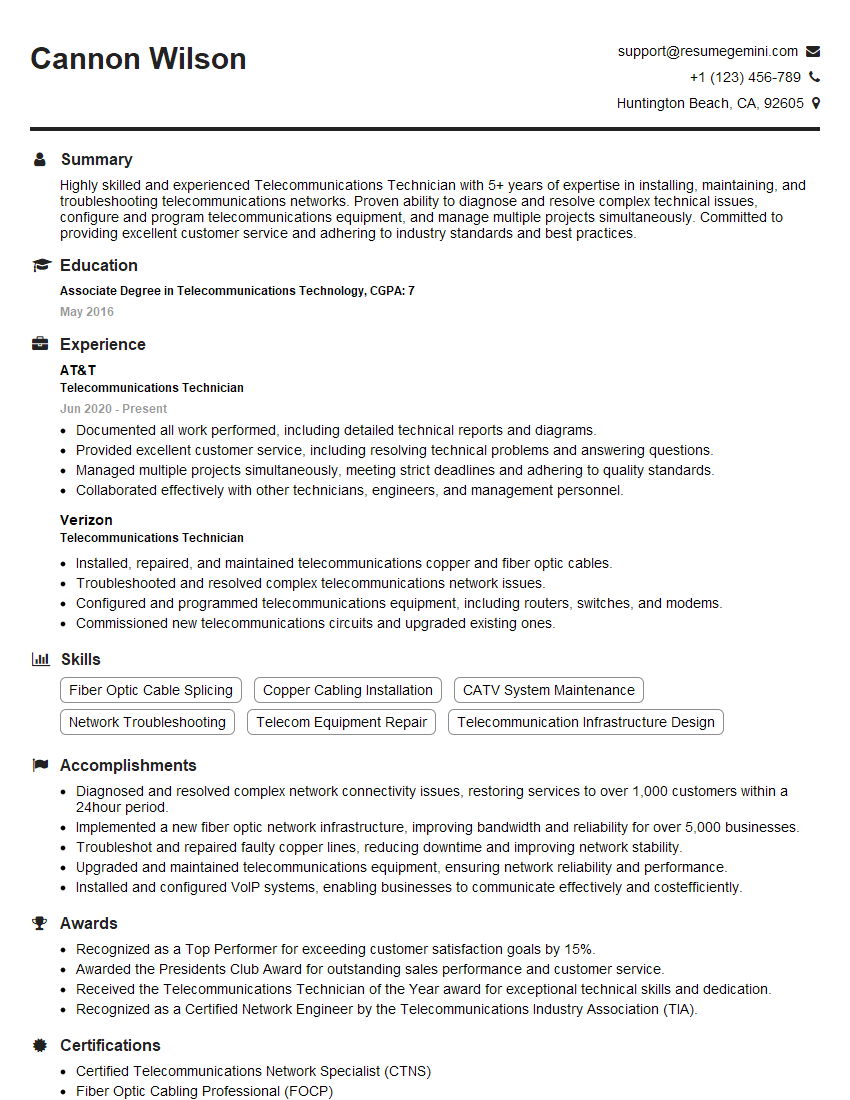
Telecommunications Technician Resume Sample
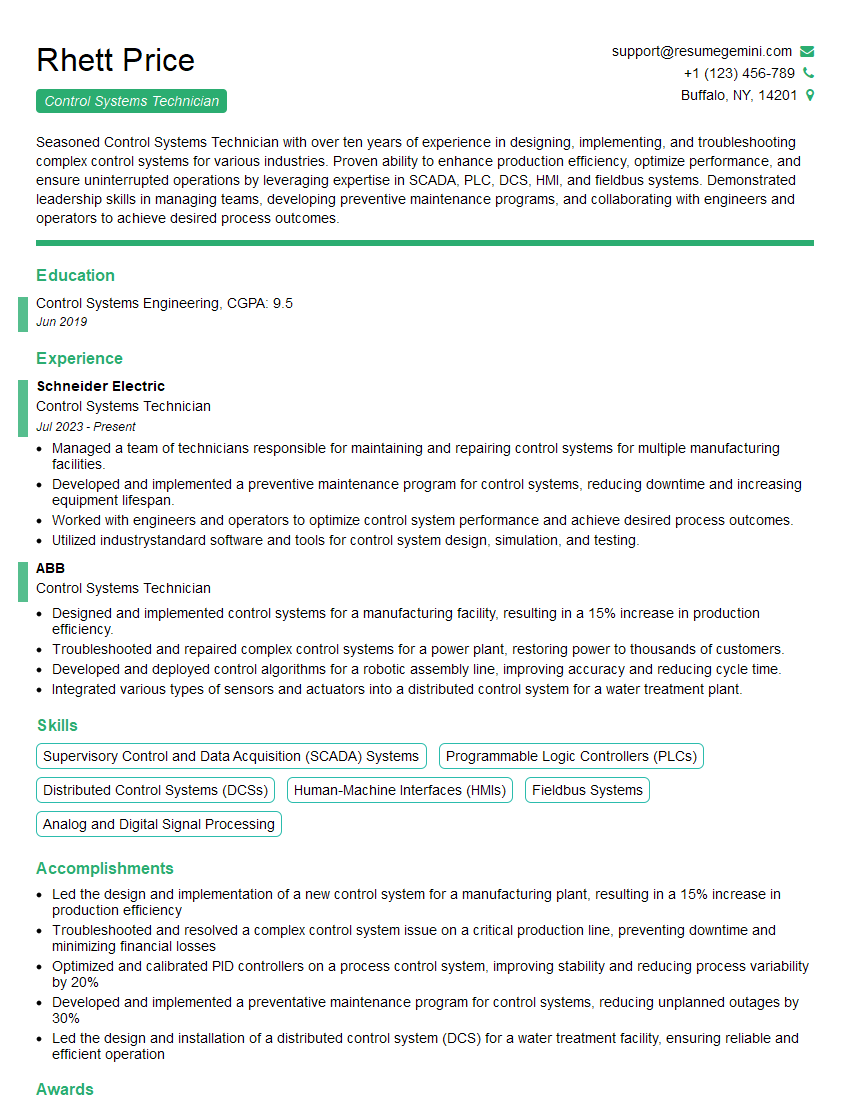
Control Systems Technician Resume Sample
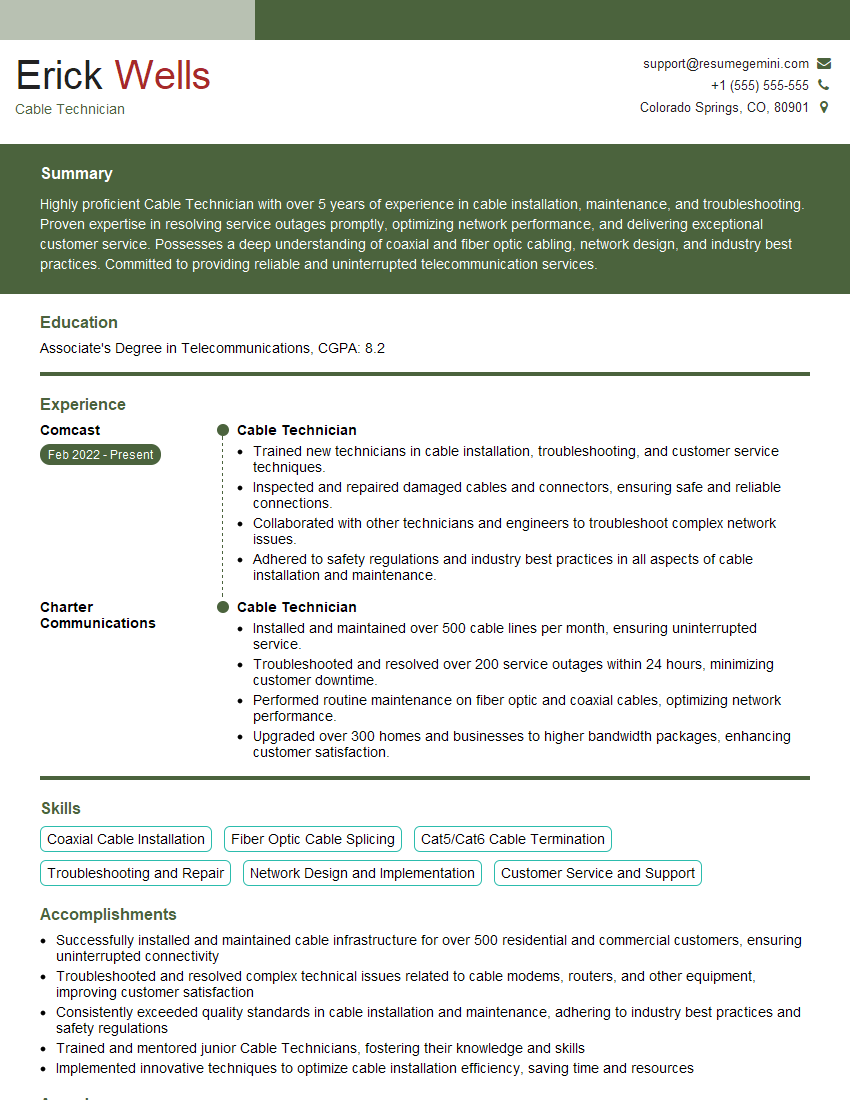
Cable Technician Resume Sample
Explore more articles
Users Rating of Our Blogs
Share Your Experience
We value your feedback! Please rate our content and share your thoughts (optional).
What Readers Say About Our Blog
Very informative content, great job.
good