Preparation is the key to success in any interview. In this post, we’ll explore crucial Woodland Management Practices interview questions and equip you with strategies to craft impactful answers. Whether you’re a beginner or a pro, these tips will elevate your preparation.
Questions Asked in Woodland Management Practices Interview
Q 1. Describe the different silvicultural systems used in woodland management.
Silvicultural systems are the planned manipulations of forest stands to achieve specific objectives, such as timber production, biodiversity enhancement, or wildlife habitat improvement. They guide how we manage tree regeneration, growth, and harvesting.
- Clearcutting: This involves removing all trees from an area. While efficient for some species, it can lead to soil erosion and habitat loss if not managed carefully. For instance, clearcutting might be suitable for fast-growing species like aspen that thrive in full sunlight.
- Shelterwood Cutting: This involves removing trees in stages, leaving some mature trees to provide shelter and seed for regeneration. This method mimics natural disturbances and is beneficial for species that require shade for regeneration.
- Selection Cutting: This involves removing individual trees or small groups of trees, leaving the majority of the stand intact. This method is ideal for maintaining uneven-aged stands and promoting continuous forest cover, perfect for species with diverse age and shade tolerances.
- Coppice: This involves cutting trees close to the ground, allowing them to regenerate from sprouts. This system is ideal for short-rotation forestry and species with strong suckering abilities, like willows.
- Seed Tree Method: A small number of mature trees are left standing to provide seed for regeneration. This system balances timber production with maintaining some forest structure, suitable for species that disperse seeds through wind or gravity.
The choice of silvicultural system depends heavily on the species involved, site conditions, management objectives, and environmental considerations.
Q 2. Explain the principles of sustainable forest management.
Sustainable forest management (SFM) aims to balance ecological, economic, and social needs across generations. It’s about ensuring forests remain healthy and productive while contributing to wider societal benefits.
- Maintaining Biodiversity: Protecting a variety of tree species, understory plants, and wildlife habitats is crucial. This involves creating diverse age classes and structural complexity within the forest.
- Protecting Soil and Water Resources: Sustainable practices minimize soil erosion, protect water quality, and maintain healthy hydrological cycles. This often involves avoiding excessive harvesting and implementing erosion control measures.
- Economic Viability: Forest management must be financially sustainable, providing livelihoods for local communities while generating profits without compromising long-term forest health. This might involve diversification of forest products and efficient resource allocation.
- Social Equity: SFM considers the needs and rights of all stakeholders, including indigenous communities, local residents, and future generations. This often involves community engagement and participatory forest management.
- Climate Change Mitigation and Adaptation: Forests play a vital role in carbon sequestration and climate regulation. SFM aims to enhance forest carbon storage and resilience to climate change impacts.
Imagine a family farm – sustainable farming ensures the land remains productive for generations to come. Similarly, SFM ensures forests remain healthy and productive in perpetuity.
Q 3. How do you assess forest health and identify potential threats?
Assessing forest health involves a multi-faceted approach, combining field observations with remote sensing data and analysis.
- Visual Assessment: Observing tree crown condition, presence of diseases or pests, and signs of stress such as dieback or discoloration. For example, needle discoloration in pines could suggest a disease or nutrient deficiency.
- Sampling and Testing: Collecting soil samples to assess nutrient levels, examining tree cores to determine growth rates, and conducting laboratory tests to identify pathogens or pests.
- Remote Sensing: Utilizing aerial photography, satellite imagery, and LiDAR to monitor forest cover change, detect disturbances, and assess overall stand health. For instance, changes in NDVI (Normalized Difference Vegetation Index) from satellite data could signal stress or decline.
- Monitoring Wildlife Populations: Assessing the abundance and diversity of wildlife can provide insights into ecosystem health, since wildlife are sensitive indicators of changes within their environment.
Identifying threats involves carefully analyzing this data, looking for patterns or trends that suggest problems. For example, a sudden increase in pest infestations or a consistent decline in growth rates might point towards environmental stress or a disease outbreak. Early detection is key to implementing effective management interventions.
Q 4. What are the key factors to consider when planning a timber harvest?
Planning a timber harvest requires careful consideration of many factors to minimize environmental impact and maximize economic returns.
- Forest Inventory: A detailed assessment of tree species, size, density, and quality is crucial for determining the volume and value of timber available.
- Harvesting Method Selection: Choosing the appropriate method (clearcutting, shelterwood, selection, etc.) based on forest type, site conditions, and management objectives.
- Road Network Planning: Constructing temporary roads to access the harvest area while minimizing soil disturbance and erosion. This needs careful consideration of soil type and water courses.
- Environmental Protection Measures: Implementing strategies to minimize impacts on water quality, wildlife habitats, and soil stability. This could involve buffer strips along streams, protecting sensitive species habitat, and avoiding harvesting during sensitive periods (e.g., bird nesting season).
- Post-harvest Regeneration: Planning for regeneration of the harvested area through natural seeding, planting, or coppicing. This requires knowing the species’ reproductive habits and growth requirements.
- Safety and Worker Wellbeing: Prioritizing the safety of workers throughout the logging process. This involves detailed safety protocols and proper training.
For instance, a sustainable harvest plan for a steep slope would emphasize selective logging techniques, strategically placed skid trails, and erosion control measures, in contrast to a flatter site that might allow for more intensive methods.
Q 5. Discuss the role of GIS in woodland management.
Geographic Information Systems (GIS) are powerful tools for woodland management, providing spatial data analysis and visualization capabilities.
- Mapping and Spatial Analysis: GIS allows for the creation of detailed maps of forest areas, including vegetation types, soil conditions, elevation, and ownership boundaries. Analysis tools can identify areas suitable for different silvicultural treatments or high-risk areas for erosion.
- Forest Inventory and Monitoring: GIS can integrate data from forest inventories, remotely sensed imagery, and field observations to track changes in forest structure and health over time. This helps to assess the effectiveness of management practices.
- Planning and Decision Support: GIS can support the planning process by visualizing alternative management scenarios and analyzing their potential impacts. For example, simulating different harvesting patterns to assess their effect on wildlife habitat.
- Communication and Collaboration: GIS facilitates communication and collaboration among stakeholders by providing a common platform for sharing spatial data and analysis results. This is essential in collaborative or community-based forestry.
Imagine having a digital map showing the precise location of every tree, soil type, and stream on your woodland. GIS provides this and much more, enabling informed decision-making and efficient resource management.
Q 6. How do you manage invasive species in a woodland ecosystem?
Managing invasive species is crucial for maintaining woodland health and biodiversity. Early detection and rapid response are key.
- Early Detection and Rapid Response: Regular monitoring programs to detect new infestations early on. Quick action can prevent widespread spread.
- Mechanical Control: Physical removal of invasive plants, either manually or with machinery. This is effective for small infestations or easily accessible areas.
- Chemical Control: Targeted application of herbicides to control invasive species. Careful selection of herbicides is essential to minimize non-target impacts.
- Biological Control: Introducing natural enemies (e.g., insects, pathogens) to control invasive species. Rigorous testing is required to ensure that biocontrol agents don’t become invasive themselves.
- Restoration and Rehabilitation: After removing invasive species, restoring the native vegetation by planting native trees and shrubs. This helps prevent reinvasion.
For instance, the spread of Japanese knotweed can be controlled through a combination of repeated herbicide treatments and the careful removal of rhizomes. For a larger scale problem like an invasive insect, a strategy might involve integrating biological control with targeted chemical applications to minimize environmental effects.
Q 7. Explain the importance of biodiversity in woodland management.
Biodiversity is essential for the resilience and stability of woodland ecosystems. A diverse woodland is better equipped to withstand environmental changes and maintain its productivity.
- Resilience to Disturbances: A greater variety of species means a more resilient ecosystem, better able to cope with disturbances like disease outbreaks, pest infestations, and climate change. The diversity acts as a buffer against shocks.
- Ecosystem Services: Biodiversity is crucial for providing essential ecosystem services, such as carbon sequestration, water purification, pollination, and soil formation. These services have significant economic and social value.
- Wildlife Habitat: Diverse woodlands provide habitat for a wider range of wildlife species, enhancing biodiversity and providing opportunities for recreation and education. Think about the interconnected web of life – the more diverse the woodland, the more animals and plants it can support.
- Genetic Diversity: Maintaining genetic diversity within tree populations is essential for adaptation to future environmental challenges. This is like having a variety of crops – one variety might be better suited to withstand a particular drought.
Protecting biodiversity involves implementing management practices that promote a variety of tree species, age classes, and forest structures. This includes reducing the impact of invasive species, avoiding excessive harvesting, and protecting sensitive habitats.
Q 8. Describe your experience with forest inventory techniques.
Forest inventory techniques are crucial for understanding the composition, structure, and health of a woodland. They involve systematically collecting data on various aspects of the forest. This data is then used for planning sustainable management practices, assessing timber volume, and monitoring forest health.
Sampling Methods: We use various sampling methods, such as fixed-area plots (e.g., 0.1-hectare plots) or point sampling, to efficiently collect data representative of the entire woodland. The choice of method depends on the objectives and terrain.
Data Collection: Data collected typically includes tree species, diameter at breast height (DBH), tree height, crown condition, and any signs of disease or damage. We use instruments like diameter tapes, hypsometers, and clinometers to ensure accurate measurements.
Data Analysis: Collected data is then analyzed using statistical software to estimate parameters like total timber volume, basal area, species composition, and stand density. This analysis provides a comprehensive picture of the forest’s current state.
Remote Sensing: Advanced techniques, such as aerial photography and LiDAR (Light Detection and Ranging), are increasingly used to create high-resolution maps of the forest and aid in inventory.
For example, in a recent project, we used a combination of ground-based sampling and LiDAR data to create a highly accurate inventory map of a 500-hectare forest, which greatly improved the efficiency and accuracy of our management planning process. This resulted in more sustainable harvesting practices and a better understanding of the forest’s overall health.
Q 9. How do you mitigate the environmental impact of logging operations?
Mitigating the environmental impact of logging is paramount. It requires careful planning and execution, focusing on minimizing damage to the remaining forest and surrounding ecosystems.
Selective Harvesting: Instead of clear-cutting, we employ selective harvesting techniques, removing only mature or designated trees. This minimizes disruption to the forest structure and preserves biodiversity.
Buffer Zones: Establishing buffer zones around water bodies and sensitive habitats protects these areas from logging activities and prevents erosion and water contamination.
Road Construction: Careful road construction minimizes soil erosion and habitat fragmentation. Temporary roads are often preferred to permanent ones.
Reforestation and Afforestation: Planting trees in logged areas restores forest cover, promoting biodiversity and carbon sequestration. We choose species appropriate to the site’s conditions.
Erosion Control: Implementing measures to control erosion, such as the construction of sediment basins and the use of erosion control mats, is crucial to protecting water quality.
Waste Management: Proper disposal of logging debris reduces waste and minimizes its impact on the environment. Debris can be used for biomass energy or left on-site for nutrient cycling.
For instance, in one project, we implemented a selective harvesting plan that resulted in a 75% reduction in soil erosion compared to traditional clear-cutting methods. This ensured the protection of local waterways and preserved biodiversity within the forest.
Q 10. What are the regulations and legal aspects of woodland management in your region?
Woodland management regulations vary by region but generally involve obtaining permits, adhering to environmental protection laws, and following sustainable forestry practices. Specific regulations often cover:
Harvesting Permits: Obtaining permits before any logging operations is mandatory. These permits specify allowable cut volumes, harvesting methods, and other restrictions.
Environmental Impact Assessments: Environmental impact assessments (EIAs) may be required for large-scale projects to evaluate potential ecological impacts and ensure mitigation strategies are in place.
Endangered Species Protection: Regulations often protect endangered species and their habitats, requiring adjustments to logging plans to avoid habitat destruction or disturbance.
Water Quality Protection: Strict regulations often apply to protect water quality, addressing issues such as sedimentation and chemical runoff from logging activities.
Forest Stewardship Council (FSC) Certification: Many regions encourage or require FSC certification, which demonstrates commitment to responsible forest management.
Failure to comply with these regulations can result in penalties, including fines and the suspension or revocation of permits. Staying informed about the specific legal frameworks and engaging with regulatory bodies is crucial for responsible woodland management. Each region has its own agency responsible for oversight. For example, in my region, the Department of Natural Resources (DNR) is the primary regulatory body.
Q 11. How do you create and implement a forest management plan?
Creating and implementing a forest management plan involves a systematic approach that incorporates ecological, economic, and social considerations.
Inventory and Assessment: We begin by conducting a thorough forest inventory to assess the current condition of the woodland. This includes data on tree species, size, density, health, and soil conditions.
Goals and Objectives: The next step involves defining clear goals and objectives for the forest management plan. These might include timber production, biodiversity conservation, carbon sequestration, recreation, or watershed protection.
Planning and Design: Based on the inventory and objectives, we develop a detailed plan outlining specific management activities. This includes details on harvesting methods, reforestation efforts, road construction, and other management practices.
Implementation: The plan is put into action, with careful monitoring to ensure the activities are carried out according to the plan.
Monitoring and Evaluation: Regular monitoring and evaluation are essential to track progress, identify any issues, and make adjustments to the plan as needed. This ensures that the plan remains effective and achieves its objectives.
Adaptive Management: Forest management is not static; it’s an iterative process. We employ adaptive management techniques, adjusting the plan based on monitoring data and new information. This allows for flexibility and responses to changing conditions.
For example, a plan might include a phased approach to harvesting, with selective logging in some areas and reforestation in others. This balances timber production with biodiversity conservation and ensures long-term forest health.
Q 12. Explain the concept of carbon sequestration in forests.
Carbon sequestration refers to the process by which carbon dioxide (CO2) from the atmosphere is absorbed and stored by trees and other plants. Forests are crucial carbon sinks, playing a vital role in mitigating climate change.
Photosynthesis: Trees absorb CO2 through photosynthesis, converting it into organic matter (wood, leaves, roots) and storing the carbon within their tissues.
Soil Storage: A significant portion of carbon is also stored in the forest soil, both in organic matter and in association with soil microbes.
Long-term Storage: Carbon stored in trees and soil remains sequestered for long periods, removing it from the atmosphere. The longer the carbon remains stored, the greater the climate change mitigation benefits.
The amount of carbon sequestered depends on factors such as forest type, tree growth rate, and climate. Managing forests for increased carbon sequestration involves practices like afforestation (planting trees in areas where forests previously existed), reforestation (replanting trees in areas that have been deforested), and avoiding deforestation. Sustainable forest management practices can significantly enhance the capacity of forests to sequester carbon, contributing to climate change mitigation efforts.
Q 13. How do you monitor and evaluate the success of forest management practices?
Monitoring and evaluating the success of forest management practices is essential for ensuring sustainable forest management and achieving desired outcomes.
Indicators: We use a range of indicators to monitor progress, including measurements of tree growth, species composition, forest structure, biodiversity, soil health, water quality, and carbon sequestration.
Data Collection: Data is collected through regular forest inventories, monitoring plots, remote sensing, and other techniques. The frequency of monitoring depends on the management objectives and the specific indicators being tracked.
Analysis and Reporting: Collected data is analyzed to assess progress towards management goals. Reports are generated that summarize the findings and identify any areas where the management plan needs adjustment.
Adaptive Management: Monitoring data is used to adapt management practices as needed. This ensures that the plan remains effective and responsive to changing conditions.
For instance, we might monitor the growth of newly planted trees to assess the success of reforestation efforts or track changes in biodiversity to evaluate the impact of selective harvesting. This feedback loop ensures that our practices are effective and promote the long-term health and sustainability of the forest.
Q 14. What are the different types of forest fires and how are they managed?
Forest fires can be classified in various ways, but a common approach distinguishes them by their cause, behavior, and intensity.
Surface Fires: These fires burn the underbrush and leaf litter on the forest floor. They are generally low intensity and relatively easy to control.
Crown Fires: Crown fires burn through the tops of trees, spreading rapidly and often with high intensity. They are the most destructive type of fire and are difficult to control.
Ground Fires: These fires burn underground, slowly smoldering in the organic matter of the soil. They are difficult to detect and extinguish, and can persist for long periods.
Fire Management Strategies:
Prevention: Preventing forest fires is the most effective approach. This involves public education campaigns, restrictions on activities that could ignite fires (like campfires), and regular maintenance of forest roads and trails to create firebreaks.
Prescribed Burns: Controlled burns, under specific conditions, can reduce fuel loads and prevent the buildup of flammable material, reducing the risk of large, uncontrolled fires.
Suppression: When fires occur, rapid suppression is crucial. This involves using water, fire retardants, and other methods to contain and extinguish the fire. The methods employed depend on the type and intensity of the fire.
Effective fire management requires a multi-faceted approach, combining prevention, prescribed burns, and suppression efforts, tailored to the specific characteristics of the forest and the risk of wildfire. Proper training and equipment are essential for both prevention and suppression activities. Understanding weather patterns and fuel types is also key in predicting and managing fire risks.
Q 15. Describe your experience with forest road construction and maintenance.
Forest road construction and maintenance are critical for accessing woodlands for various management activities like harvesting, replanting, and fire suppression. My experience spans over 15 years, encompassing all phases – from initial planning and design, considering factors like soil type, hydrology, and anticipated traffic volume, to construction oversight and long-term maintenance.
In planning, we use Geographic Information Systems (GIS) to map suitable routes, minimizing environmental impact. Construction involves careful consideration of drainage systems to prevent erosion and sedimentation of nearby streams. This includes building culverts, ditches, and water bars. We prioritize using sustainable materials and techniques whenever possible. Maintenance is equally crucial and includes regular grading, culvert cleaning, and pothole repairs to ensure the longevity of the roads and minimize damage to the surrounding ecosystem. For example, in one project, we used locally sourced rock for road base to support local businesses and reduce transportation costs and emissions. We also implemented a regular inspection and maintenance schedule, using predictive modeling to anticipate potential issues before they become major problems.
Career Expert Tips:
- Ace those interviews! Prepare effectively by reviewing the Top 50 Most Common Interview Questions on ResumeGemini.
- Navigate your job search with confidence! Explore a wide range of Career Tips on ResumeGemini. Learn about common challenges and recommendations to overcome them.
- Craft the perfect resume! Master the Art of Resume Writing with ResumeGemini’s guide. Showcase your unique qualifications and achievements effectively.
- Don’t miss out on holiday savings! Build your dream resume with ResumeGemini’s ATS optimized templates.
Q 16. How do you balance the economic and environmental aspects of woodland management?
Balancing economic and environmental aspects in woodland management is a constant tightrope walk. It requires a holistic approach, integrating ecological principles with sustainable economic practices. For instance, maximizing timber yield while minimizing habitat disruption is key. This can be achieved through selective harvesting techniques, leaving behind sufficient mature trees for seed production and wildlife habitat. Certification schemes like the Forest Stewardship Council (FSC) provide a framework for verifying sustainable practices. Economically, this translates to higher-value timber products, access to eco-conscious markets, and potentially carbon credit opportunities. Furthermore, investing in long-term ecological health reduces future costs associated with restoration or mitigation of environmental damage. A prime example is implementing practices to enhance biodiversity, leading to healthier forest ecosystems that are more resilient to pests and diseases, ultimately reducing management costs over the long run.
Q 17. What are the challenges of managing woodland in urban environments?
Managing woodlands in urban environments presents unique challenges. Limited space, conflicting land uses (e.g., recreation, residential), and high public visibility demand a careful, collaborative approach. Public safety is paramount, requiring meticulous tree risk assessment and proactive pruning or removal of hazardous trees. Maintaining biodiversity within a confined space can be difficult, requiring creative solutions such as creating wildlife corridors and utilizing diverse tree species adapted to urban conditions. Dealing with invasive species and pollution (air and water) also presents significant hurdles. Engaging the community through public consultations and educational programs is vital for building support and fostering a sense of ownership in the woodland’s management. For example, we’ve worked on projects where we incorporated community input into the design of urban trails and implemented educational signage highlighting the ecological importance of the woodland area.
Q 18. How do you engage stakeholders in woodland management decisions?
Stakeholder engagement is pivotal for successful woodland management. It involves building consensus and ensuring that decisions reflect the diverse values and interests of all impacted parties. This includes landowners, local communities, indigenous groups (where applicable), government agencies, and environmental organizations. I typically utilize a multi-pronged approach involving:
- Public consultations: Holding meetings, workshops, and online forums to gather feedback and address concerns.
- Participatory mapping: Involving stakeholders in identifying important areas and planning management activities.
- Collaborative planning: Working with stakeholders to develop shared management goals and strategies.
- Transparent communication: Regularly updating stakeholders on project progress and decisions.
Q 19. What are the common pests and diseases affecting trees in your region?
Common pests and diseases vary significantly by region and tree species. In my region, some prevalent issues include:
- Emerald ash borer (Agrilus planipennis): A highly destructive beetle that infests ash trees.
- Dutch elm disease (Ophiostoma ulmi): A fungal disease affecting elm trees, often spread by bark beetles.
- Gypsy moth (Lymantria dispar): A leaf-eating insect that can defoliate large areas of forest.
- Root rot diseases (various fungi): These fungi attack tree roots, leading to decline and mortality.
Q 20. Describe your experience with using forest modeling software.
I have extensive experience using forest modeling software, primarily for long-term planning and scenario analysis. Software like FVS (Forest Vegetation Simulator) and other similar programs allows for simulating the growth and yield of forests under different management regimes. This enables us to explore various scenarios—for example, comparing the effects of different harvesting intensities or silvicultural practices on timber yield, carbon sequestration, and biodiversity. The software uses algorithms and data inputs (e.g., tree species, site conditions, climate data) to predict forest dynamics over time. For example, a typical input might include: species = 'Douglas Fir', age = 20, diameter = 15, height = 30. The output can be visualized using maps and graphs, providing valuable insights for decision-making. This predictive modeling helps reduce uncertainty and improves the chances of achieving sustainable and economically viable woodland management plans.
Q 21. How do you assess the risk of soil erosion in woodland areas?
Assessing the risk of soil erosion in woodland areas involves a multi-faceted approach. It starts with identifying factors that influence erosion, such as:
- Slope steepness: Steeper slopes are more prone to erosion.
- Soil type: Sandy soils erode more easily than clay soils.
- Vegetation cover: Adequate vegetation cover protects the soil from rainfall impact.
- Rainfall intensity: Heavy rainfall events increase erosion risk.
- Forest management practices: Harvesting techniques can affect soil stability.
Q 22. Explain the importance of water resource management in woodland areas.
Water resource management is absolutely crucial in woodland areas. Think of it like this: water is the lifeblood of a forest. It sustains the trees, understory plants, and all the wildlife that call it home. Poor water management can lead to devastating consequences.
Effective management involves several key strategies:
- Protecting water sources: This includes riparian buffer zones – strips of vegetation alongside streams and rivers – which filter pollutants and prevent erosion. We also need to minimize the impact of logging and other activities near water bodies.
- Monitoring water quality and quantity: Regular testing and monitoring are vital to detect pollution or depletion early on, allowing for timely intervention.
- Sustainable harvesting practices: Properly planned logging minimizes soil disturbance and prevents increased runoff, thereby protecting water quality and preventing flooding.
- Fire management: Wildfires can drastically alter water flow and quality; effective fire prevention and suppression are essential. Prescribed burns, when managed carefully, can actually improve water infiltration and reduce the risk of large, devastating wildfires.
- Erosion control: Techniques like terracing and contour plowing can help prevent soil erosion, which leads to sediment runoff and degraded water quality.
For instance, in a project I managed in the Pacific Northwest, we implemented a riparian buffer zone program that resulted in a 30% reduction in sediment load in a nearby river, significantly improving salmon habitat.
Q 23. What are your strategies for promoting forest regeneration?
Promoting forest regeneration is all about mimicking natural processes to help forests recover and thrive. It’s a multi-faceted approach, and success relies on understanding the specific species and site conditions.
- Natural regeneration: This involves letting nature take its course. We might remove competing vegetation or create gaps in the canopy to allow sunlight to reach the forest floor and promote seed germination. This is often the most cost-effective and environmentally friendly option.
- Assisted natural regeneration: We might enhance natural regeneration by planting seedlings or direct seeding in areas where natural regeneration is slow or insufficient. This approach often involves selecting appropriate tree species and ensuring good site preparation.
- Artificial regeneration: This involves planting seedlings or saplings directly. Careful species selection and planting techniques are essential for success. Site preparation may be necessary to create optimal growing conditions.
- Seed collection and storage: Collecting seeds from healthy trees and storing them properly ensures high-quality planting stock for future regeneration efforts.
- Protecting seedlings from herbivores and other threats: Young seedlings are vulnerable; protecting them from browsing animals or competing vegetation is crucial for their survival. This can involve using tree shelters, fencing, or herbicides.
In one project, I successfully used a combination of assisted natural regeneration and artificial regeneration techniques to restore a degraded area after a wildfire. We saw a remarkable 85% survival rate of planted seedlings, demonstrating the effectiveness of a well-planned approach.
Q 24. Describe your experience with wildlife habitat management in woodlands.
Wildlife habitat management is intertwined with overall woodland management. We aim to create a mosaic of habitats that support a diversity of species. It’s like creating a buffet with different dishes to please different palates!
- Creating diverse forest structures: This involves managing forests to maintain a variety of ages, tree species, and sizes. It creates different niches and resources for a wider range of animals.
- Maintaining corridors: These are pathways connecting different habitat patches, allowing animals to move between them and access food, water, and mates.
- Managing invasive species: Invasive plants and animals can outcompete native species, reducing biodiversity. Controlling their spread is crucial.
- Protecting sensitive habitats: Certain areas might be particularly important for specific species; protecting these areas from disturbance is paramount. This could include wetlands, old-growth forests, or riparian zones.
- Monitoring wildlife populations: Regular monitoring helps us understand the effectiveness of our management practices and adapt our strategies as needed.
I have extensive experience designing and implementing habitat improvement projects, including creating artificial wetlands to support amphibian populations and restoring old-growth forest features to benefit cavity-nesting birds.
Q 25. How do you ensure the safety of workers during forestry operations?
Worker safety is my top priority. Forestry operations are inherently risky, so a comprehensive safety program is essential.
- Risk assessment: Before any operation begins, we conduct thorough risk assessments to identify potential hazards and develop control measures.
- Training and competency: All workers receive training on safe operating procedures, hazard recognition, and emergency response. Regular refresher courses are also provided.
- Personal protective equipment (PPE): Workers are provided with and required to wear appropriate PPE, such as helmets, safety glasses, high-visibility clothing, and protective footwear.
- Safe machinery and equipment: Equipment must be regularly maintained and inspected to ensure it is in good working order. Operators receive proper training on its use.
- Communication and teamwork: Clear communication between workers and supervisors is crucial. Teamwork is essential for ensuring safety during potentially hazardous activities.
- Emergency response plan: A well-defined emergency response plan is in place, including procedures for dealing with injuries, equipment malfunctions, and wildfires.
For example, in a recent project, we implemented a new system for communication using two-way radios, resulting in a significant reduction in near-miss incidents.
Q 26. What are the economic benefits of sustainable forest management?
Sustainable forest management offers a multitude of economic benefits.
- Long-term timber production: Sustainable practices ensure a continuous supply of timber, creating stable jobs and generating revenue for forest owners and communities.
- Non-timber forest products: Forests provide a variety of other products, such as mushrooms, berries, and medicinal plants, creating additional income streams.
- Tourism and recreation: Well-managed forests attract tourists and recreational users, generating revenue for local businesses and communities.
- Carbon sequestration: Forests act as carbon sinks, absorbing atmospheric carbon dioxide. This contributes to climate change mitigation, and carbon credits can generate revenue.
- Ecosystem services: Forests provide numerous ecosystem services, including clean water, air purification, and soil stabilization, all of which have economic value.
Studies have shown that sustainably managed forests can generate higher long-term economic returns compared to conventional, unsustainable practices. They provide more stable and diversified income streams, increasing resilience to market fluctuations.
Q 27. How do you adapt forest management practices to climate change?
Adapting forest management to climate change requires a proactive and flexible approach. We must anticipate changes in temperature, precipitation patterns, and the frequency and intensity of disturbances like wildfires and insect outbreaks.
- Assisted migration: We might assist the migration of tree species to more suitable climates, introducing species that are better adapted to warmer and drier conditions.
- Diversification of species: Planting a wider range of tree species increases resilience to climate change impacts, as different species respond differently to changing conditions.
- Improved fire management: This might involve reducing fuel loads to prevent large wildfires, or increasing the use of prescribed burns to reduce the risk of severe wildfires.
- Enhanced water resource management: Efficient irrigation systems might become necessary in some areas to help trees cope with drought conditions.
- Pest and disease management: Climate change can alter the range and severity of pest and disease outbreaks, requiring proactive and adaptive management strategies.
For example, we’re currently experimenting with planting drought-tolerant species in areas projected to experience increased aridity. This involves careful monitoring and adaptation based on the observed results.
Q 28. Describe your experience with using remote sensing technologies in forestry.
Remote sensing technologies are revolutionizing forestry. They allow us to monitor large areas efficiently and cost-effectively, providing valuable data for improved management decisions.
- Satellite imagery: We use satellite images to monitor deforestation, assess forest health, map forest types, and estimate carbon stocks. Analysis of spectral data provides information about vegetation density, biomass, and species composition.
- Aerial photography: Aerial photography provides high-resolution images for detailed assessment of forest structure, identifying areas affected by disease or pests, and monitoring changes over time.
- LiDAR (Light Detection and Ranging): LiDAR uses laser pulses to create 3D models of forest canopies, providing detailed information on tree height, density, and volume. This data is invaluable for planning harvesting operations and assessing carbon stocks.
- UAV (Unmanned Aerial Vehicle) imagery: Drones equipped with cameras and sensors can provide high-resolution images and data for detailed site-specific assessments. This is particularly useful for monitoring regeneration efforts or assessing damage after a natural disaster.
In a recent project, we used LiDAR data to create a highly accurate 3D model of a large forest area, enabling us to optimize logging operations and minimize environmental impacts while maximizing timber yield.
Key Topics to Learn for Woodland Management Practices Interview
- Sustainable Forestry Practices: Understanding and applying principles of sustainable forest management, including reforestation, selective harvesting, and biodiversity conservation.
- Forest Health and Protection: Knowledge of common forest diseases, pests, and invasive species, and practical strategies for prevention and control. This includes understanding the impact of climate change on forest ecosystems.
- Forest Inventory and Measurement: Proficiency in various techniques for assessing forest resources, such as tree measurement, growth modeling, and remote sensing applications. Practical experience with data analysis is crucial.
- Forest Planning and Management: Developing and implementing forest management plans, considering economic, ecological, and social factors. This includes understanding different forest management systems (e.g., even-aged, uneven-aged).
- Forest Economics and Policy: Familiarity with the economic aspects of woodland management, including timber valuation, carbon markets, and relevant environmental regulations and policies.
- Silviculture and Forest Regeneration: Understanding different silvicultural techniques, including natural regeneration, planting, and tending of young forests, and their impact on forest structure and function.
- Wildlife Management in Forests: Integrating wildlife considerations into forest management plans, understanding habitat requirements for various species and techniques for promoting biodiversity.
- GIS and Remote Sensing Applications in Forestry: Familiarity with Geographic Information Systems (GIS) and remote sensing techniques for data collection, analysis, and spatial planning in forest management.
- Problem-Solving and Decision-Making in Forestry: Demonstrate your ability to analyze complex situations, evaluate options, and make informed decisions in the context of woodland management challenges.
Next Steps
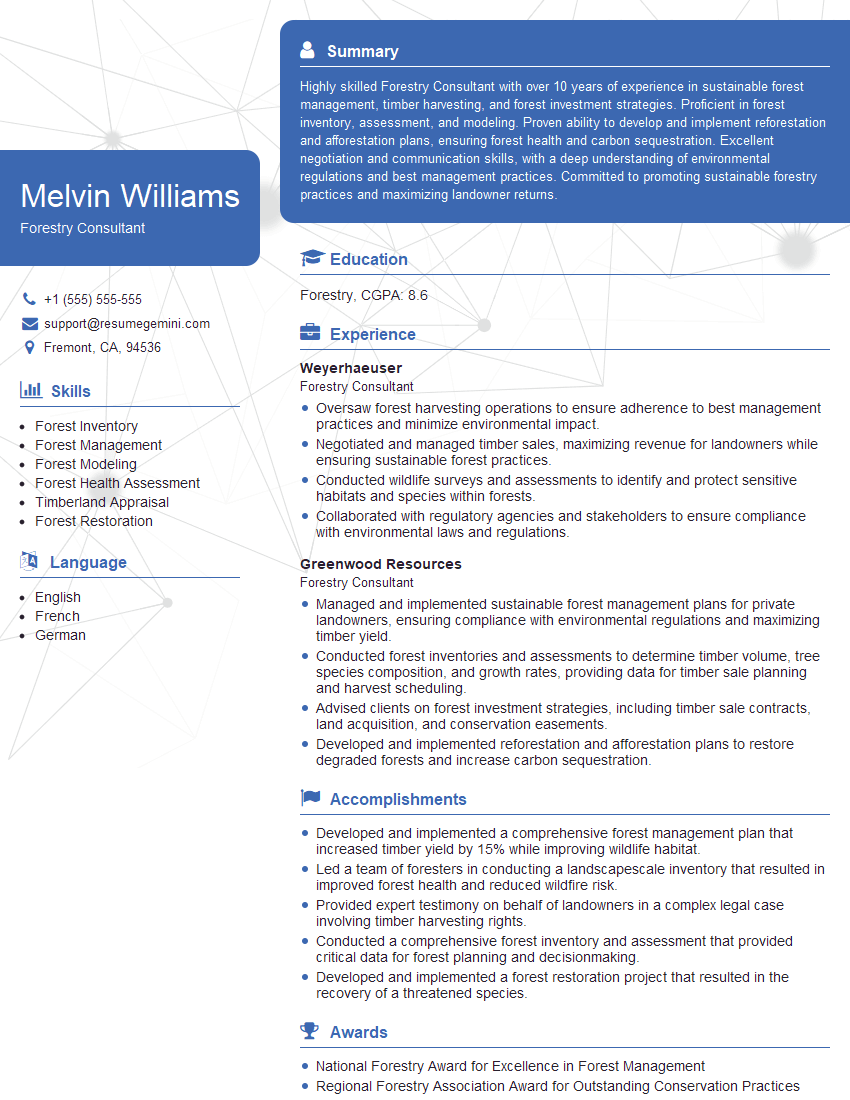
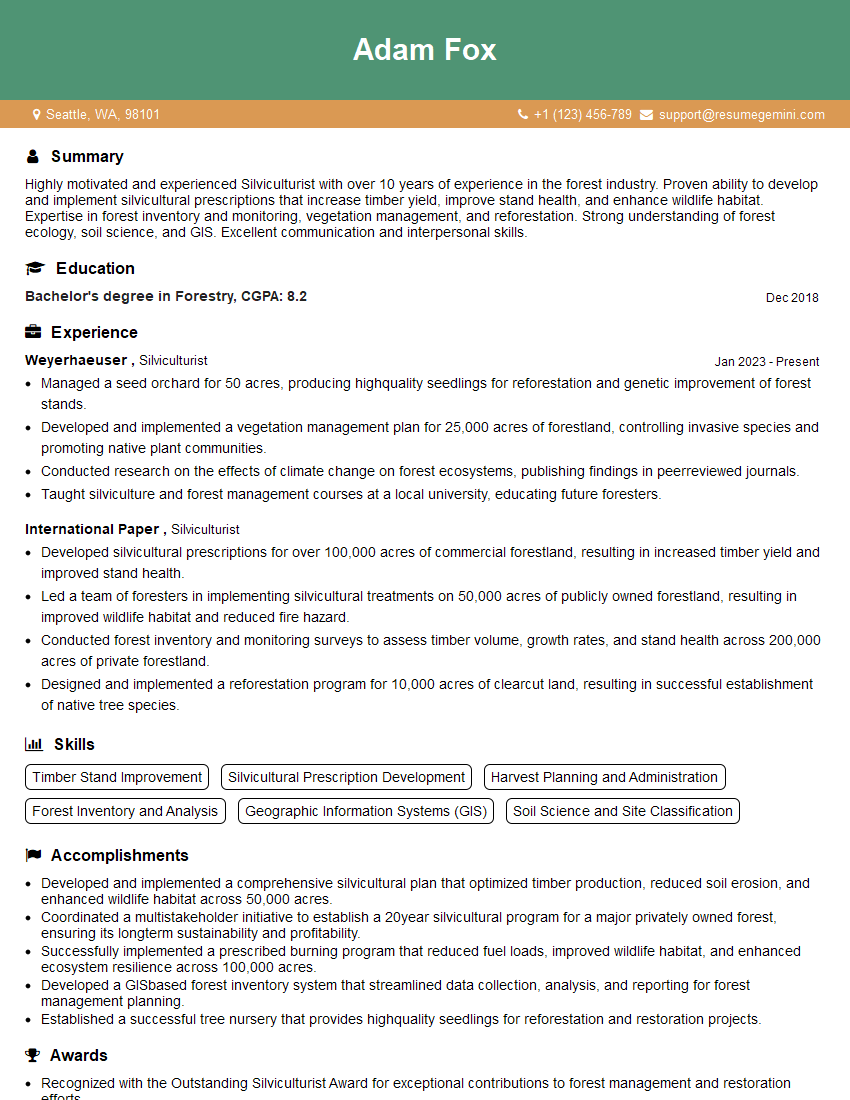
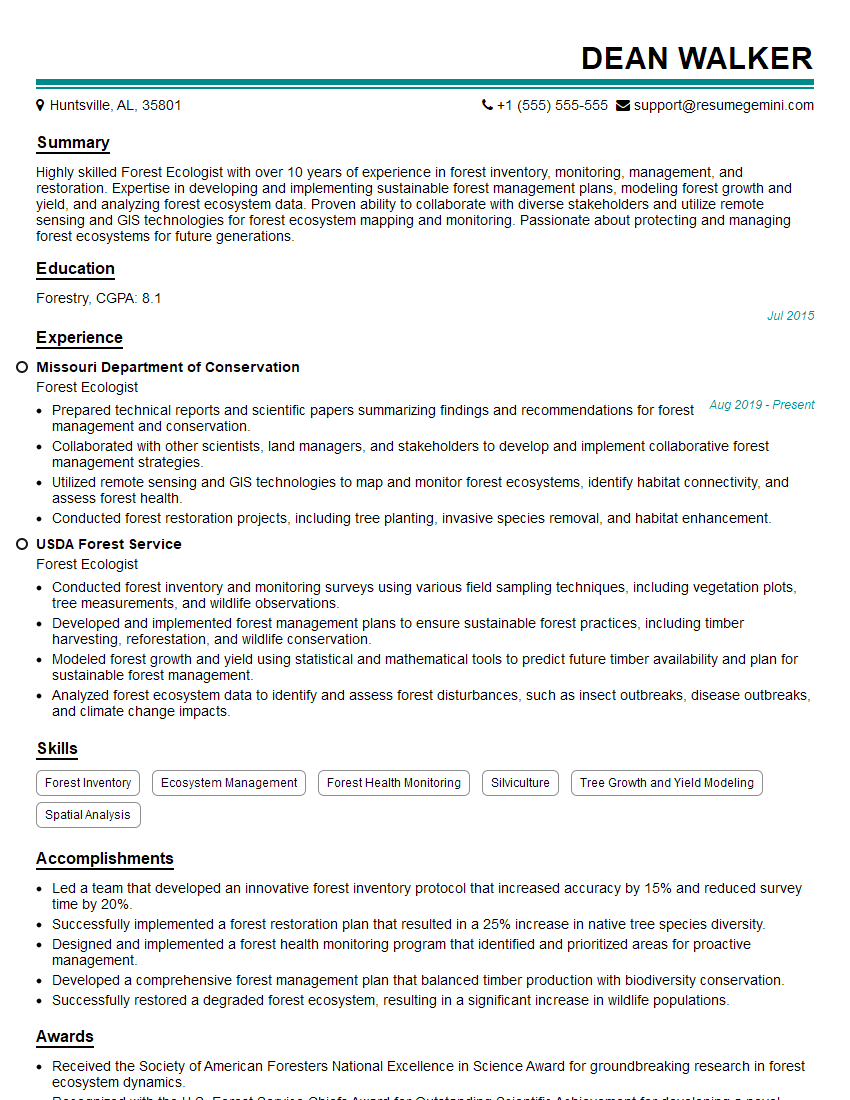
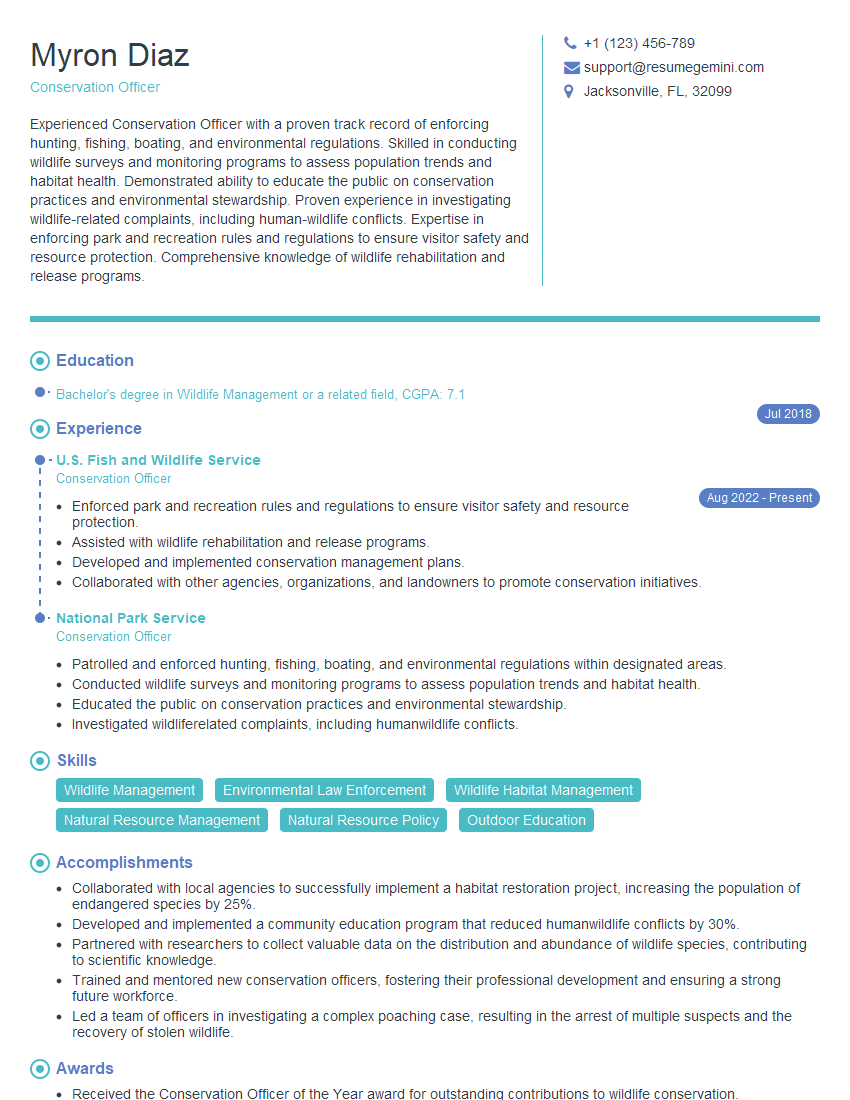
Mastering Woodland Management Practices is essential for a successful and rewarding career in this dynamic field. It opens doors to diverse opportunities and allows you to contribute meaningfully to environmental stewardship and sustainable resource management. To maximize your job prospects, creating a strong, ATS-friendly resume is crucial. ResumeGemini is a trusted resource that can help you build a professional resume that showcases your skills and experience effectively. We provide examples of resumes tailored to Woodland Management Practices to guide you through the process.




Explore more articles
Users Rating of Our Blogs
Share Your Experience
We value your feedback! Please rate our content and share your thoughts (optional).
What Readers Say About Our Blog
Very informative content, great job.
good