The thought of an interview can be nerve-wracking, but the right preparation can make all the difference. Explore this comprehensive guide to Working as Part of a Stage Crew interview questions and gain the confidence you need to showcase your abilities and secure the role.
Questions Asked in Working as Part of a Stage Crew Interview
Q 1. Describe your experience with rigging and flying systems.
Rigging and flying systems are crucial for suspending scenery, lighting, and other equipment above the stage. My experience encompasses various aspects, from basic counterweight systems to more complex motorized rigging. I’m proficient in inspecting and maintaining equipment, ensuring all components, including ropes, pulleys, and counterweights, are in optimal condition. I understand the importance of load calculations to prevent overloading and potential accidents. For instance, on a recent production, I was responsible for rigging a large scenic piece weighing approximately 500 lbs. This involved carefully calculating the weight, selecting appropriate ropes and pulleys, and ensuring the system was properly balanced and secured before raising the piece. I’m also familiar with safety protocols, including the use of safety lines and fall arrest systems, and regular inspections to identify any signs of wear and tear.
I have hands-on experience with both manual and automated flying systems. I understand the mechanics of each system, including the proper procedures for setting up, operating, and maintaining them. I am comfortable working at heights and am always mindful of safety regulations while working on a lift or platform.
Q 2. What safety procedures are essential when working with stage lighting?
Safety is paramount when working with stage lighting. Essential procedures include:
- Regular Inspections: Thoroughly checking all cables, connectors, and fixtures for damage before each show. This includes looking for frayed wires, loose connections, and signs of overheating.
- Proper Wiring and Grounding: Ensuring all equipment is correctly wired and grounded to prevent electrical shocks. All connections should be secure and made according to electrical codes.
- Safe Handling of Fixtures: Using proper lifting techniques and equipment when handling heavy lighting fixtures to prevent injury. Never lift anything heavier than what you’re comfortably able to manage.
- Safe Lamp Handling: Knowing how to safely change lamps and disposing of broken lamps properly to prevent cuts or exposure to hazardous materials.
- Emergency Procedures: Understanding and practicing emergency procedures in case of a fire or electrical malfunction. This includes knowing the locations of fire extinguishers and emergency exits.
- Use of Safety Equipment: Always wearing appropriate safety equipment such as safety glasses when working with lighting equipment.
For example, during a recent show, I noticed a flickering light. Instead of continuing, I immediately shut down the circuit, inspected the fixture, and replaced a faulty bulb before resuming the show. This prevented a potential fire hazard and kept the performers safe.
Q 3. Explain your understanding of different types of stage weights and their safe handling.
Stage weights come in various forms, each requiring careful handling. Common types include counterweights (used in flying systems), sandbags (used for stabilizing scenery), and weights used for ballast.
- Counterweights: These are precisely weighted and used to balance the weight of flown items. Improper handling can lead to imbalance and potentially dangerous situations. It’s crucial to use appropriate lifting techniques and never overload the system.
- Sandbags: These are used for weighting down scenery or other equipment to prevent tipping or shifting. They should be evenly distributed to ensure stability. It’s important to use strong, well-constructed sandbags to prevent leakage or breakage.
- Ballast Weights: These are used to add weight to structures, typically heavier and require specialized handling. These may require the use of cranes or other equipment.
A practical example: when adding sandbags to stabilize a backdrop, I always ensure they’re evenly distributed and securely placed to prevent any shifting during the performance. The weight should be calculated to counteract the wind load and other potential forces.
Q 4. How do you troubleshoot a faulty sound system during a live performance?
Troubleshooting a faulty sound system during a live performance requires a systematic approach. First, identify the problem. Is it a complete blackout, distorted sound, or feedback? Next, check the obvious. Are the cables correctly plugged in? Are the power supplies functioning? I would start with the simplest solution, moving methodically through the system:
- Visual Inspection: Check all cables for damage, loose connections, and ensure power supplies are functioning.
- Signal Path Check: Trace the signal path from the source (microphone, instrument, etc.) to the speakers. Check each connection point and component individually.
- Individual Component Testing: Isolate components and test each one individually (microphone, mixer, amplifiers, speakers). If you are proficient in this area, you can consider replacing a component and testing.
- Gain Staging: Correctly adjust the gain levels (volume) across the entire system to avoid feedback.
- EQ Adjustments: Use an equalizer to adjust the frequencies and eliminate unwanted noise or feedback.
If the problem persists, bringing in a qualified sound technician might be necessary, depending on my scope of troubleshooting.
For example, during a recent show, we experienced feedback from a microphone. By systematically checking the gain levels and using an equalizer, we were able to resolve the issue without interrupting the performance significantly.
Q 5. What are your preferred methods for organizing and managing props during a show?
Organizing and managing props involves a combination of meticulous planning and execution. My preferred methods include:
- Detailed Prop List: Creating a comprehensive list of all props, including their descriptions, quantities, and locations.
- Designated Storage Area: Establishing a clearly defined and organized storage area for props, with clear labeling and easy access.
- Prop Table/Rack: Using a clearly marked prop table or rack backstage to stage props for quick and easy access during the show.
- Quick Reference System: Developing a numbering or color-coding system for quick identification and retrieval during the show.
- Pre-Show Checklist: Preparing a checklist to ensure all props are accounted for and in their designated locations before the show.
During a production of ‘A Midsummer Night’s Dream’, I used a color-coded system to organize over 50 props for easy identification and retrieval during scene changes. This system made scene changes smooth and efficient, significantly reducing delays.
Q 6. Describe your experience with set construction and deconstruction.
My experience in set construction and deconstruction includes working with various materials, such as wood, metal, and plastics. I understand the importance of following blueprints and safety procedures. I am proficient in using various power tools and hand tools to construct and dismantle sets efficiently and safely.
I understand the significance of creating a sturdy and safe set that can withstand the rigors of a performance, ensuring the stability of the entire structure. I am familiar with the various building codes and regulations and I can also work with the design team and other crew members to modify plans or procedures if needed.
For instance, on a recent production, I helped build a two-story set structure. This involved carefully measuring, cutting, and assembling wood components, ensuring structural integrity throughout. During the deconstruction process, I made sure all materials were handled safely and properly disposed of, with focus on recycling where possible.
Q 7. How do you ensure the safety of performers and crew members during a show?
Ensuring the safety of performers and crew members is my top priority. This involves a multi-faceted approach:
- Risk Assessment: Conducting regular risk assessments to identify potential hazards and implement preventative measures.
- Safety Briefings: Providing clear and concise safety briefings to all crew members and performers before each show.
- Proper Communication: Maintaining clear and open communication between crew members and performers to prevent misunderstandings and accidents.
- Clear Stage Layout: Ensuring a well-defined stage layout to prevent collisions or accidental injuries.
- Emergency Procedures: Developing and practicing clear and effective emergency procedures for various scenarios, such as fires, power outages, or injuries.
- Adherence to Regulations: Strictly adhering to all relevant safety regulations and guidelines.
For example, before a recent concert, we conducted a thorough risk assessment, identifying potential hazards such as tripping hazards from cables. We then implemented measures such as cable management systems to mitigate the risks and ensure a safe performance.
Q 8. Explain your knowledge of different types of stage curtains and their operation.
Stage curtains come in various types, each serving a specific purpose. Understanding their operation is crucial for smooth stage transitions and visual effects.
- Grand Drapes/Main Curtains: These are the largest curtains, often heavy velvet, used to conceal the stage before and after a performance or between acts. They typically operate using a counterweight system, where weights balance the curtain’s weight for easy raising and lowering. Imagine a seesaw – the weights are on one side, and the curtain on the other, allowing for precise control.
- Leg Curtains/Traveler Curtains: These are narrower curtains positioned along the sides of the stage, masking the wings (off-stage areas). They can be moved horizontally using a track and pulley system, allowing for scene changes and revealing specific stage areas. Think of them like sliding doors, revealing or hiding different parts of the ‘room’.
- Cyclorama Curtains: These are large, curved curtains used as a backdrop to project scenery or lighting effects. They can be made from various materials, including muslin or scrim (a semi-transparent fabric), and are usually suspended from a batten (a horizontal pipe). Their curved shape creates a seamless background, ideal for immersive environments.
- Backdrops: These are less about operation and more about their function as scenic elements, serving as the background for a scene. They can be flat painted cloths, or more complex constructions.
Proper operation involves understanding the specific mechanism of each curtain type – whether it’s a counterweight system, a track and pulley, or even manual operation. Safety is paramount, and regular checks ensure smooth, reliable performance.
Q 9. How do you handle unexpected technical issues during a performance?
Unexpected technical issues are inevitable in live performance. My approach involves a calm, systematic response. First, I assess the problem: Is it a lighting issue, a sound problem, or a problem with stage machinery? Is it a minor glitch or a major failure? This assessment helps me prioritize the response.
For example, if a spotlight bulb blows mid-performance, I’ll immediately switch to a backup fixture if available. If the backup is unavailable, I’ll alert the stage manager who can communicate with the director to adjust the scene as needed, possibly using other lighting instruments to compensate. If a more significant issue like a jammed curtain occurs, my first priority is safety – ensure nobody is in harm’s way – then I collaborate with other crew members to troubleshoot the problem, employing my knowledge of the mechanism to determine the cause and implement a solution. Clear communication with the stage manager throughout the process is crucial.
I believe that preparedness is key to handling unforeseen situations. Knowing the equipment thoroughly, having backups, and being part of a well-coordinated team minimizes the impact of technical difficulties. We perform regular maintenance checks and practice emergency protocols to be ready for anything.
Q 10. Describe your experience with using different types of stage lighting equipment.
My experience encompasses a broad range of stage lighting equipment, from conventional fixtures to automated systems. I’m proficient with:
- Conventional lighting fixtures: These include Fresnel, ellipsoidal, and PAR cans. I understand the differences in their beam angles, focus adjustments, and color temperature, allowing me to create specific lighting effects. For instance, a Fresnel is great for washes of color, while an ellipsoidal is better for sharp-edged beams and gobo projection (pattern projection).
- Automated lighting fixtures (moving lights): I’m experienced in programming and operating moving lights, including those with gobo wheels, color mixing capabilities, and various beam effects. These require advanced programming skills using lighting consoles. I’ve worked with several different console brands and programming software.
- LED lighting: I’m knowledgeable about the advantages of LED technology, including energy efficiency and color accuracy. I have hands-on experience with LED pars, battens, and other LED fixtures.
My understanding extends to setting up and troubleshooting lighting equipment, including cabling, power distribution, and safety protocols. I regularly use light meters to ensure consistent lighting levels and color balance across the stage.
Q 11. What are your preferred methods for maintaining and repairing stage equipment?
Maintaining and repairing stage equipment is a critical aspect of my role. My approach is preventative and proactive. Regular maintenance checks, cleaning, and lubrication are crucial for extending the lifespan of equipment. This includes:
- Regular inspections: Checking for loose connections, frayed cables, damaged bulbs, and worn components. This is like having a car service – regular check-ups prevent major breakdowns.
- Cleaning: Keeping equipment clean prevents malfunctions and extends its lifespan. Dust and dirt can be detrimental to moving parts and electrical connections.
- Lubrication: For moving parts like counterweight systems and pulley systems, regular lubrication is essential to prevent wear and tear.
- Minor repairs: I am proficient in performing basic repairs, such as replacing bulbs, fuses, and making minor electrical connections. This ensures quick solutions to minor issues that can arise during a production.
For major repairs beyond my capabilities, I ensure to communicate this clearly to the appropriate technician or supervisor for professional assistance. Accurate record-keeping of maintenance and repairs is crucial for tracking the overall health and condition of the stage equipment.
Q 12. How do you prioritize tasks during a busy production schedule?
Prioritizing tasks in a busy production schedule demands a strategic approach. I use a combination of techniques:
- Understanding the show’s timeline: I break down the production schedule into smaller, manageable tasks, understanding which ones need to be completed first to keep the production on track. This involves close collaboration with the stage manager to get a clear understanding of priorities.
- Time management: I estimate the time required for each task and create a realistic workflow. Understanding the time constraints is essential for effective task management.
- Collaboration: Working closely with the crew to delegate tasks effectively ensures a smooth workflow and timely completion of everything.
- Flexibility: While a plan is essential, being adaptable to unexpected changes is crucial. Things never go entirely as planned, and the ability to adjust to new priorities is a must.
Visual aids, like checklists or task boards, are frequently used to track progress and highlight critical tasks that require immediate attention.
Q 13. Describe your experience working collaboratively within a large crew.
I thrive in collaborative environments and have extensive experience working within large stage crews. Effective teamwork is essential for successful productions. I actively contribute to a positive team dynamic through:
- Clear communication: Open and respectful communication with crew members ensures everyone understands their roles and responsibilities.
- Active listening: I actively listen to the ideas and suggestions of others, contributing to a more efficient and creative environment.
- Problem-solving: Working collaboratively to brainstorm solutions to challenges promotes efficiency and builds a stronger team.
- Respectful collaboration: Treating all crew members with respect fosters a healthy and supportive environment.
For example, on a recent large-scale musical, we had a team of over 30 people. Effective communication via daily meetings, and clear assignment of responsibilities, meant that despite the scale, we never missed a beat. The success hinged upon mutual respect and a shared commitment to the production’s success.
Q 14. How do you communicate effectively with stage managers and directors?
Effective communication with stage managers and directors is paramount for a smooth and successful production. My approach focuses on:
- Clear and concise communication: I avoid technical jargon and ensure my communication is easily understood, regardless of the recipient’s technical background. This is especially important when communicating potentially critical issues to a director during a performance.
- Proactive communication: I keep stage managers and directors informed of any potential issues or delays, allowing them to make timely adjustments.
- Active listening: I attentively listen to their instructions and directions, clarifying any uncertainties before proceeding.
- Professionalism: Maintaining a professional demeanor and respecting their authority is crucial for a positive working relationship.
For example, if I foresee a potential issue with a lighting cue, I would promptly notify the stage manager, suggesting alternative solutions before the issue impacts the performance. This proactive approach ensures a smooth and successful production, built on strong lines of communication.
Q 15. Explain your understanding of stage plot and cue sheets.
A stage plot is a blueprint of the stage, showing the placement of all scenery, lighting instruments, microphones, and other equipment. It’s essentially the map for the entire production’s technical elements. Think of it as an architect’s drawing for a play. A cue sheet, on the other hand, is a chronological list of all the technical cues during the performance. It specifies when and how each element – lights, sound, props, etc. – should change. It’s the director’s roadmap for the show’s technical execution.
For example, a stage plot might show that a spotlight is positioned at center stage, slightly upstage, while the cue sheet would indicate that this spotlight should fade up to full intensity at exactly 2 minutes and 15 seconds into the first act. The two documents work in tandem; the stage plot provides the ‘what’ and the cue sheet provides the ‘when’ and ‘how’.
Career Expert Tips:
- Ace those interviews! Prepare effectively by reviewing the Top 50 Most Common Interview Questions on ResumeGemini.
- Navigate your job search with confidence! Explore a wide range of Career Tips on ResumeGemini. Learn about common challenges and recommendations to overcome them.
- Craft the perfect resume! Master the Art of Resume Writing with ResumeGemini’s guide. Showcase your unique qualifications and achievements effectively.
- Don’t miss out on holiday savings! Build your dream resume with ResumeGemini’s ATS optimized templates.
Q 16. What are your preferred methods for managing cables and wires on stage?
Cable management is crucial for safety and a smooth production. My preferred method involves a combination of techniques. Firstly, I always use appropriate cable ties and labels clearly indicating the destination and function of each cable (e.g., ‘Mic 1 – Lead Vocal’, ‘House Lights’). Secondly, I utilize cable ramps and troughs wherever possible to keep cables off the floor, preventing tripping hazards. Thirdly, I employ color-coding to easily identify different cable types – for instance, power cables might be black, audio cables might be red, and data cables might be blue. This system makes troubleshooting and quick changes much easier during a show.
I also regularly inspect cables for damage before and after each performance. Proactive maintenance is key to preventing issues during crucial moments.
Q 17. How do you ensure the cleanliness and safety of the backstage area?
Maintaining a clean and safe backstage area is paramount for efficiency and preventing accidents. My approach is threefold: Firstly, a regular cleaning schedule is implemented, removing debris, spills, and discarded materials immediately after each rehearsal or performance. This includes sweeping, mopping, and emptying trash receptacles. Secondly, clear signage is used to delineate walkways, hazardous areas (e.g., power cables), and emergency exits. Thirdly, I ensure all equipment is correctly stored and secured after use, preventing accidental damage and tripping hazards. For example, heavy equipment is stored properly, preventing toppling over. Additionally, I always conduct a final safety check before and after each performance to identify and address any potential safety concerns.
Q 18. Describe your experience with sound mixing and equalization.
I have extensive experience with sound mixing and equalization, using digital audio workstations (DAWs) and analog mixing consoles. My approach involves careful listening to achieve a balanced mix that complements the performance without overpowering it. This includes adjusting gain levels, EQ settings (to boost or cut specific frequencies), and applying compression or other effects to enhance individual instruments or vocals. I am proficient in identifying and addressing feedback issues using techniques such as EQ notch filters and proper microphone placement.
In one production, I successfully addressed a persistent feedback issue during a musical number by subtly adjusting the EQ on the vocal microphones and strategically repositioning floor monitors. The result was a seamless, clear vocal mix without sacrificing the overall sound quality.
Q 19. How do you work effectively under pressure and tight deadlines?
Working under pressure and tight deadlines is a common occurrence in stage production. My approach centers on meticulous planning and proactive problem-solving. I prioritize tasks based on urgency and importance, and I am not afraid to delegate when necessary, ensuring team members understand their roles and responsibilities. I stay calm under pressure, focusing on clear communication and efficient execution. I’ve found that taking short breaks to regroup and clear my head can also significantly improve performance under stressful conditions.
During a recent quick turnaround production, we faced unexpected equipment malfunctions just hours before the opening night. By calmly coordinating with my team, quickly troubleshooting the issue, and utilizing backup equipment, we managed to resolve the problem without any significant delay to the show.
Q 20. What is your experience with different types of microphones and their applications?
I am experienced with a wide variety of microphones, including dynamic microphones (like the Shure SM58, ideal for vocals due to their robustness and feedback rejection), condenser microphones (such as the Neumann U 87, known for their sensitivity and detailed sound, suited for recording instruments), and lavalier microphones (small, clip-on mics suitable for discreet sound pickup). The selection of a microphone depends on the application. For instance, a dynamic mic is preferred for loud stage performances to handle high sound pressure levels and minimize feedback issues, while a condenser mic would be better suited for recording quieter instruments like acoustic guitars in a studio setting due to their sensitivity. Lavalier microphones are often used for actors or presenters requiring freedom of movement.
Q 21. How familiar are you with various types of audio consoles?
I am familiar with various types of audio consoles, including both analog and digital models. I am proficient in operating consoles from manufacturers such as Yamaha, Soundcraft, and Allen & Heath. My experience encompasses both small-scale consoles used in smaller venues and large-format consoles used in larger productions. I understand the principles of signal flow, gain staging, routing, and equalization within these consoles. Understanding the nuances of each console’s interface and functionality allows for efficient sound management and a superior audience experience.
This includes a working knowledge of digital mixing consoles with their advanced features like digital effects processing, scene recall, and automation. My skillset allows me to adapt to and effectively use different consoles regardless of the brand or scale of the production.
Q 22. Explain your knowledge of lighting design principles and techniques.
Lighting design is about more than just making things visible; it’s about crafting mood, atmosphere, and storytelling through illumination. It involves understanding the principles of intensity, color, direction, and movement to enhance the production’s visual impact.
Intensity refers to the brightness of the light. We use intensity to highlight key moments, create contrast, and build tension. For example, a sudden dimming of the lights might signal a shift in the narrative, while a spotlight on a character emphasizes their importance.
Color is crucial in establishing mood and atmosphere. Warm colors like amber and orange often evoke feelings of comfort and intimacy, while cool colors like blue and purple might suggest coldness or mystery. A skilled lighting designer might use color changes to reflect emotional shifts or to transition between scenes.
Direction of light dictates the shape and texture of the scene. Front lighting creates a flat, even illumination; side lighting brings out texture and adds depth; backlighting separates the subject from the background and creates a silhouette. Choosing the right direction can dramatically change the look and feel of a performance.
Movement of light adds dynamism. For example, slow fades can create a calm and serene atmosphere, while quick changes create excitement. This could involve using automated moving lights or manually adjusting individual fixtures during a performance.
Q 23. Describe your experience with different types of lighting instruments.
My experience encompasses a wide range of lighting instruments, each serving a specific purpose. I’m proficient with:
- Ellipsoidal Reflector Spotlights (ERLs): These are workhorses for precise beam control and sharp focus, ideal for highlighting actors or specific scenic elements. I’ve used them extensively in both theatrical and concert settings.
- Fresnels: These create a soft-edged beam, perfect for washing a larger area with even light. I’ve used Fresnels for background illumination or to create a general ambiance.
- Parabolic Aluminized Reflectors (PARs): These are powerful lights with a wider beam spread, often used for washes or effects. I’ve used them in outdoor productions and situations requiring intense illumination.
- LED fixtures: These are increasingly popular due to their energy efficiency, color mixing capabilities, and long lifespan. I’m comfortable working with various LED types, including moving head fixtures that allow for dynamic and complex lighting designs.
- Moving Lights (Automated Fixtures): These provide immense flexibility, enabling automated control of pan, tilt, color, and gobo patterns. I have experience programming and operating these for large-scale productions requiring dynamic lighting.
Q 24. How familiar are you with DMX control systems?
I’m highly familiar with DMX (Digital Multiplex) control systems. DMX is the industry-standard protocol for controlling lighting and other stage equipment. It’s a digital communication protocol that allows a single controller to communicate with multiple lighting fixtures.
My experience includes programming lighting cues using DMX consoles, troubleshooting DMX networks, and working with different DMX universes. I understand the importance of proper patching, addressing, and data flow to ensure seamless operation. For example, I’ve successfully troubleshooted a complex DMX network issue where a faulty cable caused several lights to malfunction during a live performance, swiftly identifying and replacing the cable to minimize disruption.
I’m proficient with both traditional DMX consoles and software-based control systems, enabling me to adapt to different production workflows and technologies.
Q 25. What is your experience with video projection and playback systems?
My experience with video projection and playback systems includes working with various projectors (from small DLP projectors to large-scale Christie projectors), media servers (like disguise or Hippotizer), and video playback software. I understand the importance of color calibration, image alignment, blending, and edge-blending techniques for seamless projection across multiple screens.
I’ve worked on productions where we used projection mapping to transform static set pieces into dynamic elements. I’m also familiar with troubleshooting projection issues, such as projector lamp replacement, adjustments for focus and keystone correction, and managing media files and playlists.
Furthermore, I understand the synchronization of video playback with other stage elements such as lighting and sound cues, ensuring a cohesive and impactful presentation.
Q 26. Describe your experience with working with different types of theatrical paint.
I have experience with various theatrical paints, including Rosco, Lee, and other industry-standard brands. I understand the differences between different types of paints such as matte, satin, gloss, and metallic finishes, and how to apply them appropriately depending on the surface and desired effect.
My experience includes applying paint to scenic elements like flats, backdrops, and props, as well as applying specialized paints for specific effects (like aging or weathering techniques). I understand the importance of proper surface preparation, the correct application techniques to avoid brushstrokes or drips, and also the proper cleanup procedures to keep equipment clean and maintain work area safety.
I also have experience working with specialized paints that are designed to withstand the wear and tear of performance settings. For instance, I’ve worked with paints which are very durable and can withstand repeated handling without chipping or cracking, ensuring the set looks its best throughout the run of a show.
Q 27. How do you maintain a professional and courteous demeanor with performers and other crew members?
Maintaining a professional and courteous demeanor is crucial in a collaborative environment like stage crew. I believe in clear and respectful communication with performers and fellow crew members.
I always address everyone professionally, listen attentively to their concerns, and offer assistance when needed. I understand that performers may have specific needs during a show, and I’m always mindful of their space and comfort. I’m proactive in problem-solving and never hesitate to ask for help when necessary. I believe in teamwork and a positive working atmosphere as key to successful productions. For example, in a recent production, a performer experienced a wardrobe malfunction just before their scene. By swiftly and discreetly assisting, we managed to avoid any delays or disruptions to the performance. My calm and professional approach helped keep the situation under control and maintained a positive atmosphere.
Q 28. What steps do you take to ensure the accurate and timely execution of stage cues?
Accurate and timely execution of stage cues is paramount. My approach involves a multi-step process:
- Thorough Rehearsal: I participate actively in tech rehearsals, meticulously noting each cue and its associated timings. This helps anticipate potential problems and refine the execution process.
- Clear Communication: I maintain clear communication with the stage manager and other crew members, ensuring everyone understands their roles and responsibilities for each cue.
- Cue Sheet Preparation: I create or utilize a detailed cue sheet that includes all necessary information like timings, lighting levels, sound cues, and any specific instructions.
- Double-Checking: Before each performance, I double-check all equipment and settings to prevent any technical errors. I review the cue sheet and confirm all cues are programmed correctly.
- Contingency Planning: I anticipate potential problems, like equipment malfunctions, and have backup plans in place. I also have a thorough understanding of how to address common issues swiftly and efficiently.
- Post-Show Review: After each performance, I review the cue execution with the stage manager, identifying areas for improvement and documenting any issues for future reference. This continuous feedback loop helps refine our processes and ensure flawless execution in future performances.
Key Topics to Learn for Working as Part of a Stage Crew Interview
- Safety Procedures and Regulations: Understanding and adhering to all safety protocols on set, including proper handling of equipment and awareness of potential hazards. Practical application: Describe a situation where you ensured the safety of yourself and others during a stage production.
- Equipment Handling and Operation: Proficiency in using various stage equipment such as lighting rigs, sound systems, rigging equipment, and stage machinery. Practical application: Explain your experience with specific equipment and demonstrate your understanding of its safe and efficient operation.
- Technical Knowledge of Stage Production: Familiarity with stage terminology, production timelines, and the roles of different crew members. Practical application: Explain your understanding of the collaborative nature of stage crew work and how you contribute to a successful production.
- Problem-Solving and Quick Thinking: Ability to identify and address technical issues efficiently and effectively under pressure. Practical application: Describe a time you solved a technical problem during a live performance and the steps you took.
- Collaboration and Teamwork: Demonstrate your ability to work effectively within a team, communicate clearly, and follow instructions from the stage manager and other crew leads. Practical application: Provide an example of how you successfully collaborated with other crew members to achieve a common goal.
- Physical Stamina and Endurance: Stage crew work can be physically demanding. Be prepared to discuss your ability to handle long hours and strenuous tasks. Practical application: Describe your physical fitness level and experience handling physically demanding tasks.
- Organization and Time Management: Efficiency and organization are crucial. Be ready to discuss your ability to manage multiple tasks simultaneously and meet deadlines. Practical application: Describe a situation where you successfully managed your time and prioritized tasks during a production.
Next Steps
Mastering the skills and knowledge required for working as part of a stage crew is essential for career growth in the performing arts industry. It opens doors to exciting opportunities and allows you to contribute to unforgettable productions. To maximize your job prospects, creating a strong, ATS-friendly resume is crucial. ResumeGemini is a trusted resource that can help you build a professional and impactful resume that highlights your skills and experience. ResumeGemini provides examples of resumes tailored to Working as Part of a Stage Crew, ensuring your application stands out from the crowd. Invest time in crafting a compelling resume; it’s your first impression on potential employers.
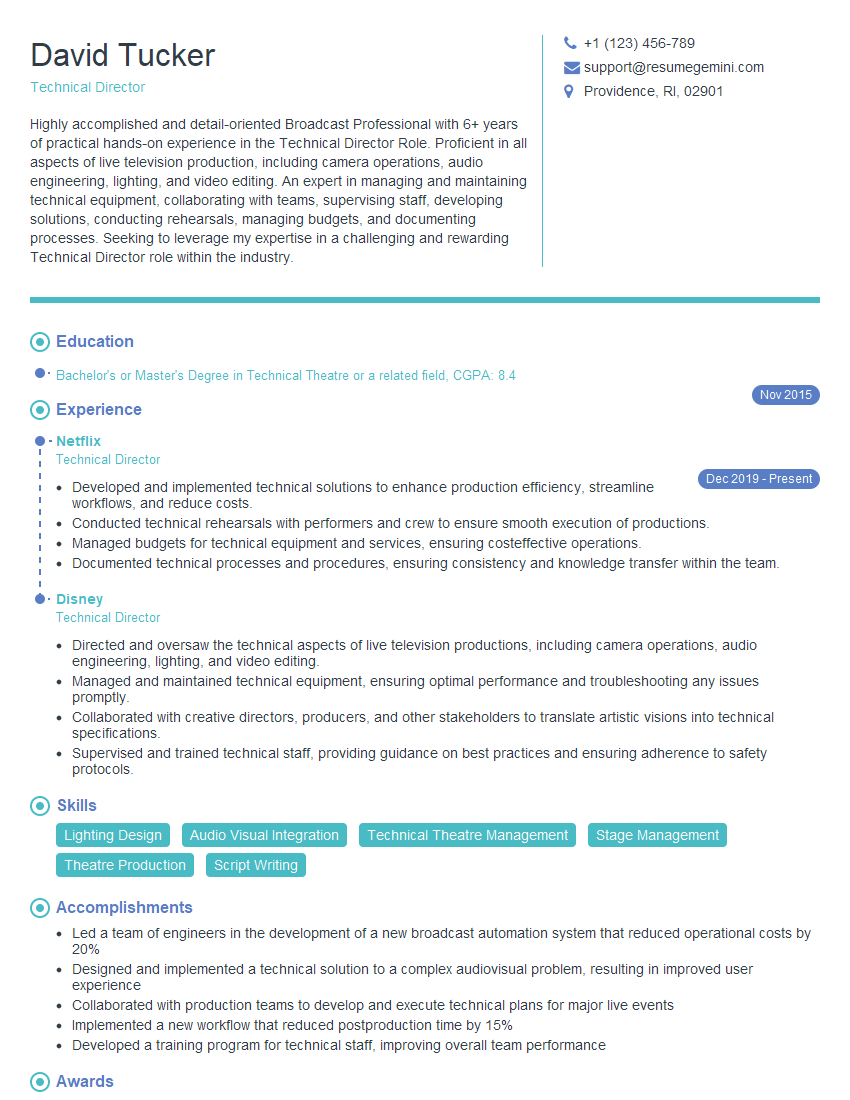
Technical Director Resume Sample
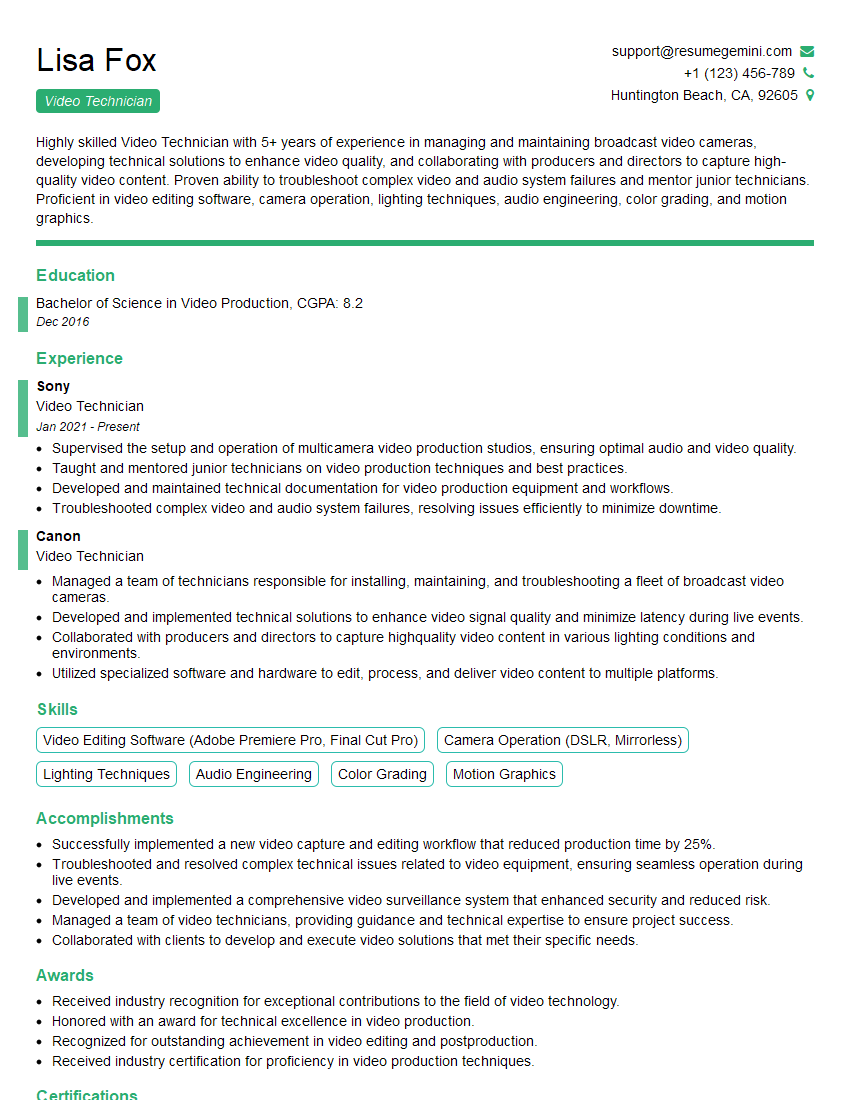
Video Technician Resume Sample
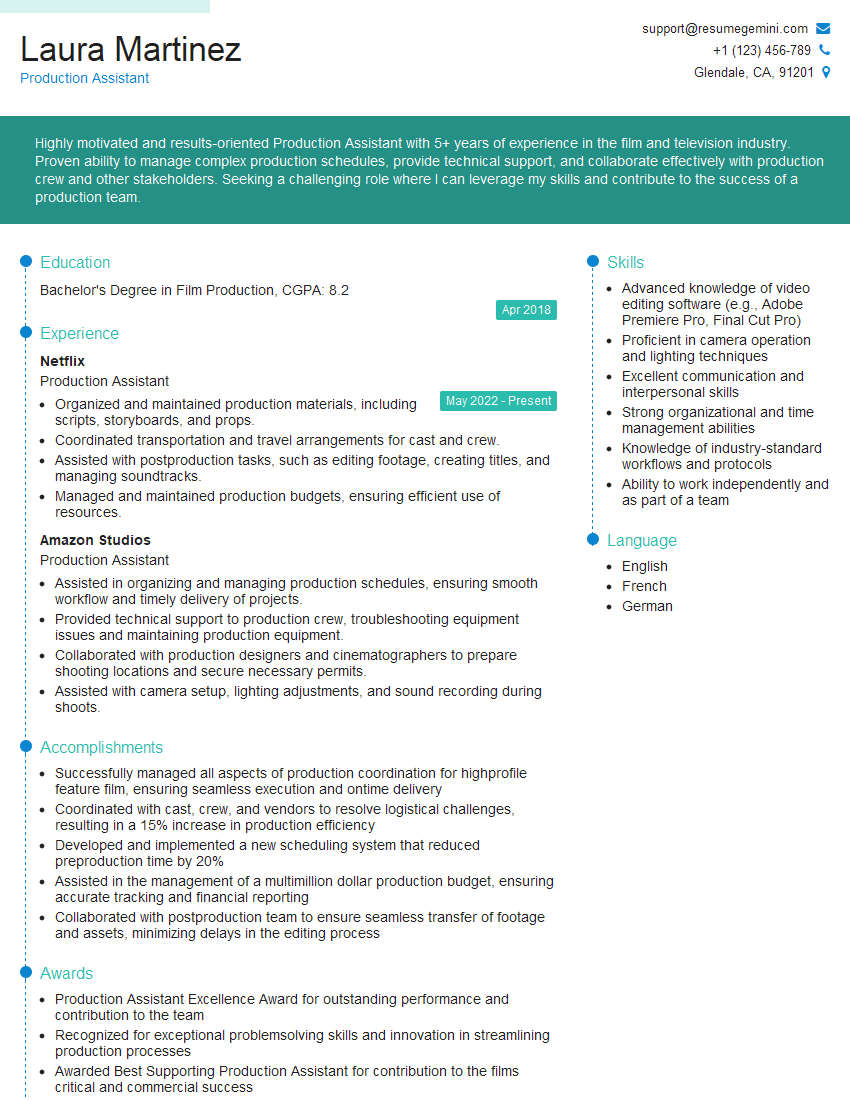
Production Assistant Resume Sample
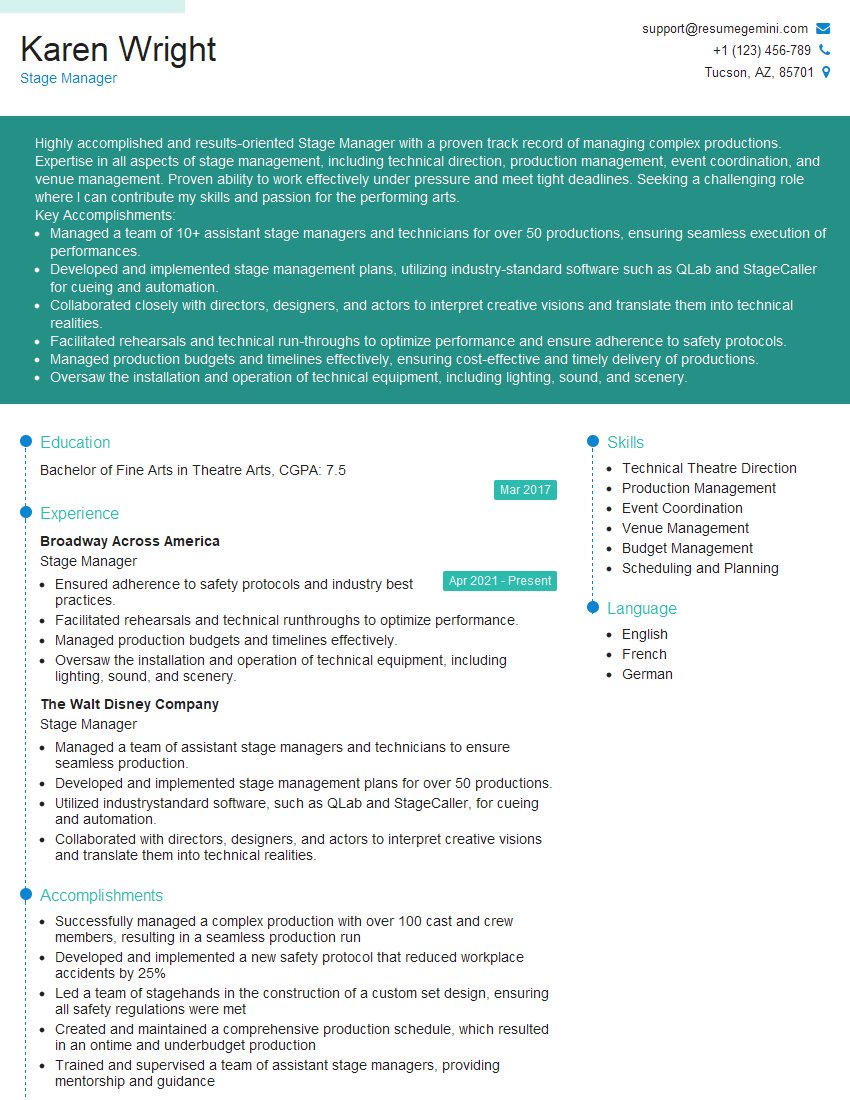
Stage Manager Resume Sample
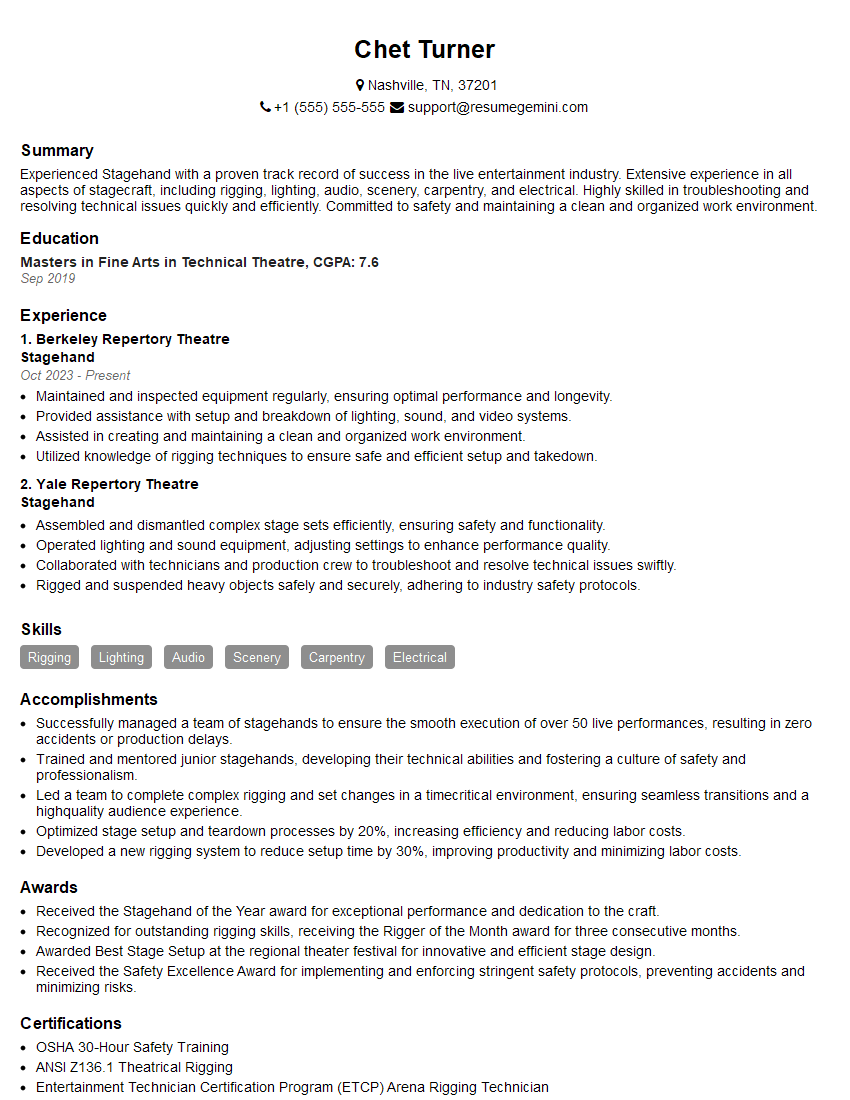
Stagehand Resume Sample
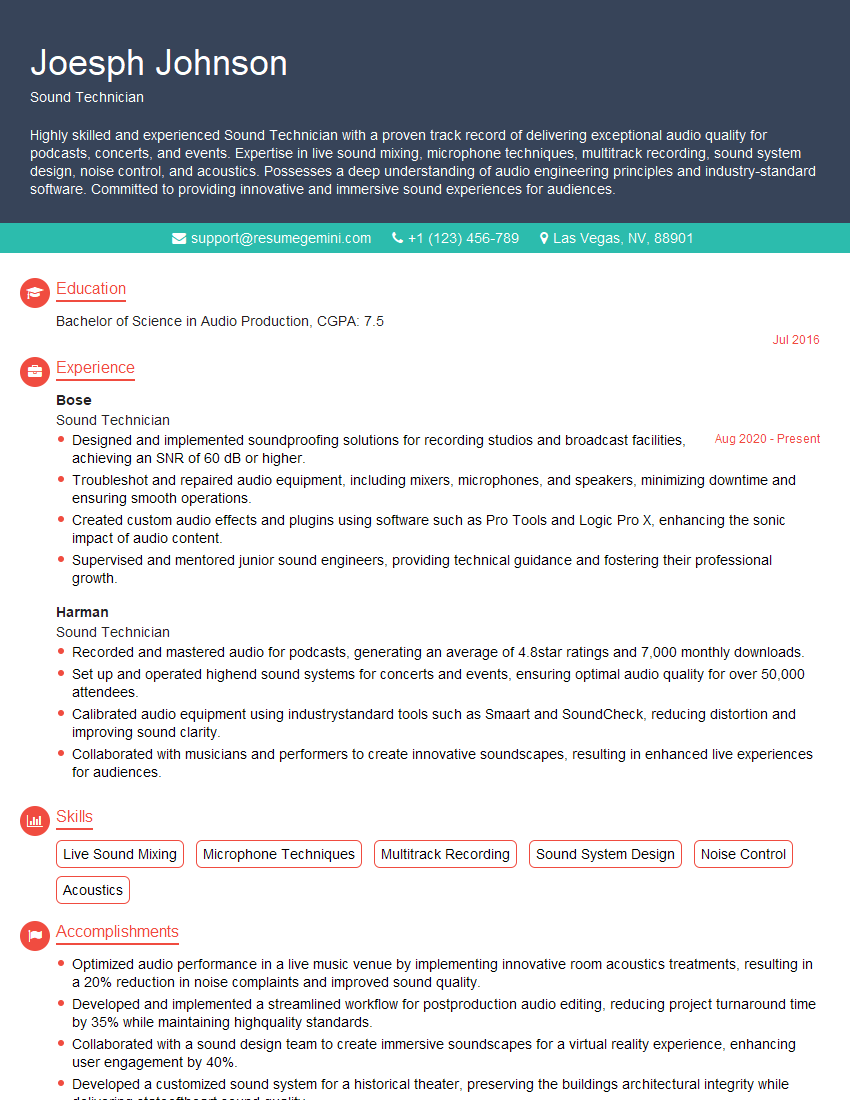
Sound Technician Resume Sample
Hair Stylist Resume Sample
Makeup Artist Resume Sample
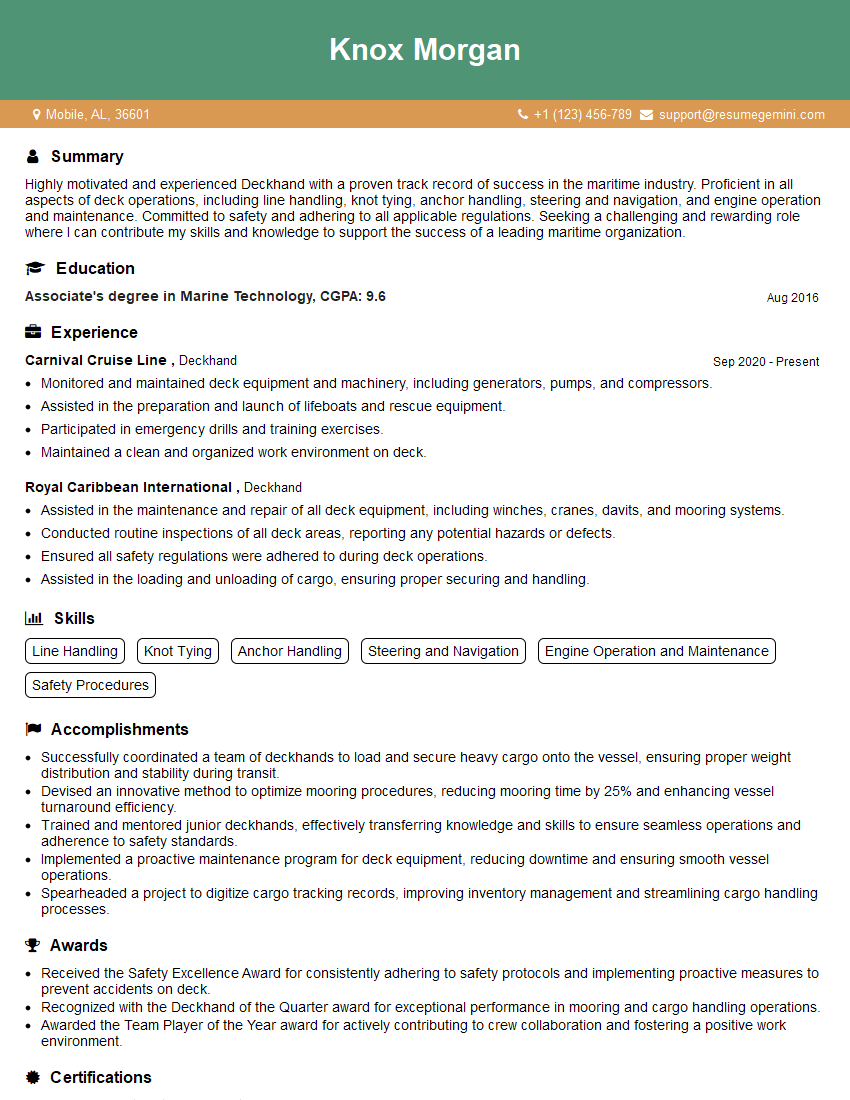
Deckhand Resume Sample
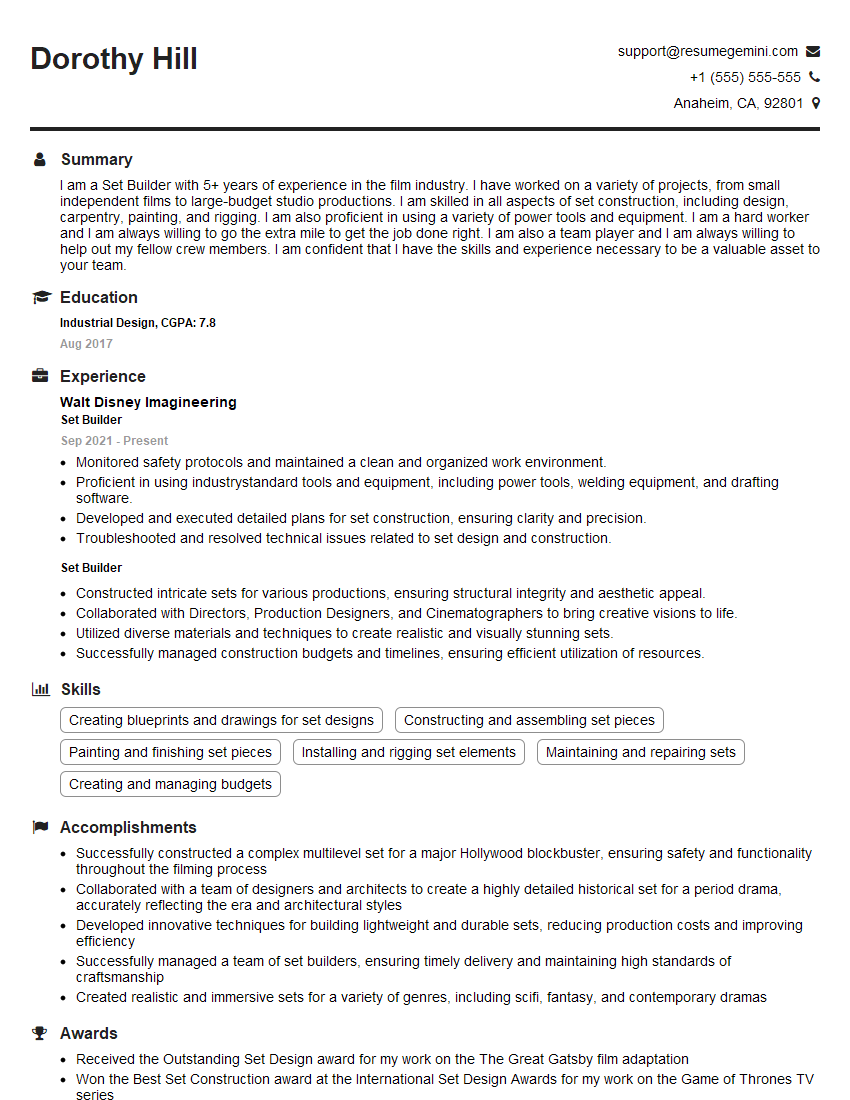
Set Builder Resume Sample
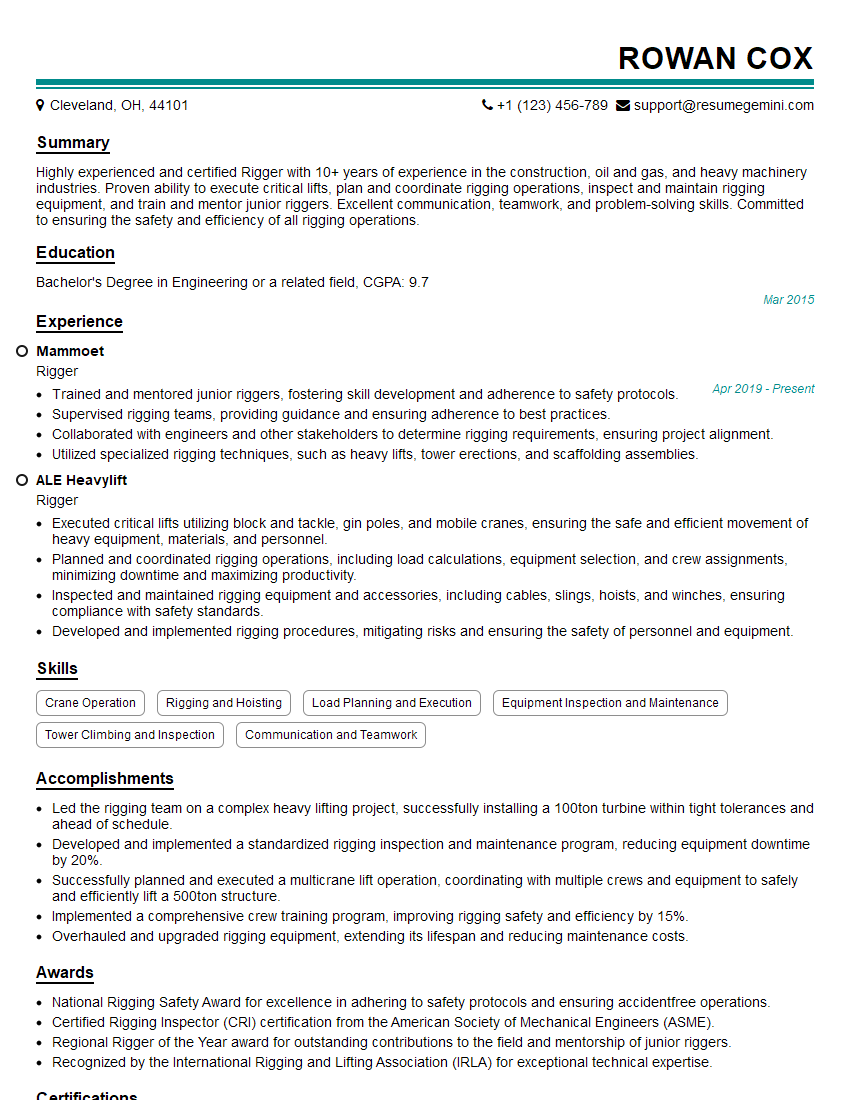
Rigger Resume Sample
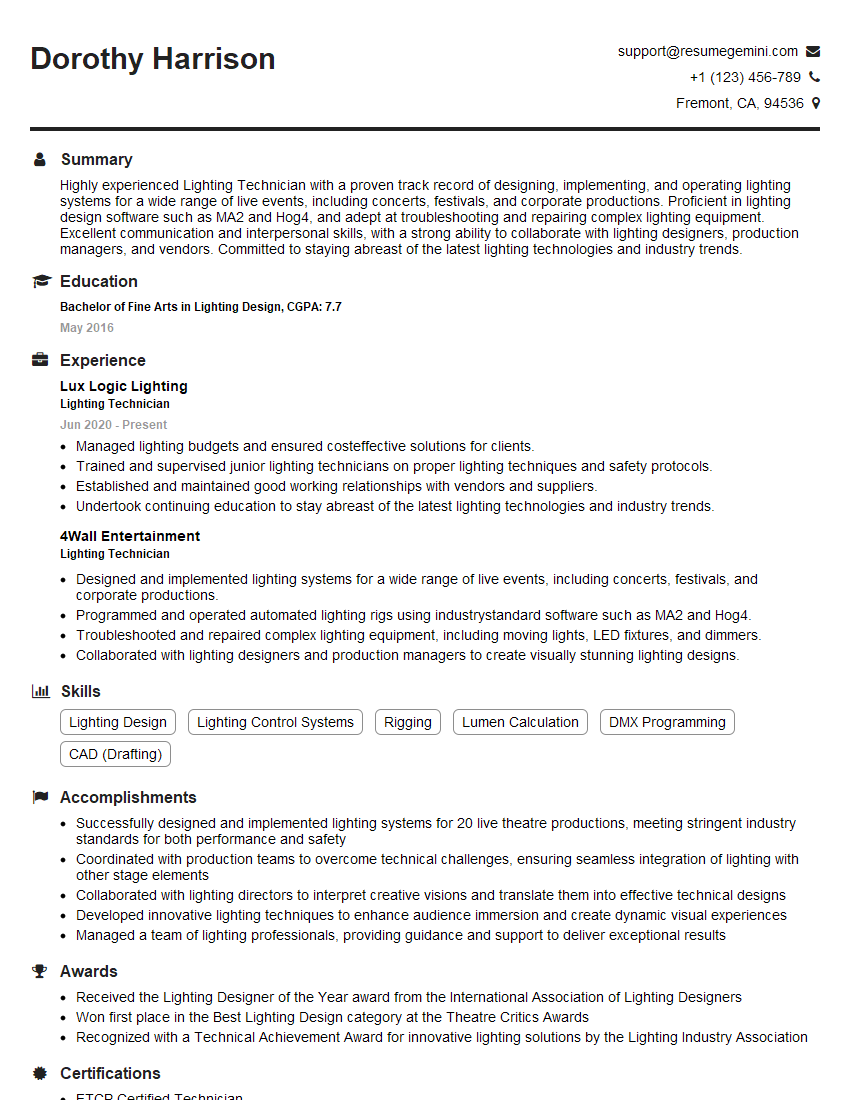
Lighting Technician Resume Sample
Explore more articles
Users Rating of Our Blogs
Share Your Experience
We value your feedback! Please rate our content and share your thoughts (optional).
What Readers Say About Our Blog
Very informative content, great job.
good