Preparation is the key to success in any interview. In this post, we’ll explore crucial Working Collaboratively with Other Judges interview questions and equip you with strategies to craft impactful answers. Whether you’re a beginner or a pro, these tips will elevate your preparation.
Questions Asked in Working Collaboratively with Other Judges Interview
Q 1. Describe your experience working collaboratively with other judges on complex legal cases.
Collaboration is paramount in complex legal cases. My experience involves numerous instances of working with panels of judges, requiring a multifaceted approach. We typically begin by establishing a clear division of labor, assigning specific aspects of the case to individual judges based on their expertise. For instance, in a case involving both antitrust and intellectual property law, one judge might focus on the antitrust aspects while another handles the IP issues. We then hold regular meetings, often employing a structured format like a detailed case briefing followed by a discussion, to share findings, analyze evidence, and coordinate our approaches. This collaborative process ensures thorough analysis and reduces the risk of overlooking critical details. One memorable case involved a multi-billion dollar merger; the meticulous division of tasks and subsequent collaborative analysis allowed us to deliver a comprehensive and well-reasoned judgment.
Q 2. How do you handle disagreements with fellow judges during deliberations?
Disagreements are inevitable in any collaborative setting, particularly when dealing with intricate legal issues. My approach prioritizes respectful dialogue and a thorough examination of differing viewpoints. We begin by clearly articulating the points of contention, often resorting to a structured debate to systematically explore each argument. We carefully examine the legal precedents, statutes, and case facts to identify any discrepancies in interpretation or application. If the disagreement persists, we may engage in a process of ‘reasoned persuasion,’ where each judge presents their arguments to the others, highlighting the rationale and evidence supporting their position. In some cases, we may agree to revisit certain aspects of the case or to seek additional information before resuming deliberation. The key is to approach the disagreement not as a conflict but as an opportunity to engage in a deeper, more thorough understanding of the case.
Q 3. Explain your approach to mediating conflicting opinions among judges during a trial.
Mediating conflicting opinions requires a balanced approach that respects all perspectives while striving for a cohesive judgment. I typically facilitate this process by ensuring that every judge has ample opportunity to express their opinions without interruption. I encourage active listening and encourage each judge to explain their reasoning clearly and concisely. I often employ a ‘structured brainstorming’ technique where we identify common ground and areas of disagreement systematically. This helps to break down complex issues into smaller, more manageable components. Then, I facilitate the discussion towards finding common ground, focusing on the overarching goals of fairness and justice. Compromise and consensus-building are key, but I always ensure that the final decision aligns with legal principles and relevant precedents. Think of it like a conductor guiding an orchestra – each musician (judge) plays a vital role, and the conductor ensures they harmonize to create a unified and beautiful performance (judgment).
Q 4. How do you ensure efficient communication and coordination with other judges in a high-pressure environment?
Efficient communication and coordination in high-pressure environments hinge on proactive planning and the use of appropriate communication technologies. Before a trial even begins, we establish clear communication protocols, including regular meeting schedules, designated communication channels (e.g., secure messaging platforms), and a shared document repository for case-related materials. During the trial, we regularly update each other on developments, utilizing efficient briefing systems to ensure everyone is informed. This proactive approach minimizes misunderstandings and delays. In particularly high-pressure moments, we utilize direct, concise communication to address urgent matters, avoiding ambiguity and delays. For example, during the final stages of a complex bankruptcy case, we used a dedicated, secure chat platform to immediately address urgent matters concerning witness testimony, ensuring no critical information was missed or delayed.
Q 5. What strategies do you employ to build consensus among judges with diverse legal perspectives?
Building consensus among judges with diverse legal perspectives requires a nuanced understanding of each judge’s background and approach. I begin by actively listening and seeking to understand the rationale behind each judge’s opinion, acknowledging the value of different viewpoints. We often engage in respectful debates, exploring the merits and limitations of each perspective. I encourage each judge to explicitly articulate their concerns and the evidence supporting their views. I may use persuasive techniques to highlight areas of common ground and illustrate how differing perspectives can be integrated into a unified decision. The goal isn’t necessarily to force agreement, but to create a shared understanding of the legal and factual issues and build a collaborative resolution that accounts for all viewpoints. A recent example involved a contentious case concerning environmental regulations. Through structured dialogue and a focus on shared values, we arrived at a unanimous decision that addressed the concerns of all stakeholders.
Q 6. Describe a situation where you had to compromise with other judges to reach a decision.
In a case involving a complex contract dispute, we initially had differing interpretations of a critical clause. One judge favored a stricter interpretation based on literal language, while another believed a more contextual interpretation was warranted. I suggested we explore the legislative history and relevant scholarly articles to gain a deeper understanding of the clause’s intent. Through this collaborative research, we found support for both viewpoints. Compromise emerged when we crafted a ruling that acknowledged both interpretations, emphasizing the nuances and uncertainties inherent in the clause while applying a neutral approach. This resulted in a balanced decision that respected the various perspectives, showcasing a compromise that was both just and legally sound.
Q 7. How do you resolve conflicts arising from differing interpretations of legal precedents among judges?
Resolving conflicts stemming from differing interpretations of legal precedents necessitates a meticulous review process. We begin by clearly identifying the specific precedents in question and comparing their facts and holdings to the current case. We examine the relevant jurisprudence, exploring any subsequent cases that have interpreted or distinguished those precedents. If irreconcilable differences persist, we may engage in legal research to identify additional precedents or scholarly articles that shed light on the issue. We also carefully consider the jurisdiction’s hierarchy of courts and the weight to be given to specific opinions. The ultimate goal is to arrive at a reasoned interpretation that accurately reflects the existing legal framework and maintains consistency within our jurisdiction’s jurisprudence. This methodical approach, guided by a commitment to legal accuracy and consistency, assures robust decision-making.
Q 8. How do you contribute to a positive and respectful working environment within a panel of judges?
Cultivating a positive and respectful working environment among judges hinges on mutual respect, open communication, and a commitment to collaborative problem-solving. It’s about treating each colleague as an equal partner in the pursuit of justice.
- Active Listening: I prioritize actively listening to my fellow judges’ perspectives, even when I disagree. This demonstrates respect and fosters a sense of being heard.
- Constructive Dialogue: I encourage open dialogue where dissenting opinions are welcomed as opportunities for enriching discussion and finding common ground. I avoid interrupting and ensure everyone has a chance to speak.
- Professional Demeanor: Maintaining a consistently professional demeanor, even during disagreements, is paramount. Respectful language and tone are crucial in keeping the working environment positive.
- Shared Goals: Regularly reminding ourselves of our shared goals – delivering fair and impartial justice – helps to keep disagreements focused on the legal merits and not become personal.
For instance, in a recent case involving a complex legal question, a colleague initially held a different interpretation than mine. Instead of dismissing their view, I engaged in a thorough discussion, highlighting relevant precedents. Through respectful dialogue, we arrived at a mutually acceptable conclusion that reflected a balanced understanding of the law.
Q 9. What steps do you take to facilitate open and honest communication among fellow judges?
Facilitating open and honest communication among judges requires establishing trust and creating a safe space for expressing diverse viewpoints. This is crucial for reaching well-reasoned decisions.
- Regular Meetings: I advocate for regular, structured meetings where judges can discuss cases, share insights, and address any concerns. These sessions are designed to be informal and encourage open communication.
- Neutral Platforms: Utilizing neutral platforms for communication, such as written memos or dedicated online forums, can help structure discussions and avoid misunderstandings.
- Feedback Mechanisms: Establishing clear and transparent feedback mechanisms allows judges to share constructive criticism and concerns openly, even anonymously if necessary.
- Mediation if needed: In instances where disagreements escalate, a neutral mediator can be invaluable in facilitating constructive dialogue and conflict resolution.
In one instance, a disagreement arose regarding the interpretation of a specific statute. To address this, I proposed a collaborative research session involving all judges. This structured approach enabled us to analyze relevant case law and eventually reach a consensus on the proper interpretation.
Q 10. How do you ensure fairness and impartiality when working with judges who may hold differing biases?
Ensuring fairness and impartiality when judges hold differing biases requires a conscious effort to identify and mitigate potential conflicts of interest, and to apply legal principles consistently and objectively.
- Self-Awareness: Judges must be deeply self-aware of their own biases and actively work to minimize their influence on judicial decisions.
- Transparency: Transparency in the decision-making process can help to mitigate concerns about bias. Clearly articulating the reasoning behind rulings minimizes the room for subjective interpretations.
- Recusal: When a judge’s personal biases might compromise impartiality, recusal (stepping aside from the case) is necessary.
- Diverse Perspectives: A diverse panel of judges, representing various backgrounds and perspectives, is crucial for identifying and addressing potential biases effectively.
In a case where a judge expressed skepticism about a witness’s testimony based on their ethnic background, I gently raised the concern about potential bias and redirected the discussion toward the objective evidence presented. This subtle intervention helped maintain focus on the legal facts, minimizing the impact of potentially inappropriate bias.
Q 11. Describe your experience in managing workloads and timelines effectively in collaboration with other judges.
Managing workloads and timelines effectively in collaboration with other judges requires clear communication, proactive planning, and a willingness to adjust responsibilities as needed.
- Workload Distribution: Fair and equitable workload distribution is crucial. This may involve using a rotation system or assigning cases based on individual expertise and capacity.
- Prioritization: Prioritizing cases based on urgency and legal implications is important to manage time effectively.
- Regular Check-ins: Regular check-ins with fellow judges allow for monitoring progress, addressing roadblocks, and making timely adjustments to the schedule.
- Technological Tools: Leveraging technology for case management, communication, and scheduling can streamline the process and enhance efficiency.
During a period of high case volume, we utilized a shared online calendar to track deadlines and allocate cases among the judges. This ensured transparency and prevented any single judge from becoming overwhelmed.
Q 12. How do you incorporate feedback from other judges to improve your judicial decisions?
Incorporating feedback from other judges is essential for continuous improvement and refining judicial decision-making. It’s a vital aspect of ongoing professional development.
- Soliciting Feedback: Actively soliciting feedback from colleagues after significant rulings encourages constructive criticism and different perspectives.
- Open-mindedness: Approaching feedback with an open mind and willingness to consider alternative viewpoints is crucial.
- Reflection: Thoroughly reflecting on the feedback received, considering its validity, and identifying areas for improvement is necessary.
- Implementation: Implementing constructive feedback in future decisions demonstrates a commitment to continuous learning and improvement.
After a particularly complex ruling, I sought feedback from my colleagues. Their comments on the clarity of my reasoning and the thoroughness of my analysis helped me to strengthen my future opinions and make them more persuasive and well-reasoned.
Q 13. How do you ensure the consistent application of legal principles among a team of judges?
Consistent application of legal principles requires a shared understanding of the relevant laws, precedents, and ethical standards. Open communication and collaborative interpretation are key.
- Shared Resources: Providing access to shared resources, such as legal databases and internal memos explaining legal interpretations, promotes consistency.
- Regular Training: Regular training sessions on relevant legal updates and best practices ensure everyone remains abreast of the latest developments.
- Internal Guidelines: Developing clear internal guidelines and protocols for handling specific legal issues reduces ambiguity and promotes uniformity.
- Inter-judge Discussions: Encouraging discussions among judges about similar cases helps to identify and address inconsistencies in interpretation.
To maintain consistency in applying sentencing guidelines, we developed a shared document outlining our interpretations and justifications, regularly updating it based on new cases and legal developments. This significantly reduced discrepancies in sentencing.
Q 14. What techniques do you utilize to facilitate constructive criticism and peer review among judges?
Facilitating constructive criticism and peer review requires a framework that encourages honest feedback without creating a hostile or defensive environment.
- Structured Approach: Implementing a structured approach to peer review, such as using a checklist or rubric, helps ensure thoroughness and objectivity.
- Confidential Feedback: Creating a confidential setting allows judges to share their feedback openly without fear of retribution.
- Focus on Improvement: Emphasizing that the goal of peer review is improvement, not blame, helps to foster a positive environment.
- Mentorship: Senior judges can mentor their colleagues, providing guidance on how to offer and receive constructive criticism effectively.
We implemented a system where judges anonymously reviewed each other’s draft opinions, focusing on legal accuracy, clarity of reasoning, and potential areas for improvement. This process proved invaluable in enhancing the quality of our judicial decisions.
Q 15. Describe a situation where you had to lead a team of judges to achieve a common goal.
Leading a team of judges requires a nuanced approach that blends strong leadership with collaborative spirit. In one instance, we faced the challenge of streamlining a significantly backlogged appeals court. Our goal was to reduce processing times by 30% within six months. I initiated the process by convening a series of meetings, establishing clear objectives, and defining roles and responsibilities. We used a data-driven approach, analyzing case types and identifying bottlenecks. We delegated tasks based on individual expertise: some judges focused on faster case resolution through mediation, others focused on developing standardized procedures, and I focused on overall progress tracking and conflict resolution. Regular progress reviews, open communication, and a commitment to shared success were crucial to our achieving a 35% reduction in processing times – exceeding our initial goal.
Career Expert Tips:
- Ace those interviews! Prepare effectively by reviewing the Top 50 Most Common Interview Questions on ResumeGemini.
- Navigate your job search with confidence! Explore a wide range of Career Tips on ResumeGemini. Learn about common challenges and recommendations to overcome them.
- Craft the perfect resume! Master the Art of Resume Writing with ResumeGemini’s guide. Showcase your unique qualifications and achievements effectively.
- Don’t miss out on holiday savings! Build your dream resume with ResumeGemini’s ATS optimized templates.
Q 16. How do you balance individual judicial opinions with the need for collective decision-making?
Balancing individual judicial opinions with the need for collective decision-making is a fundamental aspect of our work. It’s like crafting a symphony – each judge contributes a unique instrument’s voice, but the conductor (in this case, the collaborative process) ensures the harmonious outcome. We use a deliberative process, with open discussions, where judges can present their reasoned opinions, exploring different legal interpretations and precedents. We encourage respectful debate, emphasizing the importance of a well-supported consensus. If consensus isn’t reached, we may use a ranking system or majority rule, but the process always includes a thorough articulation of differing viewpoints and an explanation for the final decision. Transparency in this process is critical to maintaining fairness and respect.
Q 17. How do you handle situations where a judge disagrees with the majority opinion?
Disagreement is inevitable in any collaborative setting. When a judge disagrees with the majority opinion, I ensure their concerns are thoroughly addressed and documented. We prioritize respectful dialogue, seeking to understand the basis of their dissent. Sometimes, through further discussion, we can find common ground and adjust the decision. If not, the dissenting judge is given the opportunity to write a separate concurring or dissenting opinion, ensuring their perspective is recorded and part of the official record. This practice promotes transparency and allows future legal scholars and courts to see alternative perspectives, enriching the legal discourse.
Q 18. How do you ensure transparency and accountability in your collaborative work with other judges?
Transparency and accountability are cornerstones of a just judicial system. In our collaborative work, we maintain detailed records of meetings, decisions, and dissenting opinions. These records are accessible to relevant parties, subject to confidentiality rules, of course. We utilize secure electronic platforms for sharing information, maintaining audit trails of all actions. Regular internal reviews of our processes ensure fairness and efficiency. This commitment to transparency fosters public trust and accountability, ensuring that our decisions are subject to scrutiny and uphold the principles of justice.
Q 19. What are your strategies for effectively delegating tasks and responsibilities within a judicial panel?
Effective delegation is about matching tasks to individual expertise and workload capacity. Before delegating, I clearly define the task’s scope, objectives, and deadlines. I ensure the judge assigned has the necessary resources and authority to complete it. Regular check-ins and open communication lines prevent bottlenecks and ensure everyone stays on track. I focus on distributing tasks fairly and acknowledging each judge’s contribution, creating a sense of shared responsibility and fostering a collaborative team environment.
Q 20. How do you ensure the confidentiality of sensitive information shared among judges?
Confidentiality is paramount. We use secure communication channels for sensitive information, adhering strictly to legal and ethical guidelines. All discussions involving confidential information are kept within the judicial panel. We enforce strict protocols regarding the handling and storage of sensitive documents and data. Regular training on data security and ethical obligations reinforces these crucial safeguards, ensuring the integrity of our collaborative work and protecting the privacy rights of individuals involved in cases.
Q 21. How do you navigate ethical dilemmas that may arise during collaborative decision-making with other judges?
Navigating ethical dilemmas requires careful consideration and adherence to strict codes of conduct. If a situation arises where a conflict of interest or ethical violation is suspected, we follow established procedures. This may involve consultation with ethics committees or other independent bodies. Transparency and open communication are vital. We discuss the dilemma openly within the panel, ensuring all viewpoints are considered. Our primary focus is ensuring impartiality, fairness, and upholding the highest standards of integrity in our decision-making process. When in doubt, we seek guidance from relevant authorities to maintain the ethical standing of the judiciary.
Q 22. How do you handle differing opinions on the appropriate sentence or remedy in a legal case?
Handling differing opinions on sentencing is crucial for maintaining fairness and consistency within the judiciary. It requires respectful dialogue, a commitment to reasoned argument, and a willingness to compromise where appropriate. We begin by thoroughly reviewing the case details and relevant legal precedents, ensuring everyone understands the facts and applicable law. Then, we engage in open discussion, with each judge articulating their reasoning and supporting evidence. This process often involves identifying the underlying principles each judge prioritizes, such as public safety, rehabilitation, or deterrence. If differences persist, we may utilize techniques like structured deliberation, where we systematically weigh different sentencing options against pre-defined criteria. Ultimately, the goal is to reach a consensus; however, if consensus remains unattainable, a majority vote may be necessary, while respecting dissenting opinions. For example, in a case involving drug trafficking, one judge might emphasize rehabilitation, while another prioritizes deterrence. Through collaborative discussion, we might reach a compromise sentence that balances both aspects, perhaps including mandatory rehabilitation programs alongside a prison sentence.
Q 23. Describe your experience in managing the expectations of different stakeholders involved in judicial collaborations.
Managing stakeholder expectations in judicial collaborations is vital. Different stakeholders—victims, defendants, families, and the public—often have conflicting interests and expectations. Transparency is key. We keep all parties informed of the process and rationale behind decisions, particularly where collaborative deliberations have a direct impact on their circumstances. Regular updates, accessible through various channels such as court websites or scheduled community forums, ensure continuous communication. Active listening is crucial to understanding stakeholders’ concerns and addressing them meaningfully. I strive to foster empathy and ensure each stakeholder feels their perspectives have been heard and considered, even if their preferred outcome isn’t achieved. For instance, in a complex child custody case involving collaborative decision-making with other family court judges, we’ve found that regular communication with all involved parties, including social workers and guardians ad litem, reduced anxieties and promoted a sense of fairness. We made it a priority to explain the reasoning behind every decision, maintaining open channels of communication to answer questions and address any concerns.
Q 24. How do you use technology to enhance collaboration and communication among judges?
Technology significantly enhances judicial collaboration. Secure video conferencing allows judges from different jurisdictions to participate in case reviews and deliberations remotely, saving time and resources. Dedicated case management systems enable the secure sharing of documents, evidence, and case files among judges involved in a collaborative process. These systems often include features for tracking progress, managing deadlines, and maintaining a detailed audit trail. Furthermore, secure messaging platforms facilitate quick and efficient communication, preventing delays and ensuring everyone is promptly informed of important updates. For example, our court recently implemented a secure cloud-based platform that allows for real-time collaboration on complex cases, significantly improving efficiency and reducing administrative burden. This system also allows for better tracking of collaborative decisions and the rationale behind them.
Q 25. What are your strategies for preventing conflicts of interest within a team of collaborating judges?
Preventing conflicts of interest within a team of judges is paramount to maintaining public trust and judicial integrity. We begin with a thorough disclosure process where each judge declares any potential conflicts related to the cases under consideration. This includes personal relationships, financial interests, and prior involvement with any party in the case. If a conflict arises, the judge in question will recuse themselves from the collaborative process to ensure impartiality. Furthermore, strict adherence to ethical guidelines and judicial codes of conduct is vital. We regularly conduct training sessions on conflict of interest recognition and management to ensure all judges are aware of their responsibilities. Maintaining detailed records of all discussions and decisions strengthens accountability and transparency, providing a clear record should any conflict allegations arise. For example, a judge with a family member working as a lawyer in a firm involved in a particular case would recuse themselves from that case to avoid even the appearance of a conflict of interest.
Q 26. How do you assess the effectiveness of your collaborative efforts with other judges?
Assessing the effectiveness of collaborative efforts requires a multifaceted approach. We track key metrics such as the time taken to resolve cases, consistency in sentencing, and stakeholder satisfaction. Post-case reviews involving all collaborating judges offer valuable insights into what worked well and where improvements can be made. Feedback mechanisms, such as anonymous surveys to stakeholders, provide valuable external perspectives on the fairness and efficiency of the process. We also analyze data regarding case outcomes to identify trends and patterns that inform future collaborative strategies. For example, if we observe a consistent decrease in case resolution times following the implementation of a new collaborative approach, it indicates the effectiveness of that approach. Conversely, low stakeholder satisfaction scores might point to areas where we need to refine our communication or decision-making processes.
Q 27. How do you ensure that the collaborative process remains fair and equitable for all parties involved?
Ensuring fairness and equity in the collaborative process is paramount. We begin by establishing clear guidelines and procedures that apply consistently to all cases and parties involved. Impartiality is maintained by allowing all parties equal opportunity to present their arguments and evidence. Judges actively work to minimize bias, considering all relevant factors and mitigating the influence of personal opinions or prejudices. Regular review of the process ensures continuous assessment of fairness and equity, enabling timely adjustments if necessary. Transparency is crucial; the rationale behind all decisions is clearly articulated to all stakeholders. For instance, to ensure that a collaborative process involving several judges doesn’t inadvertently disadvantage certain groups, we might use tools like statistical analysis to track outcomes across different demographics to identify and address any potential disparities. By actively promoting inclusivity, transparency, and consistent application of judicial principles, we aim to create an equitable collaborative environment for all.
Key Topics to Learn for Working Collaboratively with Other Judges Interview
- Effective Communication Strategies: Understanding diverse communication styles, active listening techniques, providing constructive feedback, and navigating conflict resolution within a judicial setting.
- Shared Decision-Making Processes: Analyzing different approaches to consensus-building, understanding the role of deliberation and debate, and effectively contributing to group discussions while respecting varying perspectives.
- Respectful Collaboration & Teamwork: Demonstrating professionalism, empathy, and respect for colleagues’ opinions and expertise, even when disagreements arise. Understanding the importance of collaboration in upholding the integrity of the judicial system.
- Managing Diverse Workloads & Deadlines: Prioritizing tasks effectively, coordinating workloads with colleagues, and meeting deadlines while maintaining the quality of collaborative work.
- Understanding Judicial Ethics & Protocols: Navigating ethical considerations in collaborative decision-making, understanding the rules of conduct, and maintaining confidentiality within the judicial environment.
- Practical Application: Consider case studies where collaborative decision-making was crucial. Prepare examples showcasing your ability to navigate complex situations involving diverse perspectives and achieve positive outcomes through collaboration.
- Problem-Solving Approaches: Describe your approach to resolving conflicts or disagreements within a team setting. Showcase your ability to find common ground and build consensus, even in challenging circumstances.
Next Steps
Mastering the art of collaborative work is crucial for career advancement in the judiciary. It showcases your ability to function effectively as part of a team, contributing to a fair and efficient judicial process. To maximize your job prospects, create an ATS-friendly resume that highlights your collaborative skills and accomplishments. ResumeGemini can help you build a professional resume that showcases your abilities effectively. We provide examples of resumes tailored to highlight experience in “Working Collaboratively with Other Judges,” helping you present yourself in the best possible light to potential employers.
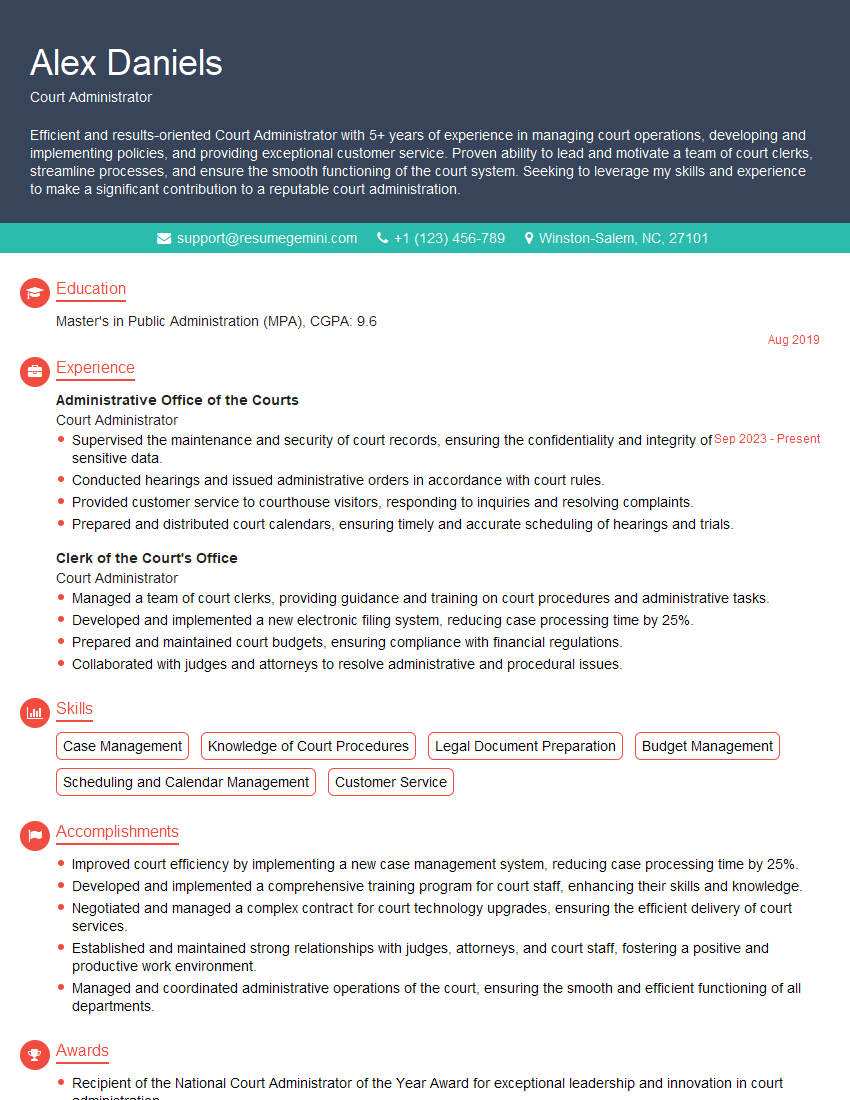
Court Administrator Resume Sample
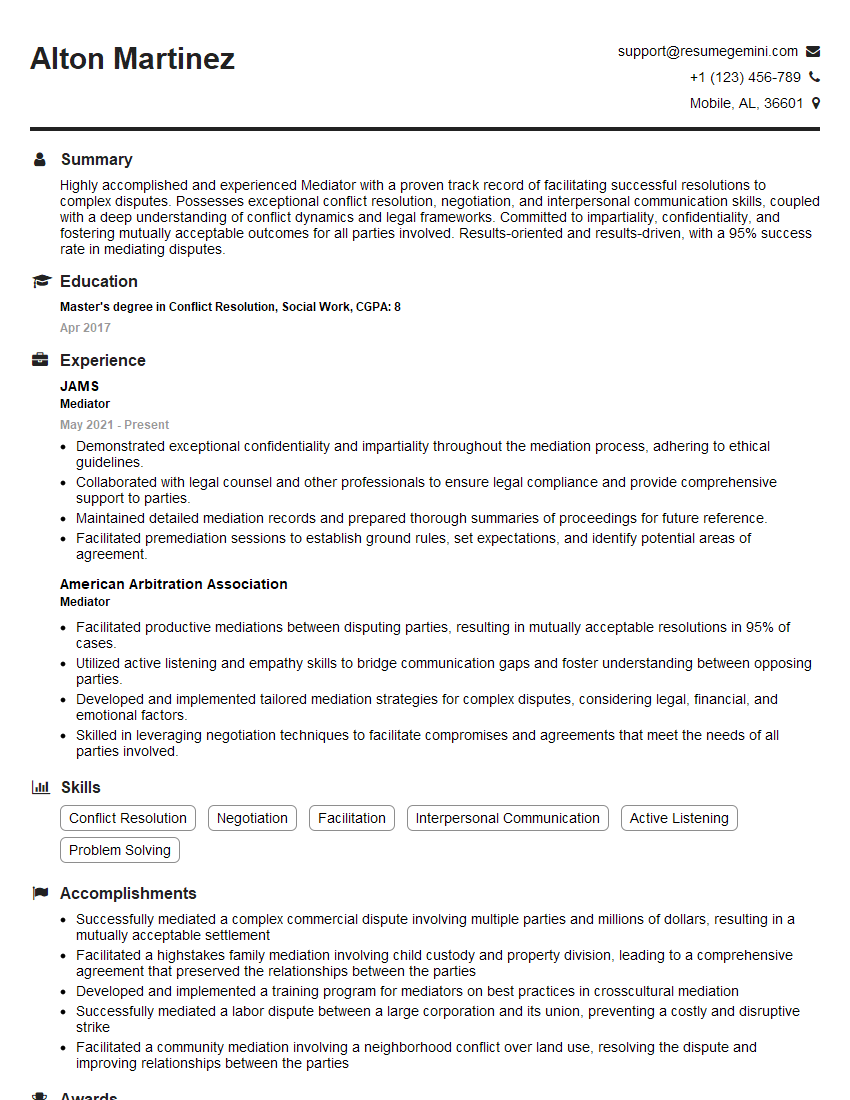
Mediator Resume Sample
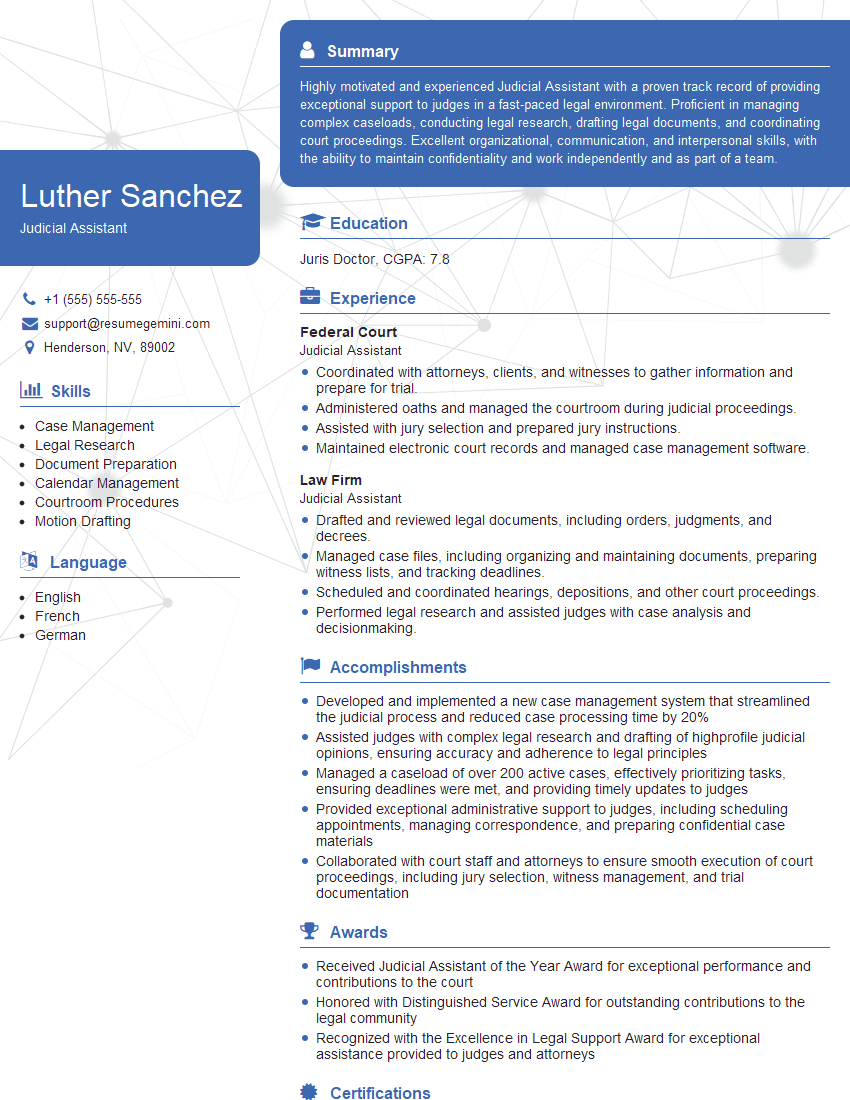
Judicial Assistant Resume Sample
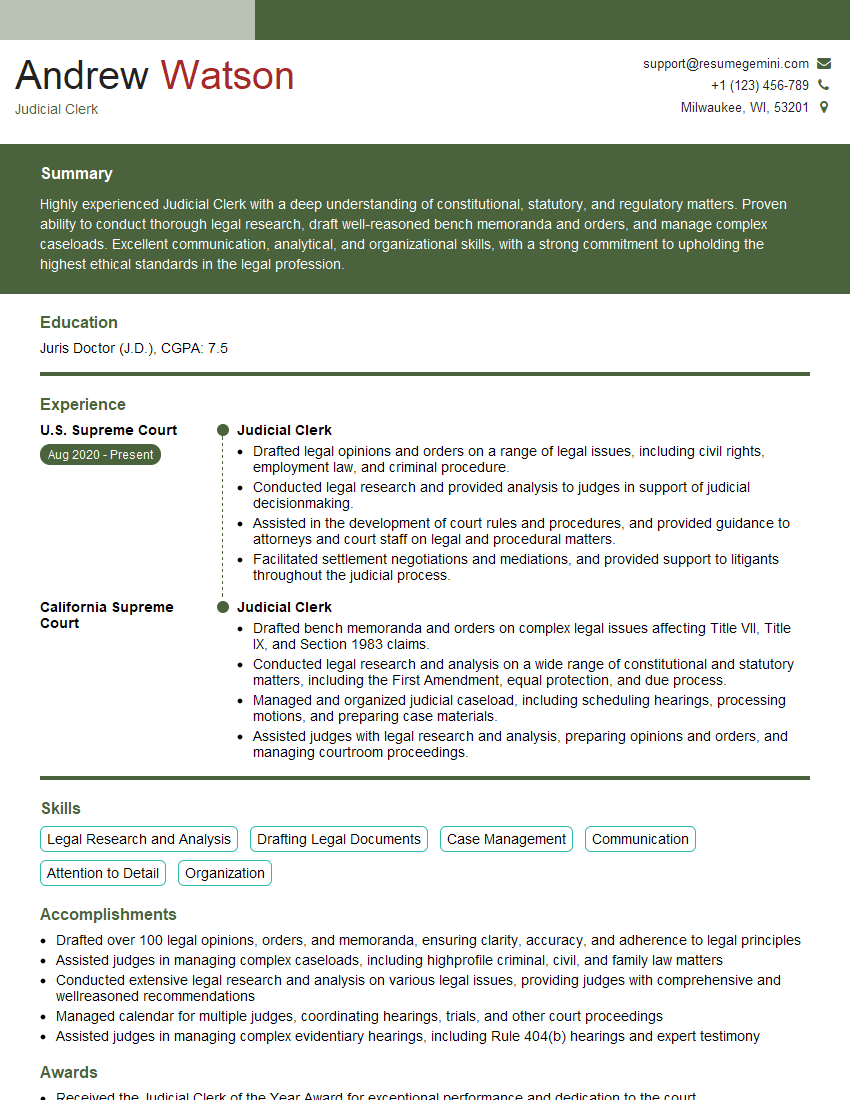
Judicial Clerk Resume Sample
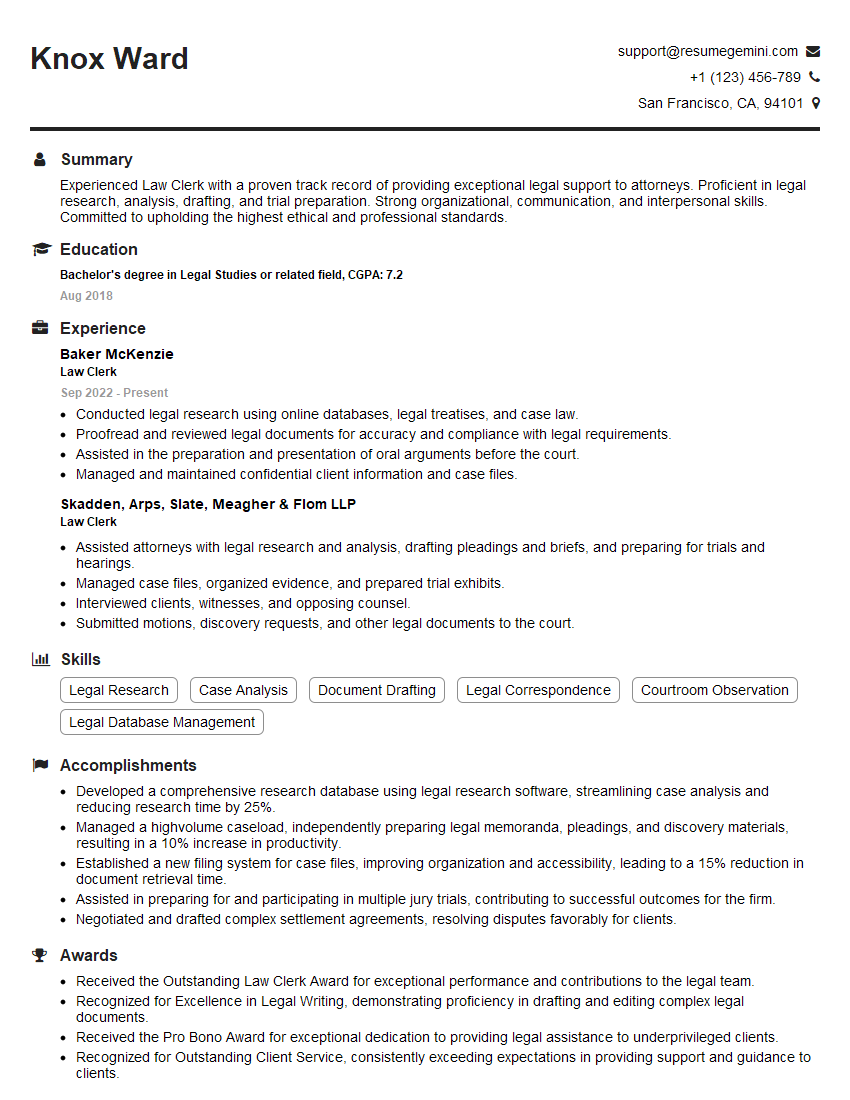
Law Clerk Resume Sample
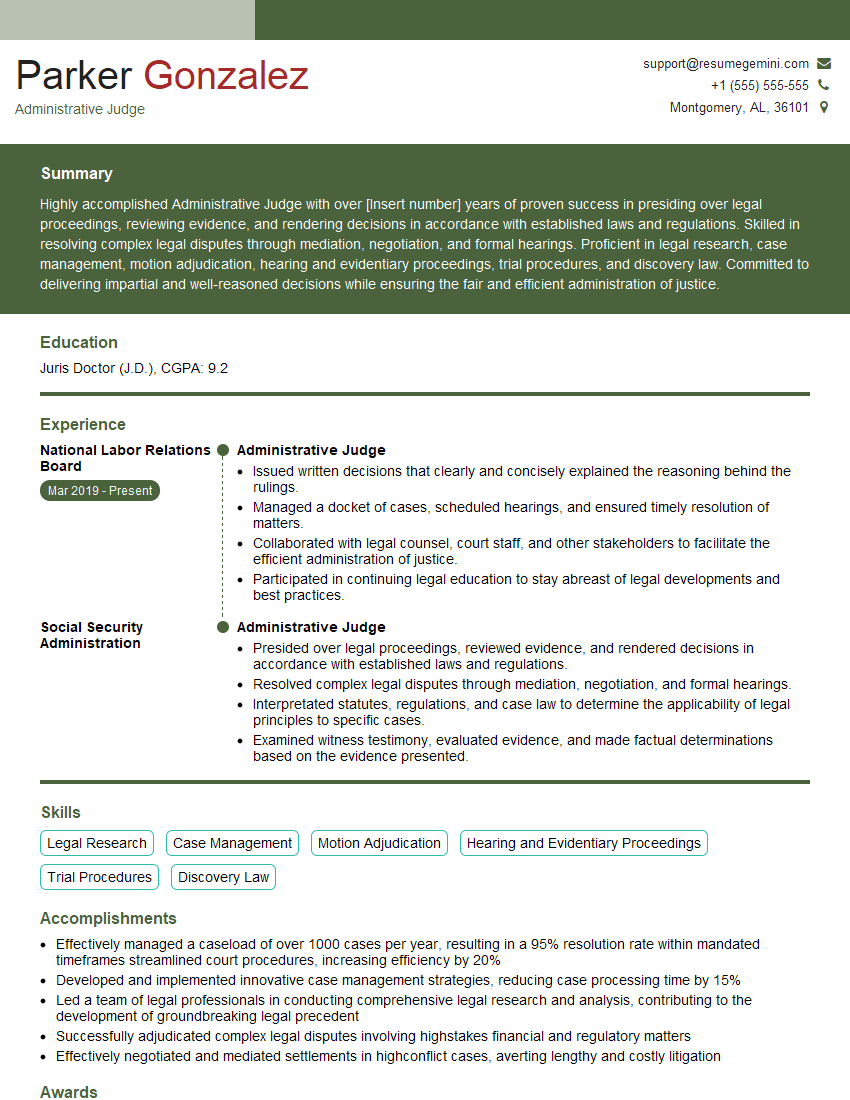
Administrative Judge Resume Sample
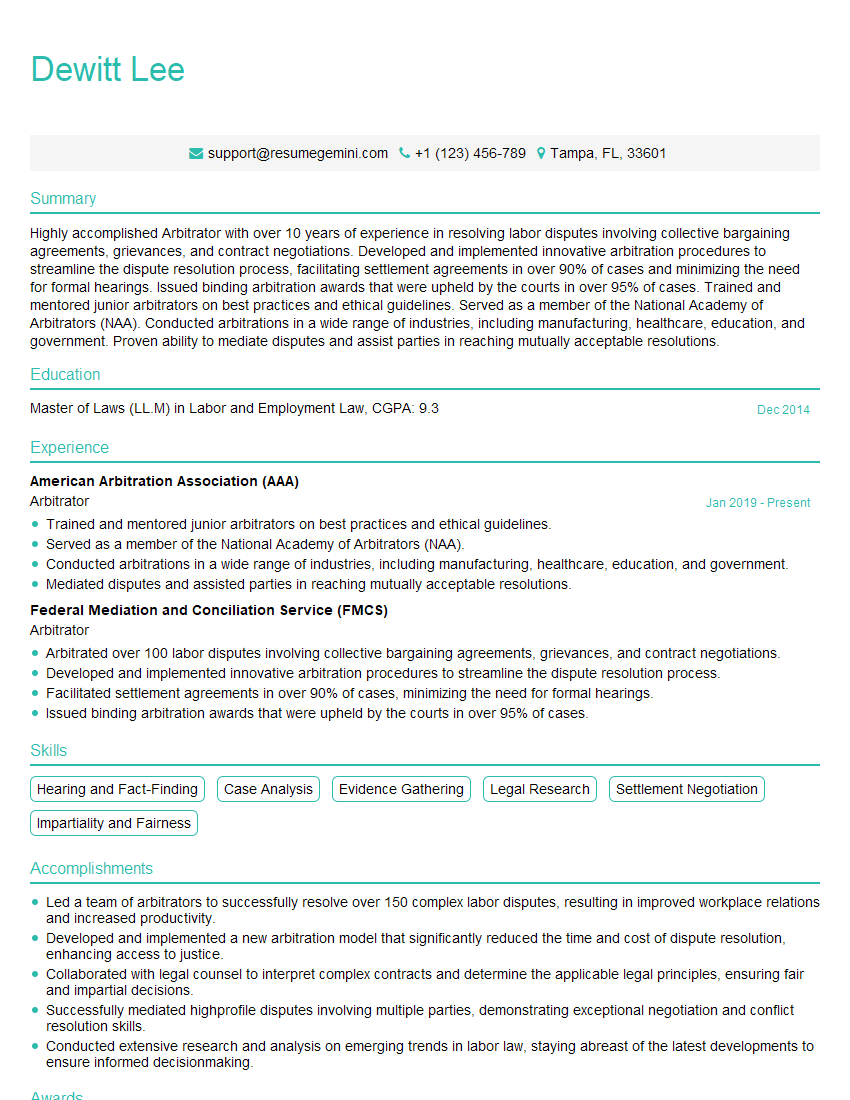
Arbitrator Resume Sample
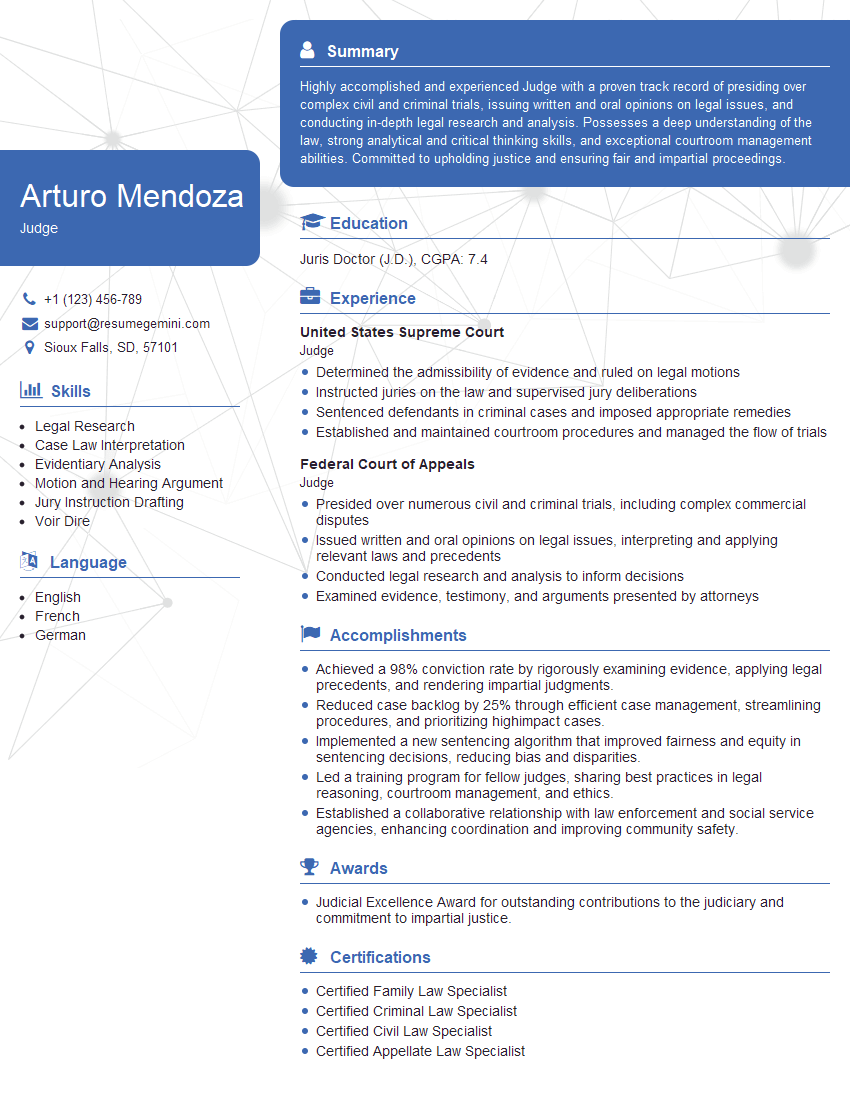
Judge Resume Sample
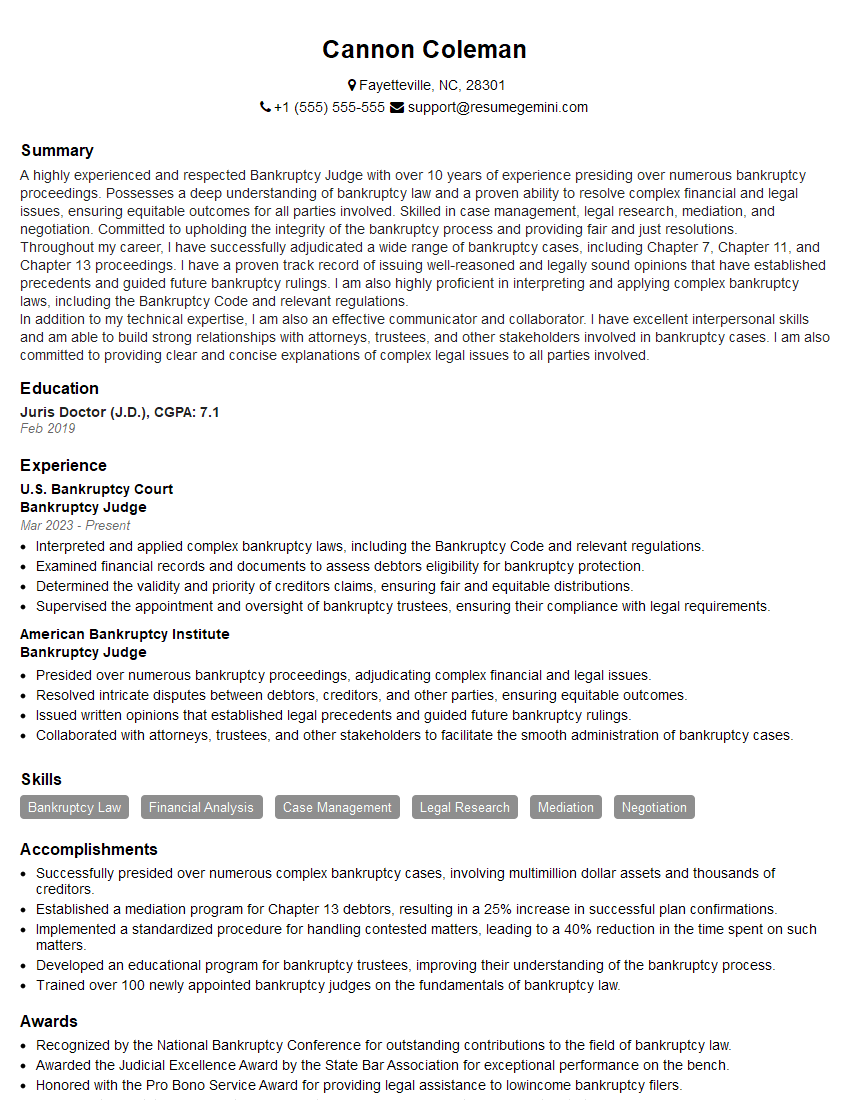
Bankruptcy Judge Resume Sample
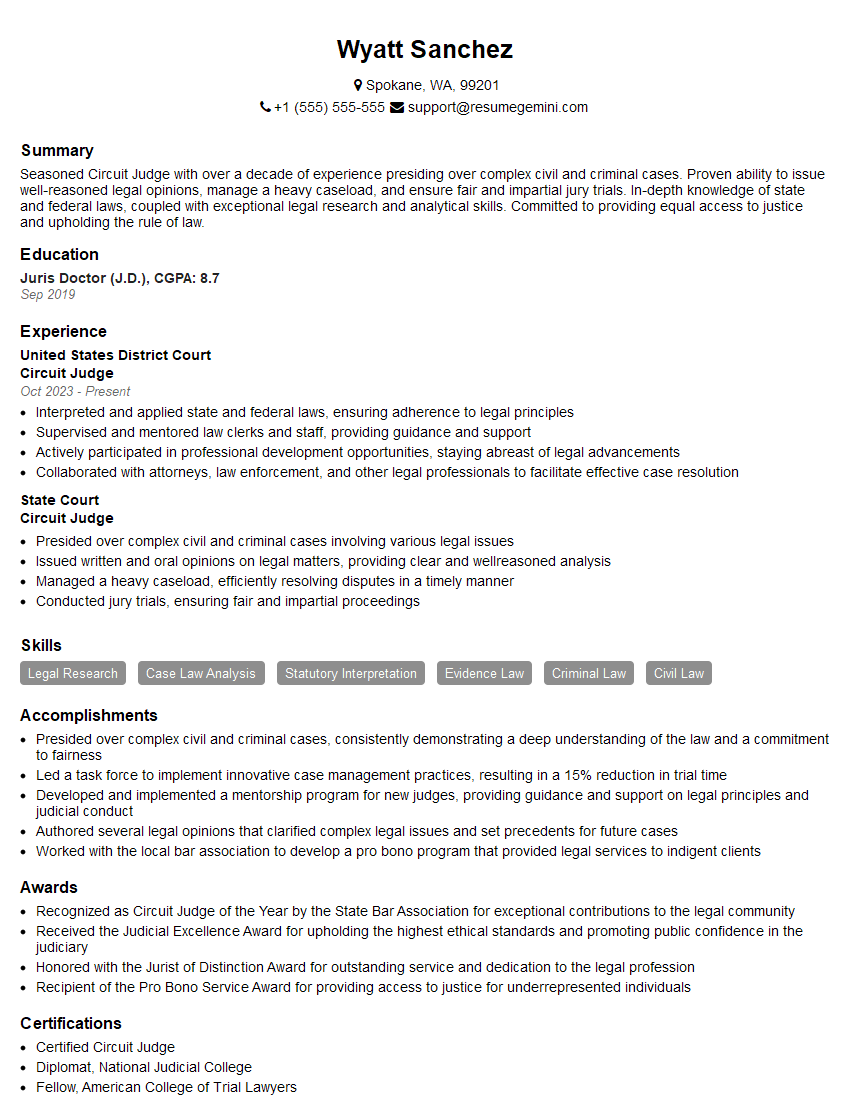
Circuit Judge Resume Sample
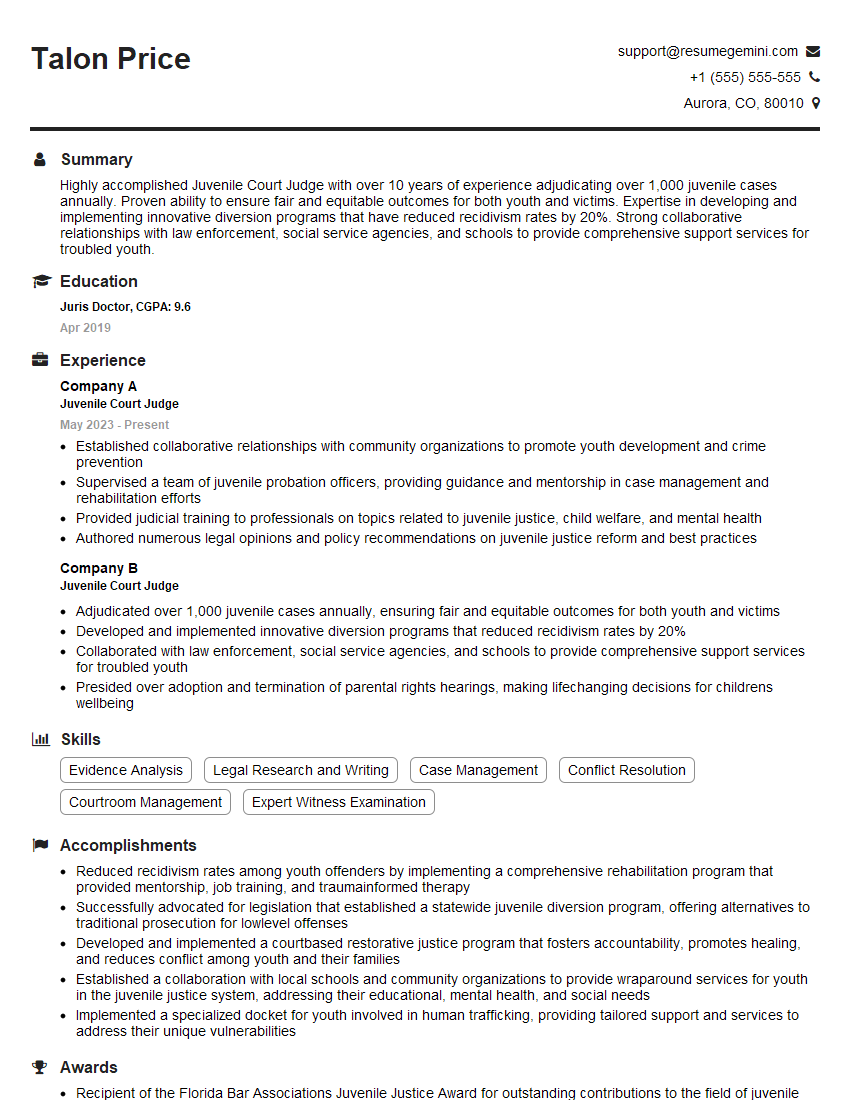
Juvenile Court Judge Resume Sample
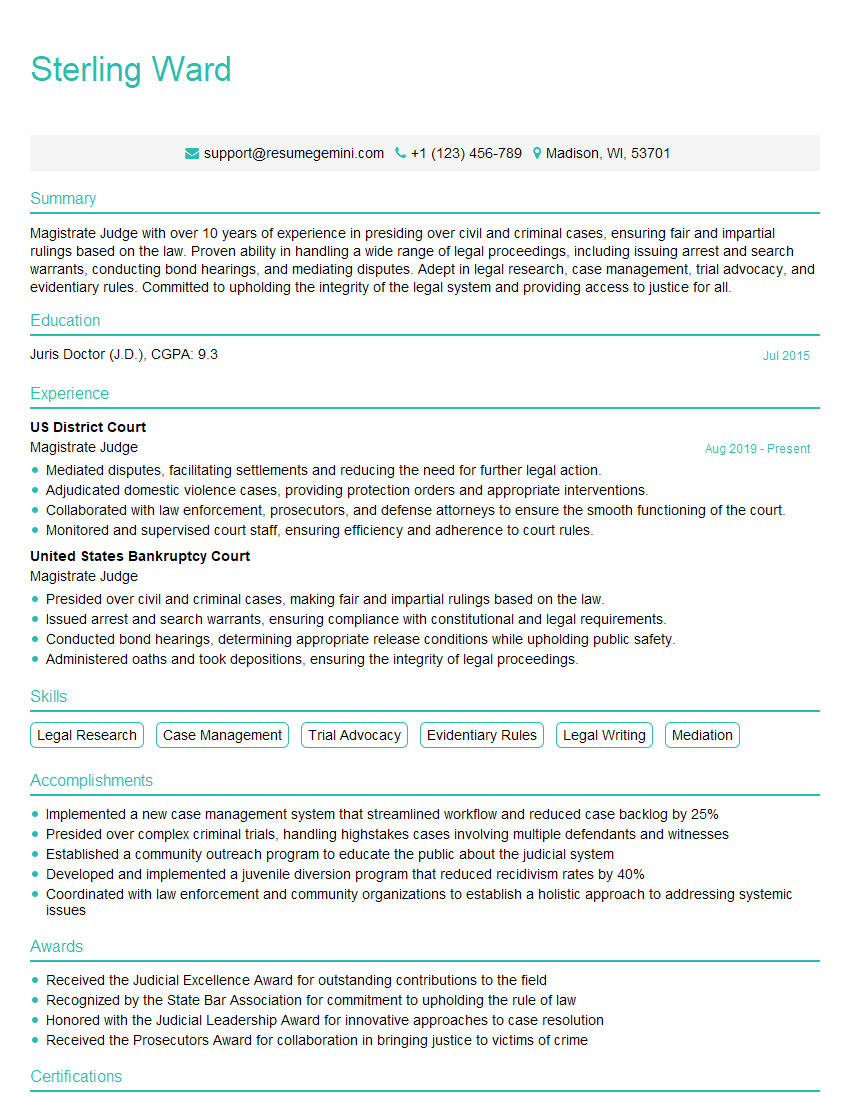
Magistrate Judge Resume Sample
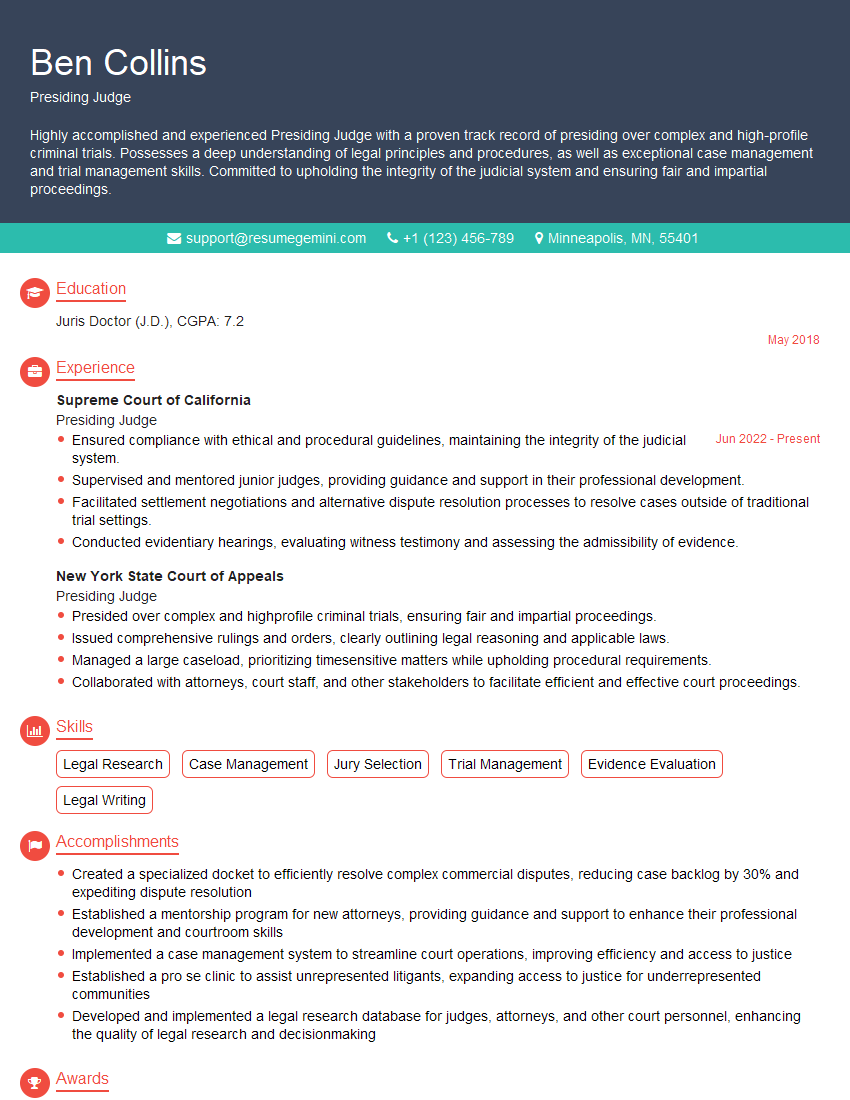
Presiding Judge Resume Sample
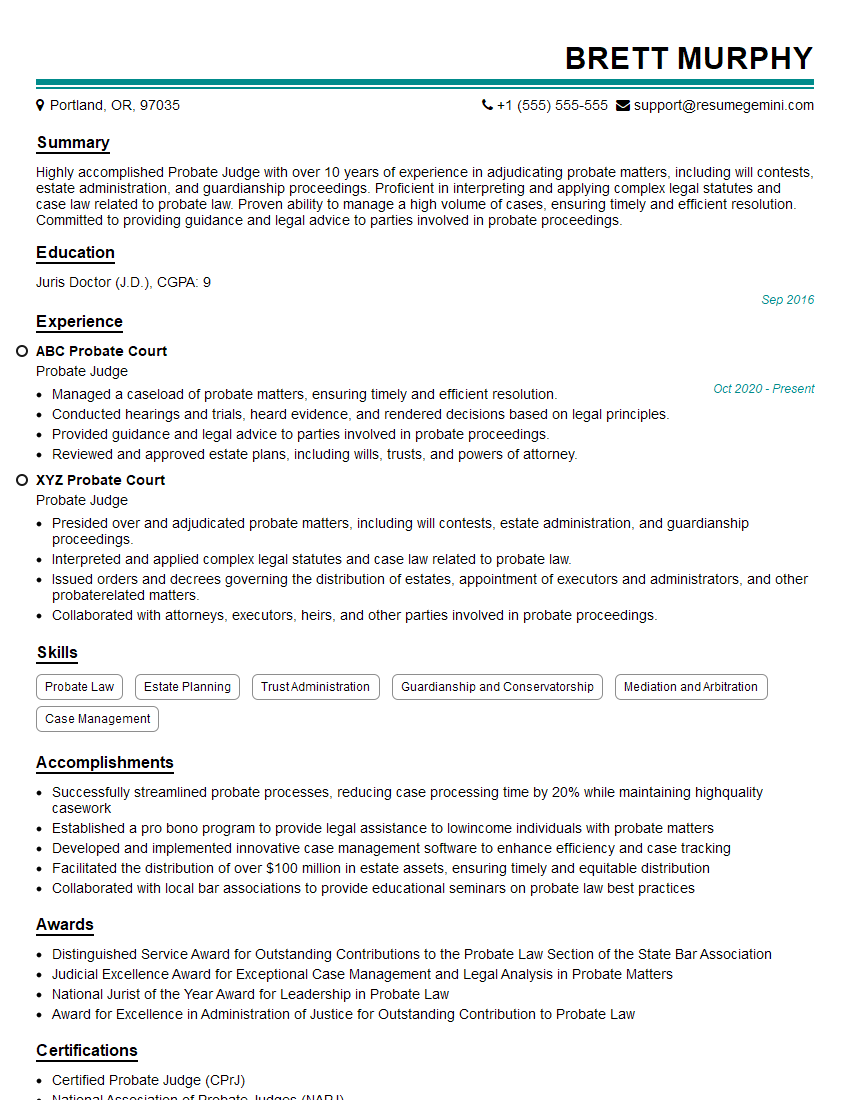
Probate Judge Resume Sample
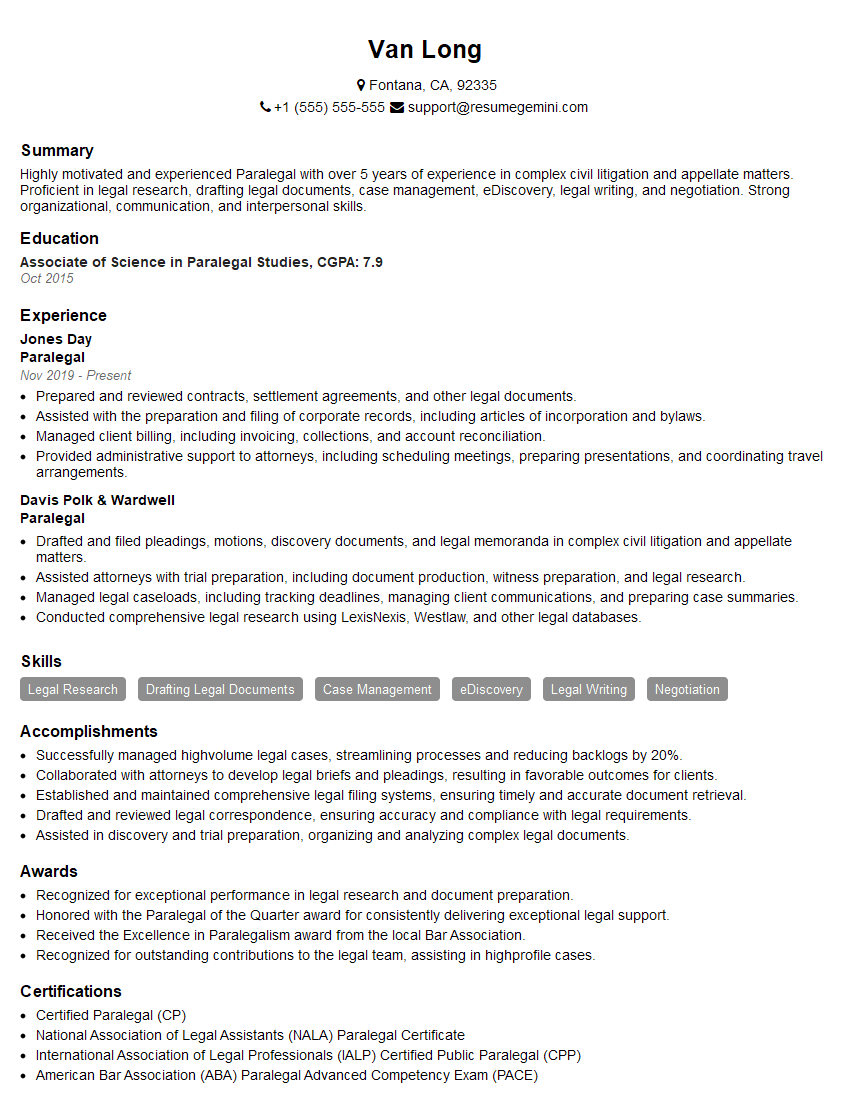
Paralegal Resume Sample
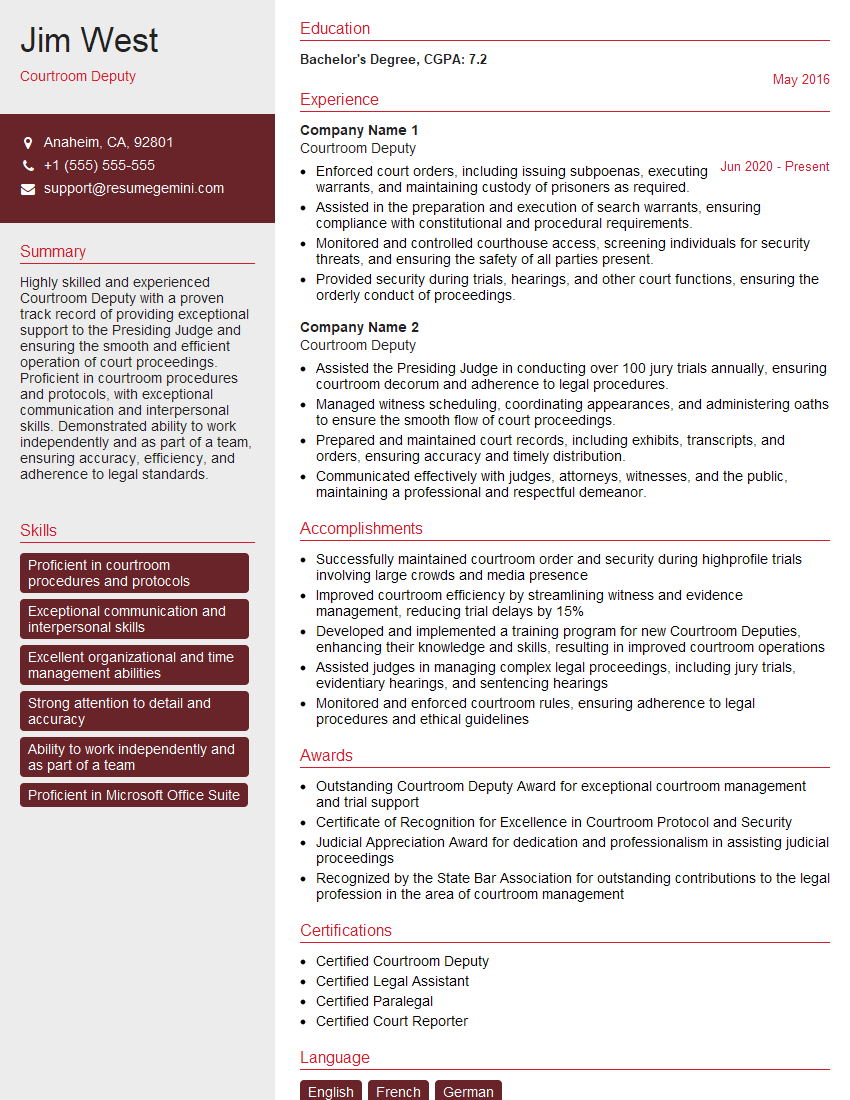
Courtroom Deputy Resume Sample
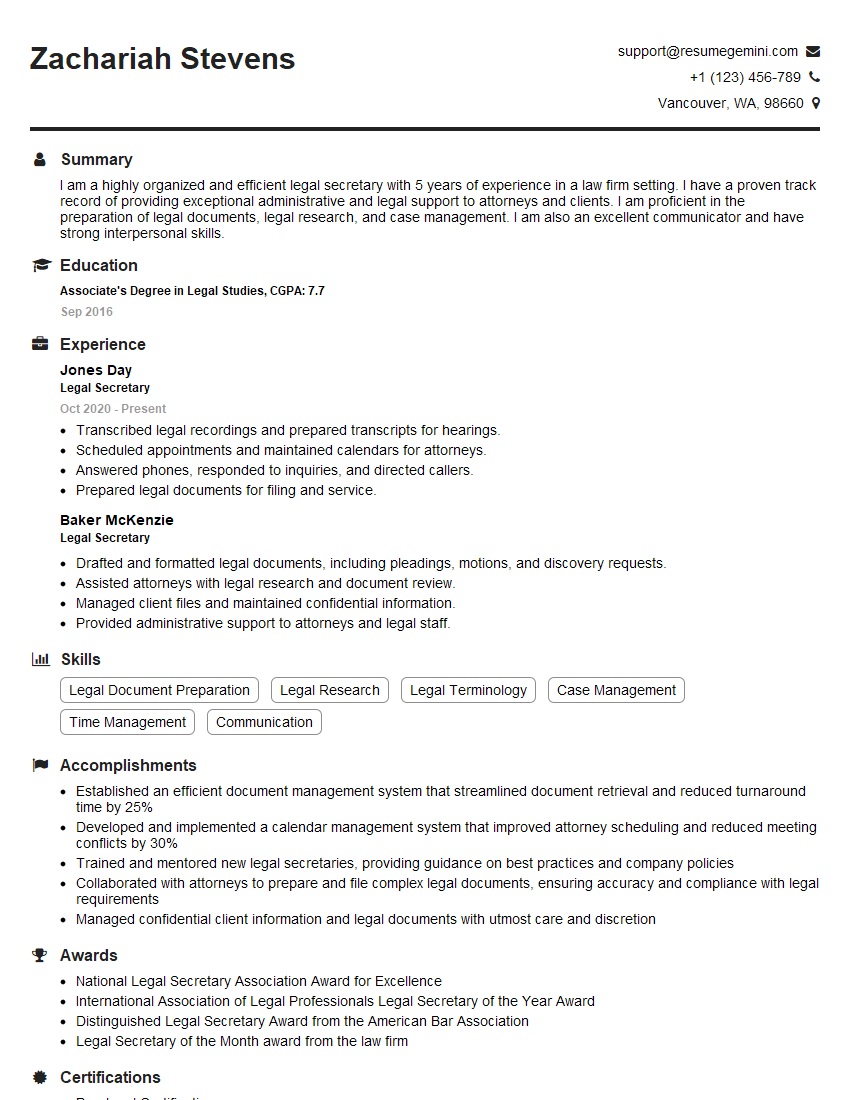
Legal Secretary Resume Sample
Explore more articles
Users Rating of Our Blogs
Share Your Experience
We value your feedback! Please rate our content and share your thoughts (optional).
What Readers Say About Our Blog
Very informative content, great job.
good