The thought of an interview can be nerve-wracking, but the right preparation can make all the difference. Explore this comprehensive guide to Working in a Production Environment interview questions and gain the confidence you need to showcase your abilities and secure the role.
Questions Asked in Working in a Production Environment Interview
Q 1. Describe your experience with Lean Manufacturing principles.
Lean Manufacturing focuses on eliminating waste and maximizing efficiency in the production process. Think of it as streamlining a river – removing rocks and obstacles to allow the water (production) to flow smoothly and quickly. My experience involves applying Lean principles like 5S (Sort, Set in Order, Shine, Standardize, Sustain) to organize workstations, significantly reducing search time for tools and materials. I’ve also implemented Kaizen (continuous improvement) events, where teams collaboratively identify and eliminate inefficiencies. For example, in a previous role, we analyzed the assembly line for a specific product, identifying a bottleneck in the screwing process. Through Kaizen, we redesigned the workstation layout and implemented a new tool, reducing assembly time by 15%.
Furthermore, I have experience with Value Stream Mapping, a visual tool to identify and eliminate non-value-added steps in the production process. By mapping the entire process from raw materials to finished goods, we could pinpoint areas where delays or defects occurred, leading to targeted improvements. For instance, we successfully reduced lead times by 20% by optimizing material handling and reducing unnecessary transportation steps within the factory.
Q 2. How do you handle production bottlenecks?
Production bottlenecks are like traffic jams on a highway – they slow down or completely halt the production flow. My approach to handling them is systematic and data-driven. First, I’d identify the bottleneck through careful analysis of production data, including cycle times, machine downtime, and inventory levels. This often involves using tools like process mapping or analyzing key performance indicators (KPIs). Once identified, I focus on understanding the root cause. Is it due to machine malfunction, insufficient labor, material shortages, or process inefficiencies?
Next, I develop and implement corrective actions. This might involve temporarily reassigning personnel, procuring additional materials, scheduling preventative maintenance, or even redesigning the process itself. For example, in one instance, a bottleneck was caused by a single machine constantly breaking down. We quickly resolved the issue by procuring a spare part and performing preventative maintenance, thus avoiding costly production delays. Finally, I monitor the results to ensure the implemented solution is effective and sustainable. Continuous monitoring is crucial to prevent future bottlenecks from occurring.
Q 3. Explain your experience with Six Sigma methodologies.
Six Sigma is a data-driven methodology focused on minimizing defects and variability in processes. It’s like aiming for a bullseye – reducing the scatter of your shots to hit the target consistently. My experience includes using Six Sigma tools such as DMAIC (Define, Measure, Analyze, Improve, Control) to systematically improve processes. I’ve led DMAIC projects to reduce defects in manufacturing, resulting in significant cost savings and improved customer satisfaction.
For example, I once used DMAIC to reduce the defect rate in a specific component. The ‘Define’ phase clearly stated the problem; the ‘Measure’ phase collected data on defect rates; the ‘Analyze’ phase identified the root causes through tools like Pareto charts and Fishbone diagrams; the ‘Improve’ phase implemented solutions like new training programs and process adjustments; and the ‘Control’ phase established monitoring systems to maintain the improvements. This project resulted in a 70% reduction in the defect rate, leading to substantial savings and increased customer satisfaction. I’m also proficient in using statistical tools like control charts and process capability analysis to monitor and improve process performance.
Q 4. What is your experience with production scheduling software?
My experience encompasses various production scheduling software, including MRP (Material Requirements Planning), ERP (Enterprise Resource Planning) systems, and specialized manufacturing execution systems (MES). I’m familiar with their functionalities, including capacity planning, material scheduling, and shop floor control. I’m adept at using these systems to optimize production schedules, minimizing lead times and maximizing resource utilization.
For instance, I’ve used MRP systems to effectively manage inventory levels, ensuring that materials are available when needed while minimizing storage costs. I’ve also used ERP systems to integrate production scheduling with other business functions, such as sales and procurement, creating a more streamlined and efficient operation. My experience extends to configuring and customizing these systems to meet specific business requirements, optimizing their use for the particular production environment.
Q 5. How do you monitor and improve production efficiency?
Monitoring and improving production efficiency is an ongoing process, much like tending a garden – you need constant attention to ensure healthy growth. My approach involves using a combination of quantitative and qualitative methods. Key Performance Indicators (KPIs) such as Overall Equipment Effectiveness (OEE), production cycle time, and defect rates are regularly monitored to track performance. I utilize data analytics tools to identify trends and areas for improvement. For example, regularly analyzing OEE data helps pinpoint equipment malfunctions or process inefficiencies that need attention.
Beyond data, I value Gemba walks (going to the actual production floor) to observe the process firsthand, talk to workers, and identify bottlenecks or areas for improvement that might not be apparent from data alone. This combination of data analysis and on-the-ground observation enables a comprehensive understanding of the production process, leading to more effective improvement strategies. Implementing these improvements, then measuring their impact and iterating as needed, is vital for continuous improvement.
Q 6. Describe your experience with quality control procedures.
Quality control procedures are the backbone of any successful manufacturing operation, ensuring consistent product quality and meeting customer expectations. My experience involves implementing and managing various quality control procedures, including Statistical Process Control (SPC), inspections, and audits. I’m familiar with ISO 9001 standards and their implementation.
I’ve designed and implemented SPC charts to monitor process variability and identify potential problems before they impact product quality. Regular inspections at various stages of the production process are conducted to catch defects early. Audits are performed regularly to ensure adherence to quality standards and identify areas for improvement. For example, in one project, we implemented a robust inspection process for a critical component, reducing the defect rate by 85% and preventing significant rework costs.
Q 7. How do you manage a team in a high-pressure production environment?
Managing a team in a high-pressure production environment requires strong leadership, clear communication, and effective delegation. It’s like being the conductor of an orchestra – each musician (team member) needs clear instructions and support to perform their part flawlessly. I prioritize clear goals and expectations, ensuring that every team member understands their role and how their contribution impacts the overall production process.
Effective communication is paramount. Regular team meetings, open channels of communication, and readily accessible information ensure everyone is informed and engaged. I foster a collaborative environment where team members feel comfortable raising concerns and suggesting improvements. Recognizing and rewarding good performance boosts morale and productivity, while addressing issues proactively and providing constructive feedback helps maintain a positive and productive atmosphere even under pressure. Addressing conflicts swiftly and fairly is also crucial in maintaining team cohesion and productivity.
Q 8. What is your experience with root cause analysis?
Root cause analysis (RCA) is a systematic approach to identifying the underlying causes of problems, not just the symptoms. It’s crucial in a production environment to prevent recurrence. My approach typically follows the 5 Whys technique, combined with data analysis and process mapping.
For example, if a production line stops unexpectedly due to a machine malfunction, I wouldn’t simply restart the machine. I’d ask ‘why’ repeatedly: Why did the machine stop? (Overheating). Why did it overheat? (Faulty cooling system). Why was the cooling system faulty? (Lack of regular maintenance). Why was there a lack of maintenance? (Insufficient staff training).
This iterative questioning helps unearth the root cause – in this case, inadequate staff training on preventative maintenance. Addressing this root cause prevents future stoppages, rather than just treating the immediate symptom (overheating).
Beyond the 5 Whys, I utilize tools like fishbone diagrams (Ishikawa diagrams) to visually represent potential causes and their relationships, and fault tree analysis to model complex failure scenarios. This ensures a thorough and comprehensive understanding of the issue.
Q 9. How do you handle unexpected equipment downtime?
Unexpected equipment downtime is a major disruption. My immediate response involves a three-pronged approach: react, investigate, and prevent.
- React: First, I activate our emergency procedures. This involves securing the affected area for safety, notifying relevant personnel (maintenance, supervisors), and initiating backup plans if feasible. The goal is to minimize further production loss.
- Investigate: Simultaneously, we begin the root cause analysis (as described above). We gather data from machine logs, operator reports, and any other relevant sources. This phase requires a collaborative effort involving maintenance engineers, operators, and potentially external experts depending on the equipment’s complexity.
- Prevent: Once the root cause is identified and addressed, we implement preventative measures. This might involve upgrading equipment, revising maintenance schedules, improving operator training, or implementing new safety protocols. Post-incident reviews are essential to document findings, share lessons learned, and ensure preventative actions are effectively implemented.
I remember an incident where a key component failed on a crucial machine. By rapidly implementing our emergency protocols, engaging our expert maintenance team, and performing a thorough RCA, we were back to full production within four hours, minimizing overall impact. Post-incident analysis highlighted the need for more frequent component replacements, a change that we immediately implemented.
Q 10. Explain your experience with inventory management.
Effective inventory management is crucial for preventing production bottlenecks and minimizing waste. My experience encompasses various techniques including Just-in-Time (JIT) inventory, Material Requirements Planning (MRP), and Kanban systems.
In previous roles, I’ve used MRP systems to forecast demand, schedule production, and manage raw material procurement. This minimizes storage costs while ensuring materials are available when needed. For fast-moving items, I’ve implemented Kanban systems, using visual cues (cards, signals) to trigger replenishment when inventory levels drop below a certain threshold. This streamlines ordering and reduces lead times.
JIT inventory, while challenging to implement, offers significant benefits by minimizing waste and reducing storage costs. It requires precise forecasting and strong relationships with suppliers. The key is to find the right balance between inventory levels, production needs, and potential risks of stockouts.
Regular inventory audits and cycle counting are also crucial for maintaining accuracy and identifying discrepancies. This ensures our inventory records align with physical stock, reducing errors and improving decision-making.
Q 11. Describe your experience with production reporting and data analysis.
Production reporting and data analysis are fundamental to optimizing efficiency and identifying areas for improvement. My experience involves collecting, analyzing, and interpreting data from various sources, including production line sensors, ERP systems, and quality control records.
I’m proficient in using data visualization tools like Tableau and Power BI to create dashboards that track key performance indicators (KPIs) such as output, efficiency, defect rates, and downtime. These dashboards provide real-time insights into production performance and enable proactive identification of potential issues.
For example, by analyzing historical data, we identified a correlation between ambient temperature fluctuations and defect rates in a specific process. This led to the implementation of a temperature control system, resulting in a significant reduction in defects and improved product quality.
Data analysis also supports continuous improvement initiatives. By tracking KPIs over time, we can assess the effectiveness of process improvements and identify areas requiring further attention. Statistical process control (SPC) techniques are regularly employed to monitor process stability and identify deviations from acceptable limits.
Q 12. How do you ensure adherence to safety regulations in a production setting?
Safety is paramount in any production environment. My approach to ensuring adherence to regulations is multifaceted and proactive.
- Training and Education: Regular safety training is crucial for all employees, covering specific hazards, emergency procedures, and proper use of equipment. This includes both initial training and refresher courses to reinforce best practices.
- Risk Assessment: Conducting thorough risk assessments identifies potential hazards and allows for implementation of preventative measures. This is a continuous process, regularly updated as processes and equipment change.
- Safe Work Practices: Implementing and enforcing strict safe work practices, including lockout/tagout procedures, personal protective equipment (PPE) use, and proper handling of materials, is vital.
- Regular Inspections: Regular inspections of equipment, facilities, and work areas ensure that safety standards are maintained and potential hazards are identified and addressed promptly.
- Incident Reporting and Investigation: A robust system for reporting and investigating safety incidents is essential for learning from mistakes and preventing future occurrences. This involves thorough investigation to identify root causes and implementing corrective actions.
We also foster a strong safety culture where employees feel empowered to report hazards and concerns without fear of retribution. This open communication is essential for maintaining a safe and productive work environment.
Q 13. What is your experience with implementing new production processes?
Implementing new production processes requires a structured and methodical approach. My experience involves leading and participating in numerous process improvement projects.
The process typically begins with a thorough needs assessment to define project goals, scope, and timelines. This involves engaging stakeholders from different departments to gather input and ensure alignment. Next, we develop a detailed implementation plan, including resource allocation, training schedules, and risk mitigation strategies.
Pilot testing is a critical step. This allows us to test the new process on a smaller scale before full-scale deployment, identifying potential issues and making necessary adjustments. Data collection and analysis during the pilot phase provide valuable insights for optimization.
Change management is also a vital component. Communicating effectively with employees, addressing concerns, and providing adequate training are crucial for successful implementation. We use a phased rollout approach, starting with a pilot group before expanding to the wider team, allowing for continuous improvement based on feedback and observations.
For example, we recently implemented a new automated system for a key production stage. Following the above steps, the implementation was smooth, resulting in increased efficiency and reduced labor costs. Regular monitoring and optimization continue to ensure the process operates effectively.
Q 14. How do you prioritize tasks in a fast-paced production environment?
Prioritizing tasks in a fast-paced production environment requires a clear understanding of urgency and impact. I use a combination of techniques to effectively manage my workload.
- Urgency/Importance Matrix (Eisenhower Matrix): This helps categorize tasks based on urgency and importance. Urgent and important tasks are tackled immediately, while less urgent tasks are scheduled appropriately.
- Production Schedule: Adhering to the production schedule is paramount. Tasks that directly impact meeting deadlines are given higher priority.
- Impact Analysis: Evaluating the potential impact of each task on overall production efficiency helps determine priority. Tasks with higher impact are prioritized.
- Collaboration and Communication: Effective communication with team members and supervisors ensures that tasks are aligned with overall goals and priorities.
I often use project management software (e.g., Jira, Asana) to track tasks, manage deadlines, and allocate resources effectively. Regular review meetings help me assess progress, identify potential bottlenecks, and adjust priorities as needed. Flexibility is key; unexpected events often require shifting priorities to address urgent issues.
Q 15. How do you manage conflict within a production team?
Managing conflict within a production team requires a proactive and empathetic approach. It’s not about avoiding conflict entirely, but rather addressing it constructively to foster a positive and productive environment. My strategy focuses on open communication, active listening, and finding mutually beneficial solutions.
- Open Communication: I encourage team members to openly express their concerns and perspectives, creating a safe space for dialogue. This often involves regular team meetings and one-on-one check-ins to address issues before they escalate.
- Active Listening: I strive to understand each individual’s viewpoint, ensuring everyone feels heard and valued. This means actively listening, asking clarifying questions, and summarizing perspectives to confirm understanding before offering solutions.
- Collaborative Problem Solving: Once all perspectives are understood, I facilitate a collaborative process to identify the root cause of the conflict and develop solutions that address the needs of all parties involved. This often involves brainstorming, compromise, and a focus on shared goals.
- Mediation (if needed): In situations where direct conflict resolution is challenging, I act as a mediator, guiding the discussion towards a mutually agreeable outcome. This might involve helping team members reframe their perspectives or suggesting alternative approaches.
For example, in a previous role, a disagreement arose between the engineering and design teams about the feasibility of a certain design feature. By facilitating open communication and actively listening to both sides, I helped them understand each other’s constraints and collaboratively develop a modified design that met both functionality and aesthetic goals.
Career Expert Tips:
- Ace those interviews! Prepare effectively by reviewing the Top 50 Most Common Interview Questions on ResumeGemini.
- Navigate your job search with confidence! Explore a wide range of Career Tips on ResumeGemini. Learn about common challenges and recommendations to overcome them.
- Craft the perfect resume! Master the Art of Resume Writing with ResumeGemini’s guide. Showcase your unique qualifications and achievements effectively.
- Don’t miss out on holiday savings! Build your dream resume with ResumeGemini’s ATS optimized templates.
Q 16. Explain your understanding of Kaizen and its application in production.
Kaizen, meaning ‘improvement’ or ‘change for the better’ in Japanese, is a philosophy that emphasizes continuous improvement in all aspects of a production process. It’s based on the idea that small, incremental changes implemented consistently over time can lead to significant overall improvements in efficiency, quality, and productivity.
In a production environment, Kaizen is applied through various methods, including:
- Gemba Walks: Regularly visiting the production floor to observe the process firsthand, identify bottlenecks, and talk to workers about potential improvements.
- 5S Methodology: Implementing a system for organizing the workplace to maximize efficiency and minimize waste (Sort, Set in Order, Shine, Standardize, Sustain).
- Value Stream Mapping: Visually mapping the entire production process to identify areas of waste and inefficiency.
- Suggestions Programs: Encouraging employees to suggest improvements and providing them with a mechanism for submitting and implementing their ideas.
- PDCA Cycle (Plan-Do-Check-Act): A structured approach to implementing and evaluating improvements. This cycle encourages iterative improvements based on data and feedback.
For instance, in a previous project, we implemented Kaizen principles by using value stream mapping to identify a bottleneck in the assembly line. By making small adjustments to the workstation layout and workflow, we reduced production time by 15% without significant capital investment.
Q 17. How do you measure the success of a production process?
Measuring the success of a production process involves assessing several key performance indicators (KPIs) to determine its efficiency, effectiveness, and overall quality. These metrics should be aligned with the organization’s overall business objectives.
- Throughput: The rate at which the process produces finished goods. A higher throughput generally indicates greater efficiency.
- Cycle Time: The time it takes to complete one unit of production. Shorter cycle times signify improved efficiency.
- Defect Rate: The percentage of defective units produced. A lower defect rate indicates higher quality.
- Yield: The ratio of good units produced to the total units started. A higher yield indicates less waste and greater efficiency.
- On-Time Delivery: The percentage of orders delivered on or before the scheduled date. A high on-time delivery rate demonstrates effective production planning and execution.
- Cost per Unit: The total cost of production divided by the number of units produced. Lower cost per unit shows improved efficiency and reduced waste.
- Customer Satisfaction: Gathering feedback from customers to assess their satisfaction with the quality and performance of the product. High customer satisfaction is a key indicator of overall success.
It’s important to track these metrics over time to identify trends and evaluate the impact of improvements. Regularly reviewing these KPIs allows for data-driven decision-making, leading to a continuously improving production process.
Q 18. Describe your experience with different production methodologies (e.g., Kanban, Agile).
I have extensive experience with several production methodologies, primarily Kanban and Agile. Each approach offers a unique framework for managing and optimizing production processes.
- Kanban: This method focuses on visualizing workflow, limiting work in progress (WIP), and continuously improving flow. It’s particularly useful for managing production in a dynamic environment with fluctuating demand. I’ve used Kanban to effectively manage production lines by visualizing the flow of work using Kanban boards, identifying bottlenecks, and implementing strategies to optimize workflow.
- Agile: Agile methodologies, like Scrum, emphasize iterative development, frequent feedback, and adaptability. It’s highly effective for projects requiring flexibility and frequent changes. In my experience, implementing Agile in production has allowed for faster response to market demands and improved collaboration between different teams.
For example, in one project, we utilized a hybrid approach, combining Kanban for managing the production line and Scrum for managing the development of new product features. This combination allowed for efficient production while simultaneously incorporating improvements based on regular feedback and market analysis.
Q 19. What metrics do you use to track production performance?
Tracking production performance requires a comprehensive set of metrics. The specific metrics used will vary depending on the industry, product, and production process, but here are some key examples:
- Overall Equipment Effectiveness (OEE): This metric measures the efficiency of equipment utilization by considering availability, performance, and quality.
- Production Output: The total number of units produced within a given timeframe.
- Defect Rate: The percentage of defective units produced, reflecting quality control effectiveness.
- Lead Time: The time taken from order placement to product delivery.
- Inventory Turnover: The number of times inventory is sold or used during a period.
- Labor Productivity: The output per labor hour.
- Production Costs: The total cost of producing a unit or batch of products.
These metrics are tracked using a combination of manual data collection, automated systems, and dedicated production management software. Regular reporting and analysis of these metrics provide insights into areas for improvement and support data-driven decision making.
Q 20. How do you ensure product quality meets specifications?
Ensuring product quality meets specifications is paramount in a production environment. This involves a multi-faceted approach encompassing proactive measures throughout the entire production process.
- Quality Control at Each Stage: Implementing quality checks at each stage of production, from raw material inspection to final product testing, helps identify and rectify defects early on. This prevents defects from propagating through the entire production process.
- Statistical Process Control (SPC): Using statistical methods to monitor and control the production process, identifying deviations from the expected quality standards and taking corrective actions.
- Quality Assurance (QA): Establishing a robust QA system to review the production process, identify potential risks, and implement preventive measures to maintain consistent quality.
- Continuous Improvement: Regularly reviewing quality data and using it to identify opportunities for improvement in the production process. Employing Kaizen or other continuous improvement methodologies is highly beneficial.
- Employee Training: Ensuring that all production personnel are properly trained and understand quality control procedures. Empowering employees to identify and address quality issues is crucial.
- Supplier Management: Establishing quality standards and working closely with suppliers to ensure that raw materials and components meet specifications. Regular audits and evaluations of suppliers are essential.
For example, we once implemented a SPC system for a bottling line, tracking fill levels and cap tightness. This enabled us to identify and correct minor variations before they resulted in significant quality issues.
Q 21. Describe a time you had to solve a complex production problem.
In a previous role, we faced a significant production problem when a key piece of equipment on our assembly line malfunctioned, causing a major production standstill. The machine was crucial to the production process, and the repair would take several days. This threatened to severely impact our delivery schedule and potentially lead to significant financial losses.
My approach to resolving this problem involved the following steps:
- Rapid Assessment: We quickly assessed the situation, identifying the root cause of the malfunction and the potential impact on the production schedule.
- Team Collaboration: I brought together a cross-functional team comprising engineers, technicians, and production supervisors to brainstorm solutions.
- Prioritization: We prioritized the repair process, identifying critical tasks and allocating resources efficiently.
- Alternative Solutions: We explored alternative production methods while the equipment was being repaired, potentially using backup machines or re-routing work to other lines.
- Communication: We communicated transparently with clients, informing them about the situation and the projected delay in order fulfillment. This ensured that expectations were managed effectively.
- Post-Mortem Analysis: After the equipment was repaired and production resumed, we conducted a thorough post-mortem analysis to understand the cause of the malfunction and implement preventive measures to prevent future occurrences.
Through collaborative effort and decisive action, we were able to minimize the impact of the equipment failure. The experience highlighted the importance of proactive maintenance, robust contingency plans, and transparent communication in maintaining a resilient production system.
Q 22. How do you manage production costs effectively?
Effective production cost management hinges on a multi-pronged approach focusing on optimizing resource allocation, streamlining processes, and leveraging data-driven insights. It’s not just about cutting corners; it’s about maximizing value for every dollar spent.
Material Cost Reduction: Negotiating better prices with suppliers, implementing robust inventory management systems (like just-in-time inventory) to minimize waste, and exploring alternative, cost-effective materials without compromising quality are crucial.
Labor Cost Optimization: This involves efficient scheduling, optimizing workflows to minimize idle time, and investing in employee training to increase productivity. Cross-training employees allows for greater flexibility in handling production fluctuations.
Energy and Utility Cost Control: Regularly monitoring energy consumption, implementing energy-efficient equipment, and optimizing production processes to reduce waste can significantly impact overall costs. For instance, switching to LED lighting can yield substantial savings over time.
Data Analysis and Process Improvement: Using data analytics tools to track costs, identify bottlenecks, and pinpoint areas for improvement is essential. For example, identifying and eliminating unnecessary steps in the production process can significantly lower costs.
In a previous role at a manufacturing plant, I implemented a lean manufacturing methodology, reducing material waste by 15% and improving overall production efficiency by 10% within six months. This involved careful analysis of production data, streamlining workflows, and employee engagement in identifying waste.
Q 23. What is your experience with preventative maintenance?
Preventative maintenance is proactive rather than reactive, aiming to prevent equipment failures before they occur. It’s about extending equipment lifespan, minimizing downtime, and ensuring consistent production. Think of it like regularly servicing your car – it’s far cheaper and more efficient than waiting for a breakdown.
Scheduled Inspections: Regular inspections of machinery according to manufacturer’s recommendations, identifying potential issues before they escalate.
Lubrication and Cleaning: Keeping equipment clean and lubricated prevents wear and tear. A simple lubrication schedule can prevent major problems.
Component Replacements: Proactive replacement of worn-out parts before they fail to avoid costly unplanned downtime.
Data Monitoring: Utilizing sensors and data logging to track equipment performance, predicting potential failures before they happen (predictive maintenance).
In my experience at a food processing facility, I implemented a comprehensive preventative maintenance program that reduced equipment downtime by 20% within a year. This involved establishing a detailed maintenance schedule, training technicians on proper inspection procedures, and leveraging data from equipment sensors to anticipate potential problems.
Q 24. How do you communicate effectively with different departments (e.g., engineering, sales)?
Effective communication across departments is crucial in a production environment. It’s about ensuring everyone is informed, aligned, and working towards common goals. I approach this by using a variety of communication methods, tailored to the audience and the information.
Regular Meetings: Scheduled meetings with representatives from each department foster transparency and allow for quick resolution of issues. These might be daily stand-up meetings or weekly progress reviews.
Clear and Concise Reporting: Providing regular, data-driven reports to different departments keeps everyone informed about production metrics, challenges, and successes.
Formal Communication Channels: Utilizing email, project management software, and internal communication platforms for official updates and announcements.
Informal Communication: Encouraging open dialogue and informal communication between departments to foster collaboration and address issues proactively.
For example, during a recent project involving a new product launch, I used a project management software to keep all stakeholders (engineering, sales, marketing, and production) informed of progress, deadlines, and potential challenges. This fostered clear communication and ensured a smooth launch.
Q 25. Describe your experience with supply chain management.
Supply chain management is the backbone of any production environment. It involves the planning, sourcing, and managing of all activities involved in procuring raw materials, manufacturing goods, and distributing them to customers. Effective supply chain management is essential for on-time delivery, cost efficiency, and maintaining product quality.
Supplier Relationship Management: Establishing and maintaining strong relationships with reliable suppliers ensures a consistent supply of quality materials at competitive prices.
Inventory Management: Employing robust inventory management strategies (e.g., just-in-time, Kanban) to optimize inventory levels, minimize storage costs, and reduce the risk of stockouts or overstocking.
Logistics and Transportation: Efficiently managing the transportation of raw materials and finished goods to minimize delays and costs.
Risk Management: Identifying and mitigating potential risks within the supply chain, such as supplier disruptions, natural disasters, or geopolitical instability.
In a previous role, I successfully negotiated contracts with new suppliers that reduced material costs by 8% while maintaining the quality of our products. I also implemented a just-in-time inventory system that reduced warehouse storage costs significantly.
Q 26. How do you adapt to changing production demands?
Adapting to changing production demands requires flexibility, resourcefulness, and a proactive approach. It’s about being able to quickly adjust production schedules, allocate resources efficiently, and maintain product quality under pressure.
Flexible Production Planning: Implementing flexible production systems that can easily adapt to changing order volumes and product specifications.
Agile Methodology: Adopting agile principles to manage projects and respond quickly to changing priorities and feedback.
Effective Communication: Maintaining clear and open communication with all stakeholders to ensure everyone is aware of changes and their impact.
Resource Allocation: Efficiently allocating resources (personnel, equipment, materials) to meet changing demands while minimizing disruption.
During a period of unexpectedly high demand, I successfully managed to increase our production output by 25% within a week by optimizing our production schedules, rescheduling non-critical tasks, and effectively communicating the revised plans to all team members.
Q 27. What are your strengths and weaknesses in a production environment?
My strengths lie in my ability to analyze complex problems, find efficient solutions, and lead teams effectively in a production environment. I’m highly organized, detail-oriented, and possess strong problem-solving skills. I thrive in fast-paced environments and am comfortable working under pressure.
One area I’m continuously working on is delegating tasks more effectively. While I enjoy being hands-on, I recognize the importance of empowering team members and trusting them to take ownership of their work. I’m actively improving my delegation skills through training and mentoring programs, learning to clearly communicate expectations and provide the necessary support for success.
Q 28. How do you handle pressure and tight deadlines?
Handling pressure and tight deadlines requires a structured approach and a calm demeanor. Panic is unproductive. My strategy involves a combination of planning, prioritization, and effective communication.
Prioritization: Identifying and focusing on the most critical tasks first, using tools like prioritization matrices to ensure efficiency.
Detailed Planning: Creating detailed project plans with clear milestones and deadlines allows for better tracking and management of progress.
Effective Time Management: Utilizing time management techniques, like the Pomodoro Technique, helps maintain focus and prevent burnout.
Proactive Communication: Keeping stakeholders informed of progress and potential roadblocks prevents surprises and allows for collaborative problem-solving.
For instance, during a critical product launch with an extremely tight deadline, I utilized a project management software to track progress, communicated transparently with the team and upper management, and successfully launched the product on time without compromising quality. Maintaining a clear head and a proactive approach was essential for success under pressure.
Key Topics to Learn for Working in a Production Environment Interview
- Production Processes and Workflow: Understanding different manufacturing processes, lean principles, and workflow optimization techniques. Consider how to improve efficiency and reduce waste.
- Quality Control and Assurance: Familiarize yourself with quality control methodologies, statistical process control (SPC), and root cause analysis. Be prepared to discuss how you’ve ensured product quality in past roles.
- Safety Regulations and Procedures: Demonstrate your knowledge of relevant safety standards, hazard identification, and risk mitigation strategies. Highlight your experience with safety protocols and incident reporting.
- Production Planning and Scheduling: Understand the principles of production planning, scheduling techniques (e.g., Gantt charts), and resource allocation. Be able to discuss how you’ve managed production schedules effectively.
- Troubleshooting and Problem-Solving: Develop your ability to identify and resolve production issues using systematic approaches. Practice describing your problem-solving methodology and its successful application.
- Teamwork and Communication: Highlight your collaborative skills and ability to communicate effectively within a production team. Showcase examples of successful teamwork and conflict resolution.
- Technology and Automation: Familiarize yourself with common production technologies and automation systems. Be prepared to discuss your experience with relevant software and equipment.
- Continuous Improvement Initiatives: Demonstrate your understanding of continuous improvement methodologies like Kaizen or Six Sigma. Show how you’ve contributed to process improvements in previous roles.
Next Steps
Mastering the nuances of working in a production environment is crucial for career advancement in many manufacturing and industrial fields. It showcases your ability to contribute to efficient, high-quality production and demonstrates valuable problem-solving and teamwork skills. To significantly boost your job prospects, focus on crafting an ATS-friendly resume that highlights your relevant skills and experience effectively. ResumeGemini is a trusted resource that can help you build a professional and impactful resume tailored to the specific demands of production environment roles. Examples of resumes tailored to Working in a Production Environment are available to guide you.

Operations Manager Resume Sample
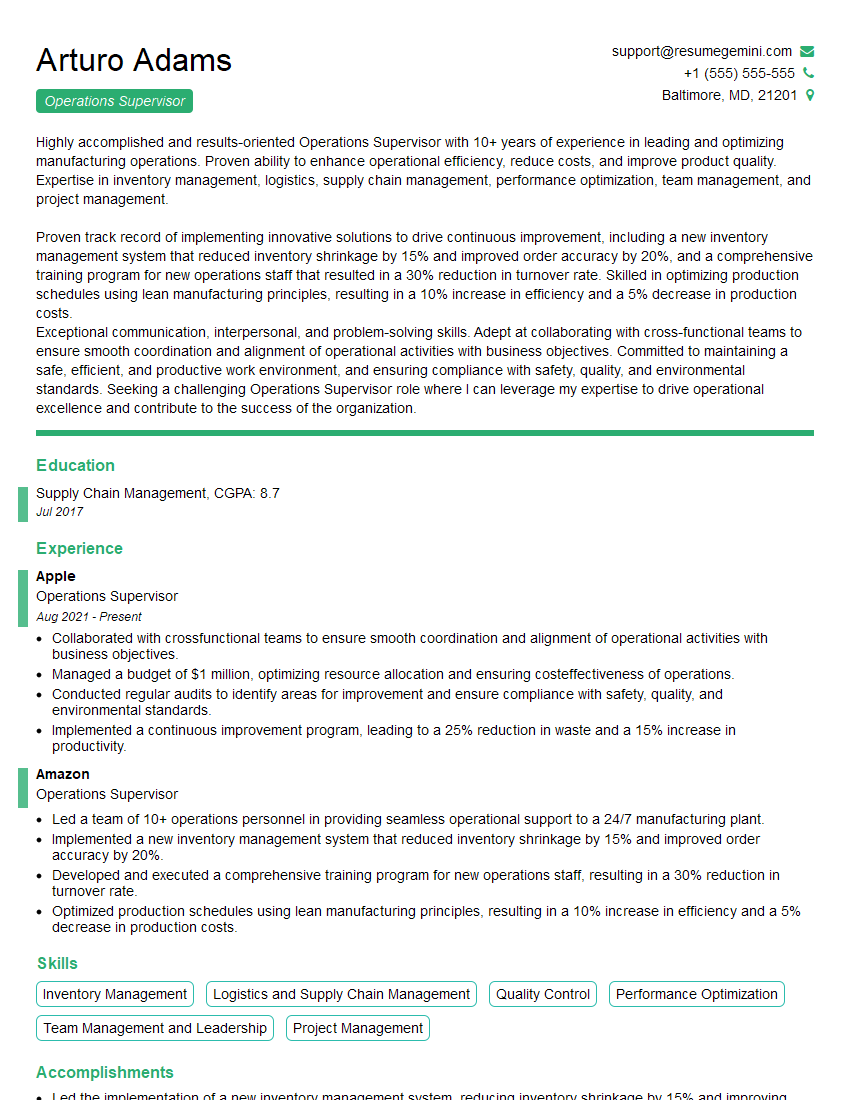
Operations Supervisor Resume Sample
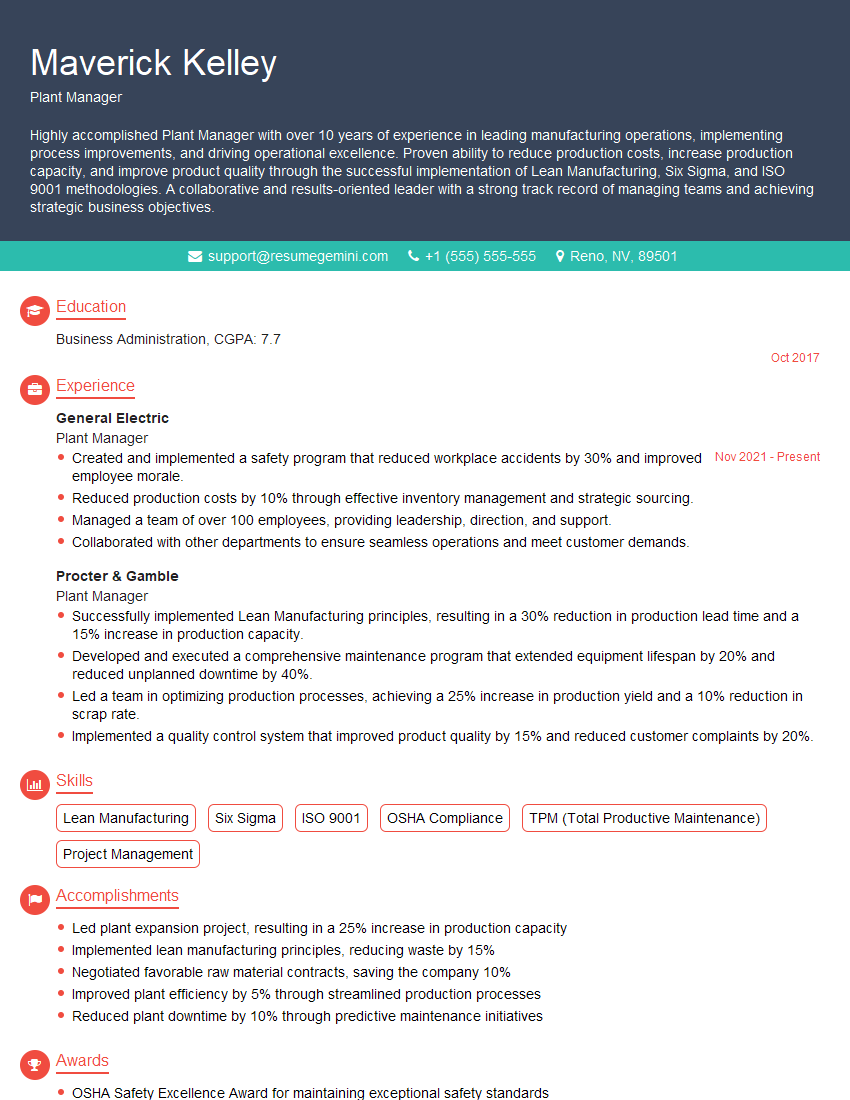
Plant Manager Resume Sample
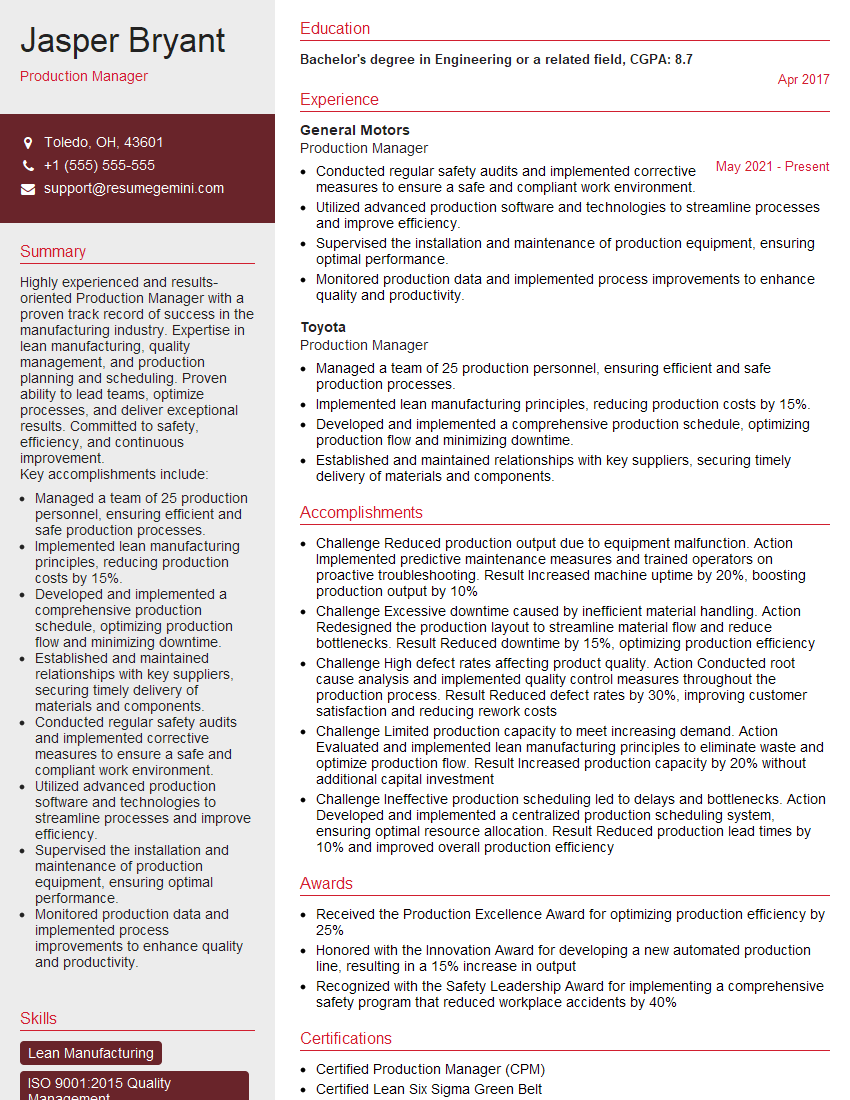
Production Manager Resume Sample
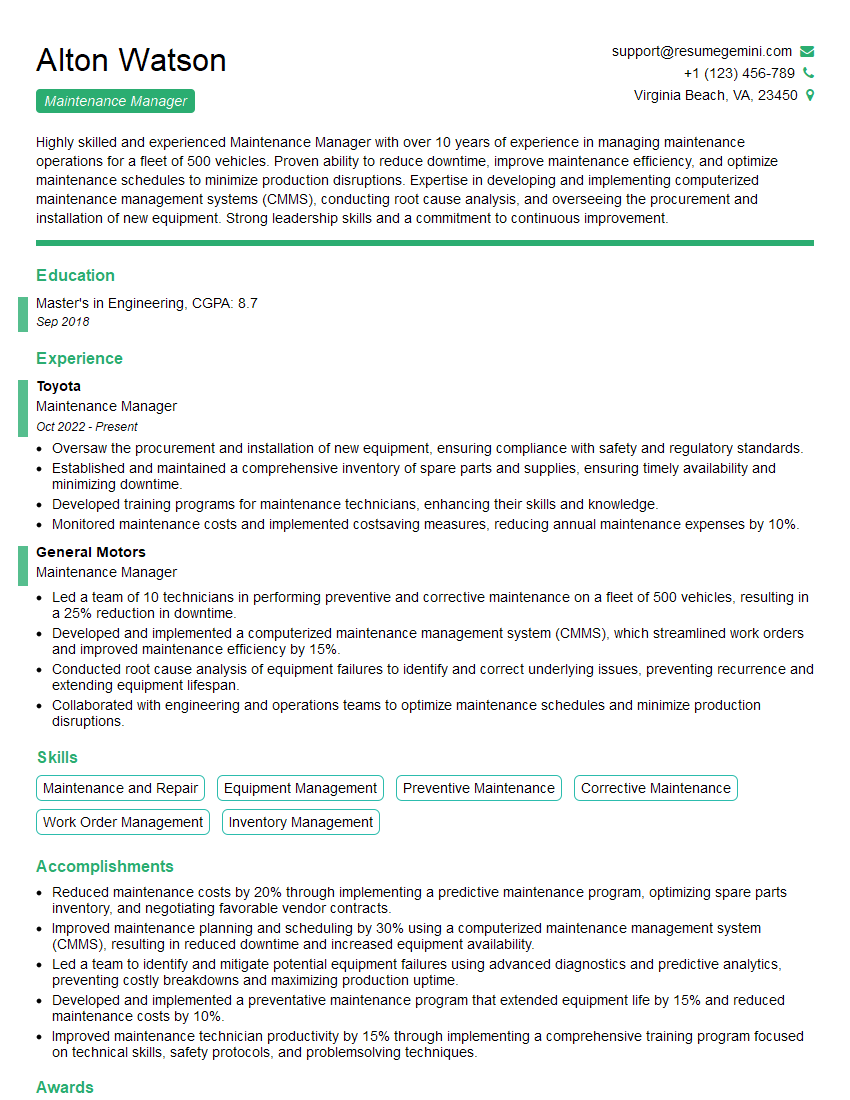
Maintenance Manager Resume Sample
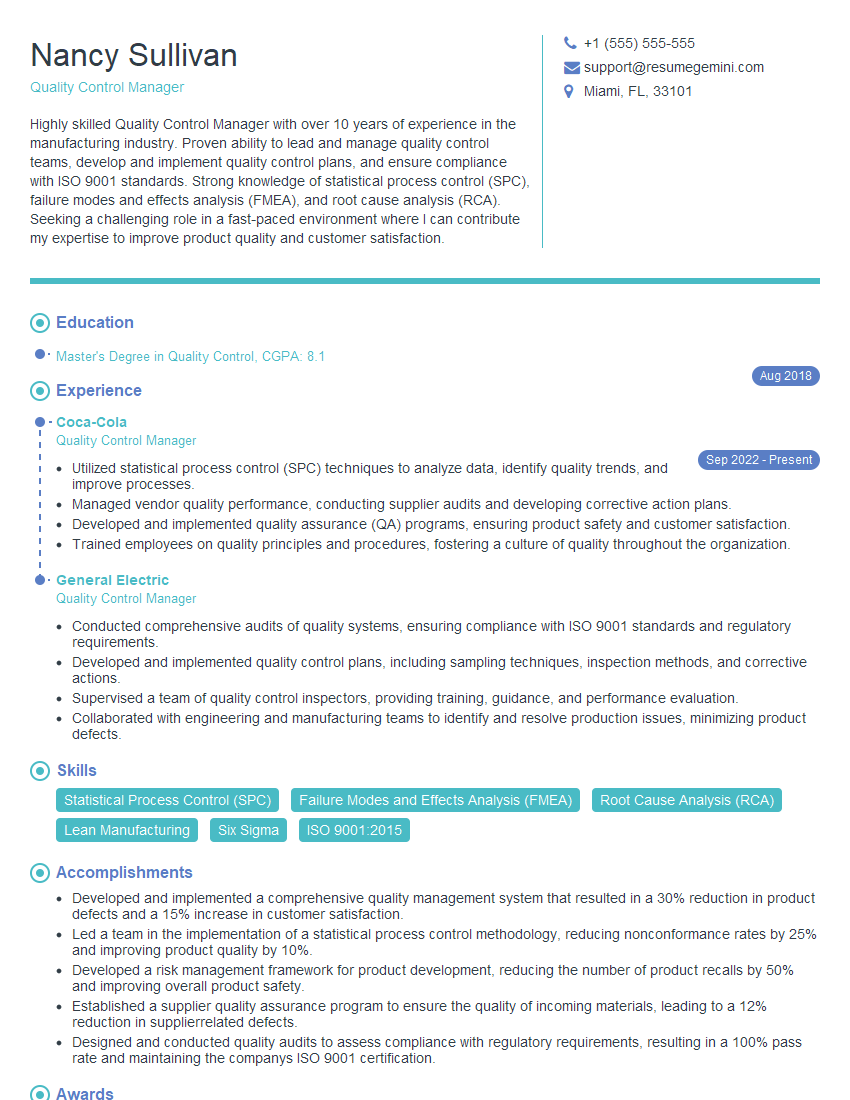
Quality Control Manager Resume Sample

Production Coordinator Resume Sample
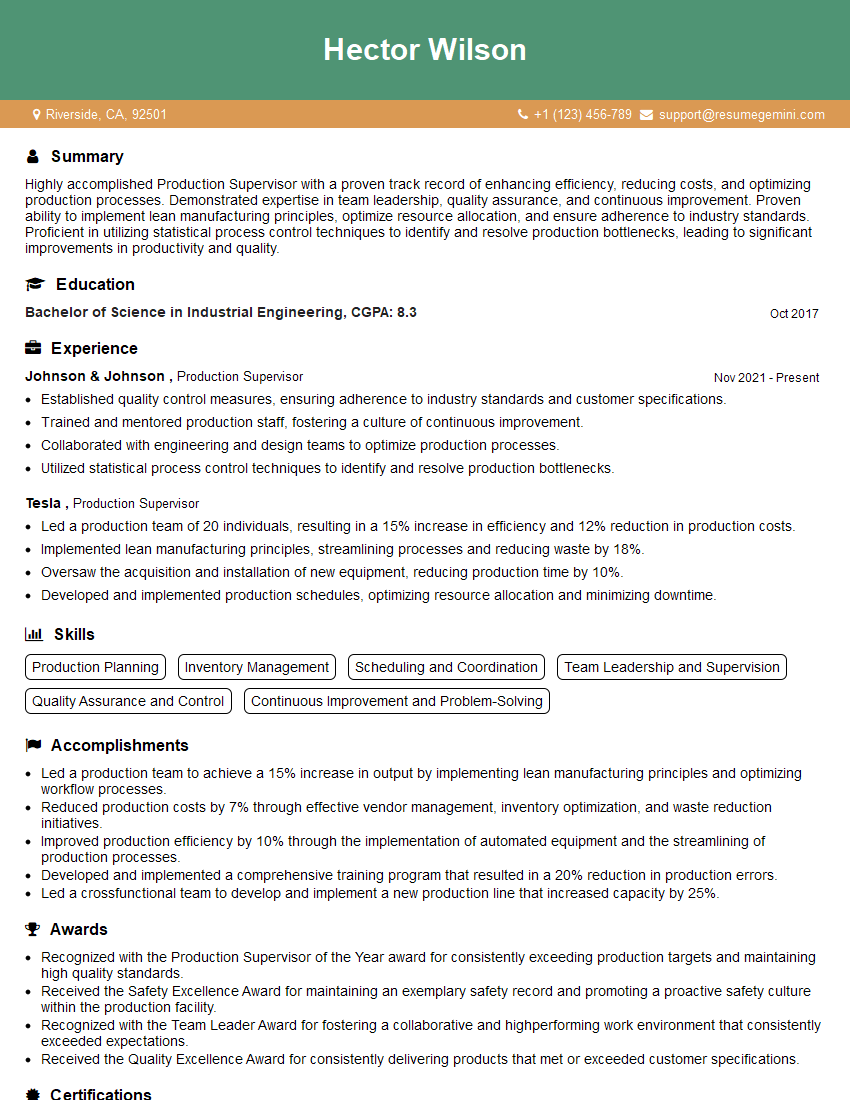
Production Supervisor Resume Sample
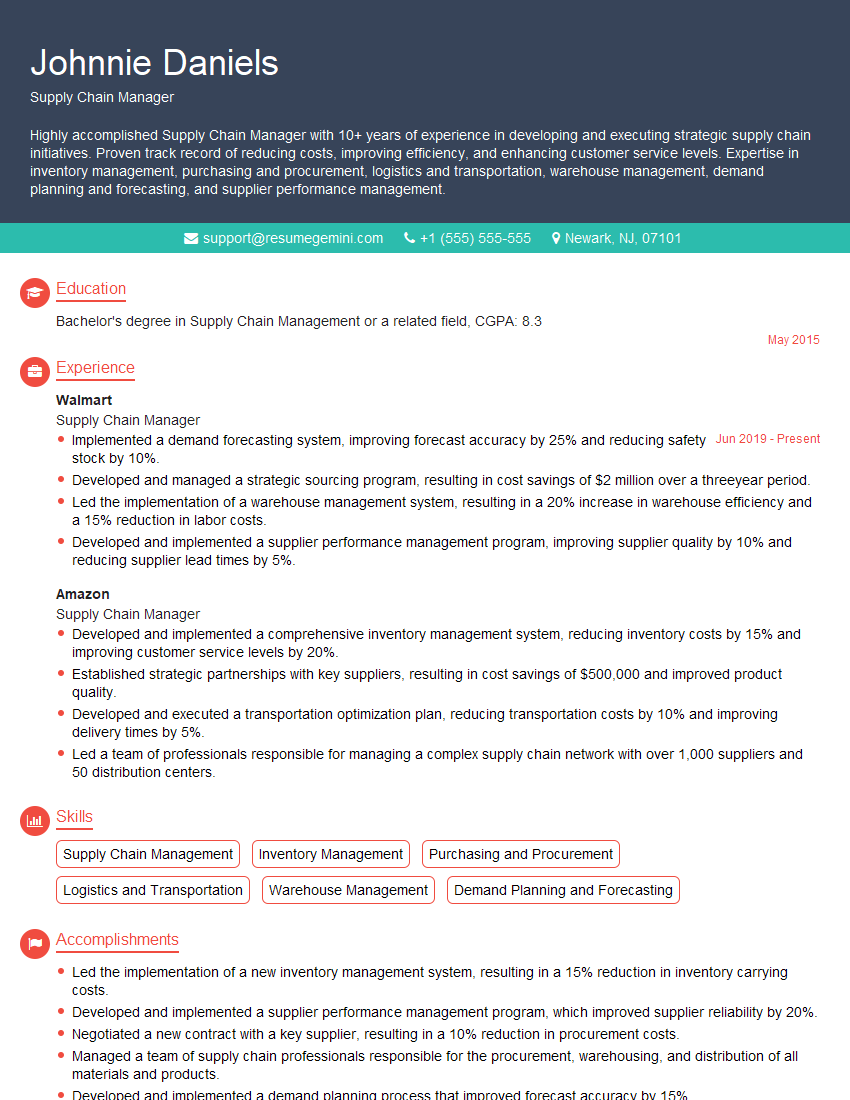
Supply Chain Manager Resume Sample
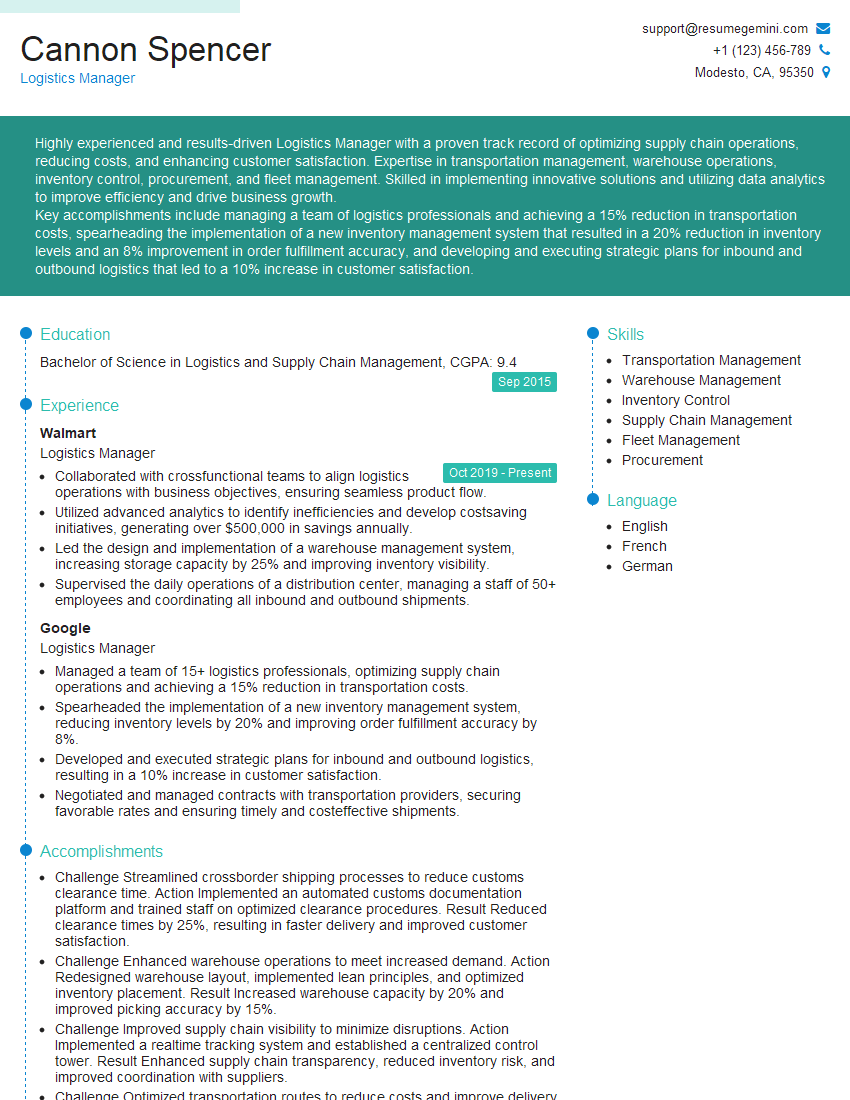
Logistics Manager Resume Sample
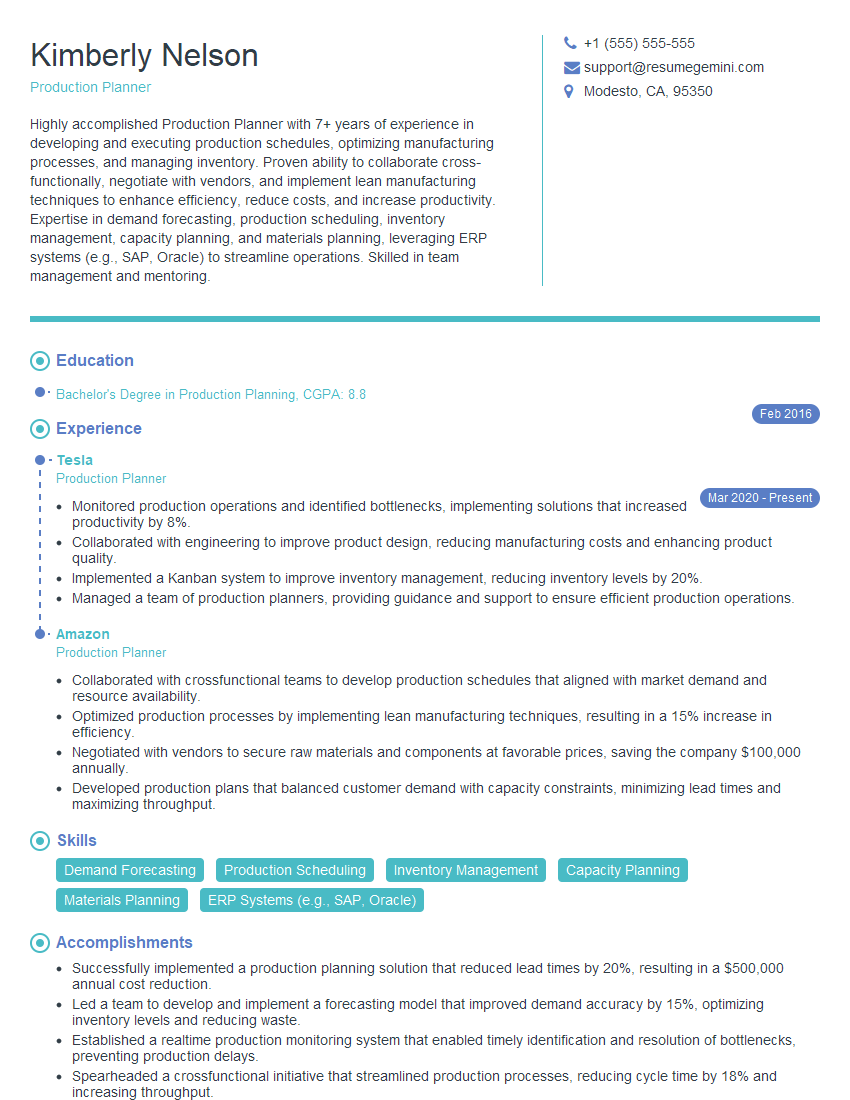
Production Planner Resume Sample
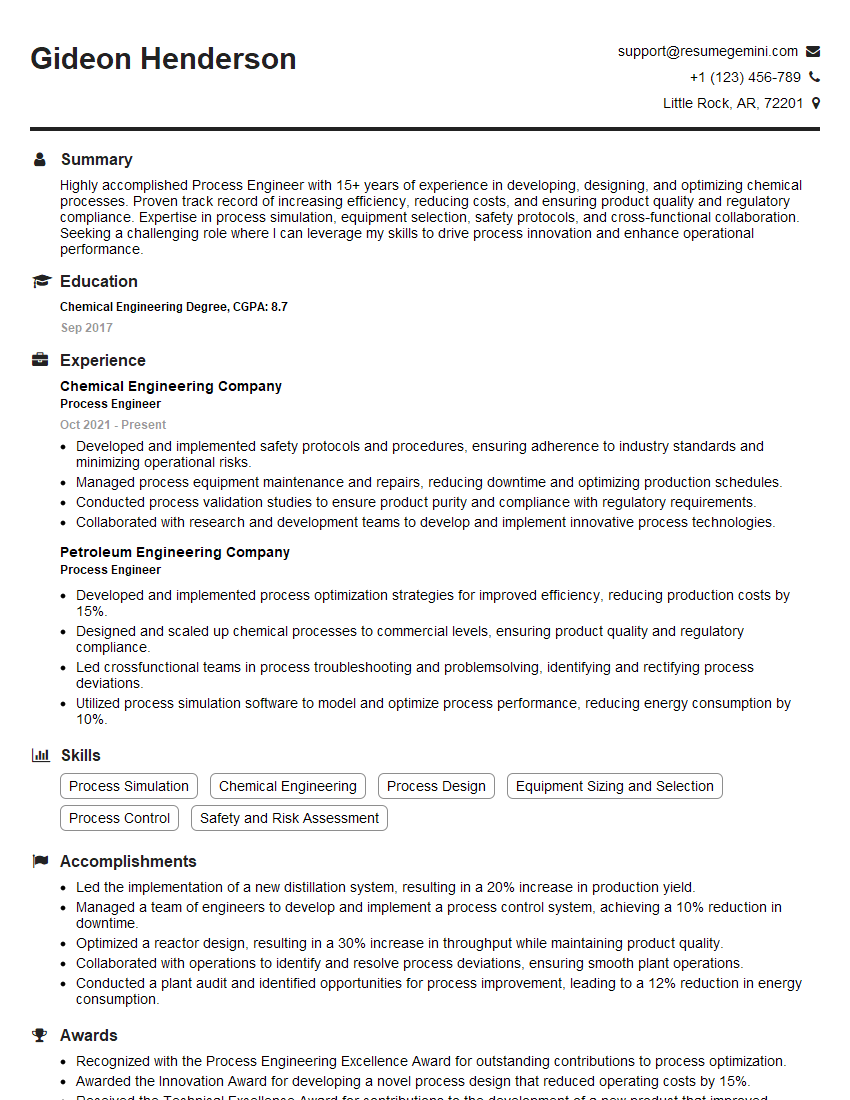
Process Engineer Resume Sample
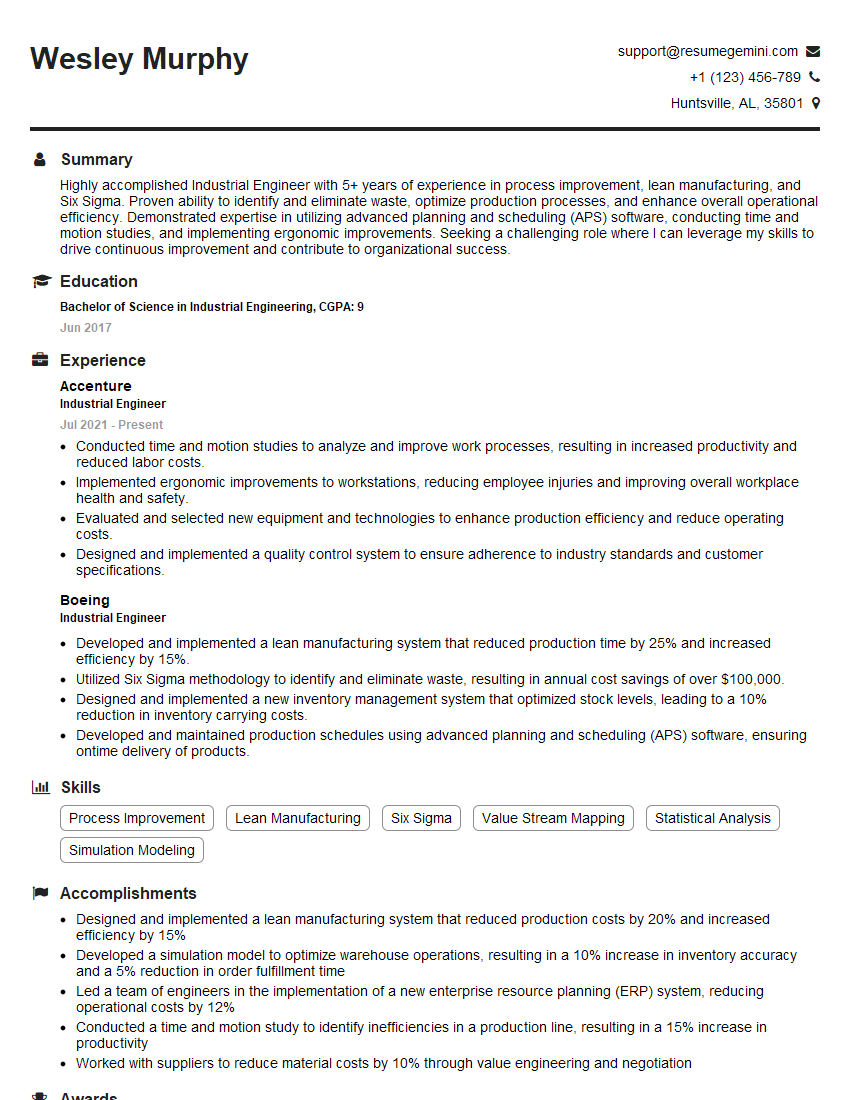
Industrial Engineer Resume Sample
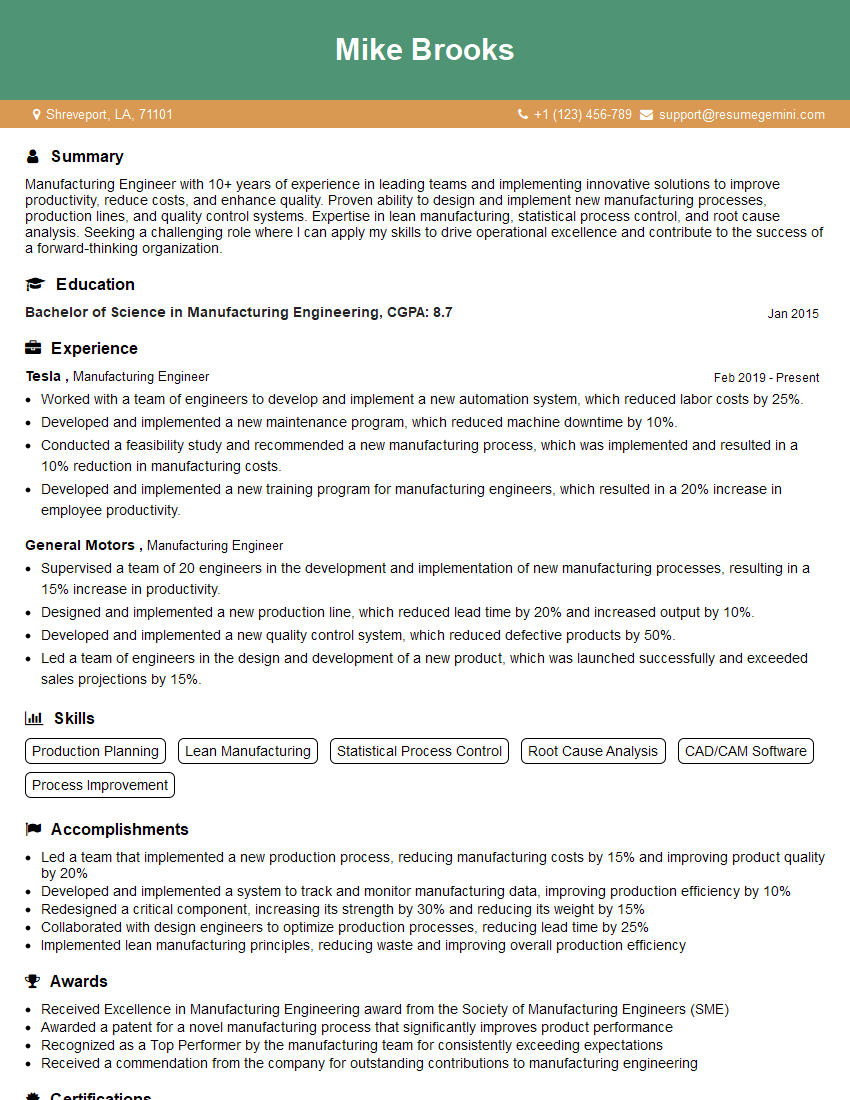
Manufacturing Engineer Resume Sample
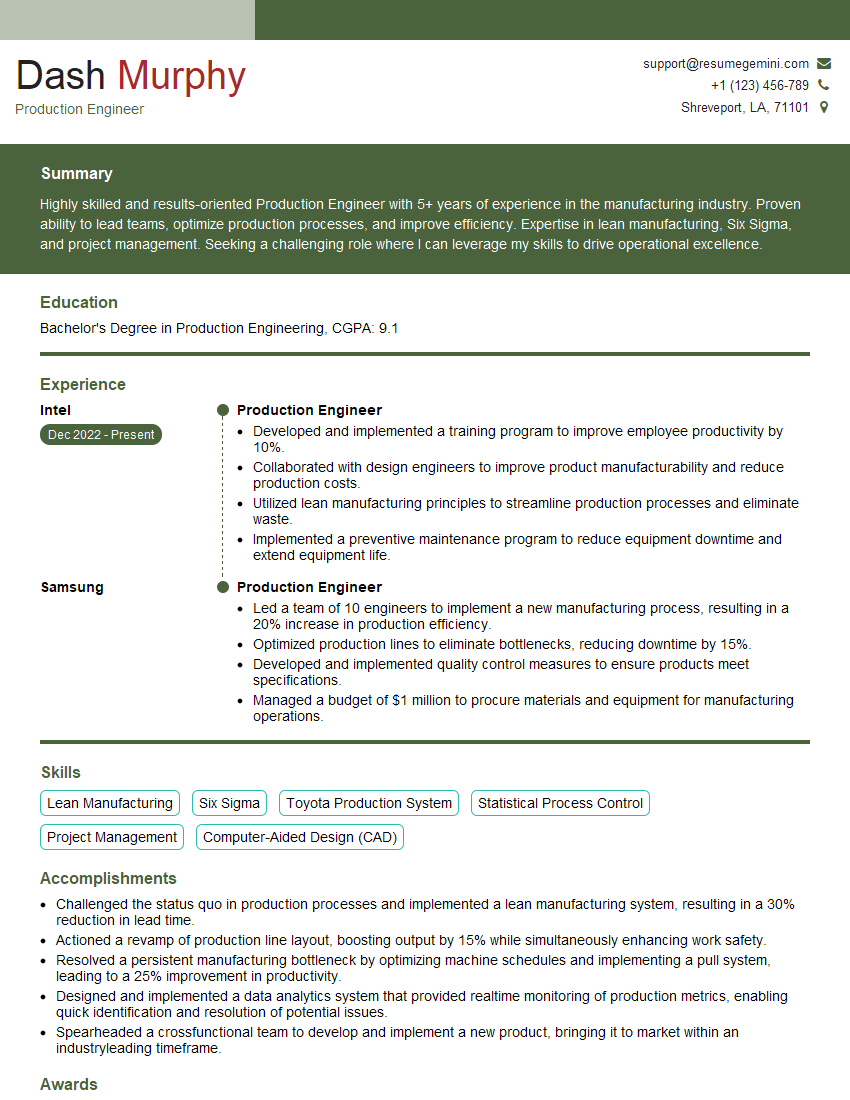
Production Engineer Resume Sample
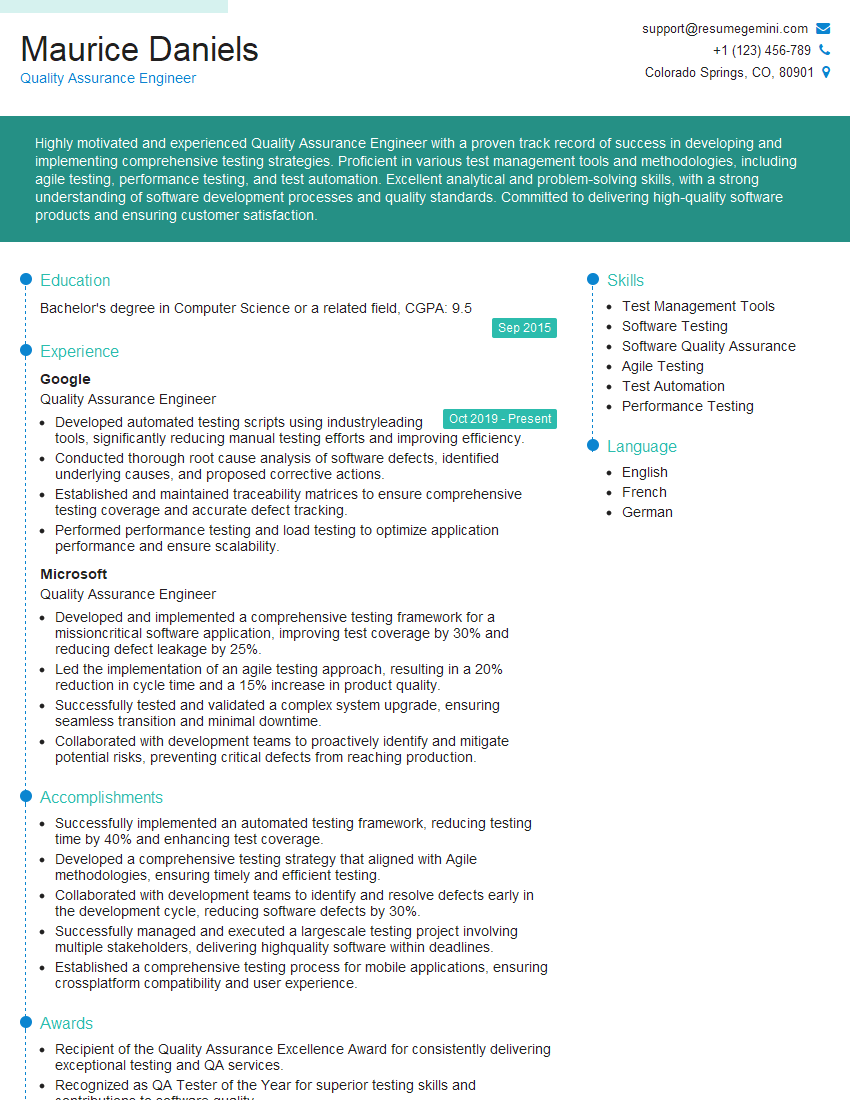
Quality Assurance Engineer Resume Sample
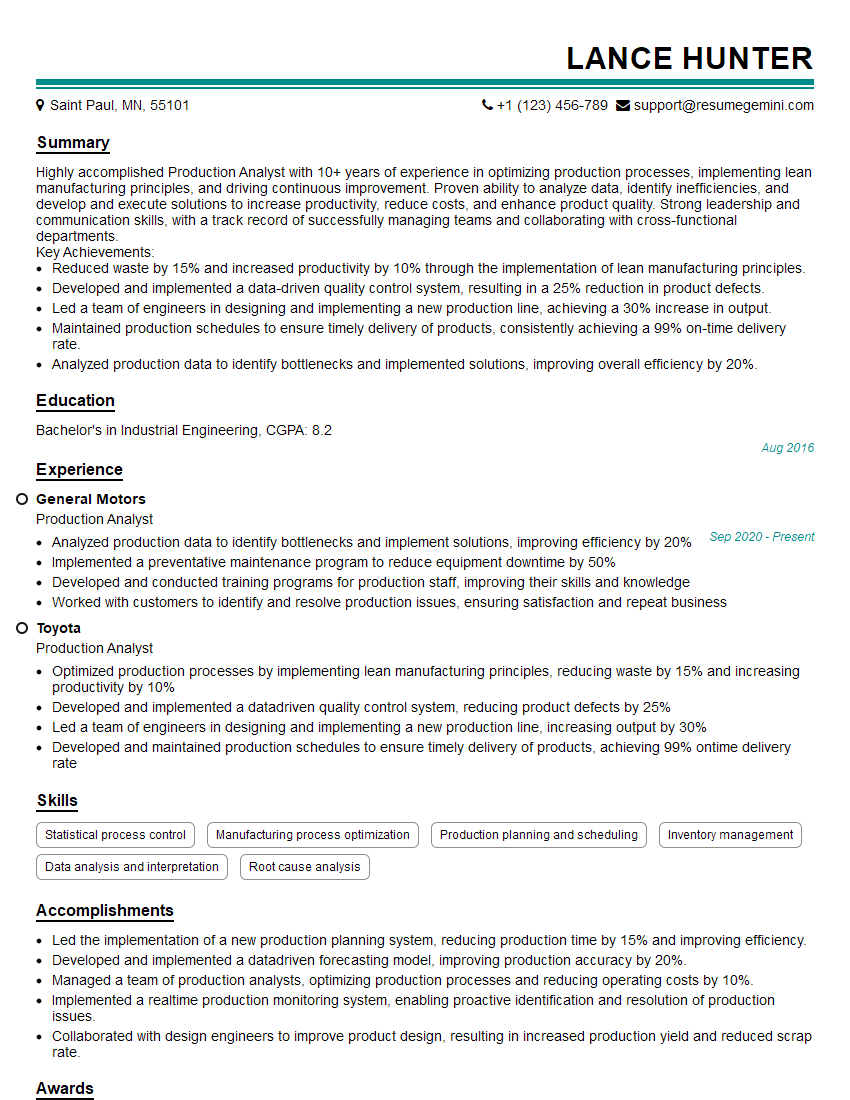
Production Analyst Resume Sample
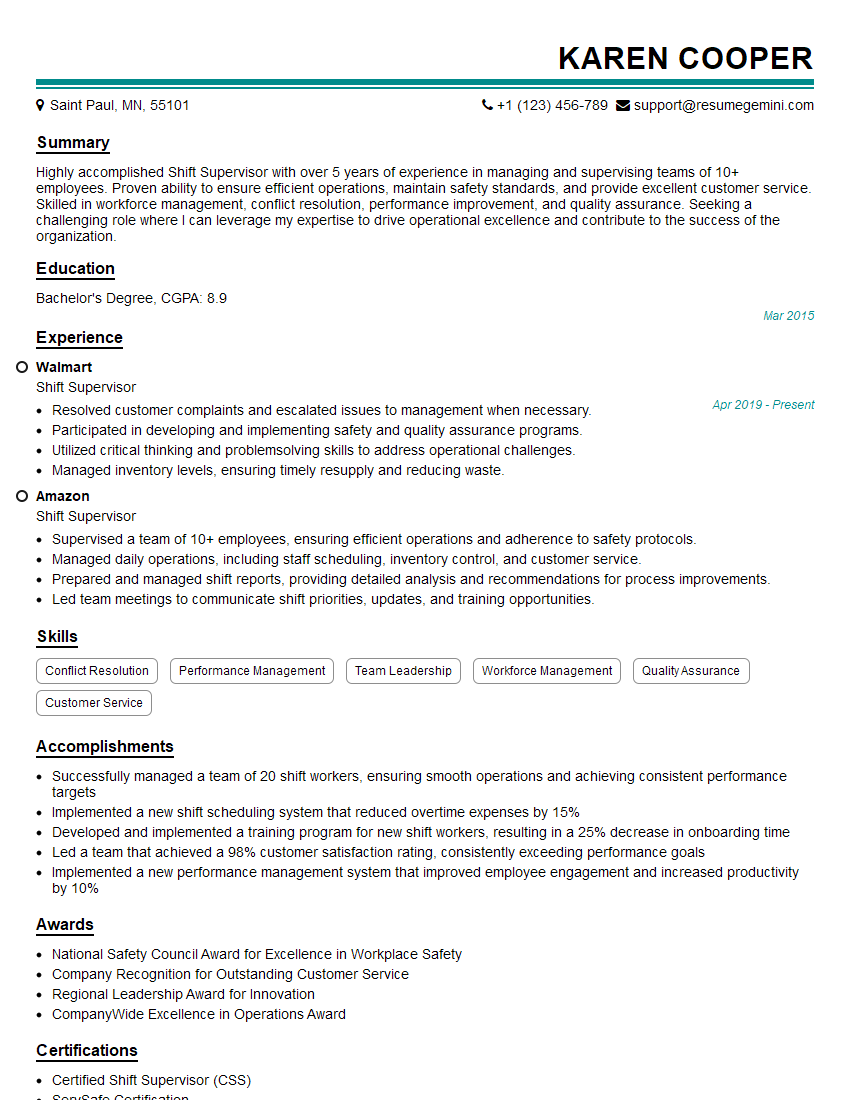
Shift Supervisor Resume Sample
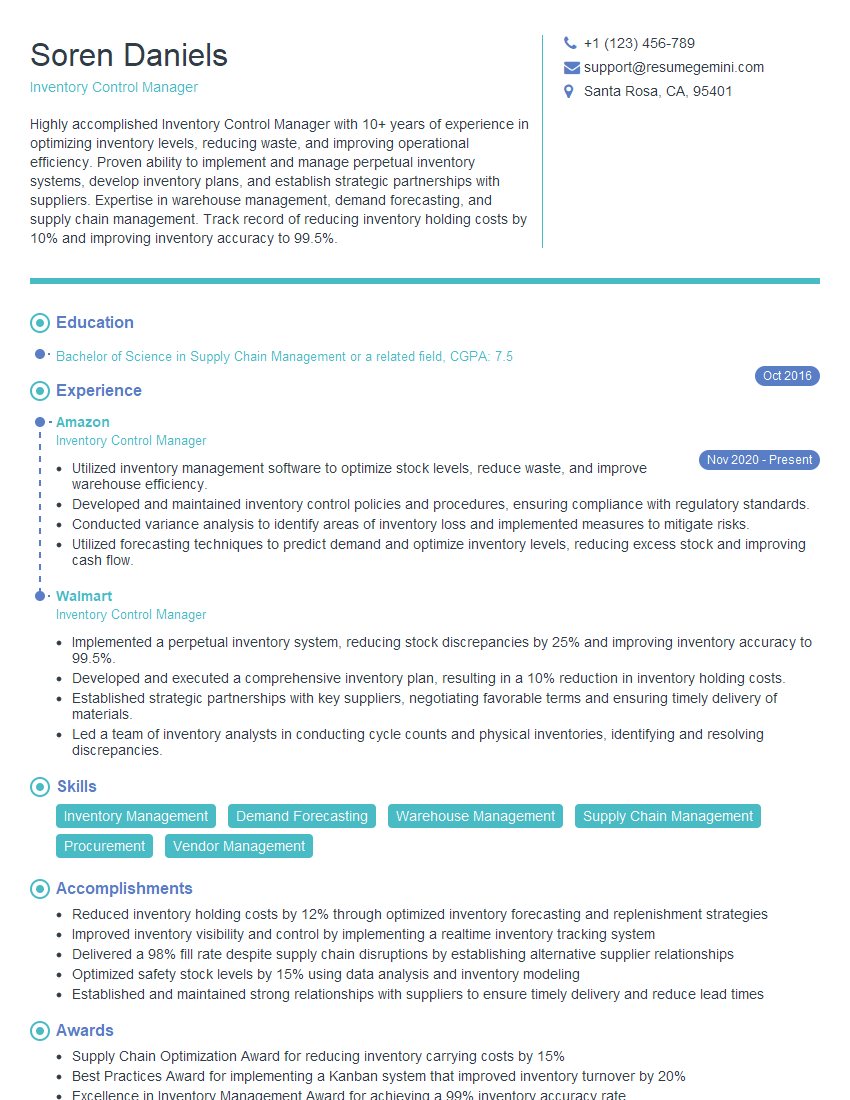
Inventory Control Manager Resume Sample
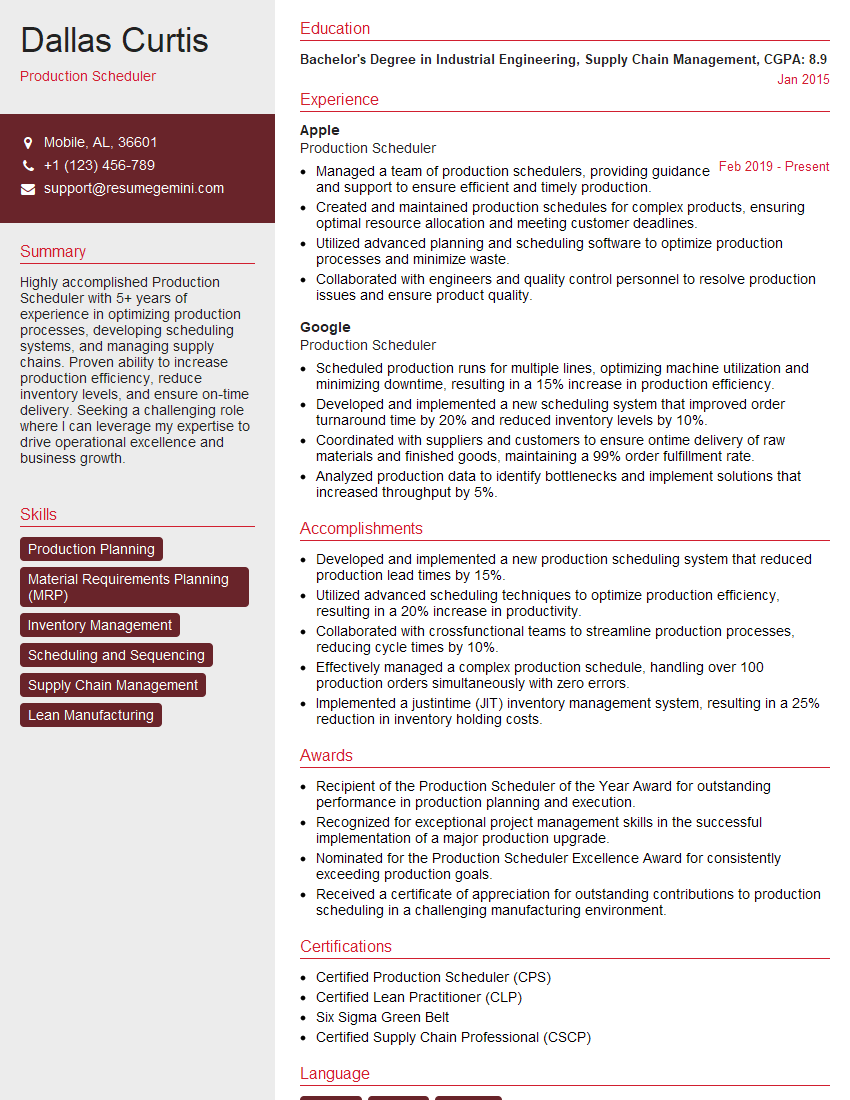
Production Scheduler Resume Sample
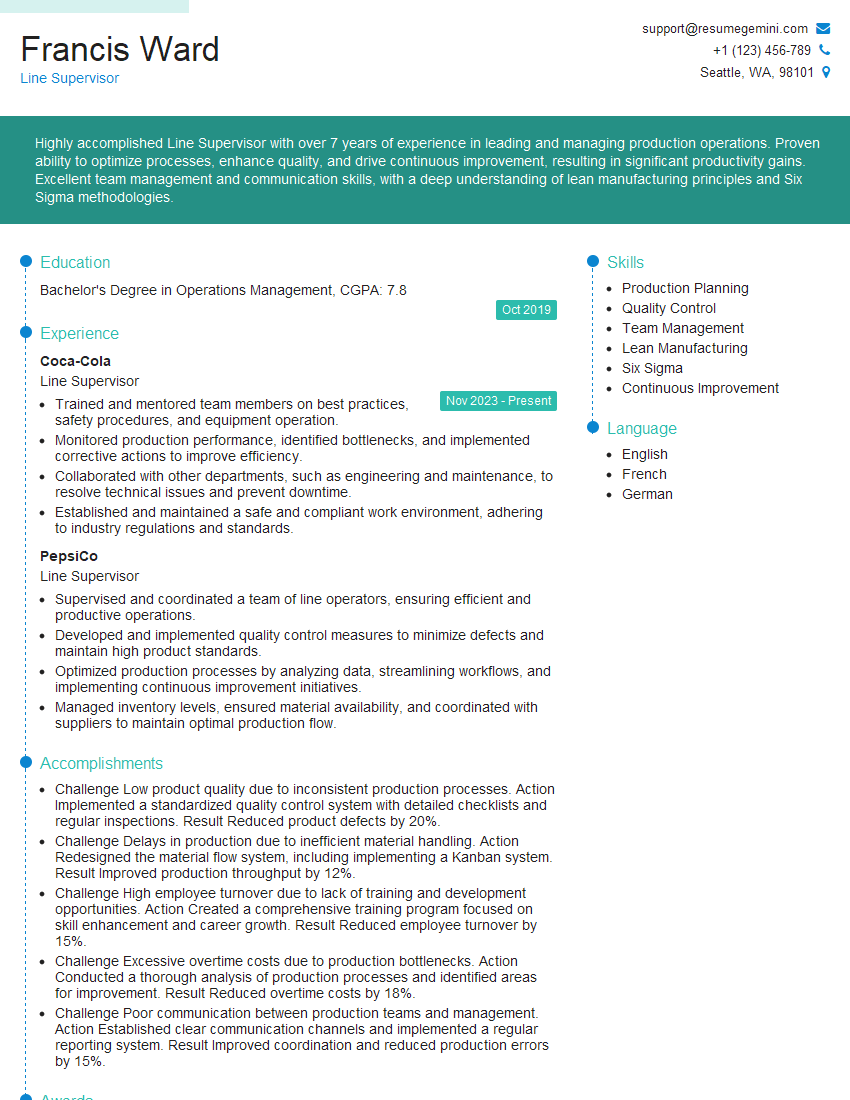
Line Supervisor Resume Sample
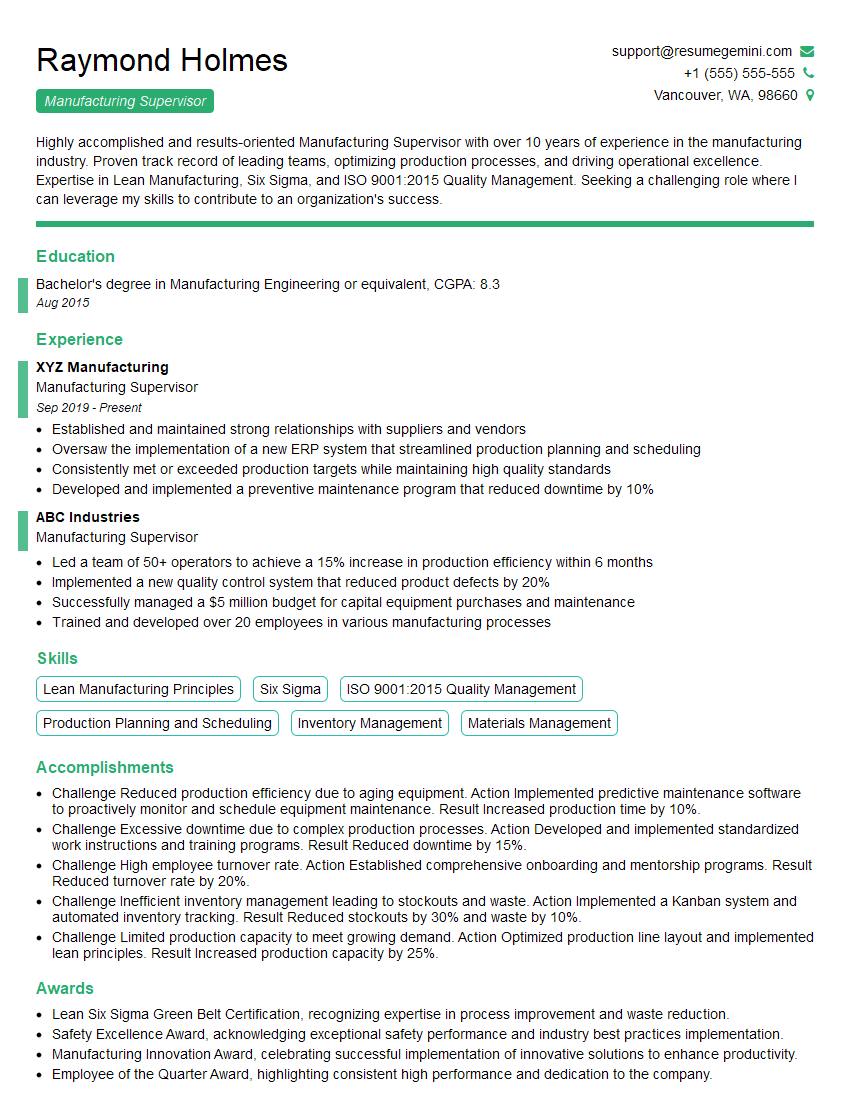
Manufacturing Supervisor Resume Sample
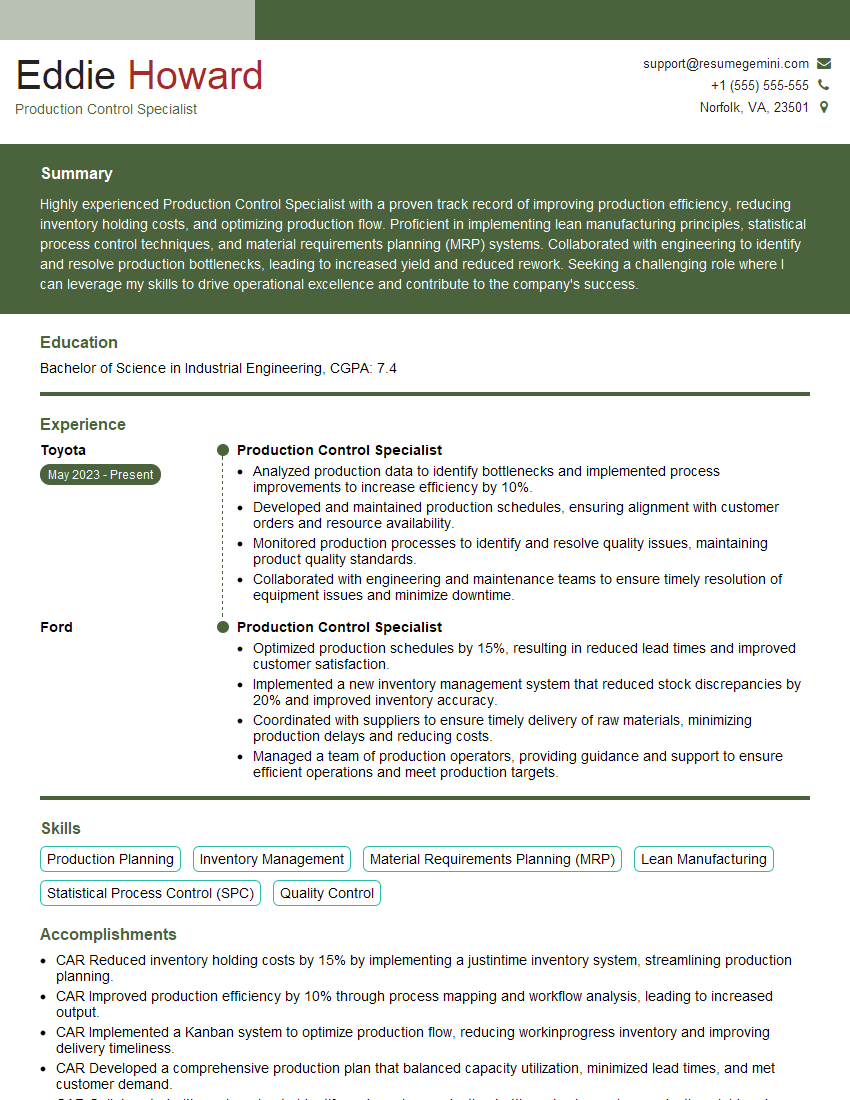
Production Control Specialist Resume Sample
- Operations Manager
- Operations Supervisor
- Plant Manager
- Production Manager
- Maintenance Manager
- Quality Control Manager
- Production Coordinator
- Production Supervisor
- Supply Chain Manager
- Logistics Manager
- Production Planner
- Process Engineer
- Industrial Engineer
- Manufacturing Engineer
- Production Engineer
- Quality Assurance Engineer
- Production Analyst
- Shift Supervisor
- Inventory Control Manager
- Production Scheduler
- Line Supervisor
- Manufacturing Supervisor
- Production Control Specialist
Explore more articles
Users Rating of Our Blogs
Share Your Experience
We value your feedback! Please rate our content and share your thoughts (optional).
What Readers Say About Our Blog
Very informative content, great job.
good